Bhaskar Agarwal | bhaskar@connectedots.org | +91 8240004793
Process + Methods for kickstarting observation mindset
Designing with
an designer’s mind
Deck 1 Set 1
Nature of Design Process
FormulaeMindSet
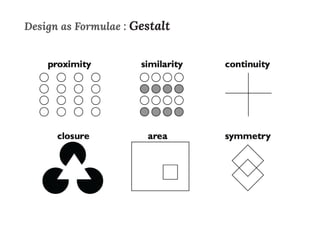
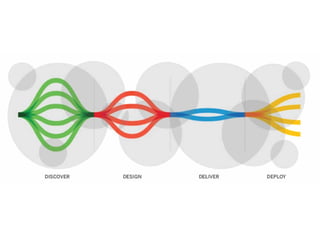
Design as Formulae : Gestalt
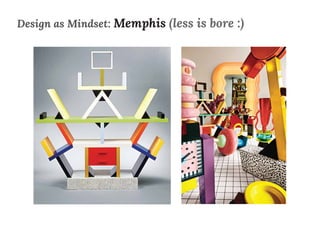
Design as Mindset: Memphis (less is bore :)
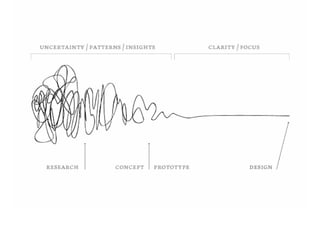
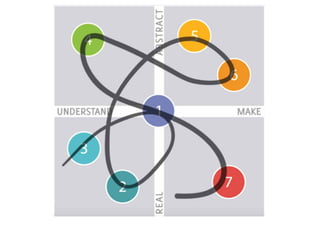
Many times work seem like 70% result of
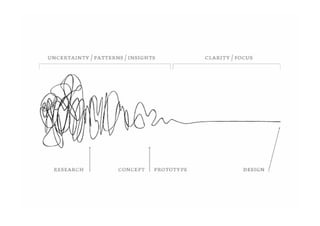
mindset. But the transition from fuzzy to
connected insight is less painful when the
chaos is better disciplined.
The observation mindset is futher finetuned,
if workflow is 70% formulae: by channelizing
the potential tangents into a structured
rhythm.
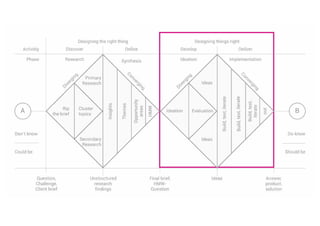
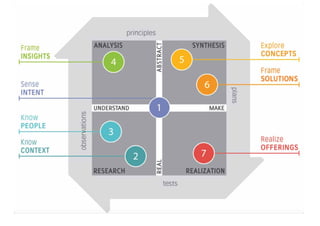
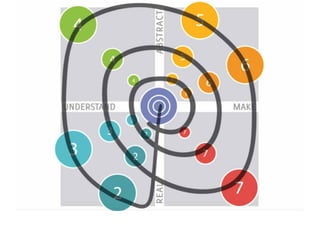
Real
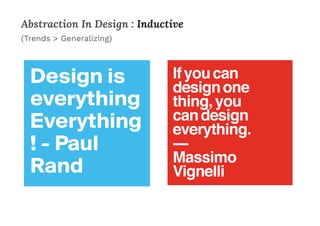
Abstraction In Design : Inductive
(Trends > Generalizing)
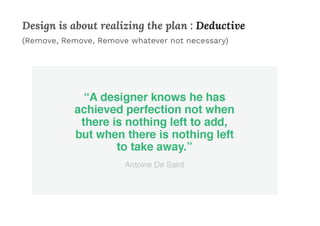
(Remove, Remove, Remove whatever not necessary)
Design is about realizing the plan : Deductive
“It took me a few
seconds to draw
it, but it took me
34 years to learn
how to draw it in
a few seconds.”
- Paula Scher
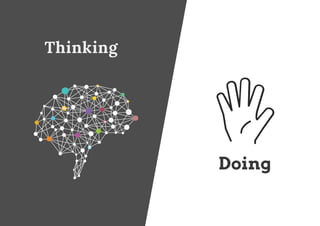
Doing
Thinking
Early into the pro-
cess it is thinking
activity, As we ap-
proch nearer to the
deadline it becomes
a doing activity
70% into the timeline: still
floating with thoughts..
At 90% you have a panic
attack
5% to the deadline: Even
the noise in background is
now helpful in productivity
When done, thought of a
better solution. Got to redo.
What is the Designer’s Way?
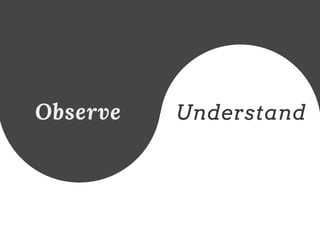
Observe Understand
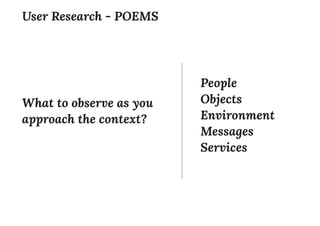
People
Objects
Environment
Messages
Services
User Research - POEMS
What to observe as you
approach the context?
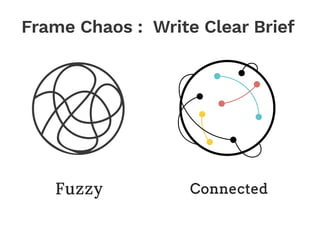
Fuzzy Connected
Frame Chaos : Write Clear Brief
Deck 2 Set 1
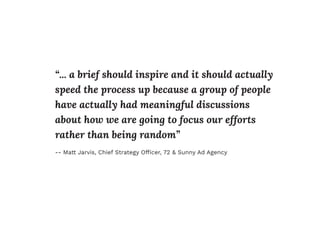
“... a brief should inspire and it should actually
speed the process up because a group of people
have actually had meaningful discussions
about how we are going to focus our efforts
rather than being random”
-- Matt Jarvis, Chief Strategy Officer, 72 & Sunny Ad Agency
Sense
INTENT
“The most interesting statement in
your brief is not realized, we are
always on quest...”
Fine Tune Your Observation
Realize
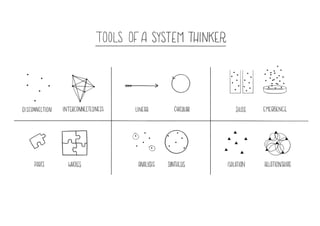
System
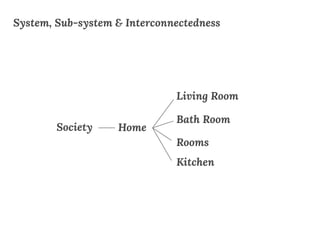
System, Sub-system & Interconnectedness
HomeSociety
Living Room
Bath Room
Rooms
Kitchen
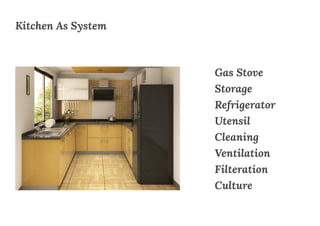
Kitchen As System
Gas Stove
Storage
Refrigerator
Utensil
Cleaning
Ventilation
Filteration
Culture
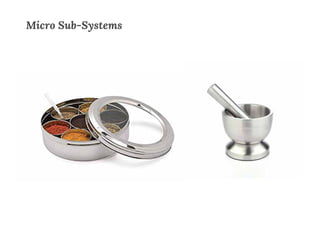
Micro Sub-Systems
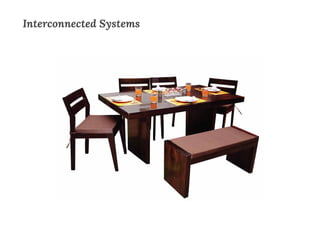
Interconnected Systems
Services
Culture & Changes
Deck 2 Set 2
What methods will come handy
as we approach field work?
Tools for : Research • Analysis • Synthesis
Visual Research Tool : Photographs
How to use Photographs to
capture People’s Experience?
Journaling
Interviewing
Surveying
Photo journaling is an approach that would
be familiar to most travelers who have put
together a scrapbook, slide show, or video
show of a trip.
Here, users take pictures or videos of their experience and
create a journal that records what or who they observed, why
they took a specific image, and what the image meant to them.
Photo interviewing uses photographs
as the basis of a depth-interview process.
The visual images open the way for deeper
reflection and discussion during the inter-
view.
e.g.
- The respondent might be asked to pick image of most memora
ble moment in the user journey.
- Respondents may be asked to discuss a certain set of photos
- Might be asked for what is missing but is still in their memories
Photo surveying incorporates photos into
a survey format. Here the photos can be
rated or ranked according to some criterion,
such as "liked best" to "liked least."
• What elements of a designed environment make a sig-
nificant impression on consumers?
• What types of meaning do User’s infer from the visual
images?
• How can images be related to other quantitative mea-
sures such as User’s overall satisfaction with the expe-
rience or intent to return?
• What can we learn through photographs that would
not have been revealed through other methods?
Analysis with photography as technique
Analysis Method : Brainstorming
How to brainstorm
better as designer?
Build on others’ ideas
Stay visual
Juxtapose unrelated areas
Encourage diverse participation
Involve experts & users
Encourage ideas
Set Time
People
Objects
Environment
Messages
Services
User Research - POEMS
What to observe as you
approach the context?
Don’t just be the problem finder.
It’s relatively easier to spot errors.
Though uncommon, but positive
cherishing could also be a strong
research approach.
Visual Synthesis Tool : Drawing
How to use drawing as
the way of thinking?
Story Telling
Non Verbal
Emotions
Realize Abstraction
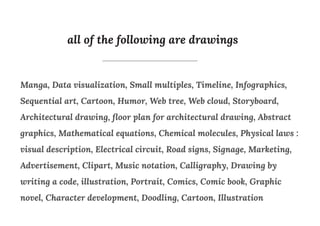
all of the following are drawings
Manga, Data visualization, Small multiples, Timeline, Infographics,
Sequential art, Cartoon, Humor, Web tree, Web cloud, Storyboard,
Architectural drawing, floor plan for architectural drawing, Abstract
graphics, Mathematical equations, Chemical molecules, Physical laws :
visual description, Electrical circuit, Road signs, Signage, Marketing,
Advertisement, Clipart, Music notation, Calligraphy, Drawing by
writing a code, illustration, Portrait, Comics, Comic book, Graphic
novel, Character development, Doodling, Cartoon, Illustration
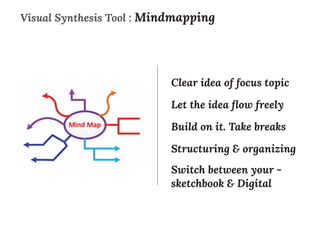
Visual Synthesis Tool : Mindmapping
Clear idea of focus topic
Let the idea flow freely
Build on it. Take breaks
Structuring & organizing
Switch between your -
sketchbook & Digital
Deck 2 Set 3
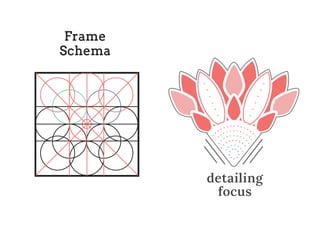
detailing
focus
Frame
Schema
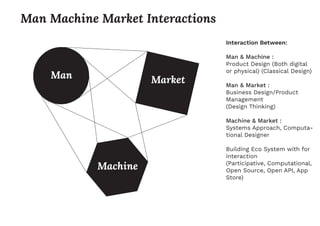
Man Machine Market Interactions
Interaction Between:
Man & Machine :
Product Design (Both digital
or physical) (Classical Design)
Man & Market :
Business Design/Product
Management
(Design Thinking)
Machine & Market :
Systems Approach, Computa-
tional Designer
Building Eco System with for
interaction
(Participative, Computational,
Open Source, Open API, App
Store)
MarketMan
Machine
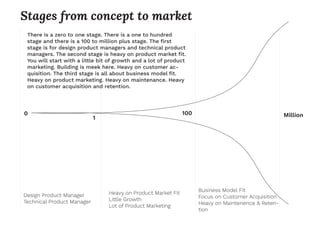
There is a zero to one stage. There is a one to hundred
stage and there is a 100 to million plus stage. The first
stage is for design product managers and technical product
managers. The second stage is heavy on product market fit.
You will start with a little bit of growth and a lot of product
marketing. Building is meek here. Heavy on customer ac-
quisition. The third stage is all about business model fit.
Heavy on product marketing. Heavy on maintenance. Heavy
on customer acquisition and retention.
Design Product Manager
Technical Product Manager
Heavy on Product Market Fit
Little Growth
Lot of Product Marketing
Business Model Fit
Focus on Customer Acquisition
Heavy on Maintenence & Reten-
tion
0
1
100 Million
Stages from concept to market
Deck 3
Process
Misc.
Cognitive Science
Biological Computation
bhaskar@form.care | +91 8376870456

Design Mind

  • 1.
    Bhaskar Agarwal |bhaskar@connectedots.org | +91 8240004793 Process + Methods for kickstarting observation mindset Designing with an designer’s mind
  • 2.
  • 3.
  • 4.
  • 5.
  • 6.
    Design as Mindset:Memphis (less is bore :)
  • 7.
    Many times workseem like 70% result of mindset. But the transition from fuzzy to connected insight is less painful when the chaos is better disciplined. The observation mindset is futher finetuned, if workflow is 70% formulae: by channelizing the potential tangents into a structured rhythm.
  • 8.
  • 9.
    Abstraction In Design: Inductive (Trends > Generalizing)
  • 10.
    (Remove, Remove, Removewhatever not necessary) Design is about realizing the plan : Deductive
  • 11.
    “It took mea few seconds to draw it, but it took me 34 years to learn how to draw it in a few seconds.” - Paula Scher
  • 12.
  • 13.
    Early into thepro- cess it is thinking activity, As we ap- proch nearer to the deadline it becomes a doing activity 70% into the timeline: still floating with thoughts.. At 90% you have a panic attack 5% to the deadline: Even the noise in background is now helpful in productivity When done, thought of a better solution. Got to redo.
  • 14.
    What is theDesigner’s Way?
  • 15.
  • 16.
    People Objects Environment Messages Services User Research -POEMS What to observe as you approach the context?
  • 18.
    Fuzzy Connected Frame Chaos: Write Clear Brief
  • 19.
  • 20.
    “... a briefshould inspire and it should actually speed the process up because a group of people have actually had meaningful discussions about how we are going to focus our efforts rather than being random” -- Matt Jarvis, Chief Strategy Officer, 72 & Sunny Ad Agency
  • 21.
  • 22.
    “The most interestingstatement in your brief is not realized, we are always on quest...”
  • 23.
    Fine Tune YourObservation
  • 24.
  • 25.
    System, Sub-system &Interconnectedness HomeSociety Living Room Bath Room Rooms Kitchen
  • 26.
    Kitchen As System GasStove Storage Refrigerator Utensil Cleaning Ventilation Filteration Culture
  • 27.
  • 28.
  • 29.
  • 30.
  • 31.
  • 32.
    What methods willcome handy as we approach field work? Tools for : Research • Analysis • Synthesis
  • 33.
    Visual Research Tool: Photographs How to use Photographs to capture People’s Experience? Journaling Interviewing Surveying
  • 34.
    Photo journaling isan approach that would be familiar to most travelers who have put together a scrapbook, slide show, or video show of a trip. Here, users take pictures or videos of their experience and create a journal that records what or who they observed, why they took a specific image, and what the image meant to them.
  • 35.
    Photo interviewing usesphotographs as the basis of a depth-interview process. The visual images open the way for deeper reflection and discussion during the inter- view. e.g. - The respondent might be asked to pick image of most memora ble moment in the user journey. - Respondents may be asked to discuss a certain set of photos - Might be asked for what is missing but is still in their memories
  • 36.
    Photo surveying incorporatesphotos into a survey format. Here the photos can be rated or ranked according to some criterion, such as "liked best" to "liked least."
  • 37.
    • What elementsof a designed environment make a sig- nificant impression on consumers? • What types of meaning do User’s infer from the visual images? • How can images be related to other quantitative mea- sures such as User’s overall satisfaction with the expe- rience or intent to return? • What can we learn through photographs that would not have been revealed through other methods? Analysis with photography as technique
  • 38.
    Analysis Method :Brainstorming How to brainstorm better as designer? Build on others’ ideas Stay visual Juxtapose unrelated areas Encourage diverse participation Involve experts & users Encourage ideas Set Time
  • 39.
    People Objects Environment Messages Services User Research -POEMS What to observe as you approach the context?
  • 41.
    Don’t just bethe problem finder. It’s relatively easier to spot errors. Though uncommon, but positive cherishing could also be a strong research approach.
  • 43.
    Visual Synthesis Tool: Drawing How to use drawing as the way of thinking? Story Telling Non Verbal Emotions Realize Abstraction
  • 44.
    all of thefollowing are drawings Manga, Data visualization, Small multiples, Timeline, Infographics, Sequential art, Cartoon, Humor, Web tree, Web cloud, Storyboard, Architectural drawing, floor plan for architectural drawing, Abstract graphics, Mathematical equations, Chemical molecules, Physical laws : visual description, Electrical circuit, Road signs, Signage, Marketing, Advertisement, Clipart, Music notation, Calligraphy, Drawing by writing a code, illustration, Portrait, Comics, Comic book, Graphic novel, Character development, Doodling, Cartoon, Illustration
  • 45.
    Visual Synthesis Tool: Mindmapping Clear idea of focus topic Let the idea flow freely Build on it. Take breaks Structuring & organizing Switch between your - sketchbook & Digital
  • 46.
  • 48.
  • 49.
    Man Machine MarketInteractions Interaction Between: Man & Machine : Product Design (Both digital or physical) (Classical Design) Man & Market : Business Design/Product Management (Design Thinking) Machine & Market : Systems Approach, Computa- tional Designer Building Eco System with for interaction (Participative, Computational, Open Source, Open API, App Store) MarketMan Machine
  • 50.
    There is azero to one stage. There is a one to hundred stage and there is a 100 to million plus stage. The first stage is for design product managers and technical product managers. The second stage is heavy on product market fit. You will start with a little bit of growth and a lot of product marketing. Building is meek here. Heavy on customer ac- quisition. The third stage is all about business model fit. Heavy on product marketing. Heavy on maintenance. Heavy on customer acquisition and retention. Design Product Manager Technical Product Manager Heavy on Product Market Fit Little Growth Lot of Product Marketing Business Model Fit Focus on Customer Acquisition Heavy on Maintenence & Reten- tion 0 1 100 Million Stages from concept to market
  • 52.
  • 53.
  • 60.
  • 61.
  • 64.