DEPARTMENT OF CLINICAL PHARMACY
UNIVERSITY OF CALABAR TEACHING
HOSPITAL, CALABAR
An Overview
Our Vision
• Our vision is to develop these sub-
specializations in pharmaceutical care:
– Pediatric pharmaceutical care
– Cardiovascular and renal pharmaceutical care
– Tropical diseases pharmaceutical care
– HIV/AIDS pharmaceutical care
– Reproduction health pharmaceutical care
– Oncology pharmaceutical care
– Geriatric pharmaceutical care
– Endocrine pharmaceutical care
Our Mission
• Our mission is to ensure that in the next
five years, Department of Pharmacy,
UCTH becomes a center of excellence in
these sub-specialization areas in
pharmaceutical care.
Steps involved in Clinical Assessment of Patients
Steps:
1. History taking
2. Physical examination
3. Developing a working diagnosis
4. This step involves obtaining supportive information. This is usually
laboratory data for differential diagnosis.
5. Developing a final diagnosis
6. Treatment initiation - This could be of two types
(a) non-drug treatment (surgery, radiotherapy, education,
physiotherapy, etc).
b) Drug treatment (use rational drug therapy principles).
7. Evaluation of treatment and follow up (ongoing evaluation of treatment
and potential side effects of medications).
What is the purpose of Patient Assessment?
The purpose is to treat patient assessment as a tool in the
delivery of pharmaceutical care.
Steps involved in the Provision of Pharmaceutical Care
Steps:
1: Establish a therapeutic relationship with the patient
(professional relationship).
2: Collect patient’s specific data. (both subjective and
objective data) - These can be obtained from patients’ case
notes and from oral interviews with the patients.
3: Evaluate data to identify health and drug - related problems
and classify them.(Here, we have 7 major classifications
with 33 descriptions as drug therapy problems)
4: develop and implement pharmaceutical care plan
(Pharmacist’s intervention).
• Goals: These must be achievable, measurable and
realistic(Set short-term and long-term goals)
• Care Plan (i) patient-focused (ii) Drug-focused.
5:Monitor and follow-up (outcome measurement)
• Monitor objective parameters(these are obtained
from laboratory investigations and Physical
assessment or examinations)
• Subjective parameters
6:Documentation. This is very necessary, an
evidence that the care was carried out, useful in
research, shaping of drug procurement policies,
necessary for re-imbursement,etc.
• When a pharmacist monitors and follows -up, the
following outcome dimensions must be achieved:
• Clinical outcome
• Humanistic outcome
• Economic outcome
What are the Skills Required in the Provision of
Pharmaceutical Care?
• Clinical pharmacy skills
• Understanding behavioral models e.g. health -
belief model and decision making models as they
apply to patient’s health-seeking behaviors.
• Cognitive skills
• Listening/communication/speech delivery skills.
• Skills in diplomacy e.g. negotiating with an angry
patients and inter-professional relationships with
physicians, nurses and other health professionals
involved in the management of patients
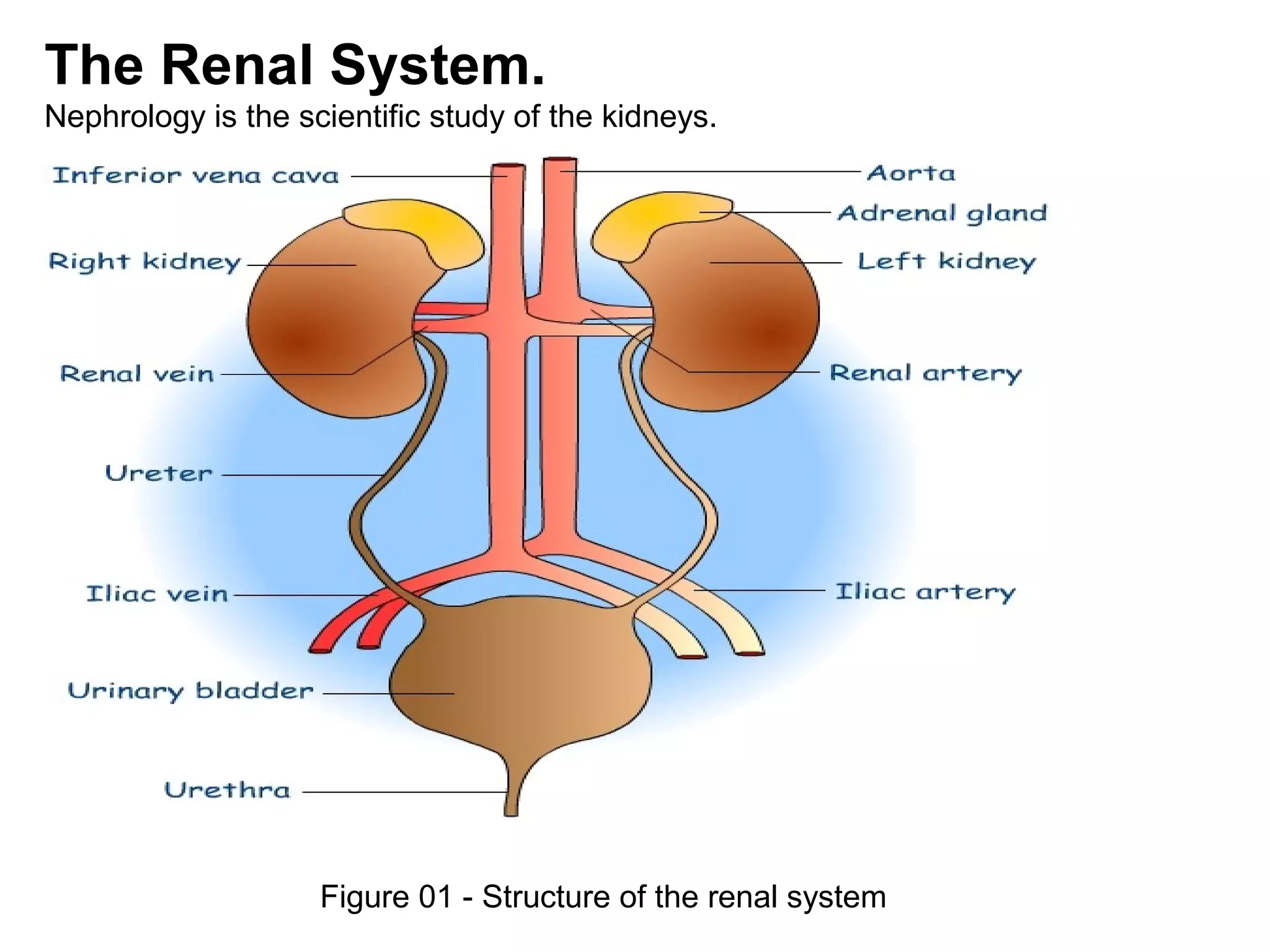
Figure 01 - Structure of the renal system
The Renal System.
Nephrology is the scientific study of the kidneys.
Figure 02 - Sectioned view of the kidney
Figure 03. Arrangement of nephrons in the kidney
Figure 04. The Bowman's capsule and glomerulus
Figure 05. Structure of the nephron
Figure 06. Selective reabsorption of essential nutrients
Figure 08 Reabsorption of water from the filtrate under the influence of ADH
Figure 09. The urinary bladder and urethra
Figure 10. The Renin, angiotensin, aldosterone response to a fall in blood pressure
What is Nephrosis?
• Nephrosis, therefore, is any disease of the kidneys.
• The urinary system consists of those organs that are involved
in urine production and its elimination from the body(the
kidneys, the ureters, bladder and urethra.)
• There are two kidneys, two ureters, one bladder and one
urethra.
• Excretion and elimination of urine are vital function because
they constitute one of the most important mechanisms for
maintaining homeostasis (balance).
• The composition of the blood and the body internal
environment is determined not by what the mouth ingests but
by what the kidneys keep (retain) for the body.
• The kidneys excrete the following substances viz nitrogenous
wastes from protein metabolism, toxins from e.g. bacteria,
from drugs, etc. the kidneys also excrete water and mineral
salts.
Gross Anatomy of the Kidneys( Basic)
Size, shape and structure (macroscopic anatomy).
• It is 4 ½ inches in length, 2-3 inches in width and 1 inch in
thickness
• The kidney is bean-shaped
• It lies against the posterior abdominal wall at the level of the
last thoracic vertebra and the first three lumber vertebrae.
• The right kidney is slightly lower than the left kidney.
• The external structures are made of a helium at the concave
notch and the medial surface has enveloping capsule of
white fibrous tissues.
• The internal structures are made up of the cortex and
medulla (here you have renal pyramids with triangular
wedges of medullary substances, apices called papillar,
renal columns called extension of cortex between the
pyramids.
Microscopic Anatomy
• Clusters of capillaries invaginated in the Bowman capsule
called the glomeruli.
• Bowman capsule together with the glomeruli constitutes a
renal corpuscle (mephagian corpuscle).
• The extension of the Bowman capsule leads to what we
called the proximal convoluted tubules, extending to the
descending loop of Henle, then the loop of Henle, ascending
loop of Henle, the distal convoluted tubules, then to the
collecting ducts.
• The physiological functional unit of the kidneys is called the
nephron (which consists of the renal corpuscle,the
convoluted tubules, loop of Henles and collecting ducts).
• The ureters connect the kidneys to the bladder.
• From the bladder to the urethra.
Functions of the Kidneys
• They excrete urine by which various toxins
and metabolic wastes are eliminated from
the body as well as regulate the
composition of blood volume.
• They influence the blood pressure through
the renin-angiotensin aldosterone system
(RAAS)
How the Kidneys Excrete Urine
• Filtration of substances from the glomeruli
into the Bowman capsules through the
process called glomerular filtration.
• Re-absorption of most of water and part of
solutes from tubular filtrates back into the
blood. This process is called tubular re-
absorption
• Secretions of ions like K+, H+, amines, and
in the case of drugs the beta-lactam
antibiotics, etc, and some other substances
into tubular filtrates from the blood and this
process is called tubular secretion.
CLINICAL EVALUATION OF GENITO-
URINARY TRACT DISORDERS (GUT)
• Symptoms of GUT disorders may not be specific.
• Careful acquisition and analysis of data from the patient’s history,
physical examinations and appropriate laboratory studies should
provide accurate diagnosis.
• A familiar history of renal disease in adult may suggest polycystic
kidney disease (i.e. containing many cysts of cavities, a cyst is a
pathologic epithelium - lined cavity usually containing fluids like
urine or semi-solid materials)( hereditary nephropathy).
• A history of recent infectious diseases involving the skin, respiratory
or the endocardium is helpful in evaluating possible causes of acute
glomerulo-nephritis(AGN)
• A specific history of renal disease, trauma to the urinary system,
stones (Calculi) or prior surgery is important, as is a previous history
of hypertension or a systemic disease known to affect the kidneys
e.g. diabetes mellitus or systemic lupus erythromatosus (SLE).
GENERAL SYMPTOMS AND SIGNS OF
GENITO-URINARY TRACT DISORDERS)
• Fever, weight loss and malaise. The presence of fever
plus urinary/genital tract infection symptoms help
determine site of infection e.g. simple acute cystitis is
usually present without fever, but acute pyelonephritis or
prostatitis usually produces high fever.
• Weight loss is expected in advanced stages of cancer
but also may be noticed with renal insufficiency of any
cause.
• Changes in urine output is significant in acute renal
failure.
• Normally adults void between 700 - 2000ml per day
usually 4 - 6 times daily mostly in the day time.
• Impairment in renal concentrating capacity may occur
with many forms of renal disease and may cause:
• Polyuria - a daily urine volume of more
than 2500ml,
• Oliguria: i.e. less 500ml/day, this tends to
be acute and may be due to decreased
renal perfusion (pre-renal factors), urethral
or bladder outlet obstruction (post - renal
factors) or primary renal disease. All these
are causes of acute renal failure.
• There could be persistent anuria. Anuria
is when a patient urine output is less than
100ml/per day.
• Uremia i.e. accumulation in the blood of
substances e.g. urea, ordinarily eliminated in the
urine, especially a toxic condition seen in
nephritis, urinary suppression marked by
nausea, vomiting, vertigo, convulsion and Coma
(All these are seen in acute renal failure or the
end-stage of chronic progressive renal
insufficiency.
• Changes in micturition e.g. frequency, urgency,
dysuria, nocturia, etc, can be seen in urinary
nephropathies
• There could also be changes in the urine
appearance e.g. the color could be red when
there is hematuria.
DISEASES THAT WILL BE STUDIED
UNDER THE RENAL SYSTEM.
• Acute bacterial pyelonephritis
• Acute nephrotic syndrome
• Acute glomerulonephritis (AGN)
• Post infectious glomerulonephritis (PIGN)
• Diseases associated with the nephritic syndrome
• Primary renal disease causes
• Secondary renal disease causes
• Congenital nephrotic syndromes
• Miscellaneous,e.g., drugs,etc.
• Acute Renal failure (ARF)
• Chronic Renal failute (CRF)

Department of clinical pharmacy an overview with renal system (2)

  • 1.
    DEPARTMENT OF CLINICALPHARMACY UNIVERSITY OF CALABAR TEACHING HOSPITAL, CALABAR An Overview
  • 2.
    Our Vision • Ourvision is to develop these sub- specializations in pharmaceutical care: – Pediatric pharmaceutical care – Cardiovascular and renal pharmaceutical care – Tropical diseases pharmaceutical care – HIV/AIDS pharmaceutical care – Reproduction health pharmaceutical care – Oncology pharmaceutical care – Geriatric pharmaceutical care – Endocrine pharmaceutical care
  • 3.
    Our Mission • Ourmission is to ensure that in the next five years, Department of Pharmacy, UCTH becomes a center of excellence in these sub-specialization areas in pharmaceutical care.
  • 4.
    Steps involved inClinical Assessment of Patients Steps: 1. History taking 2. Physical examination 3. Developing a working diagnosis 4. This step involves obtaining supportive information. This is usually laboratory data for differential diagnosis. 5. Developing a final diagnosis 6. Treatment initiation - This could be of two types (a) non-drug treatment (surgery, radiotherapy, education, physiotherapy, etc). b) Drug treatment (use rational drug therapy principles). 7. Evaluation of treatment and follow up (ongoing evaluation of treatment and potential side effects of medications). What is the purpose of Patient Assessment? The purpose is to treat patient assessment as a tool in the delivery of pharmaceutical care.
  • 5.
    Steps involved inthe Provision of Pharmaceutical Care Steps: 1: Establish a therapeutic relationship with the patient (professional relationship). 2: Collect patient’s specific data. (both subjective and objective data) - These can be obtained from patients’ case notes and from oral interviews with the patients. 3: Evaluate data to identify health and drug - related problems and classify them.(Here, we have 7 major classifications with 33 descriptions as drug therapy problems) 4: develop and implement pharmaceutical care plan (Pharmacist’s intervention). • Goals: These must be achievable, measurable and realistic(Set short-term and long-term goals) • Care Plan (i) patient-focused (ii) Drug-focused.
  • 6.
    5:Monitor and follow-up(outcome measurement) • Monitor objective parameters(these are obtained from laboratory investigations and Physical assessment or examinations) • Subjective parameters 6:Documentation. This is very necessary, an evidence that the care was carried out, useful in research, shaping of drug procurement policies, necessary for re-imbursement,etc. • When a pharmacist monitors and follows -up, the following outcome dimensions must be achieved: • Clinical outcome • Humanistic outcome • Economic outcome
  • 7.
    What are theSkills Required in the Provision of Pharmaceutical Care? • Clinical pharmacy skills • Understanding behavioral models e.g. health - belief model and decision making models as they apply to patient’s health-seeking behaviors. • Cognitive skills • Listening/communication/speech delivery skills. • Skills in diplomacy e.g. negotiating with an angry patients and inter-professional relationships with physicians, nurses and other health professionals involved in the management of patients
  • 8.
    Figure 01 -Structure of the renal system The Renal System. Nephrology is the scientific study of the kidneys.
  • 9.
    Figure 02 -Sectioned view of the kidney
  • 10.
    Figure 03. Arrangementof nephrons in the kidney
  • 11.
    Figure 04. TheBowman's capsule and glomerulus
  • 12.
    Figure 05. Structureof the nephron
  • 13.
    Figure 06. Selectivereabsorption of essential nutrients
  • 14.
    Figure 08 Reabsorptionof water from the filtrate under the influence of ADH
  • 15.
    Figure 09. Theurinary bladder and urethra
  • 16.
    Figure 10. TheRenin, angiotensin, aldosterone response to a fall in blood pressure
  • 17.
    What is Nephrosis? •Nephrosis, therefore, is any disease of the kidneys. • The urinary system consists of those organs that are involved in urine production and its elimination from the body(the kidneys, the ureters, bladder and urethra.) • There are two kidneys, two ureters, one bladder and one urethra. • Excretion and elimination of urine are vital function because they constitute one of the most important mechanisms for maintaining homeostasis (balance). • The composition of the blood and the body internal environment is determined not by what the mouth ingests but by what the kidneys keep (retain) for the body. • The kidneys excrete the following substances viz nitrogenous wastes from protein metabolism, toxins from e.g. bacteria, from drugs, etc. the kidneys also excrete water and mineral salts.
  • 18.
    Gross Anatomy ofthe Kidneys( Basic) Size, shape and structure (macroscopic anatomy). • It is 4 ½ inches in length, 2-3 inches in width and 1 inch in thickness • The kidney is bean-shaped • It lies against the posterior abdominal wall at the level of the last thoracic vertebra and the first three lumber vertebrae. • The right kidney is slightly lower than the left kidney. • The external structures are made of a helium at the concave notch and the medial surface has enveloping capsule of white fibrous tissues. • The internal structures are made up of the cortex and medulla (here you have renal pyramids with triangular wedges of medullary substances, apices called papillar, renal columns called extension of cortex between the pyramids.
  • 19.
    Microscopic Anatomy • Clustersof capillaries invaginated in the Bowman capsule called the glomeruli. • Bowman capsule together with the glomeruli constitutes a renal corpuscle (mephagian corpuscle). • The extension of the Bowman capsule leads to what we called the proximal convoluted tubules, extending to the descending loop of Henle, then the loop of Henle, ascending loop of Henle, the distal convoluted tubules, then to the collecting ducts. • The physiological functional unit of the kidneys is called the nephron (which consists of the renal corpuscle,the convoluted tubules, loop of Henles and collecting ducts). • The ureters connect the kidneys to the bladder. • From the bladder to the urethra.
  • 20.
    Functions of theKidneys • They excrete urine by which various toxins and metabolic wastes are eliminated from the body as well as regulate the composition of blood volume. • They influence the blood pressure through the renin-angiotensin aldosterone system (RAAS)
  • 21.
    How the KidneysExcrete Urine • Filtration of substances from the glomeruli into the Bowman capsules through the process called glomerular filtration. • Re-absorption of most of water and part of solutes from tubular filtrates back into the blood. This process is called tubular re- absorption • Secretions of ions like K+, H+, amines, and in the case of drugs the beta-lactam antibiotics, etc, and some other substances into tubular filtrates from the blood and this process is called tubular secretion.
  • 22.
    CLINICAL EVALUATION OFGENITO- URINARY TRACT DISORDERS (GUT) • Symptoms of GUT disorders may not be specific. • Careful acquisition and analysis of data from the patient’s history, physical examinations and appropriate laboratory studies should provide accurate diagnosis. • A familiar history of renal disease in adult may suggest polycystic kidney disease (i.e. containing many cysts of cavities, a cyst is a pathologic epithelium - lined cavity usually containing fluids like urine or semi-solid materials)( hereditary nephropathy). • A history of recent infectious diseases involving the skin, respiratory or the endocardium is helpful in evaluating possible causes of acute glomerulo-nephritis(AGN) • A specific history of renal disease, trauma to the urinary system, stones (Calculi) or prior surgery is important, as is a previous history of hypertension or a systemic disease known to affect the kidneys e.g. diabetes mellitus or systemic lupus erythromatosus (SLE).
  • 23.
    GENERAL SYMPTOMS ANDSIGNS OF GENITO-URINARY TRACT DISORDERS) • Fever, weight loss and malaise. The presence of fever plus urinary/genital tract infection symptoms help determine site of infection e.g. simple acute cystitis is usually present without fever, but acute pyelonephritis or prostatitis usually produces high fever. • Weight loss is expected in advanced stages of cancer but also may be noticed with renal insufficiency of any cause. • Changes in urine output is significant in acute renal failure. • Normally adults void between 700 - 2000ml per day usually 4 - 6 times daily mostly in the day time. • Impairment in renal concentrating capacity may occur with many forms of renal disease and may cause:
  • 24.
    • Polyuria -a daily urine volume of more than 2500ml, • Oliguria: i.e. less 500ml/day, this tends to be acute and may be due to decreased renal perfusion (pre-renal factors), urethral or bladder outlet obstruction (post - renal factors) or primary renal disease. All these are causes of acute renal failure. • There could be persistent anuria. Anuria is when a patient urine output is less than 100ml/per day.
  • 25.
    • Uremia i.e.accumulation in the blood of substances e.g. urea, ordinarily eliminated in the urine, especially a toxic condition seen in nephritis, urinary suppression marked by nausea, vomiting, vertigo, convulsion and Coma (All these are seen in acute renal failure or the end-stage of chronic progressive renal insufficiency. • Changes in micturition e.g. frequency, urgency, dysuria, nocturia, etc, can be seen in urinary nephropathies • There could also be changes in the urine appearance e.g. the color could be red when there is hematuria.
  • 26.
    DISEASES THAT WILLBE STUDIED UNDER THE RENAL SYSTEM. • Acute bacterial pyelonephritis • Acute nephrotic syndrome • Acute glomerulonephritis (AGN) • Post infectious glomerulonephritis (PIGN) • Diseases associated with the nephritic syndrome • Primary renal disease causes • Secondary renal disease causes • Congenital nephrotic syndromes • Miscellaneous,e.g., drugs,etc. • Acute Renal failure (ARF) • Chronic Renal failute (CRF)