Downloaded 38 times

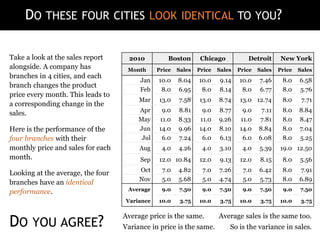
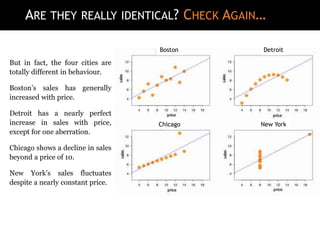




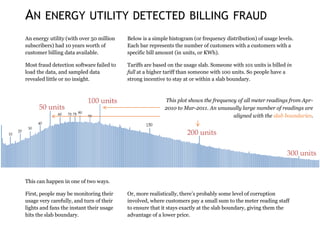
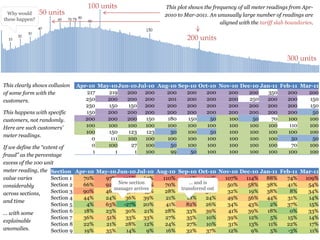

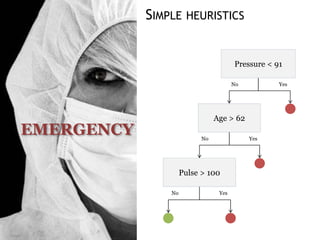
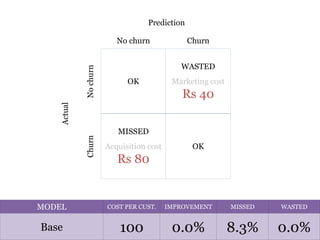




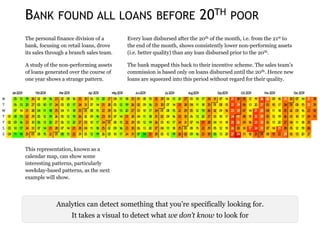

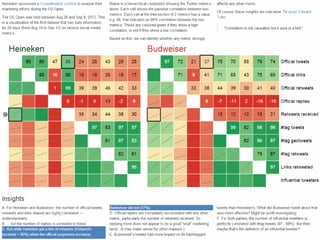





This document discusses how data analytics can be used in decision making. It provides an example of how analyzing sales data from four city branches of a company over time revealed non-obvious patterns rather than identical performance as the averages suggested. Deeper analysis showed each city actually behaved quite differently in how sales responded to price changes. This highlights how averages can obscure important variations and that analytics is needed to detect such variations to inform better decision making.


![[Accenture] Digital Business 2017](https://cdn.slidesharecdn.com/ss_thumbnails/digitalbusiness-140324050918-phpapp02-171229091300-thumbnail.jpg?width=640&height=640&fit=bounds)


