Culture Mr. A South High Room 252
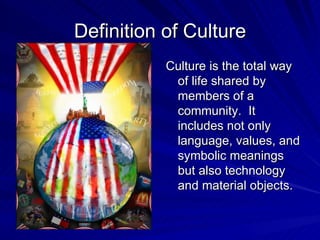
Definition of Culture Culture is the total way of life shared by members of a community.  It includes not only language, values, and symbolic meanings but also technology and material objects.
2 Categories of Culture Nonmaterial culture; language, values, rules, knowledge, and shared meanings Material culture; physical objects that a society produces-tools, streets, sculptures, and toys, etc…
Common Assumptions Culture is  problem solving Culture is  relative Culture is a  social product
Culture is  problem solving People everywhere face common issues; -food -shelter -security -raise children to replace them and their way of life
Culture is  relative methodological relativism : cultural practices can only be understood relative to the culture in which they exist (e.g., is Yanomamö endocannibalism nutritional or religious?). ethical relativism : there is no basis to judge whether a particular cultural practice is good or bad. That is, all cultures and cultural values are equally valid, of equal worth, and equal dignity - we should have tolerance and respect for any cultural practice. This is a non-scientific proposition because it cannot be evaluated scientifically.
Culture is  relative Ethnocentrism
Culture is a  social product People learn culture, and, as they use it they modify it and change it. Culture depends or relies on language. Culture is cumulative
Carriers of Culture Language Values Norms
Language Communicating with symbols. Language as embodiment of culture Language as symbol
Values Shared ideas about desirable goals
Norms Shared rules of conduct Folkways Mores Laws
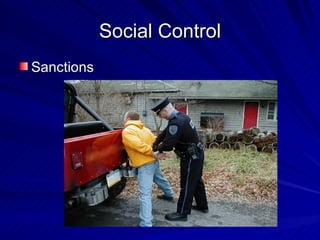
Social Control Sanctions
Sanctions
Cultural Diversity Subculture Counterculture
Subculture
Counterculture
Deafness as Subculture
Assimilation or Multiculturism
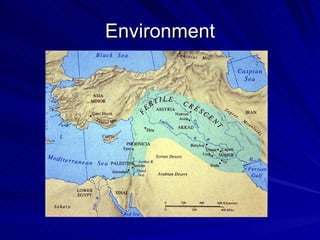
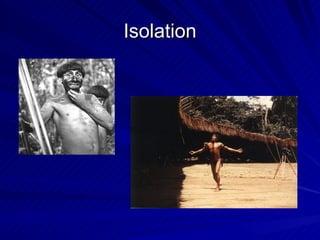
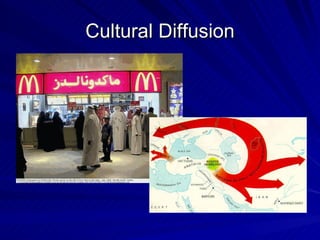
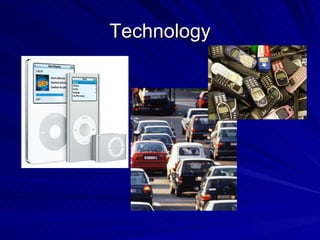
Sources of Cultural Diversity and Change Environment Isolation Cultural Diffusion Technology Mass Media
Environment
Isolation
Cultural Diffusion
Technology
Mass Media

Culture