Powered by
Ahmet Furkan GÜNEŞLİ
Mert TEPECİK
Emrah DELİDUMAN
Mehmet ÖZCAN
Mustafa KESKİN
Definition of Cruise
Usually, a very large passenger ships that
makes a roundtrip with several enroute stops,
and takes on passengers only at
the port where the trip begins and ends.
History of Cruise
• The cruise of the Augusta Victoria in the
Mediterranean and the Near East from 22 January to
22 March 1891, with 241 passengers including Albert
Ballin and wife, is often stated to have been the first
ever cruise. Christian Wilhelm Allers published an
illustrated account of it as Backschisch (Baksheesh).
• The first vessel built exclusively for this purpose was
the Prinzessin Victoria Luise of Germany, designed by
Albert Ballin, general manager of Hamburg-America
Line. The ship was completed in 1900.
The practice of cruising grew gradually out of
the tradition of transatlantic crossings, which
never took fewer than four days. In the
competition for passengers, ocean liners
added luxuries—the Titanic being the most
famous example—such as fine dining and
well-appointed staterooms.
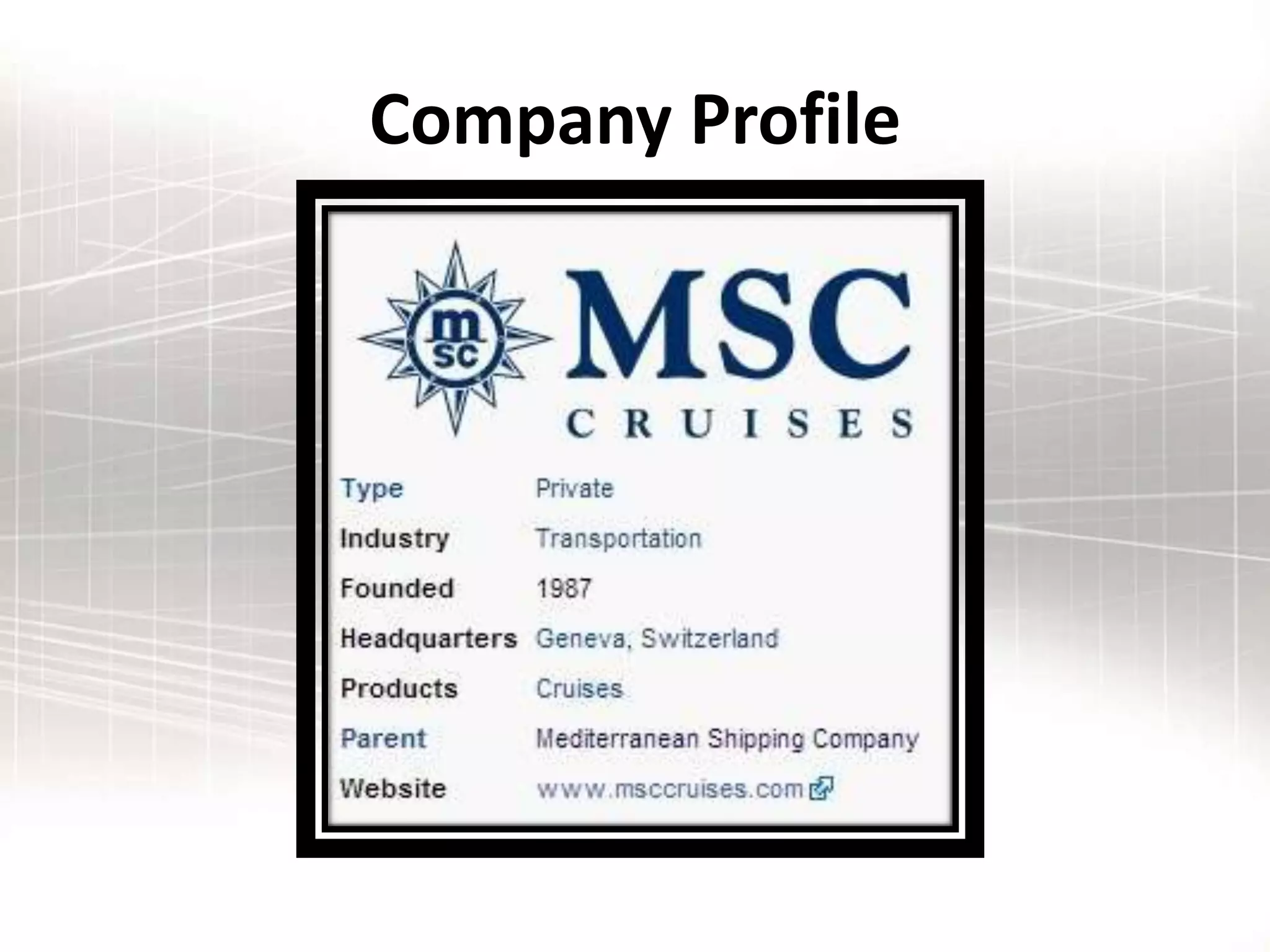
Company Profile
Company Profile
MSC Cruises is the market leading cruise
company in the Mediterranean, South Africa
and Brazil
MSC Cruises is a privately owned European
company, employing 15,500 staff around the
world and present in 45 countries.
The fleet comprises 12 ships
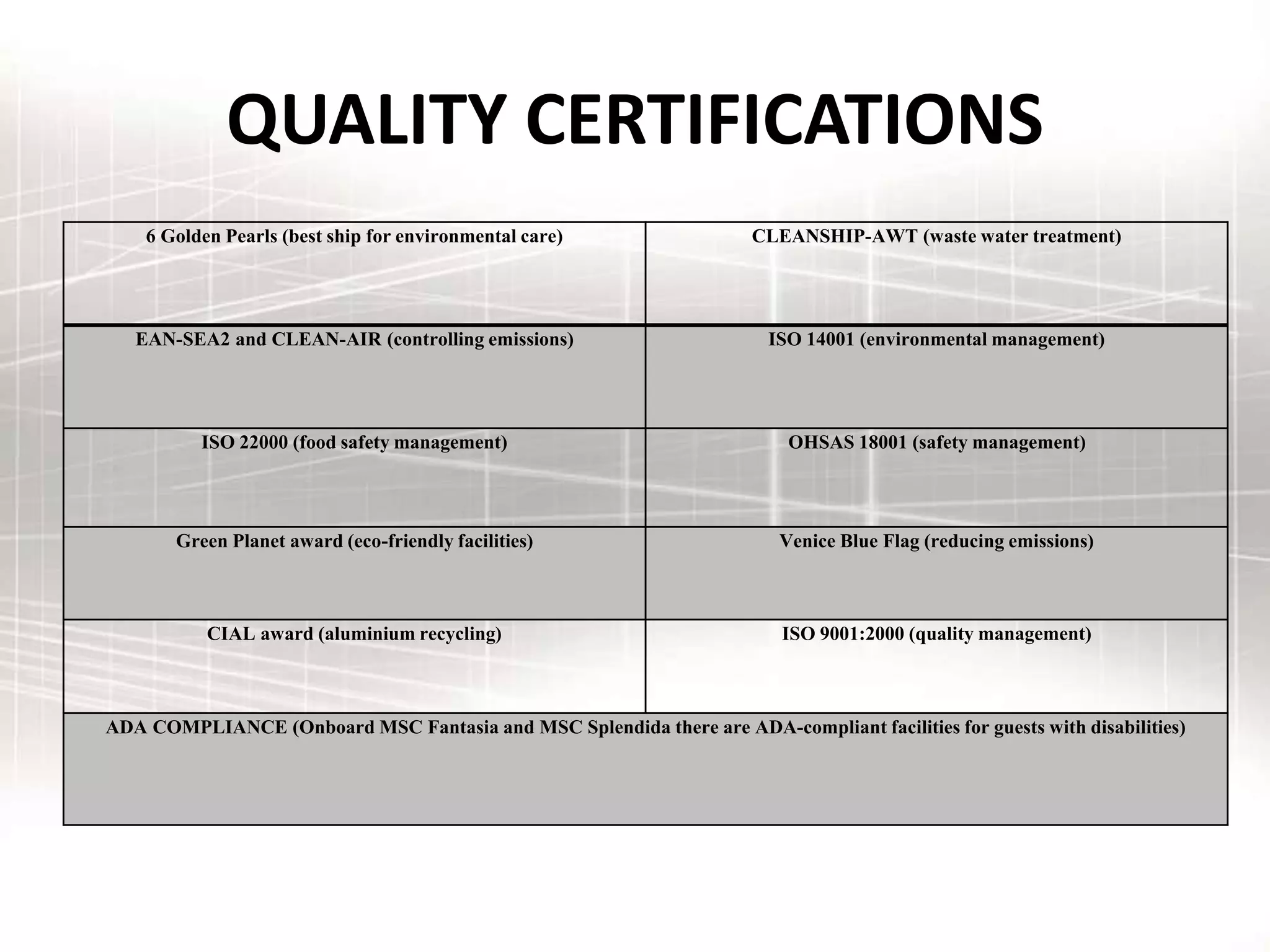
QUALITY CERTIFICATIONS
6 Golden Pearls (best ship for environmental care) CLEANSHIP-AWT (waste water treatment)
EAN-SEA2 and CLEAN-AIR (controlling emissions) ISO 14001 (environmental management)
ISO 22000 (food safety management) OHSAS 18001 (safety management)
Green Planet award (eco-friendly facilities) Venice Blue Flag (reducing emissions)
CIAL award (aluminium recycling) ISO 9001:2000 (quality management)
ADA COMPLIANCE (Onboard MSC Fantasia and MSC Splendida there are ADA-compliant facilities for guests with disabilities)
Company’s Business Activity
Freight Transportation
Cruise Shipping
Macro Environmental Analysis
Demographic :
Demographic profile of the average cruise
passenger would correspond to a 55-year-old
university-educated person, married,
employed and with an annual income over
USD75,000
Technology and the Environment :
As the number of cruise passengers continues
to grow, cruise lines are investing in new
technology to reduce their impact on the
environment
Here are some recent and enhanced industry
initiatives :
Recycling
Energy efficiency
Reverse Osmosis systems
Shore power or 'cold ironing‘
Wastewater systems
Social and Cultural Impacts
Positive impacts:
Cultural exchange
Social activities
Labor issues
Revitalization of culture and traditions
Social and Cultural Impacts
Negative Impacts:
Cultural clash
Changes of local identity
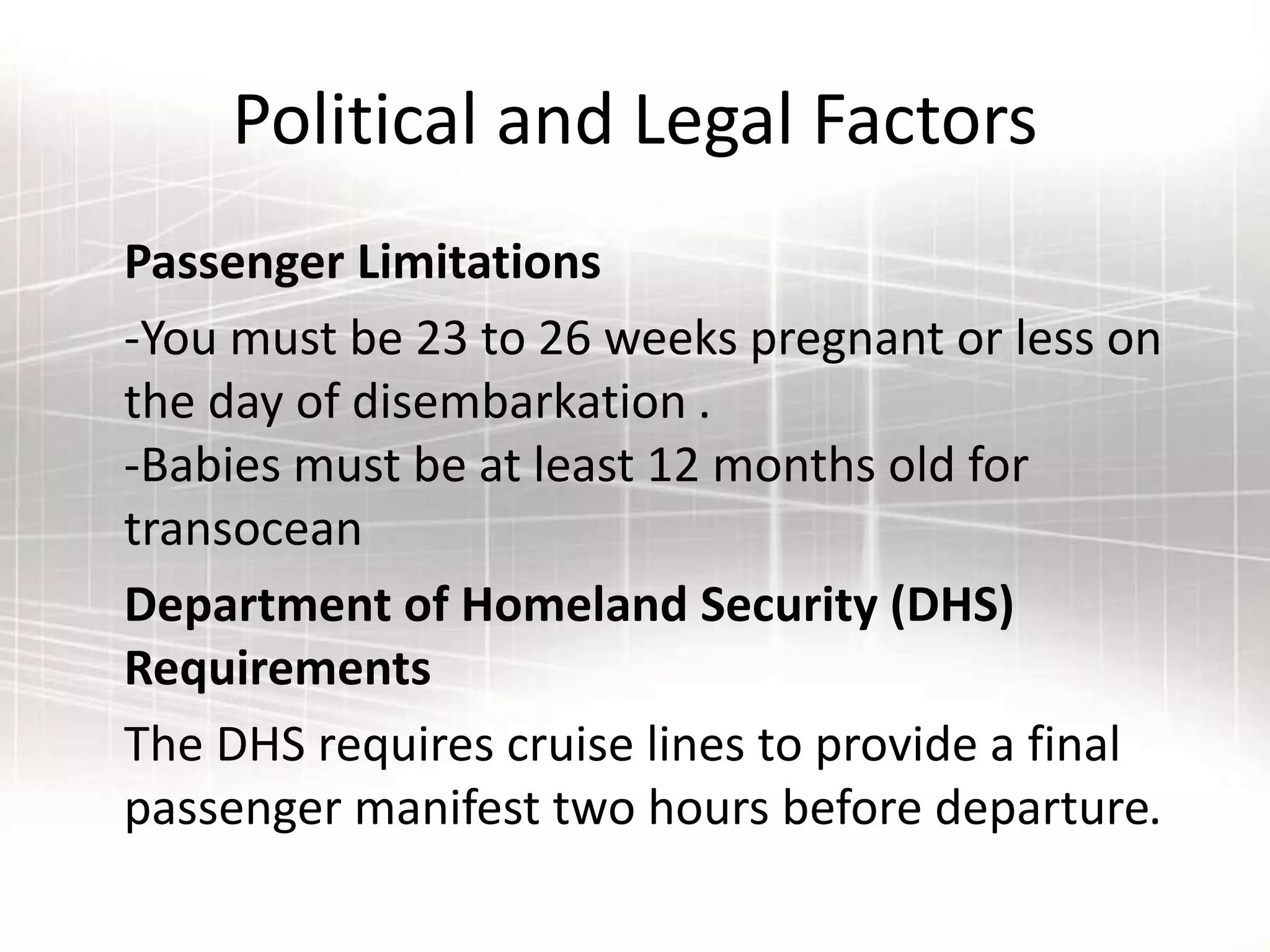
Political and Legal Factors
Passenger Limitations
-You must be 23 to 26 weeks pregnant or less on
the day of disembarkation .
-Babies must be at least 12 months old for
transocean
Department of Homeland Security (DHS)
Requirements
The DHS requires cruise lines to provide a final
passenger manifest two hours before departure.
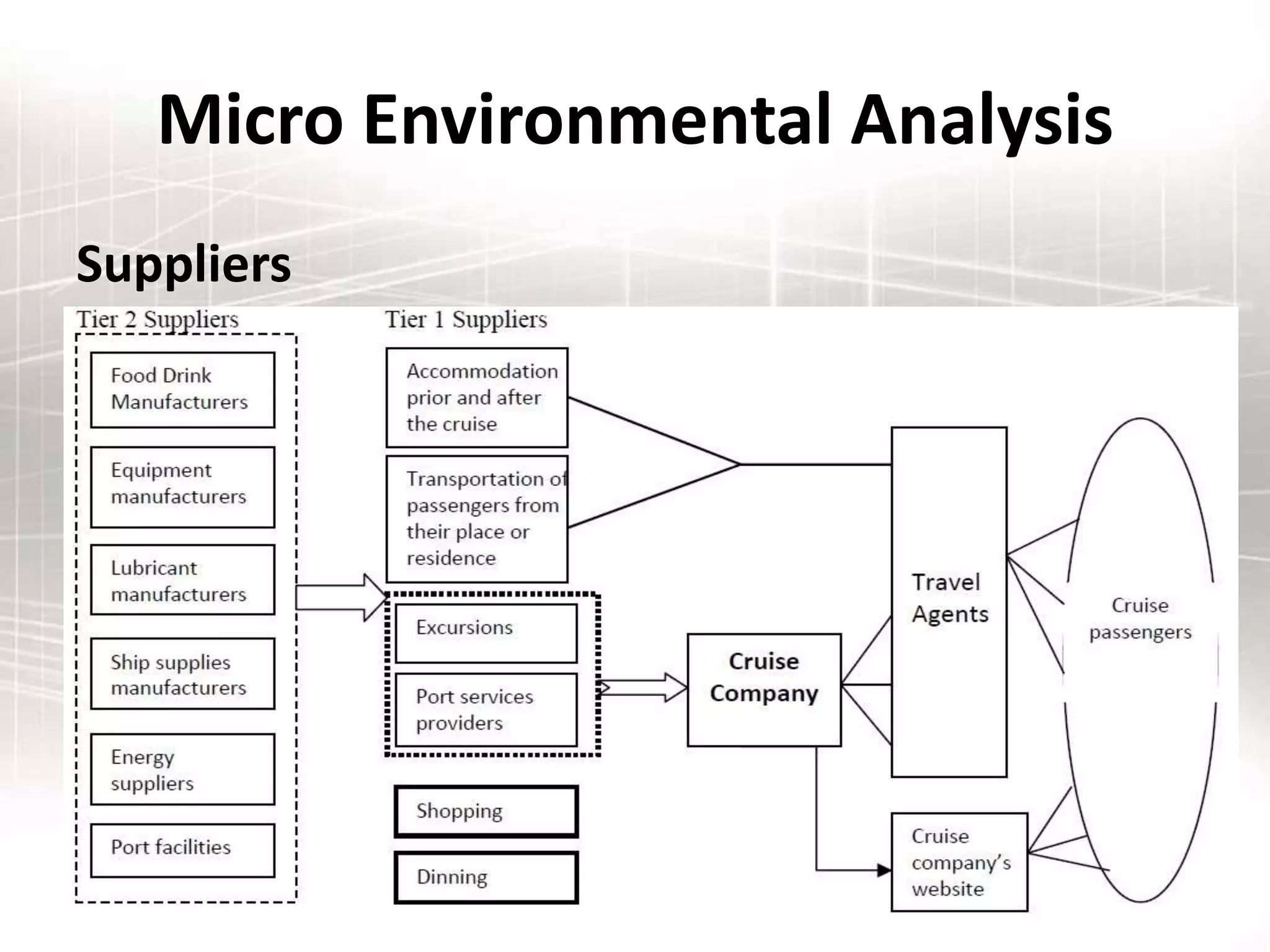
Micro Environmental Analysis
Suppliers
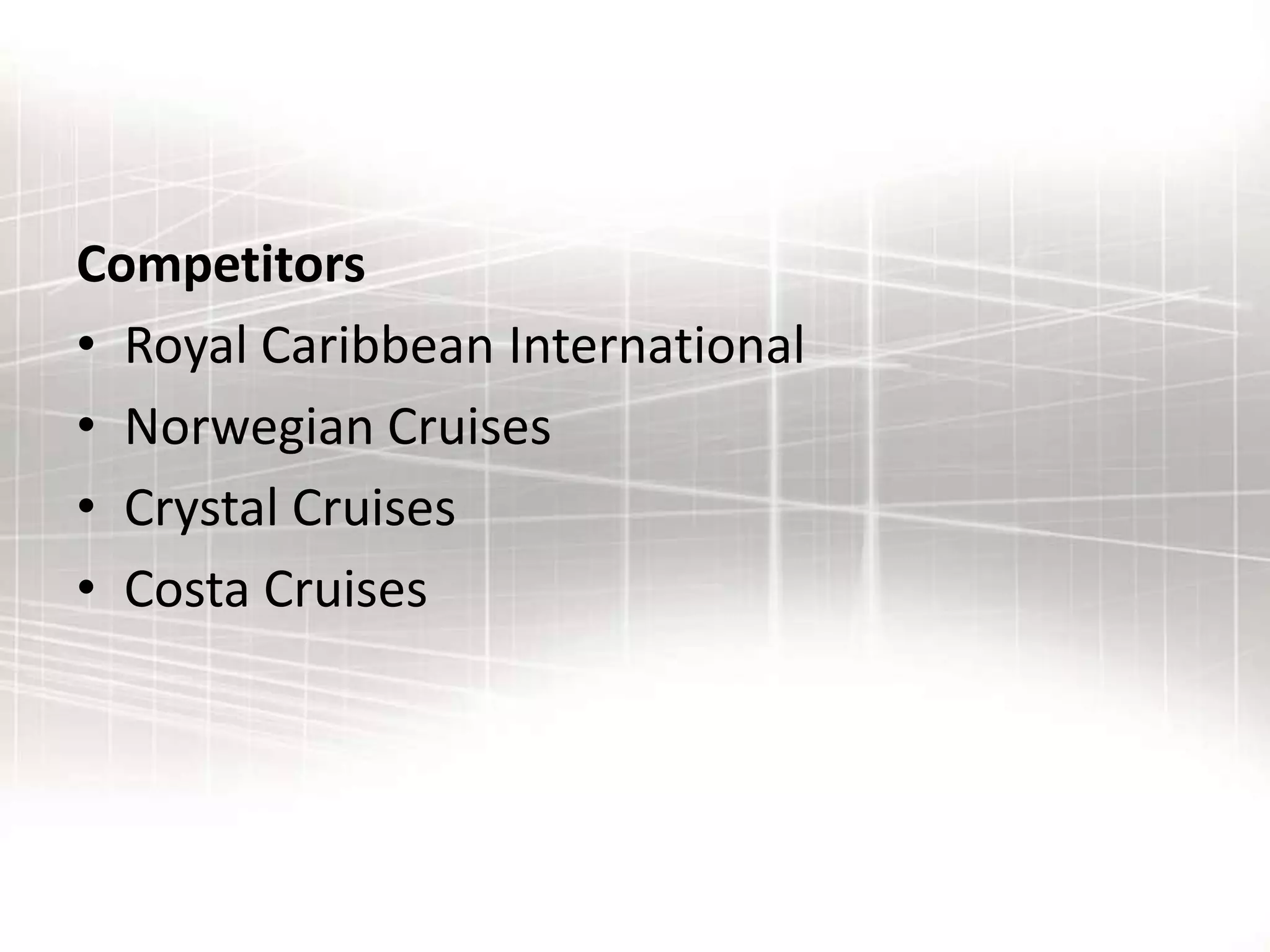
Competitors
• Royal Caribbean International
• Norwegian Cruises
• Crystal Cruises
• Costa Cruises
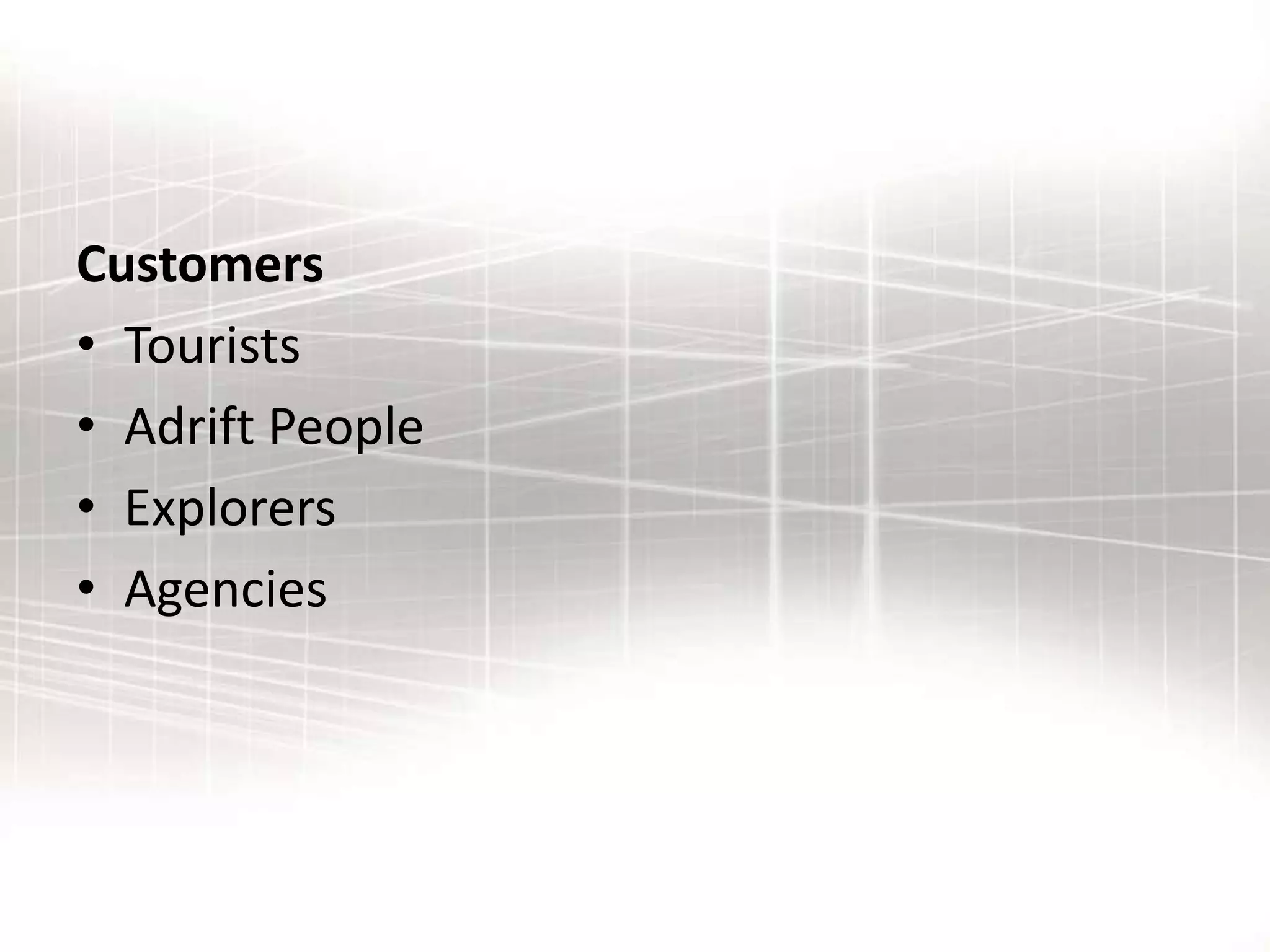
Customers
• Tourists
• Adrift People
• Explorers
• Agencies
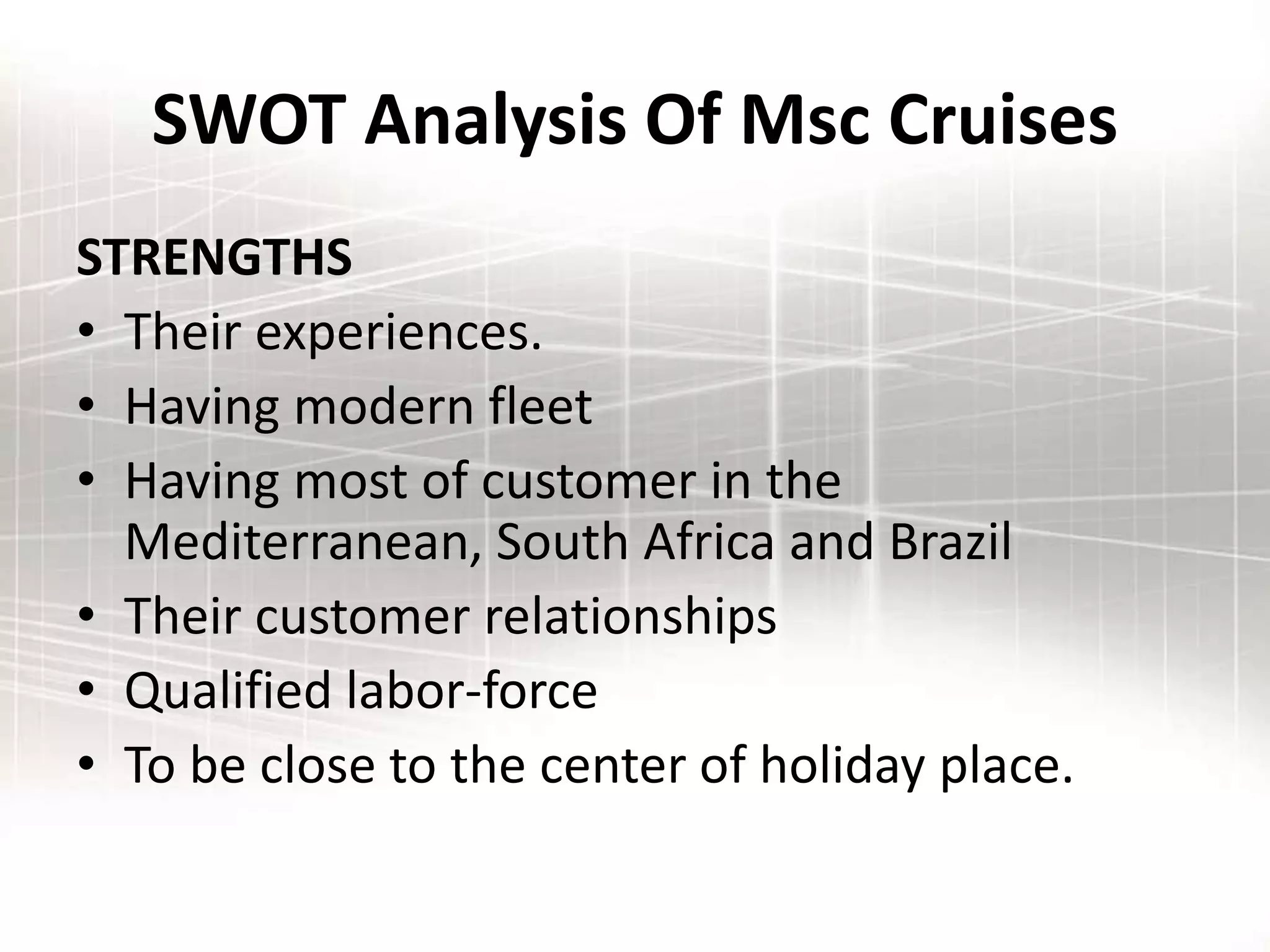
SWOT Analysis Of Msc Cruises
STRENGTHS
• Their experiences.
• Having modern fleet
• Having most of customer in the
Mediterranean, South Africa and Brazil
• Their customer relationships
• Qualified labor-force
• To be close to the center of holiday place.
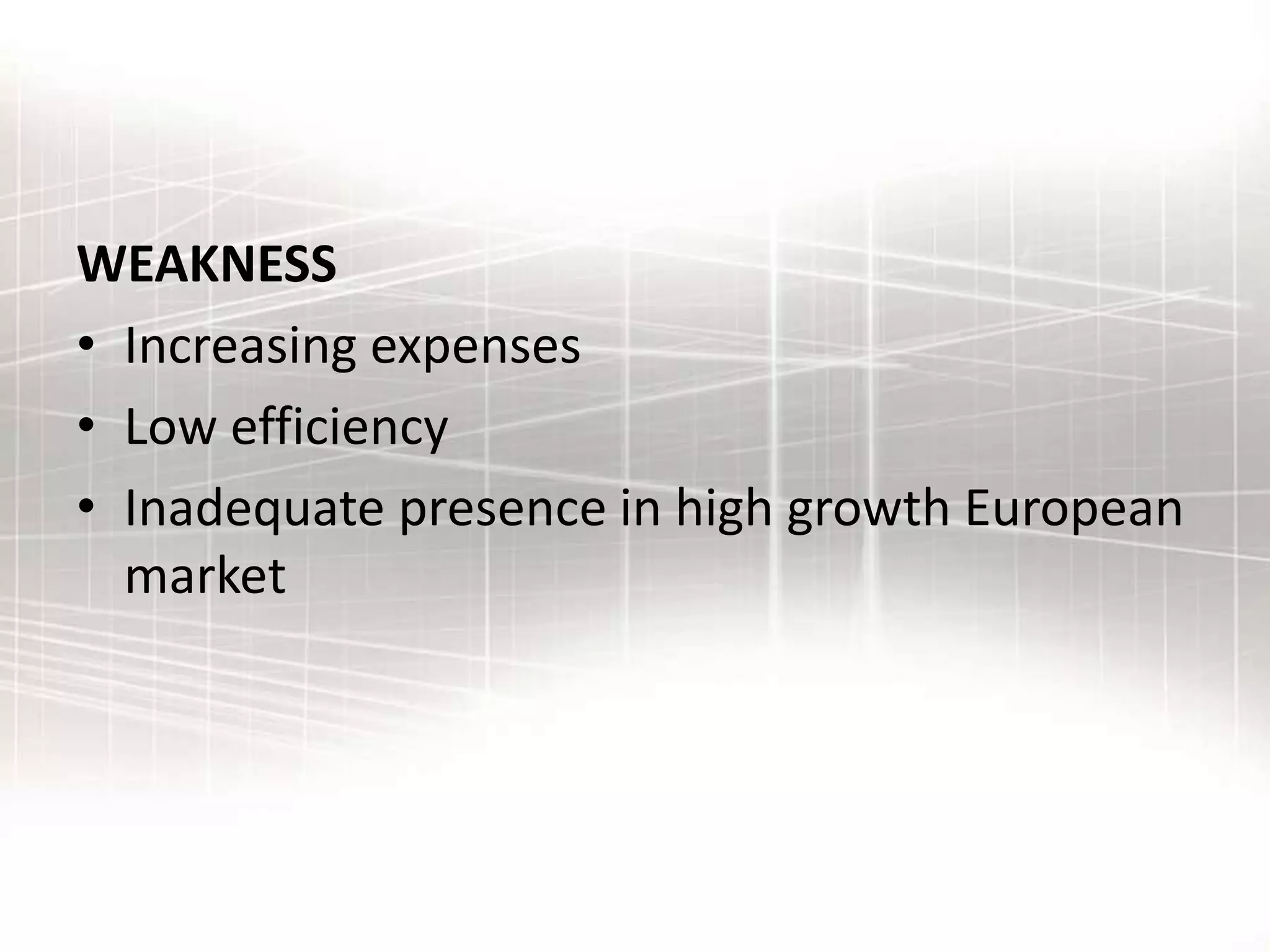
WEAKNESS
• Increasing expenses
• Low efficiency
• Inadequate presence in high growth European
market
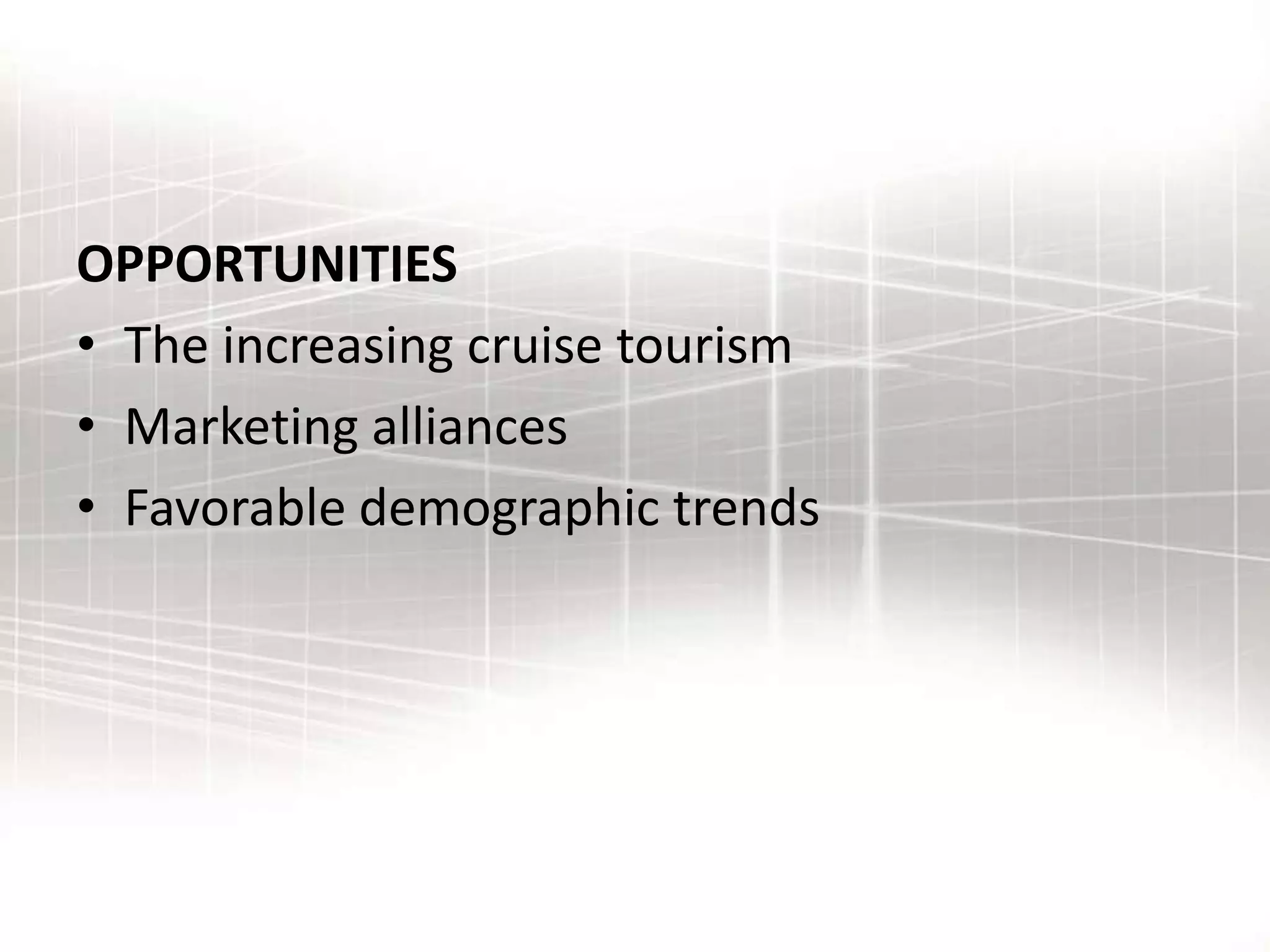
OPPORTUNITIES
• The increasing cruise tourism
• Marketing alliances
• Favorable demographic trends
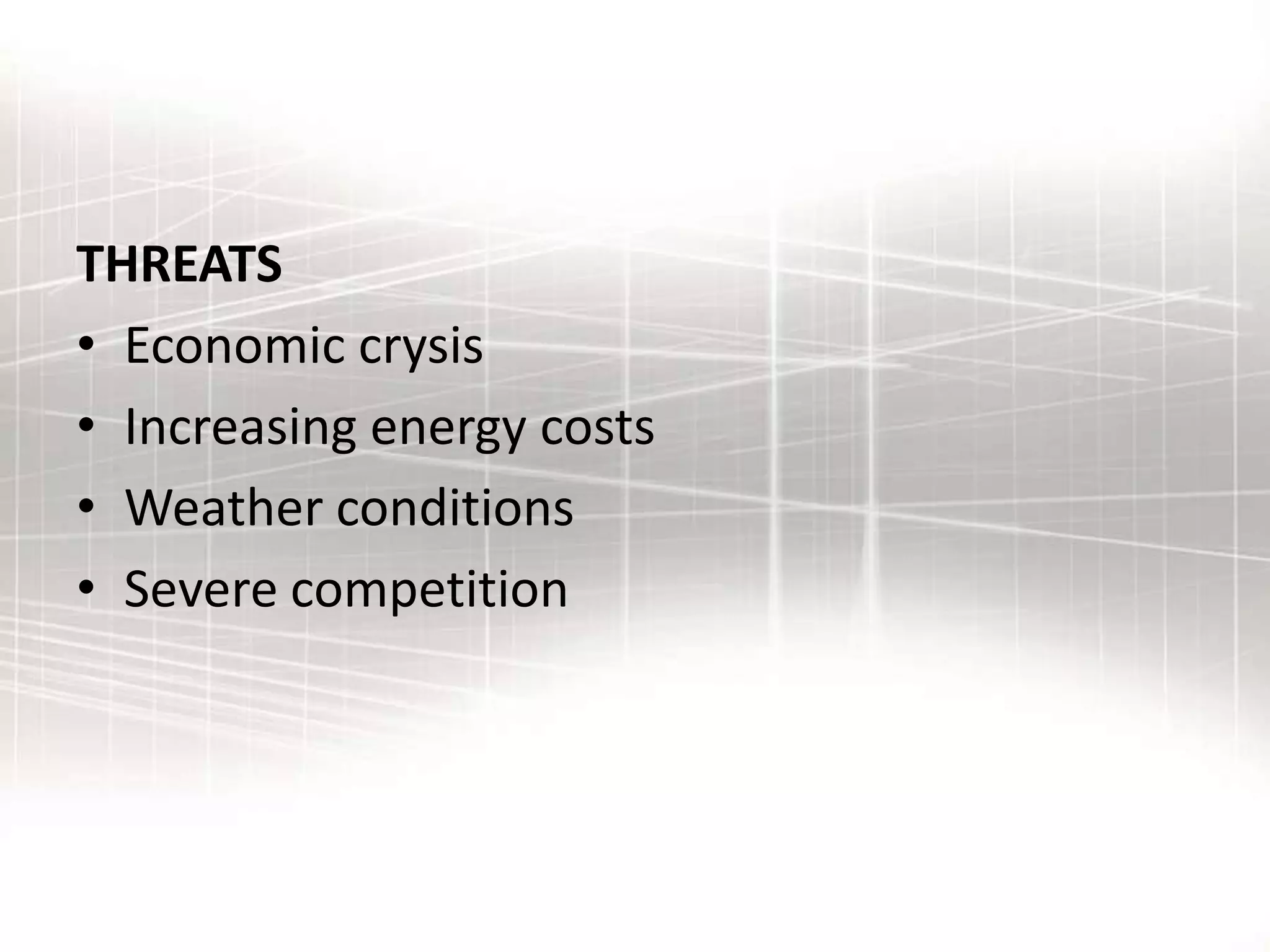
THREATS
• Economic crysis
• Increasing energy costs
• Weather conditions
• Severe competition

Cruise.ppt

  • 1.
    Powered by Ahmet FurkanGÜNEŞLİ Mert TEPECİK Emrah DELİDUMAN Mehmet ÖZCAN Mustafa KESKİN
  • 2.
    Definition of Cruise Usually,a very large passenger ships that makes a roundtrip with several enroute stops, and takes on passengers only at the port where the trip begins and ends.
  • 3.
    History of Cruise •The cruise of the Augusta Victoria in the Mediterranean and the Near East from 22 January to 22 March 1891, with 241 passengers including Albert Ballin and wife, is often stated to have been the first ever cruise. Christian Wilhelm Allers published an illustrated account of it as Backschisch (Baksheesh). • The first vessel built exclusively for this purpose was the Prinzessin Victoria Luise of Germany, designed by Albert Ballin, general manager of Hamburg-America Line. The ship was completed in 1900.
  • 4.
    The practice ofcruising grew gradually out of the tradition of transatlantic crossings, which never took fewer than four days. In the competition for passengers, ocean liners added luxuries—the Titanic being the most famous example—such as fine dining and well-appointed staterooms.
  • 5.
  • 6.
    Company Profile MSC Cruisesis the market leading cruise company in the Mediterranean, South Africa and Brazil MSC Cruises is a privately owned European company, employing 15,500 staff around the world and present in 45 countries. The fleet comprises 12 ships
  • 7.
    QUALITY CERTIFICATIONS 6 GoldenPearls (best ship for environmental care) CLEANSHIP-AWT (waste water treatment) EAN-SEA2 and CLEAN-AIR (controlling emissions) ISO 14001 (environmental management) ISO 22000 (food safety management) OHSAS 18001 (safety management) Green Planet award (eco-friendly facilities) Venice Blue Flag (reducing emissions) CIAL award (aluminium recycling) ISO 9001:2000 (quality management) ADA COMPLIANCE (Onboard MSC Fantasia and MSC Splendida there are ADA-compliant facilities for guests with disabilities)
  • 8.
    Company’s Business Activity FreightTransportation Cruise Shipping
  • 9.
    Macro Environmental Analysis Demographic: Demographic profile of the average cruise passenger would correspond to a 55-year-old university-educated person, married, employed and with an annual income over USD75,000
  • 10.
    Technology and theEnvironment : As the number of cruise passengers continues to grow, cruise lines are investing in new technology to reduce their impact on the environment
  • 11.
    Here are somerecent and enhanced industry initiatives : Recycling Energy efficiency Reverse Osmosis systems Shore power or 'cold ironing‘ Wastewater systems
  • 12.
    Social and CulturalImpacts Positive impacts: Cultural exchange Social activities Labor issues Revitalization of culture and traditions
  • 13.
    Social and CulturalImpacts Negative Impacts: Cultural clash Changes of local identity
  • 14.
    Political and LegalFactors Passenger Limitations -You must be 23 to 26 weeks pregnant or less on the day of disembarkation . -Babies must be at least 12 months old for transocean Department of Homeland Security (DHS) Requirements The DHS requires cruise lines to provide a final passenger manifest two hours before departure.
  • 15.
  • 16.
    Competitors • Royal CaribbeanInternational • Norwegian Cruises • Crystal Cruises • Costa Cruises
  • 17.
    Customers • Tourists • AdriftPeople • Explorers • Agencies
  • 18.
    SWOT Analysis OfMsc Cruises STRENGTHS • Their experiences. • Having modern fleet • Having most of customer in the Mediterranean, South Africa and Brazil • Their customer relationships • Qualified labor-force • To be close to the center of holiday place.
  • 19.
    WEAKNESS • Increasing expenses •Low efficiency • Inadequate presence in high growth European market
  • 20.
    OPPORTUNITIES • The increasingcruise tourism • Marketing alliances • Favorable demographic trends
  • 21.
    THREATS • Economic crysis •Increasing energy costs • Weather conditions • Severe competition