LILAC Workshop 2016
Creative Techniques to Engage
Students Deeper
By
Peter Reilly
Glucksman Library
University of Limerick
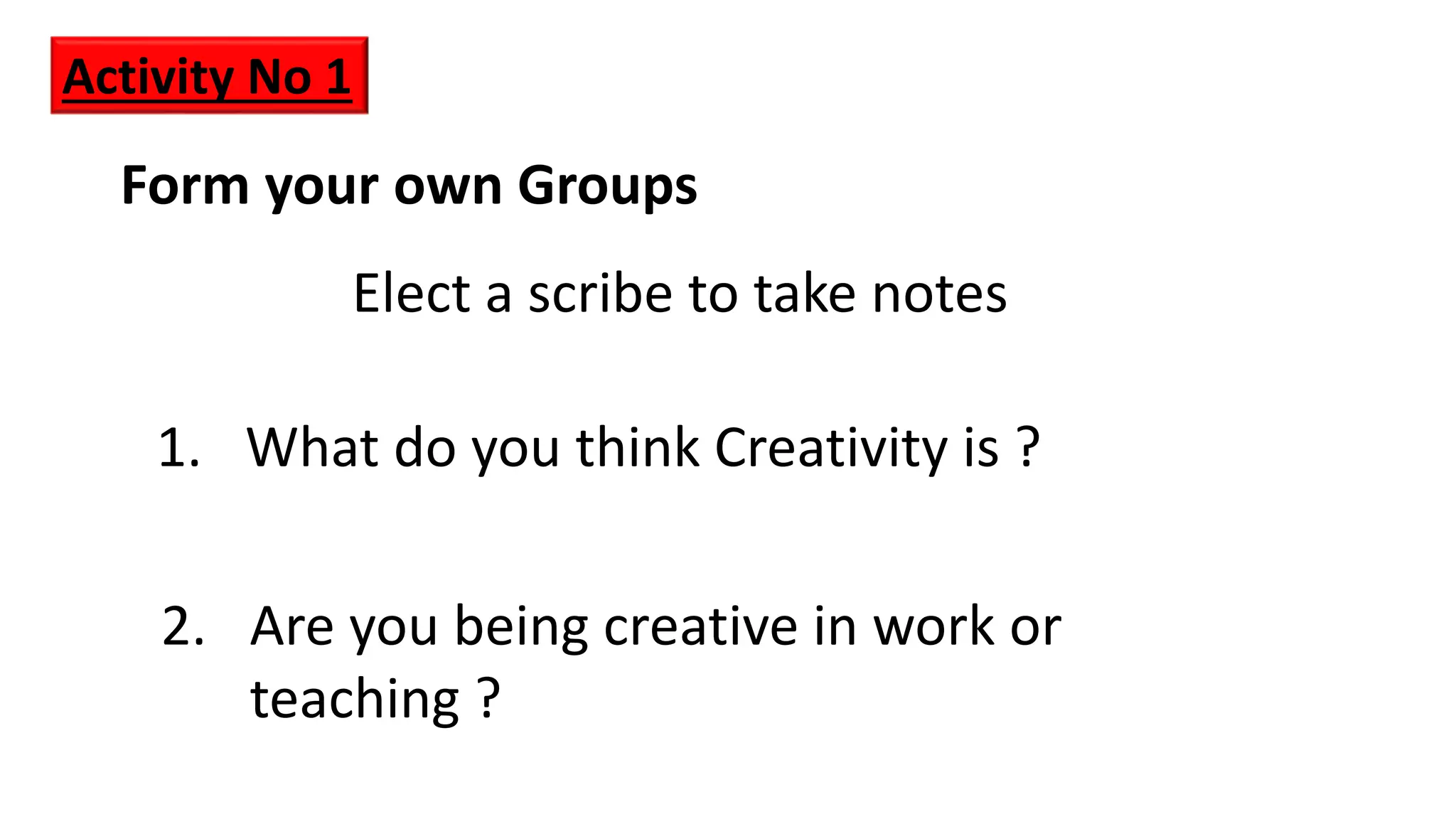
Form your own Groups
2. Are you being creative in work or
teaching ?
1. What do you think Creativity is ?
Elect a scribe to take notes
Activity No 1
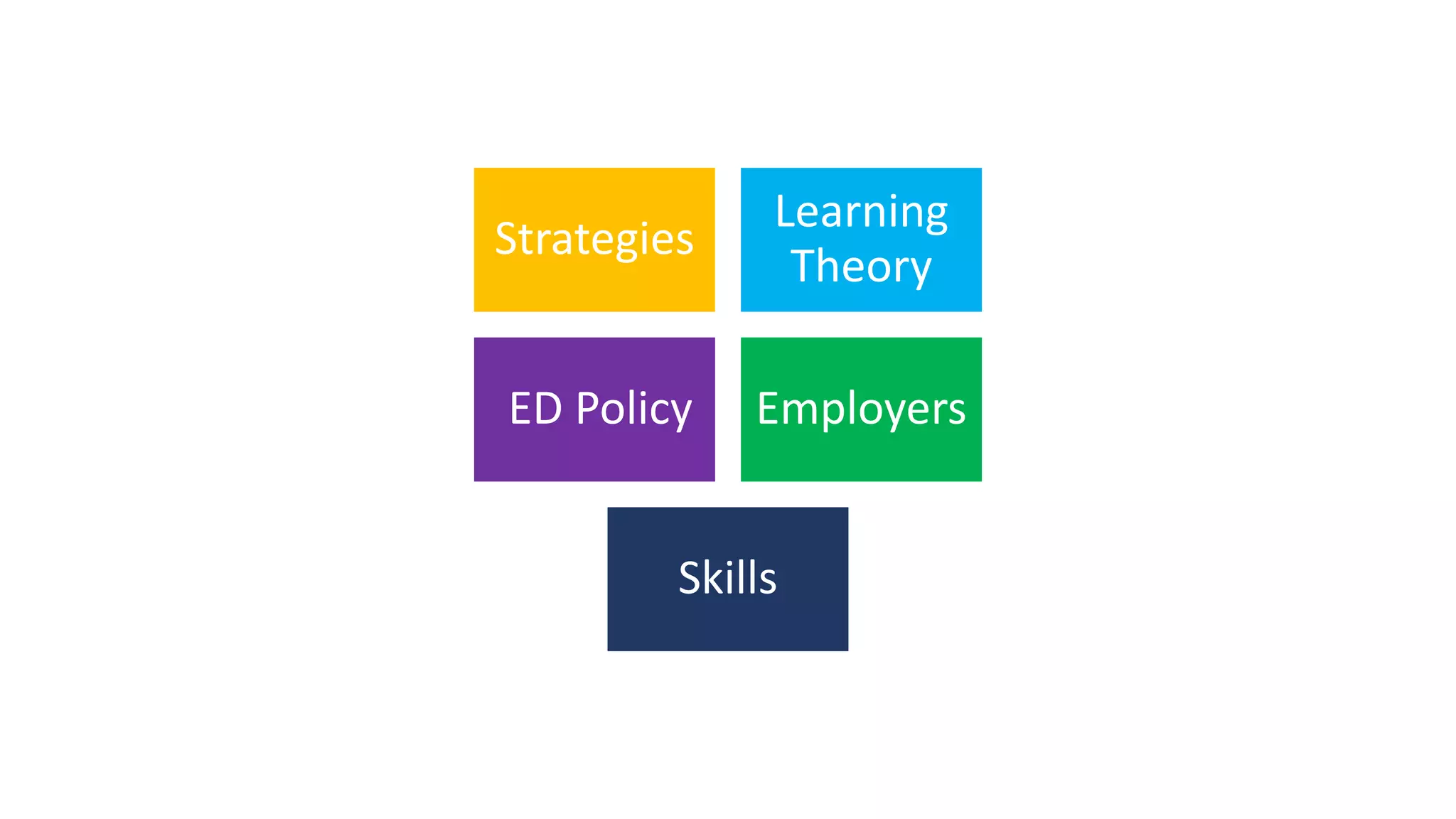
Strategies
Learning
Theory
ED Policy Employers
Skills
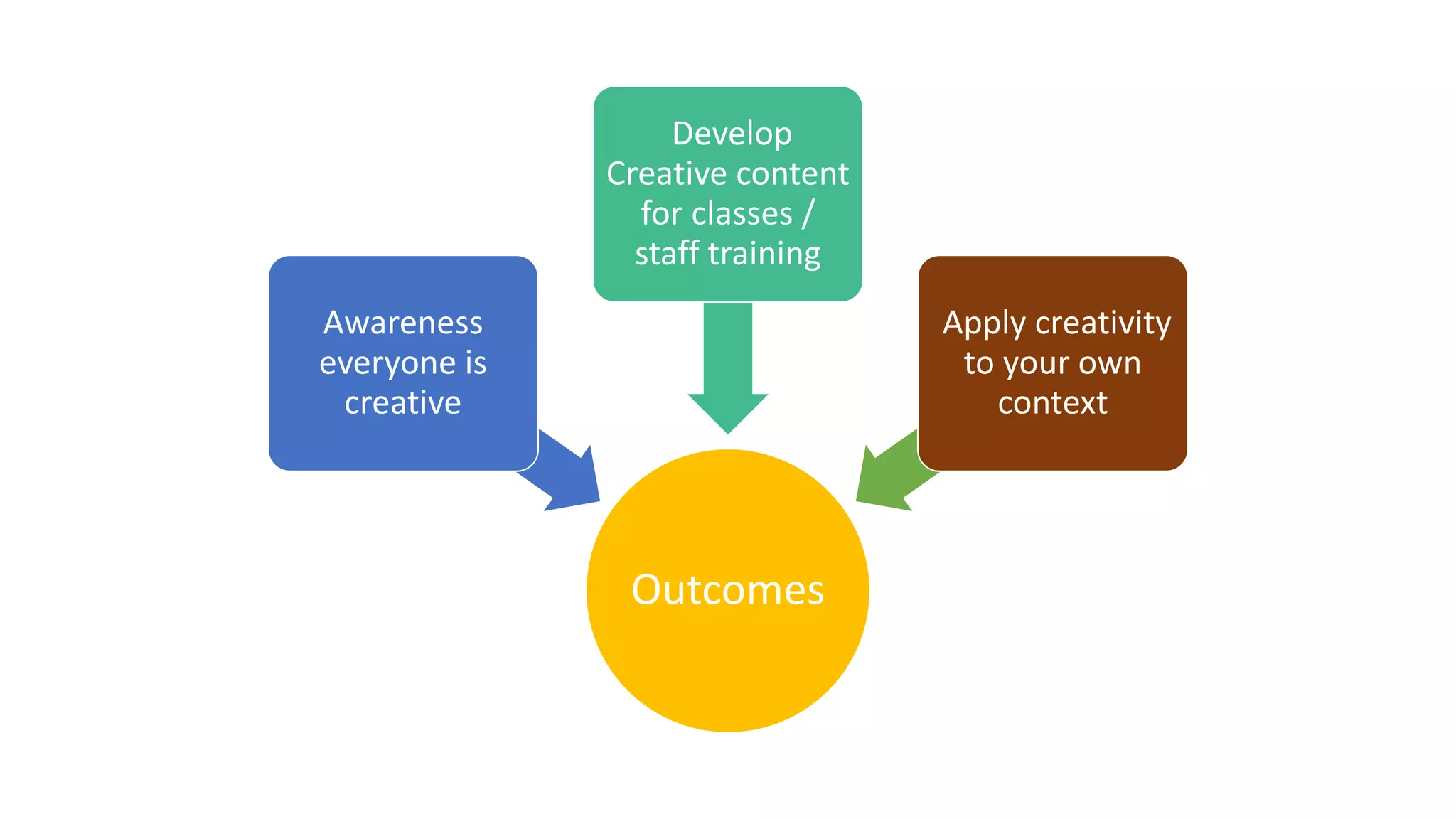
Outcomes
Awareness
everyone is
creative
Develop
Creative content
for classes /
staff training
Apply creativity
to your own
context
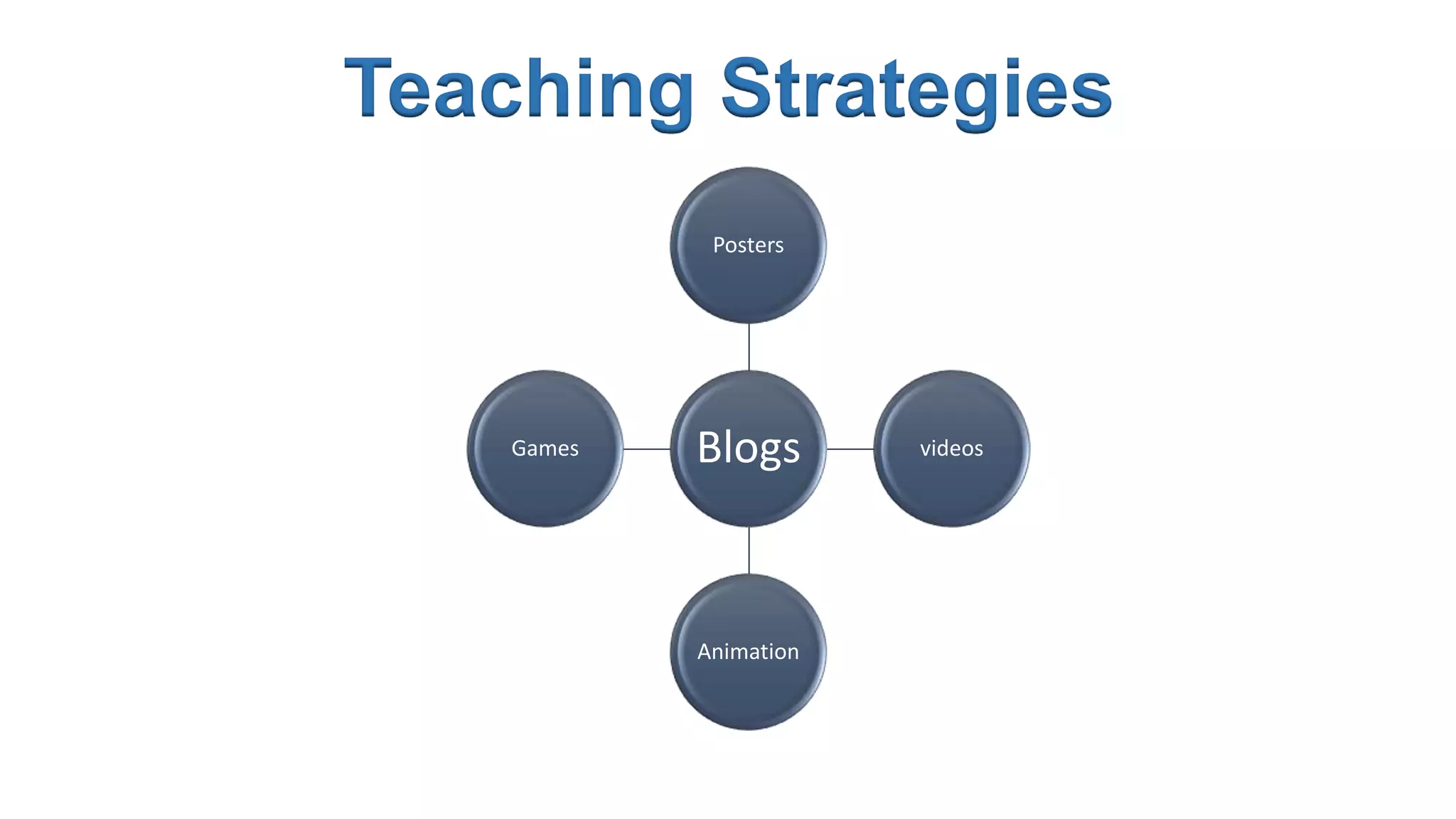
Blogs
Posters
videos
Animation
Games
Teaching Strategies
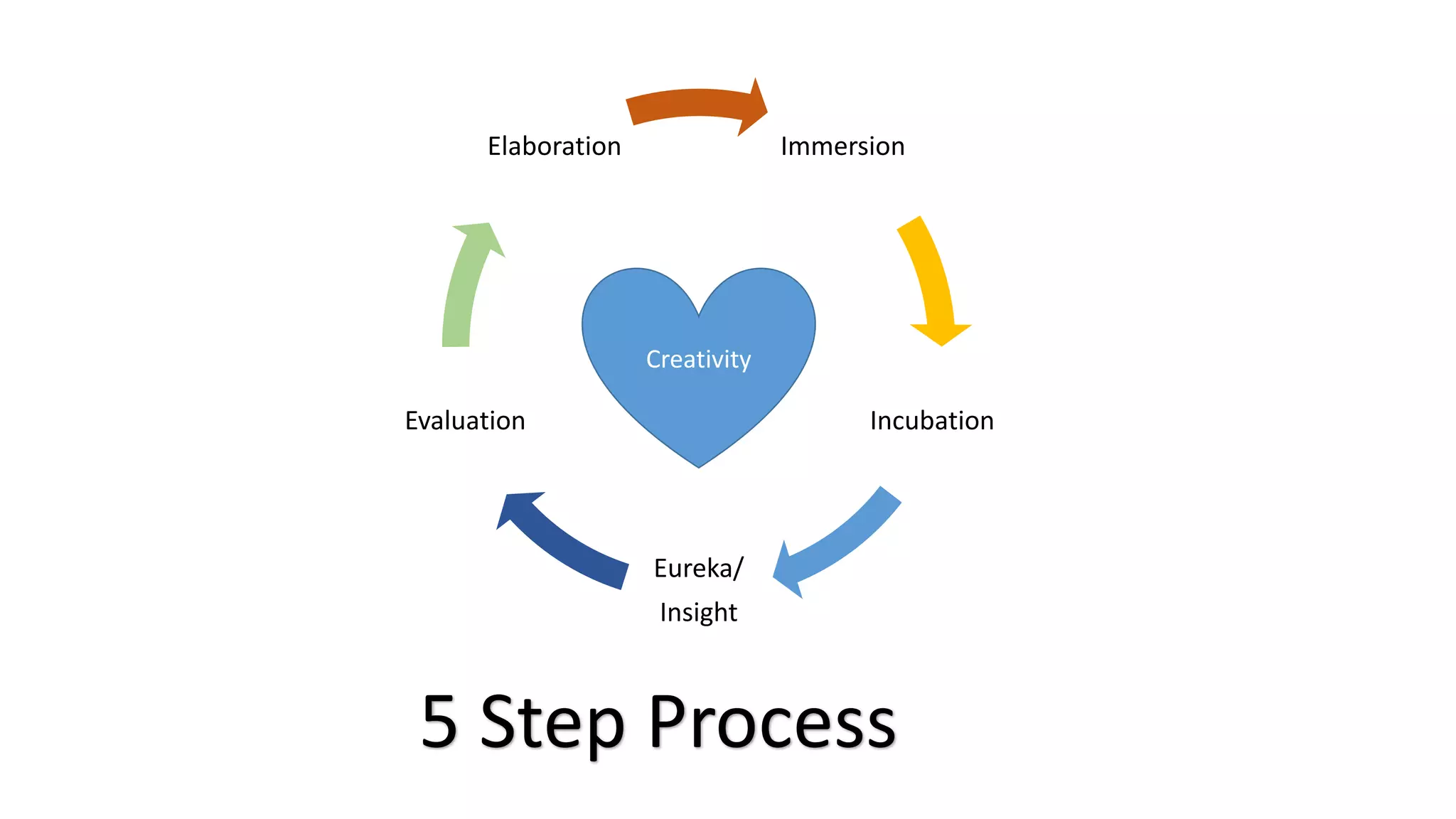
Immersion
Incubation
Eureka/
Insight
Evaluation
Elaboration
Creativity
5 Step Process
Activity No 2
Organisations
Human
Emotions
Techno-
Human
Systems
Rational
Decisions
Inspiring
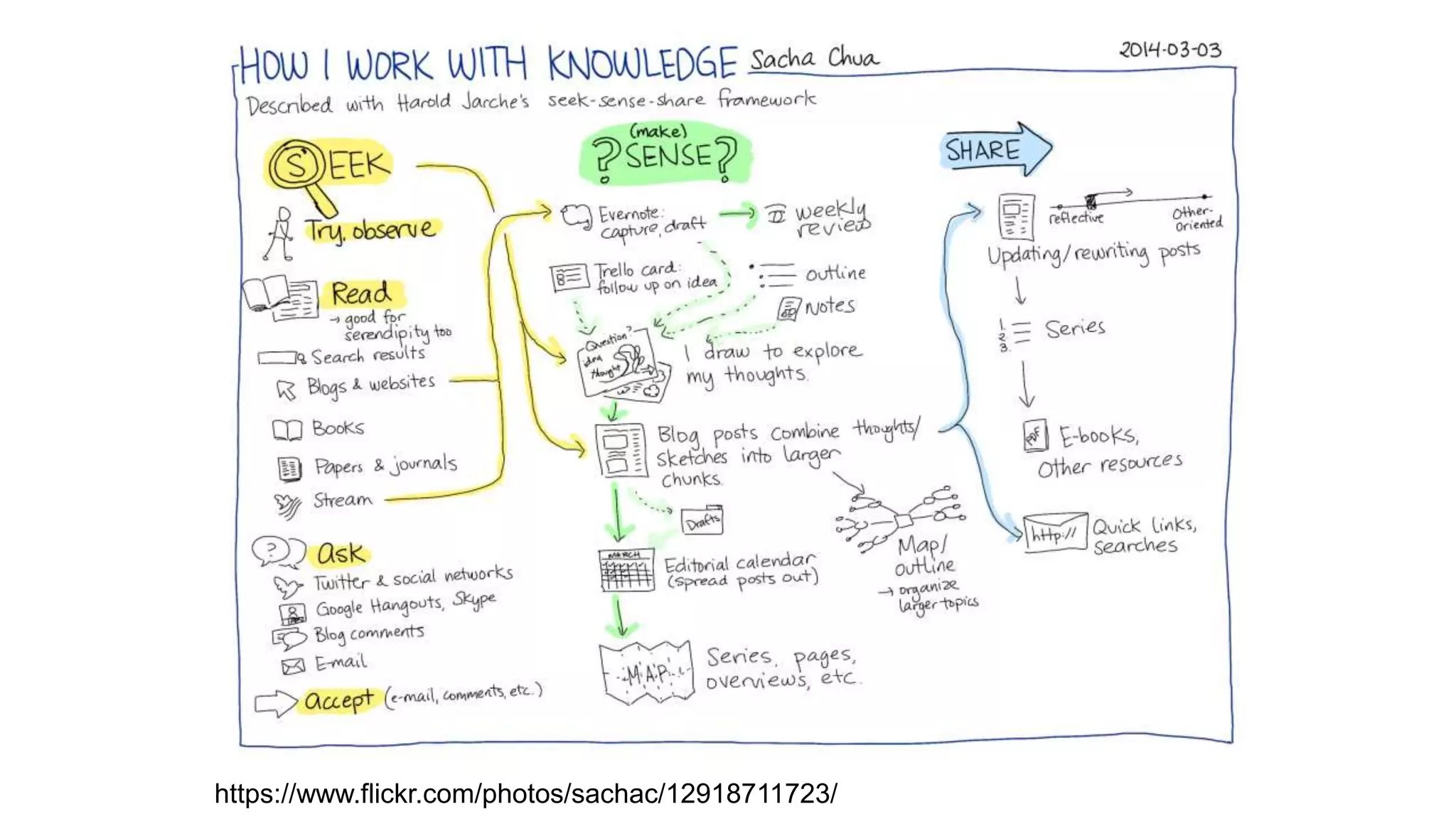
https://www.flickr.com/photos/sachac/12918711723/
Activity No 3
Logical
Mathematical
Spatial
Bodily -
Kinesthetic
Interpersonal
Intra personal
Naturalistic
Linguistic
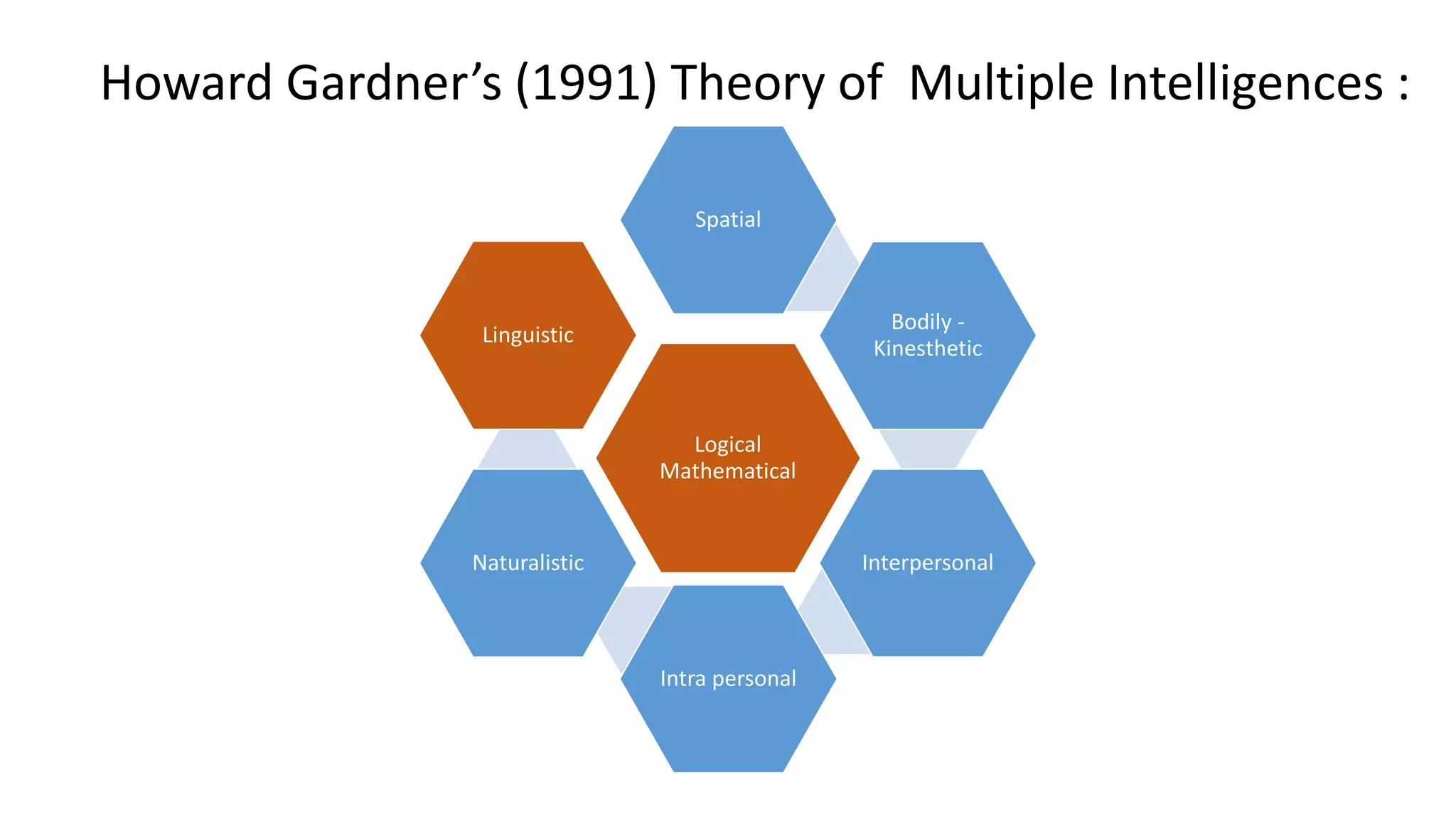
Howard Gardner’s (1991) Theory of Multiple Intelligences :
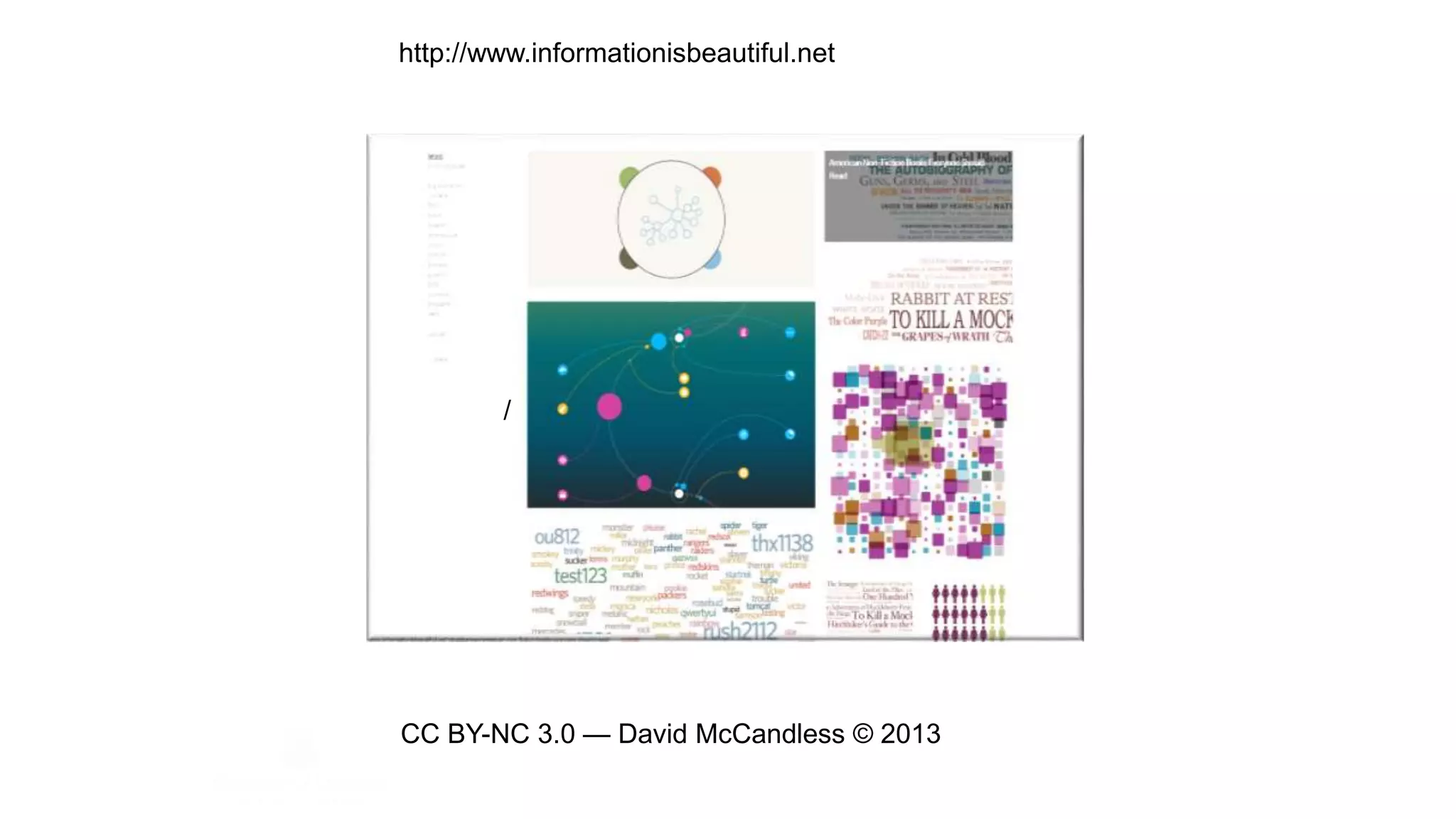
CC BY-NC 3.0 — David McCandless © 2013
/
http://www.informationisbeautiful.net
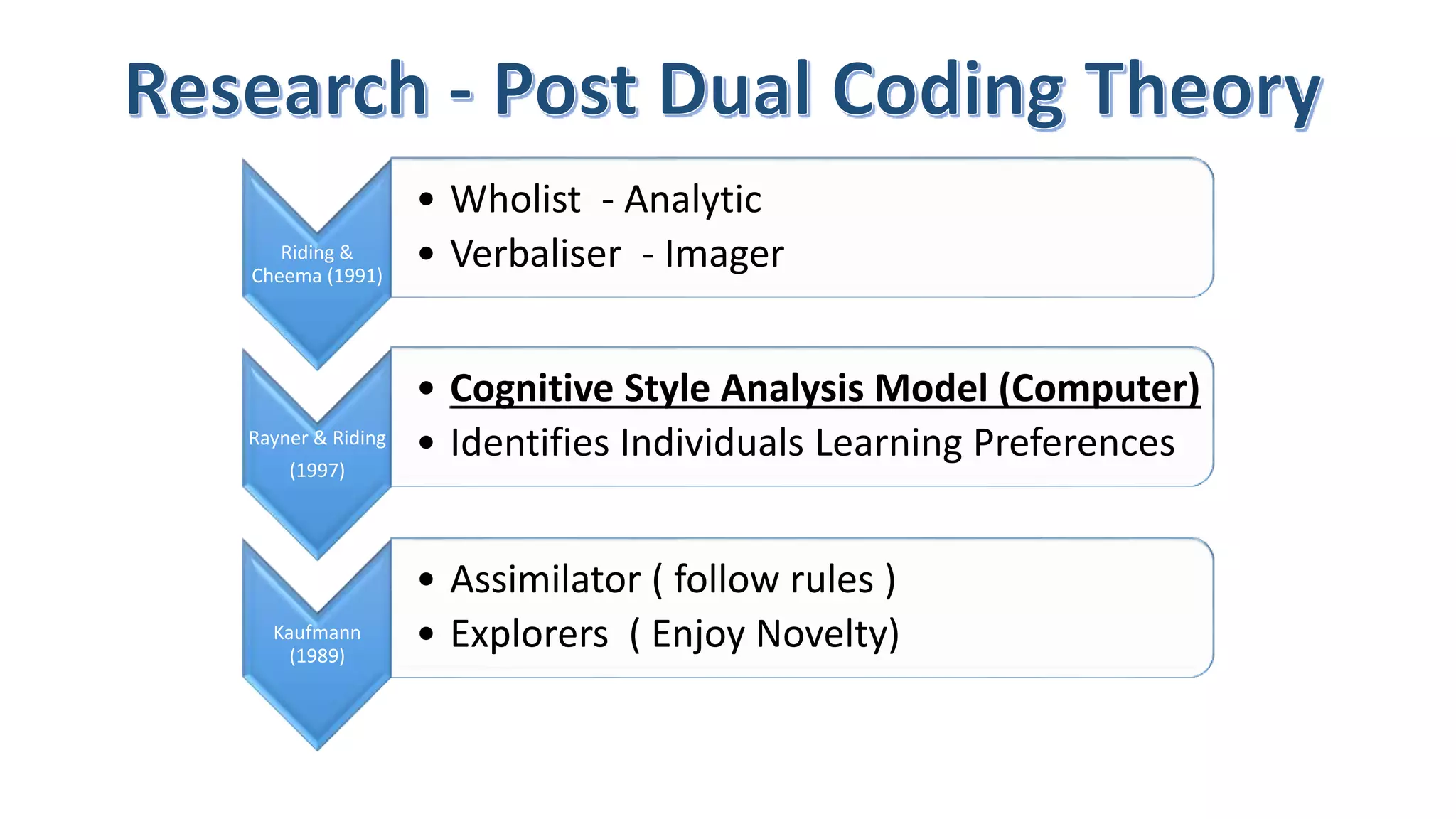
Riding &
Cheema (1991)
• Wholist - Analytic
• Verbaliser - Imager
Rayner & Riding
(1997)
• Cognitive Style Analysis Model (Computer)
• Identifies Individuals Learning Preferences
Kaufmann
(1989)
• Assimilator ( follow rules )
• Explorers ( Enjoy Novelty)
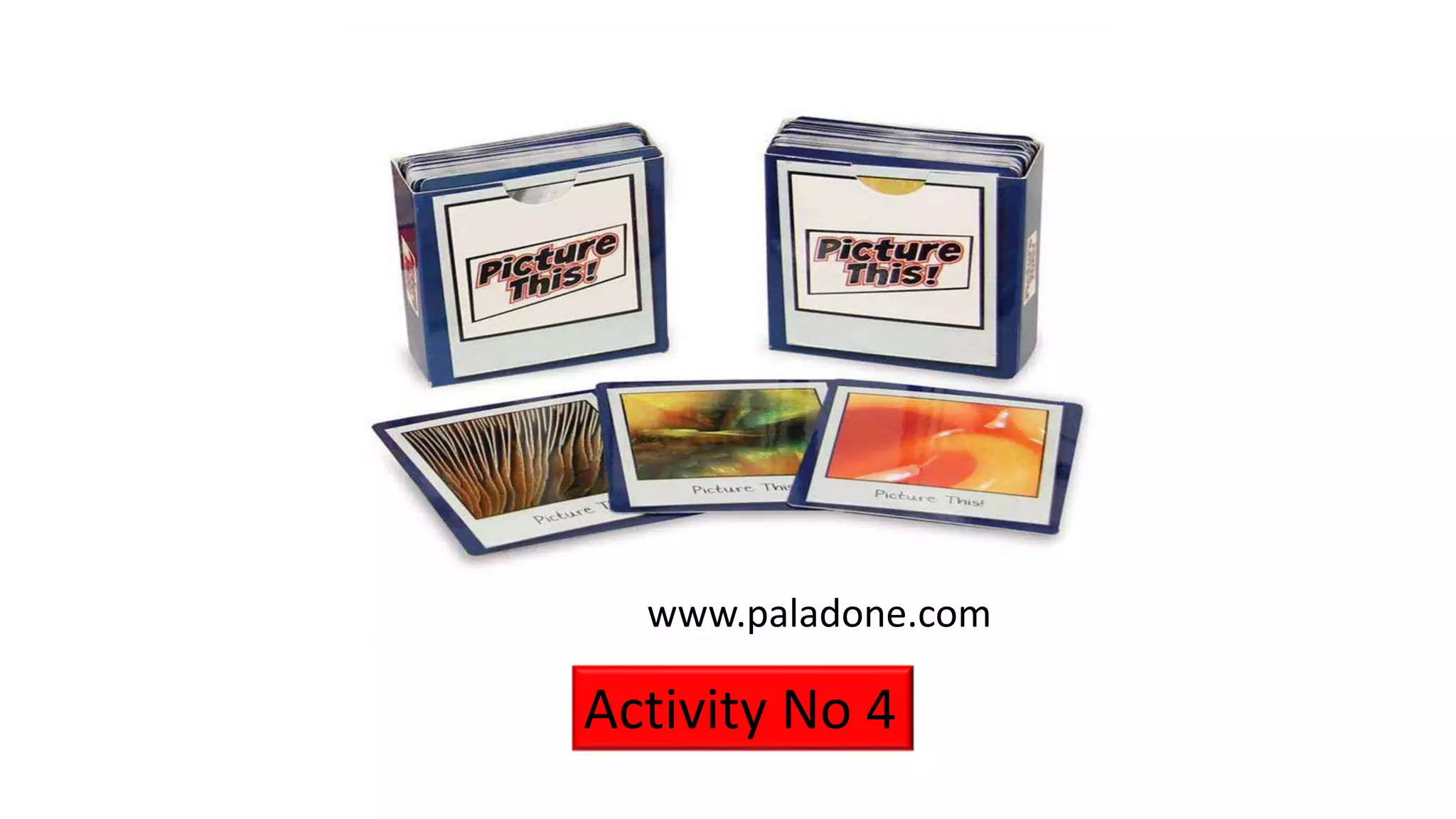
Activity No 4
www.paladone.com
Hypothesize
Analyse
Strategize
Evaluate
Activity No 5
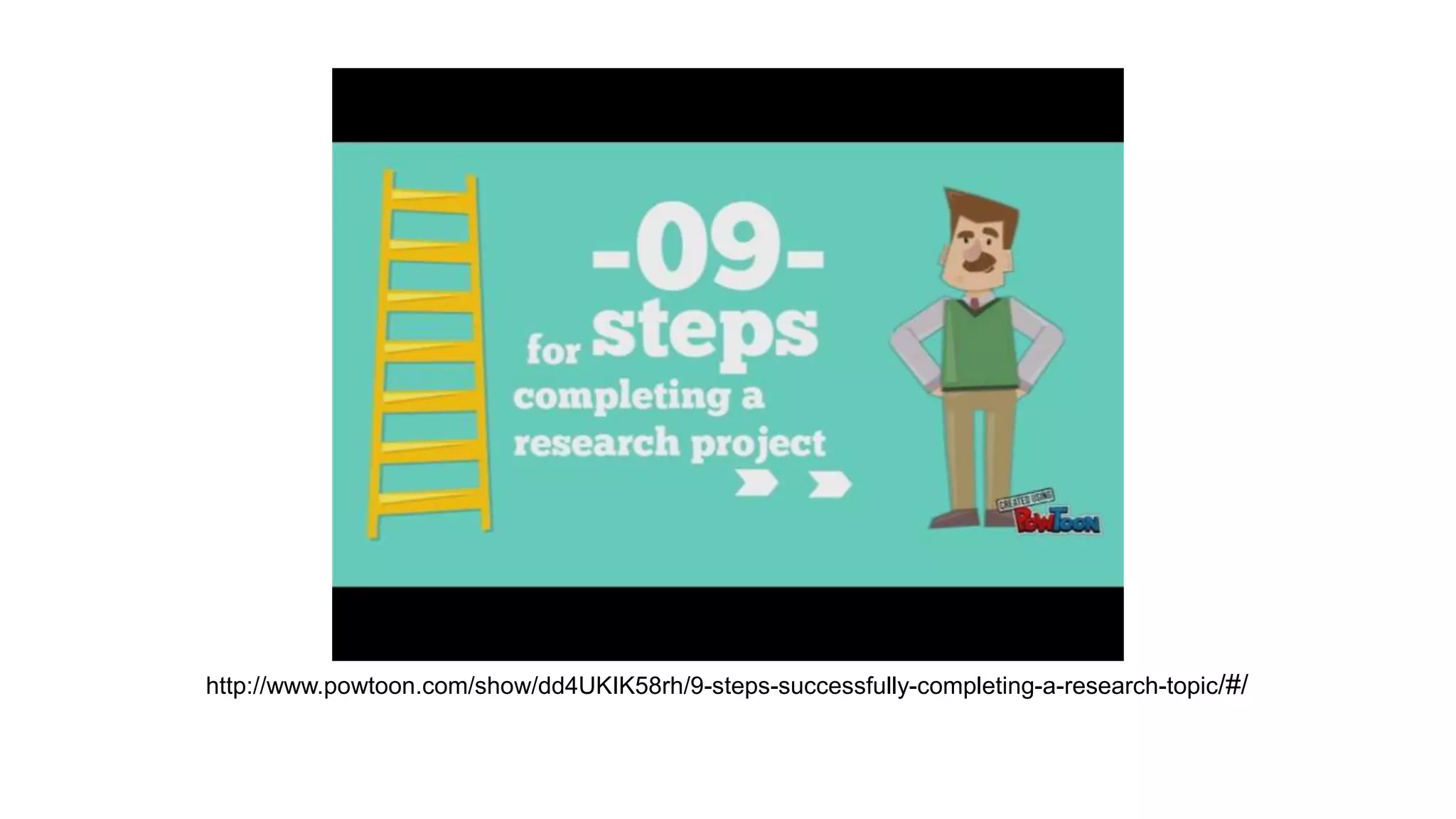
http://www.powtoon.com/show/dd4UKIK58rh/9-steps-successfully-completing-a-research-topic/#/
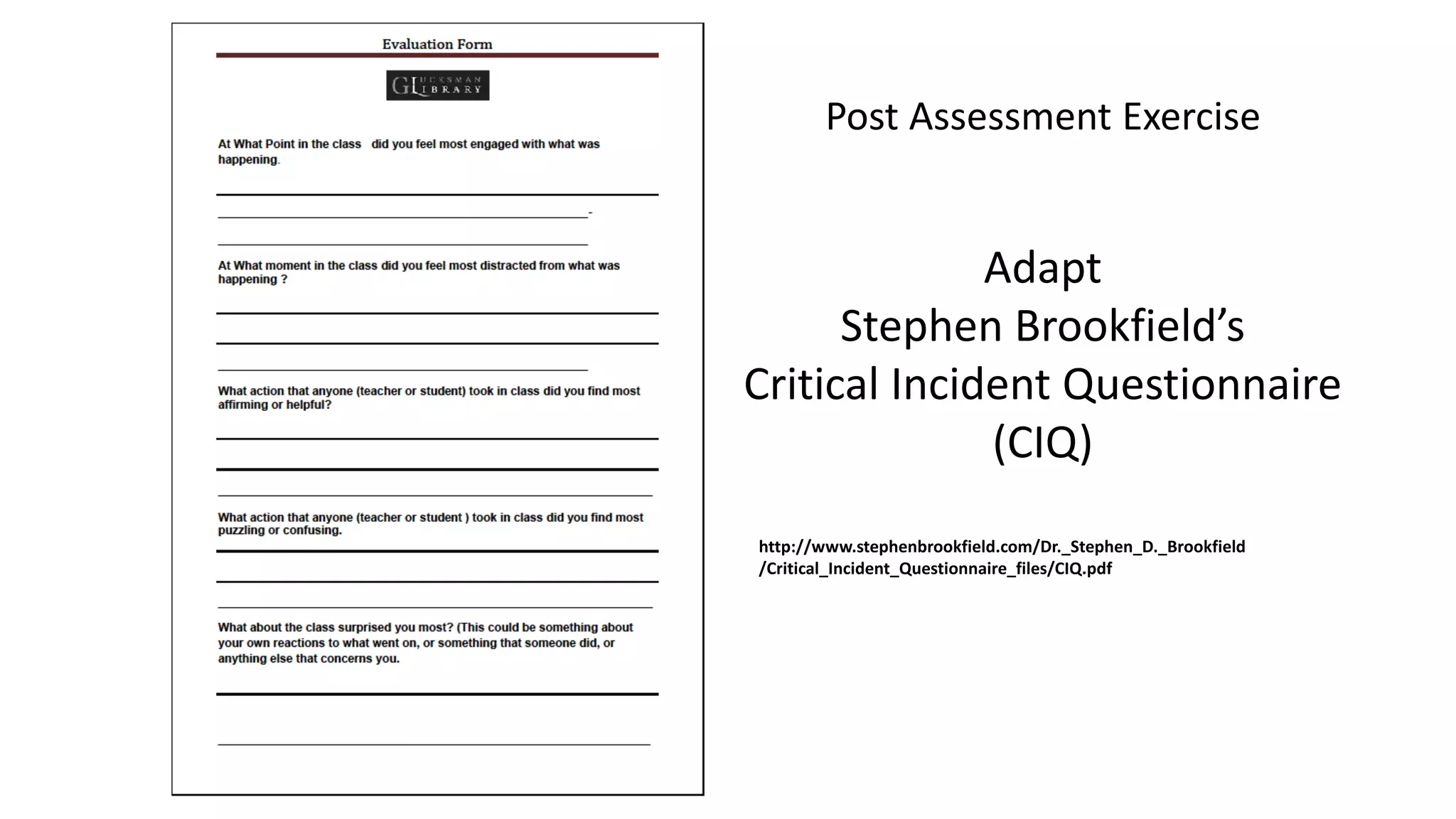
Post Assessment Exercise
Adapt
Stephen Brookfield’s
Critical Incident Questionnaire
(CIQ)
http://www.stephenbrookfield.com/Dr._Stephen_D._Brookfield
/Critical_Incident_Questionnaire_files/CIQ.pdf
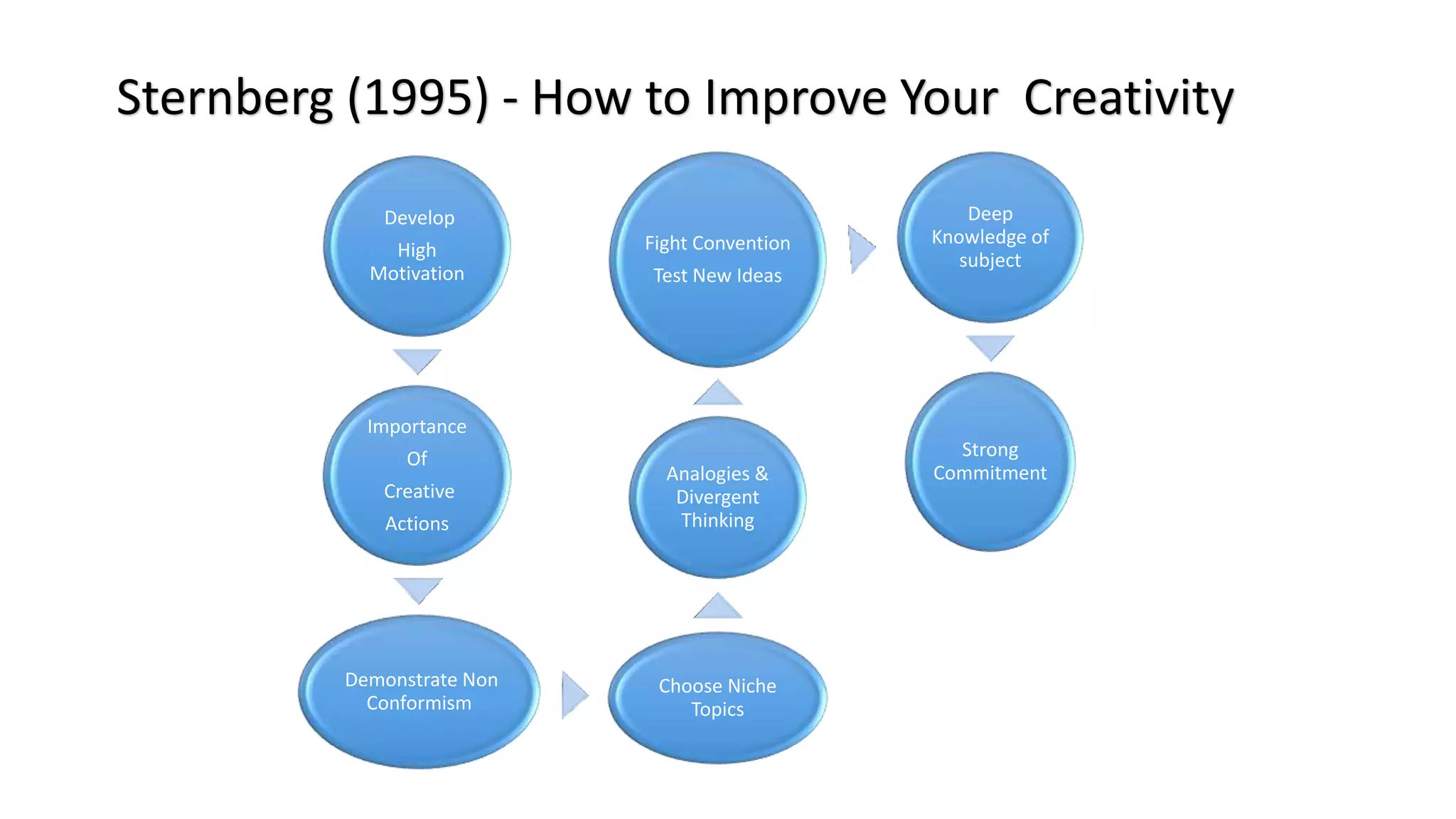
Develop
High
Motivation
Importance
Of
Creative
Actions
Demonstrate Non
Conformism
Choose Niche
Topics
Analogies &
Divergent
Thinking
Fight Convention
Test New Ideas
Deep
Knowledge of
subject
Strong
Commitment
Sternberg (1995) - How to Improve Your Creativity
Credits:
http://www.ted.com/talks/charles_leadbeater_on_education?language=en
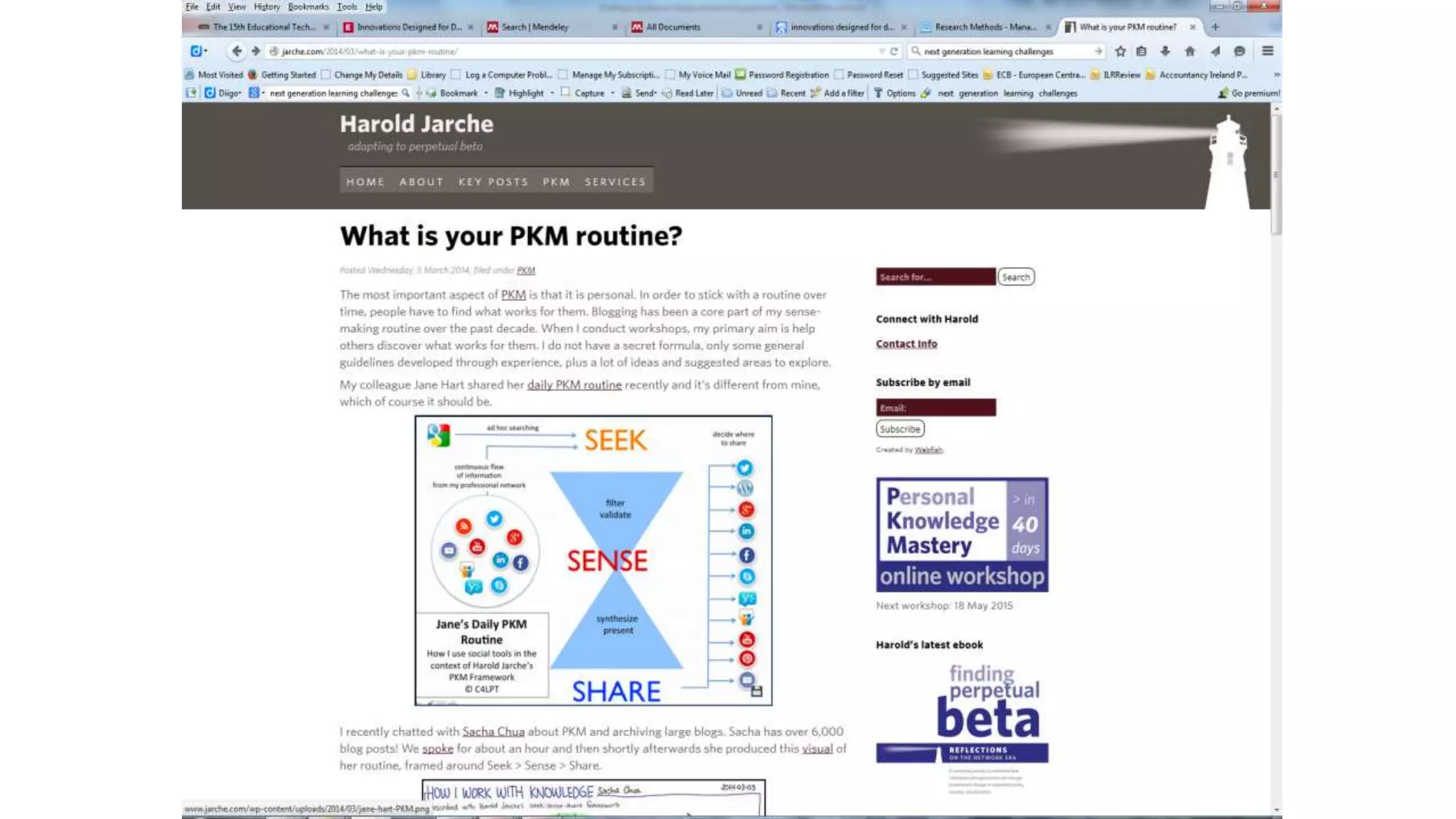
http://jarche.com/2014/03/what-is-your-pkm-routine/
http://globaldigitalcitizen.org/21st-century-fluencies/solution-fluency
http://www.davegrayinfo.com/2012/12/07/visual-thinking-basics/
Barczak, G., Lassk, F., & Mulki, J. (2010). Antecedents of Team Creativity: An Examination of Team Emotional
Intelligence, Team Trust and Collaborative Culture. Creativity and Innovation Management, 19(4), 332–345.
doi:10.1111/j.1467-8691.2010.00574.x
Gardner, H. (1993). Frames of mind: Theory of Multiple Intelligence, 2nd Ed London, Fontana.
Knowles, M. S. (1980). The modern practice of adult education. Fallett.
Martinsen, O., & Kaufmann, G. (2000). The assimilator-explorer cognitive styles and their relationship to
affective-motivational orientations and cognitive performances. In R. & R. S. Riding (Ed.), International
perspectives on individual differences (1st ., pp. 3–39). Ablex.
Mezirow, J. (1991). Transformative dimensions of adult learning. (1st ed.). San Francisco: CA: Jossey Bass .
Paivio, A. (1979). Imagery and verbal processes. Lawrence Erlbaum Associates.
Runco, M. A. (2004). Creativity. Annual Review of Psychology, 55, 657–87.
doi:10.1146/annurev.psych.55.090902.141502
Sternberg, R., & Lubart, T. I. (1995). Defying the crowd : cultivating creativity in a culture of conformity. New
York N.Y.: Free Press.

Creative techniques to engage students deeper - Peter Reilly

Editor's Notes

  • #3 Hopefully the innovative teaching strategies discussed in this session, and the various activities, will inspire you to be more creative in your own work.
  • #5 This presentation will discuss each of the various strategies or techniques which I have used. Review learning theory in terms of Cognitive Psychology . Make reference to recent education policy reports. Explore the skills employers require from new hires, finally whether these Graduate skills are meeting the labour market demands.
  • #7 So What are these teaching strategies or techniques used in Research Methods Workshops Posters, images , animation, blogs , games, videos
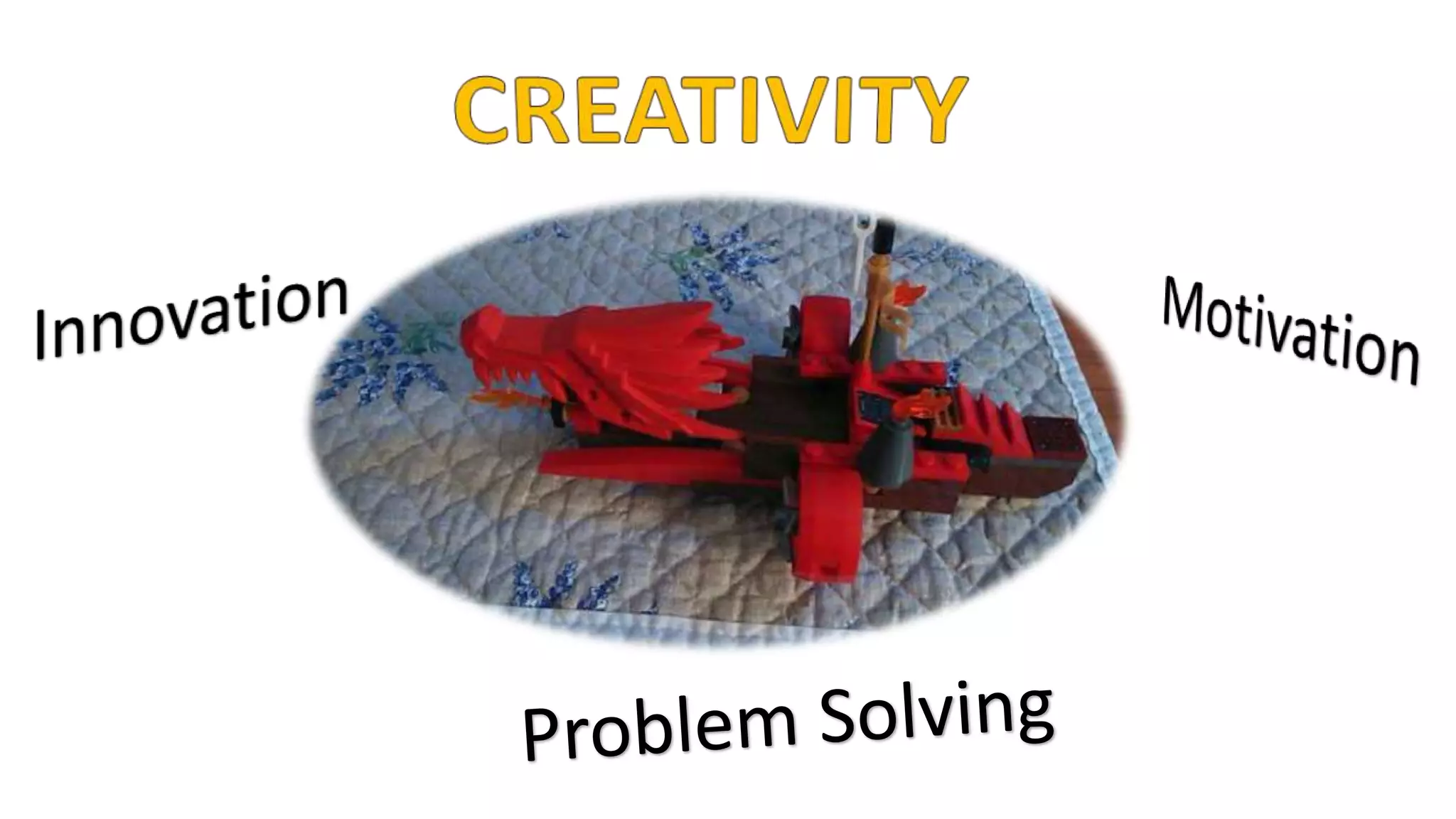
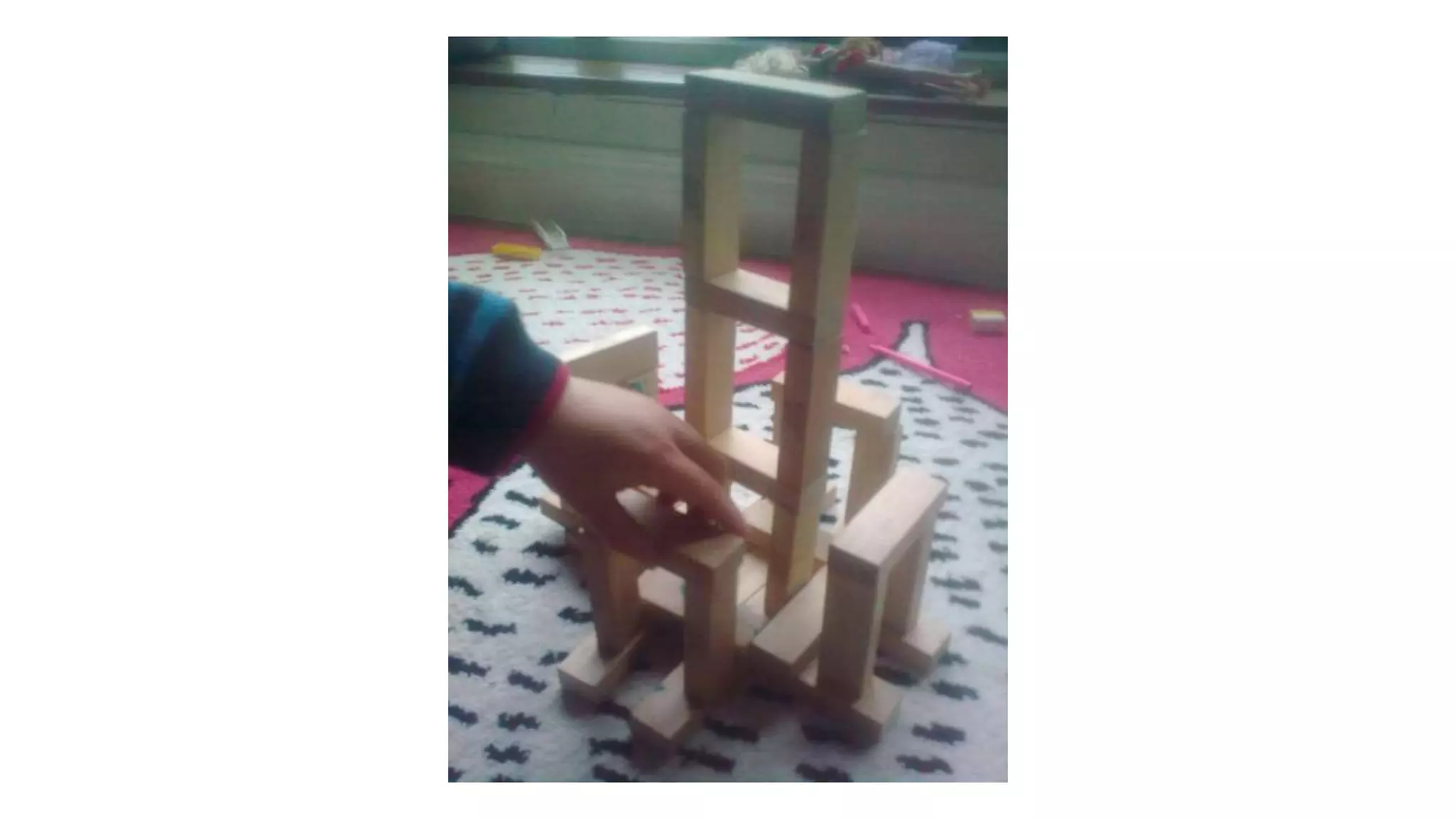
  • #8 Creativity The Cognitive Psychologist Jerome Bruner (1962) recognised that as the future was so difficult to define, Creativity was the best tool to prepare both our children and students for evolutionary change.(Runco, 2004 ,p659) A flying dragon boat my 10 year old nephew devised and built out of several Lego Ninjago sets.
  • #9 Traditional five step process to creativity
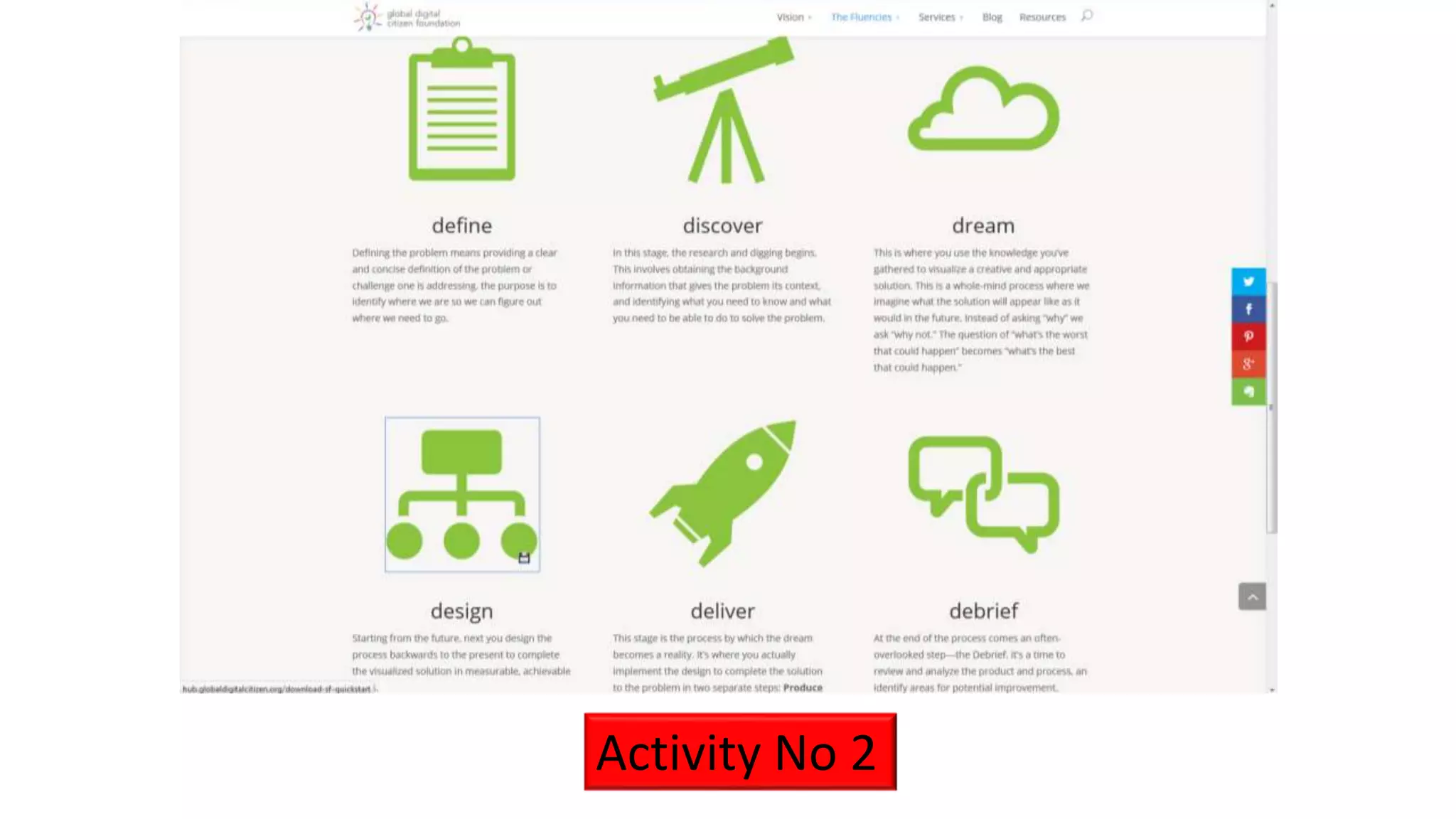
  • #10 Solution Fluency is a creative approach to problem solving developed by the Global Digital Citizen Foundation. It is a six step process known as the “6 Ds” and students are encouraged to consider it as another lens in which to view their dissertation.
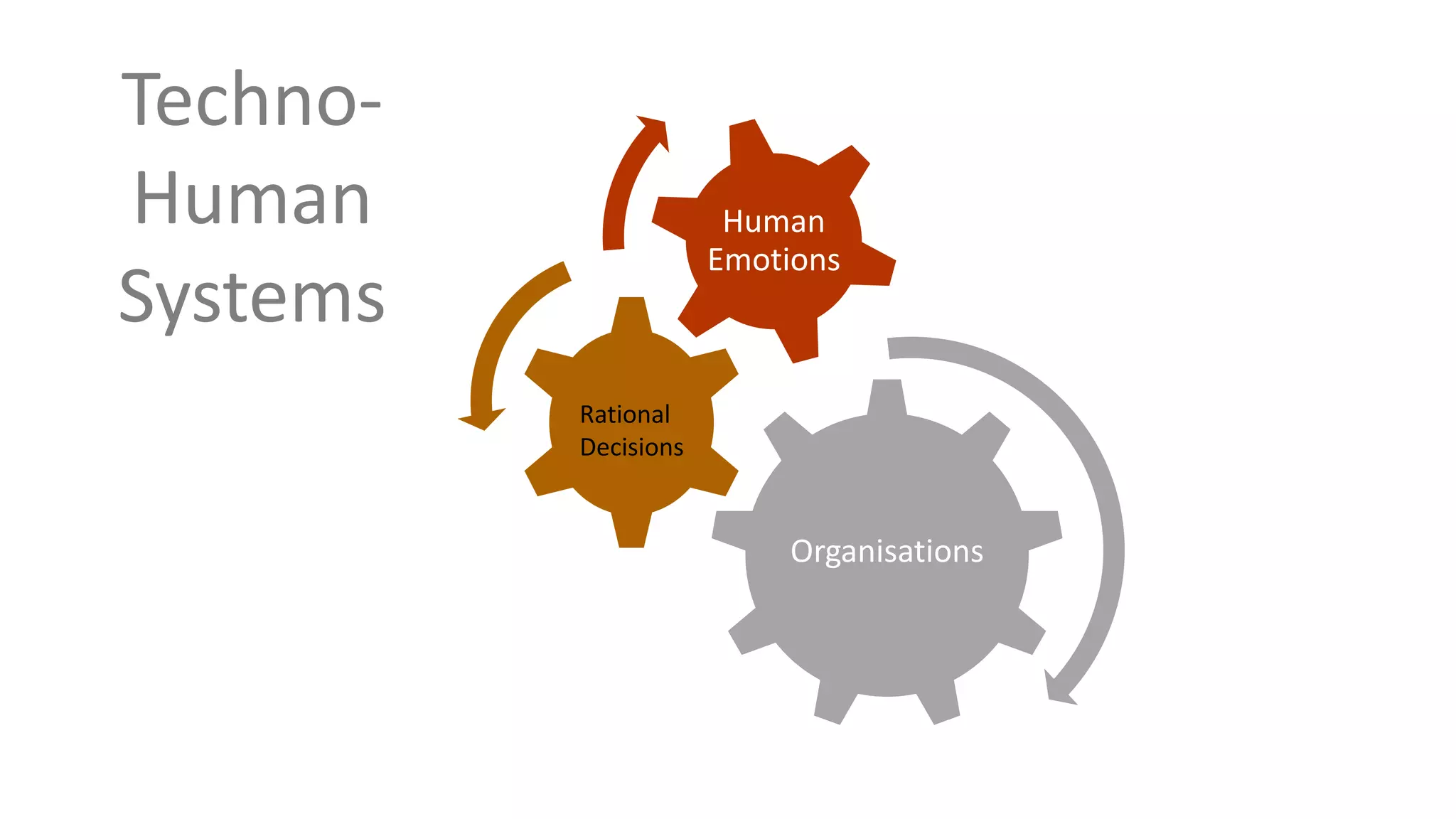
  • #11 Organisations are defined as Techno Human Systems combining rational decision making with Human Emotions as people are at the centre of them. Both have an influence on the overall performance of an organisation.
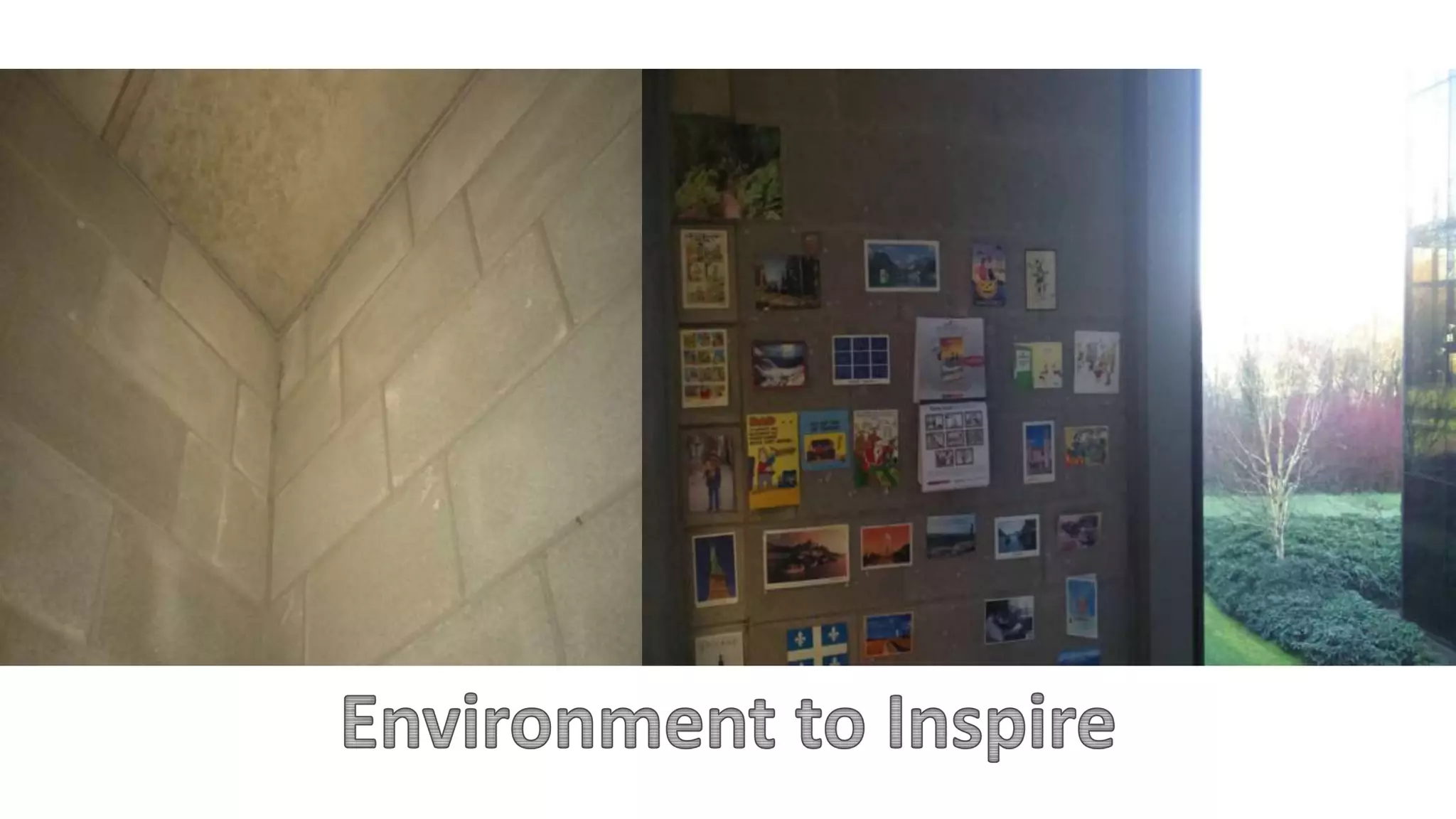
  • #12 Ensuring a pleasant aesthetic work environment which appeals to all senses ensures , happy workers and inspires creativity.
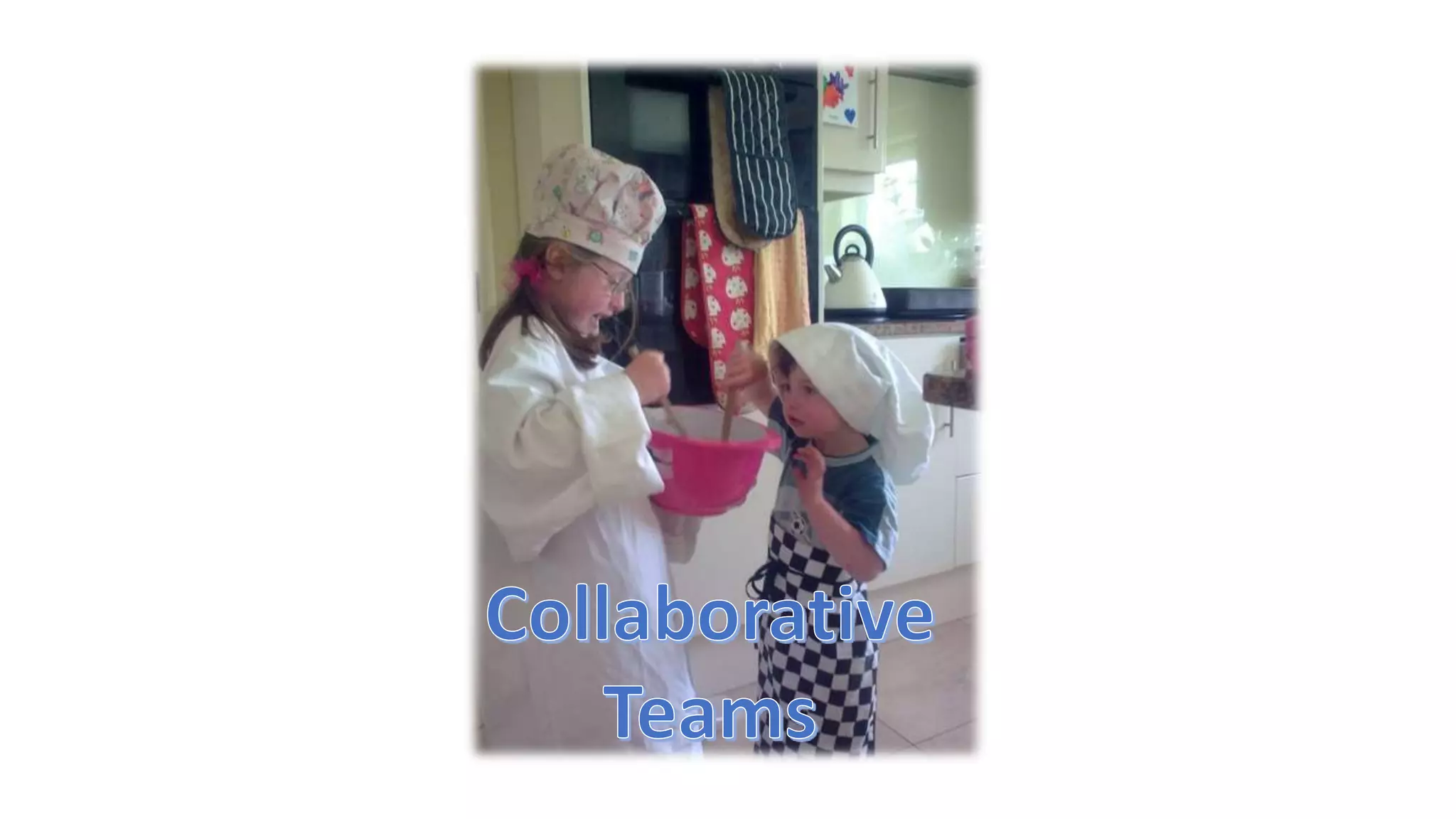
  • #13 Collaborative employees The modern workplace encourages a collaborative learning environment, requiring team members to embrace change , offer differing viewpoints, and discuss problems openly. Consequently they share knowledge learn from each other and guided by common objectives. (Barczak et al. 2010)
  • #14 Harold Jarche is a Knowledge Management Consultant and Blogger. He has developed a theory called Personal Knowledge Mastery which I think is very relevant to students undertaking a Literature Review.
  • #15 This is another visual presentation of the Seek Sense Share model created by Sacha Chua. Students really engage with it because it is easy to follow, and can relate it to their own Literature Review.
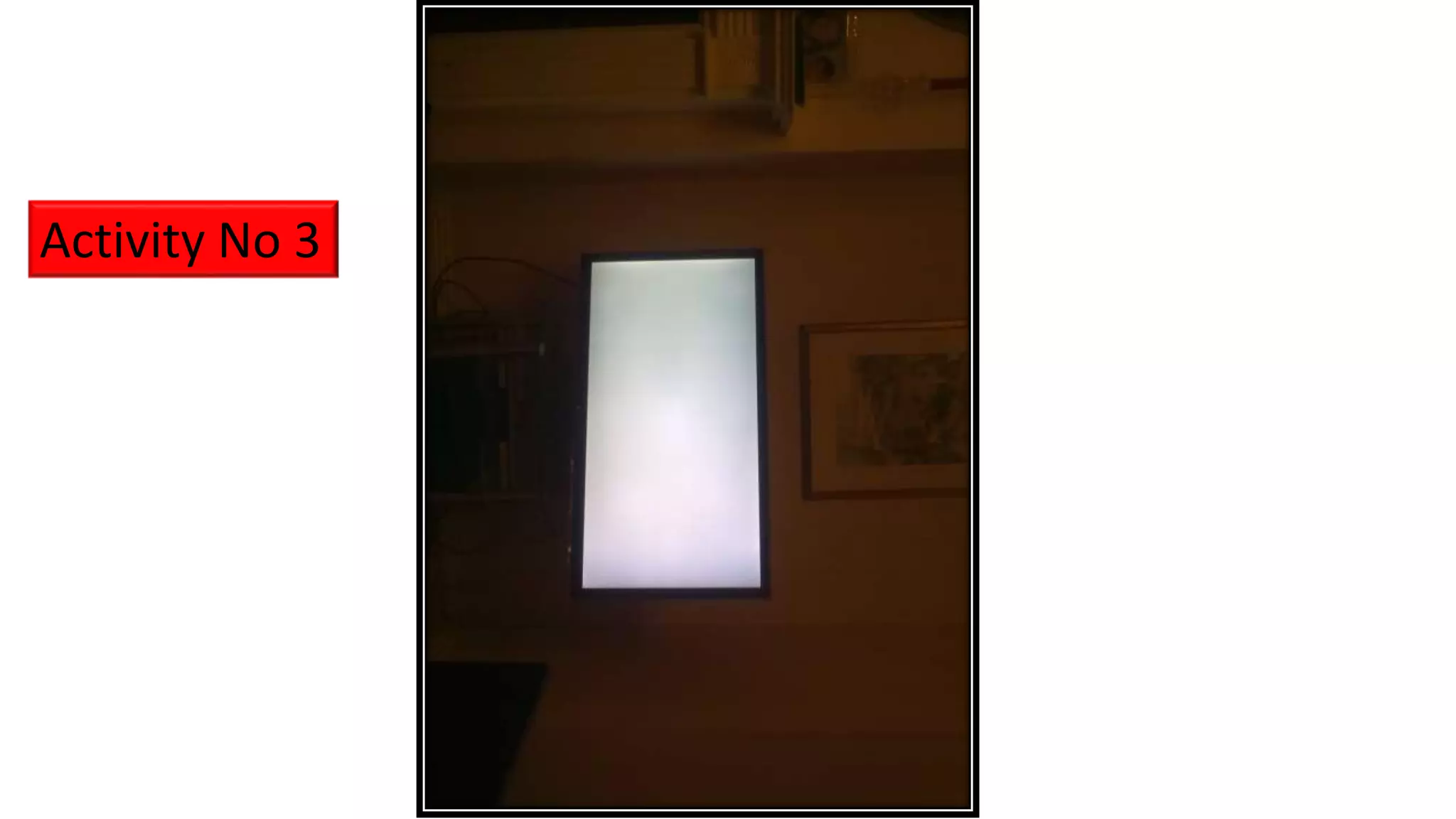
  • #16 Image of a LCD Television Screen rotated at 90 degree angle. This is another technique , I use to encourage students look at the context of something. Research has to be interesting to the reader and one way of doing this is by exploring a topic from a different perspective. Emphasise the importance of taking a holistic approach to a topic, rather than focusing on specific part.
  • #17 Education has been traditionally dominated by the following: Logical mathematical Linguistic
  • #18 Today we live in an image dominated society, and Big Data is being presented visually. This is David McCandless blog which uses data visualisation creatively.
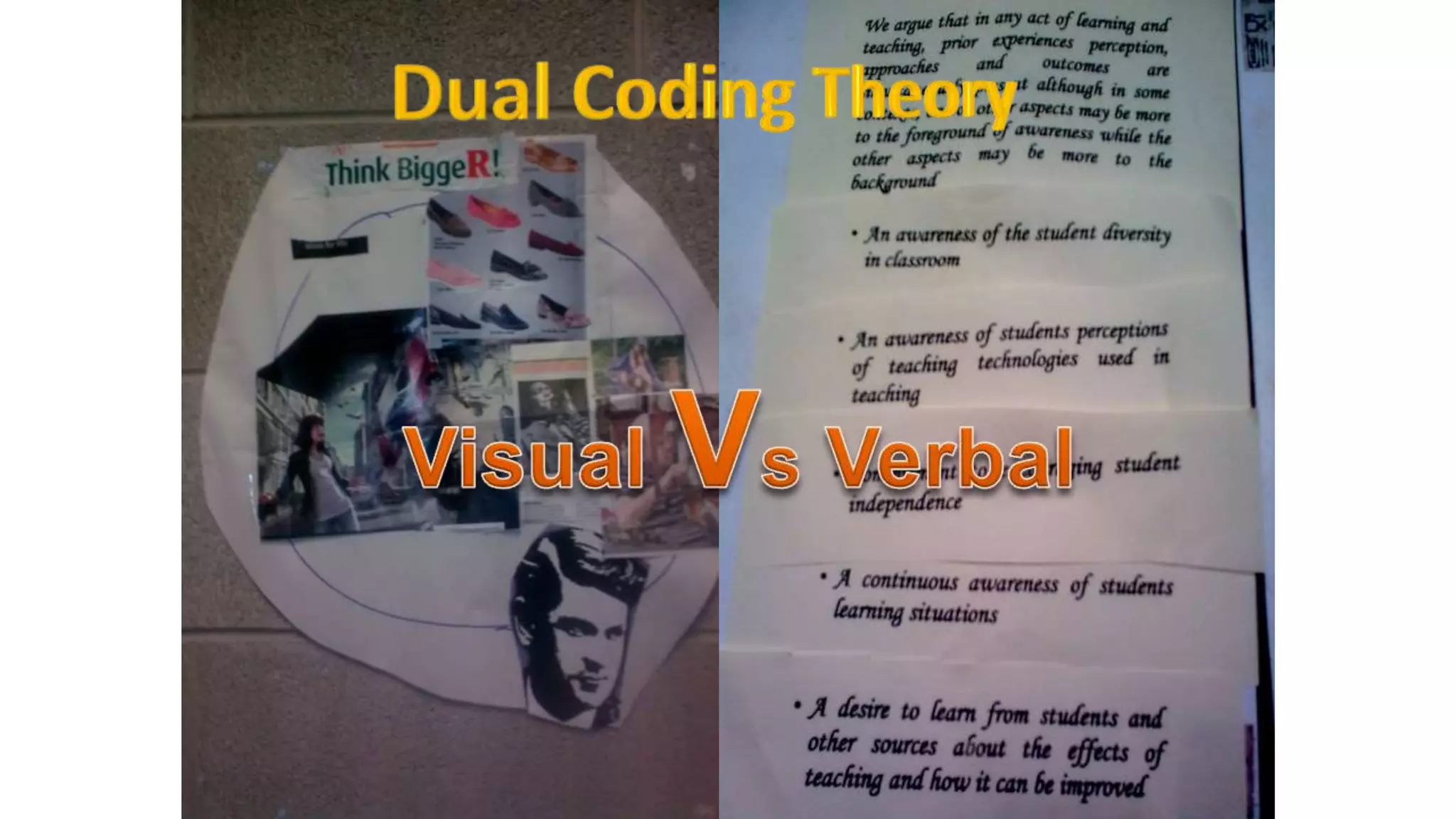
  • #19 According to Cognitive Psychologist Allan Paivio’s (1971) Dual Coding Theory (DCT) There are two types of learners which can be classified into two distinct groups verbalisers and visualizers who process information differently. Subsequent research by conducted by Riding & Cheema (1991) concluded that verbaliser have a preference for text and visualizers for images. So combining teaching using both of these .
  • #21 Group play this game Picture This Purpose is to emphasise the importance of adopting a holistic perspective to a problem rather than analytic.
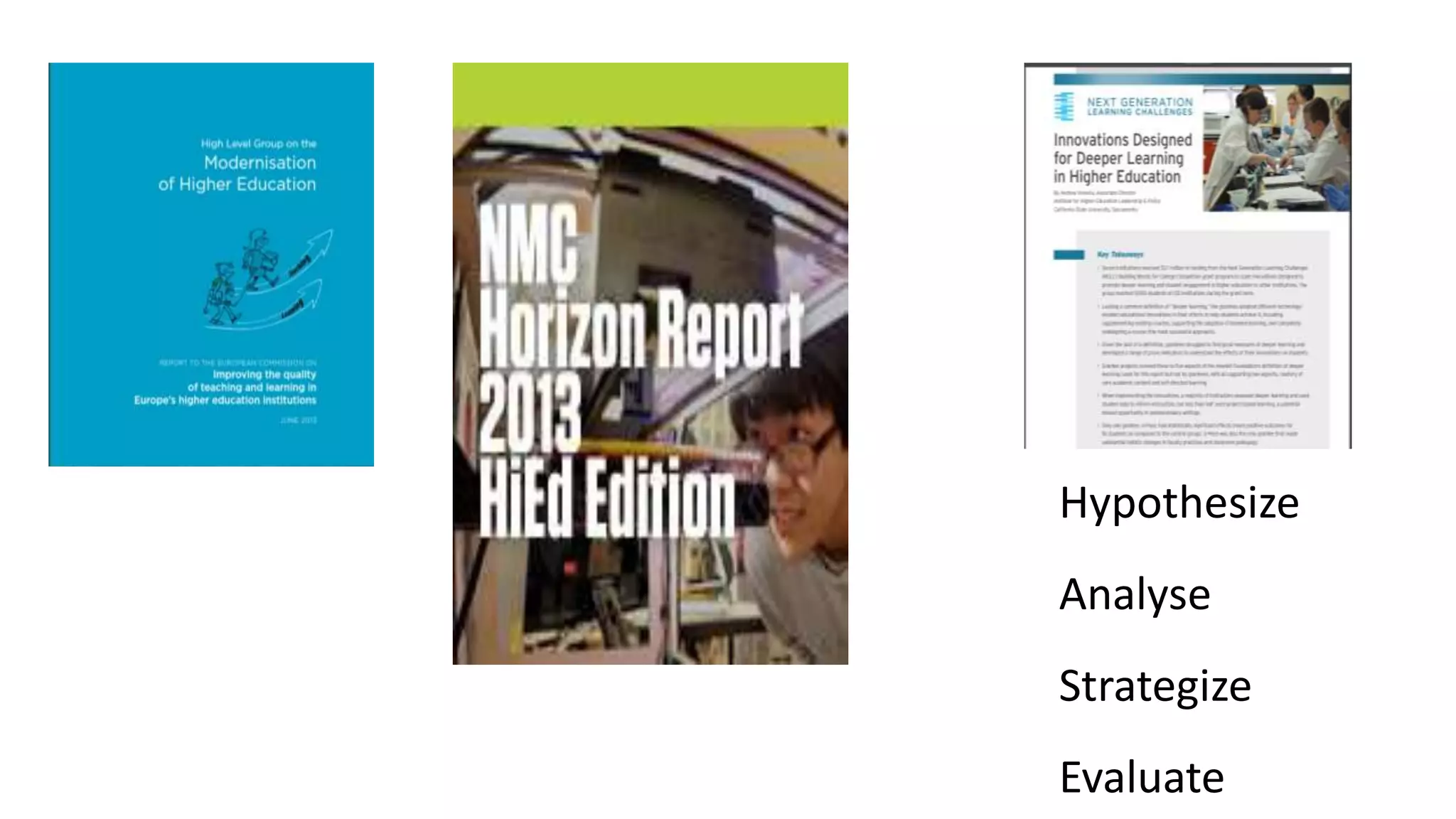
  • #22 The EU Report on the Modernisation of Higher Education chaired by Mary McAleese emphasised that student should be grappling with problems which are bigger than their course and making a contribution to society. Horizon Report – Employers expect new recruits to be self directed learners(learning which occurs outside classroom). Educause Report -key skills of students Analyse, Strategise, Hypothesise, Evaluate
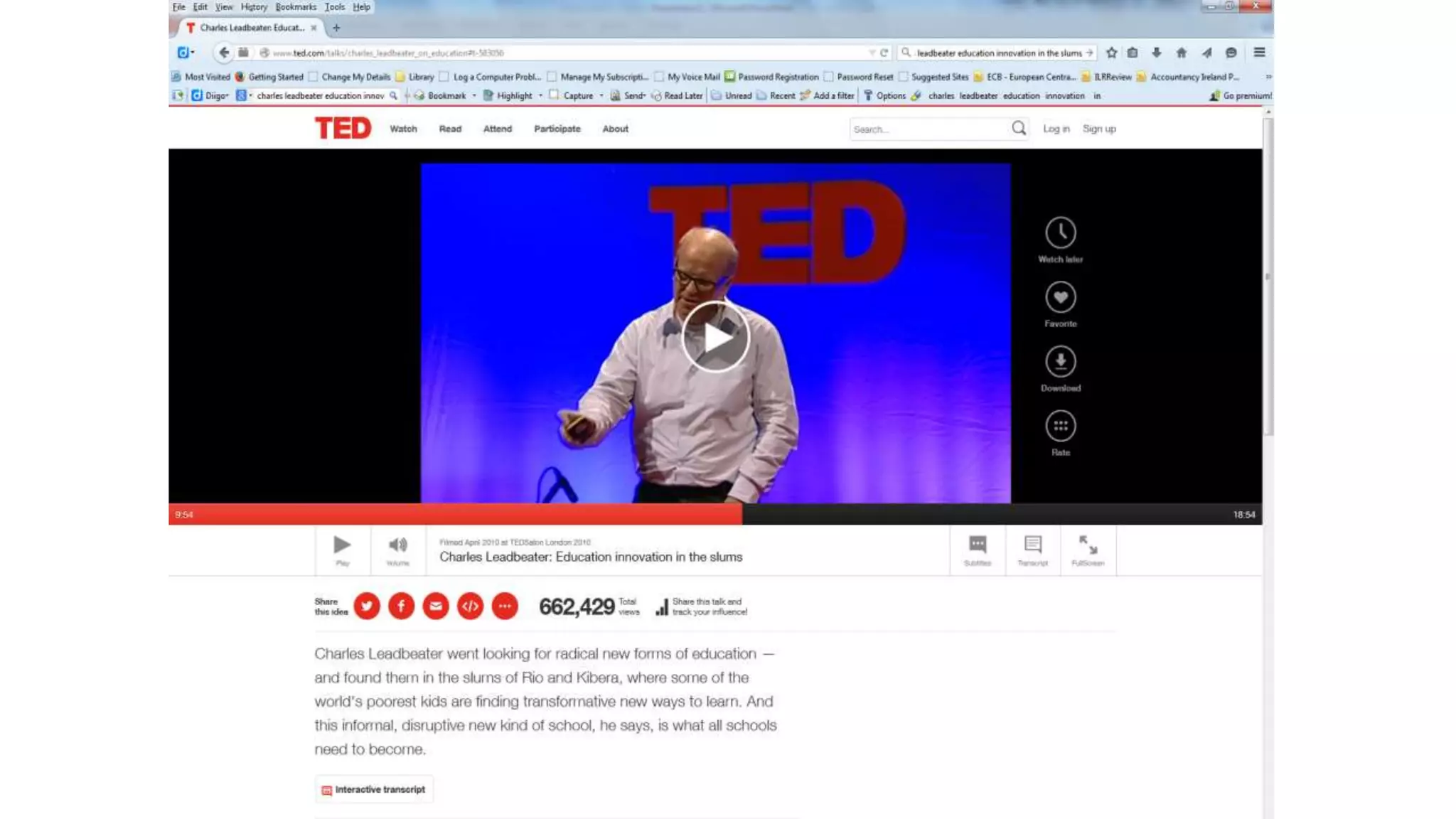
  • #23 Charles Leadbeater in 2010 TED talking discussing learning innovation said the Developing world was leading the way in this sphere and Western Educators could learn two things. Engage people before teaching them. Learning has to be productive to make sense.
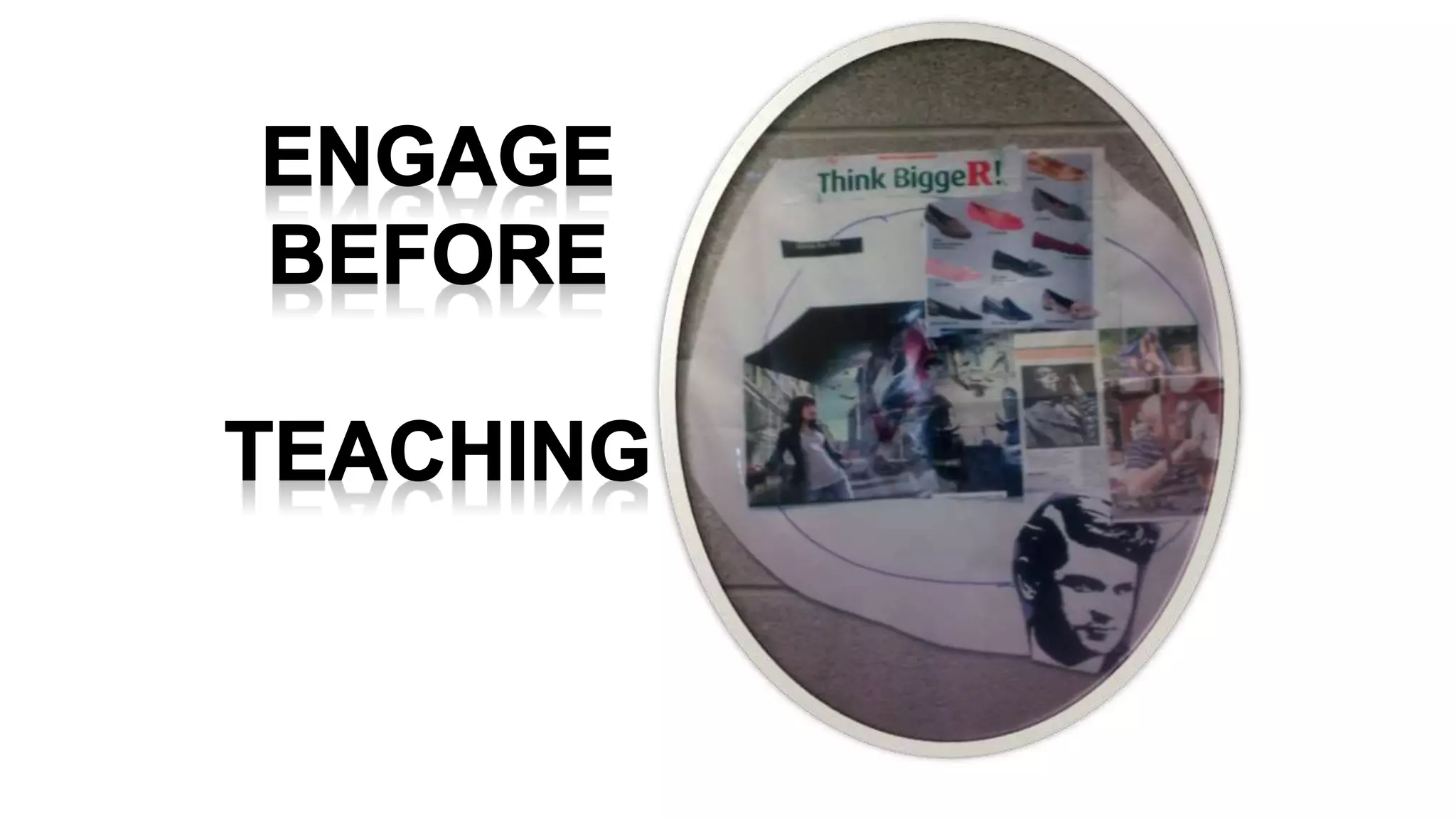
  • #24 Engage students with my teaching portfolio collage by asking for their interpretation of it. As previously mentioned Two types of cognitive styles among a group - Explorers and Assimilators. Assimilators like solving problems using their experience and adhering to rules. Explorer perform better at the novelty tasks and draw conclusions based on available resources.
  • #25 Graduate students are adult learners and learn differently to children, because They engage in critical self reflection and reassess their learning.
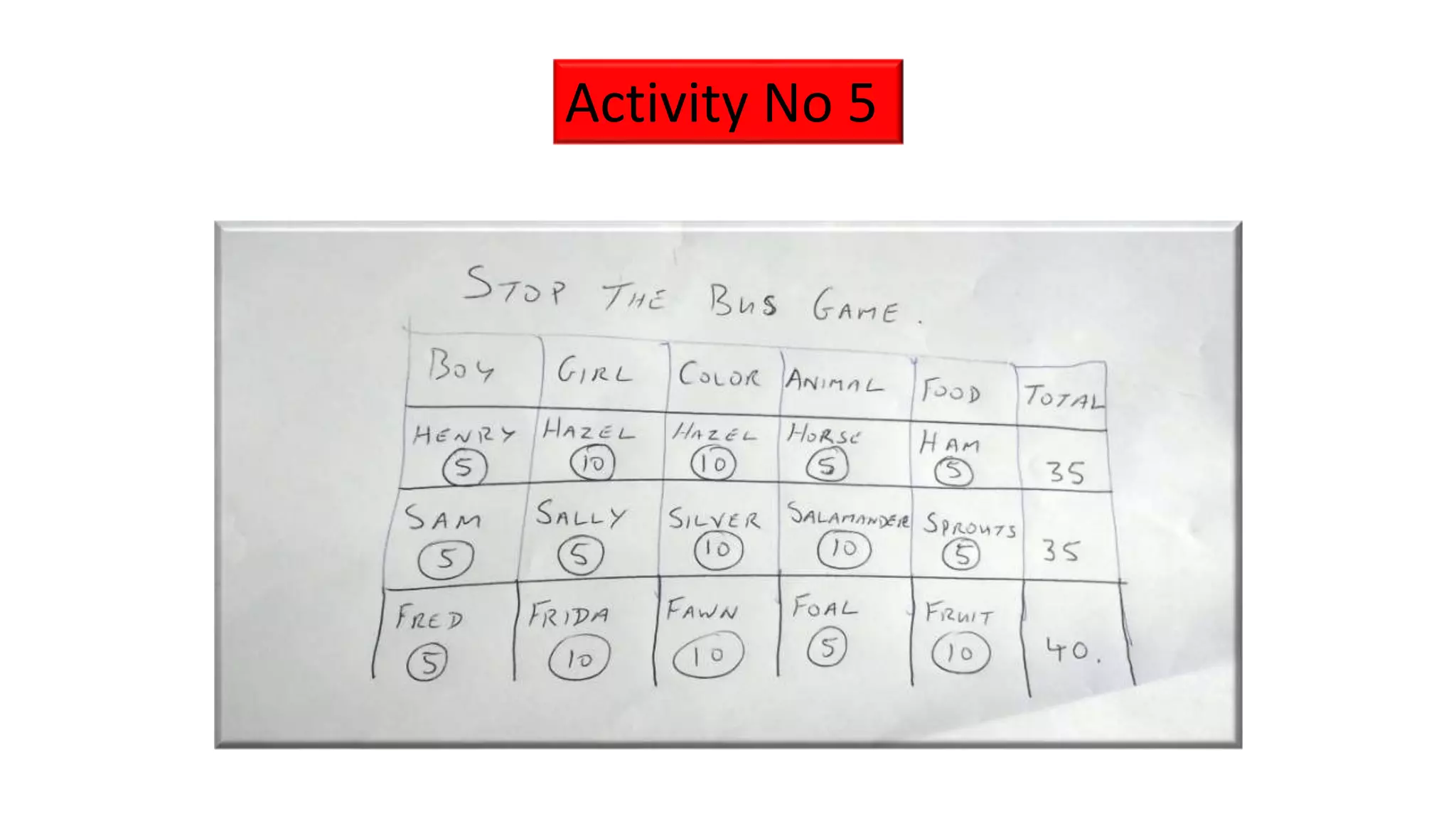
  • #26 Creativity is about taking something from one domain and applying it to another to revitalize and create something new. In this case stop the bus is a literacy game played by eight year olds , I have repurposed it as a reflective tool for adults to encourage collaboration and motivation.
  • #27 Started to experiment with animation as way to engage students.
  • #28 Dave Gray has a blog devoted to visual thinking. I encourage students to watch the video and apply what they have learned. Sometime it can aid with refining a complex problem by drawing it. Depends on students intelligence type whether they like or hate it.
  • #29 The objective of the session is to stimulate the student’s curiosity, which makes them self motivated , resulting in them becoming immersed in their topic at a deeper level.
  • #30 I use a modified version of Stephen Brookfield’s Critical Incident Questionnaire as a post assessment exercise.
  • #31 On reflection creativity has been used to try create a student centred and collaborative learning environment.
  • #32 Develop a high motivation for Being Creative. Be fully convinced of value & Importance of Creative Actions. Show a certain degree of non conformism, as rules may hinder your progress. Carefully choose topics which interest you but have been over looked by others. Use Analogies & Divergent thinking as much as possible. Seek out colleagues who fight convention & help you test new ideas Immerse yourself in knowledge of subject to avoid re –inventing the wheel for 100th time. Make the strongest commitment your creative enterprise.
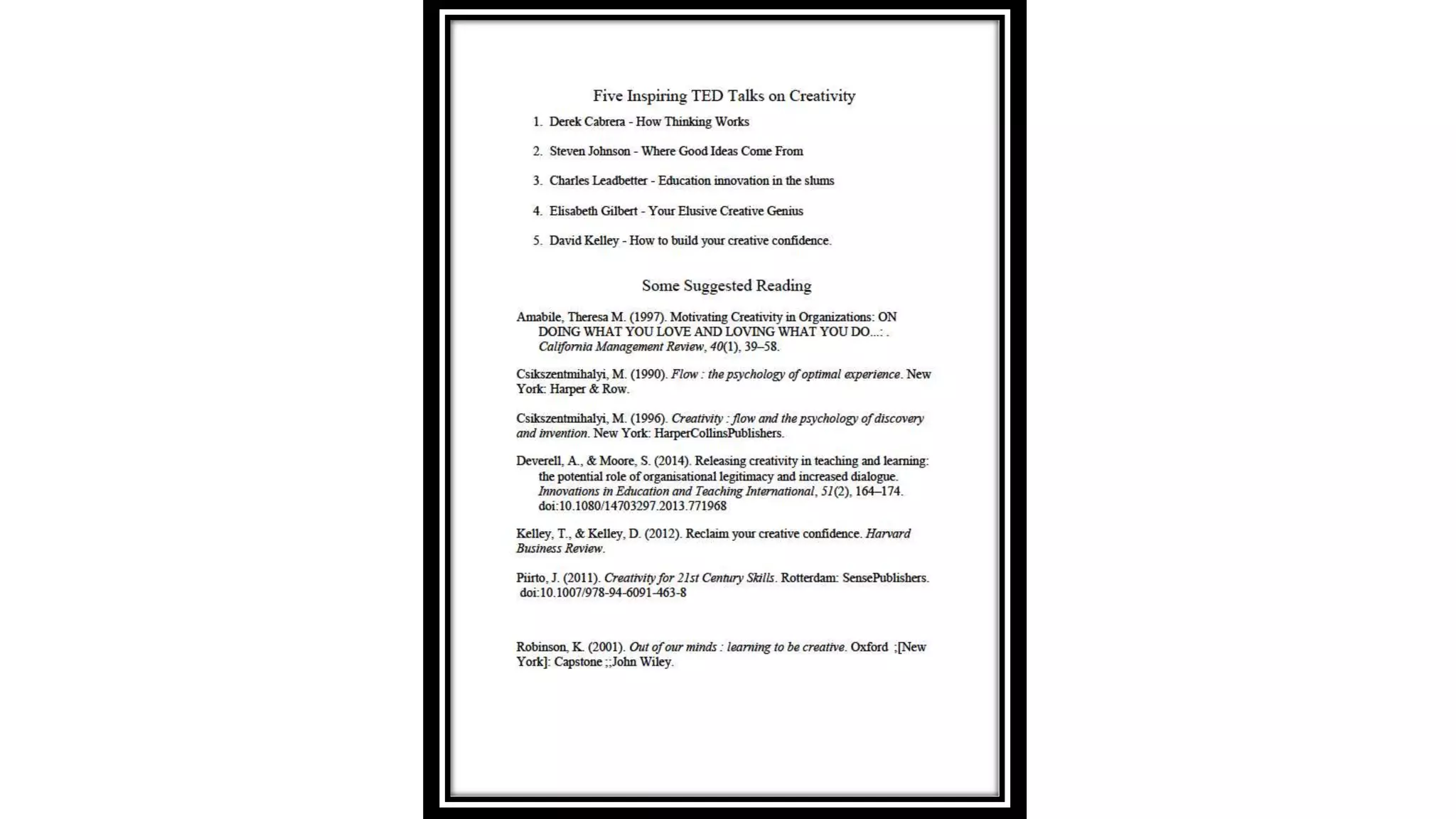
  • #33 Highly Recommended & Good Introduction to concept of Creativity. Ken Robinson book “Out of Our Minds” is a good place to start. Csikzentmihalyi’s Flow is a best seller