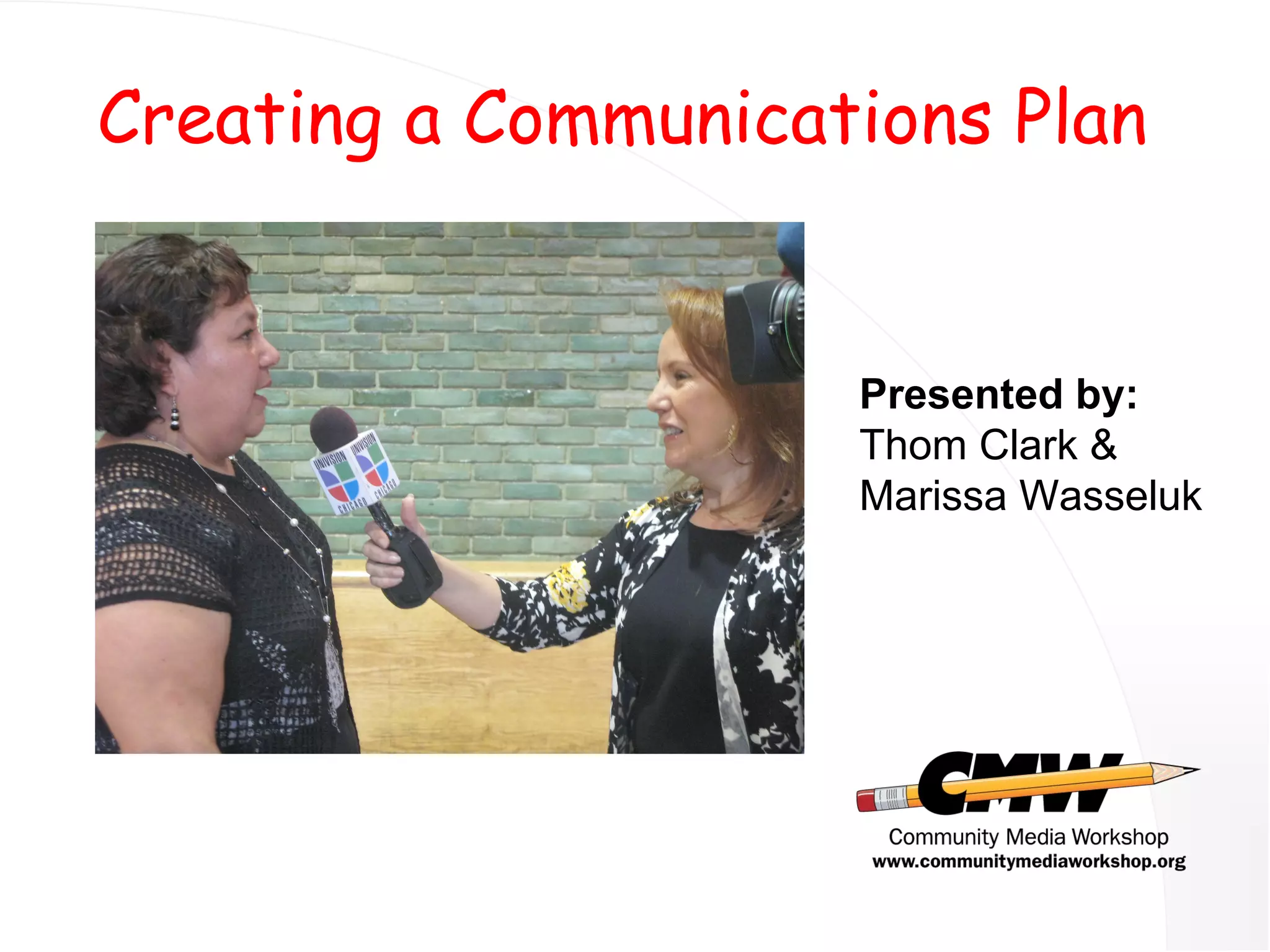






Creating a Communications Plan Presented by: Thom Clark &  Marissa Wasseluk
Who We Are
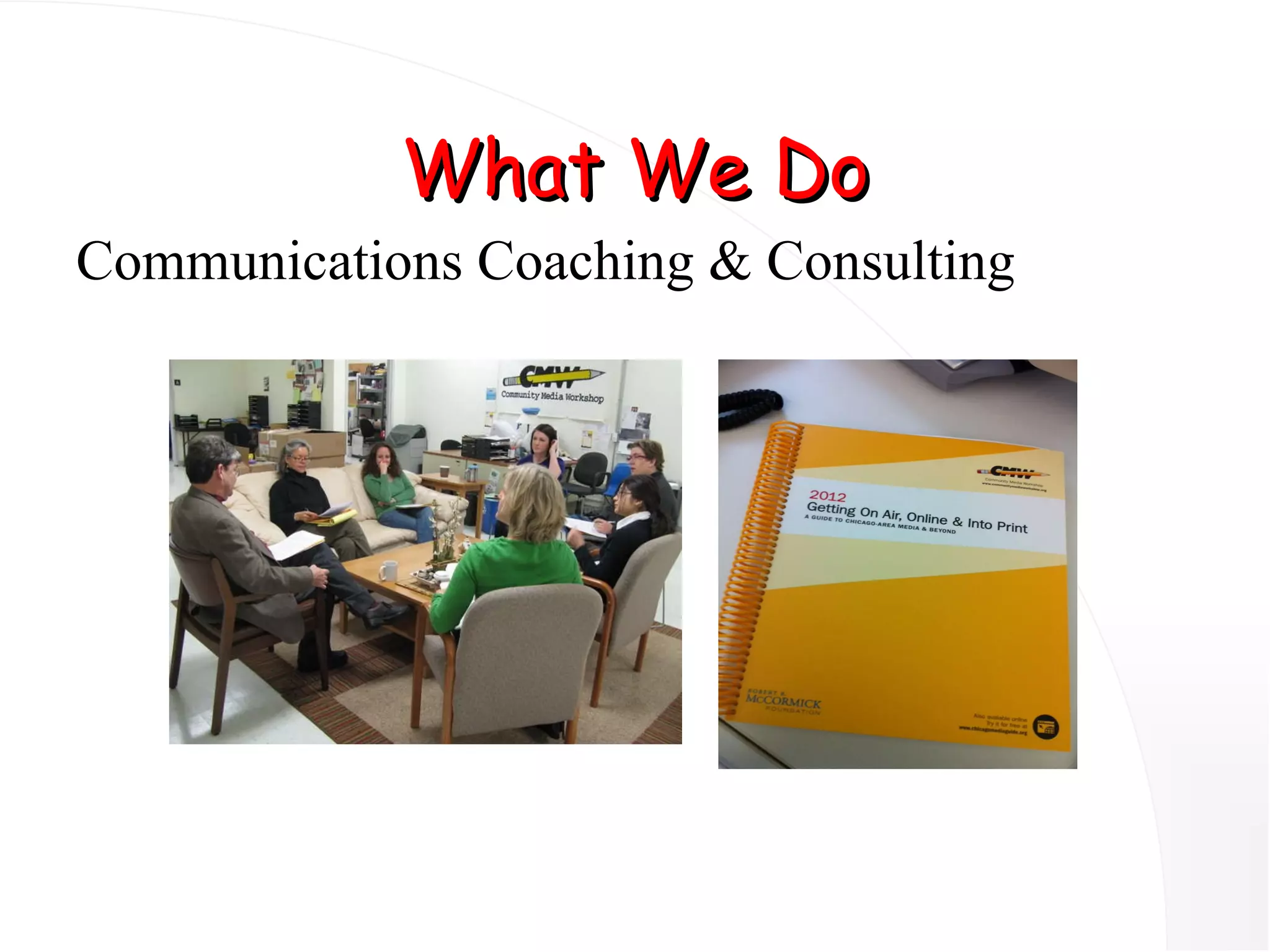
What We Do Communications Coaching & Consulting
I. Introductions II. Why we communicate III. What makes a story newsworthy IV. Creating a communications plan V. Pitching reporters VI. Social media: ‘The Big 5’ Where we’re going today
Turnout   (Attendance at an event) Awareness (Usually traces back to money) Advocacy (Best to engage audience) Why we communicate
People receive every  message   in terms of what they  already  know and believe.
Facts  Are  Meaningless
 
 
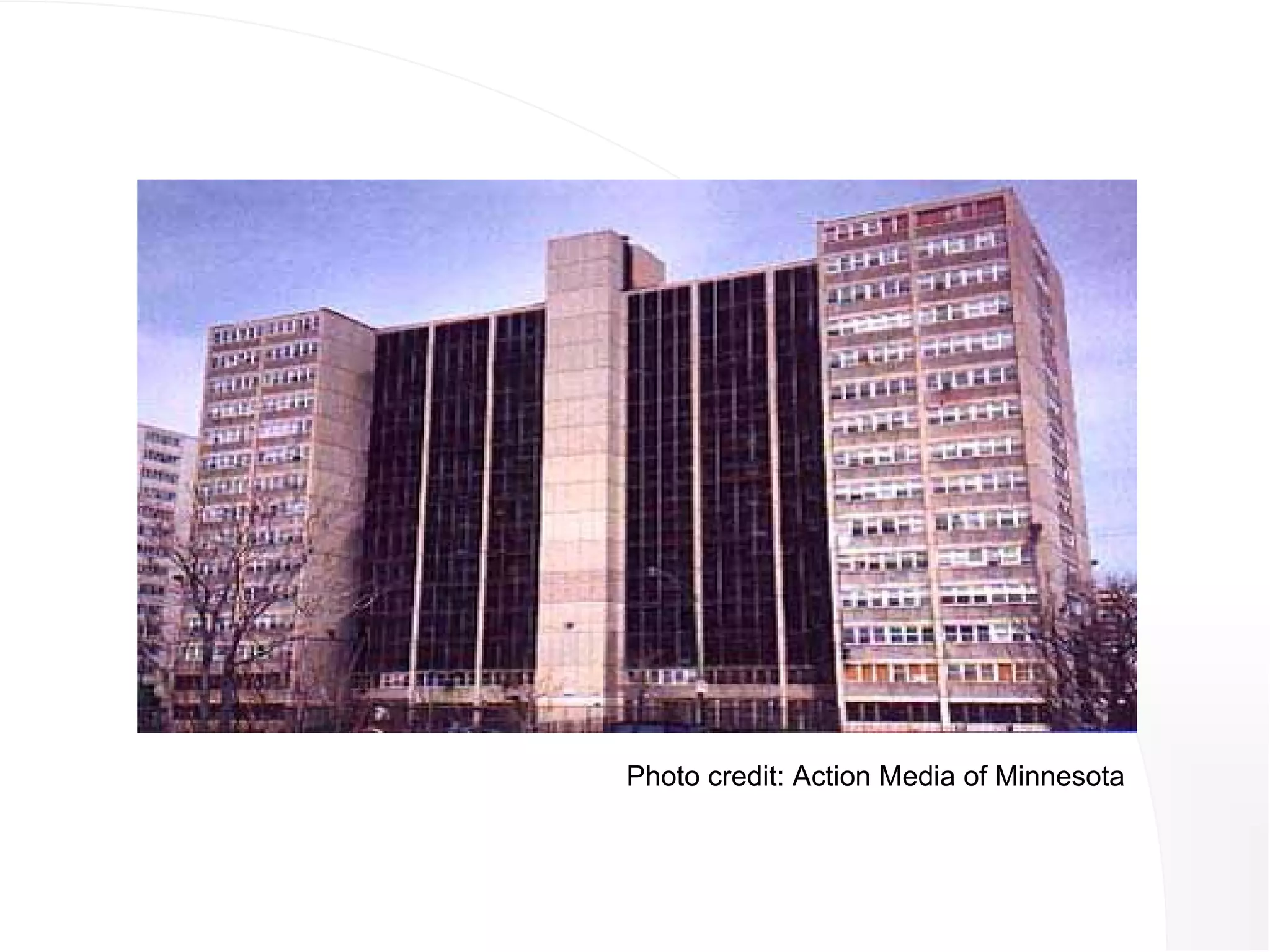
AFFORDABLE HOUSING What picture’s coming to mind?
Photo credit: Action Media of Minnesota
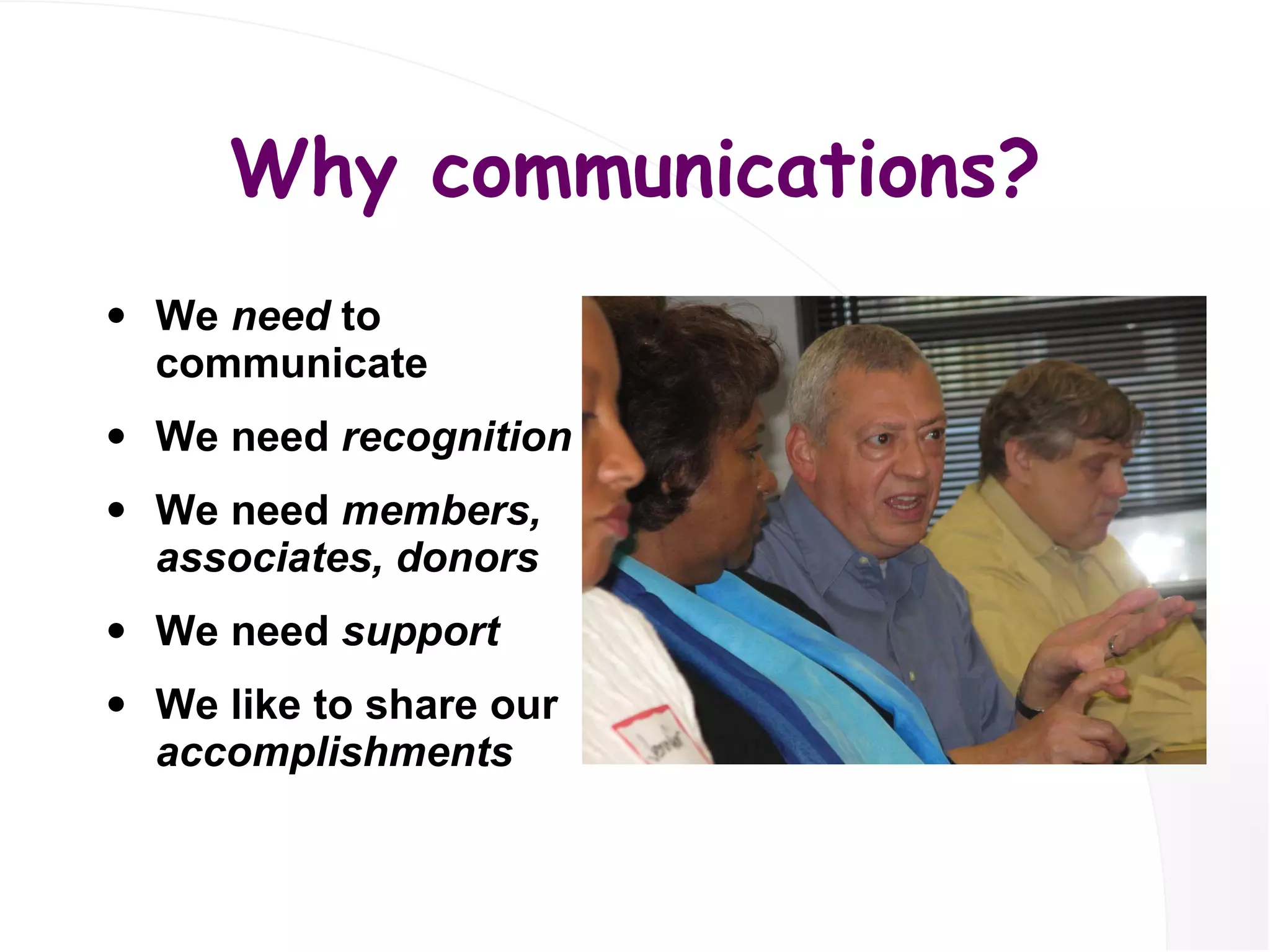
Why communications? We  need  to communicate We need  recognition We need  members, associates, donors We need  support We like   to share our  accomplishments
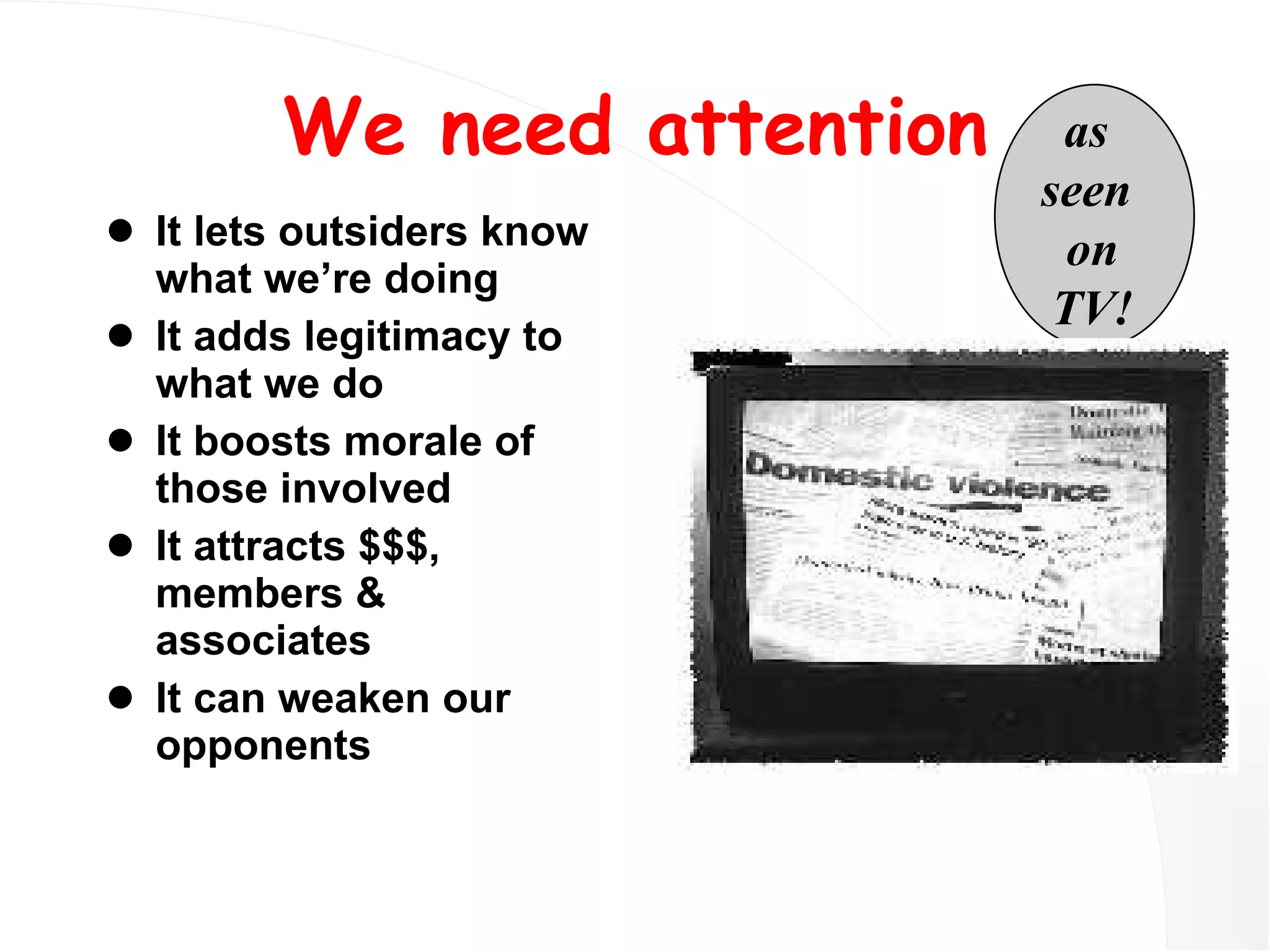
We need attention It lets outsiders know what we’re doing It adds legitimacy to what we do It boosts morale of those involved It attracts $$$, members & associates It can weaken our opponents as  seen  on TV!
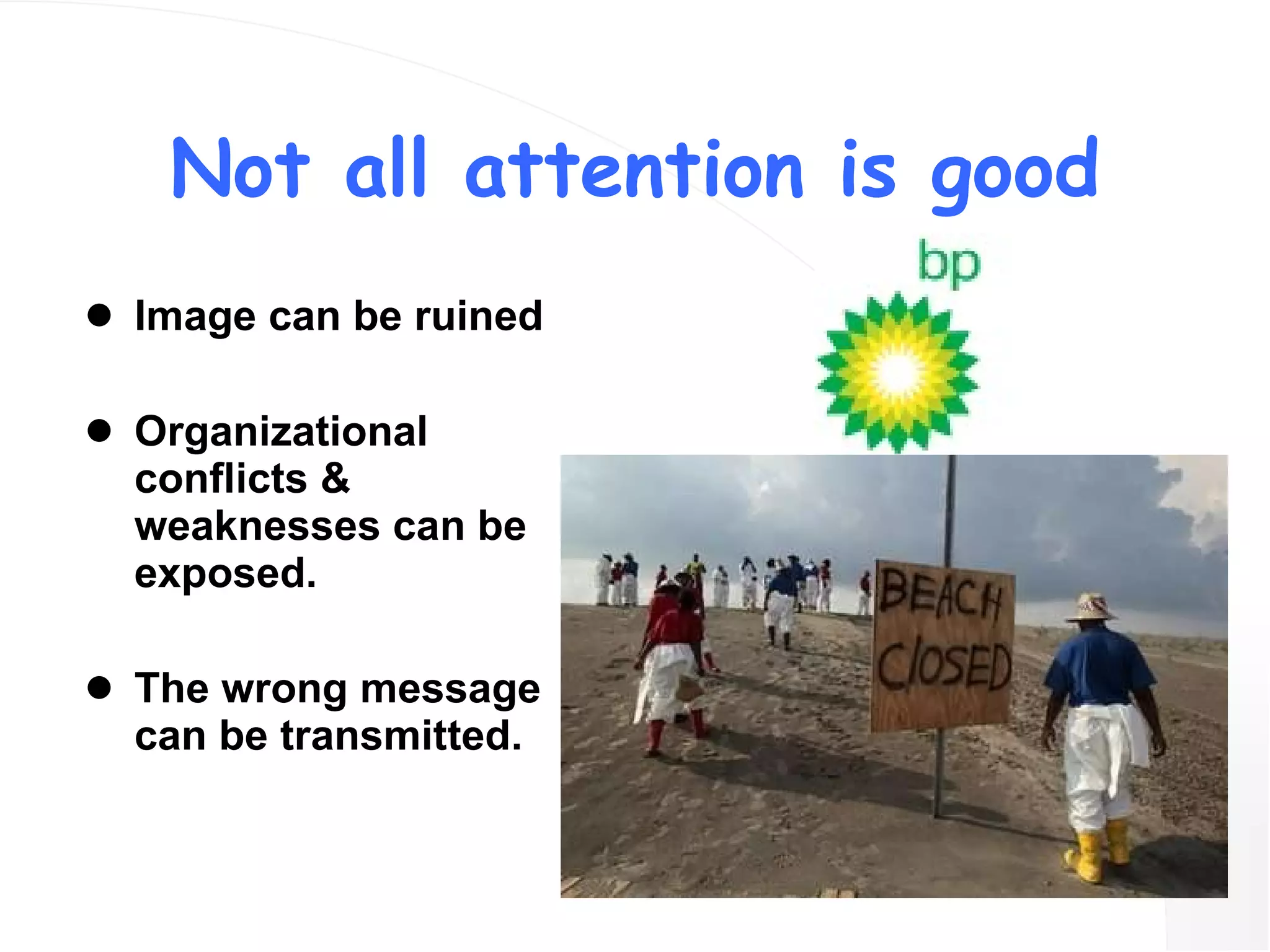
Not all attention is good Image can be ruined Organizational conflicts & weaknesses can be exposed. The wrong message can be transmitted.
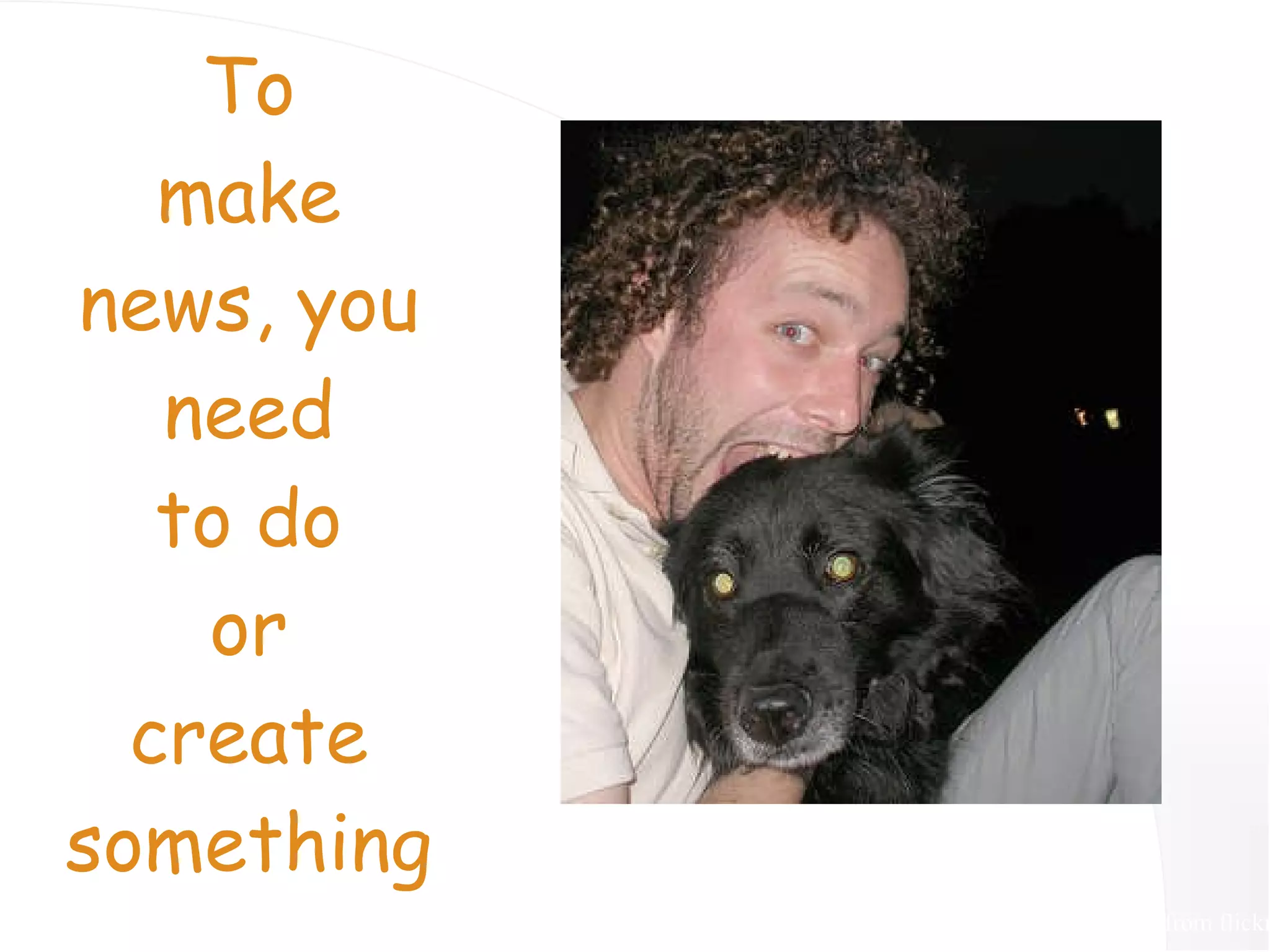
To make news, you need to do or create something Man bites Dog, Peter Blapps, from flickr
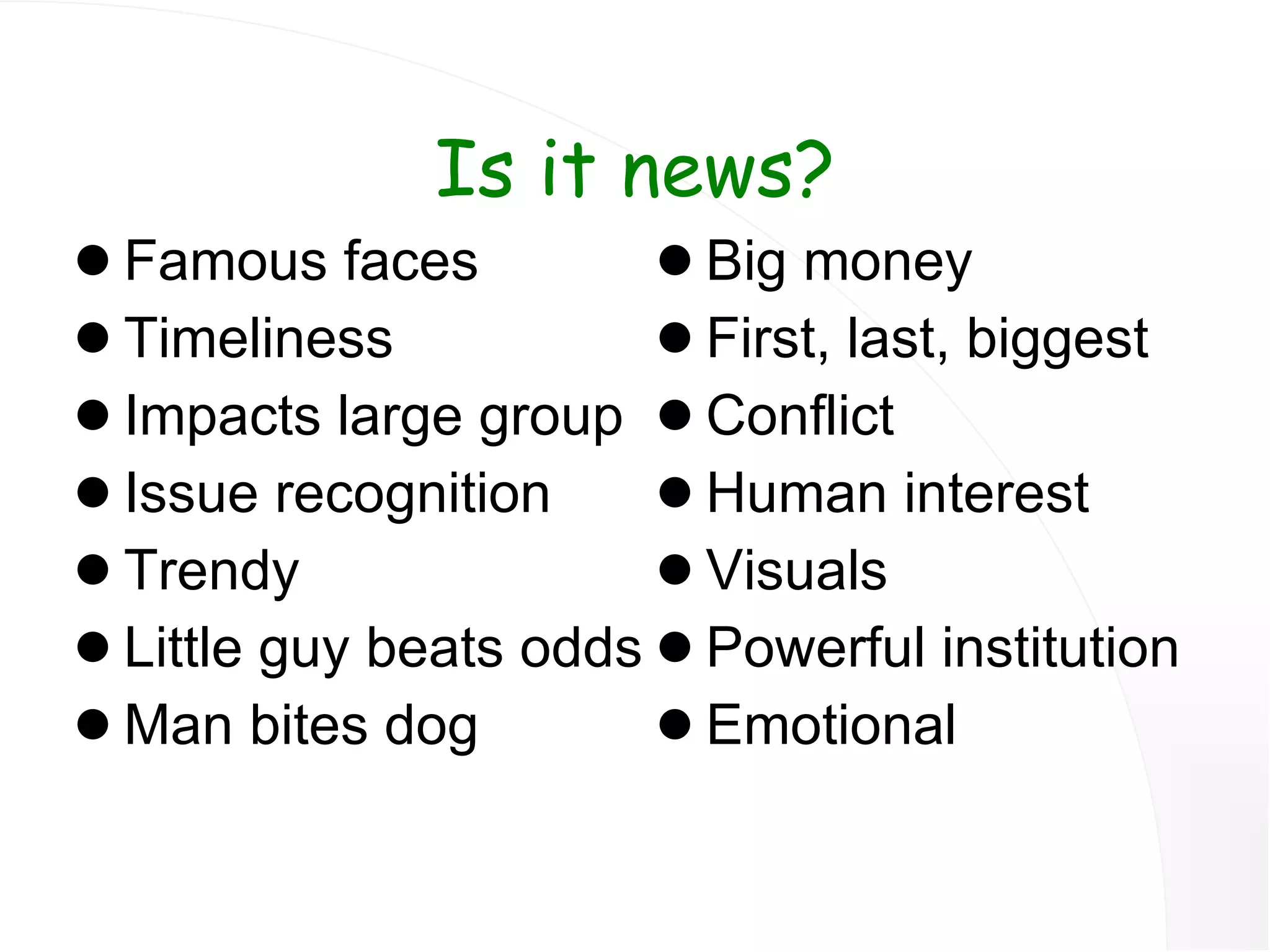
Is it news? Famous faces Timeliness Impacts large group Issue recognition Trendy Little guy beats odds Man bites dog Big money First, last, biggest Conflict Human interest Visuals Powerful institution Emotional
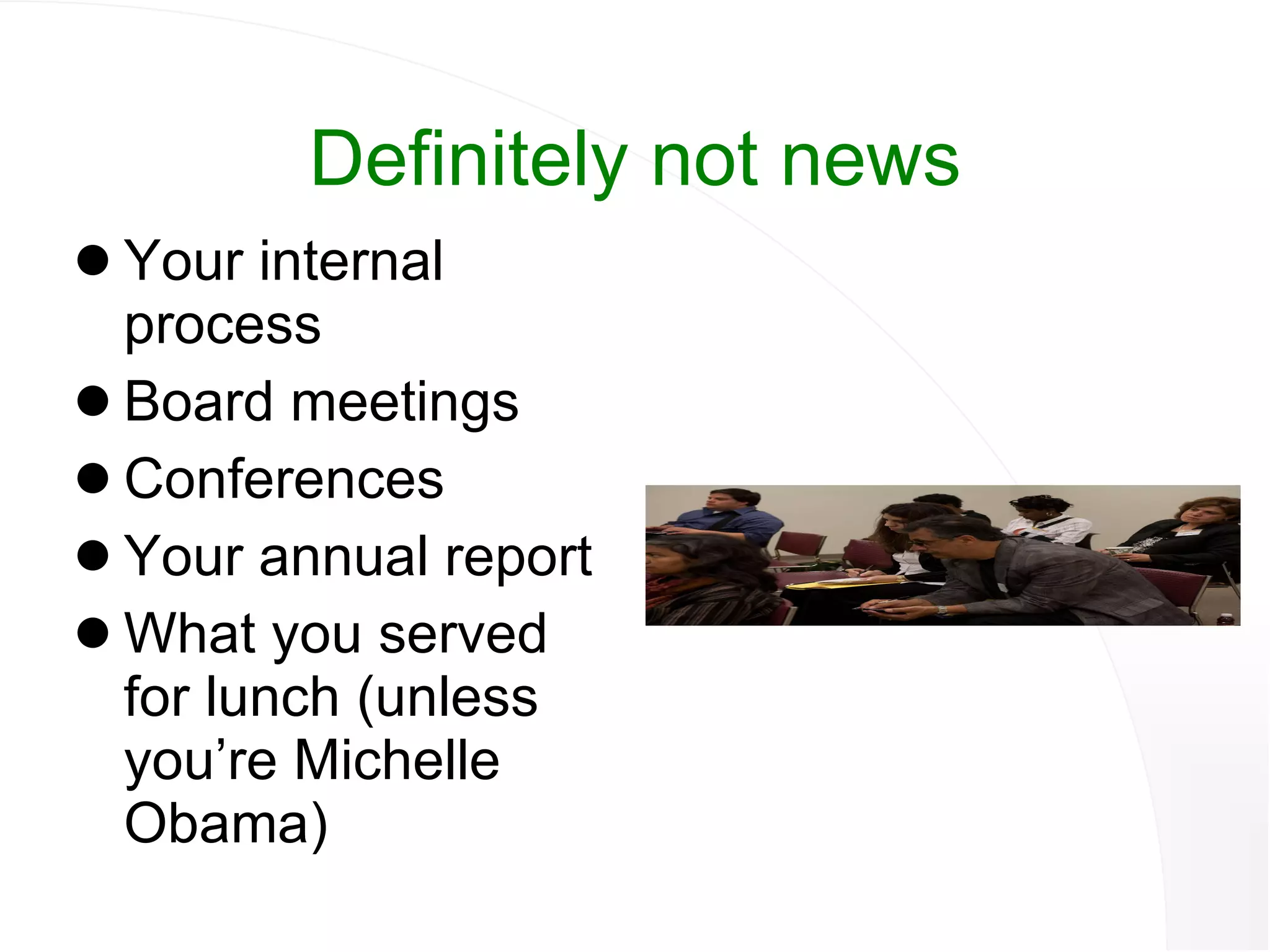
Definitely not news Your internal process Board meetings Conferences Your annual report What you served for lunch (unless you’re Michelle Obama)
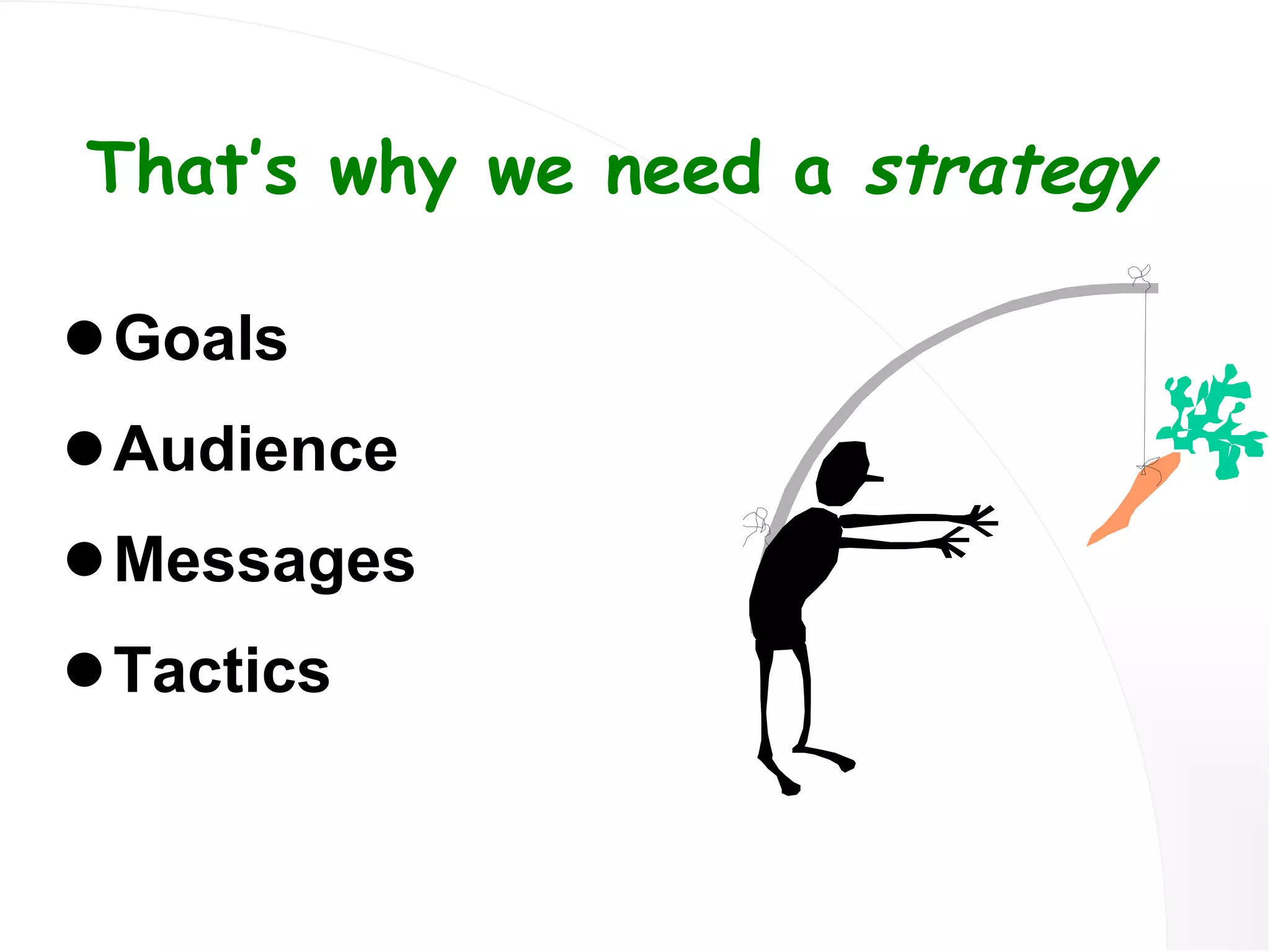
That’s why we need a  strategy Goals Audience Messages Tactics
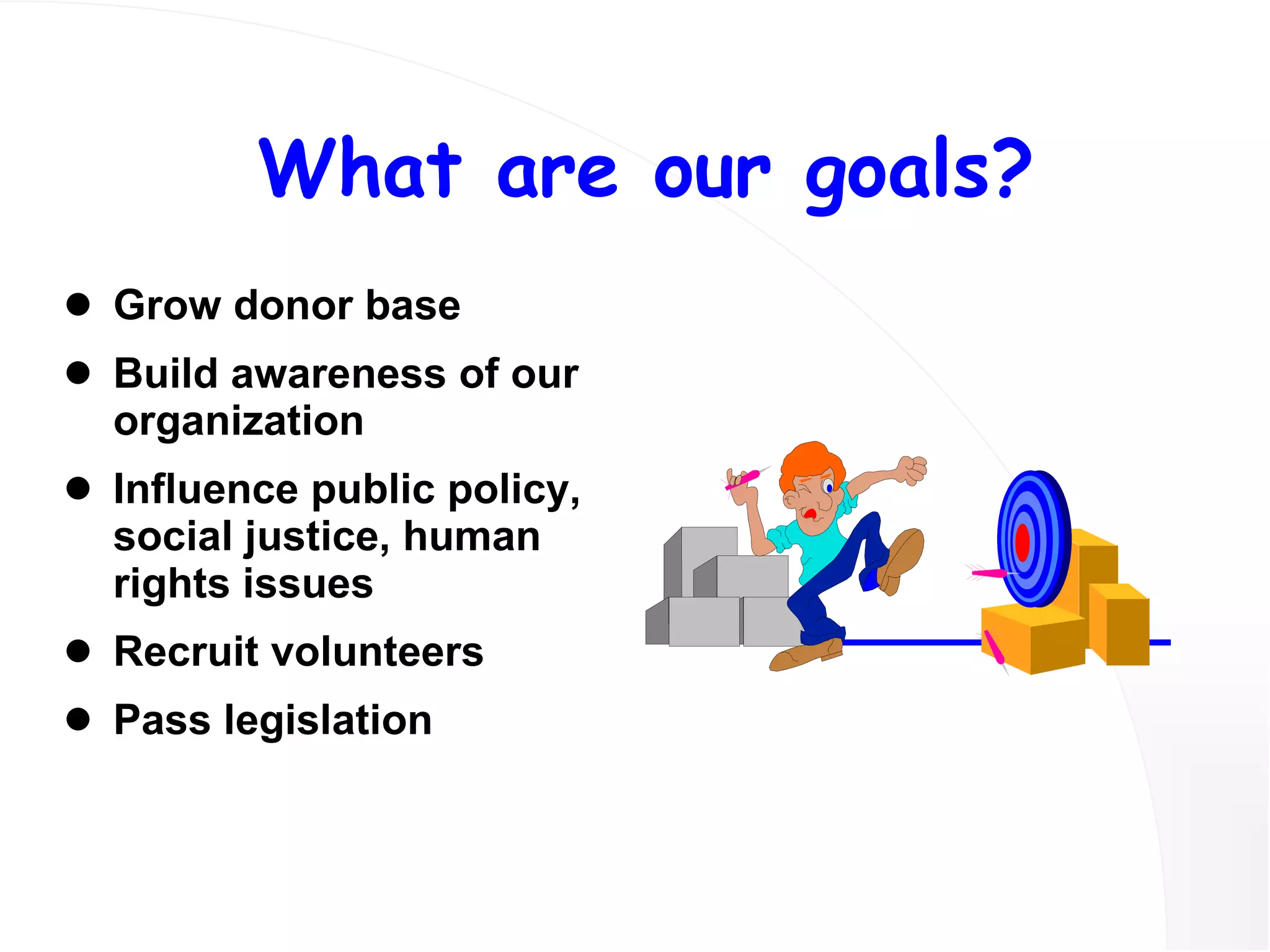
What are our goals? Grow donor base Build awareness of our organization Influence public policy, social justice, human rights issues Recruit volunteers Pass legislation
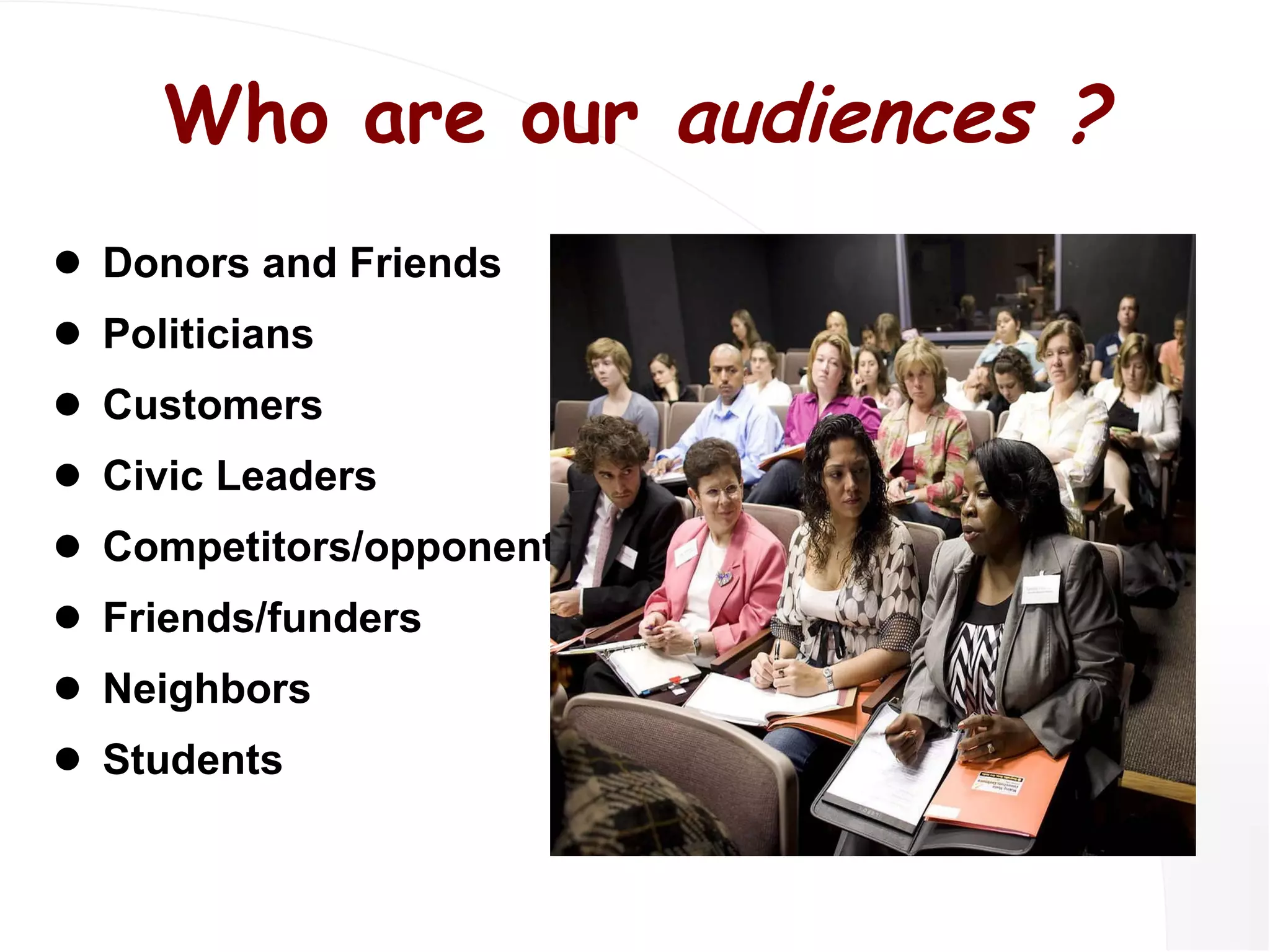
Who are our  audiences ? Donors and Friends Politicians Customers Civic Leaders Competitors/opponents Friends/funders Neighbors Students
We need convincing messages Can we state it in one or two sentences? Does our media work & publicity reflect this message? Can a visual image convey this message? What stories convey this message Healthy People, Communities & Organizations
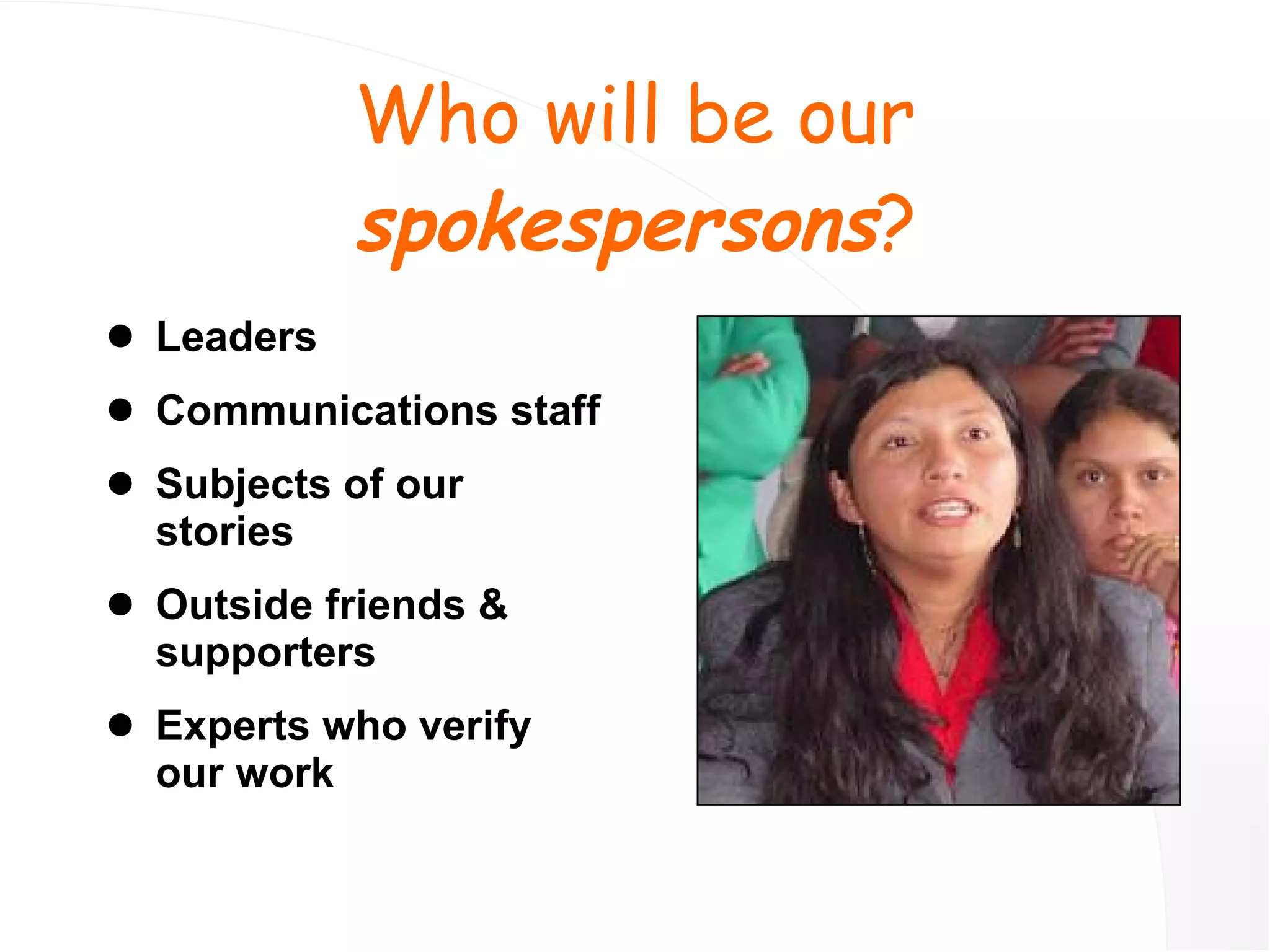
Who will be our  spokespersons ? Leaders Communications staff Subjects of our stories Outside friends & supporters Experts who verify our work
What stories carry our messages to our audiences? Identifying a Problem Finding a Solution Creating a Conflict Making a Fresh Start Doing Something New Doing Something Unusual
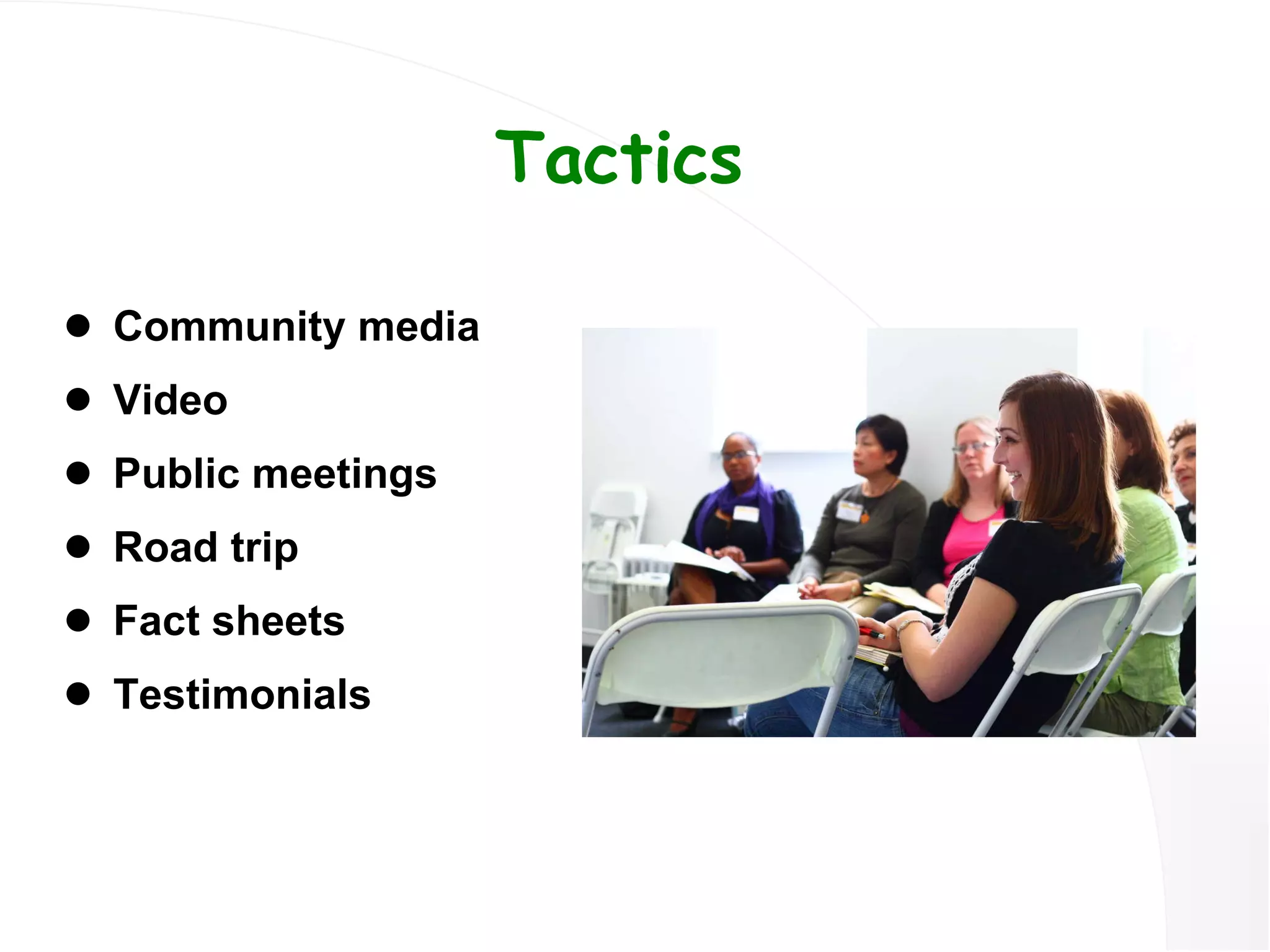
Tactics Community media Video Public meetings Road trip Fact sheets Testimonials
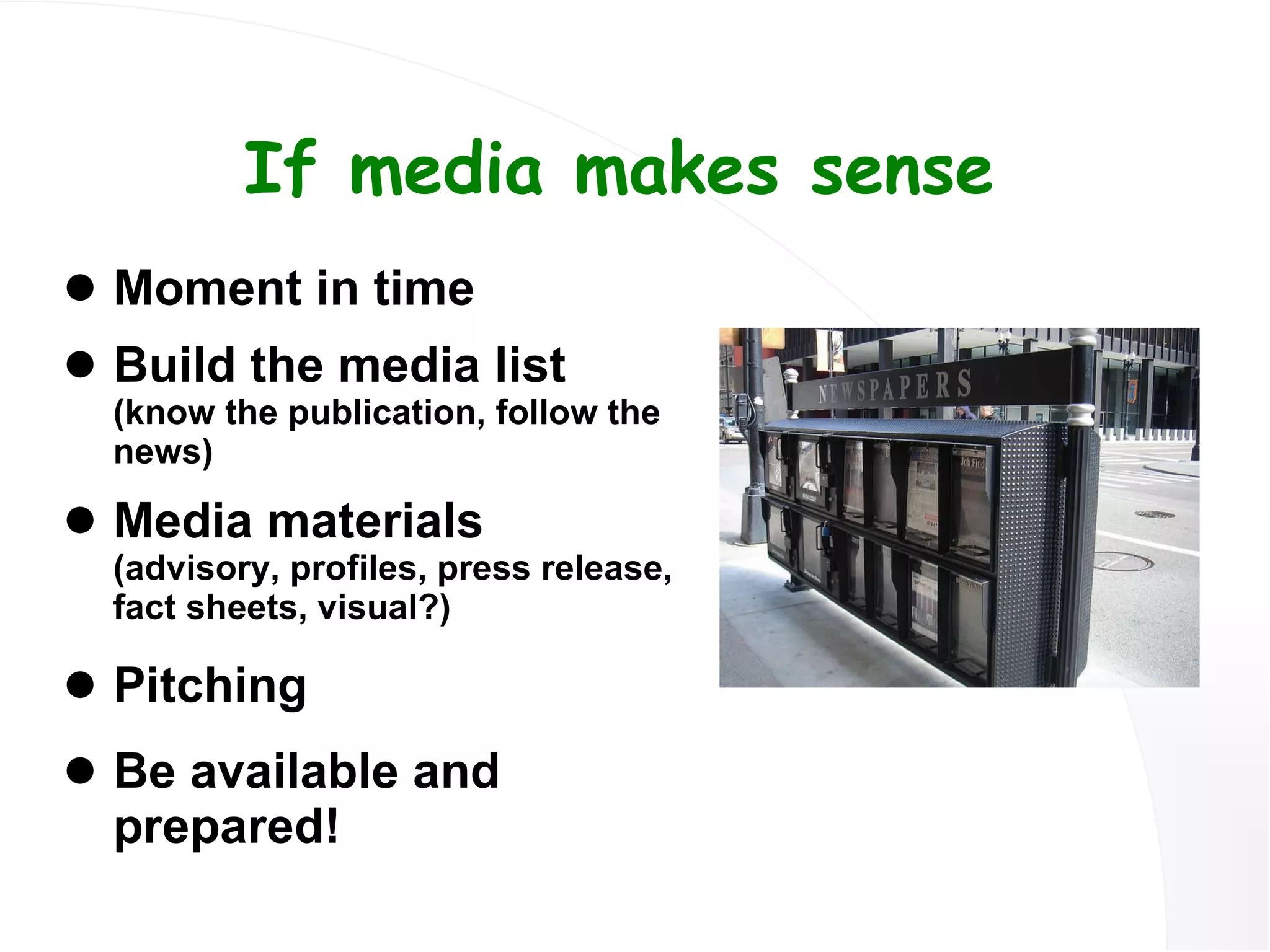
If media makes sense Moment in time Build the media list  (know the publication, follow the news) Media materials  (advisory, profiles, press release, fact sheets, visual?) Pitching Be available and prepared!
Developing your  communications plan
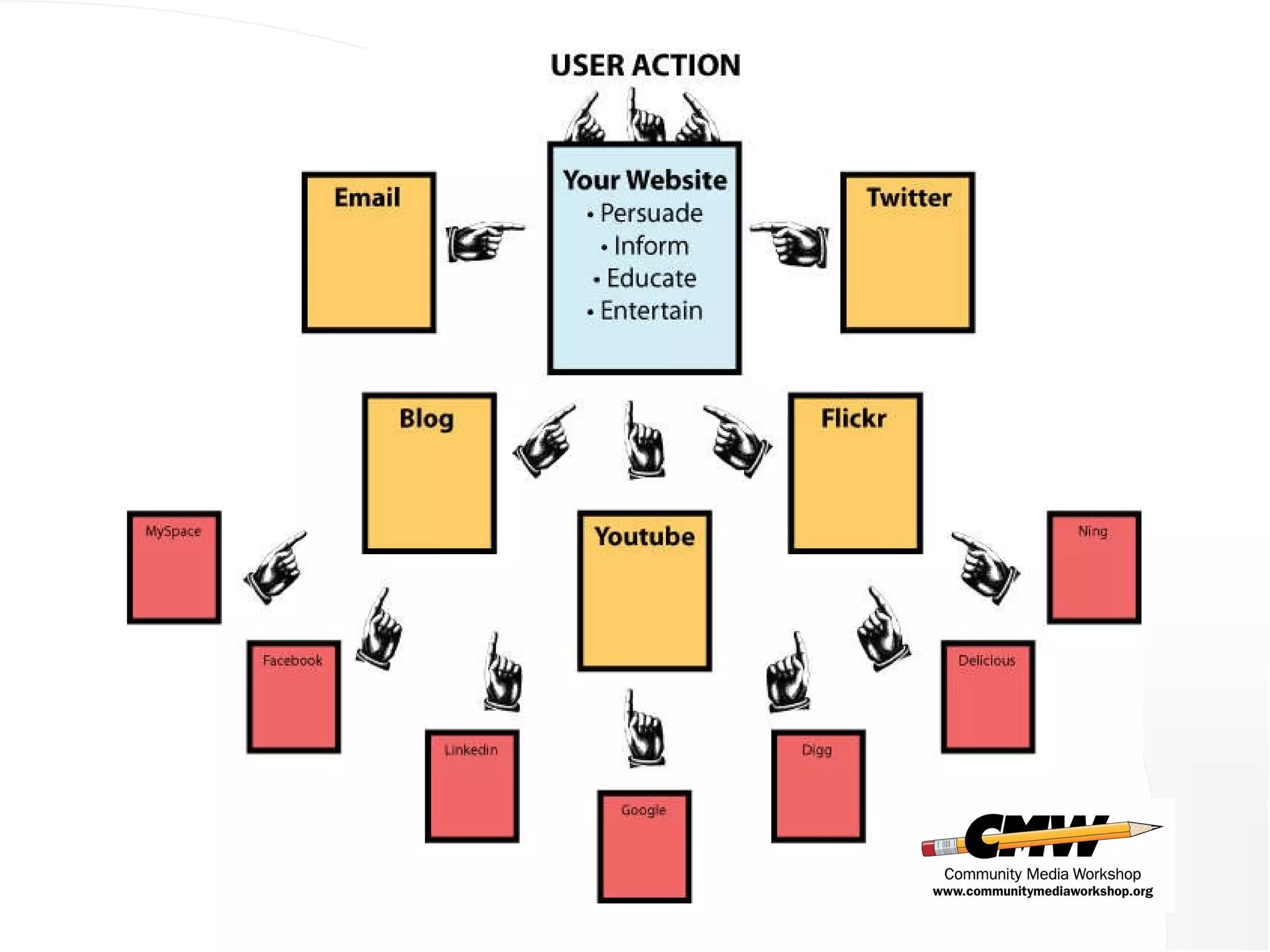
The  Web 2.0
 
 
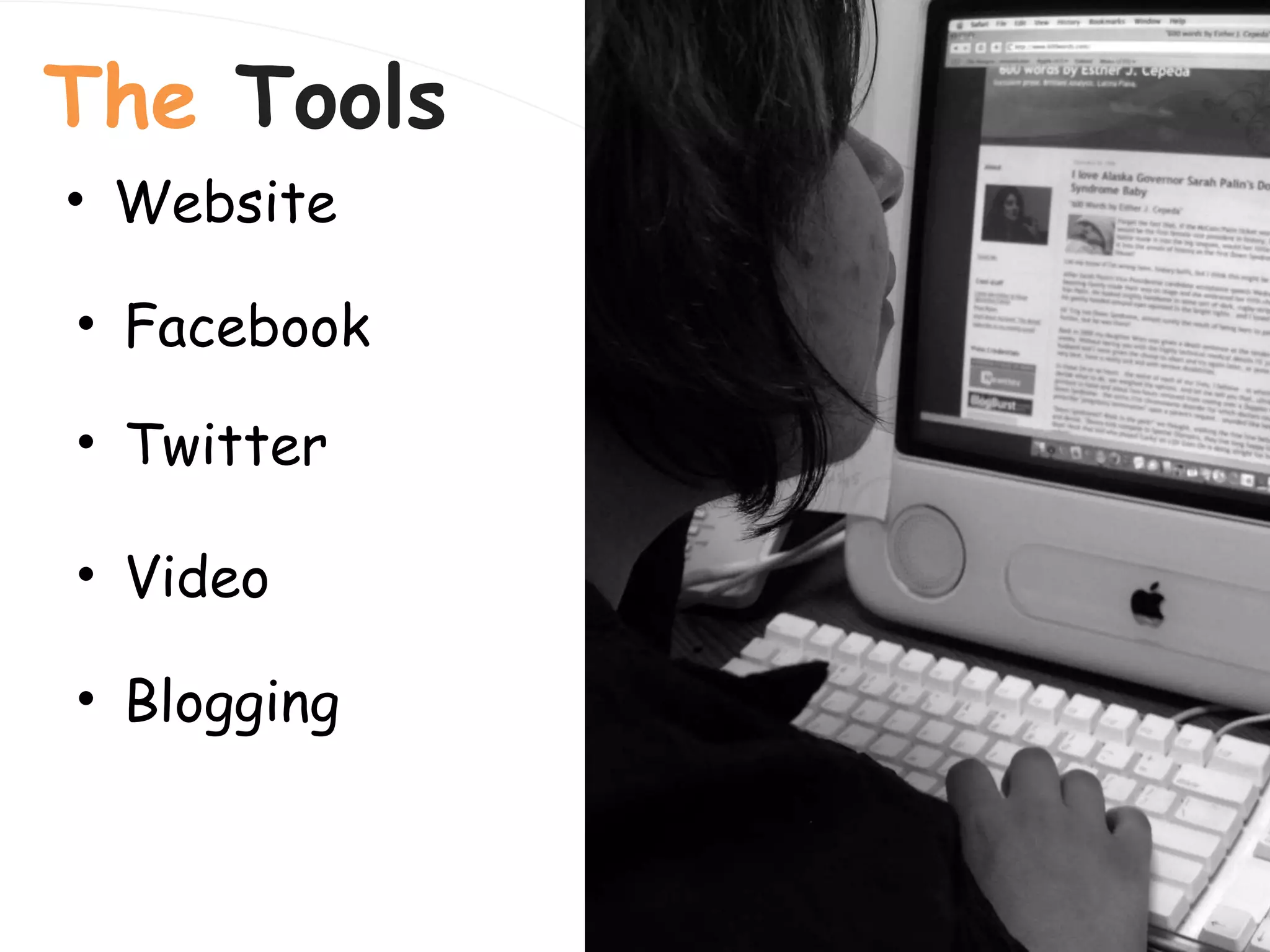
The  Tools Website Facebook Twitter Video Blogging
push  +   pull   =   control
 
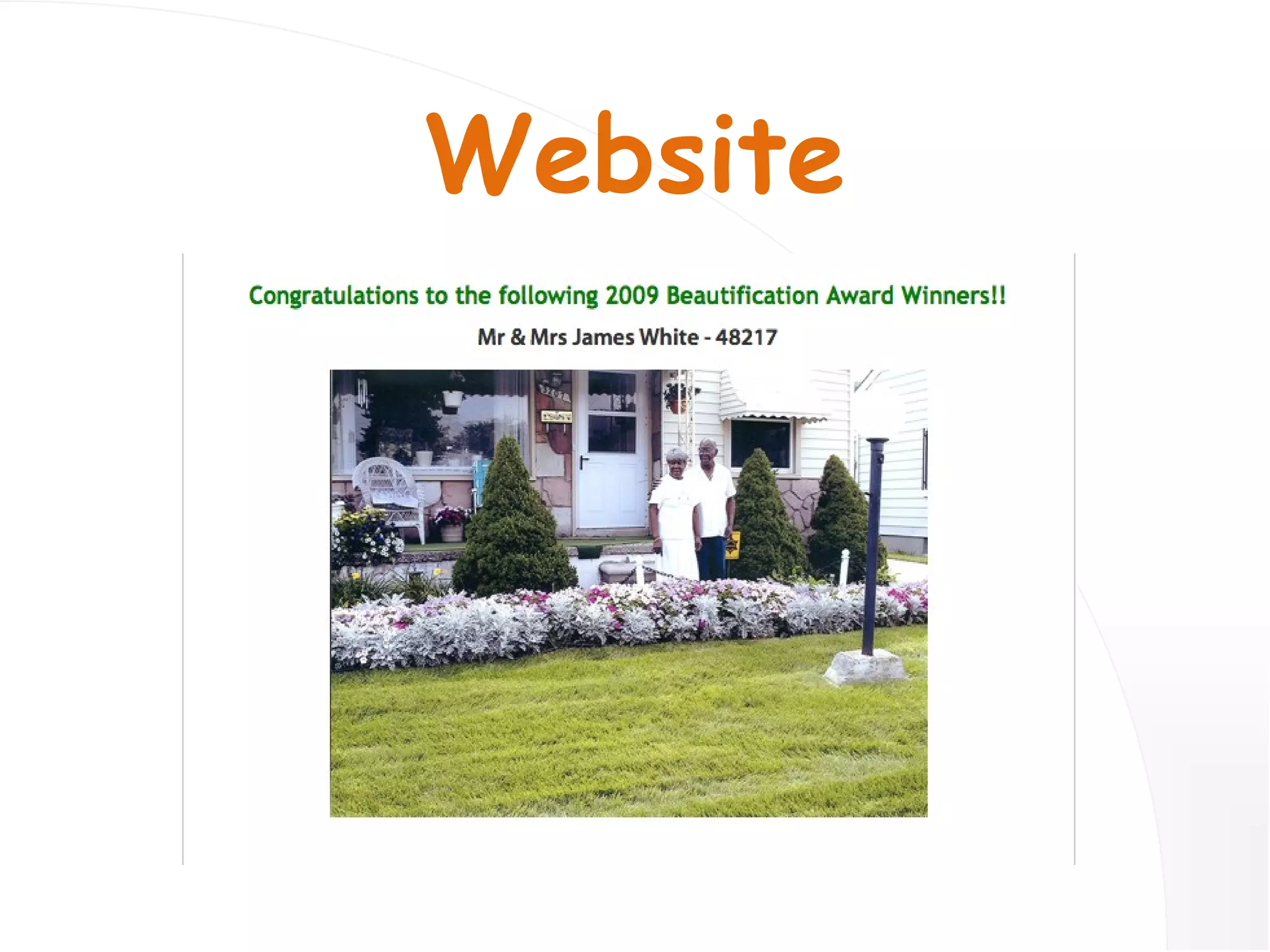
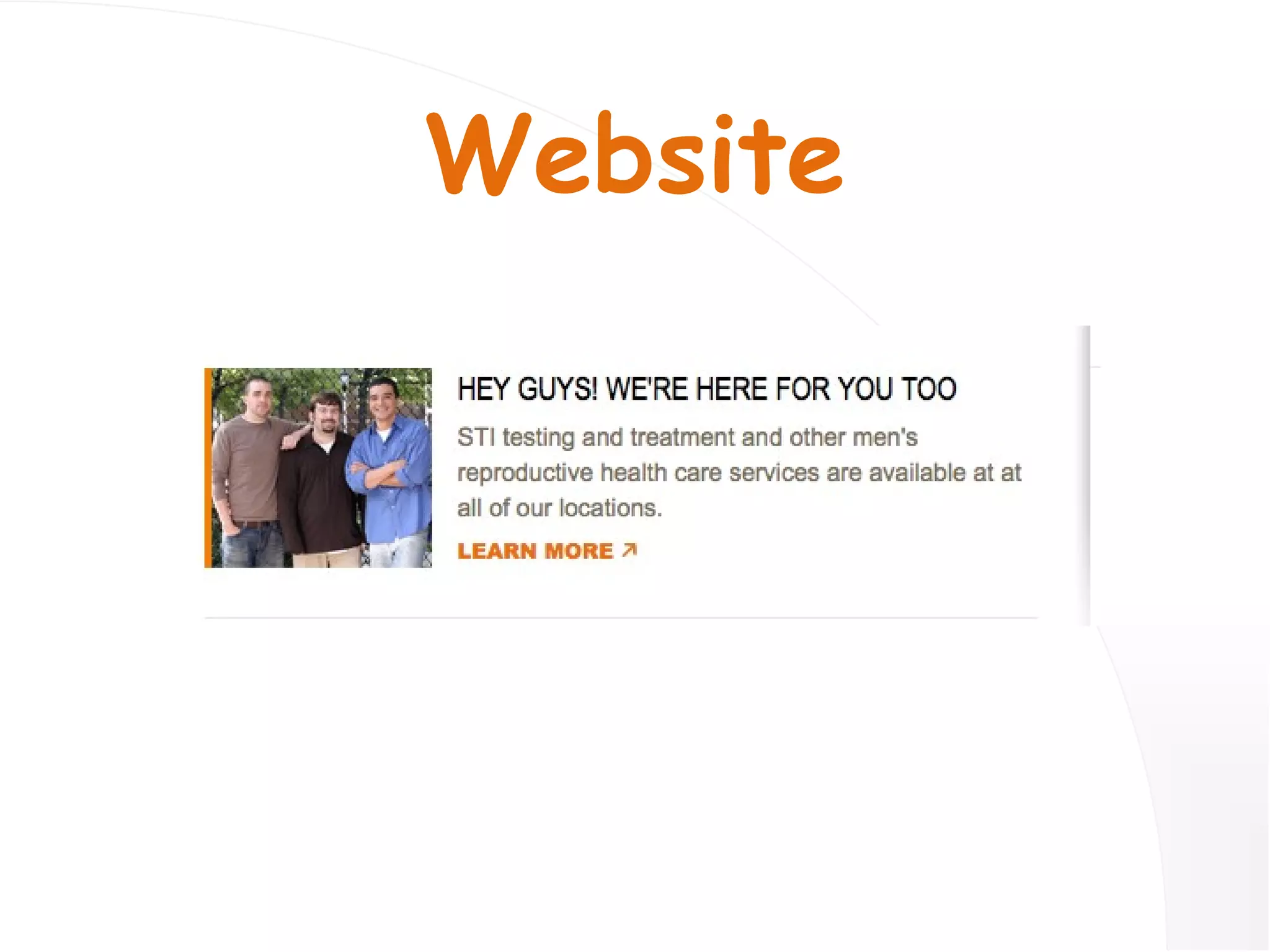
Website Where content is king
Website
Website
Facebook NAVIGATE THE SOCIAL ARENA: Profiles, Fan Pages,  Groups & Ads
Facebook’s Best Practice Guide Build a strategy that is social by design Create an authentic voice Make it interactive Nurture your relationships Keep learning
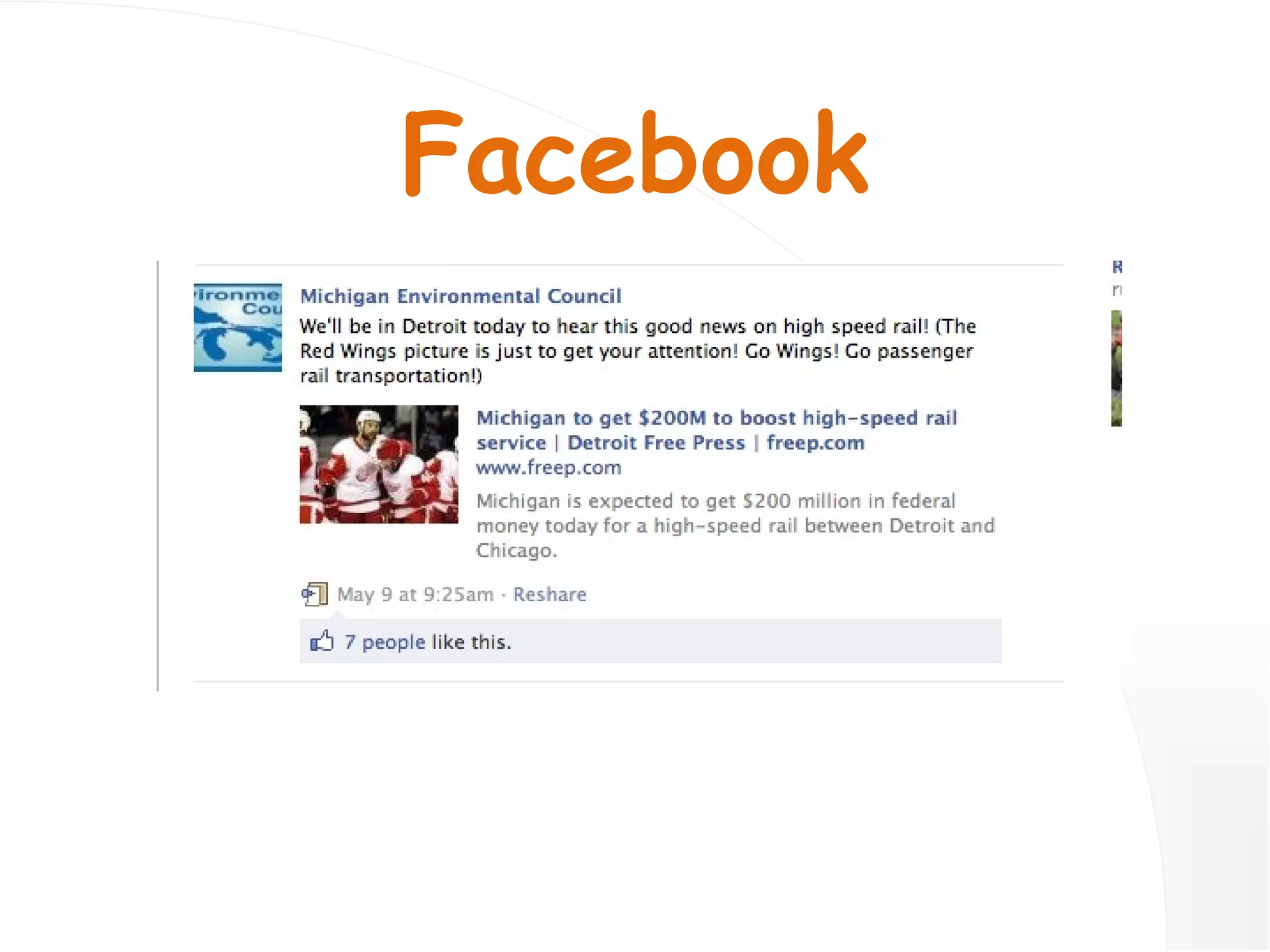
Facebook
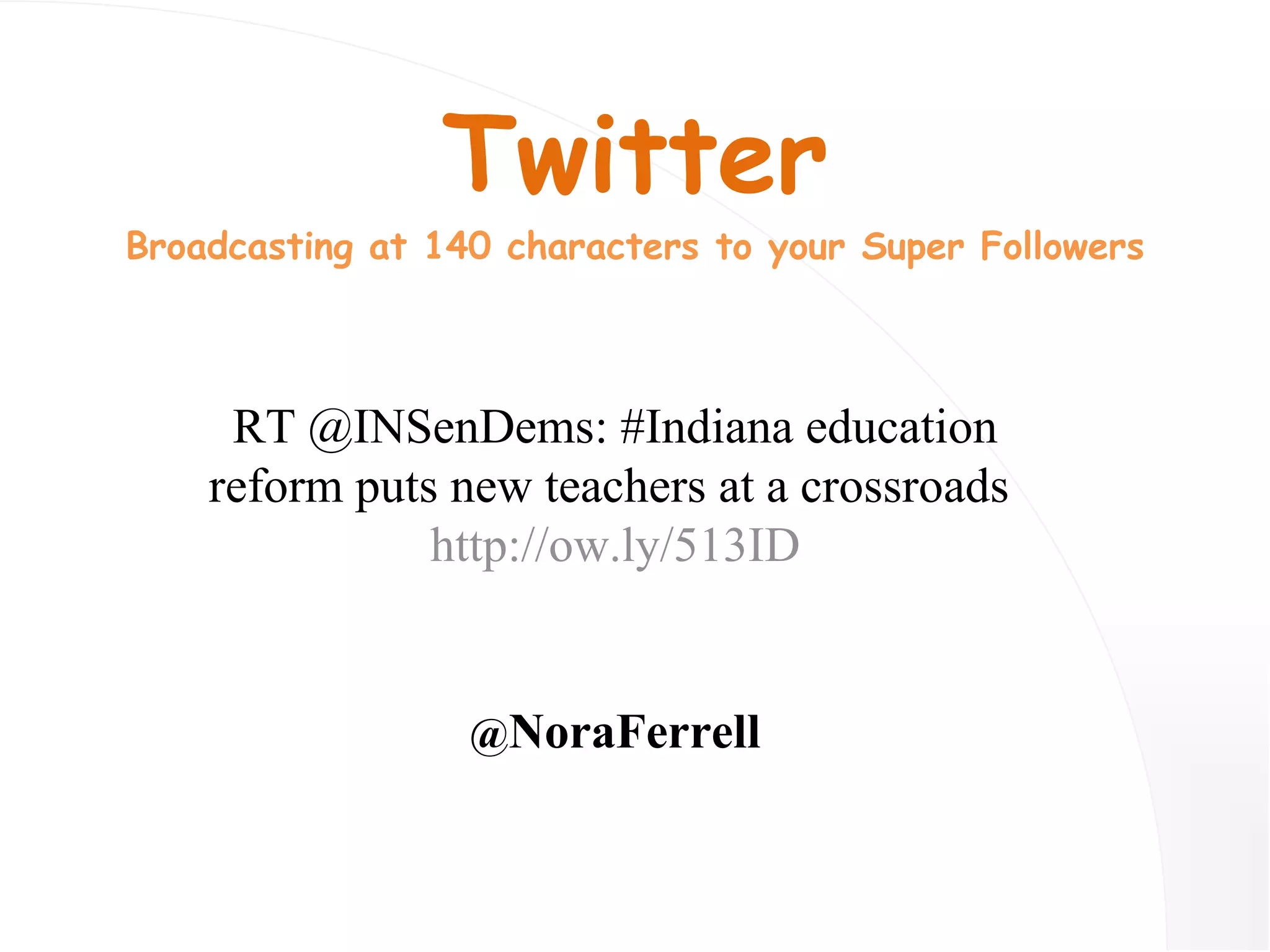
Twitter Broadcasting at 140 characters to your Super Followers RT @INSenDems: #Indiana education reform puts new teachers at a crossroads  http://ow.ly/513ID @ NoraFerrell
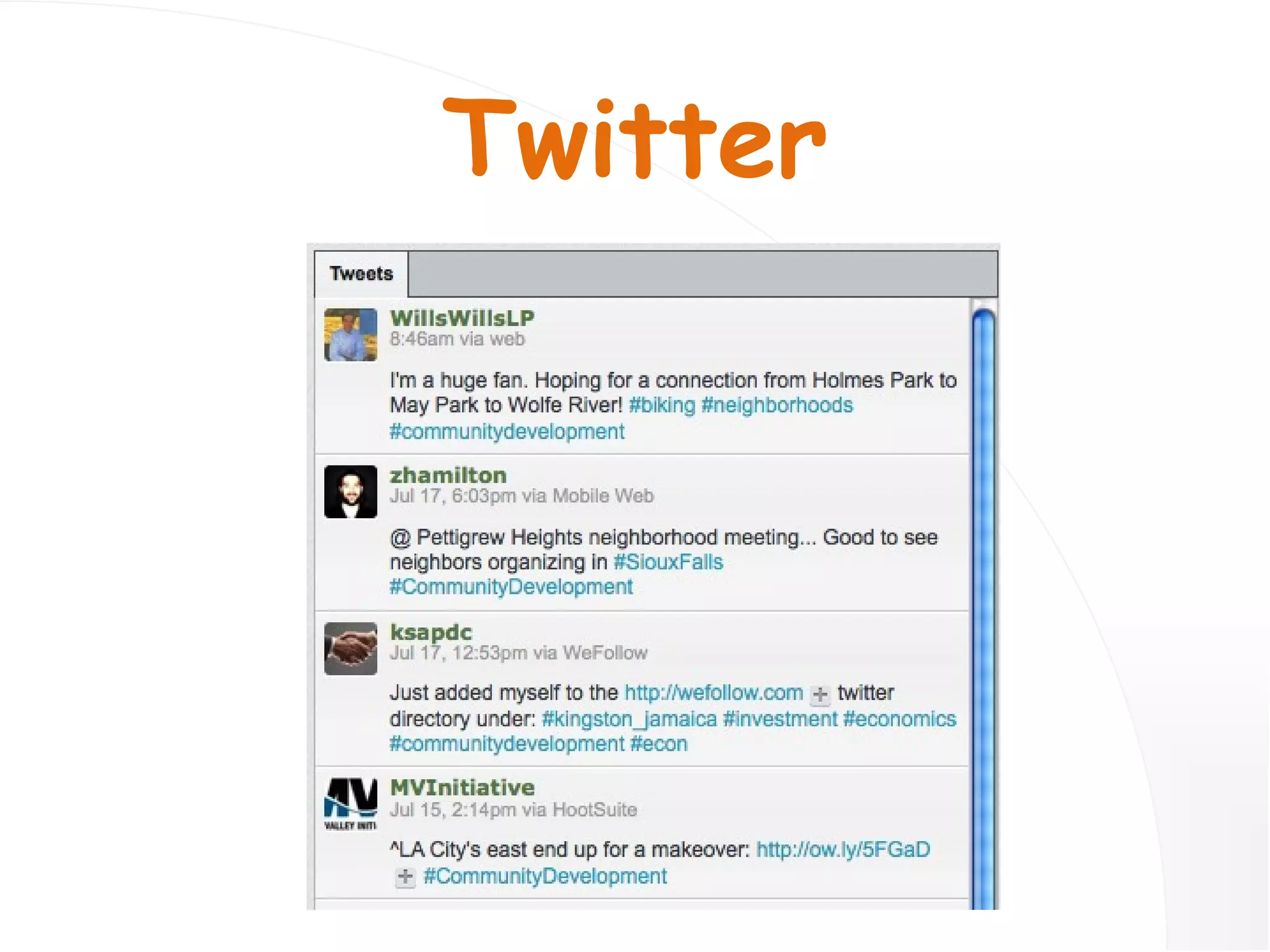
Twitter
Video Drive traffic!
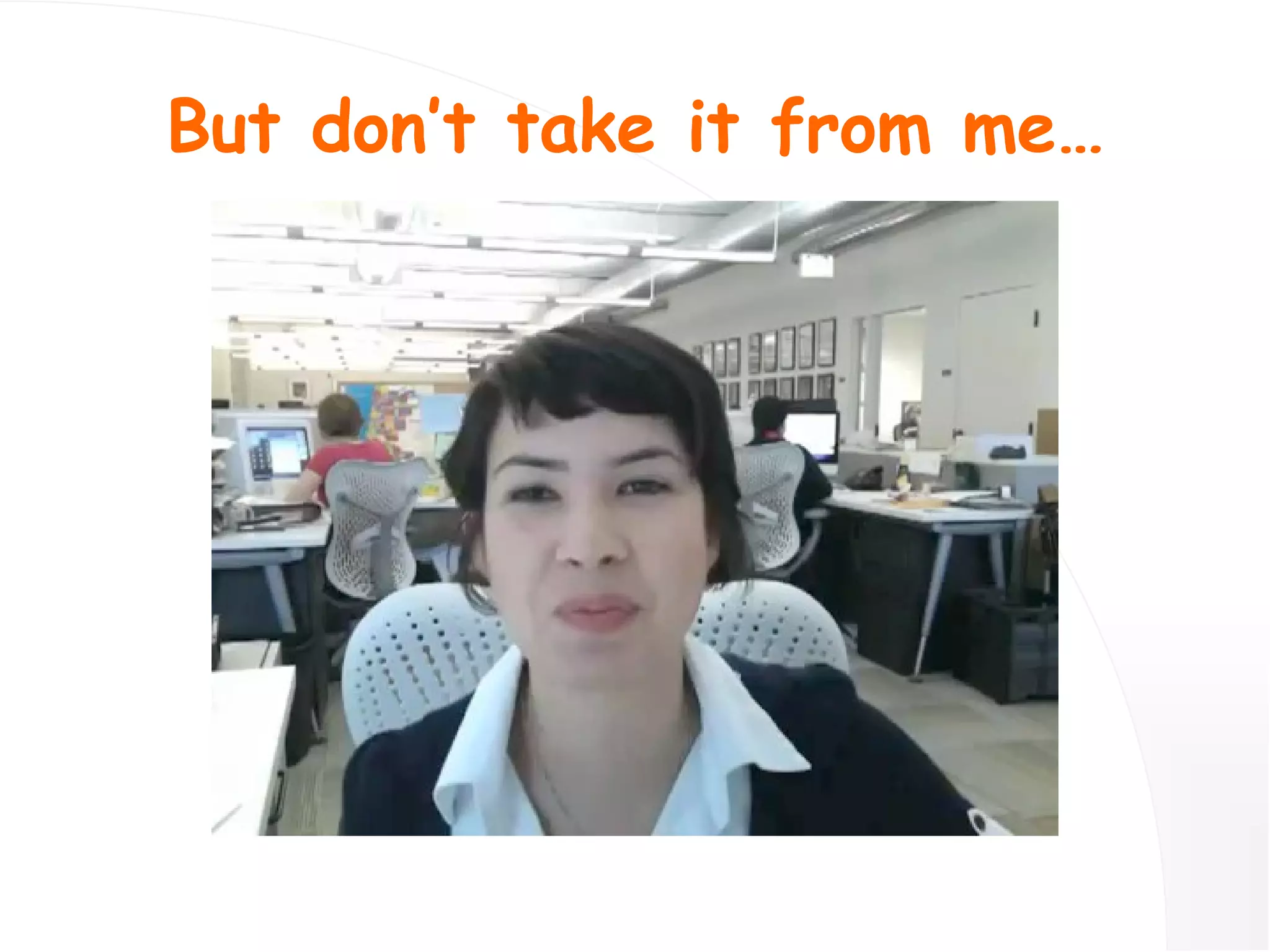
But don’t take it from me…
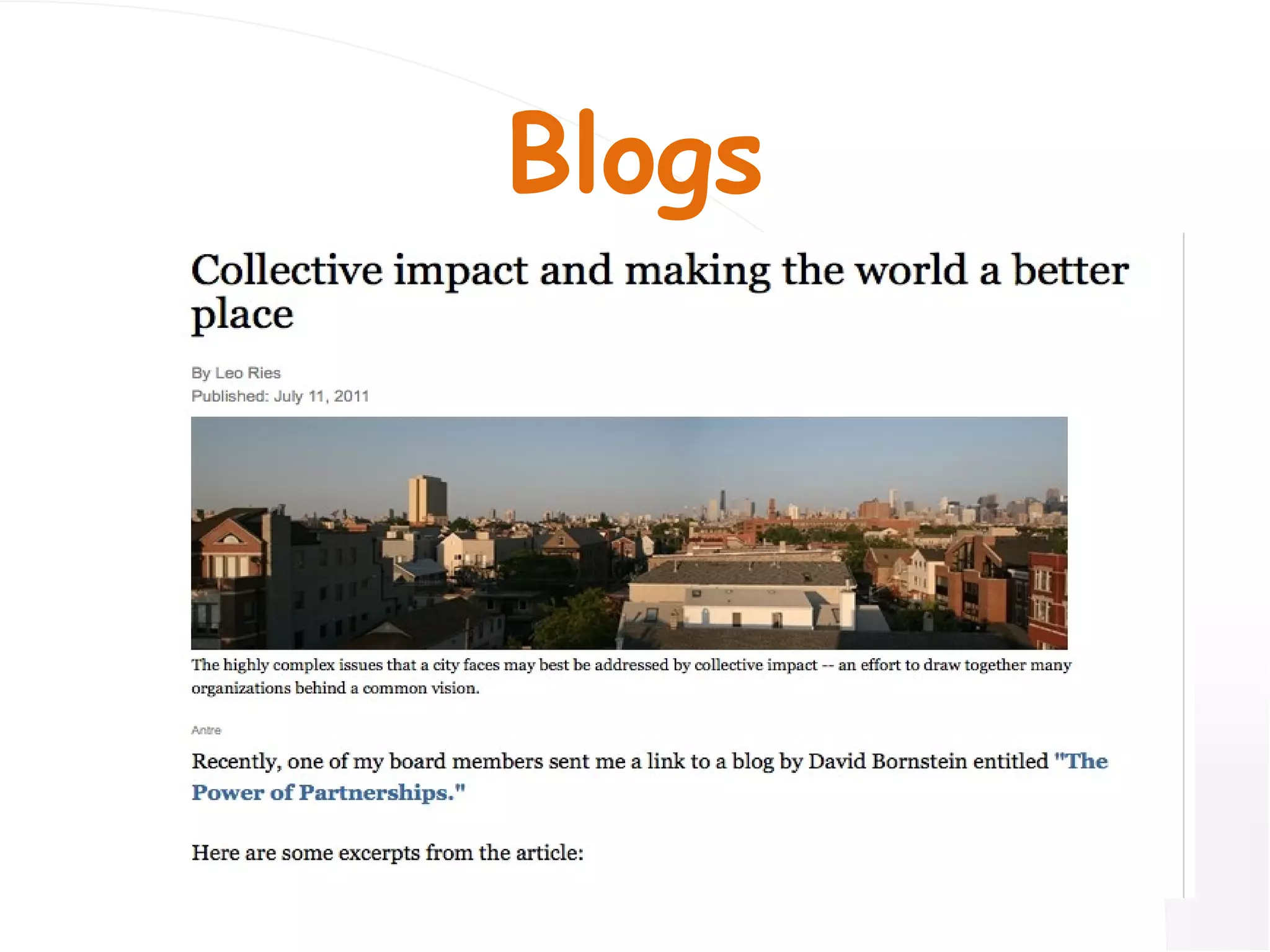
Blogging It’s all about renting space on the web.
Blogs
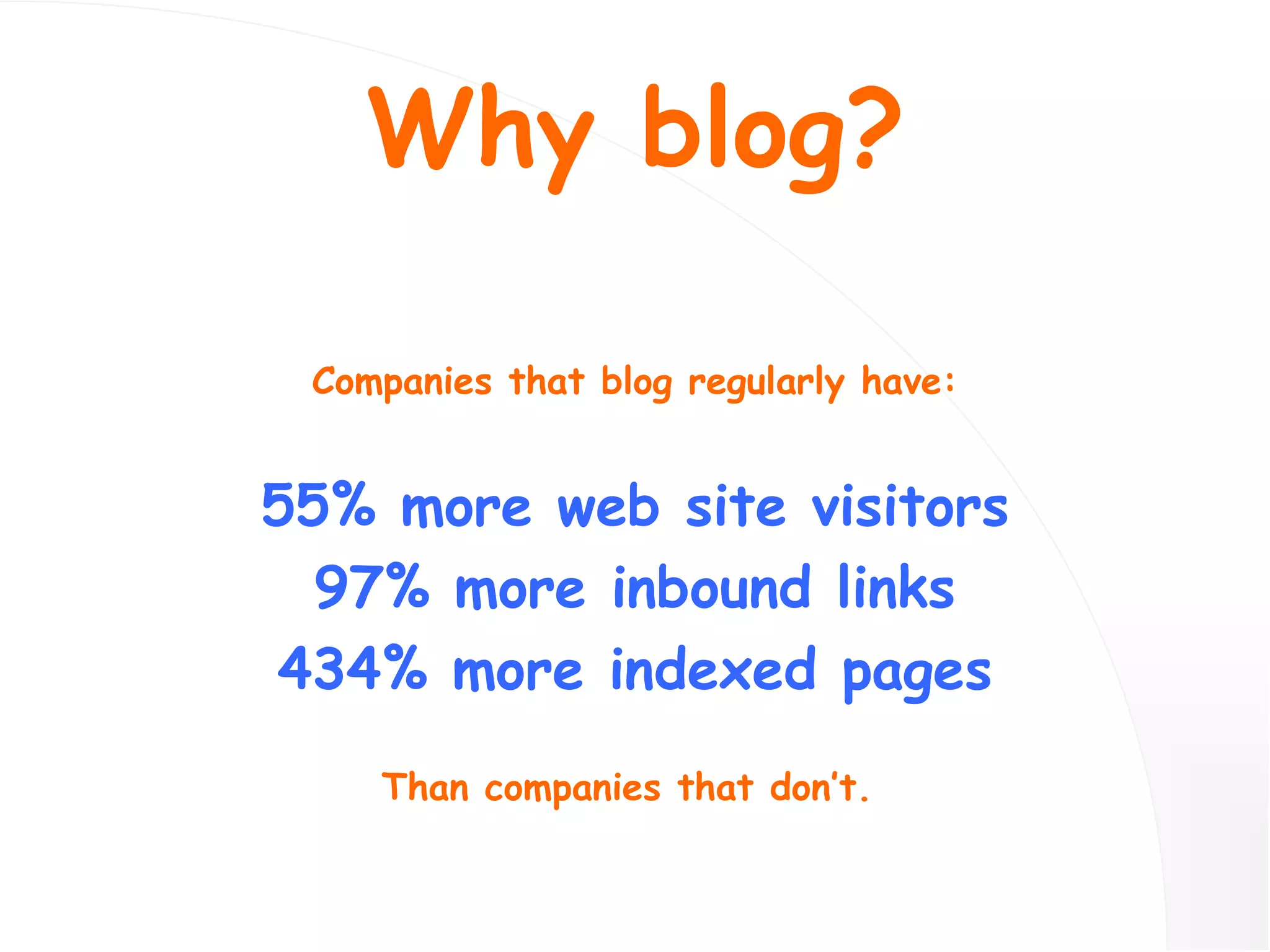
Why blog? Companies that blog regularly have: 55% more web site visitors 97% more inbound links 434% more indexed pages Than companies that don’t.
Social Media to Reach Reporters
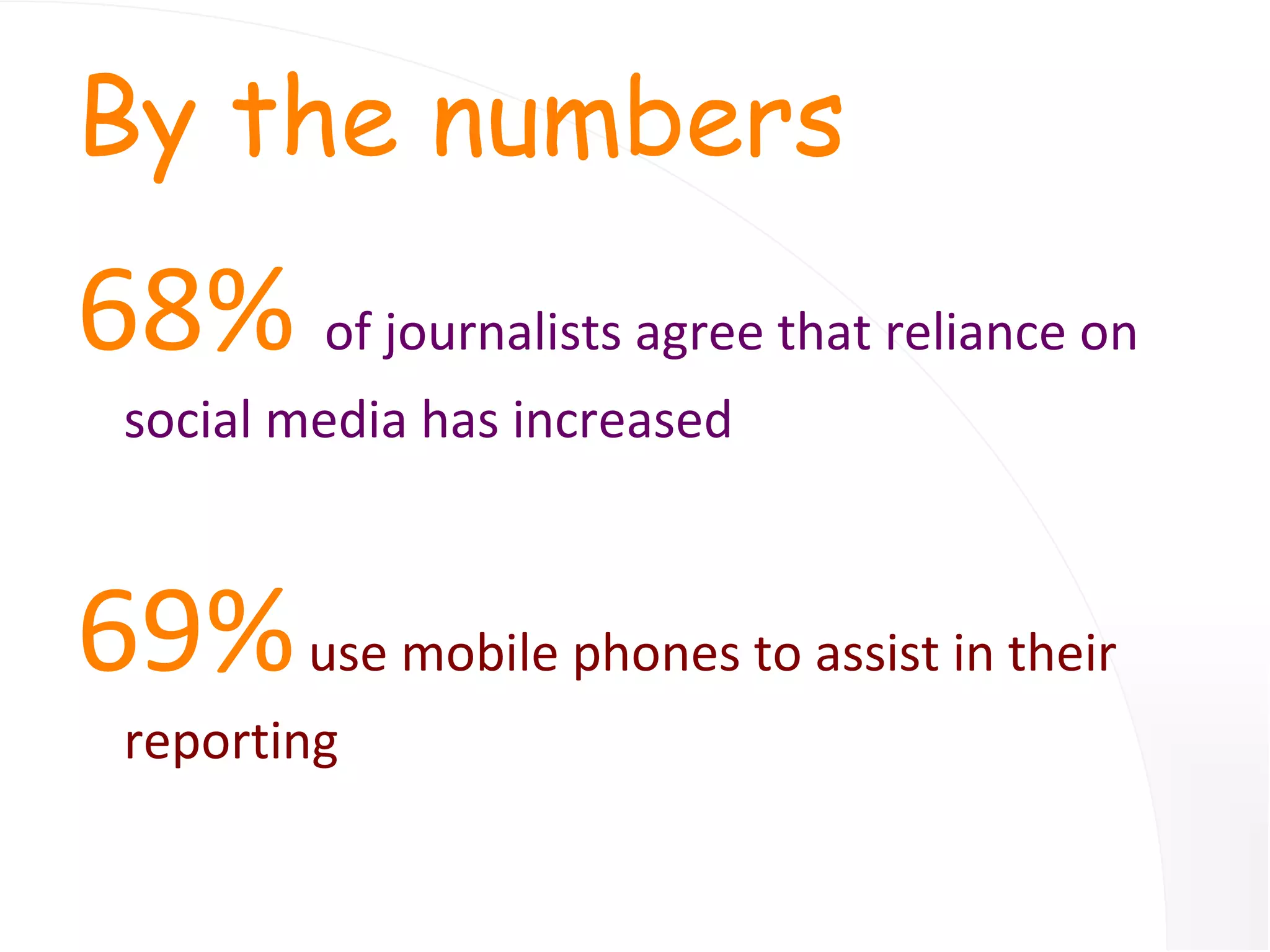
By the numbers 68%  of journalists agree that reliance on social media has increased 69%  use mobile phones to assist in their reporting
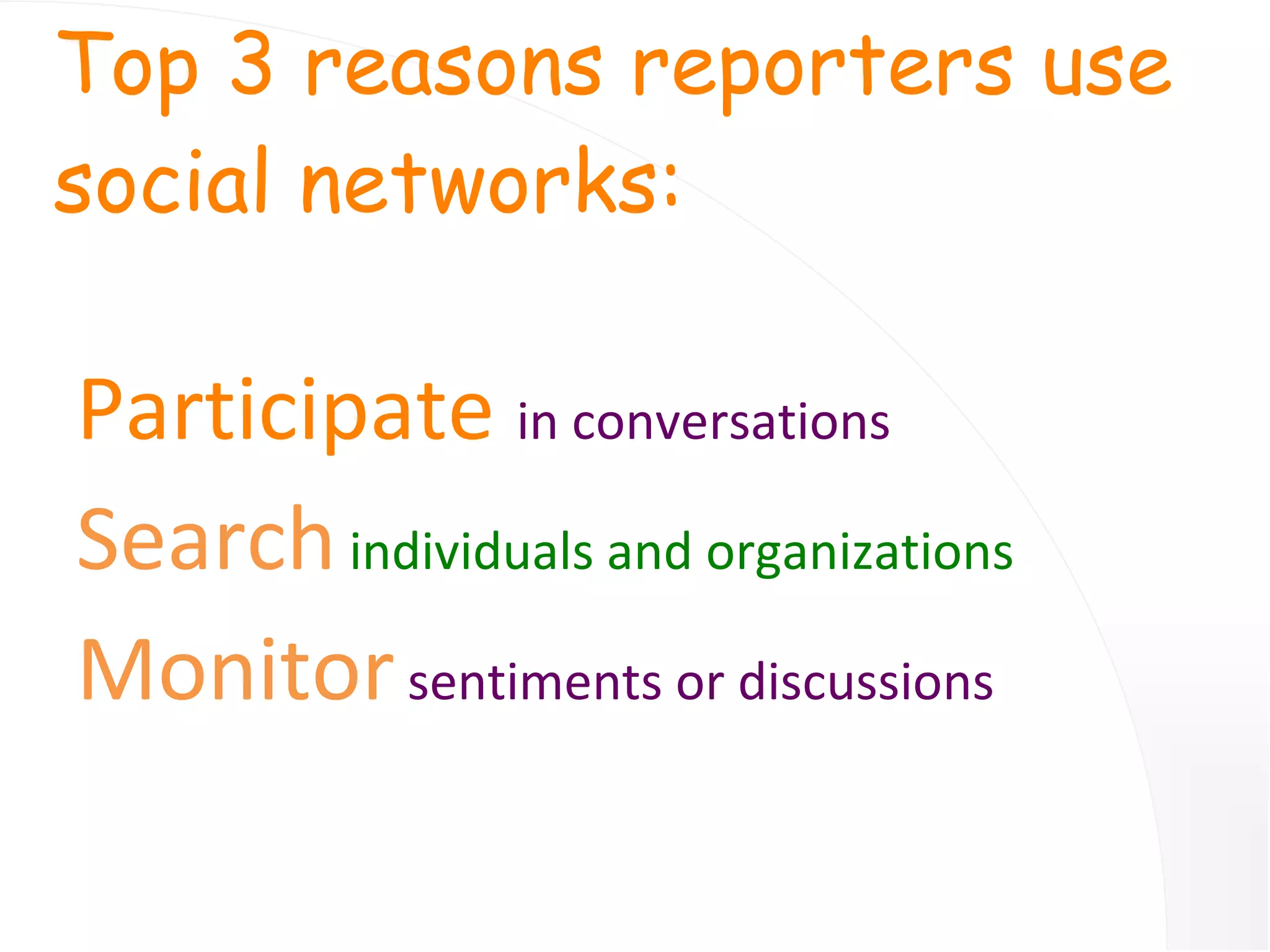
Top 3 reasons reporters use social networks: Participate   in conversations Search   individuals and organizations Monitor   sentiments or discussions
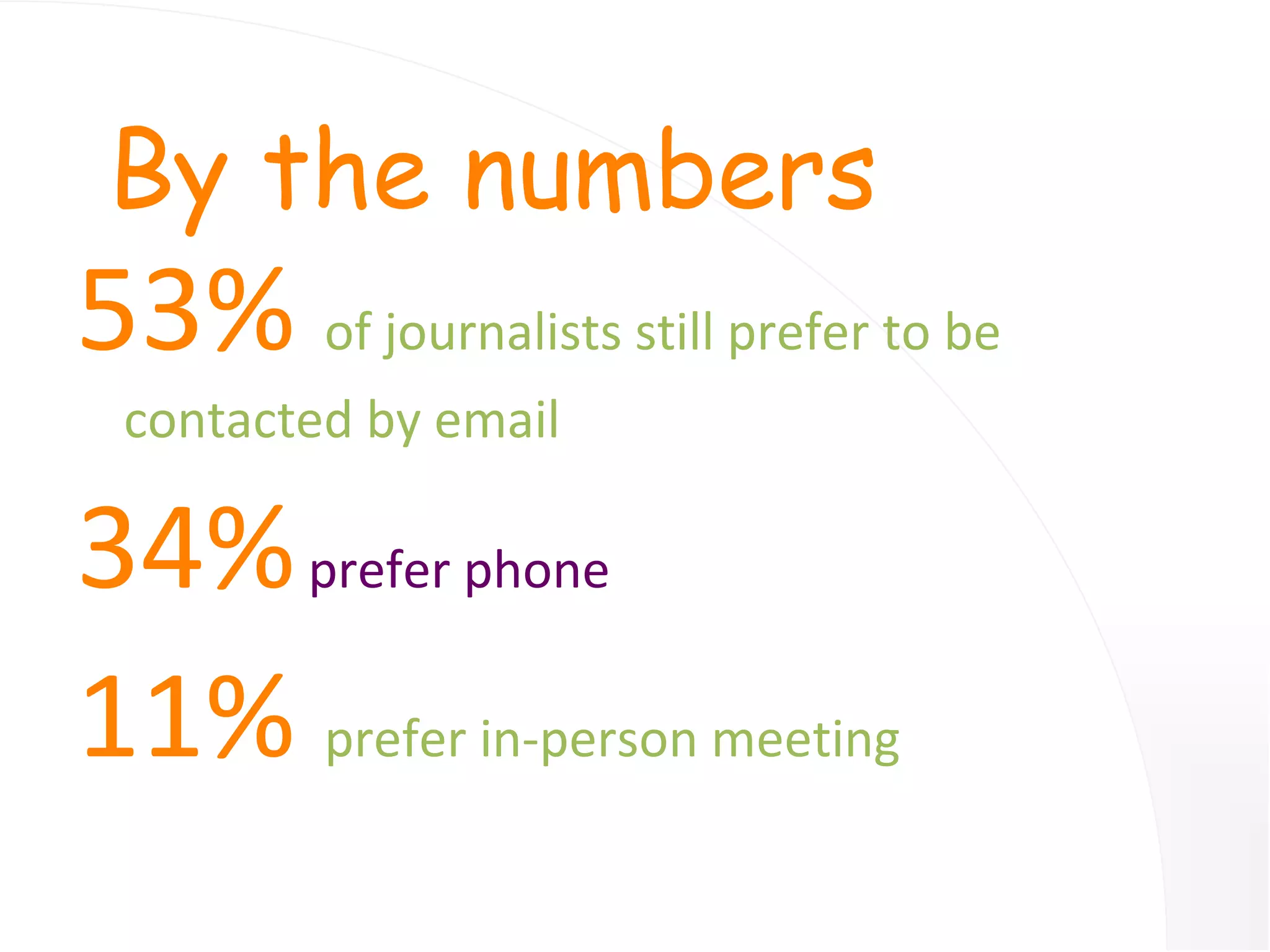
By the numbers 53%  of journalists still prefer to be contacted by email 34%   prefer phone 11%  prefer in-person meeting
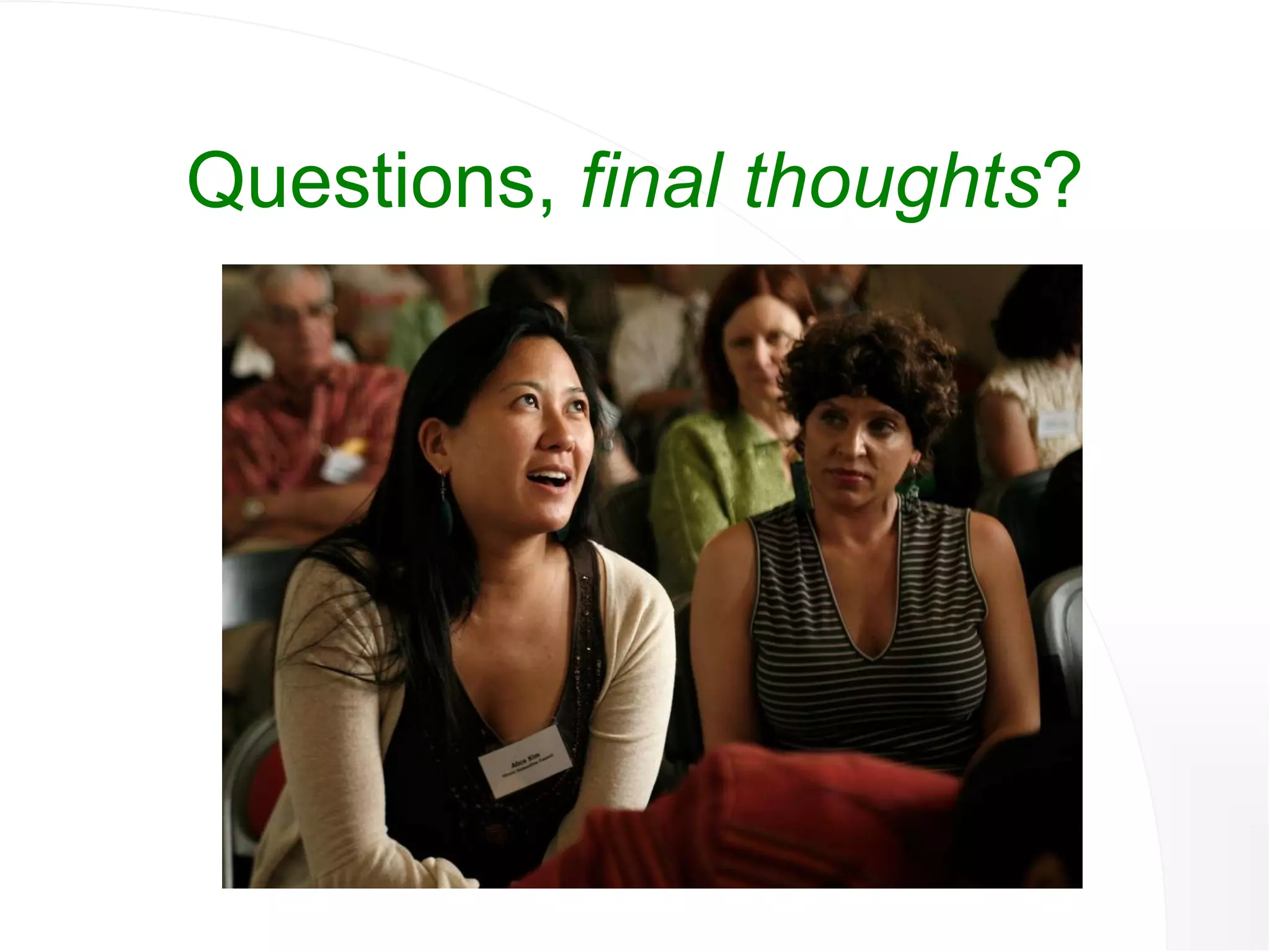
Questions,  final thoughts ?
The Workshop Online Website :  www.newstips.org Blog portal :  www.npcommunicator.org Twitter :  www.twitter.com/npcommunicator Ning :  http://nonprofitcommunicators.ning.com Facebook : http://www.facebook.com/communitymediaworkshop

Creating a Communications Plan

  • 1.
    Creating a CommunicationsPlan Presented by: Thom Clark & Marissa Wasseluk
  • 2.
  • 3.
    What We DoCommunications Coaching & Consulting
  • 4.
    I. Introductions II.Why we communicate III. What makes a story newsworthy IV. Creating a communications plan V. Pitching reporters VI. Social media: ‘The Big 5’ Where we’re going today
  • 5.
    Turnout (Attendance at an event) Awareness (Usually traces back to money) Advocacy (Best to engage audience) Why we communicate
  • 6.
    People receive every message in terms of what they already know and believe.
  • 7.
    Facts Are Meaningless
  • 8.
  • 9.
  • 10.
    AFFORDABLE HOUSING Whatpicture’s coming to mind?
  • 11.
    Photo credit: ActionMedia of Minnesota
  • 12.
    Why communications? We need to communicate We need recognition We need members, associates, donors We need support We like to share our accomplishments
  • 13.
    We need attentionIt lets outsiders know what we’re doing It adds legitimacy to what we do It boosts morale of those involved It attracts $$$, members & associates It can weaken our opponents as seen on TV!
  • 14.
    Not all attentionis good Image can be ruined Organizational conflicts & weaknesses can be exposed. The wrong message can be transmitted.
  • 15.
    To make news,you need to do or create something Man bites Dog, Peter Blapps, from flickr
  • 16.
    Is it news?Famous faces Timeliness Impacts large group Issue recognition Trendy Little guy beats odds Man bites dog Big money First, last, biggest Conflict Human interest Visuals Powerful institution Emotional
  • 17.
    Definitely not newsYour internal process Board meetings Conferences Your annual report What you served for lunch (unless you’re Michelle Obama)
  • 18.
    That’s why weneed a strategy Goals Audience Messages Tactics
  • 19.
    What are ourgoals? Grow donor base Build awareness of our organization Influence public policy, social justice, human rights issues Recruit volunteers Pass legislation
  • 20.
    Who are our audiences ? Donors and Friends Politicians Customers Civic Leaders Competitors/opponents Friends/funders Neighbors Students
  • 21.
    We need convincingmessages Can we state it in one or two sentences? Does our media work & publicity reflect this message? Can a visual image convey this message? What stories convey this message Healthy People, Communities & Organizations
  • 22.
    Who will beour spokespersons ? Leaders Communications staff Subjects of our stories Outside friends & supporters Experts who verify our work
  • 23.
    What stories carryour messages to our audiences? Identifying a Problem Finding a Solution Creating a Conflict Making a Fresh Start Doing Something New Doing Something Unusual
  • 24.
    Tactics Community mediaVideo Public meetings Road trip Fact sheets Testimonials
  • 25.
    If media makessense Moment in time Build the media list (know the publication, follow the news) Media materials (advisory, profiles, press release, fact sheets, visual?) Pitching Be available and prepared!
  • 26.
    Developing your communications plan
  • 27.
  • 28.
  • 29.
  • 30.
    The ToolsWebsite Facebook Twitter Video Blogging
  • 31.
    push + pull = control
  • 32.
  • 33.
  • 34.
  • 35.
  • 36.
    Facebook NAVIGATE THESOCIAL ARENA: Profiles, Fan Pages, Groups & Ads
  • 37.
    Facebook’s Best PracticeGuide Build a strategy that is social by design Create an authentic voice Make it interactive Nurture your relationships Keep learning
  • 38.
  • 39.
    Twitter Broadcasting at140 characters to your Super Followers RT @INSenDems: #Indiana education reform puts new teachers at a crossroads http://ow.ly/513ID @ NoraFerrell
  • 40.
  • 41.
  • 42.
    But don’t takeit from me…
  • 43.
    Blogging It’s allabout renting space on the web.
  • 44.
  • 45.
    Why blog? Companiesthat blog regularly have: 55% more web site visitors 97% more inbound links 434% more indexed pages Than companies that don’t.
  • 46.
    Social Media toReach Reporters
  • 47.
    By the numbers68% of journalists agree that reliance on social media has increased 69% use mobile phones to assist in their reporting
  • 48.
    Top 3 reasonsreporters use social networks: Participate in conversations Search individuals and organizations Monitor sentiments or discussions
  • 49.
    By the numbers53% of journalists still prefer to be contacted by email 34% prefer phone 11% prefer in-person meeting
  • 50.
    Questions, finalthoughts ?
  • 51.
    The Workshop OnlineWebsite : www.newstips.org Blog portal : www.npcommunicator.org Twitter : www.twitter.com/npcommunicator Ning : http://nonprofitcommunicators.ning.com Facebook : http://www.facebook.com/communitymediaworkshop

Editor's Notes

  • #2 Introductions, Why we’re here: CFD overview – you might be called to be a spokesperson or you might have a great story to tell at your own agency, we’re going to cover that today
  • #3 A nonprofit organization dedicated to helping nonprofits get their word out to the media and beyond
  • #4 Workshops on strategy, storytelling, social media
  • #5 Land Use Stories (4-21-2008) Talk about how traditional media and social media go hand in hand. When people ask me why I twitter or why I care about the latest social media app I can download on my phone, I say it’s because, in my job, I can’t afford not to. But I didn’t always feel that way. I had colleagues to who helped me see the importance of this stuff, to understand that this is where communications is headed. We have to be engaging with people across different platforms now.
  • #6 Land Use Stories (4-21-2008) But before we can get into the specifics, we have to take a step back to understand why communicate at all?
  • #7 Land Use Stories (4-21-2008) We’re all pre-set, hard wired based on the experiences we’ve already had. You’re not communicating with a clean slate.
  • #8 Land Use Stories (4-21-2008) Facts are important, and it’s crucial to have them right. But they’re meaningless
  • #9 Land Use Stories (4-21-2008) QUESTION: What do you think this says?
  • #10 Land Use Stories (4-21-2008)
  • #11 Land Use Stories (4-21-2008) QUESTION: What do you think of when you hear ‘affordable housing’?
  • #12 Land Use Stories (4-21-2008) Polling data shows over and over, this is the picture that comes to mind when affordable housing is mentioned. Sec 8? A mental health discharge. How about just ‘homes for families?’
  • #13 QUESTION: Why do you communicate? Or why does the Greater Chicago Food Depository communicate? Or, why do you think you need to communicate more? Key mission: seeing your issue the way others see it and shaping that vision. Three reasons why nonprofits do communications work: turnout, awareness, advocacy.
  • #14 60% of news comes from someone calling a journalist and asking, do you have a minute for me to pitch you a story? Being proactive not reactive.
  • #15 St. Louis story. ASN mother’s day story. Control (two people split the cookie, one break the other picks).
  • #16 We’re going to talk for a few minutes about what makes a story newsworthy. Not just business as usual New programs New people New places New actions/ activities New Information New Stories
  • #17 QUESTION: What did you see in the news this morning? Does it fit in one of these categories?
  • #18 QUESTION: What did you see in the news this morning? Does it fit in one of these categories?
  • #19 Now let’s talk about how you think through your own communications strategy if you want to reach out to media in your area about something you’re doing. Ideally strategy precedes pitching.
  • #20 Let’s talk about how we put together a communications strategy. Refer to the handout you have. Ask for some examples of communications goals
  • #22 Good problem contains its solution—Robert Egger story on A2H (don’t cry wolf, tell us how you will kill the wolf’) Maybe not so much a message as a frame 4 questions: headline tomorrow/tonight’s news? Do we have victims/experts? Facts/data? What will reporter ask?
  • #23 Diplomacy-credit issues Prepping people Academics
  • #24 What do reporters want? 3 sources = story
  • #25 When we were working on this wind farm, some of the tactics we used. Media was one of them.
  • #26 If media makes sense, there are some key steps you’re going to take.
  • #27 Let’s try it.
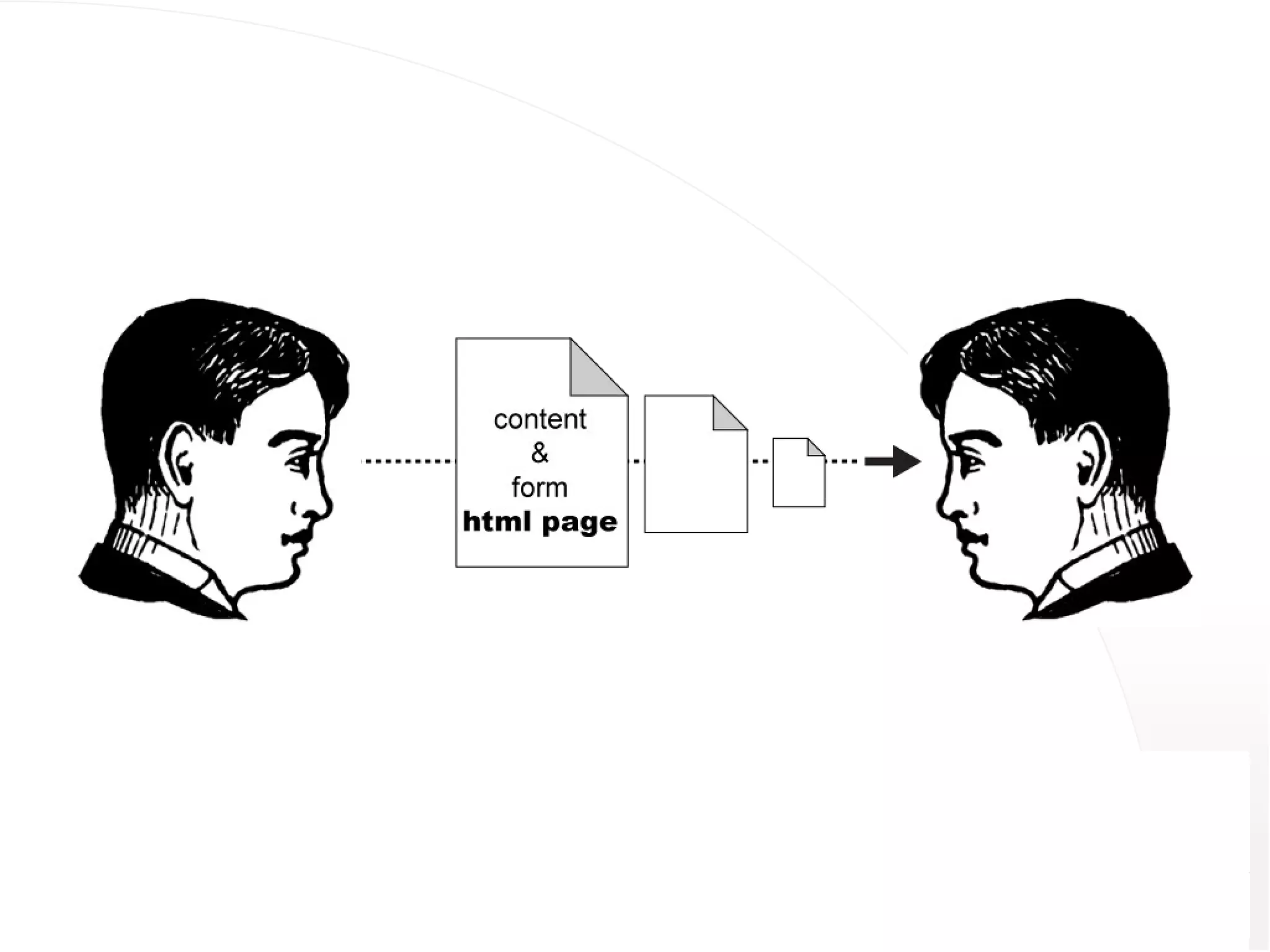
  • #29 The web used to be static and linear. Conversation flowed in only one direction because of the technology standard of the earlier version of the web.
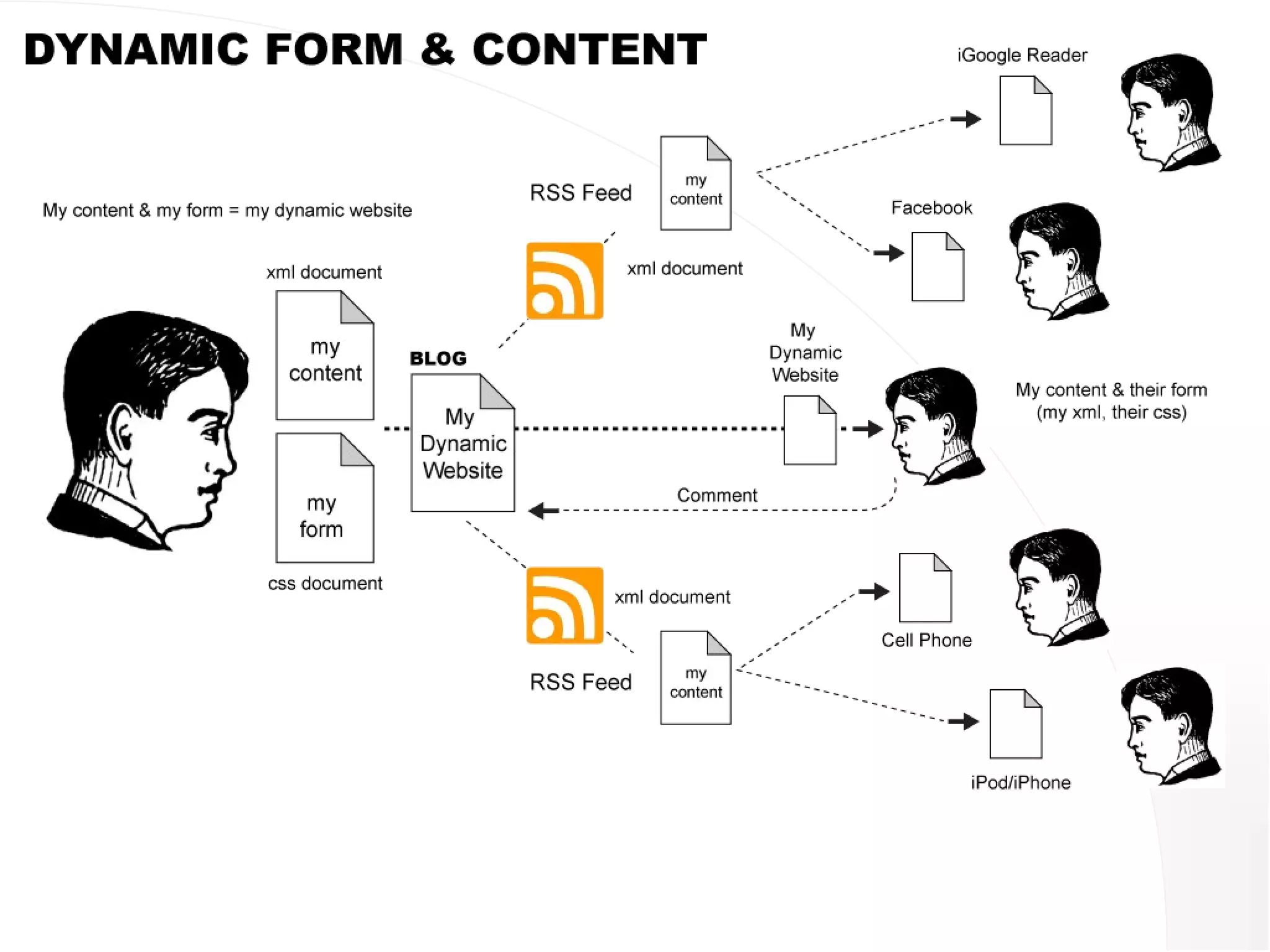
  • #30 Web 2.0 is dynamic. Content and form are separated. Information is liberated from its container and can be shared with others. It’s interactive – it’s a conversation. Communications today is much more interactive.
  • #31 CMW Gary Life Education Initiative 8-4-08 So, it all begins with your website. Social media tools will help you push people back to your website, which in turn pushes people to your stories, which in turn spreads your message, which in turn helps you achieve your goals, right? And we have to monitor our tools, our traffic, our impact. This also allows us to find out where we need to make a difference.
  • #32 Measuring landing pages
  • #34 It all begins with your website. One of the reasons to use social media is to drive traffic back to your website, which contains your content and your message.
  • #35 This is a photo from Southwest Detroit Environmental Vision website. You need to have stories and photos on your website that people want to see. It will keep your page rank up, improve your SEO and attract visitors. I liked this one because 1) it was visual and 2) it personalized something they work on through a simple photo.
  • #36 Illinois Planned Parenthood – great example of targeting a very specific audience
  • #37 You get huge attention span from your readers on Facebook. There are more than 500 million active users. Fifty percent of active users log on every day and stay on for more than two minutes at at time. Facebook just released a “Best Practice Guide” for marketing on FB and I recommend it to anyone who’s managing an organization’s Facebook page.
  • #38 And this could be applied to other social media tools as well.
  • #39 And here – the light hearted post. Social media is playful by nature, and I like to see groups finding a unique voice on Facebook and Twitter.
  • #40 Twitter is the place where people pass along information. It is set up to share stories. If you post something interesting, it might get shared over and over and over. Or, as they say on Twitter, retweeted. Give your organization a voice – one that people want to hear.
  • #41 Twitter is about how interesting you can make those 140 characters in order to get people to check out the link. Here’s a great example from Michigan League of Conservation Voters. It got retweeted and this drove traffic back to the blog, right?
  • #42 Video is one of the easiest ways to drive traffic to your website. If you have a story that’s a must see, do a one minute interview with someone who personifies that story.
  • #43 Marissa’s video
  • #44 It’s faster, it’s easier, it’s another way to tell your story and the tone is more informal.
  • #45 Institute blog. Easy to find from home page. Visuals. First person, more informal.
  • #46 Ann Handley, Content Rules (confab)
  • #47 It’s faster, it’s easier, it’s another way to tell your story and the tone is more informal.
  • #48 According to the recent Survey of the Media in the Wired World, conducted by the Society of New Communications Researcha nd Middleberg Communications
  • #49 According to the recent Survey of the Media in the Wired World, conducted by the Society of New Communications Research and Middleberg Communications
  • #50 According to the recent Survey of the Media in the Wired World, conducted by the Society of New Communications Researcha nd Middleberg Communications