HOPE IS NOT A STRATEGY
                  Are you ready for the conversation?


                       by Shelby Barnes
August 23, 2011
Overview

✤   Shelby’s background/Observations so far

✤   PR basics

✤   The elements of story

✤   PR and the marketing mix

✤   What role should digital media and social media engagement play?

✤   Do your clients need a PR/SM plan?

✤   Case study examples: Modernist Cuisine and Intellectual Ventures.
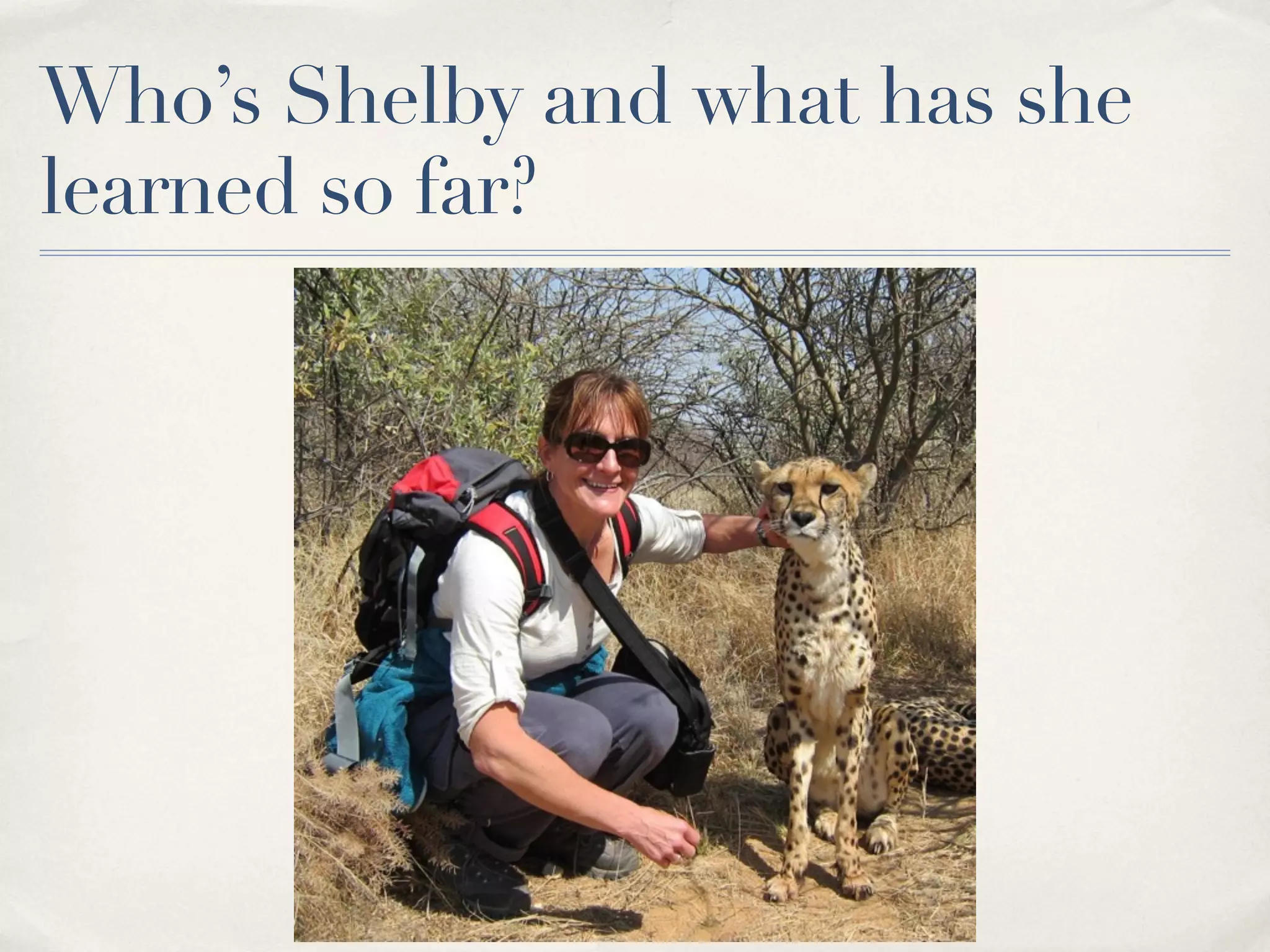
Who’s Shelby and what has she
learned so far?
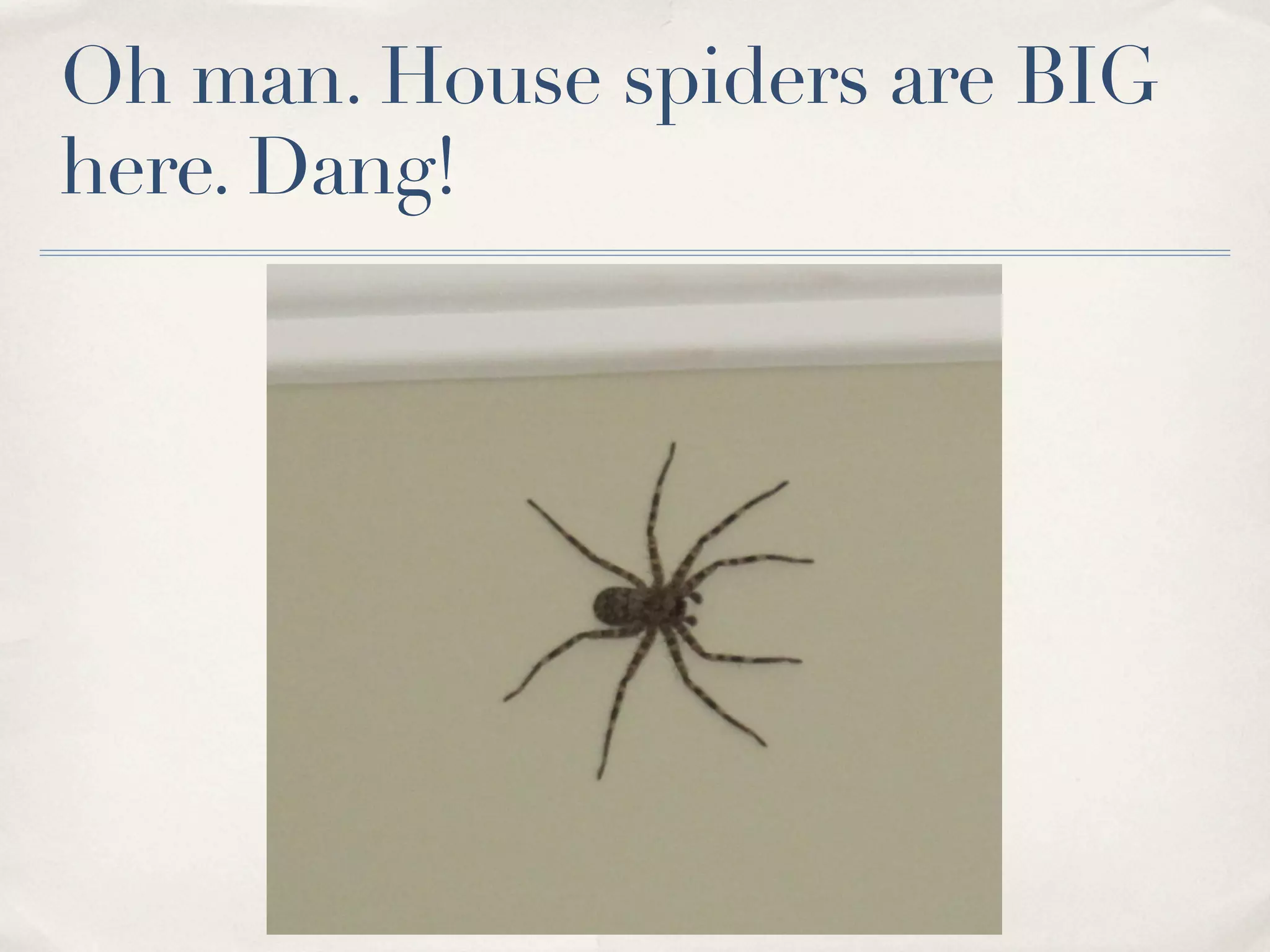
Oh man. House spiders are BIG
here. Dang!
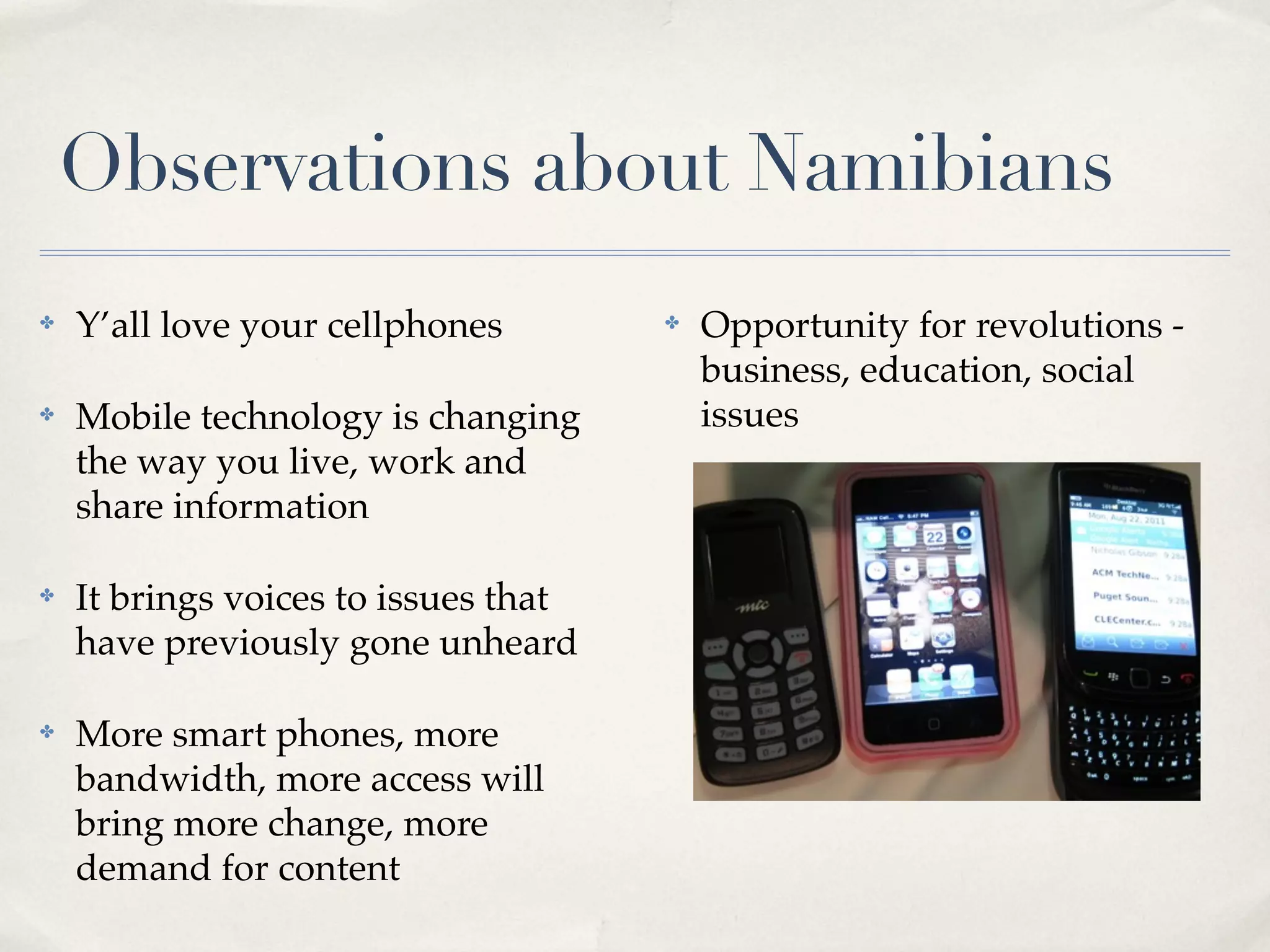
Observations about Namibians
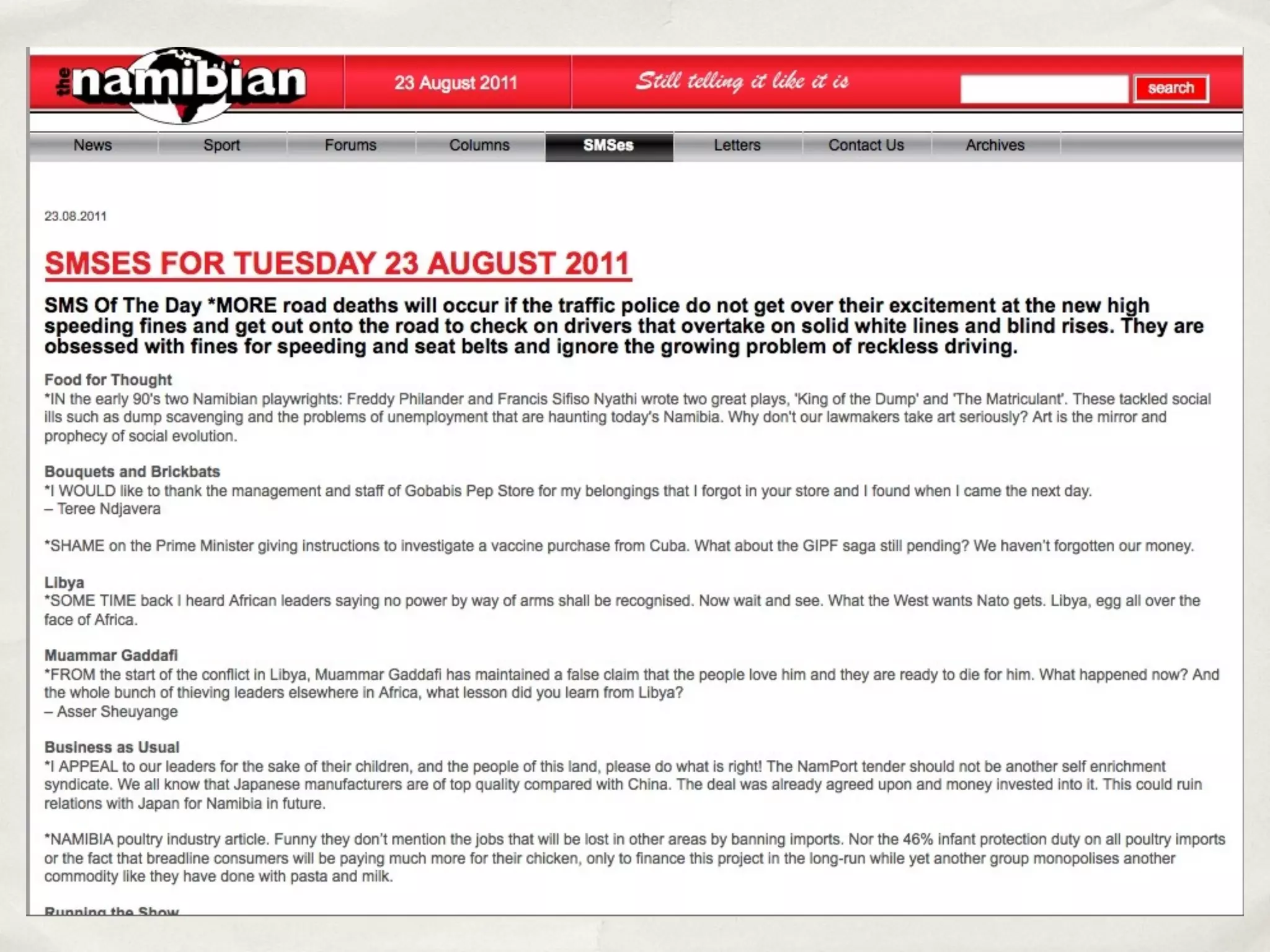
✤   Y’all love your cellphones        ✤   Opportunity for revolutions -
                                          business, education, social
✤   Mobile technology is changing         issues
    the way you live, work and
    share information

✤   It brings voices to issues that
    have previously gone unheard

✤   More smart phones, more
    bandwidth, more access will
    bring more change, more
    demand for content
Now the other side..

✤   Why so pessimistic?

✤   Your public is engaging online but business is resistant/conservative -- Clients,
    government, public all scapegoated

✤   There’s more to mobile than SMS

✤   Your public will force your hand and dictate how much businesses engage

✤   Are you ready to respond? Do you want to be left behind?

✤   Can your brand afford to be left out of the revolution? Out of the conversation?
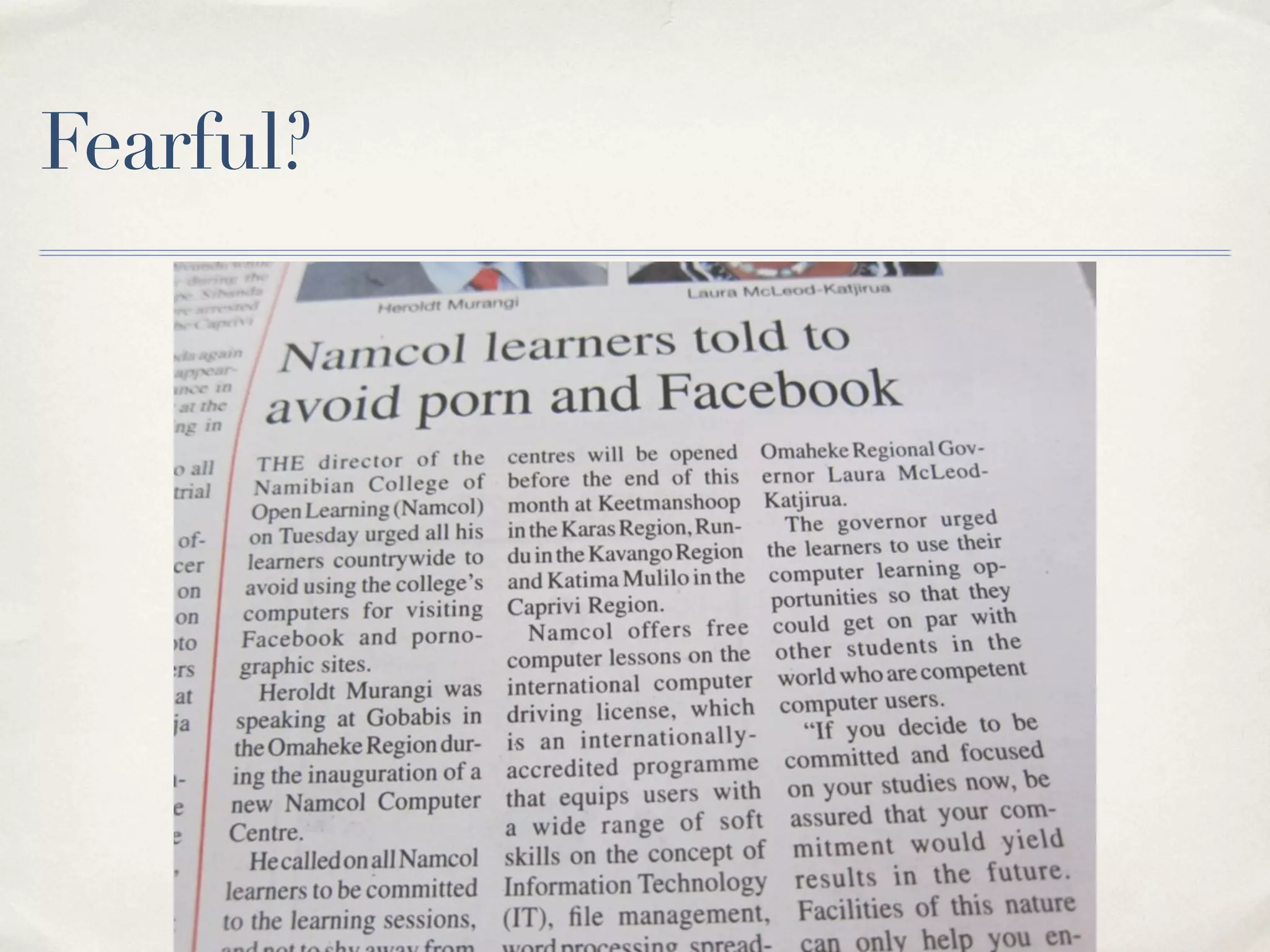
Fearful?
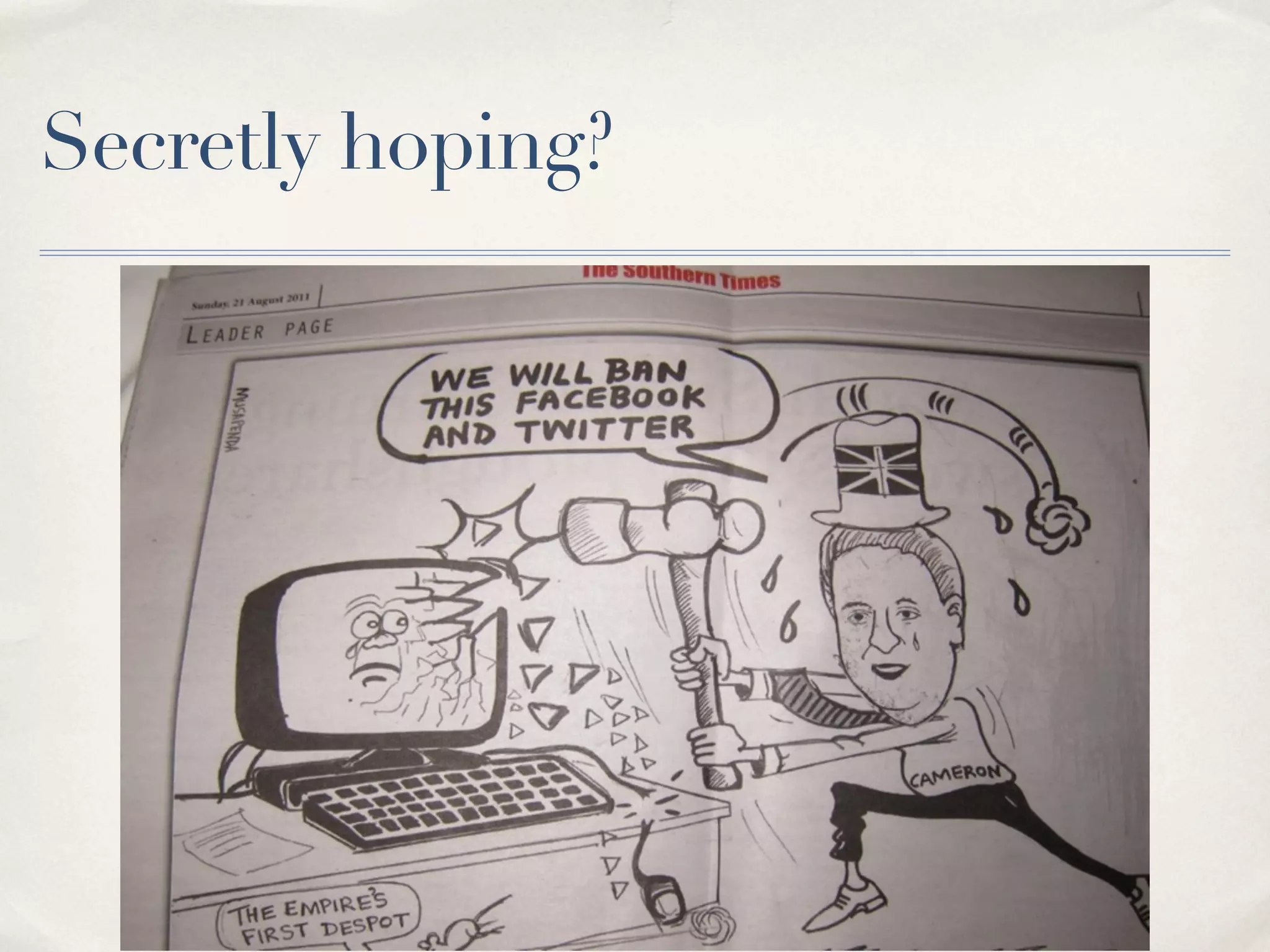
Secretly hoping?
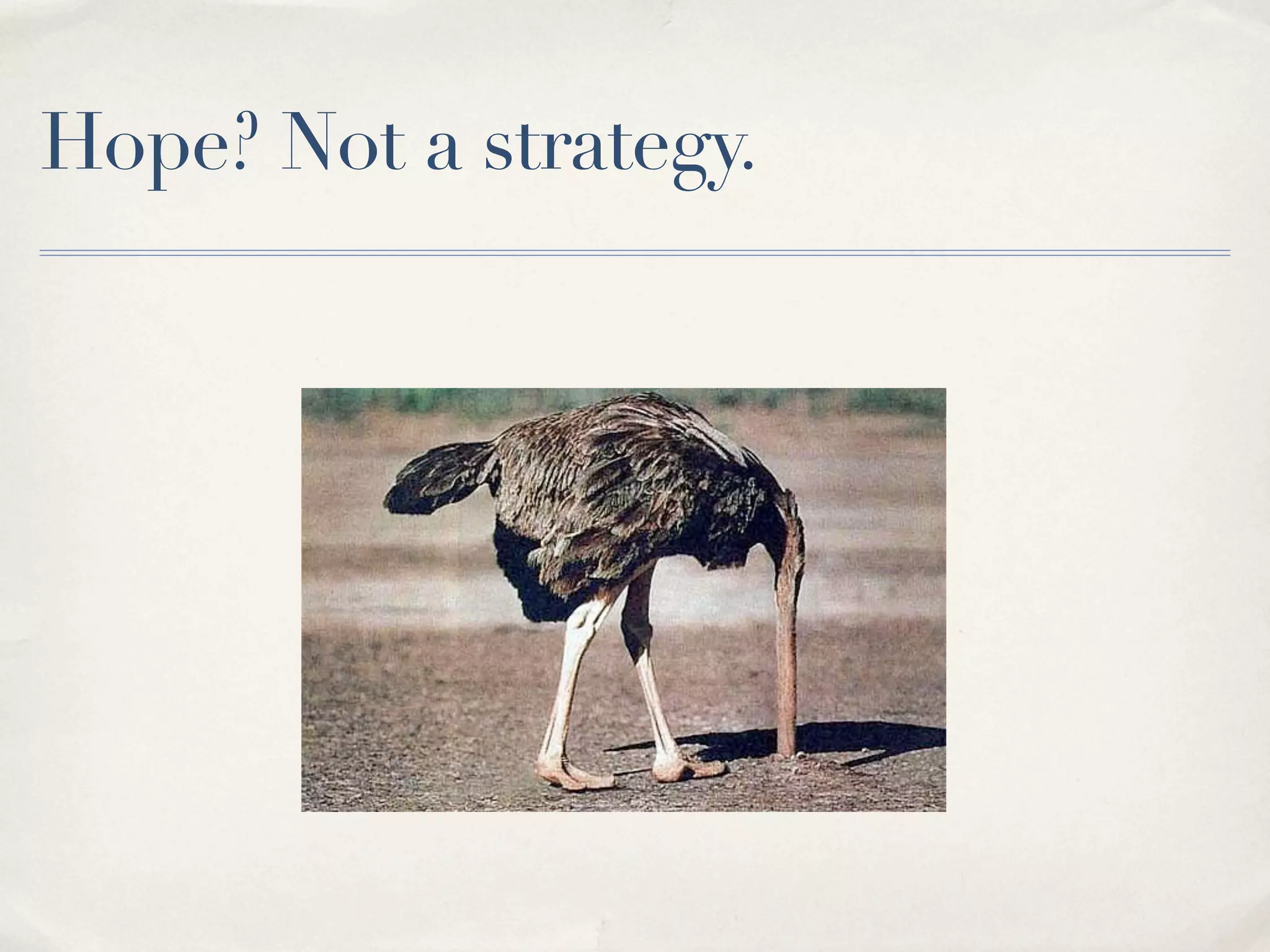
Hope? Not a strategy.
Discussion

✤   What did I get right?

✤   What did I get wrong?

✤   What predictions do you have about the convergence between
    public/private usage?

✤   Is ecommerce really an impossibility in Namibia?

✤   Why is there so much pessimism in the culture when it comes to
    technology habits and will that/should that change?
What is public relations (PR)?


✤   You go first: What are your 20-word definitions?
The “What”
(per Shelby)


✤   Develop and sustain (strategic) relationships between a
    client and its public with the goal of influencing opinions
    and getting desired results*


                                       *I know. Not very sexy.
Break it down: The why & the how


✤   Ask: What’s the business problem you’re trying to solve?

✤   How does influencing the audience help us address the issue?

✤   Who do we need to reach and by what means and to what end?

✤   What risks would engaging in the public discussion pose?

✤   How do we get their attention?

✤   What’s the story we’re trying to tell about our business/issue?
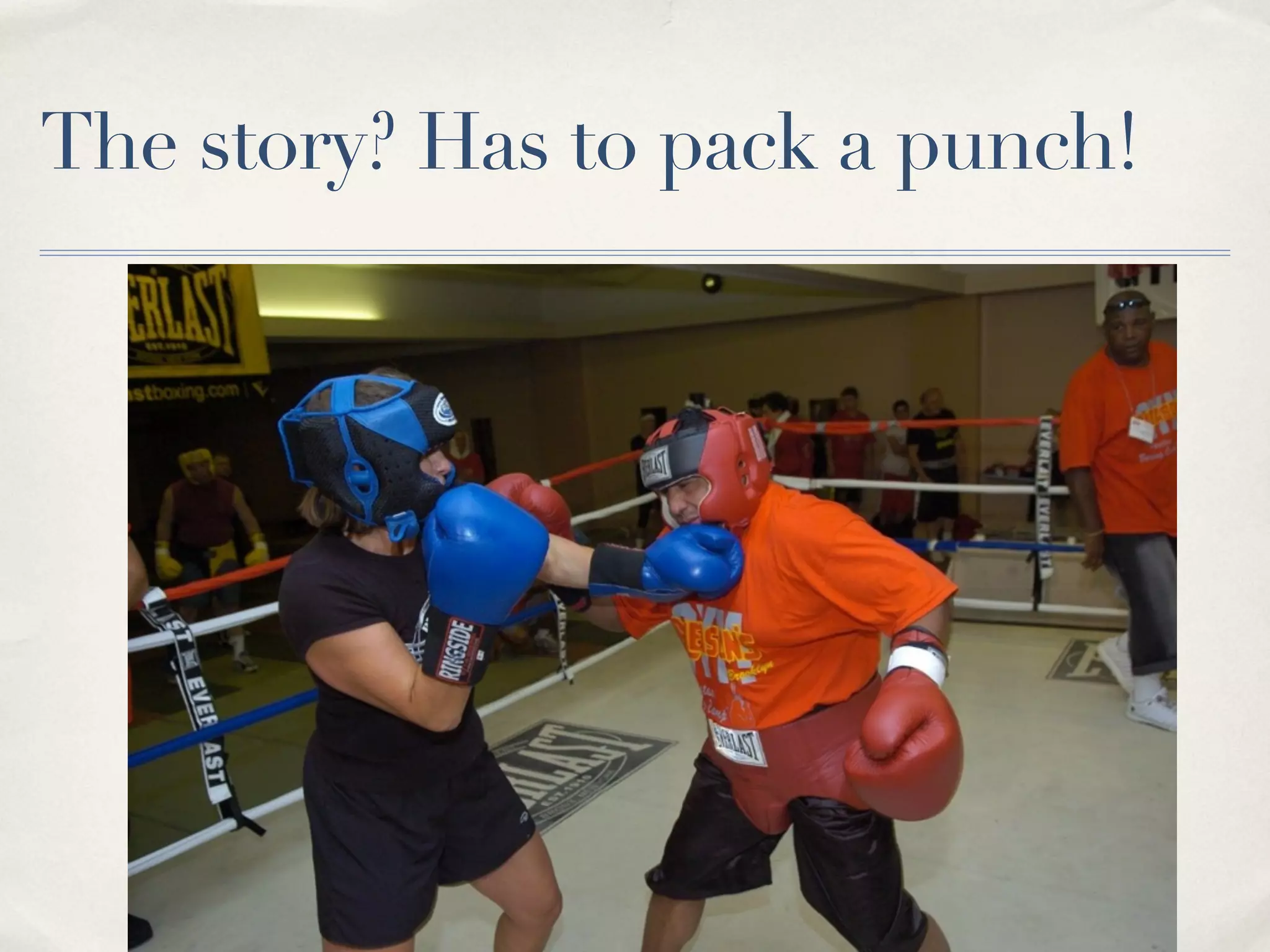
The story? Has to pack a punch!
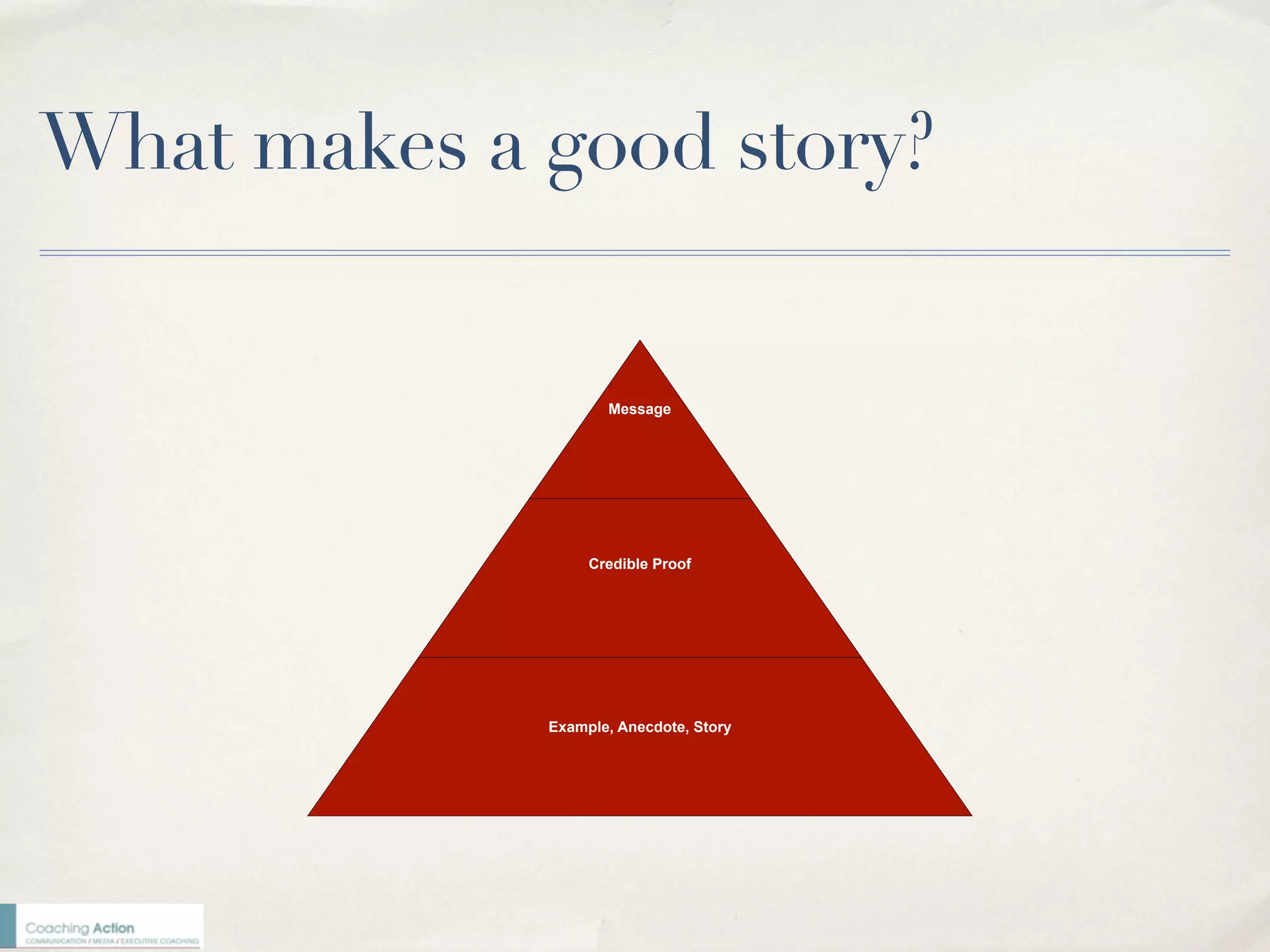
What makes a good story?


                    Message


                  Credible Proof


             Example, Anecdote, Story
Architecting the story
✤   What is the story you’re trying to     ✤   What credibility do you need (what
    tell? What’s the core?                     bias do you face)?

✤   What does the headline say?            ✤   Who are your third-party advocates?
                                               Who validates your point of view?
✤   What are the primary messages?
                                           ✤   “Why should I care?”
✤   Who is going to be the
    spokesperson?                          ✤   What will the competitive response
                                               be?
✤   What credibility do you have to tell
    this story on your own?                ✤   Where holes need to be filled?
Identify the target audience(s)?
✤   Go back to the business goals    ✤   Who influences them (people
                                         and information channels)?
✤   Who are you trying to influence
    and to what end?                 ✤   How are you going to reach
                                         them?
✤   What would get them to listen
    to your story?                   ✤   How are you going to MOVE
                                         them?
✤   What data, messages, anecdotes
    would engage them in your        ✤   What action are you seeking?
    conversation?
                                     ✤   Are they likely to be
                                         persuaded?
How do they get their
information?
✤   Word of mouth              ✤   Industry analysts/reports

✤   Community leaders/events   ✤   Facebook, YouTube, LinkedIn,
                                   etc.
✤   Newspaper, radio, tv,
    magazines                  ✤   Your company website or
                                   intranet
✤   Advertisements
                               ✤   Blogs, Twitter
✤   Industry events
                               ✤   OTHER WAYS?
✤   Newsletters
Construct the PR plan

✤   Similar to creative brief process

✤   Elements include situation analysis, objectives, messages, strategy,
    tactics, messages, influential targets and measurements

    ✤   How will the plan address the business issues?

    ✤   What tools are most important?

✤   Integration with other marketing plans important

✤   Remember: Heart of most PR plans is capturing the story and
    starting, continuing or redirecting the conversation
Identify the vehicles to carry the
story
✤   Press release (boring but can be   ✤   Event
    effective)
                                       ✤   Controversial blog post
✤   Case study
                                       ✤   Plant it with a vocal crowd
✤   Digital or “old school”
                                       ✤   Advertisement
✤   Major media or local media
                                       ✤   Documentary
✤   Podcast
                                       ✤   What else?
✤   Webcast
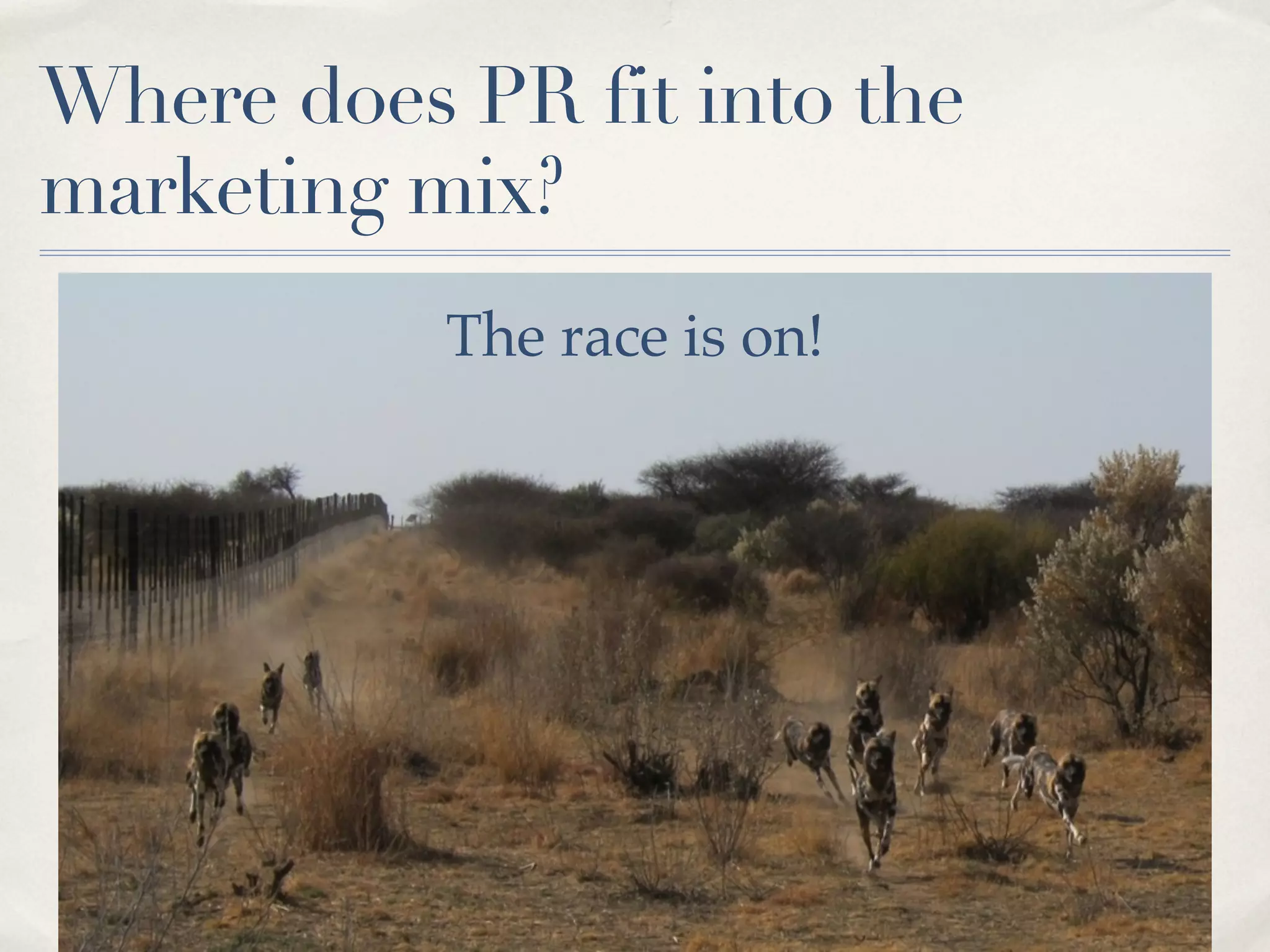
Where does PR fit into the
marketing mix?
           The race is on!
My view

✤   PR should be involved when there is:

      ✤   Change in business direction or behavior

      ✤   Activity that involves the public or could lead to public discussion

      ✤   News

      ✤   Reputation or brand risk

      ✤   Opportunity to influence public opinion

✤   Integrated teams and campaigns are most powerful
Discussion

✤   Where do you get your news and information?

✤   Who influences your opinions?

✤   Talk about online behaviors and information gathering.

✤   How has that changed over the past few years?

✤   Do you imagine PR as part of your activities?

✤   Predictions?
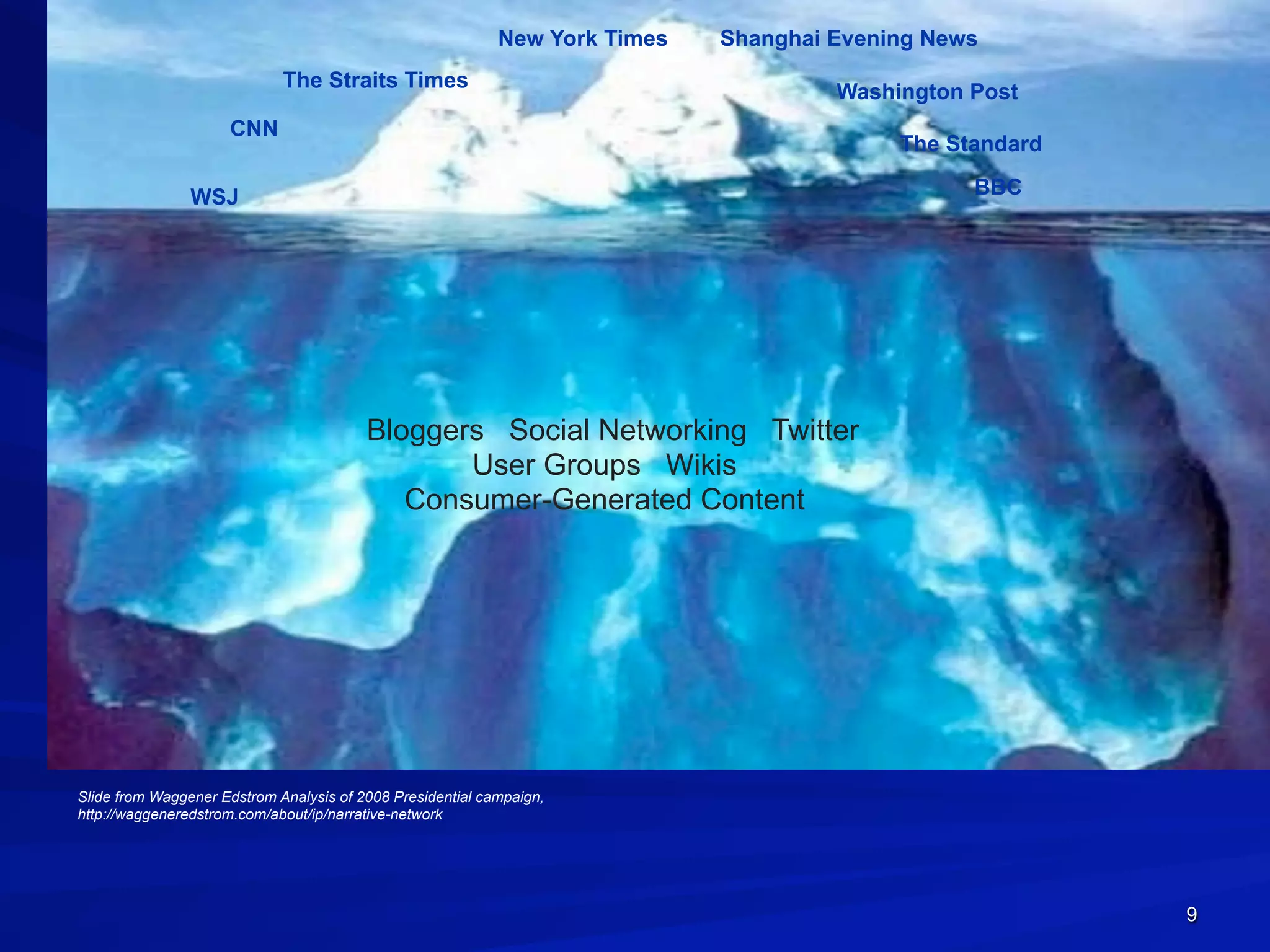
Social media and your brand
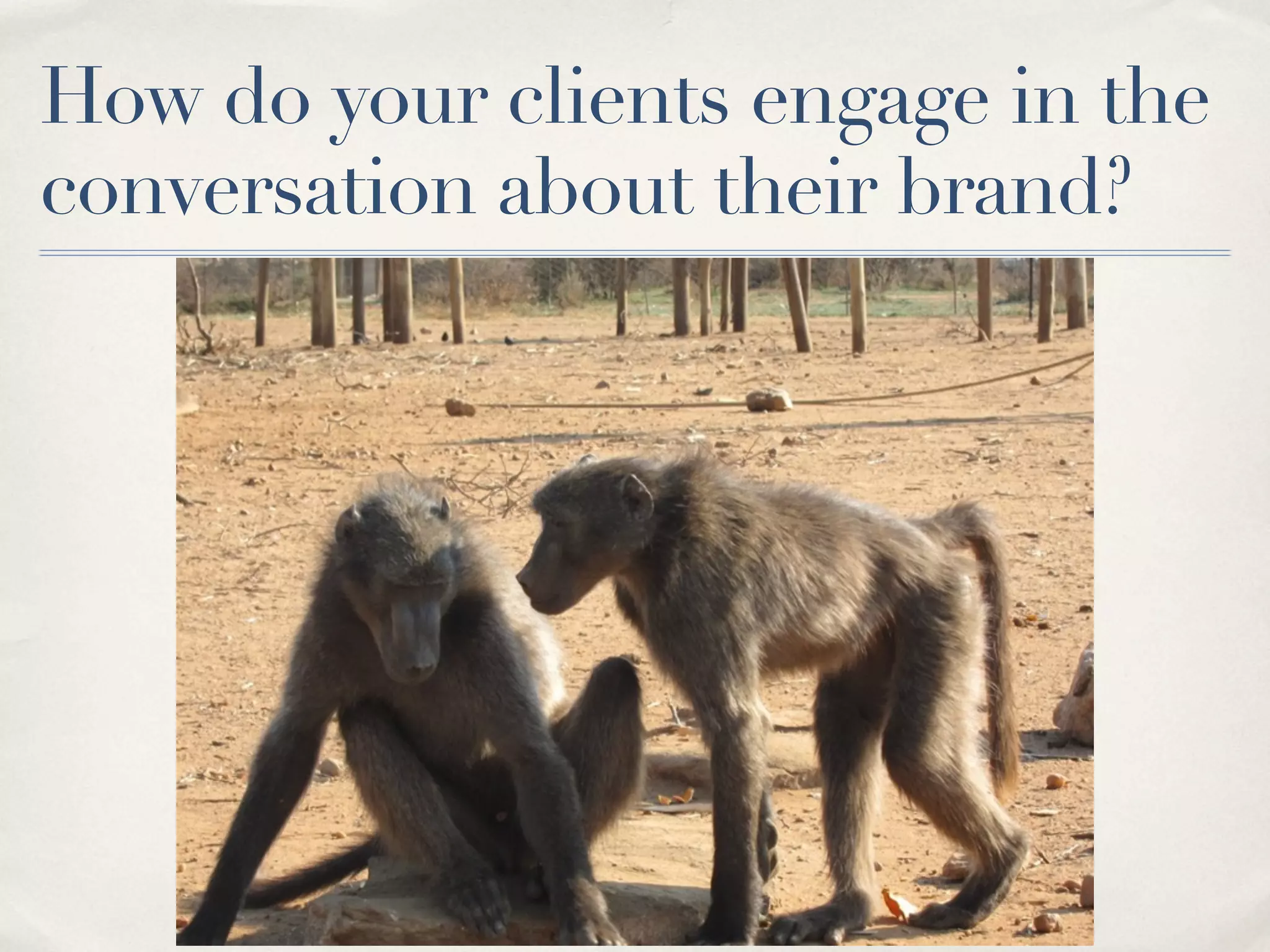
How do your clients engage in the
conversation about their brand?
New York Times   Shanghai Evening News
                             The Straits Times
                                                                                      Washington Post
                     CNN
                                                                                           The Standard

                WSJ                                                                              BBC


                                         Bloggers Social Networking Twitter
                                                User Groups Wikis
                                            Consumer-Generated Content


Slide from Waggener Edstrom Analysis of 2008 Presidential campaign,
http://waggeneredstrom.com/about/ip/narrative-network


                                                                                                          9
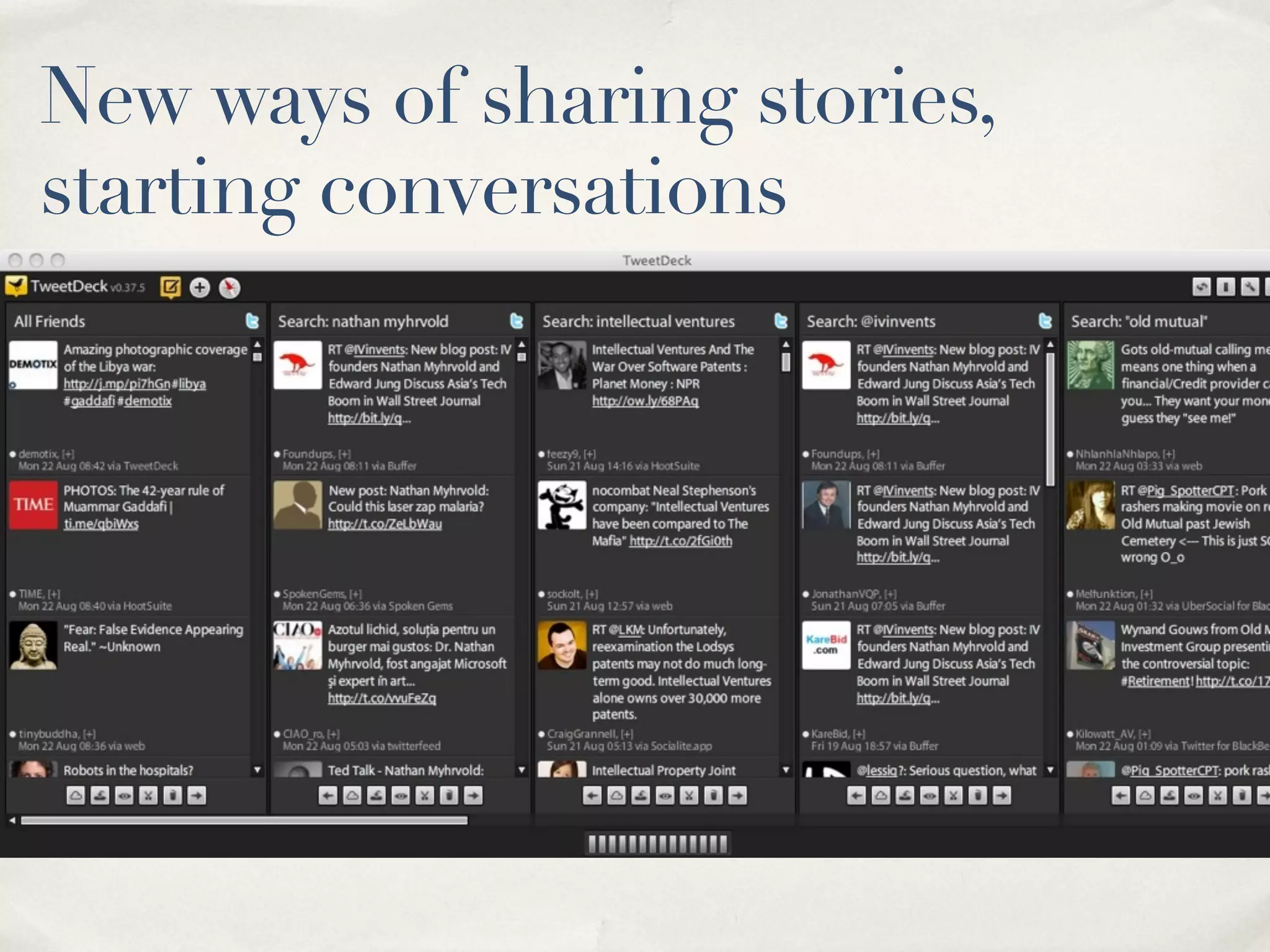
New ways of sharing stories,
starting conversations
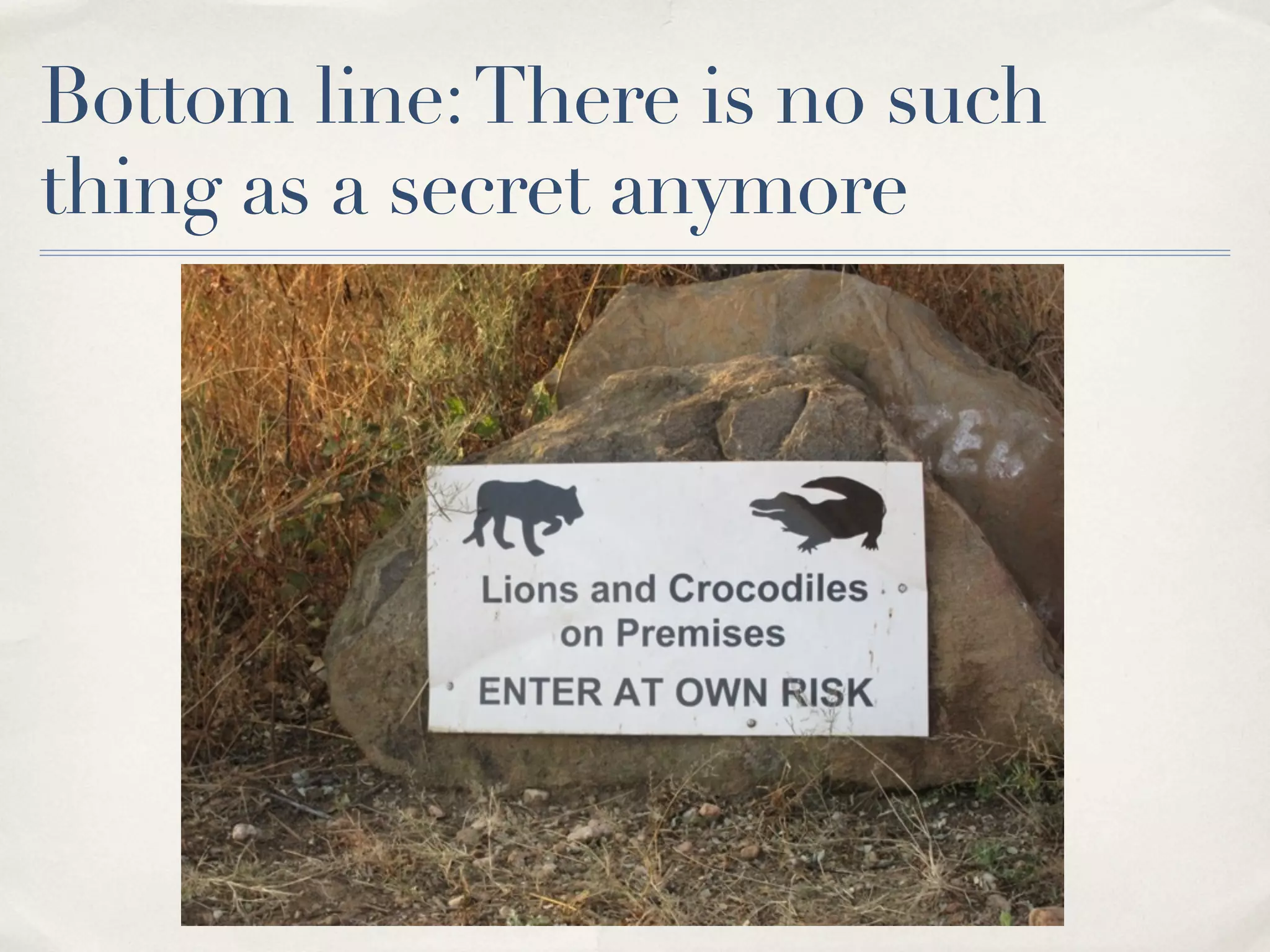
Bottom line: There is no such
thing as a secret anymore
Social media considerations

✤   Do your research             ✤   Be prepared to take risks and
                                     make mistakes
✤   What’s your intended goal?
                                 ✤   Be prepared to apologize
✤   Be prepared
                                 ✤   Don’t expect your clients to
✤   Be diligent                      “get it” -- Show and tell

✤   Be human, but...             ✤   It’s about the conversation

✤   Check your emotions at the   ✤   Stop and ask why
    door
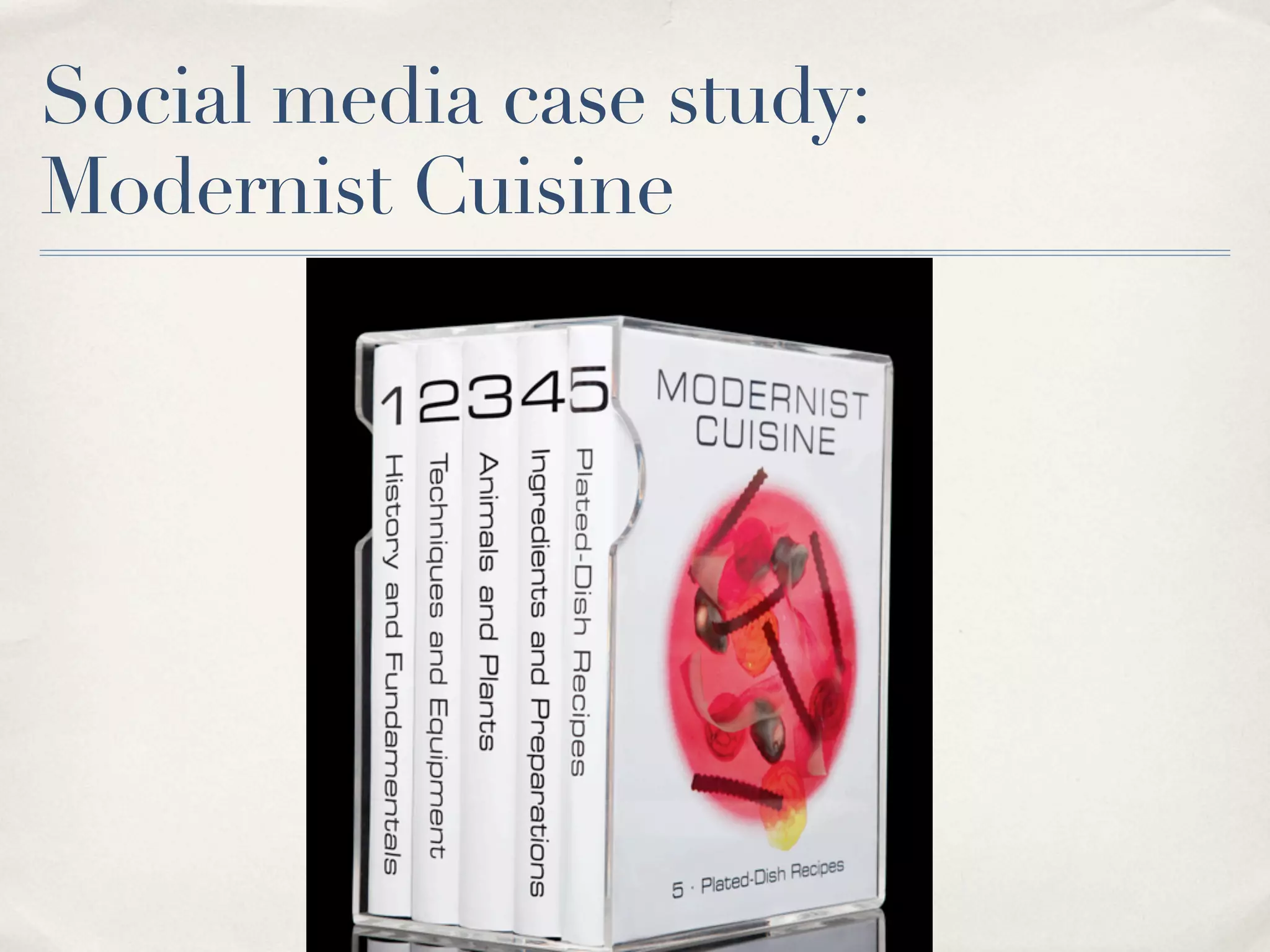
Social media case study:
Modernist Cuisine
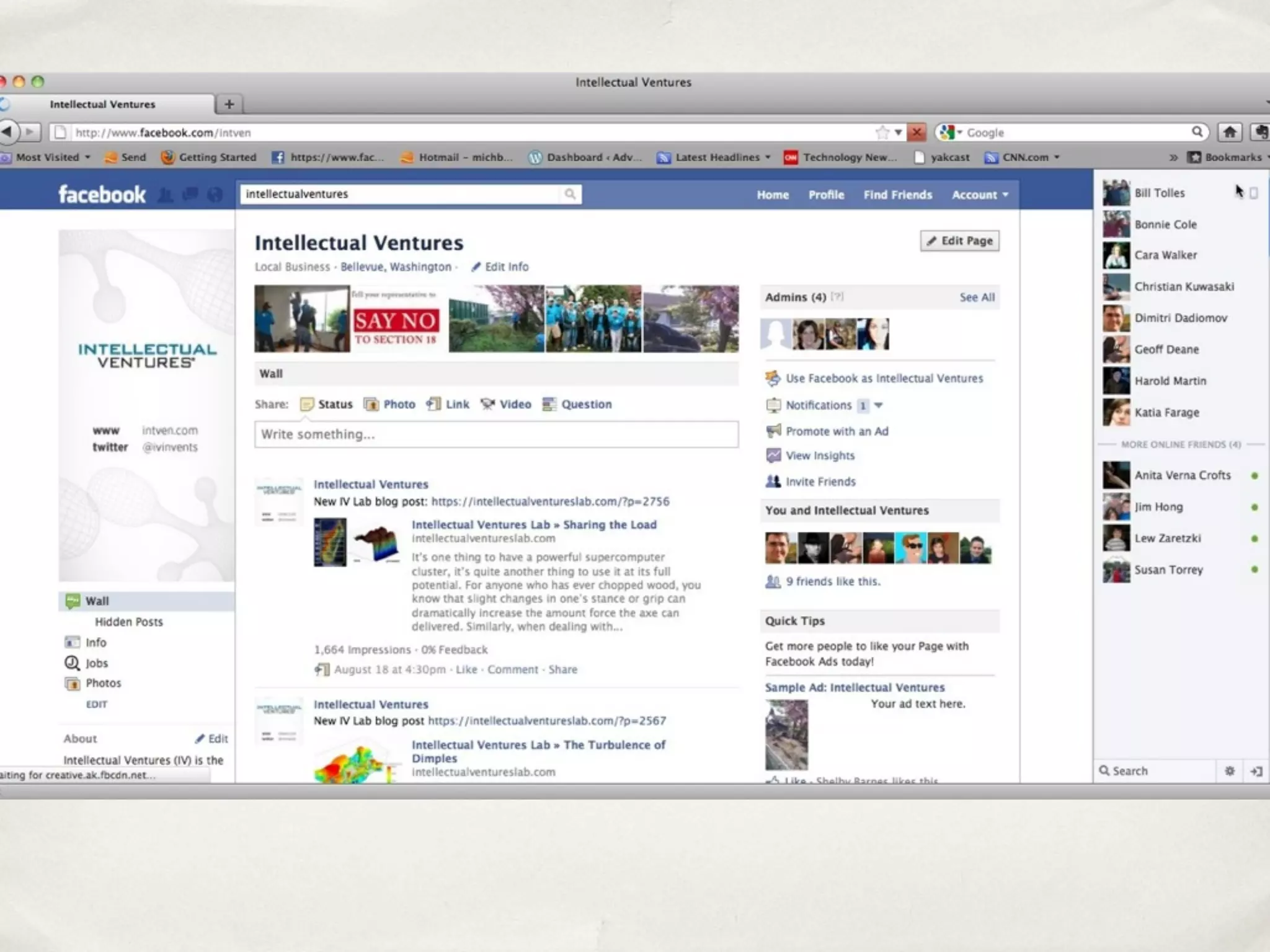
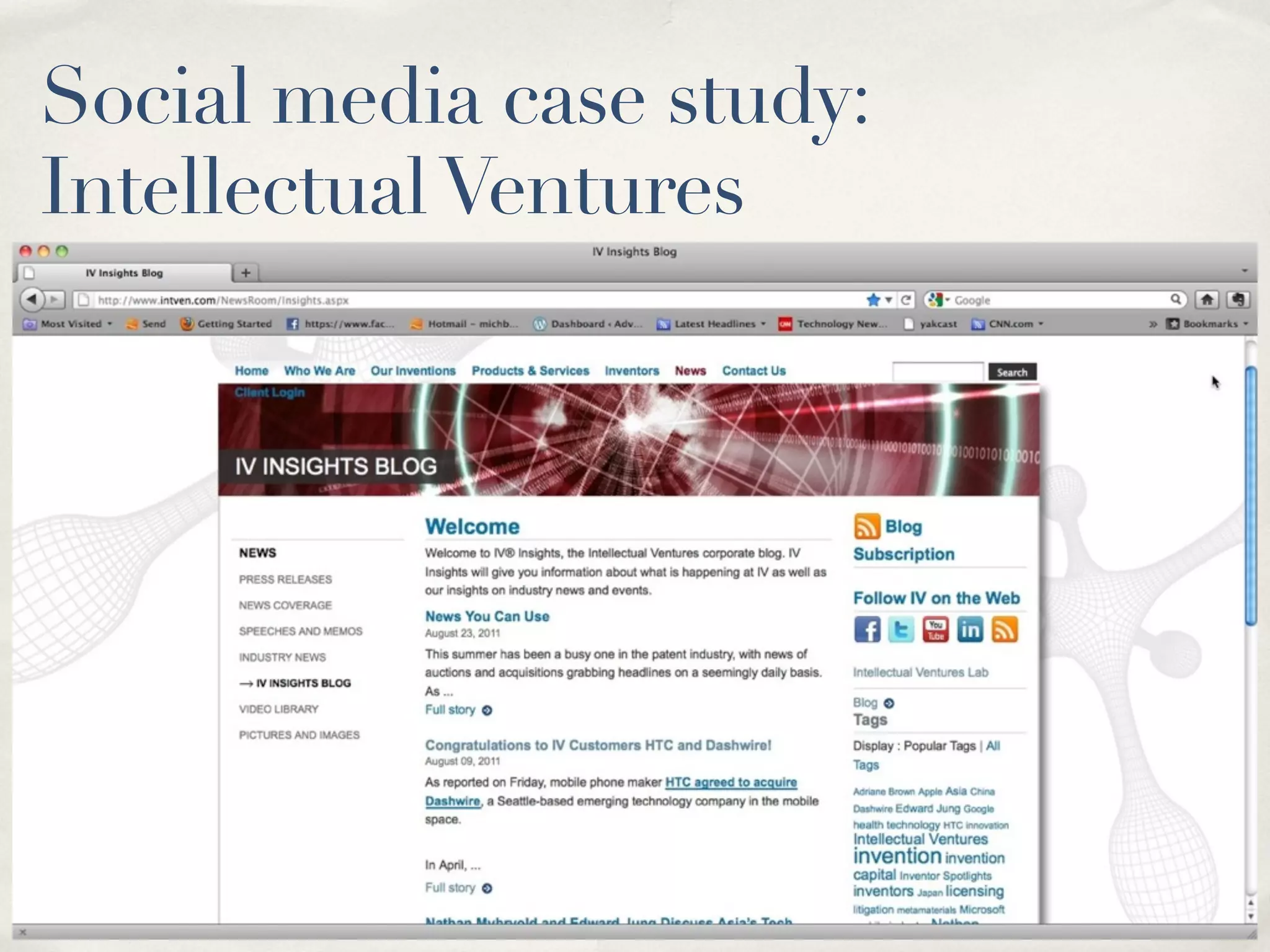
Social media case study:
Intellectual Ventures
Discussion


✤   How would social media translate to adforce clients?

    ✤   Who is most willing/likely?

✤   What barriers do you imagine?

✤   Can you afford not to have a strategy ready?
Summary

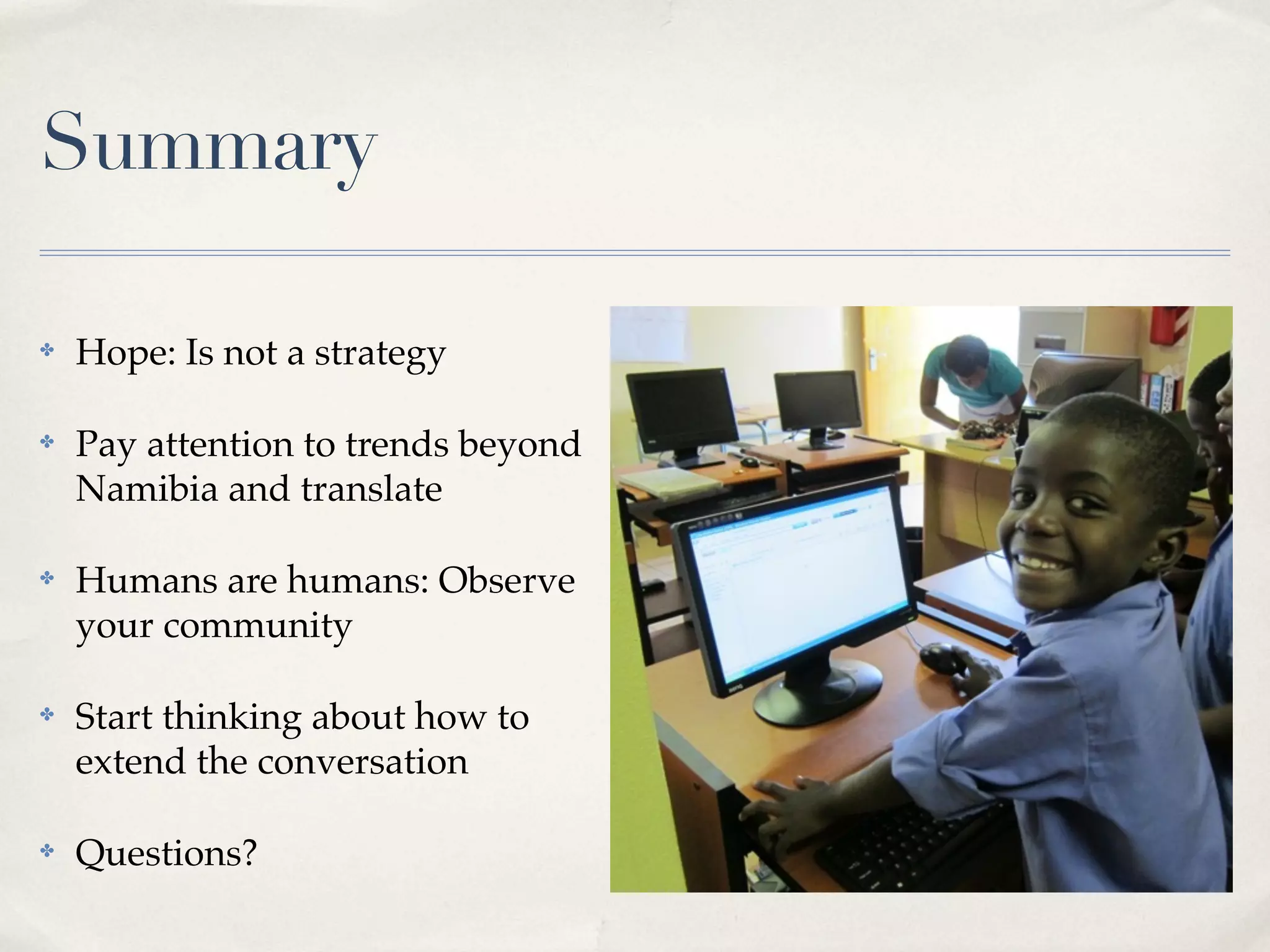
✤   Hope: Is not a strategy

✤   Pay attention to trends beyond
    Namibia and translate

✤   Humans are humans: Observe
    your community

✤   Start thinking about how to
    extend the conversation

✤   Questions?

Hope is not a strategy - join the conversation

  • 1.
    HOPE IS NOTA STRATEGY Are you ready for the conversation? by Shelby Barnes August 23, 2011
  • 2.
    Overview ✤ Shelby’s background/Observations so far ✤ PR basics ✤ The elements of story ✤ PR and the marketing mix ✤ What role should digital media and social media engagement play? ✤ Do your clients need a PR/SM plan? ✤ Case study examples: Modernist Cuisine and Intellectual Ventures.
  • 3.
    Who’s Shelby andwhat has she learned so far?
  • 4.
    Oh man. Housespiders are BIG here. Dang!
  • 5.
    Observations about Namibians ✤ Y’all love your cellphones ✤ Opportunity for revolutions - business, education, social ✤ Mobile technology is changing issues the way you live, work and share information ✤ It brings voices to issues that have previously gone unheard ✤ More smart phones, more bandwidth, more access will bring more change, more demand for content
  • 6.
    Now the otherside.. ✤ Why so pessimistic? ✤ Your public is engaging online but business is resistant/conservative -- Clients, government, public all scapegoated ✤ There’s more to mobile than SMS ✤ Your public will force your hand and dictate how much businesses engage ✤ Are you ready to respond? Do you want to be left behind? ✤ Can your brand afford to be left out of the revolution? Out of the conversation?
  • 7.
  • 8.
  • 9.
    Hope? Not astrategy.
  • 10.
    Discussion ✤ What did I get right? ✤ What did I get wrong? ✤ What predictions do you have about the convergence between public/private usage? ✤ Is ecommerce really an impossibility in Namibia? ✤ Why is there so much pessimism in the culture when it comes to technology habits and will that/should that change?
  • 11.
    What is publicrelations (PR)? ✤ You go first: What are your 20-word definitions?
  • 12.
    The “What” (per Shelby) ✤ Develop and sustain (strategic) relationships between a client and its public with the goal of influencing opinions and getting desired results* *I know. Not very sexy.
  • 13.
    Break it down:The why & the how ✤ Ask: What’s the business problem you’re trying to solve? ✤ How does influencing the audience help us address the issue? ✤ Who do we need to reach and by what means and to what end? ✤ What risks would engaging in the public discussion pose? ✤ How do we get their attention? ✤ What’s the story we’re trying to tell about our business/issue?
  • 14.
    The story? Hasto pack a punch!
  • 15.
    What makes agood story? Message Credible Proof Example, Anecdote, Story
  • 16.
    Architecting the story ✤ What is the story you’re trying to ✤ What credibility do you need (what tell? What’s the core? bias do you face)? ✤ What does the headline say? ✤ Who are your third-party advocates? Who validates your point of view? ✤ What are the primary messages? ✤ “Why should I care?” ✤ Who is going to be the spokesperson? ✤ What will the competitive response be? ✤ What credibility do you have to tell this story on your own? ✤ Where holes need to be filled?
  • 17.
    Identify the targetaudience(s)? ✤ Go back to the business goals ✤ Who influences them (people and information channels)? ✤ Who are you trying to influence and to what end? ✤ How are you going to reach them? ✤ What would get them to listen to your story? ✤ How are you going to MOVE them? ✤ What data, messages, anecdotes would engage them in your ✤ What action are you seeking? conversation? ✤ Are they likely to be persuaded?
  • 18.
    How do theyget their information? ✤ Word of mouth ✤ Industry analysts/reports ✤ Community leaders/events ✤ Facebook, YouTube, LinkedIn, etc. ✤ Newspaper, radio, tv, magazines ✤ Your company website or intranet ✤ Advertisements ✤ Blogs, Twitter ✤ Industry events ✤ OTHER WAYS? ✤ Newsletters
  • 19.
    Construct the PRplan ✤ Similar to creative brief process ✤ Elements include situation analysis, objectives, messages, strategy, tactics, messages, influential targets and measurements ✤ How will the plan address the business issues? ✤ What tools are most important? ✤ Integration with other marketing plans important ✤ Remember: Heart of most PR plans is capturing the story and starting, continuing or redirecting the conversation
  • 20.
    Identify the vehiclesto carry the story ✤ Press release (boring but can be ✤ Event effective) ✤ Controversial blog post ✤ Case study ✤ Plant it with a vocal crowd ✤ Digital or “old school” ✤ Advertisement ✤ Major media or local media ✤ Documentary ✤ Podcast ✤ What else? ✤ Webcast
  • 21.
    Where does PRfit into the marketing mix? The race is on!
  • 22.
    My view ✤ PR should be involved when there is: ✤ Change in business direction or behavior ✤ Activity that involves the public or could lead to public discussion ✤ News ✤ Reputation or brand risk ✤ Opportunity to influence public opinion ✤ Integrated teams and campaigns are most powerful
  • 23.
    Discussion ✤ Where do you get your news and information? ✤ Who influences your opinions? ✤ Talk about online behaviors and information gathering. ✤ How has that changed over the past few years? ✤ Do you imagine PR as part of your activities? ✤ Predictions?
  • 24.
    Social media andyour brand
  • 25.
    How do yourclients engage in the conversation about their brand?
  • 26.
    New York Times Shanghai Evening News The Straits Times Washington Post CNN The Standard WSJ BBC Bloggers Social Networking Twitter User Groups Wikis Consumer-Generated Content Slide from Waggener Edstrom Analysis of 2008 Presidential campaign, http://waggeneredstrom.com/about/ip/narrative-network 9
  • 27.
    New ways ofsharing stories, starting conversations
  • 30.
    Bottom line: Thereis no such thing as a secret anymore
  • 31.
    Social media considerations ✤ Do your research ✤ Be prepared to take risks and make mistakes ✤ What’s your intended goal? ✤ Be prepared to apologize ✤ Be prepared ✤ Don’t expect your clients to ✤ Be diligent “get it” -- Show and tell ✤ Be human, but... ✤ It’s about the conversation ✤ Check your emotions at the ✤ Stop and ask why door
  • 32.
    Social media casestudy: Modernist Cuisine
  • 33.
    Social media casestudy: Intellectual Ventures
  • 34.
    Discussion ✤ How would social media translate to adforce clients? ✤ Who is most willing/likely? ✤ What barriers do you imagine? ✤ Can you afford not to have a strategy ready?
  • 35.
    Summary ✤ Hope: Is not a strategy ✤ Pay attention to trends beyond Namibia and translate ✤ Humans are humans: Observe your community ✤ Start thinking about how to extend the conversation ✤ Questions?