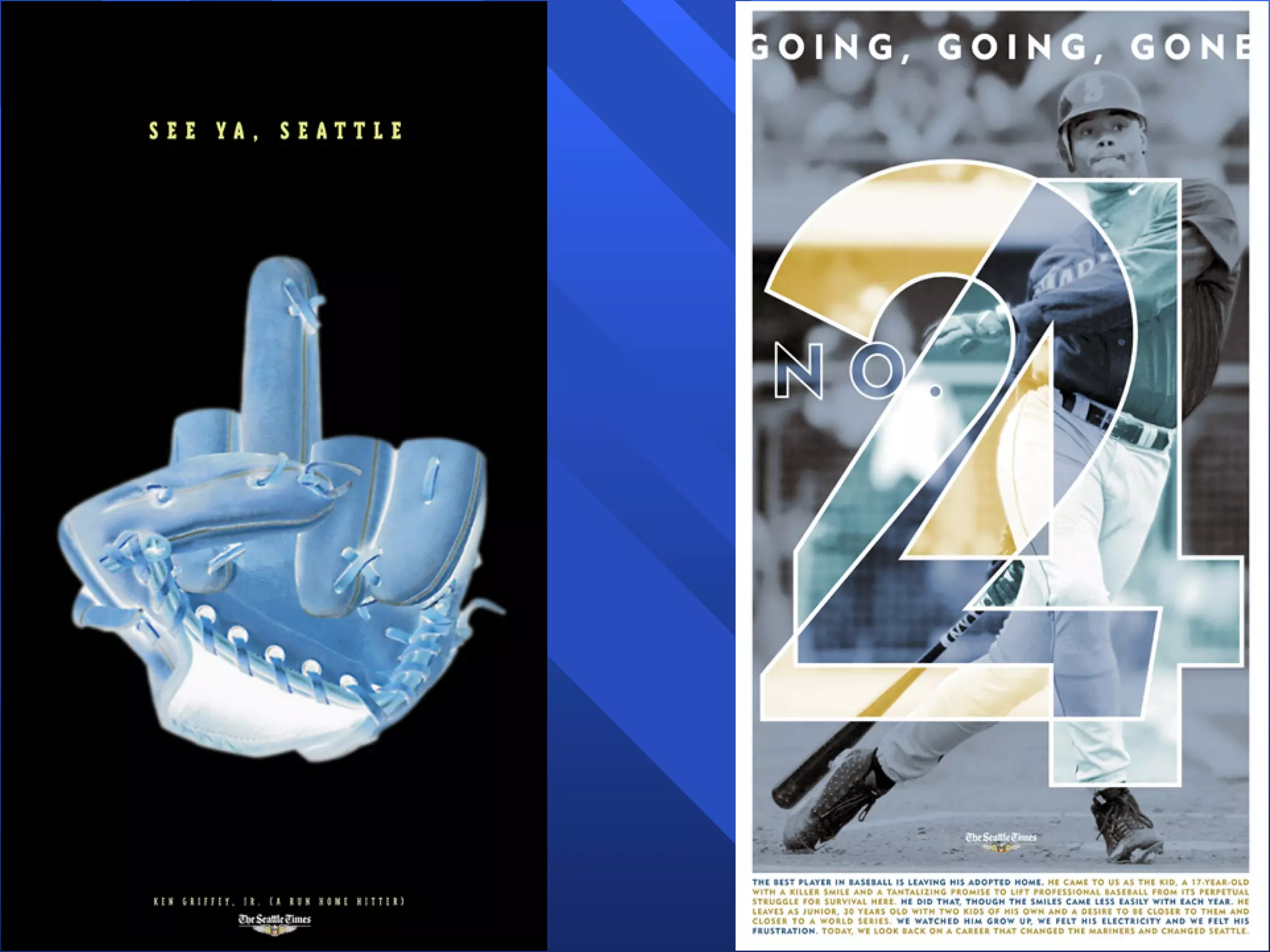
Copy Editing:
      When Stories Fall Short

Practicing Skepticism; Story Framing
            Warren Watson
           Arizona State University
                    2012
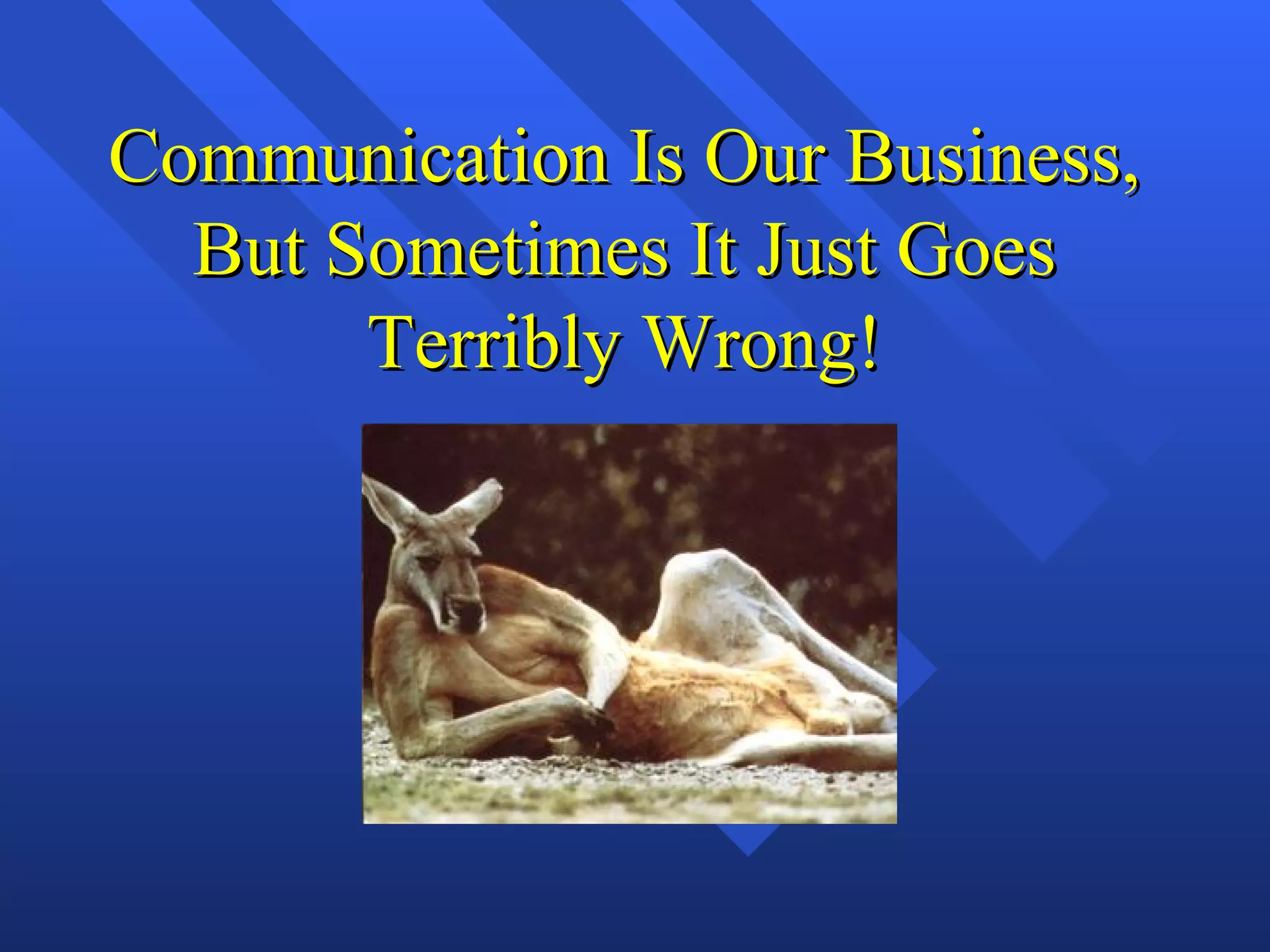
Communication Is Our Business,
  But Sometimes It Just Goes
       Terribly Wrong!
What We Know About All Readers
•   Readers make connections
       • --They relate events to their own experience
•   Readers want context
       • -- So what? Who cares? I don’t understand.
•   Readers are intelligent
       • -- No need to dumb down
•   Readers appreciate news in various forms
       • -- Stories, photos, graphics, lists, charts
•   Readers read!
       • -- They will make the time if it’s worth it
Reporting and Writing Process

•   Focus: every story should have one main
    idea to which all other ideas relate.
•   Elements of good writing:
    •   --- Dialogue
    •   --- Background
    •   --- Observation
    •   --- Description
The Six-Step Writing Process

•   Generate idea
•   Collect
•   Organize
•   Focus
•   Revise
•   Rewrite
        A story can go awry at any step!!!
Reducing the Chance That
   Stories Won’t Meet the Mark
Writing teacher Jane Harrigan of the University
of New Hampshire lists six essential questions
that every reporter should ask before completing
and handing in a story:

1) Who said so? Who else should know about
this? Who is affected by this? Who cares?
                                    more
Key Questions
2) What is the news? What input will it
have? What’s the point? What else do
readers want to know?
3) When did people say these things? When
will the impact be felt? When should we do
a followup?                    More
Key Questions
4) Where is the focus of the story? Where is
the information to support the lead?
5) Why are we writing about this? Why
should readers care?
6) How do I know this is accurate? How
can the information be confirmed?
    --- From Harrigan’s “The Editorial Eye”
Logic and Form

•   We also need to focus on the forest,
    not just the trees.
•   The big picture in stories.
•   Does a piece make sense?
•   Does a delayed lead work?
•   Is there sufficient context?
•   How much background is enough?
Background

•   What background is essential depends to a
    degree on the readership and section the story
    will appear.
•   News is more critical.
•   Sports and entertainment often assume some
    level of knowledge and can be less formal.
•   But reporters sometimes get too close to a
    subject.
Skeptical Editing:
       Prosecuting the Story
“Sometimes it takes a fiasco or two to remind
us that skepticism is a big part of the editing
function. It’s our job to challenge
information reporters bring back to the
newspaper, and to question conclusions
drawn from that information.”
  --- Reid MacCluggage, former APME president
‘Cross-examine the story’

“Put the story in the witness stand and
cross-examine it. Tear it apart. Expose
its weaknesses. Raise all the
unanswered questions. Cast doubt on it
… Stories don’t need advocates. What
stories need are adversaries.”
     ---Lou Boccardi, The AP
Tips for Prosecuting the Story
• Are you looking at the totality of the
  story for completeness, fairness?
• Guarantee accuracy, and truthfulness
• Avoid zealot-like behavior: can you
  argue both sides of the story?
• Answer your inner voice -- it always
  speaks when you try to cut corners.
• Watch the use of statistics
• Get fresh eyes to look at a story.
More Prosecuting Tips

• Watch the use of statistics – it’s easy to
  manipulate them to make a point.
• Get fresh eyes to look at a story.
• Consider the previously unthinkable --
  be as innovative in being fair as in
  getting the information itself.
• If a story seems to good to be true, it
  probably isn’t.
Finding Winning Ideas:
           NPRÕ Technique
                s
¥   The National Public Radio approach:
    * Think a story forward:
       * WhatÕ coming up next?
             s
    * Think a story backward
       * WhatÕ at the root of the issue?
             s
    * Think a story outward
       * How have others dealt with the issue?
What Copy Editors Should Ask

¥   Is story grammatical?    ¥   Is story organized?
¥   Words spelled right?     ¥   Is it objective?
¥   Do numbers add up?       ¥   Is it fair?
¥   Names, titles correct?   ¥   Is it clear?
¥   Proper style used?       ¥   Is it concise?
¥   Things complete?         ¥   Have quotes added to
¥   Have we used the             the meaning?
    correct lead?
Editor’s Role: Clarifying the Story

•   Copy editors handle 4 major tasks:
    *   To improve stories
    *   To prepare material for publication
    *   To write headlines, captions
    *   To answer 3 questions about each story:
         » So what!
         » Says who!
         » What does it mean!?
Self-Editing Checklist

• Does your story have a clear   • Check for proper grammar
  focus?                         • Proper punctuation?
• Is your lead supported by      • Check for AP and local style
  your material?                 • Check for wordiness and
• Have you given enough            usage problems:
  background?                      redundancies, misused words
• Check for accuracy in these      and phrases
  areas: math, names,            • Are your sentences too long?
  spelling, dates, time
And the Big Three!

•   So What?!
•   What if?
•   What does it mean?

    A strong nut or context paragraph usually
    addresses these three points.
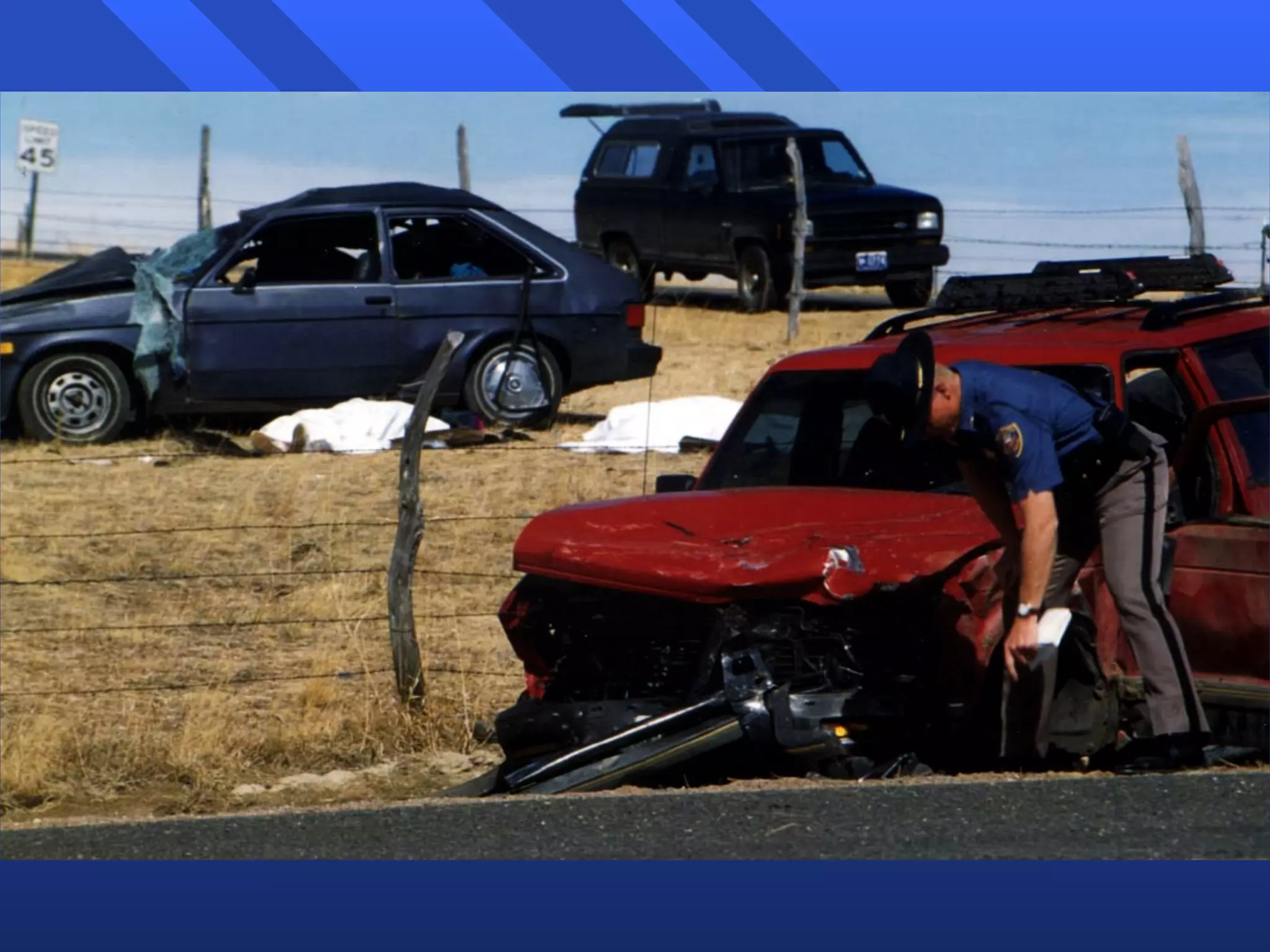
Tragedy in Colorado Springs

An exercise in journalistic empathyÉ .
Story Framing
•   How stories are shaped, their point of view
•   Conflict often overused; in the real world, not all
    events are contests, with winners and losers
•   Watch out for the dispassionate observer frame
•   Choosing a frame for any story is the most
    powerful decision a journalist can make
A Reframed Approach to the Story

The following is another version of the re-
framed story, suggested by two editors from
The Los Angeles Times
Ò They were the best of friends. Amy and
Amanda, an athlete and an honor student.
      Ò They spent their weekends and
weeknights together. Sunday morning, they died
together.
      Ò was the second fatal traffic accident to
        It
take the lives of Falcon High School students so
far this year.
ÒState Patrol officers say they do not know
where 17-year-old Amy Fournier and 16-year-old
Amanda Brockman, both juniors, were headed as
Fournier drove her 1984 Chevrolet Chevette north
on Curtis Road just before noon Sunday.
     ÒThey do know the Chevette ran a stop sign
and was struck on the right by a westbound 1993
GMC Jimmy, driven by Duncan R. Pelham, 37, of
Peyton.
Copy editing, skeptical editing

Copy editing, skeptical editing

  • 1.
    Copy Editing: When Stories Fall Short Practicing Skepticism; Story Framing Warren Watson Arizona State University 2012
  • 2.
    Communication Is OurBusiness, But Sometimes It Just Goes Terribly Wrong!
  • 6.
    What We KnowAbout All Readers • Readers make connections • --They relate events to their own experience • Readers want context • -- So what? Who cares? I don’t understand. • Readers are intelligent • -- No need to dumb down • Readers appreciate news in various forms • -- Stories, photos, graphics, lists, charts • Readers read! • -- They will make the time if it’s worth it
  • 7.
    Reporting and WritingProcess • Focus: every story should have one main idea to which all other ideas relate. • Elements of good writing: • --- Dialogue • --- Background • --- Observation • --- Description
  • 8.
    The Six-Step WritingProcess • Generate idea • Collect • Organize • Focus • Revise • Rewrite A story can go awry at any step!!!
  • 9.
    Reducing the ChanceThat Stories Won’t Meet the Mark Writing teacher Jane Harrigan of the University of New Hampshire lists six essential questions that every reporter should ask before completing and handing in a story: 1) Who said so? Who else should know about this? Who is affected by this? Who cares? more
  • 10.
    Key Questions 2) Whatis the news? What input will it have? What’s the point? What else do readers want to know? 3) When did people say these things? When will the impact be felt? When should we do a followup? More
  • 11.
    Key Questions 4) Whereis the focus of the story? Where is the information to support the lead? 5) Why are we writing about this? Why should readers care? 6) How do I know this is accurate? How can the information be confirmed? --- From Harrigan’s “The Editorial Eye”
  • 12.
    Logic and Form • We also need to focus on the forest, not just the trees. • The big picture in stories. • Does a piece make sense? • Does a delayed lead work? • Is there sufficient context? • How much background is enough?
  • 13.
    Background • What background is essential depends to a degree on the readership and section the story will appear. • News is more critical. • Sports and entertainment often assume some level of knowledge and can be less formal. • But reporters sometimes get too close to a subject.
  • 14.
    Skeptical Editing: Prosecuting the Story “Sometimes it takes a fiasco or two to remind us that skepticism is a big part of the editing function. It’s our job to challenge information reporters bring back to the newspaper, and to question conclusions drawn from that information.” --- Reid MacCluggage, former APME president
  • 15.
    ‘Cross-examine the story’ “Putthe story in the witness stand and cross-examine it. Tear it apart. Expose its weaknesses. Raise all the unanswered questions. Cast doubt on it … Stories don’t need advocates. What stories need are adversaries.” ---Lou Boccardi, The AP
  • 16.
    Tips for Prosecutingthe Story • Are you looking at the totality of the story for completeness, fairness? • Guarantee accuracy, and truthfulness • Avoid zealot-like behavior: can you argue both sides of the story? • Answer your inner voice -- it always speaks when you try to cut corners. • Watch the use of statistics • Get fresh eyes to look at a story.
  • 17.
    More Prosecuting Tips •Watch the use of statistics – it’s easy to manipulate them to make a point. • Get fresh eyes to look at a story. • Consider the previously unthinkable -- be as innovative in being fair as in getting the information itself. • If a story seems to good to be true, it probably isn’t.
  • 18.
    Finding Winning Ideas: NPRÕ Technique s ¥ The National Public Radio approach: * Think a story forward: * WhatÕ coming up next? s * Think a story backward * WhatÕ at the root of the issue? s * Think a story outward * How have others dealt with the issue?
  • 19.
    What Copy EditorsShould Ask ¥ Is story grammatical? ¥ Is story organized? ¥ Words spelled right? ¥ Is it objective? ¥ Do numbers add up? ¥ Is it fair? ¥ Names, titles correct? ¥ Is it clear? ¥ Proper style used? ¥ Is it concise? ¥ Things complete? ¥ Have quotes added to ¥ Have we used the the meaning? correct lead?
  • 20.
    Editor’s Role: Clarifyingthe Story • Copy editors handle 4 major tasks: * To improve stories * To prepare material for publication * To write headlines, captions * To answer 3 questions about each story: » So what! » Says who! » What does it mean!?
  • 21.
    Self-Editing Checklist • Doesyour story have a clear • Check for proper grammar focus? • Proper punctuation? • Is your lead supported by • Check for AP and local style your material? • Check for wordiness and • Have you given enough usage problems: background? redundancies, misused words • Check for accuracy in these and phrases areas: math, names, • Are your sentences too long? spelling, dates, time
  • 22.
    And the BigThree! • So What?! • What if? • What does it mean? A strong nut or context paragraph usually addresses these three points.
  • 23.
    Tragedy in ColoradoSprings An exercise in journalistic empathyÉ .
  • 25.
    Story Framing • How stories are shaped, their point of view • Conflict often overused; in the real world, not all events are contests, with winners and losers • Watch out for the dispassionate observer frame • Choosing a frame for any story is the most powerful decision a journalist can make
  • 26.
    A Reframed Approachto the Story The following is another version of the re- framed story, suggested by two editors from The Los Angeles Times
  • 27.
    Ò They werethe best of friends. Amy and Amanda, an athlete and an honor student. Ò They spent their weekends and weeknights together. Sunday morning, they died together. Ò was the second fatal traffic accident to It take the lives of Falcon High School students so far this year.
  • 28.
    ÒState Patrol officerssay they do not know where 17-year-old Amy Fournier and 16-year-old Amanda Brockman, both juniors, were headed as Fournier drove her 1984 Chevrolet Chevette north on Curtis Road just before noon Sunday. ÒThey do know the Chevette ran a stop sign and was struck on the right by a westbound 1993 GMC Jimmy, driven by Duncan R. Pelham, 37, of Peyton.