Education, Student Engagement, and
         Mindset Change
   for Sustainable Development


                Thomas Andersson
                  Senior Advisor
                     WSC-SD
       At the Climate Change Conference in
         Copenhagen, December 18, 2009
BUSINESS AS USUAL


            The response of the
            Earth’s Living Systems
            to climate change may
            appear smooth over
            extended periods of
            time
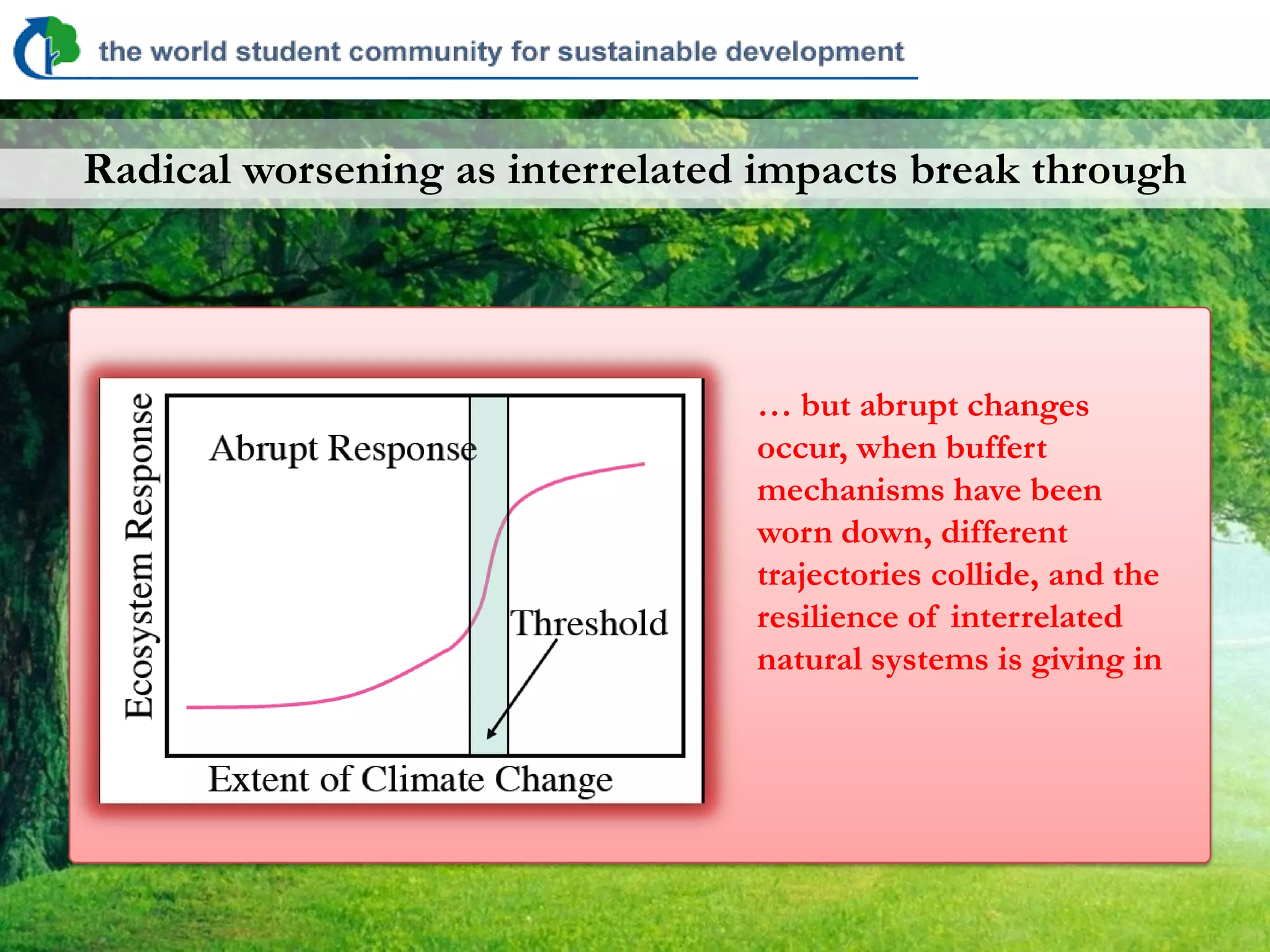
Radical worsening as interrelated impacts break through


                                 … but abrupt changes
                                 occur, when buffert
                                 mechanisms have been
                                 worn down, different
                                 trajectories collide, and the
                                 resilience of interrelated
                                 natural systems is giving in
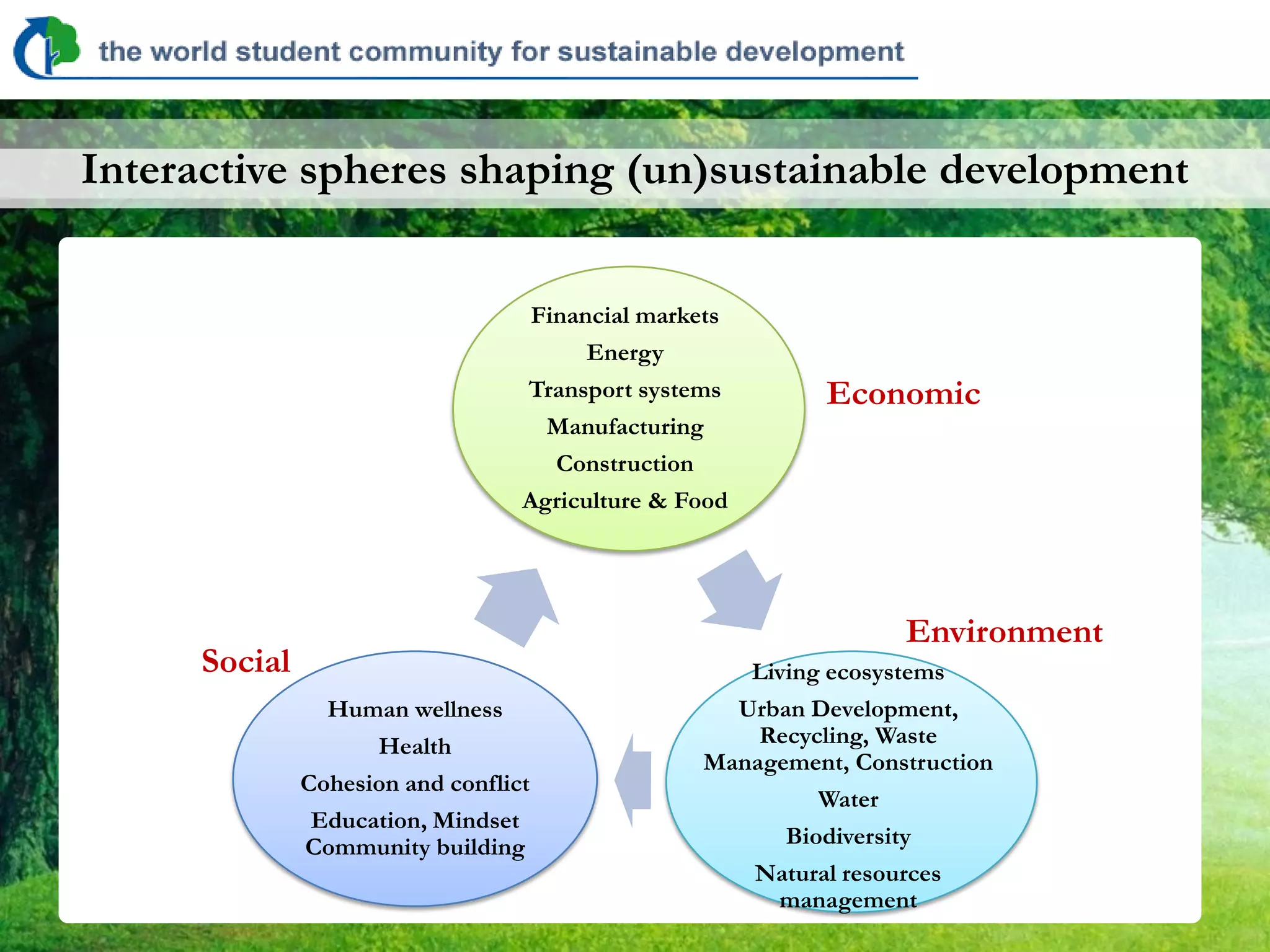
Interactive spheres shaping (un)sustainable development


                                   Financial markets
                                        Energy
                                  Transport systems        Economic
                                    Manufacturing
                                     Construction
                                  Agriculture & Food


                                                                 Environment
     Social                                         Living ecosystems
                Human wellness                     Urban Development,
                    Health                           Recycling, Waste
                                                 Management, Construction
              Cohesion and conflict
                                                          Water
               Education, Mindset
              Community building                       Biodiversity
                                                    Natural resources
                                                      management
The Economic Evolution towards the
                Networked Society

    Data         Information    Knowledge       Ubiquitous


  Product         Solution      Innovation      Ecosystems


Competition     Cooperation    Collaboration    Coopetition


50’s – 70’s     70’s – 90’s     90’s – 2000’s   Today?
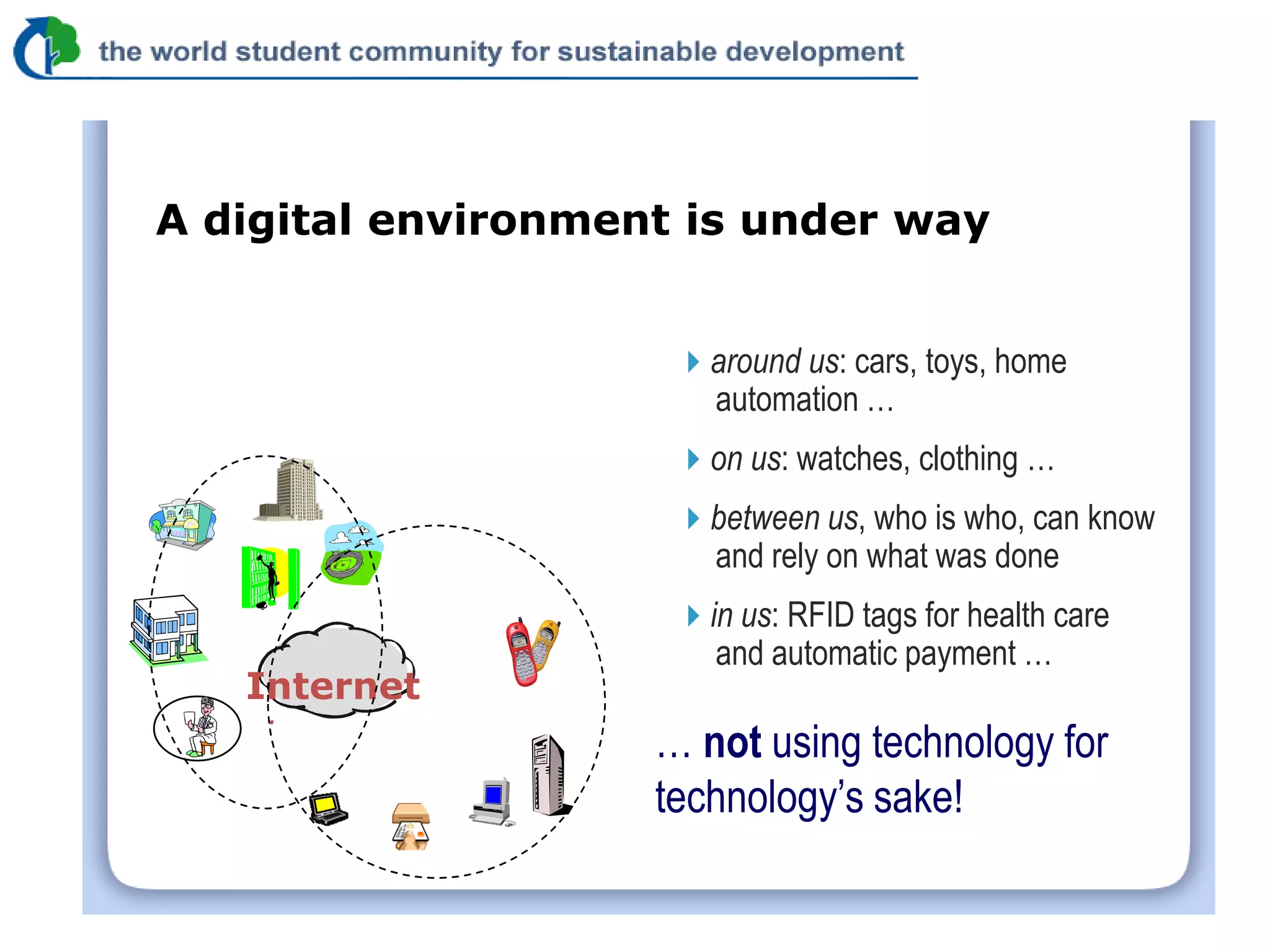
A digital environment is under way


                     around us: cars, toys, home
                      automation …
                     on us: watches, clothing …
                     between us, who is who, can know
                      and rely on what was done
                     in us: RFID tags for health care
                       and automatic payment …
   Internet
    .
                    … not using technology for
                    technology’s sake!
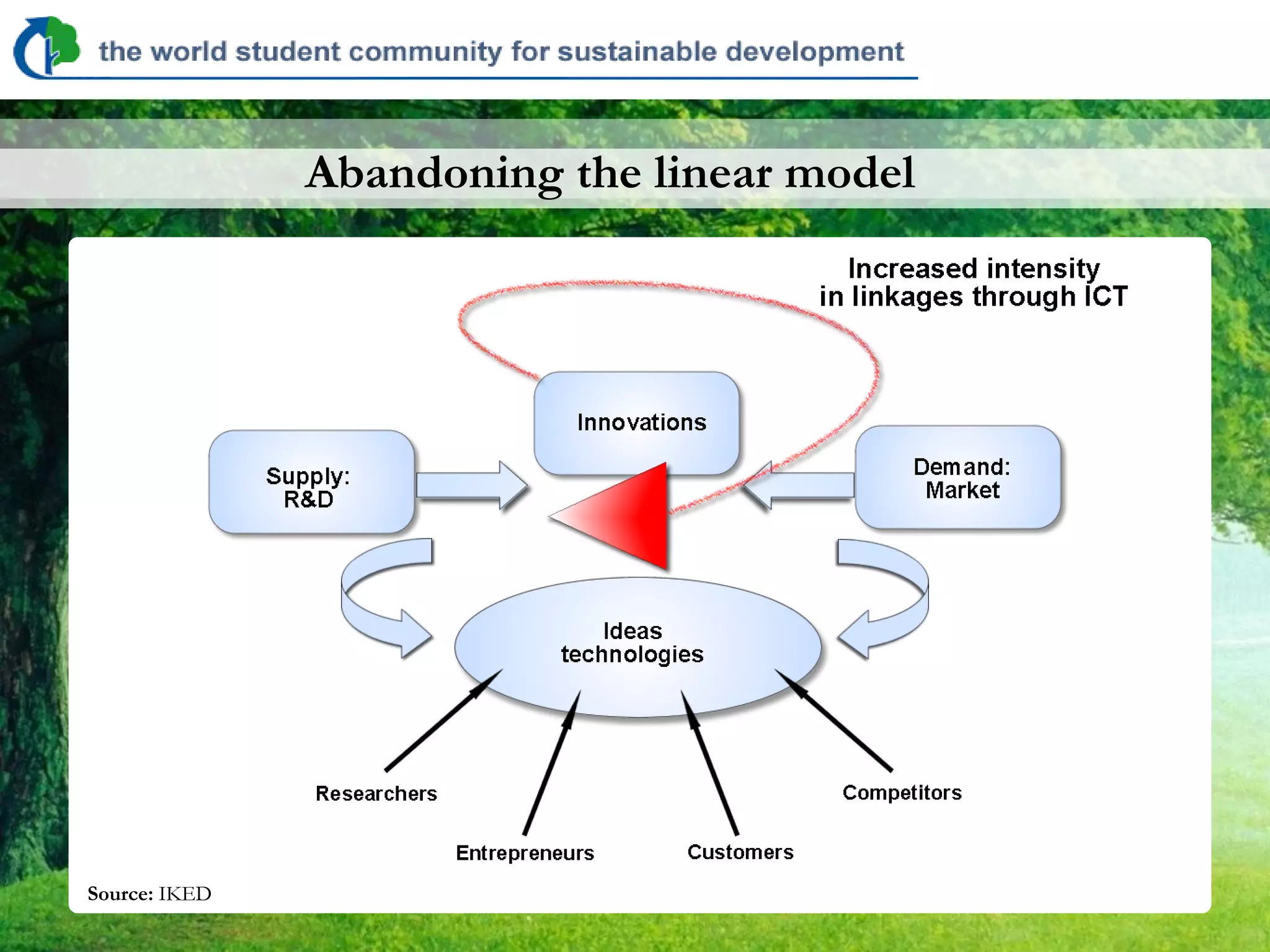
Abandoning the linear model


Source: IKED
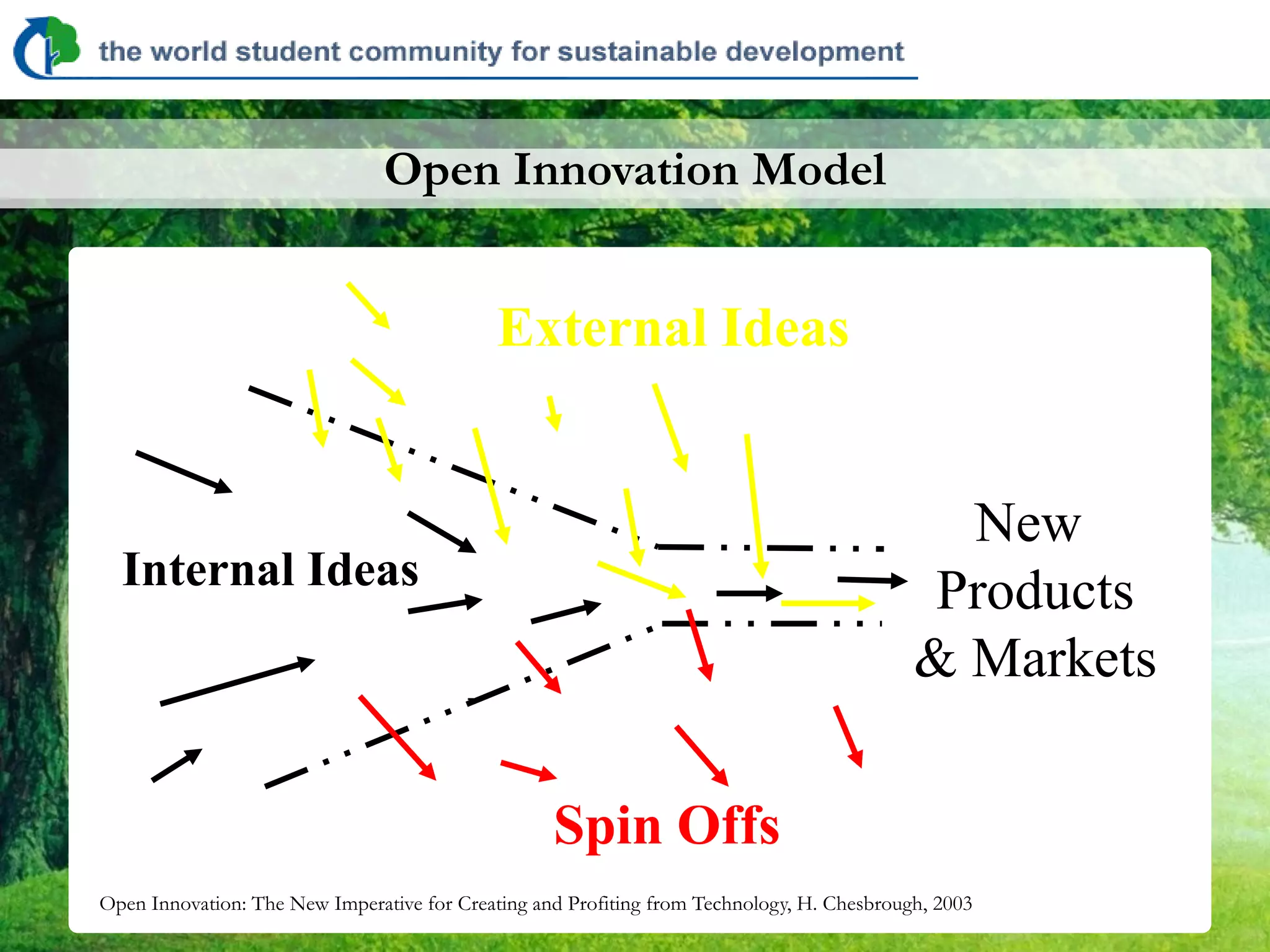
Open Innovation Model


                                             External Ideas


                                                                                              New
  Internal Ideas                                                                             Products
                                                                                            & Markets

                                                   Spin Offs
Open Innovation: The New Imperative for Creating and Profiting from Technology, H. Chesbrough, 2003
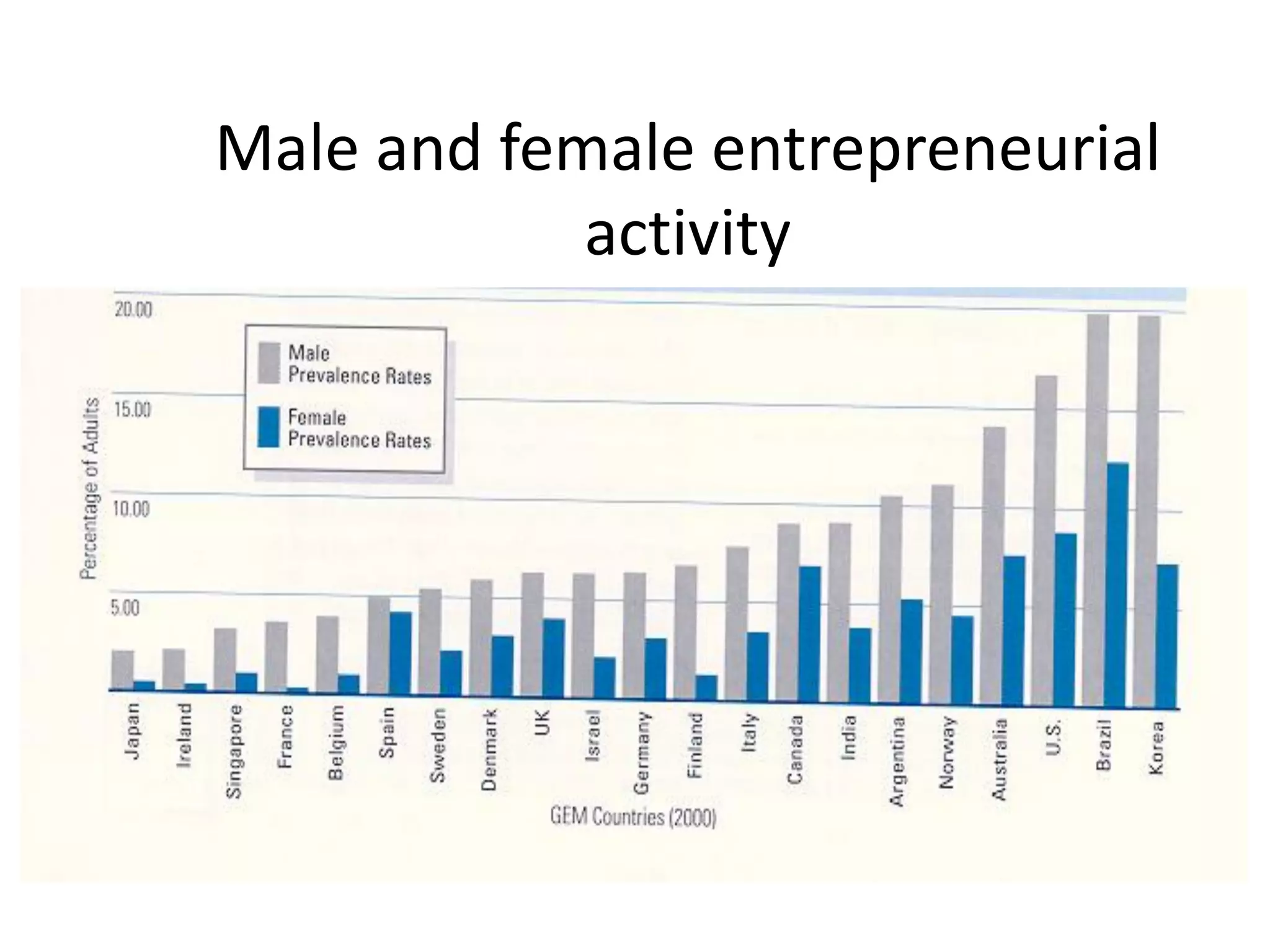
Male and female entrepreneurial
            activity


Source: Global Entrepreneurship Monitor, 2000.
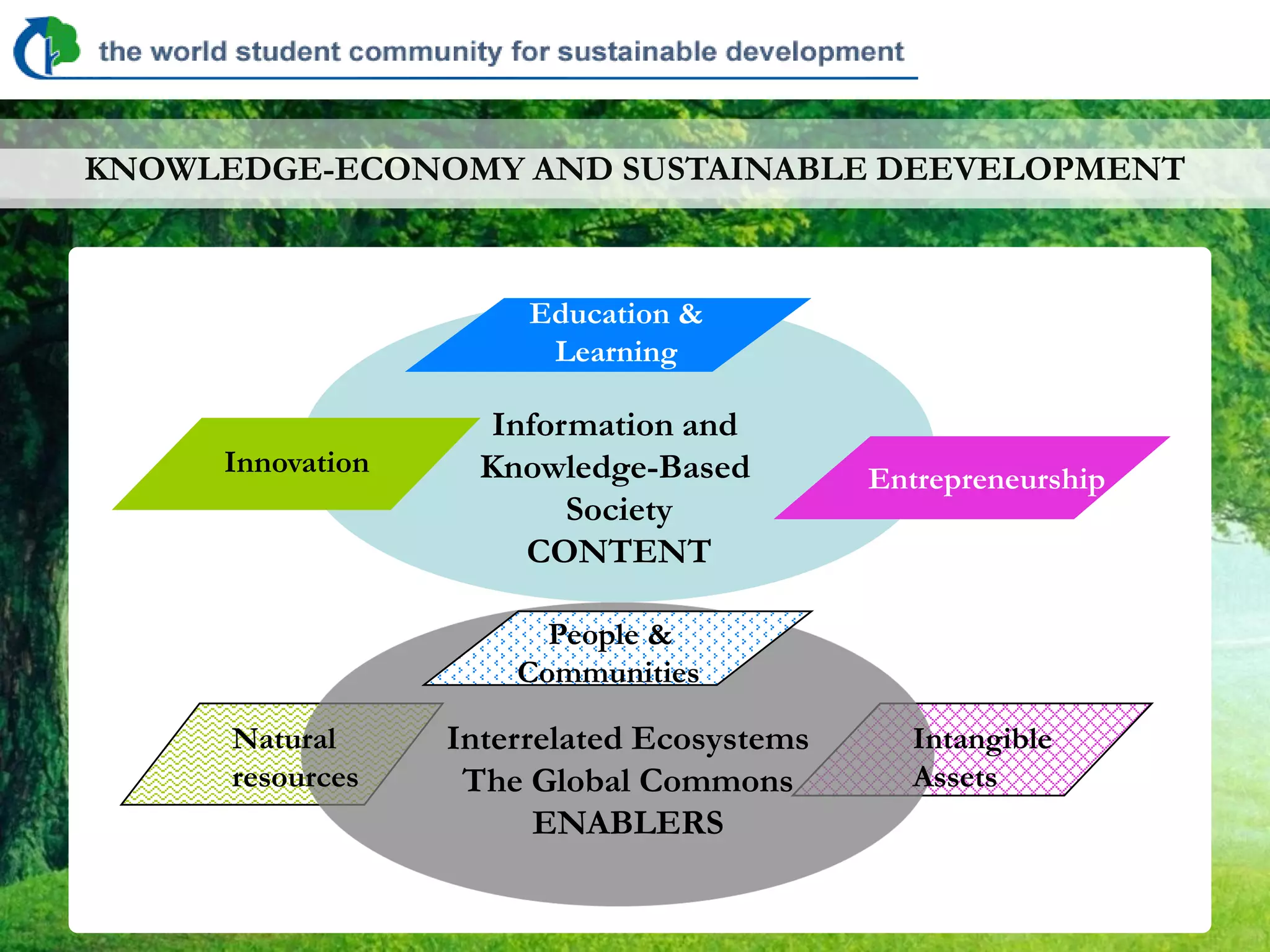
KNOWLEDGE-ECONOMY AND SUSTAINABLE DEEVELOPMENT


                       Education &
                        Learning

                     Information and
     Innovation     Knowledge-Based         Entrepreneurship
                          Society
                       CONTENT

                        People &
                      Communities

      Natural     Interrelated Ecosystems      Intangible
      resources    The Global Commons          Assets
                        ENABLERS
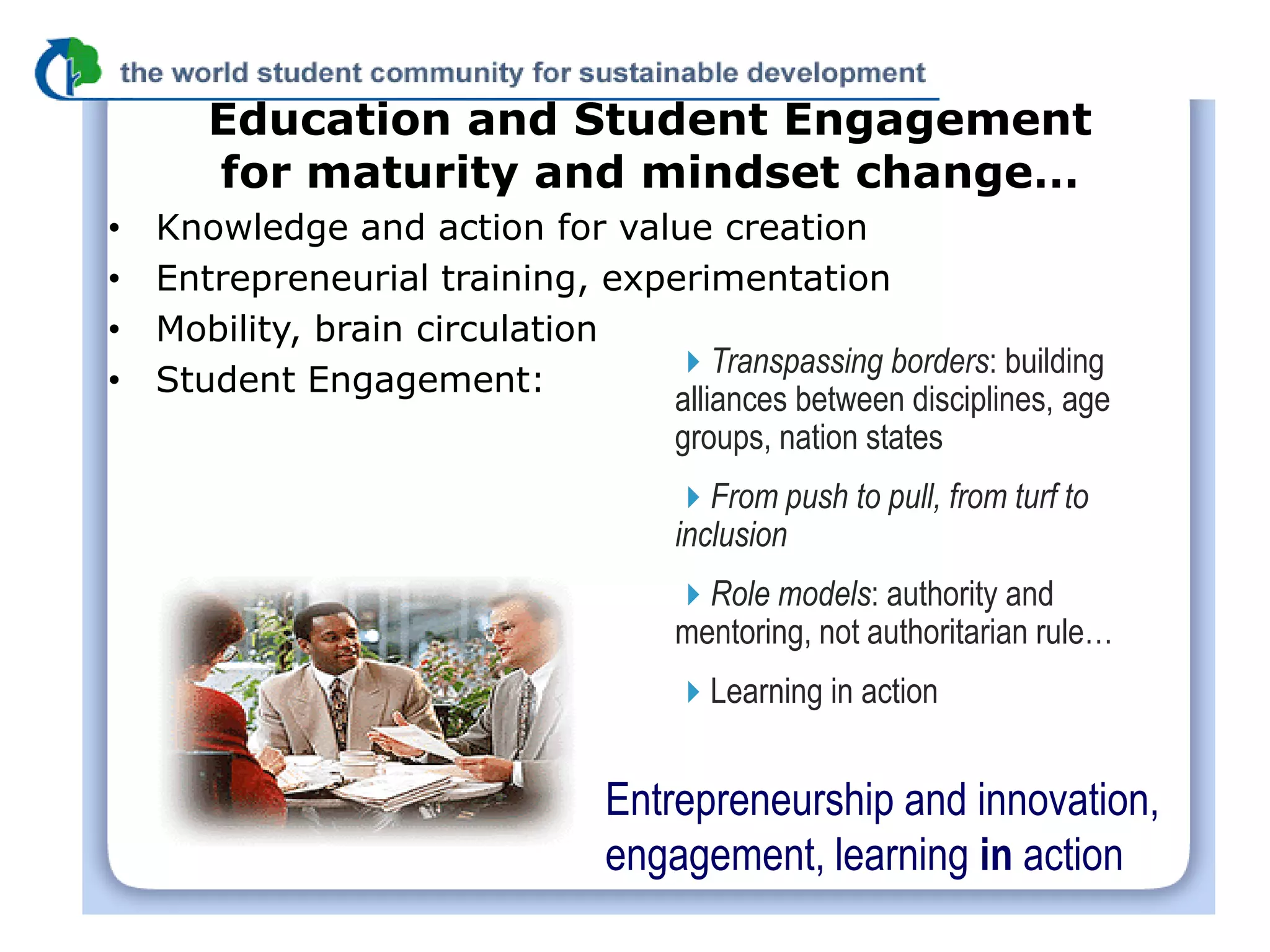
Education and Student Engagement
       for maturity and mindset change…
•   Knowledge and action for value creation
•   Entrepreneurial training, experimentation
•   Mobility, brain circulation
                                 Transpassing borders: building
•   Student Engagement:
                                 alliances between disciplines, age
                                 groups, nation states
                                      From push to pull, from turf to
                                      inclusion
                                      Role models: authority and
                                      mentoring, not authoritarian rule…
                                      Learning in action


                                 Entrepreneurship and innovation,
                                 engagement, learning in action
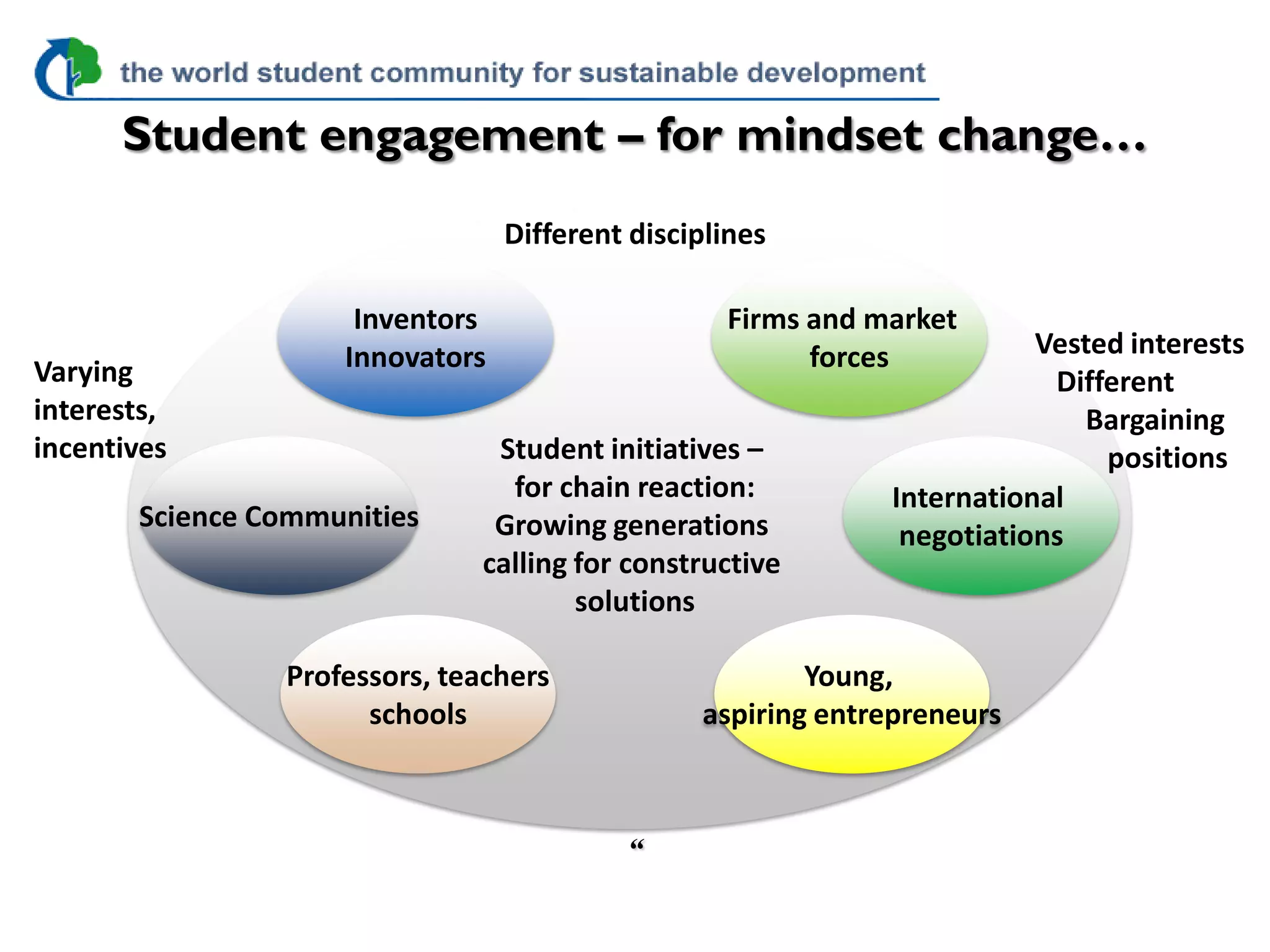
Student engagement – for mindset change…
                                 Different disciplines

                     Inventors                    Firms and market
                    Innovators                          forces          Vested interests
Varying                                                                  Different
interests,                                                                  Bargaining
incentives                     Student initiatives –                         positions
                                for chain reaction:          International
       Science Communities     Growing generations            negotiations
                              calling for constructive
                                      solutions

                Professors, teachers                    Young,
                      schools                   aspiring entrepreneurs


                                          “
Summing up:
• Balancing uncertain costs and benefits of action and non-action

• Managing risks – which ones can we live with?

• Costs of in-action may explode with system and threashold effects

• Costs of action will depend on collaboration, creativity, innovation
  and entrepreneurship – mindset

• Pull – not push, authority – not aurhoritarioan attitudes, learn not
  from but in action

• Inspiration and learning with role models, mentors, coaching

       Student organisations and engagement are part of the
                  solution – for showing the way
THANK YOU!

Copenh thomas andersson_dec18final

  • 1.
    Education, Student Engagement,and Mindset Change for Sustainable Development Thomas Andersson Senior Advisor WSC-SD At the Climate Change Conference in Copenhagen, December 18, 2009
  • 2.
    BUSINESS AS USUAL The response of the Earth’s Living Systems to climate change may appear smooth over extended periods of time
  • 3.
    Radical worsening asinterrelated impacts break through … but abrupt changes occur, when buffert mechanisms have been worn down, different trajectories collide, and the resilience of interrelated natural systems is giving in
  • 4.
    Interactive spheres shaping(un)sustainable development Financial markets Energy Transport systems Economic Manufacturing Construction Agriculture & Food Environment Social Living ecosystems Human wellness Urban Development, Health Recycling, Waste Management, Construction Cohesion and conflict Water Education, Mindset Community building Biodiversity Natural resources management
  • 5.
    The Economic Evolutiontowards the Networked Society Data Information Knowledge Ubiquitous Product Solution Innovation Ecosystems Competition Cooperation Collaboration Coopetition 50’s – 70’s 70’s – 90’s 90’s – 2000’s Today?
  • 6.
    A digital environmentis under way around us: cars, toys, home automation … on us: watches, clothing … between us, who is who, can know and rely on what was done in us: RFID tags for health care and automatic payment … Internet . … not using technology for technology’s sake!
  • 8.
    Abandoning the linearmodel Source: IKED
  • 9.
    Open Innovation Model External Ideas New Internal Ideas Products & Markets Spin Offs Open Innovation: The New Imperative for Creating and Profiting from Technology, H. Chesbrough, 2003
  • 10.
    Male and femaleentrepreneurial activity Source: Global Entrepreneurship Monitor, 2000.
  • 11.
    KNOWLEDGE-ECONOMY AND SUSTAINABLEDEEVELOPMENT Education & Learning Information and Innovation Knowledge-Based Entrepreneurship Society CONTENT People & Communities Natural Interrelated Ecosystems Intangible resources The Global Commons Assets ENABLERS
  • 12.
    Education and StudentEngagement for maturity and mindset change… • Knowledge and action for value creation • Entrepreneurial training, experimentation • Mobility, brain circulation Transpassing borders: building • Student Engagement: alliances between disciplines, age groups, nation states From push to pull, from turf to inclusion Role models: authority and mentoring, not authoritarian rule… Learning in action Entrepreneurship and innovation, engagement, learning in action
  • 13.
    Student engagement –for mindset change… Different disciplines Inventors Firms and market Innovators forces Vested interests Varying Different interests, Bargaining incentives Student initiatives – positions for chain reaction: International Science Communities Growing generations negotiations calling for constructive solutions Professors, teachers Young, schools aspiring entrepreneurs “
  • 14.
    Summing up: • Balancinguncertain costs and benefits of action and non-action • Managing risks – which ones can we live with? • Costs of in-action may explode with system and threashold effects • Costs of action will depend on collaboration, creativity, innovation and entrepreneurship – mindset • Pull – not push, authority – not aurhoritarioan attitudes, learn not from but in action • Inspiration and learning with role models, mentors, coaching Student organisations and engagement are part of the solution – for showing the way
  • 15.