Controls on fluid movement in crustal lithologies: evidence
from zircon in metaconglomerates from Shetland
T. J. DEMPSTER AND F. MACDONALDa
School of Geographical and Earth Sciences, University of Glasgow, Glasgow, UK
ABSTRACT
An investigation of the morphology of zircon in clasts and matrix of a greenschist facies metaconglomerate from
Shetland has revealed a history of alteration of radiation-damaged grains, partial dissolution and growth of new
zircon. These processes are linked to the generation of chemically modified dark backscattered electron (BSE) zir-
con that is spatially related to fractures generated during radiation damage; embayments and rounding of zircon
margins; and late overgrowths of original grains. These late modifications of zircon are all linked to the presence of
fluids and so zircon morphology is used to track fluid behaviour in different lithologies in the metaconglomerate.
Alteration is unrelated to clast margins and radically different in various clast types. This reflects a difference in per-
meability and suggests that deformation strongly controls fluid influx into quartzite, whereas zircon alteration in
granite is associated with a restricted permeability reflecting the more limited response to deformation events.
Key words: conglomerate, deformation, fluids, permeability, zircon
Received 7 July 2015; accepted 25 February 2016
Corresponding author: Tim J. Dempster, School of Geographical and Earth Sciences, University of Glasgow,
Glasgow G12 8QQ, UK.
Email: Tim.Dempster@glasgow.ac.uk. Tel: +44 1413305445. Fax: +44 1413304817.
a
Present address: School of Geosciences, University of Aberdeen, Old Aberdeen, UK
Geofluids (2016) 16, 507–517
INTRODUCTION
Fluids in the Earth’s crust are important in many respects;
they may control mineral reactions, influence deformation
processes and facilitate heat transfer and the accumulation
of economic resources (Ferry 1984; Bickle & McKenzie
1987; Chamberlain & Rumble 1988; Yardley 2009). The
movement of fluids in deep crustal rocks is typically
monitored by chemical or isotopic techniques through the
analysis of minerals thought to have been in equilibrium
with those fluids (Kohn & Valley 1994; Skelton et al.
1995; Cartwright 1997; Pitcairn et al. 2010). Fluid path-
ways may be constrained by textural evidence of localized
mineral dissolution and new growth (Holness & Watt
2001; Oliver & Bons 2001; Dempster et al. 2006). Thus,
reactive and soluble phases may be dissolved in one loca-
tion, components transported within the fluid and repre-
cipitated in a distal site where conditions are sufficiently
different to promote crystallization.
Zircon is present in many common crustal rock types
(Harley & Kelly 2007) and has the advantage in regard to
monitoring fluid interactions in that in some forms it is
very stable (Wilde et al. 2001; Kr€oner 2010); but in a radi-
ation-damaged state, it is exceptionally reactive and prone
to alteration in the presence of fluids (Dempster et al.
2004; Rasmussen 2005; Hay & Dempster 2009a,b). In
this damaged and altered state, zircon commonly experi-
ences dissolution in hydrous fluids (Ewing et al. 1982;
Delattre et al. 2007; Geisler et al. 2007). Local reprecipita-
tion of that reactive zircon in a stable form is favoured by
the generally low capacity of hydrous fluids to incorporate
high Zr concentrations (e.g. Ayers & Watson 1991). As a
consequence, evidence of both dissolution and reprecipita-
tion are typically observed in adjacent areas or within the
same crystal. Hence, zircon textures can provide informa-
tion on initial fluid access and scales of fluid migration
(Dempster et al. 2008b; Dempster & Chung 2013).
In this study, we use variations in the morphology of
zircon within and between adjacent clasts and matrix to
assess controls on fluid movements within metaconglomer-
ates from the island of Fetlar, north-east Shetland, UK.
Metaconglomerates represent a potentially useful rock type
to assess lithological controls on fluid distribution as adja-
cent clasts, and matrix may share a common metamorphic
© 2016 John Wiley & Sons Ltd
Geofluids (2016) 16, 507–517 doi: 10.1111/gfl.12172
history. As such, metaconglomerates may represent an ideal
test site for variety of petrological processes.
GEOLOGICAL SETTING AND PETROGRAPHY
Samples were collected from two coastal sites on Funzie
Ness, in the south-east of Fetlar, Shetland at locations
HU65476 88658 and HU66370 89523 (UK Ordnance
Survey Grid). The metaconglomerates mapped and docu-
mented by Flinn (1956) contain abundant clasts of quart-
zite, with rarer marble, granite and schist. Clast sizes are
typically 10–20 cm long and have been deformed during
regional metamorphism such that they are both flattened
and elongated within a fine-grained phyllite matrix
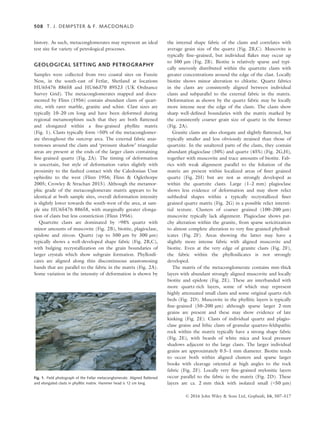
(Fig. 1). Clasts typically form >50% of the metaconglomer-
ate throughout the outcrop area. The external fabric anas-
tomoses around the clasts and ‘pressure shadow’ triangular
areas are present at the ends of the larger clasts containing
fine-grained quartz (Fig. 2A). The timing of deformation
is uncertain, but style of deformation varies slightly with
proximity to the faulted contact with the Caledonian Unst
ophiolite to the west (Flinn 1956; Flinn & Oglethorpe
2005; Crowley & Strachan 2015). Although the metamor-
phic grade of the metaconglomerate matrix appears to be
identical at both sample sites, overall deformation intensity
is slightly lower towards the south-west of the area, at sam-
ple site HU65476 88658, with marginally greater elonga-
tion of clasts but less constriction (Flinn 1956).
Quartzite clasts are dominated by >98% quartz with
minor amounts of muscovite (Fig. 2B), biotite, plagioclase,
epidote and zircon. Quartz (up to 500 lm by 300 lm)
typically shows a well-developed shape fabric (Fig. 2B,C),
with bulging recrystallization on the grain boundaries of
larger crystals which show subgrain formation. Phyllosili-
cates are aligned along thin discontinuous anastomosing
bands that are parallel to the fabric in the matrix (Fig. 2A).
Some variation in the intensity of deformation is shown by
the internal shape fabric of the clasts and correlates with
average grain size of the quartz (Fig. 2B,C). Muscovite is
typically fine–grained, but individual flakes may occur up
to 500 lm (Fig. 2B). Biotite is relatively sparse and typi-
cally unevenly distributed within the quartzite clasts with
greater concentrations around the edge of the clast. Locally
biotite shows minor alteration to chlorite. Quartz fabrics
in the clasts are consistently aligned between individual
clasts and subparallel to the external fabric in the matrix.
Deformation as shown by the quartz fabric may be locally
more intense near the edge of the clasts. The clasts show
sharp well-defined boundaries with the matrix marked by
the consistently coarser grain size of quartz in the former
(Fig. 2A).
Granite clasts are also elongate and slightly flattened, but
typically smaller and less obviously strained than those of
quartzite. In the unaltered parts of the clasts, they contain
abundant plagioclase (50%) and quartz (45%) (Fig. 2G,H),
together with muscovite and trace amounts of biotite. Fab-
rics with weak alignment parallel to the foliation of the
matrix are present within localized areas of finer grained
quartz (Fig. 2H) but are not as strongly developed as
within the quartzite clasts. Large (1–2 mm) plagioclase
shows less evidence of deformation and may show relict
subhedral shapes within a typically recrystallized finer
grained quartz matrix (Fig. 2G) in a possible relict intersti-
tial texture. Clusters of coarser grained (100–200 lm)
muscovite typically lack alignment. Plagioclase shows pat-
chy alteration within the granite, from sparse sericitization
to almost complete alteration to very fine-grained phyllosil-
icates (Fig. 2F). Areas showing the latter may have a
slightly more intense fabric with aligned muscovite and
biotite. Even at the very edge of granite clasts (Fig. 2F),
the fabric within the phyllosilicates is not strongly
developed.
The matrix of the metaconglomerate contains mm-thick
layers with abundant strongly aligned muscovite and locally
biotite and epidote (Fig. 2E). These are interbanded with
more quartz-rich layers, some of which may represent
highly attenuated small clasts and some original quartz-rich
beds (Fig. 2D). Muscovite in the phyllitic layers is typically
fine-grained (50–200 lm) although sparse larger 2-mm
grains are present and these may show evidence of late
kinking (Fig. 2E). Clasts of individual quartz and plagio-
clase grains and lithic clasts of granular quartzo-feldspathic
rock within the matrix typically have a strong shape fabric
(Fig. 2E), with beards of white mica and local pressure
shadows adjacent to the large clasts. The larger individual
grains are approximately 0.5–1 mm diameter. Biotite tends
to occur both within aligned clusters and sparse larger
books with cleavage oriented at high angles to the rock
fabric (Fig. 2F). Locally very fine-grained mylonitic layers
occur parallel to the fabric in the matrix (Fig. 2D). These
layers are ca. 2 mm thick with isolated small (<50 lm)
Fig. 1. Field photograph of the Fetlar metaconglomerate. Aligned flattened
and elongated clasts in phyllitic matrix. Hammer head is 12 cm long.
© 2016 John Wiley & Sons Ltd, Geofluids, 16, 507–517
508 T. J. DEMPSTER & F. MACDONALD
porphyroclasts of quartz in a muscovite- and epidote-rich
matrix.
The presence of matrix biotite, the grain size of the
fabric forming muscovite and the quartz grain boundary
textures, all indicate that the metaconglomerate has experi-
enced greenschist facies regional metamorphism. Strain is
generally homogeneous through the bulk of the rock but
also localized in some thin mylonitic zones within the
matrix. Fabrics are typically parallel in the matrix and clasts,
although some refraction at the edges of the clasts is also
present. The quartzite clasts have experienced an earlier
metamorphism, as evidenced by their larger grain size of
than the matrix and the sharp nature of the clast bound-
aries. However, there is no evidence of any pre-existing
alignment associated with that earlier event.
METHODS
Zircon morphology was characterized using a FEI Quanta
200F field-emission environmental scanning electron
microscope at the University of Glasgow operated at
20 kV on polished thin sections of each sample. A total of
five polished sections from representative clasts were char-
acterized with each section containing a matrix/clast
boundary; two polished sections were from granite clasts
from sample site HU66370 89523 and three from quart-
zite clasts from locality HU65476 88658. Thin section
petrography of clasts from both sites confirms that those
selected are representative. Textural characterization of
zircon was achieved through X-ray mapping to locate all
zircon grains in each thin section and backscattered
(A) (B)
(D)
(G) (H)(F)
(C)
(E)
Fig. 2. Photomicrographs in crossed polarized light. (A) Quartzite clast in matrix (FZ88.1.2) showing clast matrix boundary with strong fabric in matrix and
quartz-rich matrix to the right of the clast in a pressure shadow like zone; (B) Interior of quartzite clast (FZ88.1.1) showing fabric and sparse muscovite with
high interference colours and sutured boundaries of quartz; (C) Quartzite matrix boundary (FZ88.4) showing alignment of within quartzite and fine-grained
muscovite-rich matrix; (D) Matrix area (FZ88.4) showing fine-grained dark mylonite band in upper right hand area within aligned quartz-rich area of matrix;
(E) Muscovite-rich matrix area (FZ88.4) showing large deformed muscovite with fine-grained aligned muscovite and quartz and plagioclase porphyroclasts;
(F) Contact between muscovite- and biotite-rich matrix (lower right) and altered granite clast (FZ89.4.1) in which plagioclase has been largely altered to fine-
grained muscovite. Original quartz has recrystallized to fine grain size; (G) Largely unaltered central part of granite clast (FZ89.4.2) containing large plagio-
clase grains in finer recrystallized matrix; (H) Partially altered granite from centre of clast (FZ89.4.2) showing muscovite alteration along edges of plagioclase
and adjacent recrystallized quartz.
© 2016 John Wiley & Sons Ltd, Geofluids, 16, 507–517
Monitoring permeability in crustal rocks using zircon textures 509
electron (BSE) imaging of the individual grains and adja-
cent matrix phases.
RESULTS
Zircon characteristics
Zircon is particularly abundant within the matrix but also
common in both the quartzite and granite clasts. Typi-
cally zircon is small with a 5–6 lm average radius (Figs 3
and 4), and a maximum radius of ca. 50 lm is observed.
Although rare small ca. 1-lm-radius zircons are present,
no microzircon (cf. Dempster et al. 2008a) is present in
any of the lithologies examined. Most zircons are equant,
and some are euhedral, although zircons in both the
quartzite and matrix are characterized by a slightly more
rounded appearance than those in the granite clast. About
10% of all zircons show evidence of brittle deformation
(Fig. 3A), typically with fragments of the original grain
being displaced and dispersed parallel to cleavage in both
the quartzite clast (Fig. 3G) and the matrix (Fig. 4F,H,I).
Zircon is characterized by a range of alteration textures
which may affect the whole grain or be confined to origi-
nal concentric growth zones (Figs 3 and 4). Radial cracks
are commonly present within the zircon (Fig. 4B). Alter-
ation may produce different types, either a dark heteroge-
neous texture in BSE images (Hay & Dempster 2009a)
or a more uniform alteration (Geisler et al. 2003, 2007;
Rayner et al. 2005; Hay & Dempster 2009b). Both types
of alteration may be spatially linked to radial cracks within
the original host zircon (Figs 3F, 4B). The heterogeneous
altered zircon has a porous structure with a patchy inclu-
sion-rich appearance (Fig 3D,G). Zircons showing this
type of alteration are commonly completely altered, and
altered areas of the zircon are typically in contact with
surrounding minerals. The more homogeneous type of
altered dark BSE zircon contains randomly oriented
cracks (Fig. 4C); it may replace large areas of the original
host or may be confined to particular growth zones
(Fig. 3B) and may also form bulbous structures within
the host (Fig. 3A). Such altered zircons typically retain
their original shape (Fig. 4A) better than those with the
heterogeneous alteration (Fig. 4I). Highly porous light
BSE zircon is also present (Fig. 3H) and is most abun-
dant in the quartzite clasts. About 10% of the whole zir-
con population contains no dark BSE zircon and are
apparently chemically unaltered (Figs 3E, 4D). Small
overgrowths of either light or dark BSE zircon may also
be present along the margins of some host zircons form-
ing either isolated tiny (<1 lm) pyramidal protrusions
from the grain surface (Fig. 3H) or a thicker semi-contin-
uous crust around existing grains (Fig. 3C). In some
instances, such overgrowths may also form on fractured
surfaces of the host grain. Rare xenotime is present as
overgrowths on altered zircon within the quartzite
(Fig. 3D). Hence, the rocks contain the same low-tem-
perature zircon assemblages that Hay & Dempster
(2009a,b) have reported from both slates and sandstones.
(A) (B) (C) (D)
(E)
(F) (G) (H)
Fig. 3. Representative backscattered electron (BSE) images of zircons from clasts (A, B: Granite clast; C–H: Quartzite clast). (A) Homogeneous alteration
along growth zones with bulbous patchy alteration in core areas; (B) Homogeneous alteration along growth zones with minor dissolution on right edge; (C)
Largely unaltered core with large zircon overgrowth; (D) Heterogeneous altered zircon with xenotime overgrowths; (E) Small unaltered euhedral zircon; (F)
Homogeneous alteration of growth zones in the core area with larger area of heterogeneous alteration in surrounding area; (G) Porous zircon with patches
of heterogeneous alteration; (H) Porous chemically unmodified zircon.
© 2016 John Wiley & Sons Ltd, Geofluids, 16, 507–517
510 T. J. DEMPSTER & F. MACDONALD
Characteristics of zircon in the granite clasts
A total of 145 zircons were characterized in granite clasts.
Generally less zircon is present in the areas with coarse-
grained feldspars and may reflect an original feature of the
granite. Relatively unaltered zircon is more evenly dis-
tributed on the scale of a thin section, and the distribution
of the highly altered zircon is more clustered. Despite
these differences, there are many instances where unaltered
zircon occurs in close proximity to highly altered zircon.
The zircons are typically equant and euhedral and over-
growths are only rarely developed (Fig. 5) and when pre-
sent typically very small (<1 lm). Alteration to dark BSE
zircon rarely affects the whole grain and is typically
restricted to particular growth zones of the zircon, often in
internal areas (Fig. 3B). Some zircons show alteration con-
fined to particular growth zones, but alteration fronts may
be unrelated to the geometry of those growth zones
(Fig. 3A). The proportion of zircon in the granite that
lacks any alteration is low (Fig. 6), and the average amount
of alteration in the zircon in the granite clast is high.
Higher proportions of altered zircon occur next to quartz
and plagioclase than adjacent to muscovite. Alteration typi-
cally produces homogeneous dark BSE zircon, with only
4% of the zircons showing exclusively heterogeneous alter-
ation (Fig. 7). No porous light BSE zircon is present in
the granite clast. About 8% of the zircons in the granite
show evidence of deformation. The alteration of zircon
shows no systematic relationship to proximity to the edge
of the clast (Fig. 8).
Characteristics of zircon in the quartzite clasts
A total of 175 zircons were characterized in the quartzite
clasts. The quartzite contains generally equant slightly
rounded zircons. A few euhedral grains are present and
these are typically small unaltered and enclosed within
single grains of quartz (Fig. 3E). Complex overgrowths
are present on some zircons (Fig. 3C). Many grains with
high degrees of dark BSE alteration are present (Fig. 6)
and these typically have irregular margins (Fig. 3D,G).
The quartzite clasts contain high proportions of the most
altered zircon but also high proportions of virtually unal-
tered zircon (Fig. 6). The alteration of zircon and the
abundance of overgrowths in the quartzite clasts are inde-
pendent of the proximity to the clast edge (Fig. 8).
Heterogeneous dark BSE alteration is dominant (Fig. 7),
and porous light BSE zircon (Fig. 3H) is also relatively
abundant. Radial fractures are common within zircon
even in those lacking dark BSE zircon. About 14% of zir-
cons show evidence of break-up and brittle deformation;
this is particularly associated with some of the most
highly altered zircon (Fig. 3G). Typically fracturing is
associated with minor displacements and quartz infills the
fractures. Overgrowths are larger and higher proportions
of alteration occur adjacent to muscovite than adjacent to
(A) (B) (C)
(D)
(E)
(H)
(I) (J)
(F)
(G)
Fig. 4. Representative backscattered electron
(BSE) images of zircons from matrix. (A)
Homogeneous alteration of internal growth
zones; (B) Patchy homogeneous alteration of
core area with radial cracking of rim allowing
fluid access; (C) Extensive homogeneous
alteration; (D) Small unaltered euhedral
zircon; (E) Porous zircon with large
overgrowths; (F) Fractured zircon with lack of
small angular fragments; (G) Largely
unaltered zircon with overgrowths; (H)
Heterogeneous alteration of zircon with
evidence of dissolution (rounding of
fragments) and dispersal parallel to rock
cleavage; (I) Heterogeneous alteration with
large embayments associated with dissolution
and replacement by quartz; (J) Homogeneous
alteration with evidence of deformation and
dissolution.
© 2016 John Wiley & Sons Ltd, Geofluids, 16, 507–517
Monitoring permeability in crustal rocks using zircon textures 511
quartz (Fig. 8). Given the relative paucity of micas within
the quartzite clasts (<1%), a high proportion of zircons
(ca. 40%) are adjacent to phyllosilicates. About 19% of
zircons contain a proportion of porous structure (Fig. 7)
and 82% of these are adjacent to quartz. Porous zircon
rarely occurs next to muscovite and those that do are typ-
ically partly altered to heterogeneous dark BSE zircon
(Fig. 3G).
Characteristics of zircon in the metaconglomerate matrix
A total of 516 zircons were examined from the matrix.
These are from a range of different textural sites, including
the phyllosilicate-rich phyllite layers; a thin mylonite;
quartz-rich layers; and quartz-rich patches within the ‘pres-
sure shadow’ areas at the ends of elongate clasts. Zircons
in the matrix are of similar size to those in clasts. About
18% of zircons in the matrix show evidence of deformation
and displacement along fractures, with grains broken up
and dispersed along the line of the cleavage (Fig. 4F).
Such fractured zircon typically has subrounded crystal
edges and there is a lack of small angular fragments associ-
ated with the brittle deformation (Fig. 4H,J). A few small
euhedral zircons are present (Fig. 4D). Overgrowths are
both large and abundant on zircon in the matrix (Fig. 4E,
G). The mylonite bands within the matrix contain the
highest proportions of zircon overgrowths (Fig. 5). Altered
grains are abundant, but overall proportions of alteration
are relatively low and 60% of zircon grains show <10%
alteration (Fig. 6). Alteration and the formation of over-
growths are both more common in zircons adjacent to
phyllosilicates rather than quartz (Fig. 9). Heterogeneous
alteration very commonly occurs in zircon next to mus-
covite, and such zircon also shows most evidence of defor-
mation. Porous zircon is uncommon in the matrix
(Fig. 7). Homogeneous alteration of zircon is dominant in
the matrix (Fig. 7), and such alteration is most frequently
confined within cores or growth zones. As such, these zir-
cons tend to have more euhedral forms. Dark homoge-
neous BSE zircon that is within the internal parts of the
grain is linked to fluid access along radial cracks in the
outer parts of the grain (Fig. 4B). Those grains showing
heterogeneous alteration typically have very irregular mar-
gins frequently have major embayments and show partial
replacement by quartz (Fig. 4I).
Variations between clasts and matrix and between
different clast types
Typically less alteration is observed in the matrix zircons,
which are characterized by few grains with very high
proportions of alteration and many with no evidence of
alteration (Fig. 6). The matrix zircons also show the most
evidence of deformation, and the textures of both altered
and fractured grains indicate that significant dissolution of
both altered and unaltered zircon has occurred. Over-
growths are both more abundant and larger on zircons in
the matrix than those in either clast type (Fig. 5).
Fig. 5. Histogram showing the proportion of zircons with overgrowths in
each lithology.
Fig. 6. Histogram showing the amount of alteration of zircon in different
host lithologies.
Fig. 7. Histogram showing the proportions of different altered zircon types
within each lithology.
© 2016 John Wiley & Sons Ltd, Geofluids, 16, 507–517
512 T. J. DEMPSTER & F. MACDONALD
Homogeneous alteration is dominant in the matrix zircon,
and very few porous zircons are present (Fig. 7). Both
alteration and new growth of zircon appear to be favoured
by proximity to muscovite (Fig. 9).
The largest differences between zircon types present are
those between zircons in the granite and quartzite clasts.
Those within quartzite are characterized by intermediate
proportions of altered zircon, but abundant highly altered
Fig. 8. Plots showing relationship between
the amount of alteration in individual zircon
grains and their proximity to the clast margin
for (A). Quartzite clasts and (B). Granite
clasts.
Fig. 9. Histograms showing the influence of
adjacent mineralogy on (A) the area of
alteration in the zircon and (B) the area of
overgrowth around the zircon.
© 2016 John Wiley & Sons Ltd, Geofluids, 16, 507–517
Monitoring permeability in crustal rocks using zircon textures 513
grains, and relatively rare overgrowths. Alteration is domi-
nated by heterogeneous grains, and, relative to other parts
of the metaconglomerate, chemically unmodified porous
zircon is abundant (Fig. 7). Given the overall low propor-
tion of muscovite present within the quartzite clasts, many
zircons are adjacent to muscovite grains. Those zircons
adjacent to muscovite within the quartzite are much more
likely to have overgrowths and show alteration (Fig. 9). In
contrast to the other forms of alteration, a far lower pro-
portion of porous zircon occurs adjacent to muscovite.
The granite clast is dominated by homogeneous alter-
ation of zircon, and no porous zircon is present (Fig. 7).
Although the average amount of alteration is highest
within the granite clast, very few zircons are completely
altered, very few are completely unaltered (Fig. 6) and very
few overgrowths are present (Fig. 5). The parts of the
granite clast with more sericitization of plagioclase typically
contain slightly less altered zircon and may have fewer
overgrowths.
INTERPRETATION
Zircon textures
The interpretation of the textures of zircon follows earlier
publications on low-temperature zircon morphology (e.g.
Hay & Dempster 2009a):
Light BSE zircon represents chemically unmodified zir-
con (e.g. Fig 3E).
Fractured zircon occurs in two types: Radial or less com-
monly concentric fractures that are spatially linked to
growth zones in the host grain are associated with volume
changes in the lattice of the zircon due to radiation dam-
age (Lee & Tromp 1995) (e.g. Fig. 4B). Fractures with
large displacements are unrelated to internal zoning struc-
ture of the zircon and are associated with deformation
events (e.g. Fig. 4J).
Porous zircon has a modified structure but a light BSE
signature that indicates a lack of chemical change. These
are interpreted as recovery of zircon from a metamict state
that have been isolated from fluids. Evidence for radiation
damage having caused the structural modification is mani-
fested by radiation related fractures (e.g. Fig. 3H).
Overgrowths of newly formed zircon that may have little
relationship to the structural state of the host grain (e.g.
Fig. 3C) suggest significant redistribution of Zr and mobil-
ity within a fluid phase.
Embayment of zircon margins and rounding of the edges
of fragments implies dissolution of the host grain. This is
most obvious where deformation-related fracturing has
occurred and there is an absence of angular edges or small
fragments of zircon (e.g. Fig. 4I).
Dark BSE zircon is chemically modified and represents
fluid access to structurally modified grains. Typically evi-
dence of fluid access along radiation-damage-related frac-
tures is observed. Alteration occurs in two distinct forms:
Heterogeneous altered zircon is thought to form through
a dissolution and reprecipitation mechanism (Geisler et al.
2007) in a high permeability environment with ready
access to fluids. Such zircon is known to have a nanocrys-
talline structure and is most typically found in low-grade
metamorphic environments (Hay & Dempster 2009a).
Porous zircon and heterogeneous altered zircon, which
itself has a porous structure, are frequently observed within
the same grain suggesting that the former alter to produce
the latter (e.g. Fig. 3G).
Homogeneous altered zircon may form as a result of
in situ diffusion-driven structural recovery (Geisler et al.
2004, 2007). Although this recrystallization must occur in
the presence of fluid, it represents more of a closed system
with restricted access to fluid and hence a lower permeabil-
ity and higher levels of Zr saturation in the fluid. It is
known to have a microcrystalline structure (Hay & Demp-
ster 2009b) lacking inclusions and it is notable that this
type of alteration is often restricted to internal zones or
patches within the host grain (e.g. Fig. 3B) and as such
may be less prone to subsequent dissolution than the
heterogeneous altered forms. Such altered zircon has previ-
ously been observed to form in low-temperature sedimen-
tary environments (Hay & Dempster 2009b).
Timing of zircon alteration
Many of the alteration and overgrowth characteristics of zir-
con in both the quartzite and matrix are influenced by the
adjacent mineralogy (Fig. 9). This spatial association is con-
trolled by the in situ deformation and metamorphic condi-
tions. Hence, the timing of much of the zircon alteration
and formation of any overgrowths is either associated with,
or post-dates, the metamorphic event. The evidence from
the grain size of the quartzite clasts suggests that they were
initially quartzite, not sandstone clasts. However, the flatten-
ing of the clasts themselves and the mineral alignment within
the clasts appears to be entirely related to the deformation of
the conglomerate. There is no evidence of an earlier defor-
mation event in the clasts. The relationship between zircon
alteration and deformation is less clear-cut in the granite
clasts due to the lack of a consistent penetrative metamorphic
fabric. The presence of similar zircon alteration textures in
the granite clast to those in the matrix suggests that most of
the alteration of zircon in the granite may also post-date the
sedimentary history of the clast. The nature of the alteration
to zircon in all the lithologies that have been studied is also
compatible with greenschist facies metamorphism of the con-
glomerate (Hay & Dempster 2009a).
The zircon population in the matrix may come from a
variety of different sources, some may represent disaggre-
gated quartzite and granite and some from other sources,
© 2016 John Wiley & Sons Ltd, Geofluids, 16, 507–517
514 T. J. DEMPSTER & F. MACDONALD
although the abundance of zircon does not suggest a major
contribution from ophiolitic material (cf. Flinn &
Oglethorpe 2005). The generally rounded shape of the rela-
tively unaltered zircon in the matrix is compatible with a
detrital origin and those in a highly altered state would be
unlikely to survive transportation in a high-energy sedimen-
tary environment. This also suggests that any subsequent
alteration of zircon within the matrix that is linked to the
build-up of radiation damage is likely to significantly post-
date the sedimentary history. Consequently, although there
is uncertainty as to the exact timing of zircon alteration, it is
thought likely that a high proportion of the alteration
occurred during the later stages of the evolution of the
metaconglomerate rather than early sedimentary processes.
Initial zircon populations in the various clasts and matrix
may be different. However, virtually all of the zircons irre-
spective of their location in the rocks are prone to subse-
quent alteration. Many of those that show no chemical
modification typically do show either a porous structure or
contain radiation-damage-related cracks (Lee & Tromp
1995) that suggest they have experienced structural modi-
fication. As such, it is suggested that the only reason that
some zircons show little or no chemical modification is
due to a lack of interaction with fluids. Given that zircons
with both types of alteration are present in overall similar
proportions, the alteration type is unlikely to be controlled
by temperature (cf. Hay & Dempster 2009b). The metam-
ict state of the original grain is also not a dominant control
(Hay & Dempster 2009b), but the alteration type is a
reflection of the differing response to fluid access. Conse-
quently, the presence or absence of chemical alteration and
indeed the type of alteration are all potential proxies for
monitoring fluid pathways or local fluid composition.
Although the latter is known to control zircon solubility
(Ayers et al. 2012; Wilke et al. 2012), given the similar
buffering mineral assemblages in each of the different
lithologies the fluids may be of similar composition.
Fluid movements
The zircon in the matrix shows abundant evidence of dis-
solution and this suggests that fluid was pervasively present
in the matrix whilst access more was restricted in the clasts.
Dissolution of altered zircon in the matrix, especially
heterogeneous altered zircon, results in preferential con-
centration of homogeneous altered zircon. The dissolution
of altered or metamict zircon will raise Zr contents in the
fluid. This may be synchronous with growth of new zircon
lacking radiation damage or alteration that will have lower
solubility and so may precipitate as overgrowths from the
same fluid. A coupled dissolution–precipitation process
may occur on the scale of single grains (Geisler et al.
2007) or on a larger scale involving precipitation remote
from the zircon undergoing dissolution. Accurate mass
balance associated with this dissolution–reprecipitation pro-
cess is impossible because of uncertainty surrounding origi-
nal abundance of zircon types in each host lithology.
However, the very small size of overgrowths in comparison
with the size of the host grains coupled to the significant
differences in zircon types in each lithology suggests that
the dissolution and regrowth of zircon is not a closed sys-
tem. Overall fewer overgrowths are present than expected
from the potential volume of dissolution of heterogeneous
zircon, and hence for significant parts of the dissolution–
regrowth history the scale of mobility exceeds the scale of
the sample. The distribution of overgrowths in the matrix
is patchy and most abundant within the mylonite zone.
This implies that unless factors such as alkali/Al ratios of
fluids (Wilke et al. 2012) are of very local composition, zir-
con precipitation is controlled by permeability contrasts
within the matrix and hence overgrowth distribution may
define fluid pathways. Such pathways have been observed
using the distribution of microzircon, which may define
zones of transient hydrofracturing in greenschist facies
metasedimentary rocks (Dempster & Chung 2013).
The zircon in granite and quartzite clasts both show
similar overall levels of alteration and so may be equally
prone to fluid-related modification; however, the styles of
alteration are different. Heterogeneous dark BSE-altered
zircon dominates the population in the quartzite and
appears to be typical of low-grade metamorphic settings
(Hay & Dempster 2009a). This would be consistent with
more open system behaviour in the quartzite than within
the granite clasts (Hay & Dempster 2009b). Such beha-
viour may reflect the more pervasive fabric in the quartzite
and importance of deformation as a control on fluid access
in the metamorphic realm. Zircon alteration, dissolution
and overgrowths are all strongly linked to the sparse mus-
covite in the quartzite clasts. Quartz–mica boundaries may
provide sites for preferential fluid access due to anisotropic
strain (Hippertt 1994). Chemically unaltered zircon is typi-
cally isolated within quartz, and the presence of abundant
porous zircon within the quartzite clasts also suggests that
there are many structural settings that have remained
isolated from fluids. The lack of spatial controls on the
alteration process that are linked to the margin of either
clast type is striking (Fig. 8); hence, fluid access does not
represent a diffusive infiltration controlled by proximity to
the clast margins but is linked to an irregular network of
pathways. As such, fluid access in the quartzite appears to
be channelled along foliation planes.
Despite the abundant petrographic evidence of sericitiza-
tion of feldspar within the granite clasts, there is a lack of
zircon overgrowths or evidence of dissolution and hence
limited redistribution of Zr. Homogeneous alteration of
zircon is common within the granite, suggesting that fluids
are available on most grain boundaries but that permeability
is typically restricted. The dominance of homogeneous
© 2016 John Wiley & Sons Ltd, Geofluids, 16, 507–517
Monitoring permeability in crustal rocks using zircon textures 515
alteration of zircon implies that scales of transport during
dissolution–reprecipitation are very small scale and hence
that there is a lack of effective fluid pathways into these
clasts, perhaps equivalent to static fluid diffusion metaso-
matic processes (Korzhinskii 1970). This interpretation is
supported by evidence for ‘stalled’ alteration within some
zones prone to alteration (Fig. 3A). Large feldspars in the
granite may provide a rigid framework (Tullis & Yund
1987) and limit penetrative deformation in these green-
schist facies rocks. The fact that less alteration occurs in zir-
con adjacent to muscovite in the granite suggests that
feldspar replacement reactions may limit permeability
(Moore et al. 1983) and hence zircon alteration. Such con-
trasts in behaviour between zircon adjacent to muscovite in
the granite and quartzite clasts also point towards a domi-
nant structural influence of the mineralogy rather than local
controls of fluid composition. Fluid consumption in the
feldspar-breakdown reaction may act to generally reduce
fluid availability within the granite. Although fine-grained
alteration products do provide numerous grain boundaries
and potential fluid pathways, these are not preferentially
utilized for subsequent fluid access associated with zircon
alteration. This suggests that active deformation is the key
process allowing fluid access rather than infiltration along
grain boundaries, and hence, the nature and abundance of
those grain boundaries is not a crucial factor.
DISCUSSION
Fluids are increasingly recognized as important in all reac-
tions and metamorphic processes (Putnis & Austrheim
2010), and this study has shown that their influence cru-
cially depends on deformation allowing fluids access to
grain boundaries even those lacking abundant fabric form-
ing minerals. Other workers have shown that porosity and
permeability may be controlled by mineralogy (Arghe et al.
2011; Ferry et al. 2013), and equilibrium wetting angles
(Holness 1993; Price et al. 2004), but there are many
reports of a structural control of fluid pathways (e.g. Skel-
ton et al. 1995; Abart et al. 2002; Pitcairn et al. 2010;
Kleine et al. 2014). Zircon morphology provides a sensi-
tive monitor of fluid pathways in crustal rocks capable of
recording a range of different interactions.
Quartzite permeability is strongly controlled by active
deformation creating transient fluid pathways. Creep cavi-
tation (Fusseis et al. 2009) provides a mechanism for driv-
ing fluids along grain boundaries of deforming clasts. The
transient permeability of quartzite suggests that few
lithologies are impermeable during deformation, although
this will be constrained by the conditions that control the
structural response. Hence, permeability is restricted in
granite by a combination of the strength of the feldspar
dominated structural framework in the greenschist facies
conditions together with feldspar-breakdown, water-
consuming reactions that reduce porosity and create an
apparent barrier to fluid movement. However, the granite
may have a more permeable response at higher tempera-
tures (Rosenberg & St€unitz 2003). Muscovite presence
appears to act as a general barrier to fluid flow in the gran-
ite, but during penetrative deformation it enhances fluid
access in the quartzite. The response of minerals to defor-
mation is an important factor in allowing fluid access and
it appears that phyllosilicates are primary influences in con-
trolling metamorphic equilibration (Dempster & Tanner
1997) from both a structural and chemical perspective.
Permeability will reflect a complex interplay between fluid
consumption and generation, and the differential response
of lithologies to deformation.
ACKNOWLEDGEMENTS
This research was supported by the University of Glasgow.
Peter Chung and John Gilleece are thanked for technical
support. Alasdair Skelton and Bruce Yardley are thanked
for their thoughtful reviews of the manuscript.
REFERENCES
Abart R, Badertscher N, Burkhard M, Povoden E (2002) Oxygen,
carbon and strontium isotope systematics in two profiles across
the Glarus thrust: implications for fluid flow. Contributions to
Mineralogy and Petrology, 143, 192–208.
Arghe F, Skelton A, Pitcairn I (2011) Spatial coupling between
spilitization and carbonation of basaltic sills in SW Scottish
Highlands: evidence of a mineralogical control of metamorphic
fluid flow. Geofluids, 11, 245–59.
Ayers JC, Watson EB (1991) Solubility of apatite, monazite,
zircon, and rutile in supercritical aqueous fluids with
implications for subduction zone geochemistry. Philosophical
Transactions of the Royal Society of London (A), 335, 365–75.
Ayers JC, Zhang L, Luo Y, Peters TJ (2012) Zircon solubility in
alkaline aqueous fluids at upper crustal conditions. Geochimica et
Cosmochimica Acta, 96, 18–28.
Bickle MJ, McKenzie DP (1987) The transport of heat and matter
by fluids during metamorphism. Contributions to Mineralogy
and Petrology, 95, 384–92.
Cartwright I (1997) Permeability generation and resetting of
tracers during metamorphic fluid flow: implications for
advective-dispersion models. Contributions to Mineralogy and
Petrology, 129, 198–208.
Chamberlain CP, Rumble D (1988) Thermal anomalies in a
regional metamorphic terrane: an isotopic study of the role of
fluids. Journal of Petrology, 29, 1215–32.
Crowley QG, Strachan RA (2015) U-Pb zircon constraints on
obduction initiation of the Unst Ophiolite: and oceanic core
complex in the Scottish Caledonides? Journal of the Geological
Society, London, 172, 279–82.
Delattre S, Utsunomiya S, Ewing RC, Boeglin J-L, Braun J-J,
Balan E, Calas G (2007) Dissolution of radiation-damaged
zircon in lateritic soils. American Mineralogist, 92, 1978–89.
Dempster TJ, Chung P (2013) Metamorphic zircon:
tracking fluid pathways and the implications for the
preservation of detrital zircon. Journal of the Geological Society,
170, 631–9.
© 2016 John Wiley & Sons Ltd, Geofluids, 16, 507–517
516 T. J. DEMPSTER & F. MACDONALD
Dempster TJ, Tanner PWG (1997) The biotite isograd, Central
Pyrenees: a deformation-controlled reaction. Journal of
Metamorphic Geology, 15, 531–54.
Dempster TJ, Hay DC, Bluck BJ (2004) Zircon growth in slate.
Geology, 32, 221–4.
Dempster TJ, Campanile D, Holness MB (2006) Imprinted
textures on apatite: a guide to paleoporosity and metamorphic
recrystallisation. Geology, 34, 897–900.
Dempster TJ, Hay DC, Gordon SH, Kelly NM (2008a) Micro-
zircon: origin and evolution during metamorphism. Journal of
Metamorphic Geology, 26, 499–507.
Dempster TJ, Martin JC, Shipton ZK (2008b) Zircon dissolution
in a ductile shear zone, Monte Rosa granite gneiss, northern
Italy. Mineralogical Magazine, 74, 971–86.
Ewing RC, Haaker RF, Lutze W (1982) Leachability of zircon as
a function of alpha dose. In: Scientific Basis for Radioactive
Waste Management V (ed. Lutze W), pp. 389–397. Elsevier,
Amsterdam.
Ferry JM (1984) A biotite isograd in south-central Maine, U.S.A.:
mineral reactions, fluid transfer, and heat transfer. Journal of
Petrology, 25, 871–93.
Ferry JM, Winslow NW, Penniston-Dorland SC (2013) Re-
evaluation of infiltration-driven regional metamorphism in
northern New England: new transport models with solid
solution and cross-layer equilibration of fluid composition.
Journal of Petrology, 54, 2455–85.
Flinn D (1956) On the deformation of the Funzie conglomerate,
Fetlar, Shetland. Journal of Geology, 64, 480–505.
Flinn D, Oglethorpe RJD (2005) A history of the Shetland
Ophiolite Complex. Scottish Journal of Geology, 41, 141–8.
Fusseis F, Regenauer-Lieb K, Liu J, Hough RM, De Carlo F
(2009) Creep cavitation can establish a dynamic granular fluid
pump in ductile shear zones. Nature, 459, 974–7.
Geisler T, Pidgeon RT, Kurtz R, van Bronswijk W, Schleicher H
(2003) Experimental hydrothermal alteration of partially
metamict zircon. American Mineralogist, 88, 1496–513.
Geisler T, Seydoux-Guillaume A-M, Wiedenbeck M, Wirth R,
Berndt J, Zhang M, Milhailova B, Putnis A, Salje EKH,
Schl€uter J (2004) Periodic precipitation pattern formation in
hydrothermally treated metamict zircon. American Mineralogist,
89, 1341–7.
Geisler T, Schaltegger U, Tomaschek F (2007) Re-equilibration of
zircon in aqueous fluids and melts. Elements, 3, 43–50.
Harley SL, Kelly NM (2007) Zircon tiny but timely. Elements, 3,
13–8.
Hay DC, Dempster TJ (2009a) Zircon behaviour during low
temperature metamorphism. Journal of Petrology, 50, 571–89.
Hay DC, Dempster TJ (2009b) Zircon alteration, formation and
preservation in sandstones. Sedimentology, 56, 2175–91.
Hippertt JFM (1994) Grain boundary microstructures in
micaceous quartzite: significance for fluid movement and
deformation processes in low metamorphic grade shear zones.
Journal of Geology, 102, 331–48.
Holness MB (1993) Temperature and pressure dependence of
quartz-aqueous fluid dihedral angles: the control of adsorbed
H2O on the permeability of quartzites. Earth and Planetary
Science Letters, 117, 363–77.
Holness MB, Watt GR (2001) Quartz recrystallisation and fluid
flow during contact metamorphism: a cathodoluminescence
study. Geofluids, 1, 215–28.
Kleine BI, Skelton ADL, Huet B, Pitcairn IK (2014) Preservation
of blueschist-facies minerals along a shear zone by coupled
metasomatism and fast-flowing CO2-bearing fluids. Journal of
Petrology, 55, 1905–39.
Kohn MJ, Valley JW (1994) Oxygen isotope constraints on
metamorphic fluid flow, Townshead Dam, Vermont, USA.
Geochimica et Cosmochimica Acta, 58, 5551–68.
Korzhinskii DS (1970) Theory of Metasomatic Zoning. Oxford
University Press, Oxford.
Kr€oner A (2010) The role of geochronology in understanding
continental evolution. Geological Society, London, Special
Publication, 338, 179–96.
Lee JKW, Tromp J (1995) Self-Induced fracture generation in
zircon. Journal of Geophysical Research-Solid Earth, 100,
17753–70.
Moore DE, Morrow CA, Byerlee JD (1983) Chemical reactions
accompanying fluid flow through granite held in a
temperature gradient. Geochimica et Cosmochimica Acta, 47,
445–53.
Oliver NHS, Bons PD (2001) Mechanisms of fluid flow and fluid-
rock interactions in fossil metamorphic hydrothermal systems
inferred from vein-wallrock patterns, geometry and
microstructure. Geofluids, 1, 137–62.
Pitcairn IK, Skelton ADL, Broman C, Arghe F, Boyce A (2010)
Structurally focused fluid flow during orogenesis: the Islay
Anticline, SW Highlands, Scotland. Journal of the Geological
Society, London, 167, 659–74.
Price JD, Wark DA, Watson BE (2004) Grain-scale permeabilities
of synthetic quartzite with volumetrically minor phlogopite,
corundum, or aluminosilicate. Earth and Planetary Science
Letters, 227, 491–504.
Putnis A, Austrheim H (2010) Fluid-induced processes:
metasomatism and metamorphism. Geofluids, 10, 254–69.
Rasmussen B (2005) Zircon growth in very low grade
metasedimentary rocks: evidence for zirconium mobility at
similar to 250°C. Contributions to Mineralogy and Petrology,
150, 146–55.
Rayner N, Stern RA, Carr D (2005) Grain-scale variations in trace
element composition of fluid-altered zircon, Acasta Gneiss
Complex, northwestern Canada. Contributions to Mineralogy
and Petrology, 148, 721–34.
Rosenberg CL, St€unitz H (2003) Deformation and
recrystallization of plagioclase along a temperature gradient: an
example from the Bergell tonalite. Journal of Structural Geology,
25, 389–408.
Skelton ADL, Graham CM, Bickle MJ (1995) Lithological
and structural controls on regional 3-D fluid flow patterns
during greenschist facies metamorphism of the Dalradian
of the SW Scottish Highlands. Journal of Petrology, 36,
563–86.
Tullis J, Yund RA (1987) Transition from cataclastic flow to
dislocation creep of feldspar: mechanisms and microstructures.
Geology, 15, 606–9.
Wilde SA, Valley JW, Peck WH, Graham CM (2001) Evidence
from detrital zircons for the existence of continental crust and
ocean on the Earth 4.4 Gyr ago. Nature, 409, 175–7.
Wilke M, Schmidt C, Dubrail J, Appel K, Borchert M, Kvashnina
K, Manning CE (2012) Zircon solubility and zirconium
complexation in H2O + Na2O + SiO2 Æ Al2O3 fluids at high
pressure and temperature. Earth and Planetary Science Letters,
349, 15–25.
Yardley BWD (2009) The role of water in the evolution of the
continental crust. Journal of the Geological Society, London, 166,
585–600.
© 2016 John Wiley & Sons Ltd, Geofluids, 16, 507–517
Monitoring permeability in crustal rocks using zircon textures 517
Volume 16, Number 3, August 2016
ISSN 1468-8115
Geofluids
This journal is available online at Wiley Online Library.
Visit onlinelibrary.wiley.com to search the articles and register
for table of contents and e-mail alerts.
Geofluids is abstracted/indexed in Chemical Abstracts
CONTENTS
367 Effective gas permeability of Tight Gas Sandstones as a function of capillary pressure – a non-steady-state approach
A. Amann-Hildenbrand, J.P. Dietrichs and B.M. Krooss
384 Evaluation of recoverable energy potential from enhanced geothermal systems: a sensitivity analysis in a poro-thermo-elastic
framework
N. Gholizadeh Doonechaly, R. Abdel Azim and S.S. Rahman
396 Evolution of the transport properties of fractures subject to thermally and mechanically activated mineral alteration and
redistribution
I. Faoro, D. Elsworth and T. Candela
408 Low-temperature dunite hydration: evaluating CH4
and H2
production from H2
O and CO2
A. Neubeck, D.T. Nguyen and G. Etiope
421 Fluid mapping in deeply buried Ordovician paleokarst reservoirs in the Tarim Basin, western China
Y.Y. Zhang, Z.D. Sun, J.F. Han, H.Y. Wang and C.Y. Fan
434 Earthquake-related temperature changes in two neighboring hot springs at Xiangcheng, China
Y. Ma
440 The salt chimney effect: delay of thermal evolution of deep hydrocarbon source rocks due to high thermal conductivity of
evaporites
Q.G. Zhuo, F.W. Meng, M.J. Zhao, Y. Li, X.S. Lu and P. Ni
452 Modeling earthquake effects on groundwater levels: evidences from the 2012 Emilia earthquake (Italy)
M. Nespoli, M. Todesco, E. Serpelloni, M.E. Belardinelli, M. Bonafede, M. Marcaccio, A.P. Rinaldi, L. Anderlini and
A. Gualandi
464 Capillary seal capacity of faults under hydrodynamic conditions
J. Underschultz and J. Strand
476 Modeling of hydrogen production by serpentinization in ultramafic-hosted hydrothermal systems: application to the
Rainbow field
C. Mügler, P. Jean-Baptiste, F. Perez and J.L. Charlou
490 A fluid inclusion record of magmatic/hydrothermal pulses in acid Salar Ignorado gypsum, northern Chile
F.J. Karmanocky III and K.C. Benison
507 Controls on fluid movement in crustal lithologies: evidence from zircon in metaconglomerates from Shetland
T.J. Dempster and F. Macdonald
518 Freezing and melting behaviors of H2
O-NaCl-CaCl2
solutions in fused silica capillaries and glass-sandwiched films:
implications for fluid inclusion studies
H. Chu, G. Chi and I.-M. Chou
533 Stress-dependent transport properties of fractured arkosic sandstone
M.E. French, F.M. Chester, J.S. Chester and J.E. Wilson
552 Cyclic loading of an idealized clay-filled fault: comparing hydraulic flow in two clay gouges
R.J. Cuss, C.C. Graham, A.C. Wiseall and J.F. Harrington
565 Geochemical fingerprinting of hydraulic fracturing fluids from Qusaiba Hot Shale and formation water from Paleozoic
petroleum systems, Saudi Arabia
P. Birkle
585 Effect of salinity on mass and energy transport by hydrothermal fluids based on the physical and thermodynamic
properties of H2
O-NaCl
Yu.I. Klyukin, T. Driesner, M. Steele-MacInnis, R.P. Lowell and R.J. Bodnar
604 Long-term chemical evolution and modification of continental basement brines – a field study from the Schwarzwald,
SW Germany
B.F. Walter, M. Burisch and G. Markl
624 A comprehensive review of hydrocarbons and genetic model of the sandstone-hosted Dongsheng uranium deposit, Ordos
Basin, China
B.F. Cao, G.P. Bai, K.X. Zhang, L.K. Zhang and B. He
651 Book Review
gfl_16_3_Issue_Toc_GFL 22-07-2016 11:52 Page 1

Controls...

  • 1.
    Controls on fluidmovement in crustal lithologies: evidence from zircon in metaconglomerates from Shetland T. J. DEMPSTER AND F. MACDONALDa School of Geographical and Earth Sciences, University of Glasgow, Glasgow, UK ABSTRACT An investigation of the morphology of zircon in clasts and matrix of a greenschist facies metaconglomerate from Shetland has revealed a history of alteration of radiation-damaged grains, partial dissolution and growth of new zircon. These processes are linked to the generation of chemically modified dark backscattered electron (BSE) zir- con that is spatially related to fractures generated during radiation damage; embayments and rounding of zircon margins; and late overgrowths of original grains. These late modifications of zircon are all linked to the presence of fluids and so zircon morphology is used to track fluid behaviour in different lithologies in the metaconglomerate. Alteration is unrelated to clast margins and radically different in various clast types. This reflects a difference in per- meability and suggests that deformation strongly controls fluid influx into quartzite, whereas zircon alteration in granite is associated with a restricted permeability reflecting the more limited response to deformation events. Key words: conglomerate, deformation, fluids, permeability, zircon Received 7 July 2015; accepted 25 February 2016 Corresponding author: Tim J. Dempster, School of Geographical and Earth Sciences, University of Glasgow, Glasgow G12 8QQ, UK. Email: Tim.Dempster@glasgow.ac.uk. Tel: +44 1413305445. Fax: +44 1413304817. a Present address: School of Geosciences, University of Aberdeen, Old Aberdeen, UK Geofluids (2016) 16, 507–517 INTRODUCTION Fluids in the Earth’s crust are important in many respects; they may control mineral reactions, influence deformation processes and facilitate heat transfer and the accumulation of economic resources (Ferry 1984; Bickle & McKenzie 1987; Chamberlain & Rumble 1988; Yardley 2009). The movement of fluids in deep crustal rocks is typically monitored by chemical or isotopic techniques through the analysis of minerals thought to have been in equilibrium with those fluids (Kohn & Valley 1994; Skelton et al. 1995; Cartwright 1997; Pitcairn et al. 2010). Fluid path- ways may be constrained by textural evidence of localized mineral dissolution and new growth (Holness & Watt 2001; Oliver & Bons 2001; Dempster et al. 2006). Thus, reactive and soluble phases may be dissolved in one loca- tion, components transported within the fluid and repre- cipitated in a distal site where conditions are sufficiently different to promote crystallization. Zircon is present in many common crustal rock types (Harley & Kelly 2007) and has the advantage in regard to monitoring fluid interactions in that in some forms it is very stable (Wilde et al. 2001; Kr€oner 2010); but in a radi- ation-damaged state, it is exceptionally reactive and prone to alteration in the presence of fluids (Dempster et al. 2004; Rasmussen 2005; Hay & Dempster 2009a,b). In this damaged and altered state, zircon commonly experi- ences dissolution in hydrous fluids (Ewing et al. 1982; Delattre et al. 2007; Geisler et al. 2007). Local reprecipita- tion of that reactive zircon in a stable form is favoured by the generally low capacity of hydrous fluids to incorporate high Zr concentrations (e.g. Ayers & Watson 1991). As a consequence, evidence of both dissolution and reprecipita- tion are typically observed in adjacent areas or within the same crystal. Hence, zircon textures can provide informa- tion on initial fluid access and scales of fluid migration (Dempster et al. 2008b; Dempster & Chung 2013). In this study, we use variations in the morphology of zircon within and between adjacent clasts and matrix to assess controls on fluid movements within metaconglomer- ates from the island of Fetlar, north-east Shetland, UK. Metaconglomerates represent a potentially useful rock type to assess lithological controls on fluid distribution as adja- cent clasts, and matrix may share a common metamorphic © 2016 John Wiley & Sons Ltd Geofluids (2016) 16, 507–517 doi: 10.1111/gfl.12172
  • 2.
    history. As such,metaconglomerates may represent an ideal test site for variety of petrological processes. GEOLOGICAL SETTING AND PETROGRAPHY Samples were collected from two coastal sites on Funzie Ness, in the south-east of Fetlar, Shetland at locations HU65476 88658 and HU66370 89523 (UK Ordnance Survey Grid). The metaconglomerates mapped and docu- mented by Flinn (1956) contain abundant clasts of quart- zite, with rarer marble, granite and schist. Clast sizes are typically 10–20 cm long and have been deformed during regional metamorphism such that they are both flattened and elongated within a fine-grained phyllite matrix (Fig. 1). Clasts typically form >50% of the metaconglomer- ate throughout the outcrop area. The external fabric anas- tomoses around the clasts and ‘pressure shadow’ triangular areas are present at the ends of the larger clasts containing fine-grained quartz (Fig. 2A). The timing of deformation is uncertain, but style of deformation varies slightly with proximity to the faulted contact with the Caledonian Unst ophiolite to the west (Flinn 1956; Flinn & Oglethorpe 2005; Crowley & Strachan 2015). Although the metamor- phic grade of the metaconglomerate matrix appears to be identical at both sample sites, overall deformation intensity is slightly lower towards the south-west of the area, at sam- ple site HU65476 88658, with marginally greater elonga- tion of clasts but less constriction (Flinn 1956). Quartzite clasts are dominated by >98% quartz with minor amounts of muscovite (Fig. 2B), biotite, plagioclase, epidote and zircon. Quartz (up to 500 lm by 300 lm) typically shows a well-developed shape fabric (Fig. 2B,C), with bulging recrystallization on the grain boundaries of larger crystals which show subgrain formation. Phyllosili- cates are aligned along thin discontinuous anastomosing bands that are parallel to the fabric in the matrix (Fig. 2A). Some variation in the intensity of deformation is shown by the internal shape fabric of the clasts and correlates with average grain size of the quartz (Fig. 2B,C). Muscovite is typically fine–grained, but individual flakes may occur up to 500 lm (Fig. 2B). Biotite is relatively sparse and typi- cally unevenly distributed within the quartzite clasts with greater concentrations around the edge of the clast. Locally biotite shows minor alteration to chlorite. Quartz fabrics in the clasts are consistently aligned between individual clasts and subparallel to the external fabric in the matrix. Deformation as shown by the quartz fabric may be locally more intense near the edge of the clasts. The clasts show sharp well-defined boundaries with the matrix marked by the consistently coarser grain size of quartz in the former (Fig. 2A). Granite clasts are also elongate and slightly flattened, but typically smaller and less obviously strained than those of quartzite. In the unaltered parts of the clasts, they contain abundant plagioclase (50%) and quartz (45%) (Fig. 2G,H), together with muscovite and trace amounts of biotite. Fab- rics with weak alignment parallel to the foliation of the matrix are present within localized areas of finer grained quartz (Fig. 2H) but are not as strongly developed as within the quartzite clasts. Large (1–2 mm) plagioclase shows less evidence of deformation and may show relict subhedral shapes within a typically recrystallized finer grained quartz matrix (Fig. 2G) in a possible relict intersti- tial texture. Clusters of coarser grained (100–200 lm) muscovite typically lack alignment. Plagioclase shows pat- chy alteration within the granite, from sparse sericitization to almost complete alteration to very fine-grained phyllosil- icates (Fig. 2F). Areas showing the latter may have a slightly more intense fabric with aligned muscovite and biotite. Even at the very edge of granite clasts (Fig. 2F), the fabric within the phyllosilicates is not strongly developed. The matrix of the metaconglomerate contains mm-thick layers with abundant strongly aligned muscovite and locally biotite and epidote (Fig. 2E). These are interbanded with more quartz-rich layers, some of which may represent highly attenuated small clasts and some original quartz-rich beds (Fig. 2D). Muscovite in the phyllitic layers is typically fine-grained (50–200 lm) although sparse larger 2-mm grains are present and these may show evidence of late kinking (Fig. 2E). Clasts of individual quartz and plagio- clase grains and lithic clasts of granular quartzo-feldspathic rock within the matrix typically have a strong shape fabric (Fig. 2E), with beards of white mica and local pressure shadows adjacent to the large clasts. The larger individual grains are approximately 0.5–1 mm diameter. Biotite tends to occur both within aligned clusters and sparse larger books with cleavage oriented at high angles to the rock fabric (Fig. 2F). Locally very fine-grained mylonitic layers occur parallel to the fabric in the matrix (Fig. 2D). These layers are ca. 2 mm thick with isolated small (<50 lm) Fig. 1. Field photograph of the Fetlar metaconglomerate. Aligned flattened and elongated clasts in phyllitic matrix. Hammer head is 12 cm long. © 2016 John Wiley & Sons Ltd, Geofluids, 16, 507–517 508 T. J. DEMPSTER & F. MACDONALD
  • 3.
    porphyroclasts of quartzin a muscovite- and epidote-rich matrix. The presence of matrix biotite, the grain size of the fabric forming muscovite and the quartz grain boundary textures, all indicate that the metaconglomerate has experi- enced greenschist facies regional metamorphism. Strain is generally homogeneous through the bulk of the rock but also localized in some thin mylonitic zones within the matrix. Fabrics are typically parallel in the matrix and clasts, although some refraction at the edges of the clasts is also present. The quartzite clasts have experienced an earlier metamorphism, as evidenced by their larger grain size of than the matrix and the sharp nature of the clast bound- aries. However, there is no evidence of any pre-existing alignment associated with that earlier event. METHODS Zircon morphology was characterized using a FEI Quanta 200F field-emission environmental scanning electron microscope at the University of Glasgow operated at 20 kV on polished thin sections of each sample. A total of five polished sections from representative clasts were char- acterized with each section containing a matrix/clast boundary; two polished sections were from granite clasts from sample site HU66370 89523 and three from quart- zite clasts from locality HU65476 88658. Thin section petrography of clasts from both sites confirms that those selected are representative. Textural characterization of zircon was achieved through X-ray mapping to locate all zircon grains in each thin section and backscattered (A) (B) (D) (G) (H)(F) (C) (E) Fig. 2. Photomicrographs in crossed polarized light. (A) Quartzite clast in matrix (FZ88.1.2) showing clast matrix boundary with strong fabric in matrix and quartz-rich matrix to the right of the clast in a pressure shadow like zone; (B) Interior of quartzite clast (FZ88.1.1) showing fabric and sparse muscovite with high interference colours and sutured boundaries of quartz; (C) Quartzite matrix boundary (FZ88.4) showing alignment of within quartzite and fine-grained muscovite-rich matrix; (D) Matrix area (FZ88.4) showing fine-grained dark mylonite band in upper right hand area within aligned quartz-rich area of matrix; (E) Muscovite-rich matrix area (FZ88.4) showing large deformed muscovite with fine-grained aligned muscovite and quartz and plagioclase porphyroclasts; (F) Contact between muscovite- and biotite-rich matrix (lower right) and altered granite clast (FZ89.4.1) in which plagioclase has been largely altered to fine- grained muscovite. Original quartz has recrystallized to fine grain size; (G) Largely unaltered central part of granite clast (FZ89.4.2) containing large plagio- clase grains in finer recrystallized matrix; (H) Partially altered granite from centre of clast (FZ89.4.2) showing muscovite alteration along edges of plagioclase and adjacent recrystallized quartz. © 2016 John Wiley & Sons Ltd, Geofluids, 16, 507–517 Monitoring permeability in crustal rocks using zircon textures 509
  • 4.
    electron (BSE) imagingof the individual grains and adja- cent matrix phases. RESULTS Zircon characteristics Zircon is particularly abundant within the matrix but also common in both the quartzite and granite clasts. Typi- cally zircon is small with a 5–6 lm average radius (Figs 3 and 4), and a maximum radius of ca. 50 lm is observed. Although rare small ca. 1-lm-radius zircons are present, no microzircon (cf. Dempster et al. 2008a) is present in any of the lithologies examined. Most zircons are equant, and some are euhedral, although zircons in both the quartzite and matrix are characterized by a slightly more rounded appearance than those in the granite clast. About 10% of all zircons show evidence of brittle deformation (Fig. 3A), typically with fragments of the original grain being displaced and dispersed parallel to cleavage in both the quartzite clast (Fig. 3G) and the matrix (Fig. 4F,H,I). Zircon is characterized by a range of alteration textures which may affect the whole grain or be confined to origi- nal concentric growth zones (Figs 3 and 4). Radial cracks are commonly present within the zircon (Fig. 4B). Alter- ation may produce different types, either a dark heteroge- neous texture in BSE images (Hay & Dempster 2009a) or a more uniform alteration (Geisler et al. 2003, 2007; Rayner et al. 2005; Hay & Dempster 2009b). Both types of alteration may be spatially linked to radial cracks within the original host zircon (Figs 3F, 4B). The heterogeneous altered zircon has a porous structure with a patchy inclu- sion-rich appearance (Fig 3D,G). Zircons showing this type of alteration are commonly completely altered, and altered areas of the zircon are typically in contact with surrounding minerals. The more homogeneous type of altered dark BSE zircon contains randomly oriented cracks (Fig. 4C); it may replace large areas of the original host or may be confined to particular growth zones (Fig. 3B) and may also form bulbous structures within the host (Fig. 3A). Such altered zircons typically retain their original shape (Fig. 4A) better than those with the heterogeneous alteration (Fig. 4I). Highly porous light BSE zircon is also present (Fig. 3H) and is most abun- dant in the quartzite clasts. About 10% of the whole zir- con population contains no dark BSE zircon and are apparently chemically unaltered (Figs 3E, 4D). Small overgrowths of either light or dark BSE zircon may also be present along the margins of some host zircons form- ing either isolated tiny (<1 lm) pyramidal protrusions from the grain surface (Fig. 3H) or a thicker semi-contin- uous crust around existing grains (Fig. 3C). In some instances, such overgrowths may also form on fractured surfaces of the host grain. Rare xenotime is present as overgrowths on altered zircon within the quartzite (Fig. 3D). Hence, the rocks contain the same low-tem- perature zircon assemblages that Hay & Dempster (2009a,b) have reported from both slates and sandstones. (A) (B) (C) (D) (E) (F) (G) (H) Fig. 3. Representative backscattered electron (BSE) images of zircons from clasts (A, B: Granite clast; C–H: Quartzite clast). (A) Homogeneous alteration along growth zones with bulbous patchy alteration in core areas; (B) Homogeneous alteration along growth zones with minor dissolution on right edge; (C) Largely unaltered core with large zircon overgrowth; (D) Heterogeneous altered zircon with xenotime overgrowths; (E) Small unaltered euhedral zircon; (F) Homogeneous alteration of growth zones in the core area with larger area of heterogeneous alteration in surrounding area; (G) Porous zircon with patches of heterogeneous alteration; (H) Porous chemically unmodified zircon. © 2016 John Wiley & Sons Ltd, Geofluids, 16, 507–517 510 T. J. DEMPSTER & F. MACDONALD
  • 5.
    Characteristics of zirconin the granite clasts A total of 145 zircons were characterized in granite clasts. Generally less zircon is present in the areas with coarse- grained feldspars and may reflect an original feature of the granite. Relatively unaltered zircon is more evenly dis- tributed on the scale of a thin section, and the distribution of the highly altered zircon is more clustered. Despite these differences, there are many instances where unaltered zircon occurs in close proximity to highly altered zircon. The zircons are typically equant and euhedral and over- growths are only rarely developed (Fig. 5) and when pre- sent typically very small (<1 lm). Alteration to dark BSE zircon rarely affects the whole grain and is typically restricted to particular growth zones of the zircon, often in internal areas (Fig. 3B). Some zircons show alteration con- fined to particular growth zones, but alteration fronts may be unrelated to the geometry of those growth zones (Fig. 3A). The proportion of zircon in the granite that lacks any alteration is low (Fig. 6), and the average amount of alteration in the zircon in the granite clast is high. Higher proportions of altered zircon occur next to quartz and plagioclase than adjacent to muscovite. Alteration typi- cally produces homogeneous dark BSE zircon, with only 4% of the zircons showing exclusively heterogeneous alter- ation (Fig. 7). No porous light BSE zircon is present in the granite clast. About 8% of the zircons in the granite show evidence of deformation. The alteration of zircon shows no systematic relationship to proximity to the edge of the clast (Fig. 8). Characteristics of zircon in the quartzite clasts A total of 175 zircons were characterized in the quartzite clasts. The quartzite contains generally equant slightly rounded zircons. A few euhedral grains are present and these are typically small unaltered and enclosed within single grains of quartz (Fig. 3E). Complex overgrowths are present on some zircons (Fig. 3C). Many grains with high degrees of dark BSE alteration are present (Fig. 6) and these typically have irregular margins (Fig. 3D,G). The quartzite clasts contain high proportions of the most altered zircon but also high proportions of virtually unal- tered zircon (Fig. 6). The alteration of zircon and the abundance of overgrowths in the quartzite clasts are inde- pendent of the proximity to the clast edge (Fig. 8). Heterogeneous dark BSE alteration is dominant (Fig. 7), and porous light BSE zircon (Fig. 3H) is also relatively abundant. Radial fractures are common within zircon even in those lacking dark BSE zircon. About 14% of zir- cons show evidence of break-up and brittle deformation; this is particularly associated with some of the most highly altered zircon (Fig. 3G). Typically fracturing is associated with minor displacements and quartz infills the fractures. Overgrowths are larger and higher proportions of alteration occur adjacent to muscovite than adjacent to (A) (B) (C) (D) (E) (H) (I) (J) (F) (G) Fig. 4. Representative backscattered electron (BSE) images of zircons from matrix. (A) Homogeneous alteration of internal growth zones; (B) Patchy homogeneous alteration of core area with radial cracking of rim allowing fluid access; (C) Extensive homogeneous alteration; (D) Small unaltered euhedral zircon; (E) Porous zircon with large overgrowths; (F) Fractured zircon with lack of small angular fragments; (G) Largely unaltered zircon with overgrowths; (H) Heterogeneous alteration of zircon with evidence of dissolution (rounding of fragments) and dispersal parallel to rock cleavage; (I) Heterogeneous alteration with large embayments associated with dissolution and replacement by quartz; (J) Homogeneous alteration with evidence of deformation and dissolution. © 2016 John Wiley & Sons Ltd, Geofluids, 16, 507–517 Monitoring permeability in crustal rocks using zircon textures 511
  • 6.
    quartz (Fig. 8).Given the relative paucity of micas within the quartzite clasts (<1%), a high proportion of zircons (ca. 40%) are adjacent to phyllosilicates. About 19% of zircons contain a proportion of porous structure (Fig. 7) and 82% of these are adjacent to quartz. Porous zircon rarely occurs next to muscovite and those that do are typ- ically partly altered to heterogeneous dark BSE zircon (Fig. 3G). Characteristics of zircon in the metaconglomerate matrix A total of 516 zircons were examined from the matrix. These are from a range of different textural sites, including the phyllosilicate-rich phyllite layers; a thin mylonite; quartz-rich layers; and quartz-rich patches within the ‘pres- sure shadow’ areas at the ends of elongate clasts. Zircons in the matrix are of similar size to those in clasts. About 18% of zircons in the matrix show evidence of deformation and displacement along fractures, with grains broken up and dispersed along the line of the cleavage (Fig. 4F). Such fractured zircon typically has subrounded crystal edges and there is a lack of small angular fragments associ- ated with the brittle deformation (Fig. 4H,J). A few small euhedral zircons are present (Fig. 4D). Overgrowths are both large and abundant on zircon in the matrix (Fig. 4E, G). The mylonite bands within the matrix contain the highest proportions of zircon overgrowths (Fig. 5). Altered grains are abundant, but overall proportions of alteration are relatively low and 60% of zircon grains show <10% alteration (Fig. 6). Alteration and the formation of over- growths are both more common in zircons adjacent to phyllosilicates rather than quartz (Fig. 9). Heterogeneous alteration very commonly occurs in zircon next to mus- covite, and such zircon also shows most evidence of defor- mation. Porous zircon is uncommon in the matrix (Fig. 7). Homogeneous alteration of zircon is dominant in the matrix (Fig. 7), and such alteration is most frequently confined within cores or growth zones. As such, these zir- cons tend to have more euhedral forms. Dark homoge- neous BSE zircon that is within the internal parts of the grain is linked to fluid access along radial cracks in the outer parts of the grain (Fig. 4B). Those grains showing heterogeneous alteration typically have very irregular mar- gins frequently have major embayments and show partial replacement by quartz (Fig. 4I). Variations between clasts and matrix and between different clast types Typically less alteration is observed in the matrix zircons, which are characterized by few grains with very high proportions of alteration and many with no evidence of alteration (Fig. 6). The matrix zircons also show the most evidence of deformation, and the textures of both altered and fractured grains indicate that significant dissolution of both altered and unaltered zircon has occurred. Over- growths are both more abundant and larger on zircons in the matrix than those in either clast type (Fig. 5). Fig. 5. Histogram showing the proportion of zircons with overgrowths in each lithology. Fig. 6. Histogram showing the amount of alteration of zircon in different host lithologies. Fig. 7. Histogram showing the proportions of different altered zircon types within each lithology. © 2016 John Wiley & Sons Ltd, Geofluids, 16, 507–517 512 T. J. DEMPSTER & F. MACDONALD
  • 7.
    Homogeneous alteration isdominant in the matrix zircon, and very few porous zircons are present (Fig. 7). Both alteration and new growth of zircon appear to be favoured by proximity to muscovite (Fig. 9). The largest differences between zircon types present are those between zircons in the granite and quartzite clasts. Those within quartzite are characterized by intermediate proportions of altered zircon, but abundant highly altered Fig. 8. Plots showing relationship between the amount of alteration in individual zircon grains and their proximity to the clast margin for (A). Quartzite clasts and (B). Granite clasts. Fig. 9. Histograms showing the influence of adjacent mineralogy on (A) the area of alteration in the zircon and (B) the area of overgrowth around the zircon. © 2016 John Wiley & Sons Ltd, Geofluids, 16, 507–517 Monitoring permeability in crustal rocks using zircon textures 513
  • 8.
    grains, and relativelyrare overgrowths. Alteration is domi- nated by heterogeneous grains, and, relative to other parts of the metaconglomerate, chemically unmodified porous zircon is abundant (Fig. 7). Given the overall low propor- tion of muscovite present within the quartzite clasts, many zircons are adjacent to muscovite grains. Those zircons adjacent to muscovite within the quartzite are much more likely to have overgrowths and show alteration (Fig. 9). In contrast to the other forms of alteration, a far lower pro- portion of porous zircon occurs adjacent to muscovite. The granite clast is dominated by homogeneous alter- ation of zircon, and no porous zircon is present (Fig. 7). Although the average amount of alteration is highest within the granite clast, very few zircons are completely altered, very few are completely unaltered (Fig. 6) and very few overgrowths are present (Fig. 5). The parts of the granite clast with more sericitization of plagioclase typically contain slightly less altered zircon and may have fewer overgrowths. INTERPRETATION Zircon textures The interpretation of the textures of zircon follows earlier publications on low-temperature zircon morphology (e.g. Hay & Dempster 2009a): Light BSE zircon represents chemically unmodified zir- con (e.g. Fig 3E). Fractured zircon occurs in two types: Radial or less com- monly concentric fractures that are spatially linked to growth zones in the host grain are associated with volume changes in the lattice of the zircon due to radiation dam- age (Lee & Tromp 1995) (e.g. Fig. 4B). Fractures with large displacements are unrelated to internal zoning struc- ture of the zircon and are associated with deformation events (e.g. Fig. 4J). Porous zircon has a modified structure but a light BSE signature that indicates a lack of chemical change. These are interpreted as recovery of zircon from a metamict state that have been isolated from fluids. Evidence for radiation damage having caused the structural modification is mani- fested by radiation related fractures (e.g. Fig. 3H). Overgrowths of newly formed zircon that may have little relationship to the structural state of the host grain (e.g. Fig. 3C) suggest significant redistribution of Zr and mobil- ity within a fluid phase. Embayment of zircon margins and rounding of the edges of fragments implies dissolution of the host grain. This is most obvious where deformation-related fracturing has occurred and there is an absence of angular edges or small fragments of zircon (e.g. Fig. 4I). Dark BSE zircon is chemically modified and represents fluid access to structurally modified grains. Typically evi- dence of fluid access along radiation-damage-related frac- tures is observed. Alteration occurs in two distinct forms: Heterogeneous altered zircon is thought to form through a dissolution and reprecipitation mechanism (Geisler et al. 2007) in a high permeability environment with ready access to fluids. Such zircon is known to have a nanocrys- talline structure and is most typically found in low-grade metamorphic environments (Hay & Dempster 2009a). Porous zircon and heterogeneous altered zircon, which itself has a porous structure, are frequently observed within the same grain suggesting that the former alter to produce the latter (e.g. Fig. 3G). Homogeneous altered zircon may form as a result of in situ diffusion-driven structural recovery (Geisler et al. 2004, 2007). Although this recrystallization must occur in the presence of fluid, it represents more of a closed system with restricted access to fluid and hence a lower permeabil- ity and higher levels of Zr saturation in the fluid. It is known to have a microcrystalline structure (Hay & Demp- ster 2009b) lacking inclusions and it is notable that this type of alteration is often restricted to internal zones or patches within the host grain (e.g. Fig. 3B) and as such may be less prone to subsequent dissolution than the heterogeneous altered forms. Such altered zircon has previ- ously been observed to form in low-temperature sedimen- tary environments (Hay & Dempster 2009b). Timing of zircon alteration Many of the alteration and overgrowth characteristics of zir- con in both the quartzite and matrix are influenced by the adjacent mineralogy (Fig. 9). This spatial association is con- trolled by the in situ deformation and metamorphic condi- tions. Hence, the timing of much of the zircon alteration and formation of any overgrowths is either associated with, or post-dates, the metamorphic event. The evidence from the grain size of the quartzite clasts suggests that they were initially quartzite, not sandstone clasts. However, the flatten- ing of the clasts themselves and the mineral alignment within the clasts appears to be entirely related to the deformation of the conglomerate. There is no evidence of an earlier defor- mation event in the clasts. The relationship between zircon alteration and deformation is less clear-cut in the granite clasts due to the lack of a consistent penetrative metamorphic fabric. The presence of similar zircon alteration textures in the granite clast to those in the matrix suggests that most of the alteration of zircon in the granite may also post-date the sedimentary history of the clast. The nature of the alteration to zircon in all the lithologies that have been studied is also compatible with greenschist facies metamorphism of the con- glomerate (Hay & Dempster 2009a). The zircon population in the matrix may come from a variety of different sources, some may represent disaggre- gated quartzite and granite and some from other sources, © 2016 John Wiley & Sons Ltd, Geofluids, 16, 507–517 514 T. J. DEMPSTER & F. MACDONALD
  • 9.
    although the abundanceof zircon does not suggest a major contribution from ophiolitic material (cf. Flinn & Oglethorpe 2005). The generally rounded shape of the rela- tively unaltered zircon in the matrix is compatible with a detrital origin and those in a highly altered state would be unlikely to survive transportation in a high-energy sedimen- tary environment. This also suggests that any subsequent alteration of zircon within the matrix that is linked to the build-up of radiation damage is likely to significantly post- date the sedimentary history. Consequently, although there is uncertainty as to the exact timing of zircon alteration, it is thought likely that a high proportion of the alteration occurred during the later stages of the evolution of the metaconglomerate rather than early sedimentary processes. Initial zircon populations in the various clasts and matrix may be different. However, virtually all of the zircons irre- spective of their location in the rocks are prone to subse- quent alteration. Many of those that show no chemical modification typically do show either a porous structure or contain radiation-damage-related cracks (Lee & Tromp 1995) that suggest they have experienced structural modi- fication. As such, it is suggested that the only reason that some zircons show little or no chemical modification is due to a lack of interaction with fluids. Given that zircons with both types of alteration are present in overall similar proportions, the alteration type is unlikely to be controlled by temperature (cf. Hay & Dempster 2009b). The metam- ict state of the original grain is also not a dominant control (Hay & Dempster 2009b), but the alteration type is a reflection of the differing response to fluid access. Conse- quently, the presence or absence of chemical alteration and indeed the type of alteration are all potential proxies for monitoring fluid pathways or local fluid composition. Although the latter is known to control zircon solubility (Ayers et al. 2012; Wilke et al. 2012), given the similar buffering mineral assemblages in each of the different lithologies the fluids may be of similar composition. Fluid movements The zircon in the matrix shows abundant evidence of dis- solution and this suggests that fluid was pervasively present in the matrix whilst access more was restricted in the clasts. Dissolution of altered zircon in the matrix, especially heterogeneous altered zircon, results in preferential con- centration of homogeneous altered zircon. The dissolution of altered or metamict zircon will raise Zr contents in the fluid. This may be synchronous with growth of new zircon lacking radiation damage or alteration that will have lower solubility and so may precipitate as overgrowths from the same fluid. A coupled dissolution–precipitation process may occur on the scale of single grains (Geisler et al. 2007) or on a larger scale involving precipitation remote from the zircon undergoing dissolution. Accurate mass balance associated with this dissolution–reprecipitation pro- cess is impossible because of uncertainty surrounding origi- nal abundance of zircon types in each host lithology. However, the very small size of overgrowths in comparison with the size of the host grains coupled to the significant differences in zircon types in each lithology suggests that the dissolution and regrowth of zircon is not a closed sys- tem. Overall fewer overgrowths are present than expected from the potential volume of dissolution of heterogeneous zircon, and hence for significant parts of the dissolution– regrowth history the scale of mobility exceeds the scale of the sample. The distribution of overgrowths in the matrix is patchy and most abundant within the mylonite zone. This implies that unless factors such as alkali/Al ratios of fluids (Wilke et al. 2012) are of very local composition, zir- con precipitation is controlled by permeability contrasts within the matrix and hence overgrowth distribution may define fluid pathways. Such pathways have been observed using the distribution of microzircon, which may define zones of transient hydrofracturing in greenschist facies metasedimentary rocks (Dempster & Chung 2013). The zircon in granite and quartzite clasts both show similar overall levels of alteration and so may be equally prone to fluid-related modification; however, the styles of alteration are different. Heterogeneous dark BSE-altered zircon dominates the population in the quartzite and appears to be typical of low-grade metamorphic settings (Hay & Dempster 2009a). This would be consistent with more open system behaviour in the quartzite than within the granite clasts (Hay & Dempster 2009b). Such beha- viour may reflect the more pervasive fabric in the quartzite and importance of deformation as a control on fluid access in the metamorphic realm. Zircon alteration, dissolution and overgrowths are all strongly linked to the sparse mus- covite in the quartzite clasts. Quartz–mica boundaries may provide sites for preferential fluid access due to anisotropic strain (Hippertt 1994). Chemically unaltered zircon is typi- cally isolated within quartz, and the presence of abundant porous zircon within the quartzite clasts also suggests that there are many structural settings that have remained isolated from fluids. The lack of spatial controls on the alteration process that are linked to the margin of either clast type is striking (Fig. 8); hence, fluid access does not represent a diffusive infiltration controlled by proximity to the clast margins but is linked to an irregular network of pathways. As such, fluid access in the quartzite appears to be channelled along foliation planes. Despite the abundant petrographic evidence of sericitiza- tion of feldspar within the granite clasts, there is a lack of zircon overgrowths or evidence of dissolution and hence limited redistribution of Zr. Homogeneous alteration of zircon is common within the granite, suggesting that fluids are available on most grain boundaries but that permeability is typically restricted. The dominance of homogeneous © 2016 John Wiley & Sons Ltd, Geofluids, 16, 507–517 Monitoring permeability in crustal rocks using zircon textures 515
  • 10.
    alteration of zirconimplies that scales of transport during dissolution–reprecipitation are very small scale and hence that there is a lack of effective fluid pathways into these clasts, perhaps equivalent to static fluid diffusion metaso- matic processes (Korzhinskii 1970). This interpretation is supported by evidence for ‘stalled’ alteration within some zones prone to alteration (Fig. 3A). Large feldspars in the granite may provide a rigid framework (Tullis & Yund 1987) and limit penetrative deformation in these green- schist facies rocks. The fact that less alteration occurs in zir- con adjacent to muscovite in the granite suggests that feldspar replacement reactions may limit permeability (Moore et al. 1983) and hence zircon alteration. Such con- trasts in behaviour between zircon adjacent to muscovite in the granite and quartzite clasts also point towards a domi- nant structural influence of the mineralogy rather than local controls of fluid composition. Fluid consumption in the feldspar-breakdown reaction may act to generally reduce fluid availability within the granite. Although fine-grained alteration products do provide numerous grain boundaries and potential fluid pathways, these are not preferentially utilized for subsequent fluid access associated with zircon alteration. This suggests that active deformation is the key process allowing fluid access rather than infiltration along grain boundaries, and hence, the nature and abundance of those grain boundaries is not a crucial factor. DISCUSSION Fluids are increasingly recognized as important in all reac- tions and metamorphic processes (Putnis & Austrheim 2010), and this study has shown that their influence cru- cially depends on deformation allowing fluids access to grain boundaries even those lacking abundant fabric form- ing minerals. Other workers have shown that porosity and permeability may be controlled by mineralogy (Arghe et al. 2011; Ferry et al. 2013), and equilibrium wetting angles (Holness 1993; Price et al. 2004), but there are many reports of a structural control of fluid pathways (e.g. Skel- ton et al. 1995; Abart et al. 2002; Pitcairn et al. 2010; Kleine et al. 2014). Zircon morphology provides a sensi- tive monitor of fluid pathways in crustal rocks capable of recording a range of different interactions. Quartzite permeability is strongly controlled by active deformation creating transient fluid pathways. Creep cavi- tation (Fusseis et al. 2009) provides a mechanism for driv- ing fluids along grain boundaries of deforming clasts. The transient permeability of quartzite suggests that few lithologies are impermeable during deformation, although this will be constrained by the conditions that control the structural response. Hence, permeability is restricted in granite by a combination of the strength of the feldspar dominated structural framework in the greenschist facies conditions together with feldspar-breakdown, water- consuming reactions that reduce porosity and create an apparent barrier to fluid movement. However, the granite may have a more permeable response at higher tempera- tures (Rosenberg & St€unitz 2003). Muscovite presence appears to act as a general barrier to fluid flow in the gran- ite, but during penetrative deformation it enhances fluid access in the quartzite. The response of minerals to defor- mation is an important factor in allowing fluid access and it appears that phyllosilicates are primary influences in con- trolling metamorphic equilibration (Dempster & Tanner 1997) from both a structural and chemical perspective. Permeability will reflect a complex interplay between fluid consumption and generation, and the differential response of lithologies to deformation. ACKNOWLEDGEMENTS This research was supported by the University of Glasgow. Peter Chung and John Gilleece are thanked for technical support. Alasdair Skelton and Bruce Yardley are thanked for their thoughtful reviews of the manuscript. REFERENCES Abart R, Badertscher N, Burkhard M, Povoden E (2002) Oxygen, carbon and strontium isotope systematics in two profiles across the Glarus thrust: implications for fluid flow. Contributions to Mineralogy and Petrology, 143, 192–208. Arghe F, Skelton A, Pitcairn I (2011) Spatial coupling between spilitization and carbonation of basaltic sills in SW Scottish Highlands: evidence of a mineralogical control of metamorphic fluid flow. Geofluids, 11, 245–59. Ayers JC, Watson EB (1991) Solubility of apatite, monazite, zircon, and rutile in supercritical aqueous fluids with implications for subduction zone geochemistry. Philosophical Transactions of the Royal Society of London (A), 335, 365–75. Ayers JC, Zhang L, Luo Y, Peters TJ (2012) Zircon solubility in alkaline aqueous fluids at upper crustal conditions. Geochimica et Cosmochimica Acta, 96, 18–28. Bickle MJ, McKenzie DP (1987) The transport of heat and matter by fluids during metamorphism. Contributions to Mineralogy and Petrology, 95, 384–92. Cartwright I (1997) Permeability generation and resetting of tracers during metamorphic fluid flow: implications for advective-dispersion models. Contributions to Mineralogy and Petrology, 129, 198–208. Chamberlain CP, Rumble D (1988) Thermal anomalies in a regional metamorphic terrane: an isotopic study of the role of fluids. Journal of Petrology, 29, 1215–32. Crowley QG, Strachan RA (2015) U-Pb zircon constraints on obduction initiation of the Unst Ophiolite: and oceanic core complex in the Scottish Caledonides? Journal of the Geological Society, London, 172, 279–82. Delattre S, Utsunomiya S, Ewing RC, Boeglin J-L, Braun J-J, Balan E, Calas G (2007) Dissolution of radiation-damaged zircon in lateritic soils. American Mineralogist, 92, 1978–89. Dempster TJ, Chung P (2013) Metamorphic zircon: tracking fluid pathways and the implications for the preservation of detrital zircon. Journal of the Geological Society, 170, 631–9. © 2016 John Wiley & Sons Ltd, Geofluids, 16, 507–517 516 T. J. DEMPSTER & F. MACDONALD
  • 11.
    Dempster TJ, TannerPWG (1997) The biotite isograd, Central Pyrenees: a deformation-controlled reaction. Journal of Metamorphic Geology, 15, 531–54. Dempster TJ, Hay DC, Bluck BJ (2004) Zircon growth in slate. Geology, 32, 221–4. Dempster TJ, Campanile D, Holness MB (2006) Imprinted textures on apatite: a guide to paleoporosity and metamorphic recrystallisation. Geology, 34, 897–900. Dempster TJ, Hay DC, Gordon SH, Kelly NM (2008a) Micro- zircon: origin and evolution during metamorphism. Journal of Metamorphic Geology, 26, 499–507. Dempster TJ, Martin JC, Shipton ZK (2008b) Zircon dissolution in a ductile shear zone, Monte Rosa granite gneiss, northern Italy. Mineralogical Magazine, 74, 971–86. Ewing RC, Haaker RF, Lutze W (1982) Leachability of zircon as a function of alpha dose. In: Scientific Basis for Radioactive Waste Management V (ed. Lutze W), pp. 389–397. Elsevier, Amsterdam. Ferry JM (1984) A biotite isograd in south-central Maine, U.S.A.: mineral reactions, fluid transfer, and heat transfer. Journal of Petrology, 25, 871–93. Ferry JM, Winslow NW, Penniston-Dorland SC (2013) Re- evaluation of infiltration-driven regional metamorphism in northern New England: new transport models with solid solution and cross-layer equilibration of fluid composition. Journal of Petrology, 54, 2455–85. Flinn D (1956) On the deformation of the Funzie conglomerate, Fetlar, Shetland. Journal of Geology, 64, 480–505. Flinn D, Oglethorpe RJD (2005) A history of the Shetland Ophiolite Complex. Scottish Journal of Geology, 41, 141–8. Fusseis F, Regenauer-Lieb K, Liu J, Hough RM, De Carlo F (2009) Creep cavitation can establish a dynamic granular fluid pump in ductile shear zones. Nature, 459, 974–7. Geisler T, Pidgeon RT, Kurtz R, van Bronswijk W, Schleicher H (2003) Experimental hydrothermal alteration of partially metamict zircon. American Mineralogist, 88, 1496–513. Geisler T, Seydoux-Guillaume A-M, Wiedenbeck M, Wirth R, Berndt J, Zhang M, Milhailova B, Putnis A, Salje EKH, Schl€uter J (2004) Periodic precipitation pattern formation in hydrothermally treated metamict zircon. American Mineralogist, 89, 1341–7. Geisler T, Schaltegger U, Tomaschek F (2007) Re-equilibration of zircon in aqueous fluids and melts. Elements, 3, 43–50. Harley SL, Kelly NM (2007) Zircon tiny but timely. Elements, 3, 13–8. Hay DC, Dempster TJ (2009a) Zircon behaviour during low temperature metamorphism. Journal of Petrology, 50, 571–89. Hay DC, Dempster TJ (2009b) Zircon alteration, formation and preservation in sandstones. Sedimentology, 56, 2175–91. Hippertt JFM (1994) Grain boundary microstructures in micaceous quartzite: significance for fluid movement and deformation processes in low metamorphic grade shear zones. Journal of Geology, 102, 331–48. Holness MB (1993) Temperature and pressure dependence of quartz-aqueous fluid dihedral angles: the control of adsorbed H2O on the permeability of quartzites. Earth and Planetary Science Letters, 117, 363–77. Holness MB, Watt GR (2001) Quartz recrystallisation and fluid flow during contact metamorphism: a cathodoluminescence study. Geofluids, 1, 215–28. Kleine BI, Skelton ADL, Huet B, Pitcairn IK (2014) Preservation of blueschist-facies minerals along a shear zone by coupled metasomatism and fast-flowing CO2-bearing fluids. Journal of Petrology, 55, 1905–39. Kohn MJ, Valley JW (1994) Oxygen isotope constraints on metamorphic fluid flow, Townshead Dam, Vermont, USA. Geochimica et Cosmochimica Acta, 58, 5551–68. Korzhinskii DS (1970) Theory of Metasomatic Zoning. Oxford University Press, Oxford. Kr€oner A (2010) The role of geochronology in understanding continental evolution. Geological Society, London, Special Publication, 338, 179–96. Lee JKW, Tromp J (1995) Self-Induced fracture generation in zircon. Journal of Geophysical Research-Solid Earth, 100, 17753–70. Moore DE, Morrow CA, Byerlee JD (1983) Chemical reactions accompanying fluid flow through granite held in a temperature gradient. Geochimica et Cosmochimica Acta, 47, 445–53. Oliver NHS, Bons PD (2001) Mechanisms of fluid flow and fluid- rock interactions in fossil metamorphic hydrothermal systems inferred from vein-wallrock patterns, geometry and microstructure. Geofluids, 1, 137–62. Pitcairn IK, Skelton ADL, Broman C, Arghe F, Boyce A (2010) Structurally focused fluid flow during orogenesis: the Islay Anticline, SW Highlands, Scotland. Journal of the Geological Society, London, 167, 659–74. Price JD, Wark DA, Watson BE (2004) Grain-scale permeabilities of synthetic quartzite with volumetrically minor phlogopite, corundum, or aluminosilicate. Earth and Planetary Science Letters, 227, 491–504. Putnis A, Austrheim H (2010) Fluid-induced processes: metasomatism and metamorphism. Geofluids, 10, 254–69. Rasmussen B (2005) Zircon growth in very low grade metasedimentary rocks: evidence for zirconium mobility at similar to 250°C. Contributions to Mineralogy and Petrology, 150, 146–55. Rayner N, Stern RA, Carr D (2005) Grain-scale variations in trace element composition of fluid-altered zircon, Acasta Gneiss Complex, northwestern Canada. Contributions to Mineralogy and Petrology, 148, 721–34. Rosenberg CL, St€unitz H (2003) Deformation and recrystallization of plagioclase along a temperature gradient: an example from the Bergell tonalite. Journal of Structural Geology, 25, 389–408. Skelton ADL, Graham CM, Bickle MJ (1995) Lithological and structural controls on regional 3-D fluid flow patterns during greenschist facies metamorphism of the Dalradian of the SW Scottish Highlands. Journal of Petrology, 36, 563–86. Tullis J, Yund RA (1987) Transition from cataclastic flow to dislocation creep of feldspar: mechanisms and microstructures. Geology, 15, 606–9. Wilde SA, Valley JW, Peck WH, Graham CM (2001) Evidence from detrital zircons for the existence of continental crust and ocean on the Earth 4.4 Gyr ago. Nature, 409, 175–7. Wilke M, Schmidt C, Dubrail J, Appel K, Borchert M, Kvashnina K, Manning CE (2012) Zircon solubility and zirconium complexation in H2O + Na2O + SiO2 Æ Al2O3 fluids at high pressure and temperature. Earth and Planetary Science Letters, 349, 15–25. Yardley BWD (2009) The role of water in the evolution of the continental crust. Journal of the Geological Society, London, 166, 585–600. © 2016 John Wiley & Sons Ltd, Geofluids, 16, 507–517 Monitoring permeability in crustal rocks using zircon textures 517
  • 12.
    Volume 16, Number3, August 2016 ISSN 1468-8115 Geofluids This journal is available online at Wiley Online Library. Visit onlinelibrary.wiley.com to search the articles and register for table of contents and e-mail alerts. Geofluids is abstracted/indexed in Chemical Abstracts CONTENTS 367 Effective gas permeability of Tight Gas Sandstones as a function of capillary pressure – a non-steady-state approach A. Amann-Hildenbrand, J.P. Dietrichs and B.M. Krooss 384 Evaluation of recoverable energy potential from enhanced geothermal systems: a sensitivity analysis in a poro-thermo-elastic framework N. Gholizadeh Doonechaly, R. Abdel Azim and S.S. Rahman 396 Evolution of the transport properties of fractures subject to thermally and mechanically activated mineral alteration and redistribution I. Faoro, D. Elsworth and T. Candela 408 Low-temperature dunite hydration: evaluating CH4 and H2 production from H2 O and CO2 A. Neubeck, D.T. Nguyen and G. Etiope 421 Fluid mapping in deeply buried Ordovician paleokarst reservoirs in the Tarim Basin, western China Y.Y. Zhang, Z.D. Sun, J.F. Han, H.Y. Wang and C.Y. Fan 434 Earthquake-related temperature changes in two neighboring hot springs at Xiangcheng, China Y. Ma 440 The salt chimney effect: delay of thermal evolution of deep hydrocarbon source rocks due to high thermal conductivity of evaporites Q.G. Zhuo, F.W. Meng, M.J. Zhao, Y. Li, X.S. Lu and P. Ni 452 Modeling earthquake effects on groundwater levels: evidences from the 2012 Emilia earthquake (Italy) M. Nespoli, M. Todesco, E. Serpelloni, M.E. Belardinelli, M. Bonafede, M. Marcaccio, A.P. Rinaldi, L. Anderlini and A. Gualandi 464 Capillary seal capacity of faults under hydrodynamic conditions J. Underschultz and J. Strand 476 Modeling of hydrogen production by serpentinization in ultramafic-hosted hydrothermal systems: application to the Rainbow field C. Mügler, P. Jean-Baptiste, F. Perez and J.L. Charlou 490 A fluid inclusion record of magmatic/hydrothermal pulses in acid Salar Ignorado gypsum, northern Chile F.J. Karmanocky III and K.C. Benison 507 Controls on fluid movement in crustal lithologies: evidence from zircon in metaconglomerates from Shetland T.J. Dempster and F. Macdonald 518 Freezing and melting behaviors of H2 O-NaCl-CaCl2 solutions in fused silica capillaries and glass-sandwiched films: implications for fluid inclusion studies H. Chu, G. Chi and I.-M. Chou 533 Stress-dependent transport properties of fractured arkosic sandstone M.E. French, F.M. Chester, J.S. Chester and J.E. Wilson 552 Cyclic loading of an idealized clay-filled fault: comparing hydraulic flow in two clay gouges R.J. Cuss, C.C. Graham, A.C. Wiseall and J.F. Harrington 565 Geochemical fingerprinting of hydraulic fracturing fluids from Qusaiba Hot Shale and formation water from Paleozoic petroleum systems, Saudi Arabia P. Birkle 585 Effect of salinity on mass and energy transport by hydrothermal fluids based on the physical and thermodynamic properties of H2 O-NaCl Yu.I. Klyukin, T. Driesner, M. Steele-MacInnis, R.P. Lowell and R.J. Bodnar 604 Long-term chemical evolution and modification of continental basement brines – a field study from the Schwarzwald, SW Germany B.F. Walter, M. Burisch and G. Markl 624 A comprehensive review of hydrocarbons and genetic model of the sandstone-hosted Dongsheng uranium deposit, Ordos Basin, China B.F. Cao, G.P. Bai, K.X. Zhang, L.K. Zhang and B. He 651 Book Review gfl_16_3_Issue_Toc_GFL 22-07-2016 11:52 Page 1