CONTRIVED EXPERIENCES
OUTLINES:
 Contrived experience
 Example of contrived experience
 Purposes of games
 Difference between games and simulation
 General purposes of simulation and games in
education
 Why do we make use of contrived experience
CONTRIVED EXPERIENCES
 is edited version of direct experiences
 design to simulate to real- life situation
 examples are model, mock up, objects,
specimens, games and simulation.
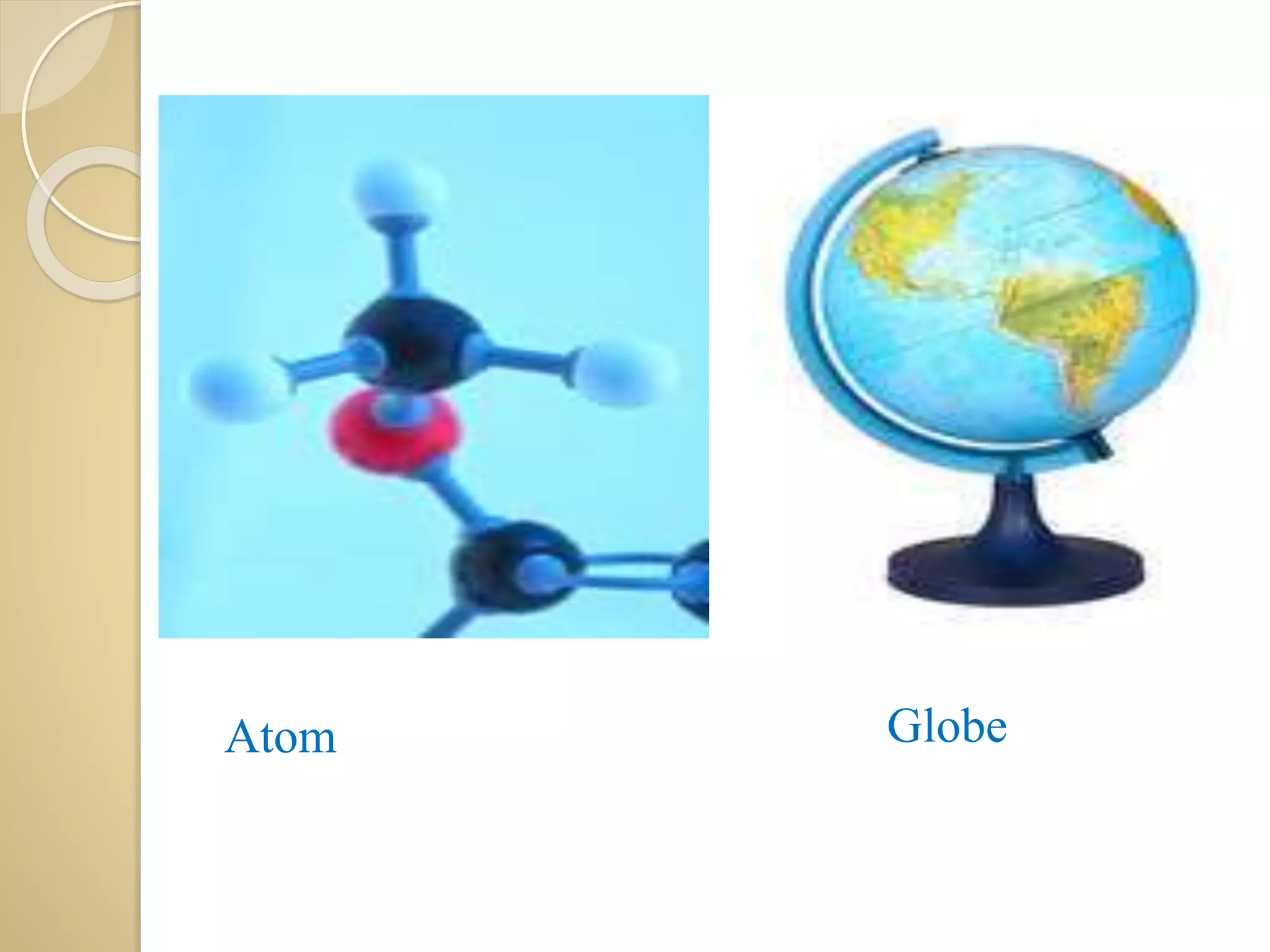
MODEL
 is a reproduction of real thing in a small scale, or
large scale or exact size, but made up of synthetic
materials
 substitute to a real thing which may or may not
operational
Atom Globe
MOCK UP
 is an arrangement of a real device or associated
devices, display in such a way that
representation of reality is created
 substitute to real thing; sometimes it is giant
enlargement
 example is planetarium
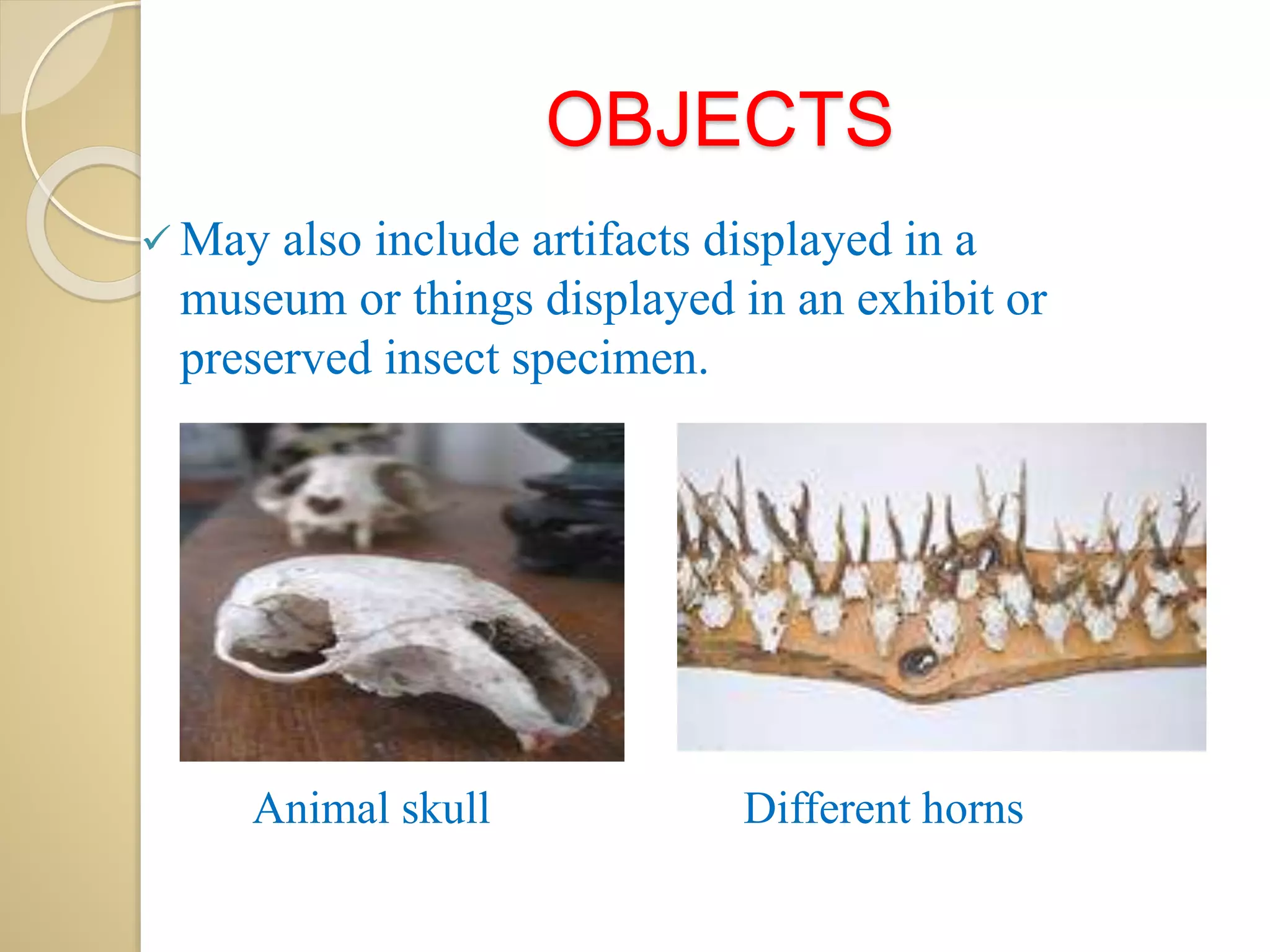
OBJECTS
 May also include artifacts displayed in a
museum or things displayed in an exhibit or
preserved insect specimen.
Animal skull Different horns
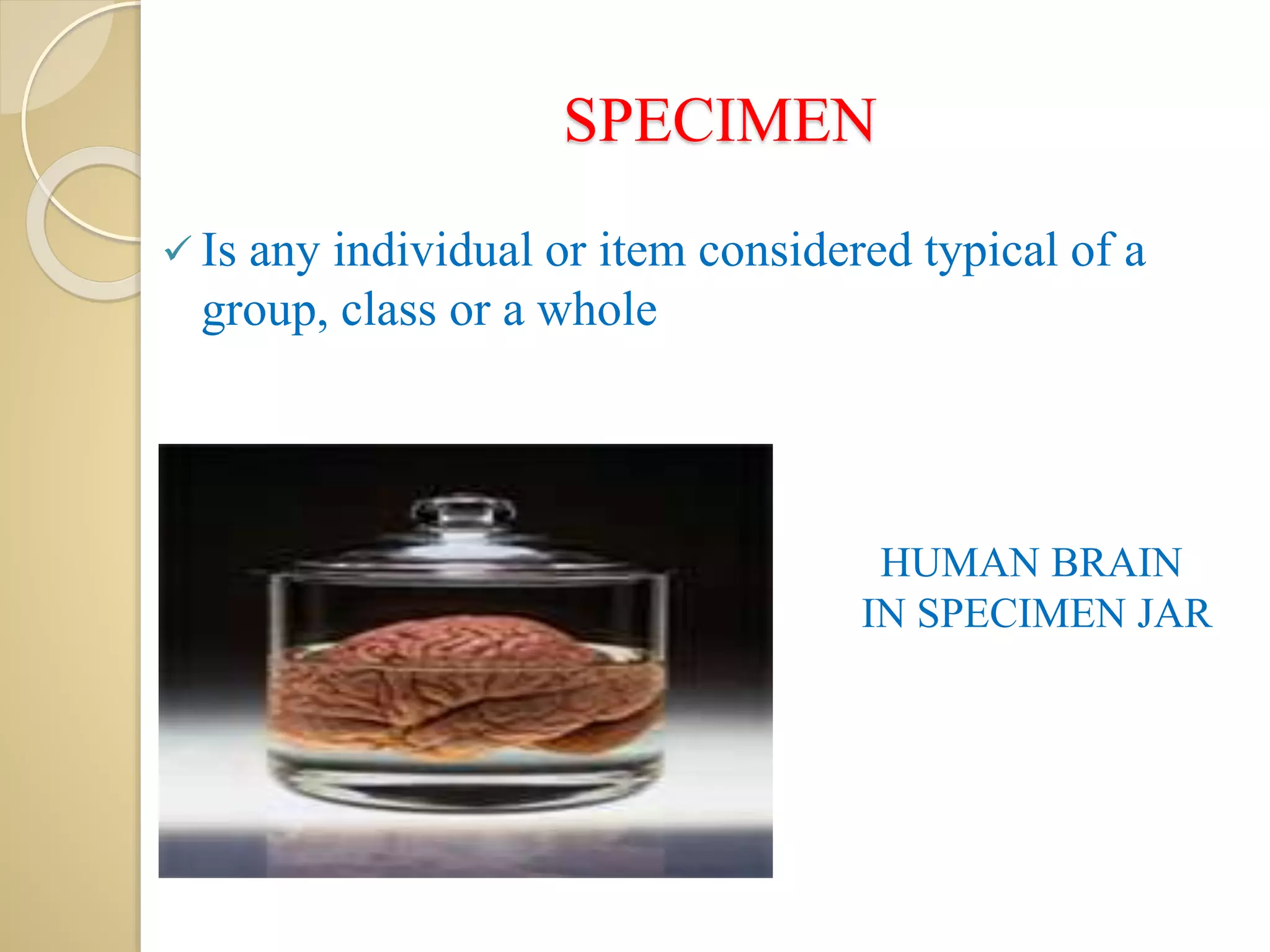
SPECIMEN
 Is any individual or item considered typical of a
group, class or a whole
HUMAN BRAIN
IN SPECIMEN JAR
SIMULATION
 representation of a manageable real event in
which the learner is an active participant
engaged in learning behavior or in applying
previously acquired skills or knowledge
GAMES
 forms of physical exercise taught to children at
school Plays
 Examples are relay, bees,
PURPOSES OF GAMES
 To practice or refine knowledge or skills already
acquired
 Identify gaps or weakness in knowledge or skills
 serve as summation or review
 Develop new relationships among concepts and
principles
DIFFERENCE BETWEEN GAMES
AND SIMULATION
 Games are played to win: there is a competition
 Simulation needs not winner, seems to be more
easily applied to the issues rather than
GENERAL PURPOSES OF
SIMULATION AND GAMES IN
EDUCATION
 Develop changes in attitude
 Change specific behavior
 Prepare for participants for assuming new roles in d’
future
 Help individuals understand their current roles
 Increase the students’ ability to apply principles
Reduce complex problems or situations to
manageable elements
Illustrate roles that may affect one’s life but
that one may never assume
 to motivate learners
Develop analytical processes
 sensitize individuals to another person’s life
WHY DO WE MAKE USE OF
CONTRIVED EXPERIENCE
 To overcome limitations of space and time
 To “edit” reality for us to be able to focus on parts or
a process of a system that we intend to study
 To overcome difficulties
 To understand inaccessible
 Help the learner understand abstractions
Questions enumerated by Edgar Dale
in evaluating contrived experience
used in class
CLARIZZE P. TAGUININ
(2BEED-2A)

Contrived experiences clarizze edtech

  • 1.
  • 2.
    OUTLINES:  Contrived experience Example of contrived experience  Purposes of games  Difference between games and simulation  General purposes of simulation and games in education  Why do we make use of contrived experience
  • 3.
    CONTRIVED EXPERIENCES  isedited version of direct experiences  design to simulate to real- life situation  examples are model, mock up, objects, specimens, games and simulation.
  • 4.
    MODEL  is areproduction of real thing in a small scale, or large scale or exact size, but made up of synthetic materials  substitute to a real thing which may or may not operational
  • 5.
  • 6.
    MOCK UP  isan arrangement of a real device or associated devices, display in such a way that representation of reality is created  substitute to real thing; sometimes it is giant enlargement  example is planetarium
  • 7.
    OBJECTS  May alsoinclude artifacts displayed in a museum or things displayed in an exhibit or preserved insect specimen. Animal skull Different horns
  • 8.
    SPECIMEN  Is anyindividual or item considered typical of a group, class or a whole HUMAN BRAIN IN SPECIMEN JAR
  • 9.
    SIMULATION  representation ofa manageable real event in which the learner is an active participant engaged in learning behavior or in applying previously acquired skills or knowledge
  • 10.
    GAMES  forms ofphysical exercise taught to children at school Plays  Examples are relay, bees,
  • 11.
    PURPOSES OF GAMES To practice or refine knowledge or skills already acquired  Identify gaps or weakness in knowledge or skills  serve as summation or review  Develop new relationships among concepts and principles
  • 12.
    DIFFERENCE BETWEEN GAMES ANDSIMULATION  Games are played to win: there is a competition  Simulation needs not winner, seems to be more easily applied to the issues rather than
  • 13.
    GENERAL PURPOSES OF SIMULATIONAND GAMES IN EDUCATION  Develop changes in attitude  Change specific behavior  Prepare for participants for assuming new roles in d’ future  Help individuals understand their current roles  Increase the students’ ability to apply principles
  • 14.
    Reduce complex problemsor situations to manageable elements Illustrate roles that may affect one’s life but that one may never assume  to motivate learners Develop analytical processes  sensitize individuals to another person’s life
  • 15.
    WHY DO WEMAKE USE OF CONTRIVED EXPERIENCE  To overcome limitations of space and time  To “edit” reality for us to be able to focus on parts or a process of a system that we intend to study  To overcome difficulties  To understand inaccessible  Help the learner understand abstractions
  • 16.
    Questions enumerated byEdgar Dale in evaluating contrived experience used in class CLARIZZE P. TAGUININ (2BEED-2A)