A Convention Called for the Purpose  of Strengthening  the Confederation
OR
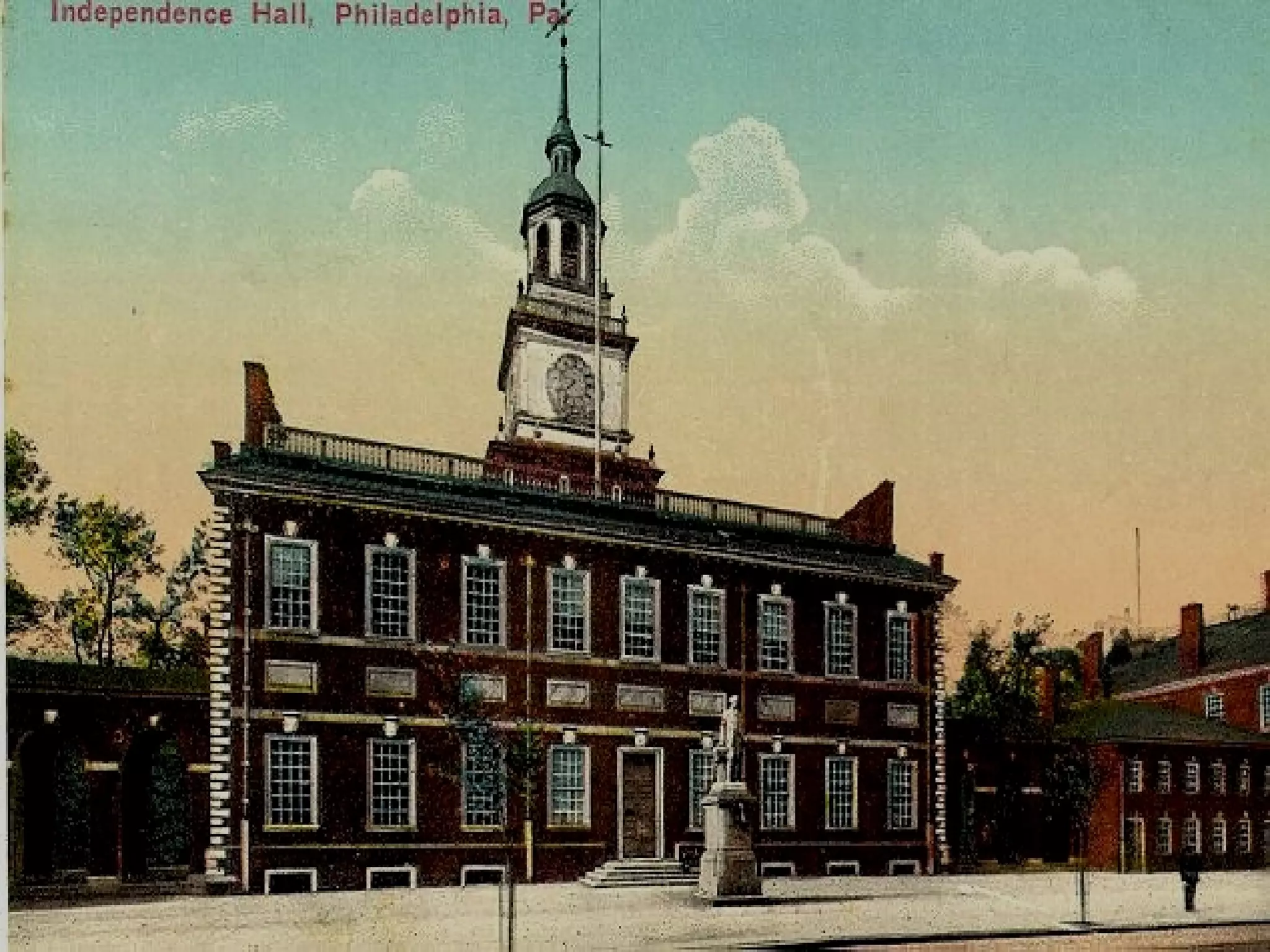
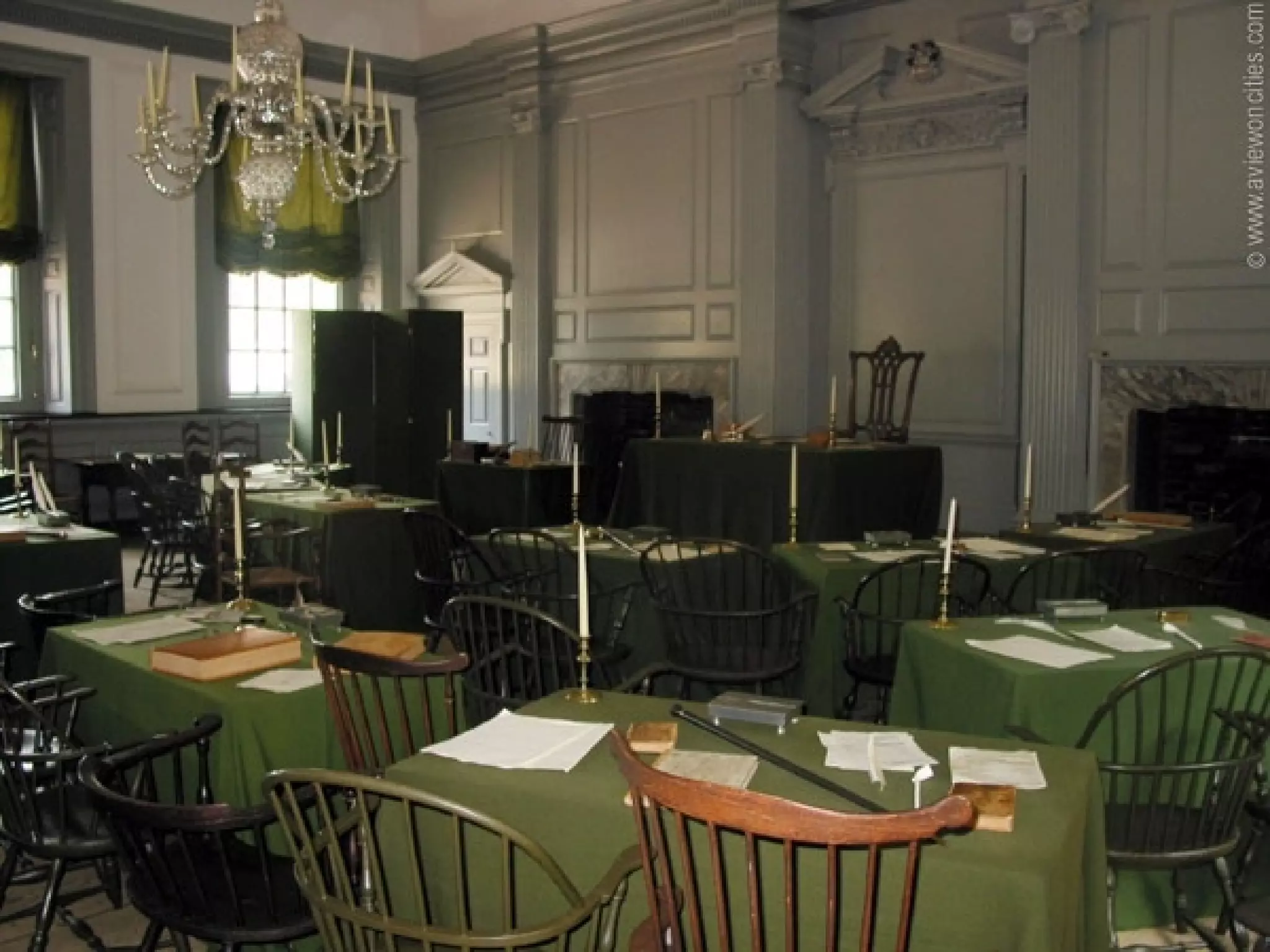
The Constitutional Convention May 25, 1787 – September 17, 1787
 
 
The Framers Many had served in the Confederation Congress A small number were army veterans Not the same group that had signed the Declaration Thomas Jefferson was serving as Minister to France John Adams was serving as Minister to Great Britain Rhode Island doesn’t send anyone Sam Adams is ill Patrick Henry refuses to come saying he smelled a rat in Philadelphia tending toward monarchy
In most cases this is not a great ongoing philosophical or theoretical debate It does consist of arguments relating to the writings of Locke; and of the philosophies of Montesquieu and Hobbes; Blackstone for law But this is a practical, nuts and bolts, “how do we run our states and the country and NOT cause another revolution, or a collapse of the government?” In other words “How do we create a government that provides and protects  liberty without threatening liberty?” Shay’s Rebellion—Army veterans losing their homes/land because of taxes they could not pay
GC
The Virginia Plan   Strong national government organized into three  branches   2.  Two houses in legislature 3.  Executive chosen by legislature Council of revision (executive and some judiciary  branch members) with veto power 5.  Two key features of the plan a.  National legislature with supreme powers   b.  One legislative house elected directly by the people
The New Jersey Plan Sought to amend rather than replace  Articles   2.  Proposed one vote per state Protected small states' interests while  enhancing power of national government
The Great Compromise Connecticut Compromise House of Representatives based on population  and directly elected by people   2. Senate of two members per state and elected  by state legislatures 3. Reconciled interests of large and small states

Constitution1

  • 1.
    A Convention Calledfor the Purpose of Strengthening the Confederation
  • 2.
  • 3.
    The Constitutional ConventionMay 25, 1787 – September 17, 1787
  • 4.
  • 5.
  • 6.
    The Framers Manyhad served in the Confederation Congress A small number were army veterans Not the same group that had signed the Declaration Thomas Jefferson was serving as Minister to France John Adams was serving as Minister to Great Britain Rhode Island doesn’t send anyone Sam Adams is ill Patrick Henry refuses to come saying he smelled a rat in Philadelphia tending toward monarchy
  • 7.
    In most casesthis is not a great ongoing philosophical or theoretical debate It does consist of arguments relating to the writings of Locke; and of the philosophies of Montesquieu and Hobbes; Blackstone for law But this is a practical, nuts and bolts, “how do we run our states and the country and NOT cause another revolution, or a collapse of the government?” In other words “How do we create a government that provides and protects liberty without threatening liberty?” Shay’s Rebellion—Army veterans losing their homes/land because of taxes they could not pay
  • 8.
  • 9.
    The Virginia Plan Strong national government organized into three branches 2. Two houses in legislature 3. Executive chosen by legislature Council of revision (executive and some judiciary branch members) with veto power 5. Two key features of the plan a. National legislature with supreme powers b. One legislative house elected directly by the people
  • 10.
    The New JerseyPlan Sought to amend rather than replace Articles 2. Proposed one vote per state Protected small states' interests while enhancing power of national government
  • 11.
    The Great CompromiseConnecticut Compromise House of Representatives based on population and directly elected by people 2. Senate of two members per state and elected by state legislatures 3. Reconciled interests of large and small states