
URBAN DEVELOPMENT MANAGEMENT
IN
RIAU ISLANDS
DEDDY S BRATAKUSUMAH, PhD
2009
deddys@bappenas.go.id
0816968367
People have settled on coasts to take advantage of
the amenities the oceans, such as;
1. a food supply,
2. a source of transport,
3. a defensible position, and
4. a healthy location.
BACKGROUND
However, as coastal cities grow, they become
detached from their environmental surroundings,
while still requiring services from their local
ecosystem.
Today, it is estimated that almost 50 per cent of the
world’s coasts are threatened by development-
related activities.
COASTAL ZONE PROBLEMS
Municipal, industrial and agricultural wastes and
run-off, as well as atmospheric deposition, affect
the most productive areas of the marine
environment, including estuaries and near-shore
coastal waters.
Physical alterations to the coastal zone also threaten
the marine environment.
COASTAL ZONE PROBLEMS
1. Tourist services
2. A street pattern related to the landform and the
surrounding natural features
3. A direct relationship to the foreshore and a wide
choice of uses associated with the coastal edge
4. An extensive range of edge conditions, such as
parks, beaches and waterfront promenades
5. A range of smaller suburbs and suburban centers
surrounding the city centre
6. A full range of residential building types
7. A full range of building heights from low scale to
tall
COASTAL CITIES CHARACTERISTICS
Coastal management and urban planning seem to act in
different contexts without a common ground for an
integrated perspective of coastal cities.
In particular, urban planning often ignores
environmental issues that characterize a coastal
ecosystem, creating land use conflicts and
environmental aggravations.
COASTAL MANAGEMENT AND URBAN
PLANNING
HAVE TO AVOID
1. Destroying the quality of coastal resources that
offer the city its distinct characteristics
2. Impacts on water quality
3. Decrease of opportunities for new urban
infrastructure
4. Degraded public spaces
5. Privatization of open spaces and foreshores
6. Lack of planning integration
GOOD COASTAL CITIES
1. The complexity of the activities that constitute a
coastal city coming from the hinterland, creating
(most often) conflicts and influencing their economy
in a local and supra local level
2. The planning issues of coastal cities that involve a
more integrated approach between urban planning
and environmental management (coastal
management)
THE COMPLEXITIES
1. Protecting the most attractive quality elements
of a coastal city
2. Optimizing the efficient land use to minimize
impacts on the surrounding urban and natural
environment
3. Maintaining the natural geography of the coast
4. Maintaining the coast in connection to the
inland (perhaps the city centre)-(best access to
the coast, quality of streets etc.)
5. Protecting coastal waters through modern
ecological methods
THE BEST PRACTICES
(UNEP-SCP)
6. Providing sustainable transport systems
7. Regulations governing the industrial, municipal
and agricultural pollution
8. Preserving the historic and cultural resources
through the process of waterfront/urban
regeneration
9. Planning for the waterfront considering it as a
part of a coastal (eco)system
10.Optimizing coastal cities as a separate entity of
the region that requires a more complex
approach, including environmental policies
/aspects.
THE BEST PRACTICES
1. ECONOMIC Growth?
2. Sustainable ENVIRONMENT?
3. Priority Setting among THEM
4. Urban Planning as ZERO SUM GAME
5. Urban Planning COSTLY
THE PARADOXES
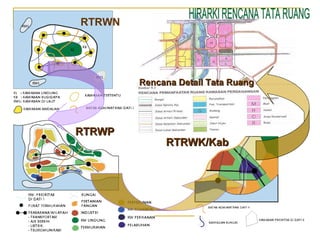
RTRWPRTRWP
RTRWN
RTRWK/KabRTRWK/Kab
Rencana Detail Tata RuangRencana Detail Tata Ruang
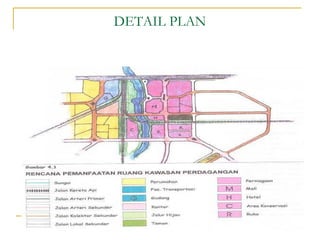
DETAIL PLAN
URBAN FUNCTION
1. Settlements
2. Services and industrial centers
3. Governments centers
URBAN PROBLEM
Future problems
1. Changes of urban spatial patern
2. Urbanization
3. Environmental
4. Poor urban culture
5. “Wild” urban people
IDEAL URBAN FUTURE
1. A decent settlements, with peaceful, enjoyable,
secure, and welfare environment for the citizens,
2. Sustainable growth with sustainable environment
3. Provides urban utilities and urban infrastructure
4. Have a degree of competitiveness with other cities.
URBAN DEVELOPMENT POLICIES IN
INDONESIA
1. Implementing decentralization and local
autonomy
2. Professional, entrepreneur, and environmental
vision of urban management
3. Participation of citizens and private sector
4. Smart, effective and efficient spatial and land use
Coastal Area Development in Riau Islands

Coastal Area Development in Riau Islands

  • 1.
    URBAN DEVELOPMENT MANAGEMENT IN RIAUISLANDS DEDDY S BRATAKUSUMAH, PhD 2009 deddys@bappenas.go.id 0816968367
  • 2.
    People have settledon coasts to take advantage of the amenities the oceans, such as; 1. a food supply, 2. a source of transport, 3. a defensible position, and 4. a healthy location. BACKGROUND
  • 3.
    However, as coastalcities grow, they become detached from their environmental surroundings, while still requiring services from their local ecosystem. Today, it is estimated that almost 50 per cent of the world’s coasts are threatened by development- related activities. COASTAL ZONE PROBLEMS
  • 4.
    Municipal, industrial andagricultural wastes and run-off, as well as atmospheric deposition, affect the most productive areas of the marine environment, including estuaries and near-shore coastal waters. Physical alterations to the coastal zone also threaten the marine environment. COASTAL ZONE PROBLEMS
  • 5.
    1. Tourist services 2.A street pattern related to the landform and the surrounding natural features 3. A direct relationship to the foreshore and a wide choice of uses associated with the coastal edge 4. An extensive range of edge conditions, such as parks, beaches and waterfront promenades 5. A range of smaller suburbs and suburban centers surrounding the city centre 6. A full range of residential building types 7. A full range of building heights from low scale to tall COASTAL CITIES CHARACTERISTICS
  • 6.
    Coastal management andurban planning seem to act in different contexts without a common ground for an integrated perspective of coastal cities. In particular, urban planning often ignores environmental issues that characterize a coastal ecosystem, creating land use conflicts and environmental aggravations. COASTAL MANAGEMENT AND URBAN PLANNING
  • 7.
    HAVE TO AVOID 1.Destroying the quality of coastal resources that offer the city its distinct characteristics 2. Impacts on water quality 3. Decrease of opportunities for new urban infrastructure 4. Degraded public spaces 5. Privatization of open spaces and foreshores 6. Lack of planning integration GOOD COASTAL CITIES
  • 8.
    1. The complexityof the activities that constitute a coastal city coming from the hinterland, creating (most often) conflicts and influencing their economy in a local and supra local level 2. The planning issues of coastal cities that involve a more integrated approach between urban planning and environmental management (coastal management) THE COMPLEXITIES
  • 9.
    1. Protecting themost attractive quality elements of a coastal city 2. Optimizing the efficient land use to minimize impacts on the surrounding urban and natural environment 3. Maintaining the natural geography of the coast 4. Maintaining the coast in connection to the inland (perhaps the city centre)-(best access to the coast, quality of streets etc.) 5. Protecting coastal waters through modern ecological methods THE BEST PRACTICES (UNEP-SCP)
  • 10.
    6. Providing sustainabletransport systems 7. Regulations governing the industrial, municipal and agricultural pollution 8. Preserving the historic and cultural resources through the process of waterfront/urban regeneration 9. Planning for the waterfront considering it as a part of a coastal (eco)system 10.Optimizing coastal cities as a separate entity of the region that requires a more complex approach, including environmental policies /aspects. THE BEST PRACTICES
  • 11.
    1. ECONOMIC Growth? 2.Sustainable ENVIRONMENT? 3. Priority Setting among THEM 4. Urban Planning as ZERO SUM GAME 5. Urban Planning COSTLY THE PARADOXES
  • 12.
  • 13.
  • 14.
    URBAN FUNCTION 1. Settlements 2.Services and industrial centers 3. Governments centers
  • 15.
    URBAN PROBLEM Future problems 1.Changes of urban spatial patern 2. Urbanization 3. Environmental 4. Poor urban culture 5. “Wild” urban people
  • 16.
    IDEAL URBAN FUTURE 1.A decent settlements, with peaceful, enjoyable, secure, and welfare environment for the citizens, 2. Sustainable growth with sustainable environment 3. Provides urban utilities and urban infrastructure 4. Have a degree of competitiveness with other cities.
  • 17.
    URBAN DEVELOPMENT POLICIESIN INDONESIA 1. Implementing decentralization and local autonomy 2. Professional, entrepreneur, and environmental vision of urban management 3. Participation of citizens and private sector 4. Smart, effective and efficient spatial and land use