 Clinical laboratory test results are a very important parameter in diagnosis
monitoring and screening. 70-80 % of decisions in diagnosis are based on
laboratory results and more and more laboratory analyses are requested. Thus a lot
of data are provided and that is therefore imperative for patient care (and safety)
that the clinicians are familiar with the tests and with interpretation of the results.
 The laboratory result must be interpreted on the background of a reference interval
that is used to distinguish between “health” and “disease”. The clinicians must also
evaluate the result from the knowledge of biological variation and be aware of the
potential risk of false interpretation. Likewise, influence of random error and
systematic errors on the result is of importance as well as the diagnostic sensitivity
and specificity. The laboratory has certainly also a role and a responsibility in
providing clinicians with adequate information that can assist them in the correct
interpretation of the data.
Clinical laboratory test
What is lab result mean?
 Lab test results may be positive, negative, or inconclusive. Your doctor will
discuss what your test results mean for you and your health.
 A positive test result means that the substance or condition being tested for was
found. Positive test results also can mean that the amount of a substance being
tested for is higher or lower than normal.
 A negative test results means that the substance or condition being tested for
was not found. Negative results can also mean that the substance being tested for
was present in a normal amount.
 Inconclusive test results are those that are not clearly positive. For example,
some tests measure the level of antibodies to some bacteria or viruses in blood or
other fluid to look for an infection. It is not always clear if the level of antibodies
is high enough to indicate an infection.
What are false-positive and false-negative
test results?
 A false-positive test result is one that shows a disease or condition is present when
it is not present. A false-positive test result may suggest that a person has the
disease or condition when he or she does not have it. For example, a false-positive
pregnancy test result would appear to detect the substance that confirms
pregnancy, when in reality the woman is not pregnant.
 A false-negative test result is one that does not detect what is being tested for even
though it is present. A false-negative test result may suggest that a person does not
have a disease or condition being tested for when he or she does have it. For
example, a false-negative pregnancy test result would be one that does not detect
the substance that confirms pregnancy, when the women really is pregnant.
What if your results are different than the
reference range?
 It is possible that is different than the reference range even though nothing is wrong
with you.
 Sometimes certain factors can affect your test results, such as:
 Pregnancy
 Medicine you are taking
 Eating right before a test
 smoking
 Being under stress
Why do values or reference ranges vary
from lab to lab?
Labs may use different types of equipment and tests, and
sometimes they set their own reference ranges.
Your lab report will contain the reference ranges your lab
uses. Do not compare results from different labs.
 The CBC (with or without differential) is one of the most common
blood tests.
 The CBC can help detect blood diseases and disorders, such as anemia,
infections, clotting problems, blood cancers and immune system
disorders.
 Peripheral venous blood is collected in a lavender tube (contains the
anticoagulant EDTA ) and should be thoroughly mixed
 Unacceptable specimen:
Clotted or greater than 48 hours old
 Methodology of testing:
Whole blood analyzer
Completed Blood Count
Red Blood Cells
SI unit (normal value) : Male 4.3-5.9*106/mL
Female 3.5-5.0*106/mL
Deficiency of RBC:
1. Hemolytic anemia: decrease no of RBC
2. Excess bleeding
3. Hereditary spherocytosis : rare blood disorder in which defects in the red
blood cells cause them to be shaped like spheres and break down easily.
Elevation of RBC:
1. Polycythemia: Over production of RBC
Primary polycythemia : caused by overproduction of red blood cells by the
bone marrow due to mutation or biological factor in the body.
Secondary polycythemia: which is caused by factors that reduce the
amount of oxygen reaching the body's tissues, such as smoking, high altitude or
congenital heart disease. The red blood cells in some patients with secondary
polycythemia may carry an abnormal form of hemoglobin that does not release
oxygen readily (high-affinity hemoglobin).
Red blood cell enzyme disorders: Red blood cell enzyme disorders are
important to recognize and diagnose for proper supportive care,
monitoring, and treatment.
 Glucose-6-phosphate dehydrogenase (G6PD) deficiency is an X-
linked disorder most commonly characterized by episodic haemolysis in
the setting of oxidative triggers, such as fava beans, infections, and
certain medications.
 Enzymopathies, such as pyruvate kinase deficiency, should be
suspected in patients of all ages with a chronic hemolytic anaemia in the
absence of immune-mediated haemolysis, a hemoglobinopathy, or
evidence of a red cell membrane disorder.
 Splenectomy partially ameliorates the anaemia in most patients with
pyruvate kinase deficiency and other red blood cell enzyme disorders.
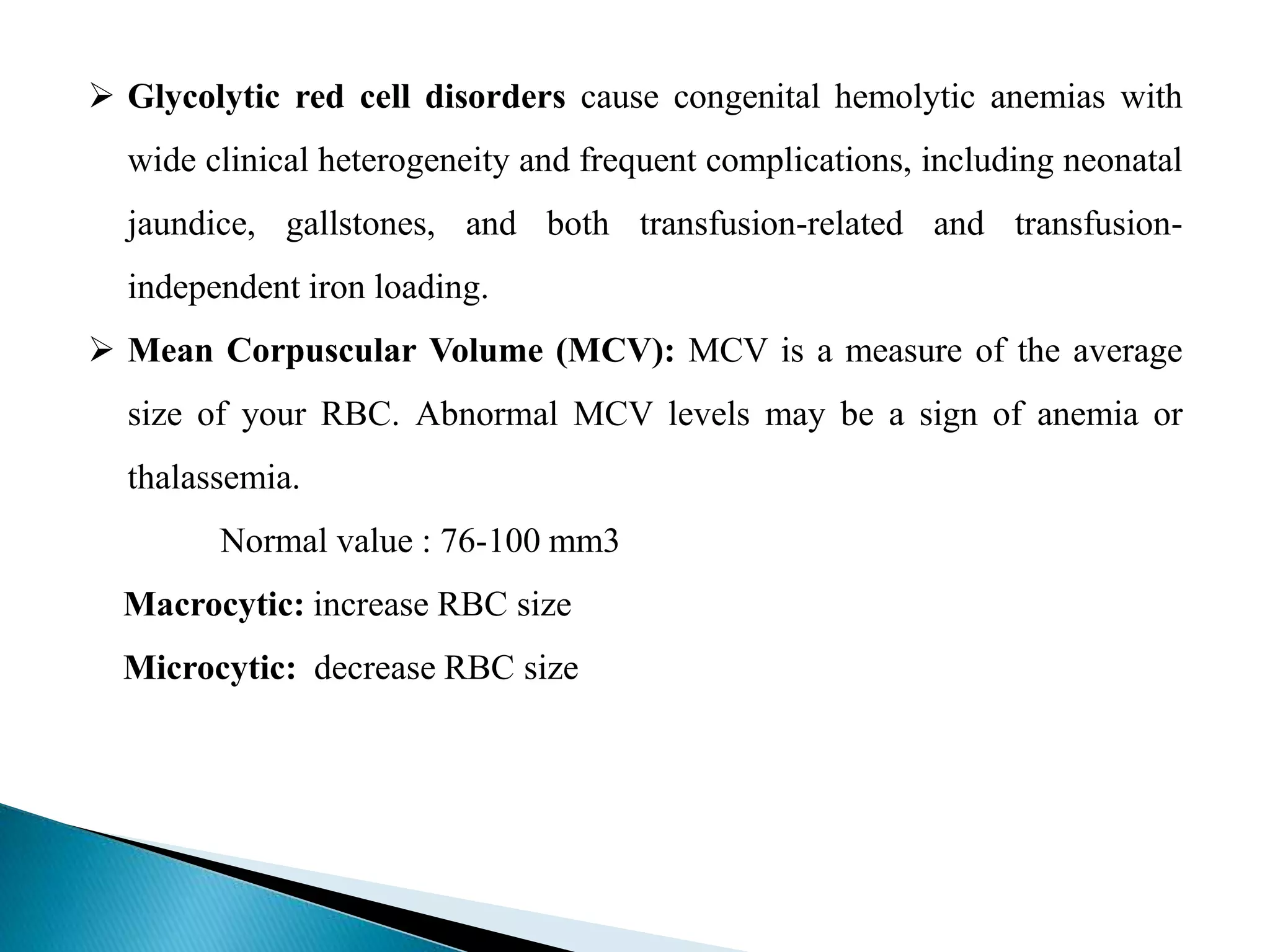
 Glycolytic red cell disorders cause congenital hemolytic anemias with
wide clinical heterogeneity and frequent complications, including neonatal
jaundice, gallstones, and both transfusion-related and transfusion-
independent iron loading.
 Mean Corpuscular Volume (MCV): MCV is a measure of the average
size of your RBC. Abnormal MCV levels may be a sign of anemia or
thalassemia.
Normal value : 76-100 mm3
Macrocytic: increase RBC size
Microcytic: decrease RBC size
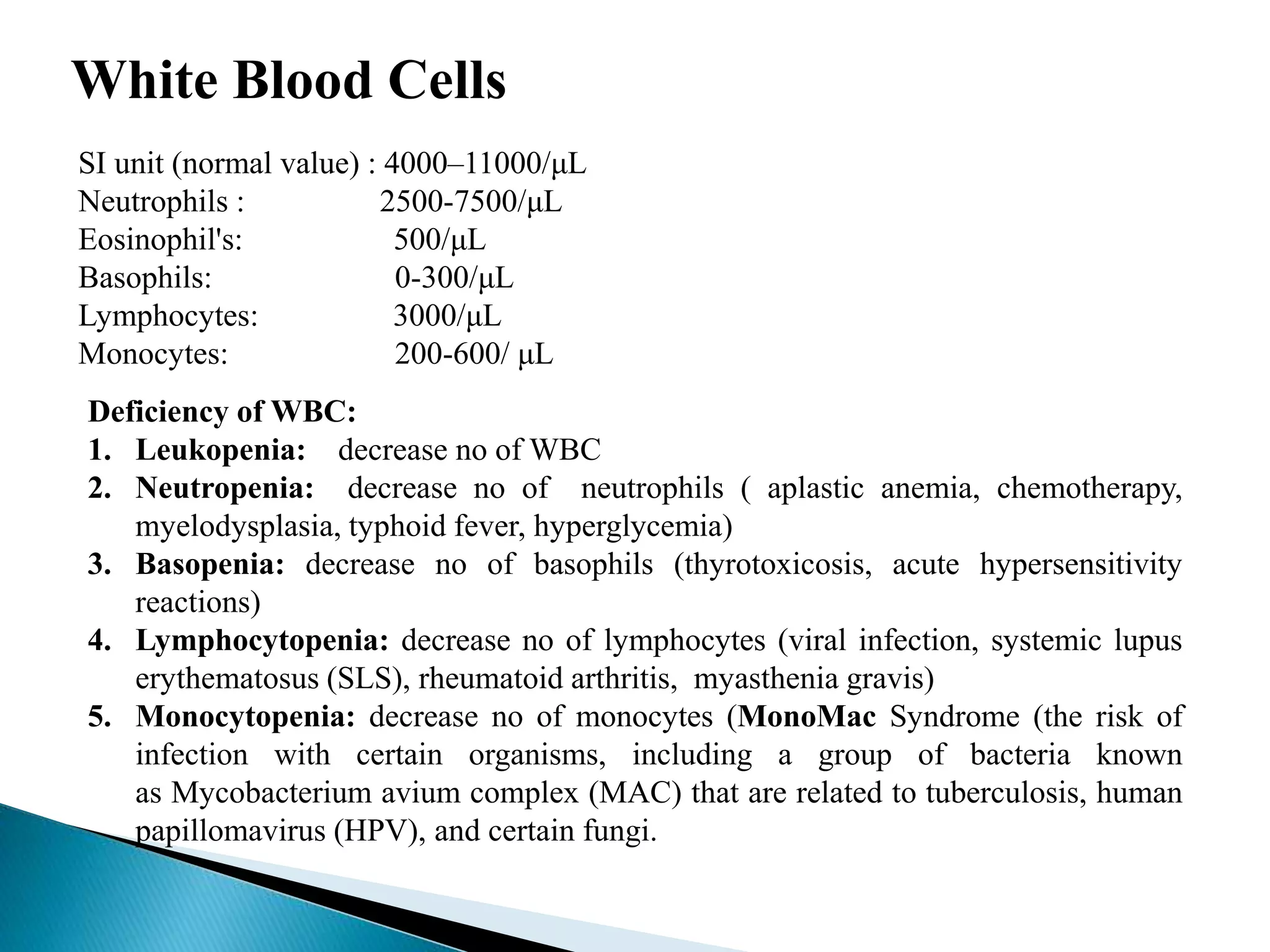
White Blood Cells
SI unit (normal value) : 4000–11000/μL
Neutrophils : 2500-7500/μL
Eosinophil's: 500/μL
Basophils: 0-300/μL
Lymphocytes: 3000/μL
Monocytes: 200-600/ μL
Deficiency of WBC:
1. Leukopenia: decrease no of WBC
2. Neutropenia: decrease no of neutrophils ( aplastic anemia, chemotherapy,
myelodysplasia, typhoid fever, hyperglycemia)
3. Basopenia: decrease no of basophils (thyrotoxicosis, acute hypersensitivity
reactions)
4. Lymphocytopenia: decrease no of lymphocytes (viral infection, systemic lupus
erythematosus (SLS), rheumatoid arthritis, myasthenia gravis)
5. Monocytopenia: decrease no of monocytes (MonoMac Syndrome (the risk of
infection with certain organisms, including a group of bacteria known
as Mycobacterium avium complex (MAC) that are related to tuberculosis, human
papillomavirus (HPV), and certain fungi.
Elevation in WBC:
1. Leukocytosis: increase no of WBC (>11000/μL)
2. Neutrophilic leukocytosis: increase no of neutrophils
3. Basophilia: increase no of basophils (hypothyroidism, myeloproliferative
disorders)
Eosinophilia: increase no of eosinophils (parasitic and fungal disease, allergies,
skin disorders, toxins)
4. Lymphocytic leukocytosis: increase of lymphocytes
5. Monocytosis: increase no of monocytes (sarcoidosis, and Langerhans cell
histiocytosis, autoimmune disorder)
Platelets
SI unit (normal value) : 150000-450000/μL
Deficiency of Platelets:
Thrombocytopenia: low number of platelets
Elevation in Platelets:
Thrombocytosis : increase number of platelets (acute bleeding and blood loss, cancer,
infections, removal of spleen,
Blood clotting test:
Factor V assay:
This test measures Factor V, a substance involved in clotting. An abnormally low level
may be indicative of liver disease, primary fibrinolysis (a breakdown of clots),
or disseminated intravascular coagulation (DIC).
Fibrinogen level
Fibrinogen is a protein made by your liver. This test measures how much fibrinogen is
in your blood. Abnormal results may be a sign of excessive bleeding or hemorrhage,
fibrinolysis, or placental abruption, which is a separation of the placenta from the
uterine wall.
Prothrombin time (PT or PT-INR)
Prothrombin is another protein your liver produces. The prothrombin time (PT) test
measures how well and how long it takes your blood to clot. It normally takes
about 25 to 30 seconds. It may take longer if you take blood thinners. Other
reasons for abnormal results include hemophilia, liver disease,
and malabsorption. It’s also useful in monitoring those who take medications that
affect clotting, such as warfarin (Coumadin).
Typical reference ranges for healthy adults are:
Blood clotting test Time/ concentration
PT 9.0-11.7 sec
INR (coumadin) 0.9-1.2 sec
PTT (Heparin monitoring) 55.0-75.0 sec
APTT (therapeutic) 23.3-31.9 sec
Fibrinogen 203-377 mg/dl
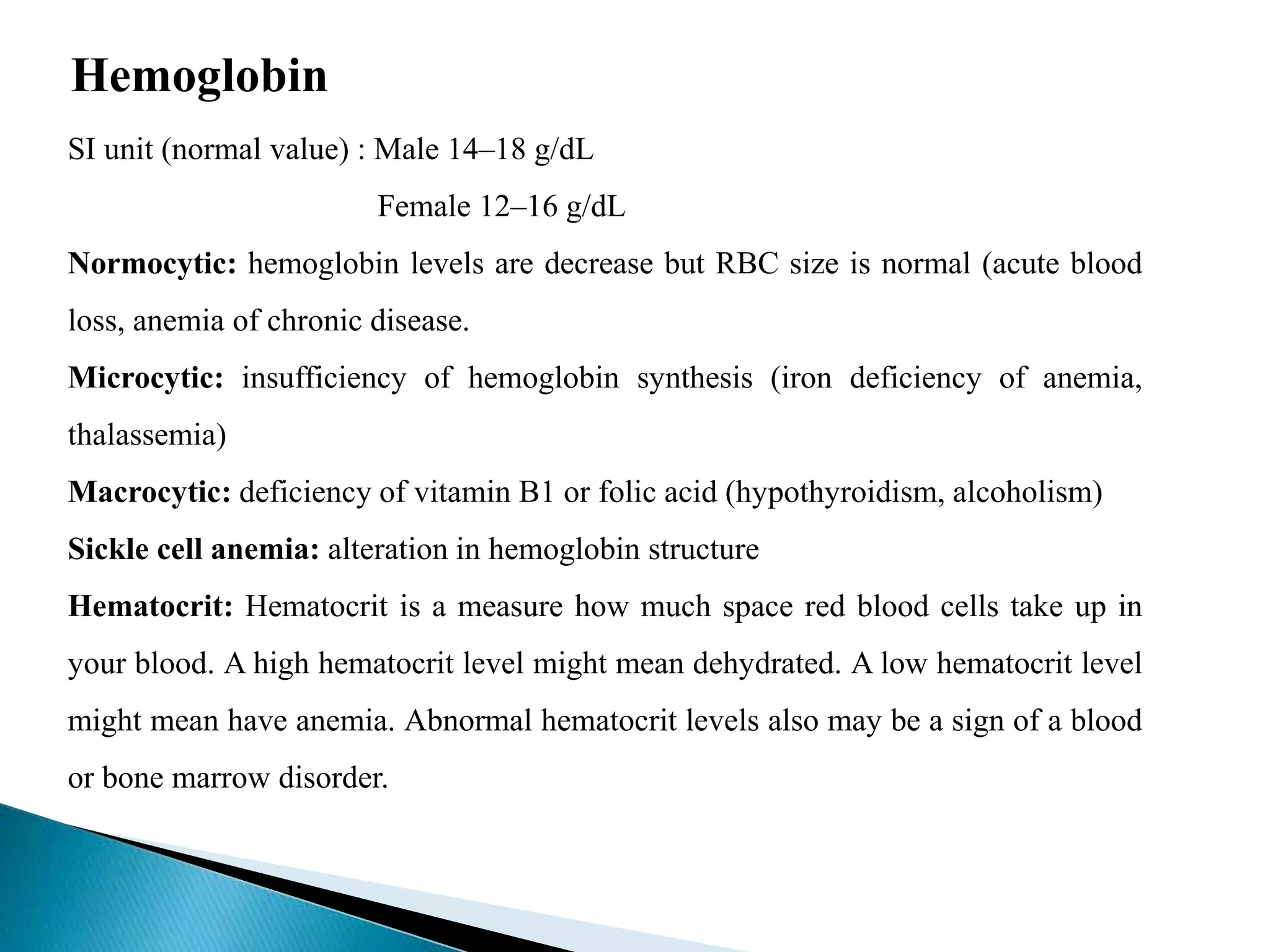
Hemoglobin
SI unit (normal value) : Male 14–18 g/dL
Female 12–16 g/dL
Normocytic: hemoglobin levels are decrease but RBC size is normal (acute blood
loss, anemia of chronic disease.
Microcytic: insufficiency of hemoglobin synthesis (iron deficiency of anemia,
thalassemia)
Macrocytic: deficiency of vitamin B1 or folic acid (hypothyroidism, alcoholism)
Sickle cell anemia: alteration in hemoglobin structure
Hematocrit: Hematocrit is a measure how much space red blood cells take up in
your blood. A high hematocrit level might mean dehydrated. A low hematocrit level
might mean have anemia. Abnormal hematocrit levels also may be a sign of a blood
or bone marrow disorder.
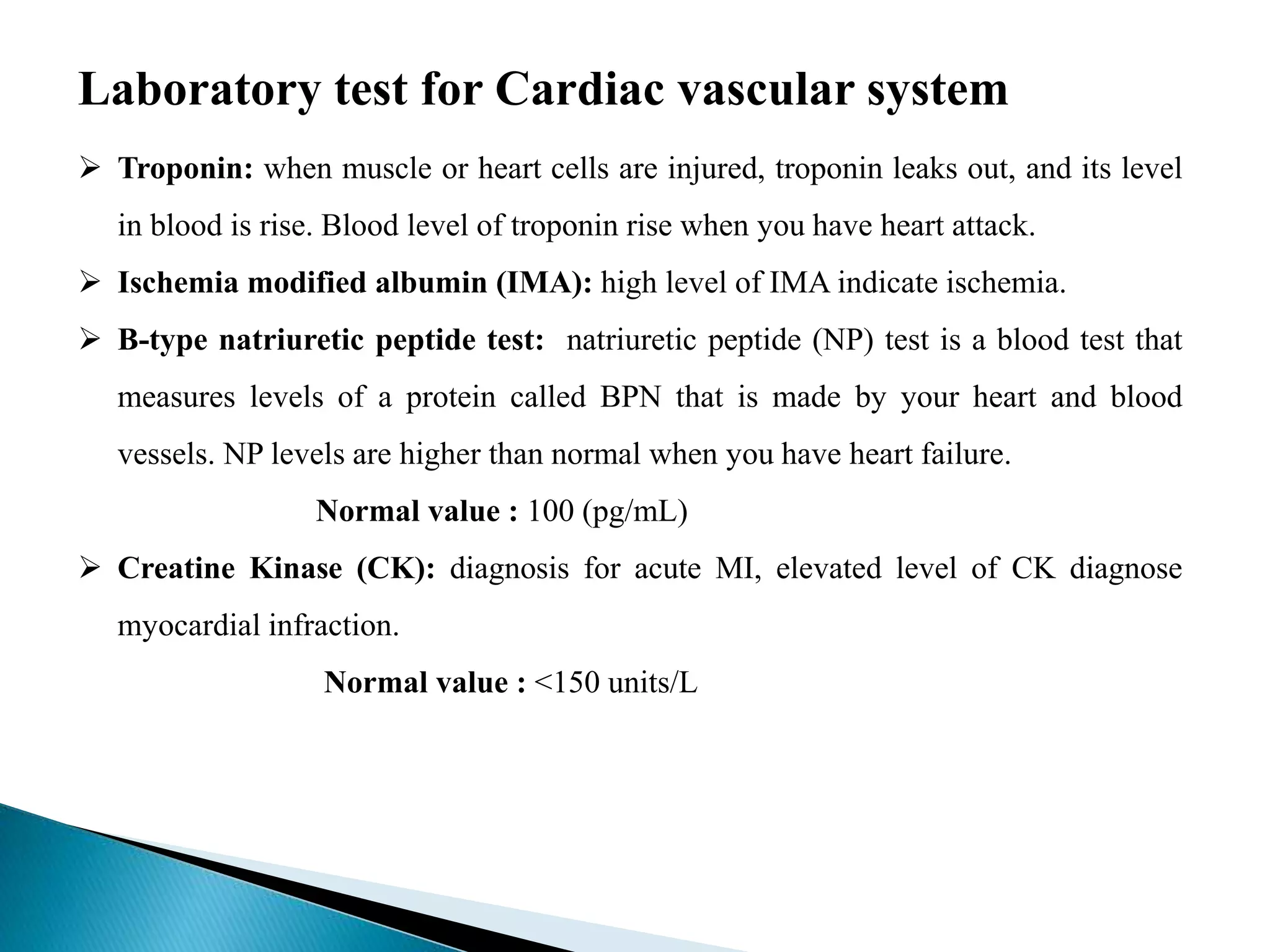
Laboratory test for Cardiac vascular system
 Troponin: when muscle or heart cells are injured, troponin leaks out, and its level
in blood is rise. Blood level of troponin rise when you have heart attack.
 Ischemia modified albumin (IMA): high level of IMA indicate ischemia.
 B-type natriuretic peptide test: natriuretic peptide (NP) test is a blood test that
measures levels of a protein called BPN that is made by your heart and blood
vessels. NP levels are higher than normal when you have heart failure.
Normal value : 100 (pg/mL)
 Creatine Kinase (CK): diagnosis for acute MI, elevated level of CK diagnose
myocardial infraction.
Normal value : <150 units/L
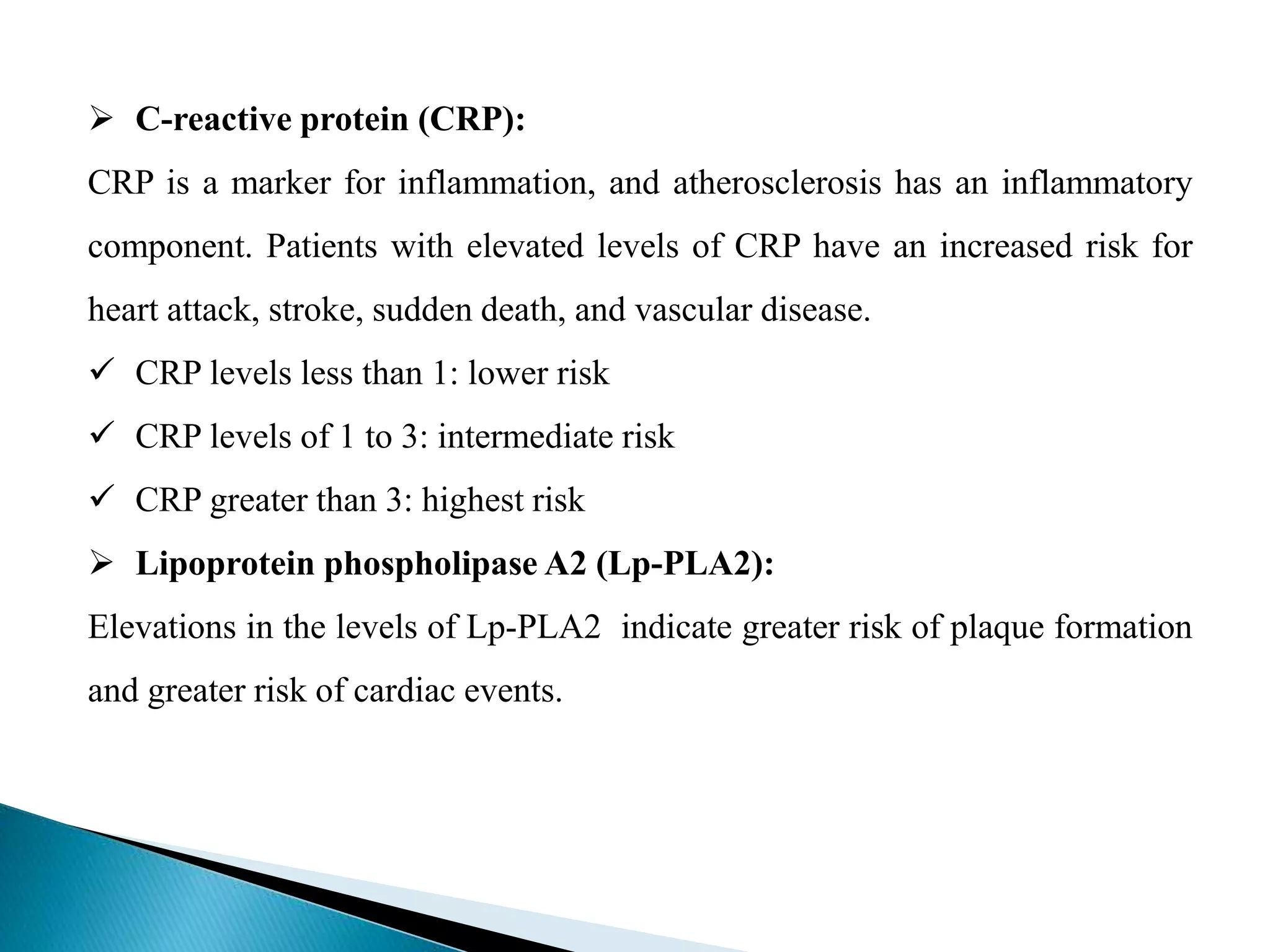
 C-reactive protein (CRP):
CRP is a marker for inflammation, and atherosclerosis has an inflammatory
component. Patients with elevated levels of CRP have an increased risk for
heart attack, stroke, sudden death, and vascular disease.
 CRP levels less than 1: lower risk
 CRP levels of 1 to 3: intermediate risk
 CRP greater than 3: highest risk
 Lipoprotein phospholipase A2 (Lp-PLA2):
Elevations in the levels of Lp-PLA2 indicate greater risk of plaque formation
and greater risk of cardiac events.
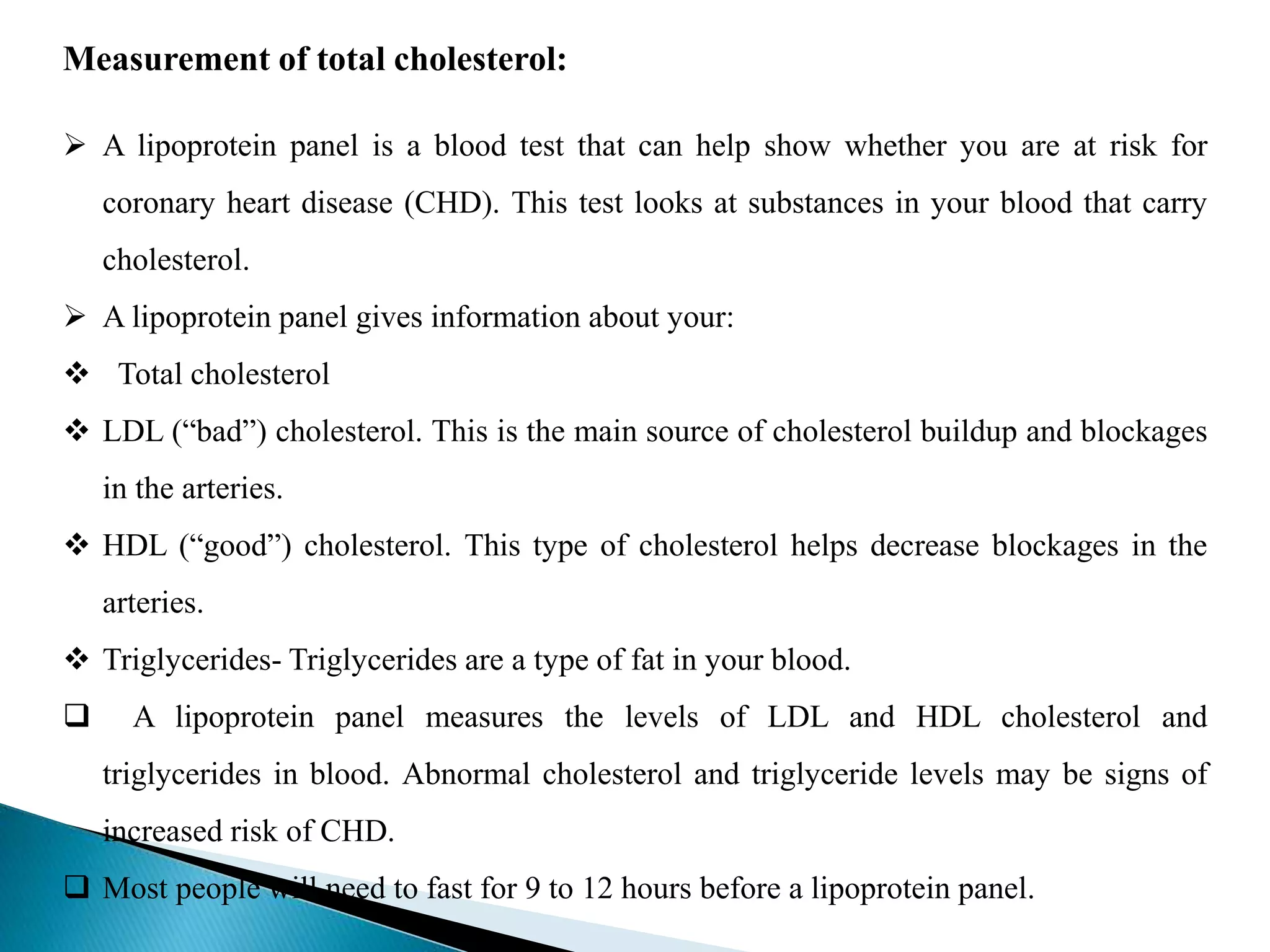
Measurement of total cholesterol:
 A lipoprotein panel is a blood test that can help show whether you are at risk for
coronary heart disease (CHD). This test looks at substances in your blood that carry
cholesterol.
 A lipoprotein panel gives information about your:
 Total cholesterol
 LDL (“bad”) cholesterol. This is the main source of cholesterol buildup and blockages
in the arteries.
 HDL (“good”) cholesterol. This type of cholesterol helps decrease blockages in the
arteries.
 Triglycerides- Triglycerides are a type of fat in your blood.
 A lipoprotein panel measures the levels of LDL and HDL cholesterol and
triglycerides in blood. Abnormal cholesterol and triglyceride levels may be signs of
increased risk of CHD.
 Most people will need to fast for 9 to 12 hours before a lipoprotein panel.
HDL cholesterol level HDL cholesterol category
Less than 40 mg/dL A major risk factor for heart disease
40-59 mg/dL The higher, the better
60 mg/dL and above Considered protective against heart
disease
Triglyceride level Triglyceride cholesterol category
Less than 150mg/dL Optimal
150-199 mg/dL Borderline high
200-499 mg/dL High
500 mg/dL Very high
Typical reference ranges for healthy adults are:
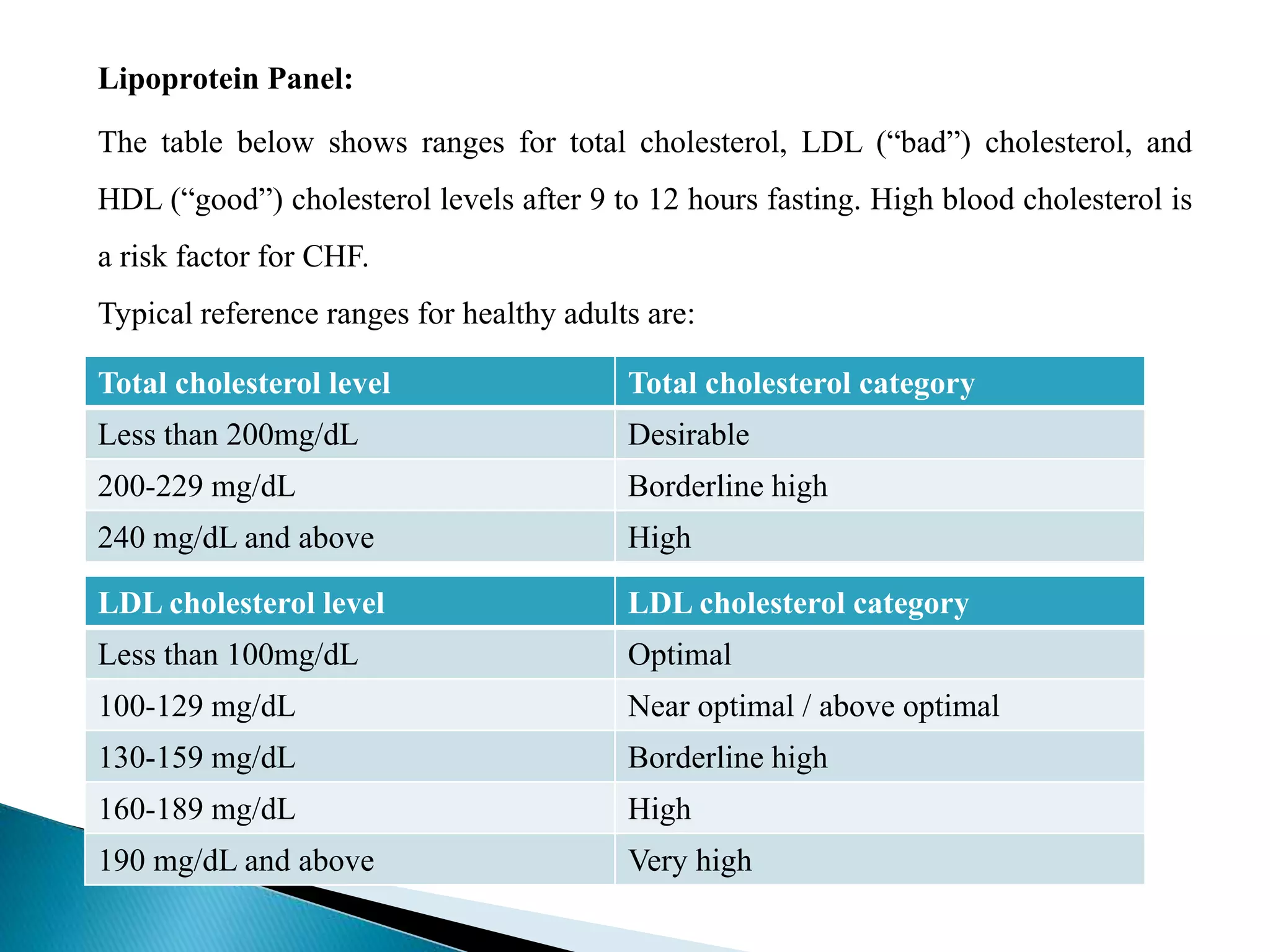
LDL cholesterol level LDL cholesterol category
Less than 100mg/dL Optimal
100-129 mg/dL Near optimal / above optimal
130-159 mg/dL Borderline high
160-189 mg/dL High
190 mg/dL and above Very high
Lipoprotein Panel:
The table below shows ranges for total cholesterol, LDL (“bad”) cholesterol, and
HDL (“good”) cholesterol levels after 9 to 12 hours fasting. High blood cholesterol is
a risk factor for CHF.
Typical reference ranges for healthy adults are:
Total cholesterol level Total cholesterol category
Less than 200mg/dL Desirable
200-229 mg/dL Borderline high
240 mg/dL and above High
Heart function test
 Electrocardiogram (ECG): An ECG is a cardiac screening test that should be done on
everyone on their first visit to a cardiologist. An EKG establishes baseline information
about the structure of heart, its electrical conduction patterns and possible arrhythmias.
 Echocardiogram: An echocardiogram is a noninvasive ultrasound cardiac screening
test that records specific geographical areas of the beating heart, which reveals blood
flow patterns and allows us to measure size and wall thickness of the heart’s chambers.
 Exercise/ Nuclear stress test: An exercise stress heart test is ordered to assess how
heart is functioning when heart rate and blood pressure are increased during physical
exertion.
 Holter monitoring: A holter monitor is usually worn 24 hours and record every heart
beat for that time period. Electrodes are placed on the chest, and a recorder is worn on a
shoulder strap or belt. It is ordered to identify cardiac arrhythmias, and to monitor how
well medication is working to minimize them.
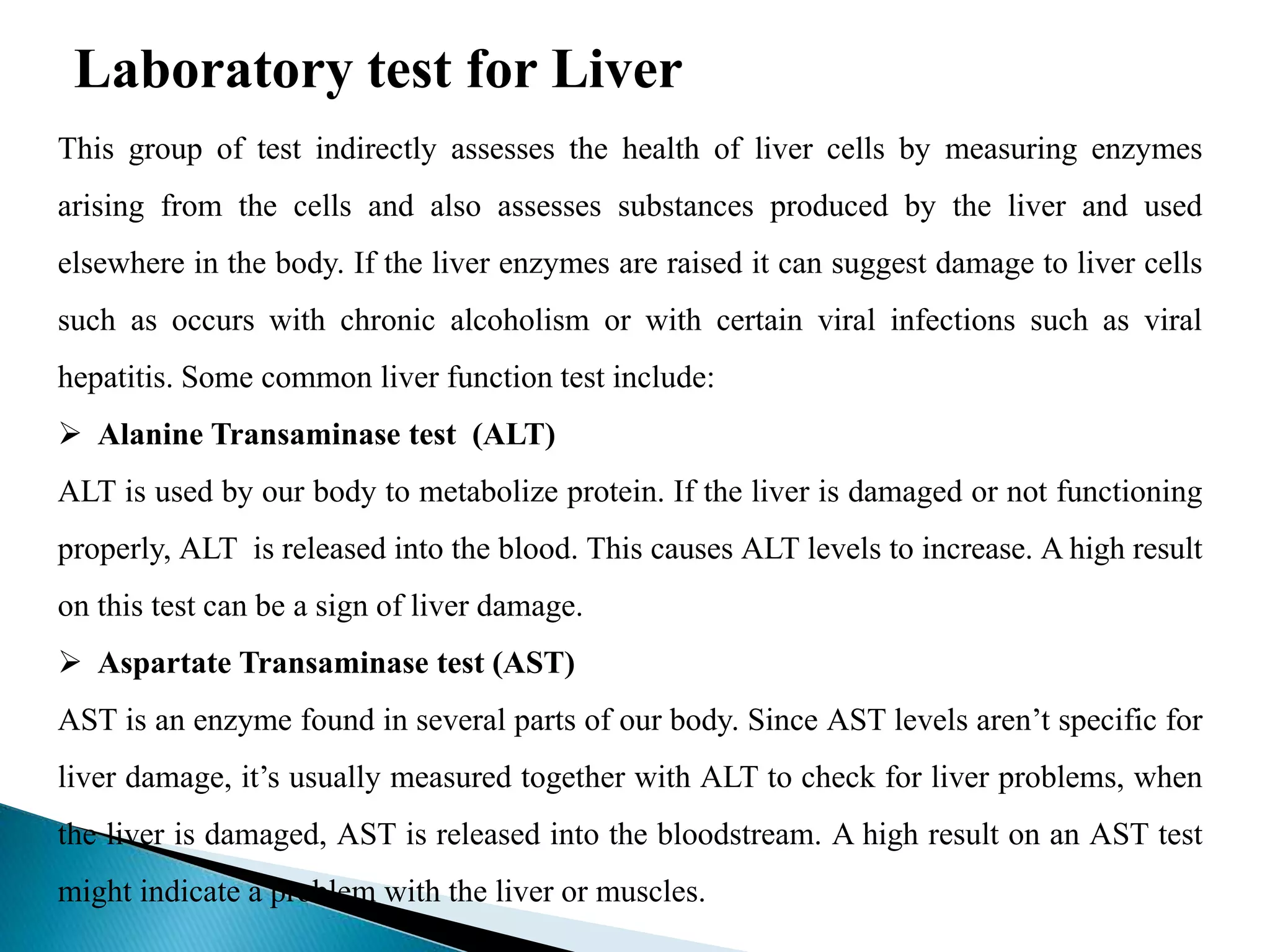
Laboratory test for Liver
This group of test indirectly assesses the health of liver cells by measuring enzymes
arising from the cells and also assesses substances produced by the liver and used
elsewhere in the body. If the liver enzymes are raised it can suggest damage to liver cells
such as occurs with chronic alcoholism or with certain viral infections such as viral
hepatitis. Some common liver function test include:
 Alanine Transaminase test (ALT)
ALT is used by our body to metabolize protein. If the liver is damaged or not functioning
properly, ALT is released into the blood. This causes ALT levels to increase. A high result
on this test can be a sign of liver damage.
 Aspartate Transaminase test (AST)
AST is an enzyme found in several parts of our body. Since AST levels aren’t specific for
liver damage, it’s usually measured together with ALT to check for liver problems, when
the liver is damaged, AST is released into the bloodstream. A high result on an AST test
might indicate a problem with the liver or muscles.
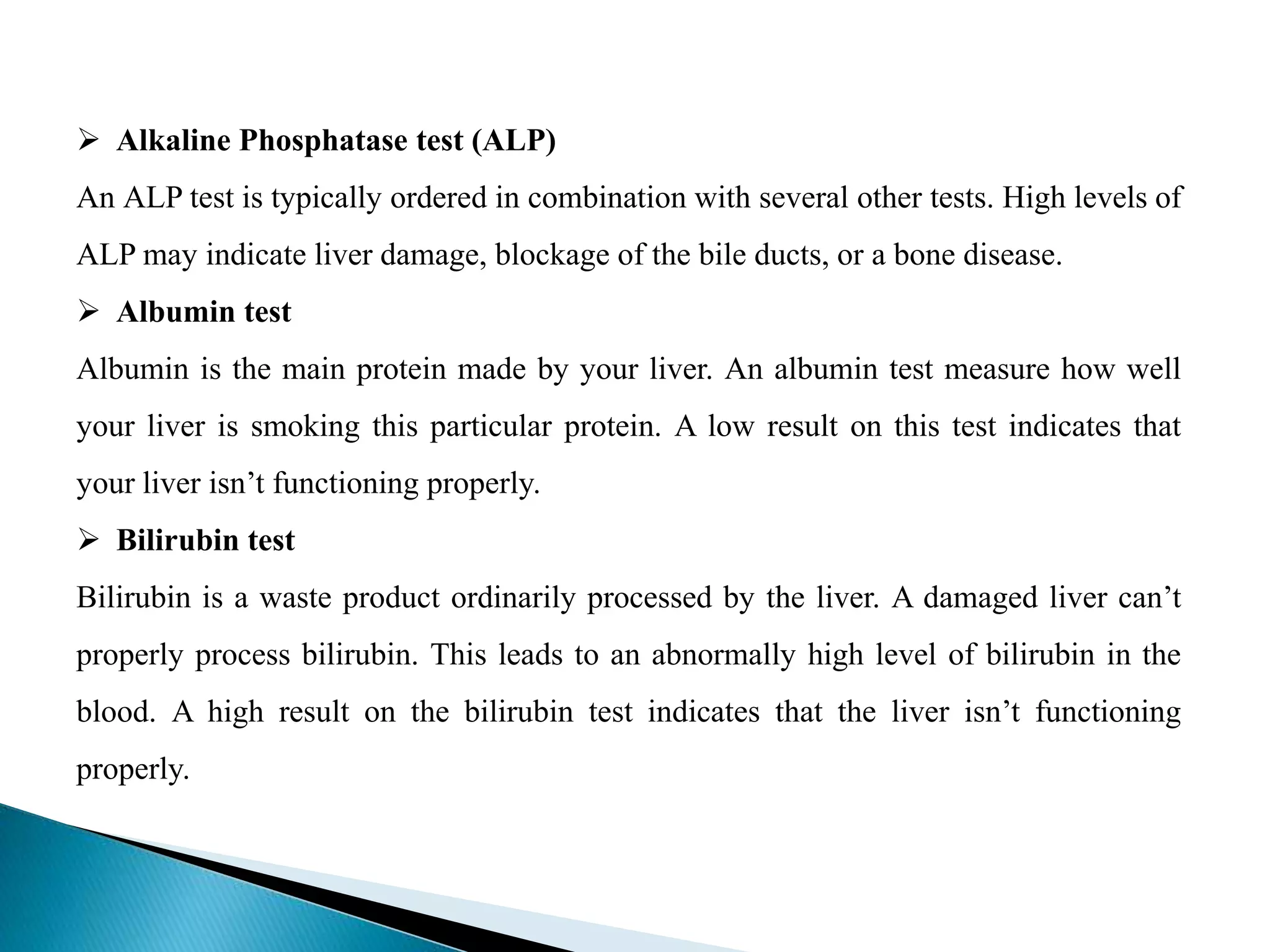
 Alkaline Phosphatase test (ALP)
An ALP test is typically ordered in combination with several other tests. High levels of
ALP may indicate liver damage, blockage of the bile ducts, or a bone disease.
 Albumin test
Albumin is the main protein made by your liver. An albumin test measure how well
your liver is smoking this particular protein. A low result on this test indicates that
your liver isn’t functioning properly.
 Bilirubin test
Bilirubin is a waste product ordinarily processed by the liver. A damaged liver can’t
properly process bilirubin. This leads to an abnormally high level of bilirubin in the
blood. A high result on the bilirubin test indicates that the liver isn’t functioning
properly.
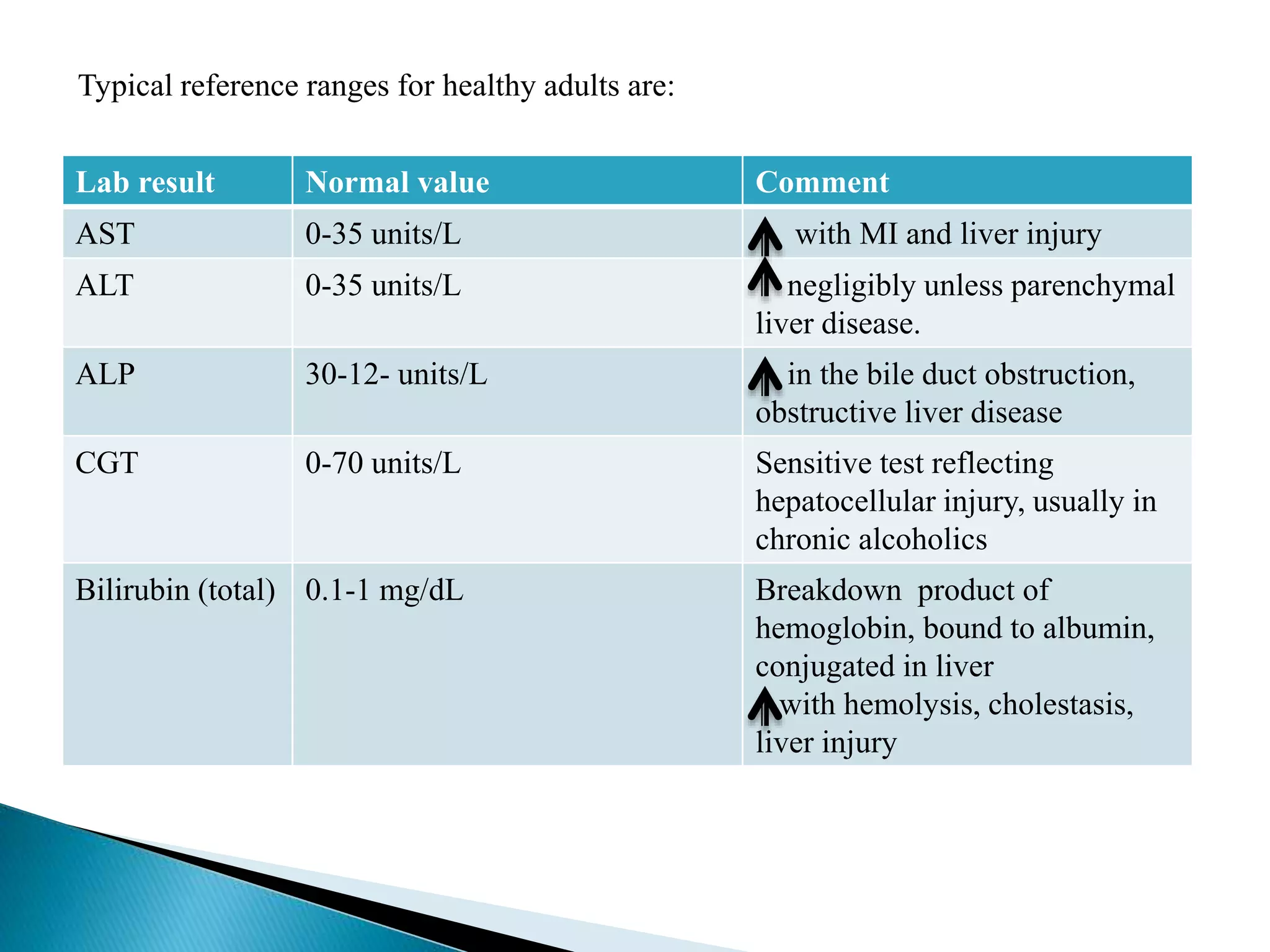
Lab result Normal value Comment
AST 0-35 units/L with MI and liver injury
ALT 0-35 units/L negligibly unless parenchymal
liver disease.
ALP 30-12- units/L in the bile duct obstruction,
obstructive liver disease
CGT 0-70 units/L Sensitive test reflecting
hepatocellular injury, usually in
chronic alcoholics
Bilirubin (total) 0.1-1 mg/dL Breakdown product of
hemoglobin, bound to albumin,
conjugated in liver
with hemolysis, cholestasis,
liver injury
Typical reference ranges for healthy adults are:
Laboratory test for Kidney
 Urea clearance test: the urea clearance test requires a blood sample to measure the
amount of urea in the blood stream and two urine specimens, collected one hour
apart, to determine the amount of urea that is filtered, or cleared, by the kidneys
into the urine.
 Urine osmolality test: Urine osmolality is a measurement of the number of
dissolved particles in urine. The test may be done on a urine sample collected first
thing in the morning, on multiple time samples, or on a cumulative sample
collected over a 24-hour period.
 Blood urea nitrogen test (BUN): the BUN test measures the amount of nitrogen
contained in the urea. High BUN levels can indicate kidney dysfunction, but
because BUN is also affected by protein intake and liver function, the test is
usually done together with a blood creatinine, a more specific indicator of kidney
function.
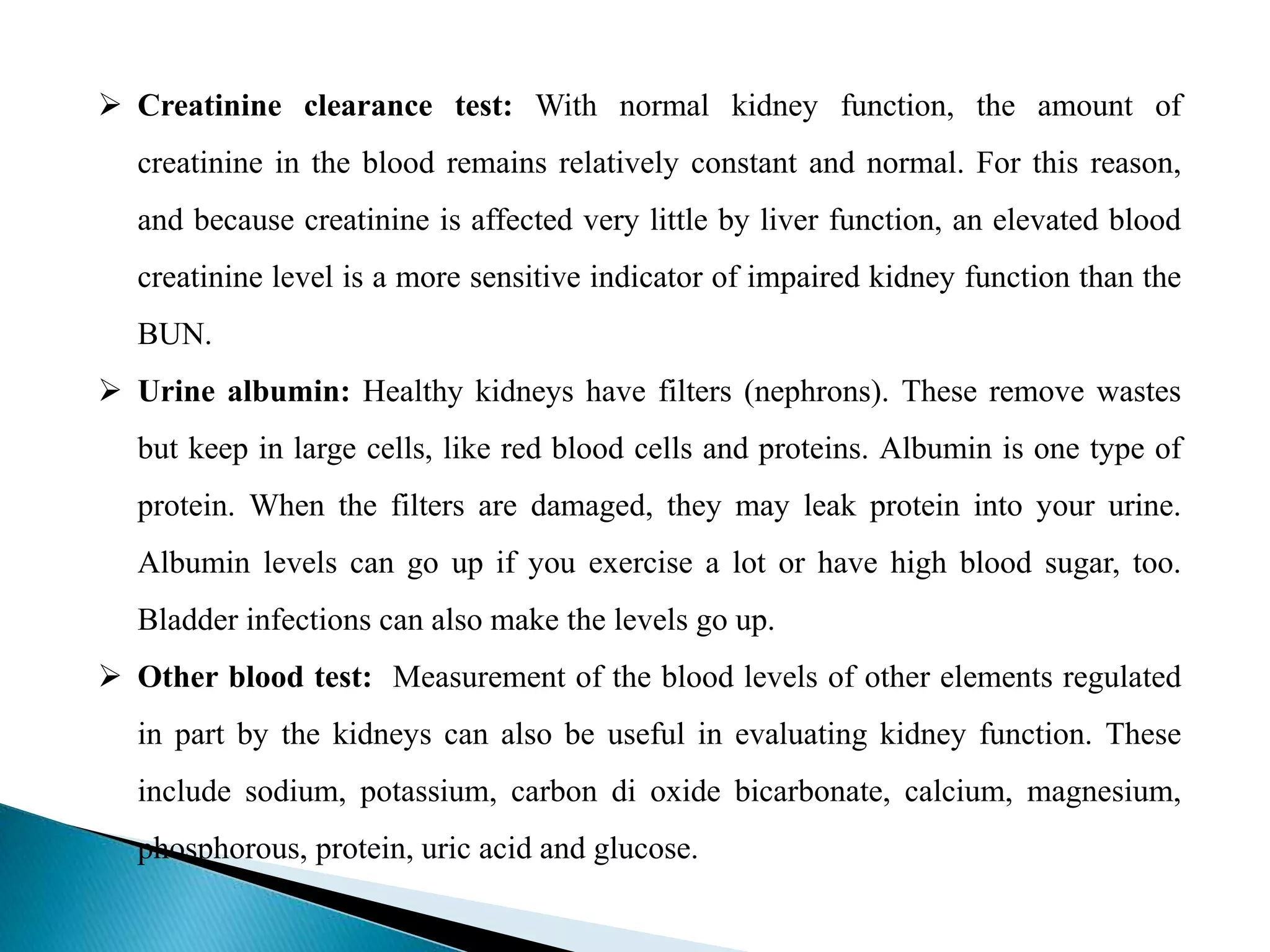
 Creatinine clearance test: With normal kidney function, the amount of
creatinine in the blood remains relatively constant and normal. For this reason,
and because creatinine is affected very little by liver function, an elevated blood
creatinine level is a more sensitive indicator of impaired kidney function than the
BUN.
 Urine albumin: Healthy kidneys have filters (nephrons). These remove wastes
but keep in large cells, like red blood cells and proteins. Albumin is one type of
protein. When the filters are damaged, they may leak protein into your urine.
Albumin levels can go up if you exercise a lot or have high blood sugar, too.
Bladder infections can also make the levels go up.
 Other blood test: Measurement of the blood levels of other elements regulated
in part by the kidneys can also be useful in evaluating kidney function. These
include sodium, potassium, carbon di oxide bicarbonate, calcium, magnesium,
phosphorous, protein, uric acid and glucose.
Lab test SI unit (normal
value)
Comment
Sodium 35-145 mmol/L usually caused by excess water (e.g.,
serum antidiuretic hormone) and is treated with
water restriction.
in severe dehydration, diabetes insipidus,
significant renal and GI losses.
Potassium 3.5-5 mmol/L with renal dysfunction, acidosis, K-sparing
diuretics, hemolysis, burn, crush, injuries
by diuretics, or with alkaloids, severe
vomiting and diarrhea.
CO2 22-28 mmol/L Sum of HCO3 and dissolved CO2. Reflects
acid-base balance and compensatory
pulmonary (CO2) and renal (HCO3-)
Calcium 8.5-10.5 mg/dL with hyperparathyroidism, paget disease,
bone tumor, increased absorption from bone to
ECF, decrease neuromuscular activity
with dietary deficiency, increased excretion,
pancreatitis, hypoparathyroidism, rickets,
osteomalacia, renal insufficiency
Typical reference ranges for healthy adults are:
Lab test SI unit (normal
value)
Comment
Chloride 98-106 mEq/L dehydration, multiple myeloma, kidney
disorders, adrenal gland function
Phosphorus 2.4-4.1 mg/dL kidney and parathyroid gland dysfunction
Lab result Normal value
Serum creatinine Women 0.6-1.1 mg/dL
Men 0.7-1.3 mg/dL
Creatinine clearance Women 88-128 mL/min
Men 97-137 mL/min
Urine albumin 0-8 mg/dL
BUN 7-20 mg/dL
Urine microalbumin <30 mg (30-300 mg may mean early CKD, more
than 300 mg may mean a later stage CKD
Albumin to Creatinine ratio <30 mg/gram
Laboratory test for Diabetes
This table shows the ranges for blood glucose levels after 8 to 12 fasting (not eating).
It shows the normal range and the normal ranges are a sign of prediabetes or
diabetes.
Plasma Glucose results
(mg/dL)
Diagnosis
70-99 Normal
100-125 Prediabetes
126 and above Diabetes
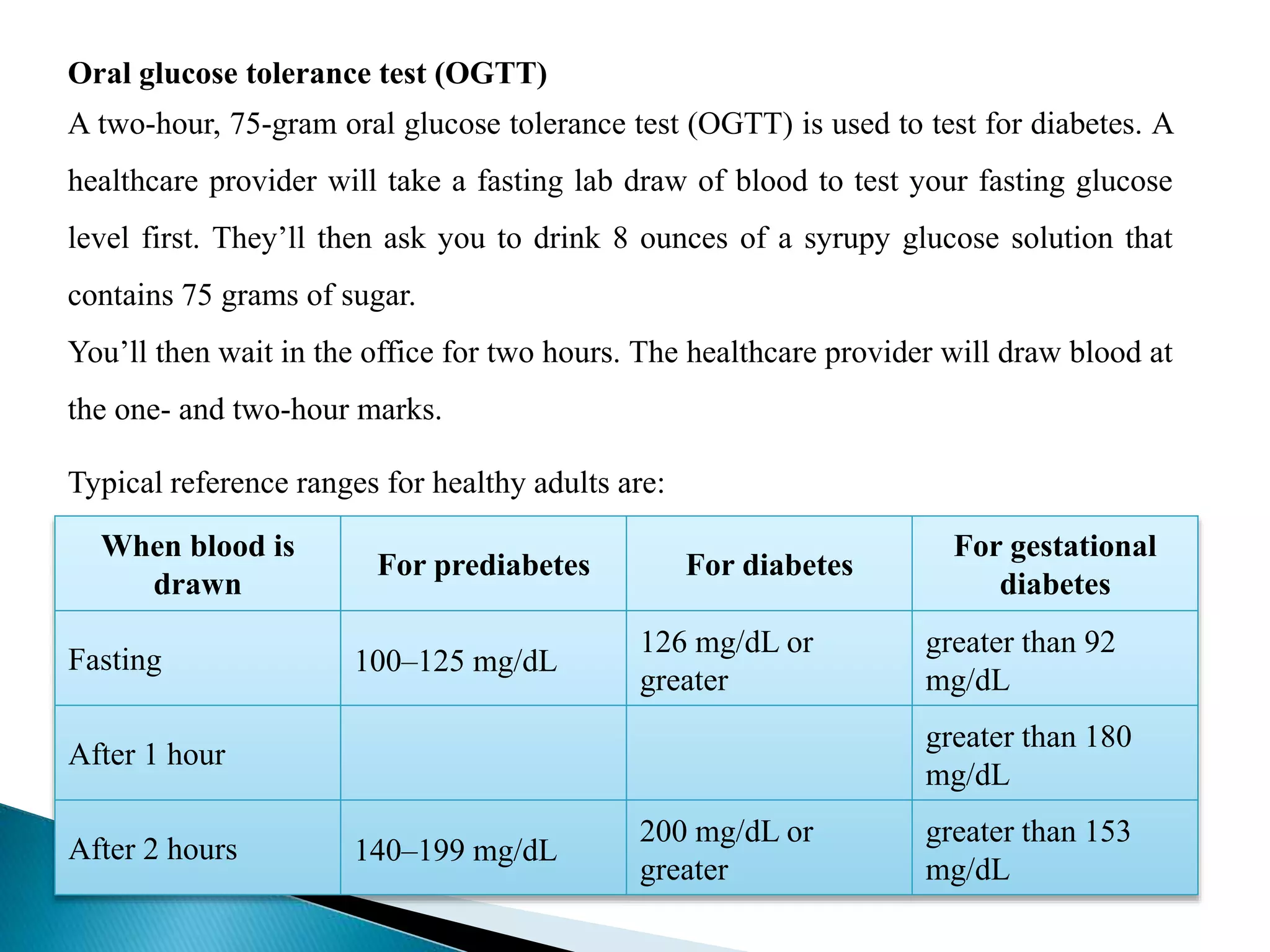
Typical reference ranges for healthy adults are:
When blood is
drawn
For prediabetes For diabetes
For gestational
diabetes
Fasting 100–125 mg/dL
126 mg/dL or
greater
greater than 92
mg/dL
After 1 hour
greater than 180
mg/dL
After 2 hours 140–199 mg/dL
200 mg/dL or
greater
greater than 153
mg/dL
Oral glucose tolerance test (OGTT)
A two-hour, 75-gram oral glucose tolerance test (OGTT) is used to test for diabetes. A
healthcare provider will take a fasting lab draw of blood to test your fasting glucose
level first. They’ll then ask you to drink 8 ounces of a syrupy glucose solution that
contains 75 grams of sugar.
You’ll then wait in the office for two hours. The healthcare provider will draw blood at
the one- and two-hour marks.
Typical reference ranges for healthy adults are:
Haemoglobin A1c (HbA1c)
The hemoglobin A1c test tells you your average level of blood sugar over the past 2 to 3
months. It's also called HbA1c, glycated hemoglobin test, and glycohemoglobin.
People who have diabetes need this test regularly to see if their levels are staying within
range. It can tell if you need to adjust your diabetes medicines. The A1c test is also used
to diagnose diabetes. When glucose builds up in your blood, it binds to the hemoglobin
in your red blood cells. The A1c test measures how much glucose is bound.
Thyroid function test
 This group of tests assesses the thyroid gland which regulates metabolism in the
body. The whole group will be ordered f there are signs of low or high thyroid
hormone output on physical examination. Sometimes just one test-the TSH will be
ordered to rule out a thyroid problem when symptoms might be difficult to explain.
 The usual blood tests done for thyroid function are TSH, T4 and sometimes T3.
usually the ‘ free’ or active portion of T4 and T3 is measured (i.e., FT4 and FT3).
Laboratories use reference ranges to compare blood test results with results in the
normal healthy population. Typical reference ranges for healthy adults are:
Test Normal values
TSH 0.4-4.0 mU/L
FT4 9.0-25.0 pmol/L
FT3 3.5-7.8 pmol/L
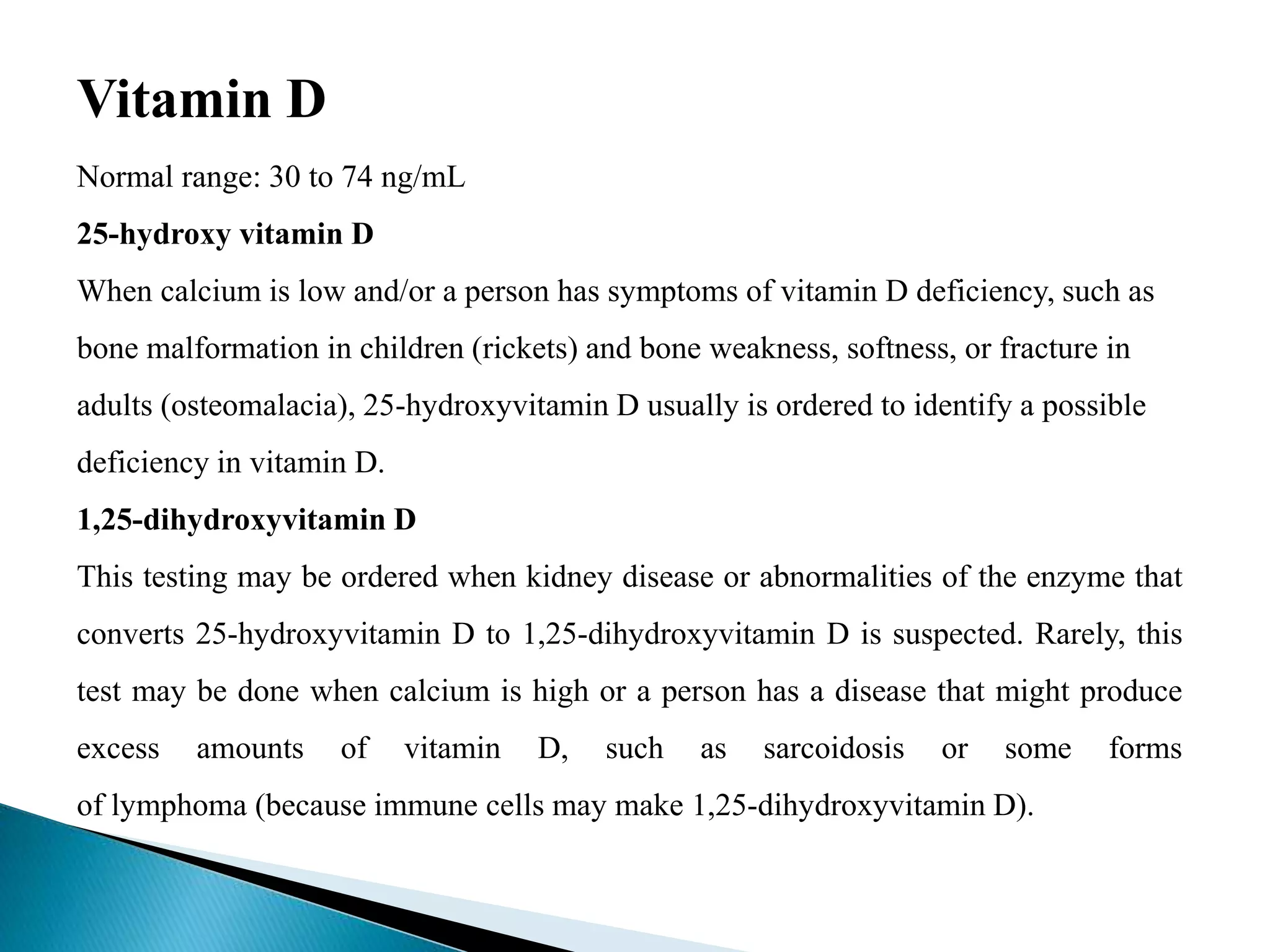
Vitamin D
Normal range: 30 to 74 ng/mL
25-hydroxy vitamin D
When calcium is low and/or a person has symptoms of vitamin D deficiency, such as
bone malformation in children (rickets) and bone weakness, softness, or fracture in
adults (osteomalacia), 25-hydroxyvitamin D usually is ordered to identify a possible
deficiency in vitamin D.
1,25-dihydroxyvitamin D
This testing may be ordered when kidney disease or abnormalities of the enzyme that
converts 25-hydroxyvitamin D to 1,25-dihydroxyvitamin D is suspected. Rarely, this
test may be done when calcium is high or a person has a disease that might produce
excess amounts of vitamin D, such as sarcoidosis or some forms
of lymphoma (because immune cells may make 1,25-dihydroxyvitamin D).
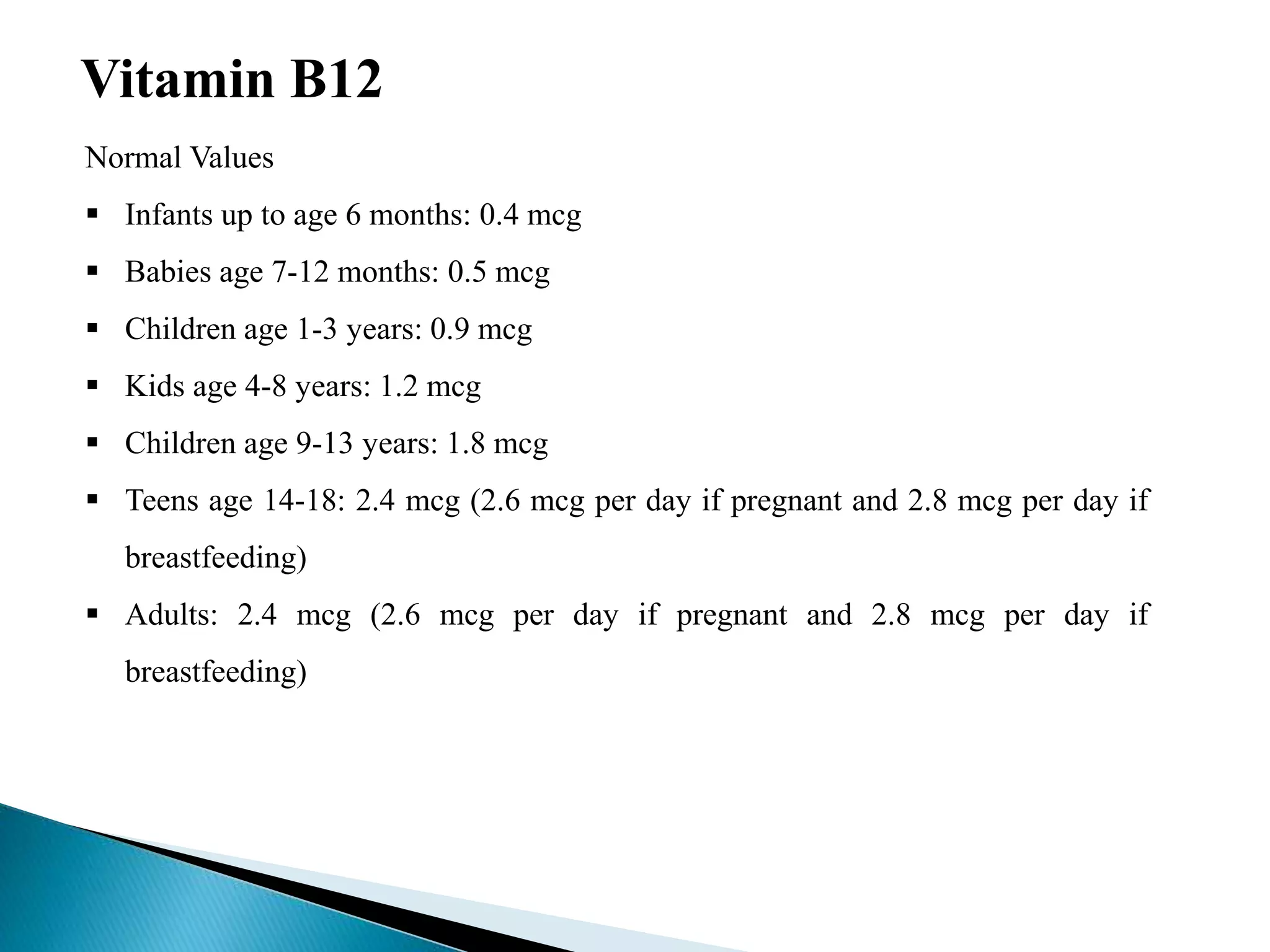
Vitamin B12
Normal Values
 Infants up to age 6 months: 0.4 mcg
 Babies age 7-12 months: 0.5 mcg
 Children age 1-3 years: 0.9 mcg
 Kids age 4-8 years: 1.2 mcg
 Children age 9-13 years: 1.8 mcg
 Teens age 14-18: 2.4 mcg (2.6 mcg per day if pregnant and 2.8 mcg per day if
breastfeeding)
 Adults: 2.4 mcg (2.6 mcg per day if pregnant and 2.8 mcg per day if
breastfeeding)
Deficiency of B12
 Atrophic gastritis, in which stomach lining has thinned
 Pernicious anemia, which makes it hard for your body to absorb vitamin B12
 Conditions that affect your small intestine, such as Crohn’s disease, celiac
disease, bacterial growth, or a parasite
 Immune system disorders, such as Graves' disease or lupus
 Blood tests or cultures. Blood tests may help tell whether antibodies to a specific
organism that can cause pneumonia are present or whether specific viruses, such as
influenza (flu) or respiratory syncytial virus (RSV), are present. Doctors can use blood
cultures to test for bacteria in your bloodstream.
 Oximetry. An oximeter can estimate the amount of oxygen in your blood. A sensor in
a cuff or clip is placed on the end of your finger. This sensor measures how much
oxygen is in your blood. The oximeter machine shows the result.
 Arterial blood gases. An arterial blood gas test can measure the levels of oxygen in a
sample of blood drawn from your artery. Doctors use this test to find out whether
enough oxygen is getting into your bloodstream from your lungs.
 Bronchoscopy. Bronchoscopy is a visual examination of the tubes leading to your
lungs. This test is usually done by a respirologist (lung specialist). He or she inserts a
small, lighted device through your nose or mouth into the tubes leading to your lungs.
During the procedure, the doctor can obtain samples of tissue, fluid, or mucus.
Laboratory tests for lung infections
 Transtracheal mucus cultures (rarely done). Transtracheal sputum cultures are
tests performed on a mucus sample obtained directly from your windpipe (trachea).
 Lung biopsy. A lung biopsy is a test done on a very small piece of lung tissue to
look for conditions such as lung cancer or fibrous tissue in the lungs (pulmonary
fibrosis). Your doctor obtains lung tissue by inserting a needle into your chest
between two ribs or by using bronchoscopy.
 Thoracentesis. Thoracentesis involves puncturing the chest wall to obtain fluid
from the space around the lungs. Fluid obtained during the test can be checked for
signs of infection or cancer.
 Computed tomography (CT) scan. A CT scan uses X-rays to produce detailed
pictures of structures inside your body. It may be used in people who are not
responding to their treatment.
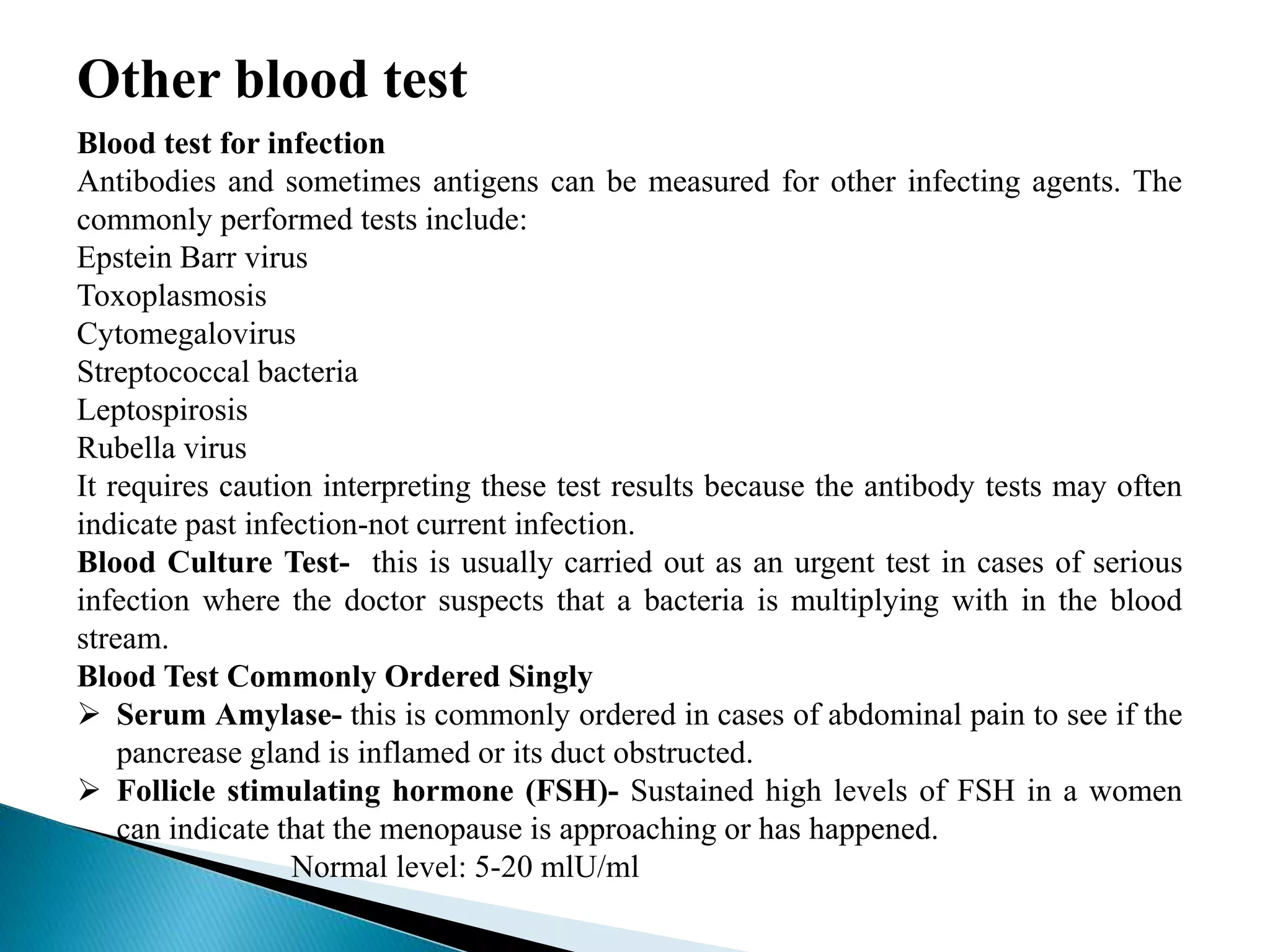
Other blood test
Blood test for infection
Antibodies and sometimes antigens can be measured for other infecting agents. The
commonly performed tests include:
Epstein Barr virus
Toxoplasmosis
Cytomegalovirus
Streptococcal bacteria
Leptospirosis
Rubella virus
It requires caution interpreting these test results because the antibody tests may often
indicate past infection-not current infection.
Blood Culture Test- this is usually carried out as an urgent test in cases of serious
infection where the doctor suspects that a bacteria is multiplying with in the blood
stream.
Blood Test Commonly Ordered Singly
 Serum Amylase- this is commonly ordered in cases of abdominal pain to see if the
pancrease gland is inflamed or its duct obstructed.
 Follicle stimulating hormone (FSH)- Sustained high levels of FSH in a women
can indicate that the menopause is approaching or has happened.
Normal level: 5-20 mlU/ml
 Progesterone level – progesterone measurements are often used to determine if
ovulation has occurred. The ovaries produce very small amounts of progesterone
until ovulation happens.
Normal level- 3ng/mL
 Beta Human Chronic Gonadotropin (HCG)- this is the hormone produced in
early pregnancy and is the basis of the urine pregnancy tests.
An HCG level of less than 5 mIU/mL is considered negative for pregnancy, and
anything above 25 mIU/mL is considered positive for pregnancy.
 DHEA-S or dehydroepiandrosterone- is another male hormone that is found in
all women. DHEA-S is an androgen that is secreted by the adrenal gland. It is
normal for women to have DHEA-S levels anywhere between 35-430 ug/dl. Most
women with PCOS tend to have DHEA-S levels greater than 200 ug/dl.
 Prolactin - is a pituitary hormone that stimulates and sustains milk production in
nursing mothers. Prolactin levels are usually normal in women with PCOS,
generally less than 25 ng/ml. However, it is important to check for high prolactin
levels in order to rule out other problems, such as a pituitary tumor, that might be
causing PCOS-related symptoms. Some women with PCOS do have elevated
prolactin levels, typically falling within the 25-40 ng/ml range.
Autoimmune Disease test
 Autoimmune disease are a group of disease where the body’s immune system
incorrectly interprets certain of its own tissues as a foreign invader and produces an
immune response to attack hat tissue. The best known autoimmune disease is
rheumatoid arthritis where the immune system attacks the slippery lubricated lining
inside certain joints. The blood test try to measure specific antibodies produces by
the body against specific tissues. Such tests include:
 Rheumatoid factor
 Lupus anticoagulant test
 Antinuclear antibody test
 The ESR test (erythrocyte sedimentation rate) is a rate on red cells but is included
here as it is often used to monitor the response of autoimmune diseases to
treatment. If raised it any be a general pointer to an infective or inflammatory
process going on in the body.
Drug Assays
 The level of certain drugs can be measured in the serum. The commonly performed
drug assays are usually those where the drug has a fine line between being toxic
and therapeutic. The common assays include:
 Serum digoxin
 Serum phenytoin
 Serum theophylline
 Serum lithium
 Serum alcohol
 Serum lipids
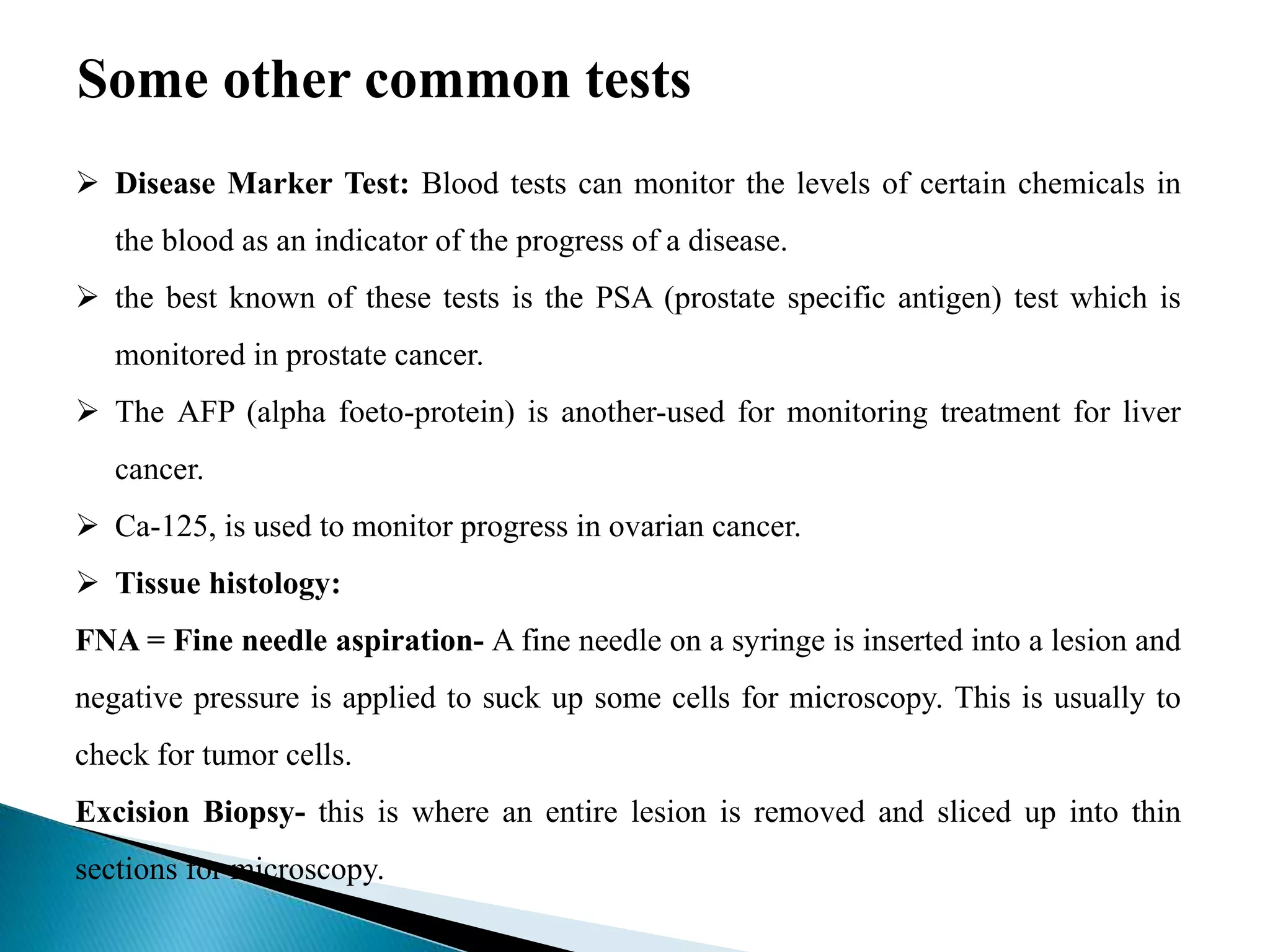
Some other common tests
 Disease Marker Test: Blood tests can monitor the levels of certain chemicals in
the blood as an indicator of the progress of a disease.
 the best known of these tests is the PSA (prostate specific antigen) test which is
monitored in prostate cancer.
 The AFP (alpha foeto-protein) is another-used for monitoring treatment for liver
cancer.
 Ca-125, is used to monitor progress in ovarian cancer.
 Tissue histology:
FNA = Fine needle aspiration- A fine needle on a syringe is inserted into a lesion and
negative pressure is applied to suck up some cells for microscopy. This is usually to
check for tumor cells.
Excision Biopsy- this is where an entire lesion is removed and sliced up into thin
sections for microscopy.
 Biopsy- this is where a small part of a lesion is removed for microscopy to try and
make a diagnosis
 Microbiology- any moist area on the body can be swabbed with a sterile cotton
tipped bud, plated out on to agar jelly plates and placed into an incubator to see if
bacteria will grow from swab. Once the bacteria have grown they can be identified
under the microscope and tested to for sensitivity test (C& S). Scrapings of tissue
or cuttings of nails can be similarly treated for fungal lesions.
 If there is a delay between taking the swab and plating it out, it has to stored in
special transport media.
 Sputum is commonly cultured for bacteria causing bronchitis, pneumonia and
tuberculosis.
 Faeces can be cultured for bacterial, viral and parasitic organisms.
 Cytology- Cytology involves obtaining a normal tissue fluid and examining it
under the microscope for early signs of cancer cells.
Sexually Transmitted Disease (STD) Blood Tests
 VDRL/TPHA- these are screening tests for syphilis.
 HIV- this is a screening test for the presence of Human Immunodeficiency Virus
antibody.
 Herpes antibodies- can be measured to assess past or present herpes simplex
infection.
 Hepatitis antibody- and antigen testing can be included in the STD tests as well as
with Liver Function Tests. The various types of hepatitis can be contracted by other
means as well as sexual transmission however.
Clinical laboratory test interpretation

Clinical laboratory test interpretation

  • 2.
     Clinical laboratorytest results are a very important parameter in diagnosis monitoring and screening. 70-80 % of decisions in diagnosis are based on laboratory results and more and more laboratory analyses are requested. Thus a lot of data are provided and that is therefore imperative for patient care (and safety) that the clinicians are familiar with the tests and with interpretation of the results.  The laboratory result must be interpreted on the background of a reference interval that is used to distinguish between “health” and “disease”. The clinicians must also evaluate the result from the knowledge of biological variation and be aware of the potential risk of false interpretation. Likewise, influence of random error and systematic errors on the result is of importance as well as the diagnostic sensitivity and specificity. The laboratory has certainly also a role and a responsibility in providing clinicians with adequate information that can assist them in the correct interpretation of the data. Clinical laboratory test
  • 3.
    What is labresult mean?  Lab test results may be positive, negative, or inconclusive. Your doctor will discuss what your test results mean for you and your health.  A positive test result means that the substance or condition being tested for was found. Positive test results also can mean that the amount of a substance being tested for is higher or lower than normal.  A negative test results means that the substance or condition being tested for was not found. Negative results can also mean that the substance being tested for was present in a normal amount.  Inconclusive test results are those that are not clearly positive. For example, some tests measure the level of antibodies to some bacteria or viruses in blood or other fluid to look for an infection. It is not always clear if the level of antibodies is high enough to indicate an infection.
  • 4.
    What are false-positiveand false-negative test results?  A false-positive test result is one that shows a disease or condition is present when it is not present. A false-positive test result may suggest that a person has the disease or condition when he or she does not have it. For example, a false-positive pregnancy test result would appear to detect the substance that confirms pregnancy, when in reality the woman is not pregnant.  A false-negative test result is one that does not detect what is being tested for even though it is present. A false-negative test result may suggest that a person does not have a disease or condition being tested for when he or she does have it. For example, a false-negative pregnancy test result would be one that does not detect the substance that confirms pregnancy, when the women really is pregnant.
  • 5.
    What if yourresults are different than the reference range?  It is possible that is different than the reference range even though nothing is wrong with you.  Sometimes certain factors can affect your test results, such as:  Pregnancy  Medicine you are taking  Eating right before a test  smoking  Being under stress
  • 6.
    Why do valuesor reference ranges vary from lab to lab? Labs may use different types of equipment and tests, and sometimes they set their own reference ranges. Your lab report will contain the reference ranges your lab uses. Do not compare results from different labs.
  • 7.
     The CBC(with or without differential) is one of the most common blood tests.  The CBC can help detect blood diseases and disorders, such as anemia, infections, clotting problems, blood cancers and immune system disorders.  Peripheral venous blood is collected in a lavender tube (contains the anticoagulant EDTA ) and should be thoroughly mixed  Unacceptable specimen: Clotted or greater than 48 hours old  Methodology of testing: Whole blood analyzer Completed Blood Count
  • 8.
    Red Blood Cells SIunit (normal value) : Male 4.3-5.9*106/mL Female 3.5-5.0*106/mL Deficiency of RBC: 1. Hemolytic anemia: decrease no of RBC 2. Excess bleeding 3. Hereditary spherocytosis : rare blood disorder in which defects in the red blood cells cause them to be shaped like spheres and break down easily. Elevation of RBC: 1. Polycythemia: Over production of RBC Primary polycythemia : caused by overproduction of red blood cells by the bone marrow due to mutation or biological factor in the body. Secondary polycythemia: which is caused by factors that reduce the amount of oxygen reaching the body's tissues, such as smoking, high altitude or congenital heart disease. The red blood cells in some patients with secondary polycythemia may carry an abnormal form of hemoglobin that does not release oxygen readily (high-affinity hemoglobin).
  • 9.
    Red blood cellenzyme disorders: Red blood cell enzyme disorders are important to recognize and diagnose for proper supportive care, monitoring, and treatment.  Glucose-6-phosphate dehydrogenase (G6PD) deficiency is an X- linked disorder most commonly characterized by episodic haemolysis in the setting of oxidative triggers, such as fava beans, infections, and certain medications.  Enzymopathies, such as pyruvate kinase deficiency, should be suspected in patients of all ages with a chronic hemolytic anaemia in the absence of immune-mediated haemolysis, a hemoglobinopathy, or evidence of a red cell membrane disorder.  Splenectomy partially ameliorates the anaemia in most patients with pyruvate kinase deficiency and other red blood cell enzyme disorders.
  • 10.
     Glycolytic redcell disorders cause congenital hemolytic anemias with wide clinical heterogeneity and frequent complications, including neonatal jaundice, gallstones, and both transfusion-related and transfusion- independent iron loading.  Mean Corpuscular Volume (MCV): MCV is a measure of the average size of your RBC. Abnormal MCV levels may be a sign of anemia or thalassemia. Normal value : 76-100 mm3 Macrocytic: increase RBC size Microcytic: decrease RBC size
  • 11.
    White Blood Cells SIunit (normal value) : 4000–11000/μL Neutrophils : 2500-7500/μL Eosinophil's: 500/μL Basophils: 0-300/μL Lymphocytes: 3000/μL Monocytes: 200-600/ μL Deficiency of WBC: 1. Leukopenia: decrease no of WBC 2. Neutropenia: decrease no of neutrophils ( aplastic anemia, chemotherapy, myelodysplasia, typhoid fever, hyperglycemia) 3. Basopenia: decrease no of basophils (thyrotoxicosis, acute hypersensitivity reactions) 4. Lymphocytopenia: decrease no of lymphocytes (viral infection, systemic lupus erythematosus (SLS), rheumatoid arthritis, myasthenia gravis) 5. Monocytopenia: decrease no of monocytes (MonoMac Syndrome (the risk of infection with certain organisms, including a group of bacteria known as Mycobacterium avium complex (MAC) that are related to tuberculosis, human papillomavirus (HPV), and certain fungi.
  • 12.
    Elevation in WBC: 1.Leukocytosis: increase no of WBC (>11000/μL) 2. Neutrophilic leukocytosis: increase no of neutrophils 3. Basophilia: increase no of basophils (hypothyroidism, myeloproliferative disorders) Eosinophilia: increase no of eosinophils (parasitic and fungal disease, allergies, skin disorders, toxins) 4. Lymphocytic leukocytosis: increase of lymphocytes 5. Monocytosis: increase no of monocytes (sarcoidosis, and Langerhans cell histiocytosis, autoimmune disorder)
  • 13.
    Platelets SI unit (normalvalue) : 150000-450000/μL Deficiency of Platelets: Thrombocytopenia: low number of platelets Elevation in Platelets: Thrombocytosis : increase number of platelets (acute bleeding and blood loss, cancer, infections, removal of spleen, Blood clotting test: Factor V assay: This test measures Factor V, a substance involved in clotting. An abnormally low level may be indicative of liver disease, primary fibrinolysis (a breakdown of clots), or disseminated intravascular coagulation (DIC). Fibrinogen level Fibrinogen is a protein made by your liver. This test measures how much fibrinogen is in your blood. Abnormal results may be a sign of excessive bleeding or hemorrhage, fibrinolysis, or placental abruption, which is a separation of the placenta from the uterine wall.
  • 14.
    Prothrombin time (PTor PT-INR) Prothrombin is another protein your liver produces. The prothrombin time (PT) test measures how well and how long it takes your blood to clot. It normally takes about 25 to 30 seconds. It may take longer if you take blood thinners. Other reasons for abnormal results include hemophilia, liver disease, and malabsorption. It’s also useful in monitoring those who take medications that affect clotting, such as warfarin (Coumadin). Typical reference ranges for healthy adults are: Blood clotting test Time/ concentration PT 9.0-11.7 sec INR (coumadin) 0.9-1.2 sec PTT (Heparin monitoring) 55.0-75.0 sec APTT (therapeutic) 23.3-31.9 sec Fibrinogen 203-377 mg/dl
  • 15.
    Hemoglobin SI unit (normalvalue) : Male 14–18 g/dL Female 12–16 g/dL Normocytic: hemoglobin levels are decrease but RBC size is normal (acute blood loss, anemia of chronic disease. Microcytic: insufficiency of hemoglobin synthesis (iron deficiency of anemia, thalassemia) Macrocytic: deficiency of vitamin B1 or folic acid (hypothyroidism, alcoholism) Sickle cell anemia: alteration in hemoglobin structure Hematocrit: Hematocrit is a measure how much space red blood cells take up in your blood. A high hematocrit level might mean dehydrated. A low hematocrit level might mean have anemia. Abnormal hematocrit levels also may be a sign of a blood or bone marrow disorder.
  • 16.
    Laboratory test forCardiac vascular system  Troponin: when muscle or heart cells are injured, troponin leaks out, and its level in blood is rise. Blood level of troponin rise when you have heart attack.  Ischemia modified albumin (IMA): high level of IMA indicate ischemia.  B-type natriuretic peptide test: natriuretic peptide (NP) test is a blood test that measures levels of a protein called BPN that is made by your heart and blood vessels. NP levels are higher than normal when you have heart failure. Normal value : 100 (pg/mL)  Creatine Kinase (CK): diagnosis for acute MI, elevated level of CK diagnose myocardial infraction. Normal value : <150 units/L
  • 17.
     C-reactive protein(CRP): CRP is a marker for inflammation, and atherosclerosis has an inflammatory component. Patients with elevated levels of CRP have an increased risk for heart attack, stroke, sudden death, and vascular disease.  CRP levels less than 1: lower risk  CRP levels of 1 to 3: intermediate risk  CRP greater than 3: highest risk  Lipoprotein phospholipase A2 (Lp-PLA2): Elevations in the levels of Lp-PLA2 indicate greater risk of plaque formation and greater risk of cardiac events.
  • 18.
    Measurement of totalcholesterol:  A lipoprotein panel is a blood test that can help show whether you are at risk for coronary heart disease (CHD). This test looks at substances in your blood that carry cholesterol.  A lipoprotein panel gives information about your:  Total cholesterol  LDL (“bad”) cholesterol. This is the main source of cholesterol buildup and blockages in the arteries.  HDL (“good”) cholesterol. This type of cholesterol helps decrease blockages in the arteries.  Triglycerides- Triglycerides are a type of fat in your blood.  A lipoprotein panel measures the levels of LDL and HDL cholesterol and triglycerides in blood. Abnormal cholesterol and triglyceride levels may be signs of increased risk of CHD.  Most people will need to fast for 9 to 12 hours before a lipoprotein panel.
  • 19.
    HDL cholesterol levelHDL cholesterol category Less than 40 mg/dL A major risk factor for heart disease 40-59 mg/dL The higher, the better 60 mg/dL and above Considered protective against heart disease Triglyceride level Triglyceride cholesterol category Less than 150mg/dL Optimal 150-199 mg/dL Borderline high 200-499 mg/dL High 500 mg/dL Very high Typical reference ranges for healthy adults are:
  • 20.
    LDL cholesterol levelLDL cholesterol category Less than 100mg/dL Optimal 100-129 mg/dL Near optimal / above optimal 130-159 mg/dL Borderline high 160-189 mg/dL High 190 mg/dL and above Very high Lipoprotein Panel: The table below shows ranges for total cholesterol, LDL (“bad”) cholesterol, and HDL (“good”) cholesterol levels after 9 to 12 hours fasting. High blood cholesterol is a risk factor for CHF. Typical reference ranges for healthy adults are: Total cholesterol level Total cholesterol category Less than 200mg/dL Desirable 200-229 mg/dL Borderline high 240 mg/dL and above High
  • 21.
    Heart function test Electrocardiogram (ECG): An ECG is a cardiac screening test that should be done on everyone on their first visit to a cardiologist. An EKG establishes baseline information about the structure of heart, its electrical conduction patterns and possible arrhythmias.  Echocardiogram: An echocardiogram is a noninvasive ultrasound cardiac screening test that records specific geographical areas of the beating heart, which reveals blood flow patterns and allows us to measure size and wall thickness of the heart’s chambers.  Exercise/ Nuclear stress test: An exercise stress heart test is ordered to assess how heart is functioning when heart rate and blood pressure are increased during physical exertion.  Holter monitoring: A holter monitor is usually worn 24 hours and record every heart beat for that time period. Electrodes are placed on the chest, and a recorder is worn on a shoulder strap or belt. It is ordered to identify cardiac arrhythmias, and to monitor how well medication is working to minimize them.
  • 22.
    Laboratory test forLiver This group of test indirectly assesses the health of liver cells by measuring enzymes arising from the cells and also assesses substances produced by the liver and used elsewhere in the body. If the liver enzymes are raised it can suggest damage to liver cells such as occurs with chronic alcoholism or with certain viral infections such as viral hepatitis. Some common liver function test include:  Alanine Transaminase test (ALT) ALT is used by our body to metabolize protein. If the liver is damaged or not functioning properly, ALT is released into the blood. This causes ALT levels to increase. A high result on this test can be a sign of liver damage.  Aspartate Transaminase test (AST) AST is an enzyme found in several parts of our body. Since AST levels aren’t specific for liver damage, it’s usually measured together with ALT to check for liver problems, when the liver is damaged, AST is released into the bloodstream. A high result on an AST test might indicate a problem with the liver or muscles.
  • 23.
     Alkaline Phosphatasetest (ALP) An ALP test is typically ordered in combination with several other tests. High levels of ALP may indicate liver damage, blockage of the bile ducts, or a bone disease.  Albumin test Albumin is the main protein made by your liver. An albumin test measure how well your liver is smoking this particular protein. A low result on this test indicates that your liver isn’t functioning properly.  Bilirubin test Bilirubin is a waste product ordinarily processed by the liver. A damaged liver can’t properly process bilirubin. This leads to an abnormally high level of bilirubin in the blood. A high result on the bilirubin test indicates that the liver isn’t functioning properly.
  • 24.
    Lab result Normalvalue Comment AST 0-35 units/L with MI and liver injury ALT 0-35 units/L negligibly unless parenchymal liver disease. ALP 30-12- units/L in the bile duct obstruction, obstructive liver disease CGT 0-70 units/L Sensitive test reflecting hepatocellular injury, usually in chronic alcoholics Bilirubin (total) 0.1-1 mg/dL Breakdown product of hemoglobin, bound to albumin, conjugated in liver with hemolysis, cholestasis, liver injury Typical reference ranges for healthy adults are:
  • 25.
    Laboratory test forKidney  Urea clearance test: the urea clearance test requires a blood sample to measure the amount of urea in the blood stream and two urine specimens, collected one hour apart, to determine the amount of urea that is filtered, or cleared, by the kidneys into the urine.  Urine osmolality test: Urine osmolality is a measurement of the number of dissolved particles in urine. The test may be done on a urine sample collected first thing in the morning, on multiple time samples, or on a cumulative sample collected over a 24-hour period.  Blood urea nitrogen test (BUN): the BUN test measures the amount of nitrogen contained in the urea. High BUN levels can indicate kidney dysfunction, but because BUN is also affected by protein intake and liver function, the test is usually done together with a blood creatinine, a more specific indicator of kidney function.
  • 26.
     Creatinine clearancetest: With normal kidney function, the amount of creatinine in the blood remains relatively constant and normal. For this reason, and because creatinine is affected very little by liver function, an elevated blood creatinine level is a more sensitive indicator of impaired kidney function than the BUN.  Urine albumin: Healthy kidneys have filters (nephrons). These remove wastes but keep in large cells, like red blood cells and proteins. Albumin is one type of protein. When the filters are damaged, they may leak protein into your urine. Albumin levels can go up if you exercise a lot or have high blood sugar, too. Bladder infections can also make the levels go up.  Other blood test: Measurement of the blood levels of other elements regulated in part by the kidneys can also be useful in evaluating kidney function. These include sodium, potassium, carbon di oxide bicarbonate, calcium, magnesium, phosphorous, protein, uric acid and glucose.
  • 27.
    Lab test SIunit (normal value) Comment Sodium 35-145 mmol/L usually caused by excess water (e.g., serum antidiuretic hormone) and is treated with water restriction. in severe dehydration, diabetes insipidus, significant renal and GI losses. Potassium 3.5-5 mmol/L with renal dysfunction, acidosis, K-sparing diuretics, hemolysis, burn, crush, injuries by diuretics, or with alkaloids, severe vomiting and diarrhea. CO2 22-28 mmol/L Sum of HCO3 and dissolved CO2. Reflects acid-base balance and compensatory pulmonary (CO2) and renal (HCO3-) Calcium 8.5-10.5 mg/dL with hyperparathyroidism, paget disease, bone tumor, increased absorption from bone to ECF, decrease neuromuscular activity with dietary deficiency, increased excretion, pancreatitis, hypoparathyroidism, rickets, osteomalacia, renal insufficiency Typical reference ranges for healthy adults are:
  • 28.
    Lab test SIunit (normal value) Comment Chloride 98-106 mEq/L dehydration, multiple myeloma, kidney disorders, adrenal gland function Phosphorus 2.4-4.1 mg/dL kidney and parathyroid gland dysfunction Lab result Normal value Serum creatinine Women 0.6-1.1 mg/dL Men 0.7-1.3 mg/dL Creatinine clearance Women 88-128 mL/min Men 97-137 mL/min Urine albumin 0-8 mg/dL BUN 7-20 mg/dL Urine microalbumin <30 mg (30-300 mg may mean early CKD, more than 300 mg may mean a later stage CKD Albumin to Creatinine ratio <30 mg/gram
  • 29.
    Laboratory test forDiabetes This table shows the ranges for blood glucose levels after 8 to 12 fasting (not eating). It shows the normal range and the normal ranges are a sign of prediabetes or diabetes. Plasma Glucose results (mg/dL) Diagnosis 70-99 Normal 100-125 Prediabetes 126 and above Diabetes Typical reference ranges for healthy adults are:
  • 30.
    When blood is drawn Forprediabetes For diabetes For gestational diabetes Fasting 100–125 mg/dL 126 mg/dL or greater greater than 92 mg/dL After 1 hour greater than 180 mg/dL After 2 hours 140–199 mg/dL 200 mg/dL or greater greater than 153 mg/dL Oral glucose tolerance test (OGTT) A two-hour, 75-gram oral glucose tolerance test (OGTT) is used to test for diabetes. A healthcare provider will take a fasting lab draw of blood to test your fasting glucose level first. They’ll then ask you to drink 8 ounces of a syrupy glucose solution that contains 75 grams of sugar. You’ll then wait in the office for two hours. The healthcare provider will draw blood at the one- and two-hour marks. Typical reference ranges for healthy adults are:
  • 31.
    Haemoglobin A1c (HbA1c) Thehemoglobin A1c test tells you your average level of blood sugar over the past 2 to 3 months. It's also called HbA1c, glycated hemoglobin test, and glycohemoglobin. People who have diabetes need this test regularly to see if their levels are staying within range. It can tell if you need to adjust your diabetes medicines. The A1c test is also used to diagnose diabetes. When glucose builds up in your blood, it binds to the hemoglobin in your red blood cells. The A1c test measures how much glucose is bound.
  • 32.
    Thyroid function test This group of tests assesses the thyroid gland which regulates metabolism in the body. The whole group will be ordered f there are signs of low or high thyroid hormone output on physical examination. Sometimes just one test-the TSH will be ordered to rule out a thyroid problem when symptoms might be difficult to explain.  The usual blood tests done for thyroid function are TSH, T4 and sometimes T3. usually the ‘ free’ or active portion of T4 and T3 is measured (i.e., FT4 and FT3). Laboratories use reference ranges to compare blood test results with results in the normal healthy population. Typical reference ranges for healthy adults are: Test Normal values TSH 0.4-4.0 mU/L FT4 9.0-25.0 pmol/L FT3 3.5-7.8 pmol/L
  • 33.
    Vitamin D Normal range:30 to 74 ng/mL 25-hydroxy vitamin D When calcium is low and/or a person has symptoms of vitamin D deficiency, such as bone malformation in children (rickets) and bone weakness, softness, or fracture in adults (osteomalacia), 25-hydroxyvitamin D usually is ordered to identify a possible deficiency in vitamin D. 1,25-dihydroxyvitamin D This testing may be ordered when kidney disease or abnormalities of the enzyme that converts 25-hydroxyvitamin D to 1,25-dihydroxyvitamin D is suspected. Rarely, this test may be done when calcium is high or a person has a disease that might produce excess amounts of vitamin D, such as sarcoidosis or some forms of lymphoma (because immune cells may make 1,25-dihydroxyvitamin D).
  • 34.
    Vitamin B12 Normal Values Infants up to age 6 months: 0.4 mcg  Babies age 7-12 months: 0.5 mcg  Children age 1-3 years: 0.9 mcg  Kids age 4-8 years: 1.2 mcg  Children age 9-13 years: 1.8 mcg  Teens age 14-18: 2.4 mcg (2.6 mcg per day if pregnant and 2.8 mcg per day if breastfeeding)  Adults: 2.4 mcg (2.6 mcg per day if pregnant and 2.8 mcg per day if breastfeeding)
  • 35.
    Deficiency of B12 Atrophic gastritis, in which stomach lining has thinned  Pernicious anemia, which makes it hard for your body to absorb vitamin B12  Conditions that affect your small intestine, such as Crohn’s disease, celiac disease, bacterial growth, or a parasite  Immune system disorders, such as Graves' disease or lupus
  • 36.
     Blood testsor cultures. Blood tests may help tell whether antibodies to a specific organism that can cause pneumonia are present or whether specific viruses, such as influenza (flu) or respiratory syncytial virus (RSV), are present. Doctors can use blood cultures to test for bacteria in your bloodstream.  Oximetry. An oximeter can estimate the amount of oxygen in your blood. A sensor in a cuff or clip is placed on the end of your finger. This sensor measures how much oxygen is in your blood. The oximeter machine shows the result.  Arterial blood gases. An arterial blood gas test can measure the levels of oxygen in a sample of blood drawn from your artery. Doctors use this test to find out whether enough oxygen is getting into your bloodstream from your lungs.  Bronchoscopy. Bronchoscopy is a visual examination of the tubes leading to your lungs. This test is usually done by a respirologist (lung specialist). He or she inserts a small, lighted device through your nose or mouth into the tubes leading to your lungs. During the procedure, the doctor can obtain samples of tissue, fluid, or mucus. Laboratory tests for lung infections
  • 37.
     Transtracheal mucuscultures (rarely done). Transtracheal sputum cultures are tests performed on a mucus sample obtained directly from your windpipe (trachea).  Lung biopsy. A lung biopsy is a test done on a very small piece of lung tissue to look for conditions such as lung cancer or fibrous tissue in the lungs (pulmonary fibrosis). Your doctor obtains lung tissue by inserting a needle into your chest between two ribs or by using bronchoscopy.  Thoracentesis. Thoracentesis involves puncturing the chest wall to obtain fluid from the space around the lungs. Fluid obtained during the test can be checked for signs of infection or cancer.  Computed tomography (CT) scan. A CT scan uses X-rays to produce detailed pictures of structures inside your body. It may be used in people who are not responding to their treatment.
  • 38.
    Other blood test Bloodtest for infection Antibodies and sometimes antigens can be measured for other infecting agents. The commonly performed tests include: Epstein Barr virus Toxoplasmosis Cytomegalovirus Streptococcal bacteria Leptospirosis Rubella virus It requires caution interpreting these test results because the antibody tests may often indicate past infection-not current infection. Blood Culture Test- this is usually carried out as an urgent test in cases of serious infection where the doctor suspects that a bacteria is multiplying with in the blood stream. Blood Test Commonly Ordered Singly  Serum Amylase- this is commonly ordered in cases of abdominal pain to see if the pancrease gland is inflamed or its duct obstructed.  Follicle stimulating hormone (FSH)- Sustained high levels of FSH in a women can indicate that the menopause is approaching or has happened. Normal level: 5-20 mlU/ml
  • 39.
     Progesterone level– progesterone measurements are often used to determine if ovulation has occurred. The ovaries produce very small amounts of progesterone until ovulation happens. Normal level- 3ng/mL  Beta Human Chronic Gonadotropin (HCG)- this is the hormone produced in early pregnancy and is the basis of the urine pregnancy tests. An HCG level of less than 5 mIU/mL is considered negative for pregnancy, and anything above 25 mIU/mL is considered positive for pregnancy.  DHEA-S or dehydroepiandrosterone- is another male hormone that is found in all women. DHEA-S is an androgen that is secreted by the adrenal gland. It is normal for women to have DHEA-S levels anywhere between 35-430 ug/dl. Most women with PCOS tend to have DHEA-S levels greater than 200 ug/dl.  Prolactin - is a pituitary hormone that stimulates and sustains milk production in nursing mothers. Prolactin levels are usually normal in women with PCOS, generally less than 25 ng/ml. However, it is important to check for high prolactin levels in order to rule out other problems, such as a pituitary tumor, that might be causing PCOS-related symptoms. Some women with PCOS do have elevated prolactin levels, typically falling within the 25-40 ng/ml range.
  • 40.
    Autoimmune Disease test Autoimmune disease are a group of disease where the body’s immune system incorrectly interprets certain of its own tissues as a foreign invader and produces an immune response to attack hat tissue. The best known autoimmune disease is rheumatoid arthritis where the immune system attacks the slippery lubricated lining inside certain joints. The blood test try to measure specific antibodies produces by the body against specific tissues. Such tests include:  Rheumatoid factor  Lupus anticoagulant test  Antinuclear antibody test  The ESR test (erythrocyte sedimentation rate) is a rate on red cells but is included here as it is often used to monitor the response of autoimmune diseases to treatment. If raised it any be a general pointer to an infective or inflammatory process going on in the body.
  • 41.
    Drug Assays  Thelevel of certain drugs can be measured in the serum. The commonly performed drug assays are usually those where the drug has a fine line between being toxic and therapeutic. The common assays include:  Serum digoxin  Serum phenytoin  Serum theophylline  Serum lithium  Serum alcohol  Serum lipids
  • 42.
    Some other commontests  Disease Marker Test: Blood tests can monitor the levels of certain chemicals in the blood as an indicator of the progress of a disease.  the best known of these tests is the PSA (prostate specific antigen) test which is monitored in prostate cancer.  The AFP (alpha foeto-protein) is another-used for monitoring treatment for liver cancer.  Ca-125, is used to monitor progress in ovarian cancer.  Tissue histology: FNA = Fine needle aspiration- A fine needle on a syringe is inserted into a lesion and negative pressure is applied to suck up some cells for microscopy. This is usually to check for tumor cells. Excision Biopsy- this is where an entire lesion is removed and sliced up into thin sections for microscopy.
  • 43.
     Biopsy- thisis where a small part of a lesion is removed for microscopy to try and make a diagnosis  Microbiology- any moist area on the body can be swabbed with a sterile cotton tipped bud, plated out on to agar jelly plates and placed into an incubator to see if bacteria will grow from swab. Once the bacteria have grown they can be identified under the microscope and tested to for sensitivity test (C& S). Scrapings of tissue or cuttings of nails can be similarly treated for fungal lesions.  If there is a delay between taking the swab and plating it out, it has to stored in special transport media.  Sputum is commonly cultured for bacteria causing bronchitis, pneumonia and tuberculosis.  Faeces can be cultured for bacterial, viral and parasitic organisms.  Cytology- Cytology involves obtaining a normal tissue fluid and examining it under the microscope for early signs of cancer cells.
  • 44.
    Sexually Transmitted Disease(STD) Blood Tests  VDRL/TPHA- these are screening tests for syphilis.  HIV- this is a screening test for the presence of Human Immunodeficiency Virus antibody.  Herpes antibodies- can be measured to assess past or present herpes simplex infection.  Hepatitis antibody- and antigen testing can be included in the STD tests as well as with Liver Function Tests. The various types of hepatitis can be contracted by other means as well as sexual transmission however.