ANTI-CANCER DRUGS
SUBMITTED TO; SUBMITTED BY;
Ms. Neelam Painuly Mr. Anupam
Associate Professor M. Pharm(PHARMACOLOGY)
Sopr.Neelam@dbuu.ac.in anupanni111@gmail.com
SoPR, DBUU, Dehradun SoPR, DBUU, Dehradun
CONTENTS
 INTRODUCTION
 TYPES OF CANCER
 CELL CYCLE
 CLASSIFICATION OF ANTI-CANCER DRUGS
 DISEASE AND THEIR DRUF OF CHOICE
 REFERENCES
SOPR, DEV BHOOMI UTTARAKHAND UNIVERSITY 2
INTRODUCTION
The World Health Organization (WHO) defines the cancer as a wide range of diseases which produces
impact on any body part. The term "metastasis" refers to the unchecked proliferation & dissemination of
aberrant cells to various parts of body via the lymphatic or circulatory systems.
Cancer is a cell disease defined by abnormal, purposeless, progressive, persistent, and uncontrollably
growing tissue.
Cancer cell produce oncoproteins in the absence of growth factor or external stimuli.
SOPR, DEV BHOOMI UTTARAKHAND UNIVERSITY 3
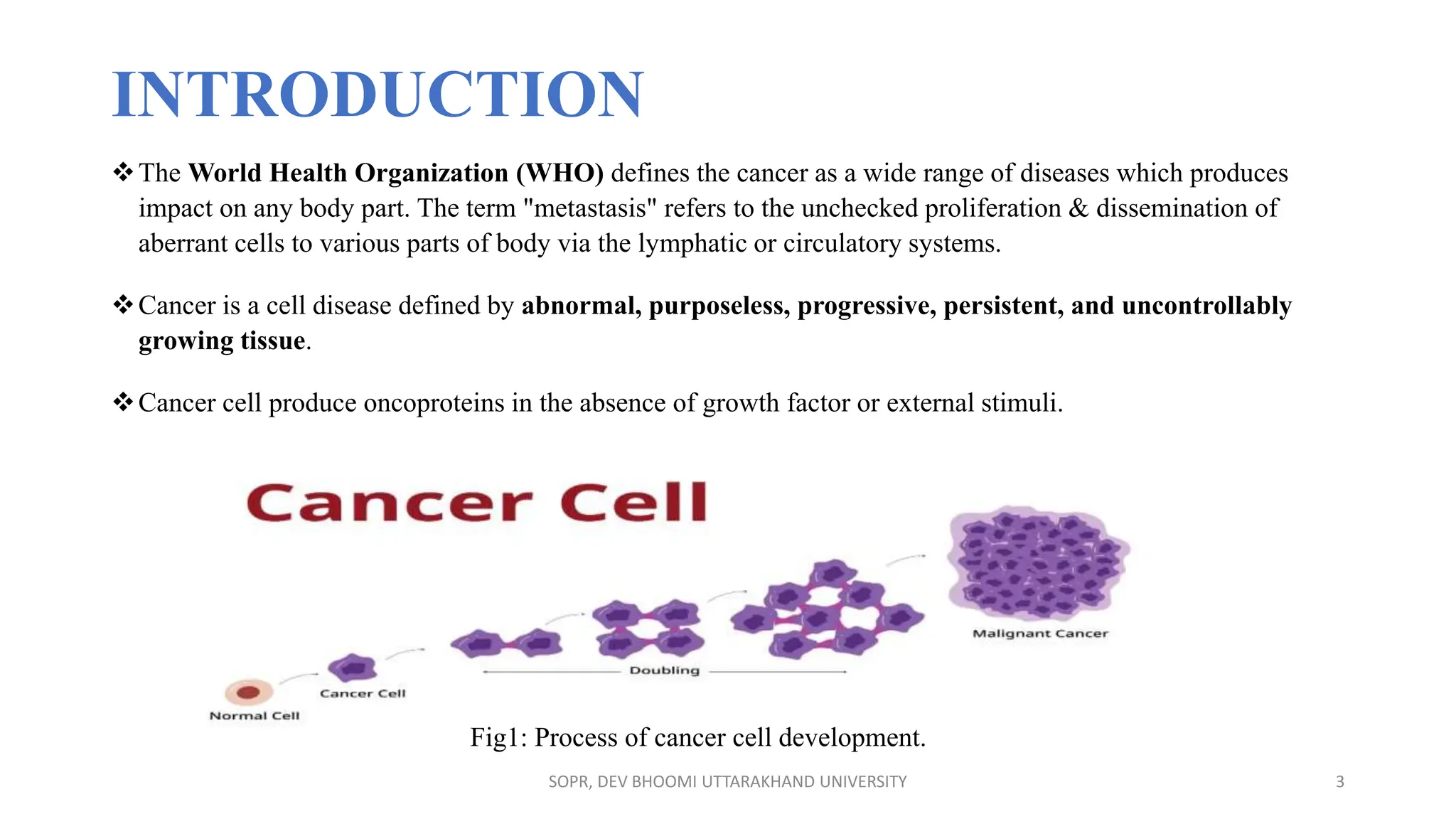
Fig1: Process of cancer cell development.
SOPR, DEV BHOOMI UTTARAKHAND UNIVERSITY 4
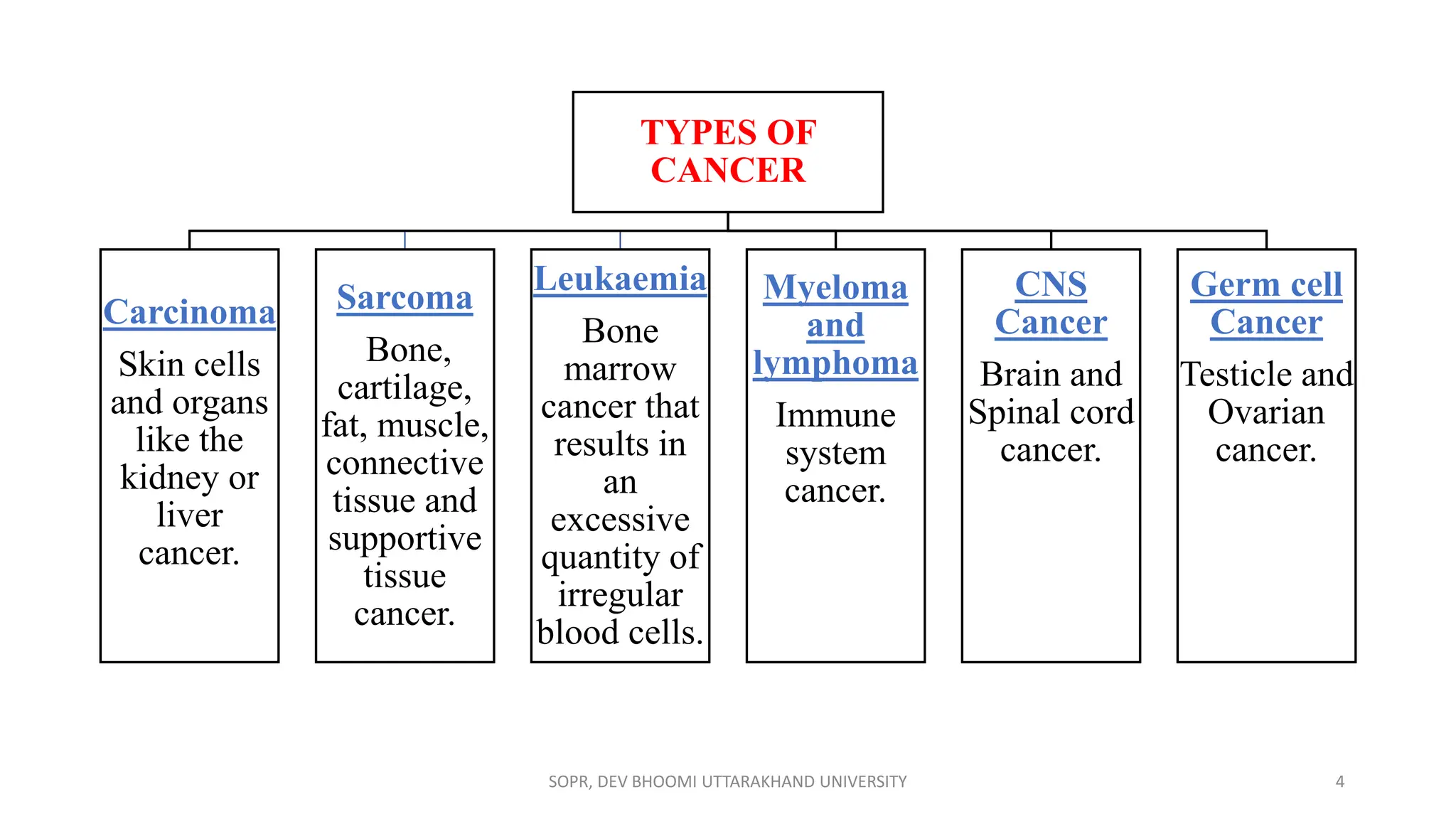
TYPES OF
CANCER
Carcinoma
Skin cells
and organs
like the
kidney or
liver
cancer.
Sarcoma
Bone,
cartilage,
fat, muscle,
connective
tissue and
supportive
tissue
cancer.
Leukaemia
Bone
marrow
cancer that
results in
an
excessive
quantity of
irregular
blood cells.
Myeloma
and
lymphoma
Immune
system
cancer.
CNS
Cancer
Brain and
Spinal cord
cancer.
Germ cell
Cancer
Testicle and
Ovarian
cancer.
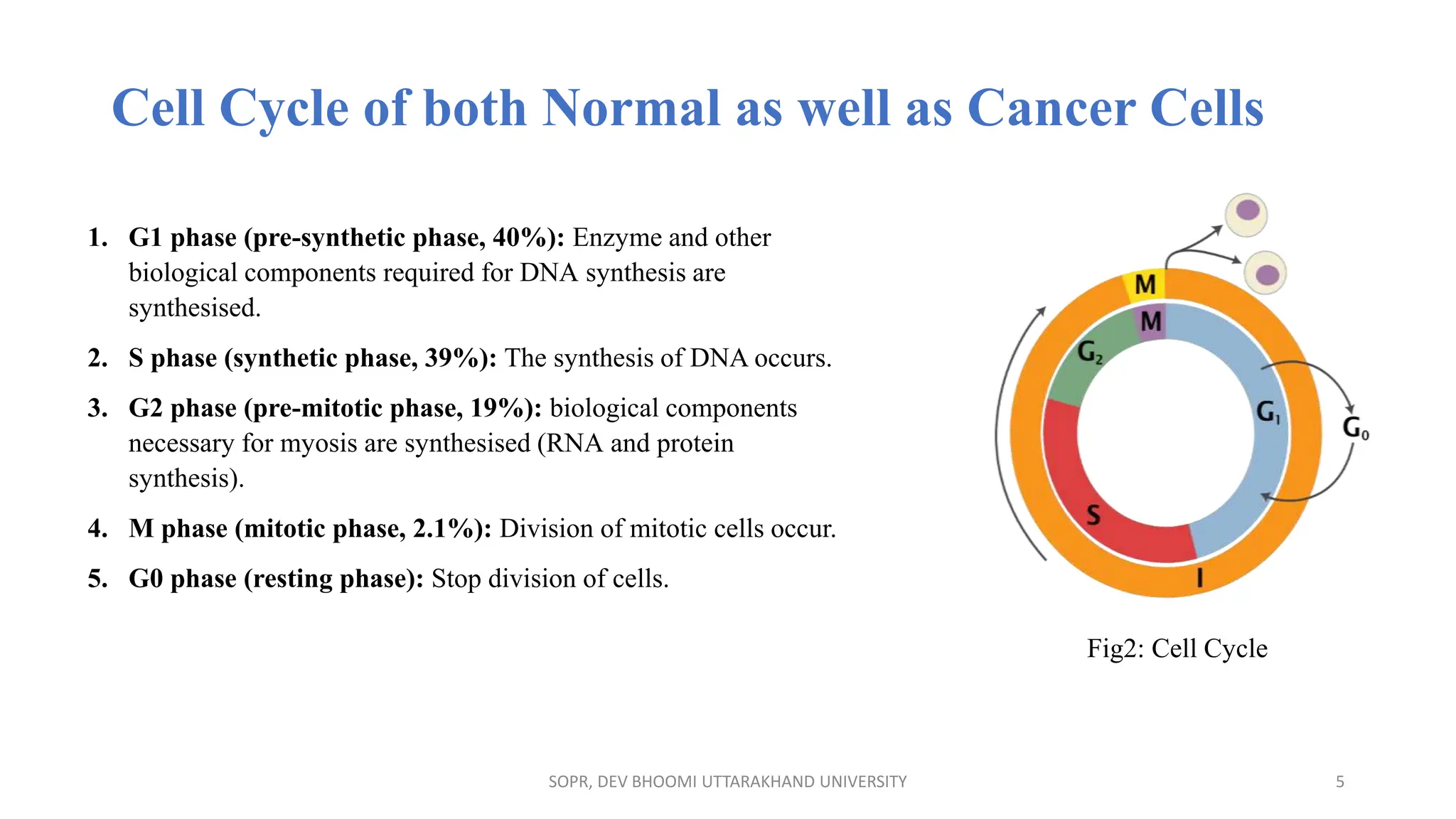
Cell Cycle of both Normal as well as Cancer Cells
1. G1 phase (pre-synthetic phase, 40%): Enzyme and other
biological components required for DNA synthesis are
synthesised.
2. S phase (synthetic phase, 39%): The synthesis of DNA occurs.
3. G2 phase (pre-mitotic phase, 19%): biological components
necessary for myosis are synthesised (RNA and protein
synthesis).
4. M phase (mitotic phase, 2.1%): Division of mitotic cells occur.
5. G0 phase (resting phase): Stop division of cells.
SOPR, DEV BHOOMI UTTARAKHAND UNIVERSITY 5
Fig2: Cell Cycle
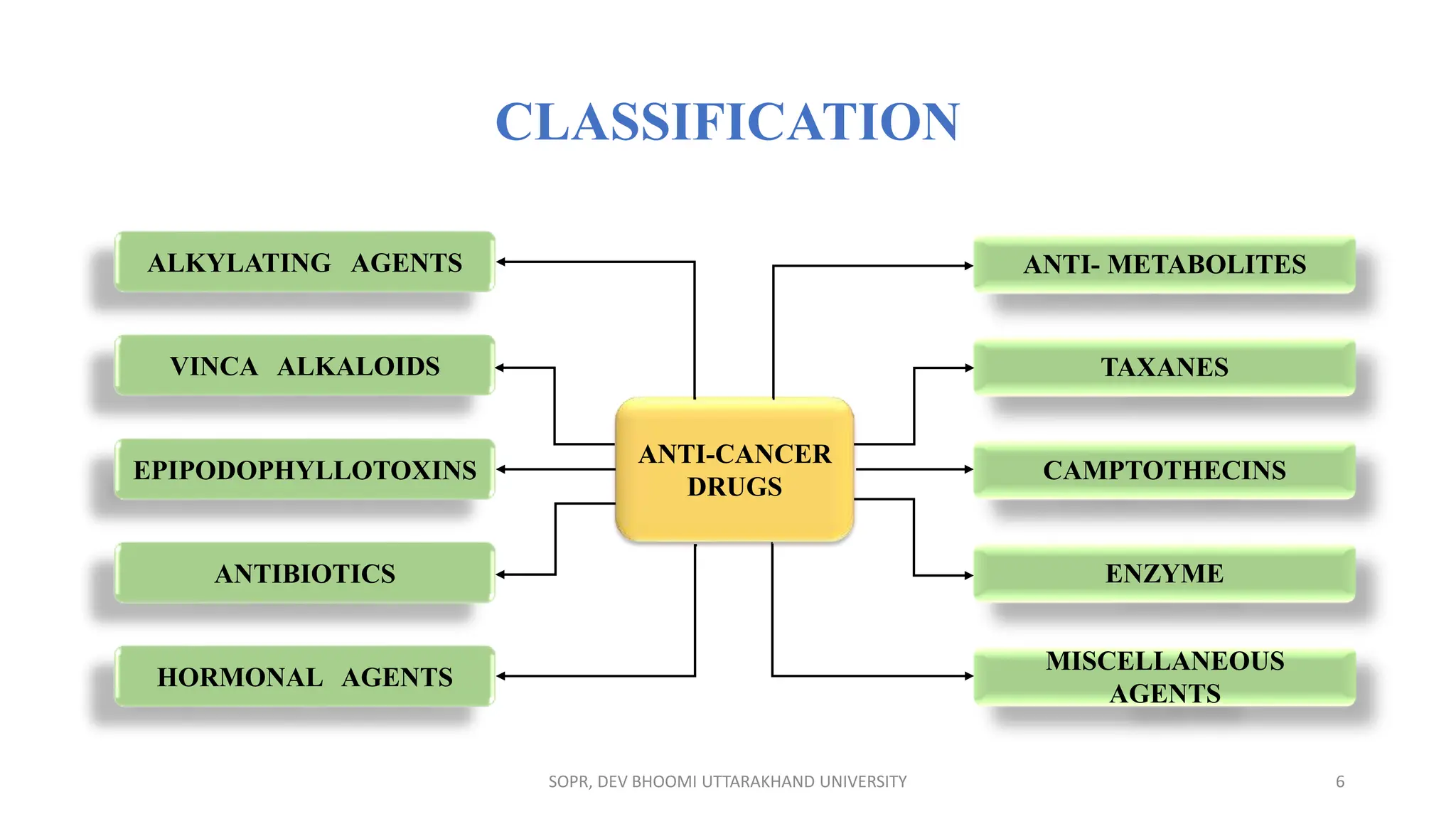
CLASSIFICATION
SOPR, DEV BHOOMI UTTARAKHAND UNIVERSITY 6
ANTI- METABOLITES
TAXANES
CAMPTOTHECINS
ENZYME
HORMONAL AGENTS
ANTIBIOTICS
EPIPODOPHYLLOTOXINS
VINCA ALKALOIDS
ALKYLATING AGENTS
ANTI-CANCER
DRUGS
MISCELLANEOUS
AGENTS
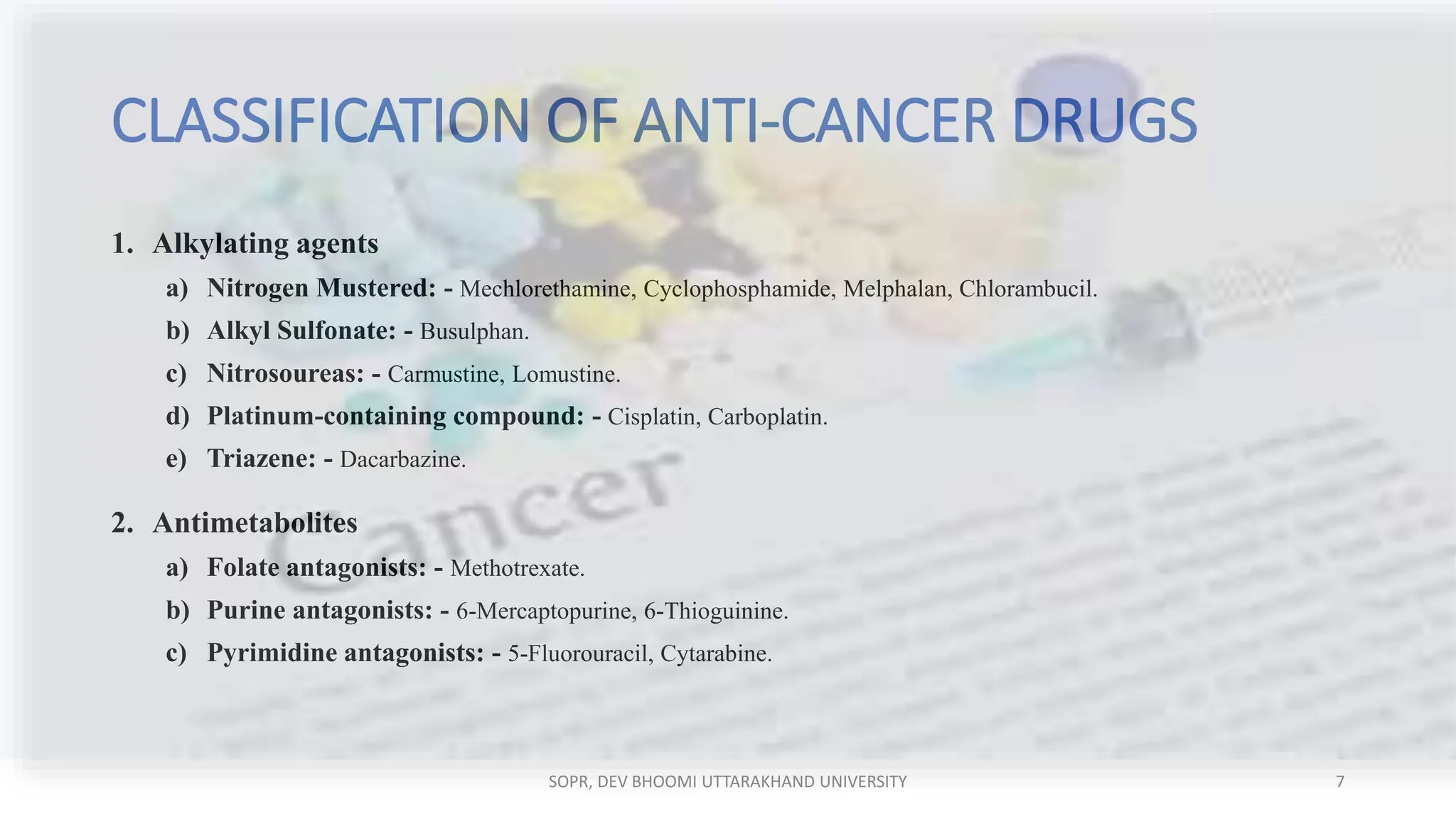
CLASSIFICATION OF ANTI-CANCER DRUGS
SOPR, DEV BHOOMI UTTARAKHAND UNIVERSITY 7
1. Alkylating agents
a) Nitrogen Mustered: - Mechlorethamine, Cyclophosphamide, Melphalan, Chlorambucil.
b) Alkyl Sulfonate: - Busulphan.
c) Nitrosoureas: - Carmustine, Lomustine.
d) Platinum-containing compound: - Cisplatin, Carboplatin.
e) Triazene: - Dacarbazine.
2. Antimetabolites
a) Folate antagonists: - Methotrexate.
b) Purine antagonists: - 6-Mercaptopurine, 6-Thioguinine.
c) Pyrimidine antagonists: - 5-Fluorouracil, Cytarabine.
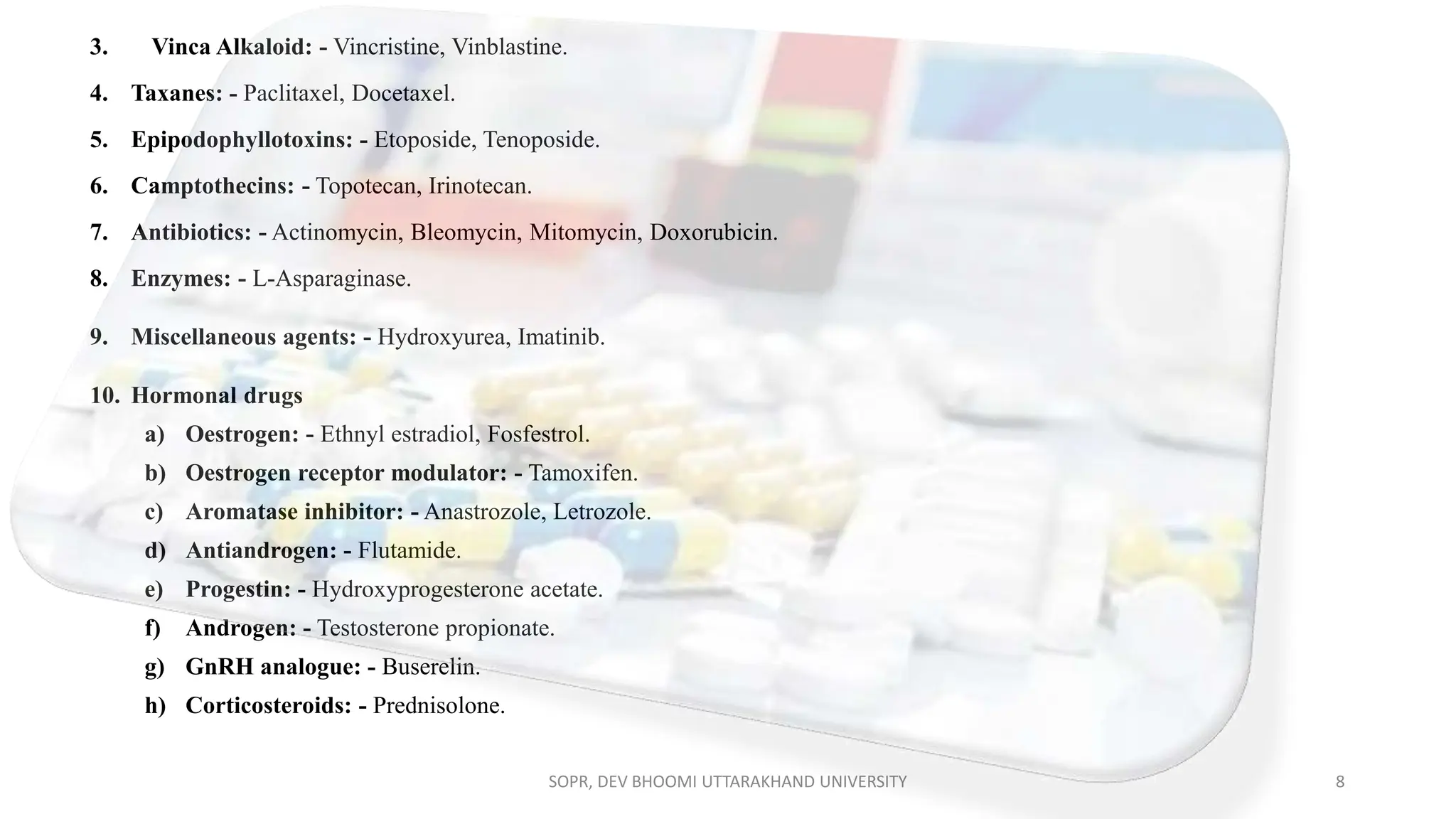
3. Vinca Alkaloid: - Vincristine, Vinblastine.
4. Taxanes: - Paclitaxel, Docetaxel.
5. Epipodophyllotoxins: - Etoposide, Tenoposide.
6. Camptothecins: - Topotecan, Irinotecan.
7. Antibiotics: - Actinomycin, Bleomycin, Mitomycin, Doxorubicin.
8. Enzymes: - L-Asparaginase.
9. Miscellaneous agents: - Hydroxyurea, Imatinib.
10. Hormonal drugs
a) Oestrogen: - Ethnyl estradiol, Fosfestrol.
b) Oestrogen receptor modulator: - Tamoxifen.
c) Aromatase inhibitor: - Anastrozole, Letrozole.
d) Antiandrogen: - Flutamide.
e) Progestin: - Hydroxyprogesterone acetate.
f) Androgen: - Testosterone propionate.
g) GnRH analogue: - Buserelin.
h) Corticosteroids: - Prednisolone.
SOPR, DEV BHOOMI UTTARAKHAND UNIVERSITY 8
Anti-Cancer Drugs may be divided into two groups:
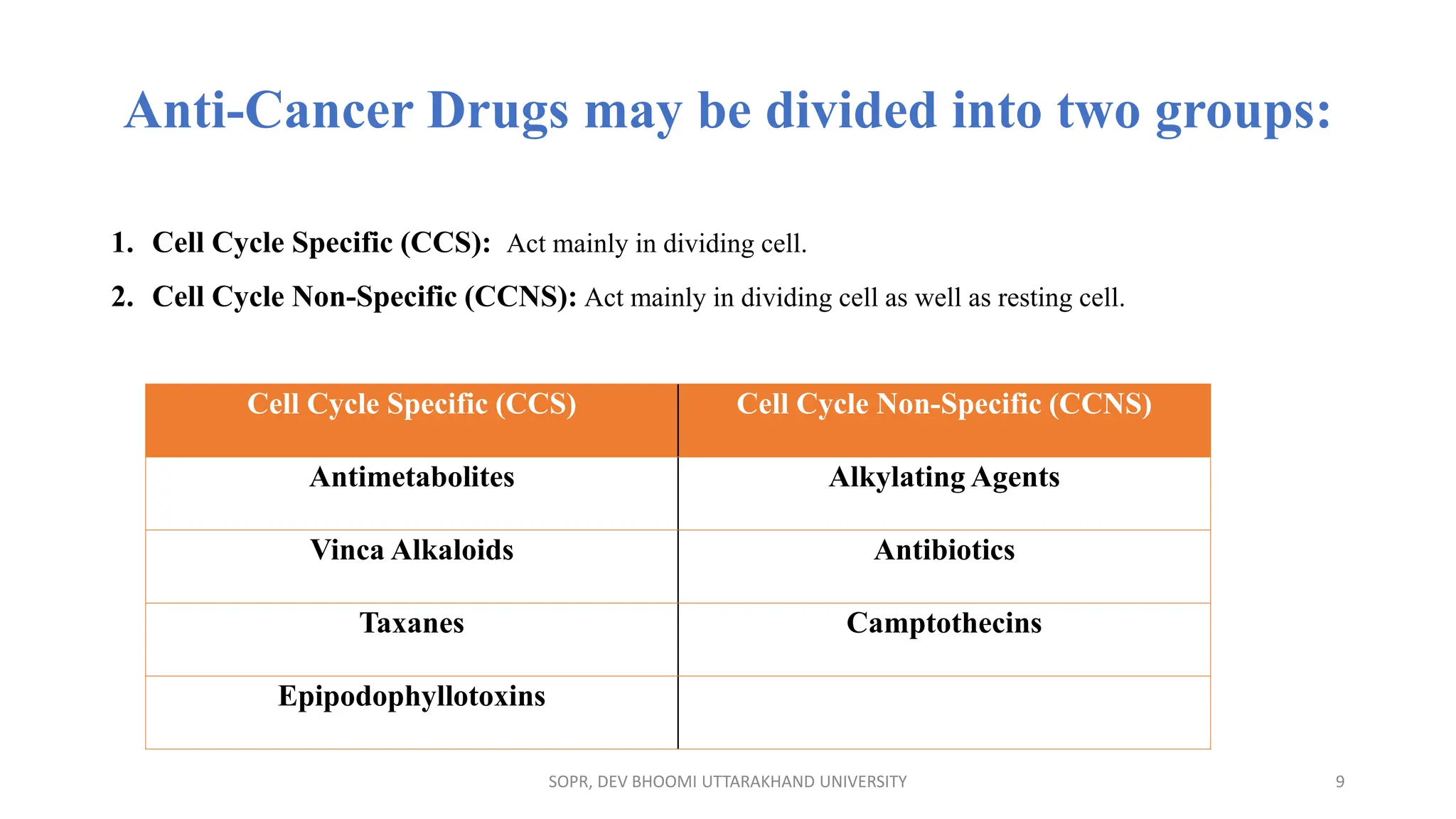
1. Cell Cycle Specific (CCS): Act mainly in dividing cell.
2. Cell Cycle Non-Specific (CCNS): Act mainly in dividing cell as well as resting cell.
SOPR, DEV BHOOMI UTTARAKHAND UNIVERSITY 9
Cell Cycle Specific (CCS) Cell Cycle Non-Specific (CCNS)
Antimetabolites Alkylating Agents
Vinca Alkaloids Antibiotics
Taxanes Camptothecins
Epipodophyllotoxins
ALKYLATING AGENTS
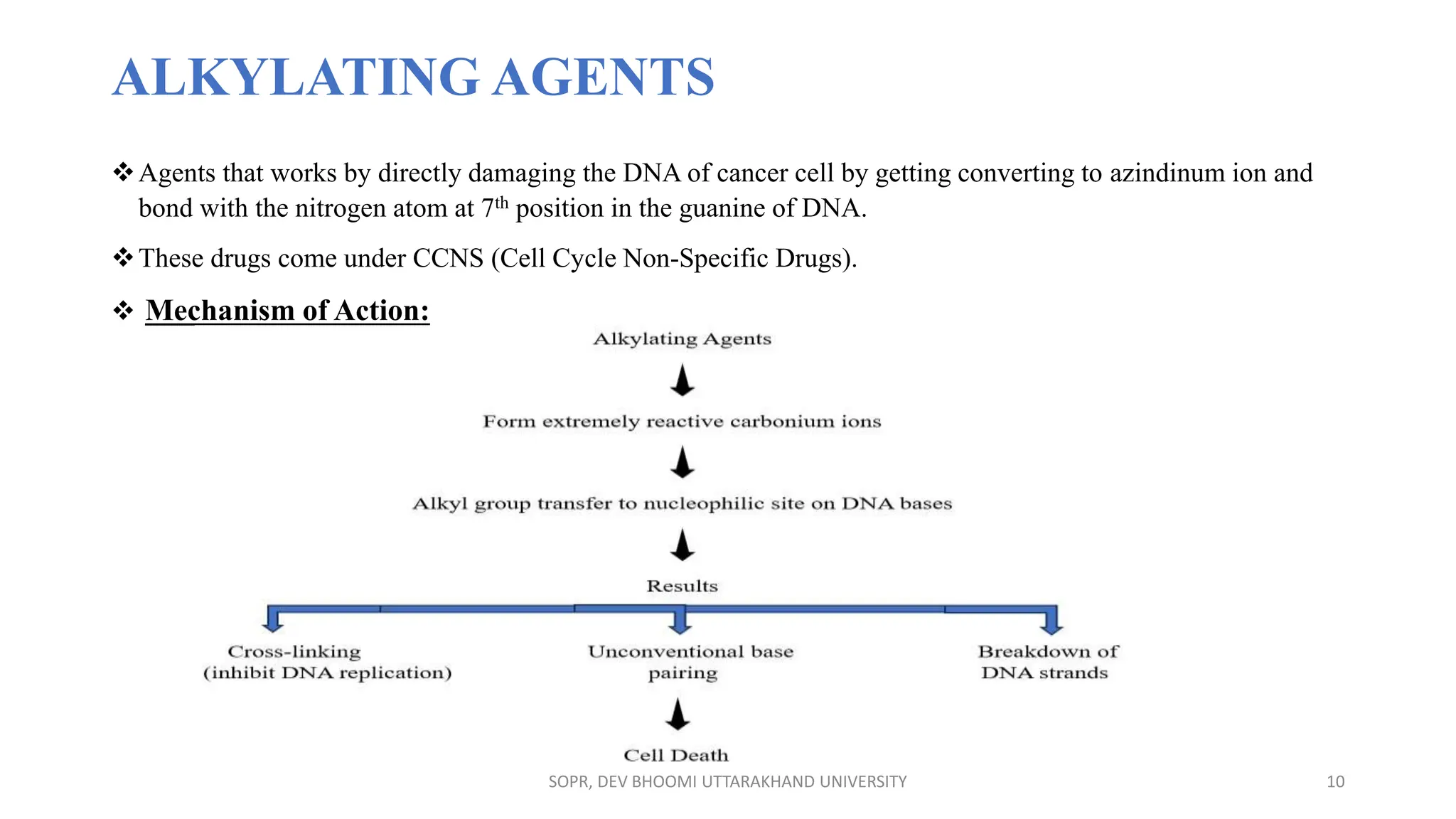
Agents that works by directly damaging the DNA of cancer cell by getting converting to azindinum ion and
bond with the nitrogen atom at 7th position in the guanine of DNA.
These drugs come under CCNS (Cell Cycle Non-Specific Drugs).
 Mechanism of Action:
SOPR, DEV BHOOMI UTTARAKHAND UNIVERSITY 10
a) Nitrogen Mustered: - Mechlorethamine, Cyclophosphamide, Melphalan, Chlorambucil.
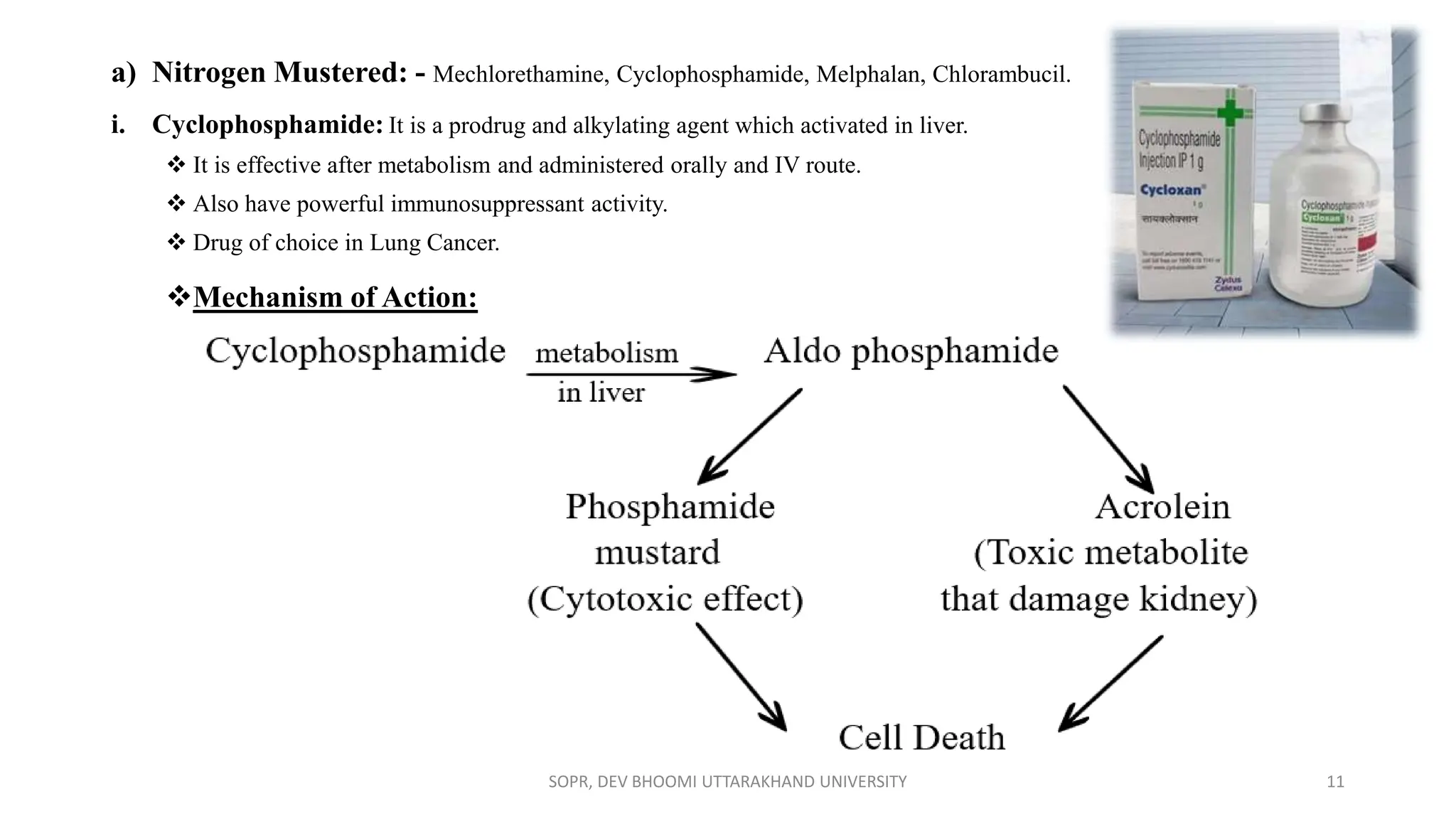
i. Cyclophosphamide: It is a prodrug and alkylating agent which activated in liver.
 It is effective after metabolism and administered orally and IV route.
 Also have powerful immunosuppressant activity.
 Drug of choice in Lung Cancer.
Mechanism of Action:
SOPR, DEV BHOOMI UTTARAKHAND UNIVERSITY 11
ii. Chlorambucil: It is a slow acting alkylating agent.
Drug of choice in lymphatic leukaemia.
Toxicity of chlorambucil is pulmonary fibrosis.
iii. Melphalan: It is a alkylating agent which is treatment of choice for ovarian and testicular cancer.
b) Alkyl Sulfonate: - Busulphan.
Busulphan is a bi-functional methane sulphonic ester that forms transferred cross-linking with DNA results in
cell death.
Drug of choice in myeloid leukaemia.
It depresses bone marrow and have common side effects are hyperuricemia and pigmentation of skin.
c) Nitrosoureas: - Carmustine, Lomustine.
These drugs are highly lipid soluble drugs.
It reaches in high concentration in Blood Brain Barrier (BBB).
Mainly used for Brain Tumours (Drug of choice).
SOPR, DEV BHOOMI UTTARAKHAND UNIVERSITY 12
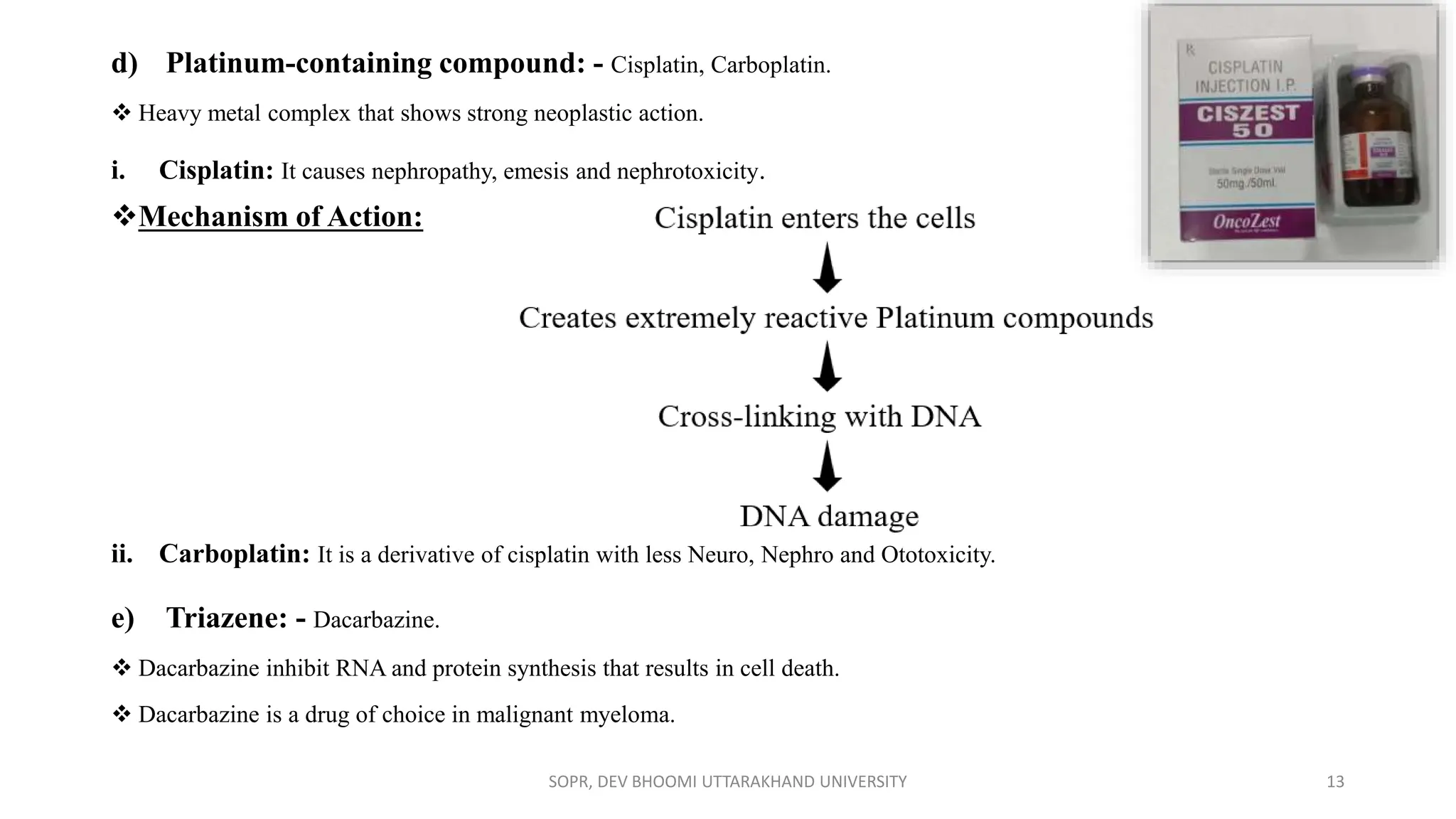
d) Platinum-containing compound: - Cisplatin, Carboplatin.
 Heavy metal complex that shows strong neoplastic action.
i. Cisplatin: It causes nephropathy, emesis and nephrotoxicity.
Mechanism of Action:
ii. Carboplatin: It is a derivative of cisplatin with less Neuro, Nephro and Ototoxicity.
e) Triazene: - Dacarbazine.
 Dacarbazine inhibit RNA and protein synthesis that results in cell death.
 Dacarbazine is a drug of choice in malignant myeloma.
SOPR, DEV BHOOMI UTTARAKHAND UNIVERSITY 13
ANTIMETABOLITES
These drugs inhibit the proliferation and development of cancer cells.
 These drugs mimic normal cellular metabolites and integrated into DNA and RNA during the cell cycle, disrupting the
synthesis of nucleic acids and ultimately leading to cell death.
 Therse drugs acts in S phase.
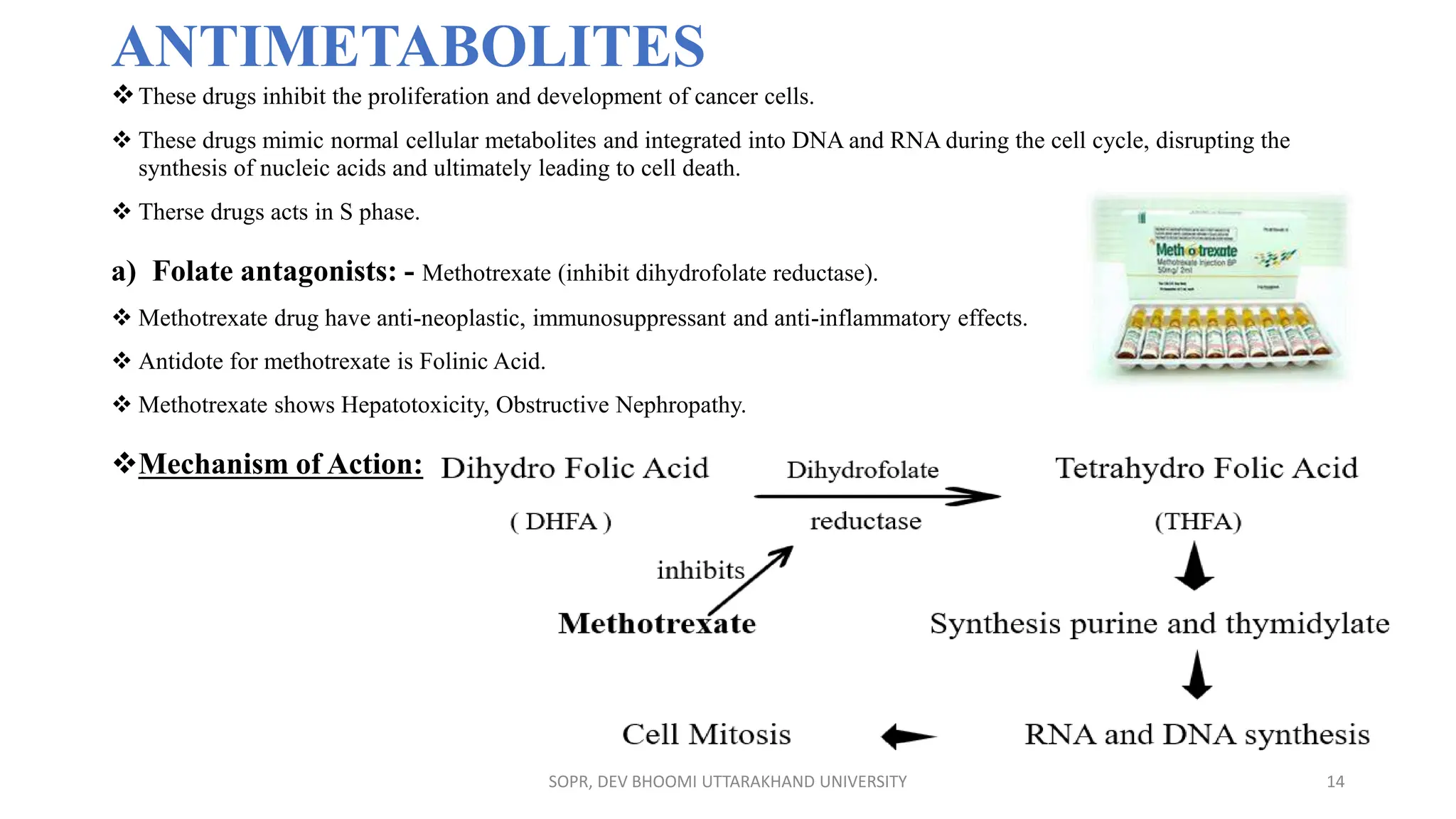
a) Folate antagonists: - Methotrexate (inhibit dihydrofolate reductase).
 Methotrexate drug have anti-neoplastic, immunosuppressant and anti-inflammatory effects.
 Antidote for methotrexate is Folinic Acid.
 Methotrexate shows Hepatotoxicity, Obstructive Nephropathy.
Mechanism of Action:
SOPR, DEV BHOOMI UTTARAKHAND UNIVERSITY 14
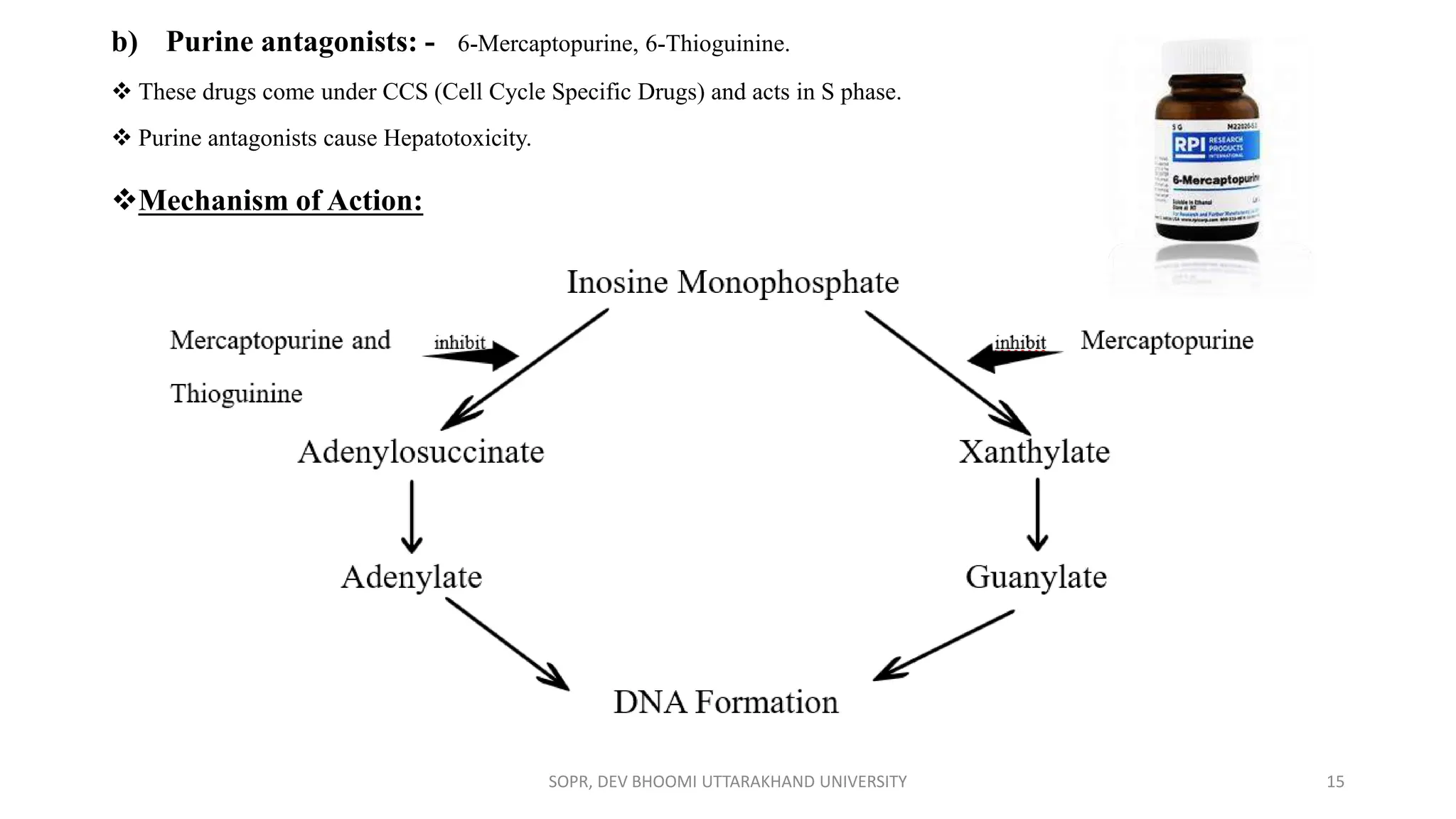
b) Purine antagonists: - 6-Mercaptopurine, 6-Thioguinine.
 These drugs come under CCS (Cell Cycle Specific Drugs) and acts in S phase.
 Purine antagonists cause Hepatotoxicity.
Mechanism of Action:
SOPR, DEV BHOOMI UTTARAKHAND UNIVERSITY 15
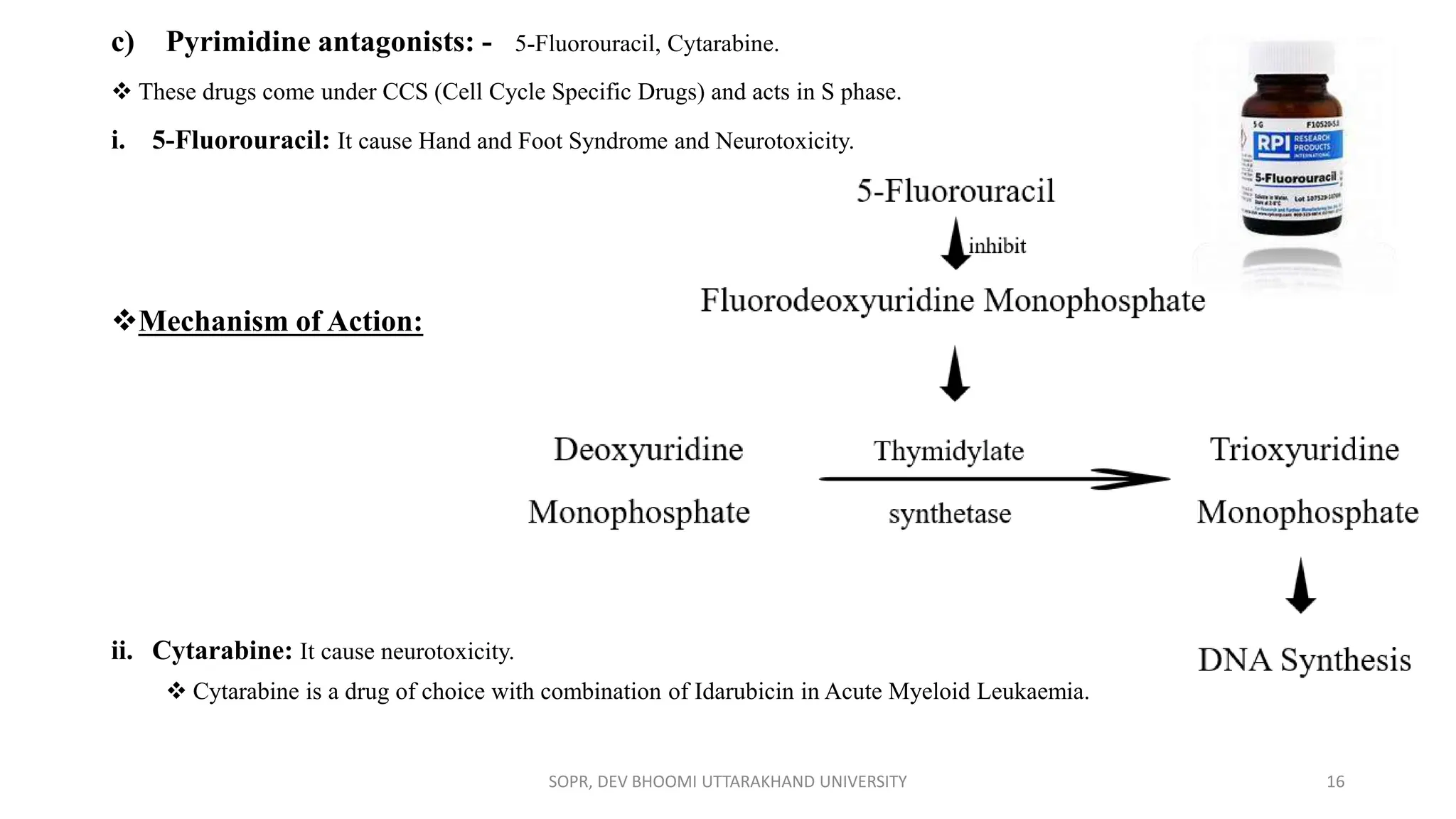
c) Pyrimidine antagonists: - 5-Fluorouracil, Cytarabine.
 These drugs come under CCS (Cell Cycle Specific Drugs) and acts in S phase.
i. 5-Fluorouracil: It cause Hand and Foot Syndrome and Neurotoxicity.
Mechanism of Action:
ii. Cytarabine: It cause neurotoxicity.
 Cytarabine is a drug of choice with combination of Idarubicin in Acute Myeloid Leukaemia.
SOPR, DEV BHOOMI UTTARAKHAND UNIVERSITY 16
VINCAALKALOIDS
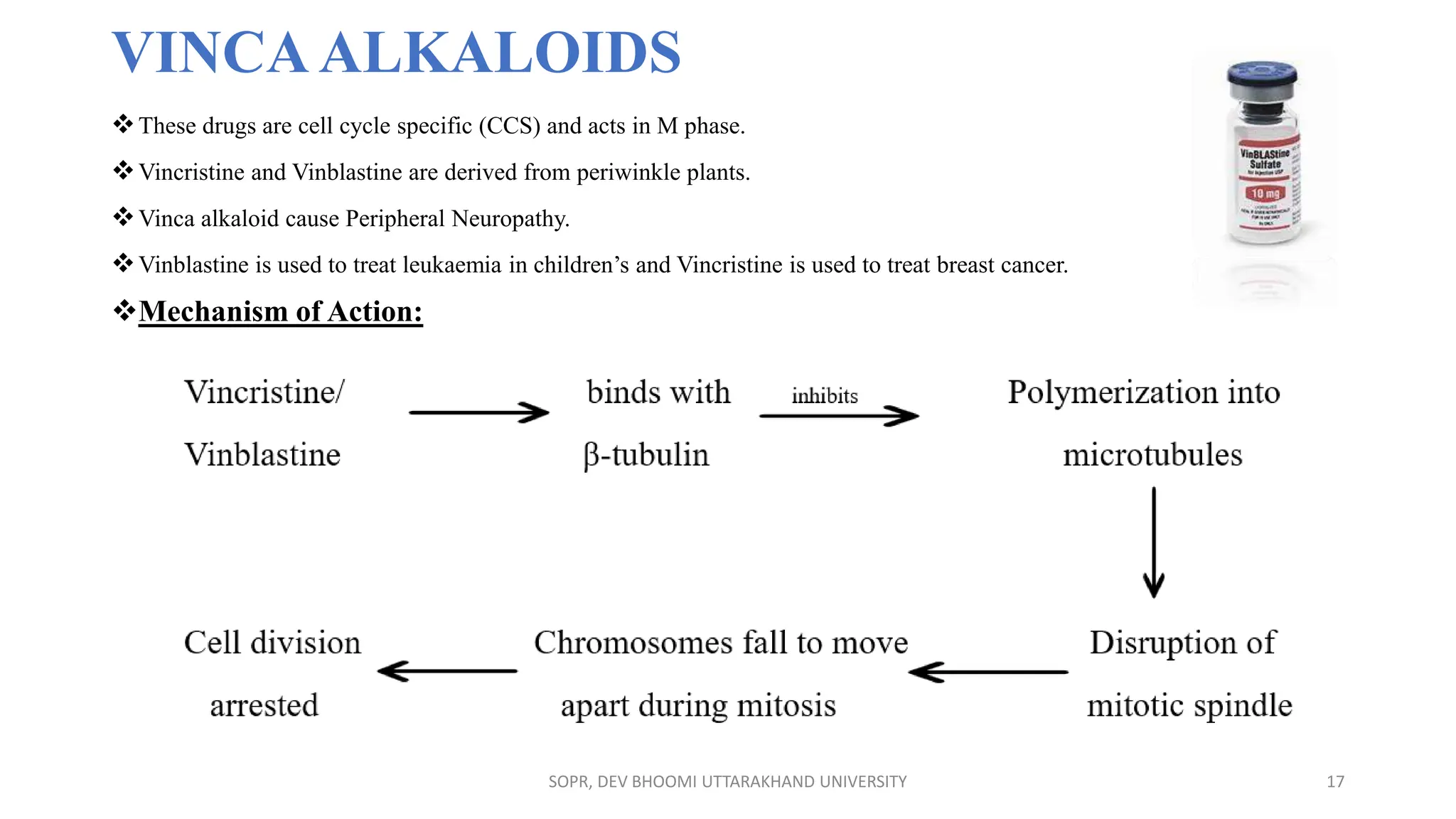
These drugs are cell cycle specific (CCS) and acts in M phase.
Vincristine and Vinblastine are derived from periwinkle plants.
Vinca alkaloid cause Peripheral Neuropathy.
Vinblastine is used to treat leukaemia in children’s and Vincristine is used to treat breast cancer.
Mechanism of Action:
SOPR, DEV BHOOMI UTTARAKHAND UNIVERSITY 17
TAXANES
It enhanced stability of microtubule preventing the separation of chromosomes during anaphase.
 It decreases the ability of bone marrow to produce blood cells. e.g., Paclitaxel, Docetaxel.
i. Paclitaxel: It causes peripheral neuropathy and hypersensitivity.
ii. Docetaxel: It causes peripheral neuropathy as well as fluid retention.
EPIPODOPHYLLOTOXINS
Drugs that acts in G2 phase and S phase of cell cycle. e.g., Etoposide, Tenoposide.
Etoposide causes Bone marrow depression and GI side effects.
Mechanism of Action:
SOPR, DEV BHOOMI UTTARAKHAND UNIVERSITY 18
CAMPTOTHECINS
Drugs that acts in G2 phase and S phase of cell cycle. e.g., Topotecan, Irinotecan.
 These are used in Ovarian, Lungs, Colorectal cancer.
Mechanism of Action: Camptothecins binds to topoisomerase-I (a nuclear enzyme that replicate DNA and transcription)
complex and inhibit the resealing of DNA, thus produce cell death.
ANTIBIOTICS
All these drugs produce direct action on DNA & they act by blocking the transcription of DNA.
e.g., Actinomycin, Bleomycin, Mitomycin, Doxorubicin.
i. Actinomycin: It administered through IV route.
Mechanism of Action: Actinomycin also produces direct action of DNA & they act by blocking the transcription of DNA.
SOPR, DEV BHOOMI UTTARAKHAND UNIVERSITY 19
ii. Bleomycin: A mixture of glycopeptide antibiotics.
 It acts on G2 phase and M phase of cell cycle.
 It also crosses BBB (Blood Brain Barrier), so it is used to treat Brain cancer.
 Bleomycin is given as a drug of choice with combination of Cisplatin and Etoposide to treat testis cancer.
ii. Mitomycin: It causes cross-linking of DNA and generates free radicals which damage DNA.
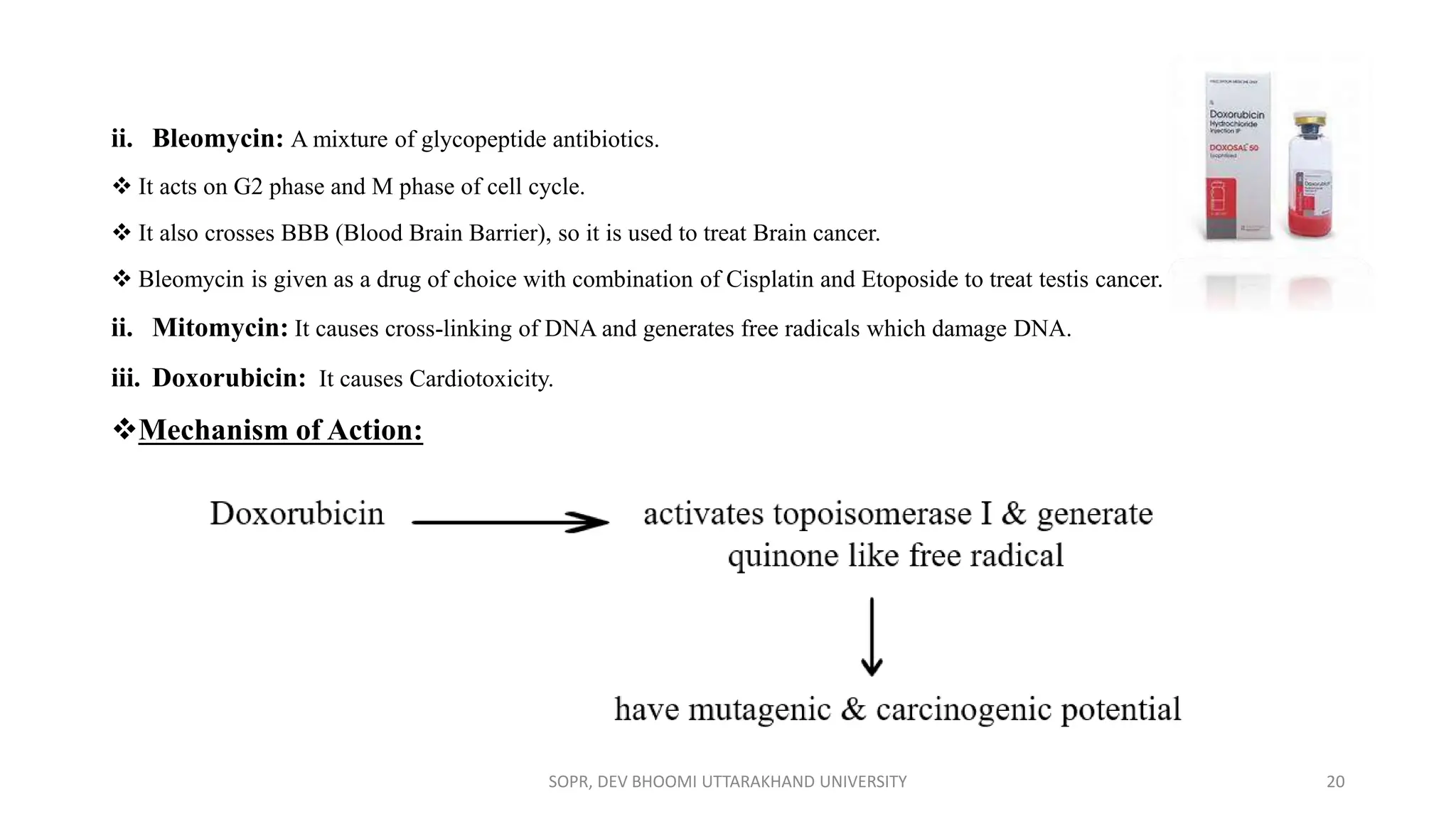
iii. Doxorubicin: It causes Cardiotoxicity.
Mechanism of Action:
SOPR, DEV BHOOMI UTTARAKHAND UNIVERSITY 20
ENZYME
Enzyme is isolated from bacteria specially ecoli.
It is a necessary amino acid for the production of proteins. e.g., L-Asparaginase.
 Cancer cells lack of this enzyme.
 It causes toxicity of Hypersensitivity, Hyperglycaemia, Haemorrhage.
Mechanism of Action:
Normal cells can synthesize asparagine because they contain asparagine synthase.
SOPR, DEV BHOOMI UTTARAKHAND UNIVERSITY 21
MISCELLANEOUS AGENTS
It acts on S phase of cell cycle (CCS drugs).
e.g., Hydroxyurea, Imatinib.
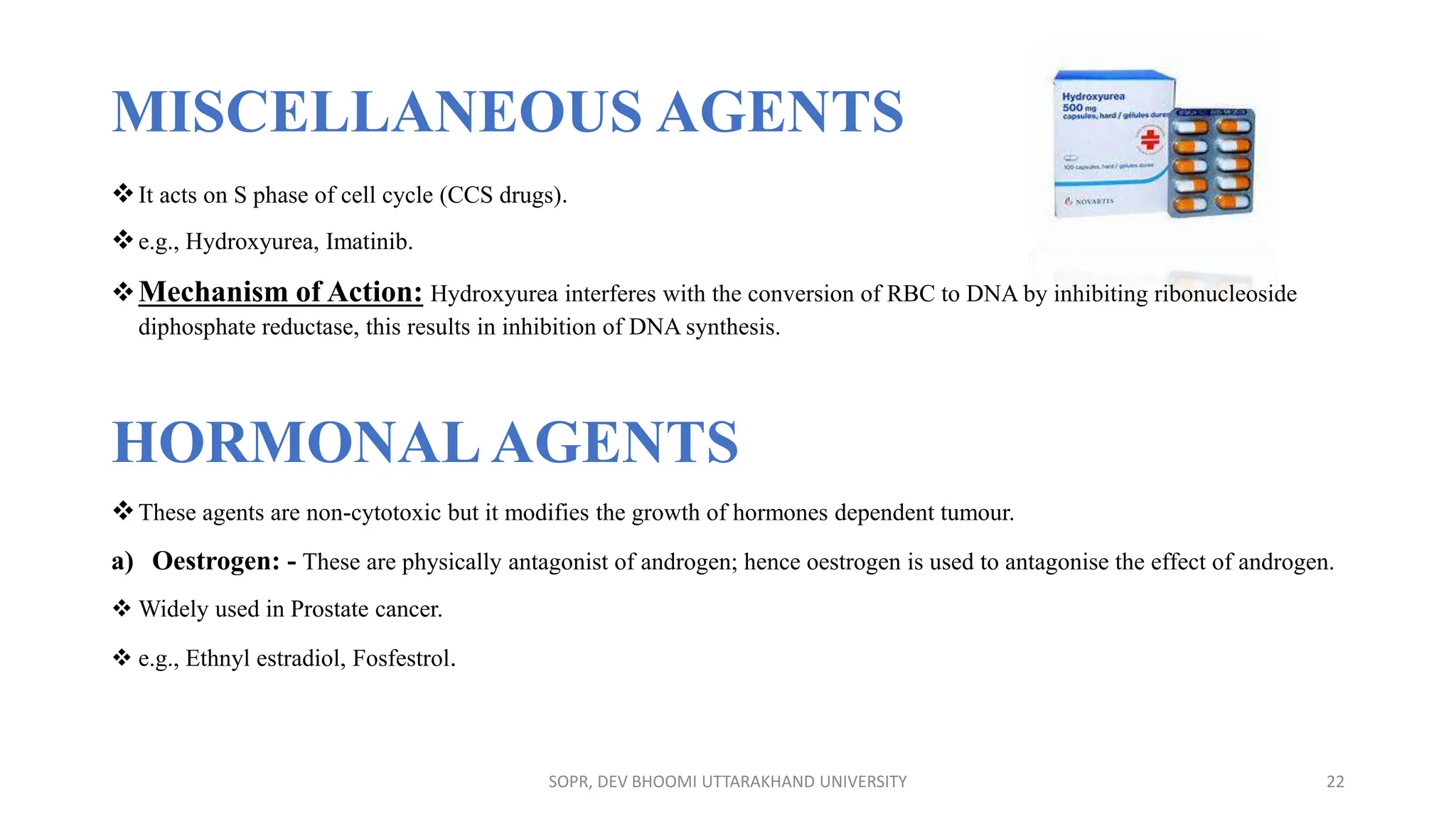
Mechanism of Action: Hydroxyurea interferes with the conversion of RBC to DNA by inhibiting ribonucleoside
diphosphate reductase, this results in inhibition of DNA synthesis.
HORMONALAGENTS
These agents are non-cytotoxic but it modifies the growth of hormones dependent tumour.
a) Oestrogen: - These are physically antagonist of androgen; hence oestrogen is used to antagonise the effect of androgen.
 Widely used in Prostate cancer.
 e.g., Ethnyl estradiol, Fosfestrol.
SOPR, DEV BHOOMI UTTARAKHAND UNIVERSITY 22
b) Oestrogen receptor modulator: - It is a compound that can interact with oestrogen receptors
in the body and modulate their activities.
These can act as either agonist (activating the receptor) or antagonist (blocking the receptor) of
oestrogen receptors, depending on the specific tissue type.
 E.g., Tamoxifen i.e. highly effective in Breast cancer.
c) Aromatase inhibitor: - These are used in the post-monophasic menstrual cycle to treat
hormone-dependent breast cancer. e.g., Anastrozole, Letrozole.
d) Antiandrogen: - It antagonizes the androgen action on prostate cancer. E.g., Flutamide.
e) Progestin: - Used to treat endometrium cancer. e.g., Hydroxyprogesterone acetate.
SOPR, DEV BHOOMI UTTARAKHAND UNIVERSITY 23
f) Androgen: - e.g., Testosterone propionate.
Testosterone propionate is an injectable medication that is used as hormone replacement therapy in
men with less testosterone levels and female breast cancer.
g) GnRH analogue: - These drugs produce arising LH (Luteinizing hormone) and FSH (Follicle
stimulating hormone).
These are effective in advance prosthetic & breast cancer.
e.g., Buserelin.
h) Corticosteroids: - It produces feeling of well-being and it suppress the hypersensitivity
reactions.
These drugs having anti-inflammatory activity and it decreases Glaucoma.
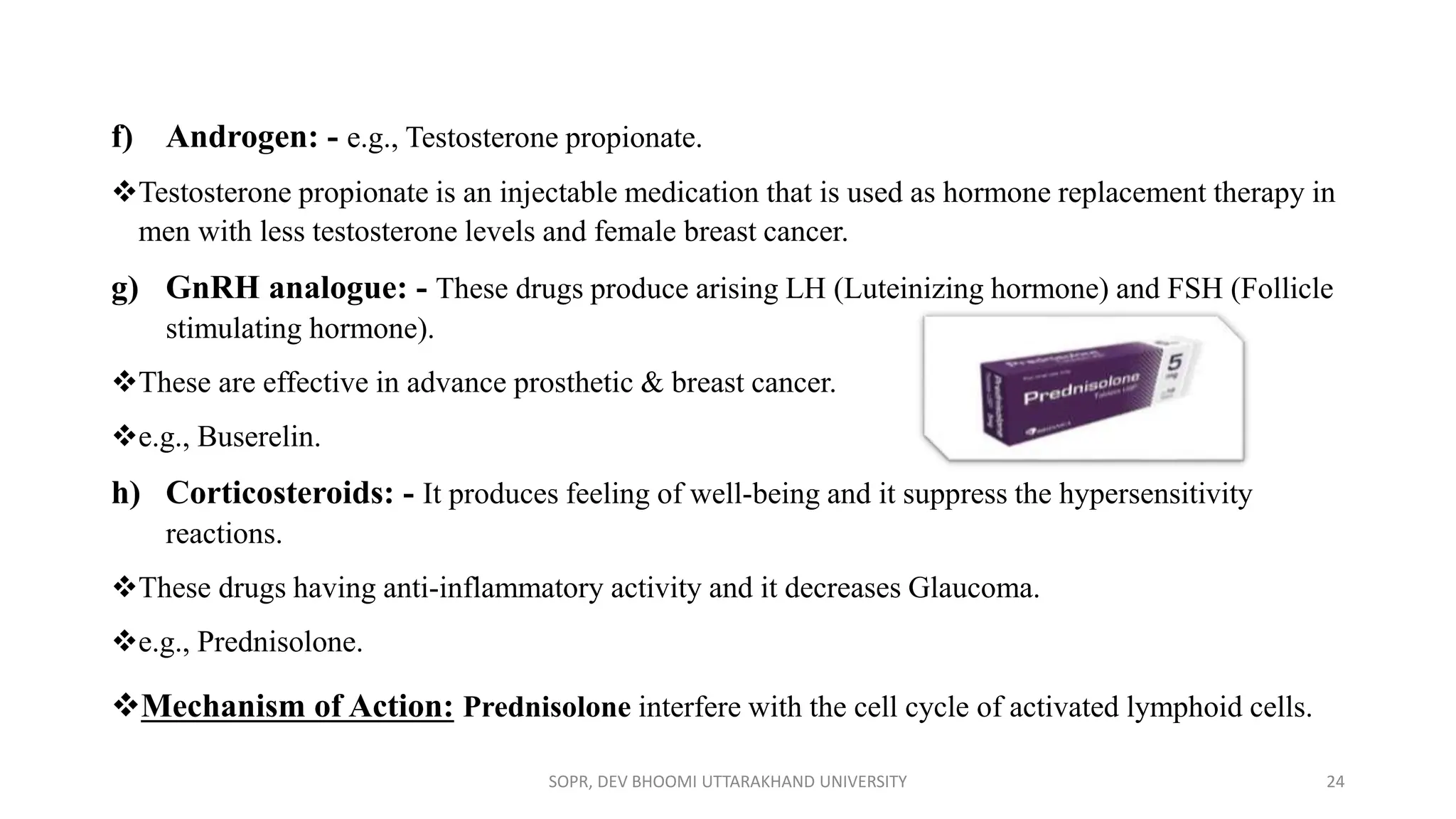
e.g., Prednisolone.
Mechanism of Action: Prednisolone interfere with the cell cycle of activated lymphoid cells.
SOPR, DEV BHOOMI UTTARAKHAND UNIVERSITY 24
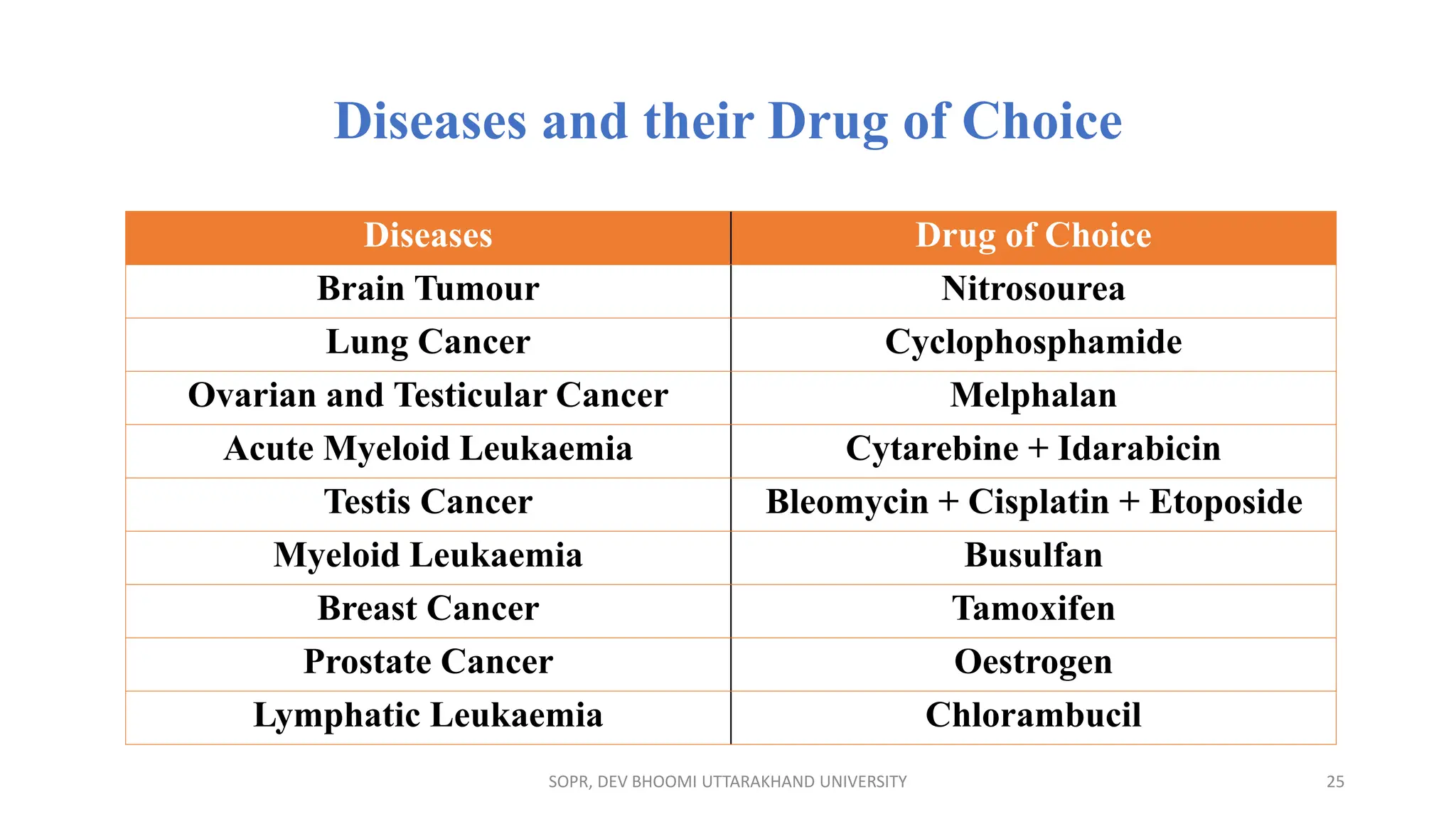
Diseases and their Drug of Choice
Diseases Drug of Choice
Brain Tumour Nitrosourea
Lung Cancer Cyclophosphamide
Ovarian and Testicular Cancer Melphalan
Acute Myeloid Leukaemia Cytarebine + Idarabicin
Testis Cancer Bleomycin + Cisplatin + Etoposide
Myeloid Leukaemia Busulfan
Breast Cancer Tamoxifen
Prostate Cancer Oestrogen
Lymphatic Leukaemia Chlorambucil
SOPR, DEV BHOOMI UTTARAKHAND UNIVERSITY 25
REFERENCES
1. https://lecture-notes.tiu.edu.iq/wp-content/uploads/2023/06/Anticancer-drugs-26.-4.2023.pptx
2. https://www.intechopen.com/books/potential-of-essential-oils/potential-of-medicinal-use-of-essential-oils-from-aromatic-plants
3. https://1filedownload.com/wp-content/uploads/2020/10/Pharmacology-Dr-Sparsh-Gupta-Book.pdf
4. https://www.slideshare.net/nasertadvi/14cancer-chemotherapy
5. https://tse3.mm.bing.net/th?id=OIP.rDyuhrnIE8uf2FHxzn_EtAHaHa&pid=Api&P=0&h=180
6. https://tse1.mm.bing.net/th?id=OIP.6HKR8HQQZ_t0EmsbkUx2IwHaGI&pid=Api&P=0&h=180
7. https://5.imimg.com/data5/SELLER/Default/2021/11/SB/ZW/HY/73501836/ciszest-50-500x500.jpeg
8. https://tse3.mm.bing.net/th?id=OIP.Telrn-utZ6j27mHyOZQyKAHaFj&pid=Api&P=0&h=180
9. https://tse3.mm.bing.net/th?id=OIP.YxqRigXAdlD4XJ56XhXGpAAAAA&pid=Api&P=0&h=180
10. https://tse3.mm.bing.net/th?id=OIP.w83pkK9cLq3tdz-2gBHGfAHaHa&pid=Api&P=0&h=180
11. https://tse4.mm.bing.net/th?id=OIP.WbeCLdryJc48T6K0tnyexAHaHa&pid=Api&P=0&h=180
12. https://tse1.mm.bing.net/th?id=OIP.tWWEPlzqRZwxBR7uXSrzaAHaHa&pid=Api&P=0&h=180
13. https://tse1.mm.bing.net/th?id=OIP.Z1n3HiHCk806Fd5KneSqSwHaHa&pid=Api&P=0&h=180
14. https://www.magicinepharma.com/img/products/blogs/1%20(18).jpg
15. https://tse1.mm.bing.net/th?id=OIP.AtNHmXd2AUpJ4ygD8Yi7AwHaGE&pid=Api&P=0&h=180
16. https://cpimg.tistatic.com/05475036/b/4/extra-05475036.jpg
SOPR, DEV BHOOMI UTTARAKHAND UNIVERSITY 26
THANK YOU
SOPR, DEV BHOOMI UTTARAKHAND UNIVERSITY 27

CLASSIFICATION OF ANTI - CANCER DRUGS.pptx

  • 1.
    ANTI-CANCER DRUGS SUBMITTED TO;SUBMITTED BY; Ms. Neelam Painuly Mr. Anupam Associate Professor M. Pharm(PHARMACOLOGY) Sopr.Neelam@dbuu.ac.in anupanni111@gmail.com SoPR, DBUU, Dehradun SoPR, DBUU, Dehradun
  • 2.
    CONTENTS  INTRODUCTION  TYPESOF CANCER  CELL CYCLE  CLASSIFICATION OF ANTI-CANCER DRUGS  DISEASE AND THEIR DRUF OF CHOICE  REFERENCES SOPR, DEV BHOOMI UTTARAKHAND UNIVERSITY 2
  • 3.
    INTRODUCTION The World HealthOrganization (WHO) defines the cancer as a wide range of diseases which produces impact on any body part. The term "metastasis" refers to the unchecked proliferation & dissemination of aberrant cells to various parts of body via the lymphatic or circulatory systems. Cancer is a cell disease defined by abnormal, purposeless, progressive, persistent, and uncontrollably growing tissue. Cancer cell produce oncoproteins in the absence of growth factor or external stimuli. SOPR, DEV BHOOMI UTTARAKHAND UNIVERSITY 3 Fig1: Process of cancer cell development.
  • 4.
    SOPR, DEV BHOOMIUTTARAKHAND UNIVERSITY 4 TYPES OF CANCER Carcinoma Skin cells and organs like the kidney or liver cancer. Sarcoma Bone, cartilage, fat, muscle, connective tissue and supportive tissue cancer. Leukaemia Bone marrow cancer that results in an excessive quantity of irregular blood cells. Myeloma and lymphoma Immune system cancer. CNS Cancer Brain and Spinal cord cancer. Germ cell Cancer Testicle and Ovarian cancer.
  • 5.
    Cell Cycle ofboth Normal as well as Cancer Cells 1. G1 phase (pre-synthetic phase, 40%): Enzyme and other biological components required for DNA synthesis are synthesised. 2. S phase (synthetic phase, 39%): The synthesis of DNA occurs. 3. G2 phase (pre-mitotic phase, 19%): biological components necessary for myosis are synthesised (RNA and protein synthesis). 4. M phase (mitotic phase, 2.1%): Division of mitotic cells occur. 5. G0 phase (resting phase): Stop division of cells. SOPR, DEV BHOOMI UTTARAKHAND UNIVERSITY 5 Fig2: Cell Cycle
  • 6.
    CLASSIFICATION SOPR, DEV BHOOMIUTTARAKHAND UNIVERSITY 6 ANTI- METABOLITES TAXANES CAMPTOTHECINS ENZYME HORMONAL AGENTS ANTIBIOTICS EPIPODOPHYLLOTOXINS VINCA ALKALOIDS ALKYLATING AGENTS ANTI-CANCER DRUGS MISCELLANEOUS AGENTS
  • 7.
    CLASSIFICATION OF ANTI-CANCERDRUGS SOPR, DEV BHOOMI UTTARAKHAND UNIVERSITY 7 1. Alkylating agents a) Nitrogen Mustered: - Mechlorethamine, Cyclophosphamide, Melphalan, Chlorambucil. b) Alkyl Sulfonate: - Busulphan. c) Nitrosoureas: - Carmustine, Lomustine. d) Platinum-containing compound: - Cisplatin, Carboplatin. e) Triazene: - Dacarbazine. 2. Antimetabolites a) Folate antagonists: - Methotrexate. b) Purine antagonists: - 6-Mercaptopurine, 6-Thioguinine. c) Pyrimidine antagonists: - 5-Fluorouracil, Cytarabine.
  • 8.
    3. Vinca Alkaloid:- Vincristine, Vinblastine. 4. Taxanes: - Paclitaxel, Docetaxel. 5. Epipodophyllotoxins: - Etoposide, Tenoposide. 6. Camptothecins: - Topotecan, Irinotecan. 7. Antibiotics: - Actinomycin, Bleomycin, Mitomycin, Doxorubicin. 8. Enzymes: - L-Asparaginase. 9. Miscellaneous agents: - Hydroxyurea, Imatinib. 10. Hormonal drugs a) Oestrogen: - Ethnyl estradiol, Fosfestrol. b) Oestrogen receptor modulator: - Tamoxifen. c) Aromatase inhibitor: - Anastrozole, Letrozole. d) Antiandrogen: - Flutamide. e) Progestin: - Hydroxyprogesterone acetate. f) Androgen: - Testosterone propionate. g) GnRH analogue: - Buserelin. h) Corticosteroids: - Prednisolone. SOPR, DEV BHOOMI UTTARAKHAND UNIVERSITY 8
  • 9.
    Anti-Cancer Drugs maybe divided into two groups: 1. Cell Cycle Specific (CCS): Act mainly in dividing cell. 2. Cell Cycle Non-Specific (CCNS): Act mainly in dividing cell as well as resting cell. SOPR, DEV BHOOMI UTTARAKHAND UNIVERSITY 9 Cell Cycle Specific (CCS) Cell Cycle Non-Specific (CCNS) Antimetabolites Alkylating Agents Vinca Alkaloids Antibiotics Taxanes Camptothecins Epipodophyllotoxins
  • 10.
    ALKYLATING AGENTS Agents thatworks by directly damaging the DNA of cancer cell by getting converting to azindinum ion and bond with the nitrogen atom at 7th position in the guanine of DNA. These drugs come under CCNS (Cell Cycle Non-Specific Drugs).  Mechanism of Action: SOPR, DEV BHOOMI UTTARAKHAND UNIVERSITY 10
  • 11.
    a) Nitrogen Mustered:- Mechlorethamine, Cyclophosphamide, Melphalan, Chlorambucil. i. Cyclophosphamide: It is a prodrug and alkylating agent which activated in liver.  It is effective after metabolism and administered orally and IV route.  Also have powerful immunosuppressant activity.  Drug of choice in Lung Cancer. Mechanism of Action: SOPR, DEV BHOOMI UTTARAKHAND UNIVERSITY 11
  • 12.
    ii. Chlorambucil: Itis a slow acting alkylating agent. Drug of choice in lymphatic leukaemia. Toxicity of chlorambucil is pulmonary fibrosis. iii. Melphalan: It is a alkylating agent which is treatment of choice for ovarian and testicular cancer. b) Alkyl Sulfonate: - Busulphan. Busulphan is a bi-functional methane sulphonic ester that forms transferred cross-linking with DNA results in cell death. Drug of choice in myeloid leukaemia. It depresses bone marrow and have common side effects are hyperuricemia and pigmentation of skin. c) Nitrosoureas: - Carmustine, Lomustine. These drugs are highly lipid soluble drugs. It reaches in high concentration in Blood Brain Barrier (BBB). Mainly used for Brain Tumours (Drug of choice). SOPR, DEV BHOOMI UTTARAKHAND UNIVERSITY 12
  • 13.
    d) Platinum-containing compound:- Cisplatin, Carboplatin.  Heavy metal complex that shows strong neoplastic action. i. Cisplatin: It causes nephropathy, emesis and nephrotoxicity. Mechanism of Action: ii. Carboplatin: It is a derivative of cisplatin with less Neuro, Nephro and Ototoxicity. e) Triazene: - Dacarbazine.  Dacarbazine inhibit RNA and protein synthesis that results in cell death.  Dacarbazine is a drug of choice in malignant myeloma. SOPR, DEV BHOOMI UTTARAKHAND UNIVERSITY 13
  • 14.
    ANTIMETABOLITES These drugs inhibitthe proliferation and development of cancer cells.  These drugs mimic normal cellular metabolites and integrated into DNA and RNA during the cell cycle, disrupting the synthesis of nucleic acids and ultimately leading to cell death.  Therse drugs acts in S phase. a) Folate antagonists: - Methotrexate (inhibit dihydrofolate reductase).  Methotrexate drug have anti-neoplastic, immunosuppressant and anti-inflammatory effects.  Antidote for methotrexate is Folinic Acid.  Methotrexate shows Hepatotoxicity, Obstructive Nephropathy. Mechanism of Action: SOPR, DEV BHOOMI UTTARAKHAND UNIVERSITY 14
  • 15.
    b) Purine antagonists:- 6-Mercaptopurine, 6-Thioguinine.  These drugs come under CCS (Cell Cycle Specific Drugs) and acts in S phase.  Purine antagonists cause Hepatotoxicity. Mechanism of Action: SOPR, DEV BHOOMI UTTARAKHAND UNIVERSITY 15
  • 16.
    c) Pyrimidine antagonists:- 5-Fluorouracil, Cytarabine.  These drugs come under CCS (Cell Cycle Specific Drugs) and acts in S phase. i. 5-Fluorouracil: It cause Hand and Foot Syndrome and Neurotoxicity. Mechanism of Action: ii. Cytarabine: It cause neurotoxicity.  Cytarabine is a drug of choice with combination of Idarubicin in Acute Myeloid Leukaemia. SOPR, DEV BHOOMI UTTARAKHAND UNIVERSITY 16
  • 17.
    VINCAALKALOIDS These drugs arecell cycle specific (CCS) and acts in M phase. Vincristine and Vinblastine are derived from periwinkle plants. Vinca alkaloid cause Peripheral Neuropathy. Vinblastine is used to treat leukaemia in children’s and Vincristine is used to treat breast cancer. Mechanism of Action: SOPR, DEV BHOOMI UTTARAKHAND UNIVERSITY 17
  • 18.
    TAXANES It enhanced stabilityof microtubule preventing the separation of chromosomes during anaphase.  It decreases the ability of bone marrow to produce blood cells. e.g., Paclitaxel, Docetaxel. i. Paclitaxel: It causes peripheral neuropathy and hypersensitivity. ii. Docetaxel: It causes peripheral neuropathy as well as fluid retention. EPIPODOPHYLLOTOXINS Drugs that acts in G2 phase and S phase of cell cycle. e.g., Etoposide, Tenoposide. Etoposide causes Bone marrow depression and GI side effects. Mechanism of Action: SOPR, DEV BHOOMI UTTARAKHAND UNIVERSITY 18
  • 19.
    CAMPTOTHECINS Drugs that actsin G2 phase and S phase of cell cycle. e.g., Topotecan, Irinotecan.  These are used in Ovarian, Lungs, Colorectal cancer. Mechanism of Action: Camptothecins binds to topoisomerase-I (a nuclear enzyme that replicate DNA and transcription) complex and inhibit the resealing of DNA, thus produce cell death. ANTIBIOTICS All these drugs produce direct action on DNA & they act by blocking the transcription of DNA. e.g., Actinomycin, Bleomycin, Mitomycin, Doxorubicin. i. Actinomycin: It administered through IV route. Mechanism of Action: Actinomycin also produces direct action of DNA & they act by blocking the transcription of DNA. SOPR, DEV BHOOMI UTTARAKHAND UNIVERSITY 19
  • 20.
    ii. Bleomycin: Amixture of glycopeptide antibiotics.  It acts on G2 phase and M phase of cell cycle.  It also crosses BBB (Blood Brain Barrier), so it is used to treat Brain cancer.  Bleomycin is given as a drug of choice with combination of Cisplatin and Etoposide to treat testis cancer. ii. Mitomycin: It causes cross-linking of DNA and generates free radicals which damage DNA. iii. Doxorubicin: It causes Cardiotoxicity. Mechanism of Action: SOPR, DEV BHOOMI UTTARAKHAND UNIVERSITY 20
  • 21.
    ENZYME Enzyme is isolatedfrom bacteria specially ecoli. It is a necessary amino acid for the production of proteins. e.g., L-Asparaginase.  Cancer cells lack of this enzyme.  It causes toxicity of Hypersensitivity, Hyperglycaemia, Haemorrhage. Mechanism of Action: Normal cells can synthesize asparagine because they contain asparagine synthase. SOPR, DEV BHOOMI UTTARAKHAND UNIVERSITY 21
  • 22.
    MISCELLANEOUS AGENTS It actson S phase of cell cycle (CCS drugs). e.g., Hydroxyurea, Imatinib. Mechanism of Action: Hydroxyurea interferes with the conversion of RBC to DNA by inhibiting ribonucleoside diphosphate reductase, this results in inhibition of DNA synthesis. HORMONALAGENTS These agents are non-cytotoxic but it modifies the growth of hormones dependent tumour. a) Oestrogen: - These are physically antagonist of androgen; hence oestrogen is used to antagonise the effect of androgen.  Widely used in Prostate cancer.  e.g., Ethnyl estradiol, Fosfestrol. SOPR, DEV BHOOMI UTTARAKHAND UNIVERSITY 22
  • 23.
    b) Oestrogen receptormodulator: - It is a compound that can interact with oestrogen receptors in the body and modulate their activities. These can act as either agonist (activating the receptor) or antagonist (blocking the receptor) of oestrogen receptors, depending on the specific tissue type.  E.g., Tamoxifen i.e. highly effective in Breast cancer. c) Aromatase inhibitor: - These are used in the post-monophasic menstrual cycle to treat hormone-dependent breast cancer. e.g., Anastrozole, Letrozole. d) Antiandrogen: - It antagonizes the androgen action on prostate cancer. E.g., Flutamide. e) Progestin: - Used to treat endometrium cancer. e.g., Hydroxyprogesterone acetate. SOPR, DEV BHOOMI UTTARAKHAND UNIVERSITY 23
  • 24.
    f) Androgen: -e.g., Testosterone propionate. Testosterone propionate is an injectable medication that is used as hormone replacement therapy in men with less testosterone levels and female breast cancer. g) GnRH analogue: - These drugs produce arising LH (Luteinizing hormone) and FSH (Follicle stimulating hormone). These are effective in advance prosthetic & breast cancer. e.g., Buserelin. h) Corticosteroids: - It produces feeling of well-being and it suppress the hypersensitivity reactions. These drugs having anti-inflammatory activity and it decreases Glaucoma. e.g., Prednisolone. Mechanism of Action: Prednisolone interfere with the cell cycle of activated lymphoid cells. SOPR, DEV BHOOMI UTTARAKHAND UNIVERSITY 24
  • 25.
    Diseases and theirDrug of Choice Diseases Drug of Choice Brain Tumour Nitrosourea Lung Cancer Cyclophosphamide Ovarian and Testicular Cancer Melphalan Acute Myeloid Leukaemia Cytarebine + Idarabicin Testis Cancer Bleomycin + Cisplatin + Etoposide Myeloid Leukaemia Busulfan Breast Cancer Tamoxifen Prostate Cancer Oestrogen Lymphatic Leukaemia Chlorambucil SOPR, DEV BHOOMI UTTARAKHAND UNIVERSITY 25
  • 26.
    REFERENCES 1. https://lecture-notes.tiu.edu.iq/wp-content/uploads/2023/06/Anticancer-drugs-26.-4.2023.pptx 2. https://www.intechopen.com/books/potential-of-essential-oils/potential-of-medicinal-use-of-essential-oils-from-aromatic-plants 3.https://1filedownload.com/wp-content/uploads/2020/10/Pharmacology-Dr-Sparsh-Gupta-Book.pdf 4. https://www.slideshare.net/nasertadvi/14cancer-chemotherapy 5. https://tse3.mm.bing.net/th?id=OIP.rDyuhrnIE8uf2FHxzn_EtAHaHa&pid=Api&P=0&h=180 6. https://tse1.mm.bing.net/th?id=OIP.6HKR8HQQZ_t0EmsbkUx2IwHaGI&pid=Api&P=0&h=180 7. https://5.imimg.com/data5/SELLER/Default/2021/11/SB/ZW/HY/73501836/ciszest-50-500x500.jpeg 8. https://tse3.mm.bing.net/th?id=OIP.Telrn-utZ6j27mHyOZQyKAHaFj&pid=Api&P=0&h=180 9. https://tse3.mm.bing.net/th?id=OIP.YxqRigXAdlD4XJ56XhXGpAAAAA&pid=Api&P=0&h=180 10. https://tse3.mm.bing.net/th?id=OIP.w83pkK9cLq3tdz-2gBHGfAHaHa&pid=Api&P=0&h=180 11. https://tse4.mm.bing.net/th?id=OIP.WbeCLdryJc48T6K0tnyexAHaHa&pid=Api&P=0&h=180 12. https://tse1.mm.bing.net/th?id=OIP.tWWEPlzqRZwxBR7uXSrzaAHaHa&pid=Api&P=0&h=180 13. https://tse1.mm.bing.net/th?id=OIP.Z1n3HiHCk806Fd5KneSqSwHaHa&pid=Api&P=0&h=180 14. https://www.magicinepharma.com/img/products/blogs/1%20(18).jpg 15. https://tse1.mm.bing.net/th?id=OIP.AtNHmXd2AUpJ4ygD8Yi7AwHaGE&pid=Api&P=0&h=180 16. https://cpimg.tistatic.com/05475036/b/4/extra-05475036.jpg SOPR, DEV BHOOMI UTTARAKHAND UNIVERSITY 26
  • 27.
    THANK YOU SOPR, DEVBHOOMI UTTARAKHAND UNIVERSITY 27