


![DISEASE BURDEN DUE TO NON-COMMUNICABLE DISEASES
CONTINUE TO BE A MAJOR CAUSE OF MORBIDITY IN INDIA
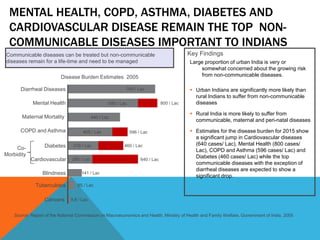
India's Most Ignored Health Problem: Cardiovascular
Disease, COPD, Asthma and Diabetes
India spends only 4.8% of its GDP on Healthcare
People between the age group of 50-59 have the highest prevalence of
Cardiovascular disease and Diabetes
A Below Poverty Line [BPL] family study shows 333 days of wages lost
due to a single episode of Heart disease; 100 days for Diabetes and
between 650-900 for COPD and Asthma
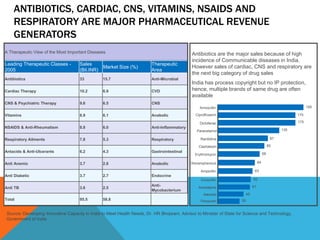
With the government and external funding agencies focusing on
communicable disease little or no attention is paid to the threat of
communicable diseases.
The estimated episodic cost of treating heart disease, diabetes, and
asthma/COPD is Rs. 11,000, Rs. 5000, and between Rs. 20,000 -
32,000 respectively
Cardiovascular diseases are expected to increase by 120% through
2015
Disease Burden 1990
Non-communicable
Injuries
Maternal Child &
Communicable
56%
29%
15%
Disease Burden 2020
Non-communicable
Injuries
Maternal Child &
Communicable24%
57%
19%
Source: Report of the National Commission on Macroeconomics and Health, Ministry of
Health and Family Welfare, Government of India, 2005
Source: Chapter 2.8, 10th Five Year Plan, Planning Commission,
Government of India](https://image.slidesharecdn.com/chronicdiseasemanagement-180119183523/85/Chronic-disease-management-6-320.jpg)



![PHYSICIAN ARE THE GATE KEEPERS
TO HEALTHCARE IN INDIA
- QUALITY OF CARE IS NOT UNIFORM
- LACK OF STANDARDS
- ONUS ON DOCTOR
- LOW UPDATING OF KNOWLEDGE
- INCENTIVES TO PROMOTE DRUGS
- PAPER BASED DATA
- NO ELECTRONIC DATA
- INCOMPLETE
- DIFFERENT FORMATS
- MULTIPLE TREATMENT PLANS
- UNKNOWN ALLERGIES
- PRESCRIPTION – LAB TEST
DISCONNECT
- EFFECTS OF AYUSH
- WEAK REGULATORY FRAMEWORK
- NO SINGLE AGENCY WITH JAWS
- UNAUTHORISED DRUG TRIALS
- CME IS NOT ENFORCED
PHYSICIANS ARE THE HC GATE KEEPERS, BUT THERE IS
EVIDENCE TO SUGGEST THAT THEY ARE ILL-EQUIPPED TO
DELIVER CONSISTENT QUALITY OF CARE [QOC]
QUALITY OF CARE DATA RELIABILITY
REGULATORYPRESCRIPTION](https://image.slidesharecdn.com/chronicdiseasemanagement-180119183523/85/Chronic-disease-management-17-320.jpg)



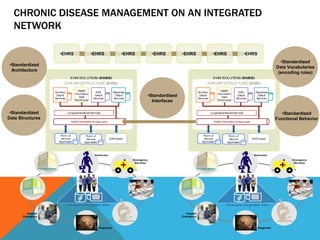
The document discusses disease burden and chronic disease management in India. It notes that non-communicable diseases like cardiovascular disease, COPD, asthma and diabetes remain major causes of morbidity. The disease burden from these conditions is projected to increase significantly by 2015. Effective chronic disease management requires sharing health information electronically through a health information exchange. However, convincing stakeholders to share data on a cloud is a major challenge. Personalized, convenient care that blends high-tech and high-touch approaches may help drive behavioral changes needed for successful disease management.


