A good elementary school
reading
Program should provide for
two
Inseparable and
interdependent ideas.
(1)The development of reading
Skills, and
(2) The encouragement of reading
pleasures.
The constant purpose of a teacher
is to interest children in a varied
and well-balanced program of
reading.
Books are a source of information,
comfort and pleasure for people who
know how to use them and how to
choose them.
• A book is a good book for children
only when he enjoys it.
• A book is a poor book for children,
Even when adults rate it as a classic,
If children are not able to read it
and enjoy it.
Basic needs of Children as well
as adults are:
1. Material Security
It embraces everything that gives him

a sense of comfort and well- being.
2. Emotional Security
The need to love and to be beloved.
3. Intellectual Security
The need to know things more
accurately.
4. The need to achieve
To do or be something worthy of
respect.
5. Need for recreation and
diversion
Fairy tales, stories of adventure
and romance are example . Books
of laughter help dissolve fear and
tensions.
6. Need to belong
To be a part of a group. Stories
about family life, the school, his
community, his country and later
about the world about him.
Criteria for Books Selection:
I. Fiction
1. Theme
The theme of a book reveals the
author’s purpose in writing the story.
It is the idea of the story, the
meaning behind the story
2. Plot
The plot is the plan of the story; it
tells what the characters do and
what happens to them. It is the
action of a story built around a
theme.
3. Quality of Content
Aside from the plot, the quality of
the content of the book must be
examined. The story must be worth
telling or reading.
4. Characterization
The characters in the story whether
they are people or animals should be
convincingly real and lifelike.
5. Style
The style of a book refers to the
manner or the way the author has
written it. Every author has his own
individual style.
6. Format
The physical aspects of the book
must also be considered.
7. Illustrations
The illustrations for a picture book
are as important as the text.
Children prefer colored picture, but
some of the most popular picture
books and storybooks are black and
white. The illustration should be
appropriate to the text.
The text is the author’s expression of
life as he sees it and given in a form
that children can understand and
share.
8. Other Considerations
* How does this book compare with
other books on the same subject?
* How does it compare with other
books written by the same author?
* Does it appeal only to a few
children or does it have an appeal to
a greater number of children?
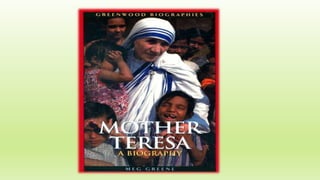
II. Biographies
The same criteria for fiction books may
be used for biographies .
* A Biography should be true to all the
facts known about the subject’s life
* The hero of a biography must be a real-
life here, with real-life faults, weaknesses
and doubts.
* Biography for children should be about
heroes of action and deeds.
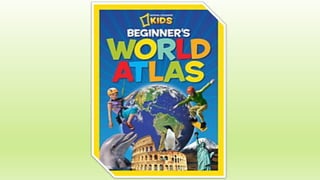
III. Informational Books
Books that are primarily concerned with
facts should be accurate, easy to read and
understand, adequately treated, well
presented in such a way that it will be
easy to find what one is looking for.
IV. Reference Books
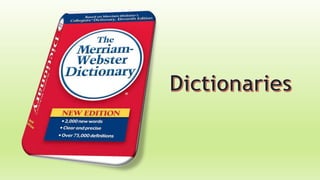
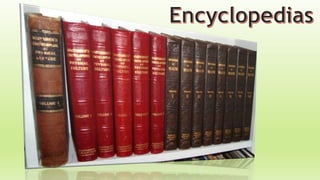
Dictionaries and Encyclopedias
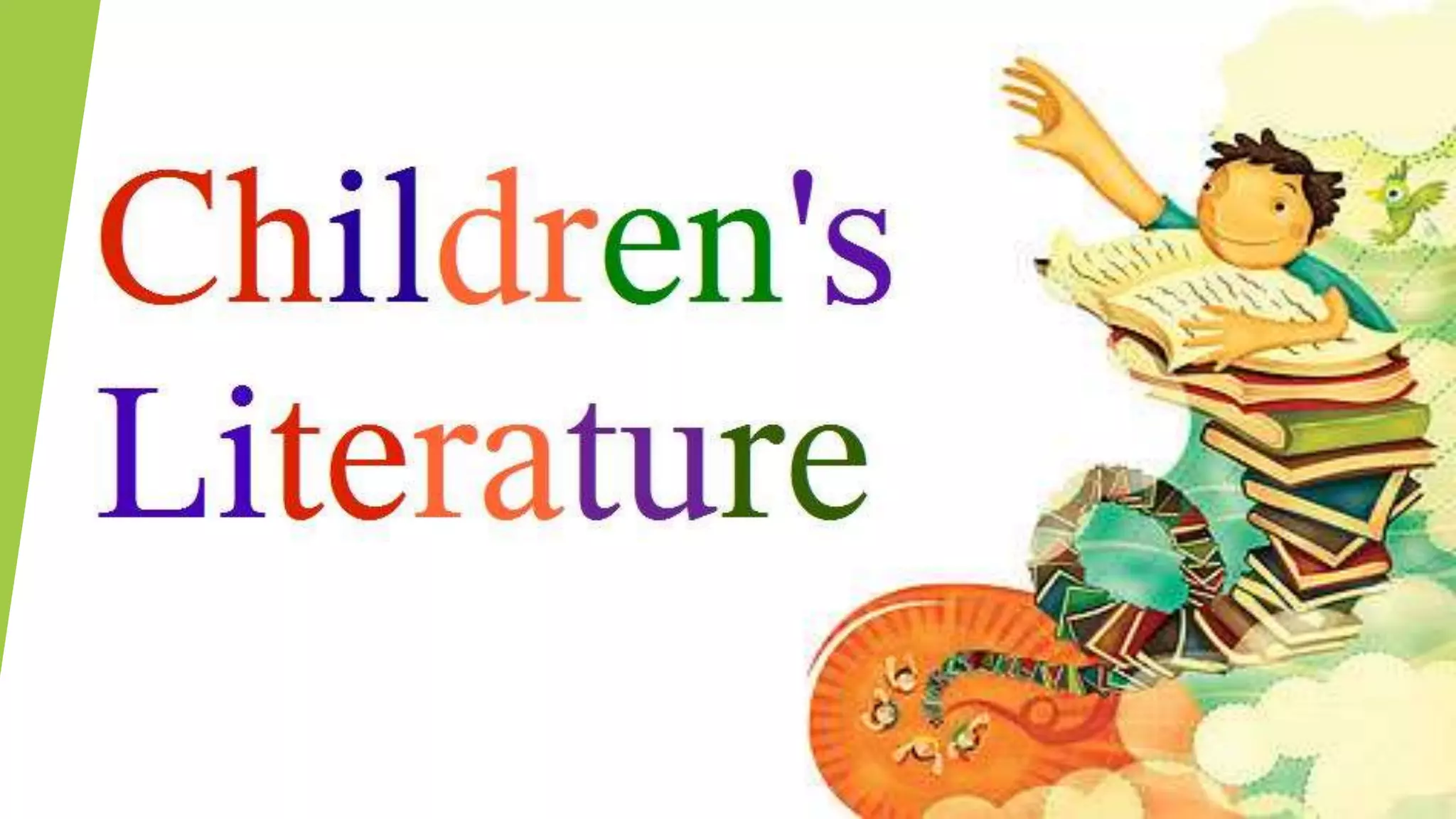
Children's Literature

Children's Literature

  • 9.
    A good elementaryschool reading Program should provide for two Inseparable and interdependent ideas.
  • 10.
    (1)The development ofreading Skills, and (2) The encouragement of reading pleasures.
  • 11.
    The constant purposeof a teacher is to interest children in a varied and well-balanced program of reading. Books are a source of information, comfort and pleasure for people who know how to use them and how to choose them.
  • 12.
    • A bookis a good book for children only when he enjoys it. • A book is a poor book for children, Even when adults rate it as a classic, If children are not able to read it and enjoy it.
  • 13.
    Basic needs ofChildren as well as adults are:
  • 14.
    1. Material Security Itembraces everything that gives him a sense of comfort and well- being.
  • 15.
    2. Emotional Security Theneed to love and to be beloved.
  • 16.
    3. Intellectual Security Theneed to know things more accurately.
  • 17.
    4. The needto achieve To do or be something worthy of respect.
  • 18.
    5. Need forrecreation and diversion Fairy tales, stories of adventure and romance are example . Books of laughter help dissolve fear and tensions.
  • 19.
    6. Need tobelong To be a part of a group. Stories about family life, the school, his community, his country and later about the world about him.
  • 20.
  • 21.
    I. Fiction 1. Theme Thetheme of a book reveals the author’s purpose in writing the story. It is the idea of the story, the meaning behind the story
  • 22.
    2. Plot The plotis the plan of the story; it tells what the characters do and what happens to them. It is the action of a story built around a theme.
  • 23.
    3. Quality ofContent Aside from the plot, the quality of the content of the book must be examined. The story must be worth telling or reading.
  • 24.
    4. Characterization The charactersin the story whether they are people or animals should be convincingly real and lifelike.
  • 25.
    5. Style The styleof a book refers to the manner or the way the author has written it. Every author has his own individual style.
  • 26.
    6. Format The physicalaspects of the book must also be considered.
  • 27.
    7. Illustrations The illustrationsfor a picture book are as important as the text. Children prefer colored picture, but some of the most popular picture books and storybooks are black and white. The illustration should be appropriate to the text.
  • 28.
    The text isthe author’s expression of life as he sees it and given in a form that children can understand and share.
  • 29.
    8. Other Considerations *How does this book compare with other books on the same subject? * How does it compare with other books written by the same author? * Does it appeal only to a few children or does it have an appeal to a greater number of children?
  • 30.
    II. Biographies The samecriteria for fiction books may be used for biographies .
  • 32.
    * A Biographyshould be true to all the facts known about the subject’s life * The hero of a biography must be a real- life here, with real-life faults, weaknesses and doubts. * Biography for children should be about heroes of action and deeds.
  • 33.
    III. Informational Books Booksthat are primarily concerned with facts should be accurate, easy to read and understand, adequately treated, well presented in such a way that it will be easy to find what one is looking for.
  • 35.