Chapter 8 
Photosynthesis
History 
• Jan Van Helmont (1643) – discovered that 
plants must get their food from H2O 
• Joseph Priestley (1771) – plants produce 
02 
• Jan Ingenhousz (1779) – light was 
necessary for plants to produce 02
• Energy – the ability to do work 
• Autotrophs – organisms such as plants 
can make their own food. 
• Heterotrophs – obtain food from other 
organisms
Chemical Energy 
• Living things use chemical energy as fuel 
• Adenosine triphosphate (ATP) – principal 
compound that cells use to store and 
release energy 
• Composed of 
• Adenine – ribose – 3 phosphate group 
• By adding a phosphate to ADP- ATP 
snythase - (has 2) (poor energy storer) 
ATP is created
Releasing energy 
• By breaking the bond between the 2nd and 
3rd phosphate, energy is released 
• Characteristics of ATP make it an 
exceptional source of energy of all cells 
• Powers protein synthesis and nucleic 
acids, active transport (energy required) 
• Cells contain small amounts of ATP (about 
90 sec)
Photosynthesis 
Light 
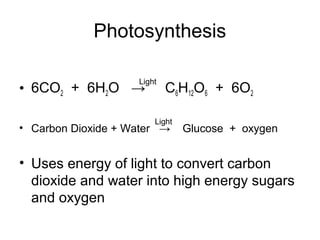
• 6CO2 + 6H2O → C6H12O6 + 6O2 
Light 
• Carbon Dioxide + Water → Glucose + oxygen 
• Uses energy of light to convert carbon 
dioxide and water into high energy sugars 
and oxygen
Structures of Photosynthesis 
• Pigments – light absorbing molecules 
• Chlorophyll – principal pigment in plants 
• light is a form of energy that is found in the 
visible spectrum 
• Plants absorb light, therefore, they absorb 
energy in the form of electrons which 
allows photosynthesis to take place 
• Plants can use all of the visible spectrum 
except green
Cont. 
• Chloroplast – structure where photosynthesis 
takes place 
• Thylakoids – saclike photosynthetic membranes 
arranged into stacks called granum 
• Photosystem – light collecting units of the 
chloroplast 
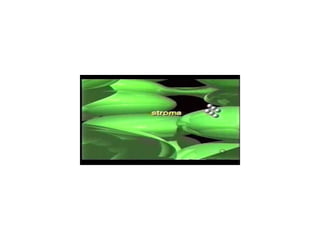
• Stroma – region outside thylakoid membrane 
where the Calvin cycle takes place
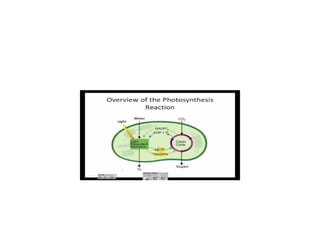
Light dependent reaction 
• Takes place within the granum (stacked 
thylakoids) 
• Light is required 
• Reaction produces oxygen and converts 
ADP and NADP+ into the energy carriers 
ATP and NADPH (used in Calvin Cycle) 
• These are required to build energy 
containing sugars from low energy 
compounds
Light independent reaction 
• Calvin cycle – uses ATP and NADPH from the 
light dependent reaction to produce high energy 
sugars 
• Takes place in the stroma 
• Uses 6 CO2 molecules to produce 6 sugar 
molecules (high energy)
Factors 
• Temperature 
• Light intensity 
• Water
Summary 
• Two sets of photosynthetic reactions work 
together: 
• Light dependent reactions trap the 
energy from sunlight in chemical form and 
the light independent reaction (Calvin 
Cycle) uses that energy to produce stable 
high energy sugars from water and CO2 
creating O2

Chapter 8

  • 1.
  • 2.
    History • JanVan Helmont (1643) – discovered that plants must get their food from H2O • Joseph Priestley (1771) – plants produce 02 • Jan Ingenhousz (1779) – light was necessary for plants to produce 02
  • 3.
    • Energy –the ability to do work • Autotrophs – organisms such as plants can make their own food. • Heterotrophs – obtain food from other organisms
  • 4.
    Chemical Energy •Living things use chemical energy as fuel • Adenosine triphosphate (ATP) – principal compound that cells use to store and release energy • Composed of • Adenine – ribose – 3 phosphate group • By adding a phosphate to ADP- ATP snythase - (has 2) (poor energy storer) ATP is created
  • 5.
    Releasing energy •By breaking the bond between the 2nd and 3rd phosphate, energy is released • Characteristics of ATP make it an exceptional source of energy of all cells • Powers protein synthesis and nucleic acids, active transport (energy required) • Cells contain small amounts of ATP (about 90 sec)
  • 6.
    Photosynthesis Light •6CO2 + 6H2O → C6H12O6 + 6O2 Light • Carbon Dioxide + Water → Glucose + oxygen • Uses energy of light to convert carbon dioxide and water into high energy sugars and oxygen
  • 8.
    Structures of Photosynthesis • Pigments – light absorbing molecules • Chlorophyll – principal pigment in plants • light is a form of energy that is found in the visible spectrum • Plants absorb light, therefore, they absorb energy in the form of electrons which allows photosynthesis to take place • Plants can use all of the visible spectrum except green
  • 9.
    Cont. • Chloroplast– structure where photosynthesis takes place • Thylakoids – saclike photosynthetic membranes arranged into stacks called granum • Photosystem – light collecting units of the chloroplast • Stroma – region outside thylakoid membrane where the Calvin cycle takes place
  • 10.
    Light dependent reaction • Takes place within the granum (stacked thylakoids) • Light is required • Reaction produces oxygen and converts ADP and NADP+ into the energy carriers ATP and NADPH (used in Calvin Cycle) • These are required to build energy containing sugars from low energy compounds
  • 12.
    Light independent reaction • Calvin cycle – uses ATP and NADPH from the light dependent reaction to produce high energy sugars • Takes place in the stroma • Uses 6 CO2 molecules to produce 6 sugar molecules (high energy)
  • 14.
    Factors • Temperature • Light intensity • Water
  • 15.
    Summary • Twosets of photosynthetic reactions work together: • Light dependent reactions trap the energy from sunlight in chemical form and the light independent reaction (Calvin Cycle) uses that energy to produce stable high energy sugars from water and CO2 creating O2