Analyzing Consumer Markets
Chapter 3
alfina@uisi.ac.id
Learning Objectives
• Identify the key factors that influence consumer behavior.
• Explain the role cultural, social, and personal factors play in consumer
behavior.
• Explain how consumers’ needs, emotions, and memory influence
their behavior.
• Illustrate the key stages of the buying decision process
Consumer Characteristic
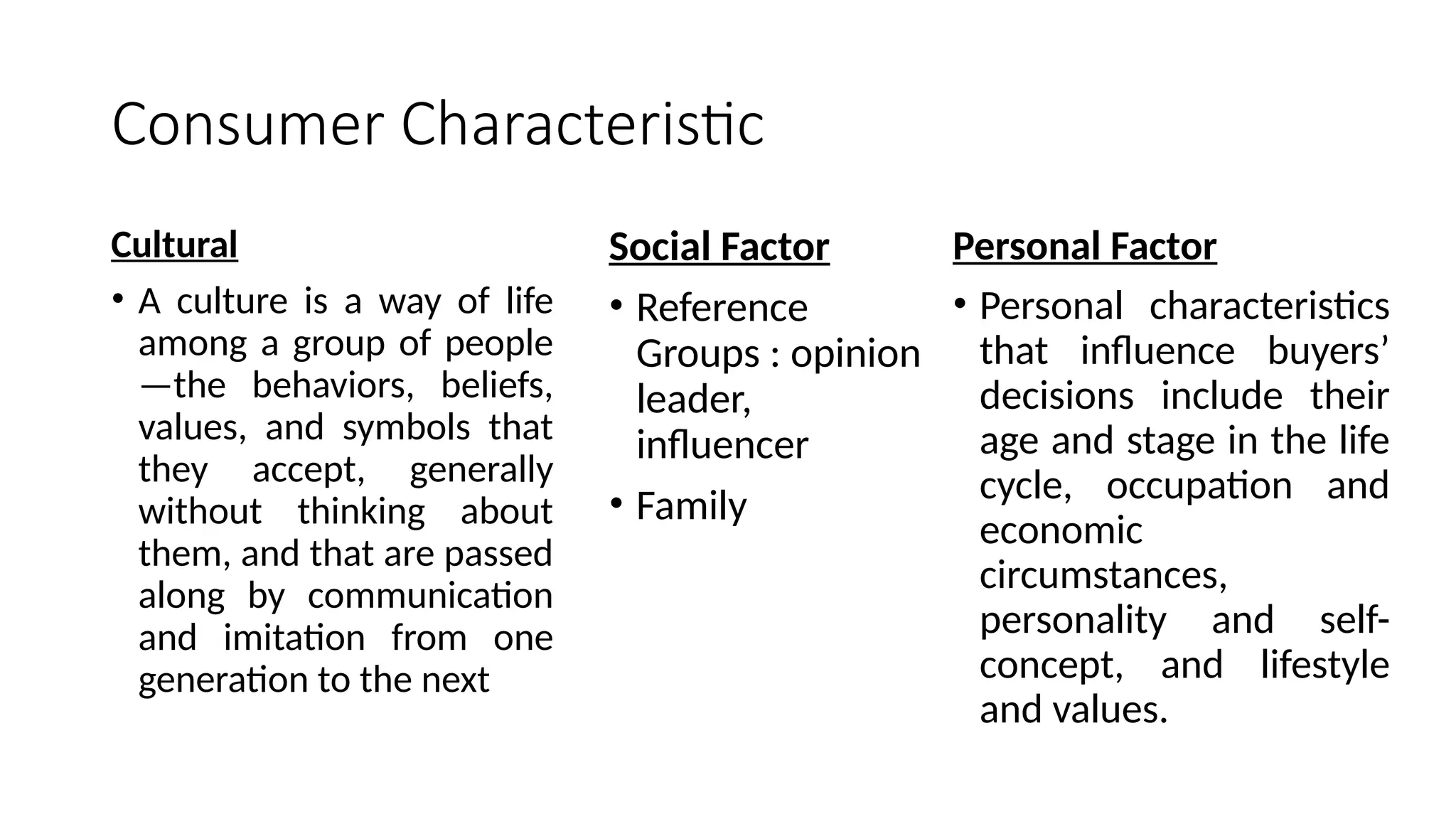
Cultural
• A culture is a way of life
among a group of people
—the behaviors, beliefs,
values, and symbols that
they accept, generally
without thinking about
them, and that are passed
along by communication
and imitation from one
generation to the next
Social Factor
• Reference
Groups : opinion
leader,
influencer
• Family
Personal Factor
• Personal characteristics
that influence buyers’
decisions include their
age and stage in the life
cycle, occupation and
economic
circumstances,
personality and self-
concept, and lifestyle
and values.
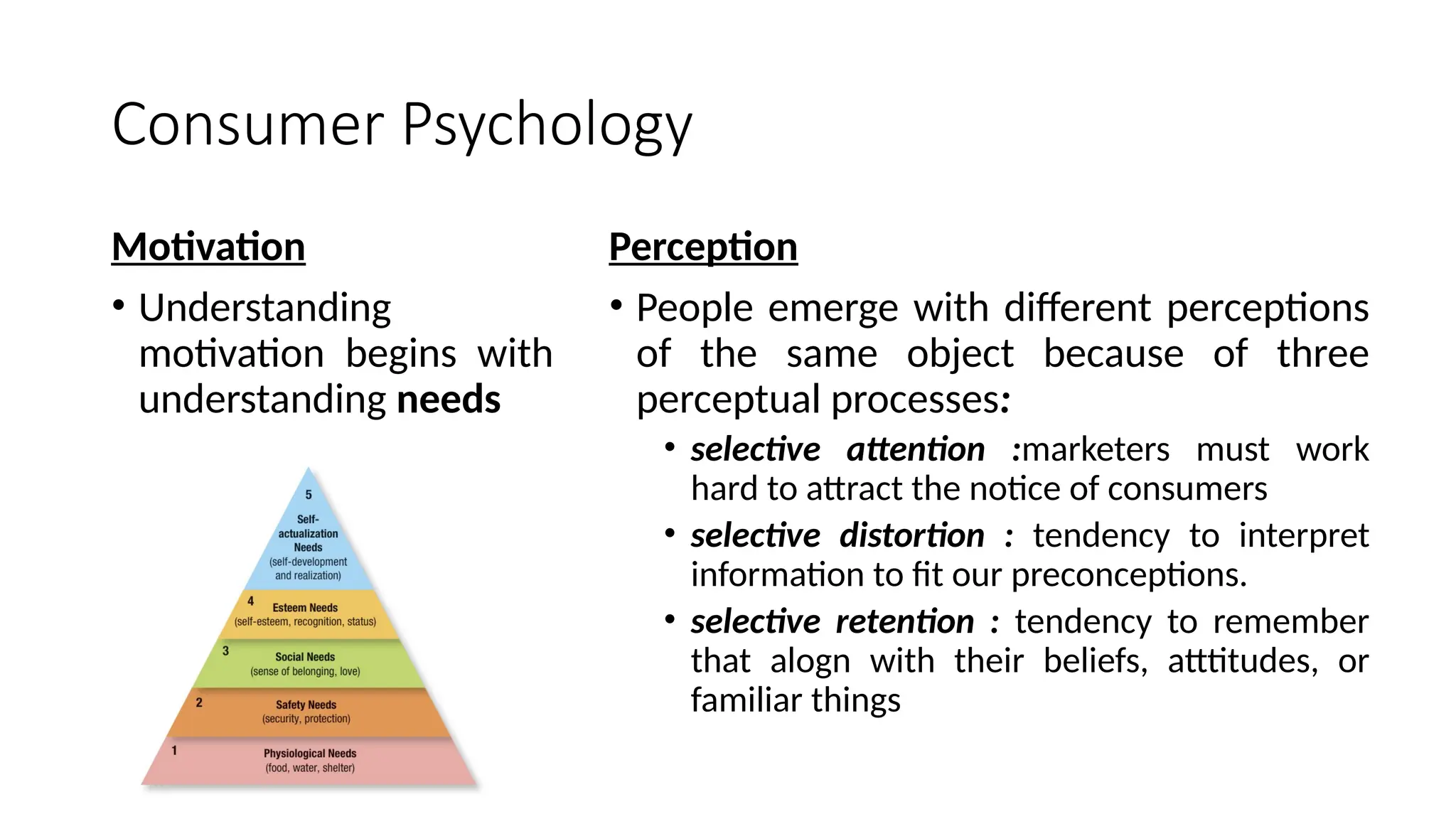
Consumer Psychology
Motivation
• Understanding
motivation begins with
understanding needs
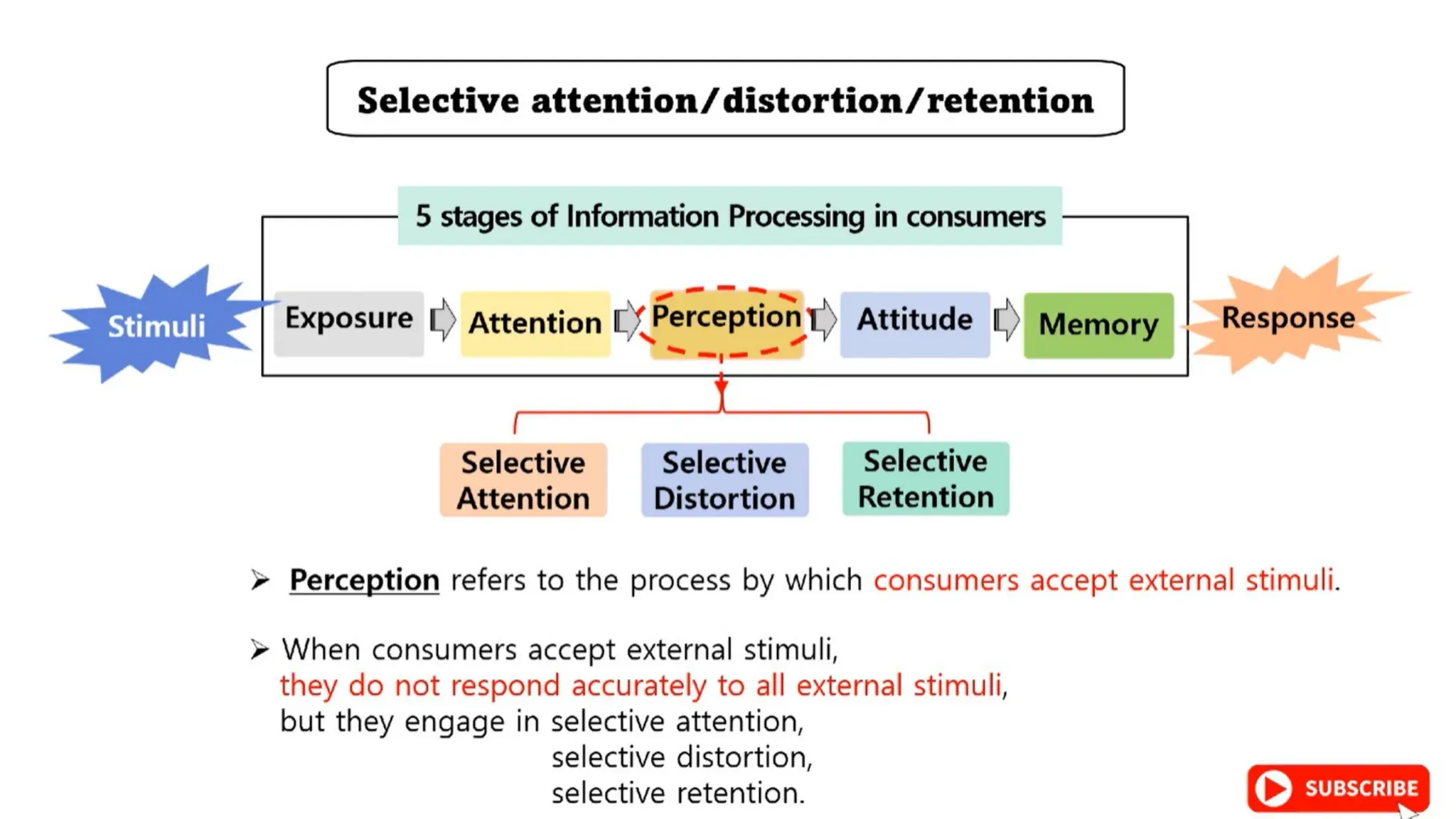
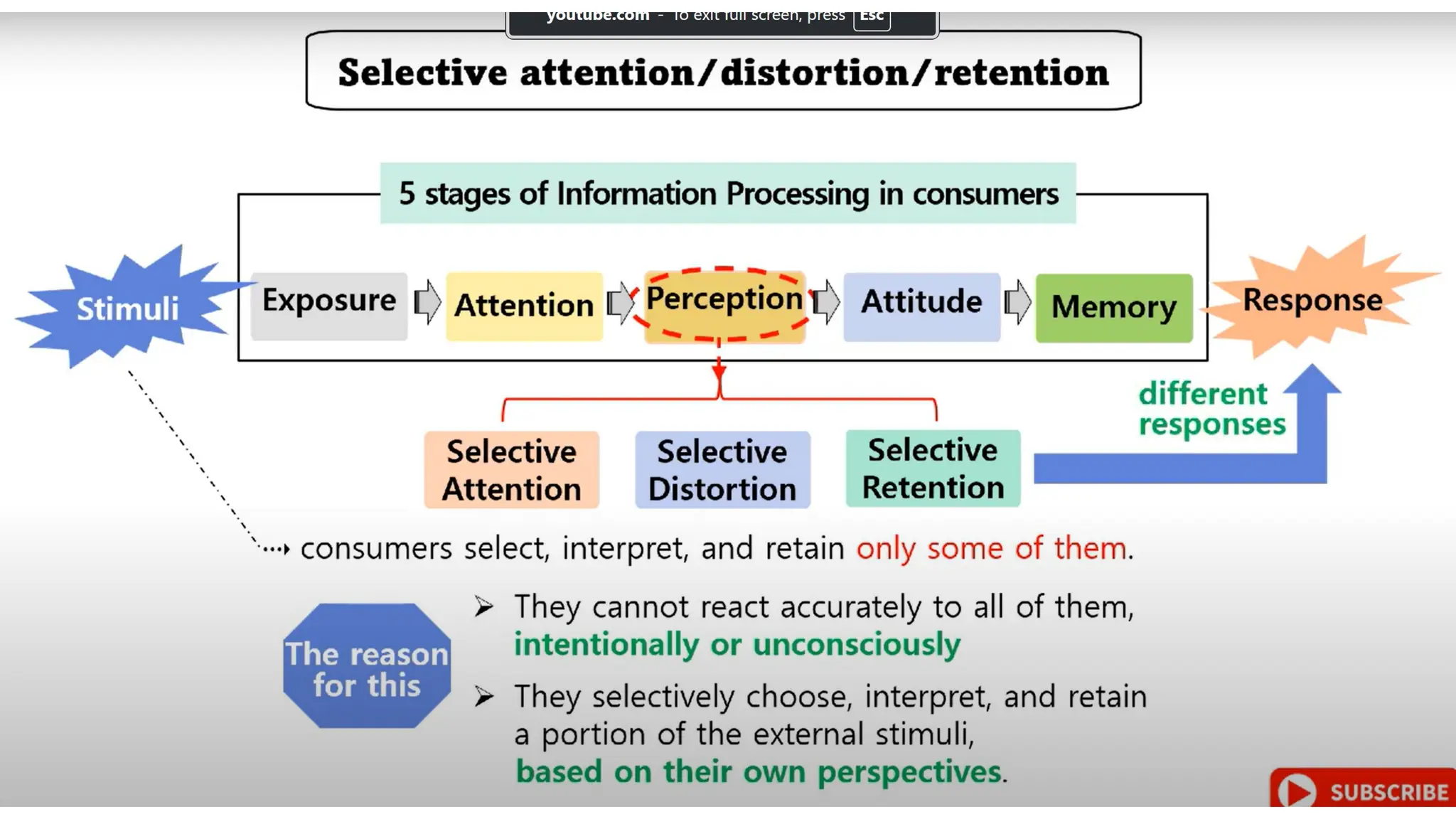
Perception
• People emerge with different perceptions
of the same object because of three
perceptual processes:
• selective attention :marketers must work
hard to attract the notice of consumers
• selective distortion : tendency to interpret
information to fit our preconceptions.
• selective retention : tendency to remember
that alogn with their beliefs, atttitudes, or
familiar things
Consumer Psychology
Emotion
• Consumer response is not
all cognitive and rational.
Many responses may be
emotional and evoke
different kinds of feelings.
• A brand or product may
make a consumer feel
proud, excited, or
confident.
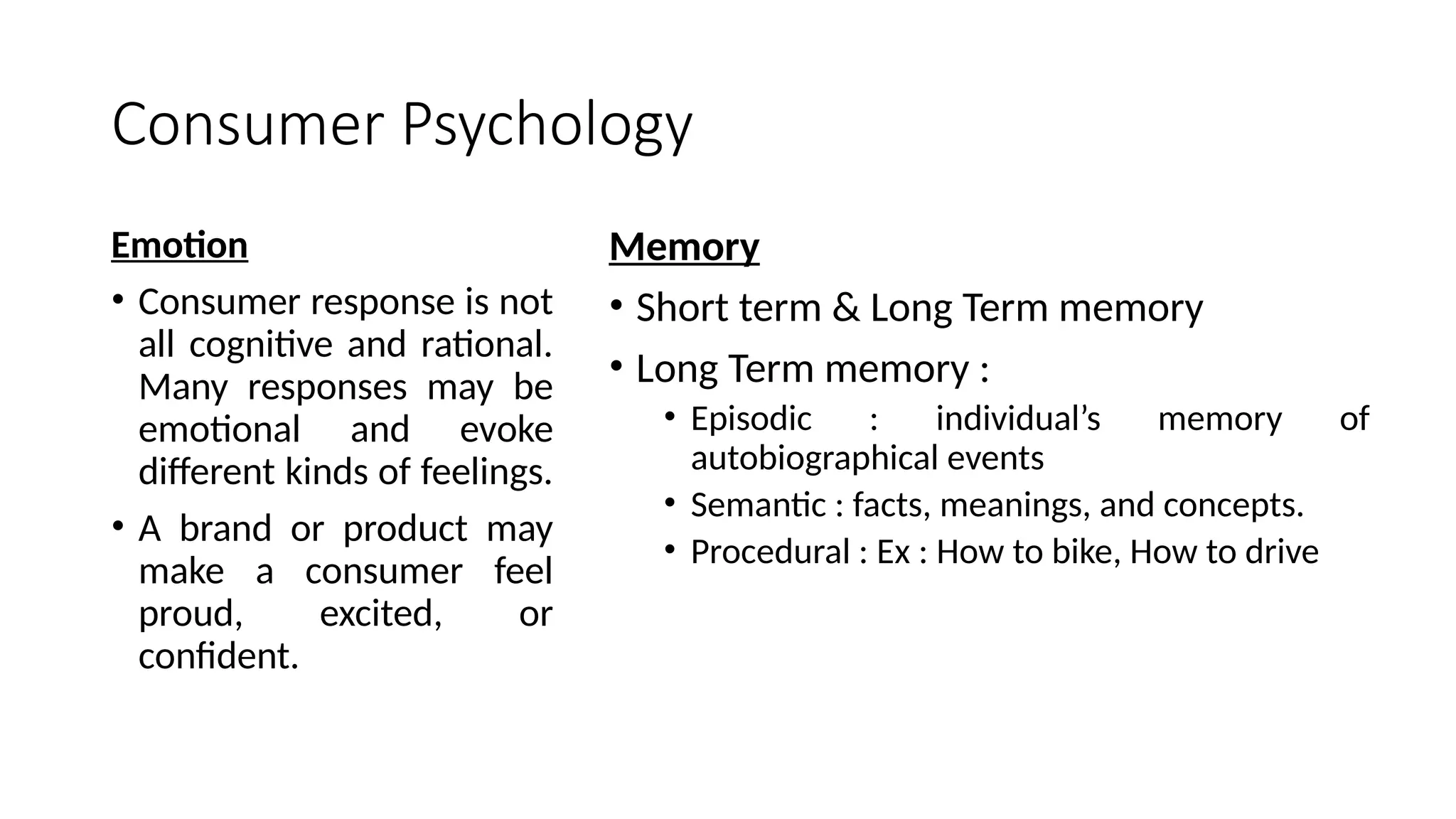
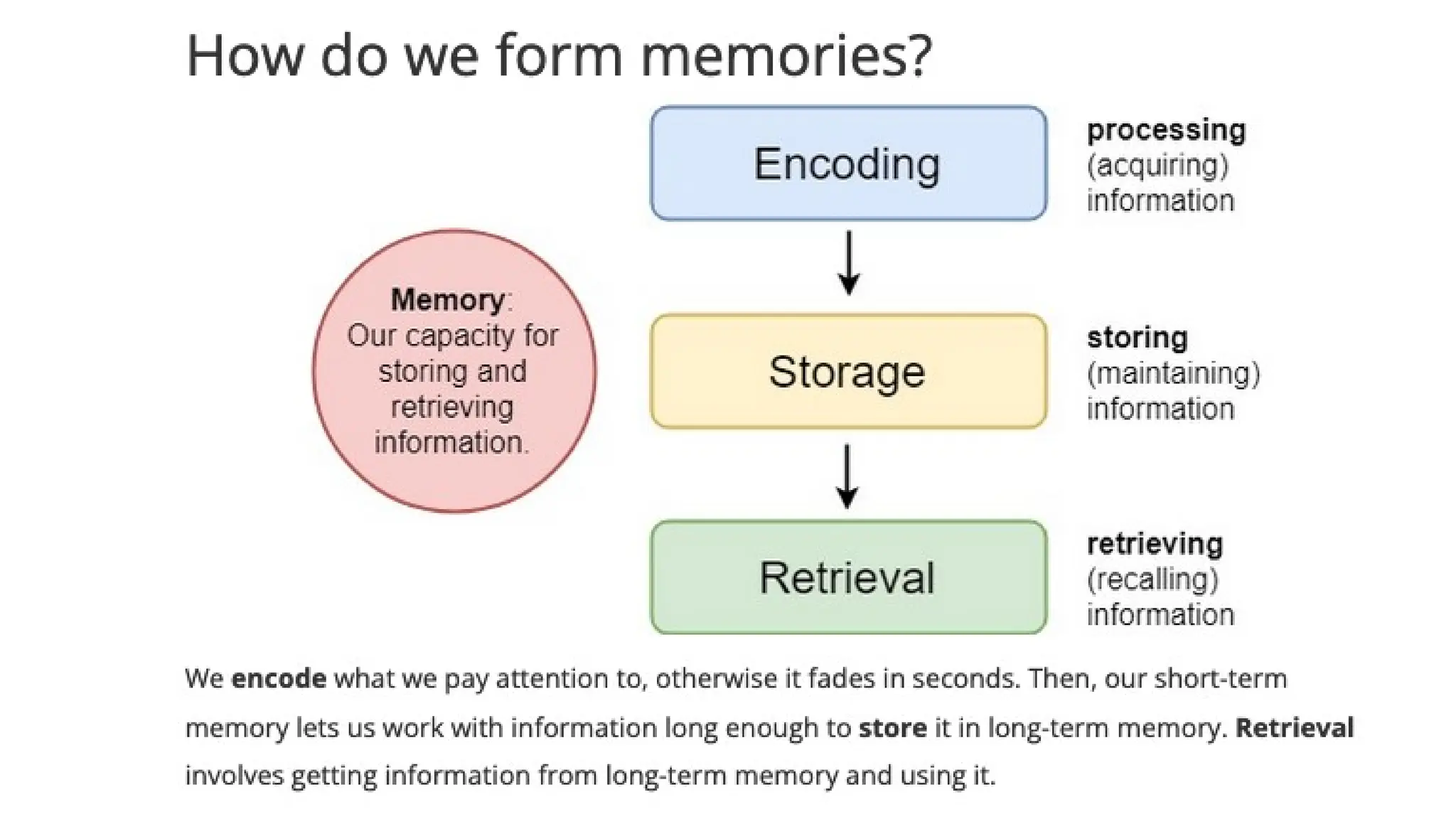
Memory
• Short term & Long Term memory
• Long Term memory :
• Episodic : individual’s memory of
autobiographical events
• Semantic : facts, meanings, and concepts.
• Procedural : Ex : How to bike, How to drive
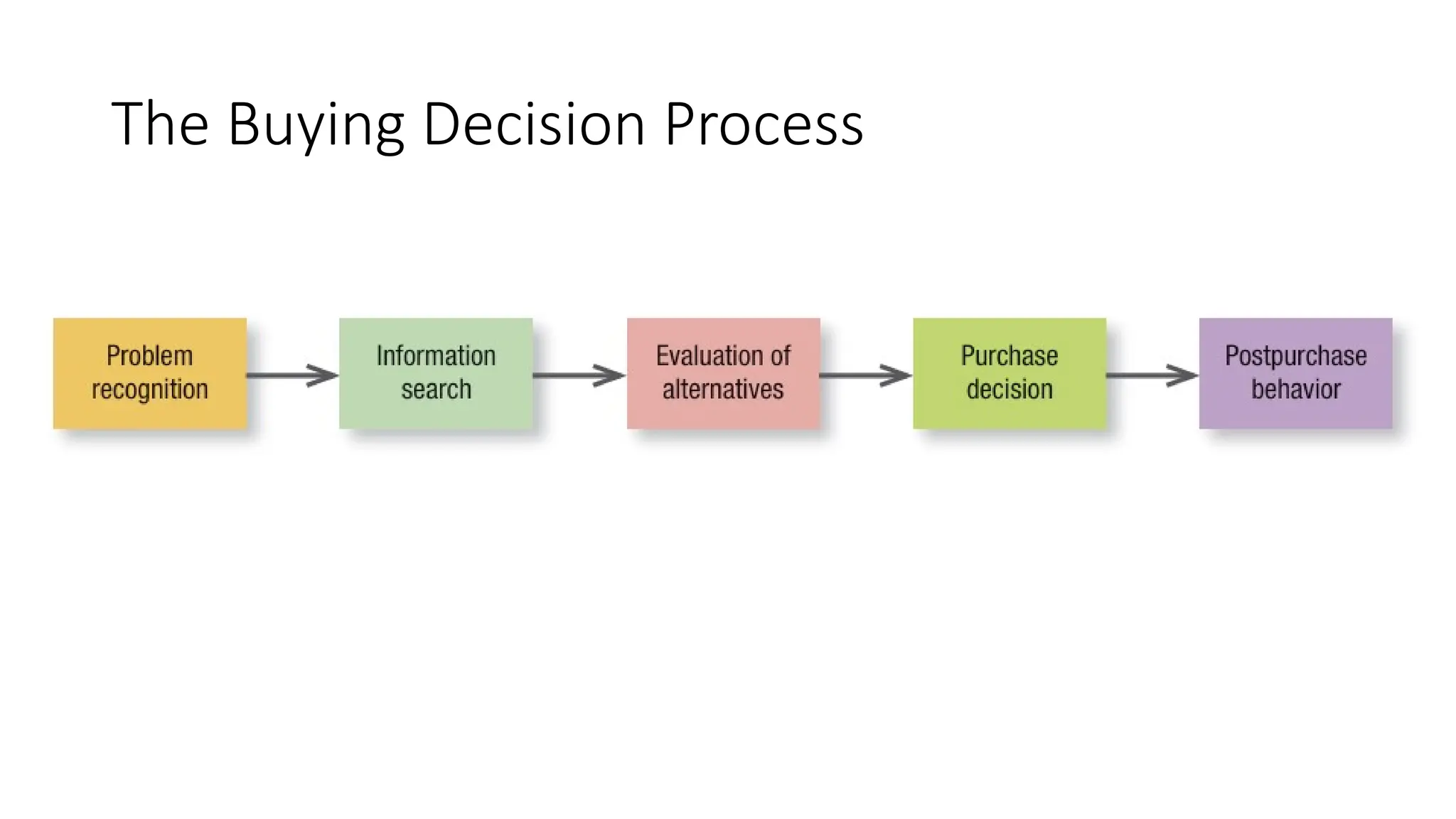
The Buying Decision Process
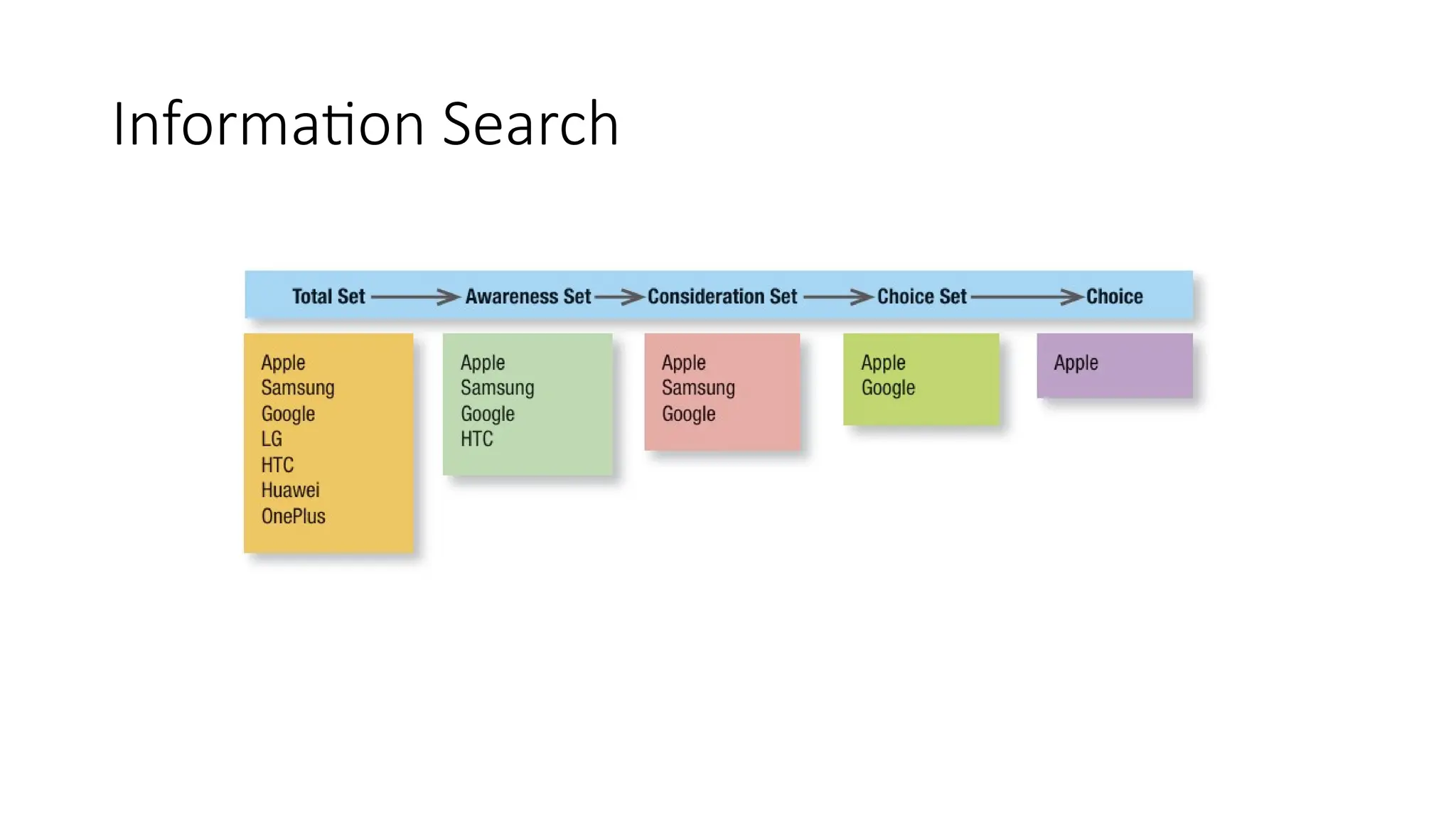
Information Search
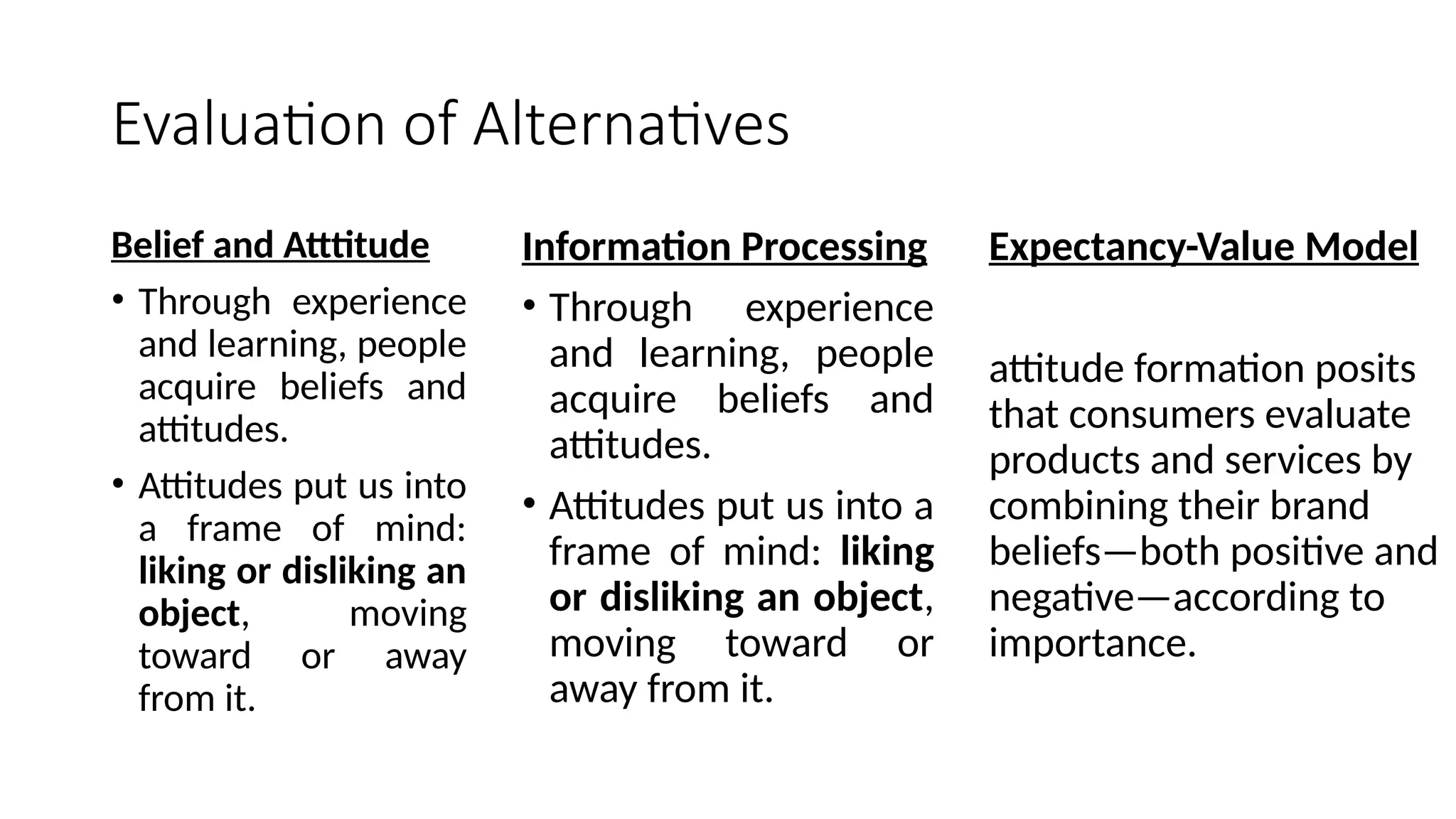
Evaluation of Alternatives
Belief and Atttitude
• Through experience
and learning, people
acquire beliefs and
attitudes.
• Attitudes put us into
a frame of mind:
liking or disliking an
object, moving
toward or away
from it.
Information Processing
• Through experience
and learning, people
acquire beliefs and
attitudes.
• Attitudes put us into a
frame of mind: liking
or disliking an object,
moving toward or
away from it.
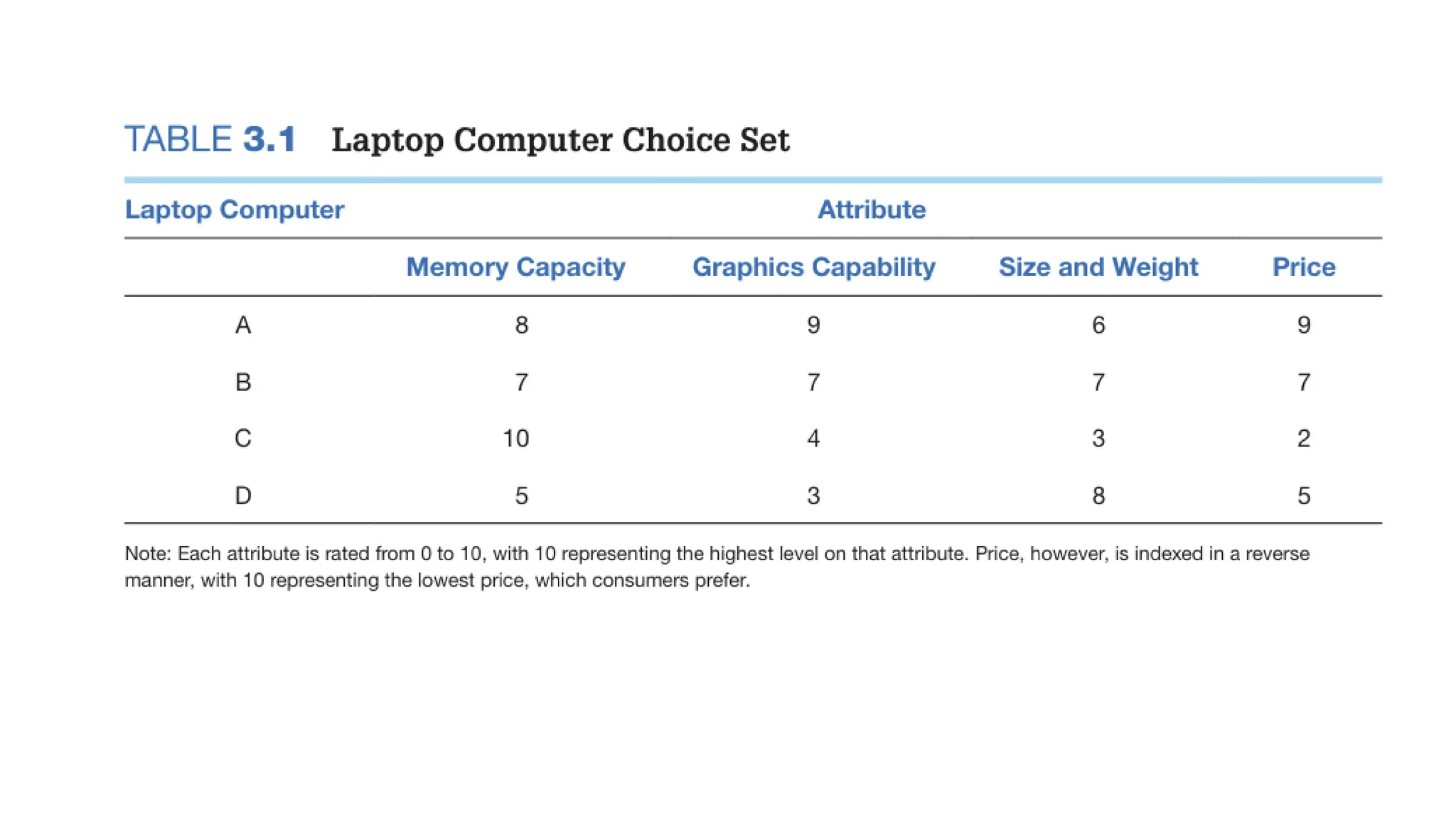
Expectancy-Value Model
attitude formation posits
that consumers evaluate
products and services by
combining their brand
beliefs—both positive and
negative—according to
importance.
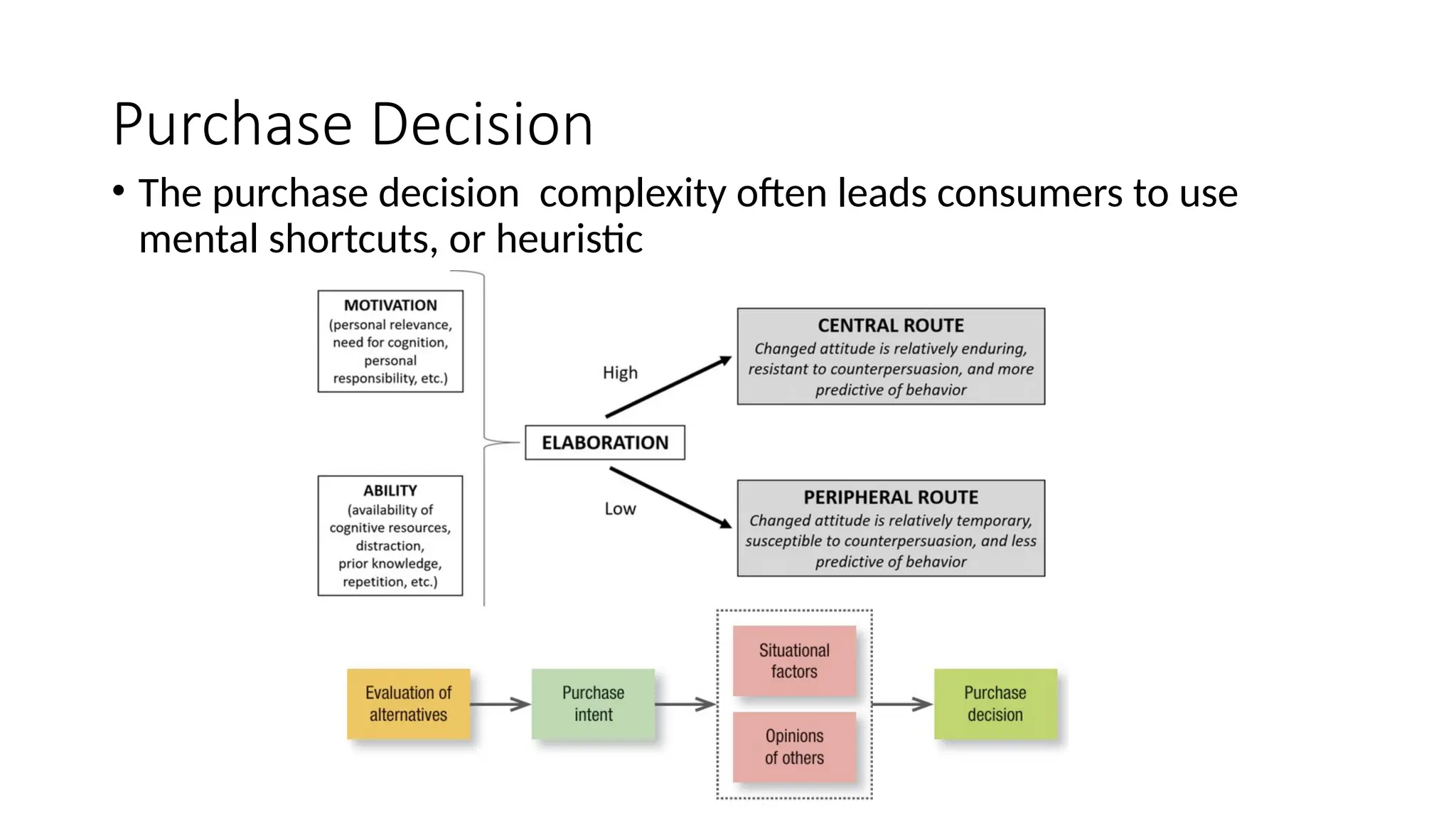
Purchase Decision
• The purchase decision complexity often leads consumers to use
mental shortcuts, or heuristic
Post-Purchase behavior
• Satisfaction influences customers’ postpurchase actions
• Dissatisfied consumers may abandon or return the product
• An important aspect of postpurchase behavior that marketers should
monitor involves the use and disposal of the product. A key driver of
sales frequency is the product consumption rate

Chapter 3 - 16e- Analyzing Consumer Markets.pptx

  • 1.
  • 2.
    Learning Objectives • Identifythe key factors that influence consumer behavior. • Explain the role cultural, social, and personal factors play in consumer behavior. • Explain how consumers’ needs, emotions, and memory influence their behavior. • Illustrate the key stages of the buying decision process
  • 4.
    Consumer Characteristic Cultural • Aculture is a way of life among a group of people —the behaviors, beliefs, values, and symbols that they accept, generally without thinking about them, and that are passed along by communication and imitation from one generation to the next Social Factor • Reference Groups : opinion leader, influencer • Family Personal Factor • Personal characteristics that influence buyers’ decisions include their age and stage in the life cycle, occupation and economic circumstances, personality and self- concept, and lifestyle and values.
  • 5.
    Consumer Psychology Motivation • Understanding motivationbegins with understanding needs Perception • People emerge with different perceptions of the same object because of three perceptual processes: • selective attention :marketers must work hard to attract the notice of consumers • selective distortion : tendency to interpret information to fit our preconceptions. • selective retention : tendency to remember that alogn with their beliefs, atttitudes, or familiar things
  • 6.
    Consumer Psychology Emotion • Consumerresponse is not all cognitive and rational. Many responses may be emotional and evoke different kinds of feelings. • A brand or product may make a consumer feel proud, excited, or confident. Memory • Short term & Long Term memory • Long Term memory : • Episodic : individual’s memory of autobiographical events • Semantic : facts, meanings, and concepts. • Procedural : Ex : How to bike, How to drive
  • 10.
  • 11.
  • 12.
    Evaluation of Alternatives Beliefand Atttitude • Through experience and learning, people acquire beliefs and attitudes. • Attitudes put us into a frame of mind: liking or disliking an object, moving toward or away from it. Information Processing • Through experience and learning, people acquire beliefs and attitudes. • Attitudes put us into a frame of mind: liking or disliking an object, moving toward or away from it. Expectancy-Value Model attitude formation posits that consumers evaluate products and services by combining their brand beliefs—both positive and negative—according to importance.
  • 14.
    Purchase Decision • Thepurchase decision complexity often leads consumers to use mental shortcuts, or heuristic
  • 15.
    Post-Purchase behavior • Satisfactioninfluences customers’ postpurchase actions • Dissatisfied consumers may abandon or return the product • An important aspect of postpurchase behavior that marketers should monitor involves the use and disposal of the product. A key driver of sales frequency is the product consumption rate

Editor's Notes

  • #7 Selective Attention, Selective Distortion, Selective Retention
  • #8 Selective Attention, Selective Distortion, Selective Retention
  • #9 Selective Attention, Selective Distortion, Selective Retention - YouTube