TYPES OF CELL CULTURE IN BIOREACTORS
What is Cell Culture? In vitro culture (maintain and/or proliferate) of cells, tissues or organs Types of tissue culture Organ culture Tissue culture Cell culture
Organ Culture The entire embryos or organs are excised from the body and culture Advantages Normal physiological functions are maintained.  Cells remain fully differentiated.  Disadvantages Scale-up is not recommended.  Growth is slow.  Fresh explantation is required for every experiment.
Tissue Culture Fragments of excised tissue are grown in culture media Advantages  Some normal functions may be maintained.  Better than organ culture for scale-up but not ideal. Disadvantages Original organization of tissue is lost.
Cell Culture Tissue from an explant is dispersed, mostly enzymatically, into a cell suspension which may then be cultured as a monolayer or suspension culture.  Advantages Development of a cell line over several generations  Scale-up is possible  Disadvantages Cells may lose some differentiated characteristics.
Why do we need Cell culture? Research To overcome problems in studying cellular behavior such as: confounding effects of the surrounding tissues  variations that might arise in animals under experimental stress Reduce animal use Commercial or large-scale production Production of cell material: vaccine, MAbs, hormone etc which are impossible to produce synthetically.
Advantages of Cell culture Advantages: Absolute control of physical environment  Homogeneity of sample  Less compound needed than in animal models  Disadvantages: Hard to maintain  Only grow small amount of tissue at high cost  Dedifferentiation  Instability, aneuploidy
Characteristics of Animal Cell Culture Nutritionally demanding Sensitive to shear and extremes of osmolality Doubling time 12 to 48 hrs Cell Density
Current Choices of Host Cells in Biotech Bacteria Cells Yeast Transgenic Animals Transgenic Plants Animal Cells
Comparison of Monoclonal Antibody Produced  from CHO & Transgenic Goats Assumption Annual Yield (Kg/yr) Batch  Yield (grams/L) 60 goat herd 350 L/animal year 40 5.0 Transgenic Goats Grange Castle 6 X 12,500 L Bioreactors 4000 3.4 CHO Bioreactor
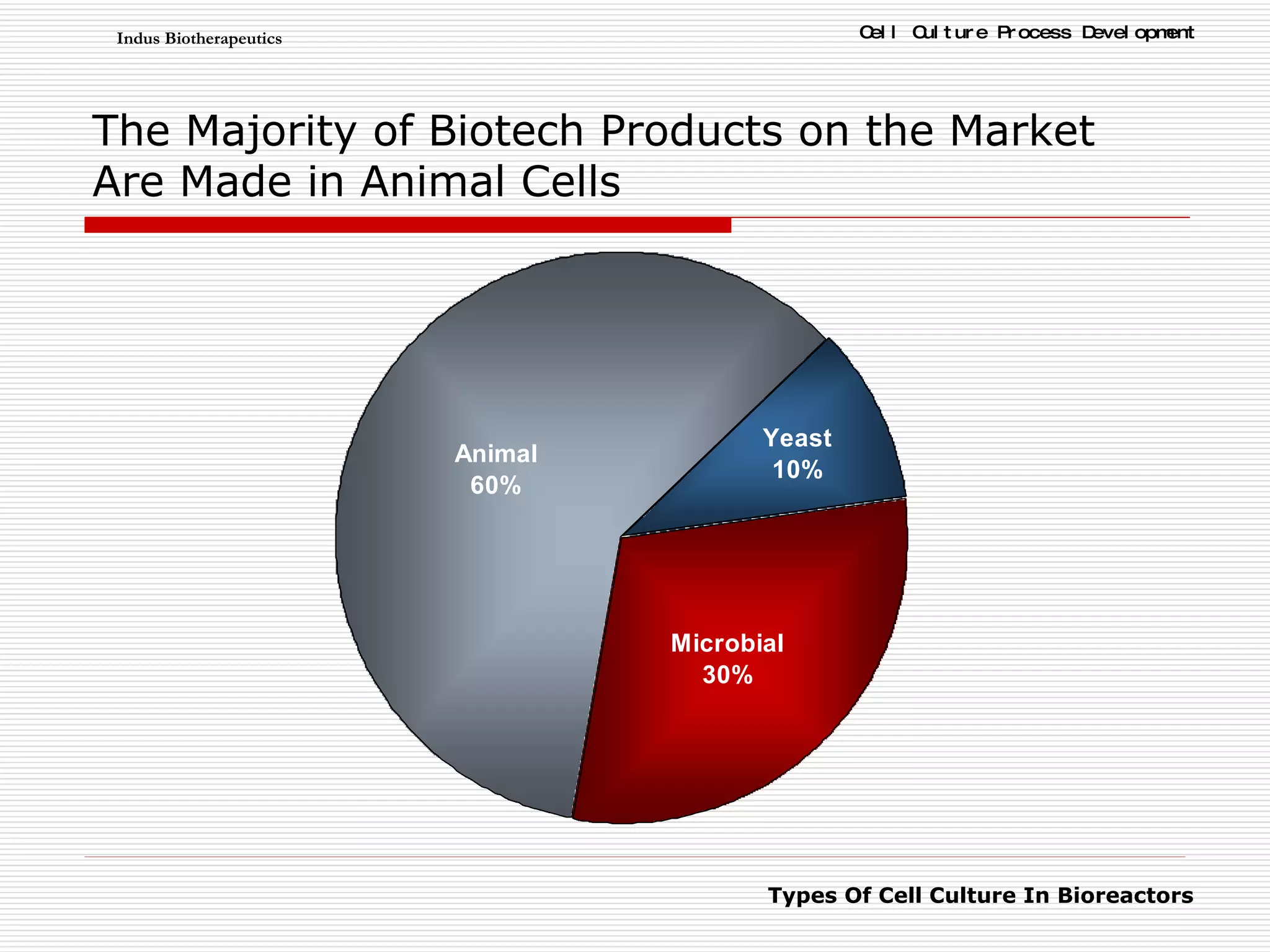
The Majority of Biotech Products on the Market Are Made in Animal Cells
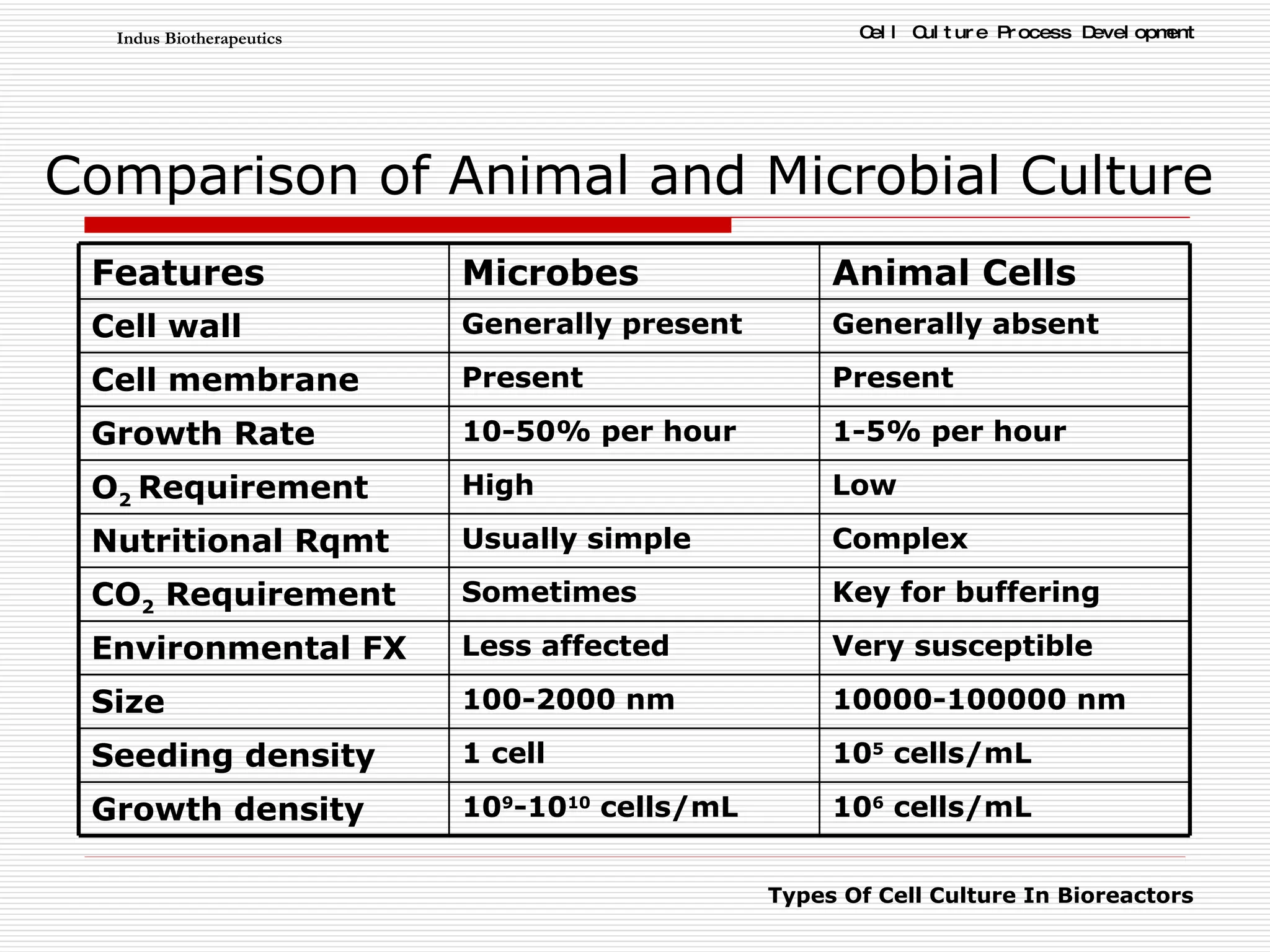
Comparison of Animal and Microbial Culture 10 6  cells/mL 10 9 -10 10  cells/mL Growth density 10 5  cells/mL 1 cell Seeding density 10000-100000 nm 100-2000 nm Size Very susceptible Less affected Environmental FX Key for buffering Sometimes CO 2  Requirement Complex Usually simple Nutritional Rqmt Low High O 2  Requirement 1-5% per hour 10-50% per hour Growth Rate Present Present Cell membrane Generally absent Generally present Cell wall Animal Cells Microbes Features
Types of Animal Cell culture Primary Cultures Derived directly from excised tissue and cultured either as  Outgrowth of excised tissue in culture  Dissociation into single cells (by enzymatic digestion or mechanical dispersion) Advantages: usually retain many of the differentiated characteristics of the cell  in vivo Disadvantages: initially heterogeneous but later become dominated by fibroblasts.  the preparation of primary cultures is labor intensive can be maintained  in vitro  only for a limited period of time.
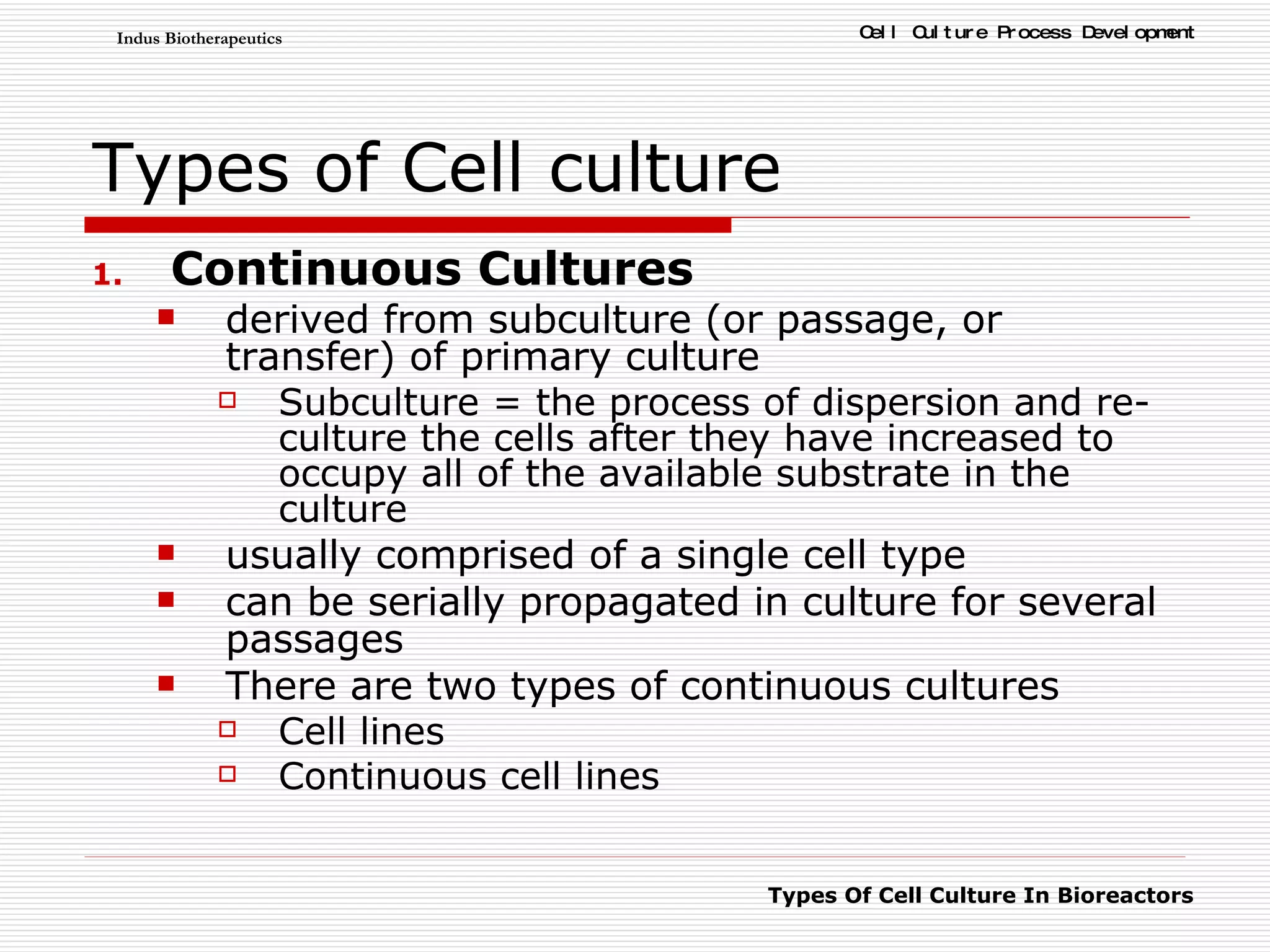
Types of Cell culture Continuous Cultures derived from subculture (or passage, or transfer) of primary culture  Subculture = the process of dispersion and re-culture the cells after they have increased to occupy all of the available substrate in the culture  usually comprised of a single cell type can be serially propagated in culture for several passages There are two types of continuous cultures Cell lines Continuous cell lines
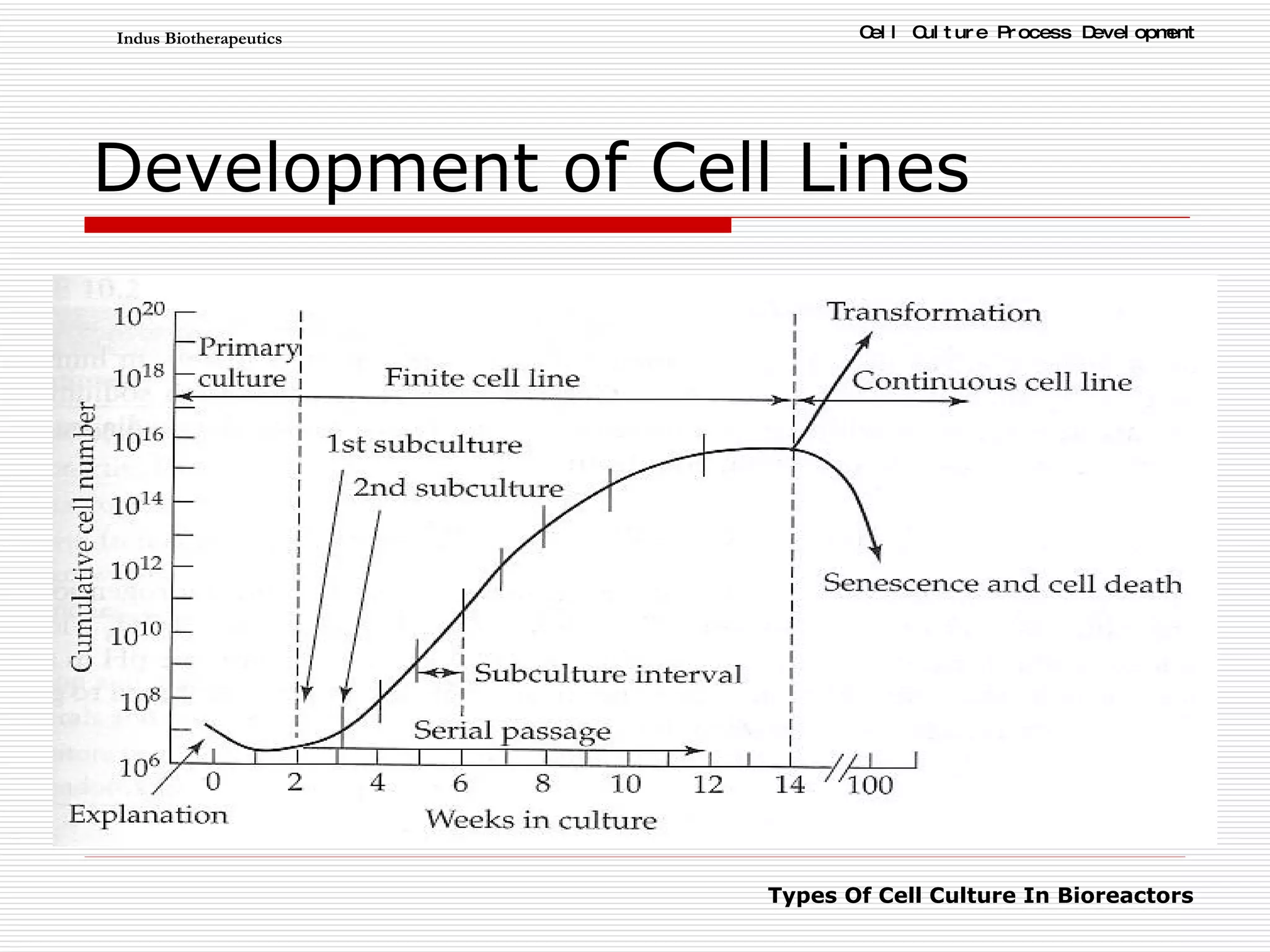
Types of continuous culture Cell lines   finite life, senesce after approximately thirty cycles of division usually diploid and maintain some degree of differentiation.  it is essential to establish a system of Master and Working banks in order to maintain such lines for long periods
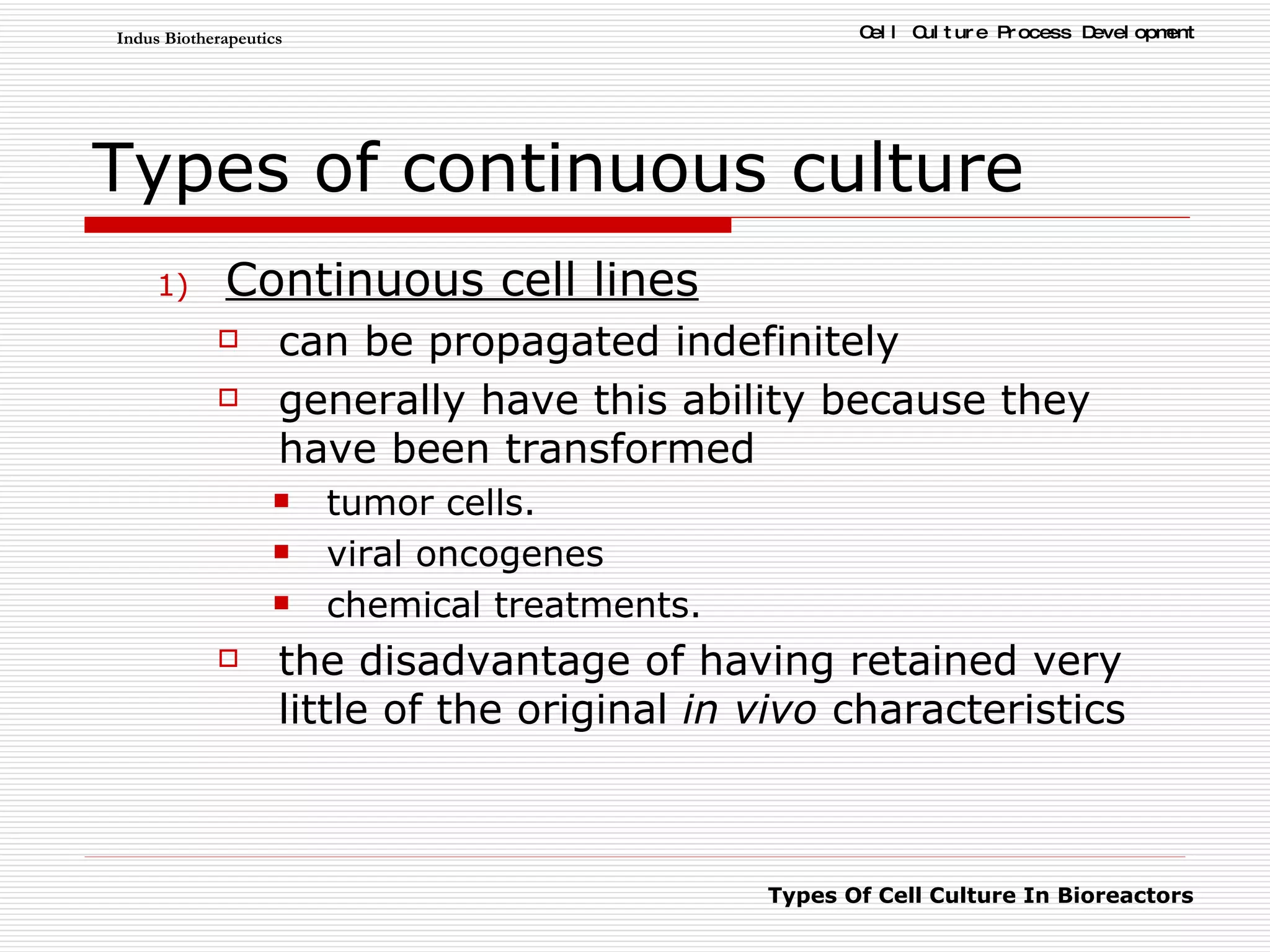
Types of continuous culture Continuous cell lines can be propagated indefinitely  generally have this ability because they have been transformed  tumor cells.  viral oncogenes  chemical treatments.  the disadvantage of having retained very little of the original  in vivo  characteristics
Immortality of continuous culture Telomeres lose about 100 base pairs from their telomeric DNA at each mitosis which impose a finite life span on cells after 125 mitotic divisions, the telomeres would be completely gone Immortal cells maintain telomere length with the aid of an enzyme  Telomerase   adds telomere repeat sequences to the 3' end of DNA strands help complete the synthesis of the "incomplete ends"
Cell Culture Morphology Morphologically cell cultures take one of two forms: Anchorage independent cells (Suspension culture) Anchorage dependent cells (Adherent Culture)
Cell Culture Morphology Morphologically cell cultures take one of two forms: growing in suspension (as single cells or small free-floating clumps)  are able to survive and proliferate without attachment to the culture vessel cells from blood, spleen, bone marrow, etc advantage: large numbers, ease of harvesting growing as a monolayer that is attached to any surface.  grow in monolayer, attached to the surfaces of the culture vessels from ectodermal or endodermal embryonic cells, e.g. fibroblasts, epithelial cells various shapes but generally are flat (rounded in suspension) Advantage: spread on surfaces such as coverslips, easy for microscopy or other functional assays
Development of Cell Lines
Bioreactor A bioreactor may refer to any device or system that supports a biologically active environment.
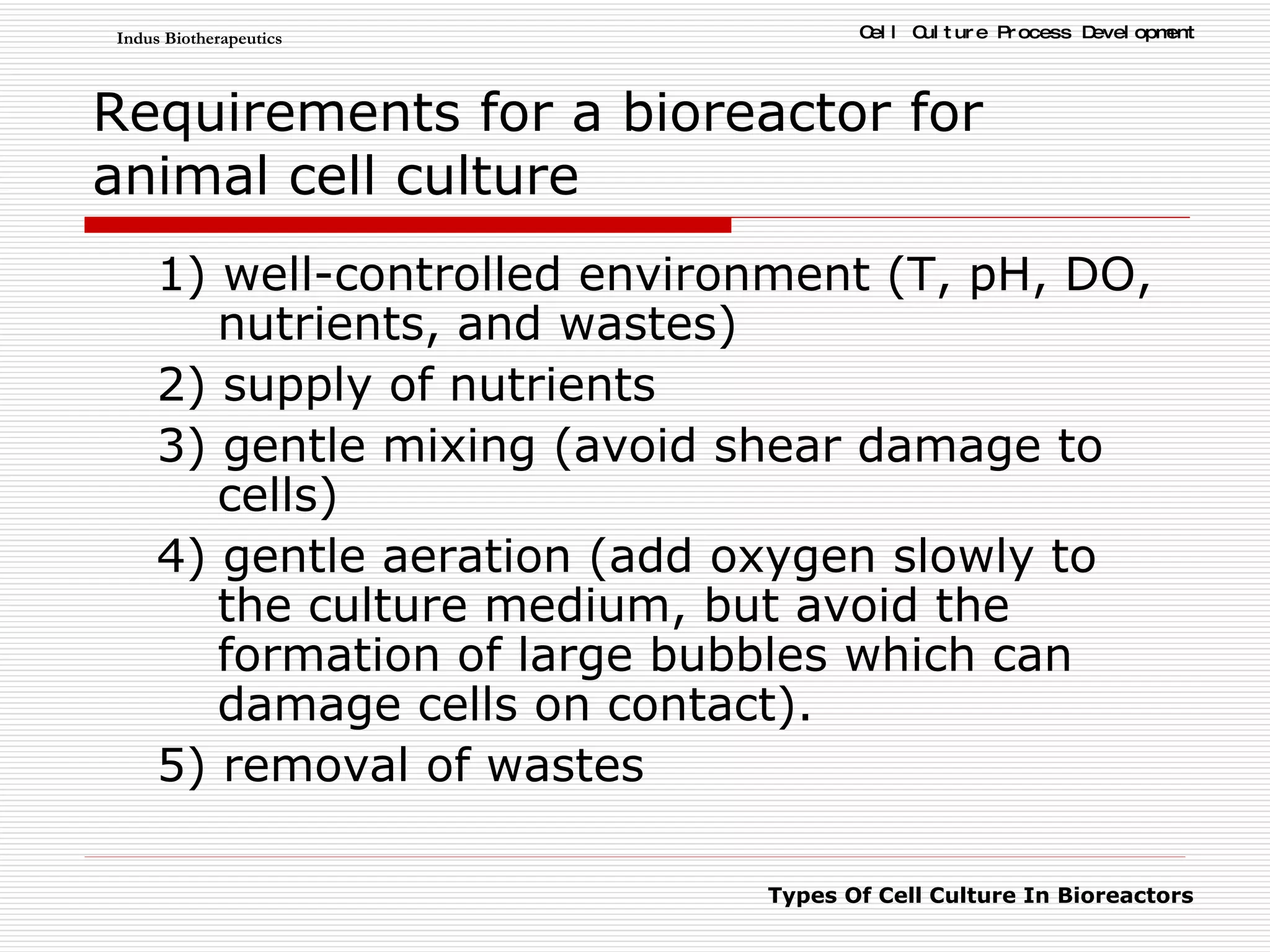
Requirements for a bioreactor   for animal cell culture 1) well-controlled environment (T, pH, DO, nutrients, and wastes) 2) supply of nutrients 3) gentle mixing (avoid shear damage to cells) 4) gentle aeration (add oxygen slowly to the culture medium, but avoid the formation of large bubbles which can damage cells on contact). 5) removal of wastes
Scale-up Start with small volume reactors T flasks, shaker flasks (5-25 mL) Intermediate scale Small, highly controlled bioreactors (1-5 L) Production scale Large reactors (20-1,000 L)
Reactor types Tissue flasks Easy to use for small scale Cell factories Production of large numbers of cells Labor intensive Roller bottles Good control of gas phase Labor intensive Hollow fiber systems High cell densities, good oxygenation Difficult to remove cells Spinner flasks Mimic a traditional stirred tank reactor
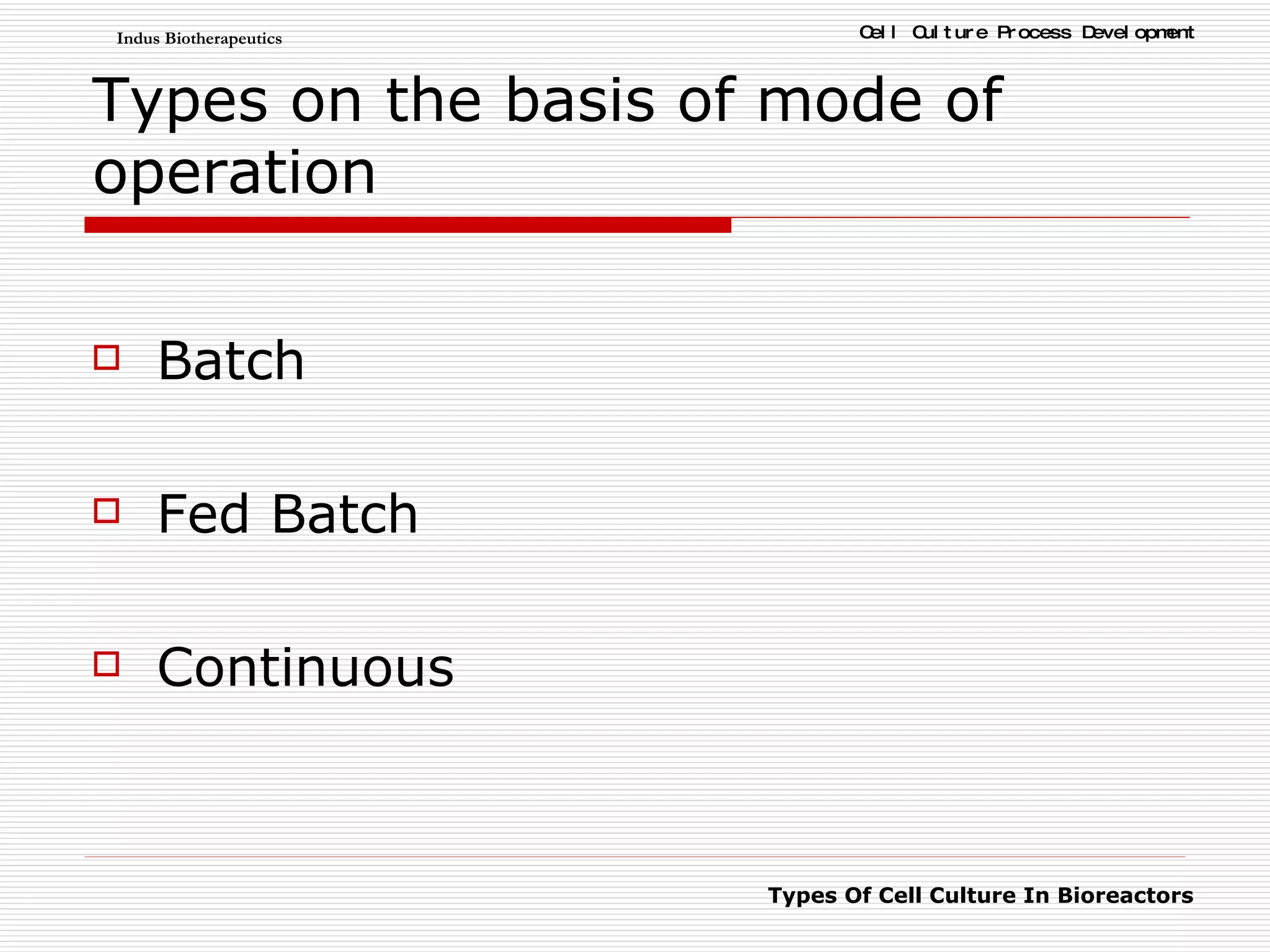
Types on the basis of mode of operation Batch Fed Batch Continuous
Batch Culture A closed culture system which contains an initial, limited amount of nutrient. The inoculated culture will pass through a number of phases following a growth curve. The growth curve contains four distinct regions as  Lag Phase Exponential Phase  Stationary Phase  Death Phase
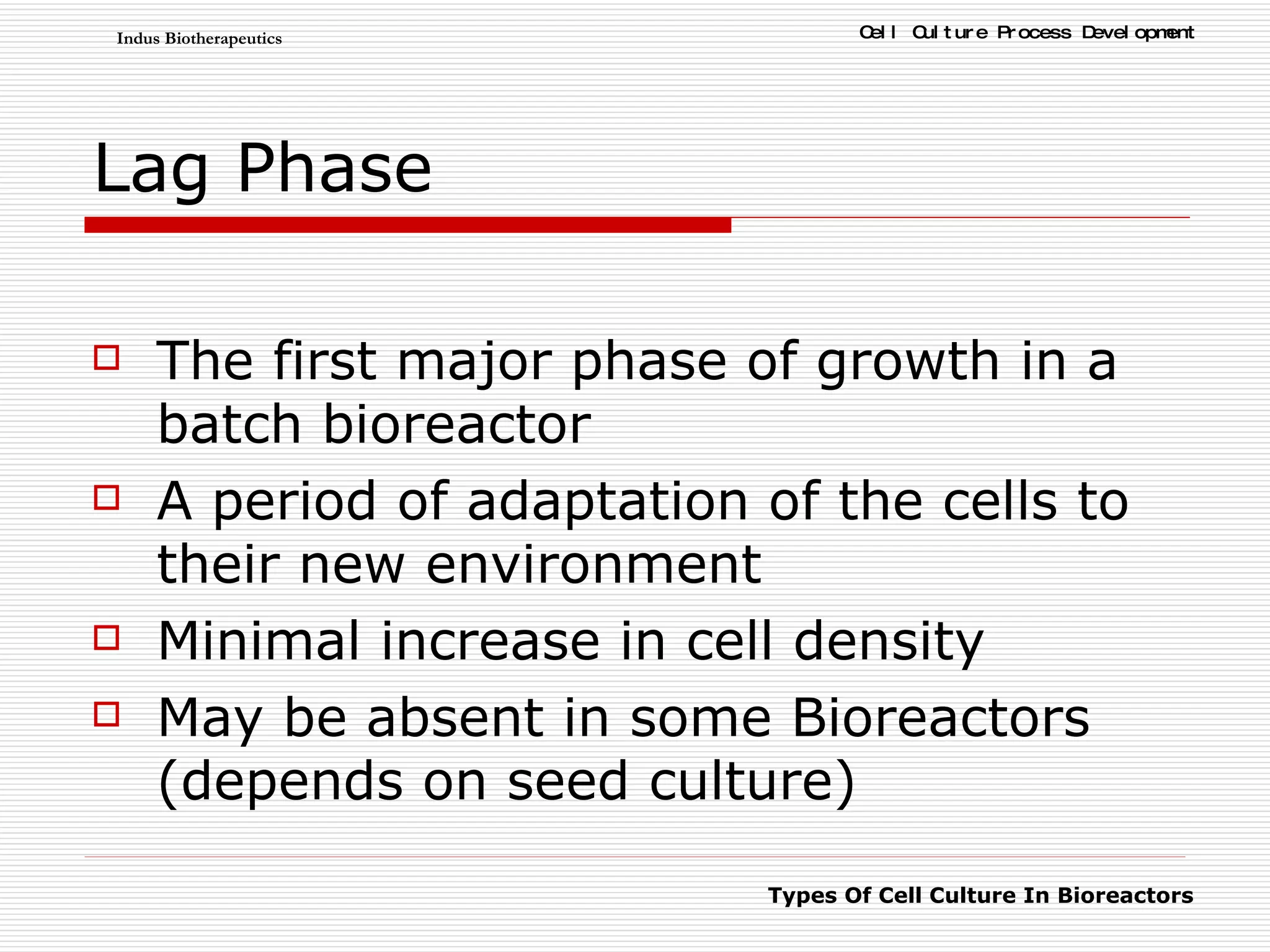
Lag Phase The first major phase of growth in a batch bioreactor A period of adaptation of the cells to their new environment  Minimal increase in cell density May be absent in some Bioreactors (depends on seed culture)
Exponential Phase Also known as the logarithmic growth phase  Cells have adjusted to their new environment The cells are dividing at a constant rate resulting in an exponential increase in the number of cells present. This is known as the specific growth rate and is represented mathematically by first order growth rate dX  = (μ – kd) X dt  where   X is the cell concentration, μ is the cell growth rate kd is the cell death rate.  The cell death rate is sometimes neglected if it is considerably smaller than the cell growth rate.
Exponential Phase Cell growth rate is often substrate limited, as depicted in the figure to limited the right.  The growth curve is well represented by Monod batch kinetics, which is mathematically depicted on the following slide.
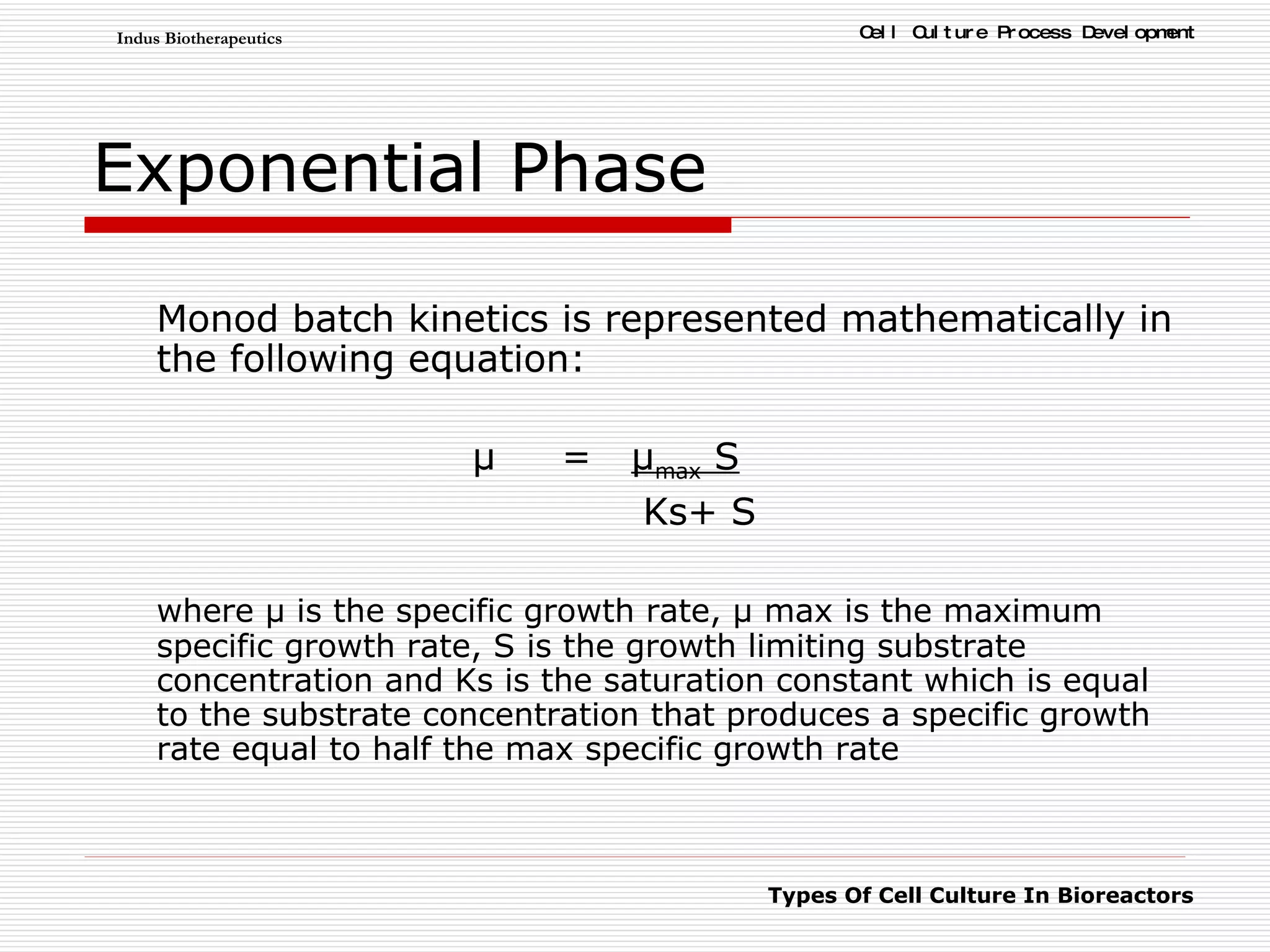
Exponential Phase Monod batch kinetics is represented mathematically in the following equation: μ  =  μ max  S     Ks+ S  where μ is the specific growth rate, μ max is the maximum specific growth rate, S is the growth limiting substrate concentration and Ks is the saturation constant which is equal to the substrate concentration that produces a specific growth rate equal to half the max specific growth rate
Exponential Phase For Primary Metabolite production conditions to extend the exponential phase accompanied by product excretion For Secondary Metabolite production, conditions giving a short exponential phase and an extended production phase, or conditions giving a decreased growth rate in the log phase resulting in earlier secondary metabolitwe formation.
Stationary Phase  The third major phase of microbial growth in a batch process occur when the number of cells dividing and dying is in equilibrium and can be the result of the following  Depletion of one or more essential growth nutrients Primary metabolite, or growth associated, production stops  Secondary metabolite or non-growth associated, production may continue  Accumulation of toxic growth associated by-products Stress associated with the induction of a recombinant gene
Death Phase The rate of cells dying is greater than the rate of cells dividing represented mathematically by first order kinetics as following    dx  =  -k d  X dt
Batch Curve
Fed Batch Culture Types of Fed Batch Culture  Intermittent Harvest  Grow up the culture, harvest and refill with fresh medium Fed Batch Culture  Extended Fed Batch Culture  Fed Batch Culture with metabolic shift
Intermittent Harvest In general, fed batch processes do not deviate significantly from batch cultures.  Cells are inoculated at a lower viable cell density in a medium that is usually very similar in composition to a typical batch medium. Cells are allowed to grow exponentially with essentially no external manipulation until nutrients are somewhat depleted and cells are approaching the stationary growth phase.
Intermittent Harvest At this point, a portion of the cells and product are harvested, and the removed culture fluid is replenished with fresh medium This process is repeated several times, as it allows for an extended production period.
Fed Batch Culture While cells are still growing exponentially, but nutrients are becoming depleted, concentrated feed medium (usually a 10-15 times concentrated basal medium) is added either continuously (as shown) or intermittently to supply additional nutrients, allowing for a further increase in cell concentration and the length of the production phase.  In contrast to an intermittent-harvest strategy, fresh medium is added proportionally to cell concentration without any removal of culture broth.  To accommodate the addition of medium, a fedbatch culture is started in a volume much lower than the full capacity of the bioreactor
 
Extended Fed Batch Culture Grow up the cells, then begin to feed concentrate of medium components, viability continues to decrease but cell and product concentrations continue to increase. Can reach very high product and cell concentration.
Fed Batch Culture with Metabolic Shift In batch cultures and most fedbatch processes, lactate, ammonium, and other metabolites eventually accumulate in the culture broth over time, affecting  cell growth, glycoform of the product and productivity. Other factors, such as high osmolarity and accumulation of reactive oxygen species, are also growth inhibitory
Fed Batch Culture with Metabolic Shift After extended exposure to low glucose concentrations, cell metabolism is directed to a more efficient state, characterized by a dramatic reduction in the amount of lactate produced. Such a change in cell metabolism from the normally observed high lactate producing state to a much reduced lactate production state is often referred to as  metabolic shift. Very high cell concentrations and product titers were achieved in hybridoma cells.
Cell retention and perfusion   Characterized by the continuous addition of fresh nutrient medium and the withdrawal of an equal volume of used medium. Need of perfusion Product is unstable Product concentration is low Perfusion technologies Enhanced sedimentation   Conical settlers Incline settlers Lamellar settlers Centrifugation Spin filters    External Internal
Perfusion Culture
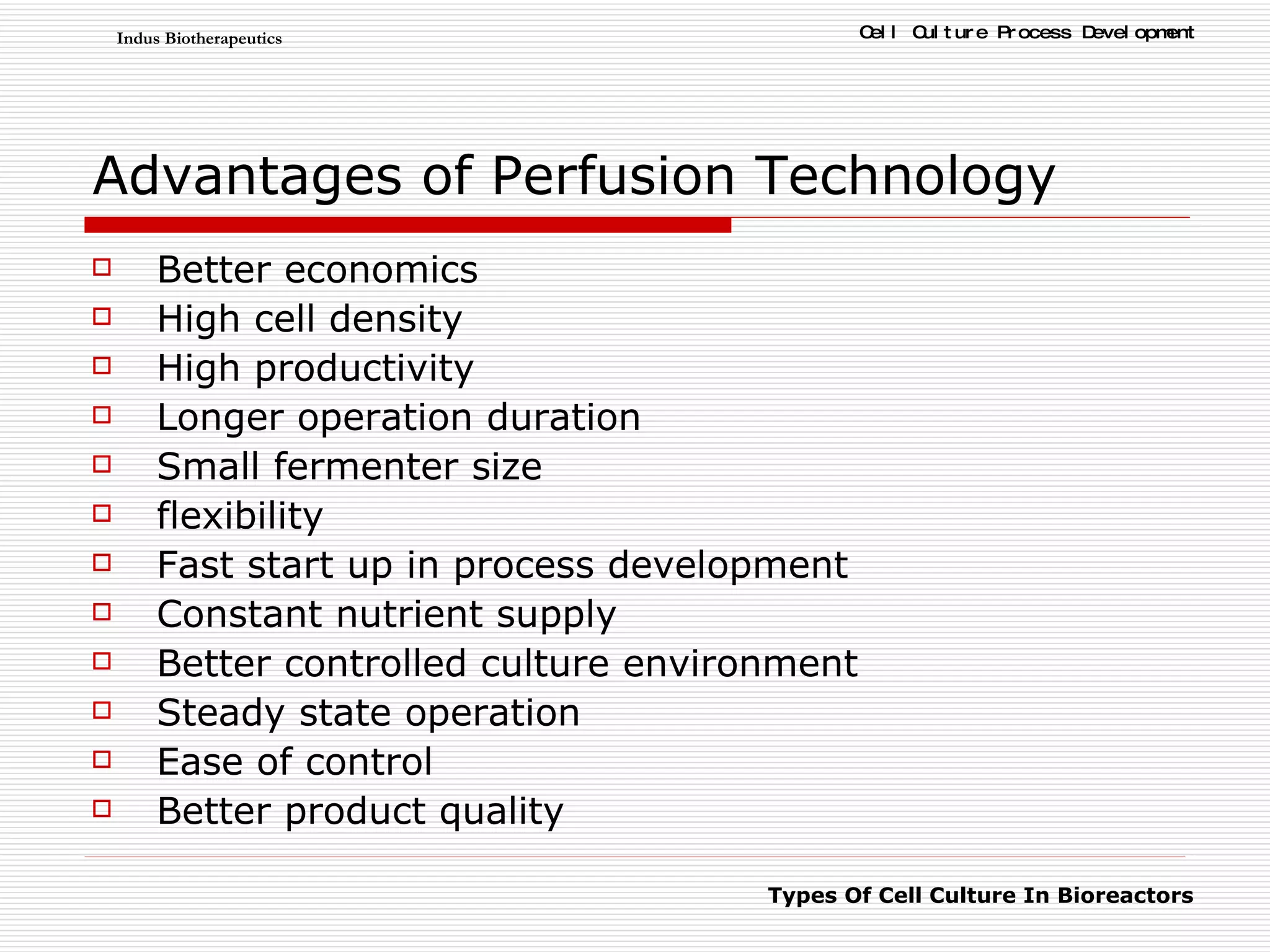
Advantages of Perfusion Technology Better economics High cell density High productivity Longer operation duration Small fermenter size flexibility Fast start up in process development Constant nutrient supply Better controlled culture environment Steady state operation Ease of control Better product quality
Disadvantages of Perfusion Technology Contamination risk Equipment failure Increased analytical costs Long validation time Potential regulatory/licensing issues
Thank you
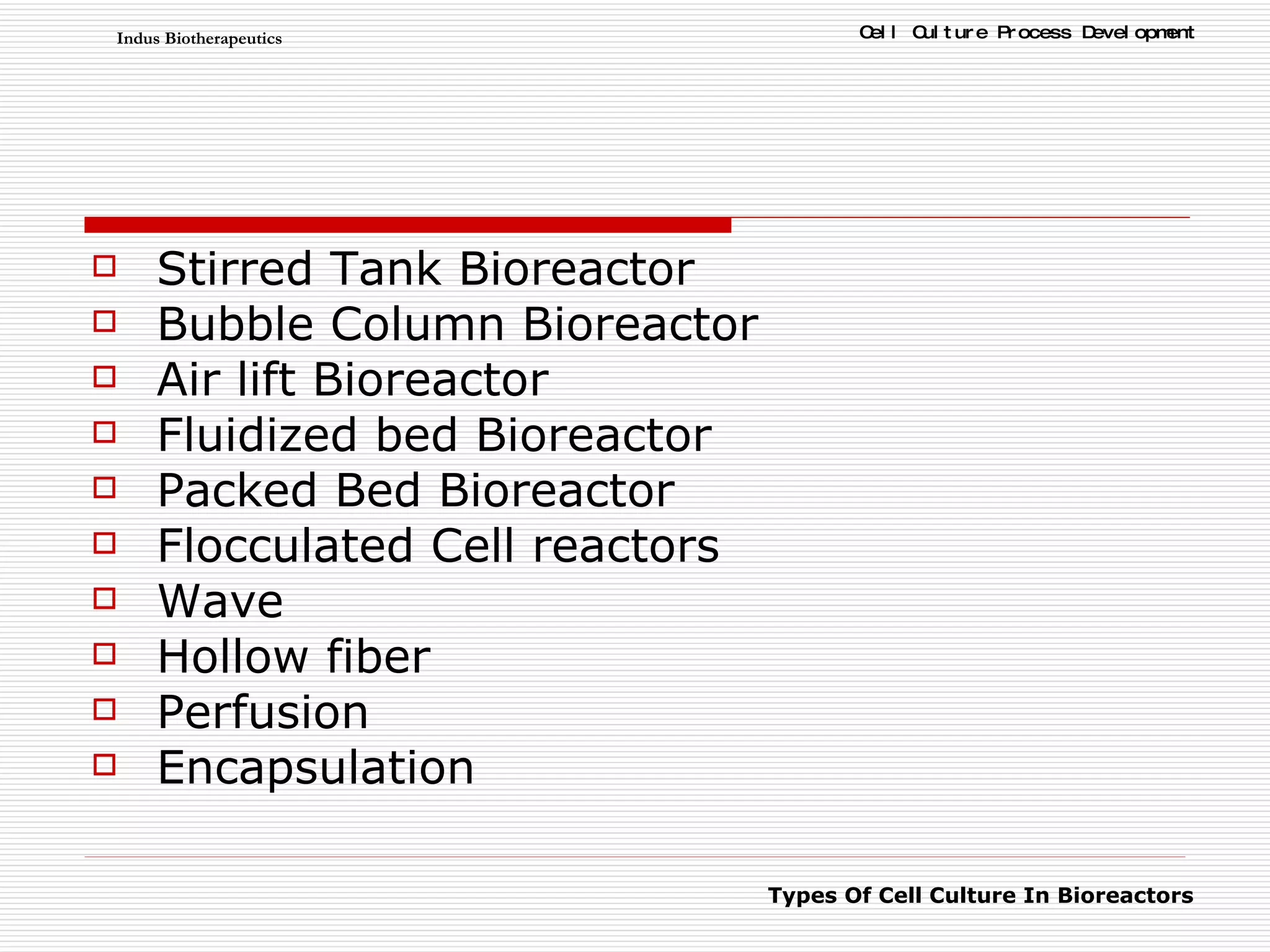
Stirred Tank Bioreactor Bubble Column Bioreactor Air lift Bioreactor Fluidized bed Bioreactor Packed Bed Bioreactor Flocculated Cell reactors Wave Hollow fiber  Perfusion  Encapsulation
McLimans' group developed the first "spinner flasks" in 1957.  Present Model Original Model
Advantages of Spinner Flasks Easy Visible Cheap Depyrogenation feasible
Disadvantages of Spinner Flasks Poor aeration Impeller jams Requires cleaning siliconizing & sterilization High space requirements in incubator
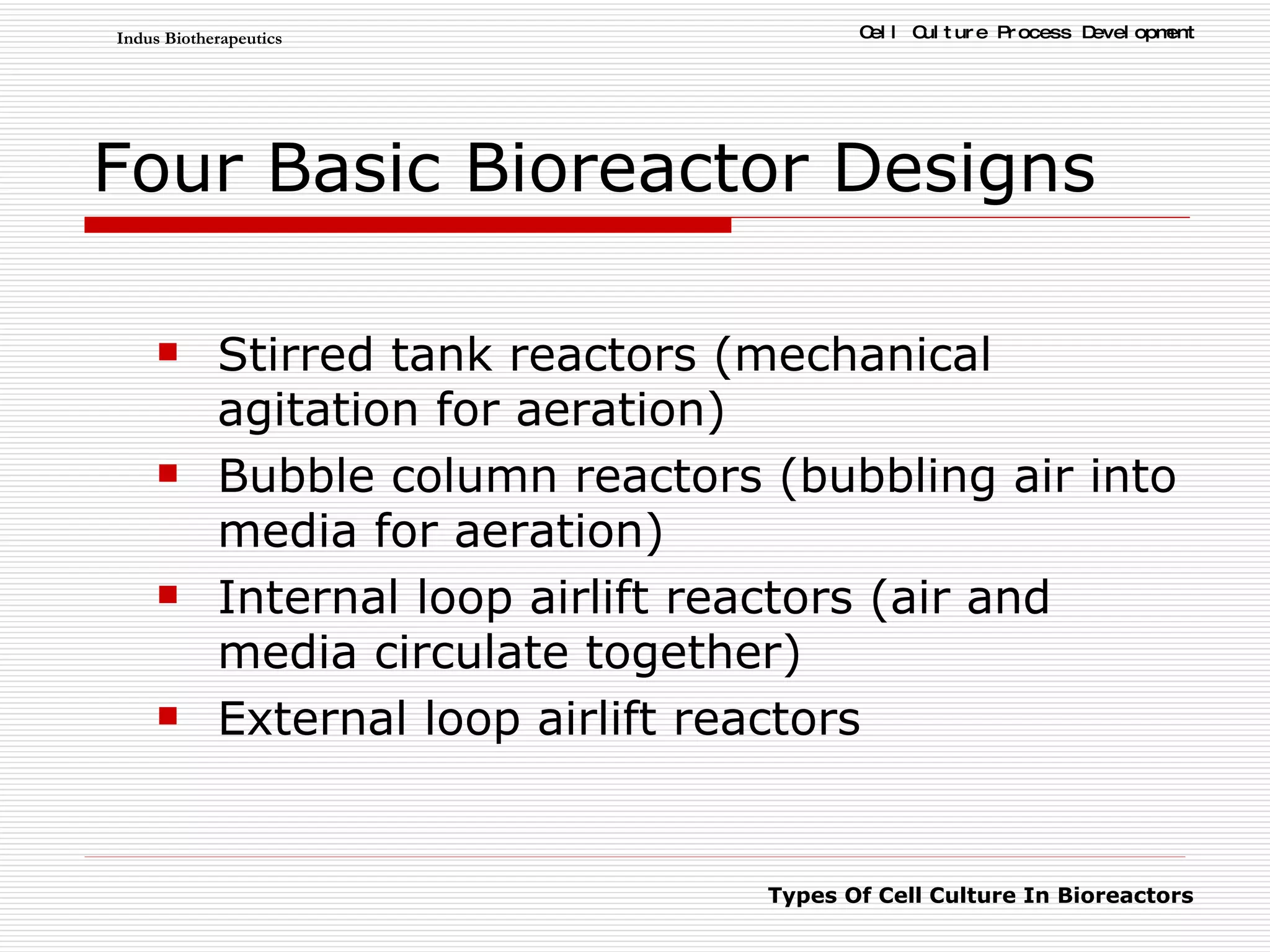
Four Basic Bioreactor Designs Stirred tank reactors (mechanical agitation for aeration) Bubble column reactors (bubbling air into media for aeration) Internal loop airlift reactors (air and media circulate together) External loop airlift reactors
Bioreactor Design Airlift Reactors  Stirred Tank Reactor
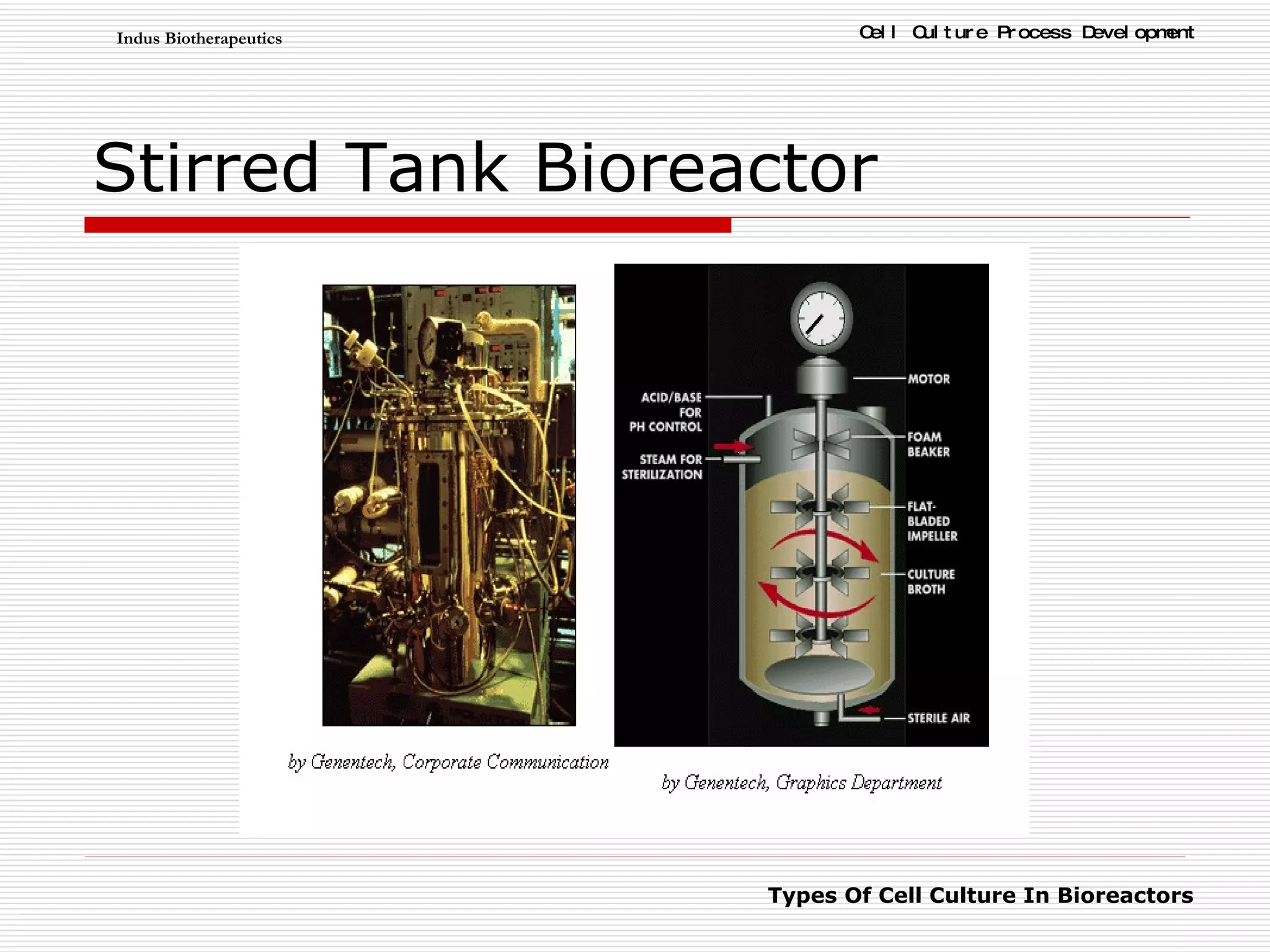
Stirred Tank Bioreactor
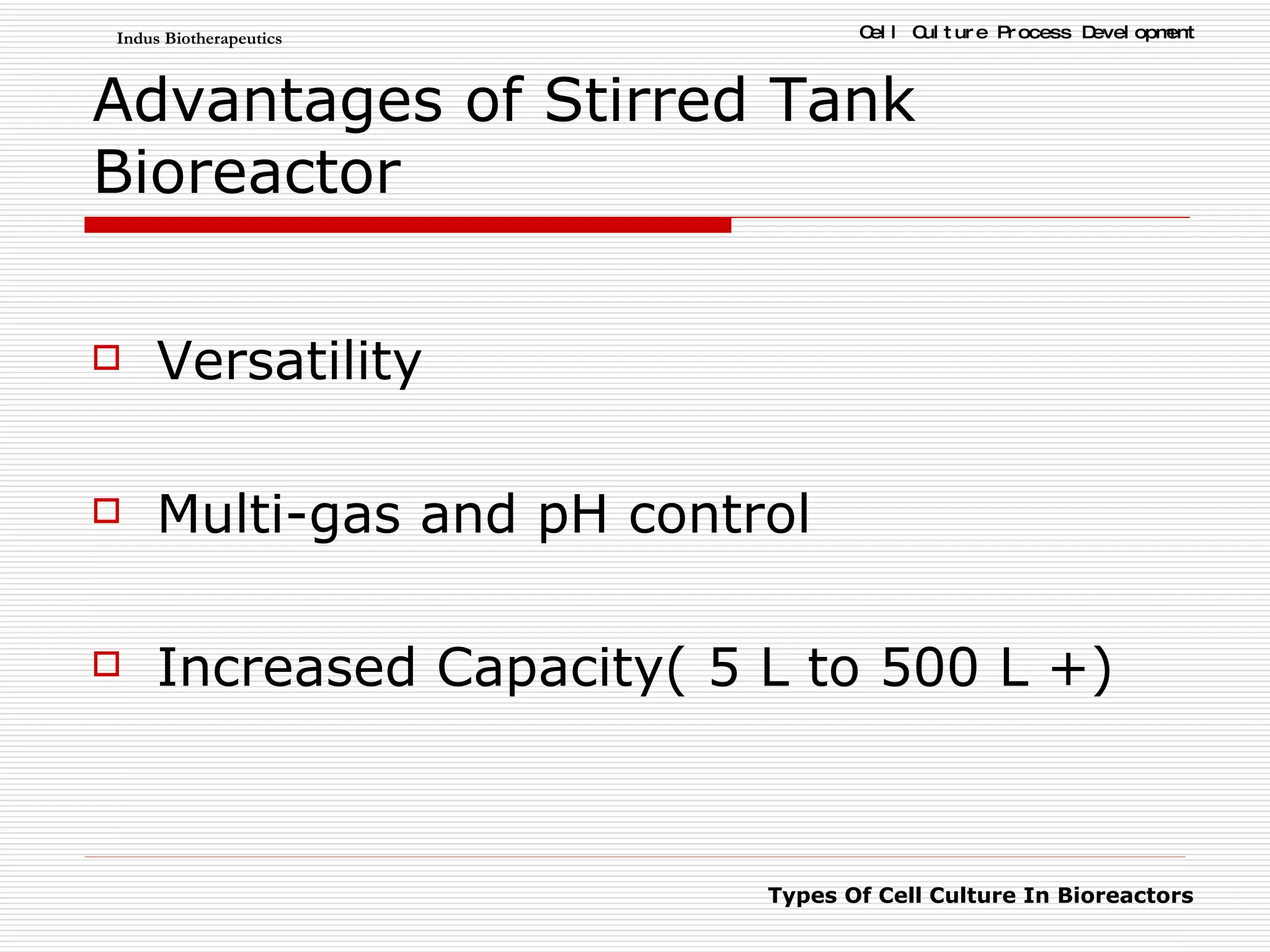
Advantages of Stirred Tank Bioreactor Versatility Multi-gas and pH control Increased Capacity( 5 L to 500 L +)
Disadvantages of Stirred Tank Bioreactor Costly Size (footprint)/ Weight Preparation - siliconizing, cleaning, Sterilization, depyrogenation Maintenance -Chiller, parts, o-rings
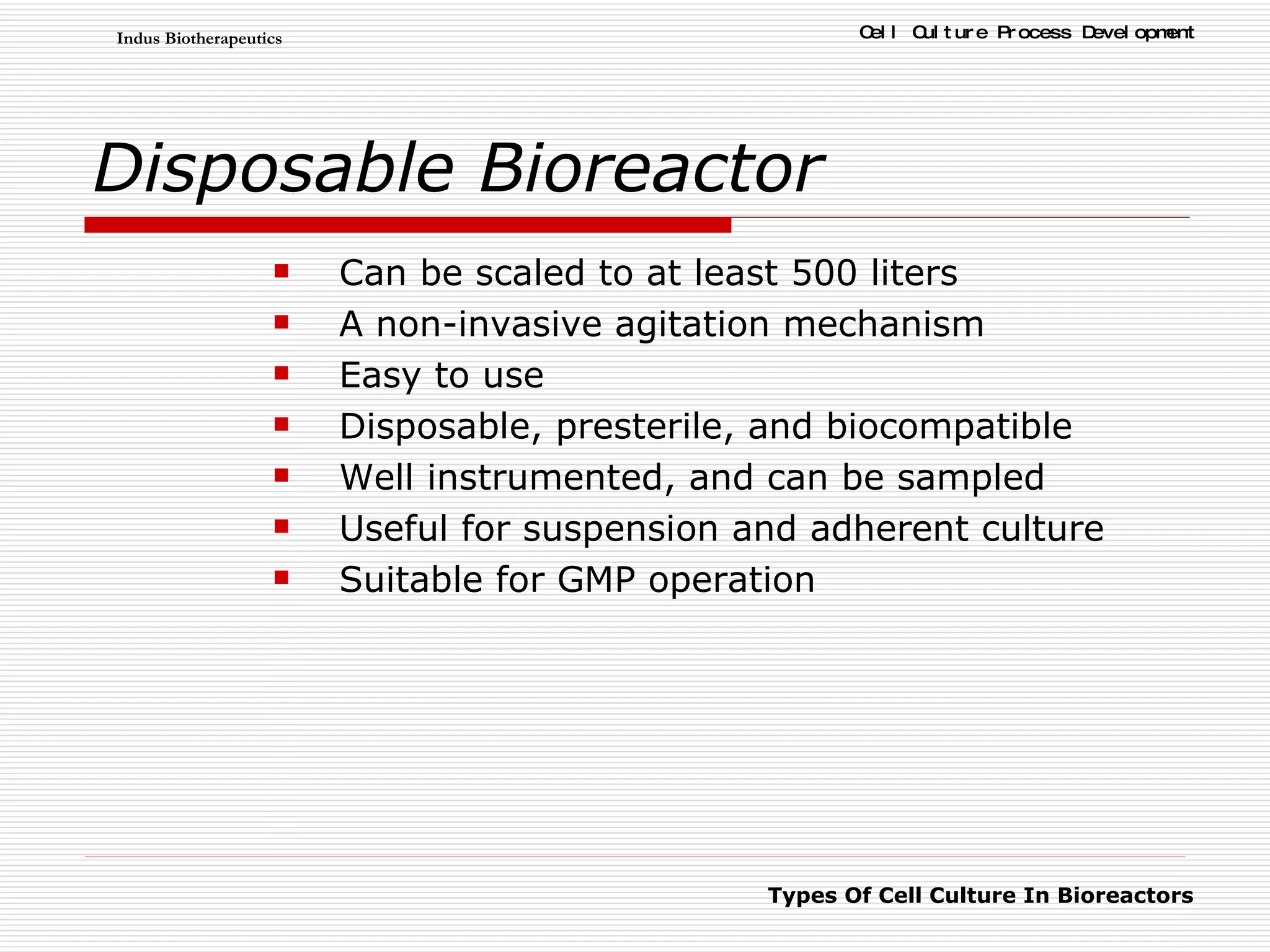
Disposable Bioreactor Can be scaled to at least 500 liters  A non-invasive agitation mechanism  Easy to use  Disposable, presterile, and biocompatible  Well instrumented, and can be sampled  Useful for suspension and adherent culture  Suitable for GMP operation
Wave Bioreactor
Wave Bioreactor
Wave-induced Agitation
Advantage of Wave Bioreactor DISPOSABLE BIOREACTOR CHAMBER .  No cross-contamination, cleaning, sterilization or other validation headaches. SEED PREPARATION Seed culture can be prepared in the final system itself, i.e. batch can be started with 100ml and can go to 2000ml. MAINTAIN QUALITY OF CELLS Lack of bubbles and mechanical devices SCALABLE TO 500 LITERS
Advantage of Wave Bioreactor COMPLETELY CLOSED SYSTEM Ideal for cell culture, GMP operations.  OPERATES WITH OR WITHOUT AN INCUBATOR PROVEN FOR GMP OPERATIONS Used in the GMP production of human therapeutics. Closed system is easy to validate. All contact materials are FDA approved.  PERFUSION CULTURE OPTION Patented internal perfusion filters enable perfusion of media for high-density cell culture.  EASY TO OPERATE No complex piping or sterilization sequences. Simply place a new presterile Cellbag on the rocker; fill with media, and add your cells
Wave Bioreactor in  Perfusion Mode
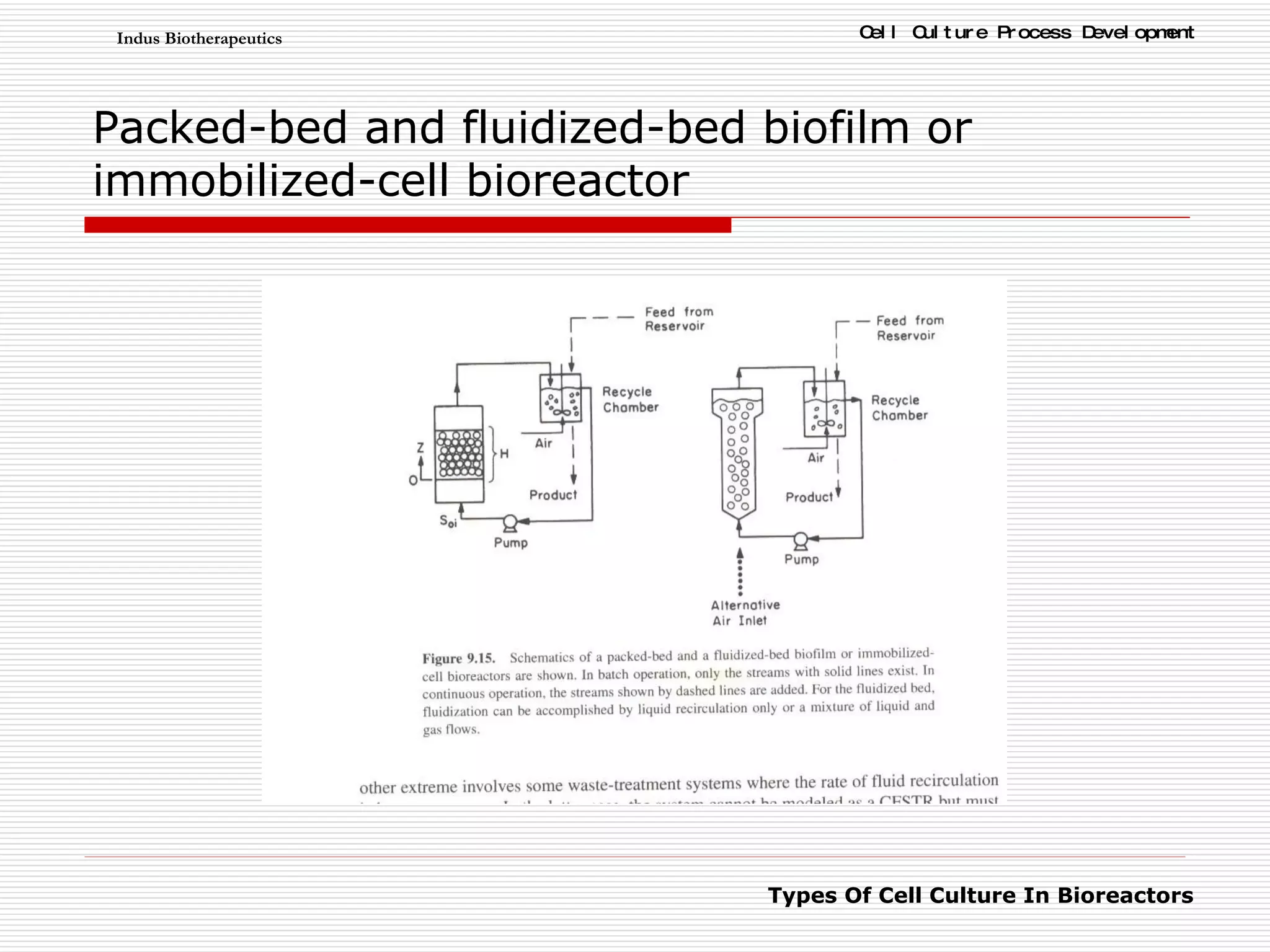
Packed-bed and fluidized-bed biofilm or immobilized-cell bioreactor
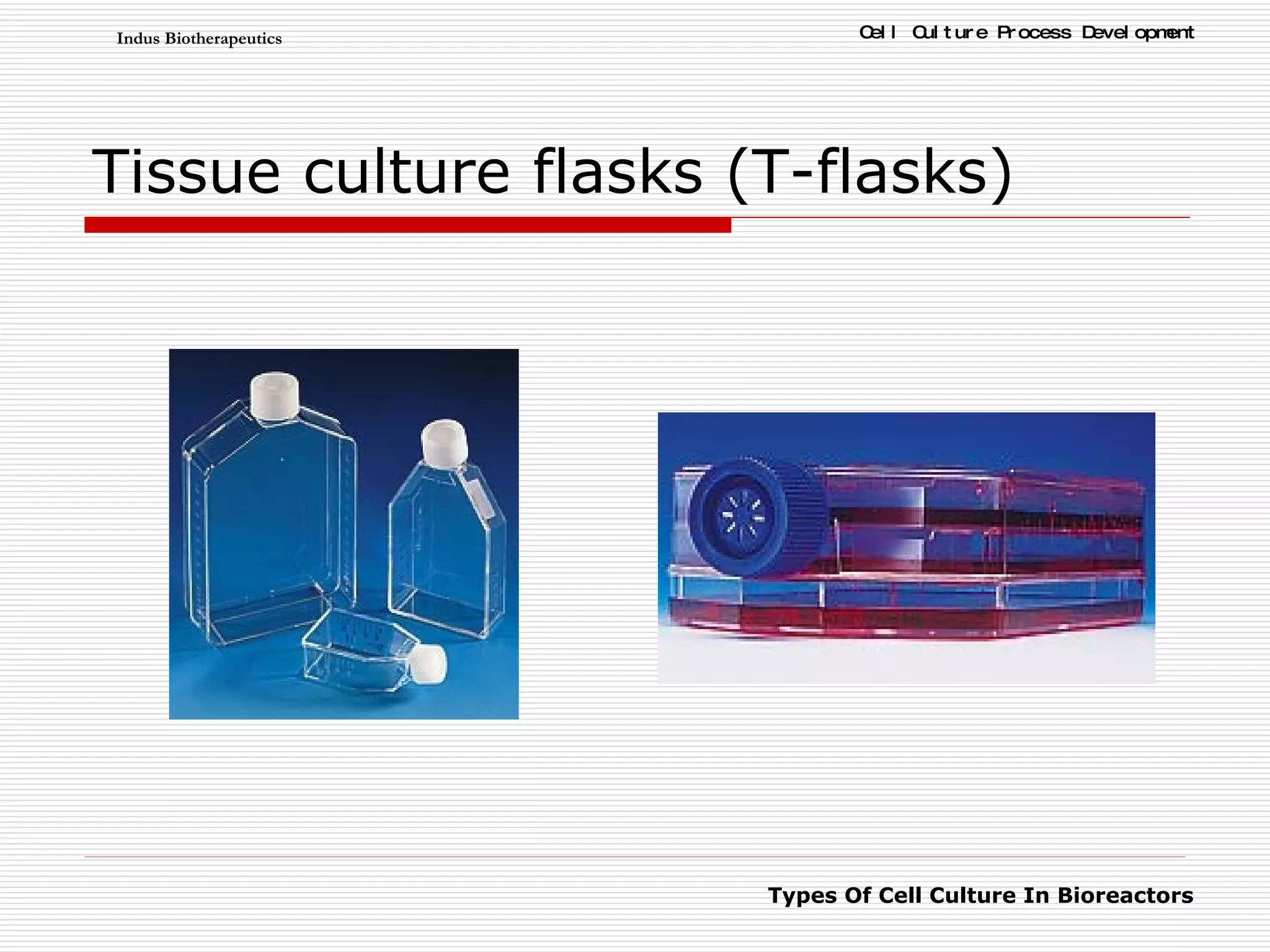
Tissue culture flasks (T-flasks)
Hollow Fiber Bioreactor
Hollow Fiber Bioreactor Intraluminal (Cells inside fibers ) Extraluminal (Cells outside fibers) Fibers are made of a porous material (PTFE and others). Permits movement of small molecules (O2, glucose), but not cells
Cell   Culture   Systems   Various cell culture systems were developed over a period of time Small scale culture systems T-Flask Spinners Large/production scale culture systems Roller bottle  Multiple plate culture systems Bioreactors Stirred tank reactors Disposable bioreactors Airlift bioreactors Spin filter stirred tank Stirred tank bioreactors are most widely used

Cell Culture BASICS

  • 1.
    TYPES OF CELLCULTURE IN BIOREACTORS
  • 2.
    What is CellCulture? In vitro culture (maintain and/or proliferate) of cells, tissues or organs Types of tissue culture Organ culture Tissue culture Cell culture
  • 3.
    Organ Culture Theentire embryos or organs are excised from the body and culture Advantages Normal physiological functions are maintained. Cells remain fully differentiated. Disadvantages Scale-up is not recommended. Growth is slow. Fresh explantation is required for every experiment.
  • 4.
    Tissue Culture Fragmentsof excised tissue are grown in culture media Advantages Some normal functions may be maintained. Better than organ culture for scale-up but not ideal. Disadvantages Original organization of tissue is lost.
  • 5.
    Cell Culture Tissuefrom an explant is dispersed, mostly enzymatically, into a cell suspension which may then be cultured as a monolayer or suspension culture. Advantages Development of a cell line over several generations Scale-up is possible Disadvantages Cells may lose some differentiated characteristics.
  • 6.
    Why do weneed Cell culture? Research To overcome problems in studying cellular behavior such as: confounding effects of the surrounding tissues variations that might arise in animals under experimental stress Reduce animal use Commercial or large-scale production Production of cell material: vaccine, MAbs, hormone etc which are impossible to produce synthetically.
  • 7.
    Advantages of Cellculture Advantages: Absolute control of physical environment Homogeneity of sample Less compound needed than in animal models Disadvantages: Hard to maintain Only grow small amount of tissue at high cost Dedifferentiation Instability, aneuploidy
  • 8.
    Characteristics of AnimalCell Culture Nutritionally demanding Sensitive to shear and extremes of osmolality Doubling time 12 to 48 hrs Cell Density
  • 9.
    Current Choices ofHost Cells in Biotech Bacteria Cells Yeast Transgenic Animals Transgenic Plants Animal Cells
  • 10.
    Comparison of MonoclonalAntibody Produced from CHO & Transgenic Goats Assumption Annual Yield (Kg/yr) Batch Yield (grams/L) 60 goat herd 350 L/animal year 40 5.0 Transgenic Goats Grange Castle 6 X 12,500 L Bioreactors 4000 3.4 CHO Bioreactor
  • 11.
    The Majority ofBiotech Products on the Market Are Made in Animal Cells
  • 12.
    Comparison of Animaland Microbial Culture 10 6 cells/mL 10 9 -10 10 cells/mL Growth density 10 5 cells/mL 1 cell Seeding density 10000-100000 nm 100-2000 nm Size Very susceptible Less affected Environmental FX Key for buffering Sometimes CO 2 Requirement Complex Usually simple Nutritional Rqmt Low High O 2 Requirement 1-5% per hour 10-50% per hour Growth Rate Present Present Cell membrane Generally absent Generally present Cell wall Animal Cells Microbes Features
  • 13.
    Types of AnimalCell culture Primary Cultures Derived directly from excised tissue and cultured either as Outgrowth of excised tissue in culture Dissociation into single cells (by enzymatic digestion or mechanical dispersion) Advantages: usually retain many of the differentiated characteristics of the cell in vivo Disadvantages: initially heterogeneous but later become dominated by fibroblasts. the preparation of primary cultures is labor intensive can be maintained in vitro only for a limited period of time.
  • 14.
    Types of Cellculture Continuous Cultures derived from subculture (or passage, or transfer) of primary culture Subculture = the process of dispersion and re-culture the cells after they have increased to occupy all of the available substrate in the culture usually comprised of a single cell type can be serially propagated in culture for several passages There are two types of continuous cultures Cell lines Continuous cell lines
  • 15.
    Types of continuousculture Cell lines finite life, senesce after approximately thirty cycles of division usually diploid and maintain some degree of differentiation. it is essential to establish a system of Master and Working banks in order to maintain such lines for long periods
  • 16.
    Types of continuousculture Continuous cell lines can be propagated indefinitely generally have this ability because they have been transformed tumor cells. viral oncogenes chemical treatments. the disadvantage of having retained very little of the original in vivo characteristics
  • 17.
    Immortality of continuousculture Telomeres lose about 100 base pairs from their telomeric DNA at each mitosis which impose a finite life span on cells after 125 mitotic divisions, the telomeres would be completely gone Immortal cells maintain telomere length with the aid of an enzyme Telomerase adds telomere repeat sequences to the 3' end of DNA strands help complete the synthesis of the "incomplete ends"
  • 18.
    Cell Culture MorphologyMorphologically cell cultures take one of two forms: Anchorage independent cells (Suspension culture) Anchorage dependent cells (Adherent Culture)
  • 19.
    Cell Culture MorphologyMorphologically cell cultures take one of two forms: growing in suspension (as single cells or small free-floating clumps) are able to survive and proliferate without attachment to the culture vessel cells from blood, spleen, bone marrow, etc advantage: large numbers, ease of harvesting growing as a monolayer that is attached to any surface. grow in monolayer, attached to the surfaces of the culture vessels from ectodermal or endodermal embryonic cells, e.g. fibroblasts, epithelial cells various shapes but generally are flat (rounded in suspension) Advantage: spread on surfaces such as coverslips, easy for microscopy or other functional assays
  • 20.
  • 21.
    Bioreactor A bioreactormay refer to any device or system that supports a biologically active environment.
  • 22.
    Requirements for abioreactor for animal cell culture 1) well-controlled environment (T, pH, DO, nutrients, and wastes) 2) supply of nutrients 3) gentle mixing (avoid shear damage to cells) 4) gentle aeration (add oxygen slowly to the culture medium, but avoid the formation of large bubbles which can damage cells on contact). 5) removal of wastes
  • 23.
    Scale-up Start withsmall volume reactors T flasks, shaker flasks (5-25 mL) Intermediate scale Small, highly controlled bioreactors (1-5 L) Production scale Large reactors (20-1,000 L)
  • 24.
    Reactor types Tissueflasks Easy to use for small scale Cell factories Production of large numbers of cells Labor intensive Roller bottles Good control of gas phase Labor intensive Hollow fiber systems High cell densities, good oxygenation Difficult to remove cells Spinner flasks Mimic a traditional stirred tank reactor
  • 25.
    Types on thebasis of mode of operation Batch Fed Batch Continuous
  • 26.
    Batch Culture Aclosed culture system which contains an initial, limited amount of nutrient. The inoculated culture will pass through a number of phases following a growth curve. The growth curve contains four distinct regions as Lag Phase Exponential Phase Stationary Phase Death Phase
  • 27.
    Lag Phase Thefirst major phase of growth in a batch bioreactor A period of adaptation of the cells to their new environment Minimal increase in cell density May be absent in some Bioreactors (depends on seed culture)
  • 28.
    Exponential Phase Alsoknown as the logarithmic growth phase Cells have adjusted to their new environment The cells are dividing at a constant rate resulting in an exponential increase in the number of cells present. This is known as the specific growth rate and is represented mathematically by first order growth rate dX = (μ – kd) X dt where X is the cell concentration, μ is the cell growth rate kd is the cell death rate. The cell death rate is sometimes neglected if it is considerably smaller than the cell growth rate.
  • 29.
    Exponential Phase Cellgrowth rate is often substrate limited, as depicted in the figure to limited the right. The growth curve is well represented by Monod batch kinetics, which is mathematically depicted on the following slide.
  • 30.
    Exponential Phase Monodbatch kinetics is represented mathematically in the following equation: μ = μ max S Ks+ S where μ is the specific growth rate, μ max is the maximum specific growth rate, S is the growth limiting substrate concentration and Ks is the saturation constant which is equal to the substrate concentration that produces a specific growth rate equal to half the max specific growth rate
  • 31.
    Exponential Phase ForPrimary Metabolite production conditions to extend the exponential phase accompanied by product excretion For Secondary Metabolite production, conditions giving a short exponential phase and an extended production phase, or conditions giving a decreased growth rate in the log phase resulting in earlier secondary metabolitwe formation.
  • 32.
    Stationary Phase The third major phase of microbial growth in a batch process occur when the number of cells dividing and dying is in equilibrium and can be the result of the following Depletion of one or more essential growth nutrients Primary metabolite, or growth associated, production stops Secondary metabolite or non-growth associated, production may continue Accumulation of toxic growth associated by-products Stress associated with the induction of a recombinant gene
  • 33.
    Death Phase Therate of cells dying is greater than the rate of cells dividing represented mathematically by first order kinetics as following dx = -k d X dt
  • 34.
  • 35.
    Fed Batch CultureTypes of Fed Batch Culture Intermittent Harvest Grow up the culture, harvest and refill with fresh medium Fed Batch Culture Extended Fed Batch Culture Fed Batch Culture with metabolic shift
  • 36.
    Intermittent Harvest Ingeneral, fed batch processes do not deviate significantly from batch cultures. Cells are inoculated at a lower viable cell density in a medium that is usually very similar in composition to a typical batch medium. Cells are allowed to grow exponentially with essentially no external manipulation until nutrients are somewhat depleted and cells are approaching the stationary growth phase.
  • 37.
    Intermittent Harvest Atthis point, a portion of the cells and product are harvested, and the removed culture fluid is replenished with fresh medium This process is repeated several times, as it allows for an extended production period.
  • 38.
    Fed Batch CultureWhile cells are still growing exponentially, but nutrients are becoming depleted, concentrated feed medium (usually a 10-15 times concentrated basal medium) is added either continuously (as shown) or intermittently to supply additional nutrients, allowing for a further increase in cell concentration and the length of the production phase. In contrast to an intermittent-harvest strategy, fresh medium is added proportionally to cell concentration without any removal of culture broth. To accommodate the addition of medium, a fedbatch culture is started in a volume much lower than the full capacity of the bioreactor
  • 39.
  • 40.
    Extended Fed BatchCulture Grow up the cells, then begin to feed concentrate of medium components, viability continues to decrease but cell and product concentrations continue to increase. Can reach very high product and cell concentration.
  • 41.
    Fed Batch Culturewith Metabolic Shift In batch cultures and most fedbatch processes, lactate, ammonium, and other metabolites eventually accumulate in the culture broth over time, affecting cell growth, glycoform of the product and productivity. Other factors, such as high osmolarity and accumulation of reactive oxygen species, are also growth inhibitory
  • 42.
    Fed Batch Culturewith Metabolic Shift After extended exposure to low glucose concentrations, cell metabolism is directed to a more efficient state, characterized by a dramatic reduction in the amount of lactate produced. Such a change in cell metabolism from the normally observed high lactate producing state to a much reduced lactate production state is often referred to as metabolic shift. Very high cell concentrations and product titers were achieved in hybridoma cells.
  • 43.
    Cell retention andperfusion Characterized by the continuous addition of fresh nutrient medium and the withdrawal of an equal volume of used medium. Need of perfusion Product is unstable Product concentration is low Perfusion technologies Enhanced sedimentation Conical settlers Incline settlers Lamellar settlers Centrifugation Spin filters External Internal
  • 44.
  • 45.
    Advantages of PerfusionTechnology Better economics High cell density High productivity Longer operation duration Small fermenter size flexibility Fast start up in process development Constant nutrient supply Better controlled culture environment Steady state operation Ease of control Better product quality
  • 46.
    Disadvantages of PerfusionTechnology Contamination risk Equipment failure Increased analytical costs Long validation time Potential regulatory/licensing issues
  • 47.
  • 48.
    Stirred Tank BioreactorBubble Column Bioreactor Air lift Bioreactor Fluidized bed Bioreactor Packed Bed Bioreactor Flocculated Cell reactors Wave Hollow fiber Perfusion Encapsulation
  • 49.
    McLimans' group developedthe first "spinner flasks" in 1957. Present Model Original Model
  • 50.
    Advantages of SpinnerFlasks Easy Visible Cheap Depyrogenation feasible
  • 51.
    Disadvantages of SpinnerFlasks Poor aeration Impeller jams Requires cleaning siliconizing & sterilization High space requirements in incubator
  • 52.
    Four Basic BioreactorDesigns Stirred tank reactors (mechanical agitation for aeration) Bubble column reactors (bubbling air into media for aeration) Internal loop airlift reactors (air and media circulate together) External loop airlift reactors
  • 53.
    Bioreactor Design AirliftReactors Stirred Tank Reactor
  • 54.
  • 55.
    Advantages of StirredTank Bioreactor Versatility Multi-gas and pH control Increased Capacity( 5 L to 500 L +)
  • 56.
    Disadvantages of StirredTank Bioreactor Costly Size (footprint)/ Weight Preparation - siliconizing, cleaning, Sterilization, depyrogenation Maintenance -Chiller, parts, o-rings
  • 57.
    Disposable Bioreactor Canbe scaled to at least 500 liters A non-invasive agitation mechanism Easy to use Disposable, presterile, and biocompatible Well instrumented, and can be sampled Useful for suspension and adherent culture Suitable for GMP operation
  • 58.
  • 59.
  • 60.
  • 61.
    Advantage of WaveBioreactor DISPOSABLE BIOREACTOR CHAMBER . No cross-contamination, cleaning, sterilization or other validation headaches. SEED PREPARATION Seed culture can be prepared in the final system itself, i.e. batch can be started with 100ml and can go to 2000ml. MAINTAIN QUALITY OF CELLS Lack of bubbles and mechanical devices SCALABLE TO 500 LITERS
  • 62.
    Advantage of WaveBioreactor COMPLETELY CLOSED SYSTEM Ideal for cell culture, GMP operations. OPERATES WITH OR WITHOUT AN INCUBATOR PROVEN FOR GMP OPERATIONS Used in the GMP production of human therapeutics. Closed system is easy to validate. All contact materials are FDA approved. PERFUSION CULTURE OPTION Patented internal perfusion filters enable perfusion of media for high-density cell culture. EASY TO OPERATE No complex piping or sterilization sequences. Simply place a new presterile Cellbag on the rocker; fill with media, and add your cells
  • 63.
    Wave Bioreactor in Perfusion Mode
  • 64.
    Packed-bed and fluidized-bedbiofilm or immobilized-cell bioreactor
  • 65.
  • 66.
  • 67.
    Hollow Fiber BioreactorIntraluminal (Cells inside fibers ) Extraluminal (Cells outside fibers) Fibers are made of a porous material (PTFE and others). Permits movement of small molecules (O2, glucose), but not cells
  • 68.
    Cell Culture Systems Various cell culture systems were developed over a period of time Small scale culture systems T-Flask Spinners Large/production scale culture systems Roller bottle Multiple plate culture systems Bioreactors Stirred tank reactors Disposable bioreactors Airlift bioreactors Spin filter stirred tank Stirred tank bioreactors are most widely used