Rence Montanes
I.T. Supervisor
Converse Philippines
   I.T. is for BIG companies ONLY…
   I.T. is all about PROGRAMMING..
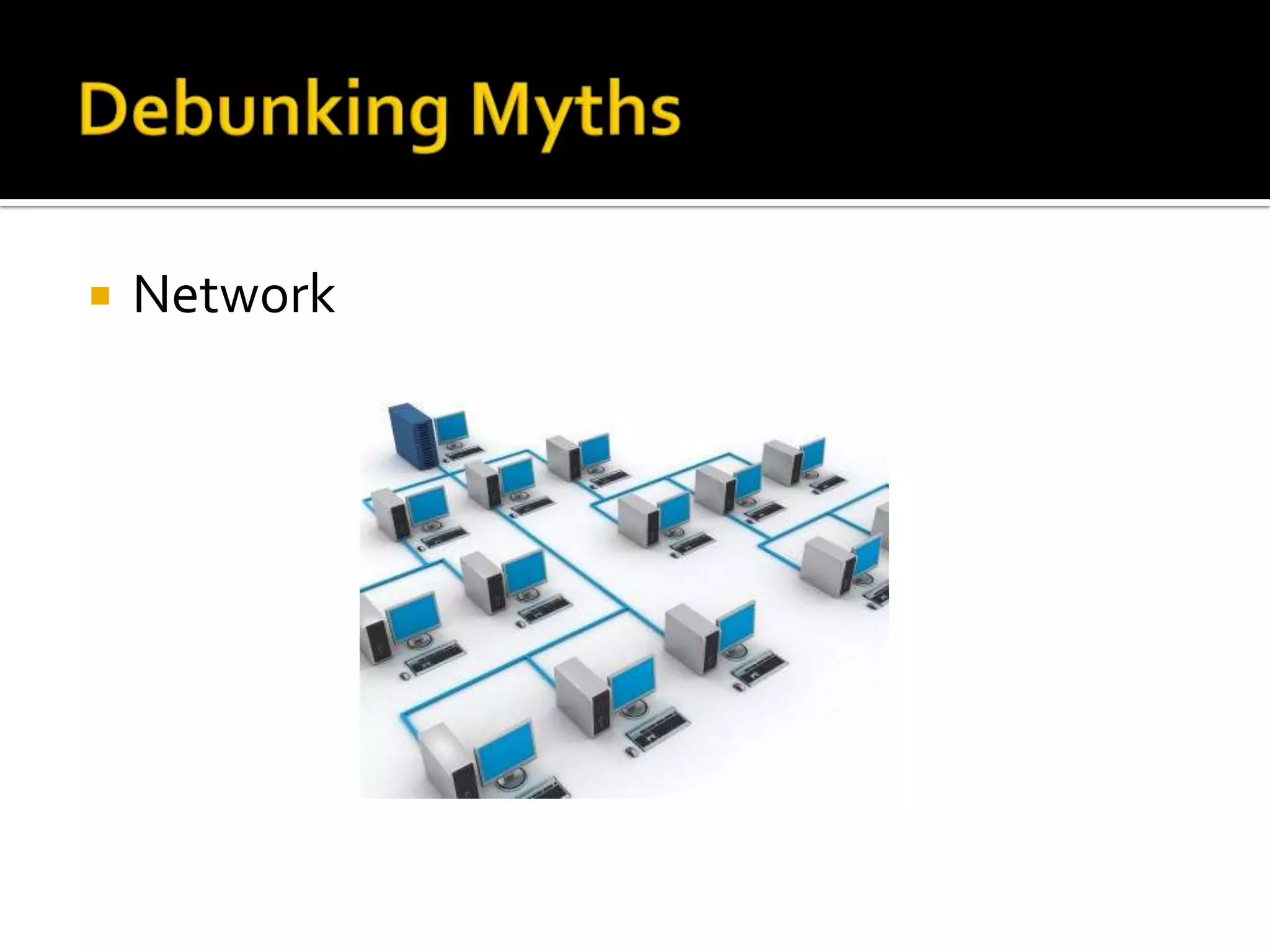
   Network
   Design
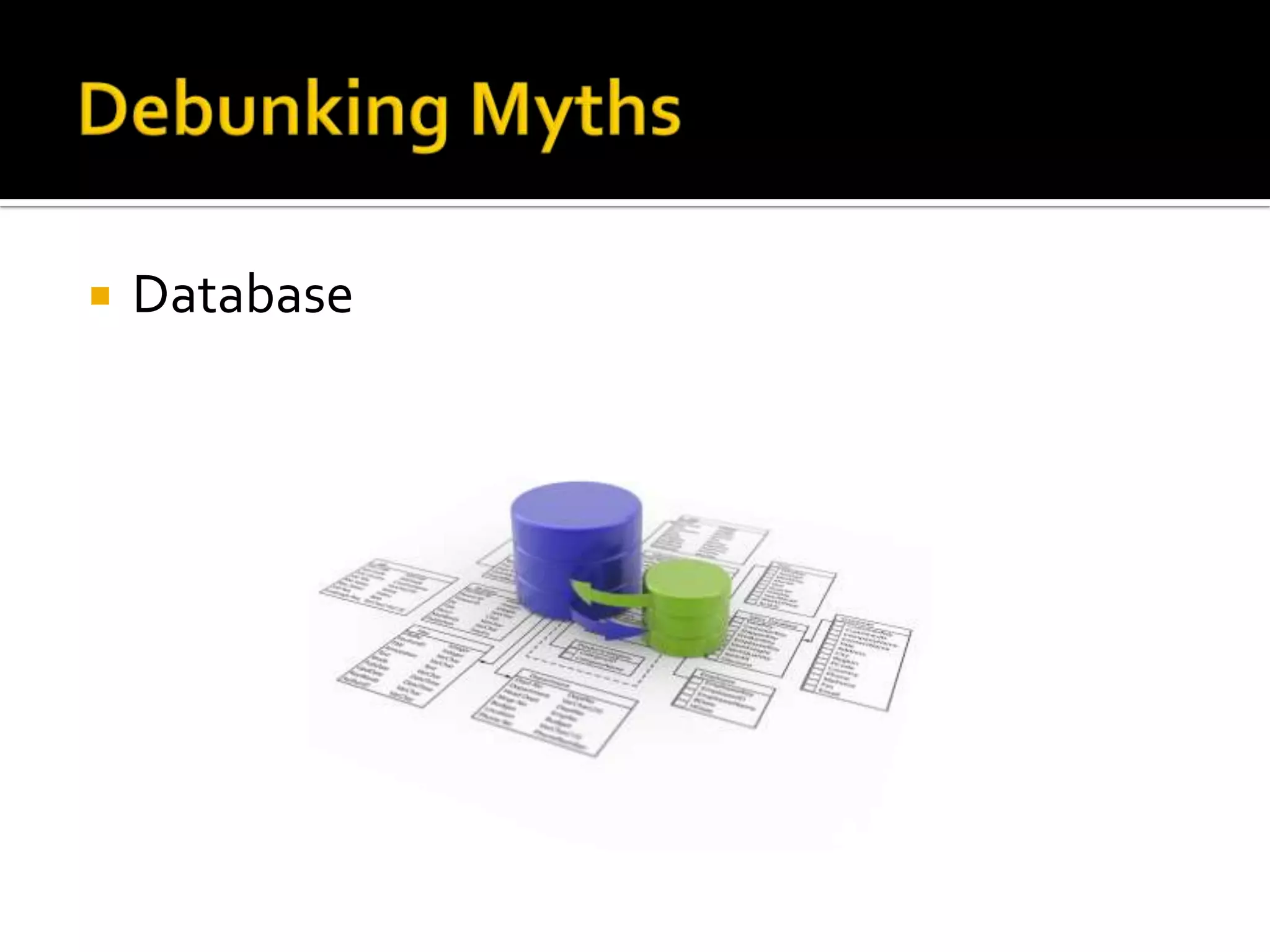
   Database
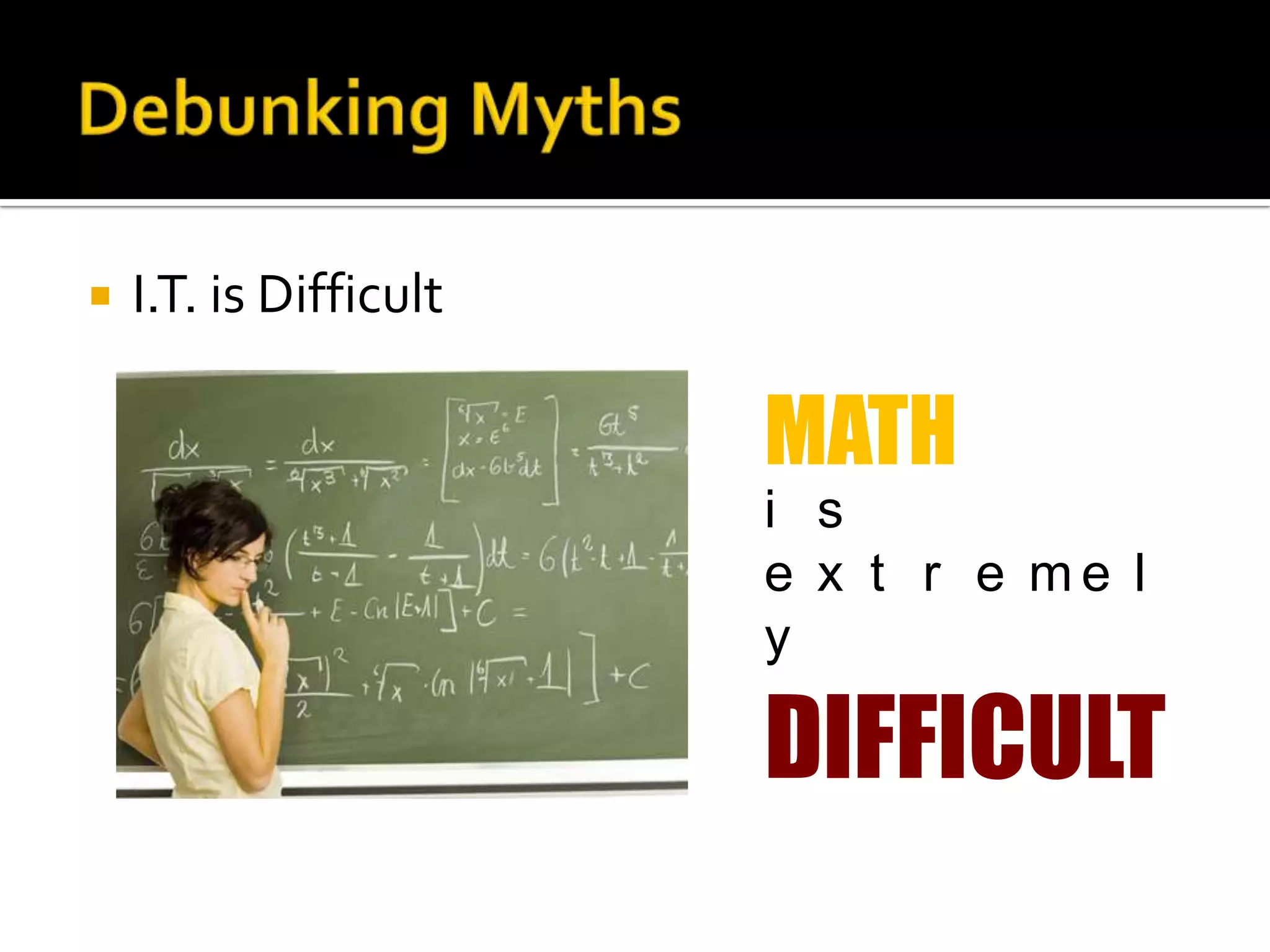
   I.T. is Difficult

                        MATH
                        i s
                        e x t r e me l
                        y

                        DIFFICULT
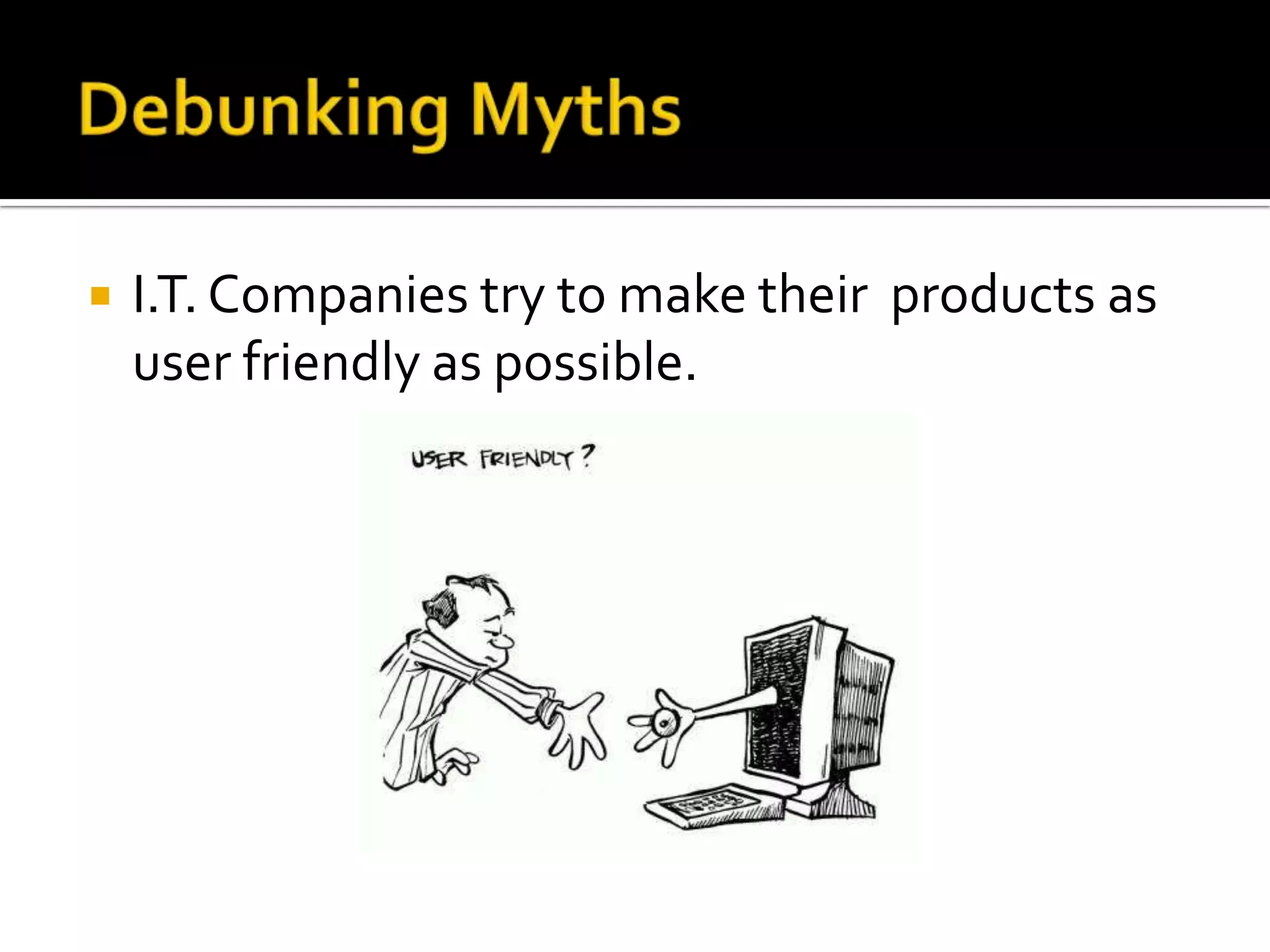
   I.T. Companies try to make their products as
    user friendly as possible.
   I.T. is Expensive…
   I.T. Jobs are Exclusive for I.T. Graduates..
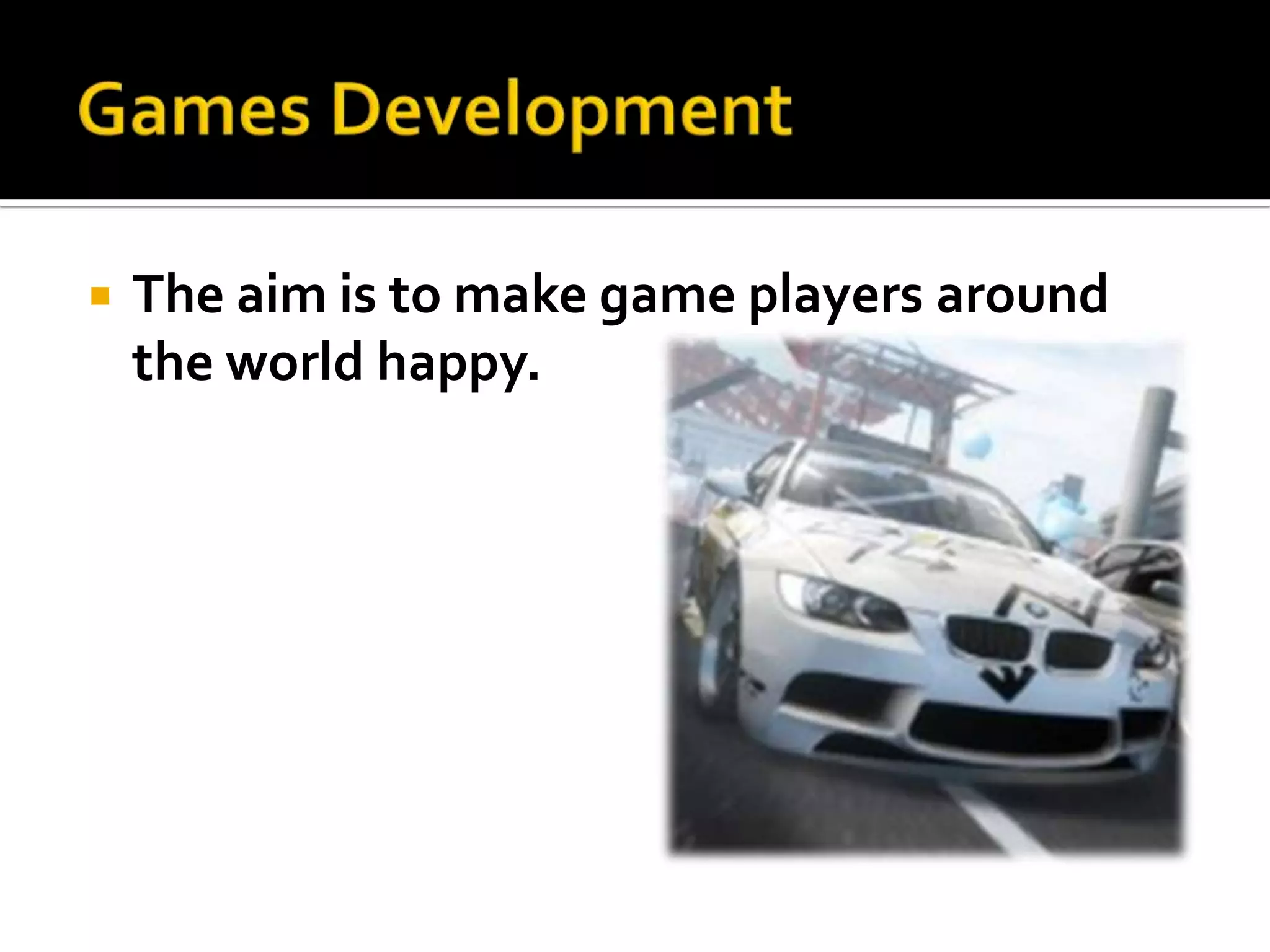
   The aim is to make game players around
    the world happy.
   Programming
   Design
   Art
   Audio
   Quality Assurance (Q.A.)
   Computer Science Degree
   C++
   Multimedia Skills
   Able to use the LATEST Graphic Packages
   Has interest and love on games.
   Team Player
   Best
     Games development is done in an incredibly social
      atmosphere. Most companies are informal in their
      working environment.
     There's a sense of reward when you complete a
      project and see a game out on the shelf.
     You get to work in a sector that's advancing very
      quickly.
   Worst
     Crunch time - it all goes a bit crazy close to a final
      deadline. You work long hours trying to get the
      game finished and working through the night is
      not uncommon at this stage.
     Spending time and energy on a project that gets
      cancelled.
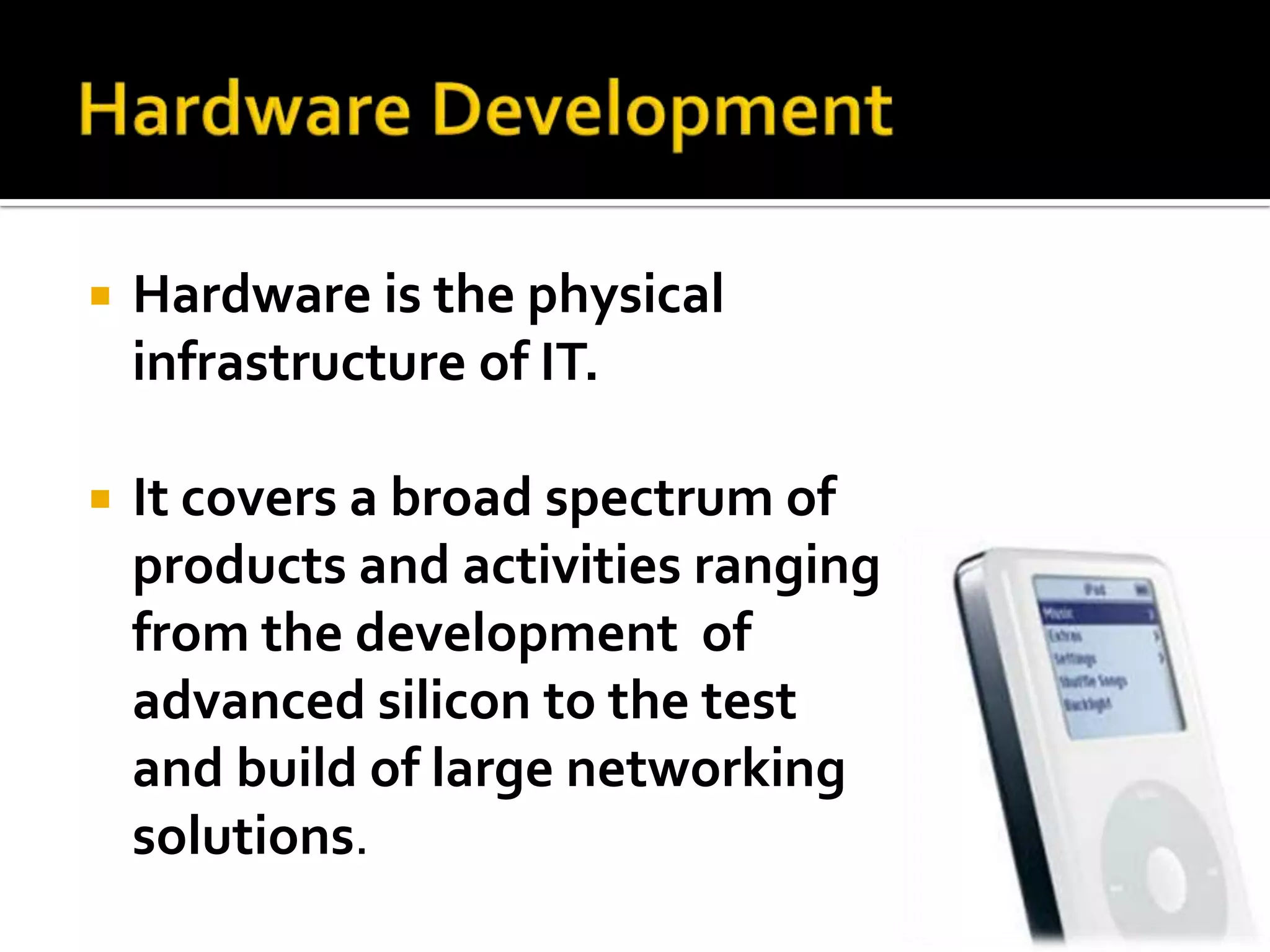
   Hardware is the physical
    infrastructure of IT.

   It covers a broad spectrum of
    products and activities ranging
    from the development of
    advanced silicon to the test
    and build of large networking
    solutions.
   Knowledge in Electronics
   Math Skills
   Research and Development
   Team Player
   Patience
   Best
     You will feel proud when you've implemented a
      complex hardware solution that operates many
      times faster than using a commercial processing
      platform.
     The work is very varied as hardware development
      can involve electronic design (schematics) and
      programming (firmware/software), testing,
      working out cooling solutions (mechanical design)
      and design ergonomics.
   Worst
     The despair of finding a bug - locating the
      problem and resolving it can take a lot of time.
     Having to compromise - the best engineering
      solution may not be possible under realistic
      timescales and budgets.
   e-commerce is an increasingly popular way
    to do business.
   Developing products and services to offer
    to online customers.
   Programming (Web)
   Business Analysis
   Quality Assurance (Q.A.)
   Client / Server
   Server Administration
   Technical Skills
   Best
     Working in a challenging and fast-paced
      environment where projects can deliver results
      very quickly.
     The world gets to see your work as the internet is
      available to everyone.
     Many businesses are growing rapidly, so career
      prospects are great.
   Worst
     Occasional long hours.
     Times when something you have worked on for
     some time is either significantly changed or
     scraped due to a change in strategy.
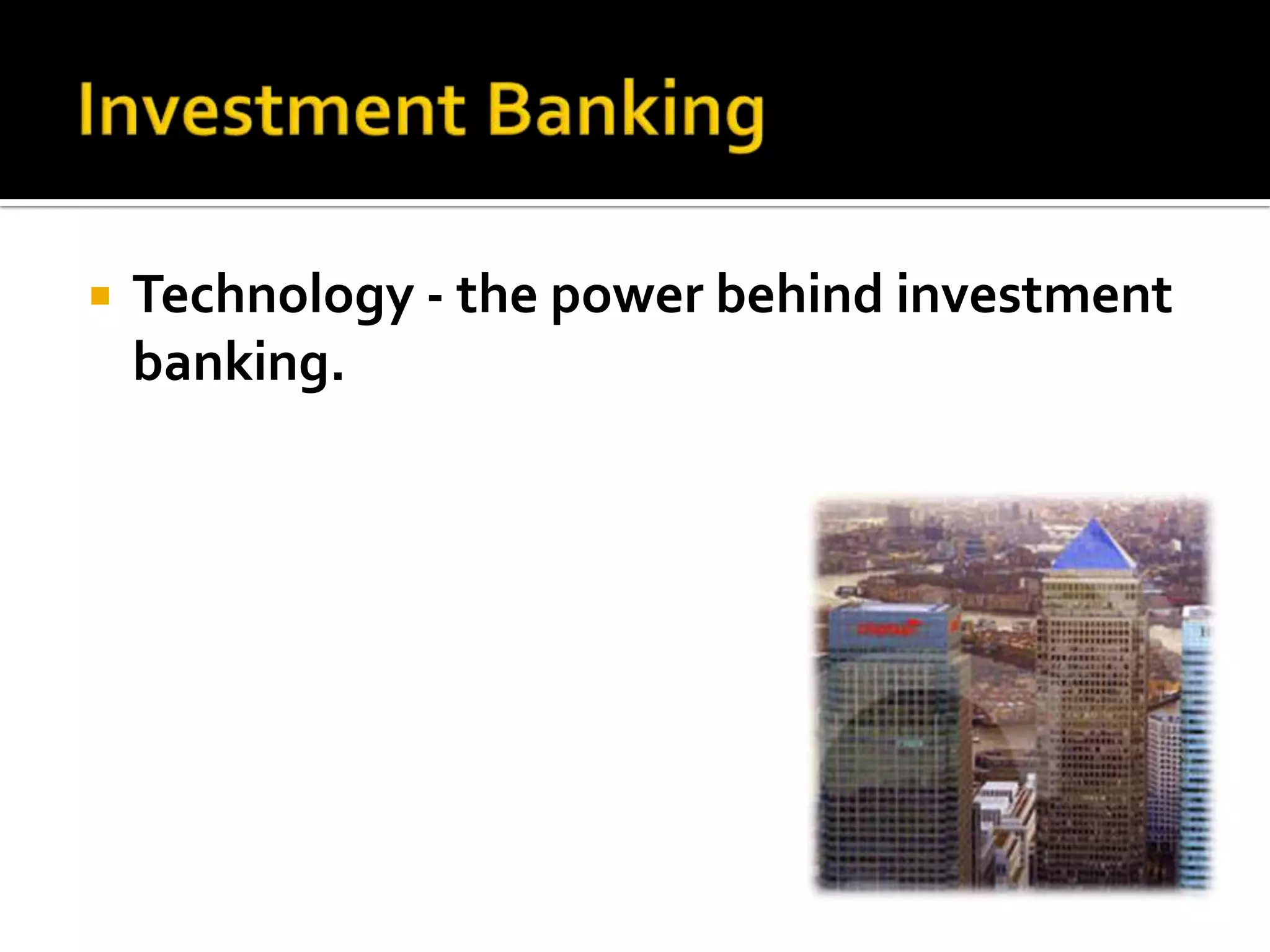
   Technology - the power behind investment
    banking.
   Computer Science / Engineering
   Enthusiastic
   Good Communication/Interpersonal Skills
   Analytic
   Best
     You'll work in a dynamic and constantly changing
      environment which is exciting.
     Investment banks are global operators and you'll
      deal with people in different offices around the
      world which presents opportunities for
      development and travel.
     There is typically and work-hard, play-hard ethos
      and we have fun.
   Worst
     The work is fast paced and can be quite
      pressurized - prevaricators won't perform well in
      this environment.
     The work is team-oriented so it's not a place for
      those who want to go it alone.
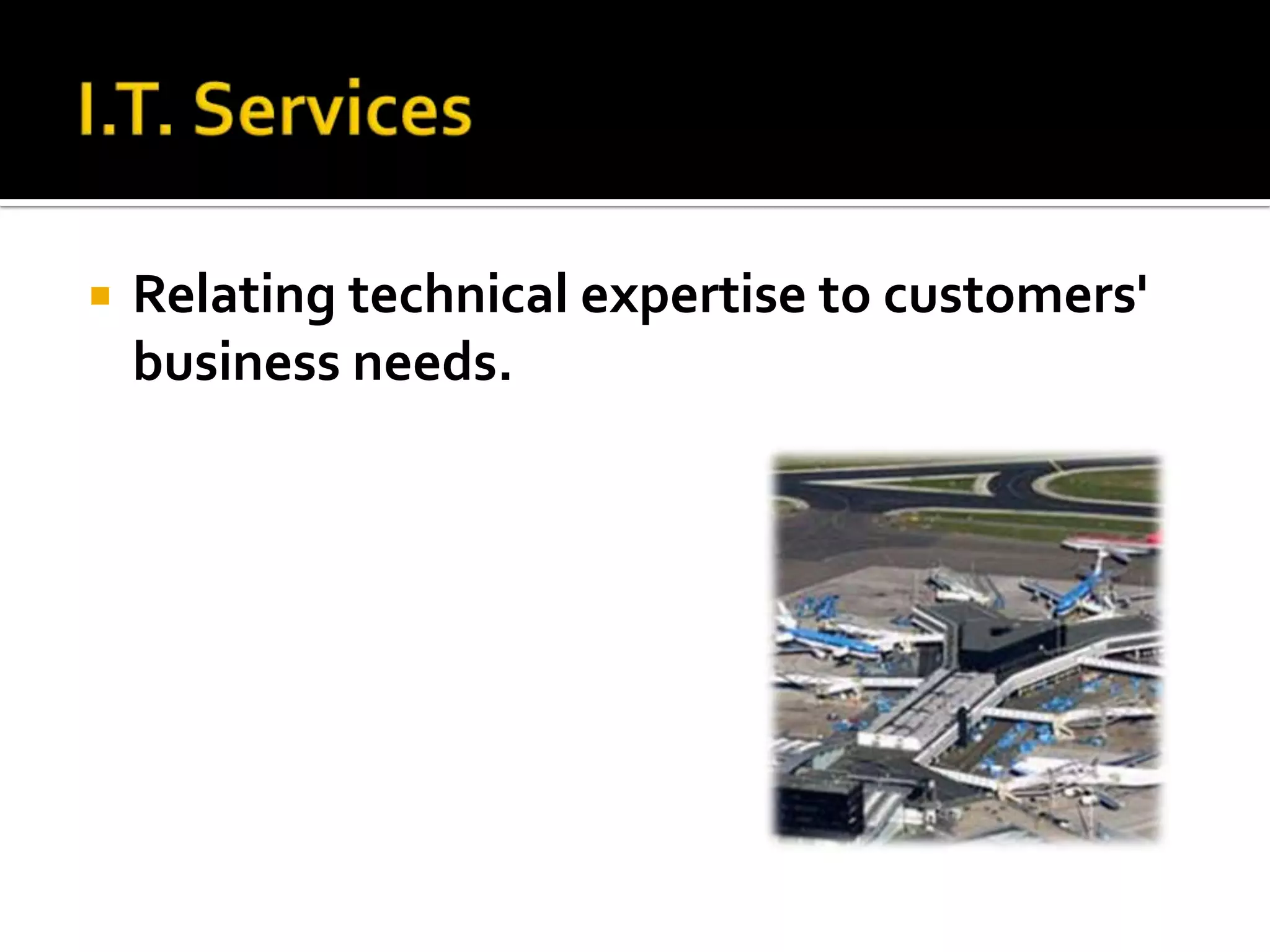
   Relating technical expertise to customers'
    business needs.
   I.T. Interest
   Technical Skills
   Software Programming
   Analytic
   Best
     I've always found that I've had a good say in the
     direction of my career and I've had opportunities
     to do lots of different things. The people I work
     with - both customers and colleagues - are also a
     highlight.
   Worst
     Paperwork can build up and there are times when
     you are under pressure and working long hours to
     meet a close deadline, but the there's always the
     buzz once it's out of the door!
   IT keeps retail in business, both in store and
    online.
   Capable to come up with smart solutions
   Self Driven
   Technical Skills
   Best
     The variety of the work, the fast-paced
      environment and the new challenges that arise.
     It's possibly the only retail area where you get
      such a good overview of the entire business
      structure.
   Worst
     The time-difference problems if you have to deal
     with development teams overseas. It can be very
     frustrating when you have something that needs
     to be dealt with and they're still in bed!
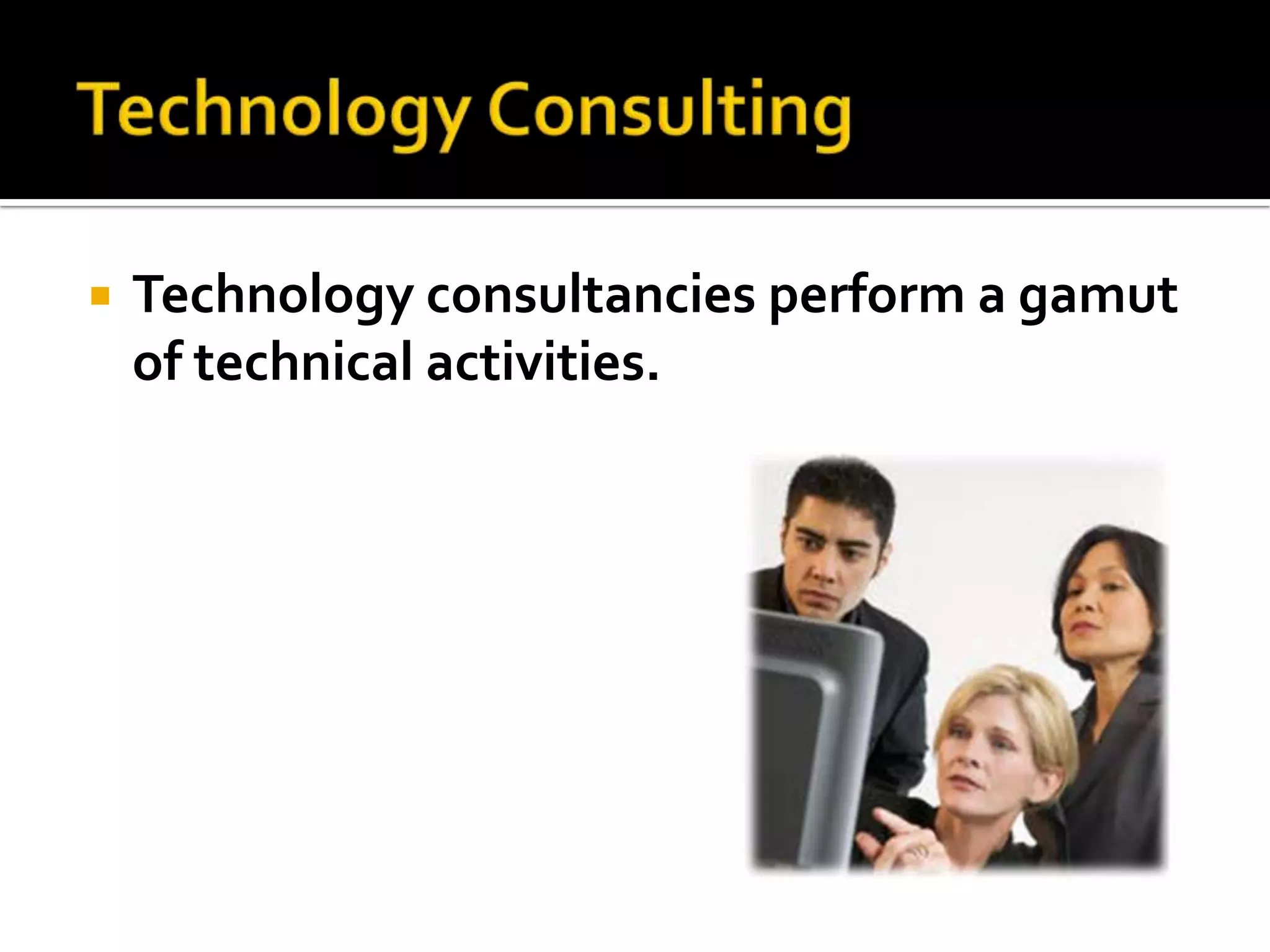
   Technology consultancies perform a gamut
    of technical activities.
   Marketing Skills
   Software Programming
   Enthusiasm at work
   Technical Skills
   Best
     Working in a team and delivering solutions to
      clients' problems.
     The pay is pretty good and the variety of work is
      excellent.
     Opportunity for travel can be attractive.
     You get to work with high caliber, bright people.
   Worst
     Staying in hotels can be a grind.
     Hours can be long and disruptive to your social
      life.
     It's frustrating when you know the right answer to
      a problem but you can't get your client to
      understand.
   Providing communications services to a
    wide range of customers.
   Data Communications
   Technical Skills
   Team Player
   Best
     It's exciting to work with cutting-edge technology
     in a fast-paced industry.
   Worst
     You have to be very reactive to customer needs
     and to the competition whilst still remaining
     focused on longer-term strategies.
Career paths in information technology

Career paths in information technology

  • 1.
  • 5.
    I.T. is for BIG companies ONLY…
  • 6.
    I.T. is all about PROGRAMMING..
  • 7.
    Network
  • 8.
    Design
  • 9.
    Database
  • 10.
    I.T. is Difficult MATH i s e x t r e me l y DIFFICULT
  • 11.
    I.T. Companies try to make their products as user friendly as possible.
  • 12.
    I.T. is Expensive…
  • 14.
    I.T. Jobs are Exclusive for I.T. Graduates..
  • 17.
    The aim is to make game players around the world happy.
  • 18.
    Programming  Design  Art  Audio  Quality Assurance (Q.A.)
  • 19.
    Computer Science Degree  C++  Multimedia Skills  Able to use the LATEST Graphic Packages  Has interest and love on games.  Team Player
  • 20.
    Best  Games development is done in an incredibly social atmosphere. Most companies are informal in their working environment.  There's a sense of reward when you complete a project and see a game out on the shelf.  You get to work in a sector that's advancing very quickly.
  • 21.
    Worst  Crunch time - it all goes a bit crazy close to a final deadline. You work long hours trying to get the game finished and working through the night is not uncommon at this stage.  Spending time and energy on a project that gets cancelled.
  • 22.
    Hardware is the physical infrastructure of IT.  It covers a broad spectrum of products and activities ranging from the development of advanced silicon to the test and build of large networking solutions.
  • 23.
    Knowledge in Electronics  Math Skills  Research and Development  Team Player  Patience
  • 24.
    Best  You will feel proud when you've implemented a complex hardware solution that operates many times faster than using a commercial processing platform.  The work is very varied as hardware development can involve electronic design (schematics) and programming (firmware/software), testing, working out cooling solutions (mechanical design) and design ergonomics.
  • 25.
    Worst  The despair of finding a bug - locating the problem and resolving it can take a lot of time.  Having to compromise - the best engineering solution may not be possible under realistic timescales and budgets.
  • 26.
    e-commerce is an increasingly popular way to do business.  Developing products and services to offer to online customers.
  • 27.
    Programming (Web)  Business Analysis  Quality Assurance (Q.A.)  Client / Server  Server Administration  Technical Skills
  • 28.
    Best  Working in a challenging and fast-paced environment where projects can deliver results very quickly.  The world gets to see your work as the internet is available to everyone.  Many businesses are growing rapidly, so career prospects are great.
  • 29.
    Worst  Occasional long hours.  Times when something you have worked on for some time is either significantly changed or scraped due to a change in strategy.
  • 30.
    Technology - the power behind investment banking.
  • 31.
    Computer Science / Engineering  Enthusiastic  Good Communication/Interpersonal Skills  Analytic
  • 32.
    Best  You'll work in a dynamic and constantly changing environment which is exciting.  Investment banks are global operators and you'll deal with people in different offices around the world which presents opportunities for development and travel.  There is typically and work-hard, play-hard ethos and we have fun.
  • 33.
    Worst  The work is fast paced and can be quite pressurized - prevaricators won't perform well in this environment.  The work is team-oriented so it's not a place for those who want to go it alone.
  • 34.
    Relating technical expertise to customers' business needs.
  • 35.
    I.T. Interest  Technical Skills  Software Programming  Analytic
  • 36.
    Best  I've always found that I've had a good say in the direction of my career and I've had opportunities to do lots of different things. The people I work with - both customers and colleagues - are also a highlight.
  • 37.
    Worst  Paperwork can build up and there are times when you are under pressure and working long hours to meet a close deadline, but the there's always the buzz once it's out of the door!
  • 38.
    IT keeps retail in business, both in store and online.
  • 39.
    Capable to come up with smart solutions  Self Driven  Technical Skills
  • 40.
    Best  The variety of the work, the fast-paced environment and the new challenges that arise.  It's possibly the only retail area where you get such a good overview of the entire business structure.
  • 41.
    Worst  The time-difference problems if you have to deal with development teams overseas. It can be very frustrating when you have something that needs to be dealt with and they're still in bed!
  • 42.
    Technology consultancies perform a gamut of technical activities.
  • 43.
    Marketing Skills  Software Programming  Enthusiasm at work  Technical Skills
  • 44.
    Best  Working in a team and delivering solutions to clients' problems.  The pay is pretty good and the variety of work is excellent.  Opportunity for travel can be attractive.  You get to work with high caliber, bright people.
  • 45.
    Worst  Staying in hotels can be a grind.  Hours can be long and disruptive to your social life.  It's frustrating when you know the right answer to a problem but you can't get your client to understand.
  • 46.
    Providing communications services to a wide range of customers.
  • 47.
    Data Communications  Technical Skills  Team Player
  • 48.
    Best  It's exciting to work with cutting-edge technology in a fast-paced industry.
  • 49.
    Worst  You have to be very reactive to customer needs and to the competition whilst still remaining focused on longer-term strategies.

Editor's Notes

  • #3 "So, where do you see yourself in five years...?" At some time or other in your life an interviewer is going to ask you this question. It is a question most people have a problem answering because your response will depend on the skills and experience you hope to have gained by then.If you are just completing your A-Levels then we hope your answer will be something like  "I see myself completing a graduate recruitment programmed in the IT industry after successfully studying for a degree at the School of Computing". We also believe we have the courses and teaching experience required to make this happen.At 16-18 not many students have a 5 year career plan. They aren't paramount at this stage. If, however, you have already decided that a career in Information Technology is for you then this section might help you decide what type of work you want to be doing and in which type of business sector.
  • #18 The main aim of the games development sector is to make challenging computer games that appeal to as many people as possible. Everyone wants to push the boundaries of technology to make games better and better, so it's a very creative industry to work in. There are a good number of games companies in the UK and the industry is rapidly expanding, so the outlook for graduates is generally good at the moment.
  • #19 Programming - all the things that make the games work: controls, rendering and the game shell.Design - designing the different levels of the game, the moment-to-moment game play, defining set piece moves of characters and the moments that will 'wow' game players.Art - 3D models and animation. As consoles become more powerful, games developers seek to add more detail and definition when bringing characters and scenery to life.Audio - creating high-quality sound effects and music. Increasingly games include Dolby surround sound as players want games to sound as good as films.Quality Assurance (QA) - games are tested and feedback is put into the design process.
  • #21 Games development is done in an incredibly social atmosphere. Most companies are informal in their working environment. There's a sense of reward when you complete a project and see a game out on the shelf. You get to work in a sector that's advancing very quickly.
  • #22 Crunch time - it all goes a bit crazy close to a final deadline. You work long hours trying to get the game finished and working through the night is not uncommon at this stage. Spending time and energy on a project that gets cancelled.
  • #23 The hardware sector covers a broad spectrum of products and activities ranging from the development  of advanced silicon to the test and build of large networking solutions. At first sight there are many IT organizations that have hardware development divisions, however be aware that not all have development sites within the UK. There are many smaller companies in the UK that focus on specialist elements of hardware development that also provide exciting opportunities for engineers. Opportunities for would-be developers exist across the market. Key sectors include telecoms, defense, automotive and aerospace. Advances in mobile telephony, electronics in family cars and in-flight entertainment systems illustrate how rapidly technology is developing.
  • #24 Good numerate degrees within a subject area that gives some experience of electronics are the typical requirement - physicists, mathematicians and computer scientists can be considered alongside electronic engineers for many areas of work. Specific degrees sought depend on the organization you apply to and the area of development in which they specialize - a postgraduate qualification may give you and advantage in some areas of research and development. Good communication skills and team working ability are essential.
  • #27 Essentially, the sector is about developing products and services to offer to online customers. Financial services and online retail are a significant part of the industry and businesses seek to gain market share by providing unique content and services. Financial services businesses see the Internet as an ideal service and marketing medium for their customers or potential customers. As a nation we are finding less and less time to carry out personal tasks, such as banking, and the Internet is a medium that is available around the clock. All major UK banks offer online banking where balances can be checked, payments made etc. While the Internet doesn't replace existing operations, it can help drive operational costs down - for example, marketing material can be produced for a fraction of the cost of glossy brochures.Similarly, retail businesses can offer much lower costs to customers by having an online facility. Without the overheads of shops and associated staffing costs, their operating costs are much reduced and the savings can be passed on to the consumer. Many supermarkets these days offer online ordering and home delivery.
  • #31 Information technology departments within this industry provide all the IT services used by the many business areas: typically securities, investment banking/private equity, and finance, administration and operations. IT services cover all recognized IT disciplines, including R&D, engineering, infrastructure, applications development, maintenance and support. IT departments are typically organized into groups that work alongside, and maximize the potential of, each part of an investment bank. This typically includes a global approach to application development and technology infrastructure with a regional oversight to ensure that IT services meet the need of every location in which an investment bank operates.Investment banks work with leading-edge technology but on an industrial scale and technologists see the immediate effect of their work in a very dynamic business sector.
  • #32 Typically, investment banks seek IT candidates with a good academic background and a technology-related degree ( computer science, engineering, physics, mathsetc). We look for enthusiastic, energetic people who are willing to learn but can also bring fresh ideas with them. Good communication and interpersonal skills, as well as team working and problem-solving abilities are essential.Technically-minded students shouldn't be put off by not knowing about finance - technologists aren't recruited for their financial wizardry. However, technologists that ultimately do well are those that form strong relationships with their business clients and develop credibility by gaining relevant business knowledge.
  • #35 The IT services business is about relating expertise in technical specialisms to a customer's business needs, whether they are seeking to improve the efficiency of their current business processes or requiring a technology system for a new aspect of their business. The scope of IT services is broader than consulting and covers a longer period of time, from understanding a customer's problem and developing a system to installing it and providing training. In some cases, an IT services organization will then run and support the IT for the customer through an outsourcing agreement.Many of the larger 'traditional' IT companies and consultancies have embraced the idea of IT services as customers are keener than ever to seek technology solutions to all their business problems in one place. For this reason, they cover a wide range of expertise in technology areas such as security and mobile communications, as well as in-depth knowledge of business sectors, such as finance, energy and space.
  • #36 Many organization's take graduates from a variety of degree backgrounds, but it's essential that you have a keen interest in IT. Work experience is desirable, but this doesn't necessarily have to have been in an IT organization. Recruiters look for evidence that you can demonstrate responsibility for customers and team working skills. A selection of technical skills - appreciation of modern programming languages and database understanding can be useful. Other key skills required include good interpersonal skills, verbal and written communication skills, flexibility and 'get up and go'.
  • #39 Retail IT is about supporting he business functions and company infrastructure. It involves planning, strategy, ensuring what customers ask for is being delivered, implementing systems and seeing them through to completion. Each department supports a customer area - this doesn't mean a 'customer' in the traditional sense, but we refer to each internal business area as our customers.A fast growing area of retail IT is e-commerce, which is essentially a company's presence on the web. For large retailers this can cover everything from groceries to books, video games, finance and insurance.
  • #40 You need to be able to get things done at the first attempt, take control of situations, and coach others around you. To work in retail IT you need to look for new ways of dealing with situations and come up with smart solutions, be self-driven, a good leader and a good listener - teamwork is paramount.   Specific degree requirements will vary between employers, but most ask for a 2.1 or above. You don't necessarily need to have an IT degree to work in this sector - we've had people with journalism degrees and geography degrees. Again, this varies within the industry but you may not be required to have as high a level of technical skills as for other IT careers. If someone has the right attitude that suits the demands of the retail sector, then it is possible to teach them; technical skills are easier to teach than personality.
  • #43 Organizations sometimes need to bring in experts who have technology and business expertise to help them solve an IT problem or to gain a different viewpoint on how they can use technology to run their business more effectively. That's where technology consultants come in. Technology consultants provide teams or individuals skilled in different areas of technology and with an understanding of business processes to help client organizations get the best from their IT systems or to gain cost benefits and efficient delivery of new information systems.Technical consultancies perform a gamut of technical activities - from software development to risk management - and work with organizations in a wide range of sectors, including retail, finance, engineering and the government. Consulting projects can therefore be incredibly varied and rang from validating and outsourcing proposition for a big insurance company to delivering a web portal for local government.
  • #44 Graduates need to be capable of learning quickly and have a good technology grounding, without being too 'techie' Consultants need to be able to talk to clients in appropriate language without baffling them with jargon. Rather than knowing the very latest programming languages, we're keen to see how candidates have worked on or completed a project.Ambition and enthusiasm, as well as good team working and excellent interpersonal and communications skills. The technical consultant's lifestyle can involve a lot of hard work and working at different client sites so flexibility is important for this are of work.
  • #47 In the telecommunications industry technology is the product, and it is important to remain up to date with new developments in order to compete and to provide the best possible service to a wide range of customers from the business user to the youth market. This business sector can roughly be divided into three areas - wire-free operators ( e.g. Orange, Vodafone, O2 and T-Mobile ), fixed line/cable companies ( e.g. BT and Cable & Wireless ) and technology organizations (e.g. Nokia and Ericsson).Fixed-line/cable companies have concentrated in recent years on providing quicker, more effective communication with the introduction of broadband and now, with the introduction of 3G, mobile telecommunication companies are able to offer similar 'speed/power' offerings. This capability can then be leveraged by technology organizations and mobile operators who strive to develop the next generation of mobile devices and services - services which incorporate video messaging and advanced internet services into their new products whilst trying to maintain their usability for a varied customer base.
  • #48 You don't necessarily have to have a vocational qualification to work in this industry as the main focus is on business and customer service. In Orange, for example, we think that it is just as important for candidates to demonstrate the right values and work ethic, to be refreshing, dynamic, honest, friendly and straightforward. It is often easier to learn the technical skills required for the job than the behavior's required to be successful in it.