Build a Product
Based on Values
NELA DUNATO
Have we achieved our goals?
Metrics can take the
attention away from the impact
our product is making on the
humans who are using it.
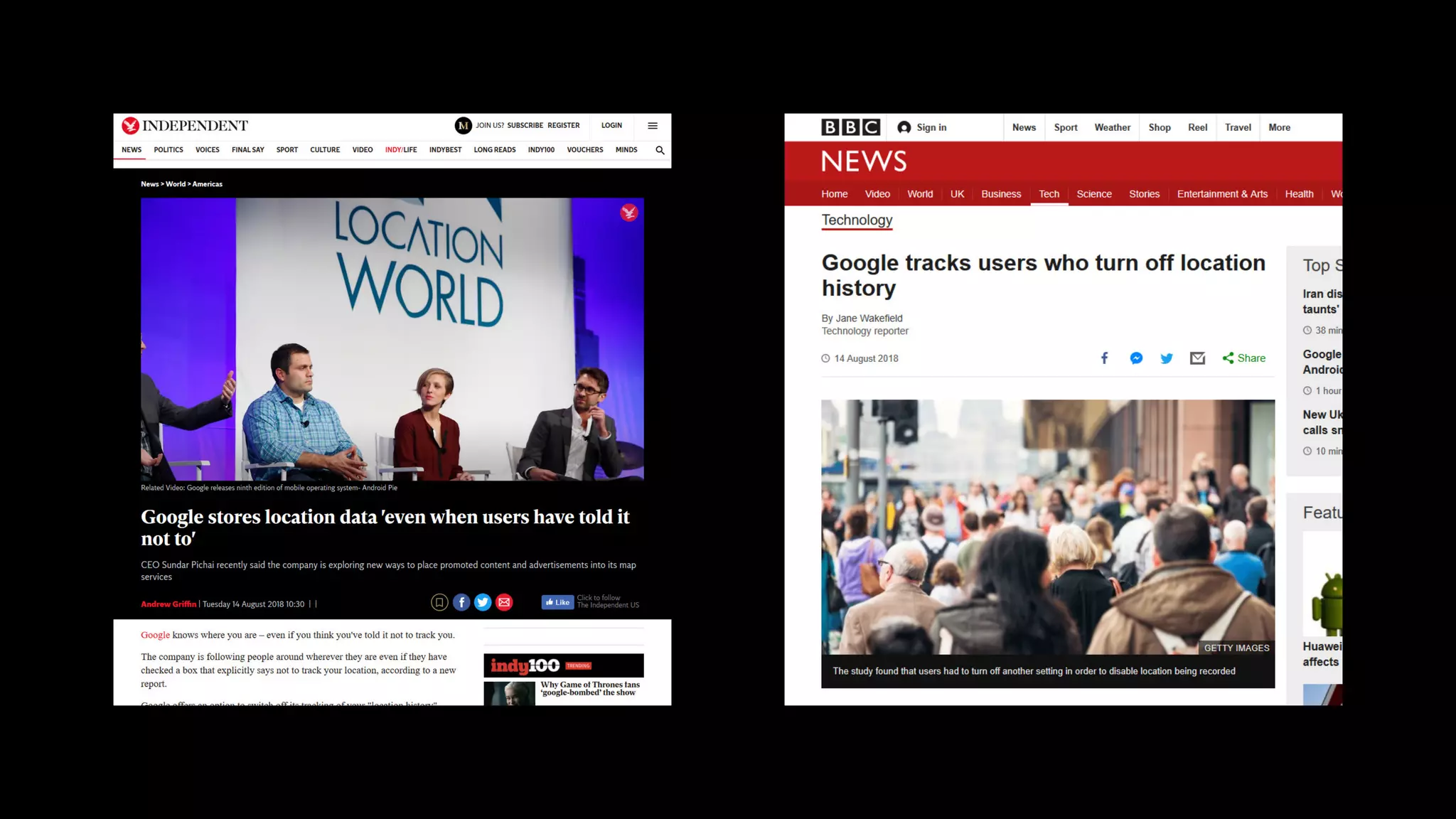
When products cause harm
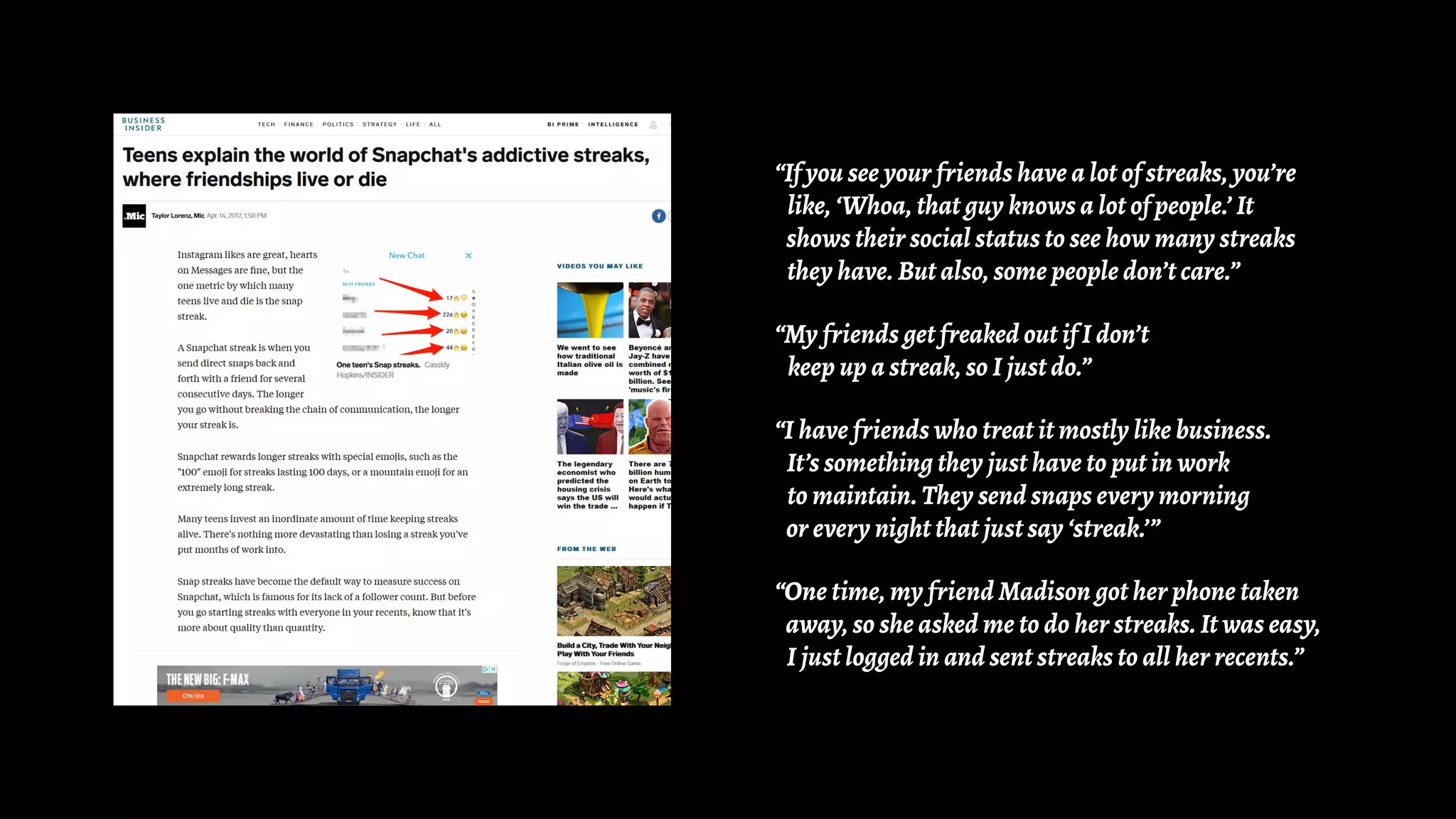
“If you see your friends have a lot of streaks, you’re
like, ‘Whoa, that guy knows a lot of people.’ It
shows their social status to see how many streaks
they have. But also, some people don’t care.”
“My friends get freaked out if I don’t
keep up a streak, so I just do.”
“I have friends who treat it mostly like business.
It’s something they just have to put in work
to maintain. They send snaps every morning
or every night that just say ‘streak.’”
“One time, my friend Madison got her phone taken
away, so she asked me to do her streaks. It was easy,
I just logged in and sent streaks to all her recents.”
Introducing
Core Values
Values are our strongest principles
or standards of behaviour
that govern our choices.
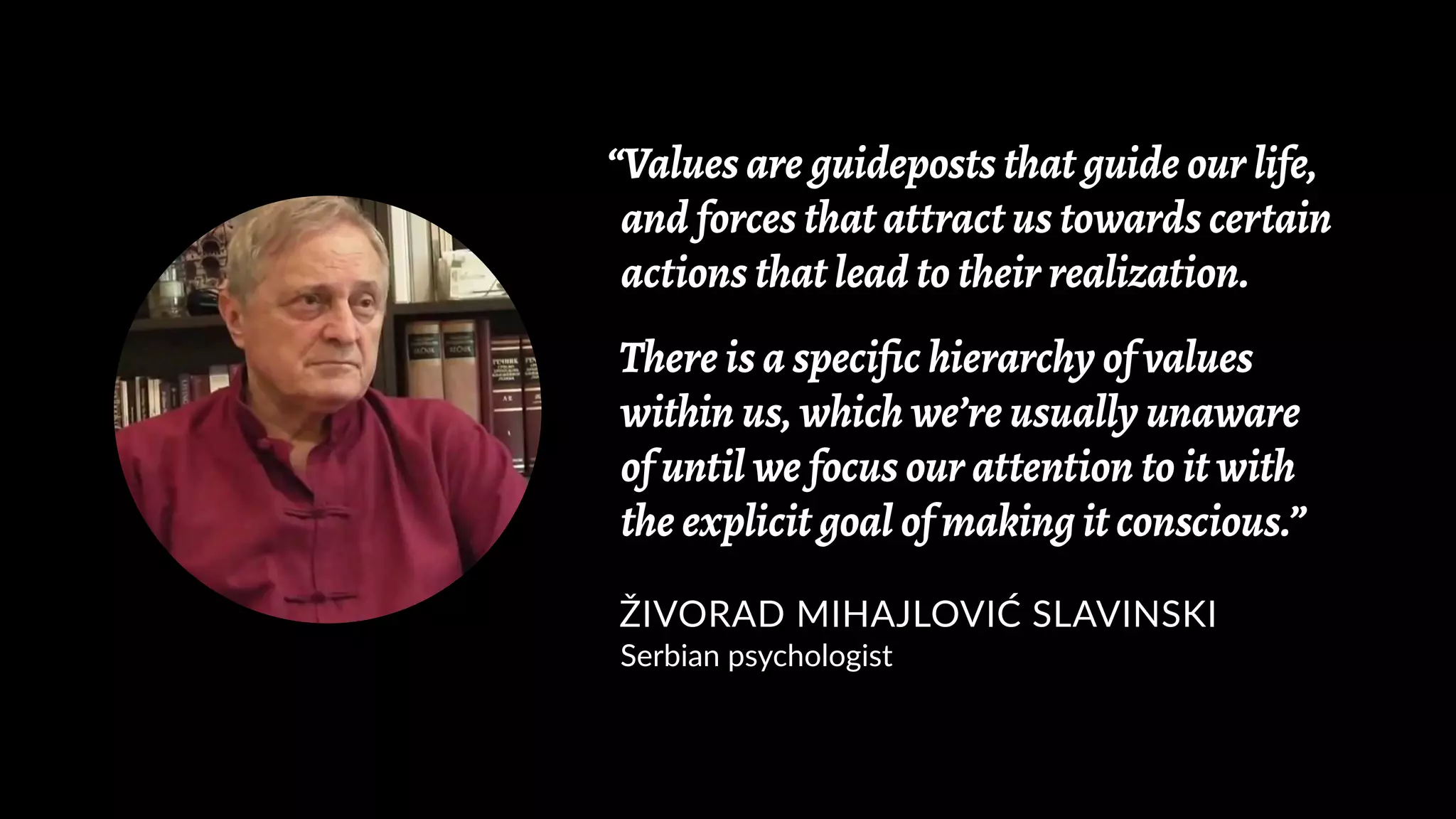
“Values are guideposts that guide our life,
and forces that attract us towards certain
actions that lead to their realization.
There is a specific hierarchy of values
within us, which we’re usually unaware
of until we focus our attention to it with
the explicit goal of making it conscious.”
ŽIVORAD MIHAJLOVIĆ SLAVINSKI
Serbian psychologist
Core values have the biggest
impact on our decisions.
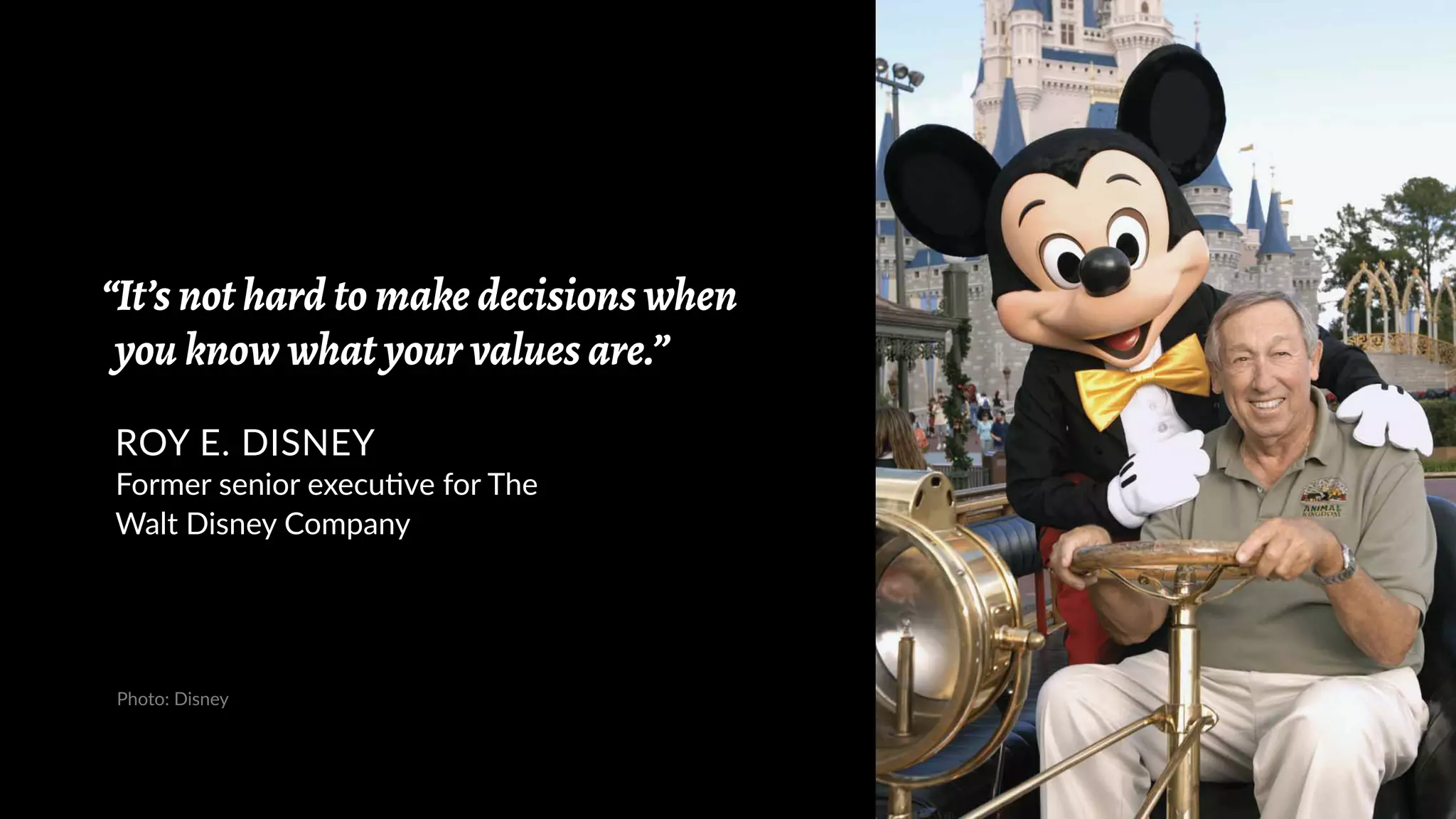
“It’s not hard to make decisions when
you know what your values are.”
ROY E. DISNEY
Former senior executive for The
Walt Disney Company
Photo: Disney
MISSION = “why we exist”
VISION = “where we are heading in the future”
CORE VALUES = “what behavioral norms
every team member is expected to uphold
when collaborating with others”
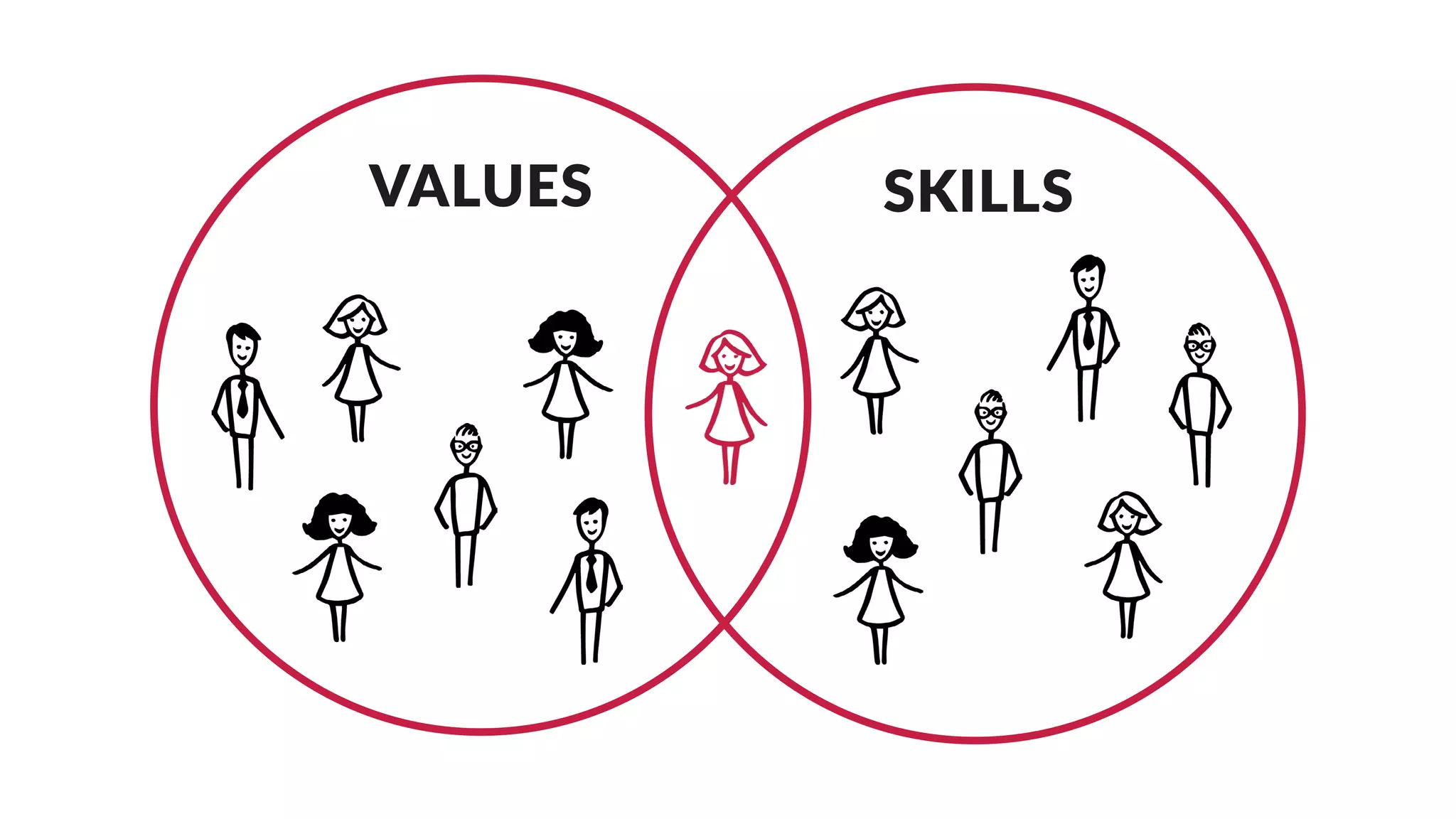
SKILLSVALUES
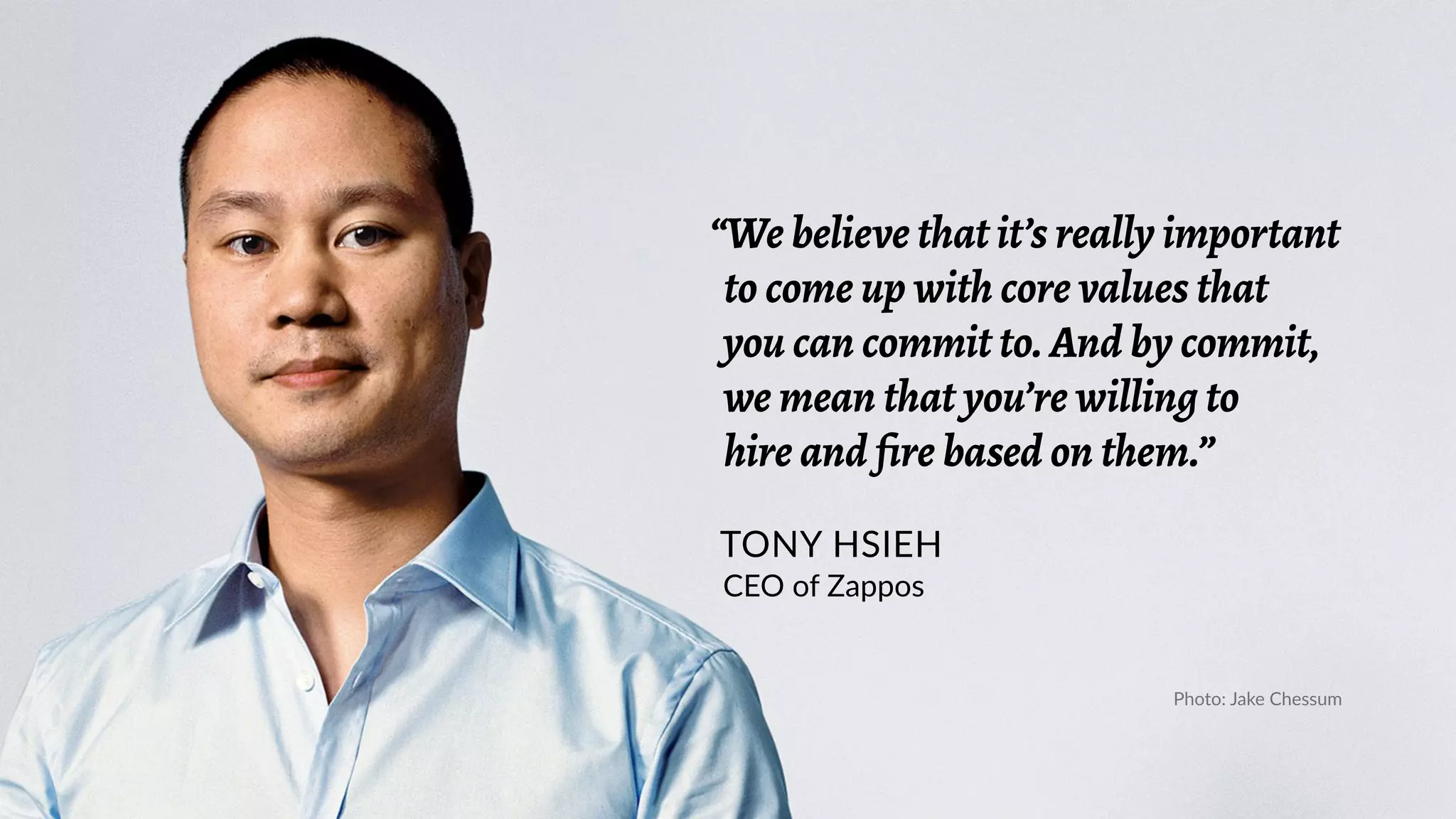
“We believe that it’s really important
to come up with core values that
you can commit to. And by commit,
we mean that you’re willing to
hire and fire based on them.”
TONY HSIEH
CEO of Zappos
Photo: Jake Chessum
Core values can help you
engage your team.
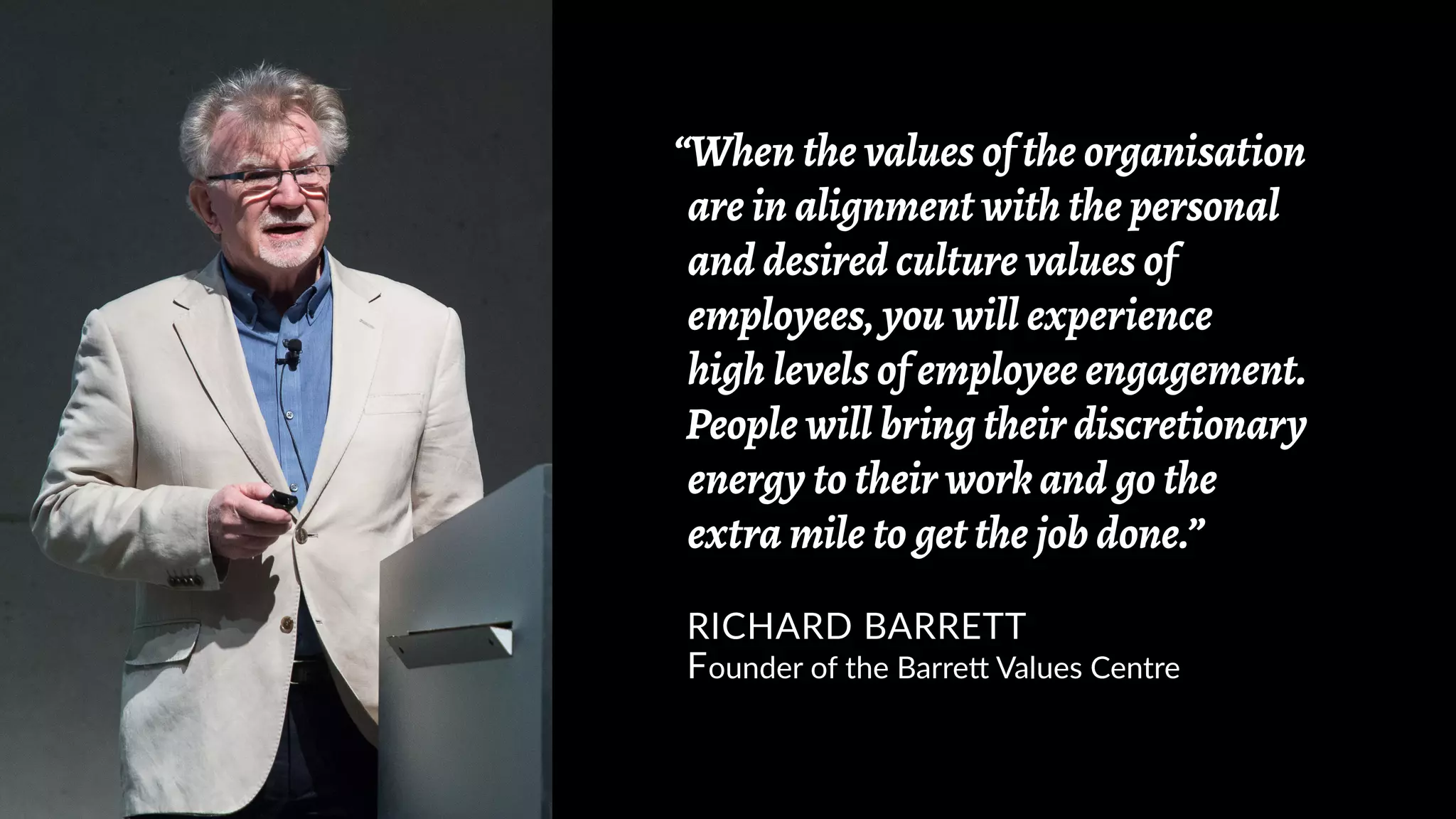
“When the values of the organisation
are in alignment with the personal
and desired culture values of
employees, you will experience
high levels of employee engagement.
People will bring their discretionary
energy to their work and go the
extra mile to get the job done.”
RICHARD BARRETT
Founder of the Barrett Values Centre
Authentic values that you
demonstrate through your
product, brand and marketing
attract a loyal audience.
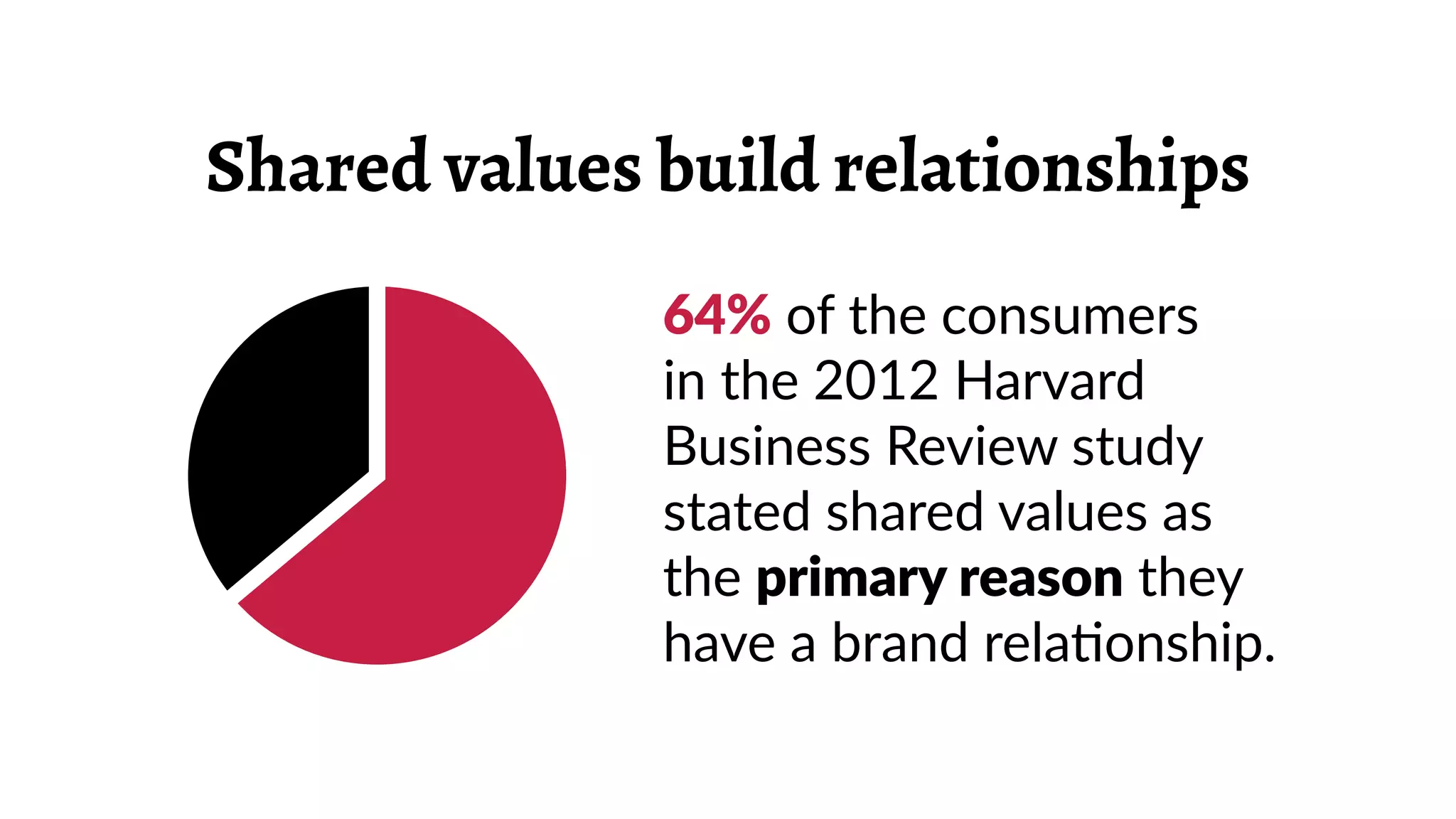
Shared values build relationships
64% of the consumers
in the 2012 Harvard
Business Review study
stated shared values as
the primary reason they
have a brand relationship.
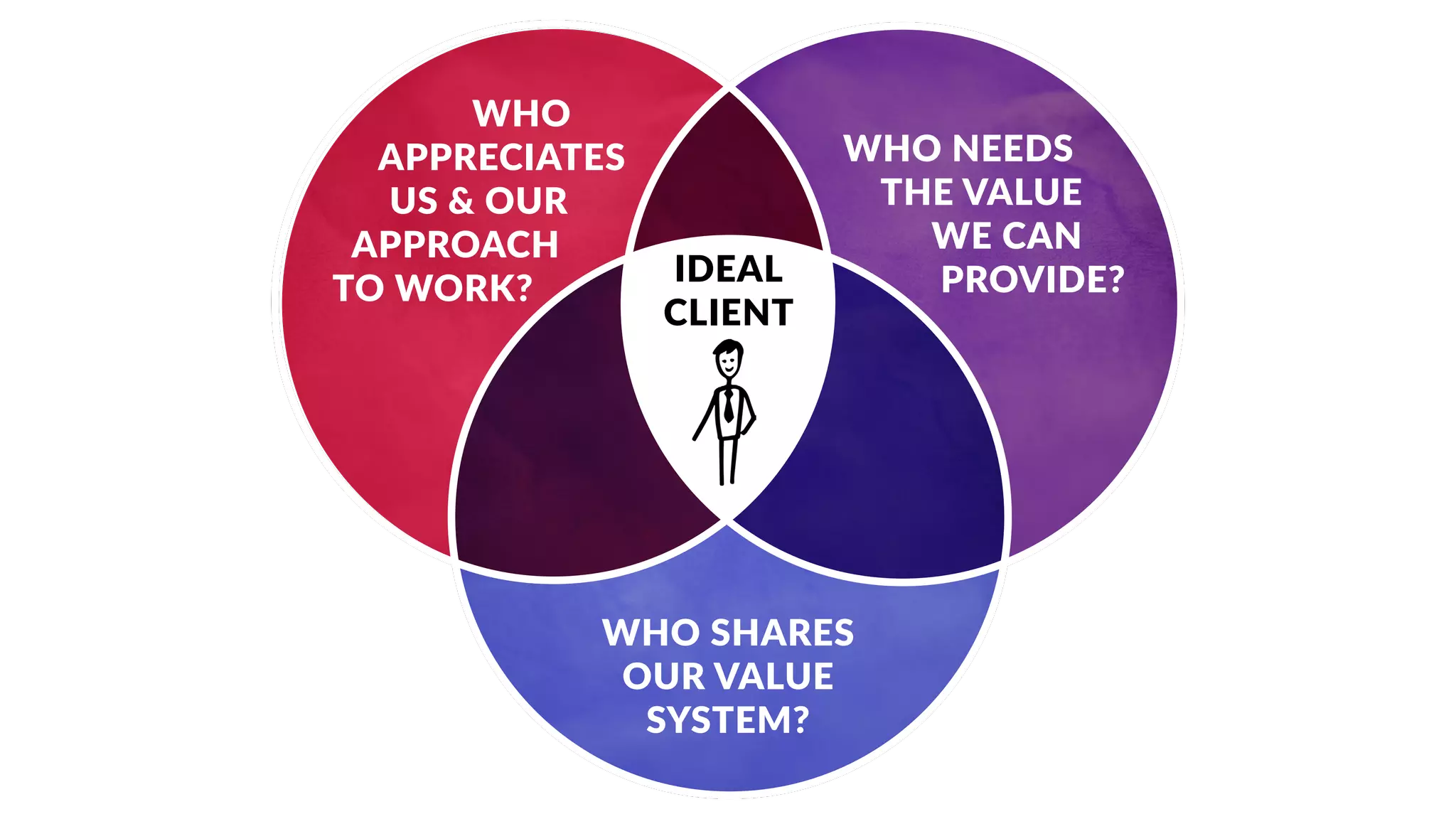
WHO
APPRECIATES
US & OUR
APPROACH
TO WORK?
WHO NEEDS
THE VALUE
WE CAN
PROVIDE?
WHO SHARES
OUR VALUE
SYSTEM?
IDEAL
CLIENT
Personal core values
What made you want to become
a designer/developer?
What annoys you in your
professional world?
If you had all the money you
needed, what would you
change about your career?
Business/team core values
Why did you decide to
create your product?
What do you want to achieve
through this product and
your business—for yourself,
and for your customers?
What would you never, ever
sacrifice no matter how much
money, approval, or fame
you’re offered in return?
Core values in
decision making
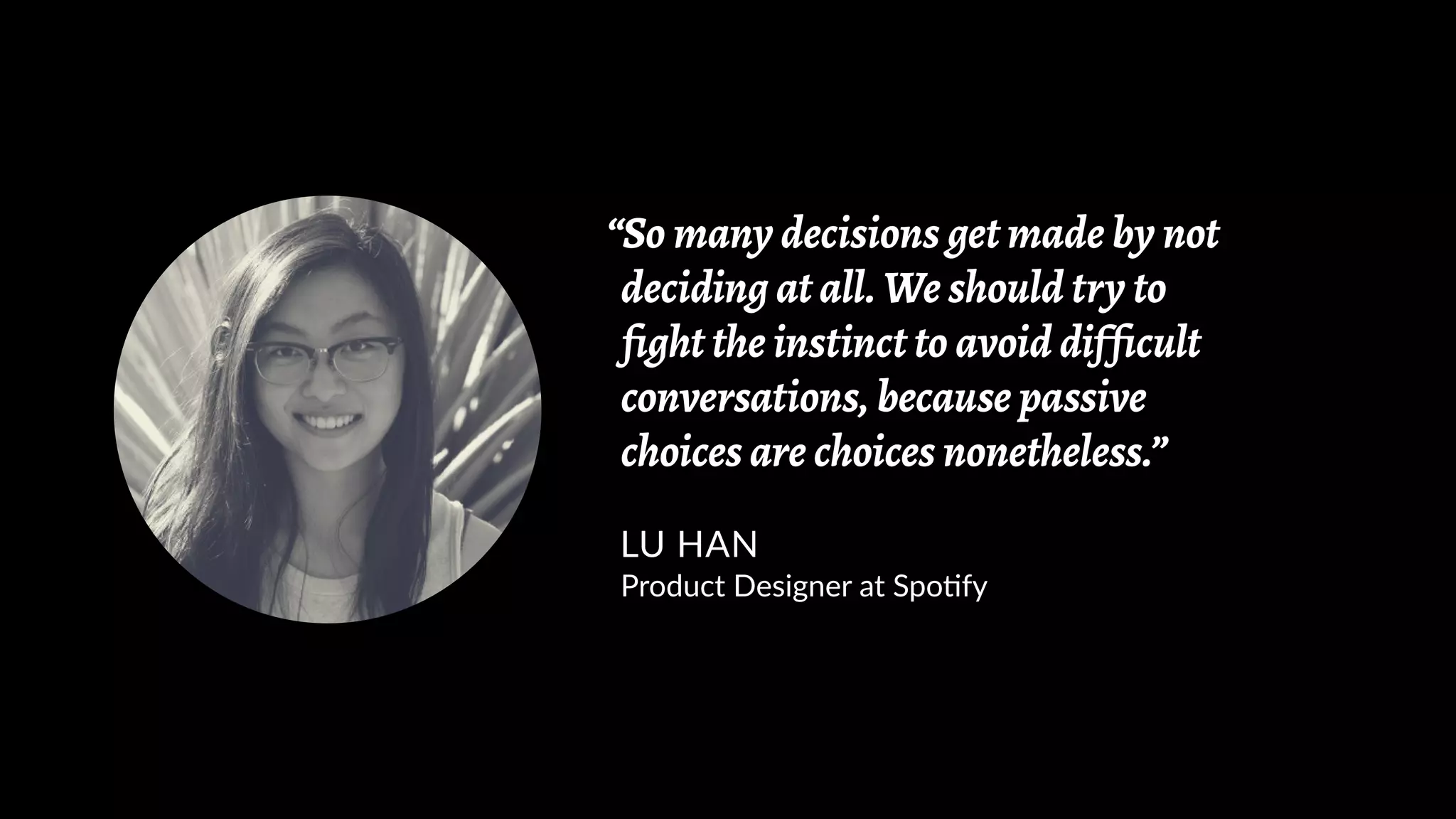
“So many decisions get made by not
deciding at all. We should try to
fight the instinct to avoid difficult
conversations, because passive
choices are choices nonetheless.”
LU HAN
Product Designer at Spotify
1
BUSINESS
STRATEGY
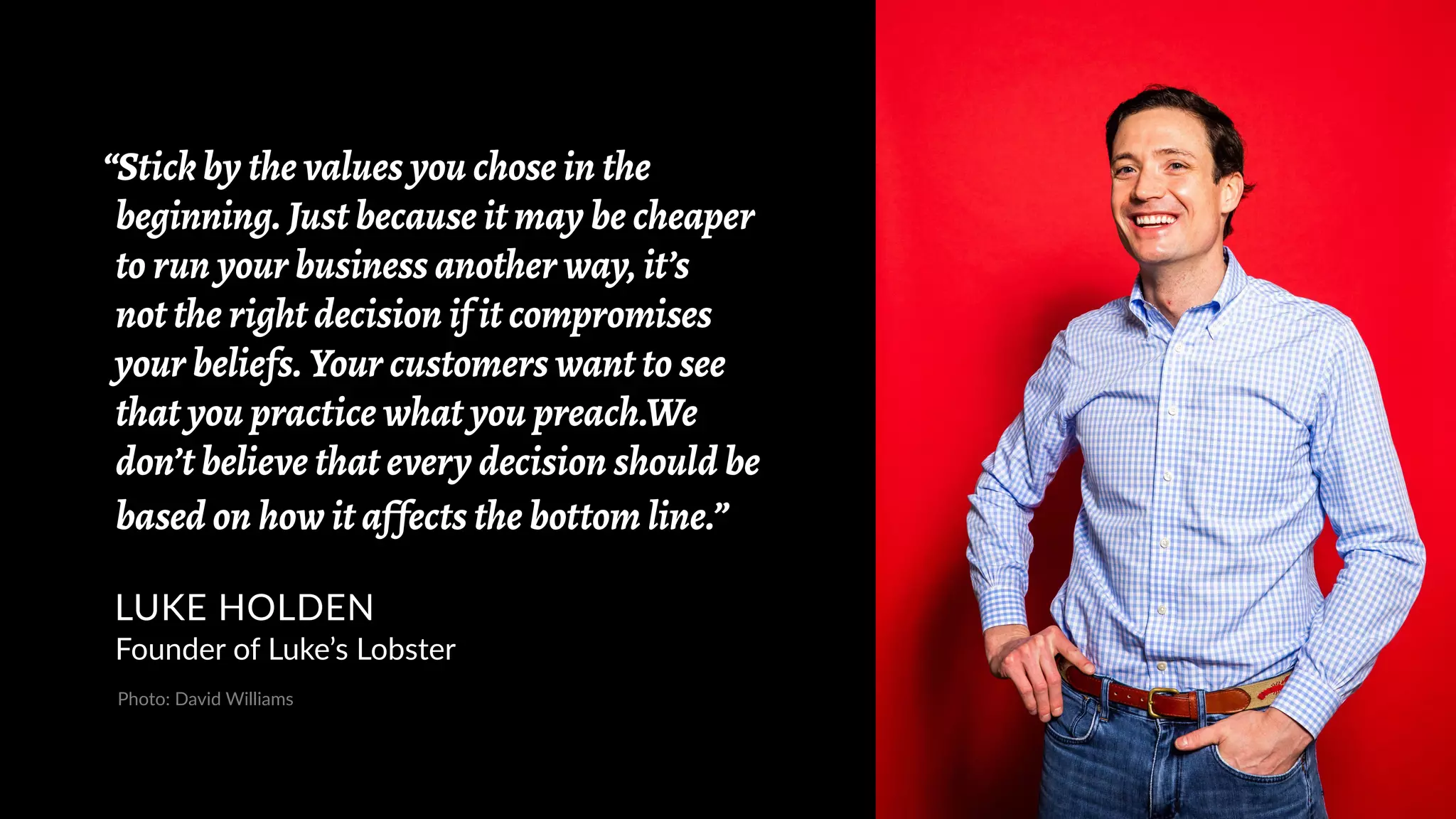
“Stick by the values you chose in the
beginning. Just because it may be cheaper
to run your business another way, it’s
not the right decision if it compromises
your beliefs. Your customers want to see
that you practice what you preach.We
don’t believe that every decision should be
based on how it affects the bottom line.”
LUKE HOLDEN
Founder of Luke’s Lobster
Photo: David Williams
Is our business model aligned
with our core values?
Are the KPI-s we’re
measuring merely vanity
metrics, or do they show our
commitment to our values?
Will this new product further
our core values, or is it a
distraction from them?
2
PRODUCT
DESIGN &
DEVELOPMENT
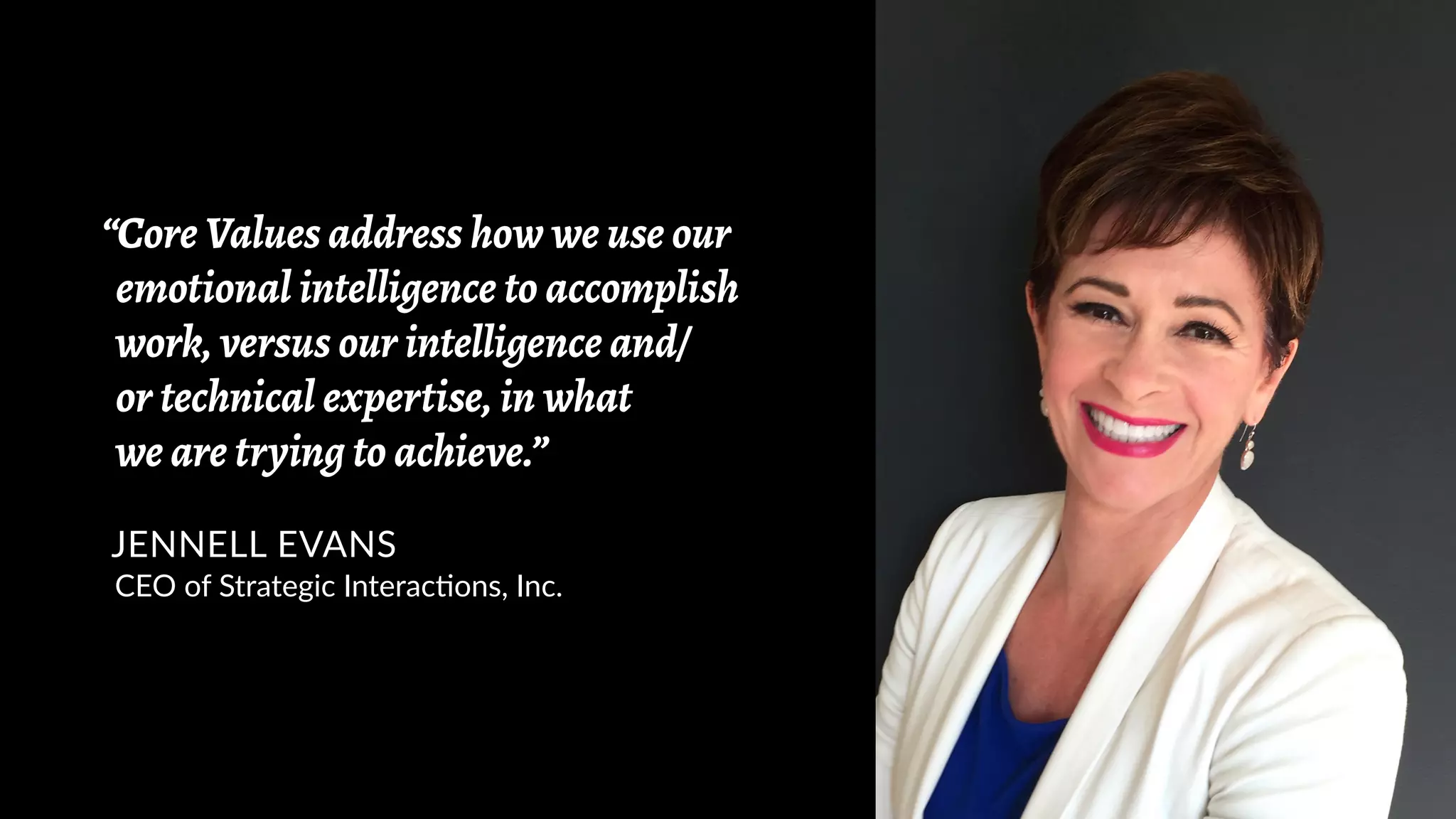
“Core Values address how we use our
emotional intelligence to accomplish
work, versus our intelligence and/
or technical expertise, in what
we are trying to achieve.”
JENNELL EVANS
CEO of Strategic Interactions, Inc.
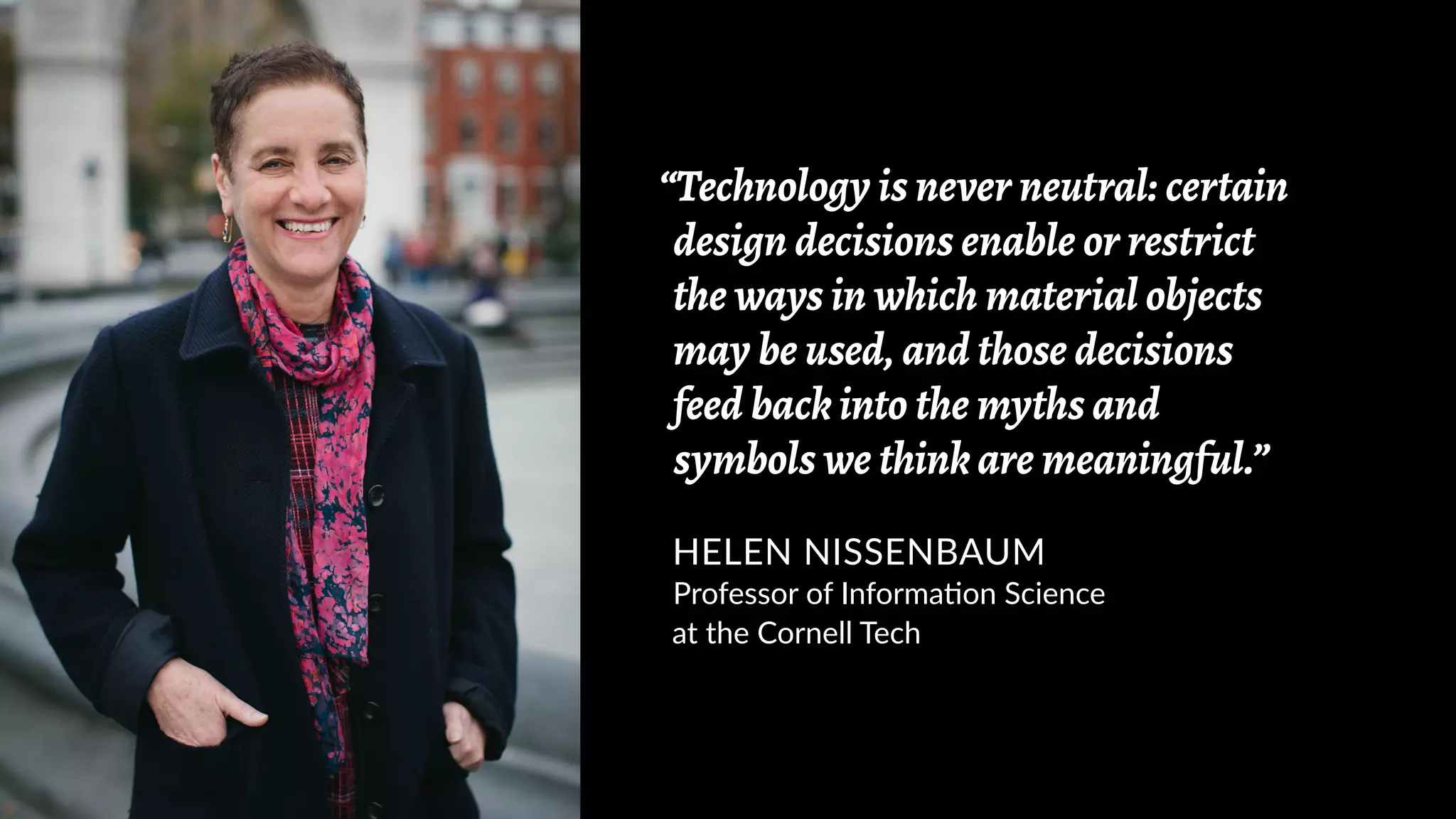
“Technology is never neutral: certain
design decisions enable or restrict
the ways in which material objects
may be used, and those decisions
feed back into the myths and
symbols we think are meaningful.”
HELEN NISSENBAUM
Professor of Information Science
at the Cornell Tech
Is this new feature we’re
considering aligned with
our values, or would it
go against them?
Do we have any features
that were implemented for
short-sighted reasons that
caused unintended harm?
Is this feature taking into account
“edge cases” and the experiences
of marginalized groups?
Does the interface design and
copy demonstrate our values?
3
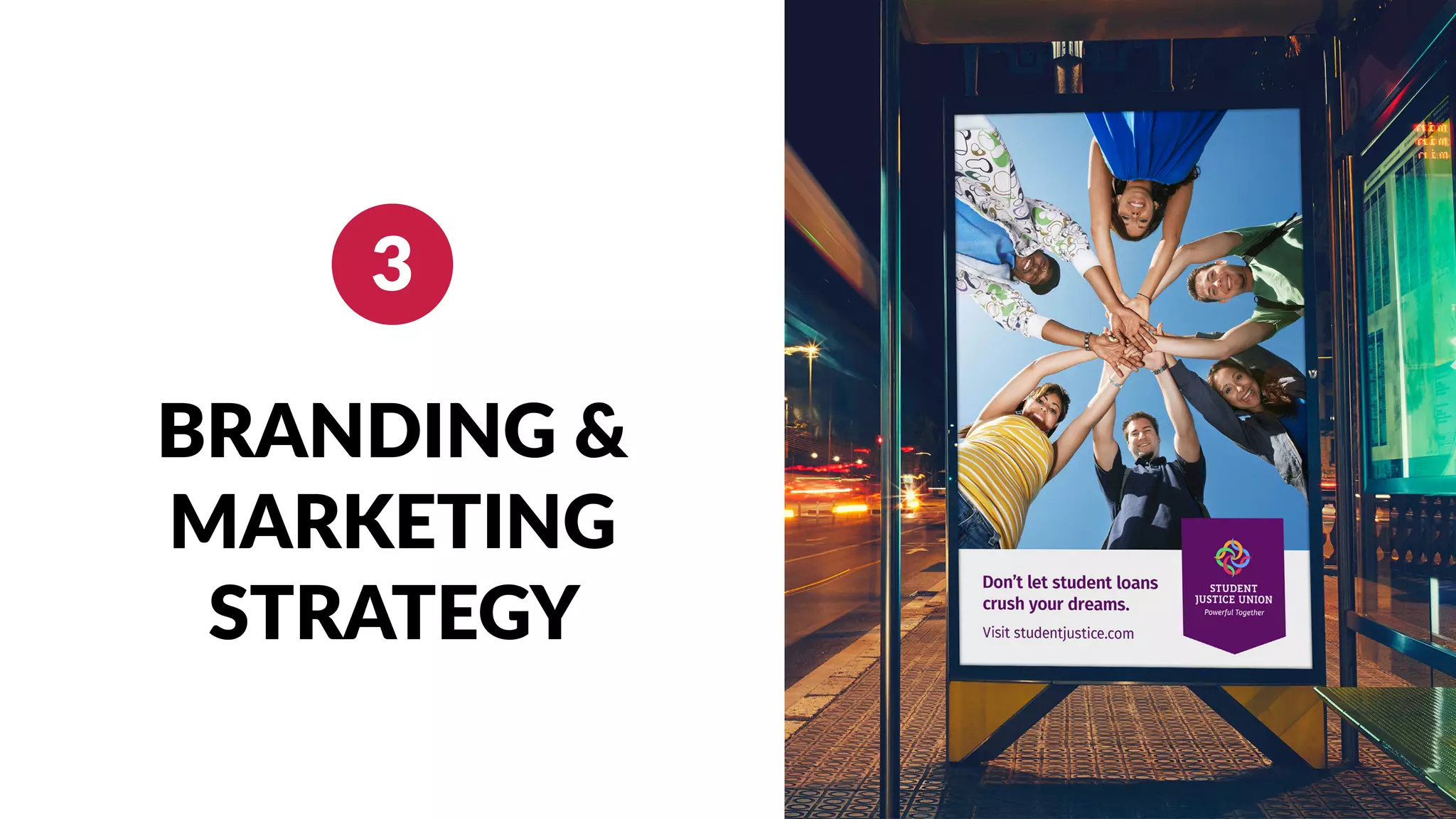
BRANDING &
MARKETING
STRATEGY
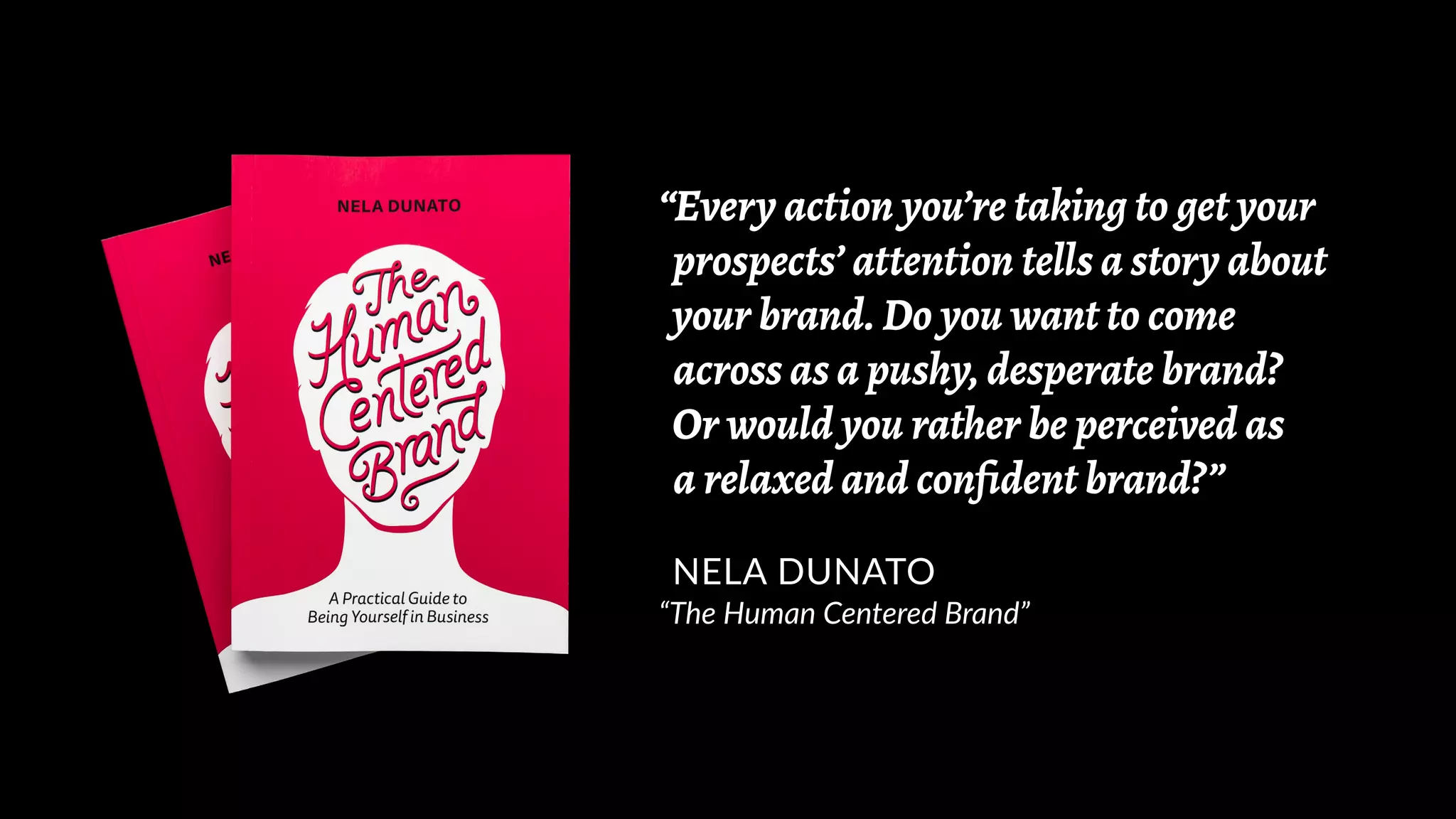
“Every action you’re taking to get your
prospects’ attention tells a story about
your brand. Do you want to come
across as a pushy, desperate brand?
Or would you rather be perceived as
a relaxed and confident brand?”
NELA DUNATO
“The Human Centered Brand”
Does our brand voice and
tone reflect our values?
Are the visuals on our website
or app aligned with our values?
Are we communicating our values
effectively through our advertising
and content marketing?
What might be the unintended
negative impact of this
marketing campaign?
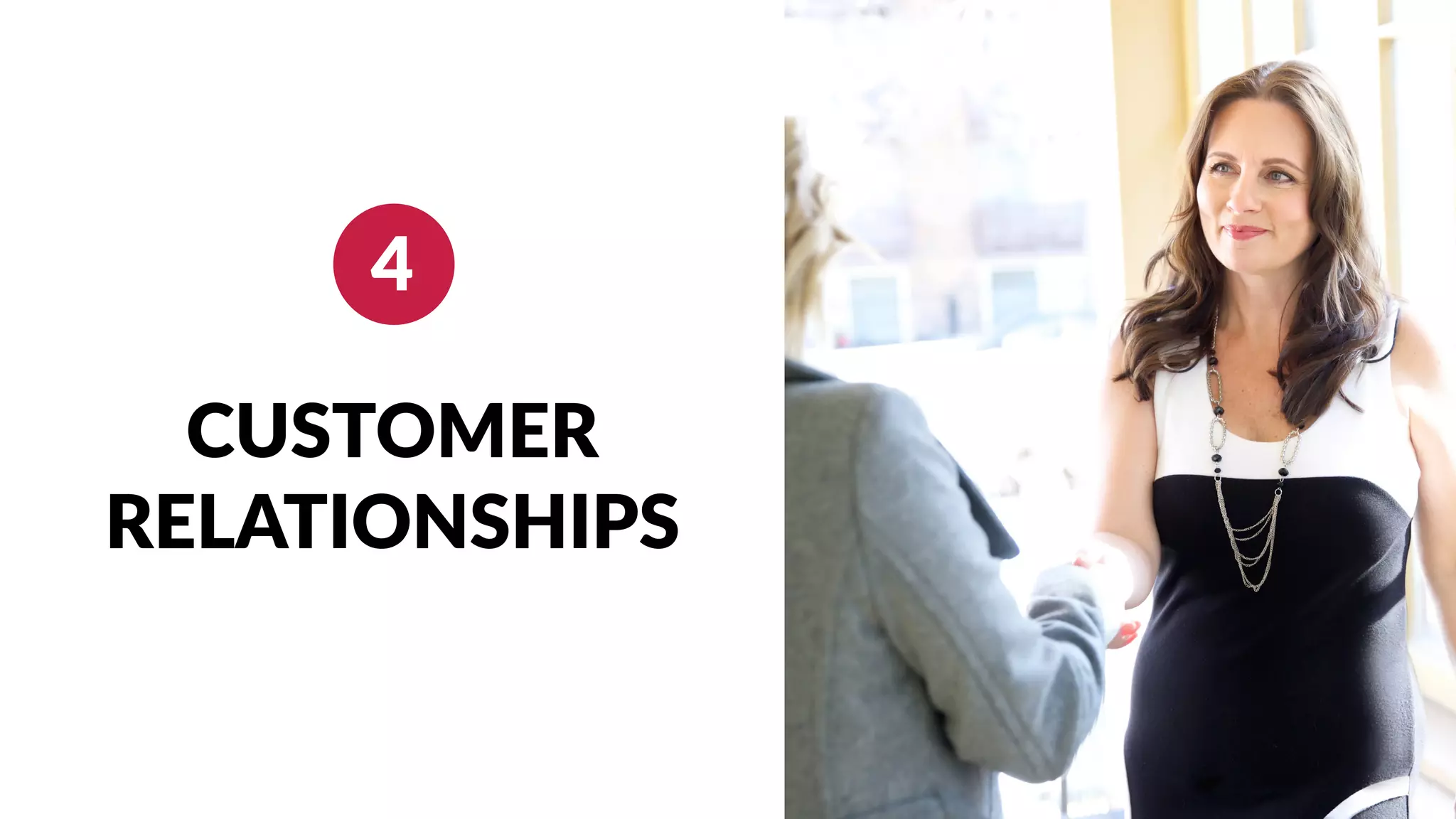
4
CUSTOMER
RELATIONSHIPS
Do we have an easy to use
feedback system that enables
us to hear our users’ concerns?
Are we holding ourselves
accountable to our users?
How will we apologize and make
amends when we mess up?
Who did it well?
“An organization’s values and
individuals’ values need to match
for either to succeed. When people go
into a decision-making room with
other people [...] it’s nice to know that
everybody is on the same page in terms
of the values, against which they’re
going to be measuring their decisions.”
DAVID FRADIN
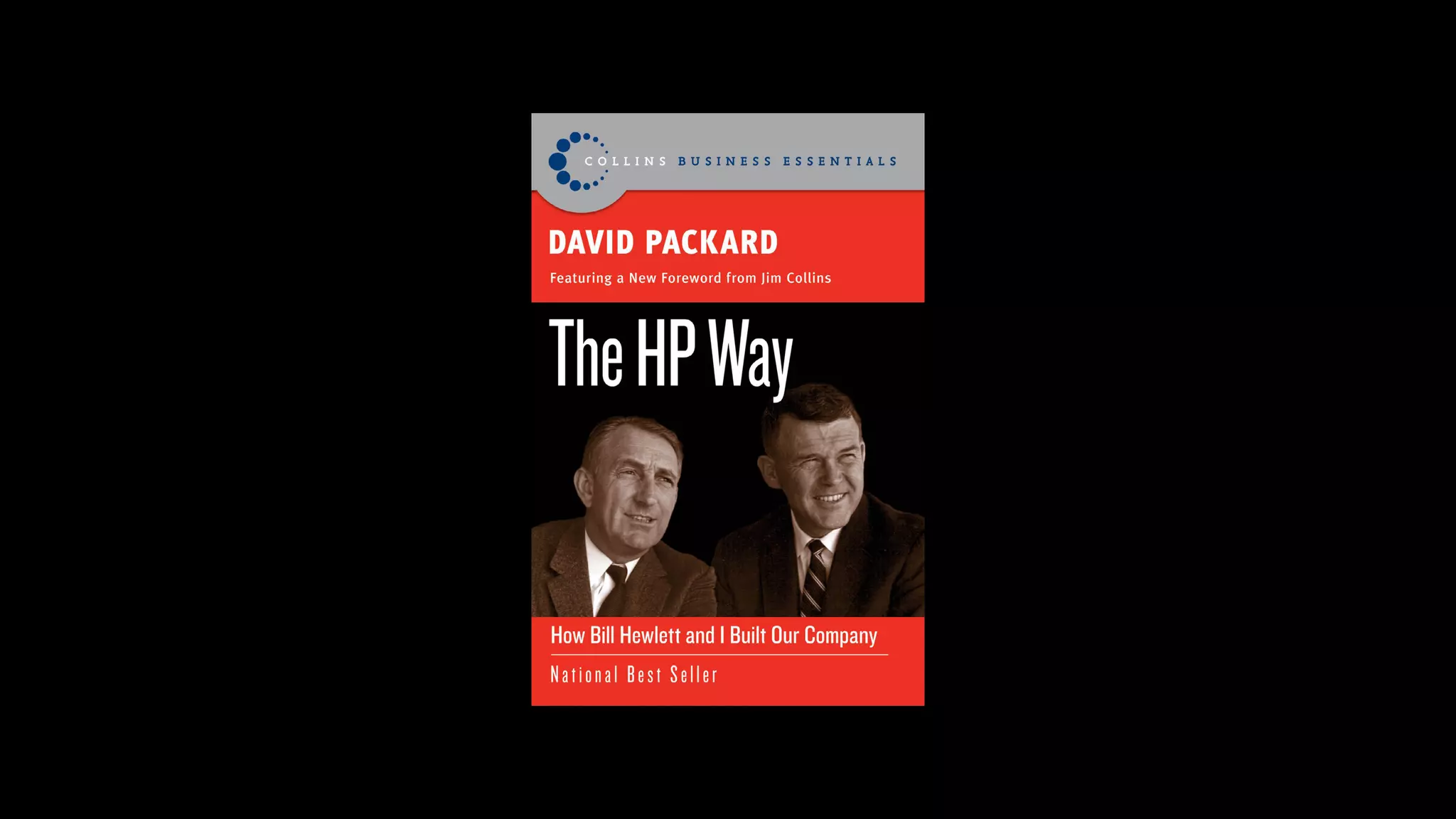
Former product manager at HP and Apple
Issuu principles
•	 We must listen to each other.
•	 You should not be the only person knowing this.
•	 We should give users the best possible experience.
•	 There should be no surprises.
•	 We should never be afraid of committing.
•	 Any feedback loop should be as short as possible.
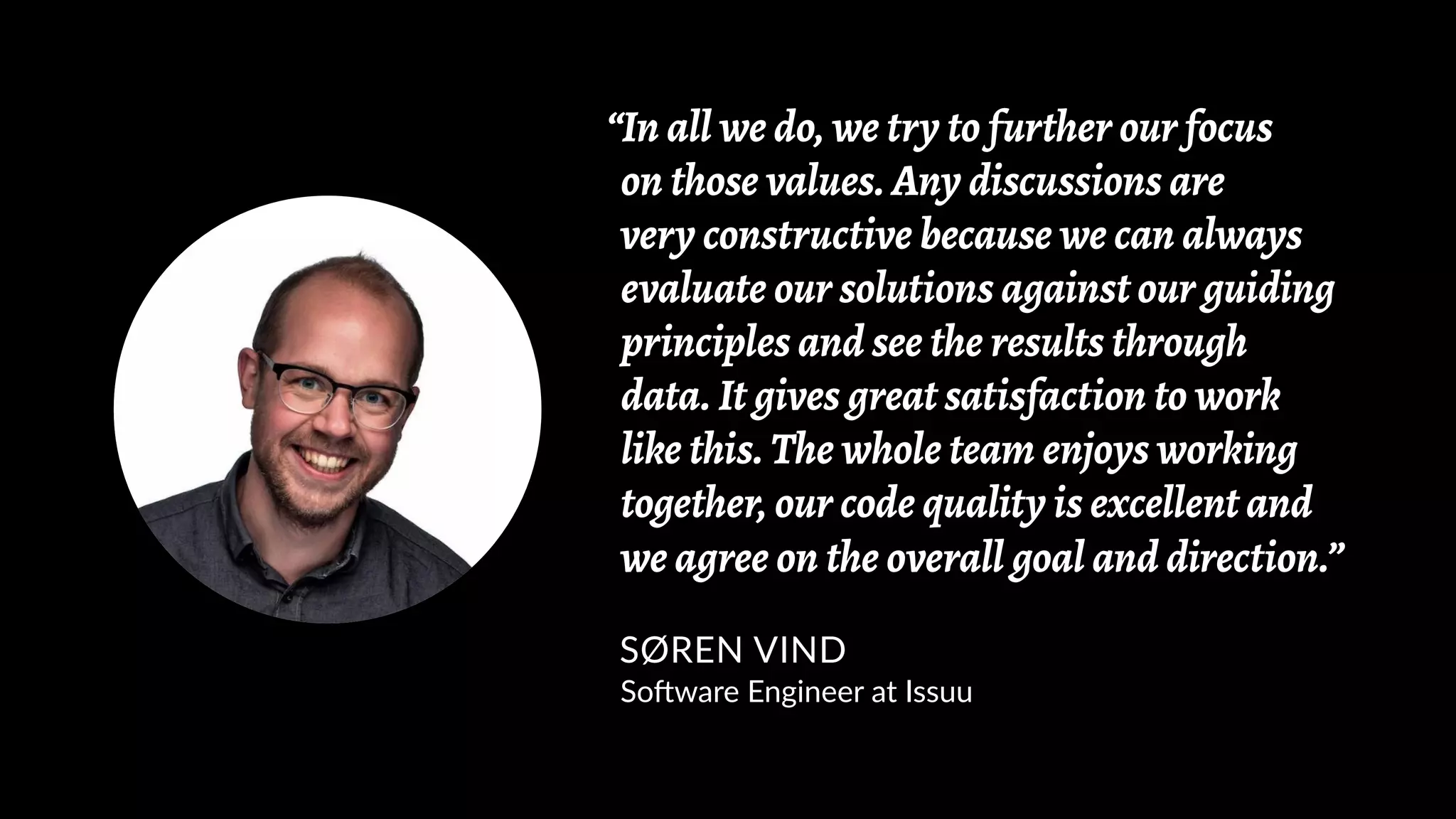
“In all we do, we try to further our focus
on those values. Any discussions are
very constructive because we can always
evaluate our solutions against our guiding
principles and see the results through
data. It gives great satisfaction to work
like this. The whole team enjoys working
together, our code quality is excellent and
we agree on the overall goal and direction.”
SØREN VIND
Software Engineer at Issuu
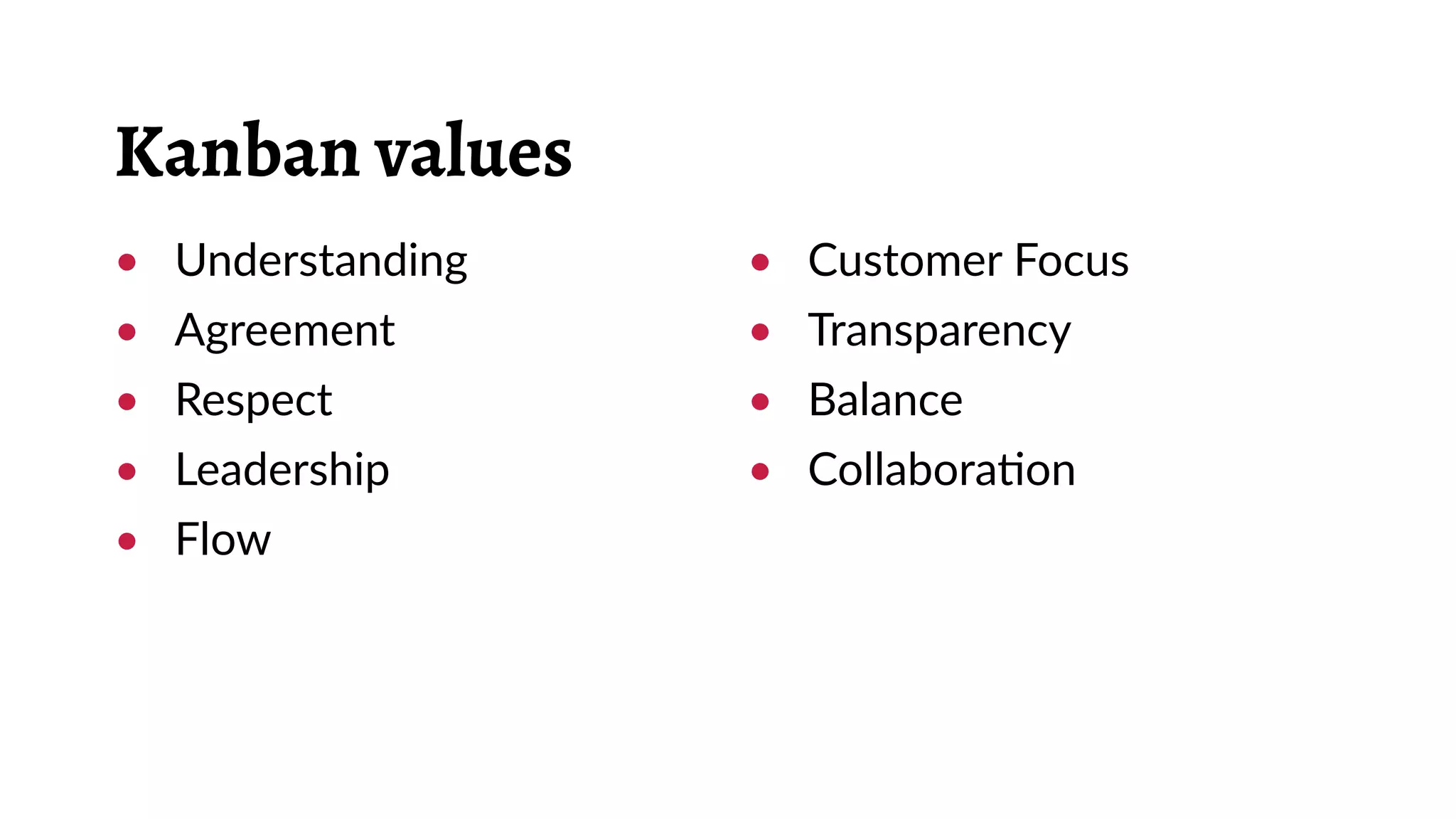
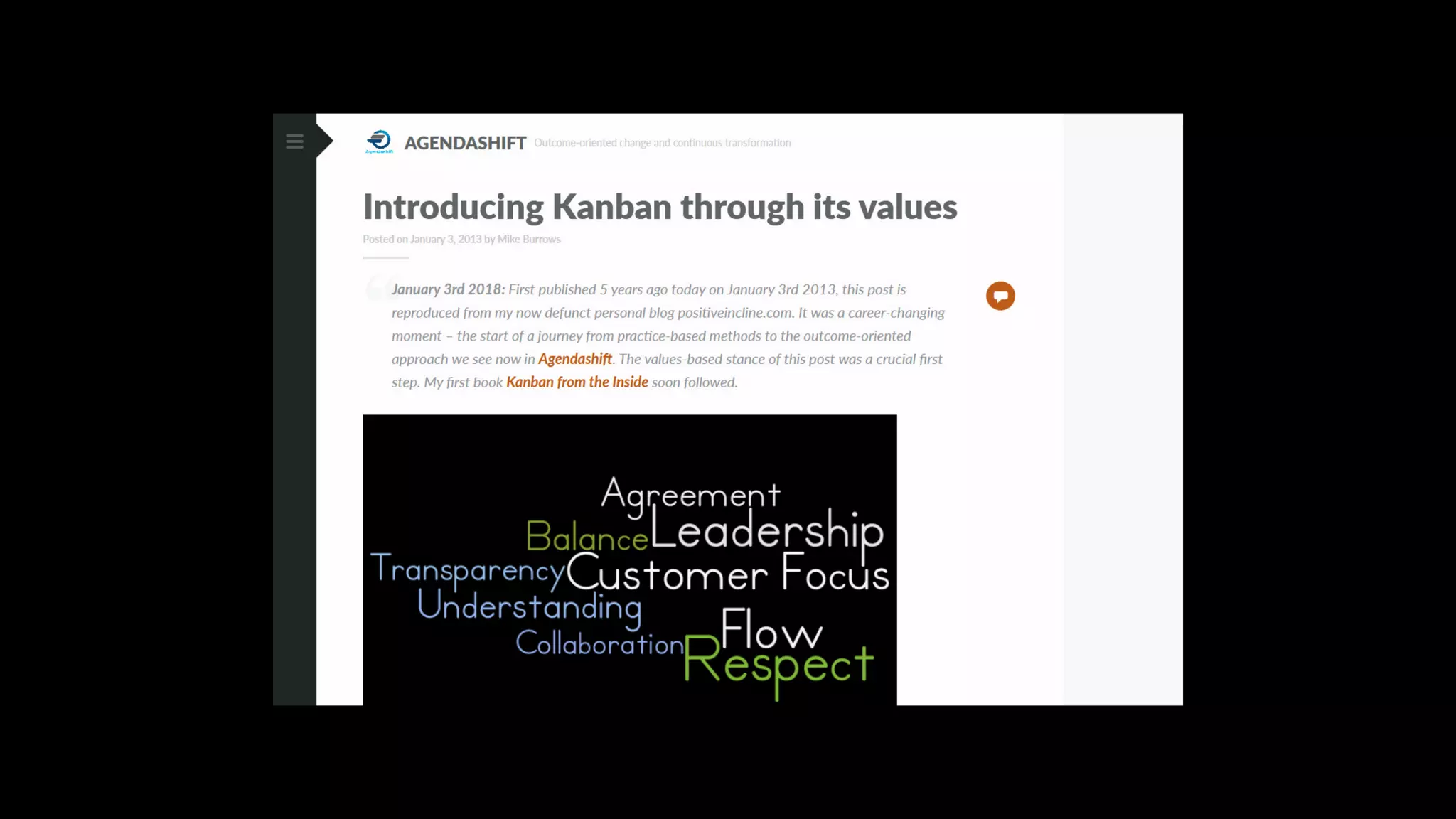
Kanban values
•	 Understanding
•	 Agreement
•	 Respect
•	 Leadership
•	 Flow
•	 Customer Focus
•	 Transparency
•	 Balance
•	 Collaboration
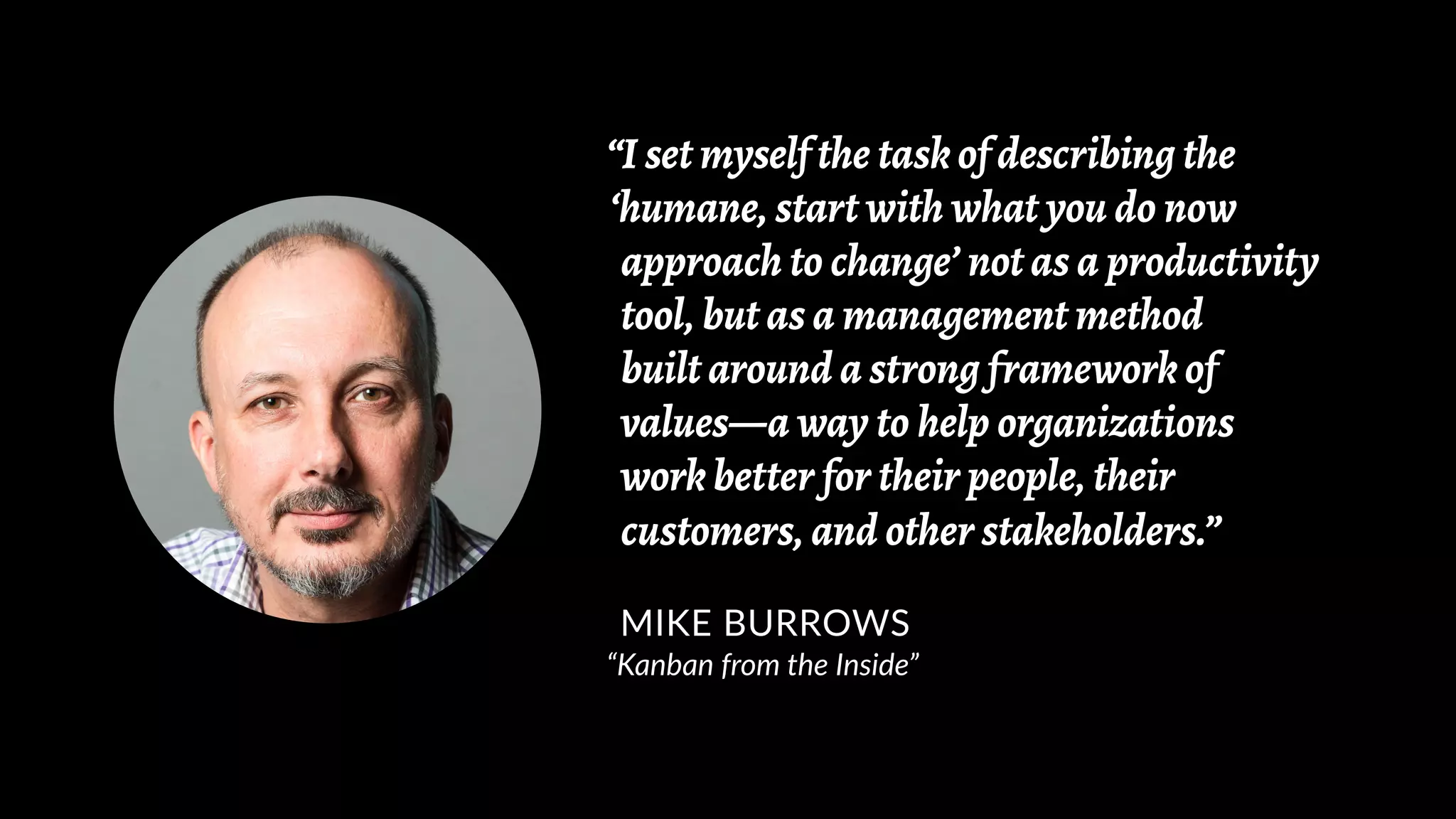
“I set myself the task of describing the
‘humane, start with what you do now
approach to change’ not as a productivity
tool, but as a management method
built around a strong framework of
values—a way to help organizations
work better for their people, their
customers, and other stakeholders.”
MIKE BURROWS
“Kanban from the Inside”
Values are a powerful tool
for creating a positive
impact in the world.
FIND OUT MORE ABOUT MY BOOK:
humancenteredbrand.com
SAY HI OR A.M.A:
@nelchee
GET THE SLIDES AT:
bit.ly/nelavalues

Build a Product Based on Values

  • 1.
    Build a Product Basedon Values NELA DUNATO
  • 2.
    Have we achievedour goals?
  • 3.
    Metrics can takethe attention away from the impact our product is making on the humans who are using it.
  • 4.
  • 8.
    “If you seeyour friends have a lot of streaks, you’re like, ‘Whoa, that guy knows a lot of people.’ It shows their social status to see how many streaks they have. But also, some people don’t care.” “My friends get freaked out if I don’t keep up a streak, so I just do.” “I have friends who treat it mostly like business. It’s something they just have to put in work to maintain. They send snaps every morning or every night that just say ‘streak.’” “One time, my friend Madison got her phone taken away, so she asked me to do her streaks. It was easy, I just logged in and sent streaks to all her recents.”
  • 9.
  • 10.
    Values are ourstrongest principles or standards of behaviour that govern our choices.
  • 11.
    “Values are guidepoststhat guide our life, and forces that attract us towards certain actions that lead to their realization. There is a specific hierarchy of values within us, which we’re usually unaware of until we focus our attention to it with the explicit goal of making it conscious.” ŽIVORAD MIHAJLOVIĆ SLAVINSKI Serbian psychologist
  • 12.
    Core values havethe biggest impact on our decisions.
  • 13.
    “It’s not hardto make decisions when you know what your values are.” ROY E. DISNEY Former senior executive for The Walt Disney Company Photo: Disney
  • 14.
    MISSION = “whywe exist” VISION = “where we are heading in the future” CORE VALUES = “what behavioral norms every team member is expected to uphold when collaborating with others”
  • 15.
  • 16.
    “We believe thatit’s really important to come up with core values that you can commit to. And by commit, we mean that you’re willing to hire and fire based on them.” TONY HSIEH CEO of Zappos Photo: Jake Chessum
  • 17.
    Core values canhelp you engage your team.
  • 18.
    “When the valuesof the organisation are in alignment with the personal and desired culture values of employees, you will experience high levels of employee engagement. People will bring their discretionary energy to their work and go the extra mile to get the job done.” RICHARD BARRETT Founder of the Barrett Values Centre
  • 19.
    Authentic values thatyou demonstrate through your product, brand and marketing attract a loyal audience.
  • 20.
    Shared values buildrelationships 64% of the consumers in the 2012 Harvard Business Review study stated shared values as the primary reason they have a brand relationship.
  • 21.
    WHO APPRECIATES US & OUR APPROACH TOWORK? WHO NEEDS THE VALUE WE CAN PROVIDE? WHO SHARES OUR VALUE SYSTEM? IDEAL CLIENT
  • 22.
  • 23.
    What made youwant to become a designer/developer?
  • 24.
    What annoys youin your professional world?
  • 25.
    If you hadall the money you needed, what would you change about your career?
  • 26.
  • 27.
    Why did youdecide to create your product?
  • 28.
    What do youwant to achieve through this product and your business—for yourself, and for your customers?
  • 29.
    What would younever, ever sacrifice no matter how much money, approval, or fame you’re offered in return?
  • 30.
  • 31.
    “So many decisionsget made by not deciding at all. We should try to fight the instinct to avoid difficult conversations, because passive choices are choices nonetheless.” LU HAN Product Designer at Spotify
  • 32.
  • 33.
    “Stick by thevalues you chose in the beginning. Just because it may be cheaper to run your business another way, it’s not the right decision if it compromises your beliefs. Your customers want to see that you practice what you preach.We don’t believe that every decision should be based on how it affects the bottom line.” LUKE HOLDEN Founder of Luke’s Lobster Photo: David Williams
  • 34.
    Is our businessmodel aligned with our core values?
  • 35.
    Are the KPI-swe’re measuring merely vanity metrics, or do they show our commitment to our values?
  • 36.
    Will this newproduct further our core values, or is it a distraction from them?
  • 37.
  • 38.
    “Core Values addresshow we use our emotional intelligence to accomplish work, versus our intelligence and/ or technical expertise, in what we are trying to achieve.” JENNELL EVANS CEO of Strategic Interactions, Inc.
  • 39.
    “Technology is neverneutral: certain design decisions enable or restrict the ways in which material objects may be used, and those decisions feed back into the myths and symbols we think are meaningful.” HELEN NISSENBAUM Professor of Information Science at the Cornell Tech
  • 40.
    Is this newfeature we’re considering aligned with our values, or would it go against them?
  • 41.
    Do we haveany features that were implemented for short-sighted reasons that caused unintended harm?
  • 42.
    Is this featuretaking into account “edge cases” and the experiences of marginalized groups?
  • 43.
    Does the interfacedesign and copy demonstrate our values?
  • 44.
  • 45.
    “Every action you’retaking to get your prospects’ attention tells a story about your brand. Do you want to come across as a pushy, desperate brand? Or would you rather be perceived as a relaxed and confident brand?” NELA DUNATO “The Human Centered Brand”
  • 46.
    Does our brandvoice and tone reflect our values?
  • 47.
    Are the visualson our website or app aligned with our values?
  • 48.
    Are we communicatingour values effectively through our advertising and content marketing?
  • 49.
    What might bethe unintended negative impact of this marketing campaign?
  • 50.
  • 51.
    Do we havean easy to use feedback system that enables us to hear our users’ concerns?
  • 52.
    Are we holdingourselves accountable to our users?
  • 53.
    How will weapologize and make amends when we mess up?
  • 54.
  • 57.
    “An organization’s valuesand individuals’ values need to match for either to succeed. When people go into a decision-making room with other people [...] it’s nice to know that everybody is on the same page in terms of the values, against which they’re going to be measuring their decisions.” DAVID FRADIN Former product manager at HP and Apple
  • 59.
    Issuu principles • Wemust listen to each other. • You should not be the only person knowing this. • We should give users the best possible experience. • There should be no surprises. • We should never be afraid of committing. • Any feedback loop should be as short as possible.
  • 60.
    “In all wedo, we try to further our focus on those values. Any discussions are very constructive because we can always evaluate our solutions against our guiding principles and see the results through data. It gives great satisfaction to work like this. The whole team enjoys working together, our code quality is excellent and we agree on the overall goal and direction.” SØREN VIND Software Engineer at Issuu
  • 65.
    Kanban values • Understanding • Agreement • Respect • Leadership • Flow • Customer Focus • Transparency • Balance • Collaboration
  • 67.
    “I set myselfthe task of describing the ‘humane, start with what you do now approach to change’ not as a productivity tool, but as a management method built around a strong framework of values—a way to help organizations work better for their people, their customers, and other stakeholders.” MIKE BURROWS “Kanban from the Inside”
  • 68.
    Values are apowerful tool for creating a positive impact in the world.
  • 69.
    FIND OUT MOREABOUT MY BOOK: humancenteredbrand.com SAY HI OR A.M.A: @nelchee GET THE SLIDES AT: bit.ly/nelavalues