

































































































Good Morning Everyone!
1. Brian Activation
2. Goal Setting
3. Millionaire Mindset
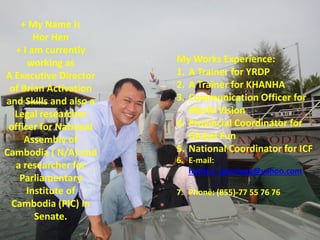
+ My Name is
Hor Hen
+ I am currently
working as
A Executive Director
of Brian Activation
and Skills and also a
Legal researcher
officer for National
Assembly of
Cambodia ( N/A) and
a researcher for
Parliamentary
Institute of
Cambodia (PIC) in
Senate.
My Works Experience:
1. A Trainer for YRDP
2. A Trainer for KHANHA
3. Communication Officer for
World Vision
4. Provincial Coordinator for
Global Fun
5. National Coordinator for ICF
6. E-mail:
horhrn_sociology@yahoo.com
7. Phone: (855)-77 55 76 76
EDUCATION
;;;;;;;;;;;
DREAM
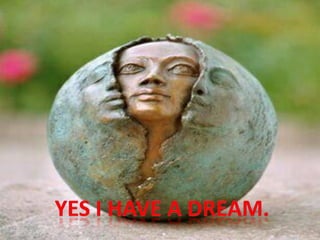
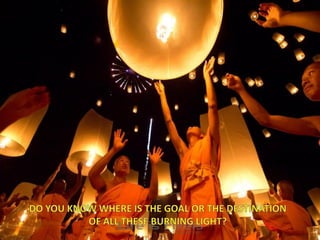
DO YOU HAVE A DREAM?
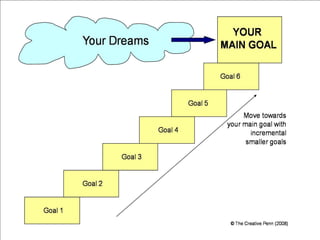
GOAL SETTING
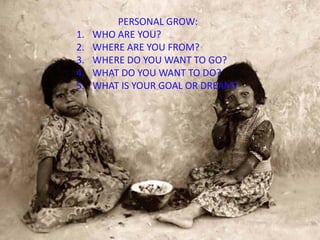
PERSONAL GROW:
1. WHO ARE YOU?
2. WHERE ARE YOU FROM?
3. WHERE DO YOU WANT TO GO?
4. WHAT DO YOU WANT TO DO?
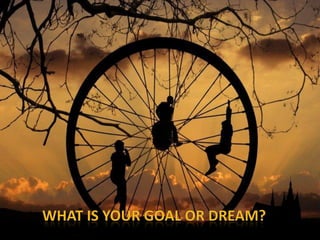
5. WHAT IS YOUR GOAL OR DREAM?
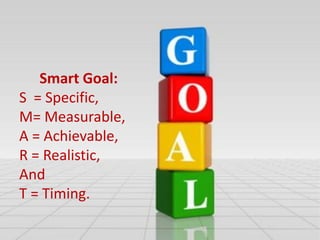
Smart Goal:
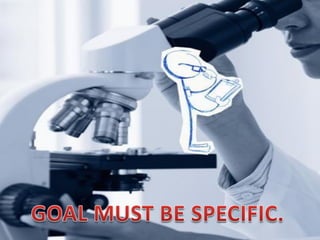
S = Specific,
M= Measurable,
A = Achievable,
R = Realistic,
And
T = Timing.
WHAT IS SMART GOAL?
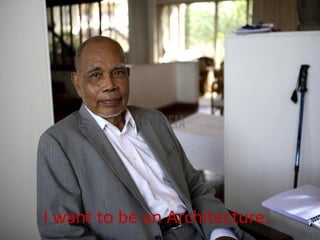
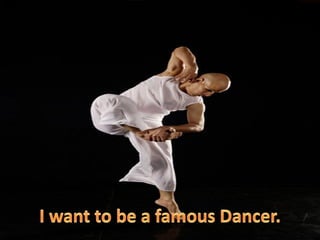
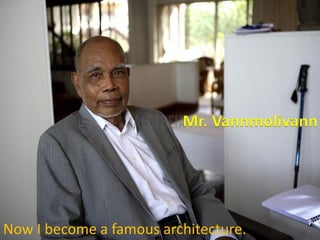
I want to be an Architecture.
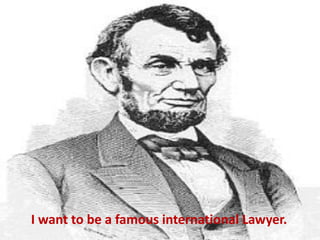
I want to be a famous international Lawyer.
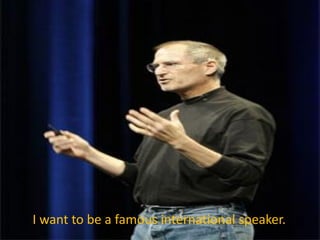
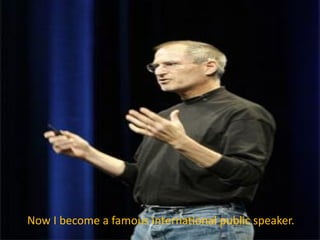
I want to be a famous international speaker.
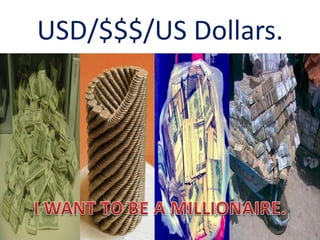
USD/$$$/US Dollars.
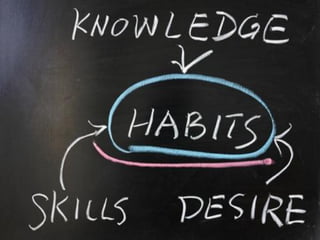
HABIT
WHAT IS HABIT ABOUT?
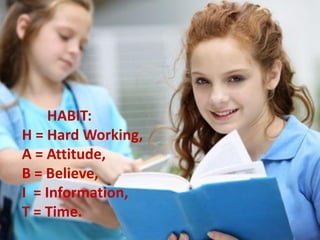
HABIT:
H = Hard Working,
A = Attitude,
B = Believe,
I = Information,
T = Time.
POSITIVE THINKING
Now I become a famous architecture.
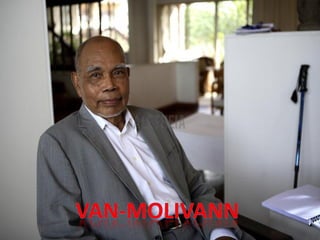
Mr. Vannmolivann
Now I become a famous international public speaker.
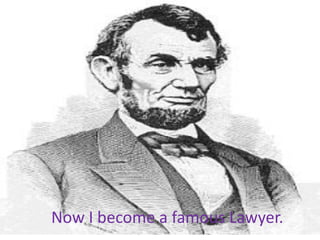
Now I become a famous Lawyer.
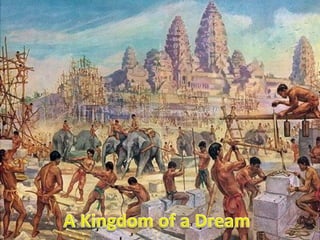
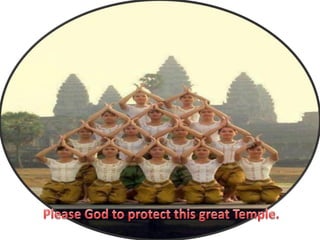
A DREAM……
King Cheyavaraman VII
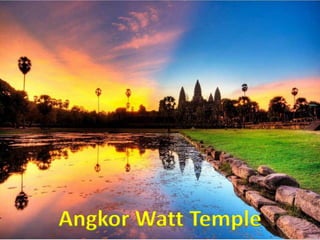
Angkor Watt Temple
MILLIONAIRE MINDSET
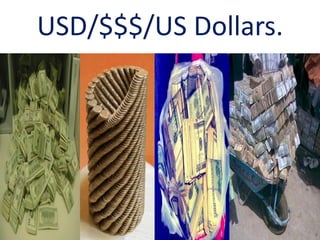
USD/$$$/US Dollars.
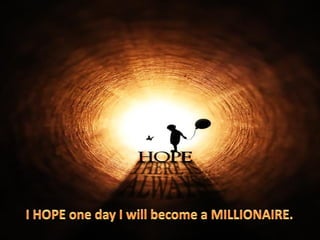
If you become a Millionaire,
what do you want to do?
• 1…………?
• 2…………?
• 3…………?
• 4…………?
• 5…………?
• 6…………?
• 7…………?
• 8…………?
I want to have 24 Villa in 24 provinces.
I want to have 9 Hummer.
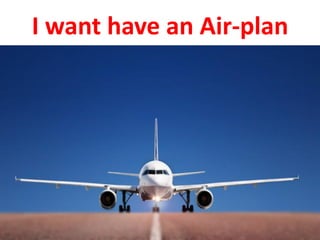
I want have an Air-plan
I want to have 5 Helicopters.
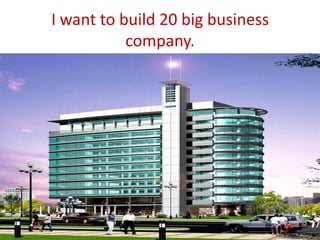
I want to build 20 big business
company.
I want to traveling around the world with
my family & staying in 7 stars Hotel.
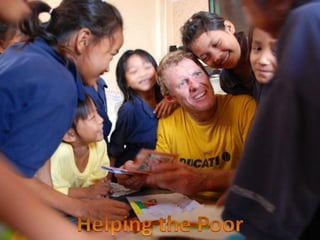
Helping poor children in the poor counties.
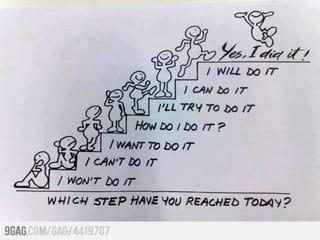
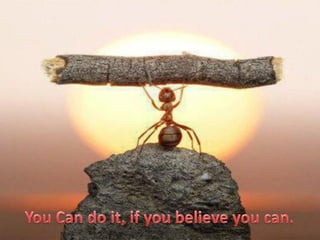
Do you believe, you can do it?
Yes, I do or No I can’t.
ENTERPRENEURHIP
The three basic strategies to starting a business without much
money are:
• Delay the normal “business starting” activities like
incorporating, hiring, renting office or retail space,
etc until AFTER your business has started earning
money. This is known as bootstrapping.
• Doing everything yourself and spending your
personal time instead of hiring an expert. (Takes
longer but costs less.)
• Using some neat tricks and little known deals
below.
• Start With The Easy Stuff: Eliminate Expenses
• Legal Stuff and Incorporating
• Make a website for your business
• Getting a Logo
• Accepting Credit Cards
• Starting a service business where you consult,
coach, teach, etc
• Creating Info Products
• Before investing in a retail location…
• Always be learning about business
• Marketing, free website traffic, and getting your
first customer
ENTERPRENEUR:
A person who creates a new business in the face
of risk and uncertainty for the purpose of
achieving profit and growth by identifying
opportunities and assembling the necessary
resources to capitalize on those opportunities.
WHY ENTERENEURS WHENT INTO
BUSINESS?
1. Joined family business
2. Wanted more control over future
3. Tired to work for someone else
4. Want to fulfill life long goal
5. Have been downsized or laid off
Characteristics of Entrepreneurs:
1. Desire for responsibility
2. Preference for moderate risk
3. Confidence in their ability to succeed
4. Desire for immediate feedback
5. High level of energy
6. Future orientation
7. Skilled in organization
8. Value achievement over money
Benefits of Small Business Ownership
The opportunity to:
1. Gain control over your own destiny
2. make a difference
3. Reach your full potential
4. Reap unlimited profits
5. Contribute to society and to be
recognized for your efforts
6. Do what you enjoy
Drawbacks of Small Business Ownership:
1. Uncertainty of income
2. Risk of losing your entire invested capital
3. Long hours and hard work
4. Lower quality of life until the business
gets established
5. High levels of stress
6. Complete responsibility
7. Discouragement
Feeding the Entrepreneurial Fire:
1. Entrepreneurs as heroes
2. Entrepreneurial education
3. Economic and demographic factors
4. Shift to a service economy
5. Technological advancements
6. Independent lifestyles
7. E-Commerce and the World Wide Web
8. International Opportunities
Trends in Entrepreneurship:
1. Young entrepreneurs
2. Women
3. Minority enterprises
4. Immigrant entrepreneurs
5. Part-time entrepreneurs
6. Home-based businesses
7. Family businesses
8. Corporate castoffs
9. Corporate dropouts
Ten Deadly Mistakes of Entrepreneurship:
1. Management incompetence
2. Lack of experience
3. Undercapitalization
4. Poor cash management
5. Lack of strategic management
6. Weak marketing effort
7. Uncontrolled growth
8. Poor location
9. Lack of inventory control
10. Inability to make the “entrepreneurial transition”
Putting Failure Into Perspective:
1. Failure is a natural part of the creative
process.
2. Failures are simply stepping stones
along the path to success.
3. The “secret” to success is the ability to
fail intelligently, learning why you failed
so that you can avoid making the same
mistake again.
How to Avoid the Pitfalls:
1. Know your business in depth.
2. Prepare a business plan.
3. Manage financial resources.
4. Understand financial statements.
5. Learn to manage people effectively.
6. Set your business apart from the
competition.
7. Keep in tune with yourself.
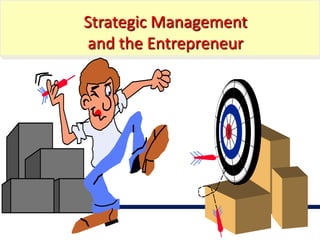
Strategic Management
and the Entrepreneur
A Major Shift . . .
. . . From financial capital to intellectual
capital.
Human
Structural
Customer
Strategic Management:
1. Is crucial to building a successful
business.
2. Involves developing a game plan to
guide a company as it strives to accomplish
its mission, goals , and objectives, and to
keep it on its desired course.
Is Strategic Planning Really That
Important?
1. Study of 500 small companies:
- One of the most significant factors in
distinguishing growing companies from
those in decline: use of a written
business plan.
2. Another study:
- Only 12% of small companies had a
long-range plan in writing.
Key: Core Competencies:
+ Unique set of capabilities a company develops
in key areas, such as superior quality, customer
service, innovation, team-building, flexibility,
responsiveness, and others that allow it to vault
past competitors.
+ They are what a company does best.
Best to rely on a natural advantage (often linked
to a company’s smallness).
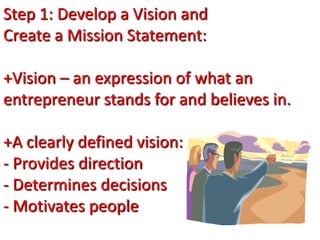
Step 1: Develop a Vision and
Create a Mission Statement:
+Vision – an expression of what an
entrepreneur stands for and believes in.
+A clearly defined vision:
- Provides direction
- Determines decisions
- Motivates people
Step 1: Develop a Vision and
Create a Mission Statement:
+ Mission - addresses question:"What
business are we in?”
+ A written expression of how the
company will reflect the owner’s
values, beliefs, and vision.
+ Sets the tone for the entire company
and guides the decisions people make.
+ Knowledge Management:
- The practice of gathering, organizing, and
disseminating the collective wisdom and experience
of a company’s employees for the purpose of
strengthening its competitive position.
+ Knowledge management involves:
- Taking inventory of the special knowledge the
people in the company possess.
- Organizing that knowledge and disseminating it to
those who need it.
Step 6: Create Company Goals
and Objectives:
+ Goals - broad, long-range attributes to be
accomplished.
- “BHAGS” – one factor that sets apart successful
companies from unsuccessful ones.
+ Objectives - more detailed, specific targets of
performance that are S.M.A.R.T.
- Specific
- Measurable
- Assignable
- Realistic (yet challenging)
- Timely
Step 7: Formulate Strategies
Strategy
A “road map” that guides a
company through a turbulent
environment as it seeks to fulfill its
mission, goals, and objectives.
A game plan for winning.
Step 8: Translate Strategies
into Action Plans:
Create projects by defining:
1. Purpose
2. Scope
3. Contribution
4. Resource requirements
5. Timing
Step 9: Establish Accurate Controls
The plan establishes the standards
against which actual performance is
measured.
Entrepreneur must:
identify and track key performance
indicators.
Take corrective action.
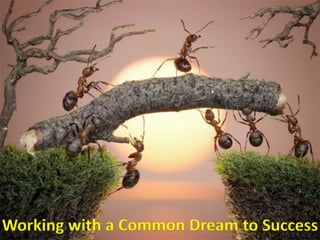
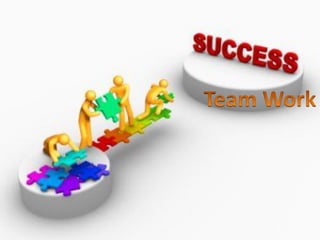
Working with a Common Dream to Success
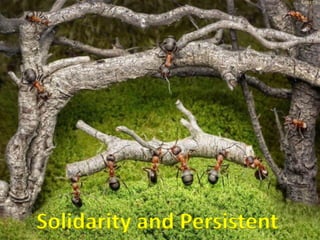
Solidarity and Persistent
ki
Visit to Wonderful Places
THINKING OF THE WORLD.
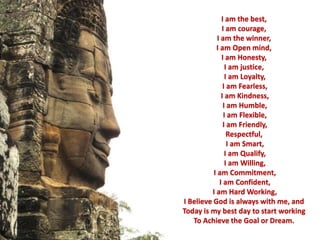
I am the best,
I am courage,
I am the winner,
I am Open mind,
I am Honesty,
I am justice,
I am Loyalty,
I am Fearless,
I am Kindness,
I am Humble,
I am Flexible,
I am Friendly,
Respectful,
I am Smart,
I am Qualify,
I am Willing,
I am Commitment,
I am Confident,
I am Hard Working,
I Believe God is always with me, and
Today is my best day to start working
To Achieve the Goal or Dream.
Brian activation, goal setting & millionair mindset

Brian activation, goal setting & millionair mindset

  • 1.
    Good Morning Everyone! 1.Brian Activation 2. Goal Setting 3. Millionaire Mindset
  • 2.
    + My Nameis Hor Hen + I am currently working as A Executive Director of Brian Activation and Skills and also a Legal researcher officer for National Assembly of Cambodia ( N/A) and a researcher for Parliamentary Institute of Cambodia (PIC) in Senate. My Works Experience: 1. A Trainer for YRDP 2. A Trainer for KHANHA 3. Communication Officer for World Vision 4. Provincial Coordinator for Global Fun 5. National Coordinator for ICF 6. E-mail: horhrn_sociology@yahoo.com 7. Phone: (855)-77 55 76 76
  • 3.
  • 20.
  • 36.
  • 37.
    DO YOU HAVEA DREAM?
  • 45.
  • 49.
    PERSONAL GROW: 1. WHOARE YOU? 2. WHERE ARE YOU FROM? 3. WHERE DO YOU WANT TO GO? 4. WHAT DO YOU WANT TO DO? 5. WHAT IS YOUR GOAL OR DREAM?
  • 53.
    Smart Goal: S =Specific, M= Measurable, A = Achievable, R = Realistic, And T = Timing.
  • 54.
  • 57.
    I want tobe an Architecture.
  • 58.
    I want tobe a famous international Lawyer.
  • 59.
    I want tobe a famous international speaker.
  • 61.
  • 62.
  • 63.
    HABIT: H = HardWorking, A = Attitude, B = Believe, I = Information, T = Time.
  • 70.
  • 109.
    Now I becomea famous architecture. Mr. Vannmolivann
  • 110.
    Now I becomea famous international public speaker.
  • 111.
    Now I becomea famous Lawyer.
  • 116.
  • 117.
  • 120.
  • 123.
  • 124.
  • 126.
    If you becomea Millionaire, what do you want to do? • 1…………? • 2…………? • 3…………? • 4…………? • 5…………? • 6…………? • 7…………? • 8…………?
  • 127.
    I want tohave 24 Villa in 24 provinces.
  • 128.
    I want tohave 9 Hummer.
  • 129.
    I want havean Air-plan
  • 130.
    I want tohave 5 Helicopters.
  • 131.
    I want tobuild 20 big business company.
  • 132.
    I want totraveling around the world with my family & staying in 7 stars Hotel.
  • 133.
    Helping poor childrenin the poor counties.
  • 134.
    Do you believe,you can do it? Yes, I do or No I can’t.
  • 135.
  • 136.
    The three basicstrategies to starting a business without much money are: • Delay the normal “business starting” activities like incorporating, hiring, renting office or retail space, etc until AFTER your business has started earning money. This is known as bootstrapping. • Doing everything yourself and spending your personal time instead of hiring an expert. (Takes longer but costs less.) • Using some neat tricks and little known deals below.
  • 137.
    • Start WithThe Easy Stuff: Eliminate Expenses • Legal Stuff and Incorporating • Make a website for your business • Getting a Logo • Accepting Credit Cards • Starting a service business where you consult, coach, teach, etc • Creating Info Products • Before investing in a retail location… • Always be learning about business • Marketing, free website traffic, and getting your first customer
  • 138.
    ENTERPRENEUR: A person whocreates a new business in the face of risk and uncertainty for the purpose of achieving profit and growth by identifying opportunities and assembling the necessary resources to capitalize on those opportunities.
  • 139.
    WHY ENTERENEURS WHENTINTO BUSINESS? 1. Joined family business 2. Wanted more control over future 3. Tired to work for someone else 4. Want to fulfill life long goal 5. Have been downsized or laid off
  • 140.
    Characteristics of Entrepreneurs: 1.Desire for responsibility 2. Preference for moderate risk 3. Confidence in their ability to succeed 4. Desire for immediate feedback 5. High level of energy 6. Future orientation 7. Skilled in organization 8. Value achievement over money
  • 141.
    Benefits of SmallBusiness Ownership The opportunity to: 1. Gain control over your own destiny 2. make a difference 3. Reach your full potential 4. Reap unlimited profits 5. Contribute to society and to be recognized for your efforts 6. Do what you enjoy
  • 142.
    Drawbacks of SmallBusiness Ownership: 1. Uncertainty of income 2. Risk of losing your entire invested capital 3. Long hours and hard work 4. Lower quality of life until the business gets established 5. High levels of stress 6. Complete responsibility 7. Discouragement
  • 143.
    Feeding the EntrepreneurialFire: 1. Entrepreneurs as heroes 2. Entrepreneurial education 3. Economic and demographic factors 4. Shift to a service economy 5. Technological advancements 6. Independent lifestyles 7. E-Commerce and the World Wide Web 8. International Opportunities
  • 144.
    Trends in Entrepreneurship: 1.Young entrepreneurs 2. Women 3. Minority enterprises 4. Immigrant entrepreneurs 5. Part-time entrepreneurs 6. Home-based businesses 7. Family businesses 8. Corporate castoffs 9. Corporate dropouts
  • 145.
    Ten Deadly Mistakesof Entrepreneurship: 1. Management incompetence 2. Lack of experience 3. Undercapitalization 4. Poor cash management 5. Lack of strategic management 6. Weak marketing effort 7. Uncontrolled growth 8. Poor location 9. Lack of inventory control 10. Inability to make the “entrepreneurial transition”
  • 146.
    Putting Failure IntoPerspective: 1. Failure is a natural part of the creative process. 2. Failures are simply stepping stones along the path to success. 3. The “secret” to success is the ability to fail intelligently, learning why you failed so that you can avoid making the same mistake again.
  • 147.
    How to Avoidthe Pitfalls: 1. Know your business in depth. 2. Prepare a business plan. 3. Manage financial resources. 4. Understand financial statements. 5. Learn to manage people effectively. 6. Set your business apart from the competition. 7. Keep in tune with yourself.
  • 148.
  • 149.
    A Major Shift. . . . . . From financial capital to intellectual capital. Human Structural Customer
  • 150.
    Strategic Management: 1. Iscrucial to building a successful business. 2. Involves developing a game plan to guide a company as it strives to accomplish its mission, goals , and objectives, and to keep it on its desired course.
  • 151.
    Is Strategic PlanningReally That Important? 1. Study of 500 small companies: - One of the most significant factors in distinguishing growing companies from those in decline: use of a written business plan. 2. Another study: - Only 12% of small companies had a long-range plan in writing.
  • 152.
    Key: Core Competencies: +Unique set of capabilities a company develops in key areas, such as superior quality, customer service, innovation, team-building, flexibility, responsiveness, and others that allow it to vault past competitors. + They are what a company does best. Best to rely on a natural advantage (often linked to a company’s smallness).
  • 153.
    Step 1: Developa Vision and Create a Mission Statement: +Vision – an expression of what an entrepreneur stands for and believes in. +A clearly defined vision: - Provides direction - Determines decisions - Motivates people
  • 154.
    Step 1: Developa Vision and Create a Mission Statement: + Mission - addresses question:"What business are we in?” + A written expression of how the company will reflect the owner’s values, beliefs, and vision. + Sets the tone for the entire company and guides the decisions people make.
  • 155.
    + Knowledge Management: -The practice of gathering, organizing, and disseminating the collective wisdom and experience of a company’s employees for the purpose of strengthening its competitive position. + Knowledge management involves: - Taking inventory of the special knowledge the people in the company possess. - Organizing that knowledge and disseminating it to those who need it.
  • 156.
    Step 6: CreateCompany Goals and Objectives: + Goals - broad, long-range attributes to be accomplished. - “BHAGS” – one factor that sets apart successful companies from unsuccessful ones. + Objectives - more detailed, specific targets of performance that are S.M.A.R.T. - Specific - Measurable - Assignable - Realistic (yet challenging) - Timely
  • 157.
    Step 7: FormulateStrategies Strategy A “road map” that guides a company through a turbulent environment as it seeks to fulfill its mission, goals, and objectives. A game plan for winning.
  • 158.
    Step 8: TranslateStrategies into Action Plans: Create projects by defining: 1. Purpose 2. Scope 3. Contribution 4. Resource requirements 5. Timing
  • 159.
    Step 9: EstablishAccurate Controls The plan establishes the standards against which actual performance is measured. Entrepreneur must: identify and track key performance indicators. Take corrective action.
  • 162.
    Working with aCommon Dream to Success
  • 163.
  • 175.
  • 188.
  • 191.
  • 194.
    I am thebest, I am courage, I am the winner, I am Open mind, I am Honesty, I am justice, I am Loyalty, I am Fearless, I am Kindness, I am Humble, I am Flexible, I am Friendly, Respectful, I am Smart, I am Qualify, I am Willing, I am Commitment, I am Confident, I am Hard Working, I Believe God is always with me, and Today is my best day to start working To Achieve the Goal or Dream.