Brand Management
Unit -4
Prepared By
Ms.Jissy.C
Assistant Professor
• Unit IV
Brand Rejuvenation: Brand rejuvenation and re-
launch, brand development through acquisition
takes over and merger – Monitoring brand
performance over the product life cycle. Co-
branding
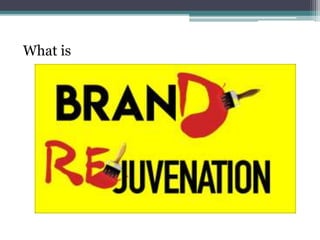
What is
• Brand rejuvenation involves adding value to an
existing brand by improving product attributes and
enhancing its overall appeal. It is intended to re-
focus the attention of consumers on an existing
brand.
• Brand rejuvenation means the act of adding value
to an existing brand by improving product features.
In the advertisement the brand is rejuvenated by the
words like, ‘new’, ‘extra’, ‘ultra’. For example, Lux
becomes international Lux.
Brand rejuvenation
• Rejuvenation aims at revival of brand. The intention is to
breathe some new life into a brand that may be showing
signs of decline
• Even healthy, successful brands may need occasional
rejuvenation because of competition. The brand has to be
updated. It ensures the steady success of the growing brand
• It helps keep the brand live and in focus
Objectives of Brand Rejuvenation
• Understand why you need to change
• .Think beyond your audience’s demographics
• Refresh from top to bottom
• Rewrite your narrative
• Hire experts
STEPS TO BRAND REJUVENATION
Re-launching a brand means thinking beyond a
new design or a new name. It means, "going
deeper.“
A successful example, they point out, is
Lifebuoy.
From being an economic and normal bathing
soap it was repositioned in the health and
wellness group
RE -LAUNCH
• Meaning of Brand Re-launch
A brand re-launch is the repositioning of your
brand within the marketplace. It often begins
with an evaluation of an organization’s goals,
brand essence, and market positioning
OBJECTIVES OF BRAND RE LAUNCH
• To bring it to a better level in terms of sales,
market share and profit than what its current
position reflects.
• To re launch the brand and reposition it for
faster growth and market share
• To re launch a brand that has failed due to an
inappropriate marketing mix
Relevance
Competition
Globalization
Mergers & Acquisitions
Innovation
Repositioning
Rationalization
Outgrowth
Legal Requirements
Morale & Reputation
Reasons for rebranding
• Consumer Awareness
• 2nd chance to make a good impression
• Acquire more market share
• Clear the confusion of brand image
• Mid to Premium Market
• Brand Extension
• Consumer benefit
Advantages of Product relaunch & rebranding
Risks of Rebranding
Confusion brings chaos
You may lose a few customers
Be prepared to spend some money
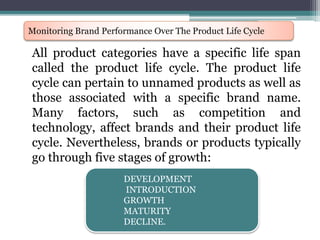
All product categories have a specific life span
called the product life cycle. The product life
cycle can pertain to unnamed products as well as
those associated with a specific brand name.
Many factors, such as competition and
technology, affect brands and their product life
cycle. Nevertheless, brands or products typically
go through five stages of growth:
Monitoring Brand Performance Over The Product Life Cycle
DEVELOPMENT
INTRODUCTION
GROWTH
MATURITY
DECLINE.
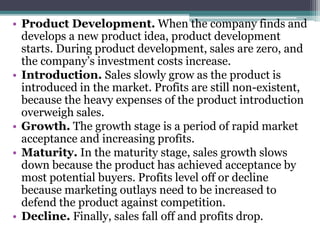
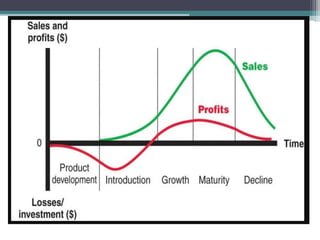
• Product Development. When the company finds and
develops a new product idea, product development
starts. During product development, sales are zero, and
the company’s investment costs increase.
• Introduction. Sales slowly grow as the product is
introduced in the market. Profits are still non-existent,
because the heavy expenses of the product introduction
overweigh sales.
• Growth. The growth stage is a period of rapid market
acceptance and increasing profits.
• Maturity. In the maturity stage, sales growth slows
down because the product has achieved acceptance by
most potential buyers. Profits level off or decline
because marketing outlays need to be increased to
defend the product against competition.
• Decline. Finally, sales fall off and profits drop.
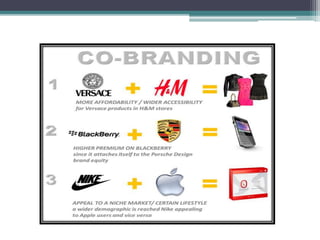
Co-branding is a marketing strategy that utilizes
multiple brand names on a good or service as part of
a strategic alliance. Also known as a brand
partnership, co-branding encompasses several
different types of branding collaborations, typically
involving the brands of at least two companies
Co-branding
Definition: The Co-Branding is the
marketing strategy wherein two or more well-
known brands combine to facilitate the sale and
marketing of a joint product.
Co-Branding is also called Dual Branding or
Brand Bundling, implying the combination of
brands
Co-Branding
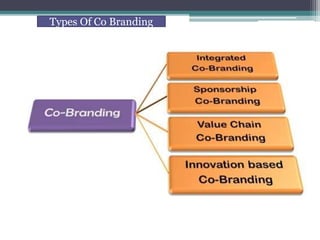
Types Of Co Branding
• New sources of finance will be available.
• Risk sharing capacity will increase.
• More income can be generated because of
increased customer base.
• Customer trust can be gained through its prior
experience with any one of the brand.
• Technological benefits can be unveiled.
• Image of the brand can be improved due to its
association with some renowned brand.
Benefits
• Brands are different and cater different market
segments with the entirely different product
range.
• Conflicts between companies due to different
mission and vision of each.
• The customer had a bad experience with any one
of the brand it will have a negative impact on the
other.
• Lots of liabilities on one brand will impose
pressure on the co-brand.
• Any one brand files bankruptcy the image of
other will also get adversely affected.
Failure O f Co Branding
Mergers and acquisitions have become a popular
business strategy for companies looking
to expand into new markets , gain a competitive
edge, or acquire new technologies and skill sets
BRAND DEVELOPMENT THROUGH ACQUISITION
TAKES OVER AND MERGER
• Ways Companies Can “Buy” Growth Through Mergers And
Acquisitions
• Roll up. Enjoy a greater market advantage by buying direct
competitors to increase the company’s scale and scope.
• Feed the machine. Acquire early-stage companies to fill
your R&D pipeline and take advantage of a more mature
distribution network.
• Enter adjacencies. Scoop up businesses with products and
capabilities that relate to your own, or that can benefit from
access to your existing resources.
• Leverage strengths. Acquire companies in the same or
similar industries. Then use their strengths to bolster your
own.
• Accelerate access. Merge with a like-minded business in
order to gain access to new geographies or customer
segments.
• Open new doors. Diversify into higher margin or higher
growth industries by acquiring a company in an unrelated
sector.
Brand Mangement

Brand Mangement

  • 1.
    Brand Management Unit -4 PreparedBy Ms.Jissy.C Assistant Professor
  • 2.
    • Unit IV BrandRejuvenation: Brand rejuvenation and re- launch, brand development through acquisition takes over and merger – Monitoring brand performance over the product life cycle. Co- branding
  • 3.
  • 4.
    • Brand rejuvenationinvolves adding value to an existing brand by improving product attributes and enhancing its overall appeal. It is intended to re- focus the attention of consumers on an existing brand. • Brand rejuvenation means the act of adding value to an existing brand by improving product features. In the advertisement the brand is rejuvenated by the words like, ‘new’, ‘extra’, ‘ultra’. For example, Lux becomes international Lux. Brand rejuvenation
  • 5.
    • Rejuvenation aimsat revival of brand. The intention is to breathe some new life into a brand that may be showing signs of decline • Even healthy, successful brands may need occasional rejuvenation because of competition. The brand has to be updated. It ensures the steady success of the growing brand • It helps keep the brand live and in focus Objectives of Brand Rejuvenation
  • 6.
    • Understand whyyou need to change • .Think beyond your audience’s demographics • Refresh from top to bottom • Rewrite your narrative • Hire experts STEPS TO BRAND REJUVENATION
  • 7.
    Re-launching a brandmeans thinking beyond a new design or a new name. It means, "going deeper.“ A successful example, they point out, is Lifebuoy. From being an economic and normal bathing soap it was repositioned in the health and wellness group RE -LAUNCH
  • 8.
    • Meaning ofBrand Re-launch A brand re-launch is the repositioning of your brand within the marketplace. It often begins with an evaluation of an organization’s goals, brand essence, and market positioning
  • 9.
    OBJECTIVES OF BRANDRE LAUNCH • To bring it to a better level in terms of sales, market share and profit than what its current position reflects. • To re launch the brand and reposition it for faster growth and market share • To re launch a brand that has failed due to an inappropriate marketing mix
  • 10.
  • 11.
    • Consumer Awareness •2nd chance to make a good impression • Acquire more market share • Clear the confusion of brand image • Mid to Premium Market • Brand Extension • Consumer benefit Advantages of Product relaunch & rebranding
  • 12.
    Risks of Rebranding Confusionbrings chaos You may lose a few customers Be prepared to spend some money
  • 13.
    All product categorieshave a specific life span called the product life cycle. The product life cycle can pertain to unnamed products as well as those associated with a specific brand name. Many factors, such as competition and technology, affect brands and their product life cycle. Nevertheless, brands or products typically go through five stages of growth: Monitoring Brand Performance Over The Product Life Cycle DEVELOPMENT INTRODUCTION GROWTH MATURITY DECLINE.
  • 14.
    • Product Development.When the company finds and develops a new product idea, product development starts. During product development, sales are zero, and the company’s investment costs increase. • Introduction. Sales slowly grow as the product is introduced in the market. Profits are still non-existent, because the heavy expenses of the product introduction overweigh sales. • Growth. The growth stage is a period of rapid market acceptance and increasing profits. • Maturity. In the maturity stage, sales growth slows down because the product has achieved acceptance by most potential buyers. Profits level off or decline because marketing outlays need to be increased to defend the product against competition. • Decline. Finally, sales fall off and profits drop.
  • 17.
    Co-branding is amarketing strategy that utilizes multiple brand names on a good or service as part of a strategic alliance. Also known as a brand partnership, co-branding encompasses several different types of branding collaborations, typically involving the brands of at least two companies Co-branding
  • 18.
    Definition: The Co-Brandingis the marketing strategy wherein two or more well- known brands combine to facilitate the sale and marketing of a joint product. Co-Branding is also called Dual Branding or Brand Bundling, implying the combination of brands Co-Branding
  • 19.
    Types Of CoBranding
  • 20.
    • New sourcesof finance will be available. • Risk sharing capacity will increase. • More income can be generated because of increased customer base. • Customer trust can be gained through its prior experience with any one of the brand. • Technological benefits can be unveiled. • Image of the brand can be improved due to its association with some renowned brand. Benefits
  • 21.
    • Brands aredifferent and cater different market segments with the entirely different product range. • Conflicts between companies due to different mission and vision of each. • The customer had a bad experience with any one of the brand it will have a negative impact on the other. • Lots of liabilities on one brand will impose pressure on the co-brand. • Any one brand files bankruptcy the image of other will also get adversely affected. Failure O f Co Branding
  • 22.
    Mergers and acquisitionshave become a popular business strategy for companies looking to expand into new markets , gain a competitive edge, or acquire new technologies and skill sets BRAND DEVELOPMENT THROUGH ACQUISITION TAKES OVER AND MERGER
  • 23.
    • Ways CompaniesCan “Buy” Growth Through Mergers And Acquisitions • Roll up. Enjoy a greater market advantage by buying direct competitors to increase the company’s scale and scope. • Feed the machine. Acquire early-stage companies to fill your R&D pipeline and take advantage of a more mature distribution network. • Enter adjacencies. Scoop up businesses with products and capabilities that relate to your own, or that can benefit from access to your existing resources. • Leverage strengths. Acquire companies in the same or similar industries. Then use their strengths to bolster your own. • Accelerate access. Merge with a like-minded business in order to gain access to new geographies or customer segments. • Open new doors. Diversify into higher margin or higher growth industries by acquiring a company in an unrelated sector.