
PRESENTED BY
SHAIK. BILKHIS
(15AB1R0068)
IV.B.PHARMACY
UNDER THE GUIDANCE
K.PALLAVI M. Pharm, (Ph.D.)
ASSISTANT PROFESSOR
TARGETED DRUG DELIVERY
SYSTEMS
1
 Introduction
 Need of targeted drug delivery system
 Advantages and dis advantages of drug targeting
 Classification of drug targeting
Brain targeting:
CONTENTS
1. Aim
2. Introduction
3. Blood brain barrier
4. Diseases related to BBB
5. Factors
6. Approaches
7. Marketed formulation
8. Reference
9. Conclusion
&Acknowledgement
2
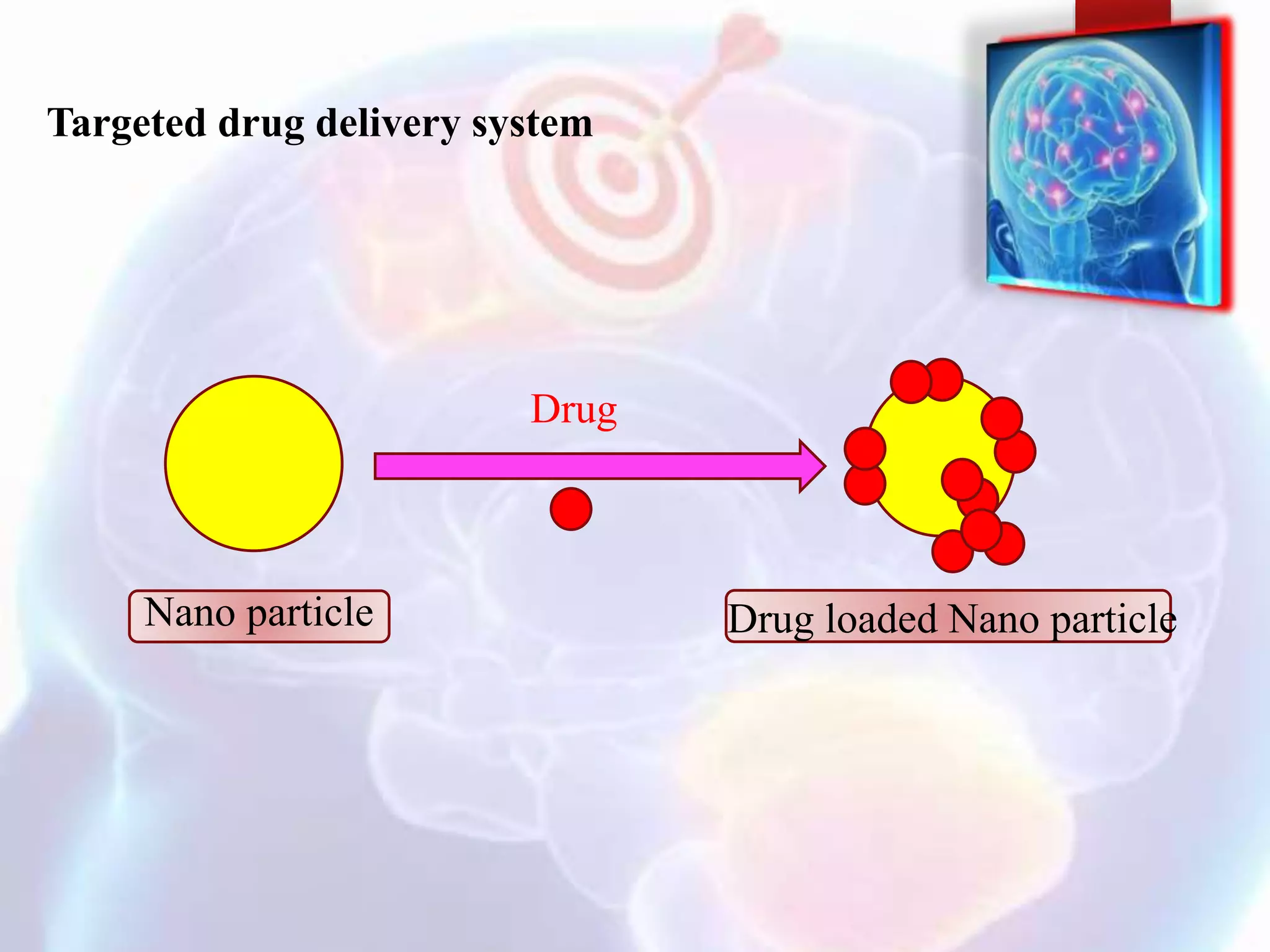
Targeted drug delivery system 3
Drug
Drug loaded Nano particleNano particle
Targeted Drug Delivery Systems
The major goal of an drug delivery system is to supply a
therapeutic amount of drug to a target site in a body
Targeted drug delivery implies Selective and Effective
localization of drug into the target at therapeutic
concentrations with limited access to non target site
A targeted drug delivery system is preferred in drugs
having Instability, low stability and short half life
4
Need of
Targeted
Drug
Delivery
System
Pharmaceutical
Reason
Low solubility, Drug
instability
Pharmacokinetic
Reason
o Poor absorption
o Short half-life
o Large Volume of
Distribution
Pharmaacodynamic
Reason
Low specificity
Low therapeutic index
5
Advantages
Reduced toxicity
Bypass hepatic first pass metabolism
Reduced dose and dosing intervals
No peak and plasma concentration
Enhancement of the absorption of target molecules such as
peptides and particulate
6
Disadvantages
Rapid clearance of targeted system.
Immune reaction against i.v
administered carrier system.
Diffusion and redistribution of
released drug.
Drug deposition at the target site
may produced toxicity symptoms.
Difficult to maintain stability of
dosage form.
7
CLASSIFICATION
Targeted
drug
delivery
system
Lung
Targeting
Bone Marrow
Targeting
Lymphatic
TargetingLiver
Targeting
Colon
Targeting
Brain
Targeting
8
9
AIM
 To emphasize on drug delivery to brain by using various
approaches.
 To study the blood-Brain barrier.
 To study different approaches to bypass BBB and to delivery
therapeutics into the brain.
10
 Drug delivery to the brain is the process of passing Therapeutically
active molecules across the Blood Brain Barrier for the purpose of
treating brain maladies. This is a Complex process.
 Systemic drug treatment of neurological diseases, such as brain
tumors, infectious and neurodegenerative diseases, is a daunting
challenge due to the unique protective barriers of the central
nervous system.
 Such innate barriers, mainly the
 1.Blood Brain Barrier 2. Blood cerebrospinal fluid
INTRODUCTION
11
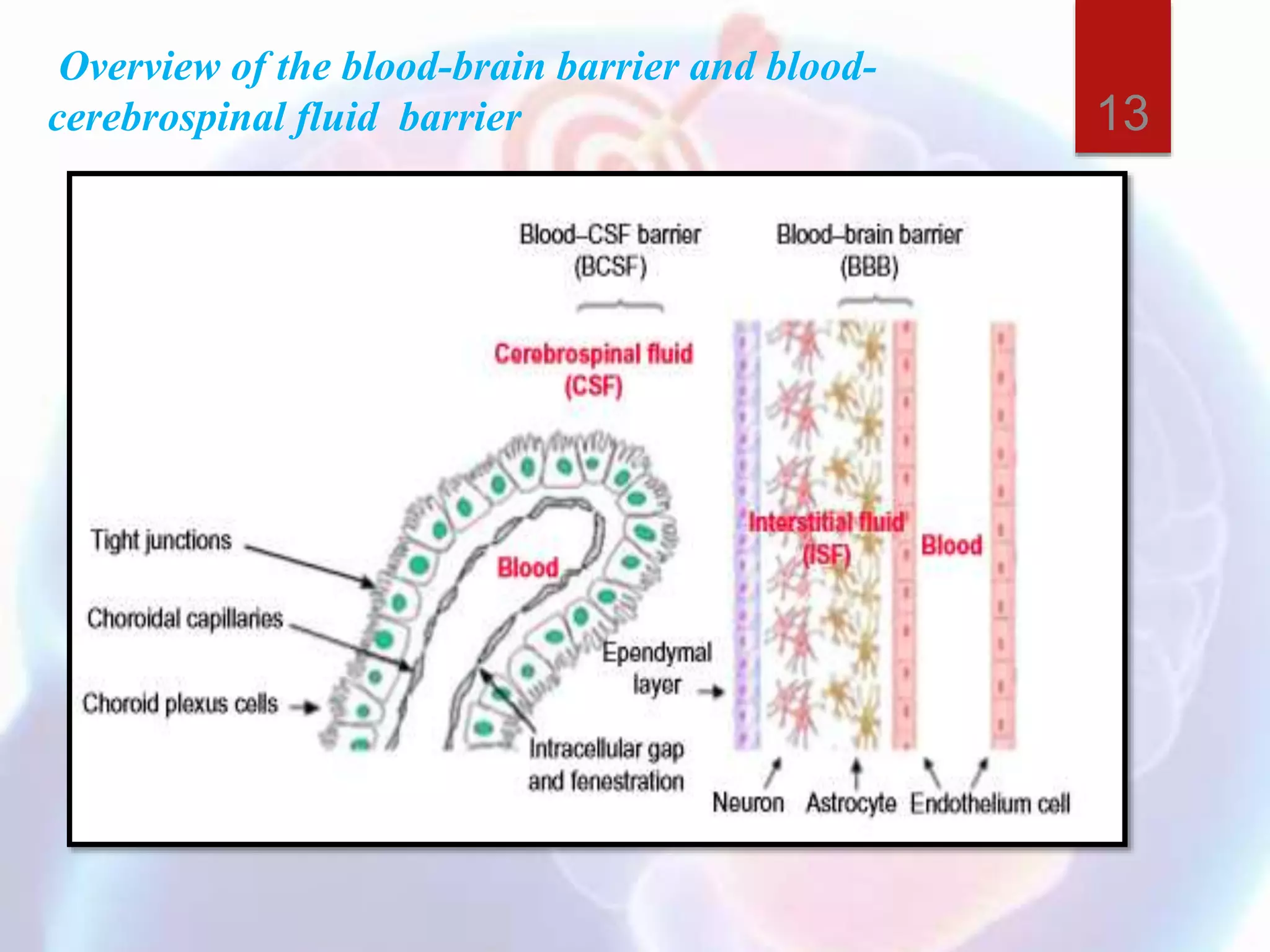
 The blood-brain barrier (BBB) is a highly selective permeability
barrier that separates the circulating blood from the brain
extracellular fluid (BECF) in the central nervous system
 The BBB consists of the Tight junctions (TJs) of capillary
endothelial cells on one side and the Foot processes of astrocytes
on the other side, whereas the BCSF is formed by the TJs of
choroid plexus cells surrounding the microvascular endothelium
with intracellular gap and fenestration.
12
Overview of the blood-brain barrier and blood-
cerebrospinal fluid barrier 13
Disorders of brain
14
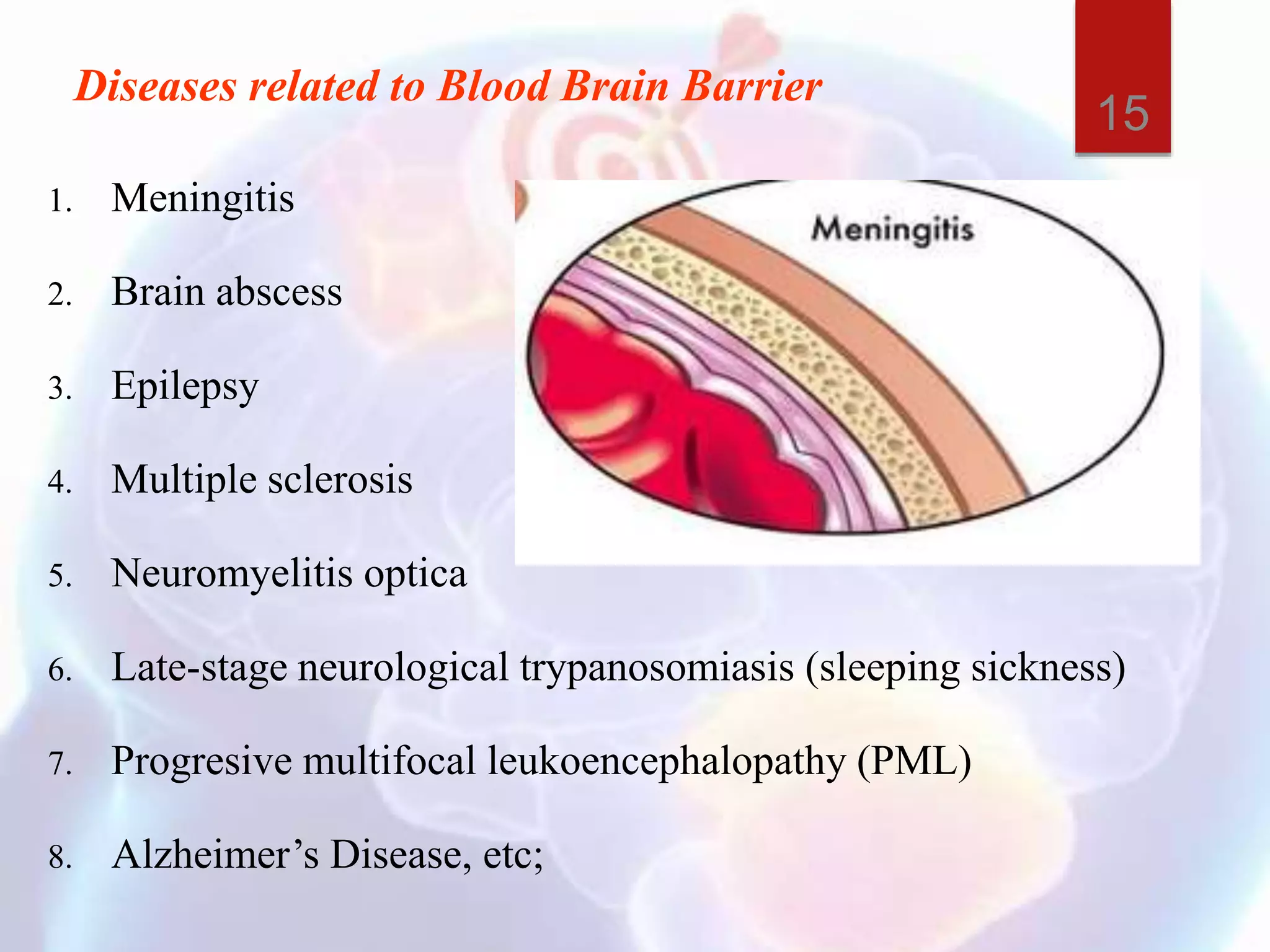
Diseases related to Blood Brain Barrier
1. Meningitis
2. Brain abscess
3. Epilepsy
4. Multiple sclerosis
5. Neuromyelitis optica
6. Late-stage neurological trypanosomiasis (sleeping sickness)
7. Progresive multifocal leukoencephalopathy (PML)
8. Alzheimer’s Disease, etc;
15
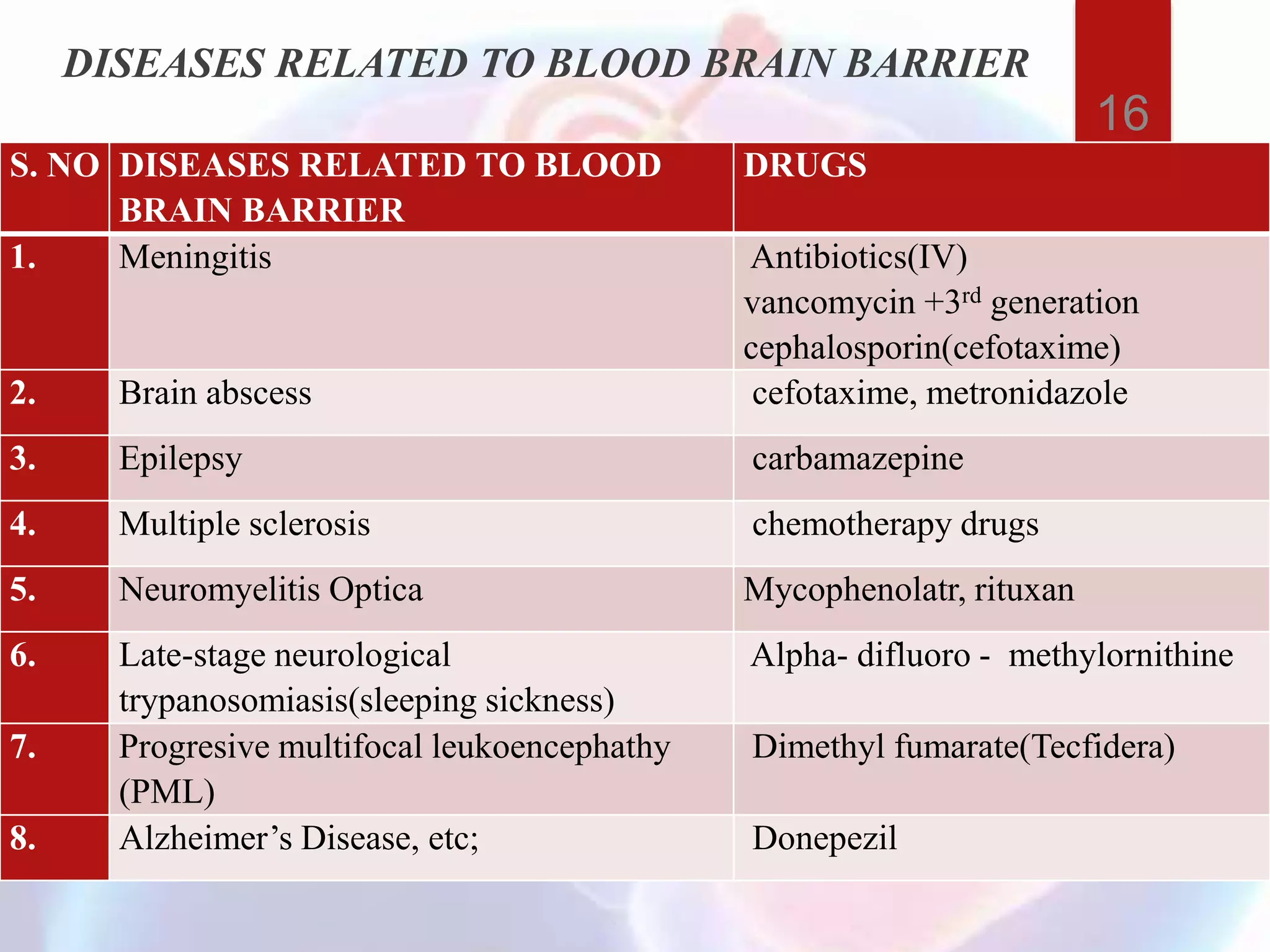
S. NO DISEASES RELATED TO BLOOD
BRAIN BARRIER
DRUGS
1. Meningitis Antibiotics(IV)
vancomycin +3rd generation
cephalosporin(cefotaxime)
2. Brain abscess cefotaxime, metronidazole
3. Epilepsy carbamazepine
4. Multiple sclerosis chemotherapy drugs
5. Neuromyelitis Optica Mycophenolatr, rituxan
6. Late-stage neurological
trypanosomiasis(sleeping sickness)
Alpha- difluoro - methylornithine
7. Progresive multifocal leukoencephathy
(PML)
Dimethyl fumarate(Tecfidera)
8. Alzheimer’s Disease, etc; Donepezil
16
DISEASES RELATED TO BLOOD BRAIN BARRIER
Factors
affecting
drug
transport
across the
BBB
Cerebral blood
flow
Concentration
gradient of drug
Molecular
weight of the
drug
Affinity for
receptors
Systemic
Absorption
Metabolism by
other tissues
Decreases the
clearance rate of
drug
Pathological
status
Cellular
enzymatic
stability
Lipophillicity of
drug
17
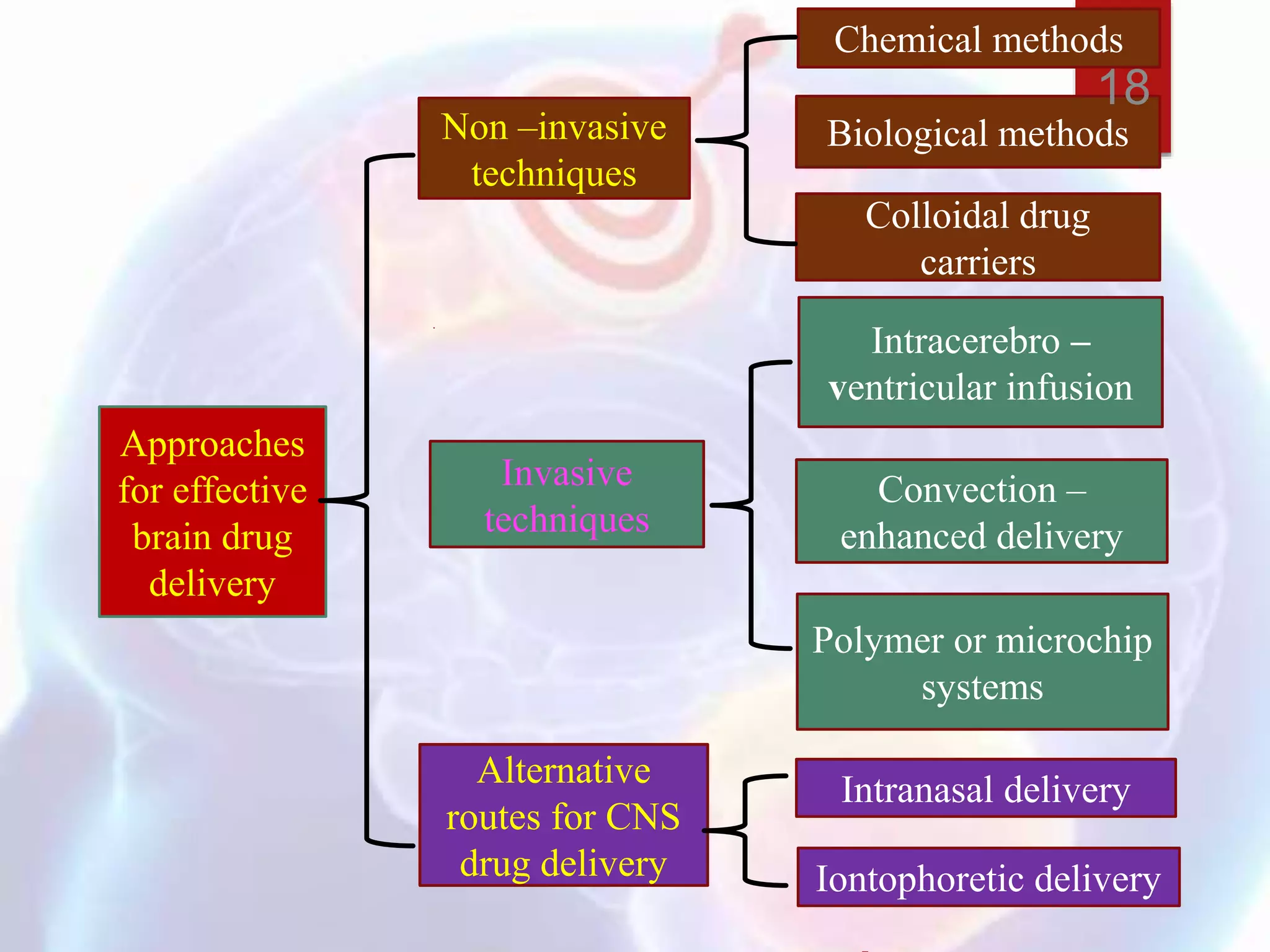
Approaches
for effective
brain drug
delivery
Non –invasive
techniques
Invasive
techniques
Alternative
routes for CNS
drug delivery
Chemical methods
Biological methods
Colloidal drug
carriers
Intracerebro –
ventricular infusion
Convection –
enhanced delivery
Polymer or microchip
systems
Intranasal delivery
Iontophoretic delivery
18
Invasive Approach
I
• Intracerebro-ventricular infusion
II
• Convection-enhanced delivery
III
• Polymer or microchip
systems(implants)
19
Intra –cerebro ventricular(ICV) infusion
20
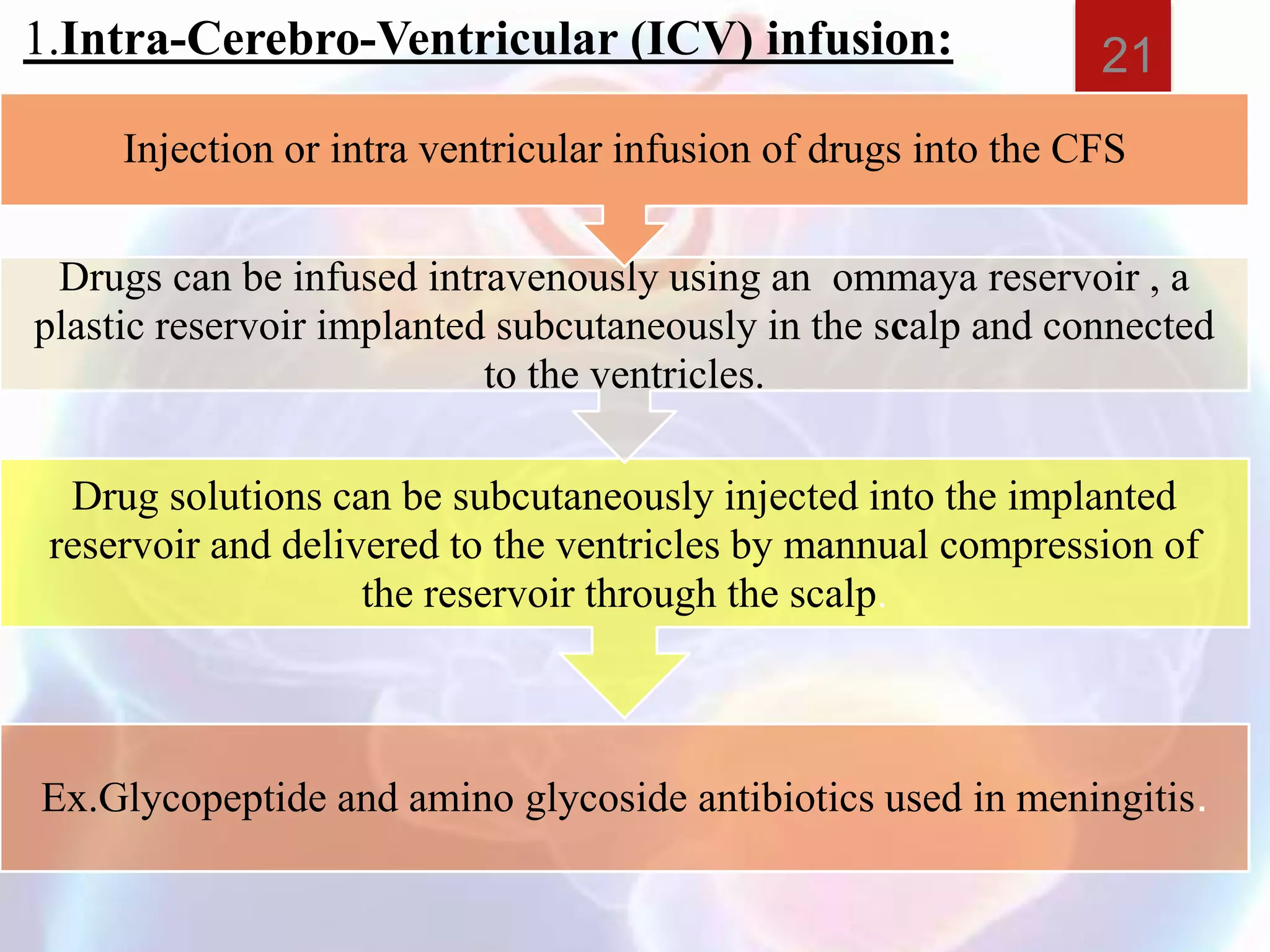
1.Intra-Cerebro-Ventricular (ICV) infusion:
Ex.Glycopeptide and amino glycoside antibiotics used in meningitis.
Drug solutions can be subcutaneously injected into the implanted
reservoir and delivered to the ventricles by mannual compression of
the reservoir through the scalp.
Drugs can be infused intravenously using an ommaya reservoir , a
plastic reservoir implanted subcutaneously in the scalp and connected
to the ventricles.
Injection or intra ventricular infusion of drugs into the CFS
21
Convection-enhanced delivery 22
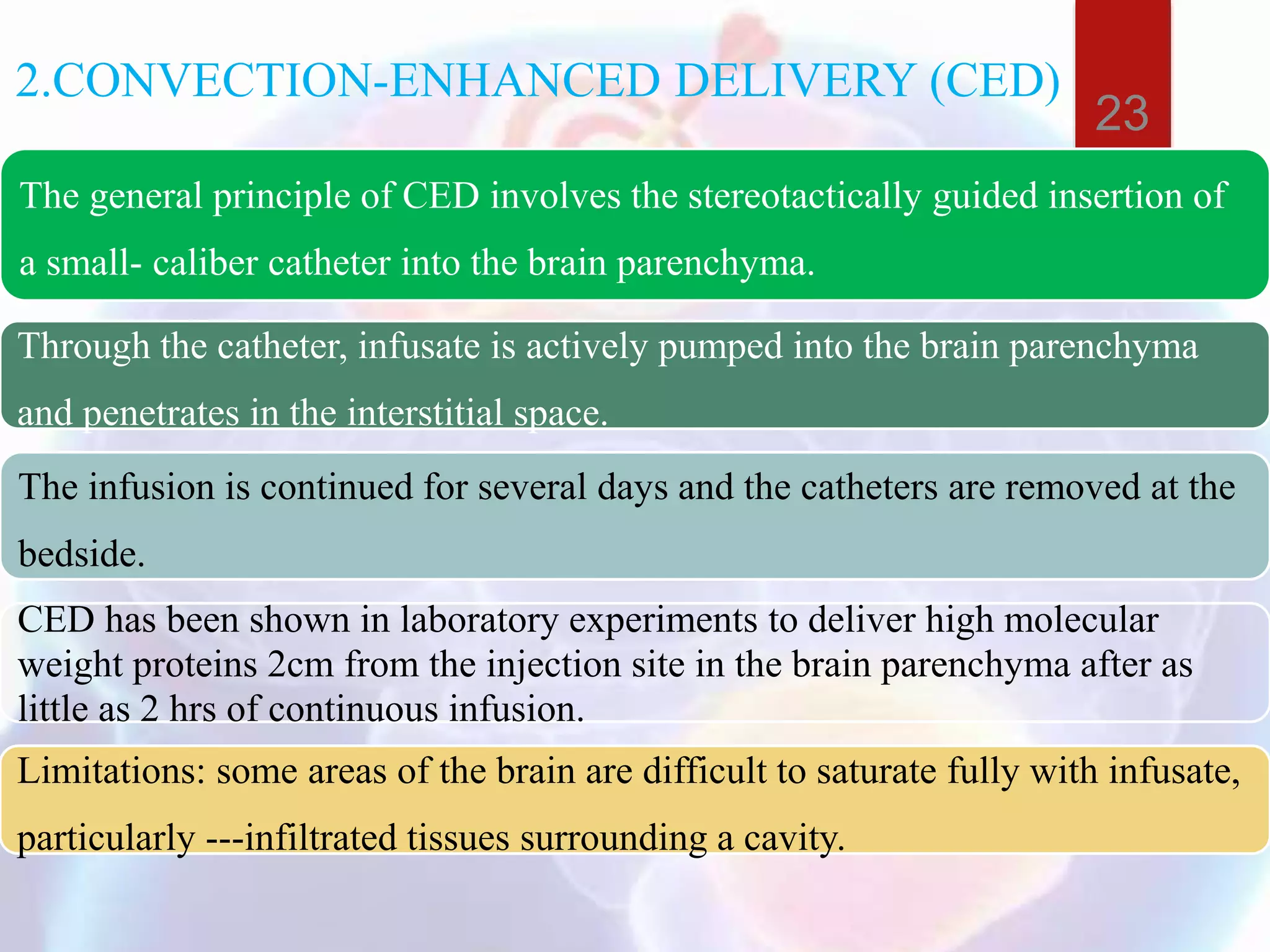
The general principle of CED involves the stereotactically guided insertion of
a small- caliber catheter into the brain parenchyma.
Through the catheter, infusate is actively pumped into the brain parenchyma
and penetrates in the interstitial space.
The infusion is continued for several days and the catheters are removed at the
bedside.
CED has been shown in laboratory experiments to deliver high molecular
weight proteins 2cm from the injection site in the brain parenchyma after as
little as 2 hrs of continuous infusion.
.Limitations: some areas of the brain are difficult to saturate fully with infusate,
particularly ---infiltrated tissues surrounding a cavity.
2.CONVECTION-ENHANCED DELIVERY (CED)
23
Polymer or microchip implants 24
Polymer or microchip system (implants) 25
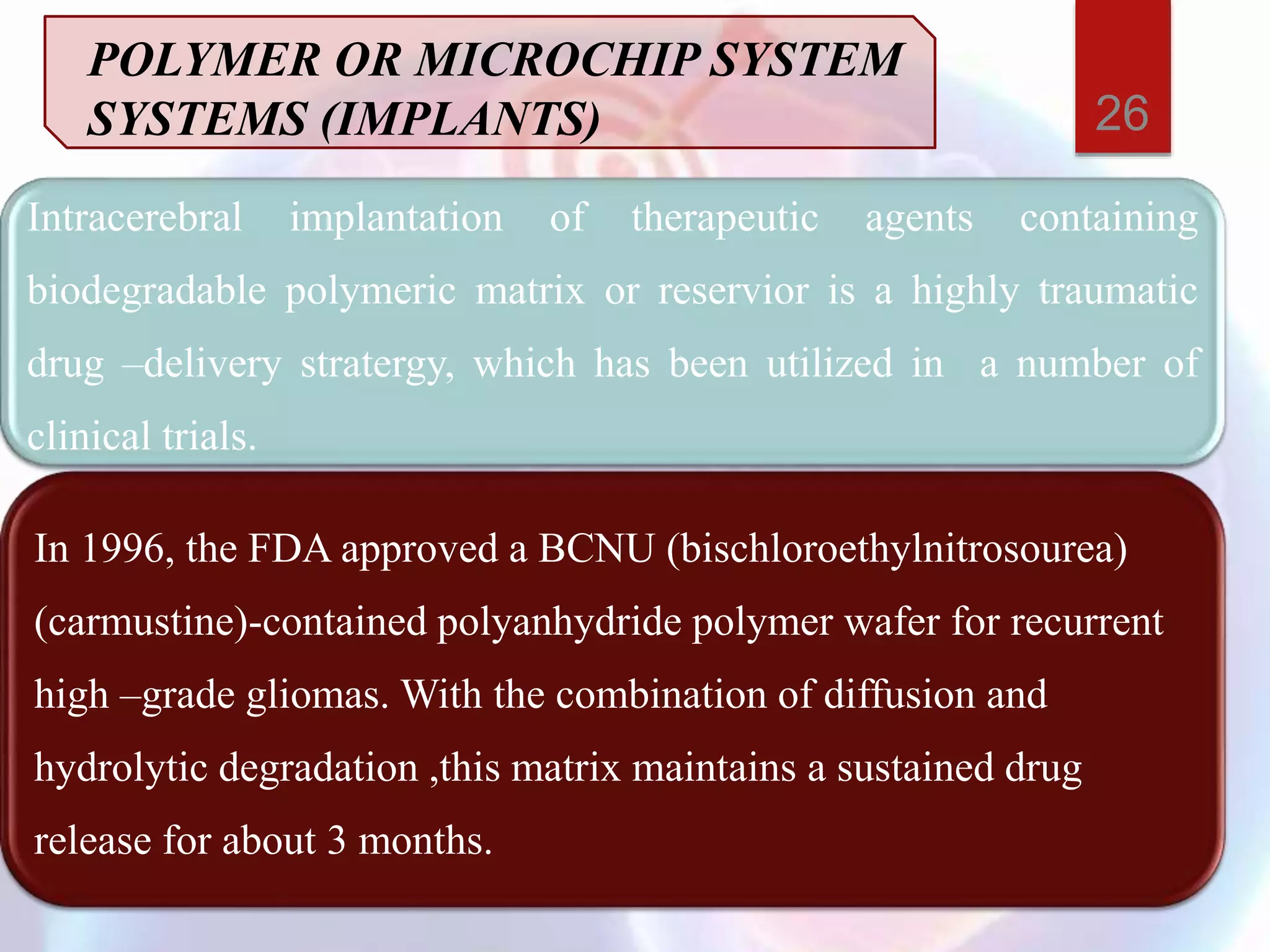
Intracerebral implantation of therapeutic agents containing
biodegradable polymeric matrix or reservior is a highly traumatic
drug –delivery stratergy, which has been utilized in a number of
clinical trials.
In 1996, the FDA approved a BCNU (bischloroethylnitrosourea)
(carmustine)-contained polyanhydride polymer wafer for recurrent
high –grade gliomas. With the combination of diffusion and
hydrolytic degradation ,this matrix maintains a sustained drug
release for about 3 months.
POLYMER OR MICROCHIP SYSTEM
SYSTEMS (IMPLANTS) 26
Noninvasive approaches
Colloidal
drug
carriers
Biological
approaches
Chemical
approaches
27
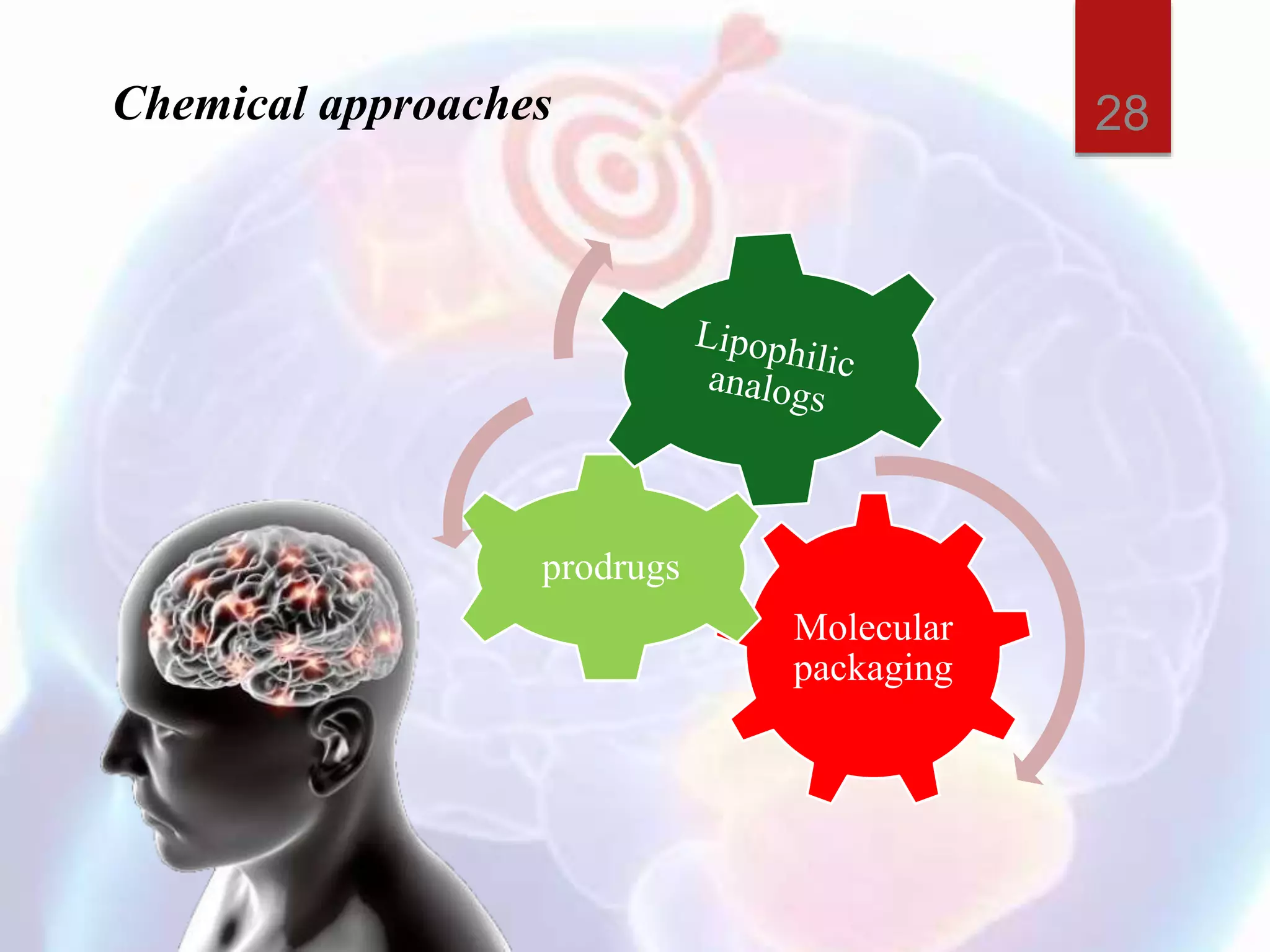
Chemical approaches
Molecular
packaging
prodrugs
28
Lipophilic analogs
Mechanism:
Passive
diffusion
Lipidization:
Better
vascular
permeability
Good CNS
permeability:
Lipophilic
analogs with
log P value in
the range of
1.5-2.5.
29
Prodrugs 30
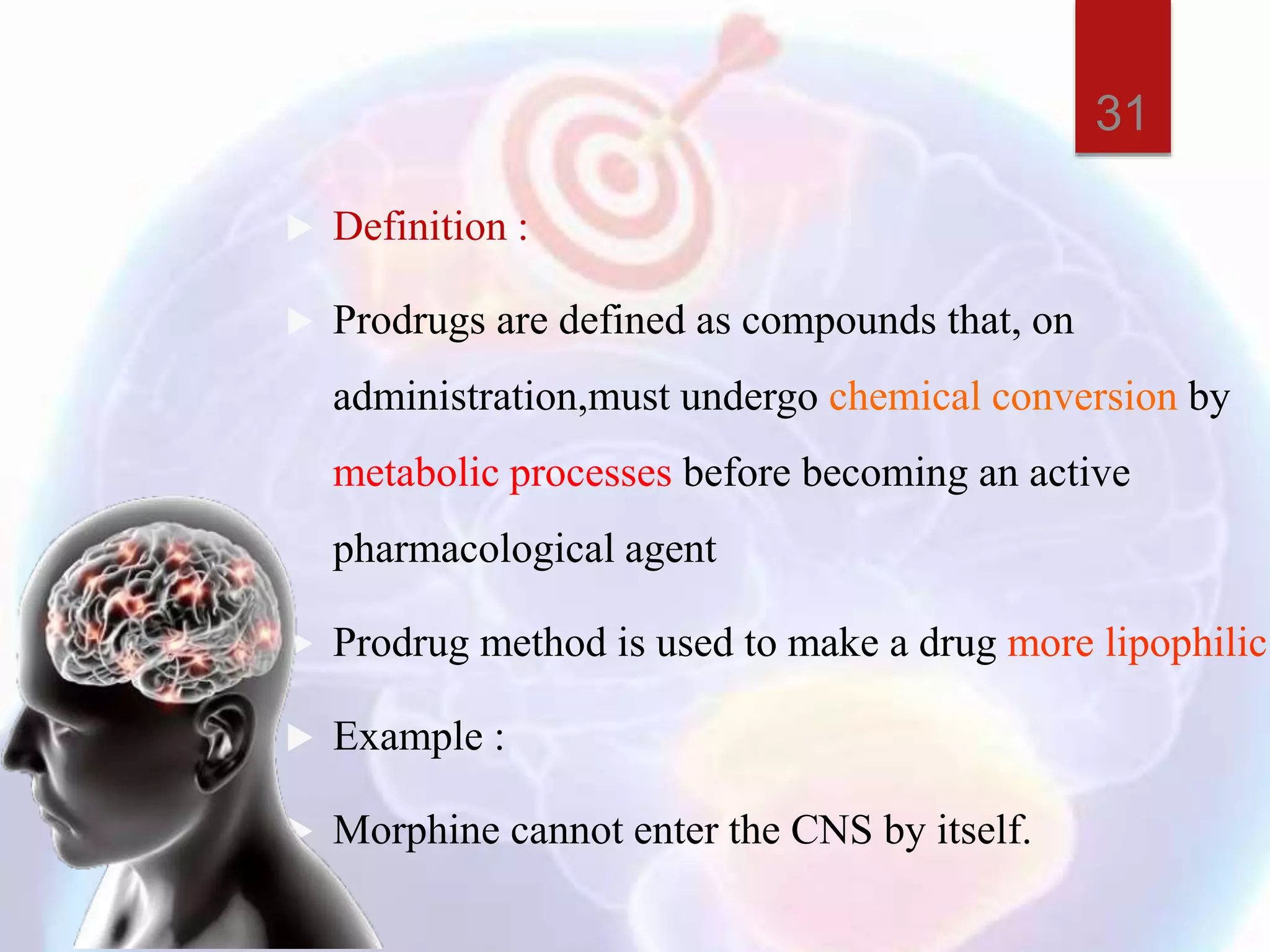
 Definition :
 Prodrugs are defined as compounds that, on
administration,must undergo chemical conversion by
metabolic processes before becoming an active
pharmacological agent
 Prodrug method is used to make a drug more lipophilic.
 Example :
 Morphine cannot enter the CNS by itself.
31
Molecular packaging 32
Molecular packaging
 To enhance penetration of peptides through the BBB, the
“molecular packaging’’ strategy has been developed.
 Three goals can be simultaneously accomplished for enhanced
BBB penetration.
a. Increased lipophilicity to enhance passive transport.
b. Prevention of premature degradation by increasing enzymatic
stability.
c. Exploitation of the lock-in mechanism to provide targeting.
33
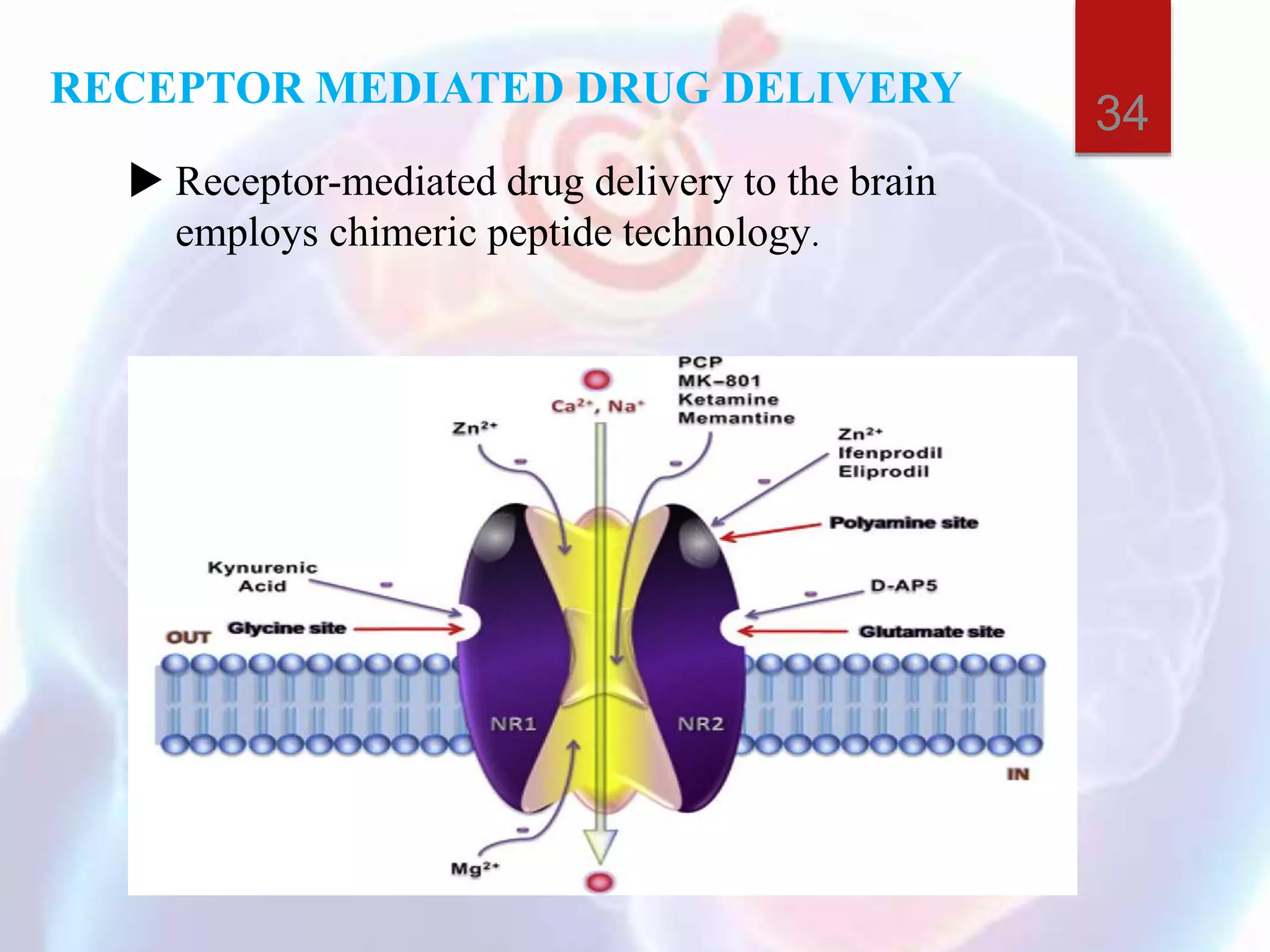
RECEPTOR MEDIATED DRUG DELIVERY
 Receptor-mediated drug delivery to the brain
employs chimeric peptide technology.
34
 Peptide technology based on using the coupling of a non-
transportable peptide pharmaceutical to a transportable peptide or
protein, which undergo receptor-mediated transcytosis through the
BBB.
 Endocytosis can be triggered after binding of the vector to its
receptor on the luminal surface of brain capillary endothelial cells.
 Enzymatic cleavage may occur at the cleavage linkage between the
vector and the drug to release the pharmacologically active moiety
of the chimeric peptide.
35
Cell-penetrating peptide (CPP)-mediated drug
delivery 36
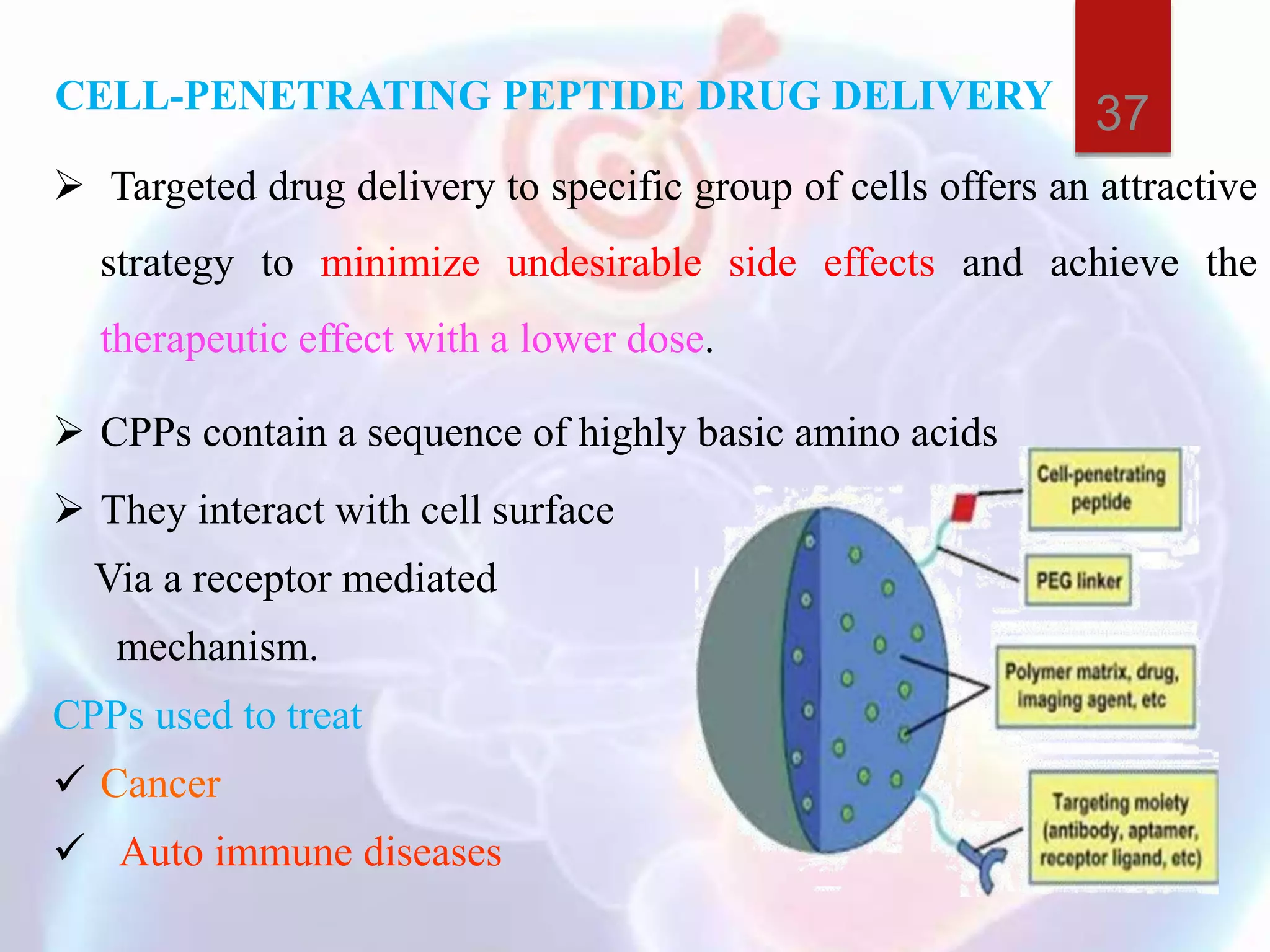
CELL-PENETRATING PEPTIDE DRUG DELIVERY
 Targeted drug delivery to specific group of cells offers an attractive
strategy to minimize undesirable side effects and achieve the
therapeutic effect with a lower dose.
 CPPs contain a sequence of highly basic amino acids
 They interact with cell surface
Via a receptor mediated
mechanism.
CPPs used to treat
 Cancer
 Auto immune diseases
37
VIRAL VECTORS
38
Viral vectors
 Viruses introduce their genetic material into the host cell as part of their
replication cycle.
 Remove the viral DNA and using the virus as a vehicle to deliver the
therapeutic DNA .
 The viruses used are altered to make them safe, although some risks
such as:
 Unwanted immune response,
 Changes in the properties of delivered virus due to endogenous
recombination,
 Mutagenic behavior leading to oncogenesis.
39
Colloidal drug carriers 40
COLLOIDAL DRUG CARRIERS
 Its an promising approach
 Colloidal carriers include
Emulsion
Liposomes
Nanoparticles
 Coating with surfactants like
e.g. polyoxypropylene
polyethylene glycol
polyoxyethylene
41
Colloidal
drug
carriers
NANO
TUBES
NANO
SHELLS
NANO
WIRES
NANO
GOLD
42
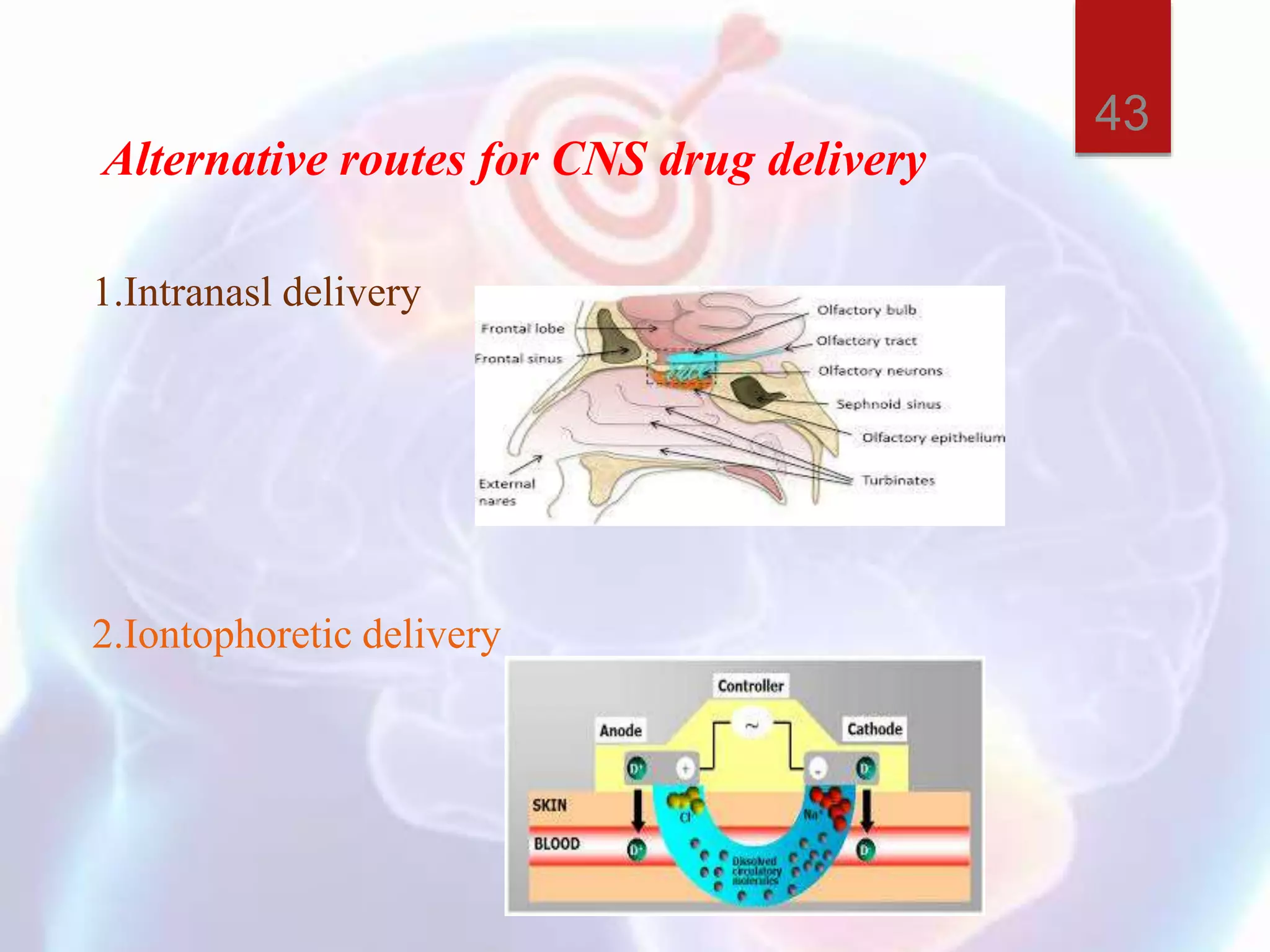
Alternative routes for CNS drug delivery
1.Intranasl delivery
2.Iontophoretic delivery
43
Intranasal delivery
 The olfactory mucosa (smelling area in nose)is in direct contact
with the brain and cerebrospinal fluid.
 Medications absorbed across the olfactory mucosa directly enters
the brain.
 This area is termed the nose brain pathway and offers a rapid,
direct route for drug delivery to the brain.
44
Intranasal delivery
45
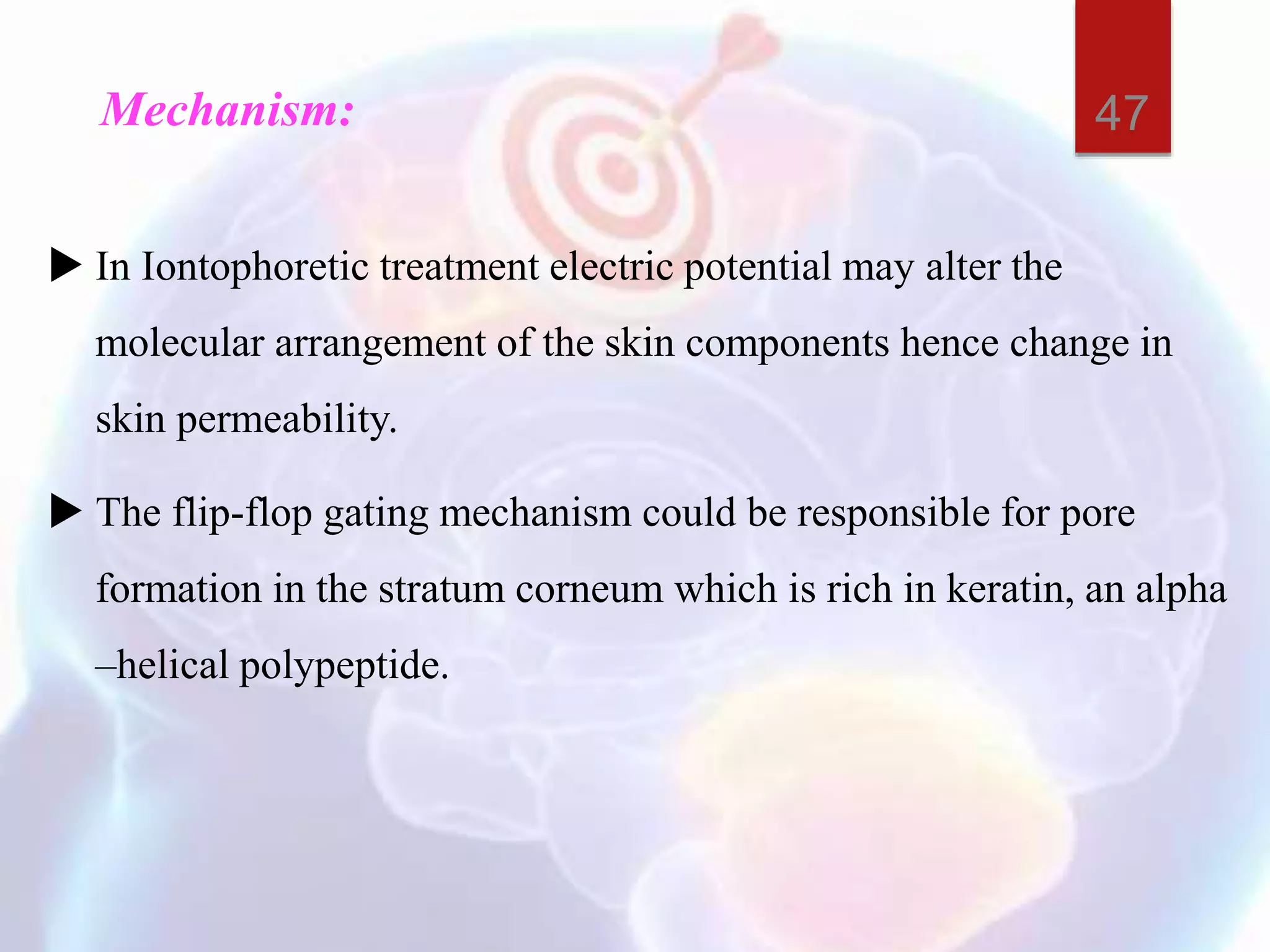
Iontophoretic delivery
 Ionophoretic is a method to deliver ionized molecules across the
BBB by using an externally applied electric current.
 In the body ,ions with a positive nature (+) are driven into the skin at
the anode those with negative charge (-) at the cathode.
 Iontophoresis is sometimes confused with electrophoresis.
 Iontophoresis involving movement of the colloid (dispersed phase)
 Electrophoresis involving the liquid (dispersed medium)
46
Mechanism:
 In Iontophoretic treatment electric potential may alter the
molecular arrangement of the skin components hence change in
skin permeability.
 The flip-flop gating mechanism could be responsible for pore
formation in the stratum corneum which is rich in keratin, an alpha
–helical polypeptide.
47
S.
no.
Brand name Active pharmaceutical
ingredient
Role
1.
AmBisome Amphotericin B Liposome for
injection
2.
Caelyx PEGylated
liposomal
doxorubicin
hydrochloride
Brain tumors
3.
Aricept Donepezil Alzheimer's
disease
4.
Aurimmune Colloidal gold IV
nanoparticles
Solid tumors
5.
AuroShell Gold-coated silica
Nanoparticles IV (-150nm)
Solid tumors
TABLE:MARKETED FORMULATIONS AVAILABLE AS A
BRAIN TARGETED DRUG DELIVERY SYSTEM 48
CONCLUSION
 The treatment of brain diseases a particularly challenging because the
delivery of drug molecules to the brain is often precluded by a variety of
physiological ,metabolic and biochemical obstacles that collectively
comprise the blood brain barrier (BBB).
 Drug delivery directly to the brain interstitium has recently been markedly
enhanced through the rational design of polymer –based drug delivery
system.
 Substantial progress will only come about, however, if continued vigorous
research efforts to develop more therapeutic and less toxic drug molecules
are paralleled by the aggressive pursuit of more effective mechanisms for
delivering those drugs to their brain targets.
49
REFERENCES
1. Sk . Garg et al., “Challenges of Brain Drug Delivery and G-
technology as One of Solution ‘’,Journal of pharmacy and
pharmaceutical Sciences, Volume 2,Issue 3, July –September,
2013, page no.13-18 .
2. PS Mohanachandran, PG Sindhumol, “Recent trends in brain
targeting drug delivery system: An overview “, International
Journal of Comprehensive pharmacy , volume 3,issue 10,page
no.1-9.
3. Drug delivery to the brain, From Wikipedia, the free encyclopedia.
50
4. A.N Misra ,AV Ganesh , AN Shahiwala, “Drug delivery to the
central nervous system :a review “, J Pharm pharmaceutical science
,volume 6,2nd edition ,page no.252-273.
5. Blood- brain barrier, From Wikipedia ,the free encyclopedia.
6. WM Pardridge, the Blood –brain Barrier: Bottleneck in Brain Drug
Development”. The Journal of the American Society for
Experimental Neuro Therapeutics, Volume 2,page no.21-29.
51
7. Barbara Pavan et al.,” Progress in Drug Delivery to the Centro
Nervous System by the Prodrug Approaches". Journal of
Molecules , Volume 13, page no.1035-1065.
52
• Thank you for paying attention.
•I sincerely thank my guide K. PALLAVI MADAM for giving me the
valuable guidance.
•My honored thanks to principal DR.P.SRINIVASA BABU SIR for giving
me this opportunity.
•A special thanks to Mrs. P. SOWJANYA MADAM (seminar committee )
ACKNOWLEDGEMENT
53
54

Brain Targeting: Novel approaches

  • 1.
    PRESENTED BY SHAIK. BILKHIS (15AB1R0068) IV.B.PHARMACY UNDERTHE GUIDANCE K.PALLAVI M. Pharm, (Ph.D.) ASSISTANT PROFESSOR TARGETED DRUG DELIVERY SYSTEMS 1
  • 2.
     Introduction  Needof targeted drug delivery system  Advantages and dis advantages of drug targeting  Classification of drug targeting Brain targeting: CONTENTS 1. Aim 2. Introduction 3. Blood brain barrier 4. Diseases related to BBB 5. Factors 6. Approaches 7. Marketed formulation 8. Reference 9. Conclusion &Acknowledgement 2
  • 3.
    Targeted drug deliverysystem 3 Drug Drug loaded Nano particleNano particle
  • 4.
    Targeted Drug DeliverySystems The major goal of an drug delivery system is to supply a therapeutic amount of drug to a target site in a body Targeted drug delivery implies Selective and Effective localization of drug into the target at therapeutic concentrations with limited access to non target site A targeted drug delivery system is preferred in drugs having Instability, low stability and short half life 4
  • 5.
    Need of Targeted Drug Delivery System Pharmaceutical Reason Low solubility,Drug instability Pharmacokinetic Reason o Poor absorption o Short half-life o Large Volume of Distribution Pharmaacodynamic Reason Low specificity Low therapeutic index 5
  • 6.
    Advantages Reduced toxicity Bypass hepaticfirst pass metabolism Reduced dose and dosing intervals No peak and plasma concentration Enhancement of the absorption of target molecules such as peptides and particulate 6
  • 7.
    Disadvantages Rapid clearance oftargeted system. Immune reaction against i.v administered carrier system. Diffusion and redistribution of released drug. Drug deposition at the target site may produced toxicity symptoms. Difficult to maintain stability of dosage form. 7
  • 8.
  • 9.
  • 10.
    AIM  To emphasizeon drug delivery to brain by using various approaches.  To study the blood-Brain barrier.  To study different approaches to bypass BBB and to delivery therapeutics into the brain. 10
  • 11.
     Drug deliveryto the brain is the process of passing Therapeutically active molecules across the Blood Brain Barrier for the purpose of treating brain maladies. This is a Complex process.  Systemic drug treatment of neurological diseases, such as brain tumors, infectious and neurodegenerative diseases, is a daunting challenge due to the unique protective barriers of the central nervous system.  Such innate barriers, mainly the  1.Blood Brain Barrier 2. Blood cerebrospinal fluid INTRODUCTION 11
  • 12.
     The blood-brainbarrier (BBB) is a highly selective permeability barrier that separates the circulating blood from the brain extracellular fluid (BECF) in the central nervous system  The BBB consists of the Tight junctions (TJs) of capillary endothelial cells on one side and the Foot processes of astrocytes on the other side, whereas the BCSF is formed by the TJs of choroid plexus cells surrounding the microvascular endothelium with intracellular gap and fenestration. 12
  • 13.
    Overview of theblood-brain barrier and blood- cerebrospinal fluid barrier 13
  • 14.
  • 15.
    Diseases related toBlood Brain Barrier 1. Meningitis 2. Brain abscess 3. Epilepsy 4. Multiple sclerosis 5. Neuromyelitis optica 6. Late-stage neurological trypanosomiasis (sleeping sickness) 7. Progresive multifocal leukoencephalopathy (PML) 8. Alzheimer’s Disease, etc; 15
  • 16.
    S. NO DISEASESRELATED TO BLOOD BRAIN BARRIER DRUGS 1. Meningitis Antibiotics(IV) vancomycin +3rd generation cephalosporin(cefotaxime) 2. Brain abscess cefotaxime, metronidazole 3. Epilepsy carbamazepine 4. Multiple sclerosis chemotherapy drugs 5. Neuromyelitis Optica Mycophenolatr, rituxan 6. Late-stage neurological trypanosomiasis(sleeping sickness) Alpha- difluoro - methylornithine 7. Progresive multifocal leukoencephathy (PML) Dimethyl fumarate(Tecfidera) 8. Alzheimer’s Disease, etc; Donepezil 16 DISEASES RELATED TO BLOOD BRAIN BARRIER
  • 17.
    Factors affecting drug transport across the BBB Cerebral blood flow Concentration gradientof drug Molecular weight of the drug Affinity for receptors Systemic Absorption Metabolism by other tissues Decreases the clearance rate of drug Pathological status Cellular enzymatic stability Lipophillicity of drug 17
  • 18.
    Approaches for effective brain drug delivery Non–invasive techniques Invasive techniques Alternative routes for CNS drug delivery Chemical methods Biological methods Colloidal drug carriers Intracerebro – ventricular infusion Convection – enhanced delivery Polymer or microchip systems Intranasal delivery Iontophoretic delivery 18
  • 19.
    Invasive Approach I • Intracerebro-ventricularinfusion II • Convection-enhanced delivery III • Polymer or microchip systems(implants) 19
  • 20.
  • 21.
    1.Intra-Cerebro-Ventricular (ICV) infusion: Ex.Glycopeptideand amino glycoside antibiotics used in meningitis. Drug solutions can be subcutaneously injected into the implanted reservoir and delivered to the ventricles by mannual compression of the reservoir through the scalp. Drugs can be infused intravenously using an ommaya reservoir , a plastic reservoir implanted subcutaneously in the scalp and connected to the ventricles. Injection or intra ventricular infusion of drugs into the CFS 21
  • 22.
  • 23.
    The general principleof CED involves the stereotactically guided insertion of a small- caliber catheter into the brain parenchyma. Through the catheter, infusate is actively pumped into the brain parenchyma and penetrates in the interstitial space. The infusion is continued for several days and the catheters are removed at the bedside. CED has been shown in laboratory experiments to deliver high molecular weight proteins 2cm from the injection site in the brain parenchyma after as little as 2 hrs of continuous infusion. .Limitations: some areas of the brain are difficult to saturate fully with infusate, particularly ---infiltrated tissues surrounding a cavity. 2.CONVECTION-ENHANCED DELIVERY (CED) 23
  • 24.
  • 25.
    Polymer or microchipsystem (implants) 25
  • 26.
    Intracerebral implantation oftherapeutic agents containing biodegradable polymeric matrix or reservior is a highly traumatic drug –delivery stratergy, which has been utilized in a number of clinical trials. In 1996, the FDA approved a BCNU (bischloroethylnitrosourea) (carmustine)-contained polyanhydride polymer wafer for recurrent high –grade gliomas. With the combination of diffusion and hydrolytic degradation ,this matrix maintains a sustained drug release for about 3 months. POLYMER OR MICROCHIP SYSTEM SYSTEMS (IMPLANTS) 26
  • 27.
  • 28.
  • 29.
  • 30.
  • 31.
     Definition : Prodrugs are defined as compounds that, on administration,must undergo chemical conversion by metabolic processes before becoming an active pharmacological agent  Prodrug method is used to make a drug more lipophilic.  Example :  Morphine cannot enter the CNS by itself. 31
  • 32.
  • 33.
    Molecular packaging  Toenhance penetration of peptides through the BBB, the “molecular packaging’’ strategy has been developed.  Three goals can be simultaneously accomplished for enhanced BBB penetration. a. Increased lipophilicity to enhance passive transport. b. Prevention of premature degradation by increasing enzymatic stability. c. Exploitation of the lock-in mechanism to provide targeting. 33
  • 34.
    RECEPTOR MEDIATED DRUGDELIVERY  Receptor-mediated drug delivery to the brain employs chimeric peptide technology. 34
  • 35.
     Peptide technologybased on using the coupling of a non- transportable peptide pharmaceutical to a transportable peptide or protein, which undergo receptor-mediated transcytosis through the BBB.  Endocytosis can be triggered after binding of the vector to its receptor on the luminal surface of brain capillary endothelial cells.  Enzymatic cleavage may occur at the cleavage linkage between the vector and the drug to release the pharmacologically active moiety of the chimeric peptide. 35
  • 36.
  • 37.
    CELL-PENETRATING PEPTIDE DRUGDELIVERY  Targeted drug delivery to specific group of cells offers an attractive strategy to minimize undesirable side effects and achieve the therapeutic effect with a lower dose.  CPPs contain a sequence of highly basic amino acids  They interact with cell surface Via a receptor mediated mechanism. CPPs used to treat  Cancer  Auto immune diseases 37
  • 38.
  • 39.
    Viral vectors  Virusesintroduce their genetic material into the host cell as part of their replication cycle.  Remove the viral DNA and using the virus as a vehicle to deliver the therapeutic DNA .  The viruses used are altered to make them safe, although some risks such as:  Unwanted immune response,  Changes in the properties of delivered virus due to endogenous recombination,  Mutagenic behavior leading to oncogenesis. 39
  • 40.
  • 41.
    COLLOIDAL DRUG CARRIERS Its an promising approach  Colloidal carriers include Emulsion Liposomes Nanoparticles  Coating with surfactants like e.g. polyoxypropylene polyethylene glycol polyoxyethylene 41
  • 42.
  • 43.
    Alternative routes forCNS drug delivery 1.Intranasl delivery 2.Iontophoretic delivery 43
  • 44.
    Intranasal delivery  Theolfactory mucosa (smelling area in nose)is in direct contact with the brain and cerebrospinal fluid.  Medications absorbed across the olfactory mucosa directly enters the brain.  This area is termed the nose brain pathway and offers a rapid, direct route for drug delivery to the brain. 44
  • 45.
  • 46.
    Iontophoretic delivery  Ionophoreticis a method to deliver ionized molecules across the BBB by using an externally applied electric current.  In the body ,ions with a positive nature (+) are driven into the skin at the anode those with negative charge (-) at the cathode.  Iontophoresis is sometimes confused with electrophoresis.  Iontophoresis involving movement of the colloid (dispersed phase)  Electrophoresis involving the liquid (dispersed medium) 46
  • 47.
    Mechanism:  In Iontophoretictreatment electric potential may alter the molecular arrangement of the skin components hence change in skin permeability.  The flip-flop gating mechanism could be responsible for pore formation in the stratum corneum which is rich in keratin, an alpha –helical polypeptide. 47
  • 48.
    S. no. Brand name Activepharmaceutical ingredient Role 1. AmBisome Amphotericin B Liposome for injection 2. Caelyx PEGylated liposomal doxorubicin hydrochloride Brain tumors 3. Aricept Donepezil Alzheimer's disease 4. Aurimmune Colloidal gold IV nanoparticles Solid tumors 5. AuroShell Gold-coated silica Nanoparticles IV (-150nm) Solid tumors TABLE:MARKETED FORMULATIONS AVAILABLE AS A BRAIN TARGETED DRUG DELIVERY SYSTEM 48
  • 49.
    CONCLUSION  The treatmentof brain diseases a particularly challenging because the delivery of drug molecules to the brain is often precluded by a variety of physiological ,metabolic and biochemical obstacles that collectively comprise the blood brain barrier (BBB).  Drug delivery directly to the brain interstitium has recently been markedly enhanced through the rational design of polymer –based drug delivery system.  Substantial progress will only come about, however, if continued vigorous research efforts to develop more therapeutic and less toxic drug molecules are paralleled by the aggressive pursuit of more effective mechanisms for delivering those drugs to their brain targets. 49
  • 50.
    REFERENCES 1. Sk .Garg et al., “Challenges of Brain Drug Delivery and G- technology as One of Solution ‘’,Journal of pharmacy and pharmaceutical Sciences, Volume 2,Issue 3, July –September, 2013, page no.13-18 . 2. PS Mohanachandran, PG Sindhumol, “Recent trends in brain targeting drug delivery system: An overview “, International Journal of Comprehensive pharmacy , volume 3,issue 10,page no.1-9. 3. Drug delivery to the brain, From Wikipedia, the free encyclopedia. 50
  • 51.
    4. A.N Misra,AV Ganesh , AN Shahiwala, “Drug delivery to the central nervous system :a review “, J Pharm pharmaceutical science ,volume 6,2nd edition ,page no.252-273. 5. Blood- brain barrier, From Wikipedia ,the free encyclopedia. 6. WM Pardridge, the Blood –brain Barrier: Bottleneck in Brain Drug Development”. The Journal of the American Society for Experimental Neuro Therapeutics, Volume 2,page no.21-29. 51
  • 52.
    7. Barbara Pavanet al.,” Progress in Drug Delivery to the Centro Nervous System by the Prodrug Approaches". Journal of Molecules , Volume 13, page no.1035-1065. 52
  • 53.
    • Thank youfor paying attention. •I sincerely thank my guide K. PALLAVI MADAM for giving me the valuable guidance. •My honored thanks to principal DR.P.SRINIVASA BABU SIR for giving me this opportunity. •A special thanks to Mrs. P. SOWJANYA MADAM (seminar committee ) ACKNOWLEDGEMENT 53
  • 54.

Editor's Notes