Shazia Khan
BODY DYSMORPHIC
DISORDER
BODY DYSMORPHIC
DISORDER
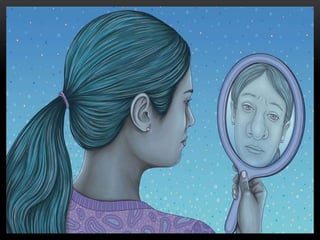
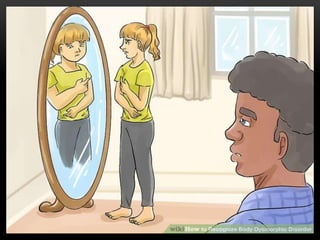
 Body Dysmorphic disorder is a mental health disorder in which you
can’t stop thinking about one or more perceived defects or flaws in
your appearance. A flaw that appears minor or can’t be seen by others.
But you may feel so embarrassed, ashamed and anxious that you may
avoid many social situations
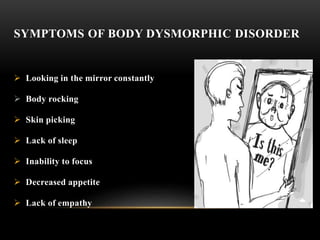
SYMPTOMS OF BODY DYSMORPHIC DISORDER
 Looking in the mirror constantly
 Body rocking
 Skin picking
 Lack of sleep
 Inability to focus
 Decreased appetite
 Lack of empathy
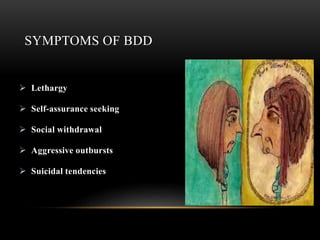
SYMPTOMS OF BDD
 Lethargy
 Self-assurance seeking
 Social withdrawal
 Aggressive outbursts
 Suicidal tendencies
CAUSES OF BDD
 Neurotransmitter defects
 Low self esteem
 Childhood trauma
 Parent’s who were critical of their child’s appearance
 Peer and social impact
DIAGNOSTIC CRITERIA FOR BDD
 Preoccupation with one or more perceived defects or flaws in
physical appearance that are not observable or appear slight to
others.
 At some point during the course of the disorder, the individual has
performed repetitive behaviours ( e.g. mirror checking, excessive
grooming, skin picking) or mental acts( e.g. comparing his or her
appearance with that of others) in response to the appearance
concerns.
DIAGNOSTIC CRITERIA FOR BDD
 The preoccupation causes clinically significant distress or impairment
in social, occupational or other important areas of functioning.
 The appearance preoccupation is not better explained by concerns with
body fat or weight in an individual whose symptoms meet diagnostic
criteria for an eating disorder.
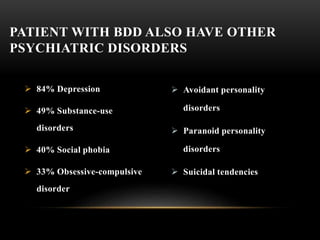
 Avoidant personality
disorders
 Paranoid personality
disorders
 Suicidal tendencies
 84% Depression
 49% Substance-use
disorders
 40% Social phobia
 33% Obsessive-compulsive
disorder
PATIENT WITH BDD ALSO HAVE OTHER
PSYCHIATRIC DISORDERS
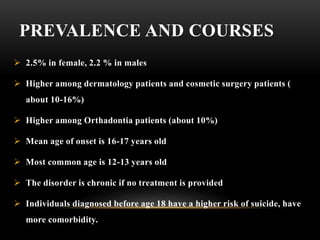
PREVALENCE AND COURSES
 2.5% in female, 2.2 % in males
 Higher among dermatology patients and cosmetic surgery patients (
about 10-16%)
 Higher among Orthadontia patients (about 10%)
 Mean age of onset is 16-17 years old
 Most common age is 12-13 years old
 The disorder is chronic if no treatment is provided
 Individuals diagnosed before age 18 have a higher risk of suicide, have
more comorbidity.
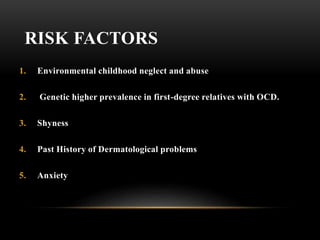
RISK FACTORS
1. Environmental childhood neglect and abuse
2. Genetic higher prevalence in first-degree relatives with OCD.
3. Shyness
4. Past History of Dermatological problems
5. Anxiety
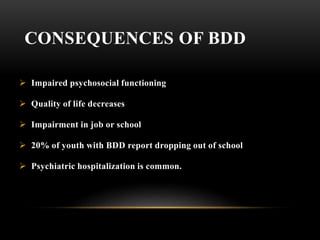
CONSEQUENCES OF BDD
 Impaired psychosocial functioning
 Quality of life decreases
 Impairment in job or school
 20% of youth with BDD report dropping out of school
 Psychiatric hospitalization is common.
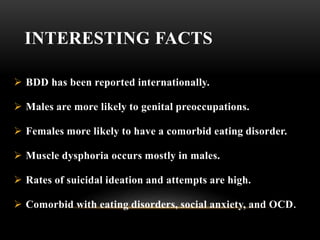
INTERESTING FACTS
 BDD has been reported internationally.
 Males are more likely to genital preoccupations.
 Females more likely to have a comorbid eating disorder.
 Muscle dysphoria occurs mostly in males.
 Rates of suicidal ideation and attempts are high.
 Comorbid with eating disorders, social anxiety, and OCD.
ETIOLOGY
The pathophysiology may involve Serotinin because
 High co morbidity with depressive disorders
 Family History of mood Disorders
 Family history of OCD
 Responsiveness to serotonin- Specific Drugs
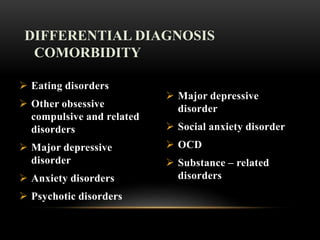
 Eating disorders
 Other obsessive
compulsive and related
disorders
 Major depressive
disorder
 Anxiety disorders
 Psychotic disorders
 Major depressive
disorder
 Social anxiety disorder
 OCD
 Substance – related
disorders
DIFFERENTIAL DIAGNOSIS
COMORBIDITY
TREATMENT OF BDD
 Cognitive- Behavioural therapy(CBT)
 Exposure Therapy
 Selective serotonin reuptake inhibitors (SSRIs)
 A combination of SSRIs and cognitive behavioural
therapy
• https://youtu.be/kNrxksPbgUg
• https://youtu.be/sTJY2Q_yZyY
Body dysmorphic disorder

Body dysmorphic disorder

  • 1.
  • 4.
    BODY DYSMORPHIC DISORDER  BodyDysmorphic disorder is a mental health disorder in which you can’t stop thinking about one or more perceived defects or flaws in your appearance. A flaw that appears minor or can’t be seen by others. But you may feel so embarrassed, ashamed and anxious that you may avoid many social situations
  • 5.
    SYMPTOMS OF BODYDYSMORPHIC DISORDER  Looking in the mirror constantly  Body rocking  Skin picking  Lack of sleep  Inability to focus  Decreased appetite  Lack of empathy
  • 6.
    SYMPTOMS OF BDD Lethargy  Self-assurance seeking  Social withdrawal  Aggressive outbursts  Suicidal tendencies
  • 7.
    CAUSES OF BDD Neurotransmitter defects  Low self esteem  Childhood trauma  Parent’s who were critical of their child’s appearance  Peer and social impact
  • 8.
    DIAGNOSTIC CRITERIA FORBDD  Preoccupation with one or more perceived defects or flaws in physical appearance that are not observable or appear slight to others.  At some point during the course of the disorder, the individual has performed repetitive behaviours ( e.g. mirror checking, excessive grooming, skin picking) or mental acts( e.g. comparing his or her appearance with that of others) in response to the appearance concerns.
  • 9.
    DIAGNOSTIC CRITERIA FORBDD  The preoccupation causes clinically significant distress or impairment in social, occupational or other important areas of functioning.  The appearance preoccupation is not better explained by concerns with body fat or weight in an individual whose symptoms meet diagnostic criteria for an eating disorder.
  • 11.
     Avoidant personality disorders Paranoid personality disorders  Suicidal tendencies  84% Depression  49% Substance-use disorders  40% Social phobia  33% Obsessive-compulsive disorder PATIENT WITH BDD ALSO HAVE OTHER PSYCHIATRIC DISORDERS
  • 13.
    PREVALENCE AND COURSES 2.5% in female, 2.2 % in males  Higher among dermatology patients and cosmetic surgery patients ( about 10-16%)  Higher among Orthadontia patients (about 10%)  Mean age of onset is 16-17 years old  Most common age is 12-13 years old  The disorder is chronic if no treatment is provided  Individuals diagnosed before age 18 have a higher risk of suicide, have more comorbidity.
  • 14.
    RISK FACTORS 1. Environmentalchildhood neglect and abuse 2. Genetic higher prevalence in first-degree relatives with OCD. 3. Shyness 4. Past History of Dermatological problems 5. Anxiety
  • 15.
    CONSEQUENCES OF BDD Impaired psychosocial functioning  Quality of life decreases  Impairment in job or school  20% of youth with BDD report dropping out of school  Psychiatric hospitalization is common.
  • 16.
    INTERESTING FACTS  BDDhas been reported internationally.  Males are more likely to genital preoccupations.  Females more likely to have a comorbid eating disorder.  Muscle dysphoria occurs mostly in males.  Rates of suicidal ideation and attempts are high.  Comorbid with eating disorders, social anxiety, and OCD.
  • 19.
    ETIOLOGY The pathophysiology mayinvolve Serotinin because  High co morbidity with depressive disorders  Family History of mood Disorders  Family history of OCD  Responsiveness to serotonin- Specific Drugs
  • 20.
     Eating disorders Other obsessive compulsive and related disorders  Major depressive disorder  Anxiety disorders  Psychotic disorders  Major depressive disorder  Social anxiety disorder  OCD  Substance – related disorders DIFFERENTIAL DIAGNOSIS COMORBIDITY
  • 21.
    TREATMENT OF BDD Cognitive- Behavioural therapy(CBT)  Exposure Therapy  Selective serotonin reuptake inhibitors (SSRIs)  A combination of SSRIs and cognitive behavioural therapy
  • 23.