
Blood Transfusions
By Christina Baier, Crystal Davidson, Dayna Legge,
Christine Leblond, Jessica Luckett, and McKenzie Quevillion
Overview
 What is a blood transfusion?
 Purpose
 Indications
 Blood products
 Nursing implications
 Administering a blood
transfusion (skill)
What is a Blood Transfusion?
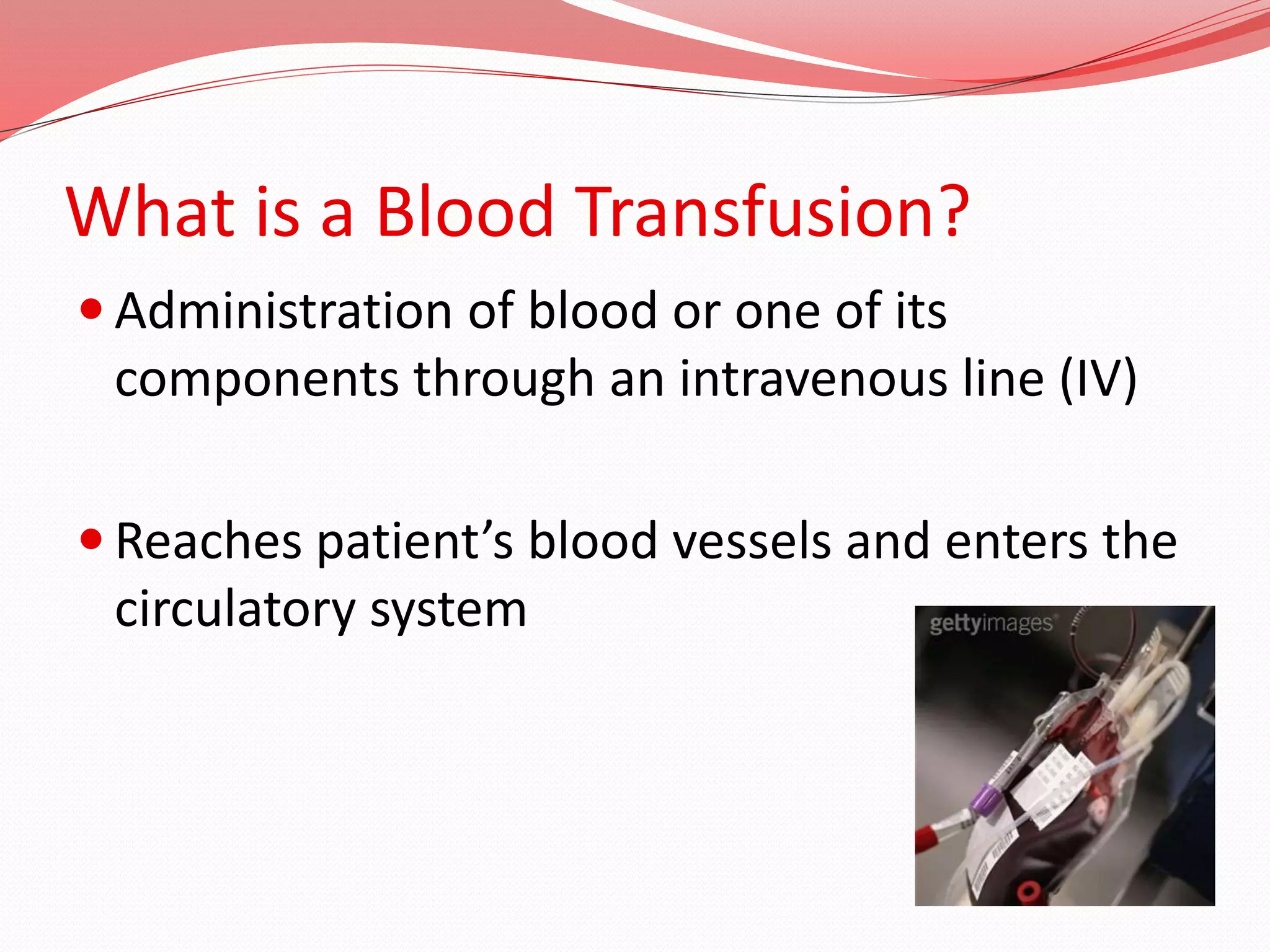
 Administration of blood or one of its
components through an intravenous line (IV)
 Reaches patient’s blood vessels and enters the
circulatory system
Purpose of a Blood Transfusion
 Restore blood volume
 Replace clotting factors
 Improve oxygen carrying capacity
 Restore blood elements that are depleted
 Prevent complications
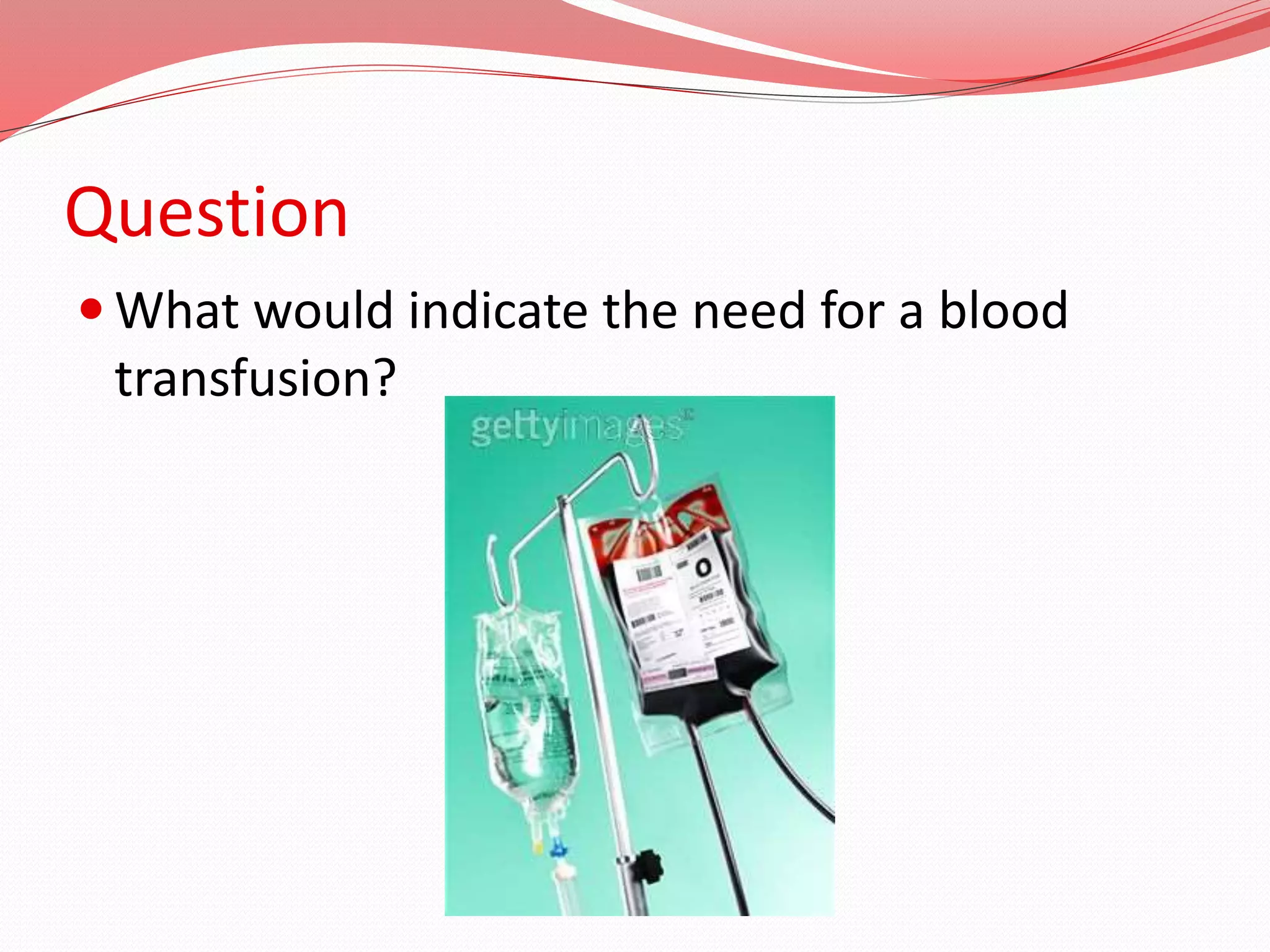
Question
 What would indicate the need for a blood
transfusion?
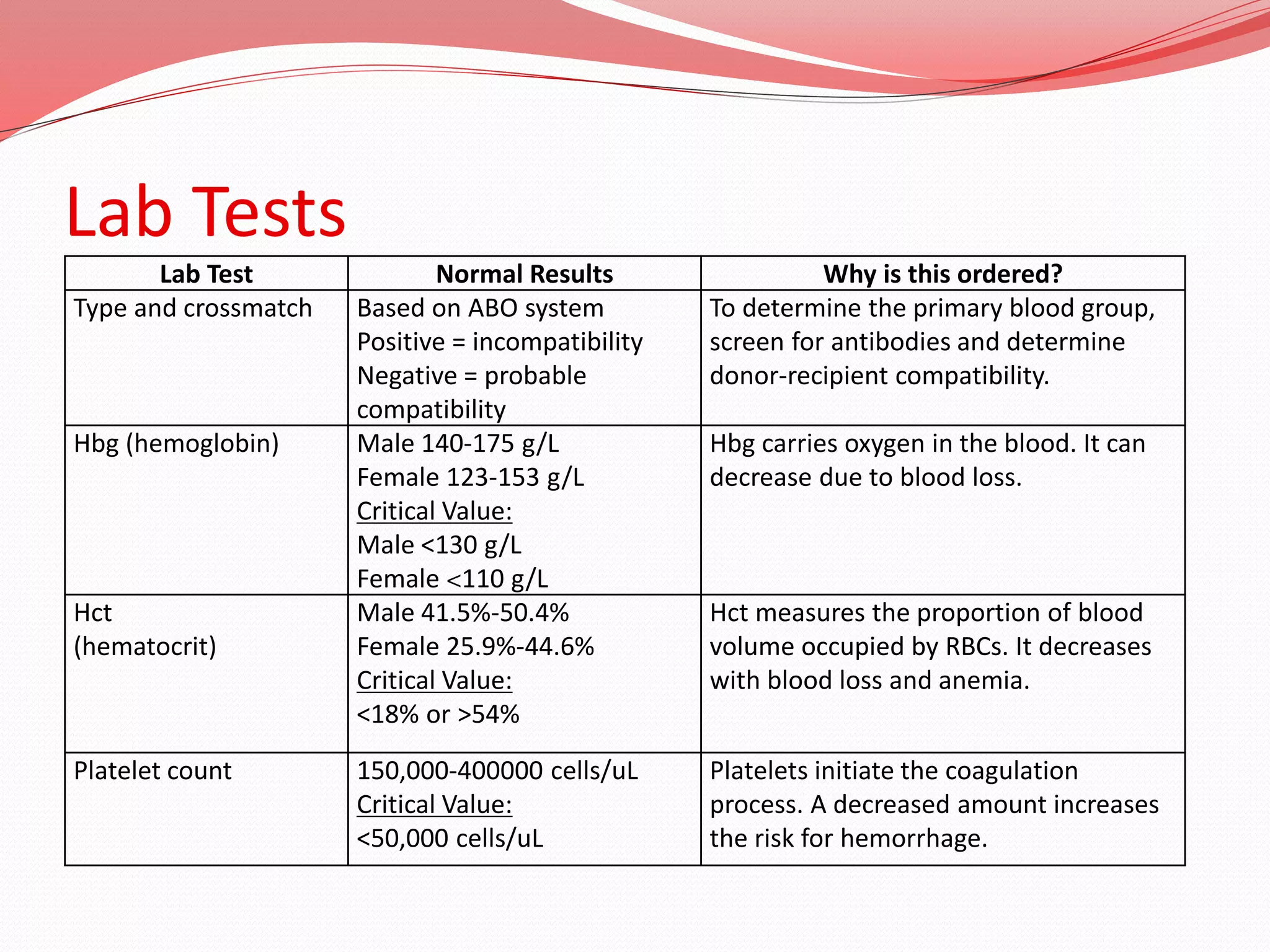
Lab Tests
Lab Test Normal Results Why is this ordered?
Type and crossmatch Based on ABO system
Positive = incompatibility
Negative = probable
compatibility
To determine the primary blood group,
screen for antibodies and determine
donor-recipient compatibility.
Hbg (hemoglobin) Male 140-175 g/L
Female 123-153 g/L
Critical Value:
Male <130 g/L
Female <110 g/L
Hbg carries oxygen in the blood. It can
decrease due to blood loss.
Hct
(hematocrit)
Male 41.5%-50.4%
Female 25.9%-44.6%
Critical Value:
<18% or >54%
Hct measures the proportion of blood
volume occupied by RBCs. It decreases
with blood loss and anemia.
Platelet count 150,000-400000 cells/uL
Critical Value:
<50,000 cells/uL
Platelets initiate the coagulation
process. A decreased amount increases
the risk for hemorrhage.
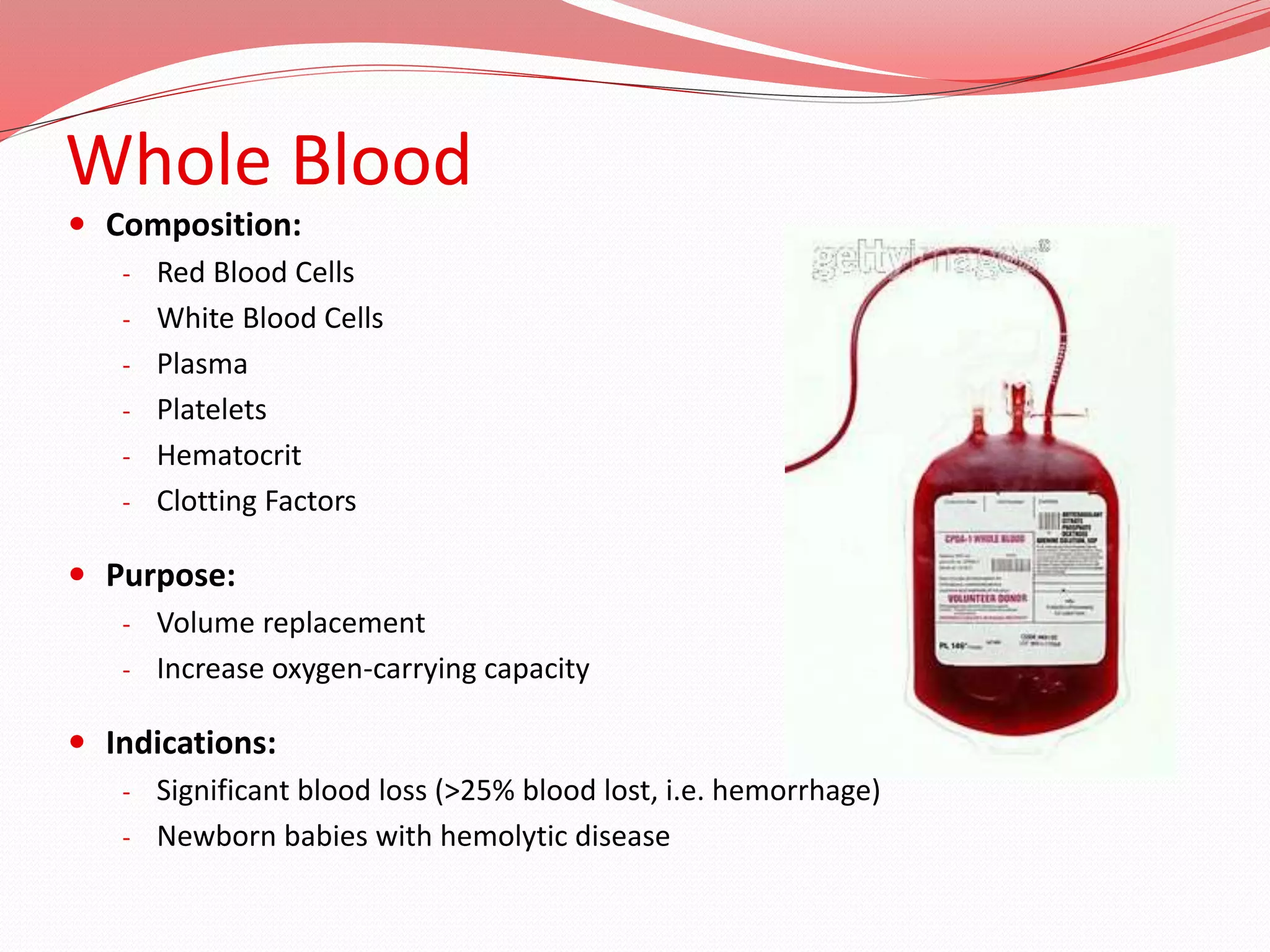
Whole Blood
 Composition:
- Red Blood Cells
- White Blood Cells
- Plasma
- Platelets
- Hematocrit
- Clotting Factors
 Purpose:
- Volume replacement
- Increase oxygen-carrying capacity
 Indications:
- Significant blood loss (>25% blood lost, i.e. hemorrhage)
- Newborn babies with hemolytic disease
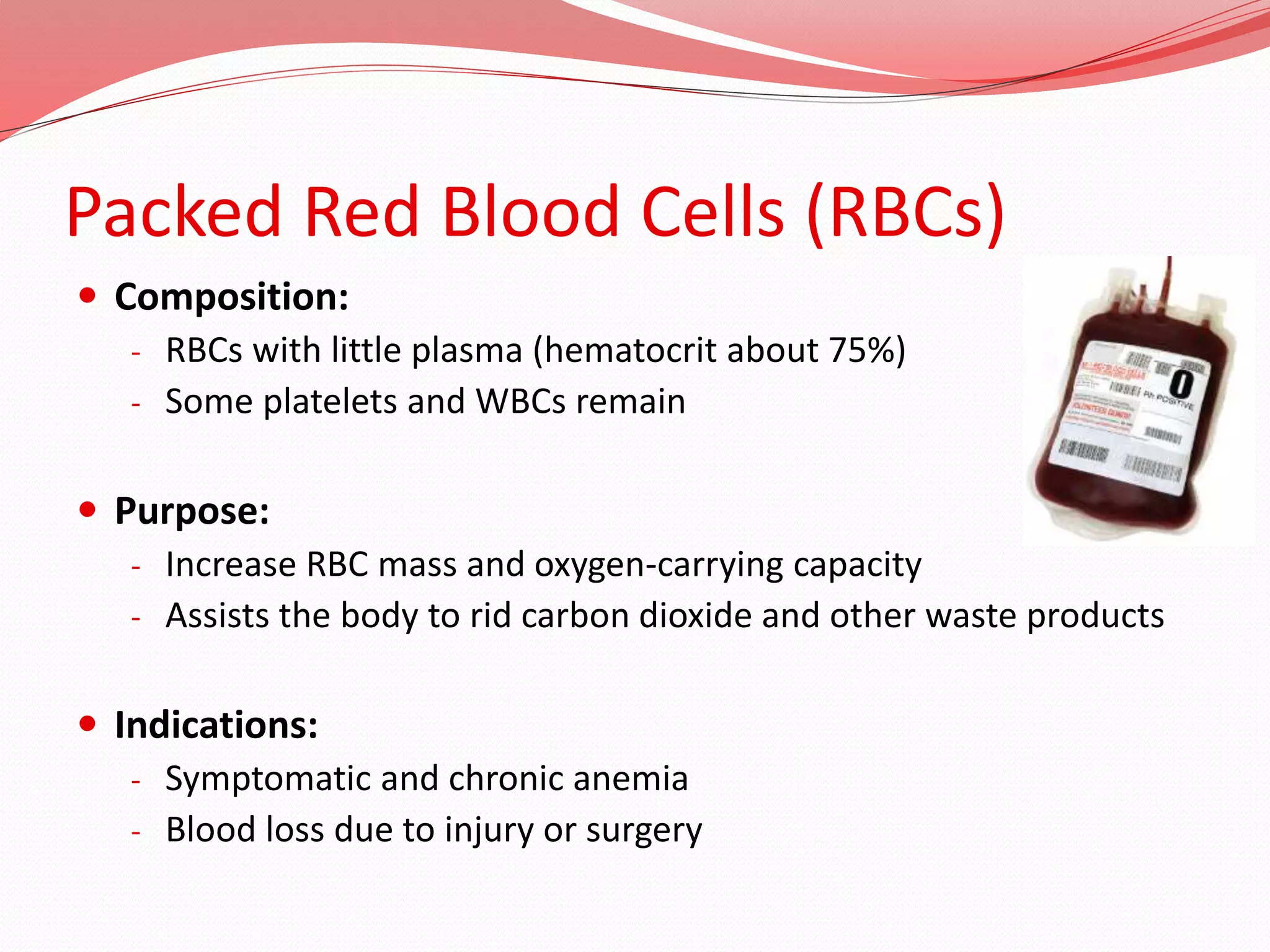
Packed Red Blood Cells (RBCs)
 Composition:
- RBCs with little plasma (hematocrit about 75%)
- Some platelets and WBCs remain
 Purpose:
- Increase RBC mass and oxygen-carrying capacity
- Assists the body to rid carbon dioxide and other waste products
 Indications:
- Symptomatic and chronic anemia
- Blood loss due to injury or surgery
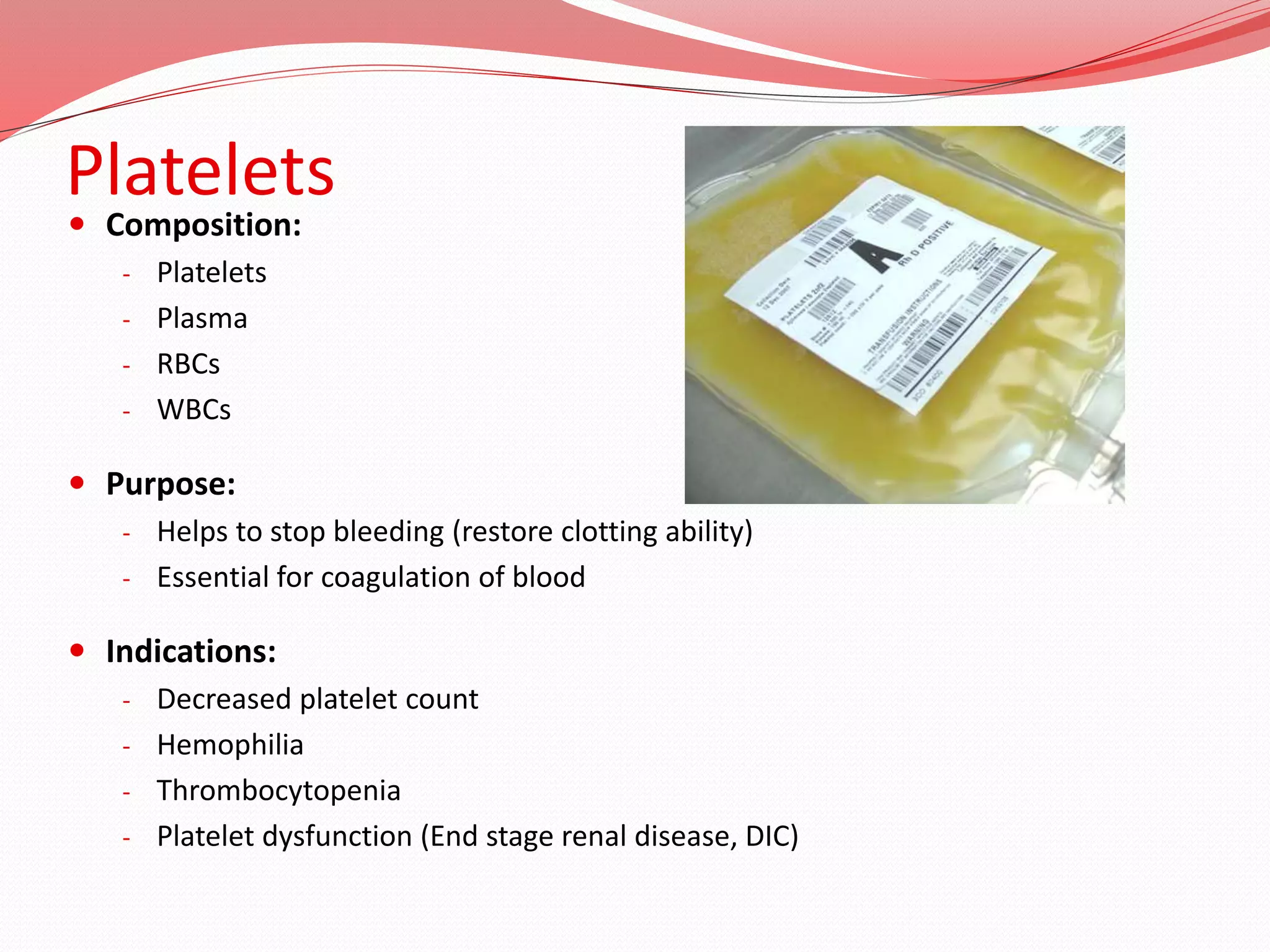
Platelets
 Composition:
- Platelets
- Plasma
- RBCs
- WBCs
 Purpose:
- Helps to stop bleeding (restore clotting ability)
- Essential for coagulation of blood
 Indications:
- Decreased platelet count
- Hemophilia
- Thrombocytopenia
- Platelet dysfunction (End stage renal disease, DIC)
White Blood Cells (WBCs)
 Composition:
- WBCs or leukocytes suspended in 20% of the plasma
 Purpose:
- Increase number of WBC’s
- Replaces WBC’s that are functioning abnormally
 Indications:
- Sepsis (not responsive to antibiotics)
- Persistent fever
- Granulocytopenia
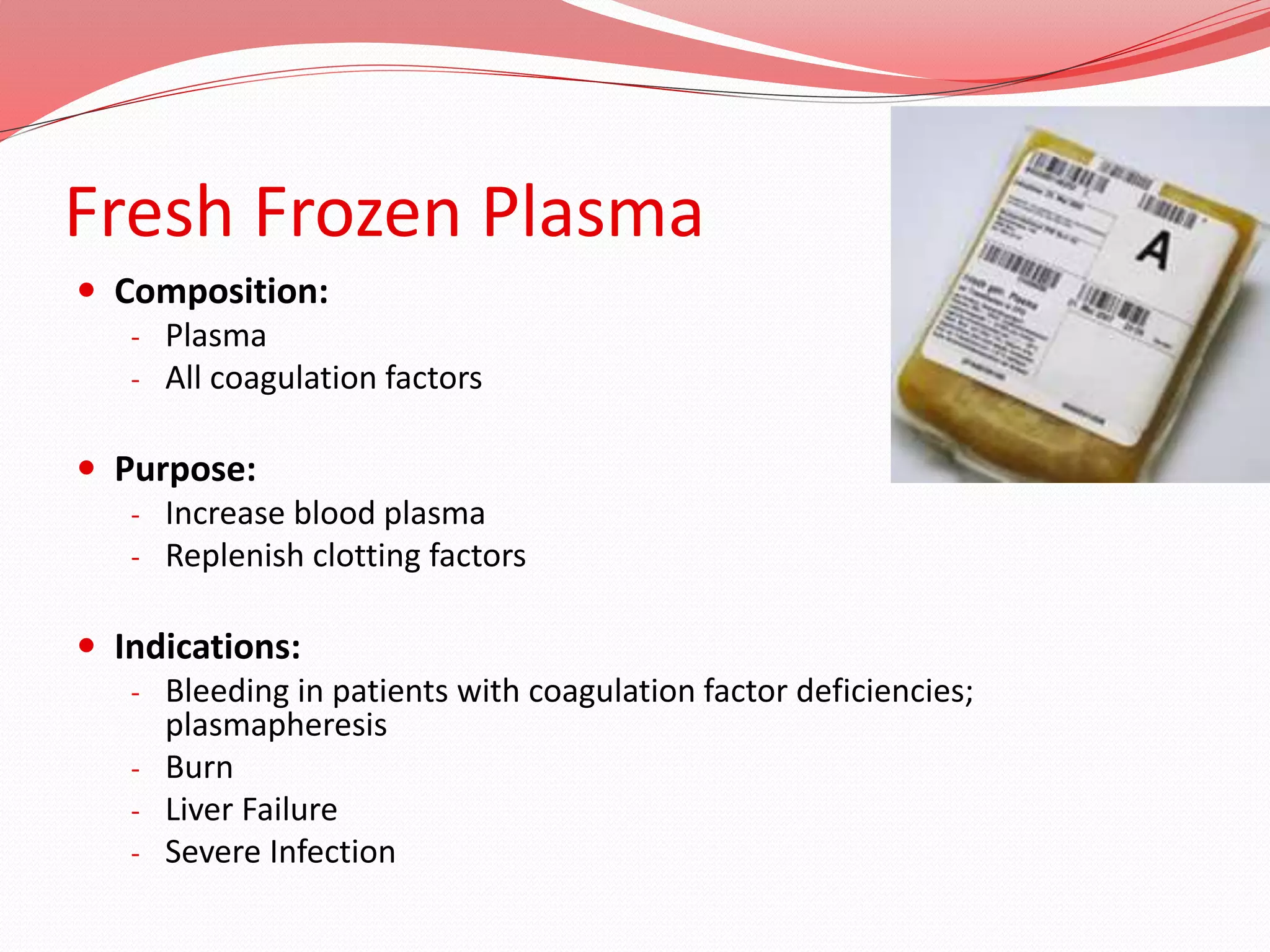
Fresh Frozen Plasma
 Composition:
- Plasma
- All coagulation factors
 Purpose:
- Increase blood plasma
- Replenish clotting factors
 Indications:
- Bleeding in patients with coagulation factor deficiencies;
plasmapheresis
- Burn
- Liver Failure
- Severe Infection
Albumin
 Composition:
- Albumin
 Purpose:
- Volume expansion leading to increased blood volume
 Indications:
- Hypoproteinemia
- Burns
- Shock
- Trauma
- Surgery
- Infections
Nursing Implications
Before transfusion:
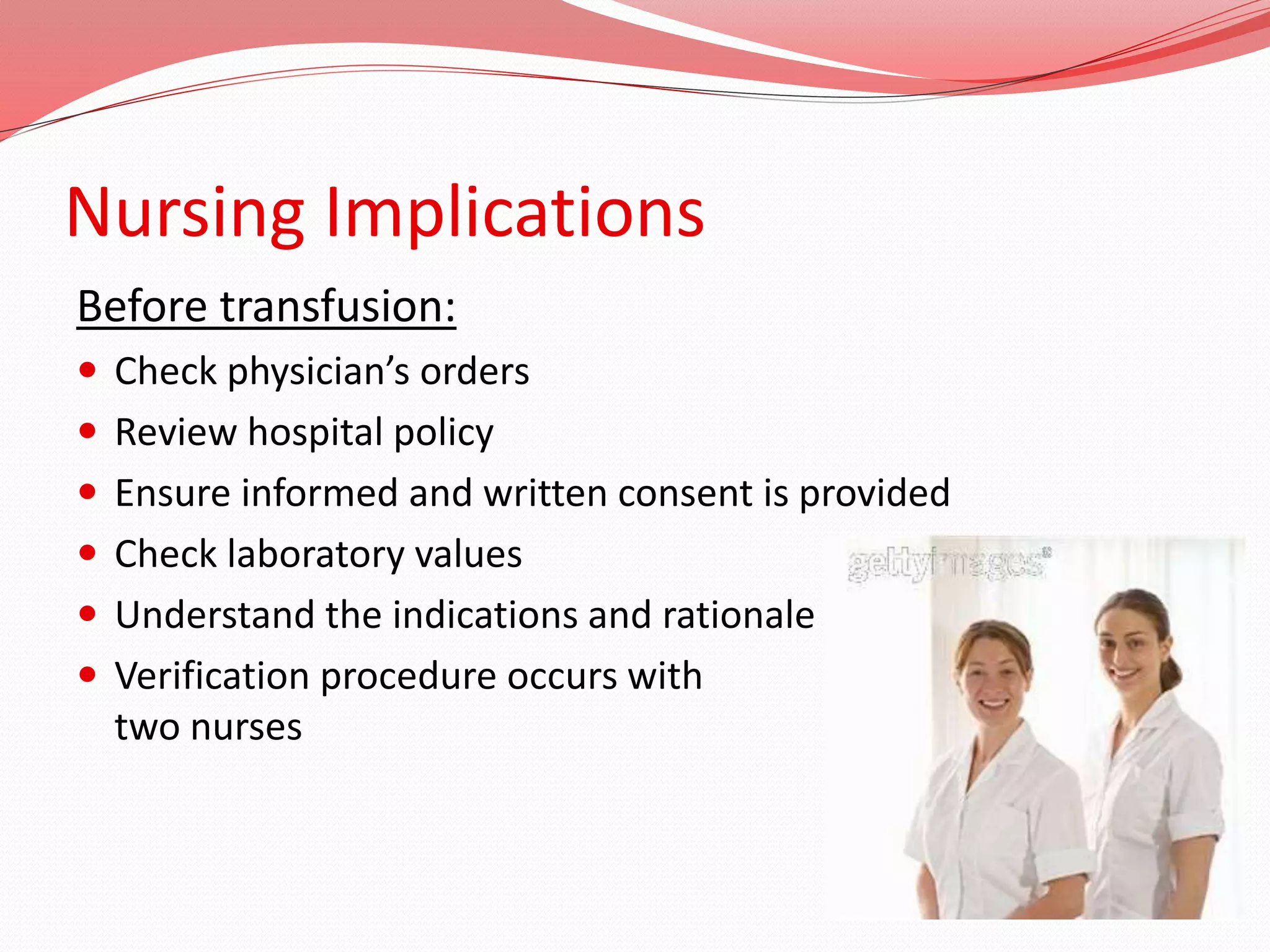
 Check physician’s orders
 Review hospital policy
 Ensure informed and written consent is provided
 Check laboratory values
 Understand the indications and rationale
 Verification procedure occurs with
two nurses
Nursing Implications Con’t
Before transfusion (con’t):
 Compatibility of blood type and Rh factor
 Inspect the blood product for discolouration, clots, leaking, or
presence of bubbles
 Check the unit number on the unit of blood and on the form
 Check the expiration date and time on unit of blood
 Ask client to state first and last name
 Check patient’s identification number on wristband and record
Nursing Implications Con’t
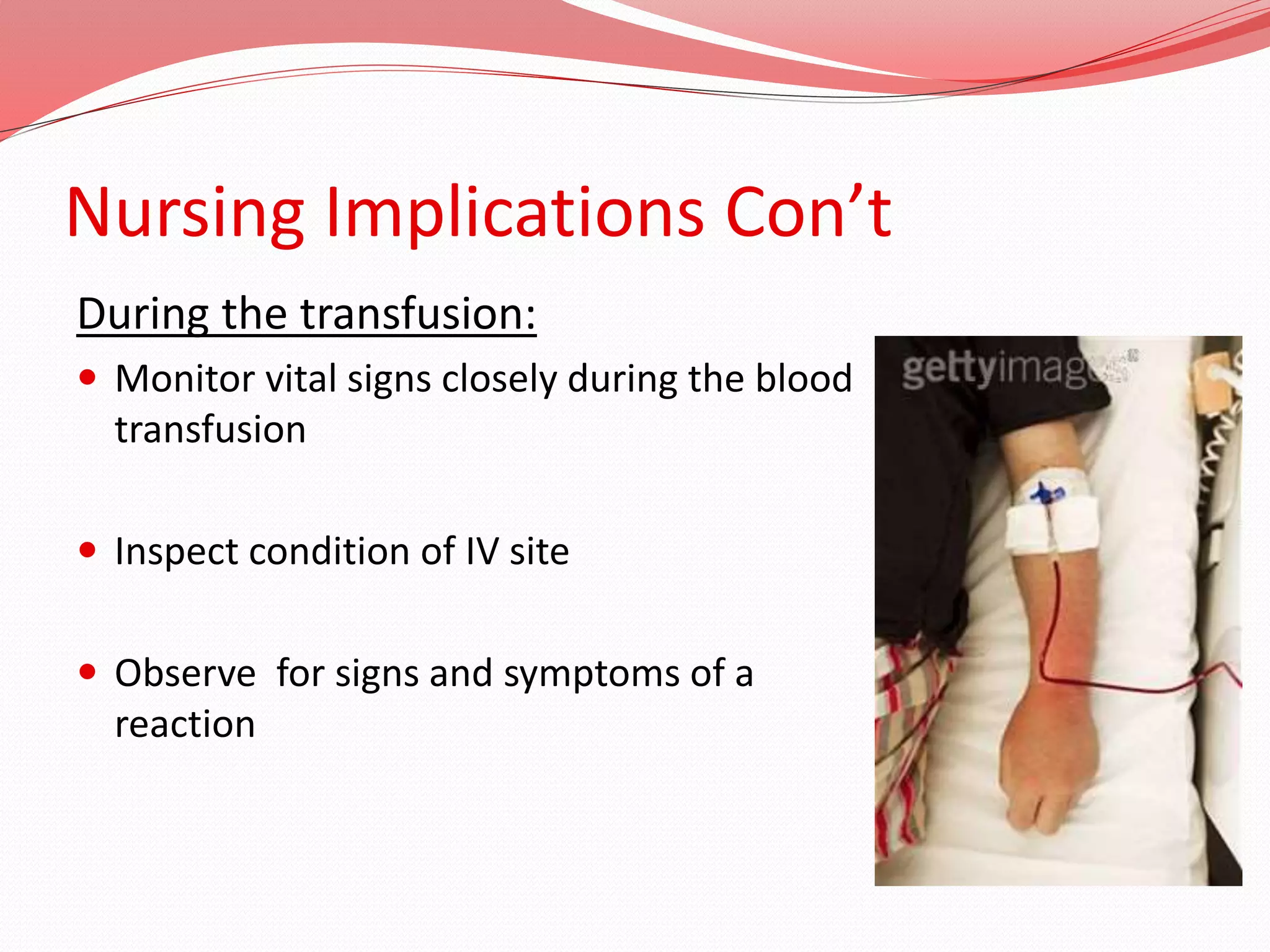
During the transfusion:
 Monitor vital signs closely during the blood
transfusion
 Inspect condition of IV site
 Observe for signs and symptoms of a
reaction
Nursing Implications Con’t
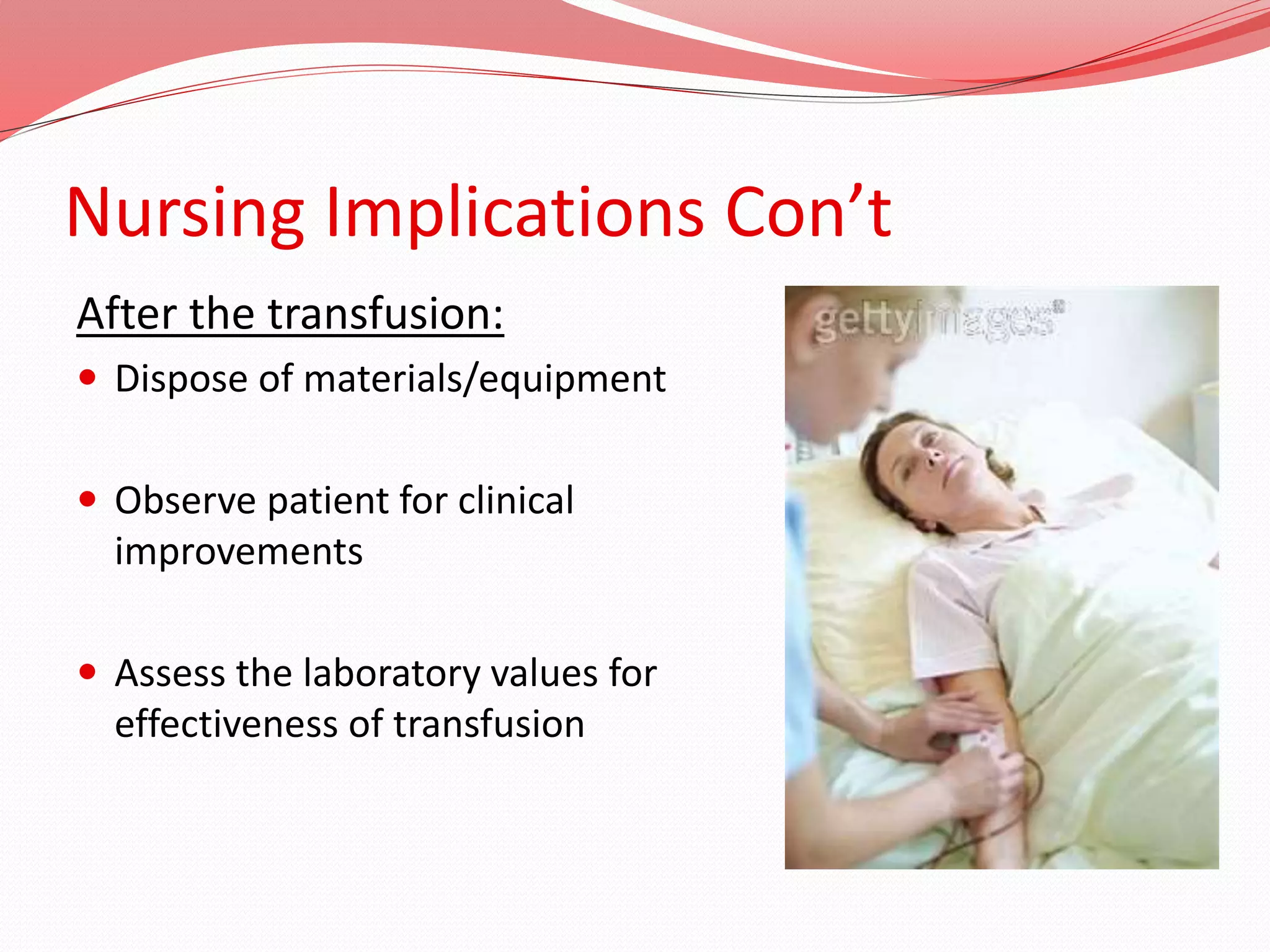
After the transfusion:
 Dispose of materials/equipment
 Observe patient for clinical
improvements
 Assess the laboratory values for
effectiveness of transfusion
Documentation
 Verification procedure
 Type of blood
 Amount administered
 Vital signs
 Patient’s response to therapy
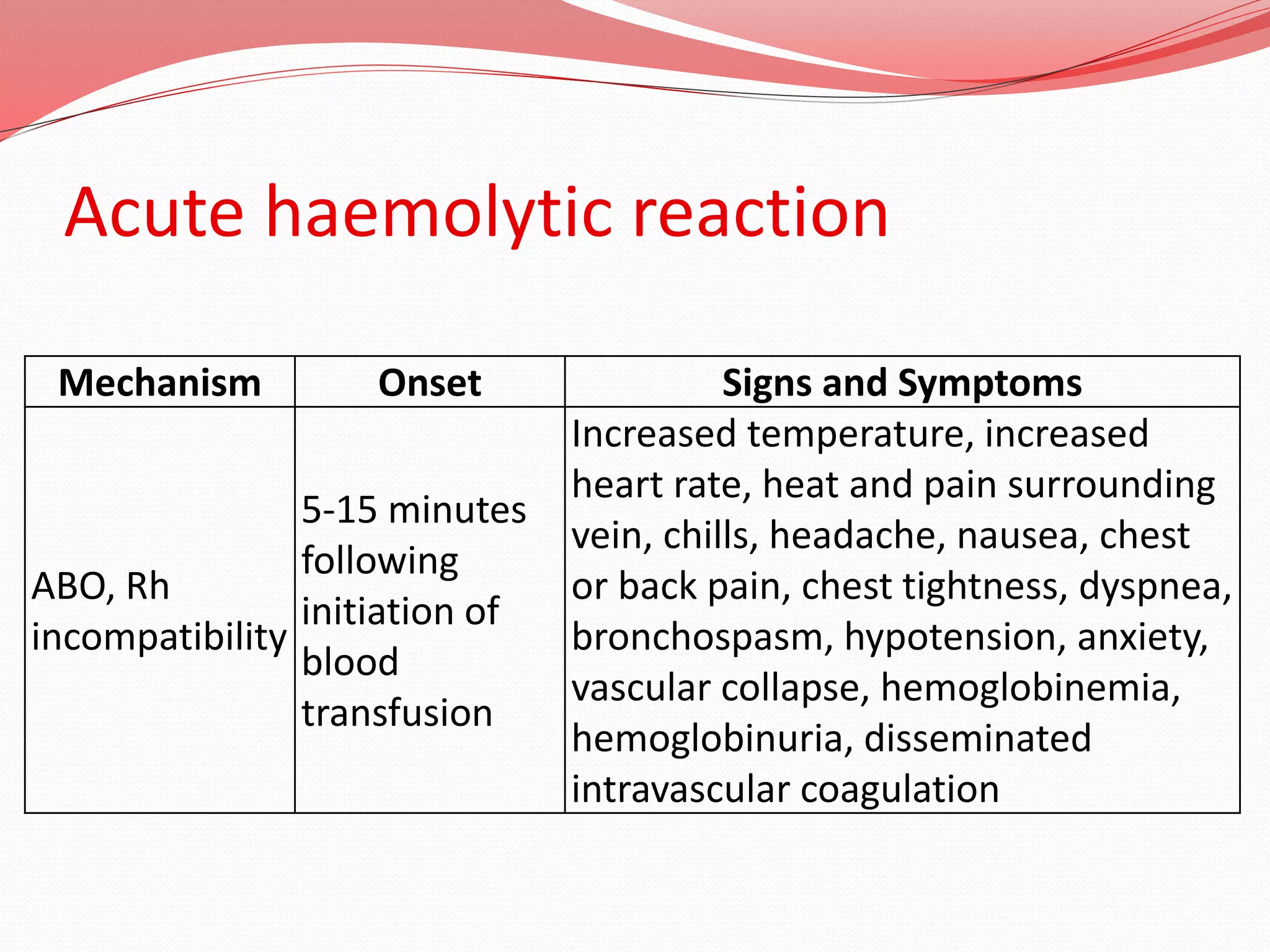
Mechanism Onset Signs and Symptoms
ABO, Rh
incompatibility
5-15 minutes
following
initiation of
blood
transfusion
Increased temperature, increased
heart rate, heat and pain surrounding
vein, chills, headache, nausea, chest
or back pain, chest tightness, dyspnea,
bronchospasm, hypotension, anxiety,
vascular collapse, hemoglobinemia,
hemoglobinuria, disseminated
intravascular coagulation
Acute haemolytic reaction
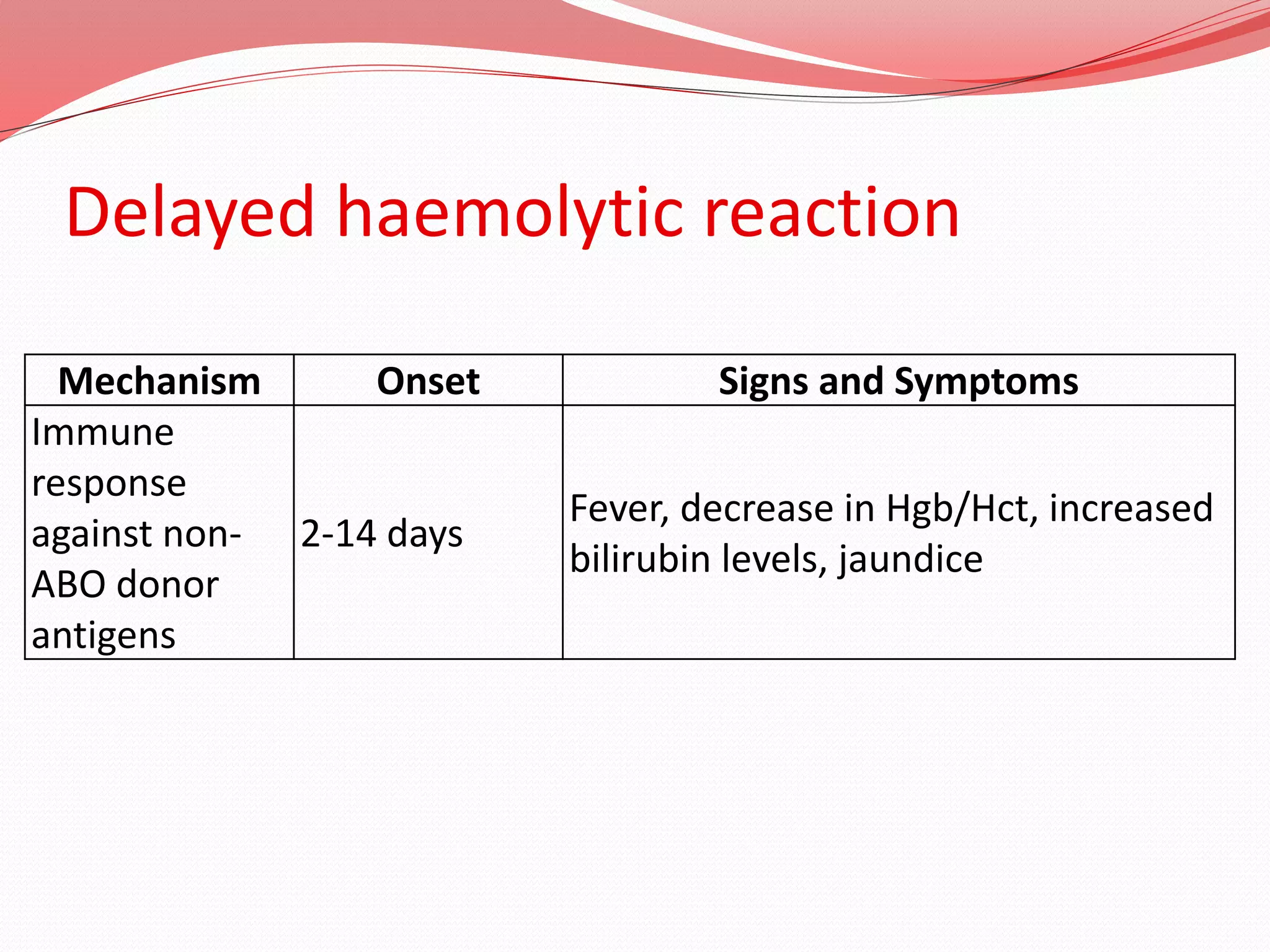
Delayed haemolytic reaction
Mechanism Onset Signs and Symptoms
Immune
response
against non-
ABO donor
antigens
2-14 days
Fever, decrease in Hgb/Hct, increased
bilirubin levels, jaundice
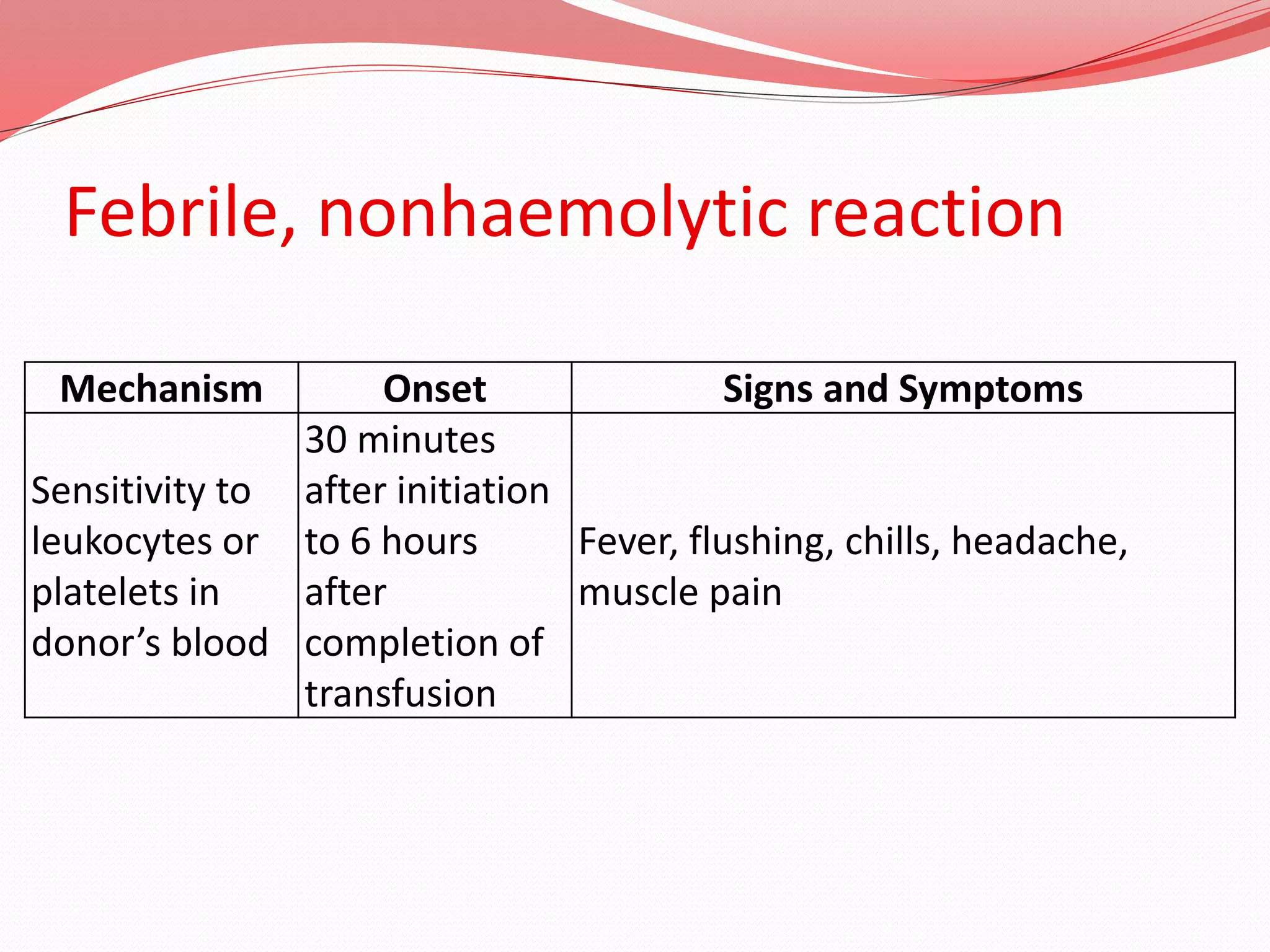
Febrile, nonhaemolytic reaction
Mechanism Onset Signs and Symptoms
Sensitivity to
leukocytes or
platelets in
donor’s blood
30 minutes
after initiation
to 6 hours
after
completion of
transfusion
Fever, flushing, chills, headache,
muscle pain
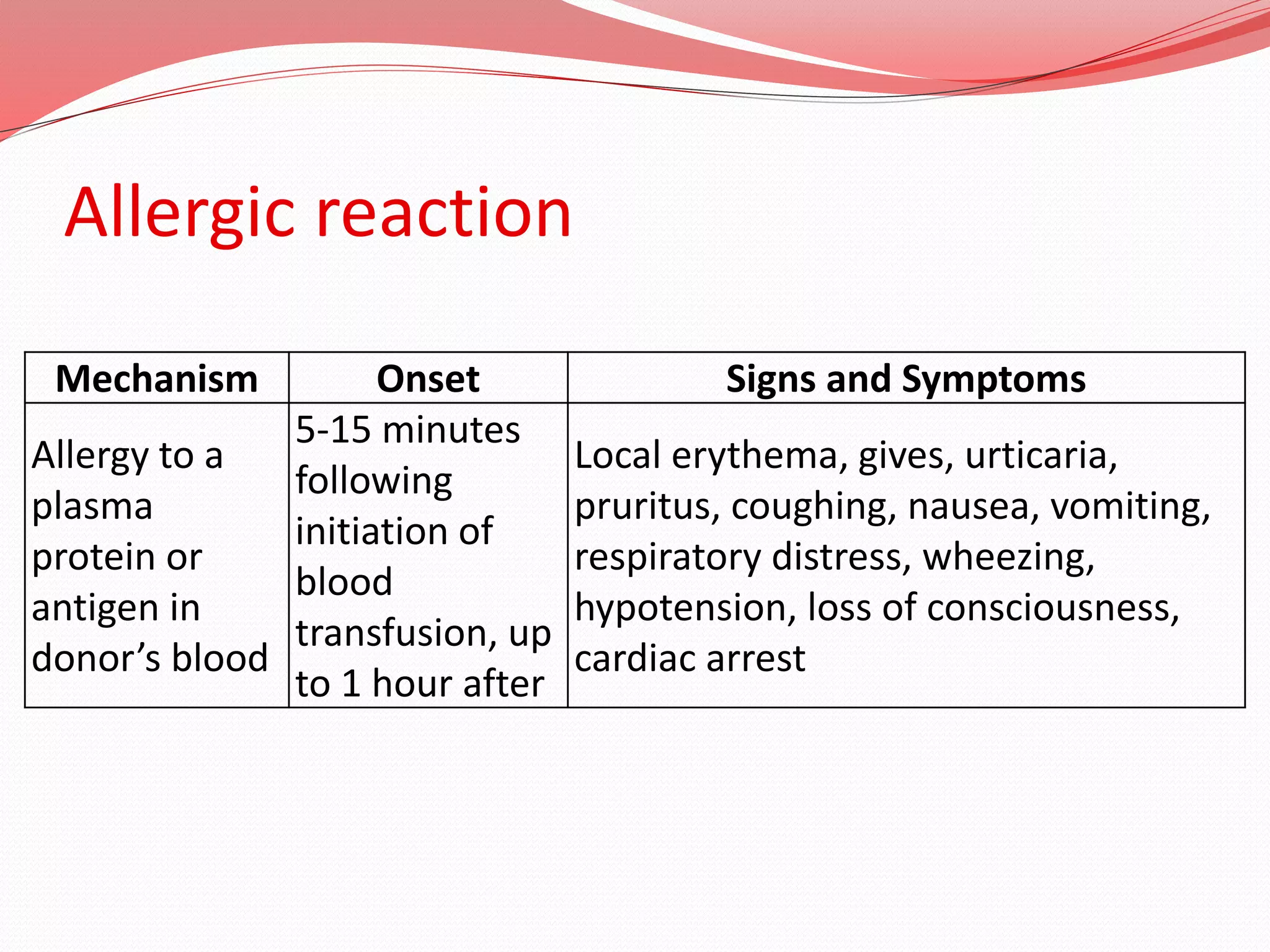
Allergic reaction
Mechanism Onset Signs and Symptoms
Allergy to a
plasma
protein or
antigen in
donor’s blood
5-15 minutes
following
initiation of
blood
transfusion, up
to 1 hour after
Local erythema, gives, urticaria,
pruritus, coughing, nausea, vomiting,
respiratory distress, wheezing,
hypotension, loss of consciousness,
cardiac arrest
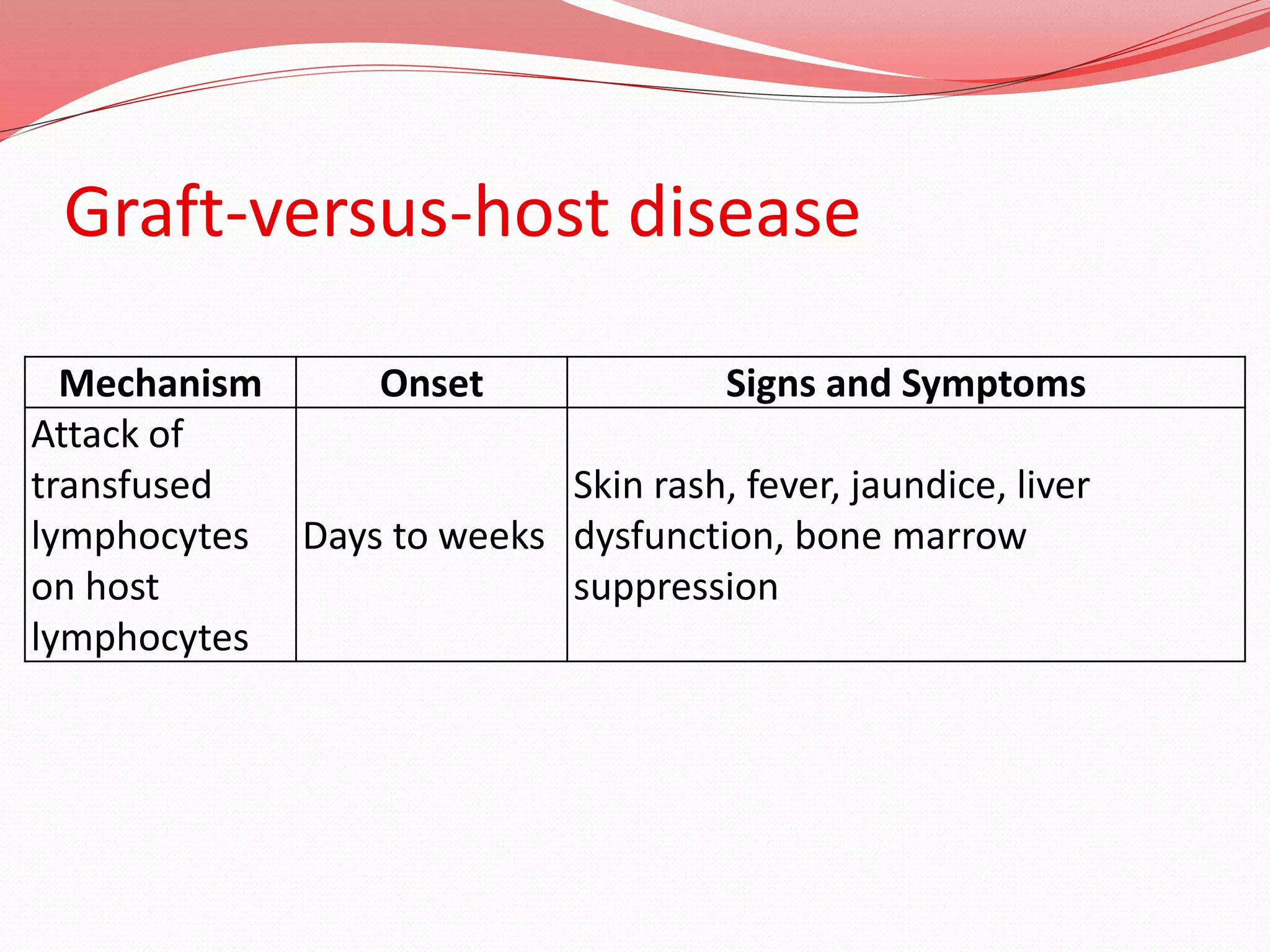
Graft-versus-host disease
Mechanism Onset Signs and Symptoms
Attack of
transfused
lymphocytes
on host
lymphocytes
Days to weeks
Skin rash, fever, jaundice, liver
dysfunction, bone marrow
suppression
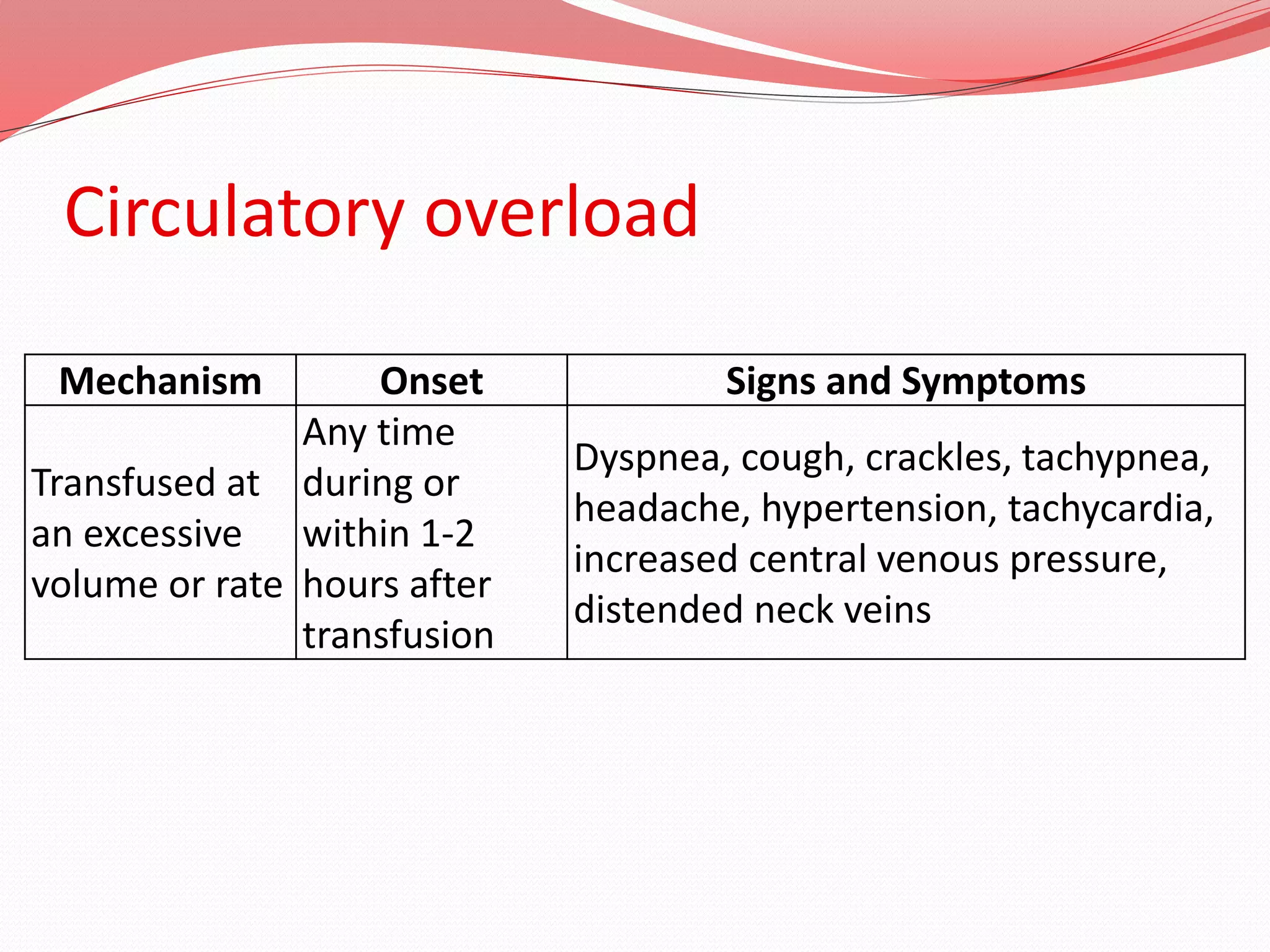
Circulatory overload
Mechanism Onset Signs and Symptoms
Transfused at
an excessive
volume or rate
Any time
during or
within 1-2
hours after
transfusion
Dyspnea, cough, crackles, tachypnea,
headache, hypertension, tachycardia,
increased central venous pressure,
distended neck veins
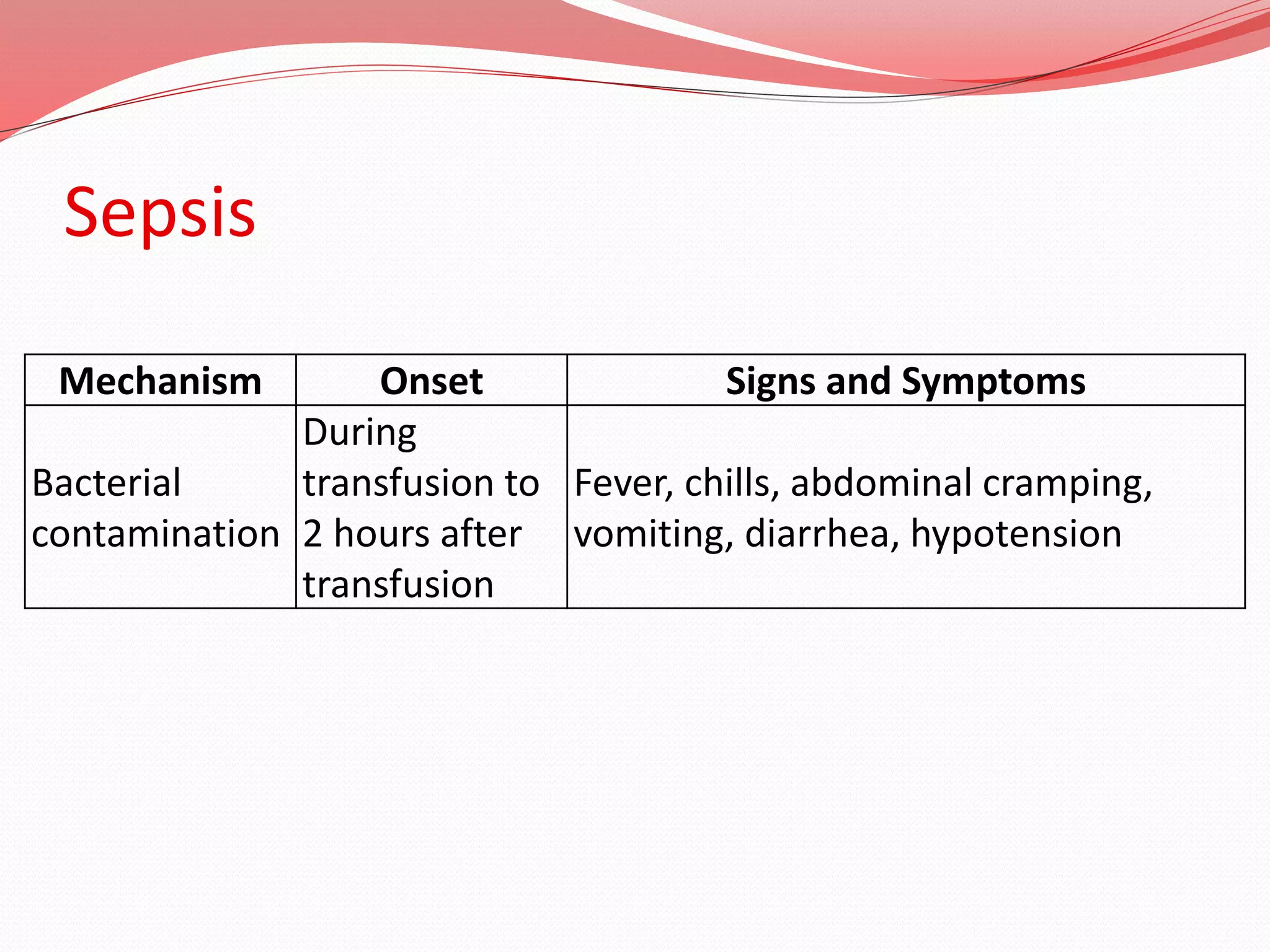
Sepsis
Mechanism Onset Signs and Symptoms
Bacterial
contamination
During
transfusion to
2 hours after
transfusion
Fever, chills, abdominal cramping,
vomiting, diarrhea, hypotension
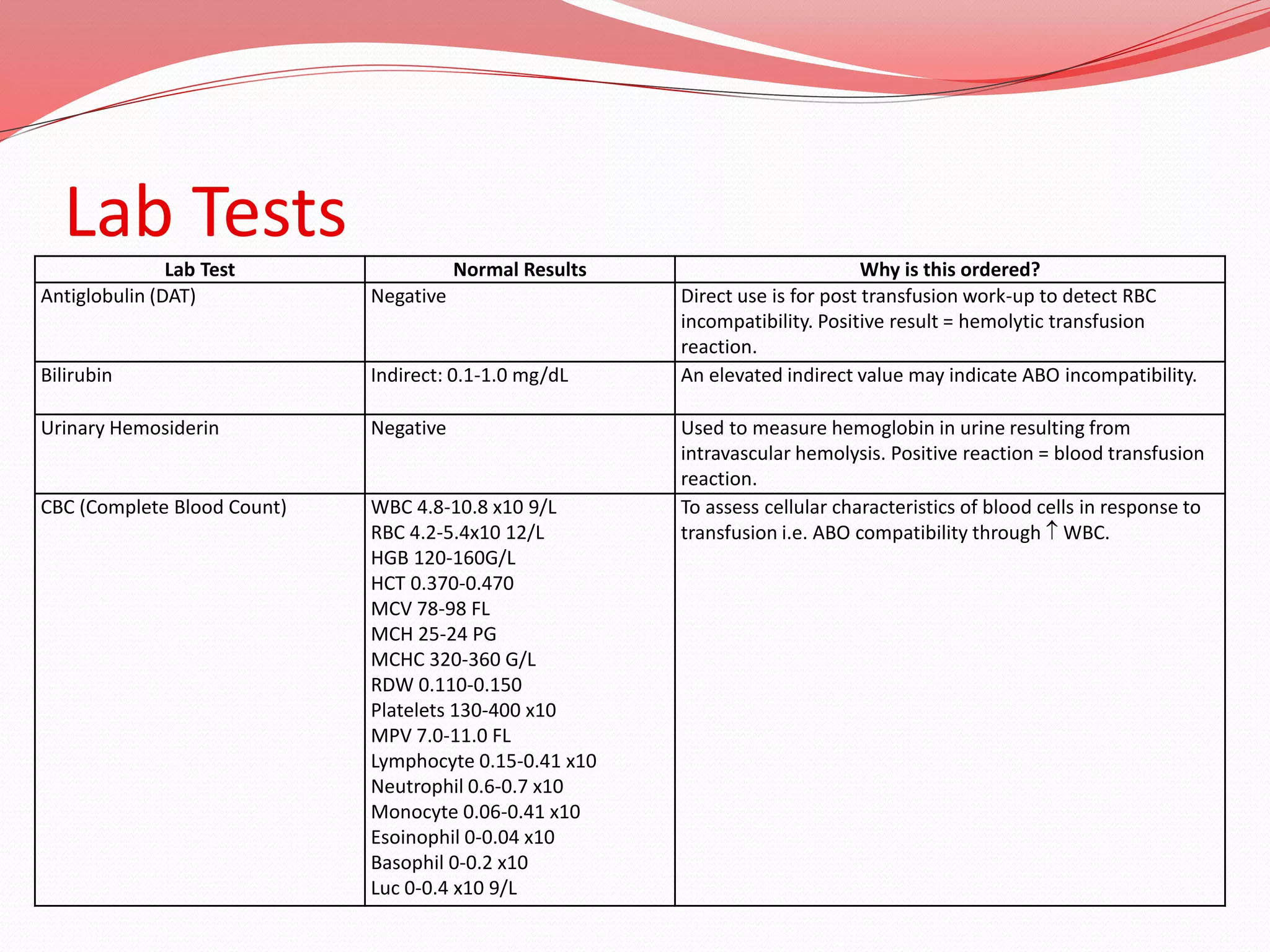
Lab Tests
Lab Test Normal Results Why is this ordered?
Antiglobulin (DAT) Negative Direct use is for post transfusion work-up to detect RBC
incompatibility. Positive result = hemolytic transfusion
reaction.
Bilirubin Indirect: 0.1-1.0 mg/dL An elevated indirect value may indicate ABO incompatibility.
Urinary Hemosiderin Negative Used to measure hemoglobin in urine resulting from
intravascular hemolysis. Positive reaction = blood transfusion
reaction.
CBC (Complete Blood Count) WBC 4.8-10.8 x10 9/L
RBC 4.2-5.4x10 12/L
HGB 120-160G/L
HCT 0.370-0.470
MCV 78-98 FL
MCH 25-24 PG
MCHC 320-360 G/L
RDW 0.110-0.150
Platelets 130-400 x10
MPV 7.0-11.0 FL
Lymphocyte 0.15-0.41 x10
Neutrophil 0.6-0.7 x10
Monocyte 0.06-0.41 x10
Esoinophil 0-0.04 x10
Basophil 0-0.2 x10
Luc 0-0.4 x10 9/L
To assess cellular characteristics of blood cells in response to
transfusion i.e. ABO compatibility through  WBC.
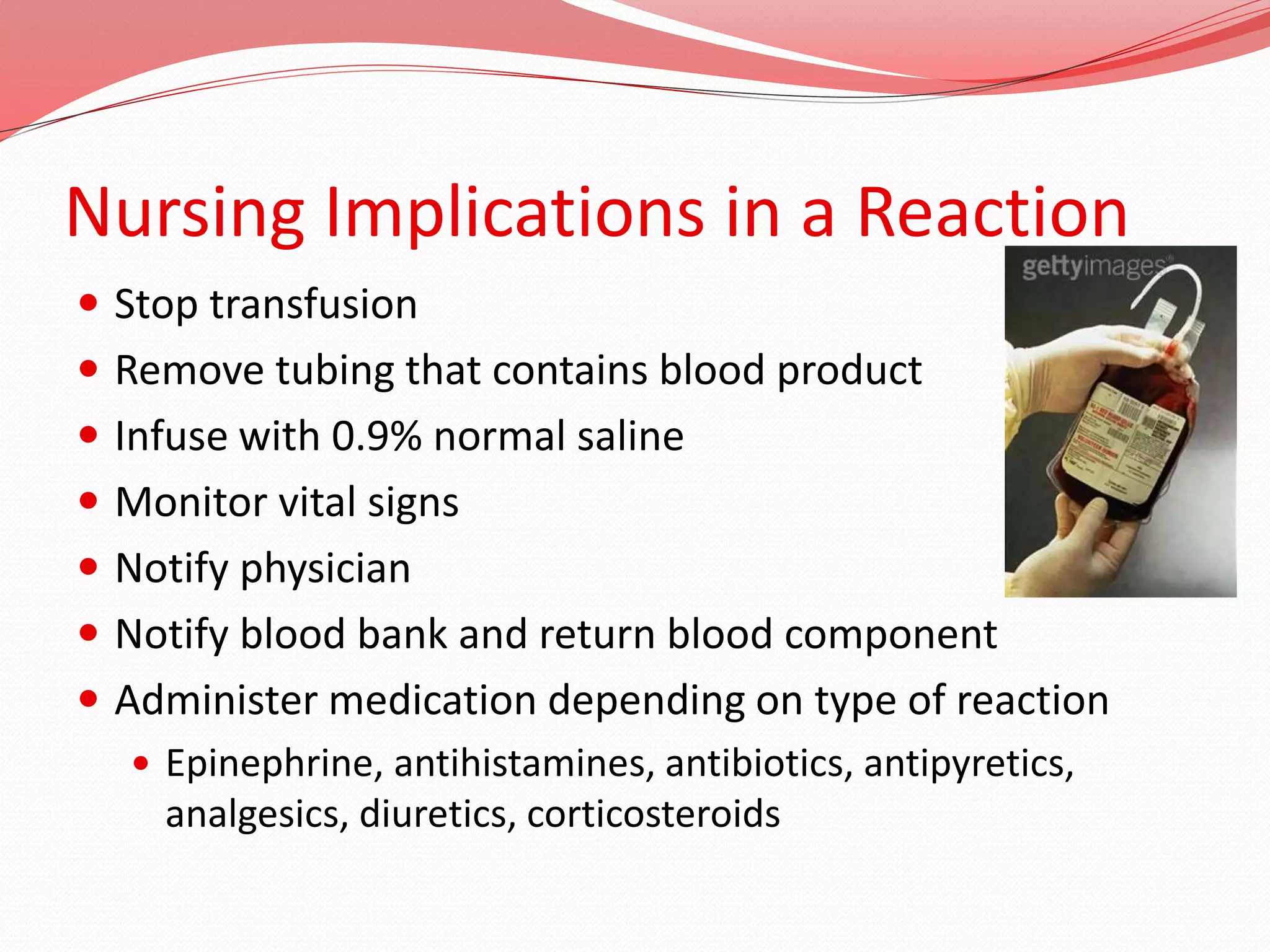
Nursing Implications in a Reaction
 Stop transfusion
 Remove tubing that contains blood product
 Infuse with 0.9% normal saline
 Monitor vital signs
 Notify physician
 Notify blood bank and return blood component
 Administer medication depending on type of reaction
 Epinephrine, antihistamines, antibiotics, antipyretics,
analgesics, diuretics, corticosteroids
Nursing Skill: Administering a
Blood Transfusion
Questions?
References
Bare, B., Smeltzer, S. C., Williams, B., Paul, P., & Day, R. A. (2004). Medical-surgical nursing (10th Ed.).
Philadelphia, PA: Lippincott Williams & Wilkins.
Be Transfusion Smart. (2010). Screening and diagnosis. Retrieved from
http://www.betransfusionsmart.com/patient/screening_diagnosis.jsp?site=PU019478&source=01030&irm
asrc=EXJWB0221&usertrack.filter_applied=true&NovaId=4029461999768351678
Blood Book. (2005). Common blood products. Retrieved from
http://www.bloodbook.com/products.html#Whole%20Blood
Brundage, S., Curet, M., Dicker, R., Greco, R., Gregg, D., Morton, J., Nguyen, T., Norton, J., Shelton, A., Spain, D.,
Tavana, L., & Welton, M. (2004). Blood transfusion protocol at Stanford surgery ICU. Retrieved from
www.scalpel.stanford.edu/ICU/.../Transfusion%20Medicine%20TICU.ppt
Cincinnati Children’s Association. d(2010). Hematology and blood tests and procedures. Retrieved from
http://www.cincinnatichildrens.org/health/info/blood/procedure/components.htm
Day, R. A., Paul, P., Williams, B., Smeltzer, S. C., & Bare, B. (2007). Brunner and Suddarth’s textbook of medical-
surgical nursing (1st Canadian Ed.). Philadelphia, PA: Lippincott Williams & Wilkins.
Malarkey, L., & McMorrow, M. (2005). Nursing guide to laboratory and diagnostic tests. St. Louis, MI: Elsevier
Saunders.
National Heart Lung and Blood Institute. (n.d). Types of blood transfusions. Retrieved from
http://www.nhlbi.nih.gov/health/dci/Diseases/bt/bt_types.html
North Bay General Hospital. (2006). Nursing practice manual: Transfusion, blood and blood products (Policy No.
NP 1-90).
Perry, A.G., & Potter, P. A. (2006). Clinical nursing skills & techniques (6th Ed.). St. Louis, MI: Mosby, Inc.
Watson, D., & Hearnshaw, K. (2010). Understanding blood groups and transfusion in nursing practice. Nursing
Standard, 24 (30), 41-48.

Blood transfusionpresentation

  • 1.
    Blood Transfusions By ChristinaBaier, Crystal Davidson, Dayna Legge, Christine Leblond, Jessica Luckett, and McKenzie Quevillion
  • 2.
    Overview  What isa blood transfusion?  Purpose  Indications  Blood products  Nursing implications  Administering a blood transfusion (skill)
  • 3.
    What is aBlood Transfusion?  Administration of blood or one of its components through an intravenous line (IV)  Reaches patient’s blood vessels and enters the circulatory system
  • 4.
    Purpose of aBlood Transfusion  Restore blood volume  Replace clotting factors  Improve oxygen carrying capacity  Restore blood elements that are depleted  Prevent complications
  • 5.
    Question  What wouldindicate the need for a blood transfusion?
  • 6.
    Lab Tests Lab TestNormal Results Why is this ordered? Type and crossmatch Based on ABO system Positive = incompatibility Negative = probable compatibility To determine the primary blood group, screen for antibodies and determine donor-recipient compatibility. Hbg (hemoglobin) Male 140-175 g/L Female 123-153 g/L Critical Value: Male <130 g/L Female <110 g/L Hbg carries oxygen in the blood. It can decrease due to blood loss. Hct (hematocrit) Male 41.5%-50.4% Female 25.9%-44.6% Critical Value: <18% or >54% Hct measures the proportion of blood volume occupied by RBCs. It decreases with blood loss and anemia. Platelet count 150,000-400000 cells/uL Critical Value: <50,000 cells/uL Platelets initiate the coagulation process. A decreased amount increases the risk for hemorrhage.
  • 7.
    Whole Blood  Composition: -Red Blood Cells - White Blood Cells - Plasma - Platelets - Hematocrit - Clotting Factors  Purpose: - Volume replacement - Increase oxygen-carrying capacity  Indications: - Significant blood loss (>25% blood lost, i.e. hemorrhage) - Newborn babies with hemolytic disease
  • 8.
    Packed Red BloodCells (RBCs)  Composition: - RBCs with little plasma (hematocrit about 75%) - Some platelets and WBCs remain  Purpose: - Increase RBC mass and oxygen-carrying capacity - Assists the body to rid carbon dioxide and other waste products  Indications: - Symptomatic and chronic anemia - Blood loss due to injury or surgery
  • 9.
    Platelets  Composition: - Platelets -Plasma - RBCs - WBCs  Purpose: - Helps to stop bleeding (restore clotting ability) - Essential for coagulation of blood  Indications: - Decreased platelet count - Hemophilia - Thrombocytopenia - Platelet dysfunction (End stage renal disease, DIC)
  • 10.
    White Blood Cells(WBCs)  Composition: - WBCs or leukocytes suspended in 20% of the plasma  Purpose: - Increase number of WBC’s - Replaces WBC’s that are functioning abnormally  Indications: - Sepsis (not responsive to antibiotics) - Persistent fever - Granulocytopenia
  • 11.
    Fresh Frozen Plasma Composition: - Plasma - All coagulation factors  Purpose: - Increase blood plasma - Replenish clotting factors  Indications: - Bleeding in patients with coagulation factor deficiencies; plasmapheresis - Burn - Liver Failure - Severe Infection
  • 12.
    Albumin  Composition: - Albumin Purpose: - Volume expansion leading to increased blood volume  Indications: - Hypoproteinemia - Burns - Shock - Trauma - Surgery - Infections
  • 13.
    Nursing Implications Before transfusion: Check physician’s orders  Review hospital policy  Ensure informed and written consent is provided  Check laboratory values  Understand the indications and rationale  Verification procedure occurs with two nurses
  • 14.
    Nursing Implications Con’t Beforetransfusion (con’t):  Compatibility of blood type and Rh factor  Inspect the blood product for discolouration, clots, leaking, or presence of bubbles  Check the unit number on the unit of blood and on the form  Check the expiration date and time on unit of blood  Ask client to state first and last name  Check patient’s identification number on wristband and record
  • 15.
    Nursing Implications Con’t Duringthe transfusion:  Monitor vital signs closely during the blood transfusion  Inspect condition of IV site  Observe for signs and symptoms of a reaction
  • 16.
    Nursing Implications Con’t Afterthe transfusion:  Dispose of materials/equipment  Observe patient for clinical improvements  Assess the laboratory values for effectiveness of transfusion
  • 17.
    Documentation  Verification procedure Type of blood  Amount administered  Vital signs  Patient’s response to therapy
  • 18.
    Mechanism Onset Signsand Symptoms ABO, Rh incompatibility 5-15 minutes following initiation of blood transfusion Increased temperature, increased heart rate, heat and pain surrounding vein, chills, headache, nausea, chest or back pain, chest tightness, dyspnea, bronchospasm, hypotension, anxiety, vascular collapse, hemoglobinemia, hemoglobinuria, disseminated intravascular coagulation Acute haemolytic reaction
  • 19.
    Delayed haemolytic reaction MechanismOnset Signs and Symptoms Immune response against non- ABO donor antigens 2-14 days Fever, decrease in Hgb/Hct, increased bilirubin levels, jaundice
  • 20.
    Febrile, nonhaemolytic reaction MechanismOnset Signs and Symptoms Sensitivity to leukocytes or platelets in donor’s blood 30 minutes after initiation to 6 hours after completion of transfusion Fever, flushing, chills, headache, muscle pain
  • 21.
    Allergic reaction Mechanism OnsetSigns and Symptoms Allergy to a plasma protein or antigen in donor’s blood 5-15 minutes following initiation of blood transfusion, up to 1 hour after Local erythema, gives, urticaria, pruritus, coughing, nausea, vomiting, respiratory distress, wheezing, hypotension, loss of consciousness, cardiac arrest
  • 22.
    Graft-versus-host disease Mechanism OnsetSigns and Symptoms Attack of transfused lymphocytes on host lymphocytes Days to weeks Skin rash, fever, jaundice, liver dysfunction, bone marrow suppression
  • 23.
    Circulatory overload Mechanism OnsetSigns and Symptoms Transfused at an excessive volume or rate Any time during or within 1-2 hours after transfusion Dyspnea, cough, crackles, tachypnea, headache, hypertension, tachycardia, increased central venous pressure, distended neck veins
  • 24.
    Sepsis Mechanism Onset Signsand Symptoms Bacterial contamination During transfusion to 2 hours after transfusion Fever, chills, abdominal cramping, vomiting, diarrhea, hypotension
  • 25.
    Lab Tests Lab TestNormal Results Why is this ordered? Antiglobulin (DAT) Negative Direct use is for post transfusion work-up to detect RBC incompatibility. Positive result = hemolytic transfusion reaction. Bilirubin Indirect: 0.1-1.0 mg/dL An elevated indirect value may indicate ABO incompatibility. Urinary Hemosiderin Negative Used to measure hemoglobin in urine resulting from intravascular hemolysis. Positive reaction = blood transfusion reaction. CBC (Complete Blood Count) WBC 4.8-10.8 x10 9/L RBC 4.2-5.4x10 12/L HGB 120-160G/L HCT 0.370-0.470 MCV 78-98 FL MCH 25-24 PG MCHC 320-360 G/L RDW 0.110-0.150 Platelets 130-400 x10 MPV 7.0-11.0 FL Lymphocyte 0.15-0.41 x10 Neutrophil 0.6-0.7 x10 Monocyte 0.06-0.41 x10 Esoinophil 0-0.04 x10 Basophil 0-0.2 x10 Luc 0-0.4 x10 9/L To assess cellular characteristics of blood cells in response to transfusion i.e. ABO compatibility through  WBC.
  • 26.
    Nursing Implications ina Reaction  Stop transfusion  Remove tubing that contains blood product  Infuse with 0.9% normal saline  Monitor vital signs  Notify physician  Notify blood bank and return blood component  Administer medication depending on type of reaction  Epinephrine, antihistamines, antibiotics, antipyretics, analgesics, diuretics, corticosteroids
  • 27.
    Nursing Skill: Administeringa Blood Transfusion
  • 28.
  • 29.
    References Bare, B., Smeltzer,S. C., Williams, B., Paul, P., & Day, R. A. (2004). Medical-surgical nursing (10th Ed.). Philadelphia, PA: Lippincott Williams & Wilkins. Be Transfusion Smart. (2010). Screening and diagnosis. Retrieved from http://www.betransfusionsmart.com/patient/screening_diagnosis.jsp?site=PU019478&source=01030&irm asrc=EXJWB0221&usertrack.filter_applied=true&NovaId=4029461999768351678 Blood Book. (2005). Common blood products. Retrieved from http://www.bloodbook.com/products.html#Whole%20Blood Brundage, S., Curet, M., Dicker, R., Greco, R., Gregg, D., Morton, J., Nguyen, T., Norton, J., Shelton, A., Spain, D., Tavana, L., & Welton, M. (2004). Blood transfusion protocol at Stanford surgery ICU. Retrieved from www.scalpel.stanford.edu/ICU/.../Transfusion%20Medicine%20TICU.ppt Cincinnati Children’s Association. d(2010). Hematology and blood tests and procedures. Retrieved from http://www.cincinnatichildrens.org/health/info/blood/procedure/components.htm Day, R. A., Paul, P., Williams, B., Smeltzer, S. C., & Bare, B. (2007). Brunner and Suddarth’s textbook of medical- surgical nursing (1st Canadian Ed.). Philadelphia, PA: Lippincott Williams & Wilkins. Malarkey, L., & McMorrow, M. (2005). Nursing guide to laboratory and diagnostic tests. St. Louis, MI: Elsevier Saunders. National Heart Lung and Blood Institute. (n.d). Types of blood transfusions. Retrieved from http://www.nhlbi.nih.gov/health/dci/Diseases/bt/bt_types.html North Bay General Hospital. (2006). Nursing practice manual: Transfusion, blood and blood products (Policy No. NP 1-90). Perry, A.G., & Potter, P. A. (2006). Clinical nursing skills & techniques (6th Ed.). St. Louis, MI: Mosby, Inc. Watson, D., & Hearnshaw, K. (2010). Understanding blood groups and transfusion in nursing practice. Nursing Standard, 24 (30), 41-48.

Editor's Notes

  • #5 How many liters of blood are in your body? - There are 5L of blood in your body or 70ml/Kg = 7% of body weight
  • #6 Replace blood losses due to serious injury or surgeries, inadequate components, view lab values
  • #10 - helps to stop bleeding - including internal bleeding
  • #28 See checklist