Bleeding disorders
Dr. Umme Kulsum Munmun
Assistant Professor (Pathology)
Chandpur Medical College
PHYSIOLOGY OF HEMOSTASIS
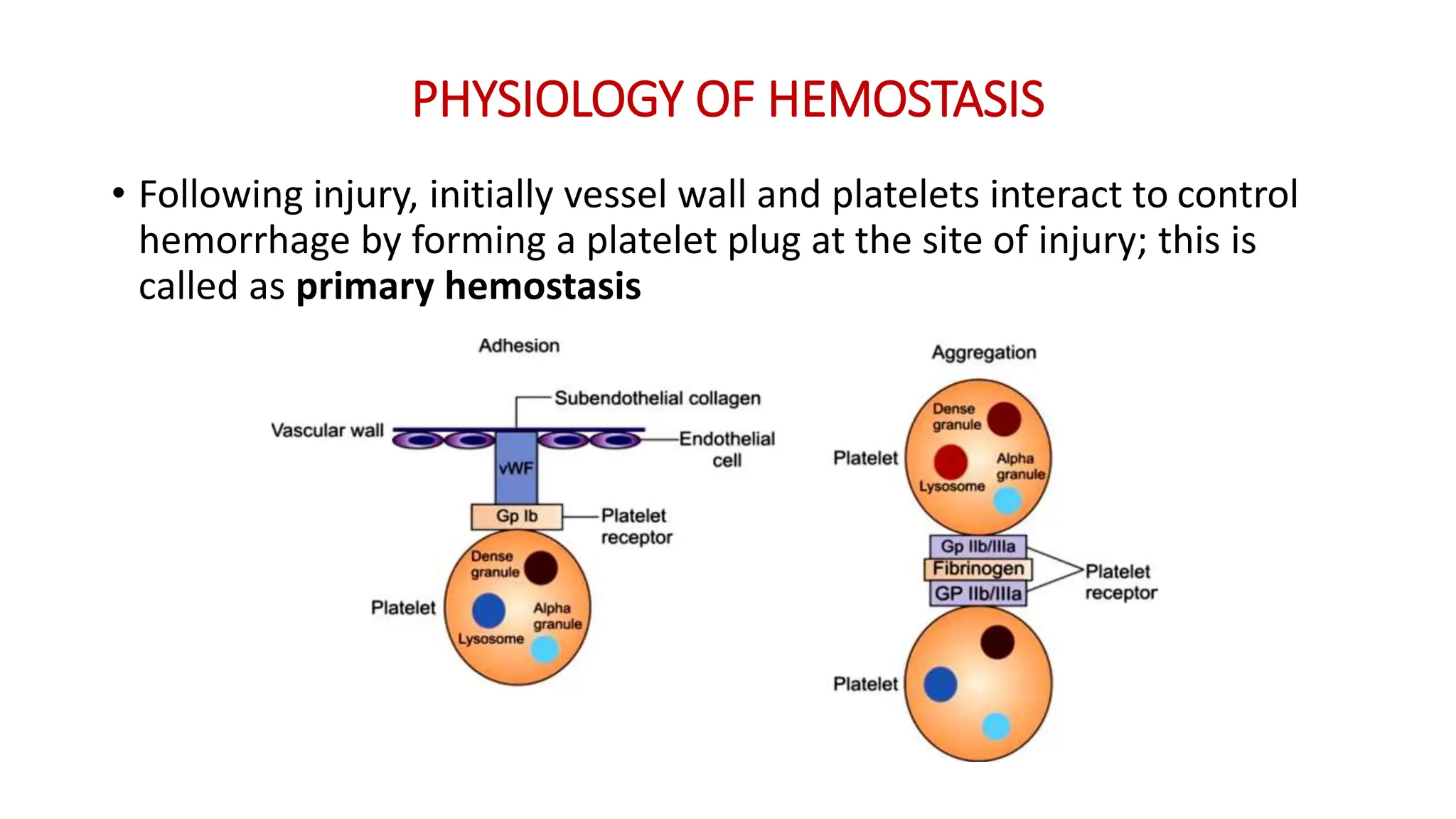
• Following injury, initially vessel wall and platelets interact to control
hemorrhage by forming a platelet plug at the site of injury; this is
called as primary hemostasis
• This is followed by activation of coagulation factors by a series of enzymatic
reactions to form a stable fibrin clot (platelet plug enmeshed by fibrin); this is
secondary hemostasis
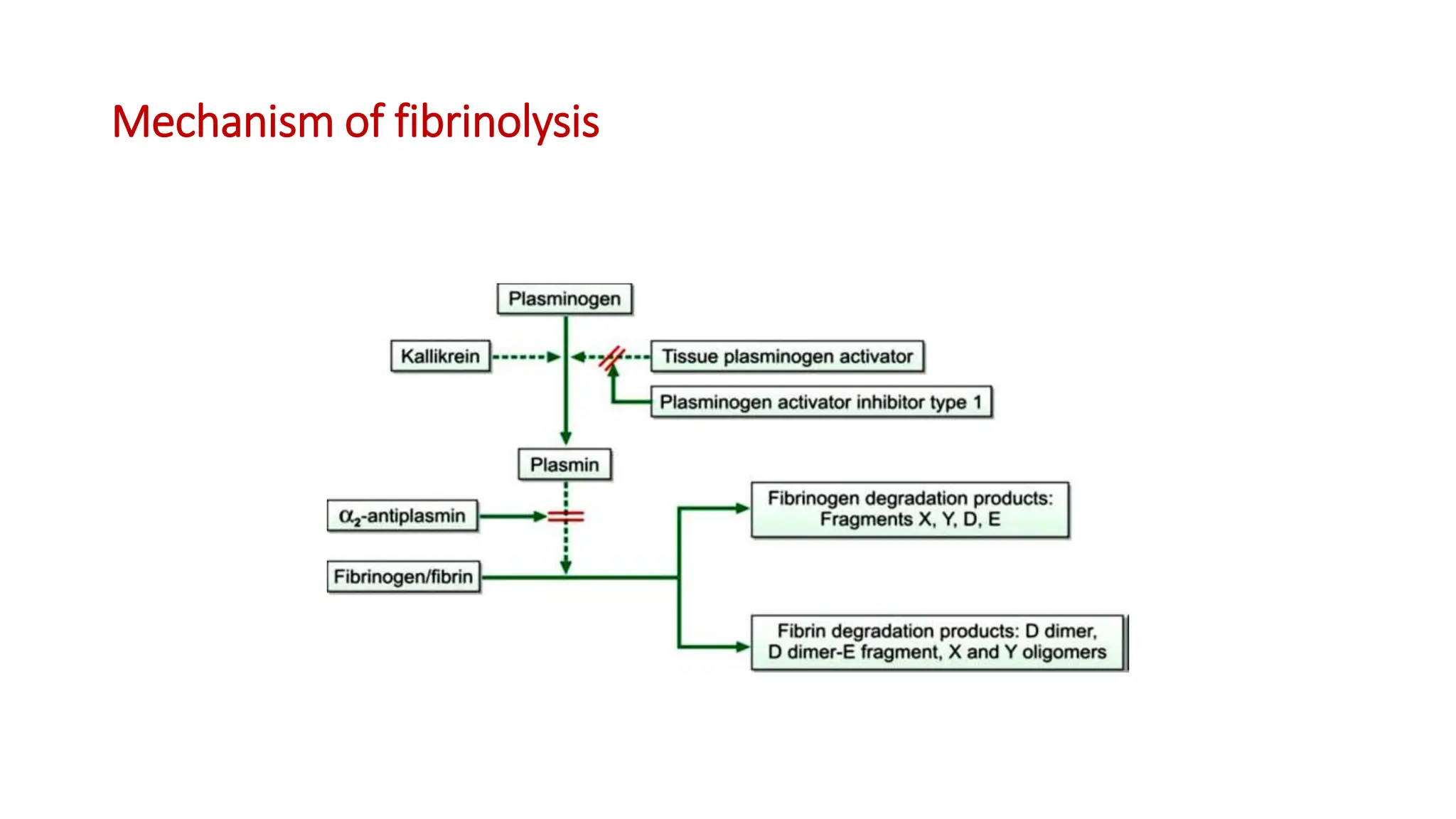
• Dissolution of the clot will eventually occur by fibrinolysis when
healing is complete
• Hemostatic equilibrium requires normal blood vessels, normal
platelets, normal coagulation factors, normal fibrinolysis, and normal
coagulation inhibitor system
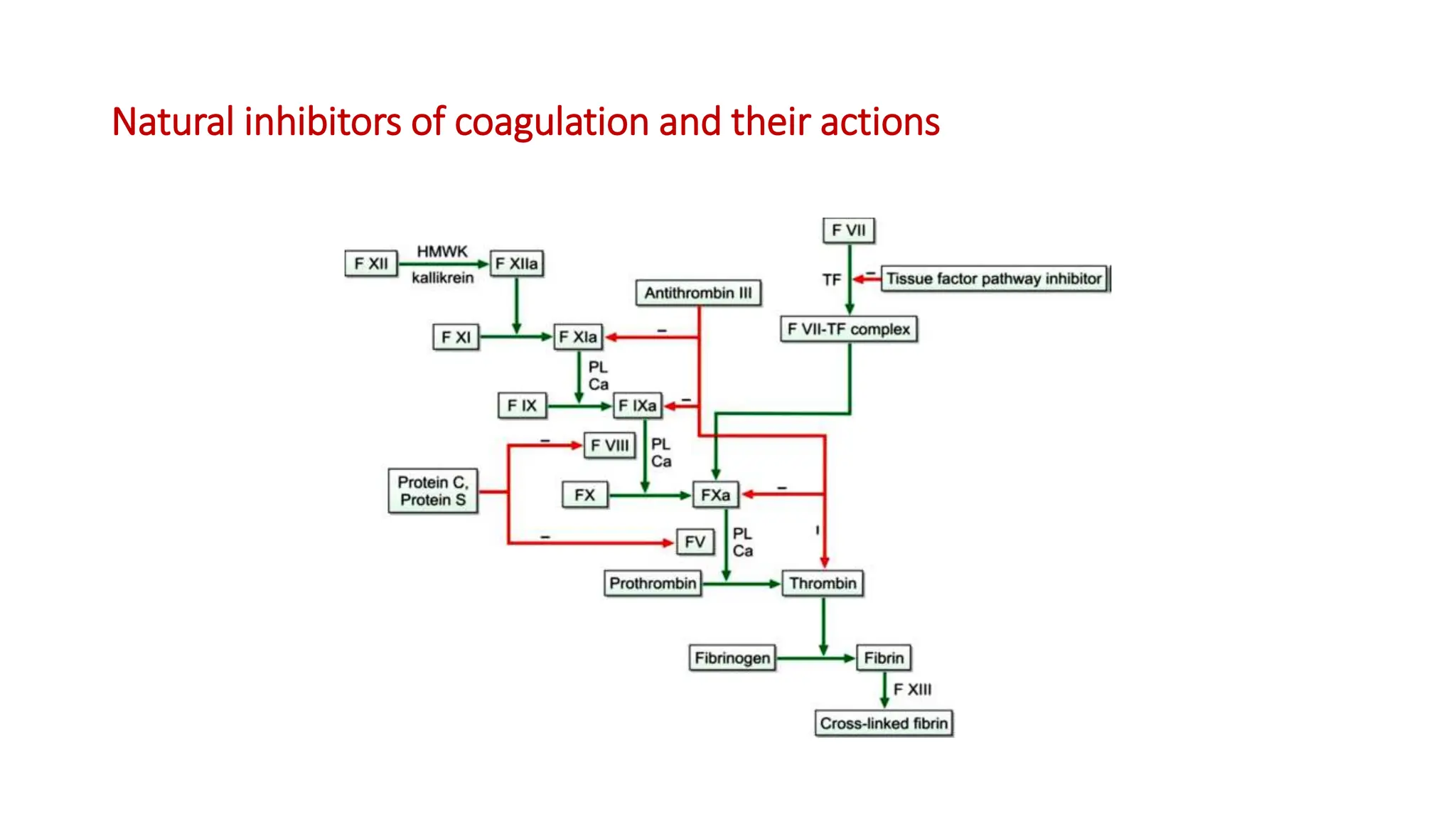
• Several physiologic inhibitors of coagulation are present: tissue factor
pathway inhibitor, antithrombin III, and protein C, protein S
Natural inhibitors of coagulation and their actions
Mechanism of fibrinolysis
Bleeding Disorders
Bleeding disorders result from defective haemostasis due to
• Abnormality of vascular wall
• Abnormalities of platelets
• Abnormalities of coagulation factors
Bleeding terminology
• Petechiae: Tiny pinpoint areas of haemorrhage (≤ 2 mm in diameter) due to
vascular or platelet disorder. They usually occur in clusters and do not blanch on
pressure
• Purpura: Areas of haemorrhage ≥ 3 mm but less than 1 cm in diameter.
Appearance depends on age of lesion (red→purple→brown yellow). They do not
blanch on pressure. They occur in vascular or platelet disorder. Palpable purpura
is indicative of vasculitis. When occurring in mucosa, it is called as wet purpura
• Ecchymosis (Bruise): An area of extravasated blood in skin greater than 1 cm in
diameter. They result from trauma or haemostatic disorder
• Telangiectasia: These are spots or areas resulting from localised dilated blood
vessels. They blanch on pressure
• Haematoma: A swelling resulting from a large area of haemorrhage in
subcutaneous tissue or muscle. It does not blanch on pressure. It results from
trauma or coagulation disorder
• Haemarthrosis: Bleeding into a joint
Screening tests for bleeding disorder
Tests of primary haemostasis
• CBC, PBF:
 Quantitative and morphological abnormalities of
platelets
 Detection of underlying haematological disorder
• Bleeding time: Platelet and vascular phases
• PFA-100 system: Platelet function
Tests of secondary haemostasis
• Clotting time: Crude test of coagulation phase
• Prothrombin time (PT): Extrinsic and common
pathways
• Activated partial thromboplastin time (APTT):
Intrinsic and common pathways
Bleeding Time (BT)
• The bleeding time test assesses primary hemostasis (vascular and
platelet components) and is dependent on adequate functioning of
platelets and blood vessels
• In this test, a superficial skin puncture or incision is made and the
time required for bleeding to stop is measured
• Three methods are commonly used: Duke’s, Ivy’s, and template
• Reference range: 2-7 minutes
Causes of prolongation of bleeding time:
• Thrombocytopaenia: Before carrying out a bleeding time test, a platelet
count should be obtained. If platelet count is <100,000/cmm, bleeding time
should not be carried out, as it will be prolonged
• Disorders of platelet function:
• Glanzmann’s thrombasthenia
• Bernard-Soulier syndrome
• Storage pool defect
• Ingestion of aspirin (within last 7 days of the test)
• Uraemia
• Myeloproliferative disorders, myelodysplasia
• Inherited disorders of coagulation: von Willebrand disease and
afibrinogenaemia
• Disorders of blood vessels
PFA (Platelet Function Analyser)-100
• The conventional test for assessment of primary haemostasis has
been measurement of bleeding time. However, this test is not
sufficiently specific and sensitive, produces variable results, and does
not correlate with significant bleeding
• This test is more sensitive than bleeding time to assess von
Willebrand disease and some platelet function disorders
Prothrombin Time (PT)
• PT assesses coagulation factors in extrinsic pathway (F VII) and
common pathway (F X, F V, prothrombin, and fibrinogen)
• Normal range: 11-16 seconds
• Causes of prolongation of PT
1. Treatment with oral anticoagulants
2. Liver disease
3. Vitamin K deficiency
4. Disseminated intravascular coagulation
5. Inherited deficiency of factors in extrinsic and common pathways
• International Normalized Ratio (INR):
Activated Partial Thromboplastin Time (APTT)
• APTT measures activity of coagulation factors in intrinsic pathway (F
XII, F XI, high molecular weight kininogen, prekallikrein, F IX, and F
VIII) and common pathway (F X, F V, prothrombin, and fibrinogen)
• Normal range of APTT is 30 to 40 seconds
• Causes of prolongation of APTT
1. Hemophilia A or B
2. Deficiencies of other coagulation factors in intrinsic
and common pathways.
3. Presence of coagulation inhibitors
4. Heparin therapy
5. Disseminated intravascular coagulation
6. Liver disease
Thrombin Time (TT)
• Thrombin time assesses the final step of coagulation i.e. conversion of
fibrinogen to fibrin by thrombin
• Normal range is 8 to 12 seconds. Prolongation of thrombin time
occurs in:
1. Disorders of fibrinogen
2. Presence of heparin in plasma
3. Chronic liver disease
4. Fibrinogen/Fibrin degradation products
Coagulation factors measured by three screening tests: prothrombin time (PT),
activated partial thromboplastin time (APTT), and thrombin time (TT)
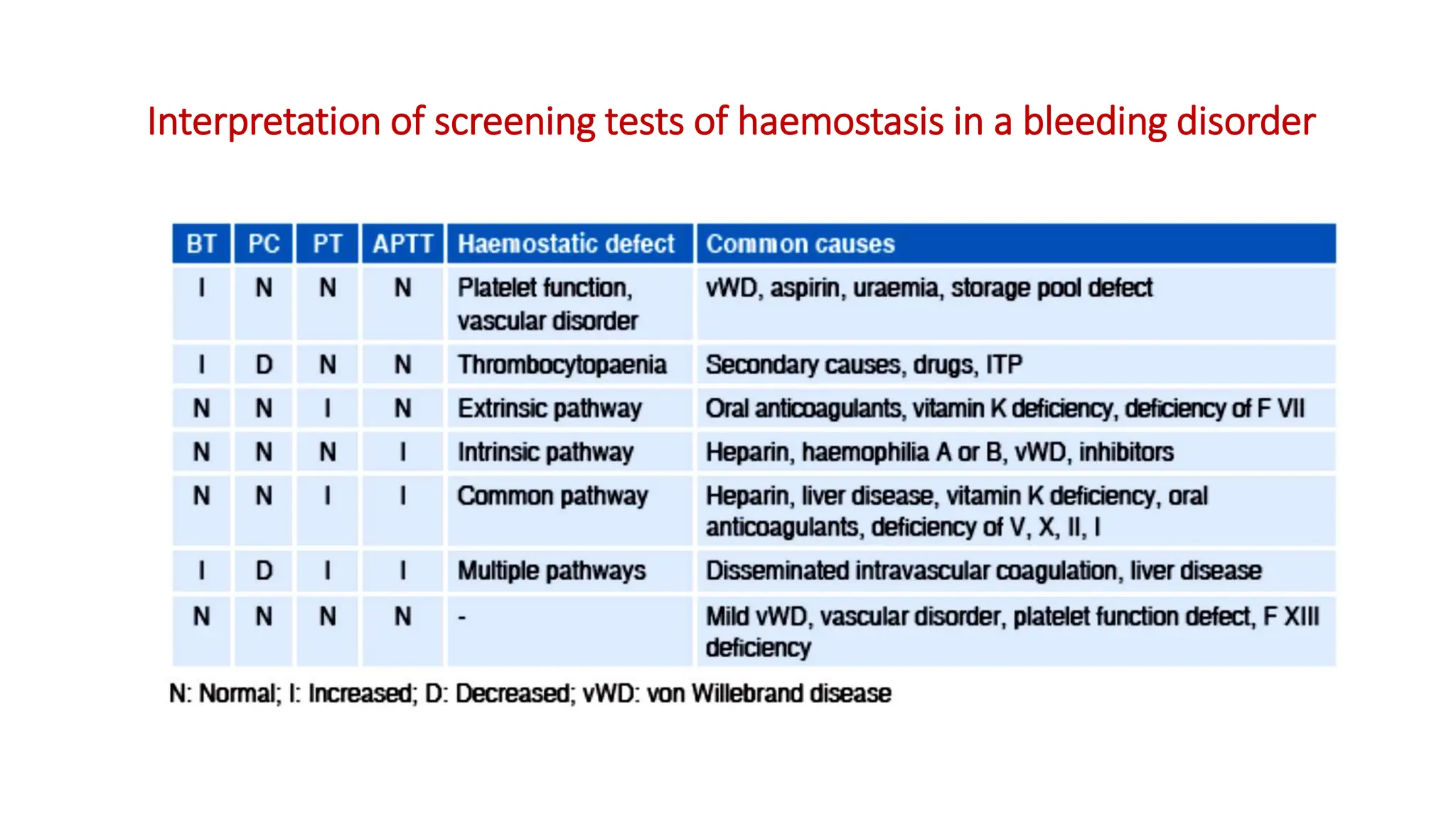
Interpretation of screening tests of haemostasis in a bleeding disorder
Bleeding Disorders Caused by Abnormalities of Blood Vessels
(The Vascular Purpuras)
Bleeding Disorders Caused by Abnormalities of Platelets
Bleeding disorders caused by platelets include:
(i) Thrombocytopaenia
(ii)Disorders of Platelet Function
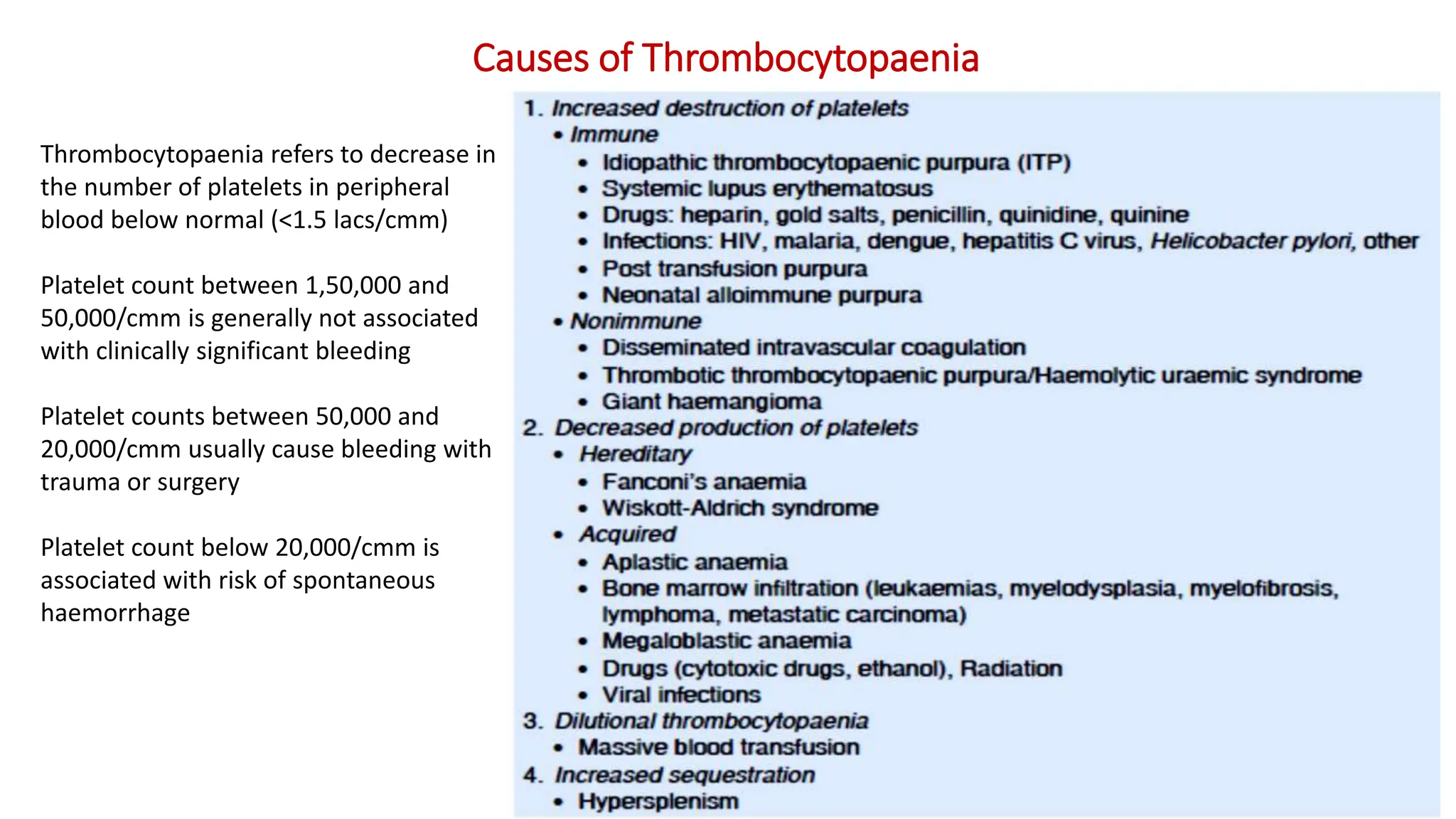
Causes of Thrombocytopaenia
Thrombocytopaenia refers to decrease in
the number of platelets in peripheral
blood below normal (<1.5 lacs/cmm)
Platelet count between 1,50,000 and
50,000/cmm is generally not associated
with clinically significant bleeding
Platelet counts between 50,000 and
20,000/cmm usually cause bleeding with
trauma or surgery
Platelet count below 20,000/cmm is
associated with risk of spontaneous
haemorrhage
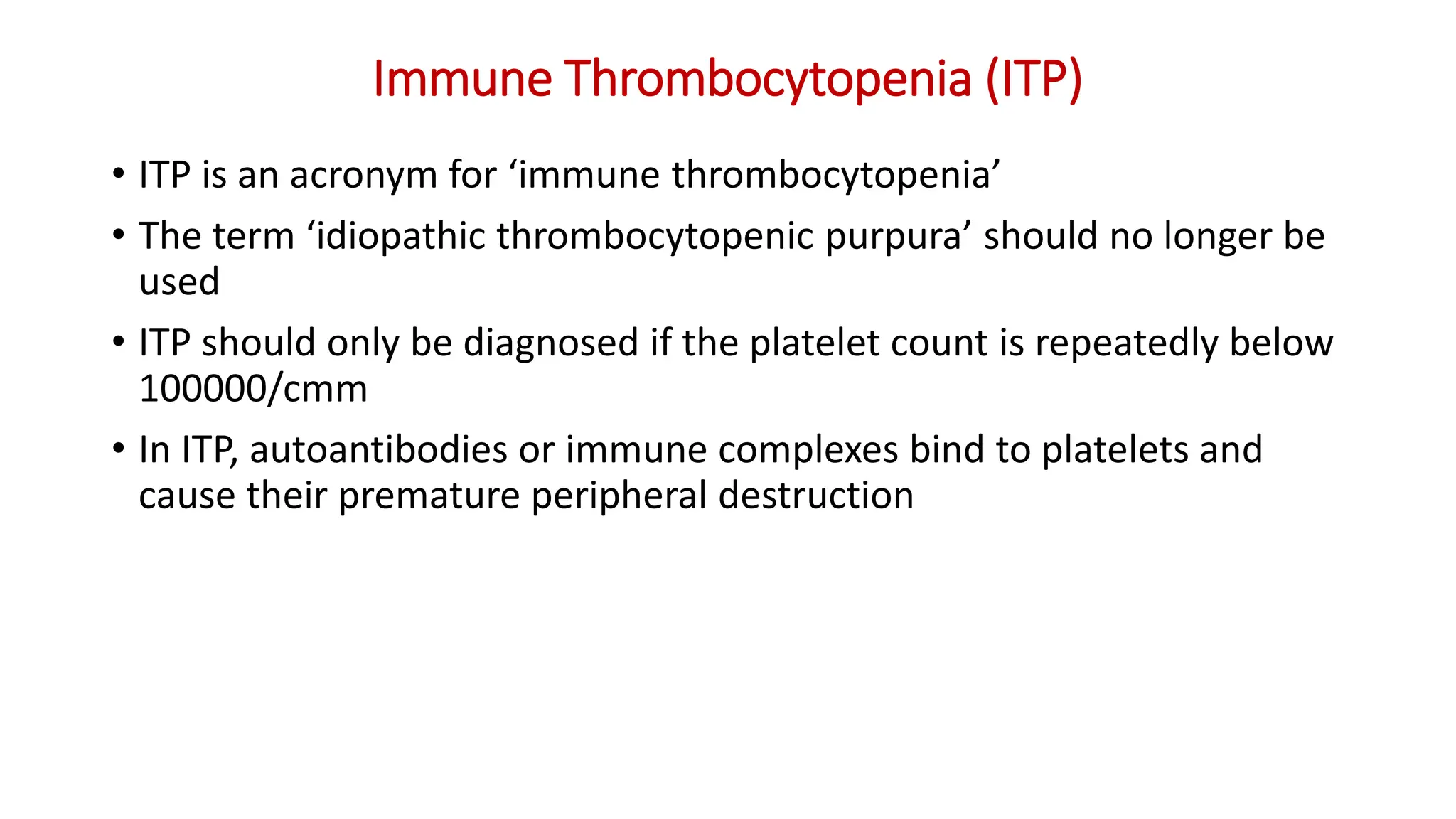
Immune Thrombocytopenia (ITP)
• ITP is an acronym for ‘immune thrombocytopenia’
• The term ‘idiopathic thrombocytopenic purpura’ should no longer be
used
• ITP should only be diagnosed if the platelet count is repeatedly below
100000/cmm
• In ITP, autoantibodies or immune complexes bind to platelets and
cause their premature peripheral destruction
Pathogenesis of ITP
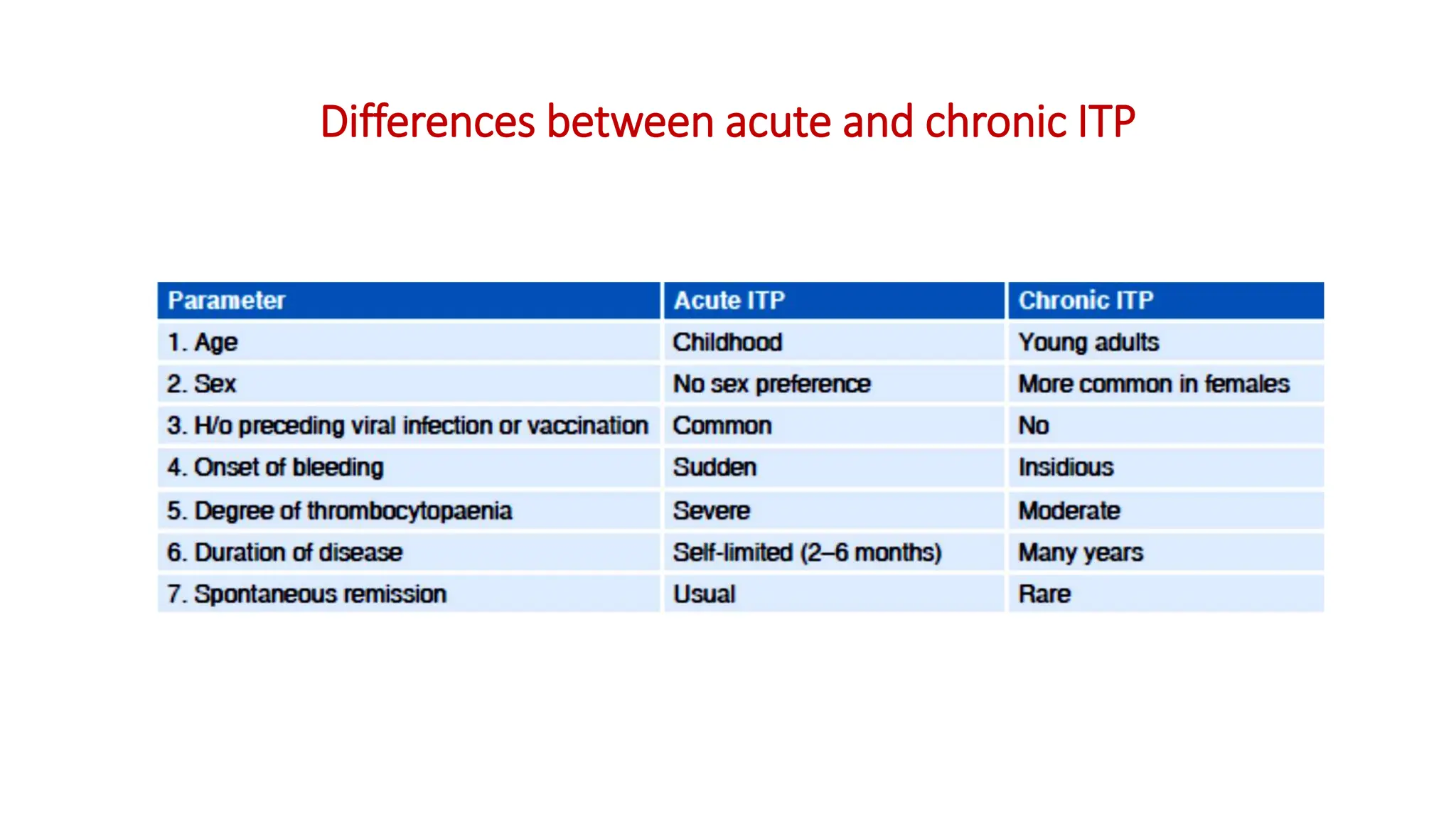
• ITP occurs in two forms—acute and chronic
• Acute ITP, defined as thrombocytopenia occurring for <6 months and
usually resolving spontaneously, most often affects children and young
adults. The incidence peaks in the winter and spring, following the
incidence of viral infections or vaccination after an interval of 2 to 3
weeks. Acute ITP is most common between 2 and 6 years of age.
Approximately 7% to 28% of children with acute ITP develop the
chronic variety
• Chronic ITP, lasting >6 months and occurs most commonly in adults.
In chronic ITP in adults, the median age is usually 40 to 45 years
Differences between acute and chronic ITP
Clinical Presentation
• The clinical symptom of ITP is the increased bleeding tendency
• Petechiae
• Purpura
• Mucosal hemorrhages: gum bleeding, nasal bleeding, increased menstrual
bleeding
Laboratory Features of ITP
• CBC, PBF: In acute ITP, platelets are markedly reduced (<20,000/cmm)
while in chronic ITP platelet count is variable (usually moderately low.
Morphologically, platelets are frequently large (megathrombocytes).
Blood film is also necessary to rule out non-immune causes of
thrombocytopaenia (e.g. aplastic anaemia, leukaemia,
myelodysplasia, megaloblastic anaemia, pseudothrombocytopaenia,
and inherited thrombocytopaenia). Blood loss may lead to anaemia
• Bone marrow examination: In bone marrow, megakaryocytes are
normal or increased in number and frequently show morphological
changes such as hypogranularity of cytoplasm, vacuolisation, nuclear
non-lobulation or hypolobulation
• Coagulation profile: Tests for blood coagulation are normal
• Platelet antibodies: Levels of platelet-associated immunoglobulins
are raised in majority (more than 90%) of patients with ITP. This test,
however, is neither sufficiently sensitive nor specific for ITP.
Therefore, it is not necessary for diagnosis
• Diagnosis of ITP requires exclusion of all other causes of
thrombocytopenia
Thrombotic Thrombocytopenic Purpura (TTP)
• There is formation of hyaline microthrombi in microcirculation due to
systemic clumping of platelets because of unusually large multimers
of von Willebrand factor
• This causes thrombocytopenia
• The characteristic pentad of signs includes:
• Bleeding secondary to severe thrombocytopenia
• Microangiopathic hemolytic anemia
• Fever
• Neurological signs
• Renal abnormalities
Hemolytic Uremic Syndrome (HUS)
• It is caused by ingestion of food contaminated with verotoxin-
producing Escherichia coli and is commonly seen in children
• It is characterized by a triad of
• Acute renal failure
• Thrombocytopenia
• Microangiopathic hemoloytic anemia
Disorders of Platelet Function
Sites of defects in disorders of platelet function
Disorders of coagulation
Hemophilia A
(Classical Hemophilia, F VIII Deficiency)
• It is caused by hereditary deficiency or dysfunction of F VIII due
mainly to point mutations or deletions of F VIII gene
• It is an X-linked recessive disorder primarily affecting males; females
are carriers but do not manifest the disease
• It occurs in approximately 1:10,000 individuals
• More than 14,000 males are currently living with haemophilia in
Bangladesh and theoretically, over 400 children are born with
haemophilia every year in Bangladesh
Inheritance
• The disease manifests only in males because they lack the complementary
normal X chromosome
• Females are carriers as they have a normal allele on the complementary X
chromosome
• Typically positive family history is obtained in maternal grandfather,
maternal uncles, and maternal male cousins
• If a carrier female marries a normal male, then the male offspring has a
50% chance of being affected while the female offspring has a 50% chance
of becoming a carrier
• If a haemophilic male marries a normal female, all his sons will be normal
while all his daughters will be carriers
• Positive family history is not obtained in about 30% of patients with
haemophilia. These cases probably arise from spontaneous mutation
X-linked pattern of inheritance in haemophilia A
Clinical Features
• Haemophilia A is classified into mild, moderate, and severe types based on the
level of F VIII:C in patient’s plasma
• Bleeding into weight-or stress-bearing joints (haemarthroses) is a characteristic feature
of haemophilia A. Commonly affected joints are knees, ankles, hips, and elbows
• Cartilage and bone degeneration due to joint bleeding is known as haemophilic
arthropathy
• Intramuscular haematomas are particularly common in muscles of
calf, thigh, forearm, and buttocks. They can compress vital structures
such as arteries (distal ischaemic injury) or peripheral nerves (sensory
or motor neuropathy)
• Intracranial haemorrhage can occur following trivial trauma and is a
common cause of death in haemophilia
• Haematuria frequently occurs in severe haemophilia
• Severe bleeding can occur postoperatively or after dental extractions
in unrecognised haemophilics
Laboratory Features
• Screening tests for hemostasis show
• Normal bleeding time (BT)
• Normal platelet count
• Normal prothrombin time (PT)
• Prolonged activated partial thromboplastin time (APTT)
• Factor VIII Assay: Reduced. Normal F VIII level in plasma is 50 to 150%
Haemophilia B
• Haemophilia B (also known as Christmas disease) is a hereditary F IX
deficiency state with X-linked recessive mode of inheritance
• The incidence is about 1:60,000 populations
• Clinical features and inheritance pattern are similar to haemophilia A
• It is essential to distinguish between haemophilia A and B in the
laboratory because of different therapeutic products required
• Bleeding time, platelet count - normal
• APTT - Prolonged
• Diagnosis requires F IX assay. Normal range is 50 to 150%
von Willebrand Disease (VWD)
• vWF is synthesised by endothelial cells and megakaryocytes
• There are two major functions of vWF in haemostasis–
(i) vWF mediates adhesion of platelets to subendothelium by binding to
platelet glycoprotein receptor Gp Ib and subendothelium
(ii) vWF forms a noncovalent complex with F VIII in circulation and serves to
prevent the degradation and rapid removal of F VIII from circulation
• vWD is a markedly heterogeneous congenital bleeding disorder
characterized by deficiency or functional defect of von Willebrand
factor (vWF)
• Mode of inheritance is autosomal dominant or recessive
• Overall prevalence in the general population being 1%
• There are three main types: I, II, and III
• Type I (partial deficiency of vWF) is the most common in which all
types of vWF multimers (small, intermediate, and large) are mildly
deficient; bleeding manifestations are slight
• In type II vWD (qualitative defects in vWF) there is a qualitative
abnormality of vWF with absence of large vWF multimers
• Type III (complete vWF deficiency) is a rare severe bleeding disorder
in which there is a severe deficiency of all forms of vWF multimers
Clinical Features of vWD
• In vWD types I and II bleeding manifestations are mild to moderate
and superficial in type, i.e. petechiae, ecchymoses, epistaxis, bleeding
from gums and gastrointestinal tract, and menorrhagia
• Type III vWD is a severe disorder with onset in early childhood.
Bleeding manifestations are mucocutaneous bleeding, deep
haematomas, and haemarthroses
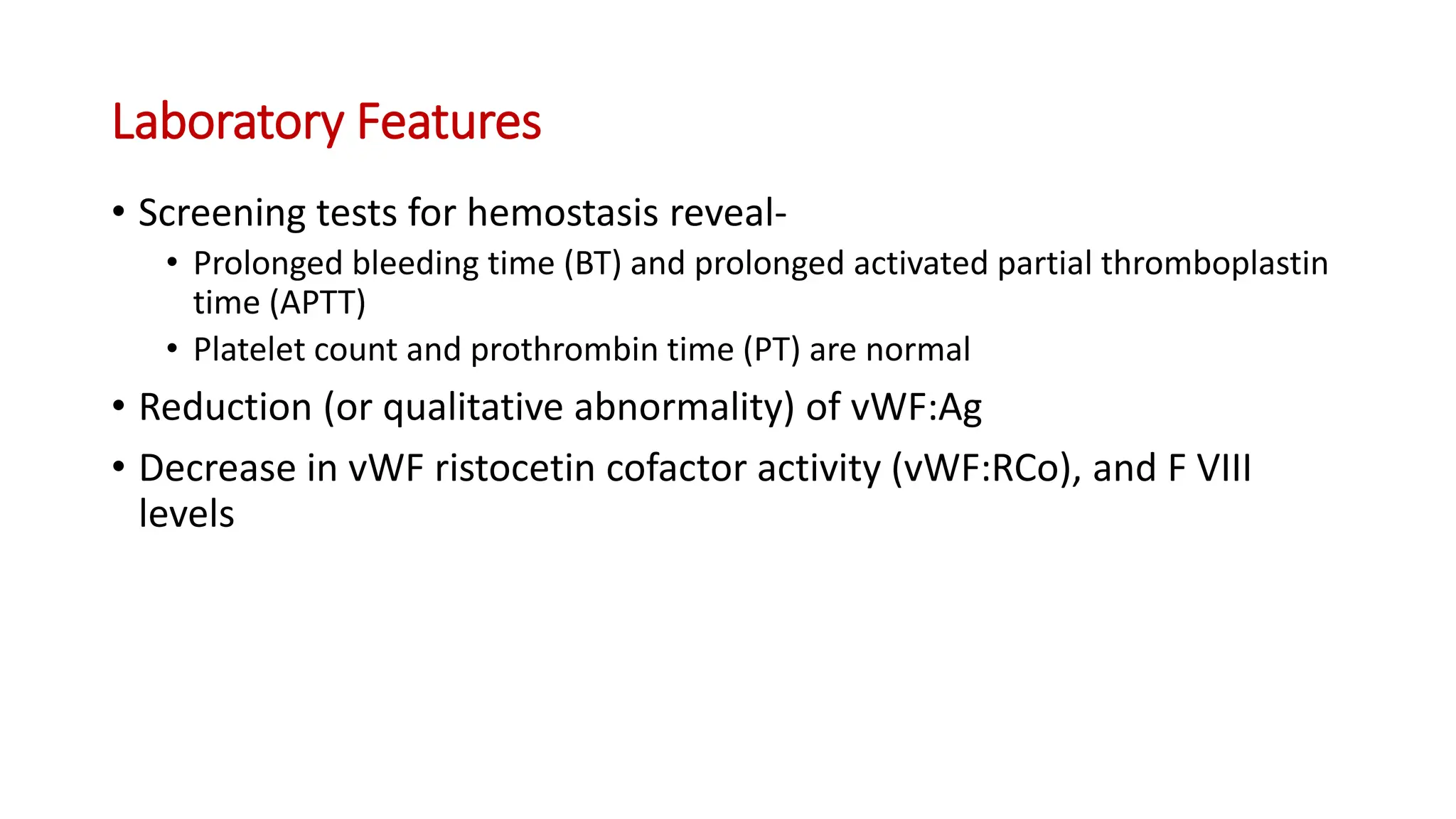
Laboratory Features
• Screening tests for hemostasis reveal-
• Prolonged bleeding time (BT) and prolonged activated partial thromboplastin
time (APTT)
• Platelet count and prothrombin time (PT) are normal
• Reduction (or qualitative abnormality) of vWF:Ag
• Decrease in vWF ristocetin cofactor activity (vWF:RCo), and F VIII
levels
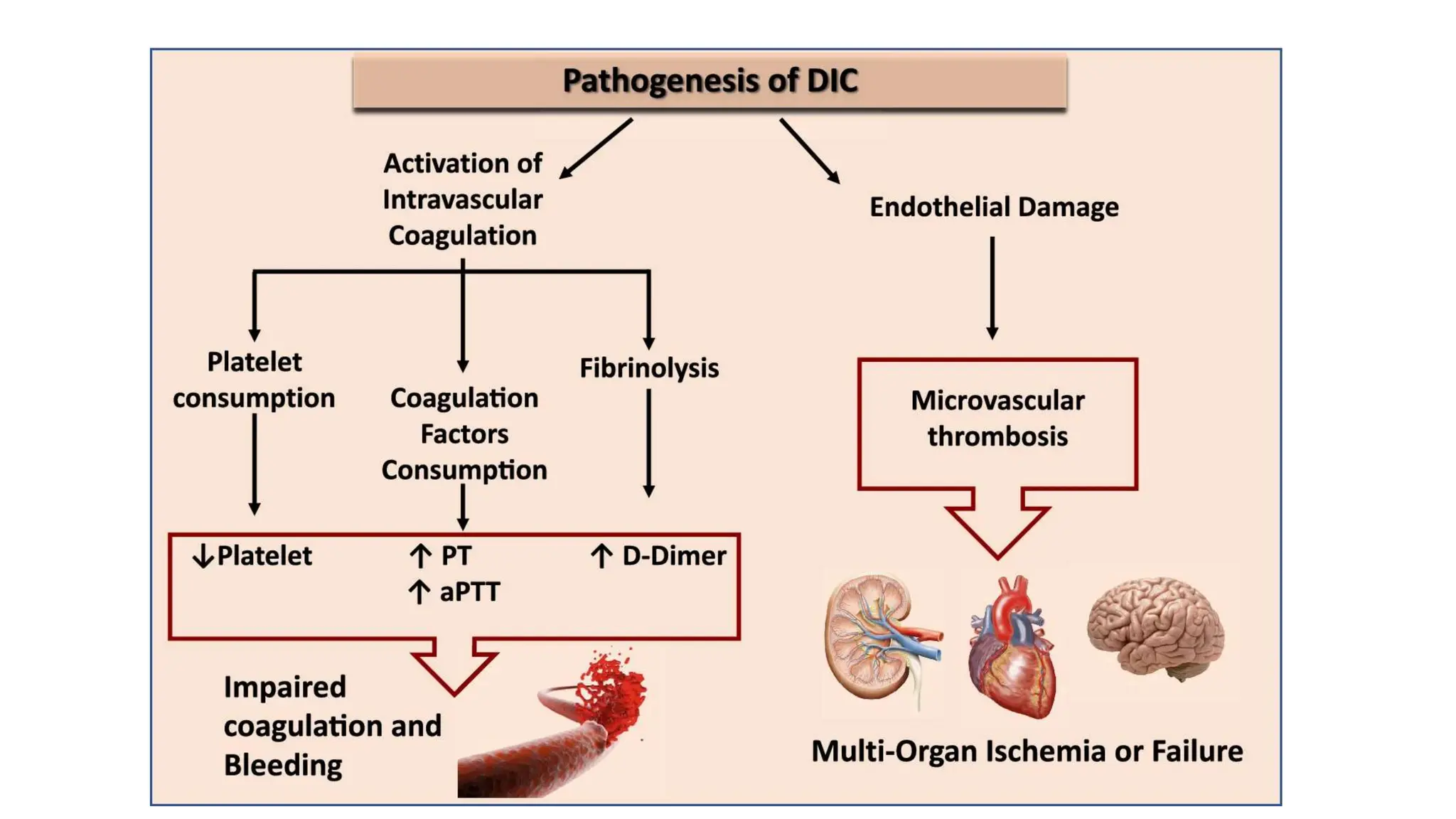
Disseminated Intravascular Coagulation (DIC)
This is an acquired thrombohemorrhagic disorder occurring as a
secondary complication in a wide spectrum of disorders, and
characterized by-
(i) Widespread systemic activation of coagulation with formation of
microthrombi in microcirculation
(ii) Activation of fibrinolysis
(iii) Consumption of platelets, coagulation factors, and fibrin leading to
bleeding diathesis
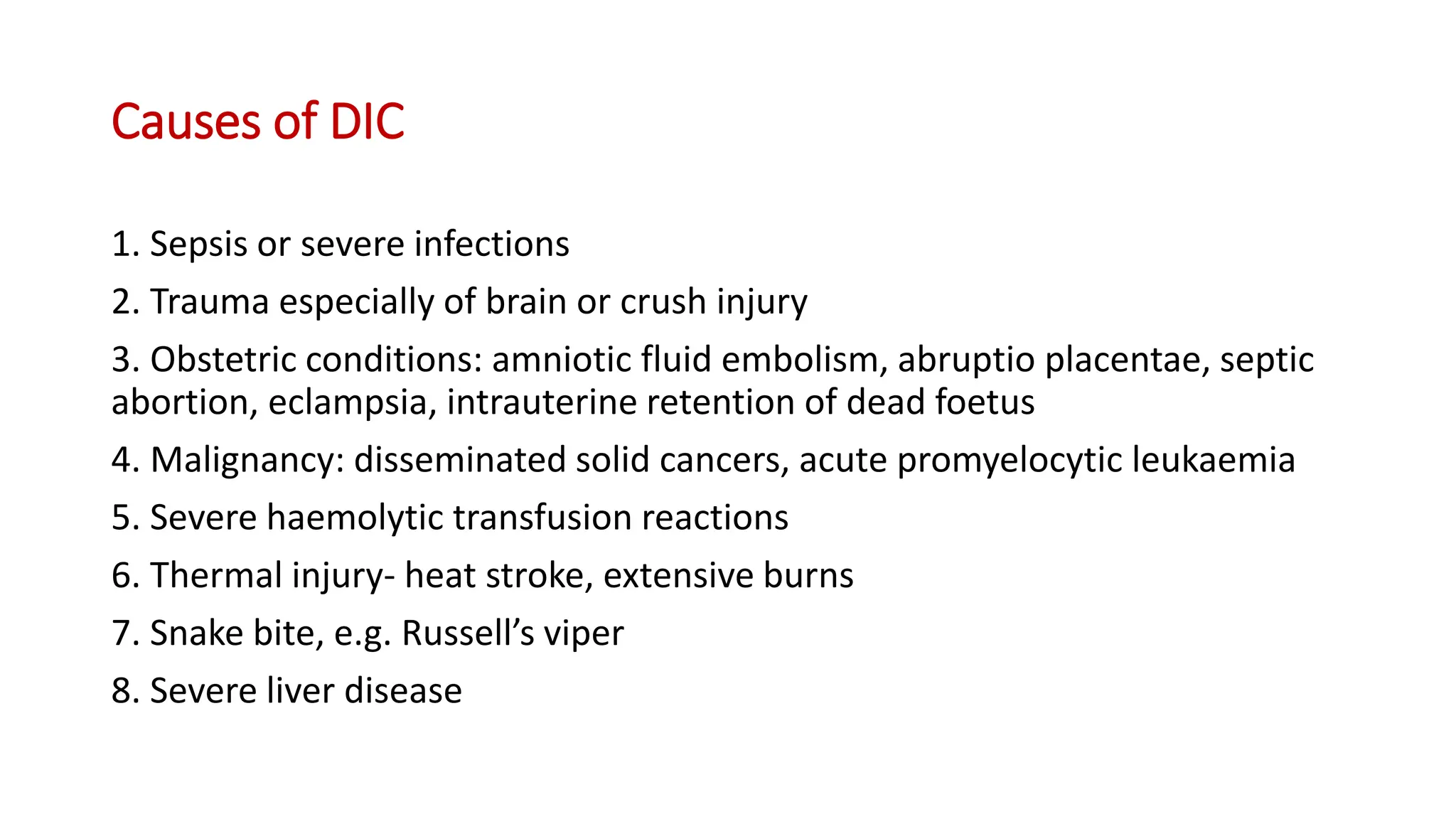
Causes of DIC
1. Sepsis or severe infections
2. Trauma especially of brain or crush injury
3. Obstetric conditions: amniotic fluid embolism, abruptio placentae, septic
abortion, eclampsia, intrauterine retention of dead foetus
4. Malignancy: disseminated solid cancers, acute promyelocytic leukaemia
5. Severe haemolytic transfusion reactions
6. Thermal injury- heat stroke, extensive burns
7. Snake bite, e.g. Russell’s viper
8. Severe liver disease
Laboratory Features
• Presence of underlying disease
known to be associated with DIC
• Low platelets or falling platelets
on repeat testing
• Prolonged PT and APTT
• Low fibrinogen or falling levels
on repeat testing
• Schistocytes (fragmented red
cells) on blood smear
• FDP and D-dimer: Increased
Vitamin K Deficiency
• Vitamin K is a fat-soluble vitamin necessary for the synthesis of
coagulation factors II, VII, IX, and X, and also two natural
anticoagulant proteins C and S
• Vitamin K is required for gamma carboxylation of glutamic acid
residues of the above coagulation factors
• Vitamin K, being fat-soluble, requires bile salts for absorption
• Vitamin K deficiency occurs in hemorrhagic disease of newborn, and
in adults with poor dietary intake, malabsorption, obstructive
jaundice, and drugs like oral anticoagulants
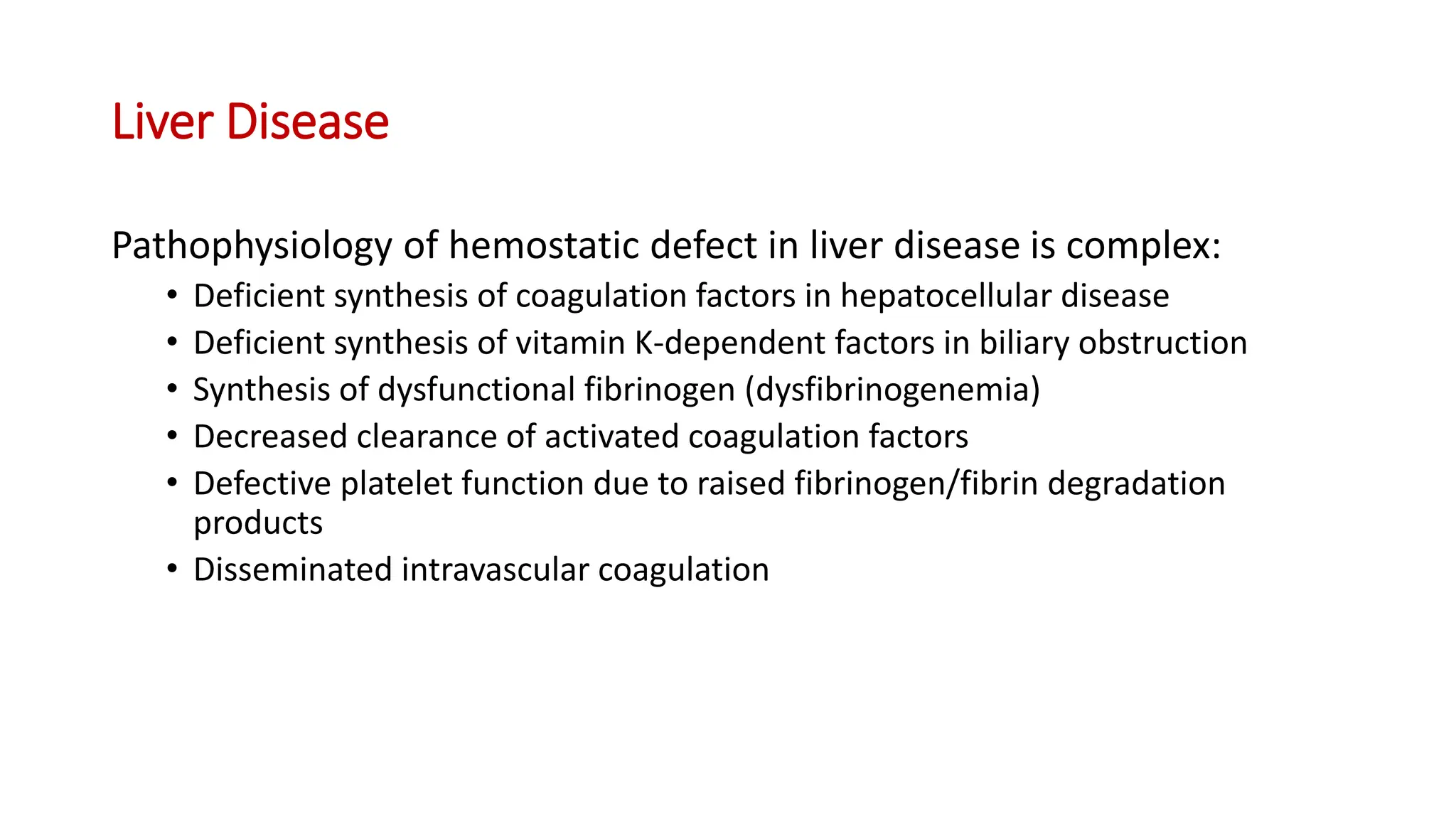
Liver Disease
Pathophysiology of hemostatic defect in liver disease is complex:
• Deficient synthesis of coagulation factors in hepatocellular disease
• Deficient synthesis of vitamin K-dependent factors in biliary obstruction
• Synthesis of dysfunctional fibrinogen (dysfibrinogenemia)
• Decreased clearance of activated coagulation factors
• Defective platelet function due to raised fibrinogen/fibrin degradation
products
• Disseminated intravascular coagulation
Clinical differentiation between platelet/vascular and coagulation disorders

Bleeding disorder Hematology Lecture.pptx

  • 1.
    Bleeding disorders Dr. UmmeKulsum Munmun Assistant Professor (Pathology) Chandpur Medical College
  • 2.
    PHYSIOLOGY OF HEMOSTASIS •Following injury, initially vessel wall and platelets interact to control hemorrhage by forming a platelet plug at the site of injury; this is called as primary hemostasis
  • 3.
    • This isfollowed by activation of coagulation factors by a series of enzymatic reactions to form a stable fibrin clot (platelet plug enmeshed by fibrin); this is secondary hemostasis
  • 4.
    • Dissolution ofthe clot will eventually occur by fibrinolysis when healing is complete • Hemostatic equilibrium requires normal blood vessels, normal platelets, normal coagulation factors, normal fibrinolysis, and normal coagulation inhibitor system • Several physiologic inhibitors of coagulation are present: tissue factor pathway inhibitor, antithrombin III, and protein C, protein S
  • 5.
    Natural inhibitors ofcoagulation and their actions
  • 6.
  • 7.
    Bleeding Disorders Bleeding disordersresult from defective haemostasis due to • Abnormality of vascular wall • Abnormalities of platelets • Abnormalities of coagulation factors
  • 8.
    Bleeding terminology • Petechiae:Tiny pinpoint areas of haemorrhage (≤ 2 mm in diameter) due to vascular or platelet disorder. They usually occur in clusters and do not blanch on pressure • Purpura: Areas of haemorrhage ≥ 3 mm but less than 1 cm in diameter. Appearance depends on age of lesion (red→purple→brown yellow). They do not blanch on pressure. They occur in vascular or platelet disorder. Palpable purpura is indicative of vasculitis. When occurring in mucosa, it is called as wet purpura • Ecchymosis (Bruise): An area of extravasated blood in skin greater than 1 cm in diameter. They result from trauma or haemostatic disorder • Telangiectasia: These are spots or areas resulting from localised dilated blood vessels. They blanch on pressure • Haematoma: A swelling resulting from a large area of haemorrhage in subcutaneous tissue or muscle. It does not blanch on pressure. It results from trauma or coagulation disorder • Haemarthrosis: Bleeding into a joint
  • 9.
    Screening tests forbleeding disorder Tests of primary haemostasis • CBC, PBF:  Quantitative and morphological abnormalities of platelets  Detection of underlying haematological disorder • Bleeding time: Platelet and vascular phases • PFA-100 system: Platelet function Tests of secondary haemostasis • Clotting time: Crude test of coagulation phase • Prothrombin time (PT): Extrinsic and common pathways • Activated partial thromboplastin time (APTT): Intrinsic and common pathways
  • 10.
    Bleeding Time (BT) •The bleeding time test assesses primary hemostasis (vascular and platelet components) and is dependent on adequate functioning of platelets and blood vessels • In this test, a superficial skin puncture or incision is made and the time required for bleeding to stop is measured • Three methods are commonly used: Duke’s, Ivy’s, and template • Reference range: 2-7 minutes
  • 11.
    Causes of prolongationof bleeding time: • Thrombocytopaenia: Before carrying out a bleeding time test, a platelet count should be obtained. If platelet count is <100,000/cmm, bleeding time should not be carried out, as it will be prolonged • Disorders of platelet function: • Glanzmann’s thrombasthenia • Bernard-Soulier syndrome • Storage pool defect • Ingestion of aspirin (within last 7 days of the test) • Uraemia • Myeloproliferative disorders, myelodysplasia • Inherited disorders of coagulation: von Willebrand disease and afibrinogenaemia • Disorders of blood vessels
  • 12.
    PFA (Platelet FunctionAnalyser)-100 • The conventional test for assessment of primary haemostasis has been measurement of bleeding time. However, this test is not sufficiently specific and sensitive, produces variable results, and does not correlate with significant bleeding • This test is more sensitive than bleeding time to assess von Willebrand disease and some platelet function disorders
  • 13.
    Prothrombin Time (PT) •PT assesses coagulation factors in extrinsic pathway (F VII) and common pathway (F X, F V, prothrombin, and fibrinogen) • Normal range: 11-16 seconds • Causes of prolongation of PT 1. Treatment with oral anticoagulants 2. Liver disease 3. Vitamin K deficiency 4. Disseminated intravascular coagulation 5. Inherited deficiency of factors in extrinsic and common pathways • International Normalized Ratio (INR):
  • 14.
    Activated Partial ThromboplastinTime (APTT) • APTT measures activity of coagulation factors in intrinsic pathway (F XII, F XI, high molecular weight kininogen, prekallikrein, F IX, and F VIII) and common pathway (F X, F V, prothrombin, and fibrinogen) • Normal range of APTT is 30 to 40 seconds • Causes of prolongation of APTT 1. Hemophilia A or B 2. Deficiencies of other coagulation factors in intrinsic and common pathways. 3. Presence of coagulation inhibitors 4. Heparin therapy 5. Disseminated intravascular coagulation 6. Liver disease
  • 15.
    Thrombin Time (TT) •Thrombin time assesses the final step of coagulation i.e. conversion of fibrinogen to fibrin by thrombin • Normal range is 8 to 12 seconds. Prolongation of thrombin time occurs in: 1. Disorders of fibrinogen 2. Presence of heparin in plasma 3. Chronic liver disease 4. Fibrinogen/Fibrin degradation products
  • 16.
    Coagulation factors measuredby three screening tests: prothrombin time (PT), activated partial thromboplastin time (APTT), and thrombin time (TT)
  • 17.
    Interpretation of screeningtests of haemostasis in a bleeding disorder
  • 18.
    Bleeding Disorders Causedby Abnormalities of Blood Vessels (The Vascular Purpuras)
  • 19.
    Bleeding Disorders Causedby Abnormalities of Platelets Bleeding disorders caused by platelets include: (i) Thrombocytopaenia (ii)Disorders of Platelet Function
  • 20.
    Causes of Thrombocytopaenia Thrombocytopaeniarefers to decrease in the number of platelets in peripheral blood below normal (<1.5 lacs/cmm) Platelet count between 1,50,000 and 50,000/cmm is generally not associated with clinically significant bleeding Platelet counts between 50,000 and 20,000/cmm usually cause bleeding with trauma or surgery Platelet count below 20,000/cmm is associated with risk of spontaneous haemorrhage
  • 21.
    Immune Thrombocytopenia (ITP) •ITP is an acronym for ‘immune thrombocytopenia’ • The term ‘idiopathic thrombocytopenic purpura’ should no longer be used • ITP should only be diagnosed if the platelet count is repeatedly below 100000/cmm • In ITP, autoantibodies or immune complexes bind to platelets and cause their premature peripheral destruction
  • 22.
  • 23.
    • ITP occursin two forms—acute and chronic • Acute ITP, defined as thrombocytopenia occurring for <6 months and usually resolving spontaneously, most often affects children and young adults. The incidence peaks in the winter and spring, following the incidence of viral infections or vaccination after an interval of 2 to 3 weeks. Acute ITP is most common between 2 and 6 years of age. Approximately 7% to 28% of children with acute ITP develop the chronic variety • Chronic ITP, lasting >6 months and occurs most commonly in adults. In chronic ITP in adults, the median age is usually 40 to 45 years
  • 24.
  • 25.
    Clinical Presentation • Theclinical symptom of ITP is the increased bleeding tendency • Petechiae • Purpura • Mucosal hemorrhages: gum bleeding, nasal bleeding, increased menstrual bleeding
  • 26.
    Laboratory Features ofITP • CBC, PBF: In acute ITP, platelets are markedly reduced (<20,000/cmm) while in chronic ITP platelet count is variable (usually moderately low. Morphologically, platelets are frequently large (megathrombocytes). Blood film is also necessary to rule out non-immune causes of thrombocytopaenia (e.g. aplastic anaemia, leukaemia, myelodysplasia, megaloblastic anaemia, pseudothrombocytopaenia, and inherited thrombocytopaenia). Blood loss may lead to anaemia • Bone marrow examination: In bone marrow, megakaryocytes are normal or increased in number and frequently show morphological changes such as hypogranularity of cytoplasm, vacuolisation, nuclear non-lobulation or hypolobulation
  • 27.
    • Coagulation profile:Tests for blood coagulation are normal • Platelet antibodies: Levels of platelet-associated immunoglobulins are raised in majority (more than 90%) of patients with ITP. This test, however, is neither sufficiently sensitive nor specific for ITP. Therefore, it is not necessary for diagnosis • Diagnosis of ITP requires exclusion of all other causes of thrombocytopenia
  • 28.
    Thrombotic Thrombocytopenic Purpura(TTP) • There is formation of hyaline microthrombi in microcirculation due to systemic clumping of platelets because of unusually large multimers of von Willebrand factor • This causes thrombocytopenia • The characteristic pentad of signs includes: • Bleeding secondary to severe thrombocytopenia • Microangiopathic hemolytic anemia • Fever • Neurological signs • Renal abnormalities
  • 29.
    Hemolytic Uremic Syndrome(HUS) • It is caused by ingestion of food contaminated with verotoxin- producing Escherichia coli and is commonly seen in children • It is characterized by a triad of • Acute renal failure • Thrombocytopenia • Microangiopathic hemoloytic anemia
  • 30.
  • 31.
    Sites of defectsin disorders of platelet function
  • 32.
  • 33.
    Hemophilia A (Classical Hemophilia,F VIII Deficiency) • It is caused by hereditary deficiency or dysfunction of F VIII due mainly to point mutations or deletions of F VIII gene • It is an X-linked recessive disorder primarily affecting males; females are carriers but do not manifest the disease • It occurs in approximately 1:10,000 individuals • More than 14,000 males are currently living with haemophilia in Bangladesh and theoretically, over 400 children are born with haemophilia every year in Bangladesh
  • 34.
    Inheritance • The diseasemanifests only in males because they lack the complementary normal X chromosome • Females are carriers as they have a normal allele on the complementary X chromosome • Typically positive family history is obtained in maternal grandfather, maternal uncles, and maternal male cousins • If a carrier female marries a normal male, then the male offspring has a 50% chance of being affected while the female offspring has a 50% chance of becoming a carrier • If a haemophilic male marries a normal female, all his sons will be normal while all his daughters will be carriers • Positive family history is not obtained in about 30% of patients with haemophilia. These cases probably arise from spontaneous mutation
  • 35.
    X-linked pattern ofinheritance in haemophilia A
  • 36.
    Clinical Features • HaemophiliaA is classified into mild, moderate, and severe types based on the level of F VIII:C in patient’s plasma • Bleeding into weight-or stress-bearing joints (haemarthroses) is a characteristic feature of haemophilia A. Commonly affected joints are knees, ankles, hips, and elbows • Cartilage and bone degeneration due to joint bleeding is known as haemophilic arthropathy
  • 37.
    • Intramuscular haematomasare particularly common in muscles of calf, thigh, forearm, and buttocks. They can compress vital structures such as arteries (distal ischaemic injury) or peripheral nerves (sensory or motor neuropathy) • Intracranial haemorrhage can occur following trivial trauma and is a common cause of death in haemophilia • Haematuria frequently occurs in severe haemophilia • Severe bleeding can occur postoperatively or after dental extractions in unrecognised haemophilics
  • 38.
    Laboratory Features • Screeningtests for hemostasis show • Normal bleeding time (BT) • Normal platelet count • Normal prothrombin time (PT) • Prolonged activated partial thromboplastin time (APTT) • Factor VIII Assay: Reduced. Normal F VIII level in plasma is 50 to 150%
  • 39.
    Haemophilia B • HaemophiliaB (also known as Christmas disease) is a hereditary F IX deficiency state with X-linked recessive mode of inheritance • The incidence is about 1:60,000 populations • Clinical features and inheritance pattern are similar to haemophilia A • It is essential to distinguish between haemophilia A and B in the laboratory because of different therapeutic products required • Bleeding time, platelet count - normal • APTT - Prolonged • Diagnosis requires F IX assay. Normal range is 50 to 150%
  • 40.
    von Willebrand Disease(VWD) • vWF is synthesised by endothelial cells and megakaryocytes • There are two major functions of vWF in haemostasis– (i) vWF mediates adhesion of platelets to subendothelium by binding to platelet glycoprotein receptor Gp Ib and subendothelium (ii) vWF forms a noncovalent complex with F VIII in circulation and serves to prevent the degradation and rapid removal of F VIII from circulation • vWD is a markedly heterogeneous congenital bleeding disorder characterized by deficiency or functional defect of von Willebrand factor (vWF) • Mode of inheritance is autosomal dominant or recessive • Overall prevalence in the general population being 1%
  • 41.
    • There arethree main types: I, II, and III • Type I (partial deficiency of vWF) is the most common in which all types of vWF multimers (small, intermediate, and large) are mildly deficient; bleeding manifestations are slight • In type II vWD (qualitative defects in vWF) there is a qualitative abnormality of vWF with absence of large vWF multimers • Type III (complete vWF deficiency) is a rare severe bleeding disorder in which there is a severe deficiency of all forms of vWF multimers
  • 42.
    Clinical Features ofvWD • In vWD types I and II bleeding manifestations are mild to moderate and superficial in type, i.e. petechiae, ecchymoses, epistaxis, bleeding from gums and gastrointestinal tract, and menorrhagia • Type III vWD is a severe disorder with onset in early childhood. Bleeding manifestations are mucocutaneous bleeding, deep haematomas, and haemarthroses
  • 43.
    Laboratory Features • Screeningtests for hemostasis reveal- • Prolonged bleeding time (BT) and prolonged activated partial thromboplastin time (APTT) • Platelet count and prothrombin time (PT) are normal • Reduction (or qualitative abnormality) of vWF:Ag • Decrease in vWF ristocetin cofactor activity (vWF:RCo), and F VIII levels
  • 44.
    Disseminated Intravascular Coagulation(DIC) This is an acquired thrombohemorrhagic disorder occurring as a secondary complication in a wide spectrum of disorders, and characterized by- (i) Widespread systemic activation of coagulation with formation of microthrombi in microcirculation (ii) Activation of fibrinolysis (iii) Consumption of platelets, coagulation factors, and fibrin leading to bleeding diathesis
  • 45.
    Causes of DIC 1.Sepsis or severe infections 2. Trauma especially of brain or crush injury 3. Obstetric conditions: amniotic fluid embolism, abruptio placentae, septic abortion, eclampsia, intrauterine retention of dead foetus 4. Malignancy: disseminated solid cancers, acute promyelocytic leukaemia 5. Severe haemolytic transfusion reactions 6. Thermal injury- heat stroke, extensive burns 7. Snake bite, e.g. Russell’s viper 8. Severe liver disease
  • 47.
    Laboratory Features • Presenceof underlying disease known to be associated with DIC • Low platelets or falling platelets on repeat testing • Prolonged PT and APTT • Low fibrinogen or falling levels on repeat testing • Schistocytes (fragmented red cells) on blood smear • FDP and D-dimer: Increased
  • 48.
    Vitamin K Deficiency •Vitamin K is a fat-soluble vitamin necessary for the synthesis of coagulation factors II, VII, IX, and X, and also two natural anticoagulant proteins C and S • Vitamin K is required for gamma carboxylation of glutamic acid residues of the above coagulation factors • Vitamin K, being fat-soluble, requires bile salts for absorption • Vitamin K deficiency occurs in hemorrhagic disease of newborn, and in adults with poor dietary intake, malabsorption, obstructive jaundice, and drugs like oral anticoagulants
  • 49.
    Liver Disease Pathophysiology ofhemostatic defect in liver disease is complex: • Deficient synthesis of coagulation factors in hepatocellular disease • Deficient synthesis of vitamin K-dependent factors in biliary obstruction • Synthesis of dysfunctional fibrinogen (dysfibrinogenemia) • Decreased clearance of activated coagulation factors • Defective platelet function due to raised fibrinogen/fibrin degradation products • Disseminated intravascular coagulation
  • 50.
    Clinical differentiation betweenplatelet/vascular and coagulation disorders