BIOLOGICAL CLASSIFICATION
PRIYA JHA
PGT BIOLOGY
• Aristotle divided Organisms in
1. Plant- a) Herbs b) Trees
2.Animals
• Two Kingdom Classification by Carolous Linnaeus
1.Plant Kingdom
2. Animal Kingdom
• Three Kingdom Classification by Ernst Hackel-
Added Protista
• Four Kingdom Classification by Herber F.
Copeland Added
Monera(Monera,Protista,Metaphyta and
Metazoa)
Five Kingdom Classification by R H
Whittaker (1969)
He added Fungi
Main criteria for Classification are
1. Cell Structure
2. Cell wall
3. Body Organization
4. Mode of Nurition
5. Reproduction
6. Phylogenetic relationship( Evolutionary
Relationship)
Cell Structure
1. Prokaryote-Monera(No Organelles)
2. Eukaryotes( Having Organelles)
Cell Wall
1. Monera (peptidoglycon)
2. Fungi- (Chitin)
3. Protista:variable cell wall
Dinoflagulate- Cellulose
Diatoms-Silica
Euglena-Pelical
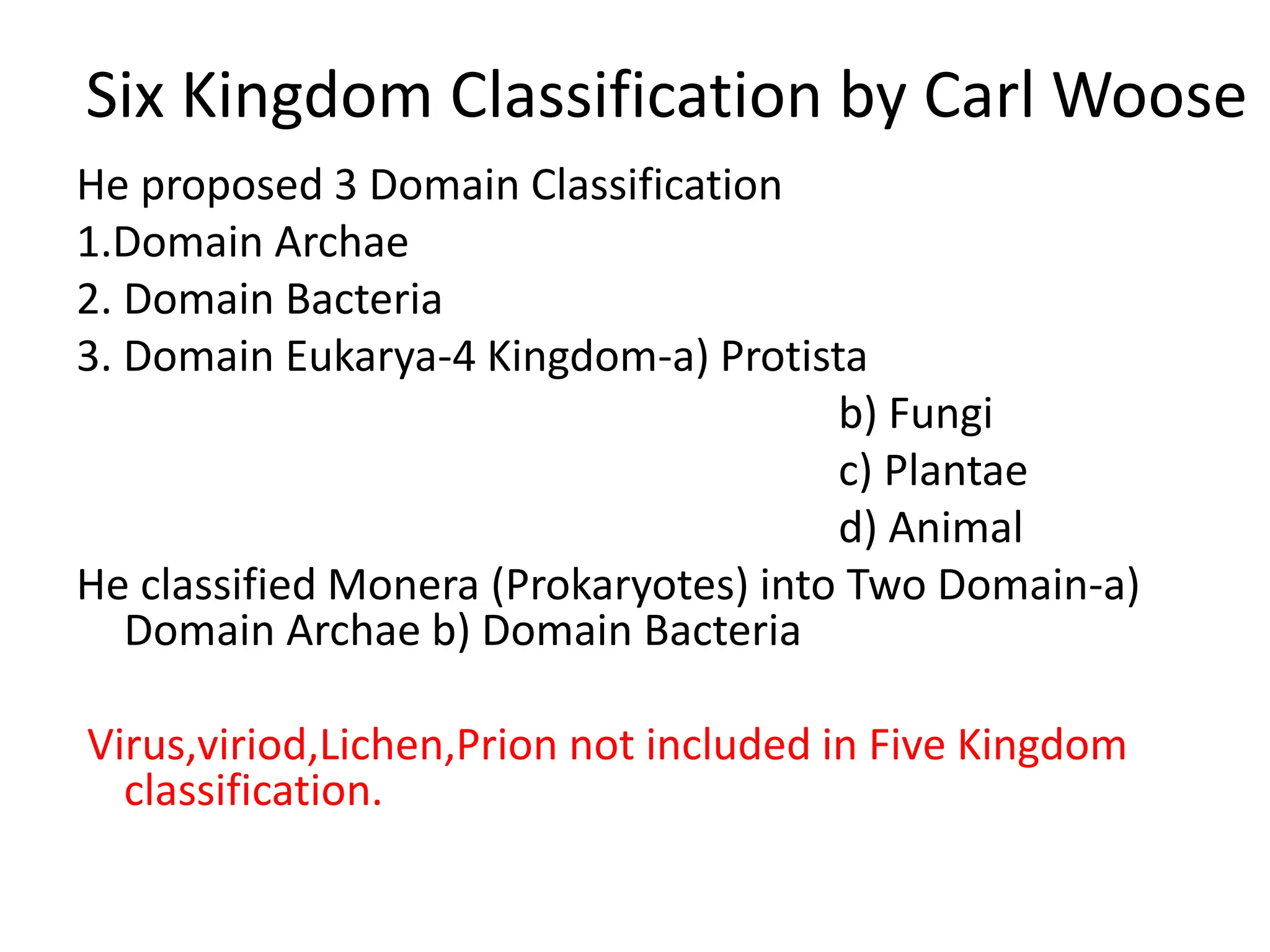
Six Kingdom Classification by Carl Woose
He proposed 3 Domain Classification
1.Domain Archae
2. Domain Bacteria
3. Domain Eukarya-4 Kingdom-a) Protista
b) Fungi
c) Plantae
d) Animal
He classified Monera (Prokaryotes) into Two Domain-a)
Domain Archae b) Domain Bacteria
Virus,viriod,Lichen,Prion not included in Five Kingdom
classification.
Kingdom Monera
(Unicellular Prokarotes,Cell wall -Peptidoglycon)
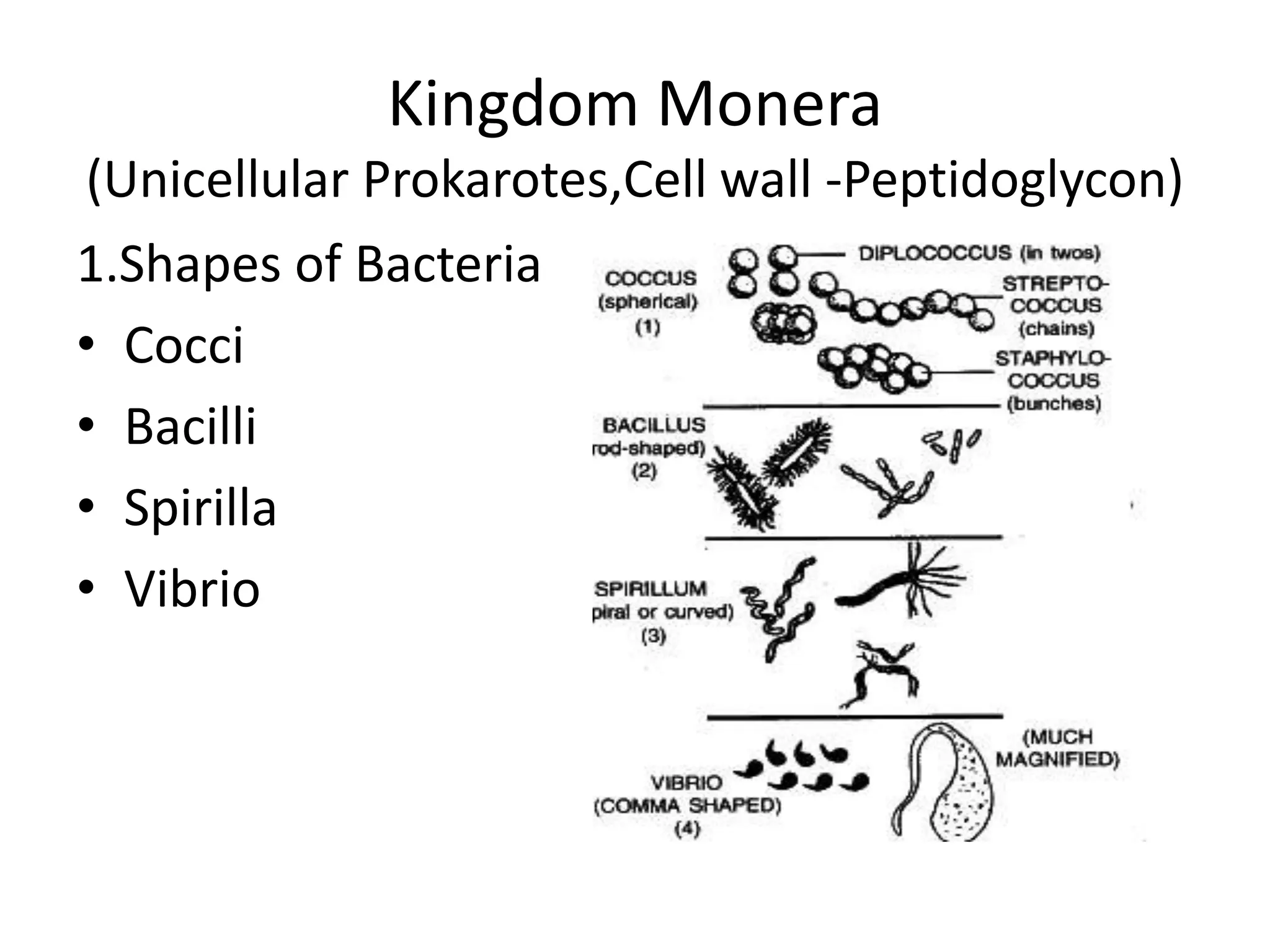
1.Shapes of Bacteria
• Cocci
• Bacilli
• Spirilla
• Vibrio
2. Bacterial Respiration
1.Anaerobic (without oxygen)
• a) Obligate Anaerobic
(If oxygen provided it will
die-Compulsory anaerobic
• b) Facultative Aerobic
( If oxygen available may be
used)
2.Aerobic (with oxygen)
• a) Obligate Aerobic
(If oxygen will be not
provided it will die-
Compulsory aerobic
• b) Facultative Aerobic
( If oxygen is not available
may be survive)
3. Bacterial Nutrition
Autotrophic Nutrition
• A) Photosynthetic Bacteria-eg.
Anoxygenic –Green sulphur
Bacteria(use sunlight but do not
use released oxygen)
• B) Oxygenic- eg.BGA ( use sunlight
and release oxygen –
Nostoc,Anbena,Oscillatoria)
Heterotropic
Nutrition
• Eg Parasitic
Bacteria
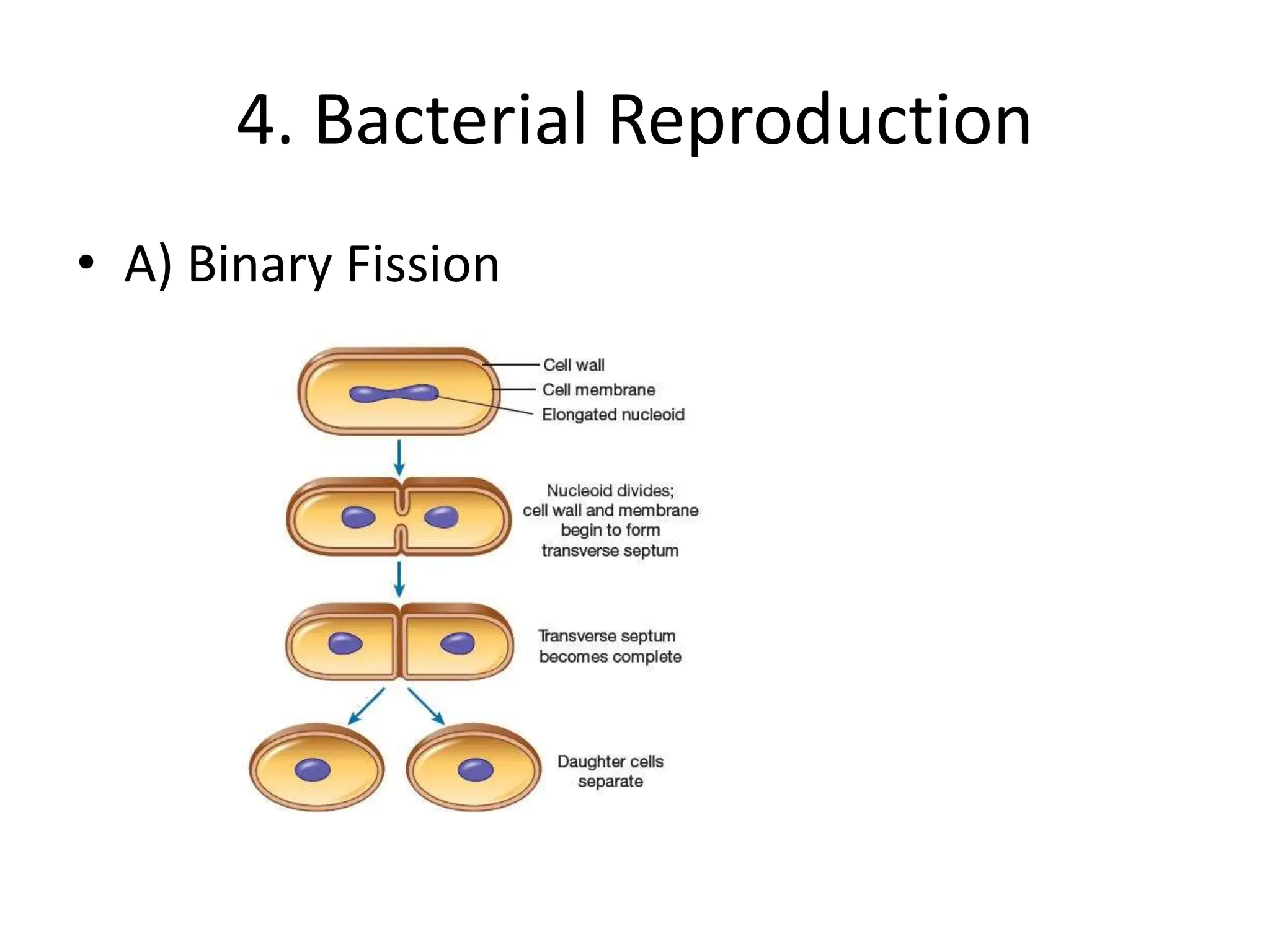
4. Bacterial Reproduction
• A) Binary Fission
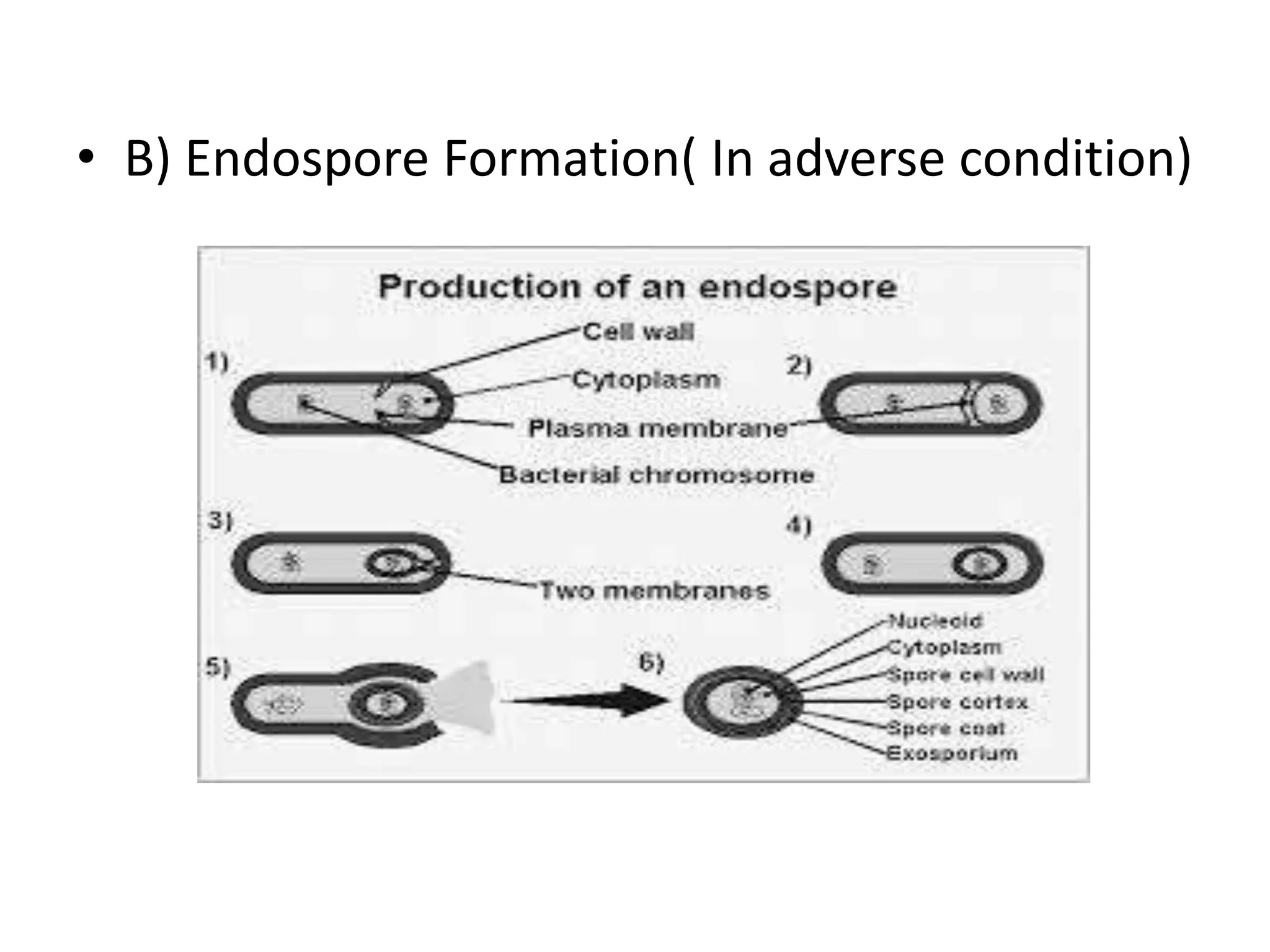
• B) Endospore Formation( In adverse condition)
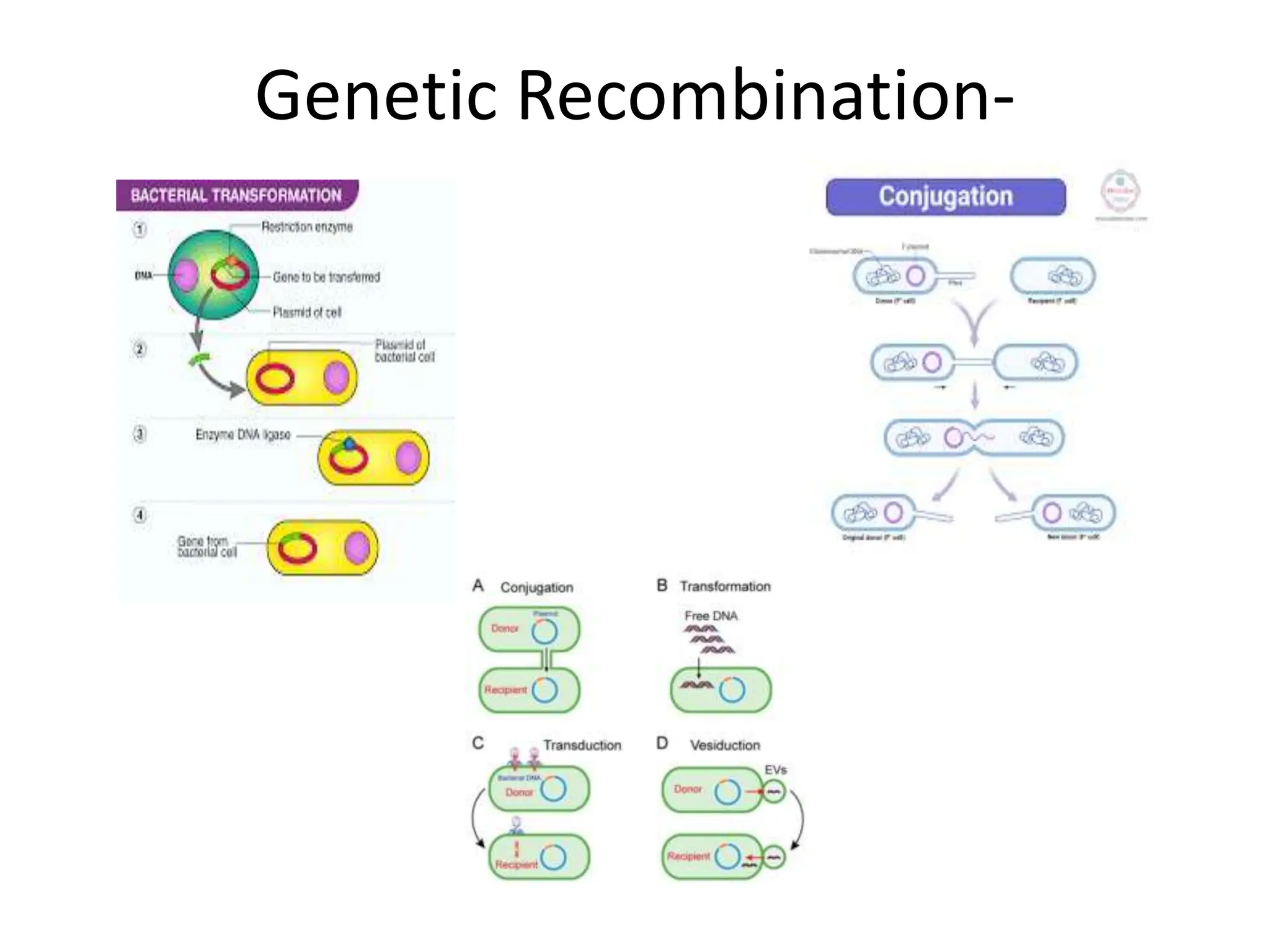
• C) Genetic Recombination---
i) Transformation-A bacteria which can take up the
genetic material in its surrounding through the cell wall
followed by stable incorporation into the recipient
genome, or replication as an independent plasmid.
ii) Conjugation- A bacteria transfer genetic material with
the help of pili.Conjugation is the process by which one
bacterium transfers genetic material to another
through direct contact. During conjugation, one
bacterium serves as the donor of the genetic material,
and the other serves as the recipient.
iii) Transduction- Transduction is the process by which
foreign DNA is introduced into a bacterial cell by
a virus or viral vector
Genetic Recombination-
5.Monera
Eubacteria
• Unicellular ,filamentous,
aquatic,terrestrial
• Photosynthesis takes place
and pigment is Chl A (eg
BGA)
• Oxygen is released eg.
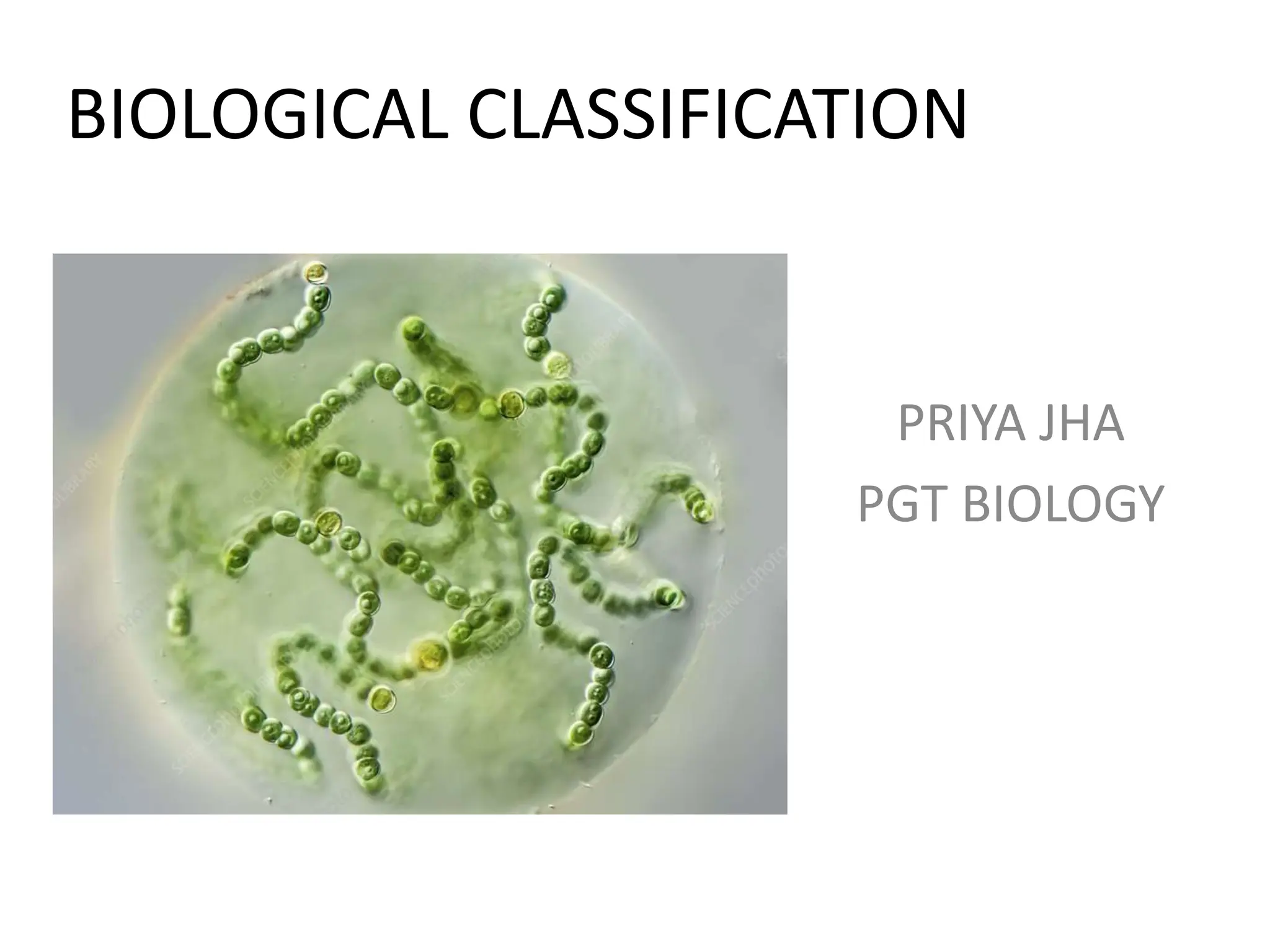
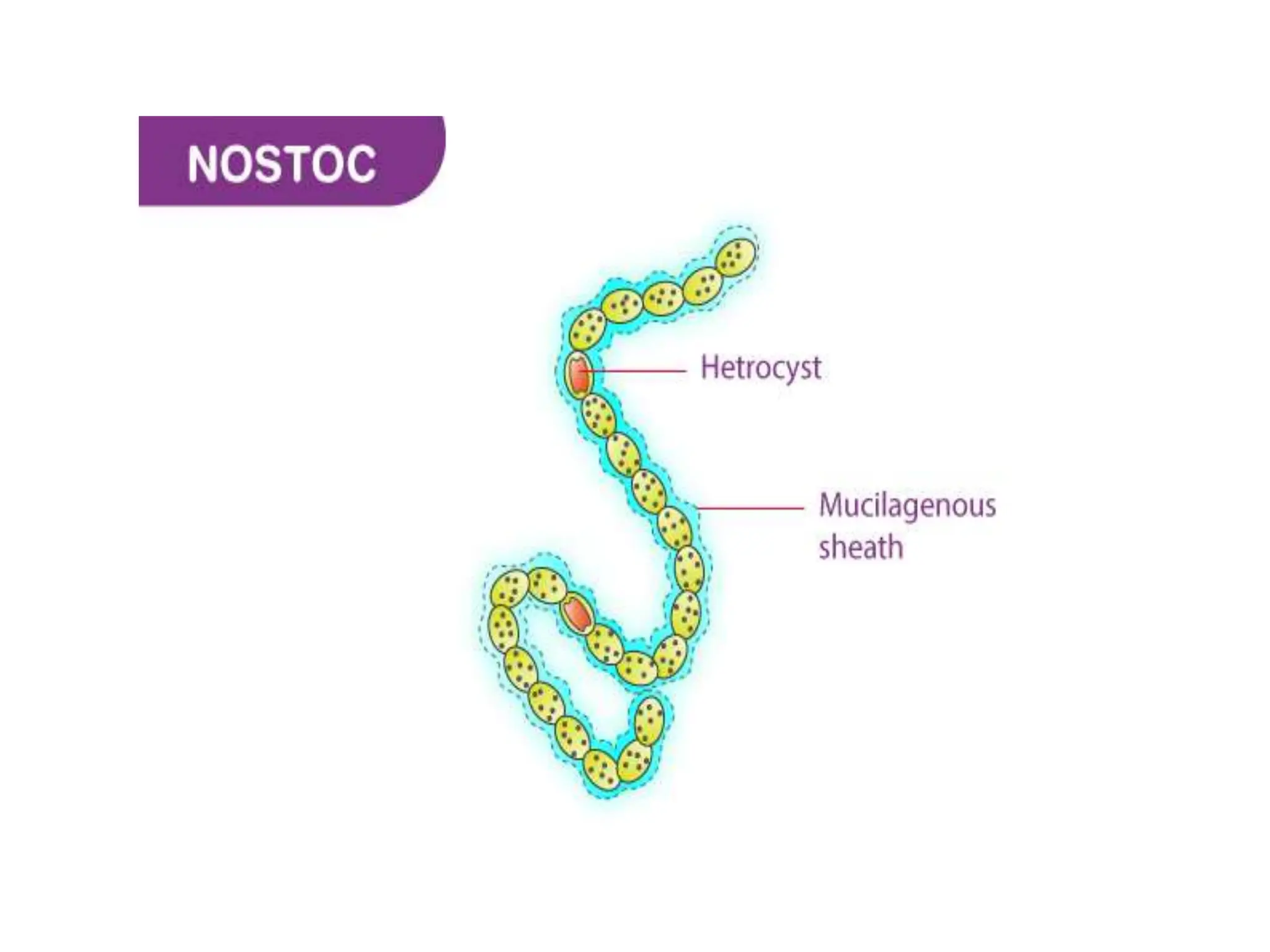
Nostoc,Anabena,Oscillatoria
• Heterocyst Cell is present for
Nitrogen fixation
Archaebacteria
• It has some feature of
Eubacteria as well as of
Eukaryotes
• Found in extreme condition
a) Holophiles( in saline
condition)
b) Thermoacidophills( at
extreme temperature)
c) Methanogene( help I
digestion of cellulose in gut of
cattle and produce methane)
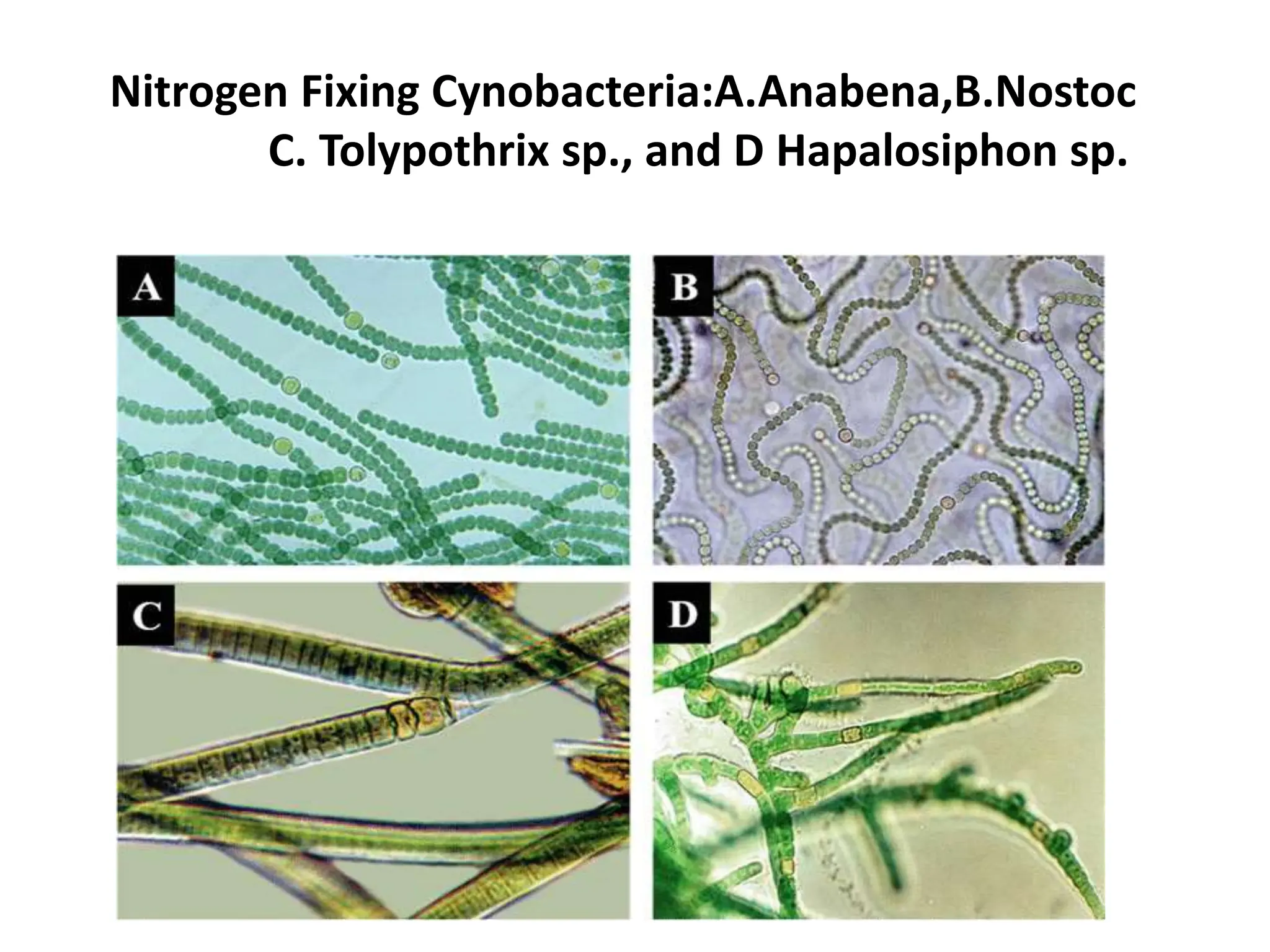
Nitrogen Fixing Cynobacteria:A.Anabena,B.Nostoc
C. Tolypothrix sp., and D Hapalosiphon sp.

BIOLOGICAL CLASSIFICATION_MONERA.priyajha

  • 1.
  • 2.
    • Aristotle dividedOrganisms in 1. Plant- a) Herbs b) Trees 2.Animals • Two Kingdom Classification by Carolous Linnaeus 1.Plant Kingdom 2. Animal Kingdom • Three Kingdom Classification by Ernst Hackel- Added Protista • Four Kingdom Classification by Herber F. Copeland Added Monera(Monera,Protista,Metaphyta and Metazoa)
  • 3.
    Five Kingdom Classificationby R H Whittaker (1969) He added Fungi Main criteria for Classification are 1. Cell Structure 2. Cell wall 3. Body Organization 4. Mode of Nurition 5. Reproduction 6. Phylogenetic relationship( Evolutionary Relationship)
  • 4.
    Cell Structure 1. Prokaryote-Monera(NoOrganelles) 2. Eukaryotes( Having Organelles) Cell Wall 1. Monera (peptidoglycon) 2. Fungi- (Chitin) 3. Protista:variable cell wall Dinoflagulate- Cellulose Diatoms-Silica Euglena-Pelical
  • 5.
    Six Kingdom Classificationby Carl Woose He proposed 3 Domain Classification 1.Domain Archae 2. Domain Bacteria 3. Domain Eukarya-4 Kingdom-a) Protista b) Fungi c) Plantae d) Animal He classified Monera (Prokaryotes) into Two Domain-a) Domain Archae b) Domain Bacteria Virus,viriod,Lichen,Prion not included in Five Kingdom classification.
  • 7.
    Kingdom Monera (Unicellular Prokarotes,Cellwall -Peptidoglycon) 1.Shapes of Bacteria • Cocci • Bacilli • Spirilla • Vibrio
  • 8.
    2. Bacterial Respiration 1.Anaerobic(without oxygen) • a) Obligate Anaerobic (If oxygen provided it will die-Compulsory anaerobic • b) Facultative Aerobic ( If oxygen available may be used) 2.Aerobic (with oxygen) • a) Obligate Aerobic (If oxygen will be not provided it will die- Compulsory aerobic • b) Facultative Aerobic ( If oxygen is not available may be survive)
  • 9.
    3. Bacterial Nutrition AutotrophicNutrition • A) Photosynthetic Bacteria-eg. Anoxygenic –Green sulphur Bacteria(use sunlight but do not use released oxygen) • B) Oxygenic- eg.BGA ( use sunlight and release oxygen – Nostoc,Anbena,Oscillatoria) Heterotropic Nutrition • Eg Parasitic Bacteria
  • 10.
  • 11.
    • B) EndosporeFormation( In adverse condition)
  • 12.
    • C) GeneticRecombination--- i) Transformation-A bacteria which can take up the genetic material in its surrounding through the cell wall followed by stable incorporation into the recipient genome, or replication as an independent plasmid. ii) Conjugation- A bacteria transfer genetic material with the help of pili.Conjugation is the process by which one bacterium transfers genetic material to another through direct contact. During conjugation, one bacterium serves as the donor of the genetic material, and the other serves as the recipient. iii) Transduction- Transduction is the process by which foreign DNA is introduced into a bacterial cell by a virus or viral vector
  • 13.
  • 14.
    5.Monera Eubacteria • Unicellular ,filamentous, aquatic,terrestrial •Photosynthesis takes place and pigment is Chl A (eg BGA) • Oxygen is released eg. Nostoc,Anabena,Oscillatoria • Heterocyst Cell is present for Nitrogen fixation Archaebacteria • It has some feature of Eubacteria as well as of Eukaryotes • Found in extreme condition a) Holophiles( in saline condition) b) Thermoacidophills( at extreme temperature) c) Methanogene( help I digestion of cellulose in gut of cattle and produce methane)
  • 15.
    Nitrogen Fixing Cynobacteria:A.Anabena,B.Nostoc C.Tolypothrix sp., and D Hapalosiphon sp.