BANYAN TREE
    DEVELOPING A POWERFUL SERVICE
    BRAND
Presented by-
Abhishek Bansal
Gaurav Jain
Ekta chaudhary
Karan Bali
Arushi Gupta
Sandeep Moria
ORIGIN

   Founder: Ho Kwon Ping.

   Banyan Tree: One of the leading player in the
    luxury resorts and spa market in Asia.

   Get its first customer in 1994 in Phuket, Thailand

   In mid. 2004 BTHL operated 15 resorts and
    hotels,35 spas and 38 retail shops in more than 40
    locations in 20 countries.
STRATEGIES
   Niche marketing strategy

   Public Relations & Global Marketing Programs

   Focused “human touch” instead of high tech energy
    consuming equipments

   Introduced services like:
    Spa
    Individual villas
    Intimate packages for couple
FACTORS BEHIND SUCCESS
   Choice of target segment
   Exotic designs in architecture.
   Product/service design and delivery
   Aggressive internal marketing
   Winning the support of local communities and
    public interest groups
   Pioneer status: first mover advantage
   Pro-environmental business practices
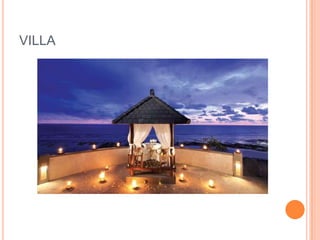
VILLA
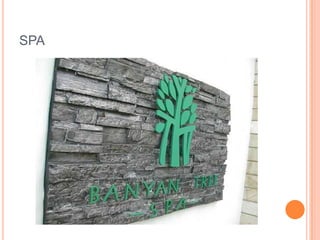
SPA
UNDER WATER MARRIAGE
MARKETING & BRAND VALUES
  BTHL marketing strategies were managed by
  international advertising agency
 Promoted as “Banyan Tree Experience”

 Focused on extensive advertising

 Building public relationship

 Membership in small luxury hotels and leading hotel
  of world
 Work with agent specialization in exclusive luxury
  holidays.
LOCAL COMMUNITY INVOLVEMENT


        Indigenous materials for
        construction of resort
        Promote traditional art and
        handicraft
       Purchase fresh produce
       Source of income for local
        people through art gallery
SOCIAL INTERACTIONS


   Disparity in life styles and living standards
    between guests and the local community
   Scholarships for the needy children, building
    schools, child care centre , hosting lunches
    and parties
   Support local cultures and religious
    activities
NEW BRANDS INTRODUCTION
 The   “Angsana brand”

 The   “Colours of Angsana”
 Resort & spa, complete with an Angsana Gallery
 Penetrate the soft adventure and cultural tourism
 market, creating to the more adventurous segment
 of market.
Q-- What are the main factors that contributed to
 Banyan Tree’s success?
CONTRIBUTES TO SUCCESS


 Choice of target segment
 Pioneer status: first mover advantage

 Public relationships as a tool of promotion.

 Product/service design and delivery

 Aggressive internal marketing

 Support of local communities

 Pro-environmental business practices
QUESTION: Evaluate Banyan Tree’s brand positioning
and communications strategies. Can Banyan Tree
maintain its unique positioning in an increasingly
overcrowded resorts market ?
   Brand positioning .

   Focused promotion efforts with minimal wastage

   Unique positioning sustainable
       Unique service experience at Banyan
        Tree(Appeal to “the senses,”)
       Retaining “Human touch”
       Individual treatment.
       Employee programs.
       The “Gallery”
Q--Discuss whether the brand portfolio of Banyan
Tree, Angsana, and Colours of Angsana, as well as
the product portfolio of beach resorts and city
hotels, spas, galleries, and museum shops fit as a
family. What are your recommendations to Banyan
Tree for managing these brands and products in
future?
 Banyan Tree targeted the higher end of the luxury
  resorts market
 Angsana was more mainstream and contemporary,
  targeting the wider market
 The Colours of Angsana range of boutique hotels
  catered specifically to the soft adventure tourism
  segment,
“THE ROMANCE OF TRAVEL AND THE BEAUTY
      OF DISCOVERING THE WORLD”

Banyan tree

  • 1.
    BANYAN TREE DEVELOPING A POWERFUL SERVICE BRAND Presented by- Abhishek Bansal Gaurav Jain Ekta chaudhary Karan Bali Arushi Gupta Sandeep Moria
  • 2.
    ORIGIN  Founder: Ho Kwon Ping.  Banyan Tree: One of the leading player in the luxury resorts and spa market in Asia.  Get its first customer in 1994 in Phuket, Thailand  In mid. 2004 BTHL operated 15 resorts and hotels,35 spas and 38 retail shops in more than 40 locations in 20 countries.
  • 3.
    STRATEGIES  Niche marketing strategy  Public Relations & Global Marketing Programs  Focused “human touch” instead of high tech energy consuming equipments  Introduced services like: Spa Individual villas Intimate packages for couple
  • 4.
    FACTORS BEHIND SUCCESS  Choice of target segment  Exotic designs in architecture.  Product/service design and delivery  Aggressive internal marketing  Winning the support of local communities and public interest groups  Pioneer status: first mover advantage  Pro-environmental business practices
  • 5.
  • 6.
  • 8.
  • 9.
    MARKETING & BRANDVALUES BTHL marketing strategies were managed by international advertising agency  Promoted as “Banyan Tree Experience”  Focused on extensive advertising  Building public relationship  Membership in small luxury hotels and leading hotel of world  Work with agent specialization in exclusive luxury holidays.
  • 10.
    LOCAL COMMUNITY INVOLVEMENT  Indigenous materials for construction of resort  Promote traditional art and handicraft Purchase fresh produce Source of income for local people through art gallery
  • 11.
    SOCIAL INTERACTIONS  Disparity in life styles and living standards between guests and the local community  Scholarships for the needy children, building schools, child care centre , hosting lunches and parties  Support local cultures and religious activities
  • 12.
    NEW BRANDS INTRODUCTION The “Angsana brand”  The “Colours of Angsana” Resort & spa, complete with an Angsana Gallery Penetrate the soft adventure and cultural tourism market, creating to the more adventurous segment of market.
  • 13.
    Q-- What arethe main factors that contributed to Banyan Tree’s success?
  • 14.
    CONTRIBUTES TO SUCCESS Choice of target segment  Pioneer status: first mover advantage  Public relationships as a tool of promotion.  Product/service design and delivery  Aggressive internal marketing  Support of local communities  Pro-environmental business practices
  • 15.
    QUESTION: Evaluate BanyanTree’s brand positioning and communications strategies. Can Banyan Tree maintain its unique positioning in an increasingly overcrowded resorts market ?
  • 16.
    Brand positioning .  Focused promotion efforts with minimal wastage  Unique positioning sustainable  Unique service experience at Banyan Tree(Appeal to “the senses,”)  Retaining “Human touch”  Individual treatment.  Employee programs.  The “Gallery”
  • 17.
    Q--Discuss whether thebrand portfolio of Banyan Tree, Angsana, and Colours of Angsana, as well as the product portfolio of beach resorts and city hotels, spas, galleries, and museum shops fit as a family. What are your recommendations to Banyan Tree for managing these brands and products in future?
  • 18.
     Banyan Treetargeted the higher end of the luxury resorts market  Angsana was more mainstream and contemporary, targeting the wider market  The Colours of Angsana range of boutique hotels catered specifically to the soft adventure tourism segment,
  • 19.
    “THE ROMANCE OFTRAVEL AND THE BEAUTY OF DISCOVERING THE WORLD”