
Javed Iqbal
         FCPS, FRCS

    Professor of Surgery
Quaid-e-Azam Medical College,
         Bahawalpur
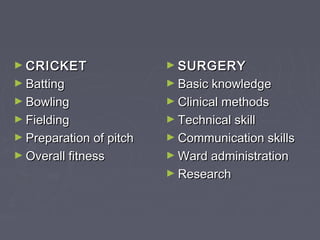
► CRICKET                ► SURGERY
► Batting                ► Basic knowledge
► Bowling                ► Clinical methods
► Fielding               ► Technical skill
► Preparation of pitch   ► Communication skills
► Overall fitness        ► Ward administration
                         ► Research
There is one thing
 missing in both
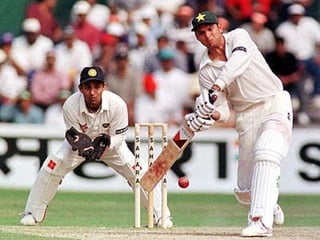
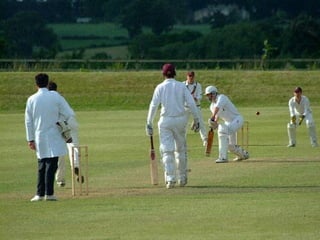
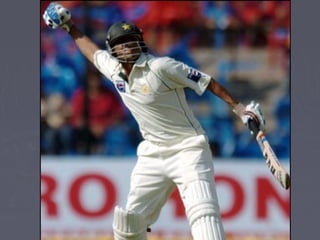
Scoring in cricket
And Audit in surgery
Audit in surgery

          ~
Keeping the record of the
   scores in cricket
Surgical practice without
         audit is
    Like playing cricket without
   keeping the records of scores
AUDIT

Review…Check…Inspection…Examination
       Assessment…Inventory
The main responsibility
     of a doctor
    To provide health care
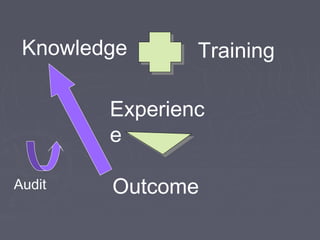
Knowledge      Training

        Experienc
        e

Audit   Outcome
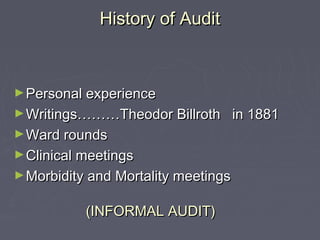
History of Audit


► Personal experience
► Writings………Theodor Billroth        in 1881
► Ward rounds
► Clinical meetings
► Morbidity and Mortality meetings


           (INFORMAL AUDIT)
Informal audit is and use to
be an activity conducted by
           some


    Which are more
    enthusiastic
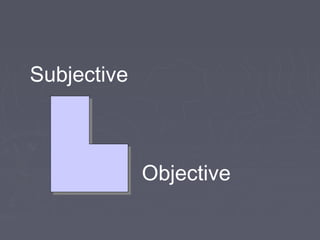
Subjective


             Objective
Definition
   The systemic, critical analysis of the
   quality of medical care, including the
procedures used for diagnosis, the use of
 recourses and outcome of the quality of
           life of the patient
2

Systemic approach to the
 review of clinical care to
highlight the opportunities
     for improvement
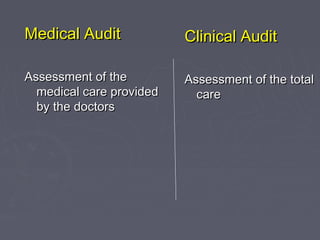
Medical Audit             Clinical Audit

Assessment of the         Assessment of the total
  medical care provided     care
  by the doctors
Informal audit is and use to
be an activity conducted by
   some, which are more
       enthusiastic
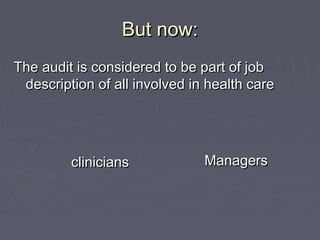
But now:
The audit is considered to be part of job
 description of all involved in health care


         clinicians            Managers
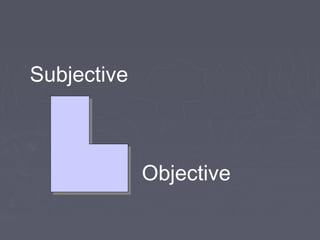
Subjective


             Objective
This is why, it is now part of
   the curriculum of final
  fellowship examination
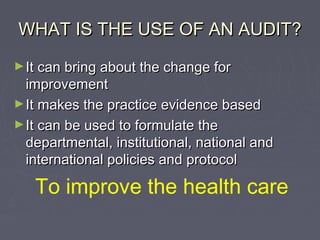
WHAT IS THE USE OF AN AUDIT?
► It can bring about the change for
  improvement
► It makes the practice evidence based
► It can be used to formulate the
  departmental, institutional, national and
  international policies and protocol

   To improve the health care
It is also a very powerful
        teaching tool
From where to start?
Attitude and motivation
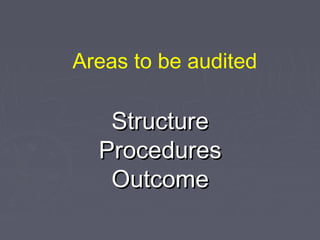
Areas to be audited

   Structure
  Procedures
   Outcome
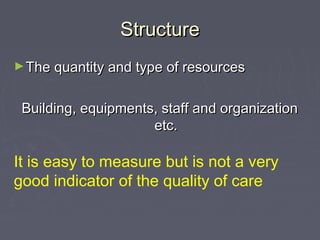
Structure
► The quantity and type of resources


 Building, equipments, staff and organization
                     etc.

It is easy to measure but is not a very
good indicator of the quality of care
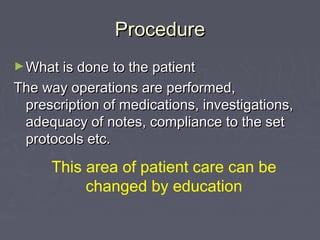
Procedure
► What is done to the patient
The way operations are performed,
 prescription of medications, investigations,
 adequacy of notes, compliance to the set
 protocols etc.

      This area of patient care can be
           changed by education
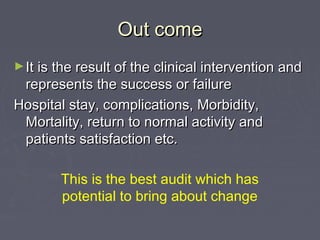
Out come
► It is the result of the clinical intervention and
 represents the success or failure
Hospital stay, complications, Morbidity,
 Mortality, return to normal activity and
 patients satisfaction etc.

        This is the best audit which has
        potential to bring about change
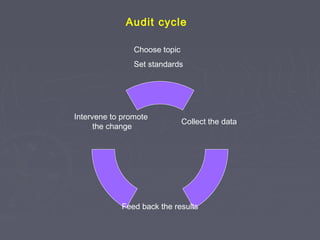
Audit cycle

                Choose topic
                Set standards


Intervene to promote
                               Collect the data
      the change


            Feed back the results
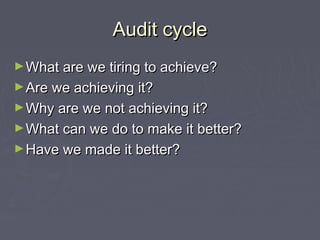
Audit cycle
► What are we tiring to achieve?
► Are we achieving it?
► Why are we not achieving it?
► What can we do to make it better?
► Have we made it better?
METHODS
 An outline
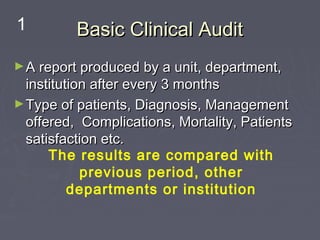
1         Basic Clinical Audit
► A report produced by a unit, department,
  institution after every 3 months
► Type of patients, Diagnosis, Management
  offered, Complications, Mortality, Patients
  satisfaction etc.
      The results are compared with
            previous period, other
          departments or institution
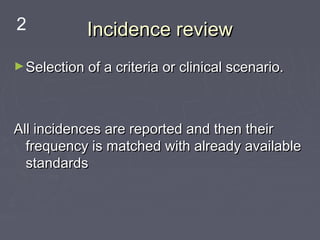
2           Incidence review
► Selection of a criteria or clinical scenario.


All incidences are reported and then their
  frequency is matched with already available
  standards
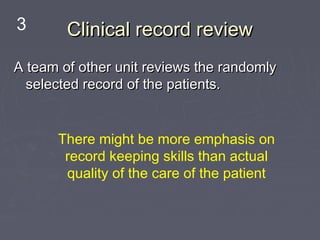
3       Clinical record review
A team of other unit reviews the randomly
  selected record of the patients.


      There might be more emphasis on
       record keeping skills than actual
       quality of the care of the patient
4              Criterion audit
► It is more advanced and structured form of
  incident audit.
► A standard criterion of an aspect of patient care is
  selected. The criterion should be such that even a
  non-technical auditor can get an unambiguous
  assessment from the patients chart.
► If the criterion is not met, then further review is
  conducted
► This has a potential to assess all aspects of
  patients care
5 Adverse occurrence screening

► The auditors decide to shortlist the adverse
  happenings which should not take place
  and needs to avoided. e.g. Wound
  infections, burst abdomen, readmission
  within 24 hours of discharge, unplanned
  blood transfusions etc.
► The frequency of them are than matched
  with standards.
6         Focused audit study
► This is conducted on the basis of the
  outcome of another audit to find out the finer
  details.

► This is closer to clinical research but it not
  intended to find new knowledge.

        Research finds “right thing to do”
     Audit finds “whether right thing has been
                   done or not”
7             Global audit
► Comparison of the data across different
 units, hospitals and regions.
8


    Out come studies
9


    National studies
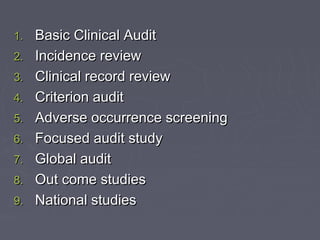
1.   Basic Clinical Audit
2.   Incidence review
3.   Clinical record review
4.   Criterion audit
5.   Adverse occurrence screening
6.   Focused audit study
7.   Global audit
8.   Out come studies
9.   National studies
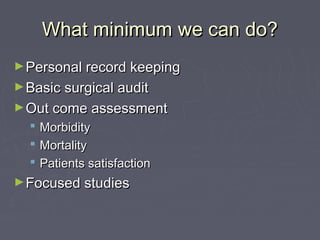
What minimum we can do?
► Personal record keeping
► Basic surgical audit
► Out come assessment
     Morbidity
     Mortality
     Patients satisfaction
► Focused studies
Audit is the first step
   Not an end in itself
Surgical practice without
         audit is
    Like playing cricket without
   keeping the records of scores
Thank you

Audit javed

  • 1.
    Javed Iqbal FCPS, FRCS Professor of Surgery Quaid-e-Azam Medical College, Bahawalpur
  • 6.
    ► CRICKET ► SURGERY ► Batting ► Basic knowledge ► Bowling ► Clinical methods ► Fielding ► Technical skill ► Preparation of pitch ► Communication skills ► Overall fitness ► Ward administration ► Research
  • 7.
    There is onething missing in both
  • 8.
    Scoring in cricket AndAudit in surgery
  • 9.
    Audit in surgery ~ Keeping the record of the scores in cricket
  • 10.
    Surgical practice without audit is Like playing cricket without keeping the records of scores
  • 11.
  • 12.
    The main responsibility of a doctor To provide health care
  • 13.
    Knowledge Training Experienc e Audit Outcome
  • 14.
    History of Audit ►Personal experience ► Writings………Theodor Billroth in 1881 ► Ward rounds ► Clinical meetings ► Morbidity and Mortality meetings (INFORMAL AUDIT)
  • 15.
    Informal audit isand use to be an activity conducted by some Which are more enthusiastic
  • 16.
    Subjective Objective
  • 17.
    Definition The systemic, critical analysis of the quality of medical care, including the procedures used for diagnosis, the use of recourses and outcome of the quality of life of the patient
  • 18.
    2 Systemic approach tothe review of clinical care to highlight the opportunities for improvement
  • 19.
    Medical Audit Clinical Audit Assessment of the Assessment of the total medical care provided care by the doctors
  • 20.
    Informal audit isand use to be an activity conducted by some, which are more enthusiastic
  • 21.
    But now: The auditis considered to be part of job description of all involved in health care clinicians Managers
  • 22.
    Subjective Objective
  • 23.
    This is why,it is now part of the curriculum of final fellowship examination
  • 24.
    WHAT IS THEUSE OF AN AUDIT? ► It can bring about the change for improvement ► It makes the practice evidence based ► It can be used to formulate the departmental, institutional, national and international policies and protocol To improve the health care
  • 25.
    It is alsoa very powerful teaching tool
  • 26.
  • 27.
  • 28.
    Areas to beaudited Structure Procedures Outcome
  • 29.
    Structure ► The quantityand type of resources Building, equipments, staff and organization etc. It is easy to measure but is not a very good indicator of the quality of care
  • 30.
    Procedure ► What isdone to the patient The way operations are performed, prescription of medications, investigations, adequacy of notes, compliance to the set protocols etc. This area of patient care can be changed by education
  • 31.
    Out come ► Itis the result of the clinical intervention and represents the success or failure Hospital stay, complications, Morbidity, Mortality, return to normal activity and patients satisfaction etc. This is the best audit which has potential to bring about change
  • 32.
    Audit cycle Choose topic Set standards Intervene to promote Collect the data the change Feed back the results
  • 33.
    Audit cycle ► Whatare we tiring to achieve? ► Are we achieving it? ► Why are we not achieving it? ► What can we do to make it better? ► Have we made it better?
  • 34.
  • 35.
    1 Basic Clinical Audit ► A report produced by a unit, department, institution after every 3 months ► Type of patients, Diagnosis, Management offered, Complications, Mortality, Patients satisfaction etc. The results are compared with previous period, other departments or institution
  • 36.
    2 Incidence review ► Selection of a criteria or clinical scenario. All incidences are reported and then their frequency is matched with already available standards
  • 37.
    3 Clinical record review A team of other unit reviews the randomly selected record of the patients. There might be more emphasis on record keeping skills than actual quality of the care of the patient
  • 38.
    4 Criterion audit ► It is more advanced and structured form of incident audit. ► A standard criterion of an aspect of patient care is selected. The criterion should be such that even a non-technical auditor can get an unambiguous assessment from the patients chart. ► If the criterion is not met, then further review is conducted ► This has a potential to assess all aspects of patients care
  • 39.
    5 Adverse occurrencescreening ► The auditors decide to shortlist the adverse happenings which should not take place and needs to avoided. e.g. Wound infections, burst abdomen, readmission within 24 hours of discharge, unplanned blood transfusions etc. ► The frequency of them are than matched with standards.
  • 40.
    6 Focused audit study ► This is conducted on the basis of the outcome of another audit to find out the finer details. ► This is closer to clinical research but it not intended to find new knowledge. Research finds “right thing to do” Audit finds “whether right thing has been done or not”
  • 41.
    7 Global audit ► Comparison of the data across different units, hospitals and regions.
  • 42.
    8 Out come studies
  • 43.
    9 National studies
  • 44.
    1. Basic Clinical Audit 2. Incidence review 3. Clinical record review 4. Criterion audit 5. Adverse occurrence screening 6. Focused audit study 7. Global audit 8. Out come studies 9. National studies
  • 45.
    What minimum wecan do? ► Personal record keeping ► Basic surgical audit ► Out come assessment  Morbidity  Mortality  Patients satisfaction ► Focused studies
  • 46.
    Audit is thefirst step Not an end in itself
  • 47.
    Surgical practice without audit is Like playing cricket without keeping the records of scores
  • 48.