ARDS Guidelines Dr. George John, Critical Care,  Christian Medical College,  Vellore
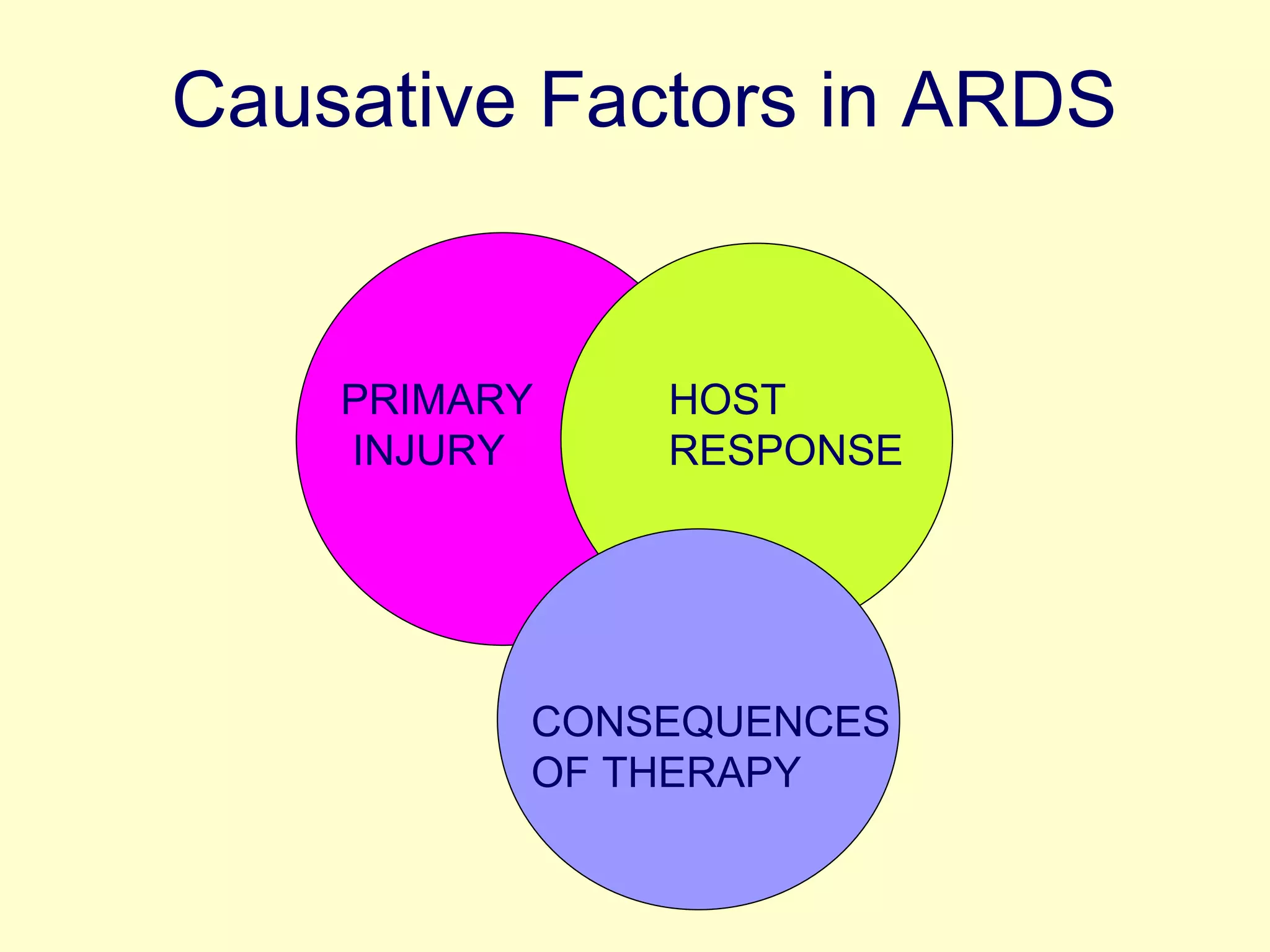
Causative Factors in ARDS PRIMARY INJURY HOST RESPONSE CONSEQUENCES  OF THERAPY
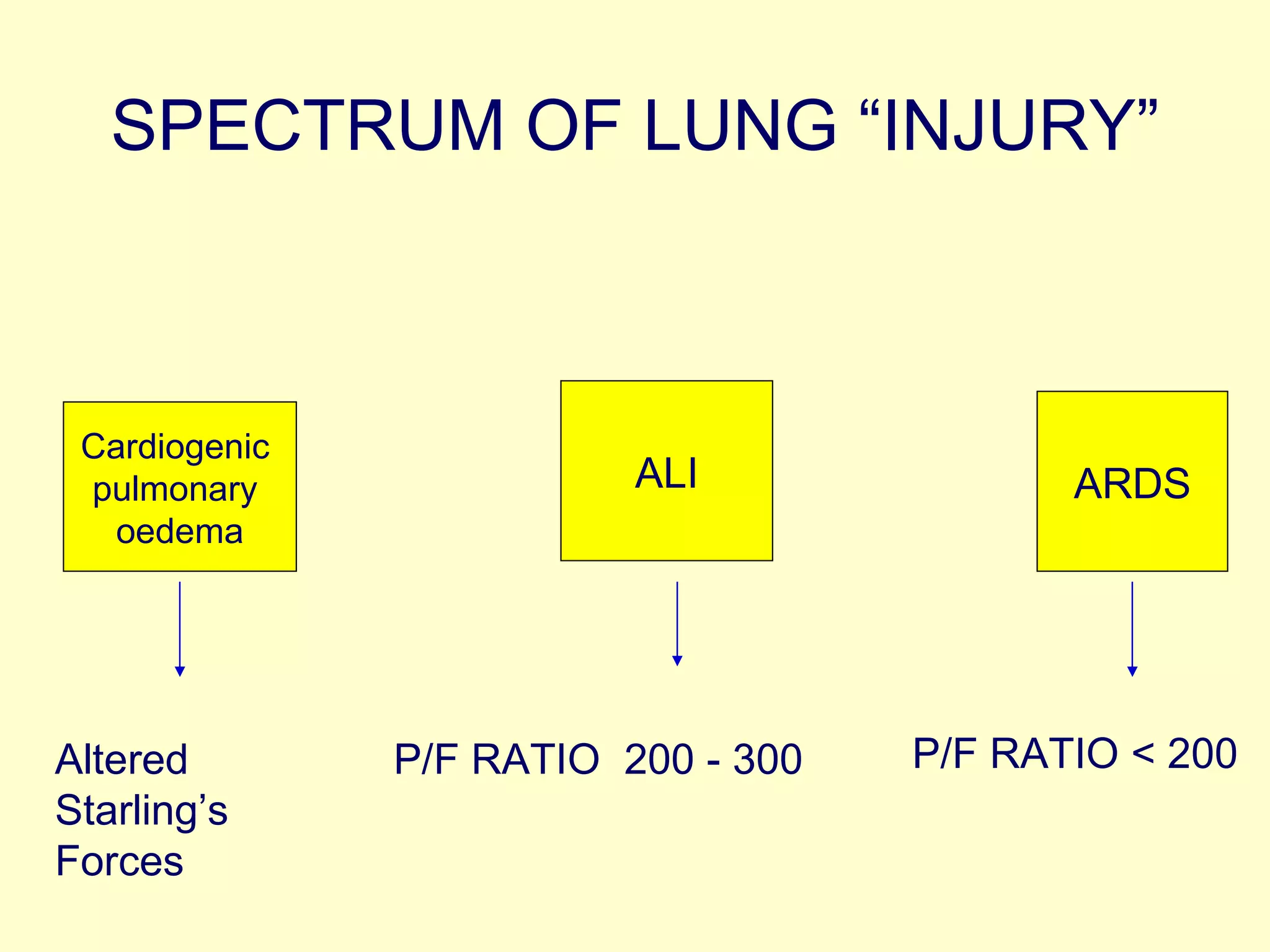
SPECTRUM OF LUNG “INJURY” Cardiogenic  pulmonary  oedema ALI ARDS Altered Starling’s Forces P/F RATIO  200 - 300 P/F RATIO < 200
Pulmonary Changes Alveolar Flooding Interstitial inflammation Atelectasis Early Exudative Phase < 1 week Late Fibro Proliferative Phase > 1 week
Guidelines Oxygenation Ventilation Position Fluid management Miscellaneous
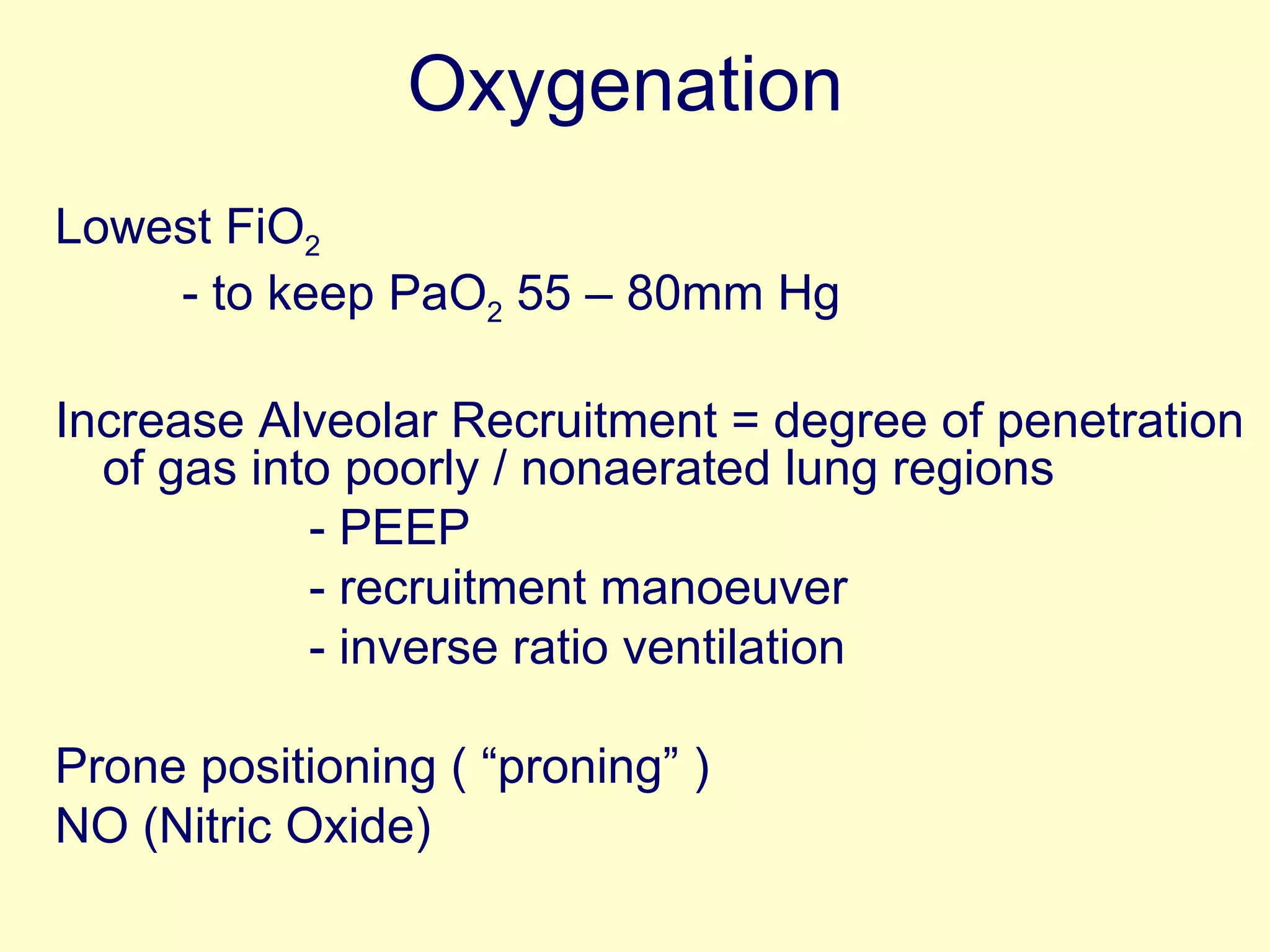
Oxygenation   Lowest FiO 2  - to keep PaO 2  55 – 80mm Hg Increase Alveolar Recruitment = degree of penetration of gas into poorly / nonaerated lung regions - PEEP  - recruitment manoeuver - inverse ratio ventilation Prone positioning ( “proning” ) NO (Nitric Oxide)
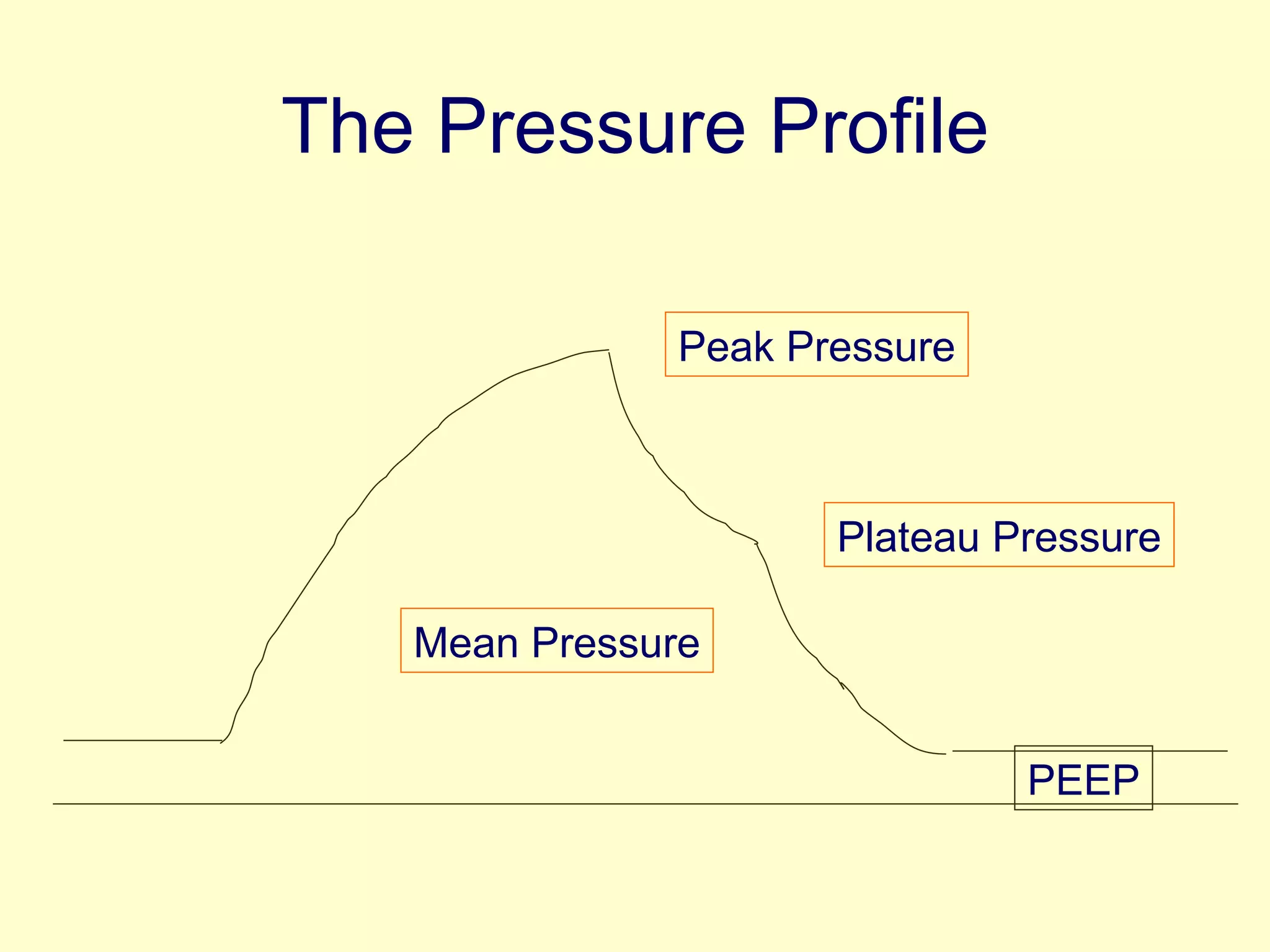
The Pressure Profile Peak Pressure Plateau Pressure Mean Pressure PEEP
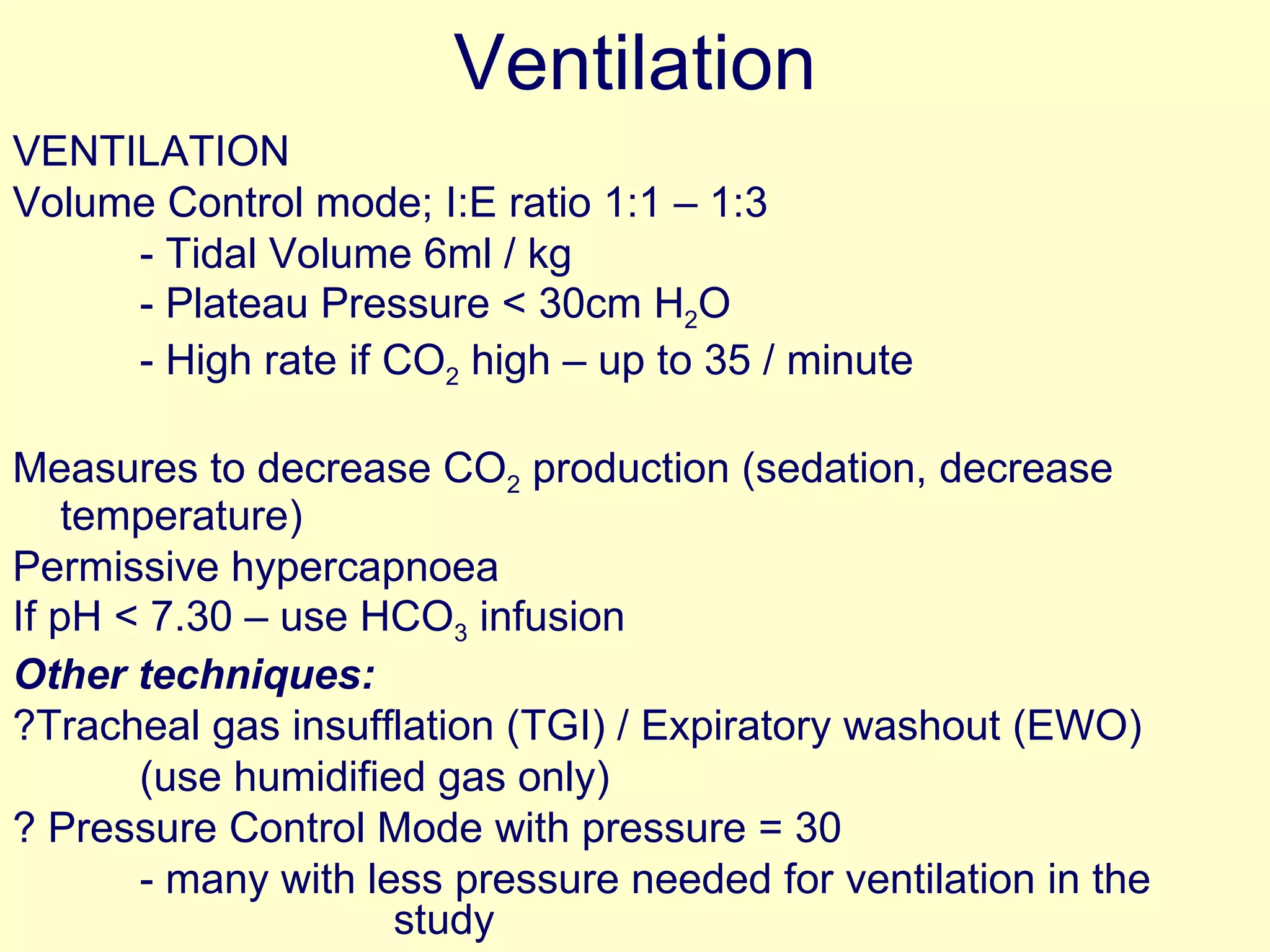
Ventilation VENTILATION Volume Control mode; I:E ratio 1:1 – 1:3 - Tidal Volume 6ml / kg - Plateau Pressure < 30cm H 2 O  - High rate if CO 2  high – up to 35 / minute Measures to decrease CO 2  production (sedation, decrease temperature)  Permissive hypercapnoea If pH < 7.30 – use HCO 3  infusion Other techniques: ?Tracheal gas insufflation (TGI) / Expiratory washout (EWO) (use humidified gas only) ? Pressure Control Mode with pressure = 30  - many with less pressure needed for ventilation in the  study  -  study done with VC mode
Position “PRONING” Ventilation in the prone position improves oxygenation but most clinical studies have not shown that prone ventilation improves outcome. In a study of paediatric patients (2 weeks to 18 years of age) with acute lung injury, prone positioning did not significantly reduce ventilator-free days or improve clinical outcome.  However, in a study published in 2006,  prolonged  prone positioning (at least 20 hours a day) in patients greater than 18 years of age showed that it was safe and  may  reduce mortality.
Fluid Management Liberal versus Conservative Conservative strategy:  maintain a low target filling pressure (CVP of less than 4mm Hg or PAOP of less than 8 mm Hg)  versus Liberal strategy: maintain higher filling pressure CVP 10 – 14mm Hg or PAOP 14-18mm Hg. This was achieved by a combination of bolus fluid administration, use of frusemide or dobutamine, depending on the perfusion, urine output , measured filling pressures and cardiac output (if available). Result: There was no significant difference in mortality (25.5% in the conservative group vs. 28.4% in the liberal group). However, the conservative strategy improved the oxygenation index, lung injury score, increased the number of ventilator free days and days not spent in ICU. The conservative strategy did  not  increase the incidence or prevalence of shock during the study. In addition, the conservative strategy did  not  increase the use of dialysis during the first 60 days.
Monitoring In a landmark study published in 2006, the use of PA catheter guided therapy did not improve organ function or survival as compared to CVC guided therapy. The PA catheter was associated with more complications (twice as many catheter related complications, predominantly arrhythmias) than CVC guided therapy.
Cardiovascular Haemoglobin 8 – 10 g% Maintain Cardiac Output Judicious fluids Use inotropes as needed
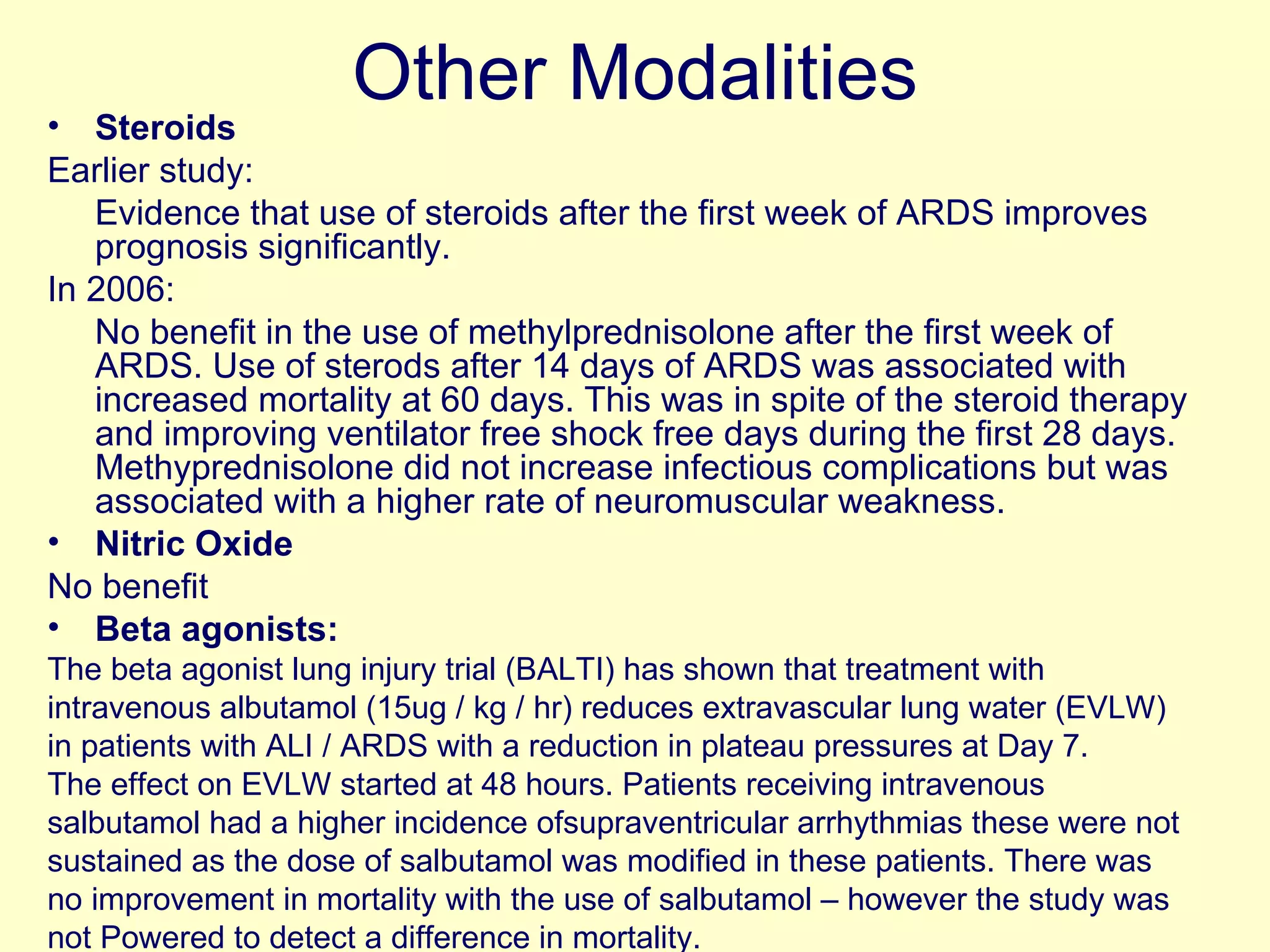
Other Modalities Steroids Earlier study:  Evidence that use of steroids after the first week of ARDS improves prognosis significantly.  In 2006:  No benefit in the use of methylprednisolone after the first week of ARDS. Use of sterods after 14 days of ARDS was associated with increased mortality at 60 days. This was in spite of the steroid therapy and improving ventilator free shock free days during the first 28 days. Methyprednisolone did not increase infectious complications but was associated with a higher rate of neuromuscular weakness.  Nitric Oxide No benefit Beta agonists: The beta agonist lung injury trial (BALTI) has shown that treatment with intravenous albutamol (15ug / kg / hr) reduces extravascular lung water (EVLW) in patients with ALI / ARDS with a reduction in plateau pressures at Day 7. The effect on EVLW started at 48 hours. Patients receiving intravenous salbutamol had a higher incidence ofsupraventricular arrhythmias these were not sustained as the dose of salbutamol was modified in these patients. There was no improvement in mortality with the use of salbutamol – however the study was not Powered to detect a difference in mortality.
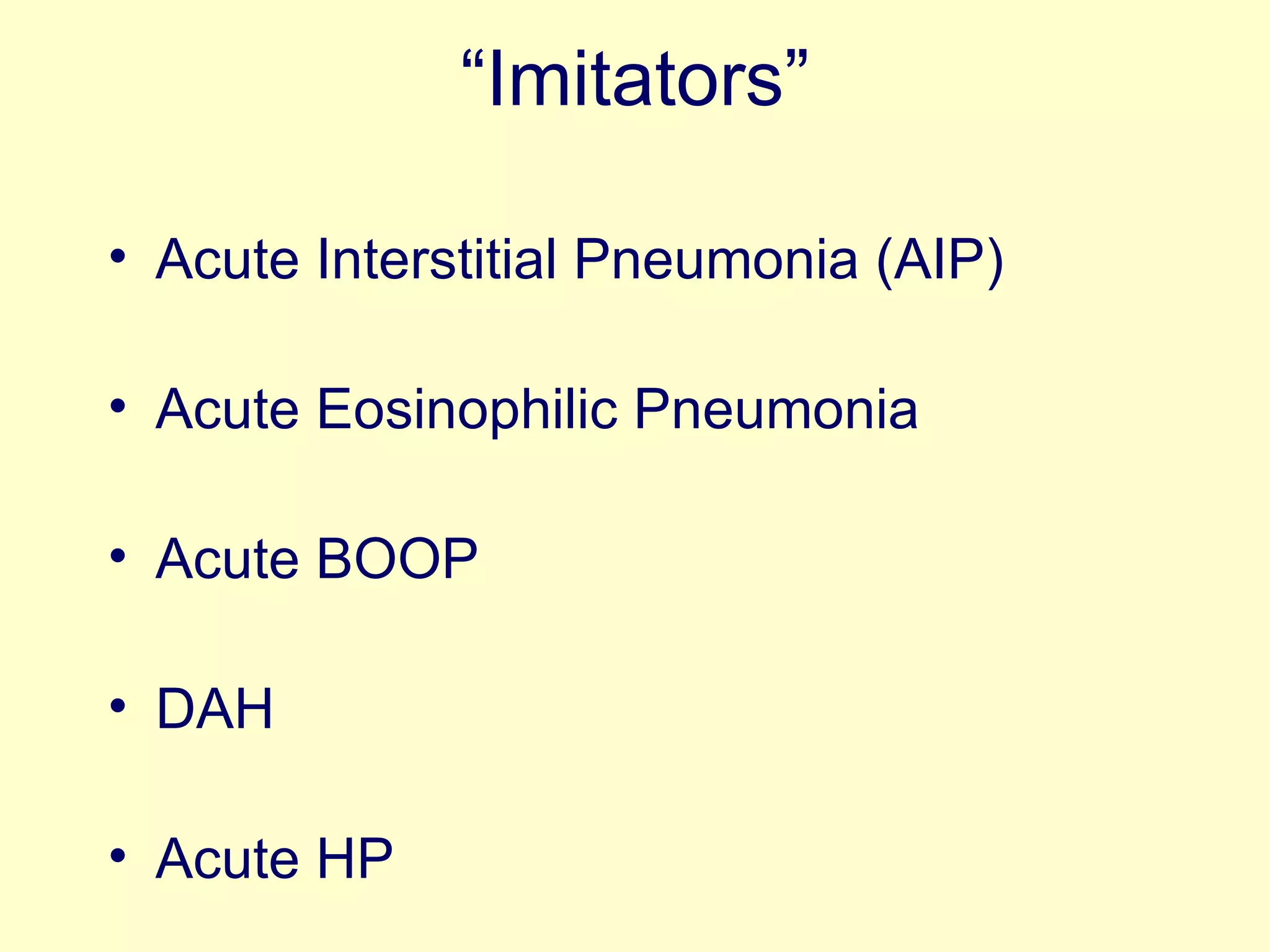
“ Imitators” Acute Interstitial Pneumonia (AIP) Acute Eosinophilic Pneumonia Acute BOOP DAH Acute HP
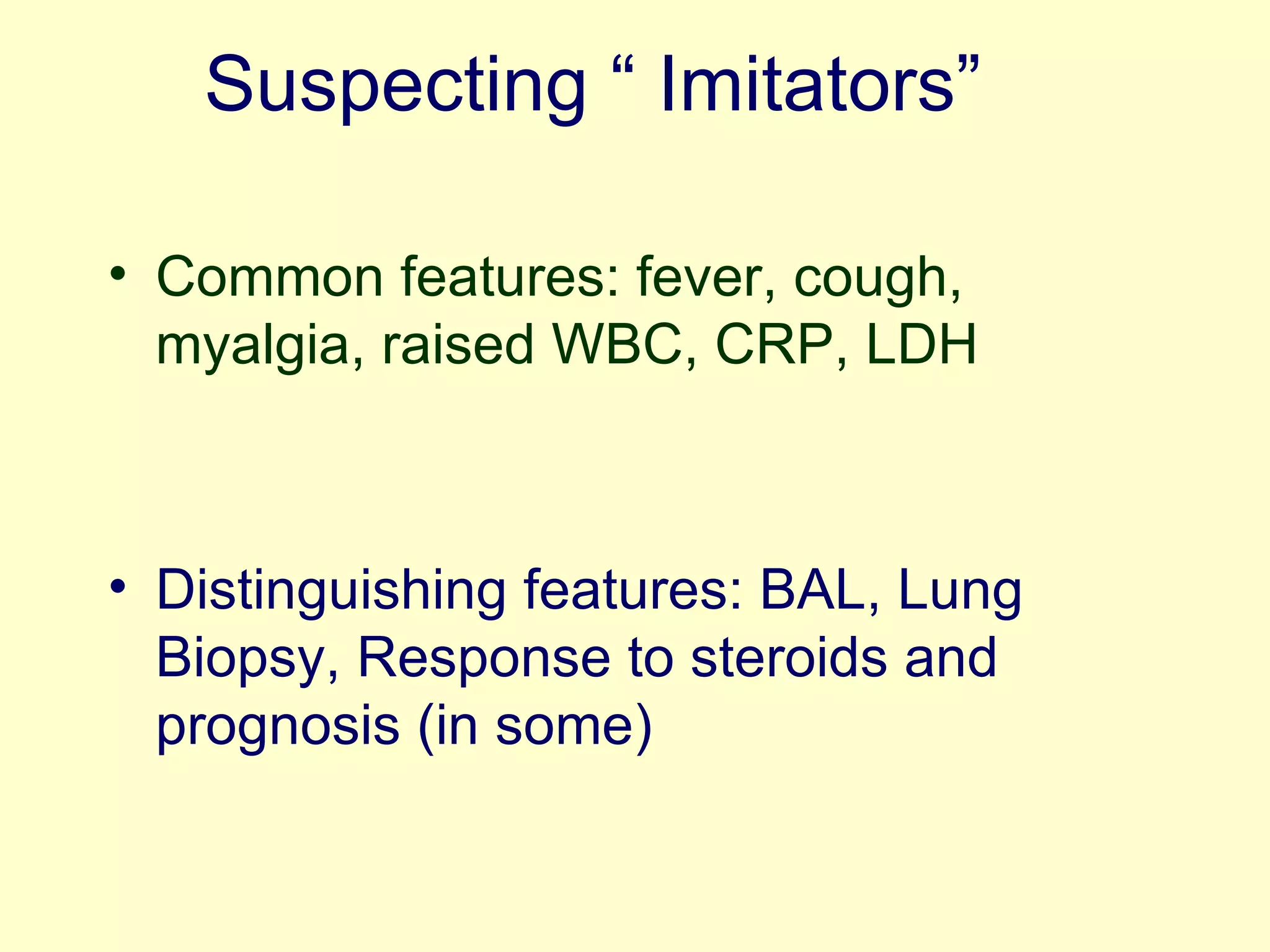
Suspecting “ Imitators” Common features: fever, cough, myalgia, raised WBC, CRP, LDH Distinguishing features: BAL, Lung Biopsy, Response to steroids and prognosis (in some)
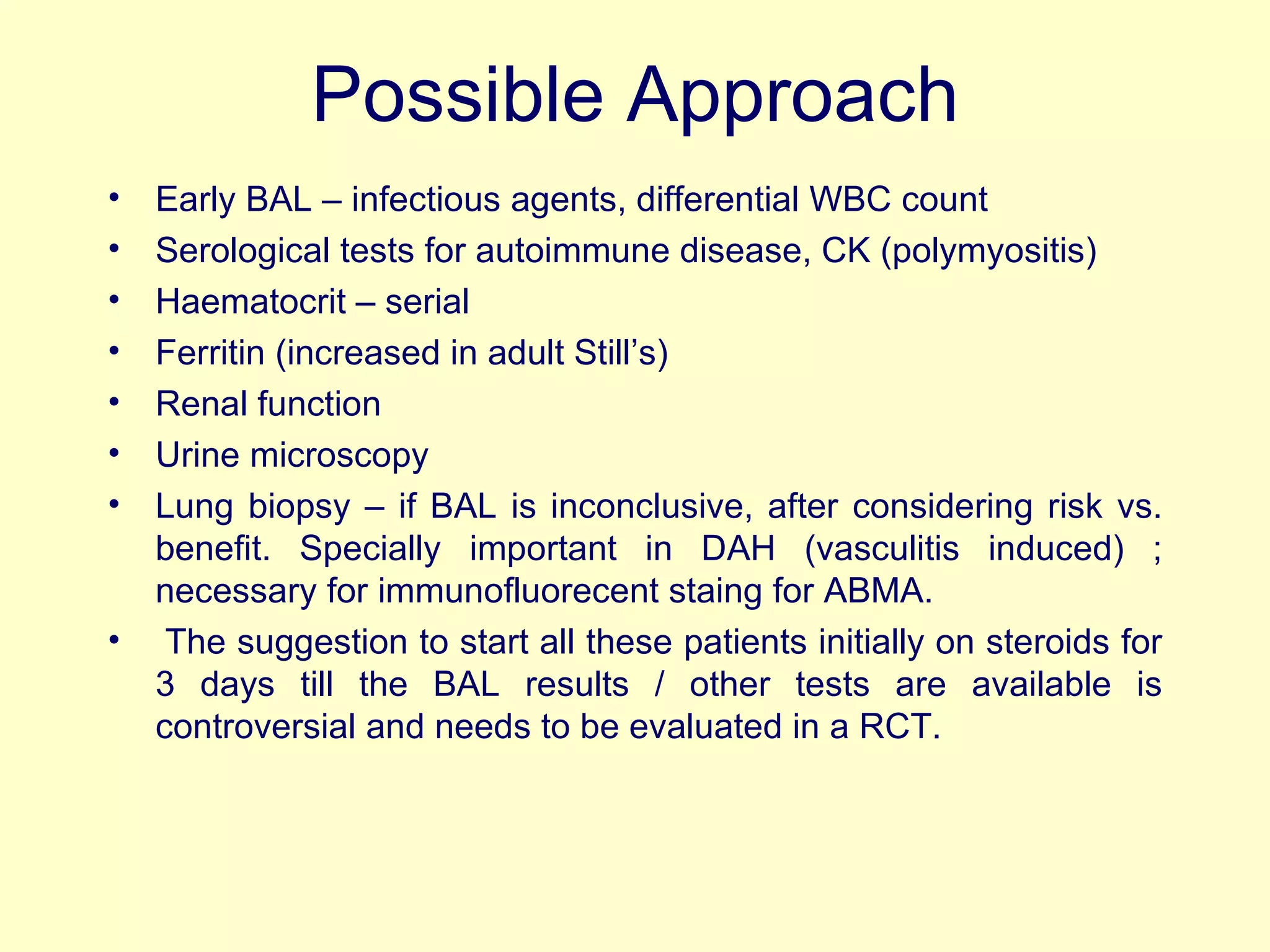
Possible Approach Early BAL – infectious agents, differential WBC count Serological tests for autoimmune disease, CK (polymyositis) Haematocrit – serial Ferritin (increased in adult Still’s) Renal function Urine microscopy Lung biopsy – if BAL is inconclusive, after considering risk vs. benefit. Specially important in DAH (vasculitis induced) ; necessary for immunofluorecent staing for ABMA.   The suggestion to start all these patients initially on steroids for 3 days till the BAL results / other tests are available is controversial and needs to be evaluated in a RCT.
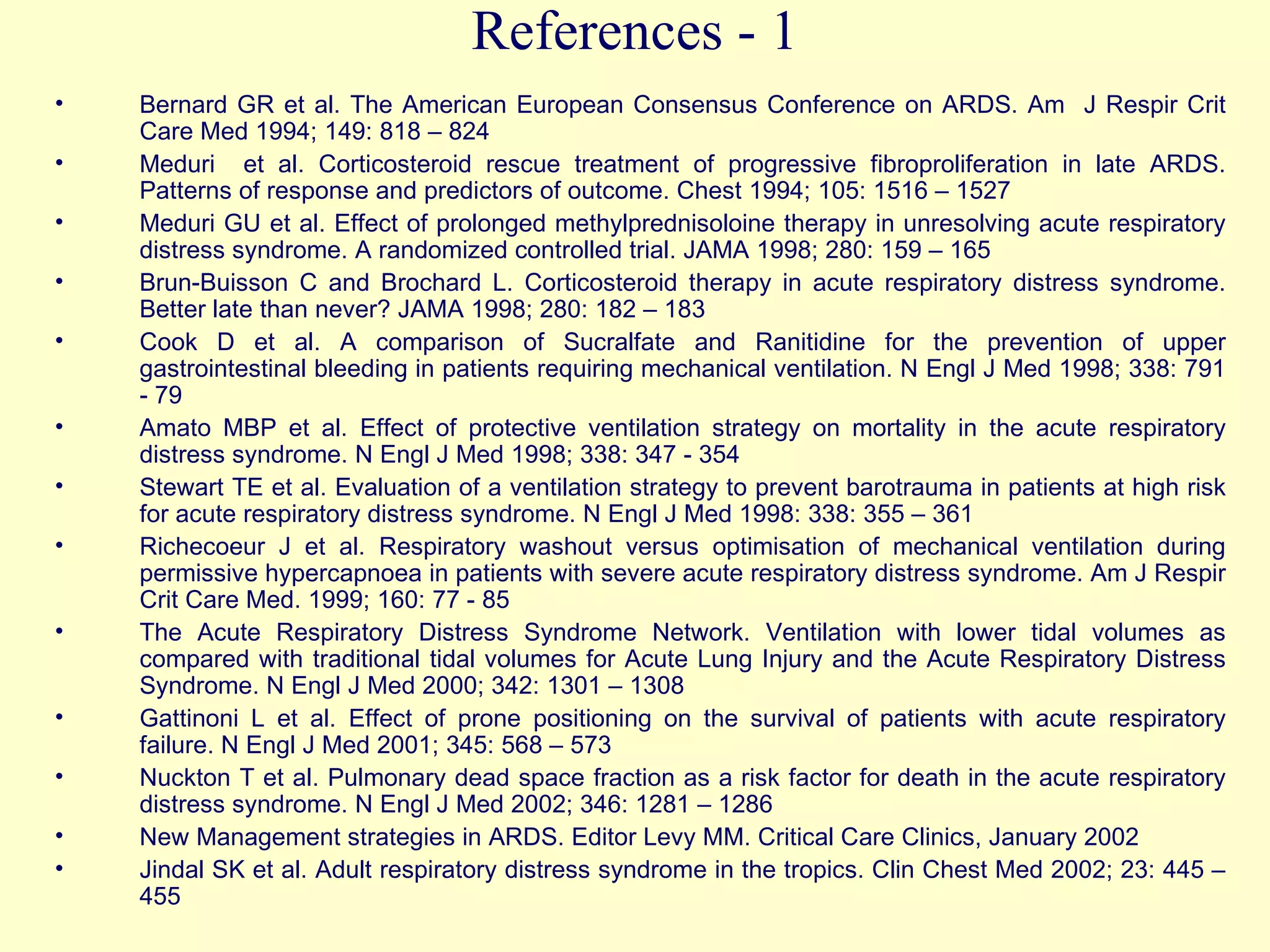
References - 1 Bernard GR et al. The American European Consensus Conference on ARDS. Am  J Respir Crit Care Med 1994; 149: 818 – 824 Meduri  et al. Corticosteroid rescue treatment of progressive fibroproliferation in late ARDS. Patterns of response and predictors of outcome. Chest 1994; 105: 1516 – 1527 Meduri GU et al. Effect of prolonged methylprednisoloine therapy in unresolving acute respiratory distress syndrome. A randomized controlled trial. JAMA 1998; 280: 159 – 165 Brun-Buisson C and Brochard L. Corticosteroid therapy in acute respiratory distress syndrome. Better late than never? JAMA 1998; 280: 182 – 183 Cook D et al. A comparison of Sucralfate and Ranitidine for the prevention of upper gastrointestinal bleeding in patients requiring mechanical ventilation. N Engl J Med 1998; 338: 791 - 79   Amato MBP et al. Effect of protective ventilation strategy on mortality in the acute respiratory distress syndrome. N Engl J Med 1998; 338: 347 - 354 Stewart TE et al. Evaluation of a ventilation strategy to prevent barotrauma in patients at high risk for acute respiratory distress syndrome. N Engl J Med 1998: 338: 355 – 361 Richecoeur J et al. Respiratory washout versus optimisation of mechanical ventilation during permissive hypercapnoea in patients with severe acute respiratory distress syndrome. Am J Respir Crit Care Med. 1999; 160: 77 - 85 The Acute Respiratory Distress Syndrome Network. Ventilation with lower tidal volumes as compared with traditional tidal volumes for Acute Lung Injury and the Acute Respiratory Distress Syndrome. N Engl J Med 2000; 342: 1301 – 1308 Gattinoni L et al. Effect of prone positioning on the survival of patients with acute respiratory failure. N Engl J Med 2001; 345: 568 – 573 Nuckton T et al. Pulmonary dead space fraction as a risk factor for death in the acute respiratory distress syndrome. N Engl J Med 2002; 346: 1281 – 1286   New Management strategies in ARDS. Editor Levy MM. Critical Care Clinics, January 2002    Jindal SK et al. Adult respiratory distress syndrome in the tropics. Clin Chest Med 2002; 23: 445 – 455
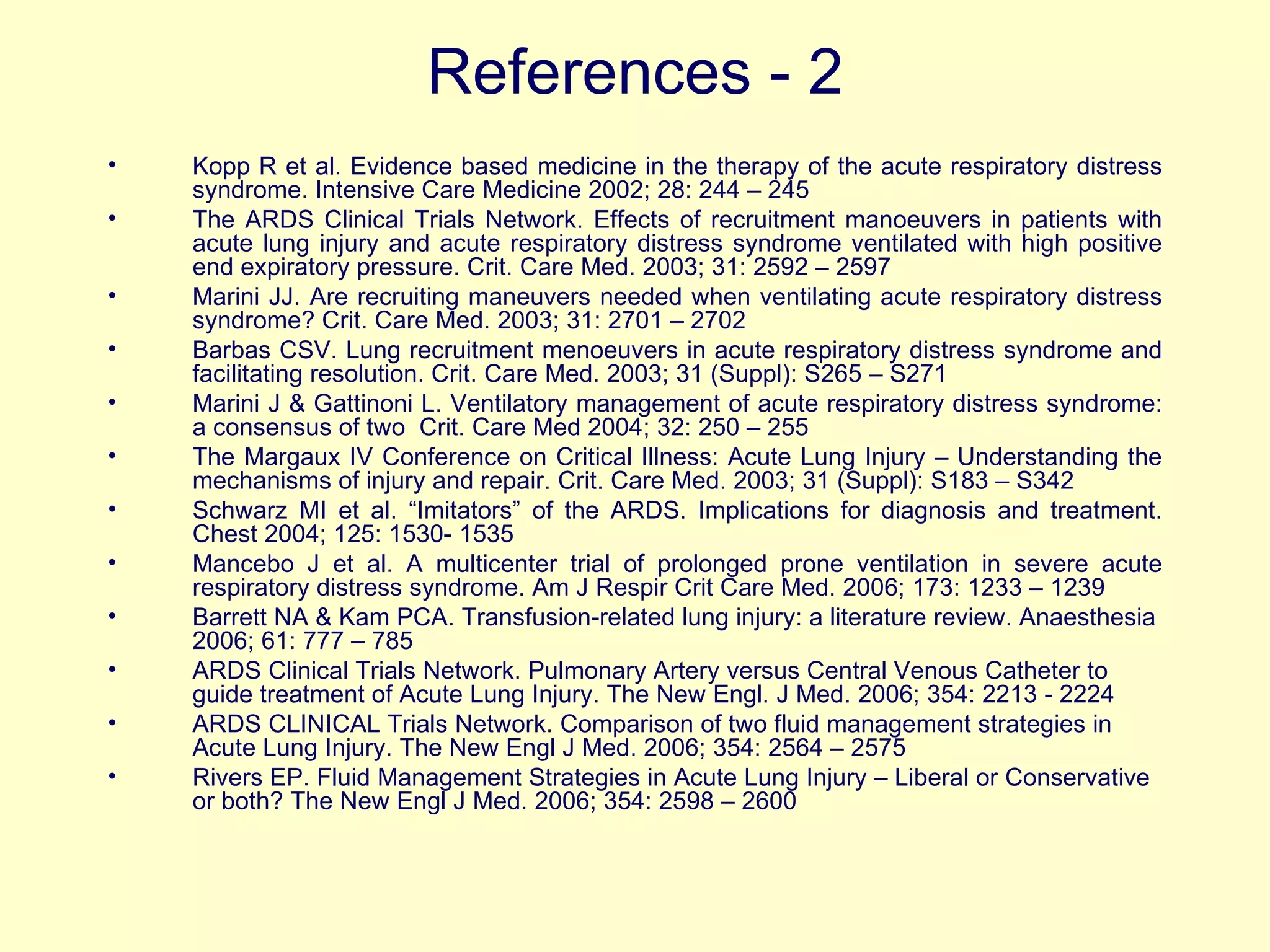
References - 2 Kopp R et al. Evidence based medicine in the therapy of the acute respiratory distress syndrome. Intensive Care Medicine 2002; 28: 244 – 245 The ARDS Clinical Trials Network. Effects of recruitment manoeuvers in patients with acute lung injury and acute respiratory distress syndrome ventilated with high positive end expiratory pressure. Crit. Care Med. 2003; 31: 2592 – 2597 Marini JJ. Are recruiting maneuvers needed when ventilating acute respiratory distress syndrome? Crit. Care Med. 2003; 31: 2701 – 2702 Barbas CSV. Lung recruitment menoeuvers in acute respiratory distress syndrome and facilitating resolution. Crit. Care Med. 2003; 31 (Suppl): S265 – S271 Marini J & Gattinoni L. Ventilatory management of acute respiratory distress syndrome: a consensus of two  Crit. Care Med 2004; 32: 250 – 255 The Margaux IV Conference on Critical Illness: Acute Lung Injury – Understanding the mechanisms of injury and repair. Crit. Care Med. 2003; 31 (Suppl): S183 – S342 Schwarz MI et al. “Imitators” of the ARDS. Implications for diagnosis and treatment. Chest 2004; 125: 1530- 1535 Mancebo J et al. A multicenter trial of prolonged prone ventilation in severe acute respiratory distress syndrome. Am J Respir Crit Care Med. 2006; 173: 1233 – 1239 Barrett NA & Kam PCA. Transfusion-related lung injury: a literature review. Anaesthesia 2006; 61: 777 – 785 ARDS Clinical Trials Network. Pulmonary Artery versus Central Venous Catheter to guide treatment of Acute Lung Injury. The New Engl. J Med. 2006; 354: 2213 - 2224 ARDS CLINICAL Trials Network. Comparison of two fluid management strategies in Acute Lung Injury. The New Engl J Med. 2006; 354: 2564 – 2575 Rivers EP. Fluid Management Strategies in Acute Lung Injury – Liberal or Conservative or both? The New Engl J Med. 2006; 354: 2598 – 2600

Ards guidelines john

  • 1.
    ARDS Guidelines Dr.George John, Critical Care, Christian Medical College, Vellore
  • 2.
    Causative Factors inARDS PRIMARY INJURY HOST RESPONSE CONSEQUENCES OF THERAPY
  • 3.
    SPECTRUM OF LUNG“INJURY” Cardiogenic pulmonary oedema ALI ARDS Altered Starling’s Forces P/F RATIO 200 - 300 P/F RATIO < 200
  • 4.
    Pulmonary Changes AlveolarFlooding Interstitial inflammation Atelectasis Early Exudative Phase < 1 week Late Fibro Proliferative Phase > 1 week
  • 5.
    Guidelines Oxygenation VentilationPosition Fluid management Miscellaneous
  • 6.
    Oxygenation Lowest FiO 2 - to keep PaO 2 55 – 80mm Hg Increase Alveolar Recruitment = degree of penetration of gas into poorly / nonaerated lung regions - PEEP - recruitment manoeuver - inverse ratio ventilation Prone positioning ( “proning” ) NO (Nitric Oxide)
  • 7.
    The Pressure ProfilePeak Pressure Plateau Pressure Mean Pressure PEEP
  • 8.
    Ventilation VENTILATION VolumeControl mode; I:E ratio 1:1 – 1:3 - Tidal Volume 6ml / kg - Plateau Pressure < 30cm H 2 O - High rate if CO 2 high – up to 35 / minute Measures to decrease CO 2 production (sedation, decrease temperature) Permissive hypercapnoea If pH < 7.30 – use HCO 3 infusion Other techniques: ?Tracheal gas insufflation (TGI) / Expiratory washout (EWO) (use humidified gas only) ? Pressure Control Mode with pressure = 30 - many with less pressure needed for ventilation in the study - study done with VC mode
  • 9.
    Position “PRONING” Ventilationin the prone position improves oxygenation but most clinical studies have not shown that prone ventilation improves outcome. In a study of paediatric patients (2 weeks to 18 years of age) with acute lung injury, prone positioning did not significantly reduce ventilator-free days or improve clinical outcome. However, in a study published in 2006, prolonged prone positioning (at least 20 hours a day) in patients greater than 18 years of age showed that it was safe and may reduce mortality.
  • 10.
    Fluid Management Liberalversus Conservative Conservative strategy: maintain a low target filling pressure (CVP of less than 4mm Hg or PAOP of less than 8 mm Hg) versus Liberal strategy: maintain higher filling pressure CVP 10 – 14mm Hg or PAOP 14-18mm Hg. This was achieved by a combination of bolus fluid administration, use of frusemide or dobutamine, depending on the perfusion, urine output , measured filling pressures and cardiac output (if available). Result: There was no significant difference in mortality (25.5% in the conservative group vs. 28.4% in the liberal group). However, the conservative strategy improved the oxygenation index, lung injury score, increased the number of ventilator free days and days not spent in ICU. The conservative strategy did not increase the incidence or prevalence of shock during the study. In addition, the conservative strategy did not increase the use of dialysis during the first 60 days.
  • 11.
    Monitoring In alandmark study published in 2006, the use of PA catheter guided therapy did not improve organ function or survival as compared to CVC guided therapy. The PA catheter was associated with more complications (twice as many catheter related complications, predominantly arrhythmias) than CVC guided therapy.
  • 12.
    Cardiovascular Haemoglobin 8– 10 g% Maintain Cardiac Output Judicious fluids Use inotropes as needed
  • 13.
    Other Modalities SteroidsEarlier study: Evidence that use of steroids after the first week of ARDS improves prognosis significantly. In 2006: No benefit in the use of methylprednisolone after the first week of ARDS. Use of sterods after 14 days of ARDS was associated with increased mortality at 60 days. This was in spite of the steroid therapy and improving ventilator free shock free days during the first 28 days. Methyprednisolone did not increase infectious complications but was associated with a higher rate of neuromuscular weakness. Nitric Oxide No benefit Beta agonists: The beta agonist lung injury trial (BALTI) has shown that treatment with intravenous albutamol (15ug / kg / hr) reduces extravascular lung water (EVLW) in patients with ALI / ARDS with a reduction in plateau pressures at Day 7. The effect on EVLW started at 48 hours. Patients receiving intravenous salbutamol had a higher incidence ofsupraventricular arrhythmias these were not sustained as the dose of salbutamol was modified in these patients. There was no improvement in mortality with the use of salbutamol – however the study was not Powered to detect a difference in mortality.
  • 14.
    “ Imitators” AcuteInterstitial Pneumonia (AIP) Acute Eosinophilic Pneumonia Acute BOOP DAH Acute HP
  • 15.
    Suspecting “ Imitators”Common features: fever, cough, myalgia, raised WBC, CRP, LDH Distinguishing features: BAL, Lung Biopsy, Response to steroids and prognosis (in some)
  • 16.
    Possible Approach EarlyBAL – infectious agents, differential WBC count Serological tests for autoimmune disease, CK (polymyositis) Haematocrit – serial Ferritin (increased in adult Still’s) Renal function Urine microscopy Lung biopsy – if BAL is inconclusive, after considering risk vs. benefit. Specially important in DAH (vasculitis induced) ; necessary for immunofluorecent staing for ABMA.   The suggestion to start all these patients initially on steroids for 3 days till the BAL results / other tests are available is controversial and needs to be evaluated in a RCT.
  • 17.
    References - 1Bernard GR et al. The American European Consensus Conference on ARDS. Am J Respir Crit Care Med 1994; 149: 818 – 824 Meduri et al. Corticosteroid rescue treatment of progressive fibroproliferation in late ARDS. Patterns of response and predictors of outcome. Chest 1994; 105: 1516 – 1527 Meduri GU et al. Effect of prolonged methylprednisoloine therapy in unresolving acute respiratory distress syndrome. A randomized controlled trial. JAMA 1998; 280: 159 – 165 Brun-Buisson C and Brochard L. Corticosteroid therapy in acute respiratory distress syndrome. Better late than never? JAMA 1998; 280: 182 – 183 Cook D et al. A comparison of Sucralfate and Ranitidine for the prevention of upper gastrointestinal bleeding in patients requiring mechanical ventilation. N Engl J Med 1998; 338: 791 - 79 Amato MBP et al. Effect of protective ventilation strategy on mortality in the acute respiratory distress syndrome. N Engl J Med 1998; 338: 347 - 354 Stewart TE et al. Evaluation of a ventilation strategy to prevent barotrauma in patients at high risk for acute respiratory distress syndrome. N Engl J Med 1998: 338: 355 – 361 Richecoeur J et al. Respiratory washout versus optimisation of mechanical ventilation during permissive hypercapnoea in patients with severe acute respiratory distress syndrome. Am J Respir Crit Care Med. 1999; 160: 77 - 85 The Acute Respiratory Distress Syndrome Network. Ventilation with lower tidal volumes as compared with traditional tidal volumes for Acute Lung Injury and the Acute Respiratory Distress Syndrome. N Engl J Med 2000; 342: 1301 – 1308 Gattinoni L et al. Effect of prone positioning on the survival of patients with acute respiratory failure. N Engl J Med 2001; 345: 568 – 573 Nuckton T et al. Pulmonary dead space fraction as a risk factor for death in the acute respiratory distress syndrome. N Engl J Med 2002; 346: 1281 – 1286 New Management strategies in ARDS. Editor Levy MM. Critical Care Clinics, January 2002   Jindal SK et al. Adult respiratory distress syndrome in the tropics. Clin Chest Med 2002; 23: 445 – 455
  • 18.
    References - 2Kopp R et al. Evidence based medicine in the therapy of the acute respiratory distress syndrome. Intensive Care Medicine 2002; 28: 244 – 245 The ARDS Clinical Trials Network. Effects of recruitment manoeuvers in patients with acute lung injury and acute respiratory distress syndrome ventilated with high positive end expiratory pressure. Crit. Care Med. 2003; 31: 2592 – 2597 Marini JJ. Are recruiting maneuvers needed when ventilating acute respiratory distress syndrome? Crit. Care Med. 2003; 31: 2701 – 2702 Barbas CSV. Lung recruitment menoeuvers in acute respiratory distress syndrome and facilitating resolution. Crit. Care Med. 2003; 31 (Suppl): S265 – S271 Marini J & Gattinoni L. Ventilatory management of acute respiratory distress syndrome: a consensus of two Crit. Care Med 2004; 32: 250 – 255 The Margaux IV Conference on Critical Illness: Acute Lung Injury – Understanding the mechanisms of injury and repair. Crit. Care Med. 2003; 31 (Suppl): S183 – S342 Schwarz MI et al. “Imitators” of the ARDS. Implications for diagnosis and treatment. Chest 2004; 125: 1530- 1535 Mancebo J et al. A multicenter trial of prolonged prone ventilation in severe acute respiratory distress syndrome. Am J Respir Crit Care Med. 2006; 173: 1233 – 1239 Barrett NA & Kam PCA. Transfusion-related lung injury: a literature review. Anaesthesia 2006; 61: 777 – 785 ARDS Clinical Trials Network. Pulmonary Artery versus Central Venous Catheter to guide treatment of Acute Lung Injury. The New Engl. J Med. 2006; 354: 2213 - 2224 ARDS CLINICAL Trials Network. Comparison of two fluid management strategies in Acute Lung Injury. The New Engl J Med. 2006; 354: 2564 – 2575 Rivers EP. Fluid Management Strategies in Acute Lung Injury – Liberal or Conservative or both? The New Engl J Med. 2006; 354: 2598 – 2600