ANXIOLYTIC SCREENING
MODELS
BY KHUSHBOO THAKUR
M.PHARM SEM I
DEPARTMENT OF PHARMACOLOGY
SSR COLLEGE OF PHARMACY, SAYLI, SILVASSA.
1
introduction
ANXIETY
 It is an emotional state, unpleasant in nature , associated with
uneasiness, discomfort and concern or fear about some defined
or undefined future threat. Some degree of anxiety is a part of
normal life.
 Treatment is needed when it is disproportionate to the situation
and excessive.
 Some psychotics and depressed patients also exhibit pathological
anxiety.
2
 Some psychotics and depressed patients also exhibit
pathological anxiety.
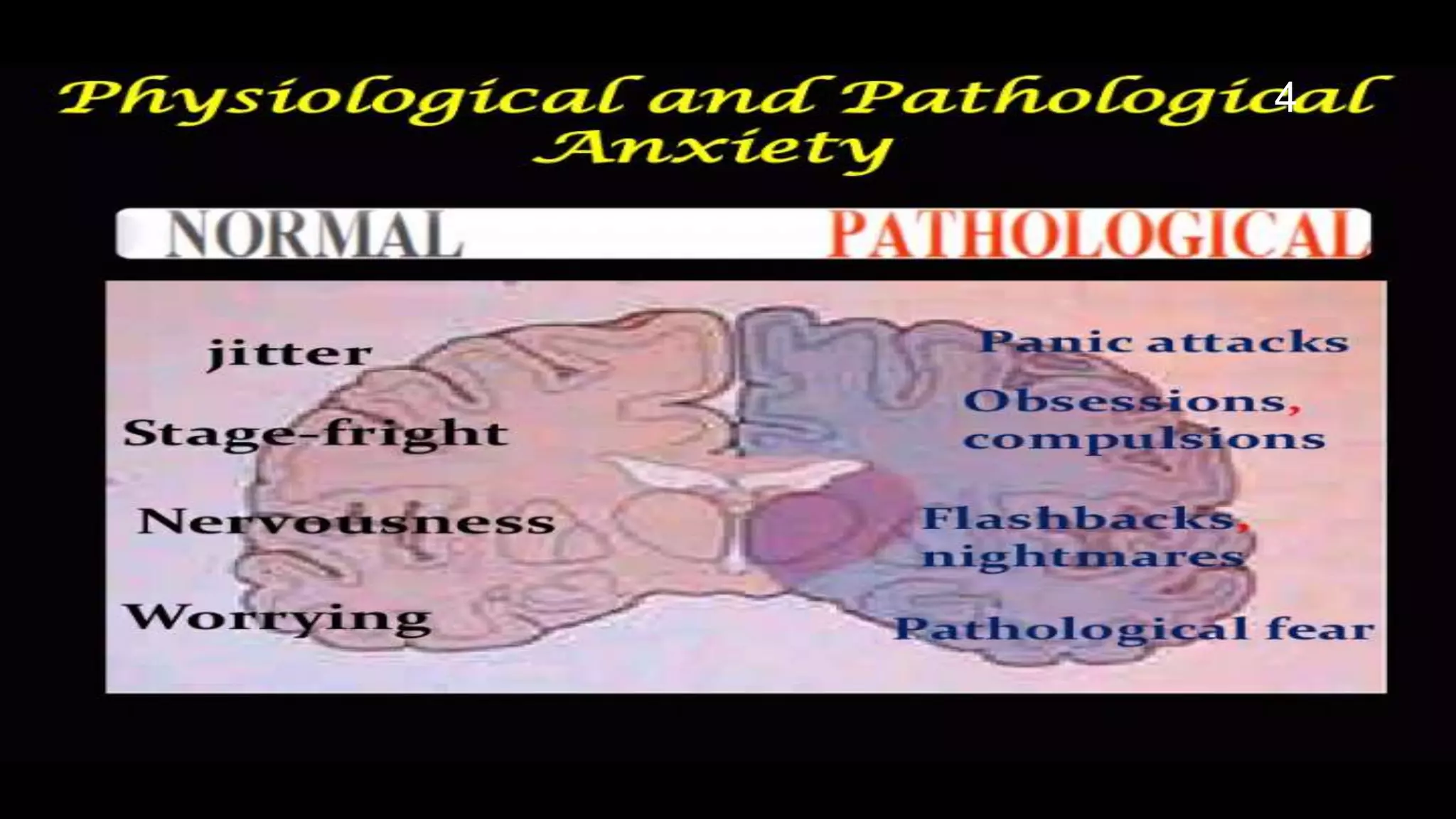
 It is normal humans adaptive response to stressful events.
 Physiological anxiety - transient in nature
 Pathological anxiety – needs treatment
3
4
 The “American Psychological Association (APA)” defines
anxiety as “ an emotion characterized by feeling of tension,
worried thoughts and physical changes like increased in
blood pressure”.
 Anxiety disorders affect 40 million people in the united
states ( U.S) . It is the most common group of the mental
illnesses in the country.
 However , only 36.9% of people with the condition receive
treatment.
5
Anxiety disorder
 The duration or severity of an anxious feeling can sometimes be out
of proportion to the original trigger, or stressor. Physical symptoms
, such as increased blood pressure and nausea, may also become
evident. These responses move beyond anxiety into an anxiety
disorder.
 Anxiety disorders can be classified into six main types. These
include:
1. Generalised anxiety disorder (GAD).
2. Panic disorder
3. Phobia
4. Social anxiety disorder
5. Obsessive- compulsive disorder (OCD)
6. Post – traumatic stress disorder (PTSD)
7. Separation anxiety disorder
6
1. Generalized anxiety disorder (GAD):
 This is a chronic disorder involving excessive , long – lasting
anxiety and worries about nonspecific life events, objects,
and situations.
 It is the most common anxiety disorder. People with GAD
are not always able to identify the cause of their anxiety.
7
2. Panic disorder :
 Brief or sudden attacks of intense terror and apprehension
characterize panic disorder.
 These attacks can lead to shaking, confusion, dizziness,
nausea , and breathing difficulties.
 Panic attacks tend to occur and escalate rapidly and peak
after 10 minutes. However, they may last for hours.
8
 Panic disorders usually occur after frightening experiences
or prolonged stress but can also occur without trigger.
 An individual experiencing panic attack may misinterpret it
as a life threatening illness.
 Panic attacks also lead to drastic changes in behaviour to
avoid future attacks.
9
3. Phobia:
 This is an irrational fear and avoidance of an object or
situation. Phobias differ from other anxiety disorders, as they
relate to specific cause . The fear may be acknowledged as
irrational or unnecessary, but the person is still unable to
control the anxiety. Triggers for a phobia may be as varied as
situations, animals, or everyday objects.
10
4. Social anxiety disorder:
This is a fear of being negatively judged by others in social
situations or a fear of public embarrassment. This includes a
range of feelings, such as stage fright, a fear of intimacy, and a
fear of humiliation. This disorder can cause people to avoid
public situations and human contact to the point that everyday
living is rendered extremely difficult.
11
5. Obsessive – compulsive disorder
(OCD):
 This is anxiety disorder characterised by thoughts or actions
that are repetitive, distressing, and instrusive.
 OCD suffers usually know that their compulsions are
unreasonable or irrational, but they serve to alleviate their
anxiety.
 People with OCD may obsessively clean personal items or
hands or constantly check locks, stoves, or light switches.
12
6. Post-traumatic stress disorder(PTSD):
 This is anxiety that results from previous trauma such
as military combat, sexual assault, a hostage situation,
or a serious accident.
 PTSD often leads o flashbacks, and the person may
make behavioural changes to avoid triggers.
13
7. Separation anxiety disorder:
 This is characterized by high levels of anxiety when
separated from a person or place that provides
feelings of security or safety.
 Separation sometimes result in panic symptoms.
 It is considered a disorder when the response is
excessive or inappropriate after separation.
14
ETIOLOGY
Anxiety disorders have a complicated network of causes,
including:
 Environmental factors, such as stress from a personal
relationship, job , school , finances, traumatic event, or
even a storage of oxygen in high altitude areas.
 Genetics
 Medical factors, such as the side effects of medicine,
symptoms of a condition, or stress from a serious
underlying medical condition.
15
 Use of or withdrawal from an illicit substance
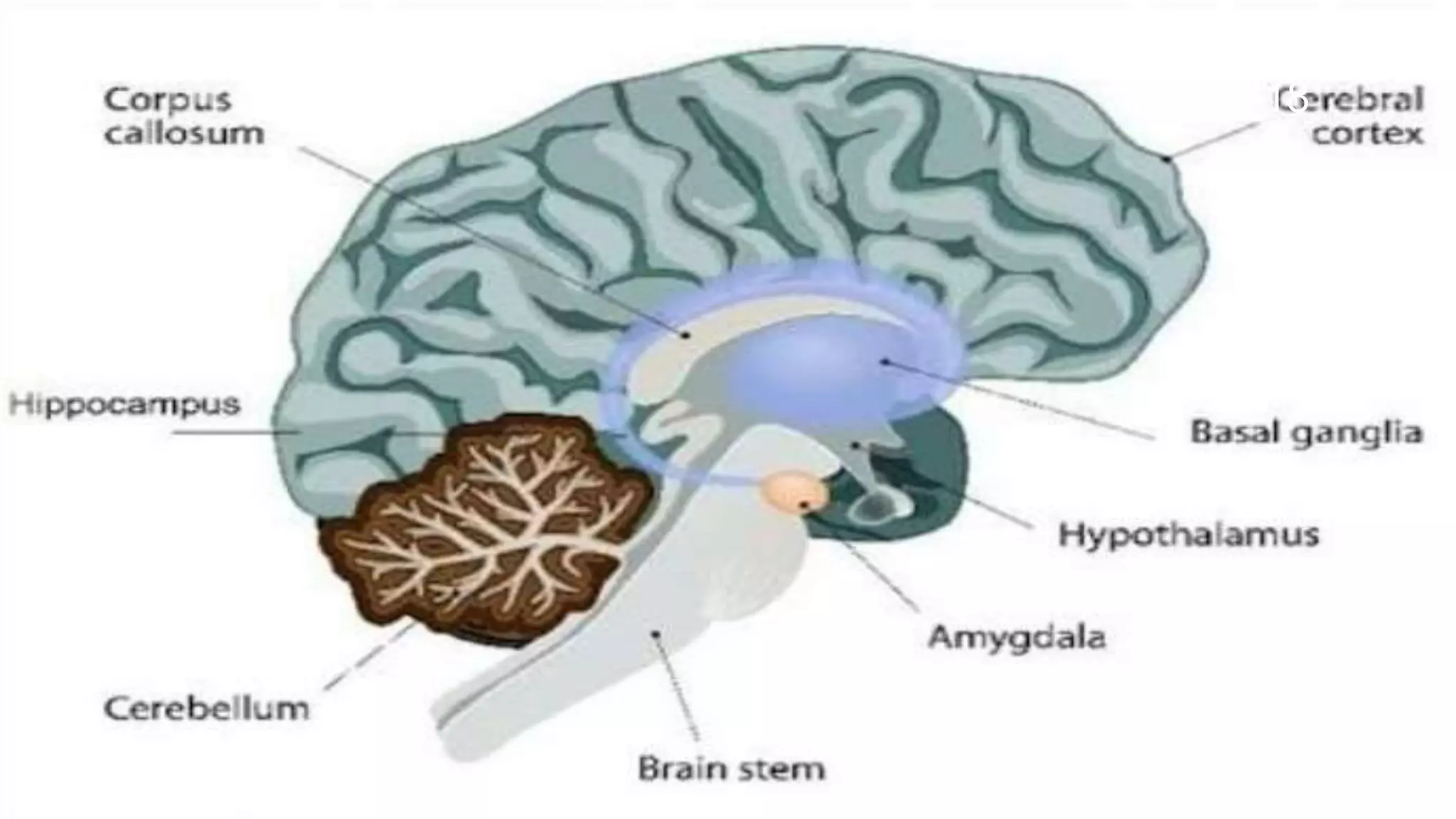
 Brain chemistry
Anxiety can result from a combination of one or more of
the above.
For example, a person may respond to stress at work by
drinking more alcohol or taking illicit substances,
increasing anxiety.
16
17
18
19
20
21
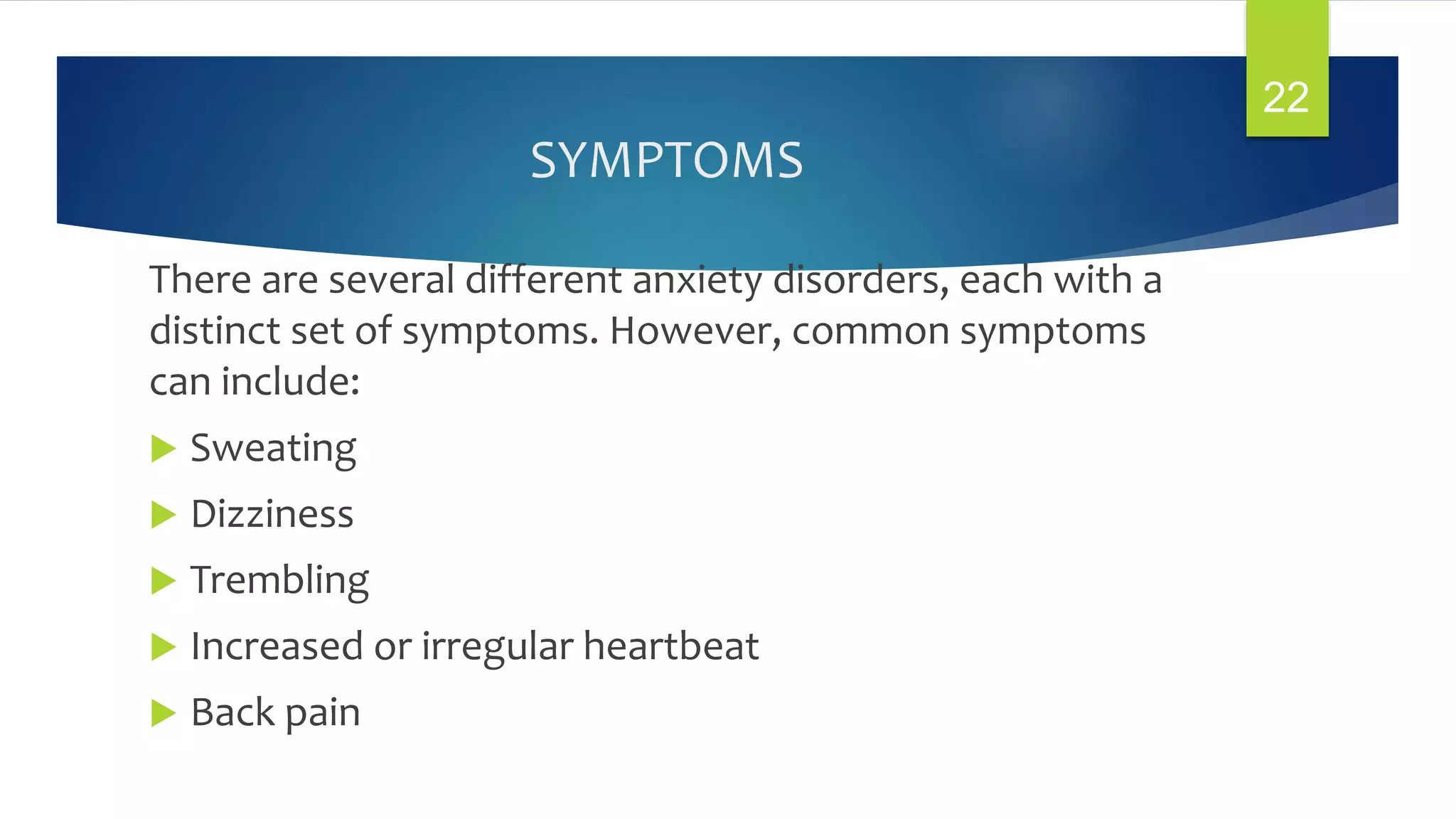
SYMPTOMS
There are several different anxiety disorders, each with a
distinct set of symptoms. However, common symptoms
can include:
 Sweating
 Dizziness
 Trembling
 Increased or irregular heartbeat
 Back pain
22
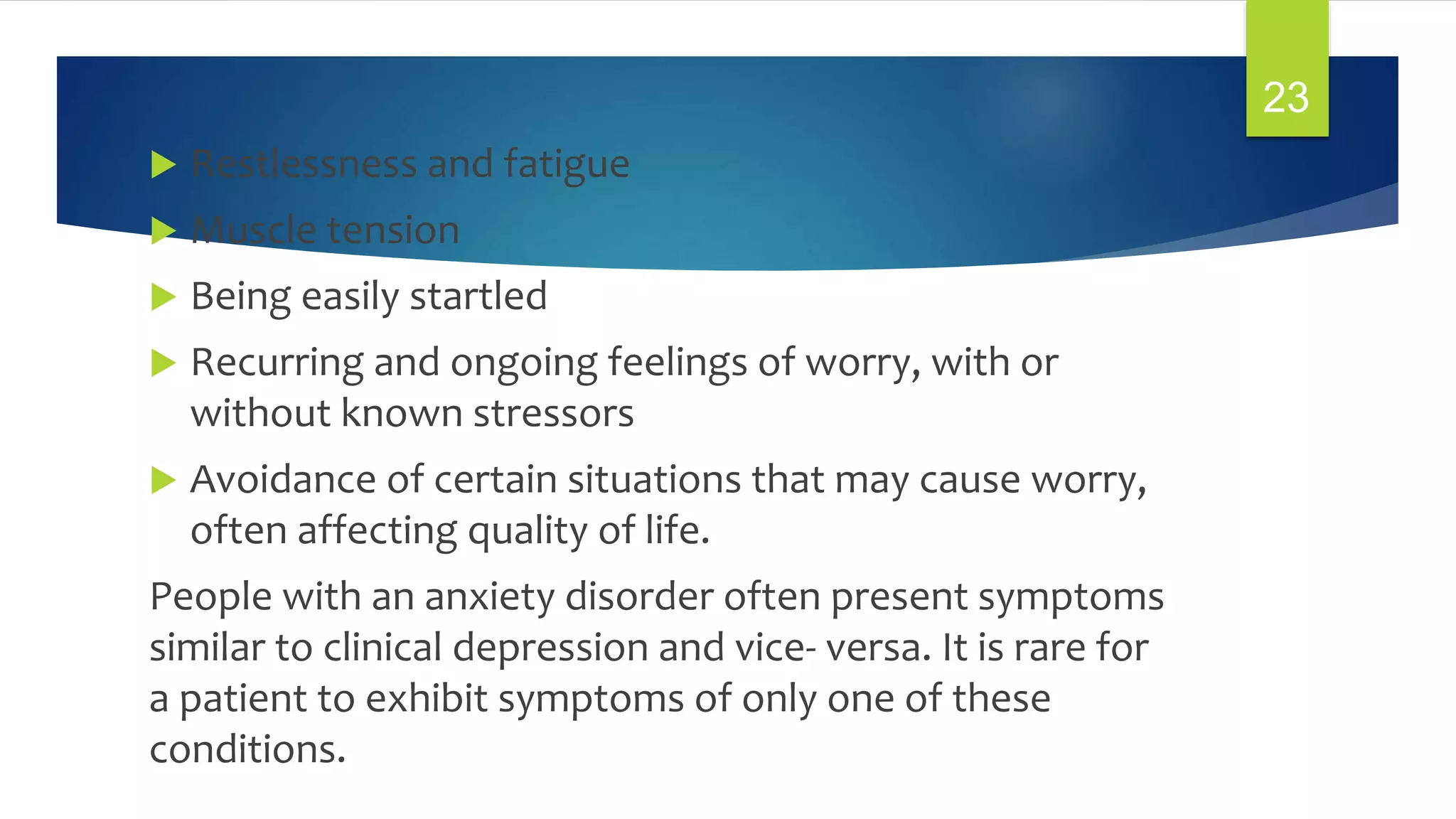
 Restlessness and fatigue
 Muscle tension
 Being easily startled
 Recurring and ongoing feelings of worry, with or
without known stressors
 Avoidance of certain situations that may cause worry,
often affecting quality of life.
People with an anxiety disorder often present symptoms
similar to clinical depression and vice- versa. It is rare for
a patient to exhibit symptoms of only one of these
conditions.
23
TREATMENTS
 Treating a person with anxiety depends on the causes
of the anxiety and individual preferences. Often,
treatments will consist of a combination of
psychotherapy, behavioural therapy, and medication.
 Alcohol dependence, depression , or other conditions
can sometimes have such a strong effect on the
individual that treating the anxiety disorder must wait
until any underlying conditions are brought under
control.
24
MEDICATIONS
Anxiety can be treated using several types of drugs.
Antianxiety drugs
These are an ill-defined group of drugs, mostly mild CNS
depressants, which are aimed to control the symptoms
of anxiety, produce a restful state of mind without
interfering with normal mental or physical functions. The
anxiolytic-sedative drugs differ markedly from
antipsychotics, and more closely resemble sedative-
hypnotics.
25
They:
1. Have no therapeutic effect to control thought
disorder of schizophrenia.
2. Do not produce extrapyramidal side effects.
3. Have anticonvulsant property.
4. Produce physical dependence and carry abuse
liability.
5. Do not selectively block conditioned avoidance
response in animals.
26
Classification of anxiolytics
1. Benzodiazepines
 Diazepam
 Chlordiazepoxide
 Oxazepam
 Lorazepam
 Alprazolam
27
2. Azapirones
 Buspirone,
 Gepirone,
 Ispapirone
3. Sedative antihistaminic
 Hydroxyzine
4. β blocker
 Propranolol
5. Carbamates
Meprobamate
28
Screening models for anxiolytics
29
TEST FOR ANXIOLYTIC ACTIVITY
IN VITRO METHODS
 GABA Receptor Binding.
• In vitro assay for GABAergic compounds : [ 3H ]-
GABA receptor binding.
• GABAA Receptor Binding.
• GABAB Receptor Binding.
 Benzodiazepine Receptor: [ 3H ] – Flunitrazepam
Binding Assay.
30
 Serotonin Receptor Binding.
• Serotonin ( 5-HT1A ) Receptor: Binding of [ 3H] -8-
Hydroxy- 2-( di-n- Propylamino )- Tetralin ( [3H] - DPAT).
• Serotonin (5- HT1B ) Receptors in Brain : Binding of [3H]
5- Hydroxy tryptamine ( [3H] 5-HT).
• 5- HT3 Receptor in Rat entrohinal cortex Membranes:
Binding of [3H ] GR 65630.
• Histamine H3 Receptor Binding Brain.
31
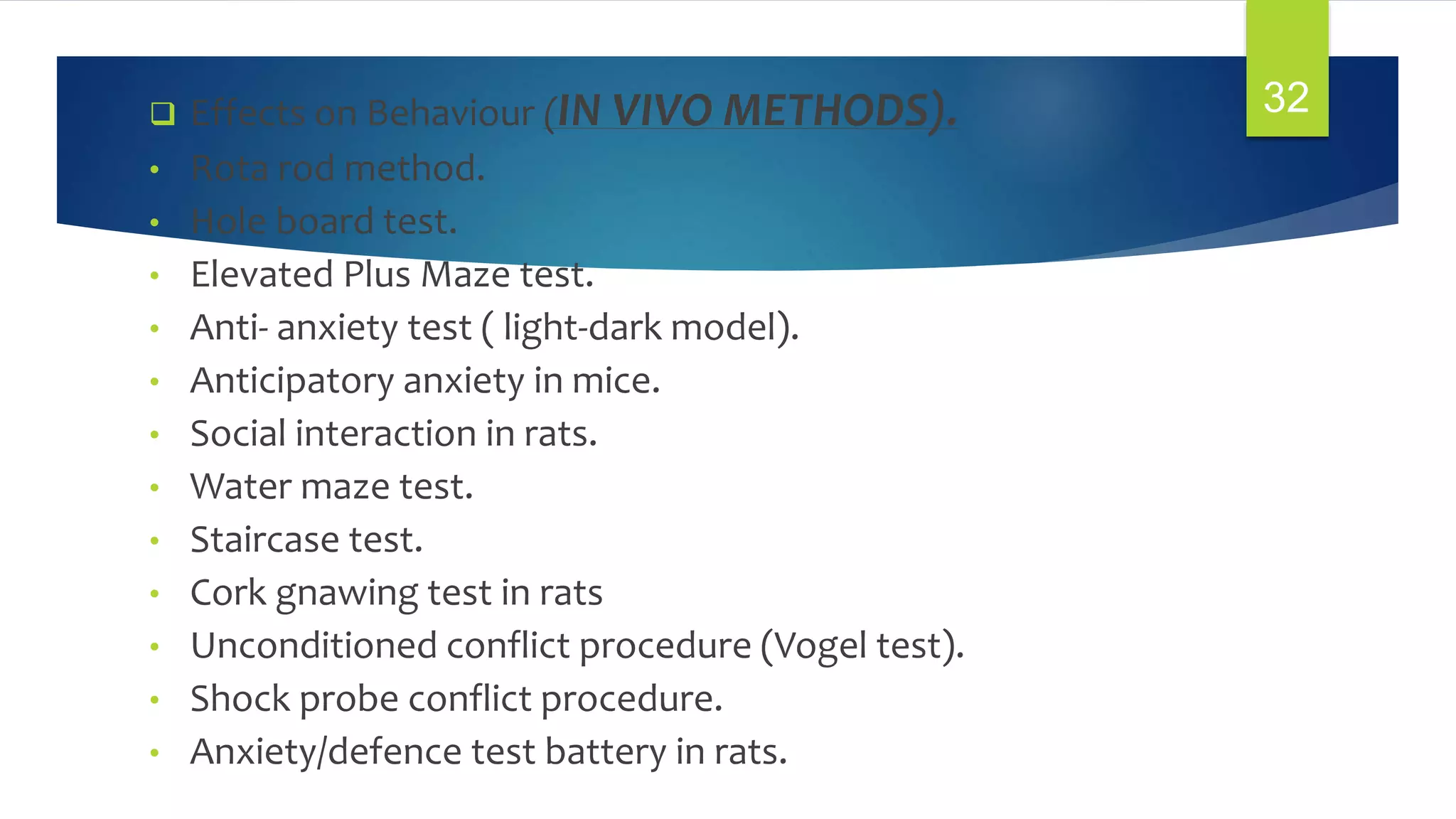
 Effects on Behaviour (IN VIVO METHODS).
• Rota rod method.
• Hole board test.
• Elevated Plus Maze test.
• Anti- anxiety test ( light-dark model).
• Anticipatory anxiety in mice.
• Social interaction in rats.
• Water maze test.
• Staircase test.
• Cork gnawing test in rats
• Unconditioned conflict procedure (Vogel test).
• Shock probe conflict procedure.
• Anxiety/defence test battery in rats.
32
1. GABA Receptor Binding:
In Vitro Assay for GABAergic Compounds:
[3H]-GABA Receptor Binding:-
PURPOSE AND RATIONALE :
Radiolabeled GABA is bound to synaptic membrane
preparations of mammalian brain. The labeling of the
synaptic receptor with 3H-GABA requires careful
attention to possible interference from non -synaptic
binding since 3H-GABA can also bind nonspecifically to
plasma membranes. The most prominent of which is the
sodium dependent binding of GABA to brain membranes,
a process which appears to be associated with the
transport (uptake) sites of GABA.
33
Sodium-independent binding of 3H-GABA has
characteristics consistent with the labeling of GABA
receptors. In addition, the relative potencies of several
amino acids in competing for these binding sites parallel
their abilities to mimic GABA neurophysiologically.
Therefore, the sodium-independent binding of 3H-GABA
provides a simple and sensitive method to evaluate
compounds for GABA-mimetic properties.
34
PROCEDURE
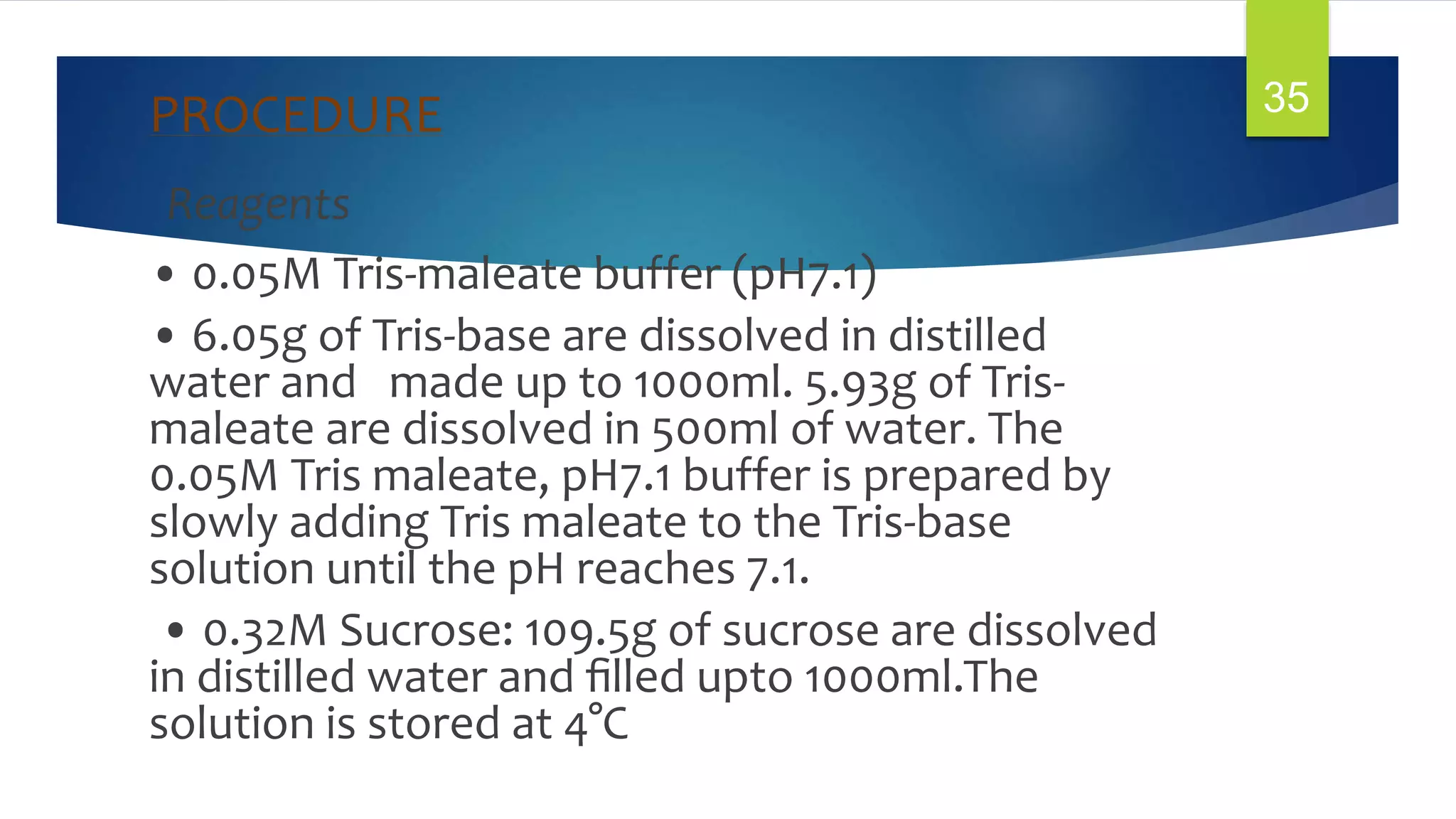
Reagents
• 0.05M Tris-maleate buffer (pH7.1)
• 6.05g of Tris-base are dissolved in distilled
water and made up to 1000ml. 5.93g of Tris-
maleate are dissolved in 500ml of water. The
0.05M Tris maleate, pH7.1 buffer is prepared by
slowly adding Tris maleate to the Tris-base
solution until the pH reaches 7.1.
• 0.32M Sucrose: 109.5g of sucrose are dissolved
in distilled water and filled upto 1000ml.The
solution is stored at 4°C
35
• 3H-GABA (specific activity approximately 40Ci/ mmol)
is made up to a concentration of 780nmol in distilled
water and 20µl is added to each test tube (yielding a final
concentration of 15 nmol in the assay). Isoguvacine or
muscimol is prepared by dissolving 8.35mg of
isoguvacine or 6.40mg of muscimol in 10ml water.
Twenty µl of these solutions when added to 1ml of
incubation medium give a final concentration of 0.1mM
isoguvacine or muscimol.
• Test drugs: 1mM stock solutions are initially prepared.
These are serially diluted to the required concentrations
prior to the addition to the incubation mixture. Final
concentrations are usually from 2×10⁻⁸ to 1×10⁻⁵ M.
36
Tissue Preparation
 Male Charles-River rats (100–150g) are
their whole brains rapidly removed and
in 15vol of ice-cold 0.32M sucrose.
 The homogenate is centrifuged at 1000g for
 The pellet (nuclear fraction) is discarded and
supernatant fluid is recentrifuged at 20,000g
20min.
 The supernatant is discarded and the crude
mitochondrial pellet is resuspended in 15vol
water using a Tekmar homogenizer.
 The suspension is centrifuged at 8000g for
37
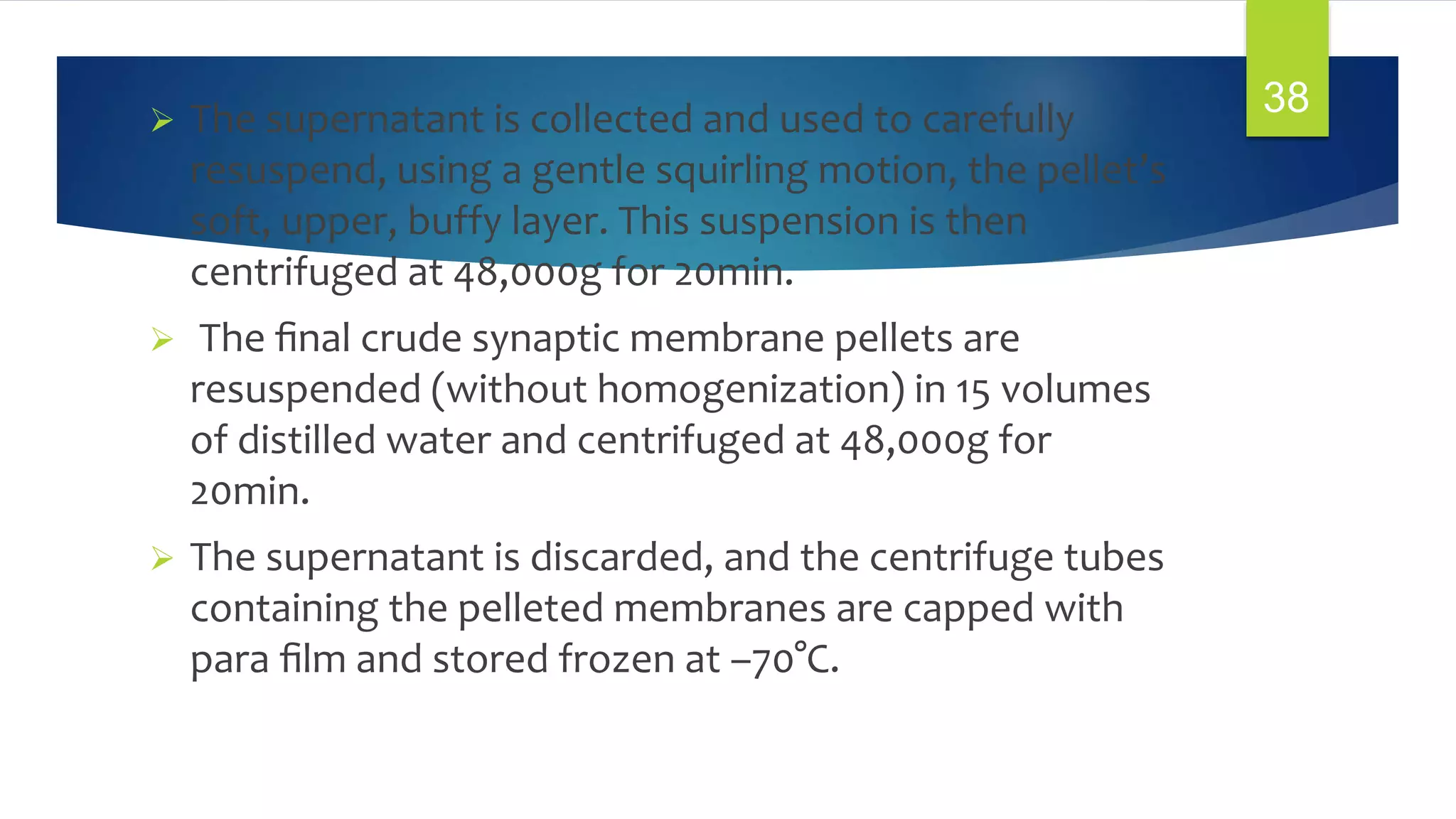
38 The supernatant is collected and used to carefully
resuspend, using a gentle squirling motion, the pellet’s
soft, upper, buffy layer. This suspension is then
centrifuged at 48,000g for 20min.
 The final crude synaptic membrane pellets are
resuspended (without homogenization) in 15 volumes
of distilled water and centrifuged at 48,000g for
20min.
 The supernatant is discarded, and the centrifuge tubes
containing the pelleted membranes are capped with
para film and stored frozen at –70°C.
Assay Procedure
 A frozen membrane pellet from one whole rat
resuspended in 15 volumes of 0.05M Tris-
buffer (pH7.1) by homogenization at 4°C.
 Triton X-100 is added to a final concentration
 This suspension is then incubated at 37°C for
followed by centrifugation at 48,000g for
 The supernatant is discarded and the pellet
resuspended by homogenization in the same
of 0.05 Tris Maleate buffer (pH7.1) at 4°C.
39
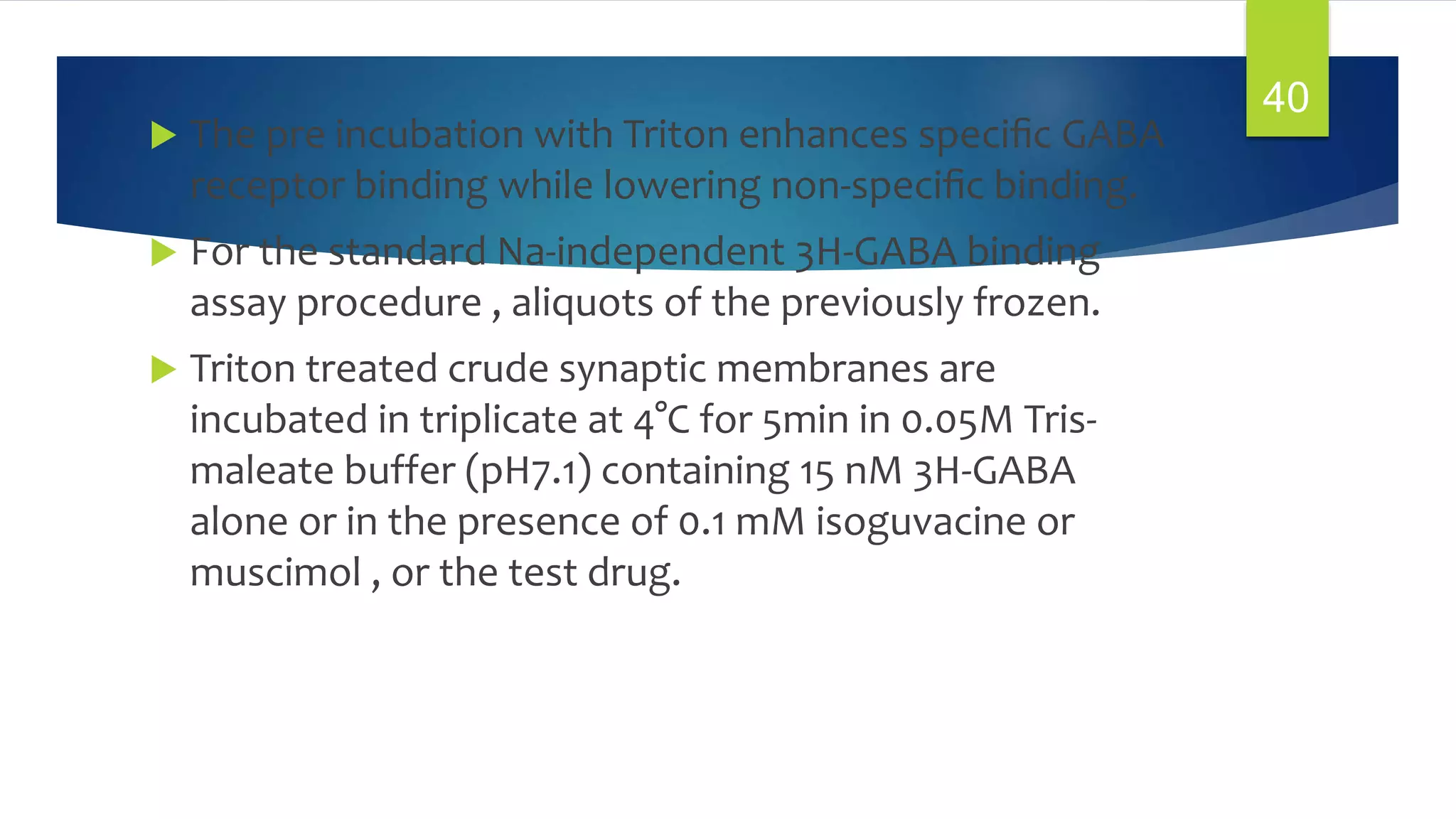
 The pre incubation with Triton enhances specific GABA
receptor binding while lowering non-specific binding.
 For the standard Na-independent 3H-GABA binding
assay procedure , aliquots of the previously frozen.
 Triton treated crude synaptic membranes are
incubated in triplicate at 4°C for 5min in 0.05M Tris-
maleate buffer (pH7.1) containing 15 nM 3H-GABA
alone or in the presence of 0.1 mM isoguvacine or
muscimol , or the test drug.
40
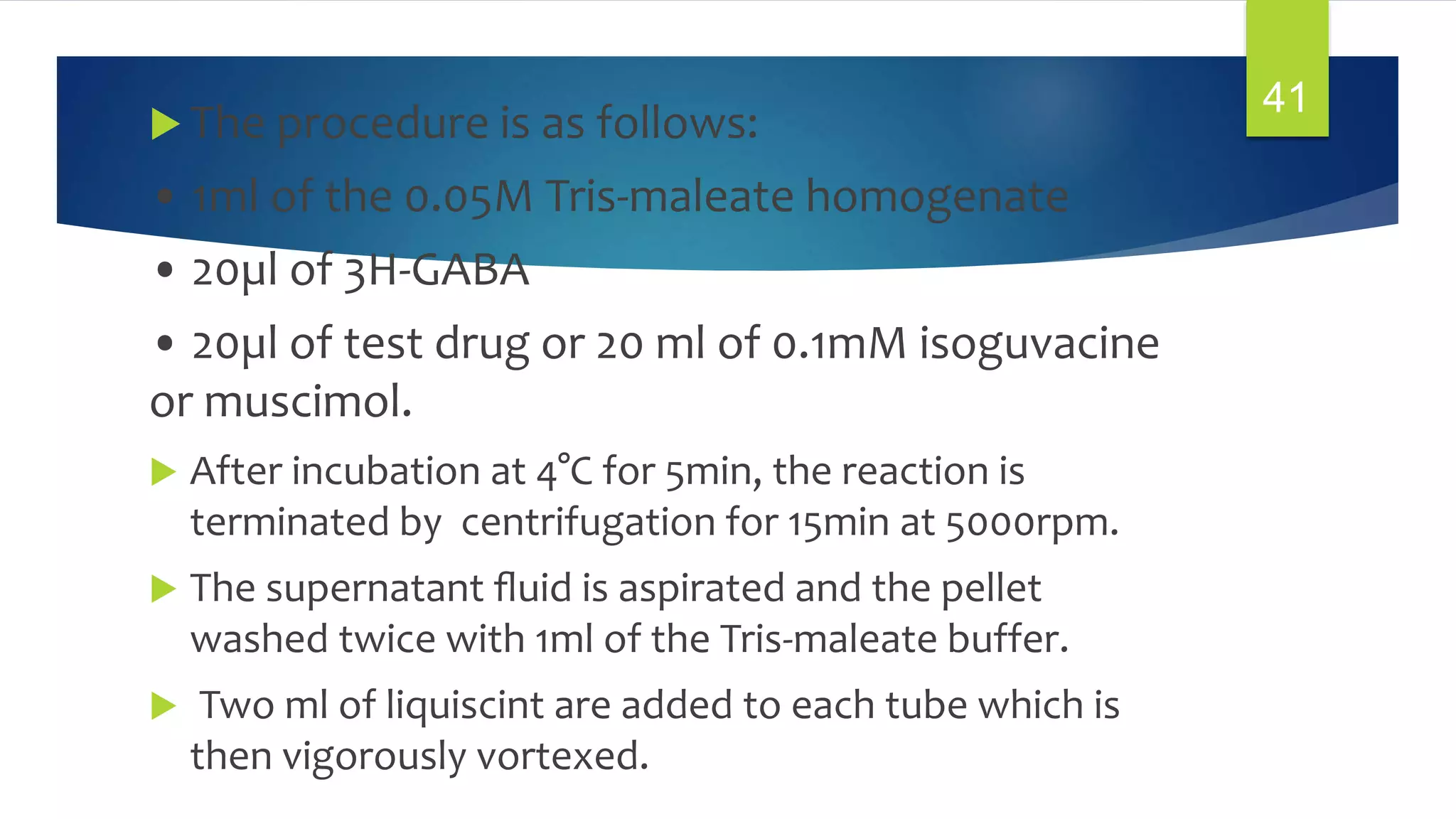
 The procedure is as follows:
• 1ml of the 0.05M Tris-maleate homogenate
• 20µl of 3H-GABA
• 20µl of test drug or 20 ml of 0.1mM isoguvacine
or muscimol.
 After incubation at 4°C for 5min, the reaction is
terminated by centrifugation for 15min at 5000rpm.
 The supernatant fluid is aspirated and the pellet
washed twice with 1ml of the Tris-maleate buffer.
 Two ml of liquiscint are added to each tube which is
then vigorously vortexed.
41
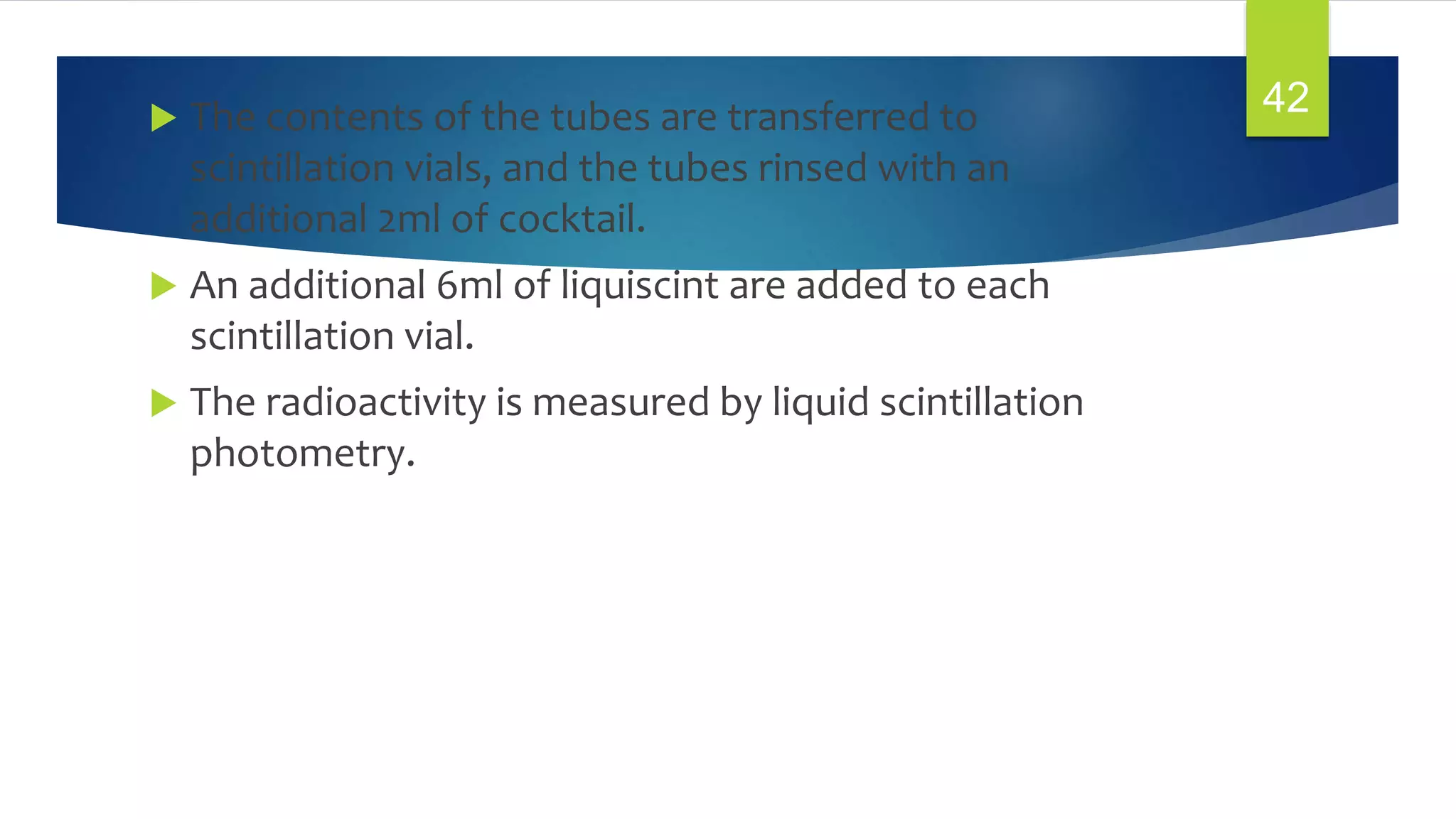
 The contents of the tubes are transferred to
scintillation vials, and the tubes rinsed with an
additional 2ml of cocktail.
 An additional 6ml of liquiscint are added to each
scintillation vial.
 The radioactivity is measured by liquid scintillation
photometry.
42
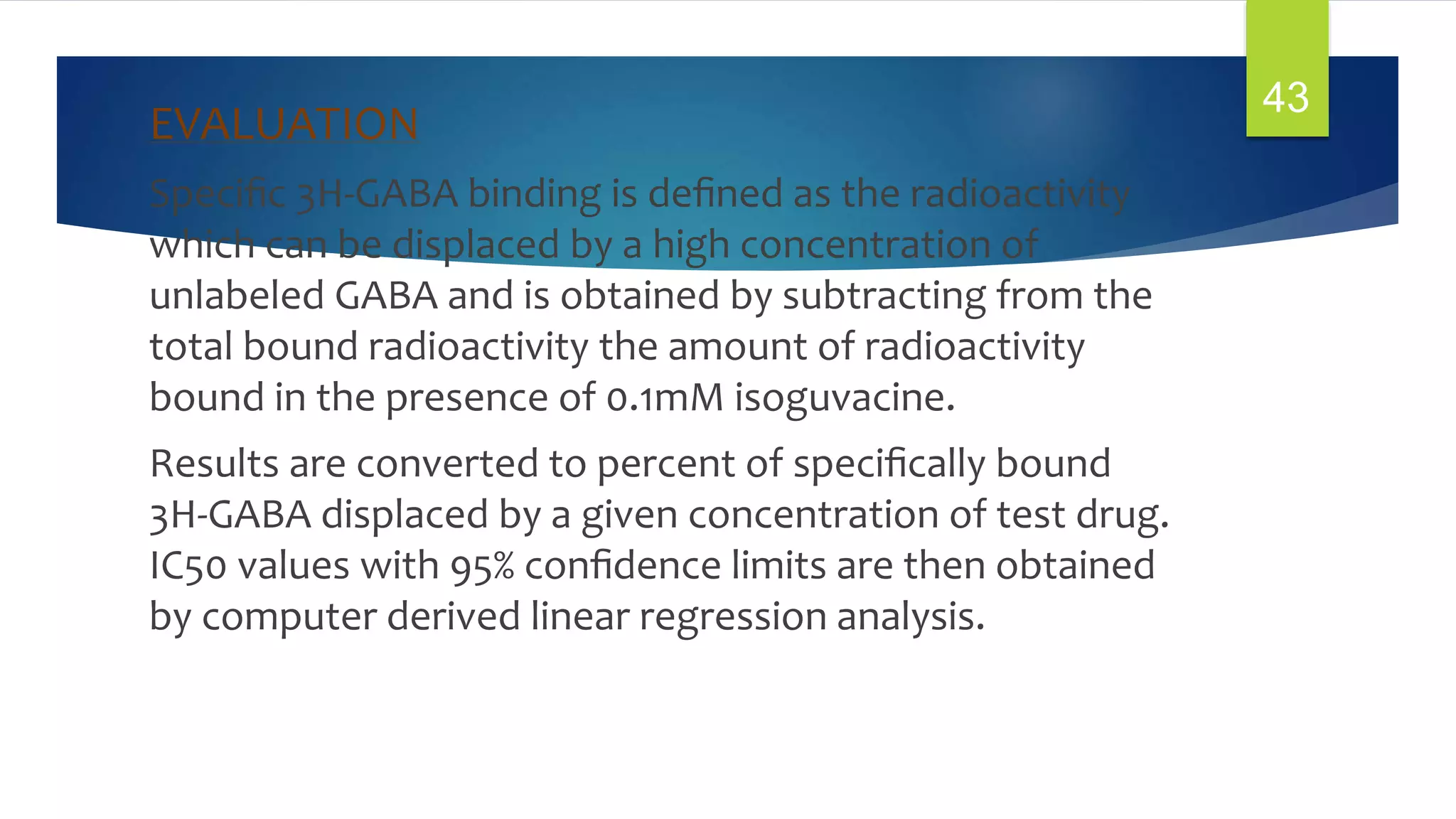
EVALUATION
Specific 3H-GABA binding is defined as the radioactivity
which can be displaced by a high concentration of
unlabeled GABA and is obtained by subtracting from the
total bound radioactivity the amount of radioactivity
bound in the presence of 0.1mM isoguvacine.
Results are converted to percent of specifically bound
3H-GABA displaced by a given concentration of test drug.
IC50 values with 95% confidence limits are then obtained
by computer derived linear regression analysis.
43
2. Benzodiazepine Receptor: [3H]-Flunitrazepam
Binding Assay:
PURPOSEAND RATIONALE
Experiments using 3H-diazepam or 3H-
flunitrazepam have demonstrated specific
binding sites in CNS membrane preparations that
satisfy the criteria for pharmacological receptors.
e.g. saturability, reversibility, stereoselectivity
and significant correlation with in vivo activities of
the drugs in this class.
44
Heterogeneity of benzodiazepine receptors has been reported
(Klepner et al. 1979; Supavilai and Karobath 1980; Hafely et al.
1993; Davies et al. 1994). There are four classes of
benzodiazepine and non-benzodiazepine high affinity ligands for
benzodiazepine recognition sites associated with GABA-A
receptors:
The first class (e.g. diazepam, flunitrazepam, alprazolam)
facilitates the action of GABA, increasing the opening frequency
of Cl− channels. These ligands are called full positive allosteric
modulators, or full agonists.
A second class of ligands, which includes the β-carbolines , can
decrease the opening frequency of Cl−channels. These ligands
are known as full negative allosteric modulators, or full inverse
45
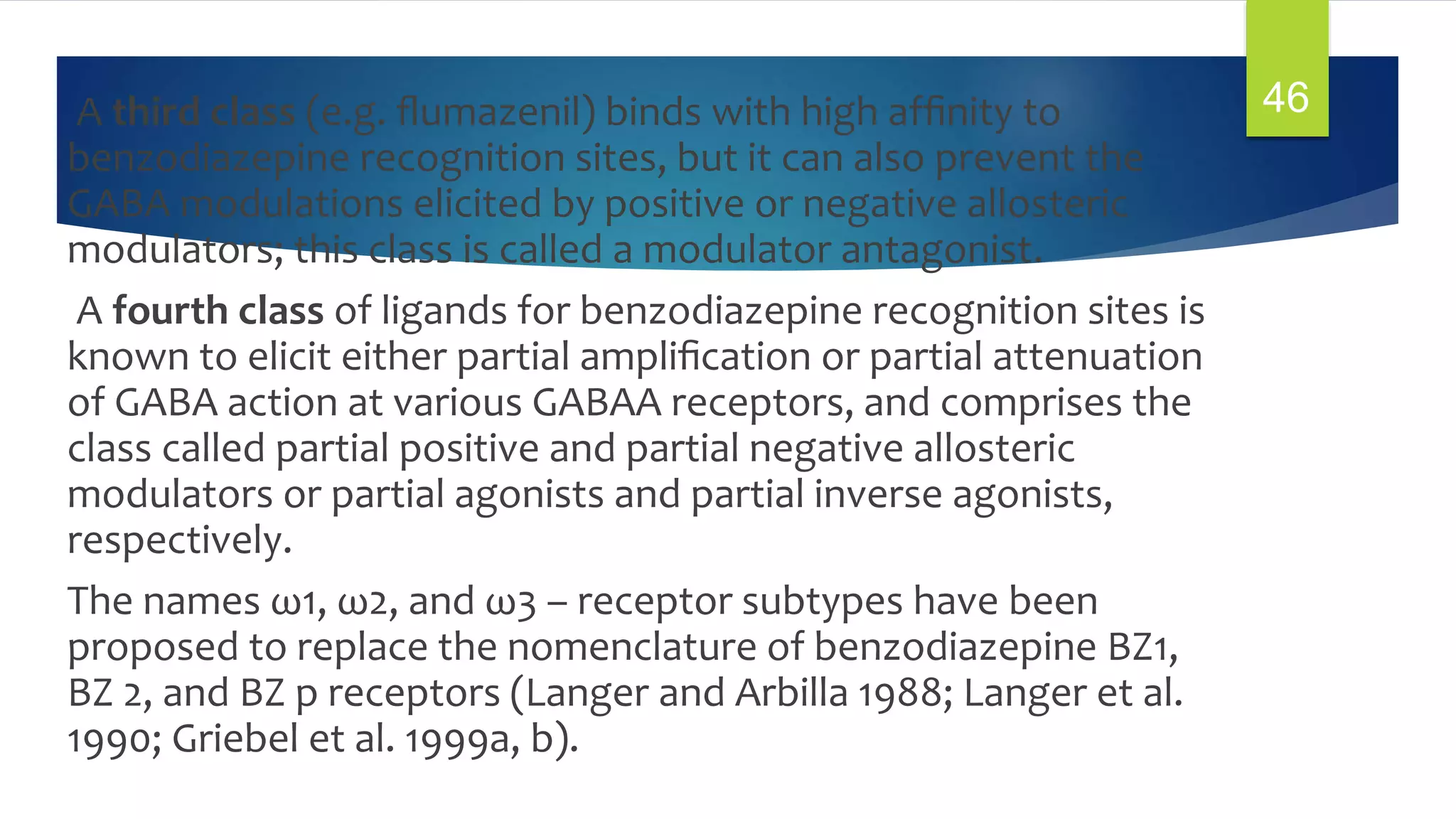
A third class (e.g. flumazenil) binds with high affinity to
benzodiazepine recognition sites, but it can also prevent the
GABA modulations elicited by positive or negative allosteric
modulators; this class is called a modulator antagonist.
A fourth class of ligands for benzodiazepine recognition sites is
known to elicit either partial amplification or partial attenuation
of GABA action at various GABAA receptors, and comprises the
class called partial positive and partial negative allosteric
modulators or partial agonists and partial inverse agonists,
respectively.
The names ω1, ω2, and ω3 – receptor subtypes have been
proposed to replace the nomenclature of benzodiazepine BZ1,
BZ 2, and BZ p receptors (Langer and Arbilla 1988; Langer et al.
1990; Griebel et al. 1999a, b).
46
PROCEDURE
Reagents
• [Methyl-3H]-Flunitrazepam (70–90Ci/mmol ) can be
obtained from New England Nuclear.
• Clonazepam HCl can be obtained from Hoffmann La
Roche.
Tissue Preparation
Male Wistar rats are decapitated and the brains
rapidly removed.
The cerebral cortices are removed, weighed and
homogenized with a Potter-Elvejhem homogenizer in
20 volumes of ice-cold 0.32M sucrose.
47
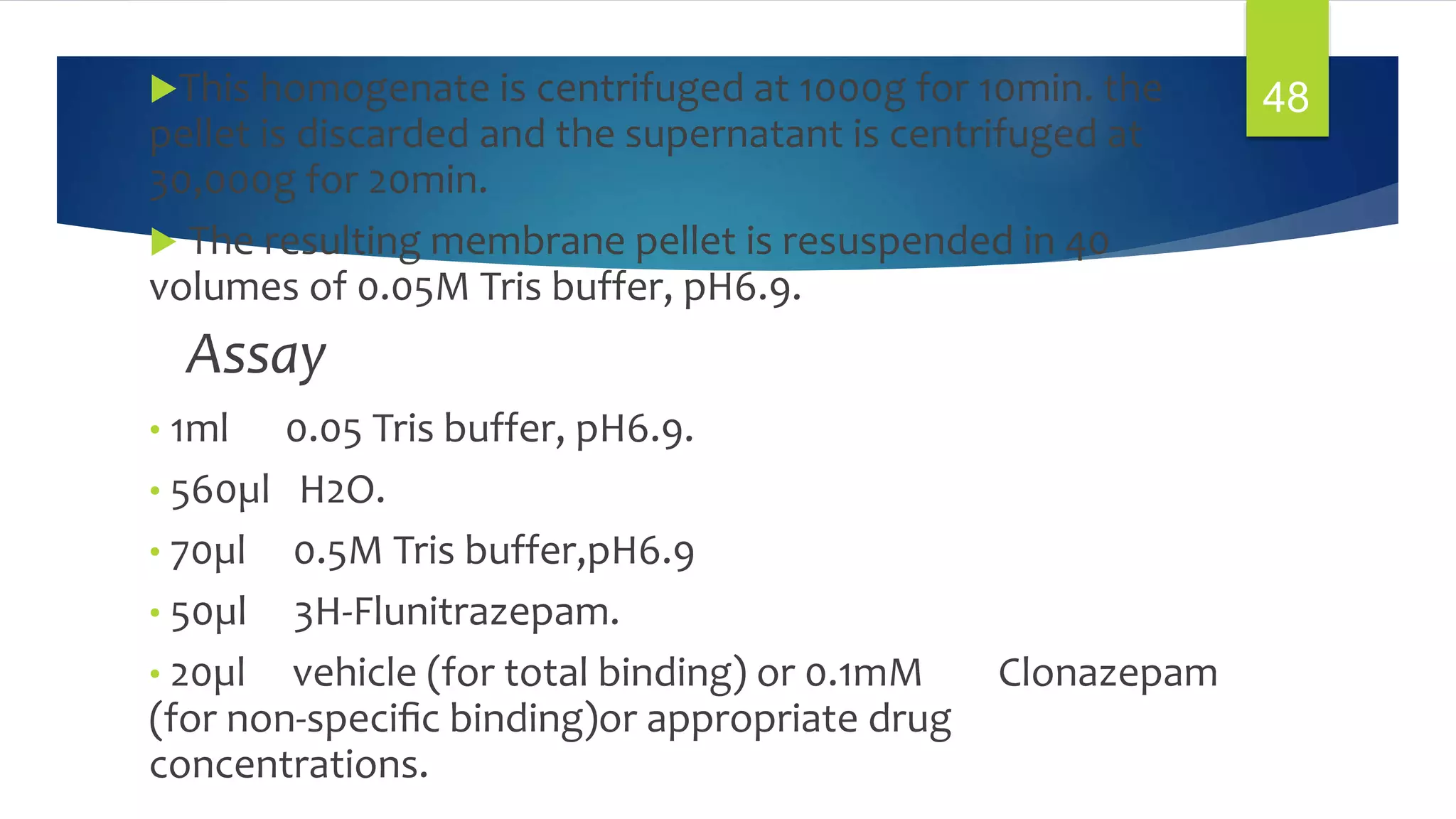
This homogenate is centrifuged at 1000g for 10min. the
pellet is discarded and the supernatant is centrifuged at
30,000g for 20min.
 The resulting membrane pellet is resuspended in 40
volumes of 0.05M Tris buffer, pH6.9.
Assay
• 1ml 0.05 Tris buffer, pH6.9.
• 560µl H2O.
• 70µl 0.5M Tris buffer,pH6.9
• 50µl 3H-Flunitrazepam.
• 20µl vehicle (for total binding) or 0.1mM Clonazepam
(for non-specific binding)or appropriate drug
concentrations.
48
• 300µl tissue suspension.
 The tubes containing 3H-flunitrazepam, buffer,
drugs and H2O are incubated at 0–4°C in an ice bath.
 A 300µl aliquot of the tissue suspension is added to
the tubes at 10-s intervals. The timer is started with the
addition of the mixture to the first tube.
 The tubes are then incubated at 0–4°C for 20min and
the assay stopped by vacuum filtration through
Whatman GF/B filters. This step is performed at 10-s
intervals.
 Each filter is immediately rinsed with three 5-ml
washes of ice-cold buffer , pH 6.9. The filters are
counted in 10ml of liquid scintillation counting cocktail.
49
EVALUATION
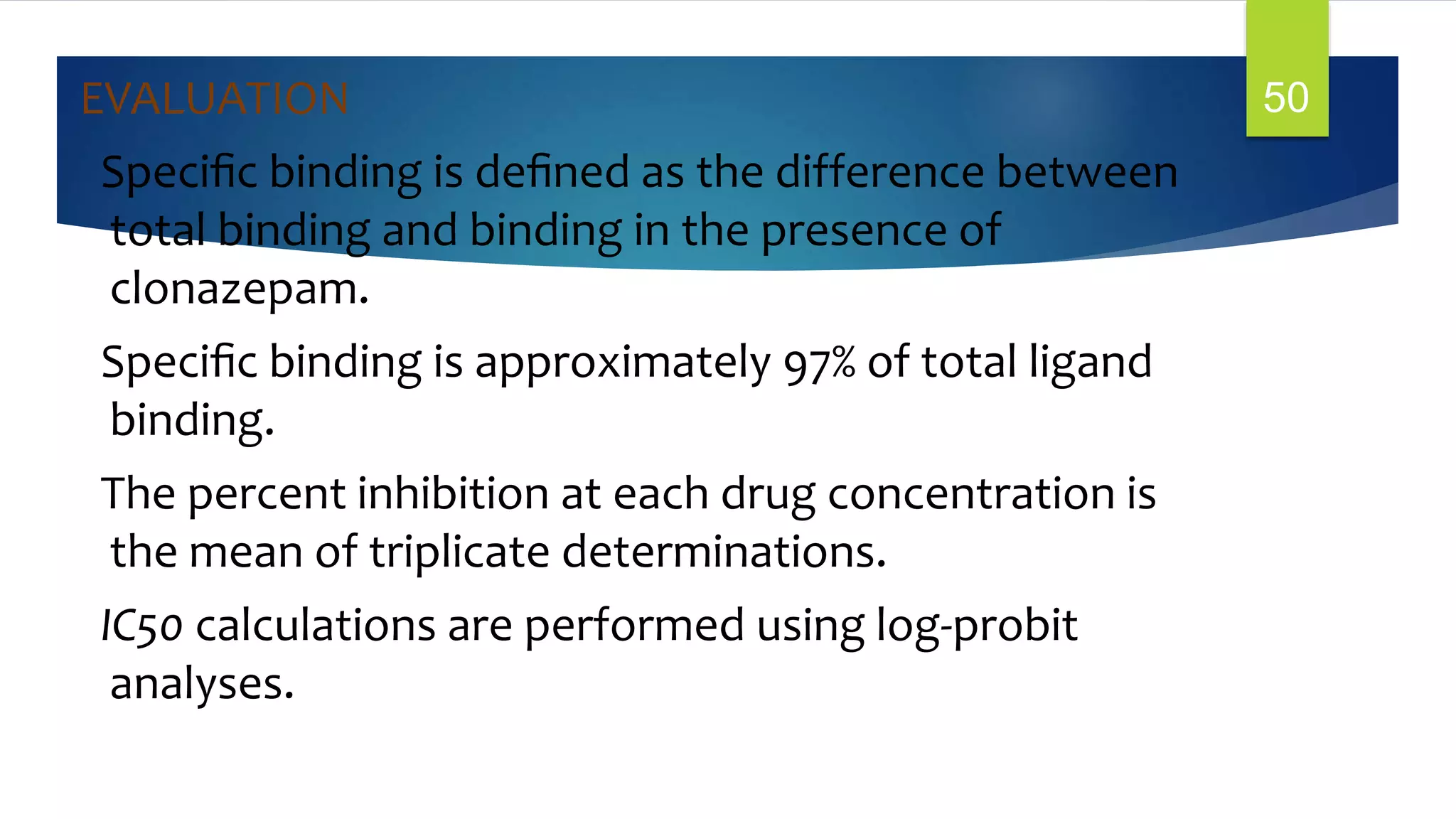
Specific binding is defined as the difference between
total binding and binding in the presence of
clonazepam.
Specific binding is approximately 97% of total ligand
binding.
The percent inhibition at each drug concentration is
the mean of triplicate determinations.
IC50 calculations are performed using log-probit
analyses.
50
CRITICAL ASSESSMENTOF THE METHOD
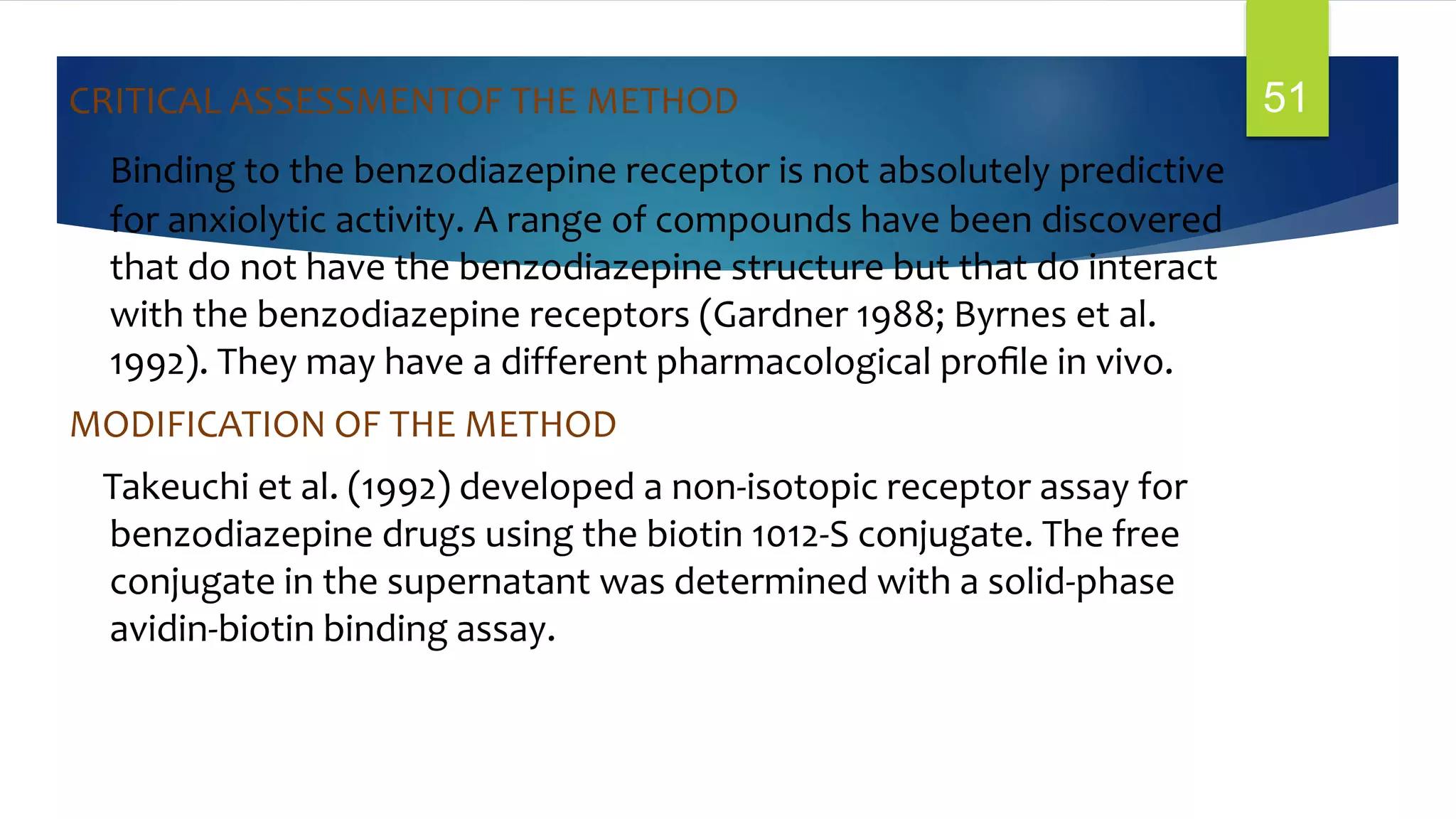
Binding to the benzodiazepine receptor is not absolutely predictive
for anxiolytic activity. A range of compounds have been discovered
that do not have the benzodiazepine structure but that do interact
with the benzodiazepine receptors (Gardner 1988; Byrnes et al.
1992). They may have a different pharmacological profile in vivo.
MODIFICATION OF THE METHOD
Takeuchi et al. (1992) developed a non-isotopic receptor assay for
benzodiazepine drugs using the biotin 1012-S conjugate. The free
conjugate in the supernatant was determined with a solid-phase
avidin-biotin binding assay.
51
3. Serotonin Receptor Binding
Serotonin(5-HT1A)Receptor: Binding
of[3H]-8-Hydroxy2-(di-n-Propylamino)-
Tetralin ([3H]-DPAT)
PURPOSE AND RATIONALE
Determination of the affinity of test
compounds for the 5-HT1A receptor in brain
may be useful for predicting compounds with
novel anxiolytic or atypical anti-psychotic
profiles.
52
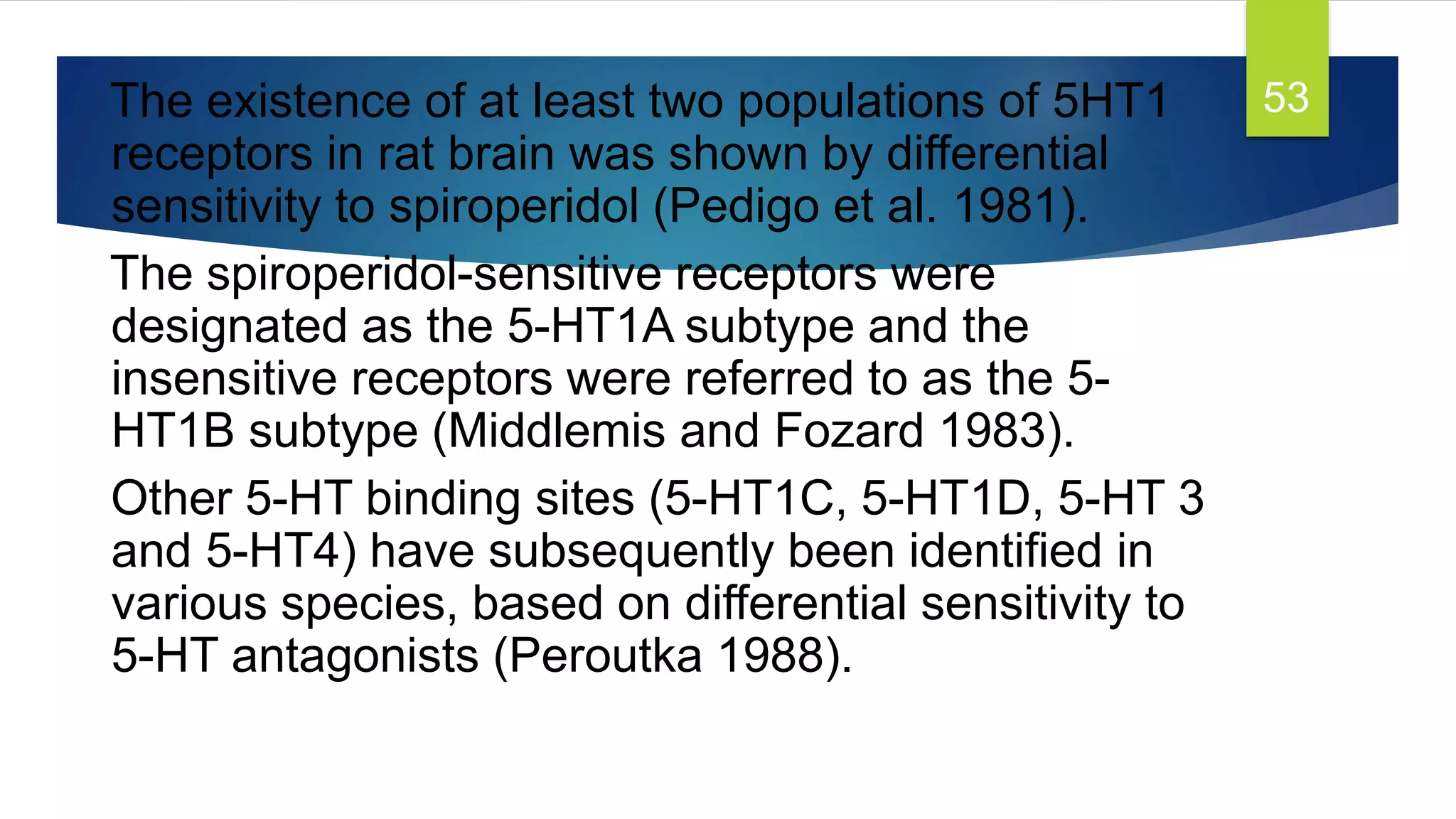
The existence of at least two populations of 5HT1
receptors in rat brain was shown by differential
sensitivity to spiroperidol (Pedigo et al. 1981).
The spiroperidol-sensitive receptors were
designated as the 5-HT1A subtype and the
insensitive receptors were referred to as the 5-
HT1B subtype (Middlemis and Fozard 1983).
Other 5-HT binding sites (5-HT1C, 5-HT1D, 5-HT 3
and 5-HT4) have subsequently been identified in
various species, based on differential sensitivity to
5-HT antagonists (Peroutka 1988).
53
Schlegel and Peroutka (1986) identified [3H]DPAT as a
selective ligand for the 5-HT1A receptor. These authors
reported that [3H]DPAT labeled an autoreceptor. Lesion
studies suggest that [3H]DPAT labeled receptors are not
terminal autoreceptors, but may be somatodendritic
autoreceptors (Gozlan et al. 1983). Although DPAT
decreases the firing rate in the raphe nucleus and inhibits5-
HTrelease,theactuallocationand function is somewhat
controversial (Vergeetal.1986). These studies and the
sensitivity of [3H]DPAT binding to guanine nucleotides and
effects on adenylatecyclase suggest that DPAT acts as an
agonist at the 5-HT1A receptor (Schlegel and Peroutka
1986).
54
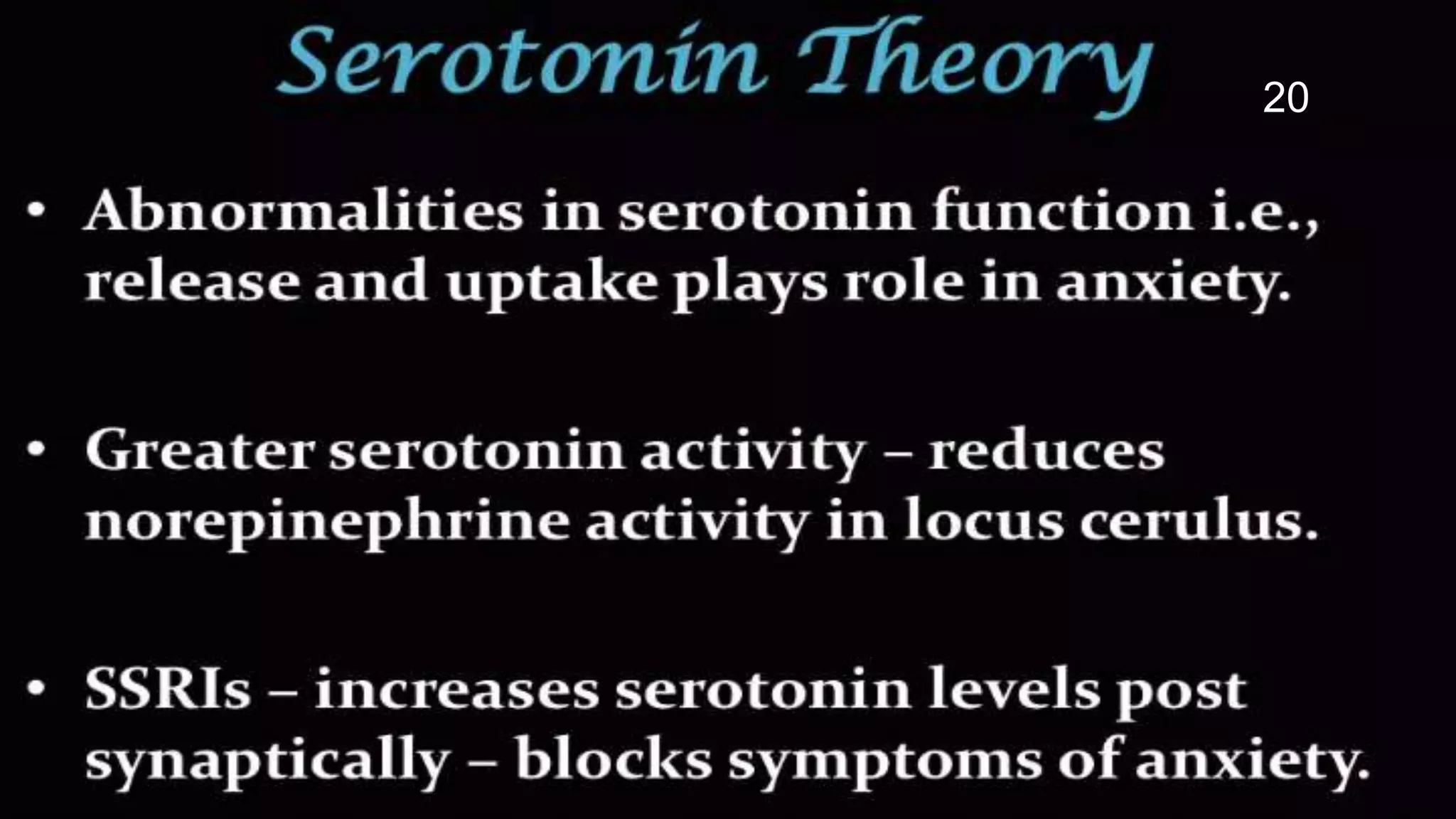
Serotonin may play a role in anxiety, since drugs which
reduce serotoninergic function have anxiolytic effects in
animal models . Since buspirone and its analogs have
relatively higher affinityforthe5-HT1A receptor than other
receptors and no effect on the benzodiazepine site, their
anxiolytic properties are attributed to activity at the 5-
HT1A receptor.
Besides 5-HT1A receptor agonists , 5-HT1A receptor
antagonists, 5-HT2A receptor antagonists , 5-HT2C
receptor antagonists , mixed receptor
agonists/antagonists ,5-HT3 receptor antagonists and
5HT4 receptor antagonists exhibit anxiolytic properties.
55
PROCEDURE
Reagents
1. Tris buffers, pH7.7
a) 57.2g Tris HCl 16.2g Tris base q.s. to 1 litter with distilled
water (0.5M Tris buffer,pH7.7)
b) Make a 1:10 dilution in deionized H2O (0.05M Tris
buffer,pH7.7)
c) 0.05M Tris buffer, pH7.7 containing 10µM pargyline, 4mM
CaCl2 and 0.1% ascorbic acid.
0.49mg pargyline HCl
111mg CaCl2
250mg ascorbic acid
q.s. to 250ml with 0.05M Tris buffer, pH7.7 (reagent 1b)
56
2. [3H]-DPAT (2-(N,N-Di[2,3(n)−3H] propylamino)8-hydroxy-
1,2,3,4-tetrahydronaphthalene) (160–206Ci/mmol ) was obtained
from Amersham. For IC50 determinations: a 10nM stock solution
is made up and 50µl are added to each tube (final
concentration=0.5nM).
3. Serotonin creatinine sulfate. 0.5mM stock solution is made up
in 0.01N HCl and20µl added to 3 tubes for determination of
nonspecific binding (final concentration=10µM).
4.Test compounds:
For most assays, a 1mM stock solution is made up in a suitable
solvent and serially diluted, such that the final concentrations in
the assay range from 2×10⁻⁵ to 2×10⁻⁸ M. Seven concentrations
are used for each assay. Higher or lower concentrations may be
used based on the potency of the drug.
57
Tissue Preparation
 Male Wistar rats are sacrificed by decapitation.
Hippocampi are removed, weighed and
in 20 volumes of 0.05M Tris buffer, pH7.7.
 The homogenate is centrifuged at 48,000g for
and the supernatant is discarded.
 The pellet is resuspended in an equal volume
Tris buffer, incubated at 37°C for 10min and
recentrifuged at 48,000g for 10min.
 The final membrane pellet is resuspended in
Tris buffer containing 4mM CaCl2, 0.1%
and 10µM pargyline.
58
Assay
800µl Tissue
130µl 0.05M Tris + CaCl2 + pargyline +
20µl vehicle/5-HT/drug
50µl [3H]DPAT
Tubes are incubated for 15min at 25°C.
The assay is stopped by vacuum filtration
Whatman GF/B filters which are then washed 2
with 5ml of icecold0.05M Tris buffer. The filters
placed into scintillation vials with 10ml of
scintillation cocktail and counted.
59
EVALUATION
Specific binding is defined as the difference between total
binding and binding in the presence of 10µM 5HT. IC50 values
are calculated from the percent specific binding at each drug
concentration. The Ki value may then be calculated by the
Cheng– Prusoff equation:
Ki = IC50/1 + L/KD
The KD value for [3H] DPAT binding was found to be 1.3 nM by
Scatchard analysis in a receptor saturation experiment.
60
IN-VIVO METHODS
1. Anti-Anxiety Test(Light-Dark Model)
PURPOSE AND RATIONALE
Crawley and Goodwin (1980) Crawley (1981) described a simple
behavior model in mice to detect compounds with anxiolytic
effects. Mice and rats tend to explore a novel environment, but
to retreat from the aversive properties of a brightly-lit open
field. In a two chambered system , where the animals can freely
move between a brightly-lit open field and a dark corner, they
show more crossings between the two chambers and more
locomotor activity after treatment with anxiolytics. The numbers
of crossings between the light and dark sites are recorded.
61
PROCEDURE
 The testing apparatus consists of a light and a dark chamber divided by a
photocell-equipped zone.
 A polypropylene animal cage, 44×21×21cm, is darkened with black spray
over one-third of its surface.
 A partition containing a 13cm long × 5cm high opening separates the
dark one third from the bright two thirds of the cage.
 The cage rests on an Animex activity monitor which counts total
locomotor activity.
 An electronic system using four sets of photocells across the partition
automatically counts movements through the partition and clocks the
time spent in the light and dark compartments.
 Naïve male mice or rats are placed into the cage .
 The animals are treated 30min before the experiment with the test
drugs or the vehicle intraperitoneally and are then observed for 10min.
 Groups of 6–8 animals are used for each dose.
62
EVALUATION
Dose-response curves are obtained and the number of
crossings through the partition between the light and the dark
chamber are compared with total activity counts during the
10min.
CRITICAL ASSESSMENTOF THE METHOD
It has been shown that a variety of anxiolytics, including
diazepam, pentobarbital and meprobamate produce a dose-
dependent increase in crossings, whereas non-anxiolytic agents
do not have this facilitatory effect. Further more, the relative
potency of anxiolytics in increasing exploratory behavior in the
two-compartment chamber agrees well with the potency found
in clinical trials.
63
The test has the advantage of being relatively simple with no
painful stimuli to the animals. The specificity of the method
remains open.
MODIFICATIONS OF THE METHOD
Using a similar method, called black and white test box, studied
the effects of anxiolytic agents and reported an anxiolytic effect
of dopamine receptor antagonists ,such as sulpiride and
buspirone.
Sanchez (1995)presented a fully automated version of the black
and white two-compartment box for mice.
Barnes et al. (1992) used this model to study the interaction of
optical isomers modifying rodent aversive behavior.
64
Kilfoil et al. (1989) used a similar apparatus to test compounds for
anxiogenic and anxiolytic activity.
Animal models of anxiety and their relation to serotonin-interacting
drugs have been reviewed by Broekkamp et al. (1989)and by Griebel
(1995).
Laboratory rats prefer to dwell on a solid floor rather than an grid
one, particularly when resting. Manser et al.(1996) described an
operant test in rats to determine the strength of preference for
flooring. The apparatus consisted of a grid-floored cage and a solid
floored cage, joined via a central box containing a barrier whose
weight was adjustable. The rats had to lift the barrier in order to
explore the whole apparatus or were confined on the grid floor and
then had to lift the barrier in order to reach the solid floor.
Hascoët and Bourin (1998) tested anxiolytic and psychostimulant
drugs in a fully automated and computer-integrated two-
compartment light/dark box.
65
2. Elevated Plus Maze Test
PURPOSE AND RATIONALE
Out of many possibilities to modify maze tests (e.g. water maze
, Y-maze, radial maze) the elevated plus maze has found
acceptance in many laboratories . The test has been proposed
for selective identification of anxiolytic and anxiogenic drugs.
Anxiolytic compounds, by decreasing anxiety, increase the open
arm exploration time; anxiogenic compounds have the opposite
effect.
66
PROCEDURE
 The plus-maze consists of two open arms, 43×15cm (L×W), and
two enclosed arms, 43×1523cm (L×W×H), open to the top,
arranged so that the two open arms are opposite to each other.
 The maze is elevated to a height of 70cm (TSE Systems, Bad
Homburg,Germany).
 Therats (200–250g body weight) are housed in pairs for 10 days
prior to testing in the apparatus.
 During this time the rats are handled by the investigator on
alternate days to reduce stress.
 Groups consist of 6 rats for each dose.
 Thirty min after i.p. administration of the test drug or the
standard, the rat is placed in the center of the maze, facing one of
the enclosed arms.
67
 During a 5min test period the following measures are taken:
the number of entries into and time spent in the open and
enclosed arms; the total number of arm entries.
 The procedure is conducted preferably in a sound attenuated
room, with observations made from an adjacent room via a
remote control TV camera.
EVALUATION
Motor activity and open arm exploratory time are registered.
The values of treated groups are expressed as percentage of
controls. Benzodiazepines and valproate decrease motor
activity and increase open arm exploratory time.
68
CRITICAL ASSESSMENTOF THE METHOD
The method is rather time consuming, but can be regarded as a
reliable measure of anxiolytic activity. Computerized automatic
elevated plus maze systems may help to over come these
difficulties (TSE Systems, Bad Homburg,Germany).
MODIFICATIONS OF THE METHOD
Latency to enter a mirrored chamber by mice has been
described as a behavioral assay for anxiolytic agents (Toubas et
al. 1990).
Handley and McBlane (1993) provided an assessment of the
elevated X-maze for studying anxiety and anxiety-modulating
drugs.
69
Lapin (1995) studied the effect of handling, sham injection, and
intraperitoneal injection of saline on the behavior of mice in an
elevated plus-maze. These procedures produce behavior
considered to be typical for anxiety inducing drugs. Saline-
treated groups taken as controls possess the behavioral profile
of stressed and anxious animals.
Pokk et al. (1996)described a method of small platform-induced
stress whereby mice were individually placed for 24h on a small
platform (3cm high, 3.5cm in diameter) which was fixed at the
center of a plastic chamber (20cm diameter, 40cm high) and was
surrounded by water (1cm deep) at 22oC.
70
Shepherd et al. (1994) described the elevated “zero-maze” as a
modification of the elevated plus maze model of anxiety in rats
which incorporates both traditional and novel ethological
measures in the analysis of drug effects. The design comprises
an elevated annular platform with two opposite enclosed
quadrants and two open, removing any ambiguity in
interpretation of time spent in the central square of the
traditional design and allowing uninterrupted exploration . A
similar equipment, built for mice (TSE Systems ,Bad Homburg,
Germany), was used by Cryan et al. (2004) and Korsgaard et al.
(2005).
Jardim et al. (1999) evaluated the elevated T-maze as an animal
model of anxiety in the mouse and found important differences
between mice and rats.
71
Based on their plus-maze behavior, that is the time spent in the
open arms, Ho et al. (2002) divided male Wistar rats into two
subgroups with either “low” or “high” anxiety.
Silva and Frussa-Filho (2000) recommended the plus-maze
discriminative avoidance task as a model to study memory–
anxiety interactions. Mice are conditioned to choose between
two enclosed arms (in one of which light and noise are
presented as aversive stimuli) while avoiding the two open arms
of the apparatus. The test has the advantage of measuring, at
the same time and in the same animals, learning/memory(by the
percentage of time spent in aversive closed arm) and anxiety
(by the percentage of time spent in the open arms).
72
Montag-Sallaz and Montag (2003) tested cognitive and motor
coordination deficits in Tenascin-R deficient mice on an elevated
plus maze. For 5 min, the behavior was recorded on video tape
and the numbers of entries into the central part, the closed or
the open arms were counted and the time spent in these
departments was determined using the Video Mot 2 system
(TSE Systems, Bad Homburg,Germany).
The same system was used by Karl et al. (2003) to study
behavioral effects of neuropeptide Y in F344 rat substrains with
reduced dipeptidyl –peptidase IV activity.
Korte and De Boer (2003) recommended fear-potentiated
behavior in the elevated plus-maze in rats as a robust animal
model of state anxiety.
73
3. Hole-Board Test
PURPOSE AND RATIONALE
The evaluation of certain components of behavior of
mice such as curiosity or exploration has been
attempted by Boissier et al. (1964) and Boissier and
Simon(1964). They used an open field with holes on the
bottom into which the animals could poke their noses.
The “plancheàtrous” or “hole-board” test has become
very well recognized and has been modified and
automatized by many authors.
74
PROCEDURE
 Mice of either sex (NMRI strain) with a weight between 18 and 22g
are used.
 The hole-board has a size of 40×40cm.
 Sixteen holes with a diameter of 3cm each are distributed evenly on
the floor.
 The board is elevated so that the mouse poking its nose into the hole
does not see the bottom .
 Nose-poking is thought to indicate curiosity and is measured by visual
observation in the earliest description and counted by electronic
devices in more recent modifications.
 More over, in the newer modifications motility is measured in
addition by counting interruption of light beams.
 Usually,6 animals are used for each dose and for controls.
 Thirty minutes after administration of the test compound the first
animal is placed on the hole-board and tested for 5min.
75
CALCULATION
The number of counts for nose-poking of treated animals is
calculated as percentage of control animals.
CRITICAL ASSESSMENTOF THE METHOD
Poking the nose into a hole is a typical behavior of mice
indicating a certain degree of curiosity. Evaluation of
this component of behavior has been proven to be quite
useful. Benzodiazepines tend to suppress nose-pocking
at relatively low doses.
76
MODIFICATIONS OF THE METHOD
A hole-poke measuring system is commercially available from
TSE Systems, Bad Homburg,Germany.
77
4. Rotarod Method
PURPOSE AND RATIONALE
The test is used to evaluate the activity of drugs
interfering with motor coordination. In 1956, Dunham
and Miya suggested that the skeletal muscle
relaxation induced by a test compound could be
evaluated by testing the ability of mice or rats to
remain on a revolving rod. This forced motor activity
has subsequently been used by many investigators.
The dose which impairs the ability of 50% of the mice
to remain on the revolving rod is considered the
endpoint.
78
PROCEDURE
 The apparatus consists of a horizontal wooden rod or
metal rod coated with rubber with 3cm diameter attached
to a motor with the speed adjusted to 2 rotations per
minute.
 The rod is 75cm in length and is divided into 6 sections by
plastic discs, thereby allowing the simultaneous testing of
6 mice.
 The rod is in a height of about 50cm above the table top in
order to discourage the animals from jumping off the
roller.
 Cages below the sections serve to restrict the movements
of the animals when they fall from the roller.
79
 Only those animals which have demonstrated their ability to
remain on the revolving rod for at least 1 minute are used for
the test.
 The test compounds are administered intraperitoneally or
orally.
 Thirty minutes after intraperitoneal or 60min after oral
administration the mice are placed for 1min on the rotating
rod.
 The number of animals falling from the roller during this time
is counted.
80
 Using different doses, ED50 values can be calculated.
 More over, testing at various time intervals, time response
curves can be obtained.
CALCULATION
Percent animals falling from the rotarod within the test period
is calculated for every drug concentration tested. ED50 is
defined as the dose of drug at which 50% of the test animals fall
from the rotarod.
81
CRITICAL ASSESSMENTOF THE TEST
Many central depressive drugs are active in this test.
Benzodiazepines, such as diazepam and flurazepam, have ED50
values below 1mg/kg i.p.
The activity of neuroleptics, such as chlorpromazine or
haloperidol, is in the same range. In this way, the test does not
really differentiate between anxiolytics and neuroleptics but can
evaluate the muscle relaxant potency in a series of compounds
such as the benzodiazepines.
Moreover, the test has been used in toxicology for testing
neurotoxicity.
82
MODIFICATIONS OF THE METHOD
A comparison of the rotarod method in rats with other tests, such as
blockade of morphine-induced rigidity in rats, decerebrate rigidity in
cats, and polysynaptic-monosynaptic reflex preparations in cats was
published by Novack and Zwolshen (1983).
Capacio et al. (1992) used the accelerating rotarod to assess motor
performance decrement in rats after administration of candidate
anticonvulsant compounds in nerve agent poisoning.
Rozas et al. (1997) described a drug-free rotarod test that was used
to evaluate the effects of unilateral 6-hydroxydopamine lesions,
nigral grafts, and sub rotational doses of apomorphine. The rotarod
unit was automated and interfaced with a personal computer
allowing automatic recording of the time that each rat was able to
stay on the rod at different rotational speeds.
83
84

Anxiolytic screening model

  • 1.
    ANXIOLYTIC SCREENING MODELS BY KHUSHBOOTHAKUR M.PHARM SEM I DEPARTMENT OF PHARMACOLOGY SSR COLLEGE OF PHARMACY, SAYLI, SILVASSA. 1
  • 2.
    introduction ANXIETY  It isan emotional state, unpleasant in nature , associated with uneasiness, discomfort and concern or fear about some defined or undefined future threat. Some degree of anxiety is a part of normal life.  Treatment is needed when it is disproportionate to the situation and excessive.  Some psychotics and depressed patients also exhibit pathological anxiety. 2
  • 3.
     Some psychoticsand depressed patients also exhibit pathological anxiety.  It is normal humans adaptive response to stressful events.  Physiological anxiety - transient in nature  Pathological anxiety – needs treatment 3
  • 4.
  • 5.
     The “AmericanPsychological Association (APA)” defines anxiety as “ an emotion characterized by feeling of tension, worried thoughts and physical changes like increased in blood pressure”.  Anxiety disorders affect 40 million people in the united states ( U.S) . It is the most common group of the mental illnesses in the country.  However , only 36.9% of people with the condition receive treatment. 5
  • 6.
    Anxiety disorder  Theduration or severity of an anxious feeling can sometimes be out of proportion to the original trigger, or stressor. Physical symptoms , such as increased blood pressure and nausea, may also become evident. These responses move beyond anxiety into an anxiety disorder.  Anxiety disorders can be classified into six main types. These include: 1. Generalised anxiety disorder (GAD). 2. Panic disorder 3. Phobia 4. Social anxiety disorder 5. Obsessive- compulsive disorder (OCD) 6. Post – traumatic stress disorder (PTSD) 7. Separation anxiety disorder 6
  • 7.
    1. Generalized anxietydisorder (GAD):  This is a chronic disorder involving excessive , long – lasting anxiety and worries about nonspecific life events, objects, and situations.  It is the most common anxiety disorder. People with GAD are not always able to identify the cause of their anxiety. 7
  • 8.
    2. Panic disorder:  Brief or sudden attacks of intense terror and apprehension characterize panic disorder.  These attacks can lead to shaking, confusion, dizziness, nausea , and breathing difficulties.  Panic attacks tend to occur and escalate rapidly and peak after 10 minutes. However, they may last for hours. 8
  • 9.
     Panic disordersusually occur after frightening experiences or prolonged stress but can also occur without trigger.  An individual experiencing panic attack may misinterpret it as a life threatening illness.  Panic attacks also lead to drastic changes in behaviour to avoid future attacks. 9
  • 10.
    3. Phobia:  Thisis an irrational fear and avoidance of an object or situation. Phobias differ from other anxiety disorders, as they relate to specific cause . The fear may be acknowledged as irrational or unnecessary, but the person is still unable to control the anxiety. Triggers for a phobia may be as varied as situations, animals, or everyday objects. 10
  • 11.
    4. Social anxietydisorder: This is a fear of being negatively judged by others in social situations or a fear of public embarrassment. This includes a range of feelings, such as stage fright, a fear of intimacy, and a fear of humiliation. This disorder can cause people to avoid public situations and human contact to the point that everyday living is rendered extremely difficult. 11
  • 12.
    5. Obsessive –compulsive disorder (OCD):  This is anxiety disorder characterised by thoughts or actions that are repetitive, distressing, and instrusive.  OCD suffers usually know that their compulsions are unreasonable or irrational, but they serve to alleviate their anxiety.  People with OCD may obsessively clean personal items or hands or constantly check locks, stoves, or light switches. 12
  • 13.
    6. Post-traumatic stressdisorder(PTSD):  This is anxiety that results from previous trauma such as military combat, sexual assault, a hostage situation, or a serious accident.  PTSD often leads o flashbacks, and the person may make behavioural changes to avoid triggers. 13
  • 14.
    7. Separation anxietydisorder:  This is characterized by high levels of anxiety when separated from a person or place that provides feelings of security or safety.  Separation sometimes result in panic symptoms.  It is considered a disorder when the response is excessive or inappropriate after separation. 14
  • 15.
    ETIOLOGY Anxiety disorders havea complicated network of causes, including:  Environmental factors, such as stress from a personal relationship, job , school , finances, traumatic event, or even a storage of oxygen in high altitude areas.  Genetics  Medical factors, such as the side effects of medicine, symptoms of a condition, or stress from a serious underlying medical condition. 15
  • 16.
     Use ofor withdrawal from an illicit substance  Brain chemistry Anxiety can result from a combination of one or more of the above. For example, a person may respond to stress at work by drinking more alcohol or taking illicit substances, increasing anxiety. 16
  • 17.
  • 18.
  • 19.
  • 20.
  • 21.
  • 22.
    SYMPTOMS There are severaldifferent anxiety disorders, each with a distinct set of symptoms. However, common symptoms can include:  Sweating  Dizziness  Trembling  Increased or irregular heartbeat  Back pain 22
  • 23.
     Restlessness andfatigue  Muscle tension  Being easily startled  Recurring and ongoing feelings of worry, with or without known stressors  Avoidance of certain situations that may cause worry, often affecting quality of life. People with an anxiety disorder often present symptoms similar to clinical depression and vice- versa. It is rare for a patient to exhibit symptoms of only one of these conditions. 23
  • 24.
    TREATMENTS  Treating aperson with anxiety depends on the causes of the anxiety and individual preferences. Often, treatments will consist of a combination of psychotherapy, behavioural therapy, and medication.  Alcohol dependence, depression , or other conditions can sometimes have such a strong effect on the individual that treating the anxiety disorder must wait until any underlying conditions are brought under control. 24
  • 25.
    MEDICATIONS Anxiety can betreated using several types of drugs. Antianxiety drugs These are an ill-defined group of drugs, mostly mild CNS depressants, which are aimed to control the symptoms of anxiety, produce a restful state of mind without interfering with normal mental or physical functions. The anxiolytic-sedative drugs differ markedly from antipsychotics, and more closely resemble sedative- hypnotics. 25
  • 26.
    They: 1. Have notherapeutic effect to control thought disorder of schizophrenia. 2. Do not produce extrapyramidal side effects. 3. Have anticonvulsant property. 4. Produce physical dependence and carry abuse liability. 5. Do not selectively block conditioned avoidance response in animals. 26
  • 27.
    Classification of anxiolytics 1.Benzodiazepines  Diazepam  Chlordiazepoxide  Oxazepam  Lorazepam  Alprazolam 27
  • 28.
    2. Azapirones  Buspirone, Gepirone,  Ispapirone 3. Sedative antihistaminic  Hydroxyzine 4. β blocker  Propranolol 5. Carbamates Meprobamate 28
  • 29.
    Screening models foranxiolytics 29
  • 30.
    TEST FOR ANXIOLYTICACTIVITY IN VITRO METHODS  GABA Receptor Binding. • In vitro assay for GABAergic compounds : [ 3H ]- GABA receptor binding. • GABAA Receptor Binding. • GABAB Receptor Binding.  Benzodiazepine Receptor: [ 3H ] – Flunitrazepam Binding Assay. 30
  • 31.
     Serotonin ReceptorBinding. • Serotonin ( 5-HT1A ) Receptor: Binding of [ 3H] -8- Hydroxy- 2-( di-n- Propylamino )- Tetralin ( [3H] - DPAT). • Serotonin (5- HT1B ) Receptors in Brain : Binding of [3H] 5- Hydroxy tryptamine ( [3H] 5-HT). • 5- HT3 Receptor in Rat entrohinal cortex Membranes: Binding of [3H ] GR 65630. • Histamine H3 Receptor Binding Brain. 31
  • 32.
     Effects onBehaviour (IN VIVO METHODS). • Rota rod method. • Hole board test. • Elevated Plus Maze test. • Anti- anxiety test ( light-dark model). • Anticipatory anxiety in mice. • Social interaction in rats. • Water maze test. • Staircase test. • Cork gnawing test in rats • Unconditioned conflict procedure (Vogel test). • Shock probe conflict procedure. • Anxiety/defence test battery in rats. 32
  • 33.
    1. GABA ReceptorBinding: In Vitro Assay for GABAergic Compounds: [3H]-GABA Receptor Binding:- PURPOSE AND RATIONALE : Radiolabeled GABA is bound to synaptic membrane preparations of mammalian brain. The labeling of the synaptic receptor with 3H-GABA requires careful attention to possible interference from non -synaptic binding since 3H-GABA can also bind nonspecifically to plasma membranes. The most prominent of which is the sodium dependent binding of GABA to brain membranes, a process which appears to be associated with the transport (uptake) sites of GABA. 33
  • 34.
    Sodium-independent binding of3H-GABA has characteristics consistent with the labeling of GABA receptors. In addition, the relative potencies of several amino acids in competing for these binding sites parallel their abilities to mimic GABA neurophysiologically. Therefore, the sodium-independent binding of 3H-GABA provides a simple and sensitive method to evaluate compounds for GABA-mimetic properties. 34
  • 35.
    PROCEDURE Reagents • 0.05M Tris-maleatebuffer (pH7.1) • 6.05g of Tris-base are dissolved in distilled water and made up to 1000ml. 5.93g of Tris- maleate are dissolved in 500ml of water. The 0.05M Tris maleate, pH7.1 buffer is prepared by slowly adding Tris maleate to the Tris-base solution until the pH reaches 7.1. • 0.32M Sucrose: 109.5g of sucrose are dissolved in distilled water and filled upto 1000ml.The solution is stored at 4°C 35
  • 36.
    • 3H-GABA (specificactivity approximately 40Ci/ mmol) is made up to a concentration of 780nmol in distilled water and 20µl is added to each test tube (yielding a final concentration of 15 nmol in the assay). Isoguvacine or muscimol is prepared by dissolving 8.35mg of isoguvacine or 6.40mg of muscimol in 10ml water. Twenty µl of these solutions when added to 1ml of incubation medium give a final concentration of 0.1mM isoguvacine or muscimol. • Test drugs: 1mM stock solutions are initially prepared. These are serially diluted to the required concentrations prior to the addition to the incubation mixture. Final concentrations are usually from 2×10⁻⁸ to 1×10⁻⁵ M. 36
  • 37.
    Tissue Preparation  MaleCharles-River rats (100–150g) are their whole brains rapidly removed and in 15vol of ice-cold 0.32M sucrose.  The homogenate is centrifuged at 1000g for  The pellet (nuclear fraction) is discarded and supernatant fluid is recentrifuged at 20,000g 20min.  The supernatant is discarded and the crude mitochondrial pellet is resuspended in 15vol water using a Tekmar homogenizer.  The suspension is centrifuged at 8000g for 37
  • 38.
    38 The supernatantis collected and used to carefully resuspend, using a gentle squirling motion, the pellet’s soft, upper, buffy layer. This suspension is then centrifuged at 48,000g for 20min.  The final crude synaptic membrane pellets are resuspended (without homogenization) in 15 volumes of distilled water and centrifuged at 48,000g for 20min.  The supernatant is discarded, and the centrifuge tubes containing the pelleted membranes are capped with para film and stored frozen at –70°C.
  • 39.
    Assay Procedure  Afrozen membrane pellet from one whole rat resuspended in 15 volumes of 0.05M Tris- buffer (pH7.1) by homogenization at 4°C.  Triton X-100 is added to a final concentration  This suspension is then incubated at 37°C for followed by centrifugation at 48,000g for  The supernatant is discarded and the pellet resuspended by homogenization in the same of 0.05 Tris Maleate buffer (pH7.1) at 4°C. 39
  • 40.
     The preincubation with Triton enhances specific GABA receptor binding while lowering non-specific binding.  For the standard Na-independent 3H-GABA binding assay procedure , aliquots of the previously frozen.  Triton treated crude synaptic membranes are incubated in triplicate at 4°C for 5min in 0.05M Tris- maleate buffer (pH7.1) containing 15 nM 3H-GABA alone or in the presence of 0.1 mM isoguvacine or muscimol , or the test drug. 40
  • 41.
     The procedureis as follows: • 1ml of the 0.05M Tris-maleate homogenate • 20µl of 3H-GABA • 20µl of test drug or 20 ml of 0.1mM isoguvacine or muscimol.  After incubation at 4°C for 5min, the reaction is terminated by centrifugation for 15min at 5000rpm.  The supernatant fluid is aspirated and the pellet washed twice with 1ml of the Tris-maleate buffer.  Two ml of liquiscint are added to each tube which is then vigorously vortexed. 41
  • 42.
     The contentsof the tubes are transferred to scintillation vials, and the tubes rinsed with an additional 2ml of cocktail.  An additional 6ml of liquiscint are added to each scintillation vial.  The radioactivity is measured by liquid scintillation photometry. 42
  • 43.
    EVALUATION Specific 3H-GABA bindingis defined as the radioactivity which can be displaced by a high concentration of unlabeled GABA and is obtained by subtracting from the total bound radioactivity the amount of radioactivity bound in the presence of 0.1mM isoguvacine. Results are converted to percent of specifically bound 3H-GABA displaced by a given concentration of test drug. IC50 values with 95% confidence limits are then obtained by computer derived linear regression analysis. 43
  • 44.
    2. Benzodiazepine Receptor:[3H]-Flunitrazepam Binding Assay: PURPOSEAND RATIONALE Experiments using 3H-diazepam or 3H- flunitrazepam have demonstrated specific binding sites in CNS membrane preparations that satisfy the criteria for pharmacological receptors. e.g. saturability, reversibility, stereoselectivity and significant correlation with in vivo activities of the drugs in this class. 44
  • 45.
    Heterogeneity of benzodiazepinereceptors has been reported (Klepner et al. 1979; Supavilai and Karobath 1980; Hafely et al. 1993; Davies et al. 1994). There are four classes of benzodiazepine and non-benzodiazepine high affinity ligands for benzodiazepine recognition sites associated with GABA-A receptors: The first class (e.g. diazepam, flunitrazepam, alprazolam) facilitates the action of GABA, increasing the opening frequency of Cl− channels. These ligands are called full positive allosteric modulators, or full agonists. A second class of ligands, which includes the β-carbolines , can decrease the opening frequency of Cl−channels. These ligands are known as full negative allosteric modulators, or full inverse 45
  • 46.
    A third class(e.g. flumazenil) binds with high affinity to benzodiazepine recognition sites, but it can also prevent the GABA modulations elicited by positive or negative allosteric modulators; this class is called a modulator antagonist. A fourth class of ligands for benzodiazepine recognition sites is known to elicit either partial amplification or partial attenuation of GABA action at various GABAA receptors, and comprises the class called partial positive and partial negative allosteric modulators or partial agonists and partial inverse agonists, respectively. The names ω1, ω2, and ω3 – receptor subtypes have been proposed to replace the nomenclature of benzodiazepine BZ1, BZ 2, and BZ p receptors (Langer and Arbilla 1988; Langer et al. 1990; Griebel et al. 1999a, b). 46
  • 47.
    PROCEDURE Reagents • [Methyl-3H]-Flunitrazepam (70–90Ci/mmol) can be obtained from New England Nuclear. • Clonazepam HCl can be obtained from Hoffmann La Roche. Tissue Preparation Male Wistar rats are decapitated and the brains rapidly removed. The cerebral cortices are removed, weighed and homogenized with a Potter-Elvejhem homogenizer in 20 volumes of ice-cold 0.32M sucrose. 47
  • 48.
    This homogenate iscentrifuged at 1000g for 10min. the pellet is discarded and the supernatant is centrifuged at 30,000g for 20min.  The resulting membrane pellet is resuspended in 40 volumes of 0.05M Tris buffer, pH6.9. Assay • 1ml 0.05 Tris buffer, pH6.9. • 560µl H2O. • 70µl 0.5M Tris buffer,pH6.9 • 50µl 3H-Flunitrazepam. • 20µl vehicle (for total binding) or 0.1mM Clonazepam (for non-specific binding)or appropriate drug concentrations. 48
  • 49.
    • 300µl tissuesuspension.  The tubes containing 3H-flunitrazepam, buffer, drugs and H2O are incubated at 0–4°C in an ice bath.  A 300µl aliquot of the tissue suspension is added to the tubes at 10-s intervals. The timer is started with the addition of the mixture to the first tube.  The tubes are then incubated at 0–4°C for 20min and the assay stopped by vacuum filtration through Whatman GF/B filters. This step is performed at 10-s intervals.  Each filter is immediately rinsed with three 5-ml washes of ice-cold buffer , pH 6.9. The filters are counted in 10ml of liquid scintillation counting cocktail. 49
  • 50.
    EVALUATION Specific binding isdefined as the difference between total binding and binding in the presence of clonazepam. Specific binding is approximately 97% of total ligand binding. The percent inhibition at each drug concentration is the mean of triplicate determinations. IC50 calculations are performed using log-probit analyses. 50
  • 51.
    CRITICAL ASSESSMENTOF THEMETHOD Binding to the benzodiazepine receptor is not absolutely predictive for anxiolytic activity. A range of compounds have been discovered that do not have the benzodiazepine structure but that do interact with the benzodiazepine receptors (Gardner 1988; Byrnes et al. 1992). They may have a different pharmacological profile in vivo. MODIFICATION OF THE METHOD Takeuchi et al. (1992) developed a non-isotopic receptor assay for benzodiazepine drugs using the biotin 1012-S conjugate. The free conjugate in the supernatant was determined with a solid-phase avidin-biotin binding assay. 51
  • 52.
    3. Serotonin ReceptorBinding Serotonin(5-HT1A)Receptor: Binding of[3H]-8-Hydroxy2-(di-n-Propylamino)- Tetralin ([3H]-DPAT) PURPOSE AND RATIONALE Determination of the affinity of test compounds for the 5-HT1A receptor in brain may be useful for predicting compounds with novel anxiolytic or atypical anti-psychotic profiles. 52
  • 53.
    The existence ofat least two populations of 5HT1 receptors in rat brain was shown by differential sensitivity to spiroperidol (Pedigo et al. 1981). The spiroperidol-sensitive receptors were designated as the 5-HT1A subtype and the insensitive receptors were referred to as the 5- HT1B subtype (Middlemis and Fozard 1983). Other 5-HT binding sites (5-HT1C, 5-HT1D, 5-HT 3 and 5-HT4) have subsequently been identified in various species, based on differential sensitivity to 5-HT antagonists (Peroutka 1988). 53
  • 54.
    Schlegel and Peroutka(1986) identified [3H]DPAT as a selective ligand for the 5-HT1A receptor. These authors reported that [3H]DPAT labeled an autoreceptor. Lesion studies suggest that [3H]DPAT labeled receptors are not terminal autoreceptors, but may be somatodendritic autoreceptors (Gozlan et al. 1983). Although DPAT decreases the firing rate in the raphe nucleus and inhibits5- HTrelease,theactuallocationand function is somewhat controversial (Vergeetal.1986). These studies and the sensitivity of [3H]DPAT binding to guanine nucleotides and effects on adenylatecyclase suggest that DPAT acts as an agonist at the 5-HT1A receptor (Schlegel and Peroutka 1986). 54
  • 55.
    Serotonin may playa role in anxiety, since drugs which reduce serotoninergic function have anxiolytic effects in animal models . Since buspirone and its analogs have relatively higher affinityforthe5-HT1A receptor than other receptors and no effect on the benzodiazepine site, their anxiolytic properties are attributed to activity at the 5- HT1A receptor. Besides 5-HT1A receptor agonists , 5-HT1A receptor antagonists, 5-HT2A receptor antagonists , 5-HT2C receptor antagonists , mixed receptor agonists/antagonists ,5-HT3 receptor antagonists and 5HT4 receptor antagonists exhibit anxiolytic properties. 55
  • 56.
    PROCEDURE Reagents 1. Tris buffers,pH7.7 a) 57.2g Tris HCl 16.2g Tris base q.s. to 1 litter with distilled water (0.5M Tris buffer,pH7.7) b) Make a 1:10 dilution in deionized H2O (0.05M Tris buffer,pH7.7) c) 0.05M Tris buffer, pH7.7 containing 10µM pargyline, 4mM CaCl2 and 0.1% ascorbic acid. 0.49mg pargyline HCl 111mg CaCl2 250mg ascorbic acid q.s. to 250ml with 0.05M Tris buffer, pH7.7 (reagent 1b) 56
  • 57.
    2. [3H]-DPAT (2-(N,N-Di[2,3(n)−3H]propylamino)8-hydroxy- 1,2,3,4-tetrahydronaphthalene) (160–206Ci/mmol ) was obtained from Amersham. For IC50 determinations: a 10nM stock solution is made up and 50µl are added to each tube (final concentration=0.5nM). 3. Serotonin creatinine sulfate. 0.5mM stock solution is made up in 0.01N HCl and20µl added to 3 tubes for determination of nonspecific binding (final concentration=10µM). 4.Test compounds: For most assays, a 1mM stock solution is made up in a suitable solvent and serially diluted, such that the final concentrations in the assay range from 2×10⁻⁵ to 2×10⁻⁸ M. Seven concentrations are used for each assay. Higher or lower concentrations may be used based on the potency of the drug. 57
  • 58.
    Tissue Preparation  MaleWistar rats are sacrificed by decapitation. Hippocampi are removed, weighed and in 20 volumes of 0.05M Tris buffer, pH7.7.  The homogenate is centrifuged at 48,000g for and the supernatant is discarded.  The pellet is resuspended in an equal volume Tris buffer, incubated at 37°C for 10min and recentrifuged at 48,000g for 10min.  The final membrane pellet is resuspended in Tris buffer containing 4mM CaCl2, 0.1% and 10µM pargyline. 58
  • 59.
    Assay 800µl Tissue 130µl 0.05MTris + CaCl2 + pargyline + 20µl vehicle/5-HT/drug 50µl [3H]DPAT Tubes are incubated for 15min at 25°C. The assay is stopped by vacuum filtration Whatman GF/B filters which are then washed 2 with 5ml of icecold0.05M Tris buffer. The filters placed into scintillation vials with 10ml of scintillation cocktail and counted. 59
  • 60.
    EVALUATION Specific binding isdefined as the difference between total binding and binding in the presence of 10µM 5HT. IC50 values are calculated from the percent specific binding at each drug concentration. The Ki value may then be calculated by the Cheng– Prusoff equation: Ki = IC50/1 + L/KD The KD value for [3H] DPAT binding was found to be 1.3 nM by Scatchard analysis in a receptor saturation experiment. 60
  • 61.
    IN-VIVO METHODS 1. Anti-AnxietyTest(Light-Dark Model) PURPOSE AND RATIONALE Crawley and Goodwin (1980) Crawley (1981) described a simple behavior model in mice to detect compounds with anxiolytic effects. Mice and rats tend to explore a novel environment, but to retreat from the aversive properties of a brightly-lit open field. In a two chambered system , where the animals can freely move between a brightly-lit open field and a dark corner, they show more crossings between the two chambers and more locomotor activity after treatment with anxiolytics. The numbers of crossings between the light and dark sites are recorded. 61
  • 62.
    PROCEDURE  The testingapparatus consists of a light and a dark chamber divided by a photocell-equipped zone.  A polypropylene animal cage, 44×21×21cm, is darkened with black spray over one-third of its surface.  A partition containing a 13cm long × 5cm high opening separates the dark one third from the bright two thirds of the cage.  The cage rests on an Animex activity monitor which counts total locomotor activity.  An electronic system using four sets of photocells across the partition automatically counts movements through the partition and clocks the time spent in the light and dark compartments.  Naïve male mice or rats are placed into the cage .  The animals are treated 30min before the experiment with the test drugs or the vehicle intraperitoneally and are then observed for 10min.  Groups of 6–8 animals are used for each dose. 62
  • 63.
    EVALUATION Dose-response curves areobtained and the number of crossings through the partition between the light and the dark chamber are compared with total activity counts during the 10min. CRITICAL ASSESSMENTOF THE METHOD It has been shown that a variety of anxiolytics, including diazepam, pentobarbital and meprobamate produce a dose- dependent increase in crossings, whereas non-anxiolytic agents do not have this facilitatory effect. Further more, the relative potency of anxiolytics in increasing exploratory behavior in the two-compartment chamber agrees well with the potency found in clinical trials. 63
  • 64.
    The test hasthe advantage of being relatively simple with no painful stimuli to the animals. The specificity of the method remains open. MODIFICATIONS OF THE METHOD Using a similar method, called black and white test box, studied the effects of anxiolytic agents and reported an anxiolytic effect of dopamine receptor antagonists ,such as sulpiride and buspirone. Sanchez (1995)presented a fully automated version of the black and white two-compartment box for mice. Barnes et al. (1992) used this model to study the interaction of optical isomers modifying rodent aversive behavior. 64
  • 65.
    Kilfoil et al.(1989) used a similar apparatus to test compounds for anxiogenic and anxiolytic activity. Animal models of anxiety and their relation to serotonin-interacting drugs have been reviewed by Broekkamp et al. (1989)and by Griebel (1995). Laboratory rats prefer to dwell on a solid floor rather than an grid one, particularly when resting. Manser et al.(1996) described an operant test in rats to determine the strength of preference for flooring. The apparatus consisted of a grid-floored cage and a solid floored cage, joined via a central box containing a barrier whose weight was adjustable. The rats had to lift the barrier in order to explore the whole apparatus or were confined on the grid floor and then had to lift the barrier in order to reach the solid floor. Hascoët and Bourin (1998) tested anxiolytic and psychostimulant drugs in a fully automated and computer-integrated two- compartment light/dark box. 65
  • 66.
    2. Elevated PlusMaze Test PURPOSE AND RATIONALE Out of many possibilities to modify maze tests (e.g. water maze , Y-maze, radial maze) the elevated plus maze has found acceptance in many laboratories . The test has been proposed for selective identification of anxiolytic and anxiogenic drugs. Anxiolytic compounds, by decreasing anxiety, increase the open arm exploration time; anxiogenic compounds have the opposite effect. 66
  • 67.
    PROCEDURE  The plus-mazeconsists of two open arms, 43×15cm (L×W), and two enclosed arms, 43×1523cm (L×W×H), open to the top, arranged so that the two open arms are opposite to each other.  The maze is elevated to a height of 70cm (TSE Systems, Bad Homburg,Germany).  Therats (200–250g body weight) are housed in pairs for 10 days prior to testing in the apparatus.  During this time the rats are handled by the investigator on alternate days to reduce stress.  Groups consist of 6 rats for each dose.  Thirty min after i.p. administration of the test drug or the standard, the rat is placed in the center of the maze, facing one of the enclosed arms. 67
  • 68.
     During a5min test period the following measures are taken: the number of entries into and time spent in the open and enclosed arms; the total number of arm entries.  The procedure is conducted preferably in a sound attenuated room, with observations made from an adjacent room via a remote control TV camera. EVALUATION Motor activity and open arm exploratory time are registered. The values of treated groups are expressed as percentage of controls. Benzodiazepines and valproate decrease motor activity and increase open arm exploratory time. 68
  • 69.
    CRITICAL ASSESSMENTOF THEMETHOD The method is rather time consuming, but can be regarded as a reliable measure of anxiolytic activity. Computerized automatic elevated plus maze systems may help to over come these difficulties (TSE Systems, Bad Homburg,Germany). MODIFICATIONS OF THE METHOD Latency to enter a mirrored chamber by mice has been described as a behavioral assay for anxiolytic agents (Toubas et al. 1990). Handley and McBlane (1993) provided an assessment of the elevated X-maze for studying anxiety and anxiety-modulating drugs. 69
  • 70.
    Lapin (1995) studiedthe effect of handling, sham injection, and intraperitoneal injection of saline on the behavior of mice in an elevated plus-maze. These procedures produce behavior considered to be typical for anxiety inducing drugs. Saline- treated groups taken as controls possess the behavioral profile of stressed and anxious animals. Pokk et al. (1996)described a method of small platform-induced stress whereby mice were individually placed for 24h on a small platform (3cm high, 3.5cm in diameter) which was fixed at the center of a plastic chamber (20cm diameter, 40cm high) and was surrounded by water (1cm deep) at 22oC. 70
  • 71.
    Shepherd et al.(1994) described the elevated “zero-maze” as a modification of the elevated plus maze model of anxiety in rats which incorporates both traditional and novel ethological measures in the analysis of drug effects. The design comprises an elevated annular platform with two opposite enclosed quadrants and two open, removing any ambiguity in interpretation of time spent in the central square of the traditional design and allowing uninterrupted exploration . A similar equipment, built for mice (TSE Systems ,Bad Homburg, Germany), was used by Cryan et al. (2004) and Korsgaard et al. (2005). Jardim et al. (1999) evaluated the elevated T-maze as an animal model of anxiety in the mouse and found important differences between mice and rats. 71
  • 72.
    Based on theirplus-maze behavior, that is the time spent in the open arms, Ho et al. (2002) divided male Wistar rats into two subgroups with either “low” or “high” anxiety. Silva and Frussa-Filho (2000) recommended the plus-maze discriminative avoidance task as a model to study memory– anxiety interactions. Mice are conditioned to choose between two enclosed arms (in one of which light and noise are presented as aversive stimuli) while avoiding the two open arms of the apparatus. The test has the advantage of measuring, at the same time and in the same animals, learning/memory(by the percentage of time spent in aversive closed arm) and anxiety (by the percentage of time spent in the open arms). 72
  • 73.
    Montag-Sallaz and Montag(2003) tested cognitive and motor coordination deficits in Tenascin-R deficient mice on an elevated plus maze. For 5 min, the behavior was recorded on video tape and the numbers of entries into the central part, the closed or the open arms were counted and the time spent in these departments was determined using the Video Mot 2 system (TSE Systems, Bad Homburg,Germany). The same system was used by Karl et al. (2003) to study behavioral effects of neuropeptide Y in F344 rat substrains with reduced dipeptidyl –peptidase IV activity. Korte and De Boer (2003) recommended fear-potentiated behavior in the elevated plus-maze in rats as a robust animal model of state anxiety. 73
  • 74.
    3. Hole-Board Test PURPOSEAND RATIONALE The evaluation of certain components of behavior of mice such as curiosity or exploration has been attempted by Boissier et al. (1964) and Boissier and Simon(1964). They used an open field with holes on the bottom into which the animals could poke their noses. The “plancheàtrous” or “hole-board” test has become very well recognized and has been modified and automatized by many authors. 74
  • 75.
    PROCEDURE  Mice ofeither sex (NMRI strain) with a weight between 18 and 22g are used.  The hole-board has a size of 40×40cm.  Sixteen holes with a diameter of 3cm each are distributed evenly on the floor.  The board is elevated so that the mouse poking its nose into the hole does not see the bottom .  Nose-poking is thought to indicate curiosity and is measured by visual observation in the earliest description and counted by electronic devices in more recent modifications.  More over, in the newer modifications motility is measured in addition by counting interruption of light beams.  Usually,6 animals are used for each dose and for controls.  Thirty minutes after administration of the test compound the first animal is placed on the hole-board and tested for 5min. 75
  • 76.
    CALCULATION The number ofcounts for nose-poking of treated animals is calculated as percentage of control animals. CRITICAL ASSESSMENTOF THE METHOD Poking the nose into a hole is a typical behavior of mice indicating a certain degree of curiosity. Evaluation of this component of behavior has been proven to be quite useful. Benzodiazepines tend to suppress nose-pocking at relatively low doses. 76
  • 77.
    MODIFICATIONS OF THEMETHOD A hole-poke measuring system is commercially available from TSE Systems, Bad Homburg,Germany. 77
  • 78.
    4. Rotarod Method PURPOSEAND RATIONALE The test is used to evaluate the activity of drugs interfering with motor coordination. In 1956, Dunham and Miya suggested that the skeletal muscle relaxation induced by a test compound could be evaluated by testing the ability of mice or rats to remain on a revolving rod. This forced motor activity has subsequently been used by many investigators. The dose which impairs the ability of 50% of the mice to remain on the revolving rod is considered the endpoint. 78
  • 79.
    PROCEDURE  The apparatusconsists of a horizontal wooden rod or metal rod coated with rubber with 3cm diameter attached to a motor with the speed adjusted to 2 rotations per minute.  The rod is 75cm in length and is divided into 6 sections by plastic discs, thereby allowing the simultaneous testing of 6 mice.  The rod is in a height of about 50cm above the table top in order to discourage the animals from jumping off the roller.  Cages below the sections serve to restrict the movements of the animals when they fall from the roller. 79
  • 80.
     Only thoseanimals which have demonstrated their ability to remain on the revolving rod for at least 1 minute are used for the test.  The test compounds are administered intraperitoneally or orally.  Thirty minutes after intraperitoneal or 60min after oral administration the mice are placed for 1min on the rotating rod.  The number of animals falling from the roller during this time is counted. 80
  • 81.
     Using differentdoses, ED50 values can be calculated.  More over, testing at various time intervals, time response curves can be obtained. CALCULATION Percent animals falling from the rotarod within the test period is calculated for every drug concentration tested. ED50 is defined as the dose of drug at which 50% of the test animals fall from the rotarod. 81
  • 82.
    CRITICAL ASSESSMENTOF THETEST Many central depressive drugs are active in this test. Benzodiazepines, such as diazepam and flurazepam, have ED50 values below 1mg/kg i.p. The activity of neuroleptics, such as chlorpromazine or haloperidol, is in the same range. In this way, the test does not really differentiate between anxiolytics and neuroleptics but can evaluate the muscle relaxant potency in a series of compounds such as the benzodiazepines. Moreover, the test has been used in toxicology for testing neurotoxicity. 82
  • 83.
    MODIFICATIONS OF THEMETHOD A comparison of the rotarod method in rats with other tests, such as blockade of morphine-induced rigidity in rats, decerebrate rigidity in cats, and polysynaptic-monosynaptic reflex preparations in cats was published by Novack and Zwolshen (1983). Capacio et al. (1992) used the accelerating rotarod to assess motor performance decrement in rats after administration of candidate anticonvulsant compounds in nerve agent poisoning. Rozas et al. (1997) described a drug-free rotarod test that was used to evaluate the effects of unilateral 6-hydroxydopamine lesions, nigral grafts, and sub rotational doses of apomorphine. The rotarod unit was automated and interfaced with a personal computer allowing automatic recording of the time that each rat was able to stay on the rod at different rotational speeds. 83
  • 84.