Presenter:
MAHEYA MIDHAT KHAN
Department Of Pharmacy
Jinnah University For women, Karachi.
the term “alkaloid” (alkali-like) is
commonly used to designate basic
heterocyclic nitrogenous
compounds of plant origin that are
physiologically active.
Deviation from Definition:
 Basicity: Some alkaloids are not basic e.g.
Colchicine, Piperine, Quaternary alkaloids.
 Nitrogen: The nitrogen in some alkaloids is not in
a heterocyclic ring e.g. Ephedrine, Colchicine,
Mescaline.
 Plant Origin: Some alkaloids are derived from
Bacteria, Fungi, Insects, Frogs, Animals
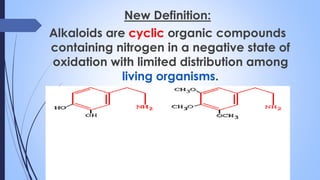
New Definition:
Alkaloids are cyclic organic compounds
containing nitrogen in a negative state of
oxidation with limited distribution among
living organisms.
ORIGIN AND HISTORY
 The term alkaloid was coined by Meissner, A German
Pharmacist, in 1819.
 The mankind has been using alkaloid for various purposes
like poisons, medicines, poultices, teas and etc.
 The French chemist, Derosne in 1803, isolated Narcotine.
 A significant contribution to the chemistry of alkaloids in
the early years of its development was made by the French
researchers Pierre Joseph Pelletier and Joseph Bienaimé
Caventou, who discovered quinine (1820)
and strychnine (1818).
 Several other alkaloids were discovered around that time,
including xanthine (1817), atropine (1819), caffeine (1820),
coniine (1827), nicotine (1828), and cocaine (1860).
Nomenclature:
Trivial names should end by "ine". These names may refer to:
From plant generic name (Atropine)
From specific plant species (Cocaine)
From the common name of Drug (Ergotamine)
From physiological activity (emetine)
From the name of discoverer (Pelletierine)
From the prominent Physical character (Hygrine)
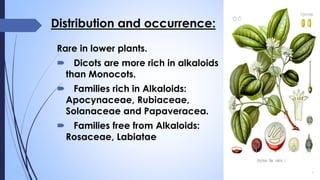
Distribution and occurrence:
Rare in lower plants.
 Dicots are more rich in alkaloids
than Monocots.
 Families rich in Alkaloids:
Apocynaceae, Rubiaceae,
Solanaceae and Papaveracea.
 Families free from Alkaloids:
Rosaceae, Labiatae
Distribution in Plant:
All Parts e.g. Datura.
Barks e.g. Cinchona
Seeds e.g. Nux vomica
Fruits e.g. Black pepper
Latex e.g. Opium
Leaves e.g. Tobacco
Forms of Alkaloids:
• Free bases
• Salts with Organic acids e.g. Oxalic, acetic acids
• Salts with inorganic acids e.g. HCl, H2SO4.
• Salts with special acids:
e.g. Meconic acid in Opium
Quinic acid in Cinchona
• Glycosidal form e.g. Solanine in Solanum.
Function in Plants
• They may act as protective against insects and
herbivores due to their bitterness and toxicity.
• They are, in certain cases, the final products of
detoxification (waste products).
• Source of nitrogen in case of nitrogen deficiency.
• They, sometimes, act as growth regulators in certain
metabolic systems.
• They may be utilized as a source of energy in case
of deficiency in carbon dioxide assimilation.
EFFECTS OF ALKALOIDS ON HUMANS:
High Biological Activity
Produce Vary Degrees Of Physiological and
Psychological Responses – Largely by interfering
with Neurotransmitter
In large doses- highly toxic – fatal
In small doses – many have therapeutic value
Muscle relaxant, Pain killers, tranquilizers, Mind
altering drugs, Chemotherapy
Physical Properties:
I- Condition:
• Most alkaloids are crystalline solids.
• Few alkaloids are amorphous solids e.g. emetine.
• Some are liquids that are either:
Volatile e.g. nicotine and coniine, or
Non-volatile e.g. pilocarpine and hyoscine.
II- Color:
The majority of alkaloids are colorless but some are colored e.g.:
• Colchicine and berberine are yellow.
• Canadine is orange.
• The salts of sanguinarine are copper-red.
Physical Properties:
III- Solubility:
 Both alkaloidal bases and their salts are soluble in alcohol.
 Generally, the bases are soluble in organic solvents and
insoluble in water
Exceptions:
 Bases soluble in water: caffeine, ephedrine, codeine,
colchicine, pilocarpine and quaternary ammonium bases.
 Bases insoluble or sparingly soluble in certain organic solvents:
morphine in ether, theobromine and theophylline in benzene.
 Salts are usually soluble in water and, insoluble or sparingly
soluble in organic solvents.
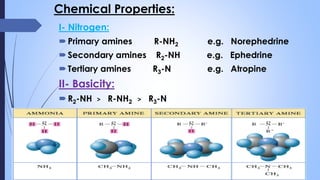
Chemical Properties:
I- Nitrogen:
Primary amines R-NH2 e.g. Norephedrine
Secondary amines R2-NH e.g. Ephedrine
Tertiary amines R3-N e.g. Atropine
II- Basicity:
R2-NH > R-NH2 > R3-N
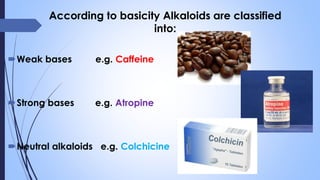
According to basicity Alkaloids are classified
into:
Weak bases e.g. Caffeine
Strong bases e.g. Atropine
Neutral alkaloids e.g. Colchicine
III- Oxygen:
 Most alkaloids contain Oxygen and are solid in nature e.g. Atropine.
 Some alkaloids are free from Oxygen and are mostly liquids e.g.
Nicotine, Coniine.
 Effect of heat:
Alkaloids are decomposed by heat, except Strychnine and caffeine.
 Reaction with acids:
1- Salt formation.
2- Dilute acids hydrolyze Ester Alkaloids e.g. Atropine
IV- Stability:
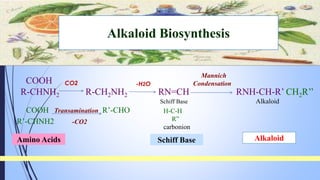
COOH
R-CHNH2 R-CH2NH2 RN=CH RNH-CH-R’ CH2R’’
Schiff Base Alkaloid
COOH Transamination R’-CHO
R’-CHNH2 -CO2
Alkaloid Biosynthesis
Mannich
Condensation
H-C-H
R”
carbonion
Amino Acids Schiff Base Alkaloid
-H2OCO2
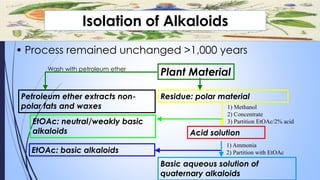
Isolation of Alkaloids
• Process remained unchanged >1,000 years
Plant Material
Acid solution
EtOAc: neutral/weakly basic
alkaloids
1) Methanol
2) Concentrate
3) Partition EtOAc/2% acid
Petroleum ether extracts non-
polar fats and waxes
Residue: polar material
Wash with petroleum ether
Basic aqueous solution of
quaternary alkaloids
1) Ammonia
2) Partition with EtOAcEtOAc: basic alkaloids
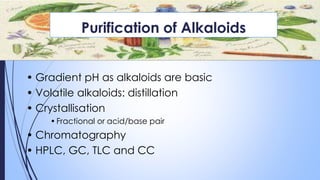
Purification of Alkaloids
• Gradient pH as alkaloids are basic
• Volatile alkaloids: distillation
• Crystallisation
•Fractional or acid/base pair
• Chromatography
• HPLC, GC, TLC and CC
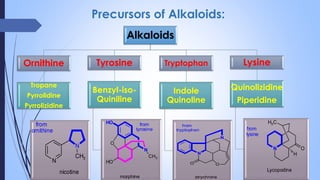
Precursors of Alkaloids:
Alkaloids
Ornithine
Tropane
Pyrrolidine
Pyrrolizidine
Tyrosine
Benzyl-iso-
Quiniline
Tryptophan
Indole
Quinoline
Lysine
Quinolizidine
Piperidine
N
N
CH3
nicotine
from
ornithine
N
O
N
O
strychnine
from
tryptophan
O
HO
N
CH3
HO
morphine
from
tyrosine
N O
H
H3C
Lycopodine
from
lysine
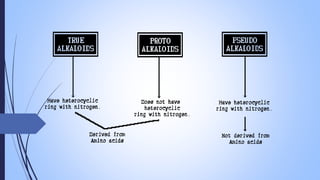
CLASSIFICATION OF
ALKOLOIDS
TRUE ALKOLOIDS
True alkoloids derived from amino acids
Heterocyclic ring with nitrogen
Highly reactive substances in low doses also
Bitter taste with white appeareance
Form water soluble salts
examples:
cocaine,morphine,nicotine,dopamine etc.
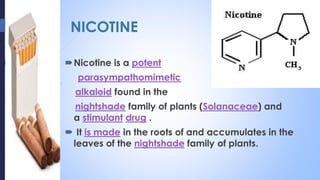
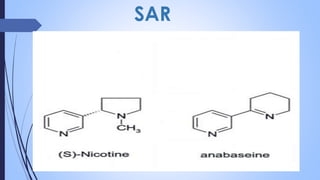
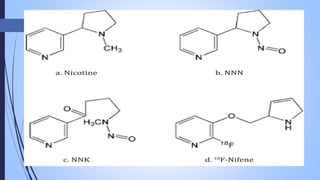
NICOTINE
Nicotine is a potent
parasympathomimetic
alkaloid found in the
nightshade family of plants (Solanaceae) and
a stimulant drug .
 It is made in the roots of and accumulates in the
leaves of the nightshade family of plants.
Nicotine is a hygroscopic, colorless oily liquid that is readily
soluble in alcohol, ether or light petroleum. It
is miscible with water in its base form.
nicotine forms salts with acids that are usually solid and
water soluble.
Nicotine is optically active, having two enantiomeric forms.
The naturally occurring form of nicotine is levorotatory (−)-
nicotine. The dextrorotatory form, (+)-nicotine is
physiologically less active than (–)-nicotine. (−)-nicotine is
more toxic than (+)-nicotine.
CHEMISTRY
SAR
 Initially causes nausea and vomiting by stimulating vomiting center
in brain stem and sensory endings in stomach. This becomes
tolerant.
 Stimulates hypothalamus to produce antidiuretic hormone, causing

fluid retention.
 Reduces activity coming in from muscles, producing relaxation.
 Increases heart rate, blood pressure and contractility; but carbon
monoxide in smoke combines with oxygen better than hemoglobin,
so it decreases oxygen carrying capacity (suffocates cells).
PHARMACOLOGICAL EFFECTS
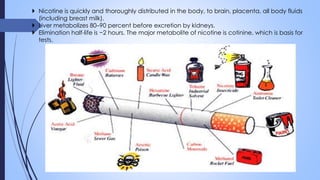
 Nicotine is quickly and thoroughly distributed in the body, to brain, placenta, all body fluids
(including breast milk).
 Liver metabolizes 80–90 percent before excretion by kidneys.
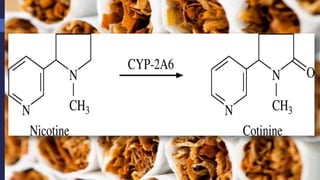
 Elimination half-life is ~2 hours. The major metabolite of nicotine is cotinine, which is basis for
tests.
Uses:
The primary therapeutic use of nicotine is in treating
nicotine dependence in order to
eliminate smoking with the damage it does to
health.
Nicotine medicines release a sufficient amount of
nicotine into the body to help stop your craving to
smoke
Believe it!
smoking (almost certainly due to nicotine)
reduces risk of Parkinson’s disease
reduces risk of Alzheimers
schizophrenics on neuroleptics smoke in very large numbers –
why?
nicotine also can
be neuroprotective (against ETOH WD neurotoxicity for example)
suppress certain autoimmune diseases
Doses:
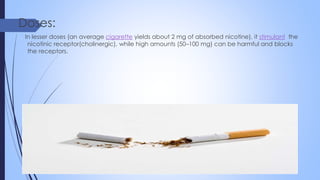
In lesser doses (an average cigarette yields about 2 mg of absorbed nicotine), it stimulant the
nicotinic receptor(cholinergic), while high amounts (50–100 mg) can be harmful and blocks
the receptors.
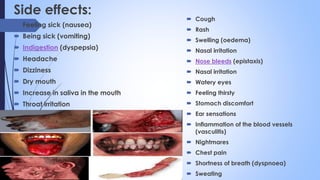
Side effects:
 Feeling sick (nausea)
 Being sick (vomiting)
 Indigestion (dyspepsia)
 Headache
 Dizziness
 Dry mouth
 Increase in saliva in the mouth
 Throat irritation
 Cough
 Rash
 Swelling (oedema)
 Nasal irritation
 Nose bleeds (epistaxis)
 Nasal irritation
 Watery eyes
 Feeling thirsty
 Stomach discomfort
 Ear sensations
 Inflammation of the blood vessels
(vasculitis)
 Nightmares
 Chest pain
 Shortness of breath (dyspnoea)
 Sweating
MORPHINE
MORPHINE
 Morphine is the most abundant opiate found
in opium, the dried latex extracted by shallowly
scoring the unripe seedpods of the Papaver
somniferum poppy. Morphine was the first active
principle purified from a plant source and is one
of at least 50 alkaloids of several different types
present in opium.
 Morphine is an opioid analgesic drug. Morphine
has a high potential
for addiction; tolerance and psychological dep
endence develop rapidly,
although physiologicaldependence may take
several months to develop.
Morphine was first isolated in 1804 by Friedrich
Sertürner, which is generally believed to be the
first ever isolation of a natural plant alkaloid in
history.
Sertürner originally named the
substance morphium after the Greek god of
dreams, Morpheus (Greek: Μορφεύς), for its
tendency to cause sleep
CHEMISTRY
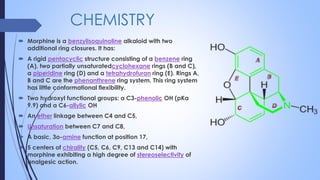
 Morphine is a benzylisoquinoline alkaloid with two
additional ring closures. It has:
 A rigid pentacyclic structure consisting of a benzene ring
(A), two partially unsaturatedcyclohexane rings (B and C),
a piperidine ring (D) and a tetrahydrofuran ring (E). Rings A,
B and C are the phenanthrene ring system. This ring system
has little conformational flexibility.
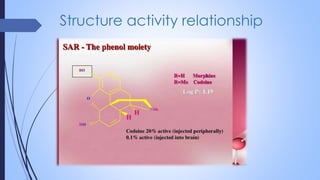
 Two hydroxyl functional groups: a C3-phenolic OH (pKa
9.9) and a C6-allylic OH
 An ether linkage between C4 and C5,
 Unsaturation between C7 and C8,
 A basic, 3o-amine function at position 17,
 5 centers of chirality (C5, C6, C9, C13 and C14) with
morphine exhibiting a high degree of stereoselectivity of
analgesic action.
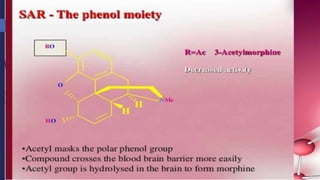
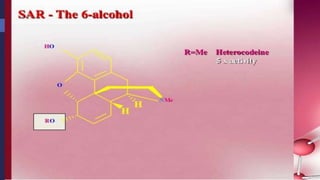
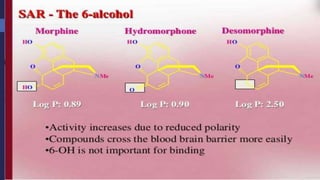
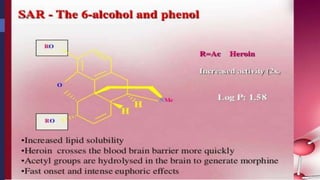
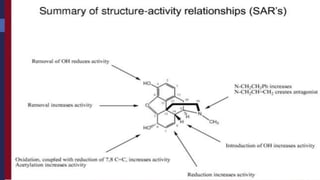
Structure activity relationship
USES
Relief of pain caused by heart attack or
myocardial infarction.
Relief of the severe bone and joint pain
associated with sickle cell crisis.
Pain relief before, during and after surgery.
General anesthsia to sedate a patient.
A cough suppressant in cases where cough is
severe enough.
MECHANISM OF ACTION
 Opioid receptors
 As morphine binds to opioid receptors, molecular signalling activates the
receptors to mediate certain actions.
 There are three important classes of opioid receptors and these are:
 μ receptor or Mu receptors - There are three subtypes of this receptor, the μ1, μ2
and μ3 receptors. Present in the brainstem and the thalamus, activation of these
receptors can result in pain relief, sedation and euphoria as well as respiratory
depression, constipation and physical dependence.
 κ receptor or kappa receptor - This receptor is present in the limbic system, part
of the forebrain called the diencephalon, the brain stem and spinal cord.
Activation of this receptor causes pain relief, sedation, loss of breath and
dependence.
 δ receptor or delta - This receptor is widely distributed in the brain and also
present in the spinal cord and digestive tract. Stimulation of this receptor leads
to analgesic as well as antidepressant effects but may also cause respiratory
depression.
ADR
dizziness
drowsiness
nausea
vomiting
stomach pain and
cramps
diarrhea
loss of appetite
weight loss
dry mouth
sweating
weakness
headache
agitation
nervousness
mood changes
confusion
PROTO-ALKALOIDS
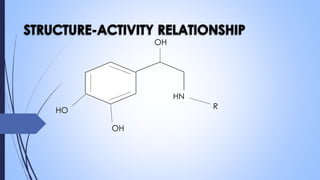
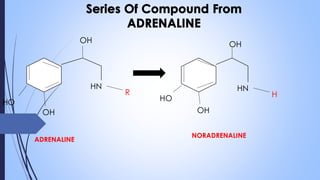
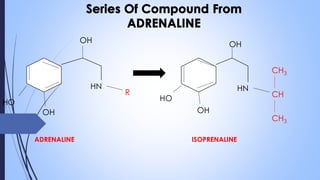
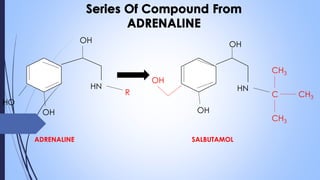
1. ADRENALINE
General Characteristics Features:
• Have no nitrogen as part of heterocyclic ring
• Derived from amino acids like Phenylalanine, Tyrosine
• Physiologically active compounds
• Examples: Adrenaline, Ephedrine, Colchicines, Mescaline
SHIKIMATE PATHWAY
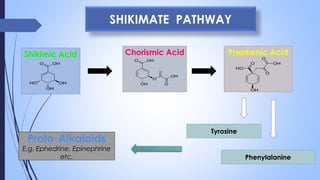
SHIKIMATE PATHWAY
Shikimic Acid Chorismic Acid Prephenic Acid
Phenylalanine
Tyrosine
Proto-Alkaloids
E.g. Ephedrine, Epinephrine
etc.
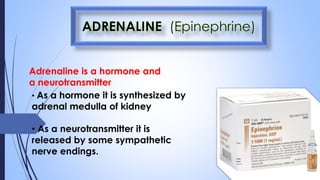
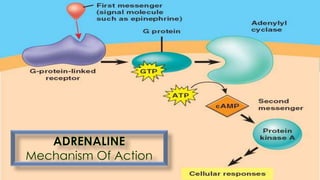
Adrenaline is a hormone and
a neurotransmitter
• As a hormone it is synthesized by
adrenal medulla of kidney
• As a neurotransmitter it is
released by some sympathetic
nerve endings.
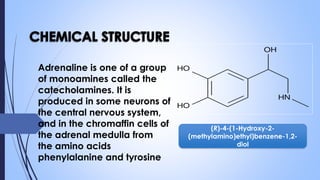
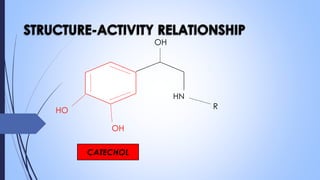
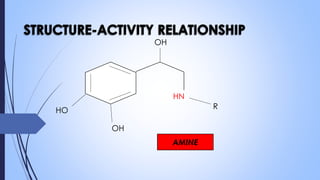
Adrenaline is one of a group
of monoamines called the
catecholamines. It is
produced in some neurons of
the central nervous system,
and in the chromaffin cells of
the adrenal medulla from
the amino acids
phenylalanine and tyrosine
(R)-4-(1-Hydroxy-2-
(methylamino)ethyl)benzene-1,2-
diol
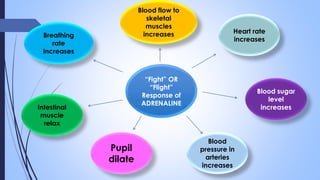
“Fight” OR
“Flight”
Response of
ADRENALINE
Blood flow to
skeletal
muscles
increases
Intestinal
muscle
relax
Breathing
rate
increases
Heart rate
increases
Pupil
dilate
Blood
pressure in
arteries
increases
Blood sugar
level
increases
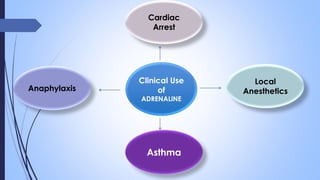
Clinical Use
of
ADRENALINE
Anaphylaxis
Cardiac
Arrest
Asthma
Local
Anesthetics
HO
OH
OH
HN
R
HO
OH
OH
HN
R
CATECHOL
HO
OH
OH
HN
R
AMINE
HO
OH
OH
HN
R
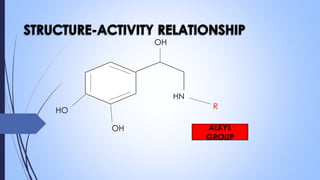
ALKYL
GROUP
HO
OH
OH
HN
R
OH
OH
HO
HN
H
ADRENALINE
NORADRENALINE
HO
OH
OH
HN
R
OH
OH
HO
HN
CH
ADRENALINE ISOPRENALINE
CH3
CH3
HO
OH
OH
HN
R
OH
OH
OH
HN
C
ADRENALINE SALBUTAMOL
CH3
CH3
CH3
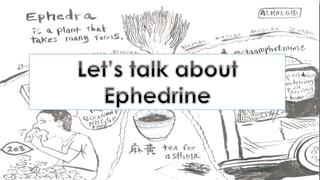
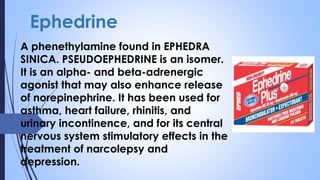
Ephedrine
A phenethylamine found in EPHEDRA
SINICA. PSEUDOEPHEDRINE is an isomer.
It is an alpha- and beta-adrenergic
agonist that may also enhance release
of norepinephrine. It has been used for
asthma, heart failure, rhinitis, and
urinary incontinence, and for its central
nervous system stimulatory effects in the
treatment of narcolepsy and
depression.
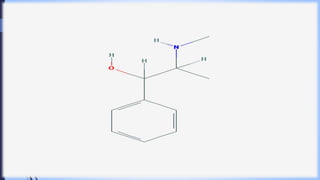
2D structure of Ephedrine
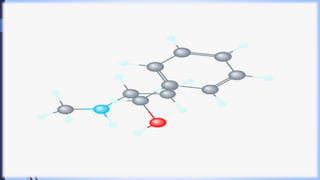
3D structure of Ephedrine
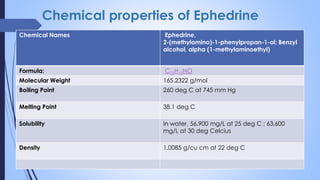
Chemical properties of Ephedrine
Chemical Names Ephedrine,
2-(methylamino)-1-phenylpropan-1-ol; Benzyl
alcohol, alpha (1-methylaminoethyl)
Formula: C10H15NO
Molecular Weight 165.2322 g/mol
Boiling Point 260 deg C at 745 mm Hg
Melting Point 38.1 deg C
Solubility In water, 56,900 mg/L at 25 deg C ; 63,600
mg/L at 30 deg Celcius
Density 1.0085 g/cu cm at 22 deg C
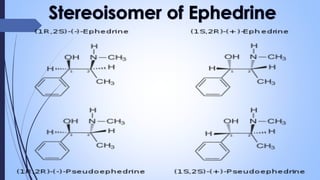
Chemistry of Ephedrine
Ephedrine exhibits optical isomerism and has two chiral
centres, giving rise to four stereoisomer. By convention,
the pair of enantiomers with the stereochemistry (1R, 2S
and 1S,2R) is designated ephedrine, while the pair of
enantiomers with the stereochemistry (1R,2R and 1S,2S) is
called pseudoephedrine. Ephedrine is a substitute
amphetamine and a structural
methamphetamine analogue. It differs from
methamphetamine only by the presence of
a hydroxyl (OH).
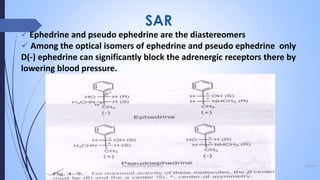
SAR
 Ephedrine and pseudo ephedrine are the diastereomers
 Among the optical isomers of ephedrine and pseudo ephedrine only
D(-) ephedrine can significantly block the adrenergic receptors there by
lowering blood pressure.
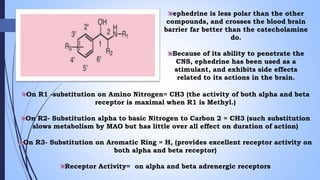
5/9/2015Stucture-activity relationship
On R1 -substitution on Amino Nitrogen= CH3 (the activity of both alpha and beta
receptor is maximal when R1 is Methyl.)
On R2- Substitution alpha to basic Nitrogen to Carbon 2 = CH3 (such substitution
slows metabolism by MAO but has little over all effect on duration of action)
On R3- Substitution on Aromatic Ring = H, (provides excellent receptor activity on
both alpha and beta receptor)
Receptor Activity= on alpha and beta adrenergic receptors
ephedrine is less polar than the other
compounds, and crosses the blood brain
barrier far better than the catecholamine
do.
Because of its ability to penetrate the
CNS, ephedrine has been used as a
stimulant, and exhibits side effects
related to its actions in the brain.
Mechanism of Action
Ephedrine is a sympathomimetic amine - that is, its
principal mechanism of action relies on its direct and
indirect actions on the adrenergic receptor system,
which is part of the sympathetic nervous system.
Ephedrine increases post-synaptic noradrenergic
receptor activity by (weakly) directly activating post-
synaptic α-receptors and β-receptors, but the bulk of its
effect comes from the pre-synaptic neuron being
unable to distinguish between real adrenaline or nor
adrenaline from ephedrine.
Uses
Diseases of the respiratory tract with mild
bronchospasms in adults and children over
the age of six.
Spinal anesthetics during delivery
Used for breathing problems, asthma and
nasal swelling/congestion caused by a cold
or allergies.
Ephedrine is the active ingredient in ephedra or
huang. It belongs to a class of medications
called sympathomimetics. It works like a
naturally occurring substance (adrenaline) that
your body makes when it thinks it is in danger.
It is a central nervous system stimulant that
increases your heart rate/blood pressure,
narrows your blood vessels (vasoconstriction),
and opens up the lungs (bronchodilation).
Side effects
 Nervousness
Headache
 Confusion
 Delirium
 hallucination,
 Pallor
 hypertension
 tachycardia,
 Palpitation
 Sweating, vomiting
 Anorexia
 Restlessness
 Anxiety
 Tension
 Tremor
 Weakness
 Dizziness
 Vertigo
Nervous system
Nervous system side effects associated with large doses of
ephedrine have included nervousness, insomnia, vertigo, and
headache.
Cardiovascular
Cardiovascular side effects associated with large doses of
ephedrine have included tachycardia and
palpitation. Hypertension, stroke, and myocardial infarction.
Gastrointestinal
Gastrointestinal side effects have included nausea, vomiting,
and anorexia.
Genitourinary
Urinary retention has mainly been reported in male
patients with prostatism.
Genitourinary side effects have included dysuria and
urinary retention.
Psychiatric
Psychiatric side effects associated with prolonged abuse of
ephedrine have included symptoms of paranoid
schizophrenia. Suicide and psychotic episodes have also
been reported.
Caffeine:
“Anger - a better alternative to caffeine.”
― Ilona Andrews, Magic Rises
INTRODUCTION
Caffeine (1,3,7-trimethylxanthine) is a purine alkaloid that occurs naturally in
coffee beans .
Caffeine is an alkaloid from methylxanthines called 3,7-dihydro-1,3,7-
trimethyl-1H-purine-2,6,-dione or 1,3,7-trimethylxanthine.
Some physiological effects associated with caffeine administration include
central nervous system stimulation, acute elevation of blood pressure,
increased metabolic rate, and diuresis.
Caffeine is rapidly and almost completely absorbed in the stomach and
small intestine and distributed to all tissues, including the brain.
It is found in varying quantities in the seeds, leaves
fruits of some plants, where it act as a natural
pesticide.
Beverage containing coffee such as coffee, tea
soft drinks, & energy drinks.
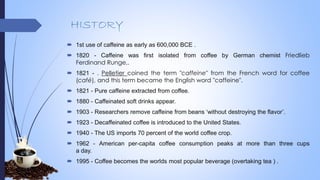
HISTORY
 1st use of caffeine as early as 600,000 BCE .
 1820 - Caffeine was first isolated from coffee by German chemist Friedlieb
Ferdinand Runge,.
 1821 - . Pelletier coined the term "caffeine" from the French word for coffee
(café), and this term became the English word "caffeine".
 1821 - Pure caffeine extracted from coffee.
 1880 - Caffeinated soft drinks appear.
 1903 - Researchers remove caffeine from beans ‘without destroying the flavor’.
 1923 - Decaffeinated coffee is introduced to the United States.
 1940 - The US imports 70 percent of the world coffee crop.
 1962 - American per-capita coffee consumption peaks at more than three cups
a day.
 1995 - Coffee becomes the worlds most popular beverage (overtaking tea ) .
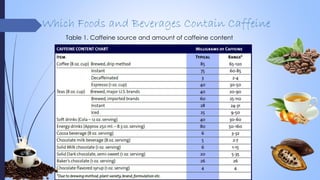
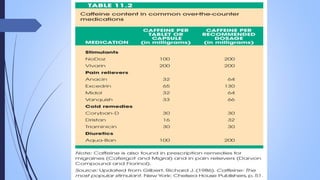
Which Foods and Beverages Contain Caffeine
Table 1. Caffeine source and amount of caffeine content
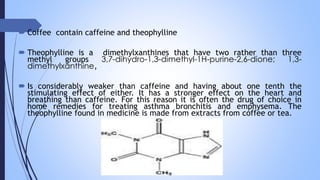
 Coffee contain caffeine and theophylline
 Theophylline is a dimethylxanthines that have two rather than three
methyl groups 3,7-dihydro-1,3-dimethyl-1H-purine-2,6-dione; 1,3-
dimethylxanthine,
 Is considerably weaker than caffeine and having about one tenth the
stimulating effect of either. It has a stronger effect on the heart and
breathing than caffeine. For this reason it is often the drug of choice in
home remedies for treating asthma bronchitis and emphysema. The
theophylline found in medicine is made from extracts from coffee or tea.
Why do people become addicted to
caffeine?

A person who drinks 1 cup of coffee a day over seven
days will build a tolerance to this amount of caffeine.
This person will have to consume 2 cups of coffee to feel
the same effects as before but again will build a
tolerance to that amount of caffeine. Over time this
cycle will lead to an addiction to caffeine and will have
negative side effects on the body.
Caffeine as a Drug
The behavioral effects of caffeine can be
characterized principally as a reduction in fatigue
and boredom, as well as a delay in the onset of
sleep.
Recent evidence suggests that caffeine might
lower the risk of developing Parkinson’s disease in
men.
A comparable protective role in women is
currently uncertain. © Copyright
2011, Pearson
Education, Inc.
All rights
reserved.
Caffeine as a Drug
Health risks from moderate consumption of
caffeine are not clinically significant, except for
the adverse effects on fetal development during
pregnancy, the development of bone loss
among the elderly, a possible adverse effect on
the cardiac condition of patients already
suffering from cardiovascular disease, and the
aggravation of panic attacks among patients
with this disorder. © Copyright
2011, Pearson
Education, Inc.
All rights
reserved.
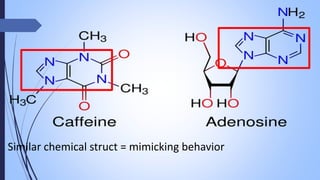
Mechanism of Action
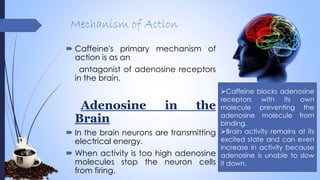
 Caffeine's primary mechanism of
action is as an
antagonist of adenosine receptors
in the brain.
Adenosine in the
Brain
 In the brain neurons are transmitting
electrical energy.
 When activity is too high adenosine
molecules stop the neuron cells
from firing.
Caffeine blocks adenosine
receptors with its own
molecule preventing the
adenosine molecule from
binding.
Brain activity remains at its
excited state and can even
increase in activity because
adenosine is unable to slow
it down.
Similar chemical struct = mimicking behavior
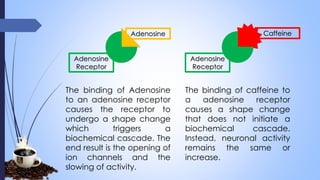
The binding of Adenosine
to an adenosine receptor
causes the receptor to
undergo a shape change
which triggers a
biochemical cascade. The
end result is the opening of
ion channels and the
slowing of activity.
The binding of caffeine to
a adenosine receptor
causes a shape change
that does not initiate a
biochemical cascade.
Instead, neuronal activity
remains the same or
increase.
Adenosine Caffeine
Adenosine
Receptor
Adenosine
Receptor
Caffeine Extraction Processes
Super critical Fluid Extraction
Microwave-assisted extraction
ultrasonic extraction
heat reflux extraction
Health Benefits of Caffeine
Caffeine helps ward off Alzheimer’s.
In Japan researchers have shown that caffeine
increases memory.
Caffeine detoxes the liver and cleanses the colon
when taken as a caffeine enema.
Caffeine can stimulate hair growth on balding men
and women.
Caffeine relieves post work-out muscle pain by up
to 48%.
Caffeine can ease depression by increasing
dopamine in the brain.
Caffeine increases stamina during exercise.
Caffeine protects against eyelid spasm.
Caffeine may protect against Cataracts.
Caffeine may prevent skin cancer. A new study
out of Rutgers University found that caffeine
prevented skin cancer in hairless mice.
People who consume caffeine have a lower risk
of suicide.
Caffeine may reduce fatty liver in those with
non-alcohol related fatty liver disease. This study
comes out of Duke University.
Negative Side Effects of Caffeine
Effects on Heart Rate and Blood
Pressure
Osteoporosis
Diabetes
Loss of sleep
Fertility and miscarriage
Hormonal Effects
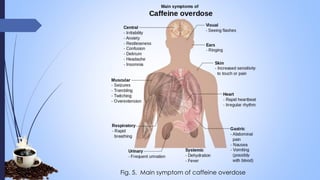
Fig. 5. Main symptom of caffeine overdose
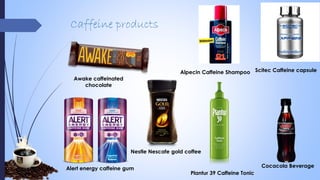
Caffeine products
Scitec Caffeine capsuleAlpecin Caffeine Shampoo
Plantur 39 Caffeine Tonic
Alert energy caffeine gum
Nestle Nescafe gold coffee
Cocacola Beverage
Awake caffeinated
chocolate
Decaffeinated products
Nescafe decaf coffee
Tassimo nabob decaf coffee
Zevia caffeine free cola
Twinings pure green tea
Conclusion
The good and bad of caffeine
Caffeine is part of modern life. Regular coffee drinkers
include the majority of adults and a growing number of
children. The recommendation for most people is to enjoy
one or two cups of coffee a day, which will allow you to
capitalize on its health benefits without incurring health
drawbacks. Extensive recent research has put forth that
coffee is far more healthful than it is harmful. Very little bad
and a lot of good come from drinking it.
References
 Carrillo, J.A., and Benitez, J. 2000. Clinically significant pharmacokinetic interactions
between dietary caffeine and medications. Clin. Pharmacokinet, 39:127–153.
 de Vreede-Swagemakers, J.J., Gorgels, A.P., Weijenberg, M.P. et al. 1999. Risk indicators
for out-of-hospital cardiac arrest in patients with coronary artery disease. J. Clin
Epidemiol., 52:601–607.
 Gary W. Arendasha,b,∗ and Chuanhai Caob,c. 2010. “Caffeine and Coffee as
Therapeutics Against Alzheimer’s Disease” Journal of Alzheimer’s Disease 20 S117–S126
 Greenland, S. 1993. A meta-analysis of coffee, myocardial infarction, and coronary death.
Epidemiology., 4:366–374.
 Hammar, N., Andersson, T., Alfredsson, L. et al. 2003. Association of boiled and filtered
coffee with incidence of first nonfatal myocardial infarction: the SHEEP and the VHEEP
study. J. Intern. Med., 253:653–659.
 Haskó G, Linden J, Cronstein B, Pacher P (September 2008). "Adenosine receptors:
therapeutic aspects for inflammatory and immune diseases". Nat Rev Drug Discov 7 (9):
759–70. doi:10.1038/nrd2638. PMC 2568887. PMID 18758473.
 Higdon, Jane V., And Frei, Balz., 2006. ” Coffee and Health: A Reviewof Recent
Human Research”. Critical Reviews in Food Science and Nutrition, 46:101–123
 http://www.energyfiend.com/top-10-caffeine-health-benefits
 James, J.E. 2004. Critical review of dietary caffeine and blood pressure:A relationship
that should be taken more seriously. Psychosom. Med.,66:63–71.
 Kawachi, I., Colditz, G. A., and Stone, C. B. 1994. Does coffee drinking increase the
risk of coronary heart disease? Results from a meta-analysis. Br. Heart J., 72:269–275.
 Kuffler SW, Edwards C (November 1958). "Mechanism of gamma aminobutyric acid
(GABA) action and its relation to synaptic inhibition". J. Neurophysiol. 21 (6): 589–610.
PMID 13599049.
 Mukamal, K.J., Maclure, M., and Muller, J.E., 2004. Caffeinated coffee consumption
and mortality after acute myocardial infarction. Am. Heart J., 147:999–1004.
 Spiller, M.A. 1998. The Chemical Components of Coffee. In: Caffeine.pp. 97–161.
Spiller, G. A., Ed., CRC Press, Boca Raton.
 Tavani, A., Bertuzzi, M., Negri, E. et al. 2001. Alcohol, smoking, coffee and risk of non-
fatal acute myocardial infarction in Italy. Eur. J. Epidemiol., 17:1131–1137
Alkaloids ppt
Alkaloids ppt

Alkaloids ppt

  • 2.
    Presenter: MAHEYA MIDHAT KHAN DepartmentOf Pharmacy Jinnah University For women, Karachi.
  • 3.
    the term “alkaloid”(alkali-like) is commonly used to designate basic heterocyclic nitrogenous compounds of plant origin that are physiologically active.
  • 4.
    Deviation from Definition: Basicity: Some alkaloids are not basic e.g. Colchicine, Piperine, Quaternary alkaloids.  Nitrogen: The nitrogen in some alkaloids is not in a heterocyclic ring e.g. Ephedrine, Colchicine, Mescaline.  Plant Origin: Some alkaloids are derived from Bacteria, Fungi, Insects, Frogs, Animals
  • 5.
    New Definition: Alkaloids arecyclic organic compounds containing nitrogen in a negative state of oxidation with limited distribution among living organisms.
  • 6.
    ORIGIN AND HISTORY The term alkaloid was coined by Meissner, A German Pharmacist, in 1819.  The mankind has been using alkaloid for various purposes like poisons, medicines, poultices, teas and etc.  The French chemist, Derosne in 1803, isolated Narcotine.  A significant contribution to the chemistry of alkaloids in the early years of its development was made by the French researchers Pierre Joseph Pelletier and Joseph Bienaimé Caventou, who discovered quinine (1820) and strychnine (1818).  Several other alkaloids were discovered around that time, including xanthine (1817), atropine (1819), caffeine (1820), coniine (1827), nicotine (1828), and cocaine (1860).
  • 7.
    Nomenclature: Trivial names shouldend by "ine". These names may refer to: From plant generic name (Atropine) From specific plant species (Cocaine) From the common name of Drug (Ergotamine) From physiological activity (emetine) From the name of discoverer (Pelletierine) From the prominent Physical character (Hygrine)
  • 8.
    Distribution and occurrence: Rarein lower plants.  Dicots are more rich in alkaloids than Monocots.  Families rich in Alkaloids: Apocynaceae, Rubiaceae, Solanaceae and Papaveracea.  Families free from Alkaloids: Rosaceae, Labiatae
  • 9.
    Distribution in Plant: AllParts e.g. Datura. Barks e.g. Cinchona Seeds e.g. Nux vomica Fruits e.g. Black pepper Latex e.g. Opium Leaves e.g. Tobacco
  • 10.
    Forms of Alkaloids: •Free bases • Salts with Organic acids e.g. Oxalic, acetic acids • Salts with inorganic acids e.g. HCl, H2SO4. • Salts with special acids: e.g. Meconic acid in Opium Quinic acid in Cinchona • Glycosidal form e.g. Solanine in Solanum.
  • 11.
    Function in Plants •They may act as protective against insects and herbivores due to their bitterness and toxicity. • They are, in certain cases, the final products of detoxification (waste products). • Source of nitrogen in case of nitrogen deficiency. • They, sometimes, act as growth regulators in certain metabolic systems. • They may be utilized as a source of energy in case of deficiency in carbon dioxide assimilation.
  • 12.
    EFFECTS OF ALKALOIDSON HUMANS: High Biological Activity Produce Vary Degrees Of Physiological and Psychological Responses – Largely by interfering with Neurotransmitter In large doses- highly toxic – fatal In small doses – many have therapeutic value Muscle relaxant, Pain killers, tranquilizers, Mind altering drugs, Chemotherapy
  • 13.
    Physical Properties: I- Condition: •Most alkaloids are crystalline solids. • Few alkaloids are amorphous solids e.g. emetine. • Some are liquids that are either: Volatile e.g. nicotine and coniine, or Non-volatile e.g. pilocarpine and hyoscine. II- Color: The majority of alkaloids are colorless but some are colored e.g.: • Colchicine and berberine are yellow. • Canadine is orange. • The salts of sanguinarine are copper-red.
  • 14.
    Physical Properties: III- Solubility: Both alkaloidal bases and their salts are soluble in alcohol.  Generally, the bases are soluble in organic solvents and insoluble in water Exceptions:  Bases soluble in water: caffeine, ephedrine, codeine, colchicine, pilocarpine and quaternary ammonium bases.  Bases insoluble or sparingly soluble in certain organic solvents: morphine in ether, theobromine and theophylline in benzene.  Salts are usually soluble in water and, insoluble or sparingly soluble in organic solvents.
  • 15.
    Chemical Properties: I- Nitrogen: Primaryamines R-NH2 e.g. Norephedrine Secondary amines R2-NH e.g. Ephedrine Tertiary amines R3-N e.g. Atropine II- Basicity: R2-NH > R-NH2 > R3-N
  • 16.
    According to basicityAlkaloids are classified into: Weak bases e.g. Caffeine Strong bases e.g. Atropine Neutral alkaloids e.g. Colchicine
  • 17.
    III- Oxygen:  Mostalkaloids contain Oxygen and are solid in nature e.g. Atropine.  Some alkaloids are free from Oxygen and are mostly liquids e.g. Nicotine, Coniine.  Effect of heat: Alkaloids are decomposed by heat, except Strychnine and caffeine.  Reaction with acids: 1- Salt formation. 2- Dilute acids hydrolyze Ester Alkaloids e.g. Atropine IV- Stability:
  • 18.
    COOH R-CHNH2 R-CH2NH2 RN=CHRNH-CH-R’ CH2R’’ Schiff Base Alkaloid COOH Transamination R’-CHO R’-CHNH2 -CO2 Alkaloid Biosynthesis Mannich Condensation H-C-H R” carbonion Amino Acids Schiff Base Alkaloid -H2OCO2
  • 19.
    Isolation of Alkaloids •Process remained unchanged >1,000 years Plant Material Acid solution EtOAc: neutral/weakly basic alkaloids 1) Methanol 2) Concentrate 3) Partition EtOAc/2% acid Petroleum ether extracts non- polar fats and waxes Residue: polar material Wash with petroleum ether Basic aqueous solution of quaternary alkaloids 1) Ammonia 2) Partition with EtOAcEtOAc: basic alkaloids
  • 20.
    Purification of Alkaloids •Gradient pH as alkaloids are basic • Volatile alkaloids: distillation • Crystallisation •Fractional or acid/base pair • Chromatography • HPLC, GC, TLC and CC
  • 21.
  • 22.
  • 24.
    TRUE ALKOLOIDS True alkoloidsderived from amino acids Heterocyclic ring with nitrogen Highly reactive substances in low doses also Bitter taste with white appeareance Form water soluble salts examples: cocaine,morphine,nicotine,dopamine etc.
  • 25.
    NICOTINE Nicotine is apotent parasympathomimetic alkaloid found in the nightshade family of plants (Solanaceae) and a stimulant drug .  It is made in the roots of and accumulates in the leaves of the nightshade family of plants.
  • 26.
    Nicotine is ahygroscopic, colorless oily liquid that is readily soluble in alcohol, ether or light petroleum. It is miscible with water in its base form. nicotine forms salts with acids that are usually solid and water soluble. Nicotine is optically active, having two enantiomeric forms. The naturally occurring form of nicotine is levorotatory (−)- nicotine. The dextrorotatory form, (+)-nicotine is physiologically less active than (–)-nicotine. (−)-nicotine is more toxic than (+)-nicotine. CHEMISTRY
  • 27.
  • 29.
     Initially causesnausea and vomiting by stimulating vomiting center in brain stem and sensory endings in stomach. This becomes tolerant.  Stimulates hypothalamus to produce antidiuretic hormone, causing fluid retention.  Reduces activity coming in from muscles, producing relaxation.  Increases heart rate, blood pressure and contractility; but carbon monoxide in smoke combines with oxygen better than hemoglobin, so it decreases oxygen carrying capacity (suffocates cells). PHARMACOLOGICAL EFFECTS
  • 30.
     Nicotine isquickly and thoroughly distributed in the body, to brain, placenta, all body fluids (including breast milk).  Liver metabolizes 80–90 percent before excretion by kidneys.  Elimination half-life is ~2 hours. The major metabolite of nicotine is cotinine, which is basis for tests.
  • 32.
    Uses: The primary therapeuticuse of nicotine is in treating nicotine dependence in order to eliminate smoking with the damage it does to health. Nicotine medicines release a sufficient amount of nicotine into the body to help stop your craving to smoke
  • 33.
    Believe it! smoking (almostcertainly due to nicotine) reduces risk of Parkinson’s disease reduces risk of Alzheimers schizophrenics on neuroleptics smoke in very large numbers – why? nicotine also can be neuroprotective (against ETOH WD neurotoxicity for example) suppress certain autoimmune diseases
  • 34.
    Doses: In lesser doses(an average cigarette yields about 2 mg of absorbed nicotine), it stimulant the nicotinic receptor(cholinergic), while high amounts (50–100 mg) can be harmful and blocks the receptors.
  • 35.
    Side effects:  Feelingsick (nausea)  Being sick (vomiting)  Indigestion (dyspepsia)  Headache  Dizziness  Dry mouth  Increase in saliva in the mouth  Throat irritation  Cough  Rash  Swelling (oedema)  Nasal irritation  Nose bleeds (epistaxis)  Nasal irritation  Watery eyes  Feeling thirsty  Stomach discomfort  Ear sensations  Inflammation of the blood vessels (vasculitis)  Nightmares  Chest pain  Shortness of breath (dyspnoea)  Sweating
  • 36.
  • 37.
    MORPHINE  Morphine isthe most abundant opiate found in opium, the dried latex extracted by shallowly scoring the unripe seedpods of the Papaver somniferum poppy. Morphine was the first active principle purified from a plant source and is one of at least 50 alkaloids of several different types present in opium.  Morphine is an opioid analgesic drug. Morphine has a high potential for addiction; tolerance and psychological dep endence develop rapidly, although physiologicaldependence may take several months to develop.
  • 38.
    Morphine was firstisolated in 1804 by Friedrich Sertürner, which is generally believed to be the first ever isolation of a natural plant alkaloid in history. Sertürner originally named the substance morphium after the Greek god of dreams, Morpheus (Greek: Μορφεύς), for its tendency to cause sleep
  • 39.
    CHEMISTRY  Morphine isa benzylisoquinoline alkaloid with two additional ring closures. It has:  A rigid pentacyclic structure consisting of a benzene ring (A), two partially unsaturatedcyclohexane rings (B and C), a piperidine ring (D) and a tetrahydrofuran ring (E). Rings A, B and C are the phenanthrene ring system. This ring system has little conformational flexibility.  Two hydroxyl functional groups: a C3-phenolic OH (pKa 9.9) and a C6-allylic OH  An ether linkage between C4 and C5,  Unsaturation between C7 and C8,  A basic, 3o-amine function at position 17,  5 centers of chirality (C5, C6, C9, C13 and C14) with morphine exhibiting a high degree of stereoselectivity of analgesic action.
  • 40.
  • 46.
    USES Relief of paincaused by heart attack or myocardial infarction. Relief of the severe bone and joint pain associated with sickle cell crisis. Pain relief before, during and after surgery. General anesthsia to sedate a patient. A cough suppressant in cases where cough is severe enough.
  • 47.
    MECHANISM OF ACTION Opioid receptors  As morphine binds to opioid receptors, molecular signalling activates the receptors to mediate certain actions.  There are three important classes of opioid receptors and these are:  μ receptor or Mu receptors - There are three subtypes of this receptor, the μ1, μ2 and μ3 receptors. Present in the brainstem and the thalamus, activation of these receptors can result in pain relief, sedation and euphoria as well as respiratory depression, constipation and physical dependence.  κ receptor or kappa receptor - This receptor is present in the limbic system, part of the forebrain called the diencephalon, the brain stem and spinal cord. Activation of this receptor causes pain relief, sedation, loss of breath and dependence.  δ receptor or delta - This receptor is widely distributed in the brain and also present in the spinal cord and digestive tract. Stimulation of this receptor leads to analgesic as well as antidepressant effects but may also cause respiratory depression.
  • 48.
    ADR dizziness drowsiness nausea vomiting stomach pain and cramps diarrhea lossof appetite weight loss dry mouth sweating weakness headache agitation nervousness mood changes confusion
  • 49.
  • 50.
    1. ADRENALINE General CharacteristicsFeatures: • Have no nitrogen as part of heterocyclic ring • Derived from amino acids like Phenylalanine, Tyrosine • Physiologically active compounds • Examples: Adrenaline, Ephedrine, Colchicines, Mescaline
  • 51.
  • 52.
    SHIKIMATE PATHWAY Shikimic AcidChorismic Acid Prephenic Acid Phenylalanine Tyrosine Proto-Alkaloids E.g. Ephedrine, Epinephrine etc.
  • 53.
    Adrenaline is ahormone and a neurotransmitter • As a hormone it is synthesized by adrenal medulla of kidney • As a neurotransmitter it is released by some sympathetic nerve endings.
  • 54.
    Adrenaline is oneof a group of monoamines called the catecholamines. It is produced in some neurons of the central nervous system, and in the chromaffin cells of the adrenal medulla from the amino acids phenylalanine and tyrosine (R)-4-(1-Hydroxy-2- (methylamino)ethyl)benzene-1,2- diol
  • 56.
    “Fight” OR “Flight” Response of ADRENALINE Bloodflow to skeletal muscles increases Intestinal muscle relax Breathing rate increases Heart rate increases Pupil dilate Blood pressure in arteries increases Blood sugar level increases
  • 57.
  • 58.
  • 59.
  • 60.
  • 61.
  • 62.
  • 63.
  • 64.
  • 66.
    Ephedrine A phenethylamine foundin EPHEDRA SINICA. PSEUDOEPHEDRINE is an isomer. It is an alpha- and beta-adrenergic agonist that may also enhance release of norepinephrine. It has been used for asthma, heart failure, rhinitis, and urinary incontinence, and for its central nervous system stimulatory effects in the treatment of narcolepsy and depression.
  • 67.
    2D structure ofEphedrine
  • 68.
    3D structure ofEphedrine
  • 69.
    Chemical properties ofEphedrine Chemical Names Ephedrine, 2-(methylamino)-1-phenylpropan-1-ol; Benzyl alcohol, alpha (1-methylaminoethyl) Formula: C10H15NO Molecular Weight 165.2322 g/mol Boiling Point 260 deg C at 745 mm Hg Melting Point 38.1 deg C Solubility In water, 56,900 mg/L at 25 deg C ; 63,600 mg/L at 30 deg Celcius Density 1.0085 g/cu cm at 22 deg C
  • 70.
    Chemistry of Ephedrine Ephedrineexhibits optical isomerism and has two chiral centres, giving rise to four stereoisomer. By convention, the pair of enantiomers with the stereochemistry (1R, 2S and 1S,2R) is designated ephedrine, while the pair of enantiomers with the stereochemistry (1R,2R and 1S,2S) is called pseudoephedrine. Ephedrine is a substitute amphetamine and a structural methamphetamine analogue. It differs from methamphetamine only by the presence of a hydroxyl (OH).
  • 72.
    SAR  Ephedrine andpseudo ephedrine are the diastereomers  Among the optical isomers of ephedrine and pseudo ephedrine only D(-) ephedrine can significantly block the adrenergic receptors there by lowering blood pressure. 5/9/2015Stucture-activity relationship
  • 73.
    On R1 -substitutionon Amino Nitrogen= CH3 (the activity of both alpha and beta receptor is maximal when R1 is Methyl.) On R2- Substitution alpha to basic Nitrogen to Carbon 2 = CH3 (such substitution slows metabolism by MAO but has little over all effect on duration of action) On R3- Substitution on Aromatic Ring = H, (provides excellent receptor activity on both alpha and beta receptor) Receptor Activity= on alpha and beta adrenergic receptors ephedrine is less polar than the other compounds, and crosses the blood brain barrier far better than the catecholamine do. Because of its ability to penetrate the CNS, ephedrine has been used as a stimulant, and exhibits side effects related to its actions in the brain.
  • 74.
    Mechanism of Action Ephedrineis a sympathomimetic amine - that is, its principal mechanism of action relies on its direct and indirect actions on the adrenergic receptor system, which is part of the sympathetic nervous system. Ephedrine increases post-synaptic noradrenergic receptor activity by (weakly) directly activating post- synaptic α-receptors and β-receptors, but the bulk of its effect comes from the pre-synaptic neuron being unable to distinguish between real adrenaline or nor adrenaline from ephedrine.
  • 75.
    Uses Diseases of therespiratory tract with mild bronchospasms in adults and children over the age of six. Spinal anesthetics during delivery Used for breathing problems, asthma and nasal swelling/congestion caused by a cold or allergies.
  • 76.
    Ephedrine is theactive ingredient in ephedra or huang. It belongs to a class of medications called sympathomimetics. It works like a naturally occurring substance (adrenaline) that your body makes when it thinks it is in danger. It is a central nervous system stimulant that increases your heart rate/blood pressure, narrows your blood vessels (vasoconstriction), and opens up the lungs (bronchodilation).
  • 77.
    Side effects  Nervousness Headache Confusion  Delirium  hallucination,  Pallor  hypertension  tachycardia,  Palpitation  Sweating, vomiting  Anorexia  Restlessness  Anxiety  Tension  Tremor  Weakness  Dizziness  Vertigo
  • 78.
    Nervous system Nervous systemside effects associated with large doses of ephedrine have included nervousness, insomnia, vertigo, and headache. Cardiovascular Cardiovascular side effects associated with large doses of ephedrine have included tachycardia and palpitation. Hypertension, stroke, and myocardial infarction. Gastrointestinal Gastrointestinal side effects have included nausea, vomiting, and anorexia.
  • 79.
    Genitourinary Urinary retention hasmainly been reported in male patients with prostatism. Genitourinary side effects have included dysuria and urinary retention. Psychiatric Psychiatric side effects associated with prolonged abuse of ephedrine have included symptoms of paranoid schizophrenia. Suicide and psychotic episodes have also been reported.
  • 81.
    Caffeine: “Anger - abetter alternative to caffeine.” ― Ilona Andrews, Magic Rises
  • 82.
    INTRODUCTION Caffeine (1,3,7-trimethylxanthine) isa purine alkaloid that occurs naturally in coffee beans . Caffeine is an alkaloid from methylxanthines called 3,7-dihydro-1,3,7- trimethyl-1H-purine-2,6,-dione or 1,3,7-trimethylxanthine. Some physiological effects associated with caffeine administration include central nervous system stimulation, acute elevation of blood pressure, increased metabolic rate, and diuresis. Caffeine is rapidly and almost completely absorbed in the stomach and small intestine and distributed to all tissues, including the brain. It is found in varying quantities in the seeds, leaves fruits of some plants, where it act as a natural pesticide. Beverage containing coffee such as coffee, tea soft drinks, & energy drinks.
  • 83.
    HISTORY  1st useof caffeine as early as 600,000 BCE .  1820 - Caffeine was first isolated from coffee by German chemist Friedlieb Ferdinand Runge,.  1821 - . Pelletier coined the term "caffeine" from the French word for coffee (café), and this term became the English word "caffeine".  1821 - Pure caffeine extracted from coffee.  1880 - Caffeinated soft drinks appear.  1903 - Researchers remove caffeine from beans ‘without destroying the flavor’.  1923 - Decaffeinated coffee is introduced to the United States.  1940 - The US imports 70 percent of the world coffee crop.  1962 - American per-capita coffee consumption peaks at more than three cups a day.  1995 - Coffee becomes the worlds most popular beverage (overtaking tea ) .
  • 84.
    Which Foods andBeverages Contain Caffeine Table 1. Caffeine source and amount of caffeine content
  • 86.
     Coffee containcaffeine and theophylline  Theophylline is a dimethylxanthines that have two rather than three methyl groups 3,7-dihydro-1,3-dimethyl-1H-purine-2,6-dione; 1,3- dimethylxanthine,  Is considerably weaker than caffeine and having about one tenth the stimulating effect of either. It has a stronger effect on the heart and breathing than caffeine. For this reason it is often the drug of choice in home remedies for treating asthma bronchitis and emphysema. The theophylline found in medicine is made from extracts from coffee or tea.
  • 87.
    Why do peoplebecome addicted to caffeine?  A person who drinks 1 cup of coffee a day over seven days will build a tolerance to this amount of caffeine. This person will have to consume 2 cups of coffee to feel the same effects as before but again will build a tolerance to that amount of caffeine. Over time this cycle will lead to an addiction to caffeine and will have negative side effects on the body.
  • 88.
    Caffeine as aDrug The behavioral effects of caffeine can be characterized principally as a reduction in fatigue and boredom, as well as a delay in the onset of sleep. Recent evidence suggests that caffeine might lower the risk of developing Parkinson’s disease in men. A comparable protective role in women is currently uncertain. © Copyright 2011, Pearson Education, Inc. All rights reserved.
  • 89.
    Caffeine as aDrug Health risks from moderate consumption of caffeine are not clinically significant, except for the adverse effects on fetal development during pregnancy, the development of bone loss among the elderly, a possible adverse effect on the cardiac condition of patients already suffering from cardiovascular disease, and the aggravation of panic attacks among patients with this disorder. © Copyright 2011, Pearson Education, Inc. All rights reserved.
  • 90.
    Mechanism of Action Caffeine's primary mechanism of action is as an antagonist of adenosine receptors in the brain. Adenosine in the Brain  In the brain neurons are transmitting electrical energy.  When activity is too high adenosine molecules stop the neuron cells from firing. Caffeine blocks adenosine receptors with its own molecule preventing the adenosine molecule from binding. Brain activity remains at its excited state and can even increase in activity because adenosine is unable to slow it down.
  • 91.
    Similar chemical struct= mimicking behavior
  • 92.
    The binding ofAdenosine to an adenosine receptor causes the receptor to undergo a shape change which triggers a biochemical cascade. The end result is the opening of ion channels and the slowing of activity. The binding of caffeine to a adenosine receptor causes a shape change that does not initiate a biochemical cascade. Instead, neuronal activity remains the same or increase. Adenosine Caffeine Adenosine Receptor Adenosine Receptor
  • 93.
    Caffeine Extraction Processes Supercritical Fluid Extraction Microwave-assisted extraction ultrasonic extraction heat reflux extraction
  • 94.
    Health Benefits ofCaffeine Caffeine helps ward off Alzheimer’s. In Japan researchers have shown that caffeine increases memory. Caffeine detoxes the liver and cleanses the colon when taken as a caffeine enema. Caffeine can stimulate hair growth on balding men and women. Caffeine relieves post work-out muscle pain by up to 48%. Caffeine can ease depression by increasing dopamine in the brain.
  • 95.
    Caffeine increases staminaduring exercise. Caffeine protects against eyelid spasm. Caffeine may protect against Cataracts. Caffeine may prevent skin cancer. A new study out of Rutgers University found that caffeine prevented skin cancer in hairless mice. People who consume caffeine have a lower risk of suicide. Caffeine may reduce fatty liver in those with non-alcohol related fatty liver disease. This study comes out of Duke University.
  • 96.
    Negative Side Effectsof Caffeine Effects on Heart Rate and Blood Pressure Osteoporosis Diabetes Loss of sleep Fertility and miscarriage Hormonal Effects
  • 97.
    Fig. 5. Mainsymptom of caffeine overdose
  • 98.
    Caffeine products Scitec CaffeinecapsuleAlpecin Caffeine Shampoo Plantur 39 Caffeine Tonic Alert energy caffeine gum Nestle Nescafe gold coffee Cocacola Beverage Awake caffeinated chocolate
  • 99.
    Decaffeinated products Nescafe decafcoffee Tassimo nabob decaf coffee Zevia caffeine free cola Twinings pure green tea
  • 100.
    Conclusion The good andbad of caffeine Caffeine is part of modern life. Regular coffee drinkers include the majority of adults and a growing number of children. The recommendation for most people is to enjoy one or two cups of coffee a day, which will allow you to capitalize on its health benefits without incurring health drawbacks. Extensive recent research has put forth that coffee is far more healthful than it is harmful. Very little bad and a lot of good come from drinking it.
  • 101.
    References  Carrillo, J.A.,and Benitez, J. 2000. Clinically significant pharmacokinetic interactions between dietary caffeine and medications. Clin. Pharmacokinet, 39:127–153.  de Vreede-Swagemakers, J.J., Gorgels, A.P., Weijenberg, M.P. et al. 1999. Risk indicators for out-of-hospital cardiac arrest in patients with coronary artery disease. J. Clin Epidemiol., 52:601–607.  Gary W. Arendasha,b,∗ and Chuanhai Caob,c. 2010. “Caffeine and Coffee as Therapeutics Against Alzheimer’s Disease” Journal of Alzheimer’s Disease 20 S117–S126  Greenland, S. 1993. A meta-analysis of coffee, myocardial infarction, and coronary death. Epidemiology., 4:366–374.  Hammar, N., Andersson, T., Alfredsson, L. et al. 2003. Association of boiled and filtered coffee with incidence of first nonfatal myocardial infarction: the SHEEP and the VHEEP study. J. Intern. Med., 253:653–659.  Haskó G, Linden J, Cronstein B, Pacher P (September 2008). "Adenosine receptors: therapeutic aspects for inflammatory and immune diseases". Nat Rev Drug Discov 7 (9): 759–70. doi:10.1038/nrd2638. PMC 2568887. PMID 18758473.
  • 102.
     Higdon, JaneV., And Frei, Balz., 2006. ” Coffee and Health: A Reviewof Recent Human Research”. Critical Reviews in Food Science and Nutrition, 46:101–123  http://www.energyfiend.com/top-10-caffeine-health-benefits  James, J.E. 2004. Critical review of dietary caffeine and blood pressure:A relationship that should be taken more seriously. Psychosom. Med.,66:63–71.  Kawachi, I., Colditz, G. A., and Stone, C. B. 1994. Does coffee drinking increase the risk of coronary heart disease? Results from a meta-analysis. Br. Heart J., 72:269–275.  Kuffler SW, Edwards C (November 1958). "Mechanism of gamma aminobutyric acid (GABA) action and its relation to synaptic inhibition". J. Neurophysiol. 21 (6): 589–610. PMID 13599049.  Mukamal, K.J., Maclure, M., and Muller, J.E., 2004. Caffeinated coffee consumption and mortality after acute myocardial infarction. Am. Heart J., 147:999–1004.  Spiller, M.A. 1998. The Chemical Components of Coffee. In: Caffeine.pp. 97–161. Spiller, G. A., Ed., CRC Press, Boca Raton.  Tavani, A., Bertuzzi, M., Negri, E. et al. 2001. Alcohol, smoking, coffee and risk of non- fatal acute myocardial infarction in Italy. Eur. J. Epidemiol., 17:1131–1137