Sneaky Learning Alec Williams [email_address] 07977-590189
‘ Sneaky Learning’ will look at: The role of fiction, poetry, folktales and other formats in learning Why it’s useful How to incorporate it in your work How to convince subject  teachers of its worth* Examples of titles to use* Events and activities*
‘ Sneaky Learning’ will consider: Why use fiction anyway? What’s in it for the students? What’s in it for the staff? What books are out there? Which projects have worked?
‘ Sneaky Learning’ will provide: A chance to exchange successful titles An opportunity to pool ideas about how to convince departments Sharing activity ideas A booklist of titles (soon on  the SLA site, with additions) Ideas for how to find out more  titles with subject relevance
Fiction: range included Picture Books Short Stories Novels (extracts, and more?) Poetry: thematic anthologies,  single poets, performance Graphic Novels Audio versions DVDs/Videos
Using fiction: four ‘value areas’ A great opportunity simply for more reading for fun (extra strawberries!) Reading for pleasure’s support of English: spelling, vocabulary, etc. The ways in which fiction can  inform and illuminate other  curriculum areas The wider benefits of reading:  self-esteem, confidence,  emotional literacy, articulacy, identification, consolation
Reading for pleasure improves: Reading attainment and writing ability Text comprehension and grammar Breadth of vocabulary Positive reading attitudes Greater self-confidence as a  reader Pleasure reading in later life From : www.literacytrust.org.uk/research/  readpleasure.html
It also impacts on: General knowledge A better understanding of other cultures Community participation A greater insight into human  nature and decision-making From : www.literacytrust.org.uk/research/  readpleasure.html
… and there’s evidence of: Promotion and enhancement of social skills Combating feelings of loneliness in young adults More likelihood of reading  with a sense of purpose From : www.literacytrust.org.uk/research/  readpleasure.html
An example: historical fiction It arouses children’s curiosity It levels the playing field It reinforces everyday details It puts people back into history It presents the complexity of  issues It promotes multiple  perspectives It connects social studies
Good historical fiction should: Present a well-told story that doesn’t conflict with historical records Portray characters realistically Present authentic settings Artfully present historical facts Provide accurate information  through illustrations Avoid stereotypes and myths
Finding more titles: Print sources Your own library’s catalogue SLA Booklists:  Riveting Reads 8-12, 12-16, View of the World, Narrative Information SLA Guidelines:  e.g. Fully Booked Other booklists and guides:  Who Next?, ‘Ultimate’ series Publishers’ catalogues:  e.g. Longman   Poetry anthologies, folktale  collections, assembly stories
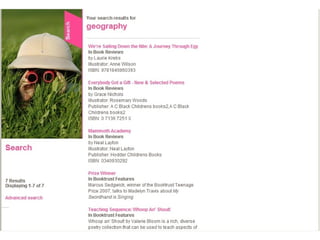
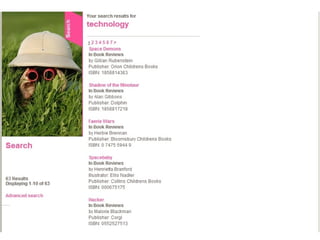
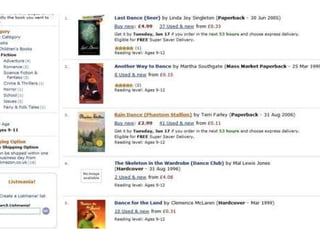
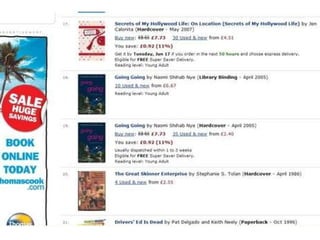
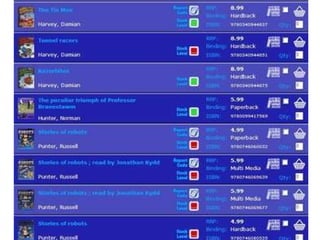
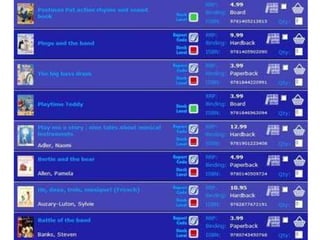
Finding more titles: Web sites Booktrust:  Is keyword-searchable, and throws up fiction choices Amazon:  Not subject keyworded, but has links, and  ‘Others who bought’ facility Book Suppliers:  Ask SLS about  access? Now, two examples from each of  these three sources…


Reading Revival Alec Williams [email_address] (07977) 590189

Alec Williams, Sneaky Learning

  • 1.
    Sneaky Learning AlecWilliams [email_address] 07977-590189
  • 2.
    ‘ Sneaky Learning’will look at: The role of fiction, poetry, folktales and other formats in learning Why it’s useful How to incorporate it in your work How to convince subject teachers of its worth* Examples of titles to use* Events and activities*
  • 3.
    ‘ Sneaky Learning’will consider: Why use fiction anyway? What’s in it for the students? What’s in it for the staff? What books are out there? Which projects have worked?
  • 4.
    ‘ Sneaky Learning’will provide: A chance to exchange successful titles An opportunity to pool ideas about how to convince departments Sharing activity ideas A booklist of titles (soon on the SLA site, with additions) Ideas for how to find out more titles with subject relevance
  • 5.
    Fiction: range includedPicture Books Short Stories Novels (extracts, and more?) Poetry: thematic anthologies, single poets, performance Graphic Novels Audio versions DVDs/Videos
  • 6.
    Using fiction: four‘value areas’ A great opportunity simply for more reading for fun (extra strawberries!) Reading for pleasure’s support of English: spelling, vocabulary, etc. The ways in which fiction can inform and illuminate other curriculum areas The wider benefits of reading: self-esteem, confidence, emotional literacy, articulacy, identification, consolation
  • 7.
    Reading for pleasureimproves: Reading attainment and writing ability Text comprehension and grammar Breadth of vocabulary Positive reading attitudes Greater self-confidence as a reader Pleasure reading in later life From : www.literacytrust.org.uk/research/ readpleasure.html
  • 8.
    It also impactson: General knowledge A better understanding of other cultures Community participation A greater insight into human nature and decision-making From : www.literacytrust.org.uk/research/ readpleasure.html
  • 9.
    … and there’sevidence of: Promotion and enhancement of social skills Combating feelings of loneliness in young adults More likelihood of reading with a sense of purpose From : www.literacytrust.org.uk/research/ readpleasure.html
  • 10.
    An example: historicalfiction It arouses children’s curiosity It levels the playing field It reinforces everyday details It puts people back into history It presents the complexity of issues It promotes multiple perspectives It connects social studies
  • 11.
    Good historical fictionshould: Present a well-told story that doesn’t conflict with historical records Portray characters realistically Present authentic settings Artfully present historical facts Provide accurate information through illustrations Avoid stereotypes and myths
  • 12.
    Finding more titles:Print sources Your own library’s catalogue SLA Booklists: Riveting Reads 8-12, 12-16, View of the World, Narrative Information SLA Guidelines: e.g. Fully Booked Other booklists and guides: Who Next?, ‘Ultimate’ series Publishers’ catalogues: e.g. Longman Poetry anthologies, folktale collections, assembly stories
  • 13.
    Finding more titles:Web sites Booktrust: Is keyword-searchable, and throws up fiction choices Amazon: Not subject keyworded, but has links, and ‘Others who bought’ facility Book Suppliers: Ask SLS about access? Now, two examples from each of these three sources…
  • 14.
  • 15.
  • 16.
  • 17.
  • 18.
  • 19.
  • 20.
    Reading Revival AlecWilliams [email_address] (07977) 590189