









Reading for Real
   Dr. Teri Lesesne
   @professornana

   Donalyn Miller
   @donalynbooks
                      Page 1
Today’s Meet:

http://www.todaysmeet.com/SanA

            ngelo
Slideshare

www.slideshare.net/professornana

  www.slideshare.net/donalynm
Workshop Topics

• Reading Aloud

• Motivating Readers

• Finding the Right Books

• Creating Reading Communities

• Resources Online and Off

• New Books: Trends, Topics, Treats
Revving Up Read
    Alouds
   Donalyn Miller

                    Page 6
―Reading aloud with children is known to

 be the single most important activity for

building the knowledge and skills they will

 eventually require for learning to read.‖
            — Marilyn Jager Adams
What are your read aloud

      memories?


                           Page 8
When do we stop reading

aloud to children? Why?


                          Page 9
Benefits of Read

    Alouds
                   Page 10
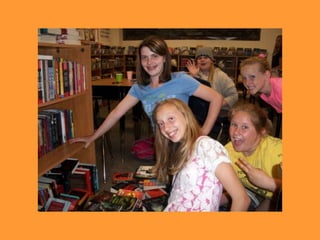
Reading aloud builds
    community.


                       Page 11
Reading aloud models
      fluency.


                       Page 15
Reading aloud reveals how
         writers
         write.
                        Page 18
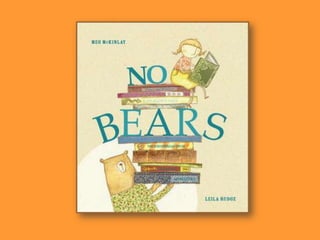
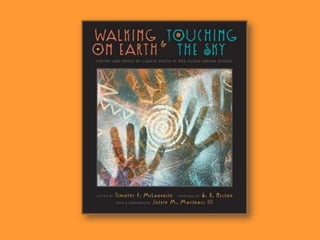
Reading aloud exposes
        students to
books, genres, and authors.
                          Page 21
Reading aloud enhances the
       curriculum.


                        Page 24
Reading aloud supports
     developing
       readers.
                         Page 27
Reading aloud sends a
       pleasure
message about reading.
                         Page 30
Selecting Read
    Alouds
                 Page 33
Dedicate regular time for read
           alouds.


                            Page 34
Choose books from authors
         who will
lead your students to more
         books.          Page 35
Five authors every child in
grade ___ should know are…


                           Page 36
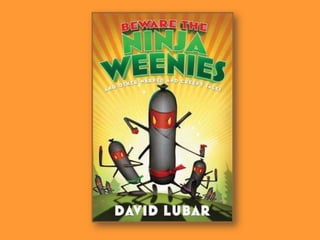
Share a variety of texts
          including
nonfiction, poetry, and drama.
                              Page 37
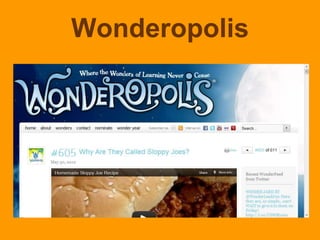
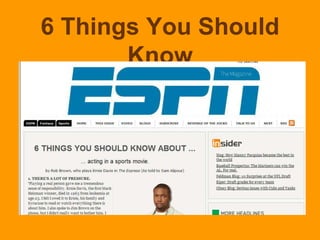
Wonderopolis
6 Things You Should
       Know
Consider time constraints and
            book
           length.
                           Page 40
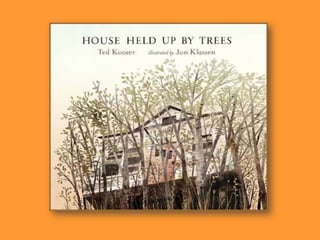
Decide how students will view
        illustrations.


                           Page 44
Read books that you enjoy.


                         Page 47
Abandon a read aloud if it is
   not working with your
         students.
                           Page 48
Reading Community
   Suggestions
                 Page 49
Invite students to share their
    favorite read alouds.


                            Page 50
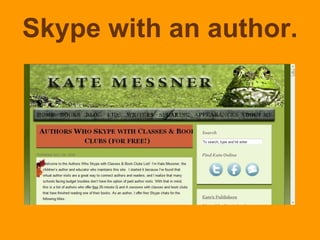
Skype with an author.
Leave a different read aloud
when you have a substitute
         teacher.
                           Page 52
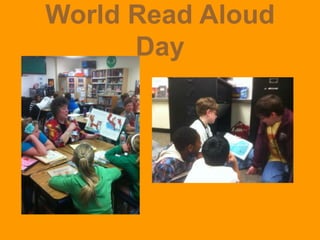
World Read Aloud
      Day
Ask students to select your
     next read aloud.


                          Page 55
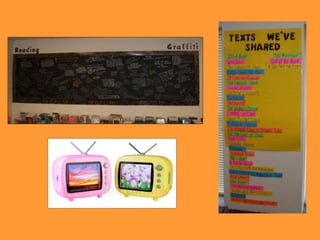
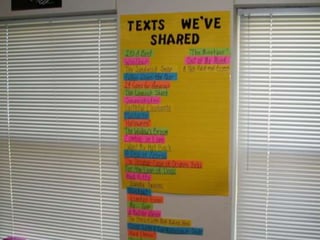
Post a list of the texts you
       have shared.


                               Page 56
Ask students to sign one of
your read aloud selections for
          the year.
                            Page 58
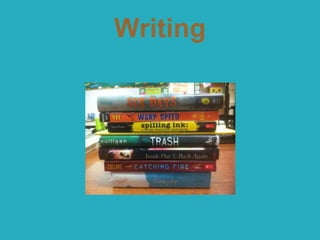
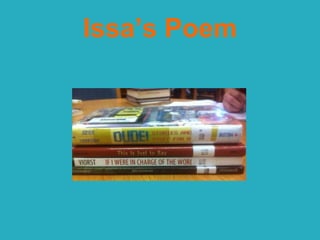
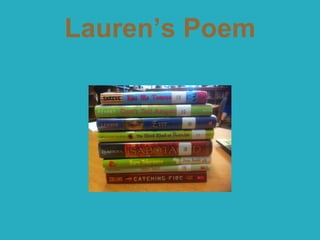
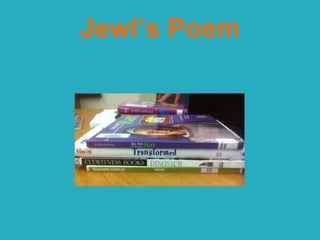
Spine Poetry


               Page 62
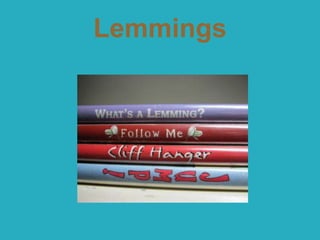
Lemmings
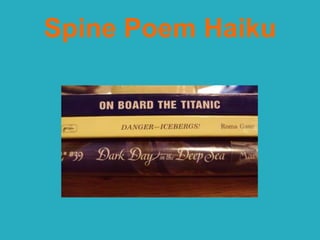
Spine Poem Haiku
Writing
Issa’s Poem
Lauren’s Poem
Jewl’s Poem
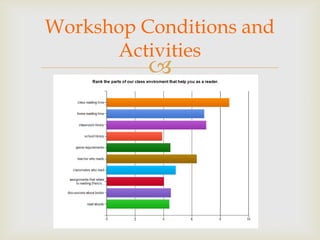
We asked kids and some teachers.
    Here are their answers.
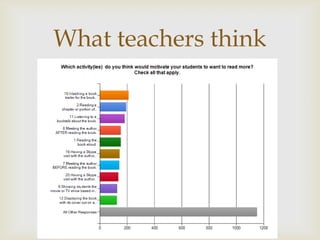
What teachers think
        
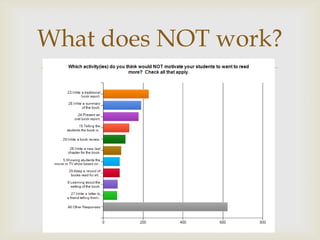
What does NOT work?
         
Workshop Conditions and
      Activities
          
Rigor, Complexity, Common Sense
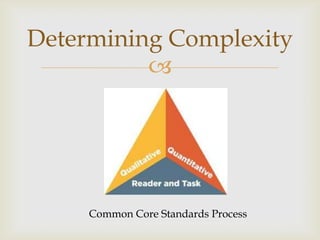
Determining Complexity
          


     Common Core Standards Process
Quantative
             
Quantitative measures stand as proxies
for semantic and syntactic complexity:

Word difficulty (frequency, length)
Sentence length and syntax
Some newer measures also measure
 text cohesion and other features of
 vocabulary
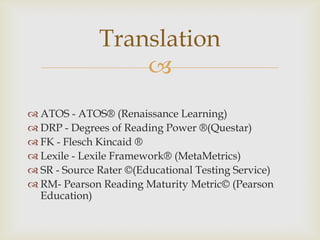
Translation
                  
 ATOS - ATOS® (Renaissance Learning)
 DRP - Degrees of Reading Power ®(Questar)
 FK - Flesch Kincaid ®
 Lexile - Lexile Framework® (MetaMetrics)
 SR - Source Rater ©(Educational Testing Service)
 RM- Pearson Reading Maturity Metric© (Pearson
  Education)
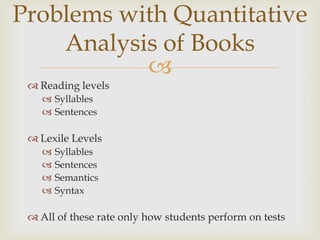
Problems with Quantitative
    Analysis of Books
           
  Reading levels
     Syllables
     Sentences

  Lexile Levels
       Syllables
       Sentences
       Semantics
       Syntax

  All of these rate only how students perform on tests
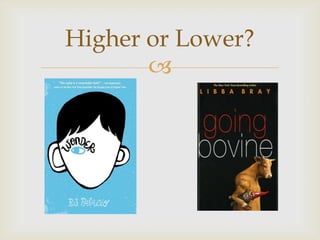
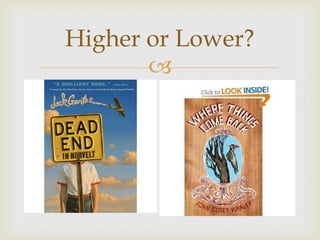
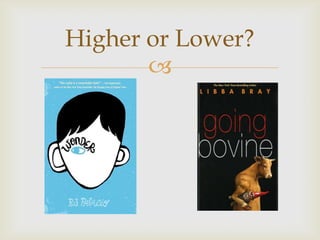
Higher or Lower?
       
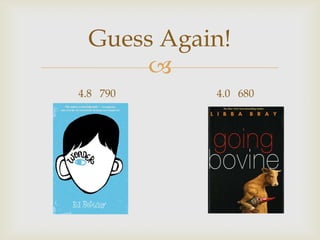
Guess Again!
      
4.8 790    4.0 680
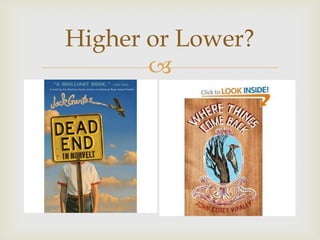
Higher or Lower?
       
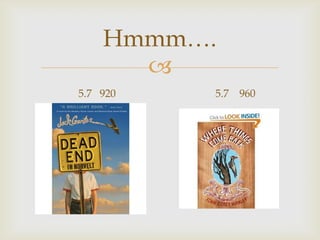
Hmmm….
      
5.7 920   5.7 960
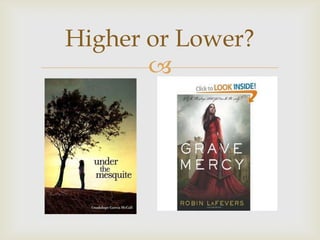
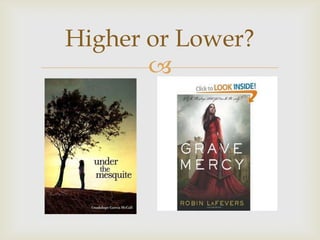
Higher or Lower?
       
Guess again!
      
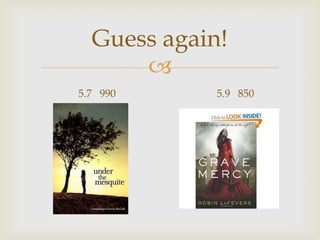
5.7 990      5.9 850
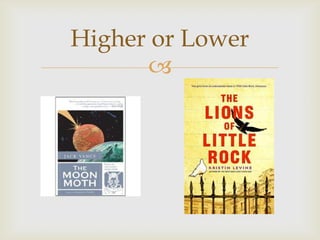
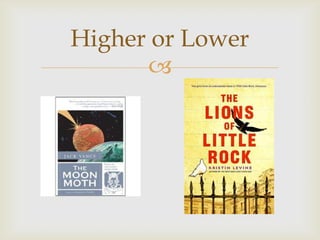
Higher or Lower
      
Guess again!
      
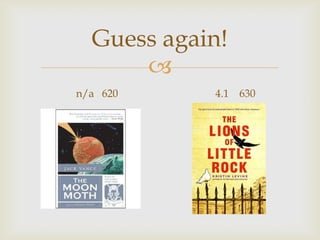
n/a 620     4.1 630
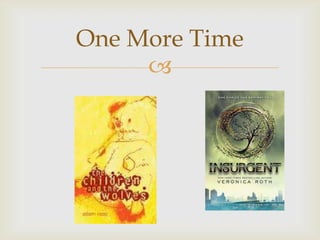
One More Time
     
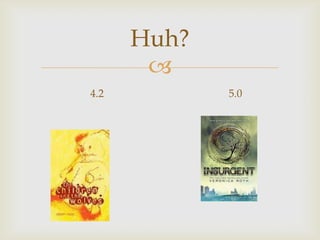
Huh?
       
4.2          5.0
Qualitative Measures
            
Qualitative measures complement
quantitative measures:

  Purpose
  Language conventionality and clarity
  Text structures
  Knowledge demands
Translation
 Narrative structure
                      
   Shifts in time (flashback and foreshadowing)
   Point of view (multiple narrators, unreliable narrator)

 Language
   Figurative devices
   Irony
   Parody

 Knowledge Demands
   Cultural
   intertextuality
Consider the qualitative
    elements now
Higher or Lower?
       
Higher or Lower?
       
Higher or Lower?
       
Higher or Lower
      
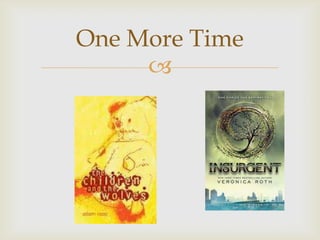
One More Time
     
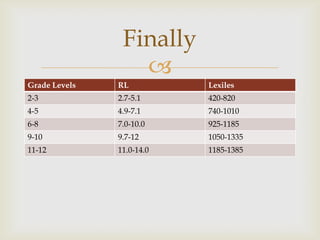
Finally
                  
Grade Levels   RL          Lexiles
2-3            2.7-5.1     420-820
4-5            4.9-7.1     740-1010
6-8            7.0-10.0    925-1185
9-10           9.7-12      1050-1335
11-12          11.0-14.0   1185-1385
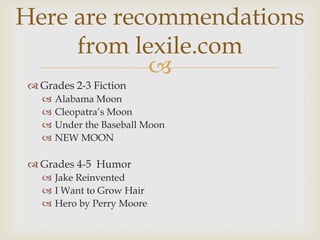
Here are recommendations
     from lexile.com
            
  Grades 2-3 Fiction
      Alabama Moon
      Cleopatra’s Moon
      Under the Baseball Moon
      NEW MOON

  Grades 4-5 Humor
    Jake Reinvented
    I Want to Grow Hair
    Hero by Perry Moore
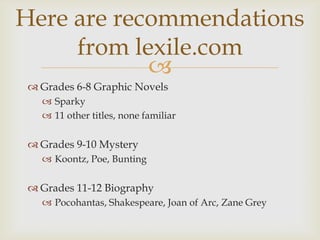
Here are recommendations
     from lexile.com
            
  Grades 6-8 Graphic Novels
    Sparky
    11 other titles, none familiar

  Grades 9-10 Mystery
    Koontz, Poe, Bunting

  Grades 11-12 Biography
    Pocohantas, Shakespeare, Joan of Arc, Zane Grey
Using the resources we have at our fingertips
                      &
       Not all these formulaic means
Conventional Wisdom
           
 Where do we go to get ideas about what to read?

 How can we narrow it down from the 7500+ books
  published annually?

 How can we determine which books for which kids?

 How do we then provide proof of rigor?
Where to get
      recommendations?
             
 Lists
   Awards lists
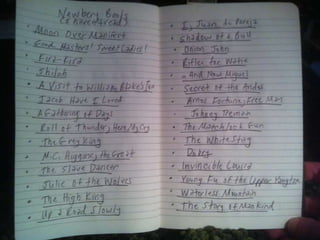
      Newbery
      Printz
   State reading lists
         Bluebonnet
         Lone Star
         TAYSHAS
         Maverick
   Starred Review lists
   Teens Top Ten
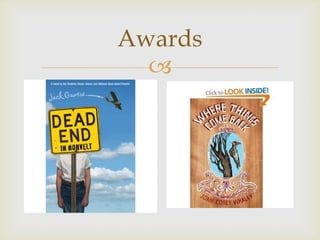
Awards
  
But also…
                  
 BFYA
 QP
 Notables
 Orbis Pictus
 Sibert
 YALSA Excellence in Nonfiction
 Morris
 Great Graphic Novels for Teens
 Stonewall
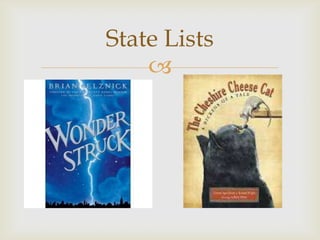
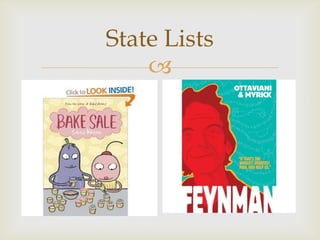
State Lists
    
State Lists
    
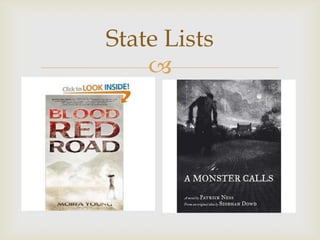
State Lists
    
State Lists
    
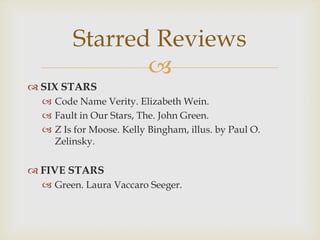
Starred Reviews
                
 SIX STARS
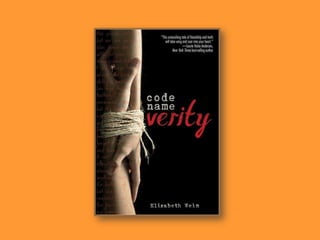
   Code Name Verity. Elizabeth Wein.
   Fault in Our Stars, The. John Green.
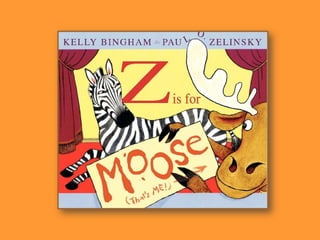
   Z Is for Moose. Kelly Bingham, illus. by Paul O.
    Zelinsky.

 FIVE STARS
   Green. Laura Vaccaro Seeger.
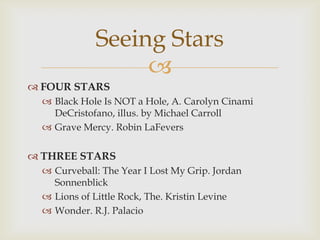
Seeing Stars
                  
 FOUR STARS
   Black Hole Is NOT a Hole, A. Carolyn Cinami
    DeCristofano, illus. by Michael Carroll
   Grave Mercy. Robin LaFevers

 THREE STARS
   Curveball: The Year I Lost My Grip. Jordan
    Sonnenblick
   Lions of Little Rock, The. Kristin Levine
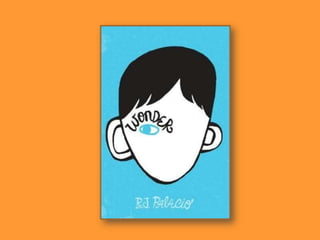
   Wonder. R.J. Palacio
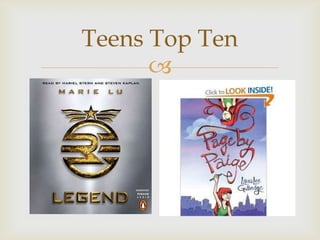
Teens Top Ten
      
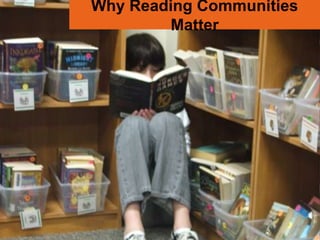
Why Reading Communities
        Matter
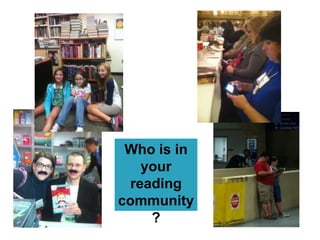
Who is in
   your
 reading
community
    ?
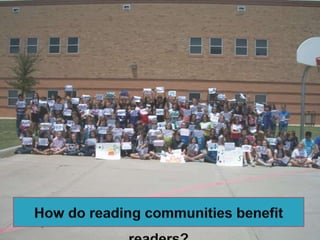
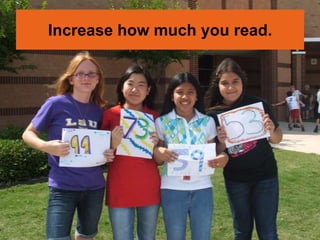
Increase how much you read.
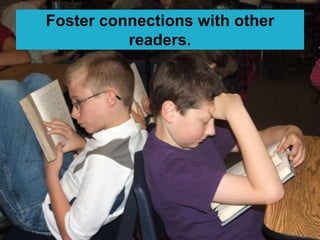
Foster connections with other
          readers.
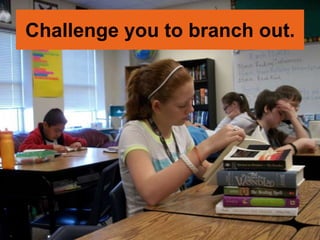
Challenge you to branch out.
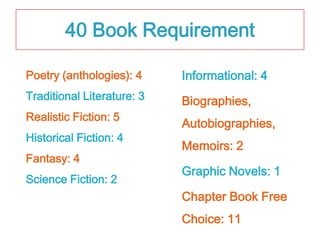
40 Book Requirement

Poetry (anthologies): 4     Informational: 4
Traditional Literature: 3   Biographies,
Realistic Fiction: 5
                            Autobiographies,
Historical Fiction: 4
                            Memoirs: 2
Fantasy: 4
                            Graphic Novels: 1
Science Fiction: 2
                            Chapter Book Free
                            Choice: 11
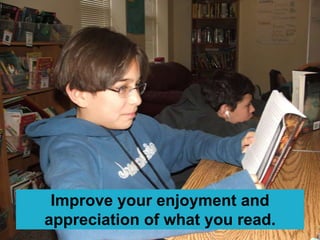
Improve your enjoyment and
appreciation of what you read.
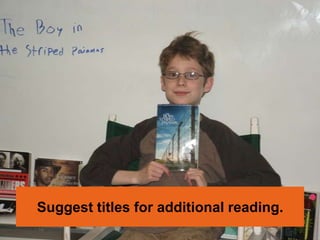
Suggest titles for additional reading.
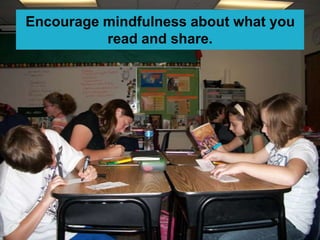
Encourage mindfulness about what you
          read and share.
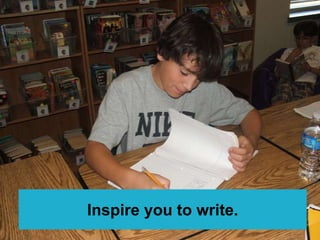
Inspire you to write.
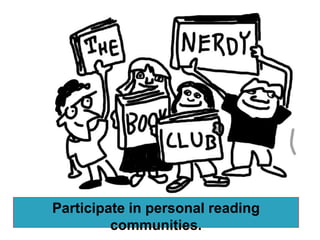
Participate in personal reading
         communities.
―Students should have guidance
and frequent opportunities to work
with teachers and other students as
a community of learners, observing
   their teachers as readers and
                writers.


 —NCTE Position on the Teaching of English
―Reading Teacher (RT) a

teacher who reads and a

  reader who teaches.‖
–Commeytas, Bisplinghoff, and Olson (2003)
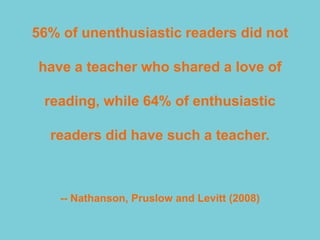
56% of unenthusiastic readers did not

have a teacher who shared a love of

 reading, while 64% of enthusiastic

  readers did have such a teacher.


    -- Nathanson, Pruslow and Levitt (2008)
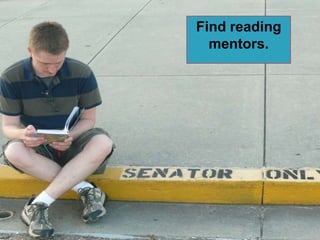
Find reading
  mentors.
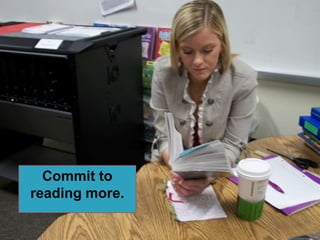
Commit to
reading more.
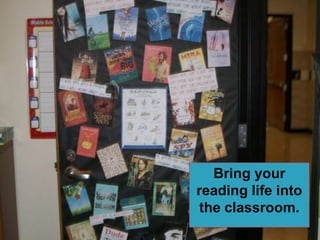
Bring your
reading life into
 the classroom.
online, offline, beyond the line
Resources
                 
 Titletalk

 Blogs

 Twitter

 Facebook

 Web sites
Titletalk
                   
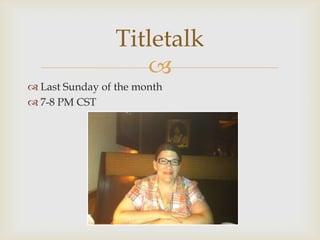
 Last Sunday of the month
 7-8 PM CST
How to Join
                
 Use hashtag: #titletalk
 Use an app like HootSuite or Tweetdeck
 Select "search" option using Titletalk
 Post using #titletalk
 Visit the archives (thanks Cindy!)



                   Blogs
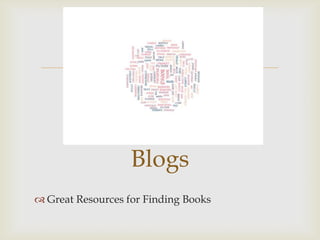
 Great Resources for Finding Books
Best Blogs (IMHO)
             
 Reading Rants
 Richie's Picks
 SLJ
 Nerdy Book Club
Reading Rants
             


 http://www.readingrants.org/
Richie's Picks
                
 http://www.richiespicks.com
Fuse 8: SLJ Blog
                
 http://blog.schoollibraryjournal.com/afuse8product
  ion/
Nerdy Book Club
             
 http://nerdybookclub.wordpress.com/
Twitter
                    
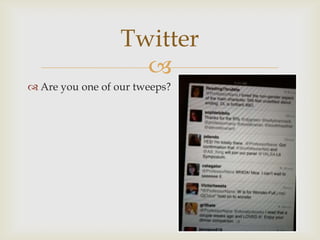
 Are you one of our tweeps?

   @donalynbooks
   @professornana
   @catagator
   @colbysharp
   @mrschureads
   @paulwhankins
   @judyblume
   @kylenebeers
   @mindi_r
   @skajder
How to Build Your PLN
         
 start following one person
 see who they are including in tweets
 #FF
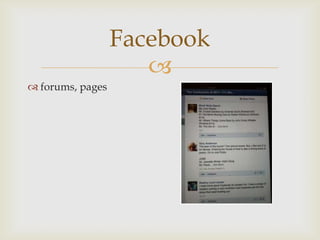
Facebook
                     
 forums, pages
web sites and listservs
            
 treasure trove
The Hub
                  
 http://www.yalsa.ala.org/thehub
Adbooks
                
 http://www.groups.yahoo.com.group/adbooks/
Middle School Lit
             
 http://www.groups.yahoo.com/group/middle_sch
  ool_lit
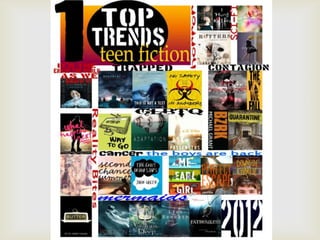
Trends, Topics, Treats
Teri’s Picks
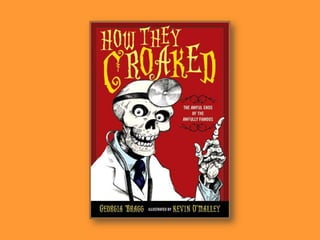
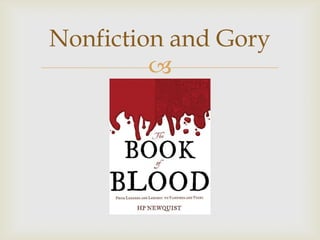
Nonfiction and Gory
         
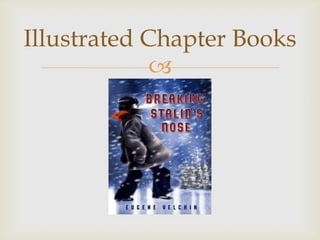
Illustrated Chapter Books
             
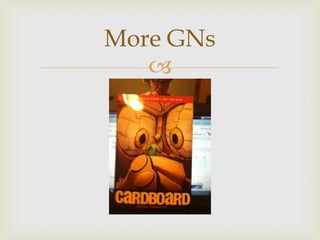
More GNs
   
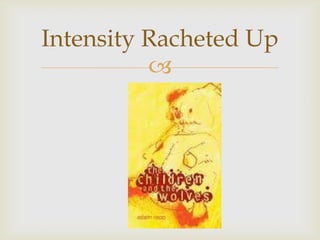
Intensity Racheted Up
          
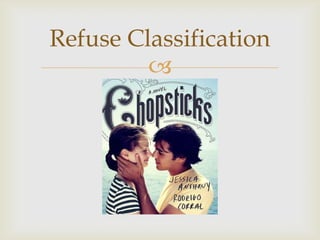
Refuse Classification
         
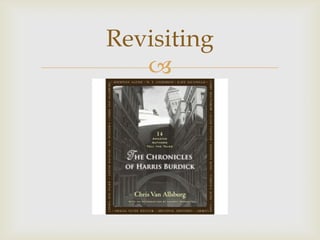
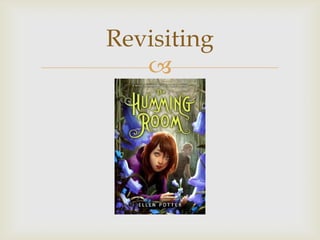
Revisiting
   
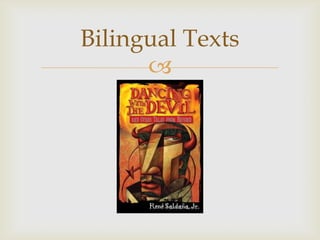
Bilingual Texts
      
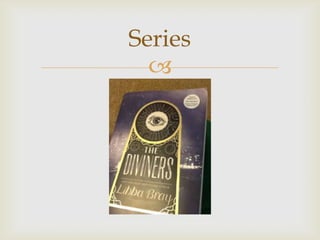
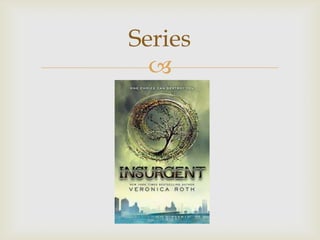
Series
  
Silly Parodies
       
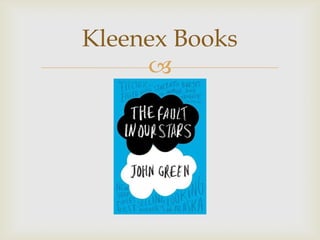
Kleenex Books
     
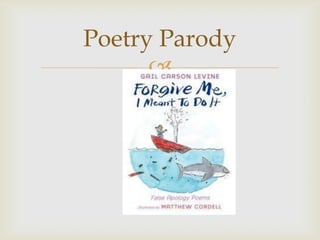
Poetry Parody
      
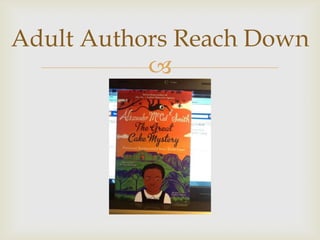
Adult Authors Reach Down
           
Revisiting
   
Series
  
Redefining format
       
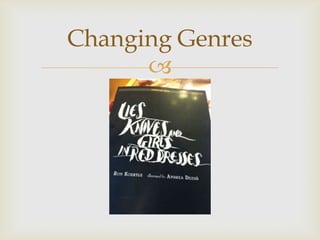
Changing Genres
      
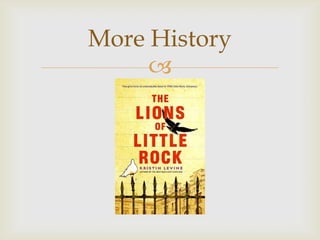
More History
     
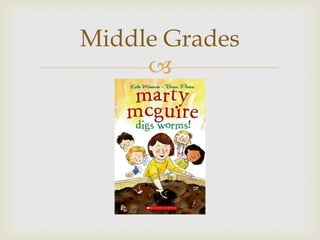
Middle Grades
     
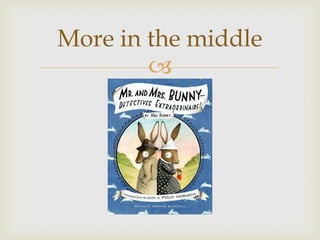
More in the middle
        
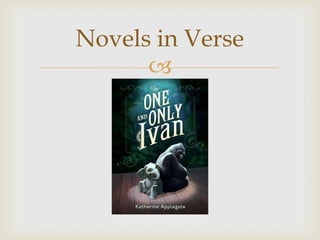
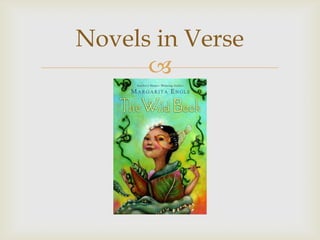
Novels in Verse
      
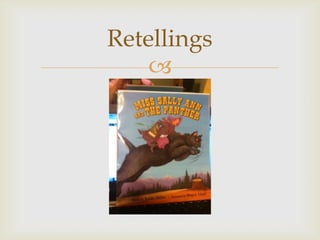
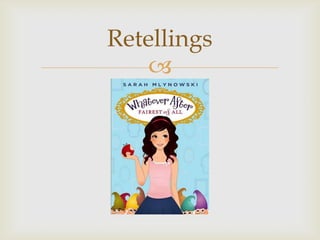
Retellings
    
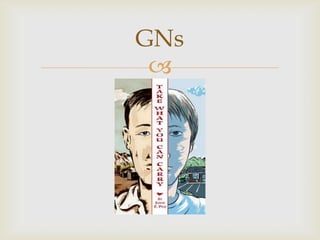
GNs
 
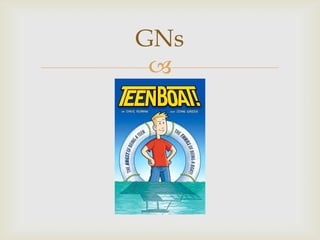
GNs
 
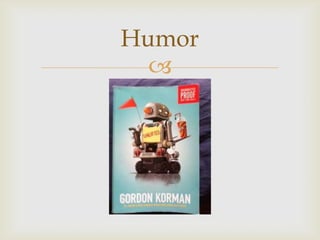
Humor
  
Retellings
    
Novels in Verse
      
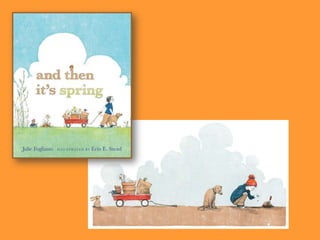
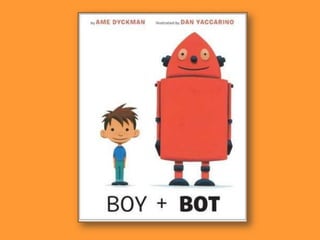
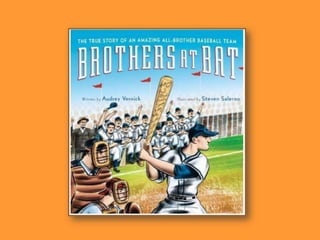
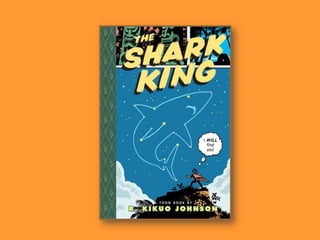
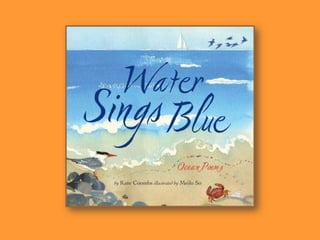
Picture Books and Graphic
          novels


                            Page 201
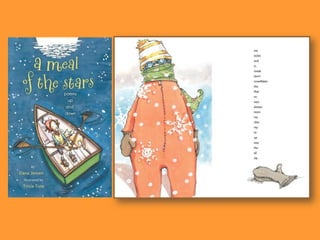
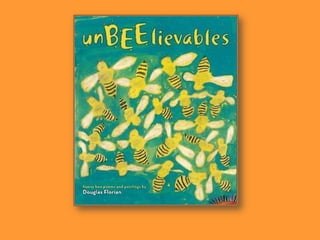
poetry


         Page 215
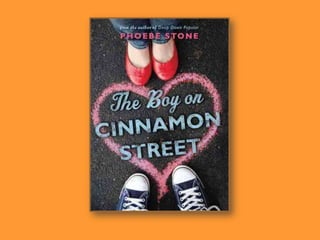
fiction


          Page 219
Nonfiction


             Page 234
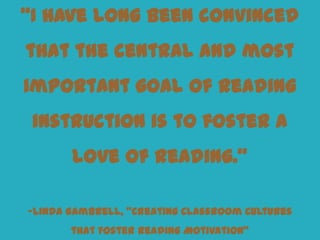
“I have long been convinced
that the central and most
important goal of reading
 instruction is to foster a
       love of reading.”

–Linda Gambrell, “Creating Classroom Cultures
       that Foster Reading Motivation”

San Angelo Power Point

Editor's Notes

  • #131 This photo seems blurry. Retake it with the original post-it or reconsider the others on file.