Dr
Tarek A. Gouda
Professor of Neurology,
Zagazig university
Abdominal epilepsy (autonomic epilepsy),
is a rare condition most frequently found in children,
consisting of gastrointestinal disturbances caused by
epileptiform seizure activity. However ,it can be seen
in adolescent sand in adults.
-It has been described as a type of temporal lobe
epilepsy. Responsiveness to antiepileptics can aid in
the diagnosis.
The most common symptom of abdominal
epilepsy is abdominal pain followed by
uncontrollable vomiting, usually preceded by
lethargy. Symptoms may also include generalized
tonic-clonic seizures.
-Criteria for diagnosis of abdominal epilepsy
includes:
1-Frequent periodic abdominal symptoms.
2-An abnormal electroencephalogram (EEG)
3-Significant improvement of gastrointestinal
symptoms after taking antiepleptic medication.
-
Investigations that support diagnosis of
abdominal epilepsy includes:
-
-MRI scans of the brain an computerized EEG,
-
-CT scans and ultrasounds of the abdomen
and endoscopy of the gastrointestinal tract.
-Abdominal epilepsy remains a rare condition and
should only be considered if there are idiopathic
paroxysmal abdominal pain and migraine-like
symptoms in patients.
-To facilitate this complex clinical diagnosis,
physicians should include an EEG with 24 hr
monitoring
-Early diagnosis of abdominal epilepsy can be
achieved if it is noted that the attacks occur
suddenly, are of brief duration, and resolve
spontaneously.
-Furthermore, the localization of the pain is
important to note, as it is typically found in the
periumbilical or upper abdominal areas.
A 18-year-old female patient presented with
recurrent abdominal pain for the past 3 years.
The pain was mainly paroxysmal ,periumbilical,
colicky, and had no relationship with meals.
Each episode of pain used to last for 10 min,
with spontaneous resolution of symptoms, and
recurred 4–5 times per week. There was no
history of associated vomiting, headache or
convulsions.
-Her laboratory studies were normal.
-Ultrasonography of the abdomen was normal.
- MRI brain was normal.
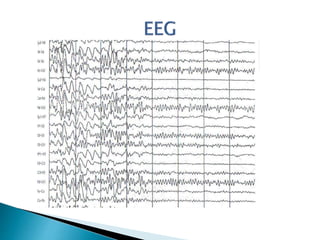
-EEG record showed paroxysmal generalized
spike and wave discharges.
-The patient started treatment with Topiramate
50mg/day for one week which was increased to
100mg/day an the second week. She improved
dramatically
The variability of clinical presentation in abdominal
epilepsy indicates a spectrum of both
gastrointestinal and CNS manifestations.
The gastrointestinal manifestations include all or a
combination of the following: recurrent abdominal
pain, nausea and vomiting
CNS manifestations includes confusion, headache,
dizziness .
In some studies, the most common presenting
symptoms were paroxysmal abdominal pain and
vomiting. The CNS manifestations were subtle.
Therefore, most patients may consult a
gastroenterologist or a surgeon rather than a
neurologist .
Although its abdominal symptoms may be similar to
those of the irritable bowel syndrome.
Abdominal epilepsy may be distinguished from the
latter condition by :
1-presence of altered consciousness during the
episodes.
2- tendency towards fatigue after the episode.
3- Abnormal EEG.
In patients with abdominal symptoms and
headache, it is often difficult to differentiate
abdominal migraine from abdominal epilepsy,
because of the overlap of symptoms.
An EEG is a simple and non-invasive investigation,
which may be helpful to differentiate between the
two entities, as patients with abdominal epilepsy
usually have specific EEG abnormalities,
particularly of a temporal lobe seizure disorder.
-A sustained response to antiepileptics has
been accepted as one of the criteria for the
diagnosis of patients with abdominal epilepsy.
-Carbamazepine or oxcarbazepine are
considerd effective antiepileptics in this
syndrome.
However,There are no recommendations on
the choice of antiepileptics to be used.
Abdominal epilepsy is an uncommon syndrome in
which gastrointestinal complaints result from
seizure activity. It is characterized by:
(1) unexplained, paroxysmal gastrointestinal
symptoms.
(2) symptoms of a central nervous system
dysfunction.
(3) an abnormal EEG with findings specific for a
seizure disorder .
(4) improvement with antiepileptic drugs.
It has been suggested that in patients with
paroxysmal abdominal pain, nausea and vomiting
with or without CNS manifestations, the possibility
of abdominal epilepsy should be considered after
exclusion of the more common etiologies for the
presenting complaints.
-Abdominal epilepsy in adults can be misdiagnosed
as a physical or psychological disorder and be
subjected to a number of expensive, time
consuming investigations.
-Creating awareness among physicians and surgeons
about this clinical entity will improve patient care
and management.
Thank you

Abdominal epilepsy

  • 1.
    Dr Tarek A. Gouda Professorof Neurology, Zagazig university
  • 2.
    Abdominal epilepsy (autonomicepilepsy), is a rare condition most frequently found in children, consisting of gastrointestinal disturbances caused by epileptiform seizure activity. However ,it can be seen in adolescent sand in adults. -It has been described as a type of temporal lobe epilepsy. Responsiveness to antiepileptics can aid in the diagnosis.
  • 3.
    The most commonsymptom of abdominal epilepsy is abdominal pain followed by uncontrollable vomiting, usually preceded by lethargy. Symptoms may also include generalized tonic-clonic seizures.
  • 4.
    -Criteria for diagnosisof abdominal epilepsy includes: 1-Frequent periodic abdominal symptoms. 2-An abnormal electroencephalogram (EEG) 3-Significant improvement of gastrointestinal symptoms after taking antiepleptic medication.
  • 5.
    - Investigations that supportdiagnosis of abdominal epilepsy includes: - -MRI scans of the brain an computerized EEG, - -CT scans and ultrasounds of the abdomen and endoscopy of the gastrointestinal tract.
  • 6.
    -Abdominal epilepsy remainsa rare condition and should only be considered if there are idiopathic paroxysmal abdominal pain and migraine-like symptoms in patients. -To facilitate this complex clinical diagnosis, physicians should include an EEG with 24 hr monitoring
  • 7.
    -Early diagnosis ofabdominal epilepsy can be achieved if it is noted that the attacks occur suddenly, are of brief duration, and resolve spontaneously. -Furthermore, the localization of the pain is important to note, as it is typically found in the periumbilical or upper abdominal areas.
  • 8.
    A 18-year-old femalepatient presented with recurrent abdominal pain for the past 3 years. The pain was mainly paroxysmal ,periumbilical, colicky, and had no relationship with meals. Each episode of pain used to last for 10 min, with spontaneous resolution of symptoms, and recurred 4–5 times per week. There was no history of associated vomiting, headache or convulsions.
  • 9.
    -Her laboratory studieswere normal. -Ultrasonography of the abdomen was normal. - MRI brain was normal. -EEG record showed paroxysmal generalized spike and wave discharges. -The patient started treatment with Topiramate 50mg/day for one week which was increased to 100mg/day an the second week. She improved dramatically
  • 11.
    The variability ofclinical presentation in abdominal epilepsy indicates a spectrum of both gastrointestinal and CNS manifestations. The gastrointestinal manifestations include all or a combination of the following: recurrent abdominal pain, nausea and vomiting
  • 12.
    CNS manifestations includesconfusion, headache, dizziness . In some studies, the most common presenting symptoms were paroxysmal abdominal pain and vomiting. The CNS manifestations were subtle. Therefore, most patients may consult a gastroenterologist or a surgeon rather than a neurologist .
  • 13.
    Although its abdominalsymptoms may be similar to those of the irritable bowel syndrome. Abdominal epilepsy may be distinguished from the latter condition by : 1-presence of altered consciousness during the episodes. 2- tendency towards fatigue after the episode. 3- Abnormal EEG.
  • 14.
    In patients withabdominal symptoms and headache, it is often difficult to differentiate abdominal migraine from abdominal epilepsy, because of the overlap of symptoms.
  • 15.
    An EEG isa simple and non-invasive investigation, which may be helpful to differentiate between the two entities, as patients with abdominal epilepsy usually have specific EEG abnormalities, particularly of a temporal lobe seizure disorder.
  • 16.
    -A sustained responseto antiepileptics has been accepted as one of the criteria for the diagnosis of patients with abdominal epilepsy. -Carbamazepine or oxcarbazepine are considerd effective antiepileptics in this syndrome. However,There are no recommendations on the choice of antiepileptics to be used.
  • 17.
    Abdominal epilepsy isan uncommon syndrome in which gastrointestinal complaints result from seizure activity. It is characterized by: (1) unexplained, paroxysmal gastrointestinal symptoms. (2) symptoms of a central nervous system dysfunction. (3) an abnormal EEG with findings specific for a seizure disorder . (4) improvement with antiepileptic drugs.
  • 18.
    It has beensuggested that in patients with paroxysmal abdominal pain, nausea and vomiting with or without CNS manifestations, the possibility of abdominal epilepsy should be considered after exclusion of the more common etiologies for the presenting complaints.
  • 19.
    -Abdominal epilepsy inadults can be misdiagnosed as a physical or psychological disorder and be subjected to a number of expensive, time consuming investigations. -Creating awareness among physicians and surgeons about this clinical entity will improve patient care and management.
  • 20.