Infections and infectious diseases
 Pathology: the study of disease
 Etiology: focuses on the cause of a disease
 Pathogenesis: the development of a disease
 Infection: invasion of the body by pathogens
 Disease (morbidity): any change from a state of health
 Pathogenicity: a microorganism’s ability to cause disease
 Virulence: a measure (degree) of pathogenicity
Terminology
Symbiosis indicates the relationship
between the normal microbiota and
host
 In mutualism, both organisms
benefit
 In commensalism, one organism
benefits, and the other is
unaffected
 In parasitism, the parasite
benefits at the damaging expense
of the host
Human host and microorganisms
Any parasite that causes disease is called
a pathogen
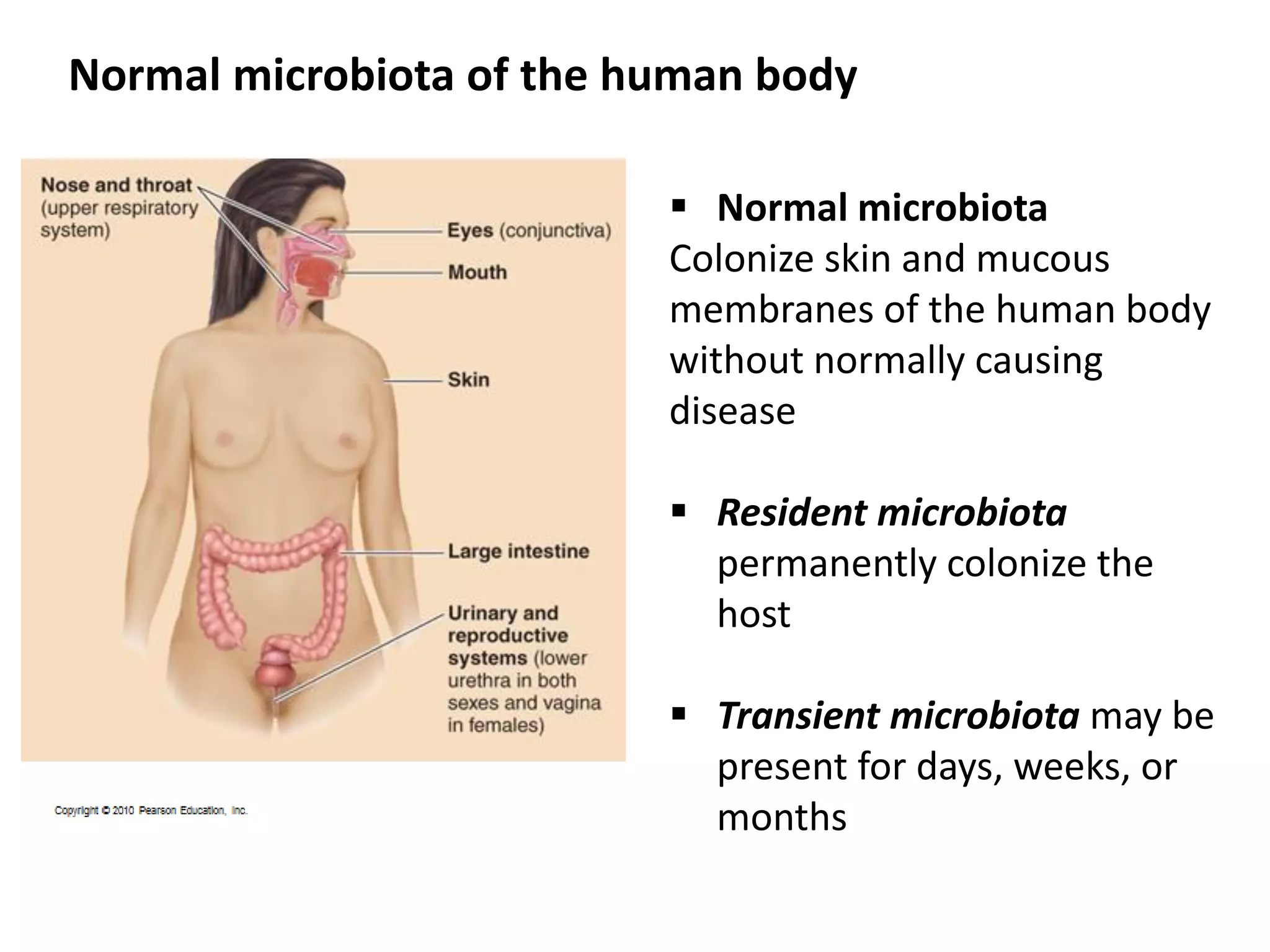
Normal microbiota of the human body
 Normal microbiota
Colonize skin and mucous
membranes of the human body
without normally causing
disease
 Resident microbiota
permanently colonize the
host
 Transient microbiota may be
present for days, weeks, or
months
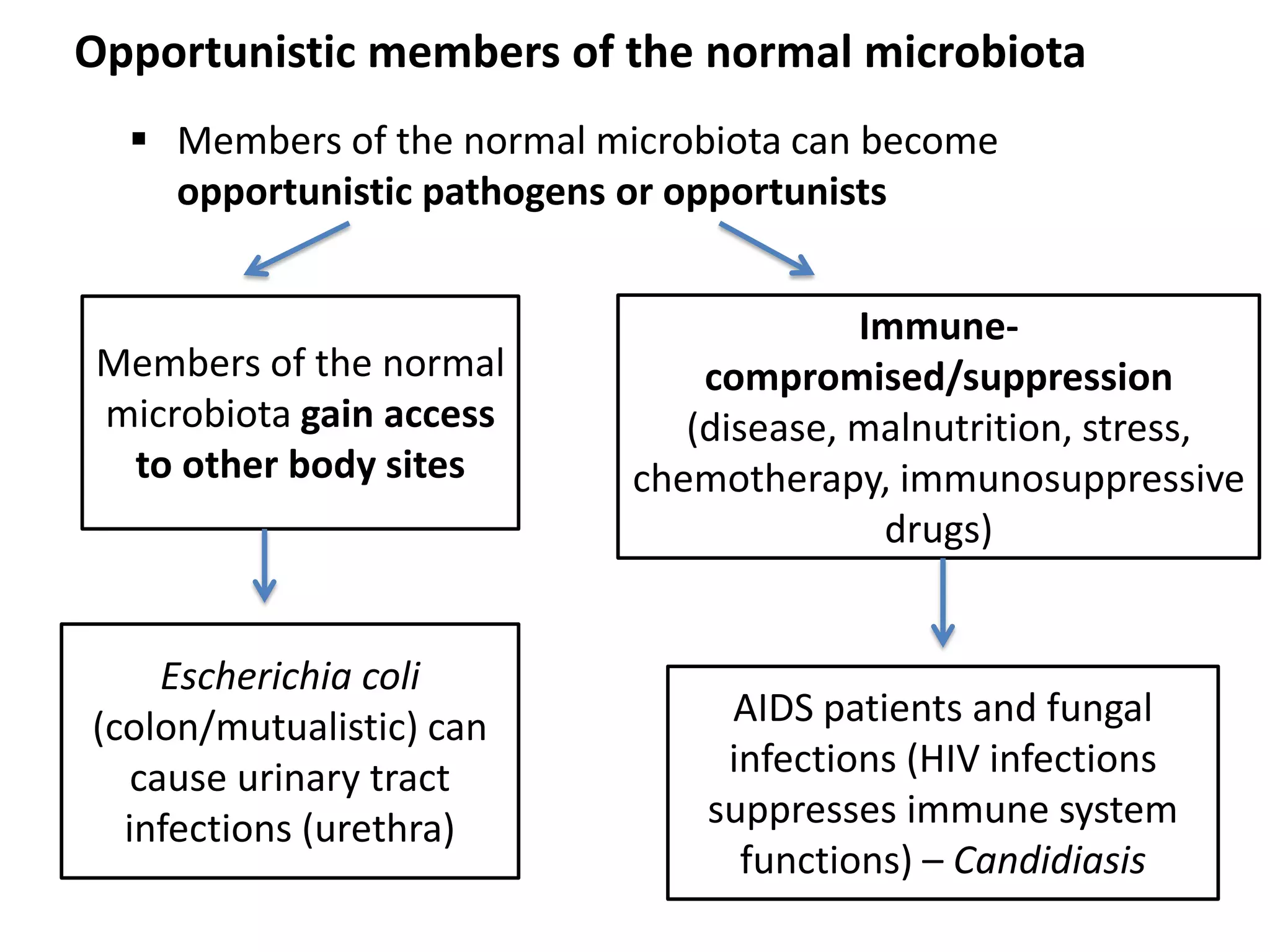
 Members of the normal microbiota can become
opportunistic pathogens or opportunists
Members of the normal
microbiota gain access
to other body sites
Escherichia coli
(colon/mutualistic) can
cause urinary tract
infections (urethra)
Immune-
compromised/suppression
(disease, malnutrition, stress,
chemotherapy, immunosuppressive
drugs)
AIDS patients and fungal
infections (HIV infections
suppresses immune system
functions) – Candidiasis
Opportunistic members of the normal microbiota
 The normal microbiota protect the host
 Occupying niches that pathogens might occupy (nutrients)
 Producing acids (vagina)
 Producing bacteriocins that inhibit other bacteria
 This is known as microbial antagonism or competitive
exclusion
 Changes in the normal microbiota can lead to opportunistic
infections caused by members of the normal microbiota
 Long-term antimicrobial treatment can cause changes in
the normal vaginal microbiota, leading to Candida albicans
infections
Reservoirs of infectious diseases
 Reservoirs are sites where pathogens are maintained as
a source of infection
 Human reservoirs
 Animal reservoirs and zoonoses
 Nonliving reservoirs
What is the source of pathogens?
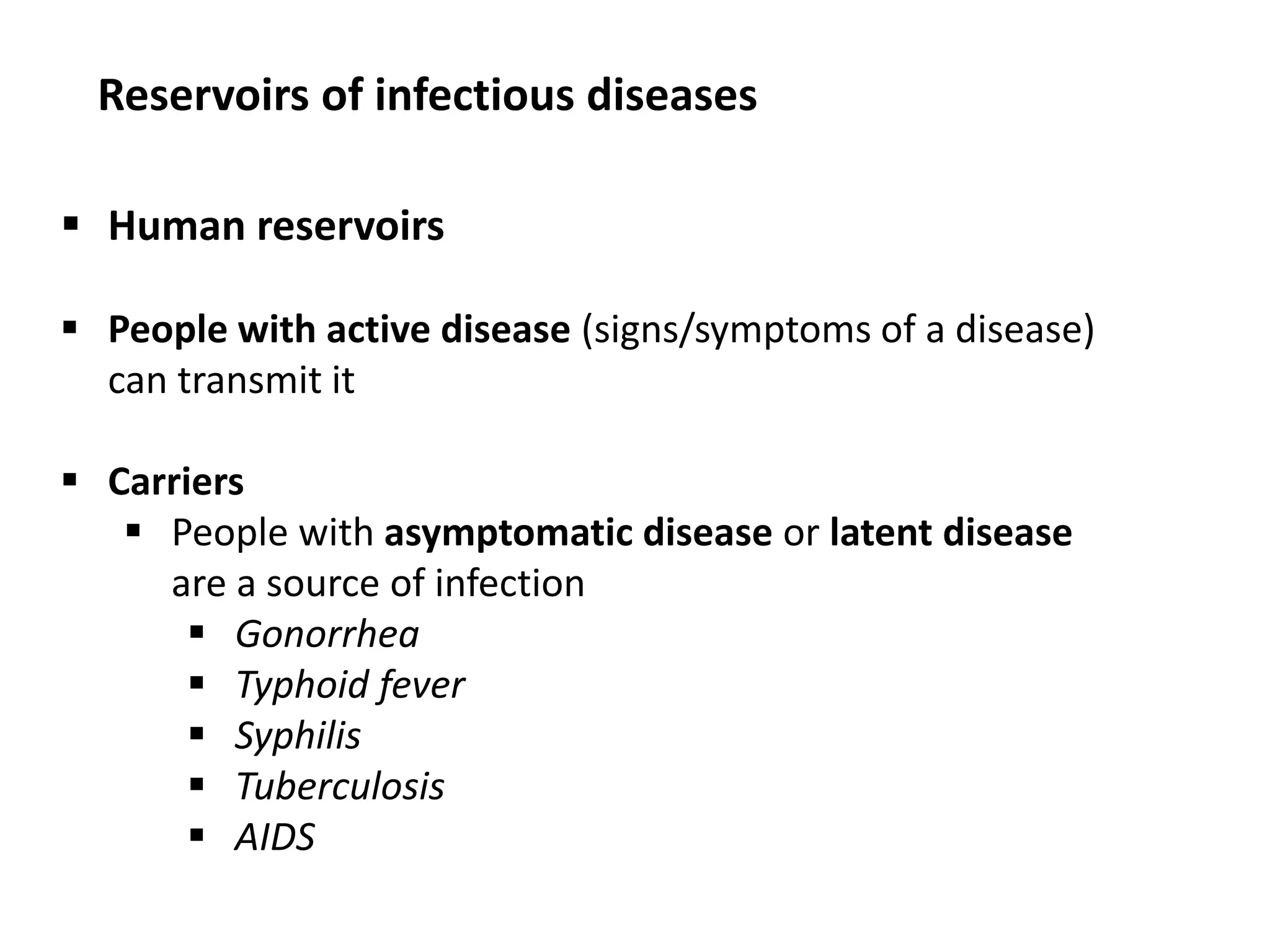
 Human reservoirs
 People with active disease (signs/symptoms of a disease)
can transmit it
 Carriers
 People with asymptomatic disease or latent disease
are a source of infection
 Gonorrhea
 Typhoid fever
 Syphilis
 Tuberculosis
 AIDS
Reservoirs of infectious diseases
Animal reservoirs (zoonoses)
 Both wild and domestic animals are reservoirs of pathogens
 Infectious diseases that spread from wild or domestic animals
to humans are called zoonoses
 Transmission of zoonosis to humans
 Direct contact with the infected animals or their waste
 Consuming infected animal products
 Contaminated food, water or air
 Bloodsucking arthropods (vectors)
 Usually, humans are a dead-end host for zoonotic pathogens
 Zoonoses that involve bloodsucking arthropods can be
transmitted back to animal hosts
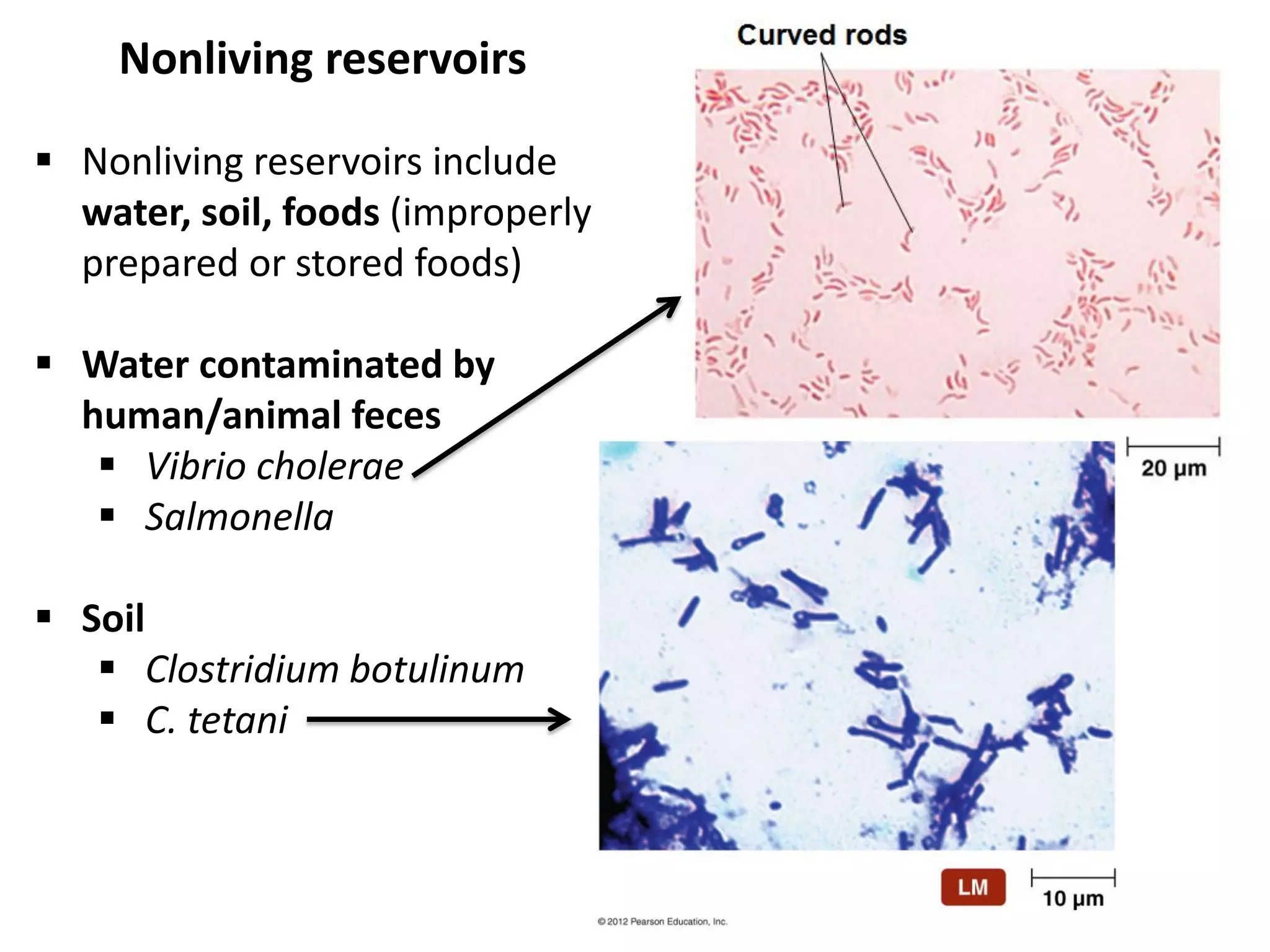
Nonliving reservoirs
 Nonliving reservoirs include
water, soil, foods (improperly
prepared or stored foods)
 Water contaminated by
human/animal feces
 Vibrio cholerae
 Salmonella
 Soil
 Clostridium botulinum
 C. tetani
How do pathogens enter the human body?
 Pathogens enter the body at several sites called portals of entry
 Three major types
 Skin
 A barrier to pathogens if it remains intact
 Mucous membranes
 Linings of the respiratory, gastrointestinal, urinary, and
reproductive tracts, conjunctiva
 Placenta
 Typically an effective barrier to most pathogens
 Parenteral route: not a true portal of entry but allows
pathogens to circumvent the portals of entry
 Pathogens gain direct access to tissues beneath the skin
and mucous membranes
 Punctures by a nail or hypodermic needle
 Sometimes included in this route:
 breaks in the skin: stab wounds, bites,
surgery
Parenteral route
How do pathogens enter the human body?
 The pathogen must
 Be transmitted to a susceptible
host
For an infectious disease to occur
 There must be a reservoir of
infection as a source of pathogen
and a route of exit
 Enter the host and attach to cells of the host (ligands)
 Multiply sufficiently to adversely affect the body (causing
damages to the host)
 To do so the pathogen must overcome the defense of the
host
Predisposing Factors
 Predisposing factors make the body more susceptible to
disease
 Inadequate nutrition
 Fatigue
 Age
 Gender
 Lifestyle
 Chemotherapy
 Emotional disturbances
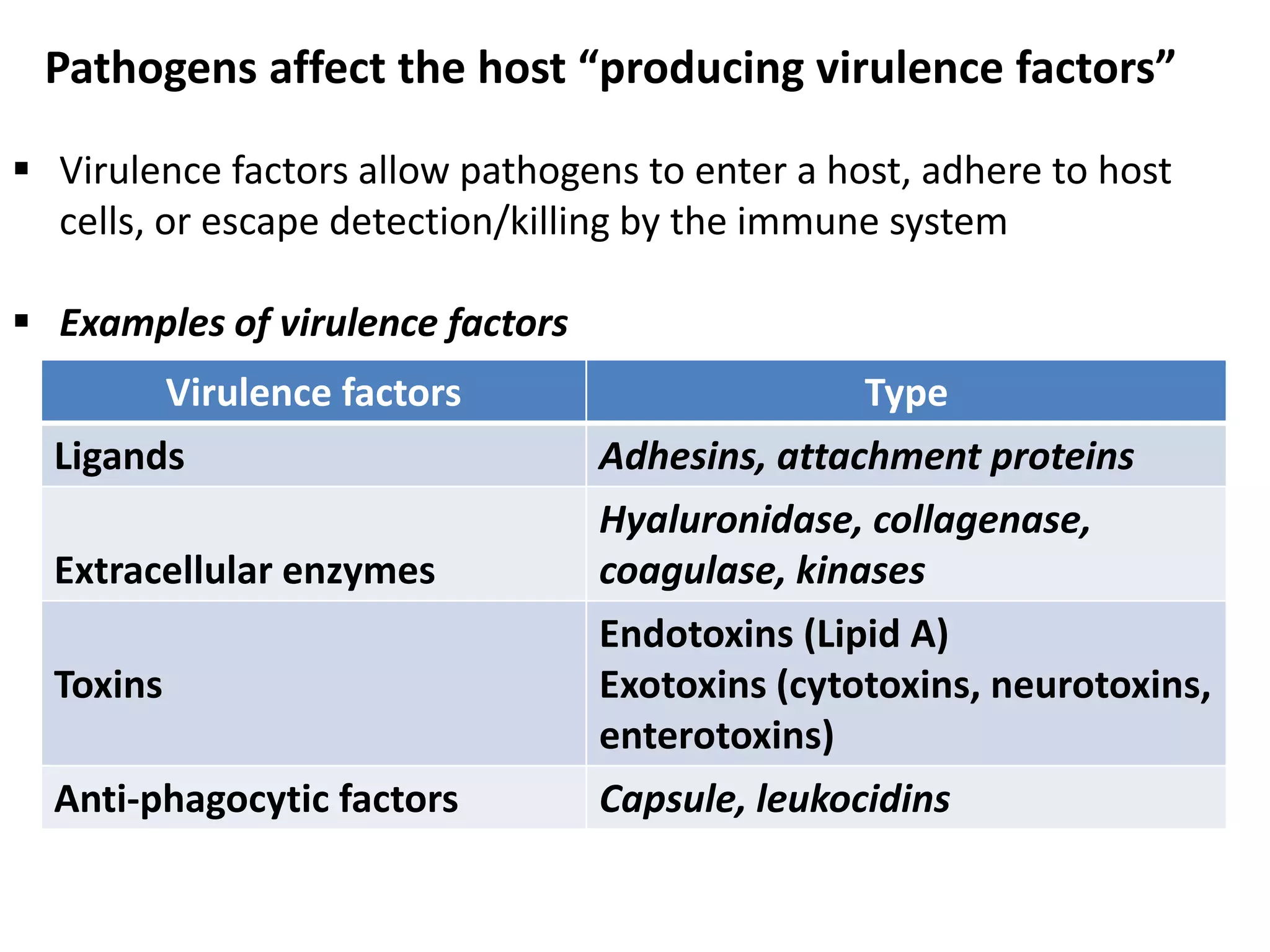
Pathogens affect the host “producing virulence factors”
 Virulence factors allow pathogens to enter a host, adhere to host
cells, or escape detection/killing by the immune system
 Examples of virulence factors
Virulence factors Type
Ligands Adhesins, attachment proteins
Extracellular enzymes
Hyaluronidase, collagenase,
coagulase, kinases
Toxins
Endotoxins (Lipid A)
Exotoxins (cytotoxins, neurotoxins,
enterotoxins)
Anti-phagocytic factors Capsule, leukocidins
 Some bacterial pathogens attach to the surface they colonize
and to each other to form a biofilm
Biofilms
Dental plaque
Extent of infections
 Local infection: Pathogens are limited to a relatively small
area of the body (boils)
 Systemic infection: An infection throughout the body
spread by the blood or lymph (measles)
 Focal infection: Infection that “functions” as a source of
pathogen(s) to infections at other sites of the body (teeth)
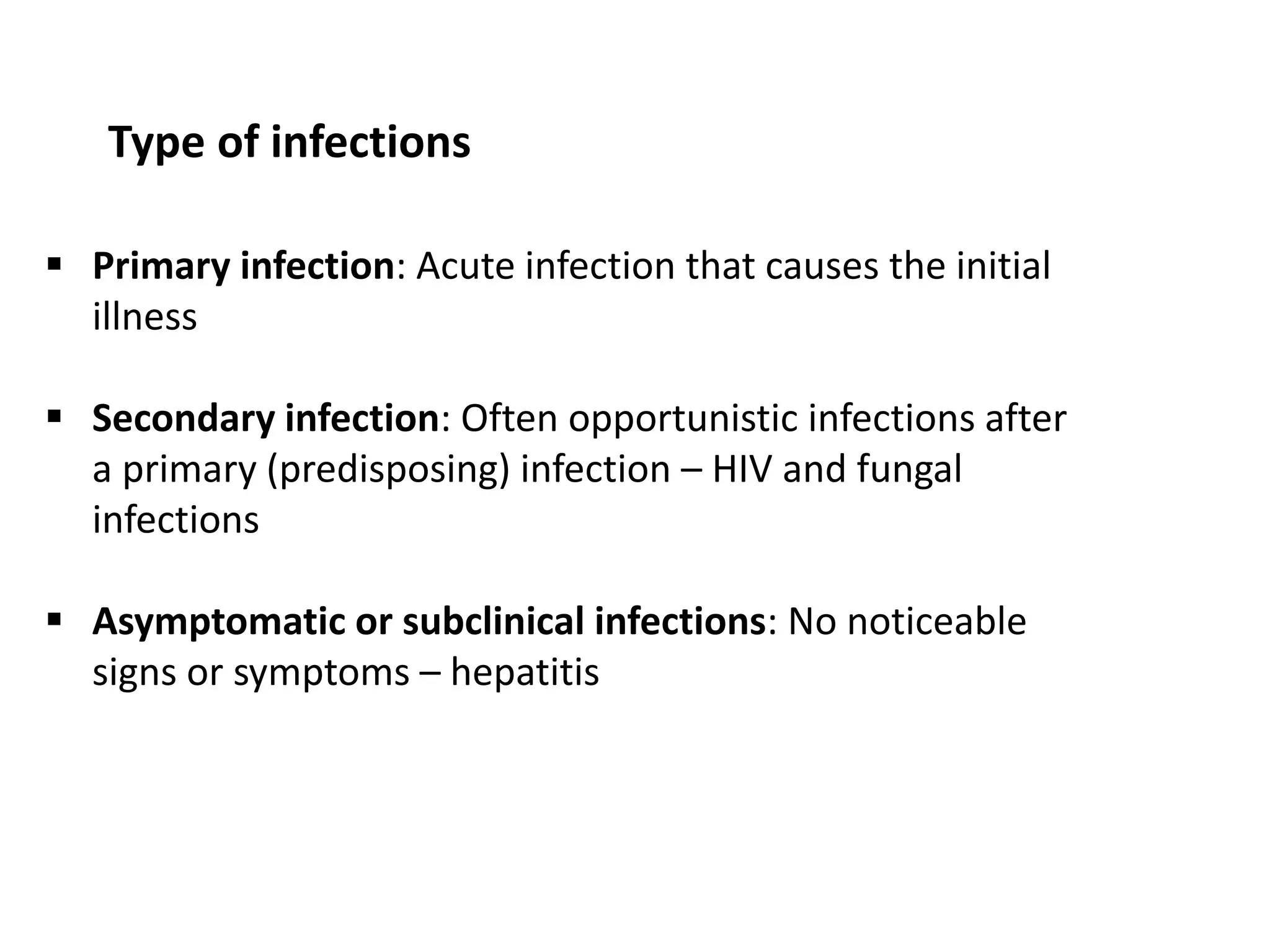
Type of infections
 Primary infection: Acute infection that causes the initial
illness
 Secondary infection: Often opportunistic infections after
a primary (predisposing) infection – HIV and fungal
infections
 Asymptomatic or subclinical infections: No noticeable
signs or symptoms – hepatitis
Extent of Host Involvement
Septicemia Systemic infection (blood)
Bacteremia Bacteria in the blood
Toxemia Toxins in the blood
Viremia Viruses in the blood
Manifestation of a disease
 A disease causes changes in structures/functions of the
body
 Symptom: A change in body function that is felt by a
patient such as pain or malaise (discomfort)
 Sign: A change in the body that can be measured or
observed by a physician such as fever, swelling,
redness, diarrhea
 Diagnosis
 Involves an evaluation of signs, symptoms, and results
of laboratory tests
The Etiology of an infectious disease
 Koch’s postulates help determine the etiology of an infectious
disease, which allows treatment and prevention
 Exceptions to Koch’s postulates to
establish a single cause for certain infections
such as pneumonia
Ethical considerations
The Stages of an infectious disease
 Many infectious diseases have five stages
Severity or Duration of a Disease
Acute disease
Disease develops rapidly/short time (common cold)
Chronic disease
Disease develops slowly, it is likely to continue or recur for long periods
(tuberculosis, hepatitis)
Subacute disease
Intermediate between acute and chronic
(bacterial endocarditis-streptococci)
Latent disease
A pathogen remains inactive for a long period before becoming active to
produce signs/symptoms of the disease (herpes/shingles - varicella virus)
 Communicable disease: Any disease that is spread from
one host to another (genital herpes)
 Contagious disease: A communicable disease that is easily
spread from one host to another (chickenpox)
 Noncommunicable disease: A disease that
is not spread from one host to another
Clostridium tetani - abrasions or wounds
Types of Infectious Diseases
Pathogens must leave the infected patients in order to infect
other hosts
Portals of exit
 Pathogens often leave the infected host via bodily secretions and
excretions
Transmission of an infectious disease
 Transmission of a pathogen from a reservoir or a portal of exit
to another host’s portal of entry can occur through contact,
vehicles, vectors
 Contact
 Direct
 Involves person-to-person contact, sexual intercourse
(gonorrhea), and transfer across the placenta
 Animal to person contact, zoonosis (rabies/ring worm)
 Indirect
 Spread by fomites (non-living objects) - medical
equipment, needles (HIV virus)
Transmission of an infectious disease - Contact
 Droplets (Distance < 1m)
Transmission via droplets
(droplets of mucus)
 Cold and flu viruses
Transmission of an infectious disease
 Vehicle transmission is the transmission of a pathogen by a medium
 Air, water or foods
 Blood or other bodily fluids handled outside the body
Airborne transmission
Transmission of an infectious disease
 Transmission of pathogens via
aerosols (Distance >1m)
 Aerosols from sneezing and
coughing , air conditioning
systems, flaming inoculating
loops
 Mycobacterium tuberculosis, Legionella pneumophila
 Fungal spores
Foodborne transmission
Waterborne transmission
Transmission of an infectious disease
 Fecal-oral route of infection is a
major source of disease in the
world
 Spread of gastrointestinal
diseases (giardiasis, cholera)
 Contamination of foods with
feces and pathogens is another
example of fecal-oral
transmission
 Food inadequately processed,
undercooked, poorly refrigerated
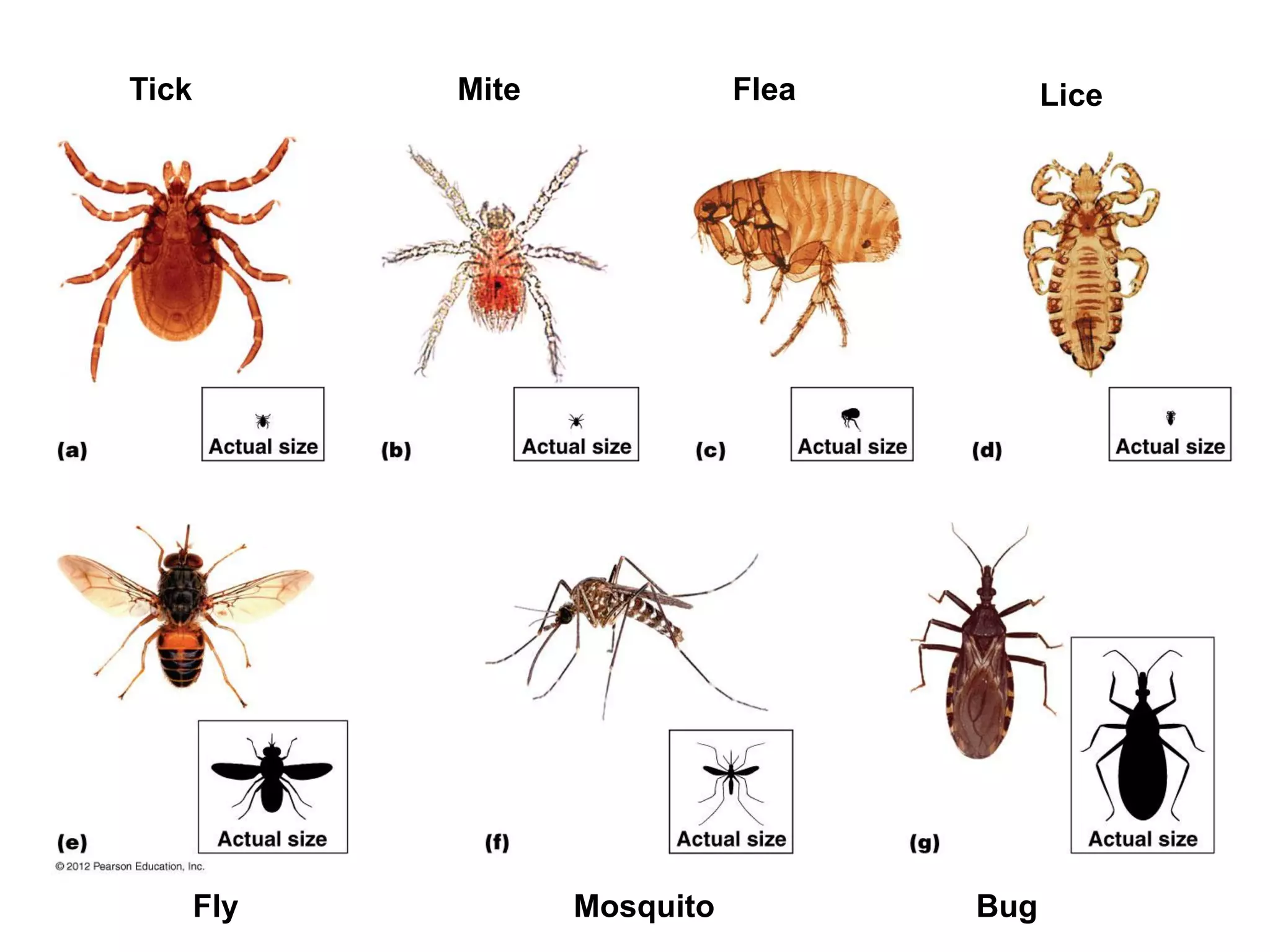
Vectors
 Arthropods carry pathogens from one host to another
 Fleas, ticks, mosquitoes, mites, bloodsucking flies
 Transmit disease by 2 general methods:
 Mechanical transmission: (passive process) - Arthropod carries
pathogen on feet or other body parts
 Biological transmission: (active process) - Pathogen reproduces
within the vector and it is generally transmitted through a bite
 Foodborne infections
 Salmonella, Shigella, E. coli
Tick Mite Flea Lice
Fly Mosquito Bug
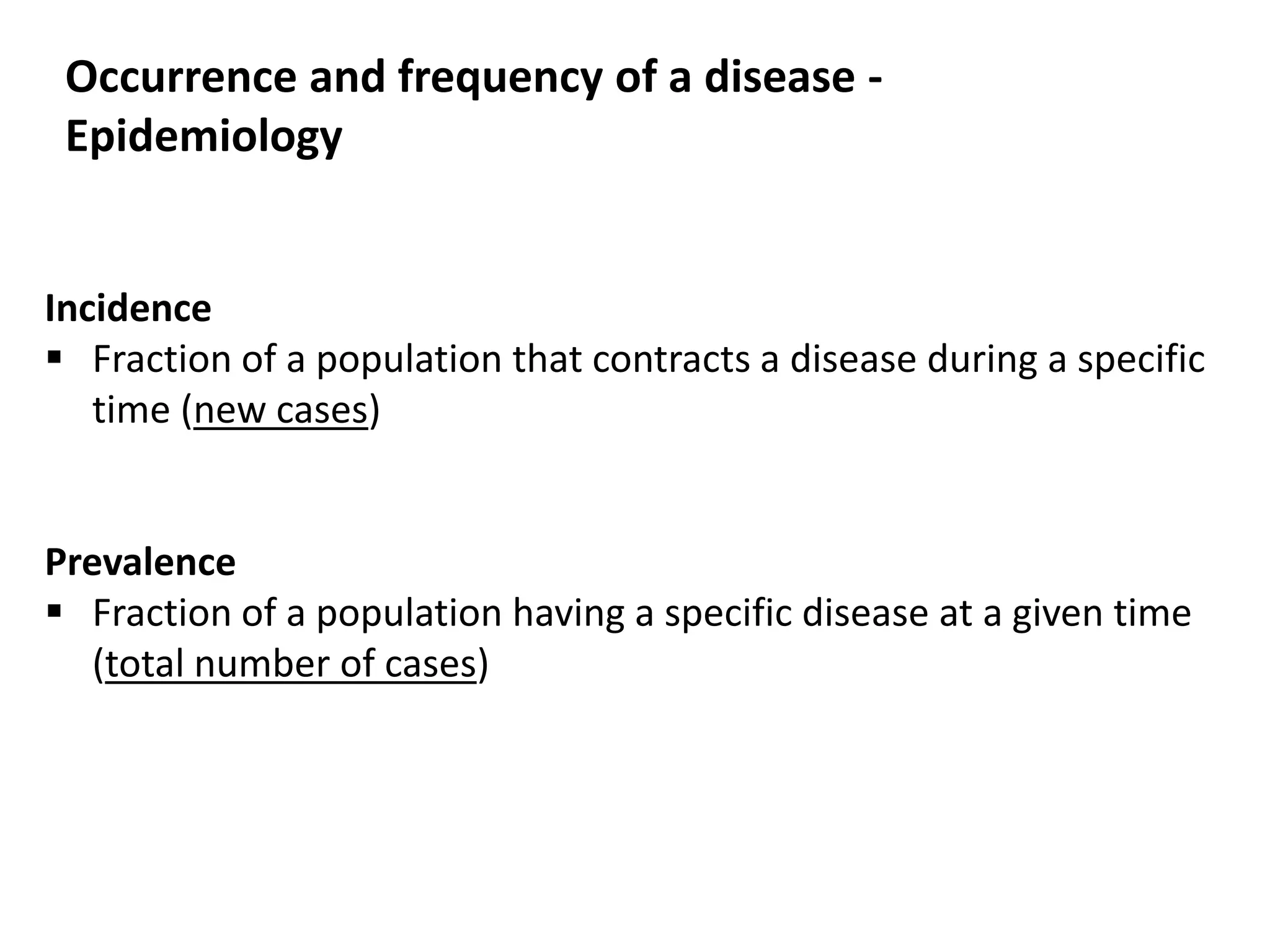
Incidence
 Fraction of a population that contracts a disease during a specific
time (new cases)
Prevalence
 Fraction of a population having a specific disease at a given time
(total number of cases)
Occurrence and frequency of a disease -
Epidemiology
 Sporadic disease: Disease that occurs occasionally in a
population
 Endemic disease: Disease constantly present in a population
(common cold)
 Epidemic disease: Disease acquired by many people in a given
area in a short time (greater frequency than usual)
 Pandemic disease: Worldwide epidemic (influenza/AIDS!?)
Occurrence and frequency of a disease -
Epidemiology
Occurrence and frequency of a disease -
Epidemiology
Nosocomial Infections
 Nosocomial Infections are acquired in hospitals, nursing homes
or other health care facilities
Nosocomial diseases
cause thousands deaths
annually in the US
 Interaction between
three factors poses a
significant risk of
nosocomial infections
Nosocomial Infections
Microorganisms involved in nosocomial Infections
 Clostridium difficile
 Long-term antimicrobial
therapy in hospitalized patients
 Excessive growth of C. difficile
(a transient microbe of the
colon)
 Nosocomial diarrhea
 Inflammation, bloody stools,
and formation of lesions in the
colon - pseudomembranous
colitis Lesions: connective tissue,
dying leukocytes, dead colon cells
Nosocomial infections are classified as
 Exogenous
 Pathogens acquired from the health care environment
 Endogenous
 Pathogens from the normal microbiota within the patient
 Iatrogenic
 Associated with modern medical procedures such as
catheters, invasive diagnostic procedures, and surgery
Nosocomial Infections
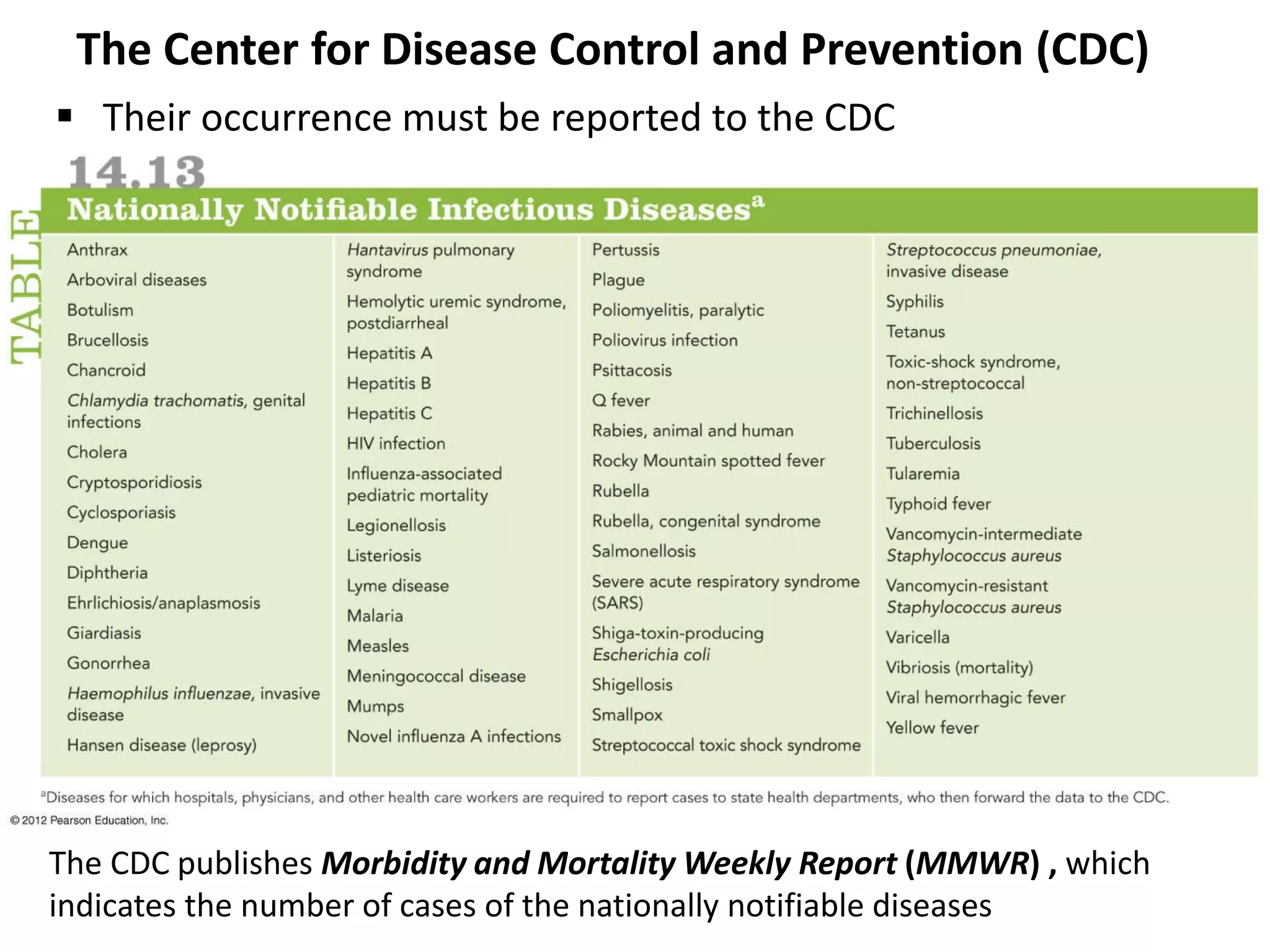
The Center for Disease Control and Prevention (CDC)
The CDC publishes Morbidity and Mortality Weekly Report (MMWR) , which
indicates the number of cases of the nationally notifiable diseases
 Their occurrence must be reported to the CDC

7 bio265 infections instructor dr di bonaventura

  • 1.
  • 2.
     Pathology: thestudy of disease  Etiology: focuses on the cause of a disease  Pathogenesis: the development of a disease  Infection: invasion of the body by pathogens  Disease (morbidity): any change from a state of health  Pathogenicity: a microorganism’s ability to cause disease  Virulence: a measure (degree) of pathogenicity Terminology
  • 3.
    Symbiosis indicates therelationship between the normal microbiota and host  In mutualism, both organisms benefit  In commensalism, one organism benefits, and the other is unaffected  In parasitism, the parasite benefits at the damaging expense of the host Human host and microorganisms Any parasite that causes disease is called a pathogen
  • 4.
    Normal microbiota ofthe human body  Normal microbiota Colonize skin and mucous membranes of the human body without normally causing disease  Resident microbiota permanently colonize the host  Transient microbiota may be present for days, weeks, or months
  • 5.
     Members ofthe normal microbiota can become opportunistic pathogens or opportunists Members of the normal microbiota gain access to other body sites Escherichia coli (colon/mutualistic) can cause urinary tract infections (urethra) Immune- compromised/suppression (disease, malnutrition, stress, chemotherapy, immunosuppressive drugs) AIDS patients and fungal infections (HIV infections suppresses immune system functions) – Candidiasis Opportunistic members of the normal microbiota
  • 6.
     The normalmicrobiota protect the host  Occupying niches that pathogens might occupy (nutrients)  Producing acids (vagina)  Producing bacteriocins that inhibit other bacteria  This is known as microbial antagonism or competitive exclusion  Changes in the normal microbiota can lead to opportunistic infections caused by members of the normal microbiota  Long-term antimicrobial treatment can cause changes in the normal vaginal microbiota, leading to Candida albicans infections
  • 7.
    Reservoirs of infectiousdiseases  Reservoirs are sites where pathogens are maintained as a source of infection  Human reservoirs  Animal reservoirs and zoonoses  Nonliving reservoirs What is the source of pathogens?
  • 8.
     Human reservoirs People with active disease (signs/symptoms of a disease) can transmit it  Carriers  People with asymptomatic disease or latent disease are a source of infection  Gonorrhea  Typhoid fever  Syphilis  Tuberculosis  AIDS Reservoirs of infectious diseases
  • 9.
    Animal reservoirs (zoonoses) Both wild and domestic animals are reservoirs of pathogens  Infectious diseases that spread from wild or domestic animals to humans are called zoonoses  Transmission of zoonosis to humans  Direct contact with the infected animals or their waste  Consuming infected animal products  Contaminated food, water or air  Bloodsucking arthropods (vectors)  Usually, humans are a dead-end host for zoonotic pathogens  Zoonoses that involve bloodsucking arthropods can be transmitted back to animal hosts
  • 11.
    Nonliving reservoirs  Nonlivingreservoirs include water, soil, foods (improperly prepared or stored foods)  Water contaminated by human/animal feces  Vibrio cholerae  Salmonella  Soil  Clostridium botulinum  C. tetani
  • 12.
    How do pathogensenter the human body?  Pathogens enter the body at several sites called portals of entry  Three major types  Skin  A barrier to pathogens if it remains intact  Mucous membranes  Linings of the respiratory, gastrointestinal, urinary, and reproductive tracts, conjunctiva  Placenta  Typically an effective barrier to most pathogens
  • 13.
     Parenteral route:not a true portal of entry but allows pathogens to circumvent the portals of entry  Pathogens gain direct access to tissues beneath the skin and mucous membranes  Punctures by a nail or hypodermic needle  Sometimes included in this route:  breaks in the skin: stab wounds, bites, surgery Parenteral route
  • 14.
    How do pathogensenter the human body?
  • 15.
     The pathogenmust  Be transmitted to a susceptible host For an infectious disease to occur  There must be a reservoir of infection as a source of pathogen and a route of exit  Enter the host and attach to cells of the host (ligands)  Multiply sufficiently to adversely affect the body (causing damages to the host)  To do so the pathogen must overcome the defense of the host
  • 16.
    Predisposing Factors  Predisposingfactors make the body more susceptible to disease  Inadequate nutrition  Fatigue  Age  Gender  Lifestyle  Chemotherapy  Emotional disturbances
  • 17.
    Pathogens affect thehost “producing virulence factors”  Virulence factors allow pathogens to enter a host, adhere to host cells, or escape detection/killing by the immune system  Examples of virulence factors Virulence factors Type Ligands Adhesins, attachment proteins Extracellular enzymes Hyaluronidase, collagenase, coagulase, kinases Toxins Endotoxins (Lipid A) Exotoxins (cytotoxins, neurotoxins, enterotoxins) Anti-phagocytic factors Capsule, leukocidins
  • 18.
     Some bacterialpathogens attach to the surface they colonize and to each other to form a biofilm Biofilms Dental plaque
  • 19.
    Extent of infections Local infection: Pathogens are limited to a relatively small area of the body (boils)  Systemic infection: An infection throughout the body spread by the blood or lymph (measles)  Focal infection: Infection that “functions” as a source of pathogen(s) to infections at other sites of the body (teeth)
  • 20.
    Type of infections Primary infection: Acute infection that causes the initial illness  Secondary infection: Often opportunistic infections after a primary (predisposing) infection – HIV and fungal infections  Asymptomatic or subclinical infections: No noticeable signs or symptoms – hepatitis
  • 21.
    Extent of HostInvolvement Septicemia Systemic infection (blood) Bacteremia Bacteria in the blood Toxemia Toxins in the blood Viremia Viruses in the blood
  • 22.
    Manifestation of adisease  A disease causes changes in structures/functions of the body  Symptom: A change in body function that is felt by a patient such as pain or malaise (discomfort)  Sign: A change in the body that can be measured or observed by a physician such as fever, swelling, redness, diarrhea  Diagnosis  Involves an evaluation of signs, symptoms, and results of laboratory tests
  • 23.
    The Etiology ofan infectious disease  Koch’s postulates help determine the etiology of an infectious disease, which allows treatment and prevention  Exceptions to Koch’s postulates to establish a single cause for certain infections such as pneumonia Ethical considerations
  • 24.
    The Stages ofan infectious disease  Many infectious diseases have five stages
  • 25.
    Severity or Durationof a Disease Acute disease Disease develops rapidly/short time (common cold) Chronic disease Disease develops slowly, it is likely to continue or recur for long periods (tuberculosis, hepatitis) Subacute disease Intermediate between acute and chronic (bacterial endocarditis-streptococci) Latent disease A pathogen remains inactive for a long period before becoming active to produce signs/symptoms of the disease (herpes/shingles - varicella virus)
  • 26.
     Communicable disease:Any disease that is spread from one host to another (genital herpes)  Contagious disease: A communicable disease that is easily spread from one host to another (chickenpox)  Noncommunicable disease: A disease that is not spread from one host to another Clostridium tetani - abrasions or wounds Types of Infectious Diseases
  • 27.
    Pathogens must leavethe infected patients in order to infect other hosts Portals of exit  Pathogens often leave the infected host via bodily secretions and excretions
  • 28.
    Transmission of aninfectious disease  Transmission of a pathogen from a reservoir or a portal of exit to another host’s portal of entry can occur through contact, vehicles, vectors  Contact  Direct  Involves person-to-person contact, sexual intercourse (gonorrhea), and transfer across the placenta  Animal to person contact, zoonosis (rabies/ring worm)  Indirect  Spread by fomites (non-living objects) - medical equipment, needles (HIV virus)
  • 29.
    Transmission of aninfectious disease - Contact  Droplets (Distance < 1m) Transmission via droplets (droplets of mucus)  Cold and flu viruses
  • 30.
    Transmission of aninfectious disease
  • 31.
     Vehicle transmissionis the transmission of a pathogen by a medium  Air, water or foods  Blood or other bodily fluids handled outside the body Airborne transmission Transmission of an infectious disease  Transmission of pathogens via aerosols (Distance >1m)  Aerosols from sneezing and coughing , air conditioning systems, flaming inoculating loops  Mycobacterium tuberculosis, Legionella pneumophila  Fungal spores
  • 32.
    Foodborne transmission Waterborne transmission Transmissionof an infectious disease  Fecal-oral route of infection is a major source of disease in the world  Spread of gastrointestinal diseases (giardiasis, cholera)  Contamination of foods with feces and pathogens is another example of fecal-oral transmission  Food inadequately processed, undercooked, poorly refrigerated
  • 33.
    Vectors  Arthropods carrypathogens from one host to another  Fleas, ticks, mosquitoes, mites, bloodsucking flies  Transmit disease by 2 general methods:  Mechanical transmission: (passive process) - Arthropod carries pathogen on feet or other body parts  Biological transmission: (active process) - Pathogen reproduces within the vector and it is generally transmitted through a bite  Foodborne infections  Salmonella, Shigella, E. coli
  • 34.
    Tick Mite FleaLice Fly Mosquito Bug
  • 35.
    Incidence  Fraction ofa population that contracts a disease during a specific time (new cases) Prevalence  Fraction of a population having a specific disease at a given time (total number of cases) Occurrence and frequency of a disease - Epidemiology
  • 36.
     Sporadic disease:Disease that occurs occasionally in a population  Endemic disease: Disease constantly present in a population (common cold)  Epidemic disease: Disease acquired by many people in a given area in a short time (greater frequency than usual)  Pandemic disease: Worldwide epidemic (influenza/AIDS!?) Occurrence and frequency of a disease - Epidemiology
  • 37.
    Occurrence and frequencyof a disease - Epidemiology
  • 38.
    Nosocomial Infections  NosocomialInfections are acquired in hospitals, nursing homes or other health care facilities Nosocomial diseases cause thousands deaths annually in the US  Interaction between three factors poses a significant risk of nosocomial infections
  • 39.
  • 40.
    Microorganisms involved innosocomial Infections
  • 41.
    Microorganisms involved innosocomial Infections  Clostridium difficile  Long-term antimicrobial therapy in hospitalized patients  Excessive growth of C. difficile (a transient microbe of the colon)  Nosocomial diarrhea  Inflammation, bloody stools, and formation of lesions in the colon - pseudomembranous colitis Lesions: connective tissue, dying leukocytes, dead colon cells
  • 42.
    Nosocomial infections areclassified as  Exogenous  Pathogens acquired from the health care environment  Endogenous  Pathogens from the normal microbiota within the patient  Iatrogenic  Associated with modern medical procedures such as catheters, invasive diagnostic procedures, and surgery Nosocomial Infections
  • 43.
    The Center forDisease Control and Prevention (CDC) The CDC publishes Morbidity and Mortality Weekly Report (MMWR) , which indicates the number of cases of the nationally notifiable diseases  Their occurrence must be reported to the CDC