1
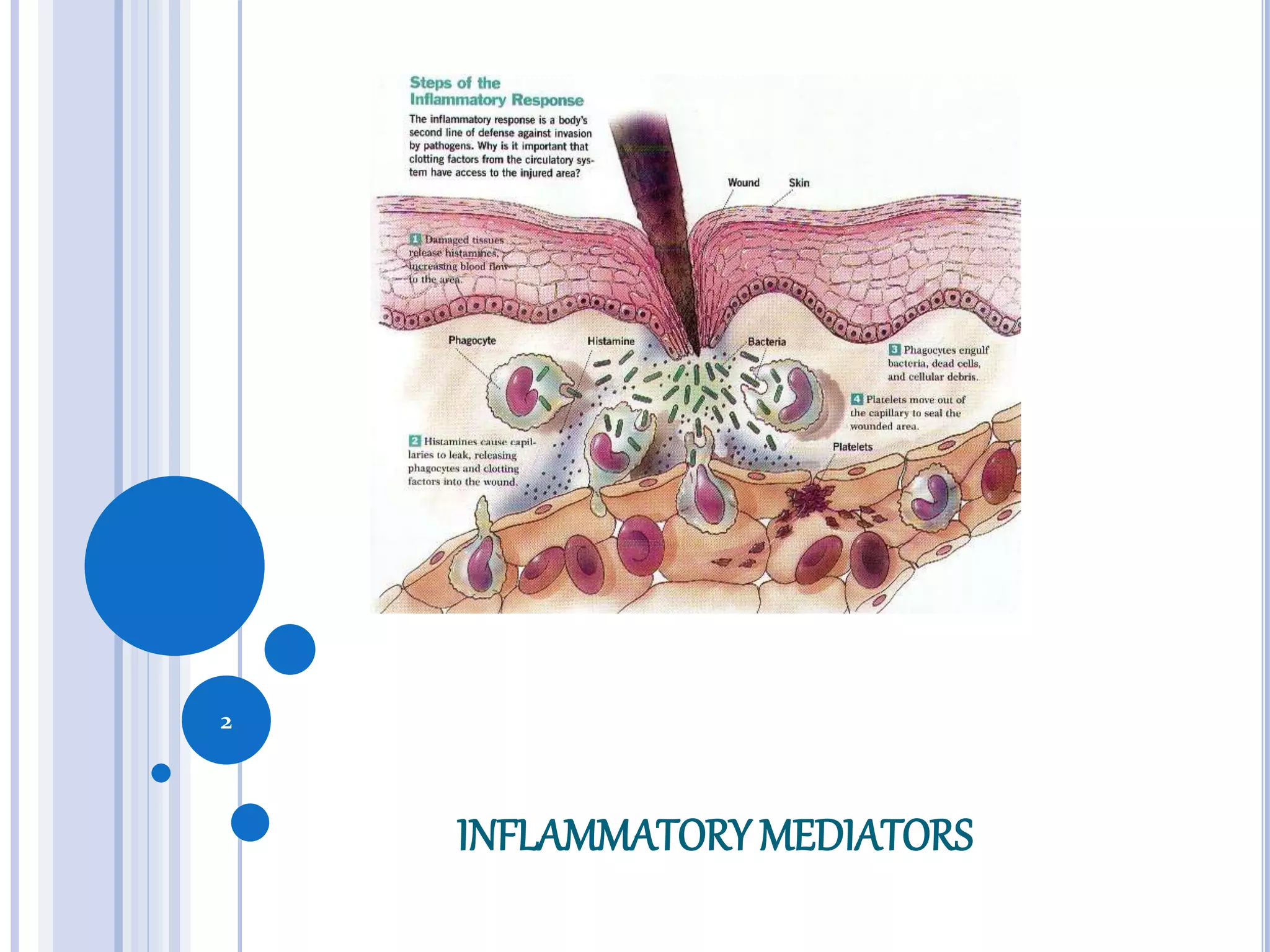
INFLAMMATORYMEDIATORS
2
CONTENTS
 Introduction
 Properties & General principles
 Classification
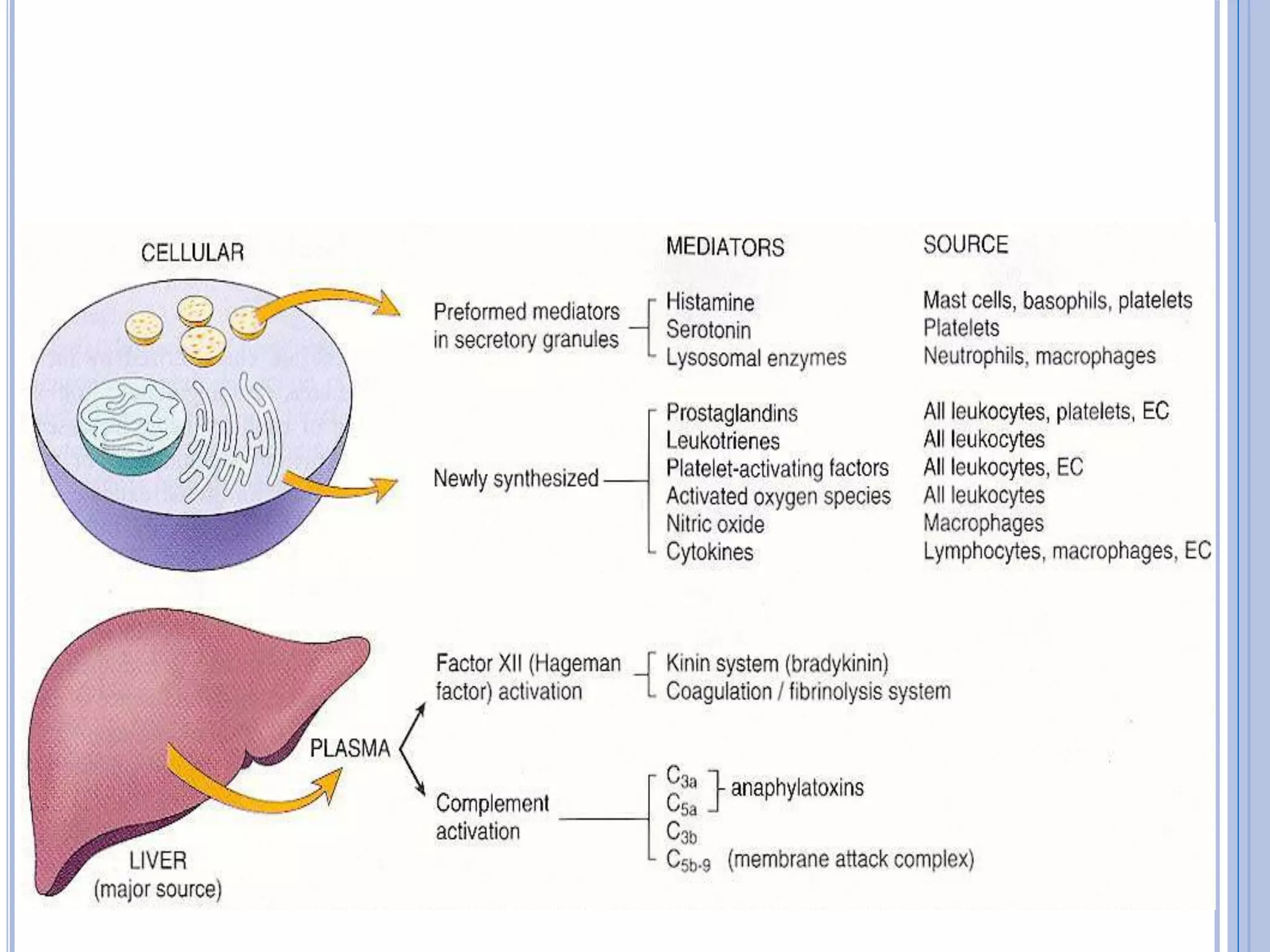
 Cell derived inflammatory mediators
 Plasma derived inflammatory mediators
 Conclusion
 References
3
INTRODUCTION
 Permeability factors
4
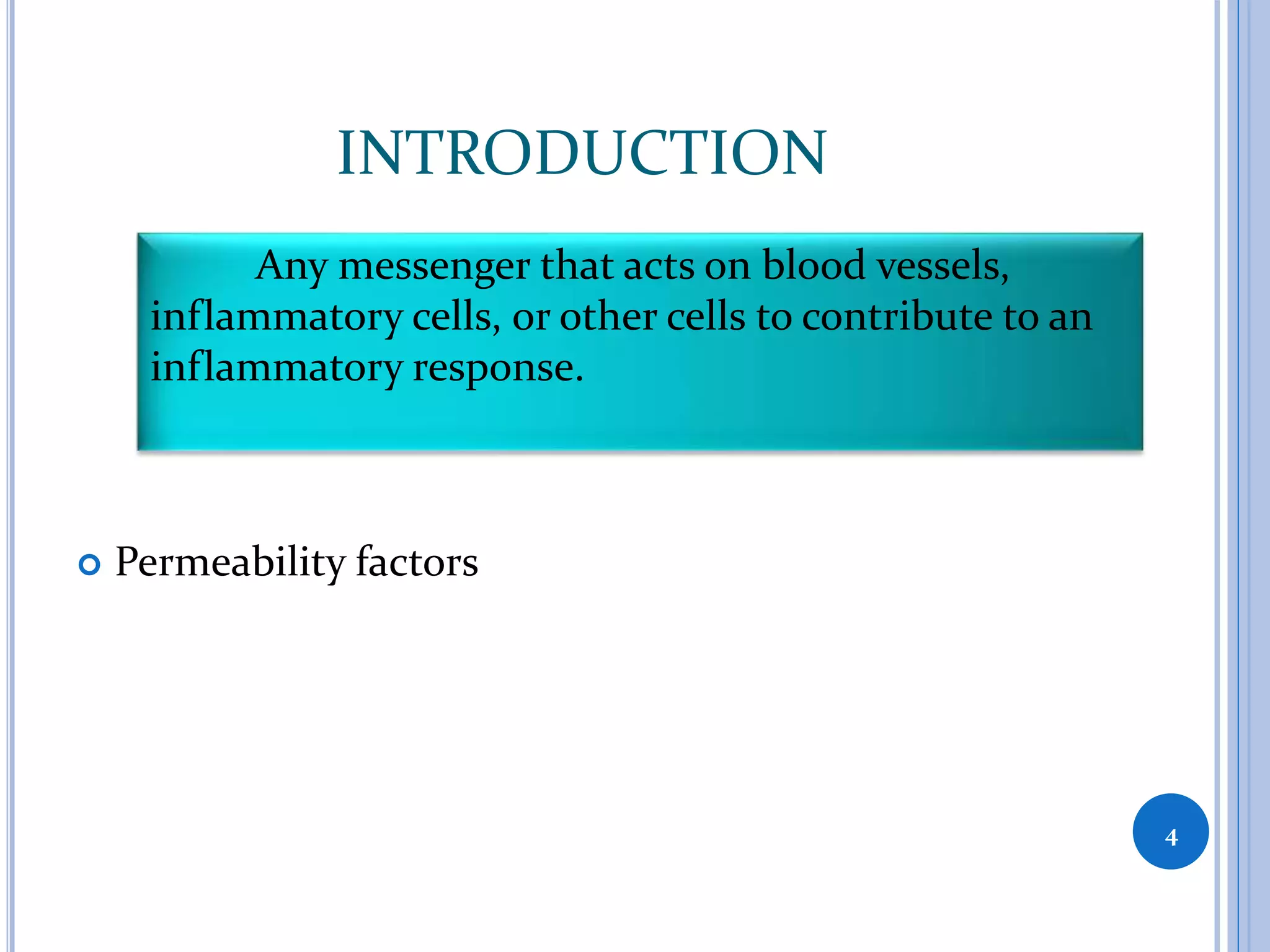
Any messenger that acts on blood vessels,
inflammatory cells, or other cells to contribute to an
inflammatory response.
PROPERTIES & GENERAL PRINCIPLES
 Mediators are generated either from cells or from
plasma proteins
 Active mediators are produced in response to various
stimuli
 One mediator can stimulate the release of other
mediators
 Mediators vary in their range of cellular targets
 Once activated & released from the cell, most of
these are short lived
5
CLASSIFICATION
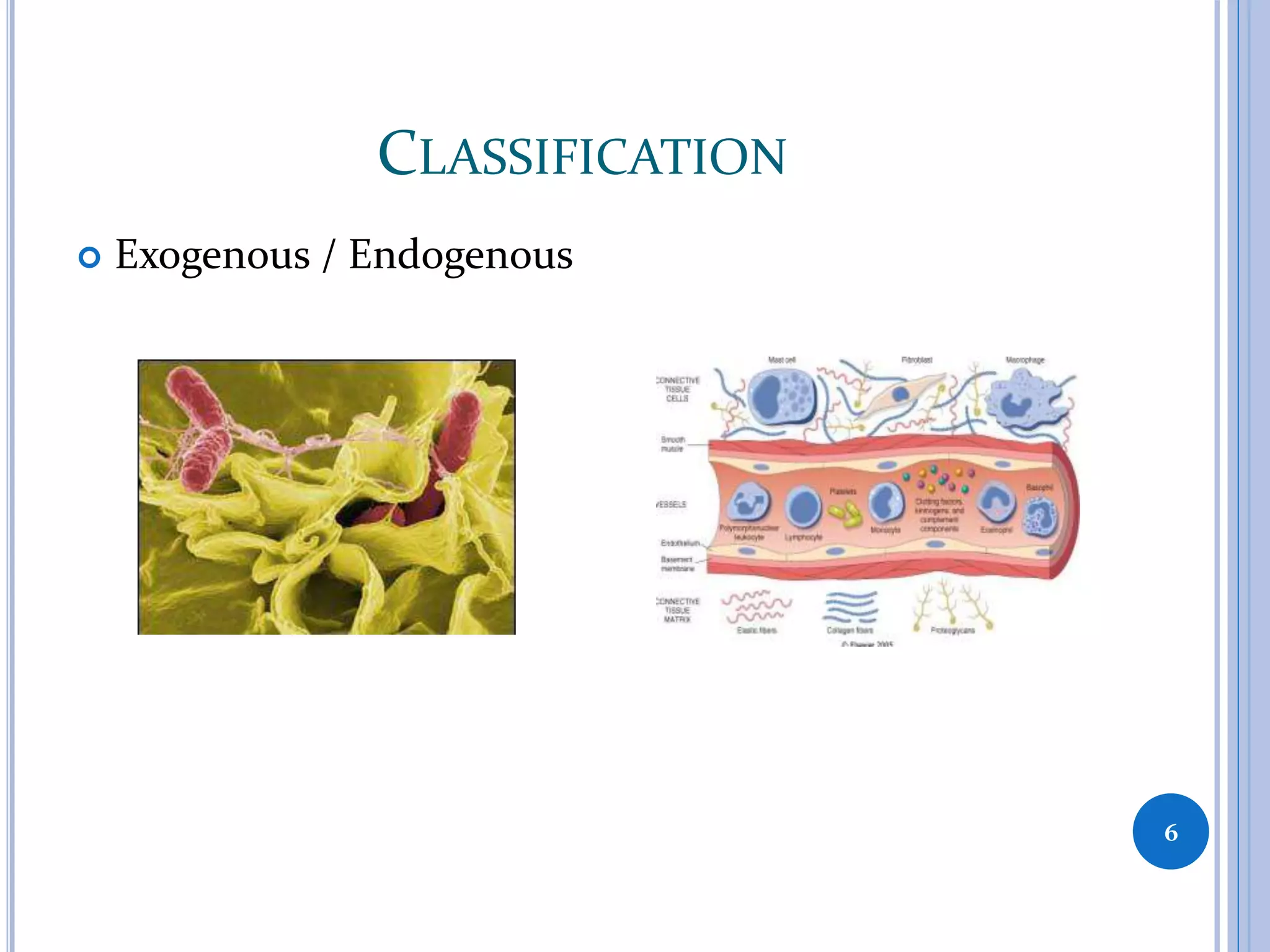
 Exogenous / Endogenous
6
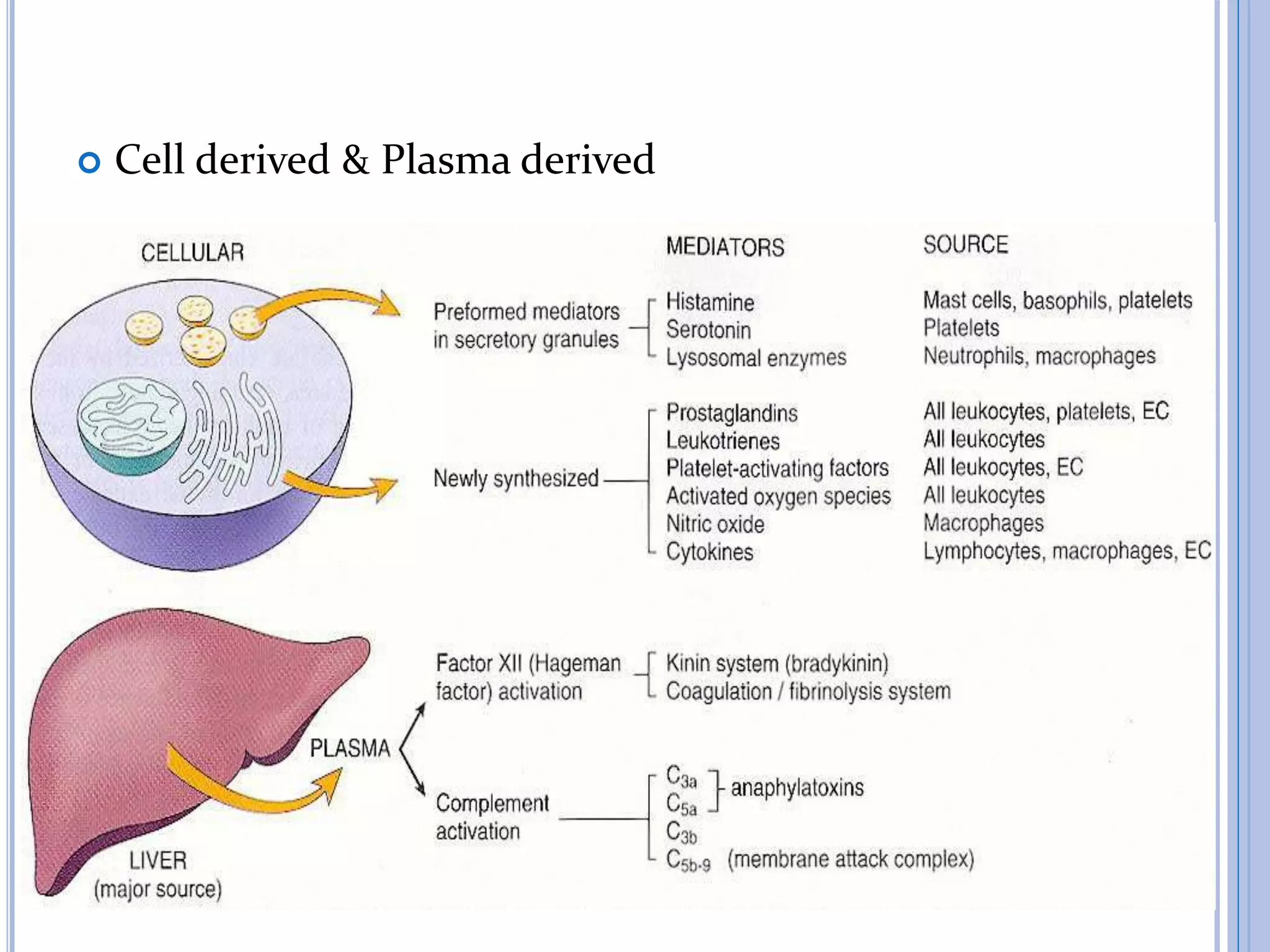
 Cell derived & Plasma derived
7
CELL DERIVED INFLAMMATORY
MEDIATORS
8
VASOACTIVE AMINES
9
HISTAMINE
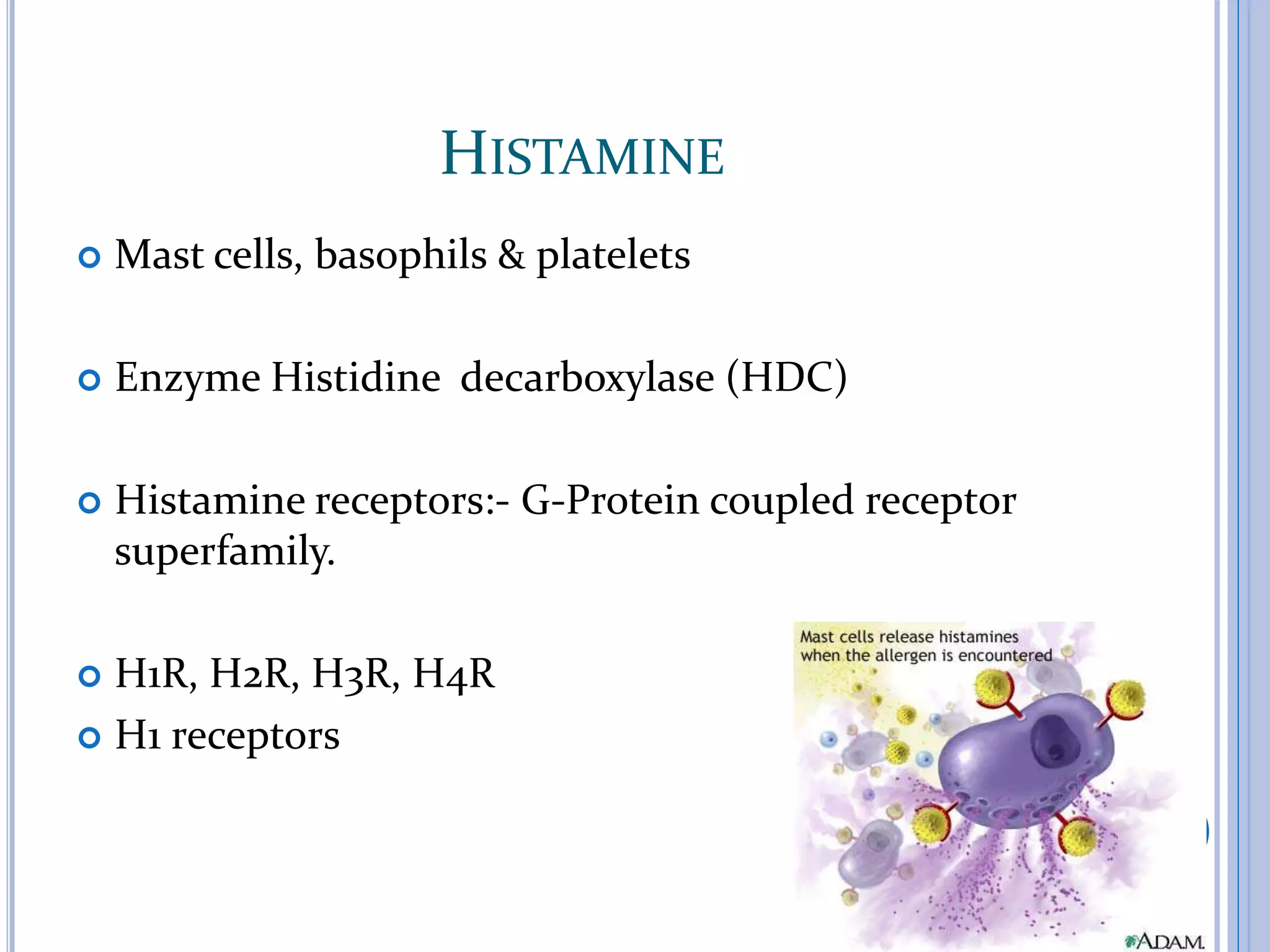
 Mast cells, basophils & platelets
 Enzyme Histidine decarboxylase (HDC)
 Histamine receptors:- G-Protein coupled receptor
superfamily.
 H1R, H2R, H3R, H4R
 H1 receptors
10
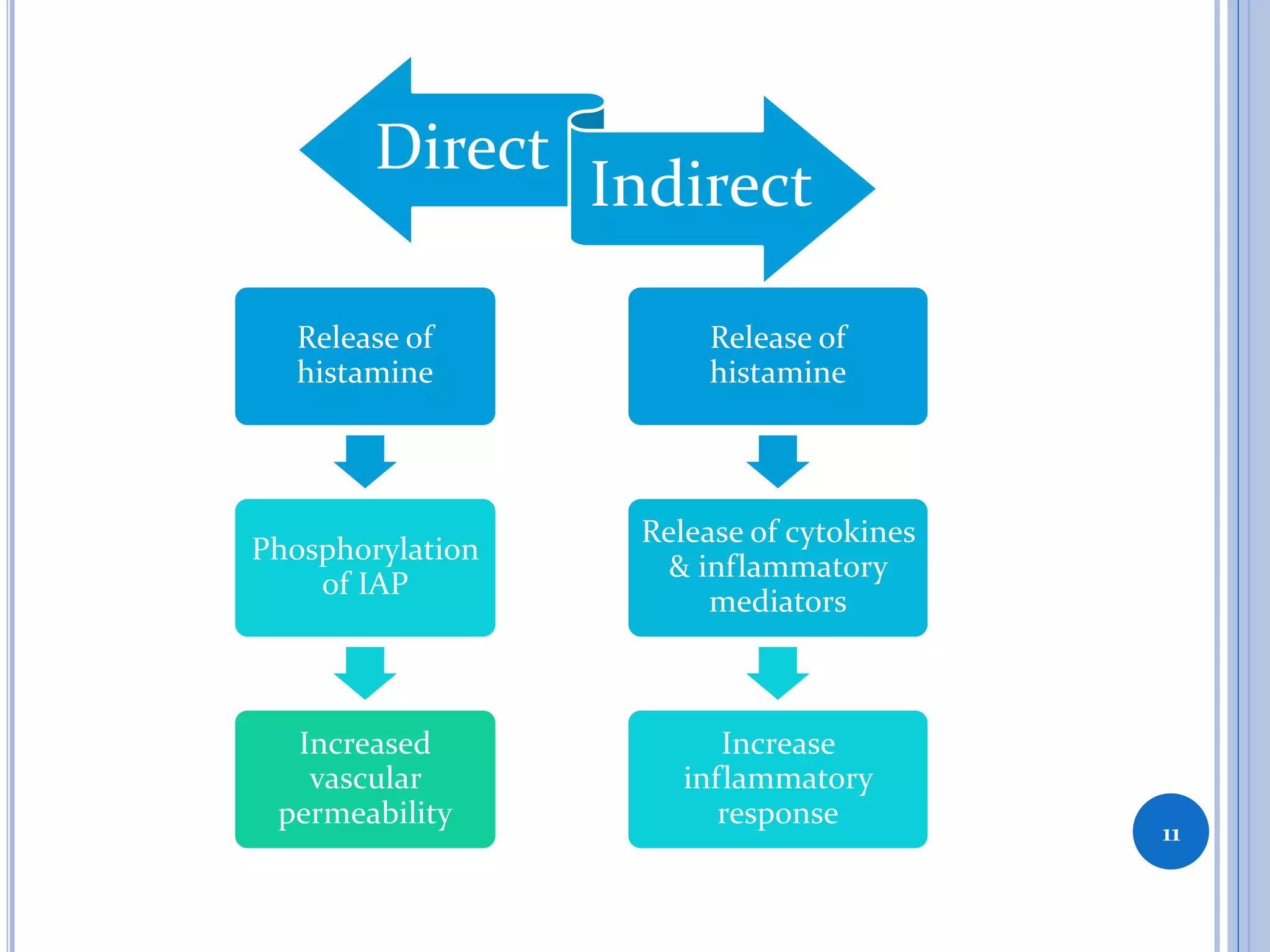
Direct
Indirect
11
Release of
histamine
Phosphorylation
of IAP
Increased
vascular
permeability
Release of
histamine
Release of cytokines
& inflammatory
mediators
Increase
inflammatory
response
 Increase in salivary histamine levels is correlated with
the severity of periodontitis (Venza et al 2006)
 Gingival fibroblasts mainly express H1R.
 H2R mRNA also expressed but not much significant
(T Minami et al)
12
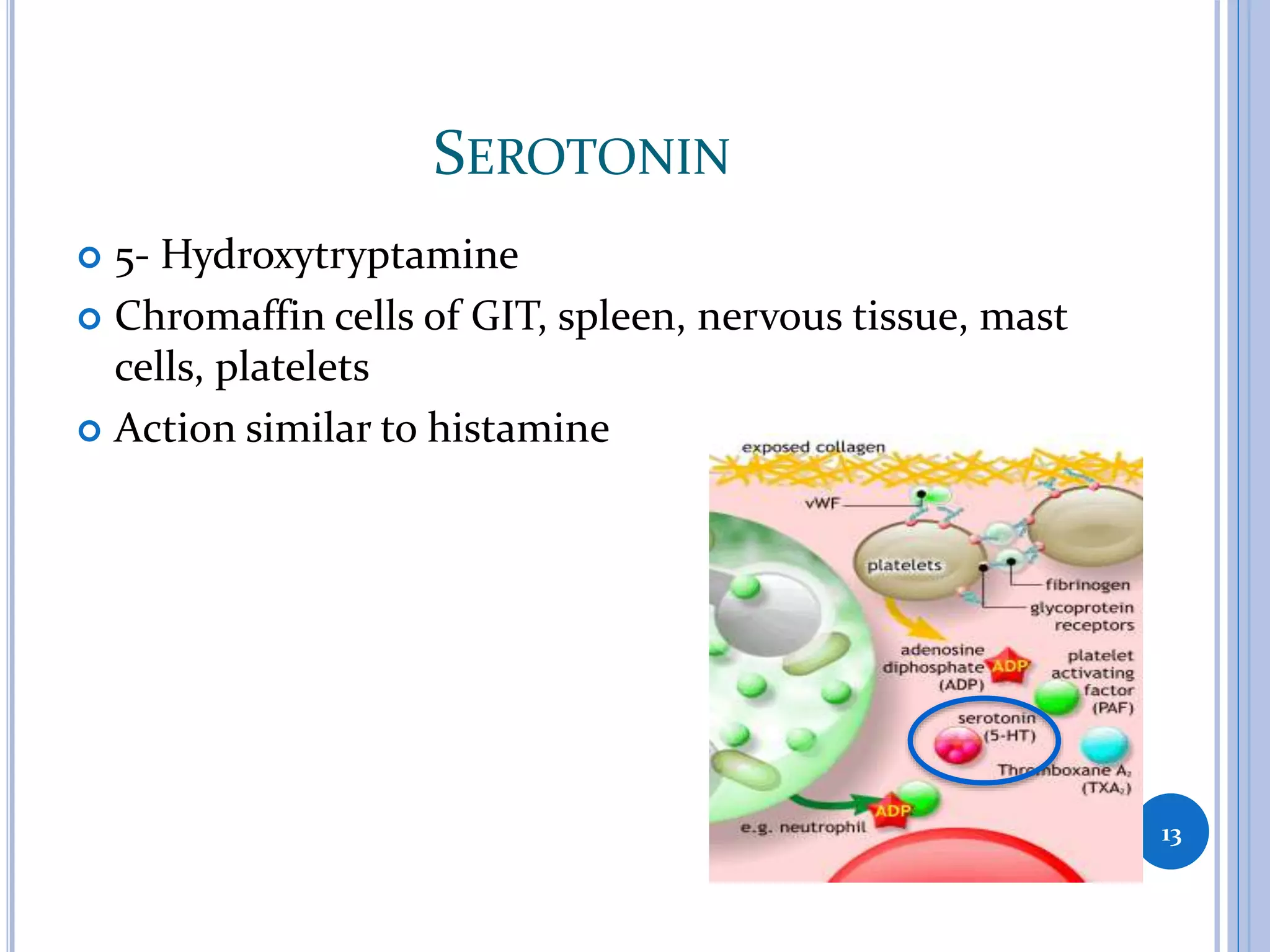
SEROTONIN
 5- Hydroxytryptamine
 Chromaffin cells of GIT, spleen, nervous tissue, mast
cells, platelets
 Action similar to histamine
13
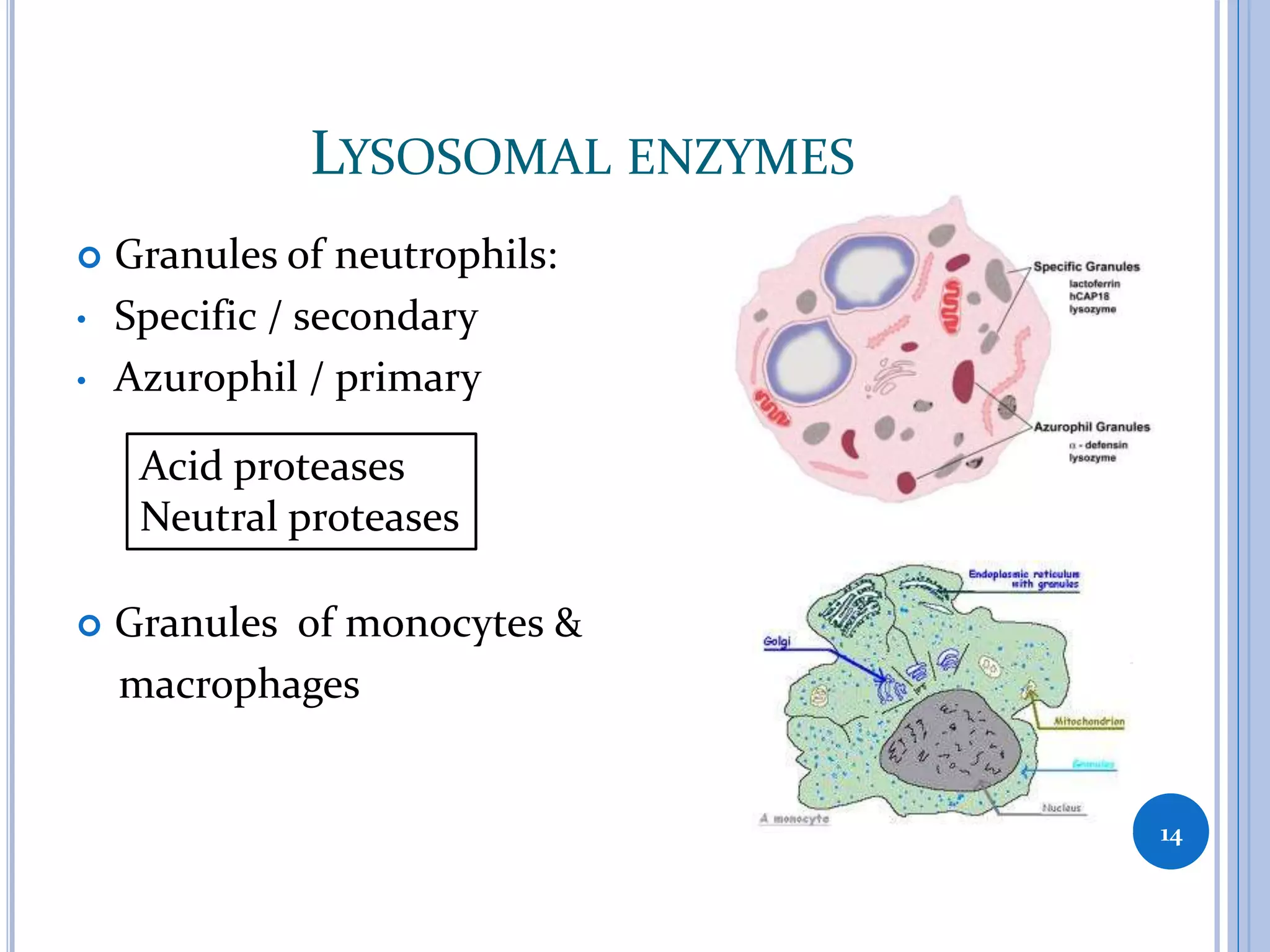
LYSOSOMAL ENZYMES
 Granules of neutrophils:
• Specific / secondary
• Azurophil / primary
 Granules of monocytes &
macrophages
14
Acid proteases
Neutral proteases
 Antiproteases in serum & tissue fluids
 α1- antitrypsin
 α2- macroglobin
15
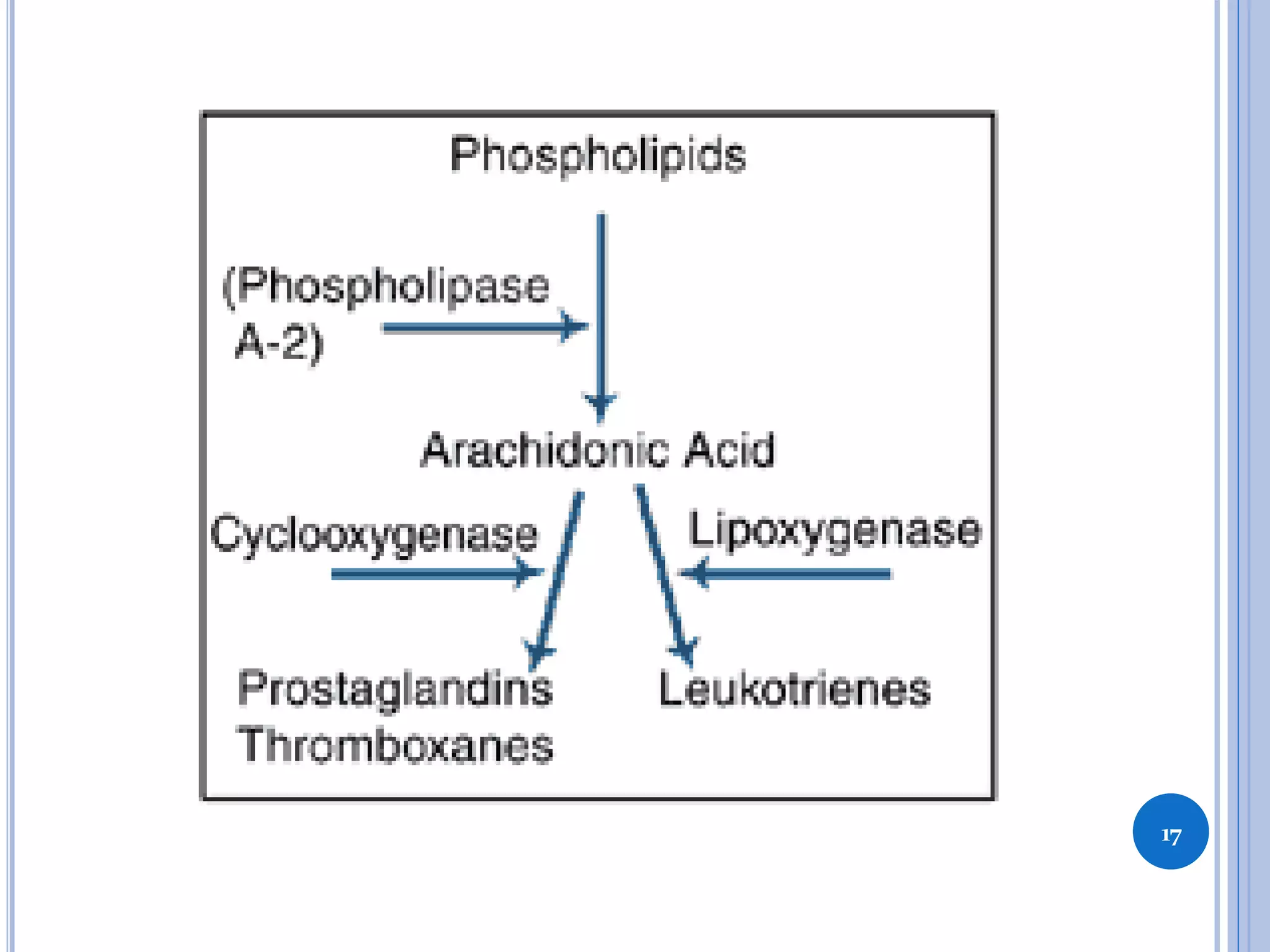
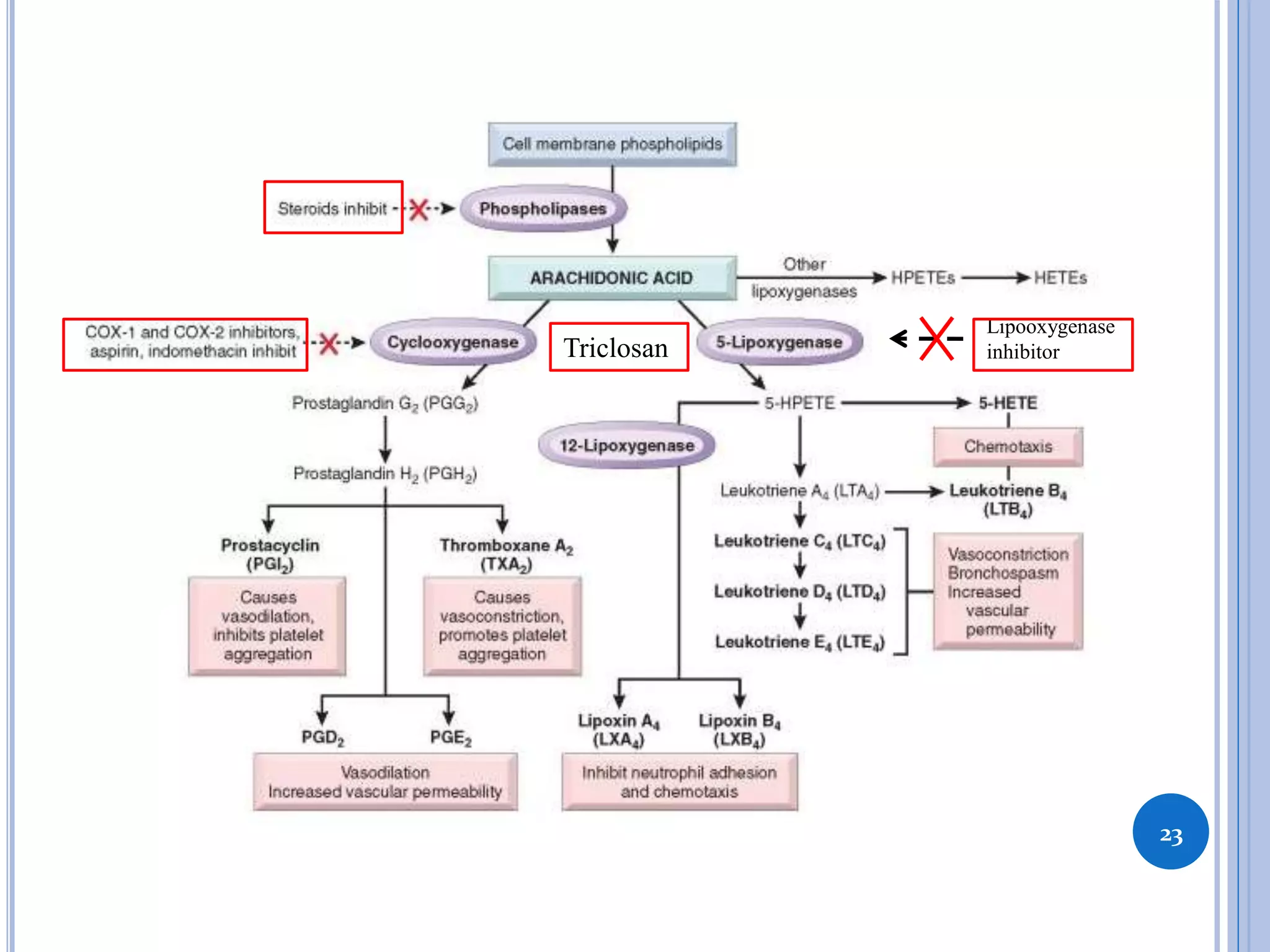
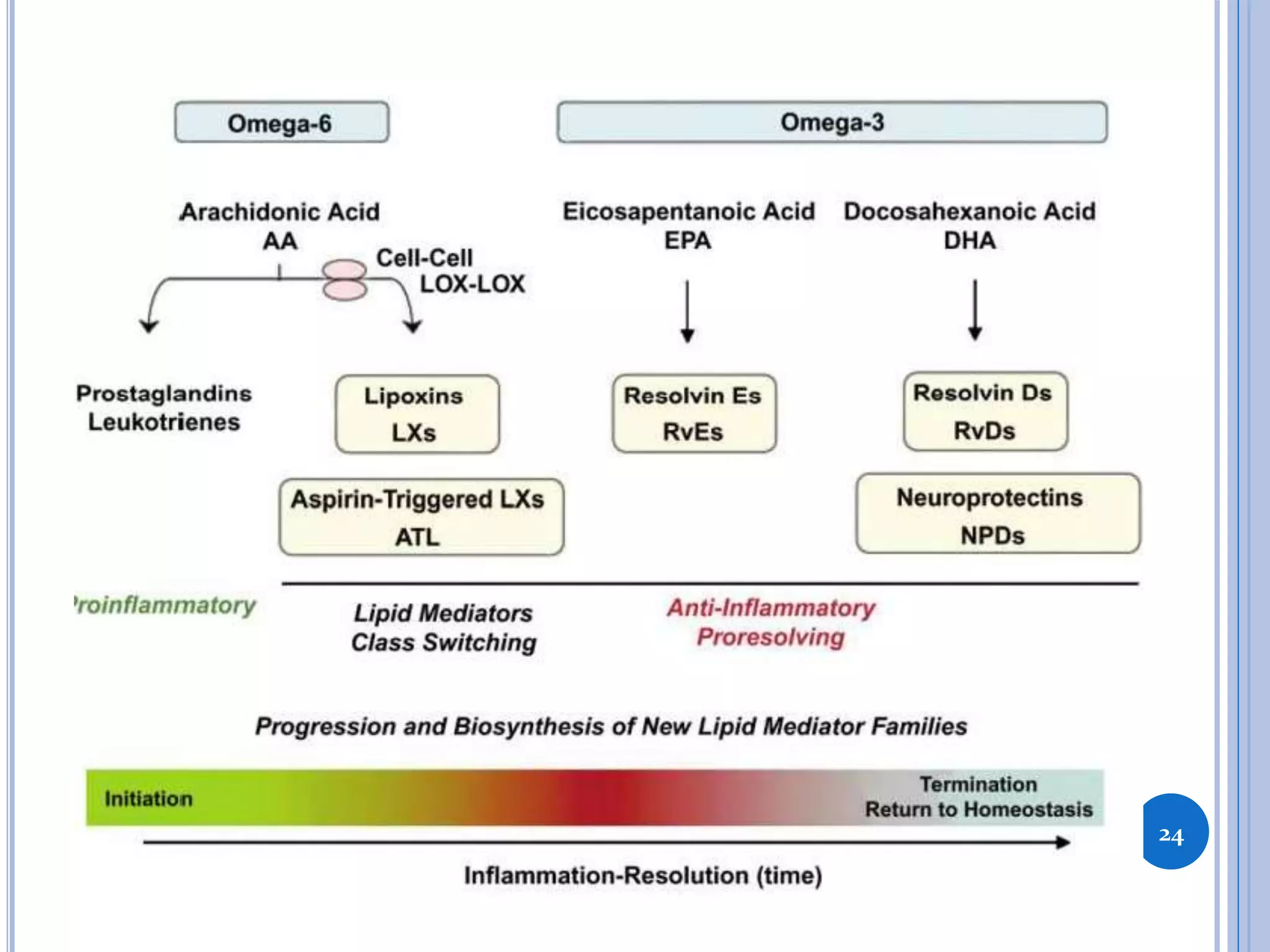
ARACHIDONIC ACID METABOLITES
 Eicosanoids
 20 carbon polyunsaturated fatty acid,
eicosatetraenoic acid
 Sources: diet, essential fatty acid- linoleic acid
16
17
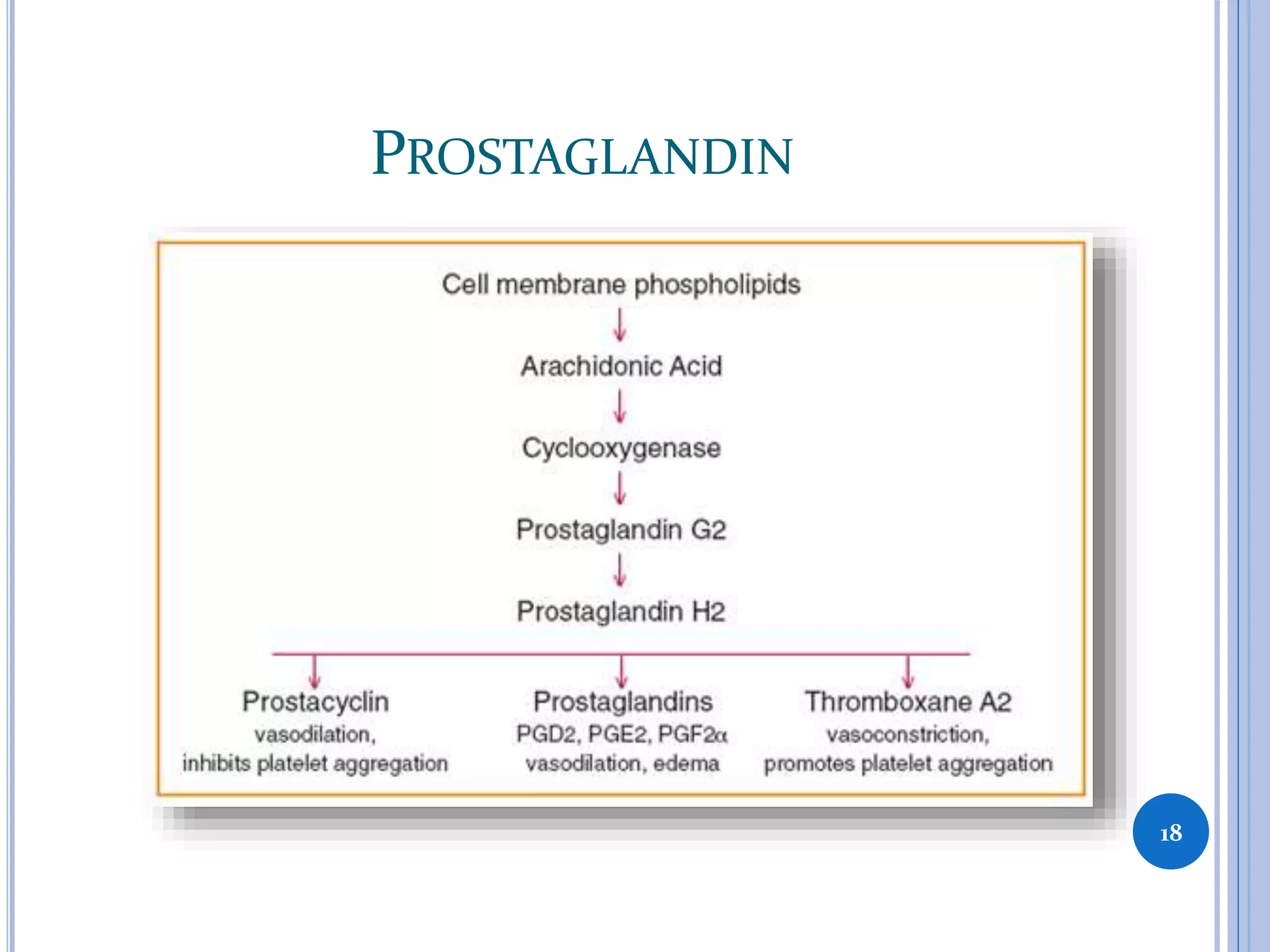
PROSTAGLANDIN
18
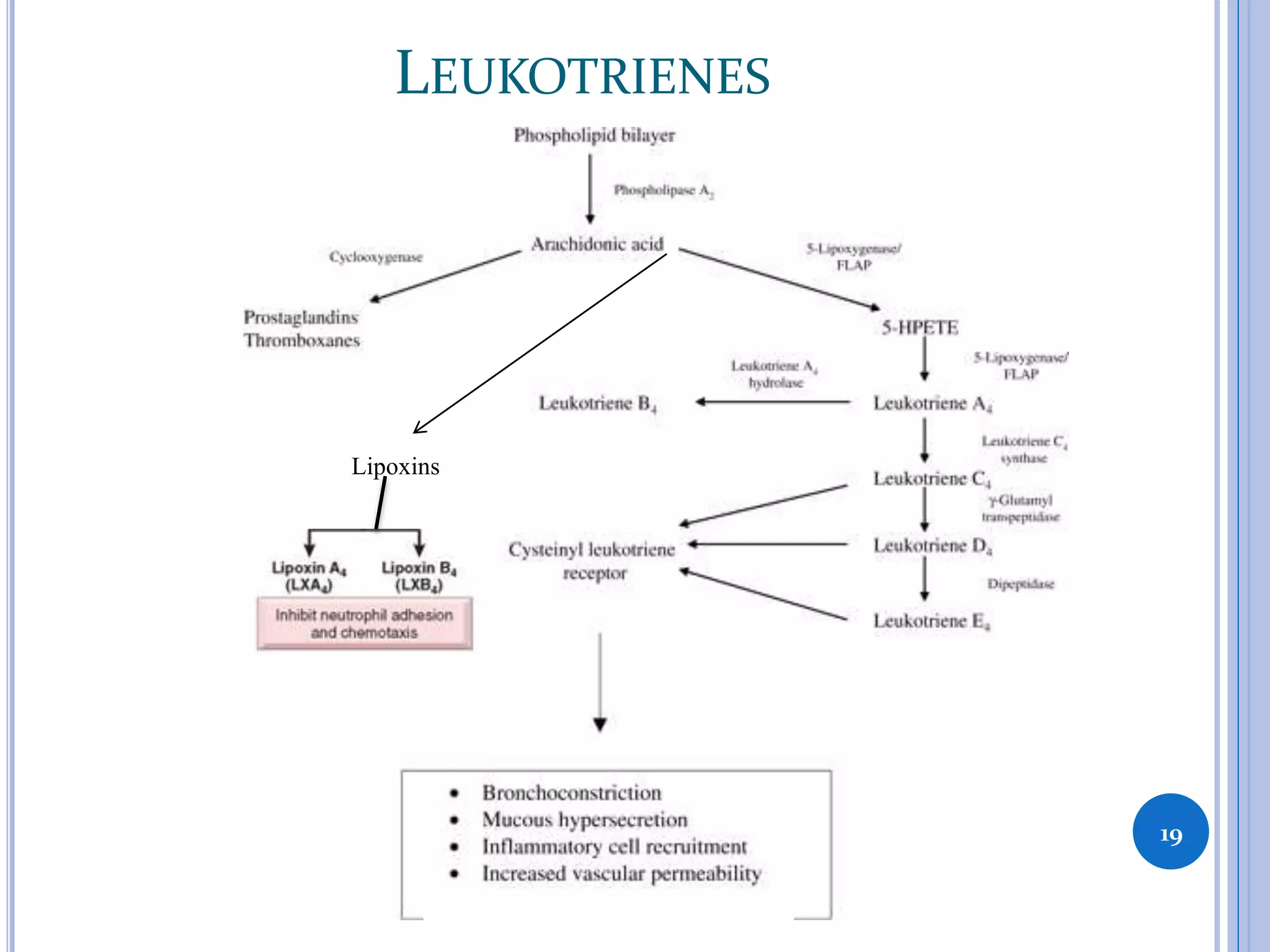
LEUKOTRIENES
19
Lipoxins
20
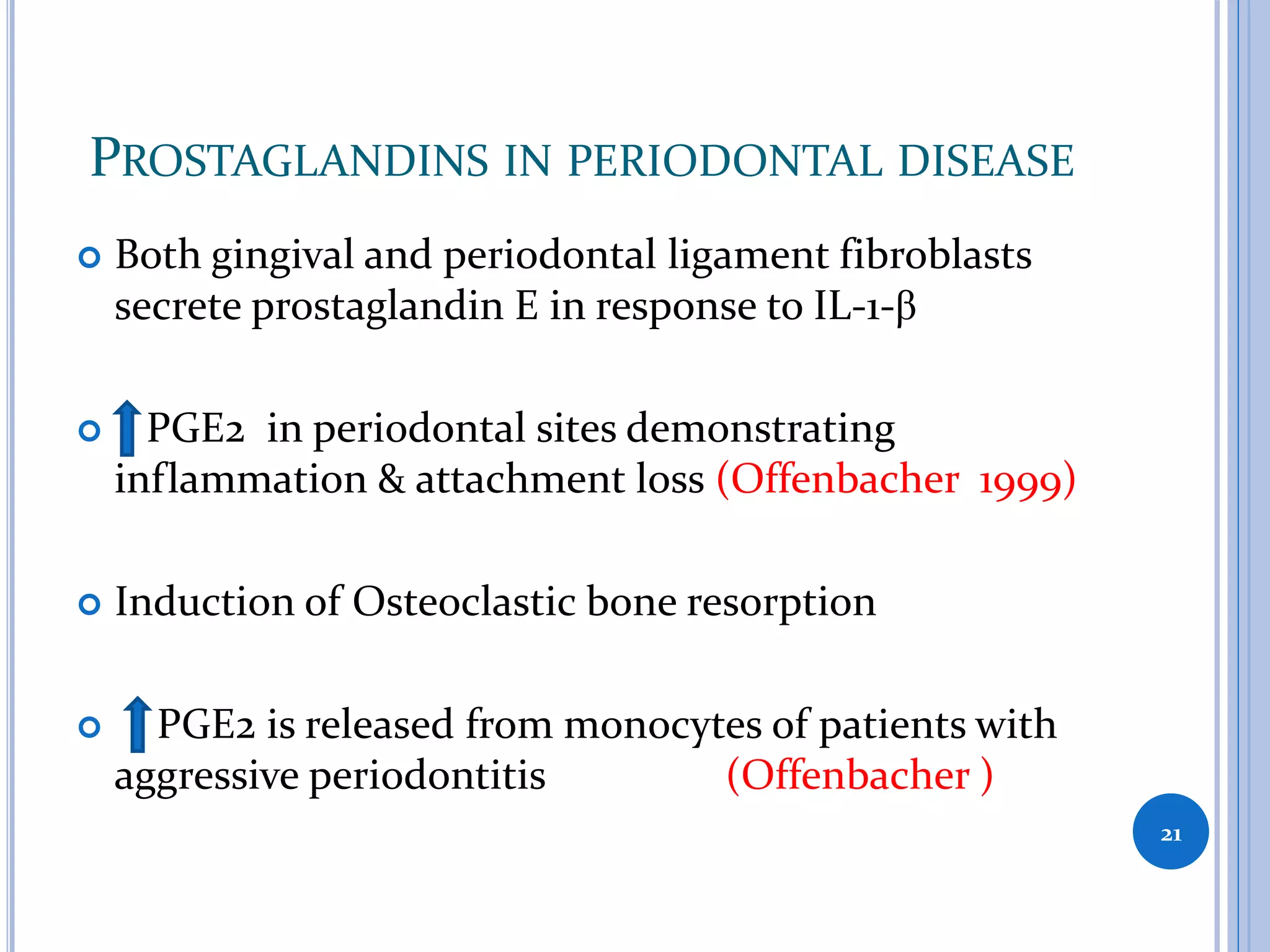
PROSTAGLANDINS IN PERIODONTAL DISEASE
 Both gingival and periodontal ligament fibroblasts
secrete prostaglandin E in response to IL-1-β
 PGE2 in periodontal sites demonstrating
inflammation & attachment loss (Offenbacher 1999)
 Induction of Osteoclastic bone resorption
 PGE2 is released from monocytes of patients with
aggressive periodontitis (Offenbacher )
21
 PGI – antiproliferative effect
 Cyclosporin A has dose dependent inhibitory effect
on PGI synthesis in gingival tissues.
Nell A et al 1996
22
`
23
Lipooxygenase
inhibitorTriclosan
24
PLATELET ACTIVATING FACTOR
 Phospholipid derived mediator
 Platelets, basophil, mast cells, neutrophils
macrophages, endothelial cells
25
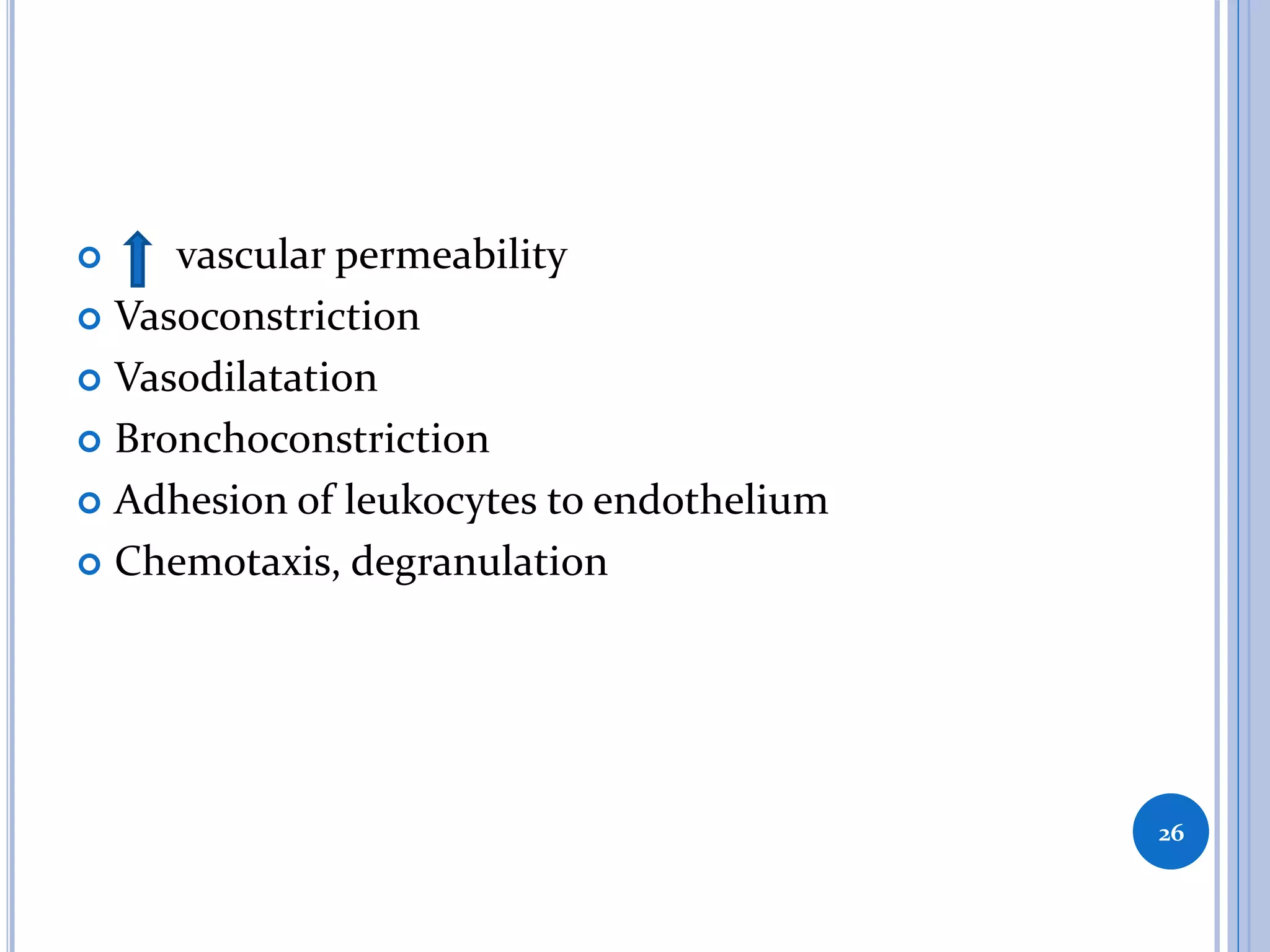
 vascular permeability
 Vasoconstriction
 Vasodilatation
 Bronchoconstriction
 Adhesion of leukocytes to endothelium
 Chemotaxis, degranulation
26
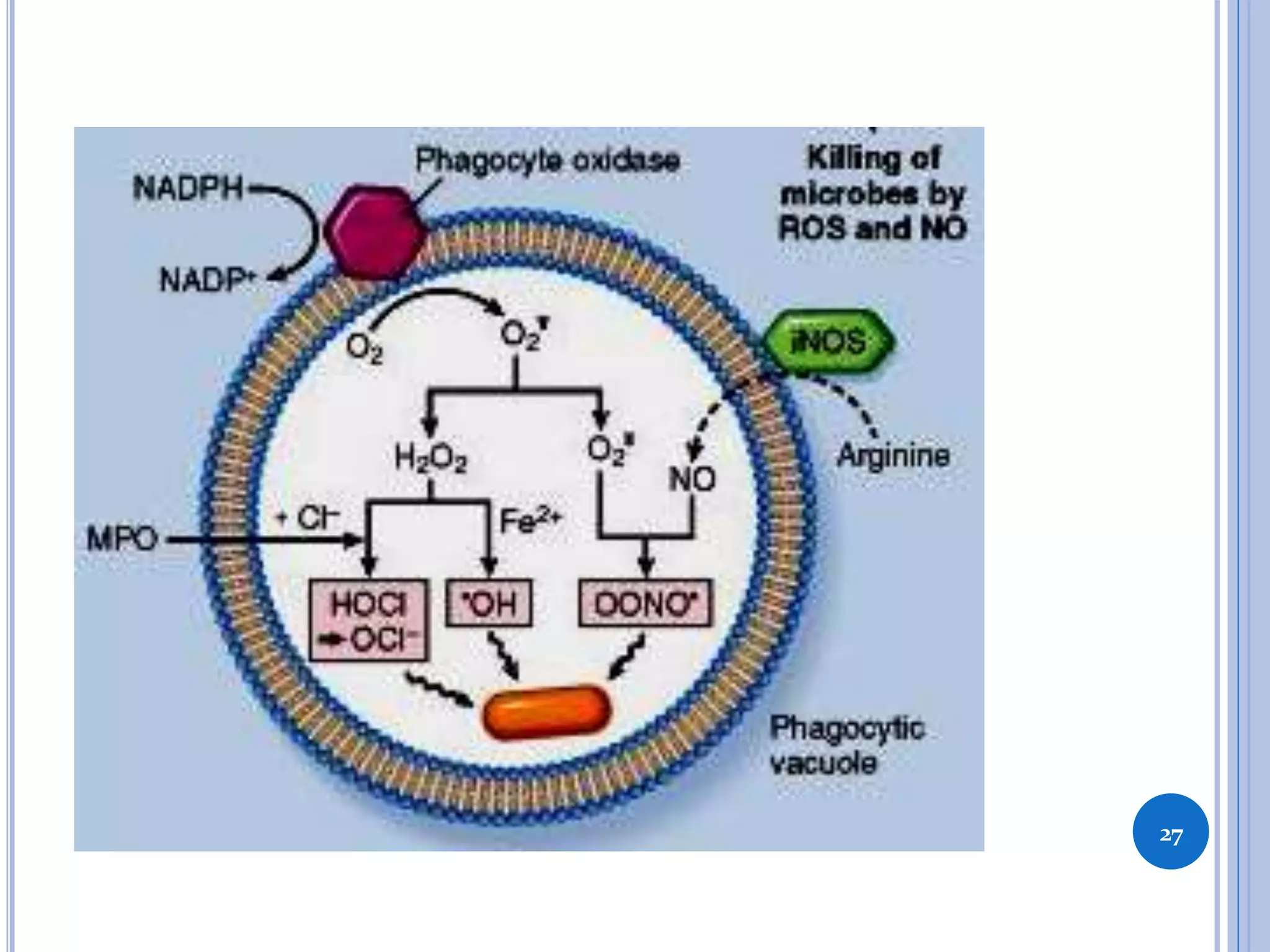
ACTIVATED OXYGEN SPECIES
 Leukocytes
 NADPH oxidase system
 Chemokines, cytokines, endothelial adhesion
molecules
 Responses in inflammation:
 Endothelial cell damage
 Injury to other cell types
 Inactivation of antiproteases
27
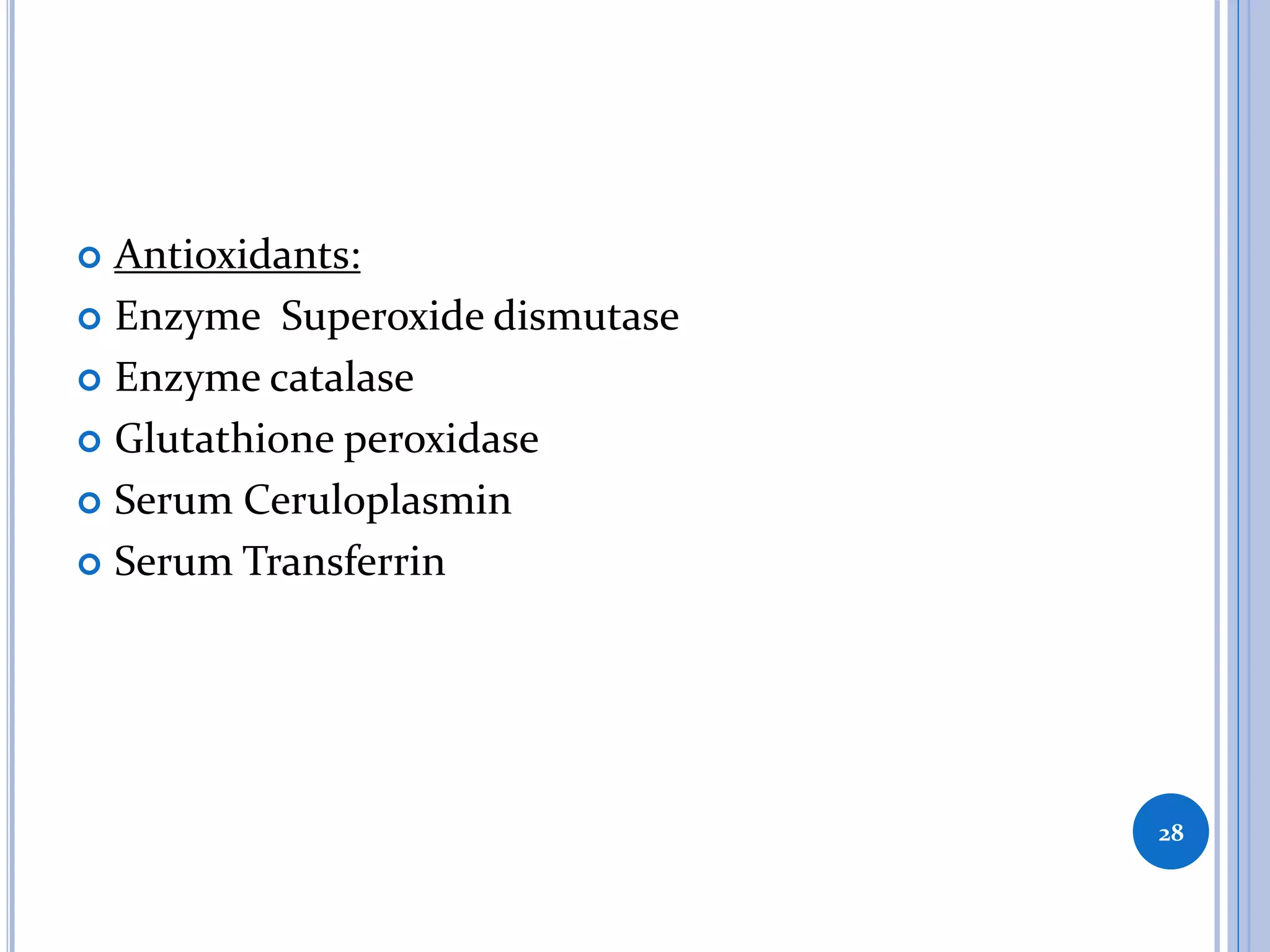
 Antioxidants:
 Enzyme Superoxide dismutase
 Enzyme catalase
 Glutathione peroxidase
 Serum Ceruloplasmin
 Serum Transferrin
28
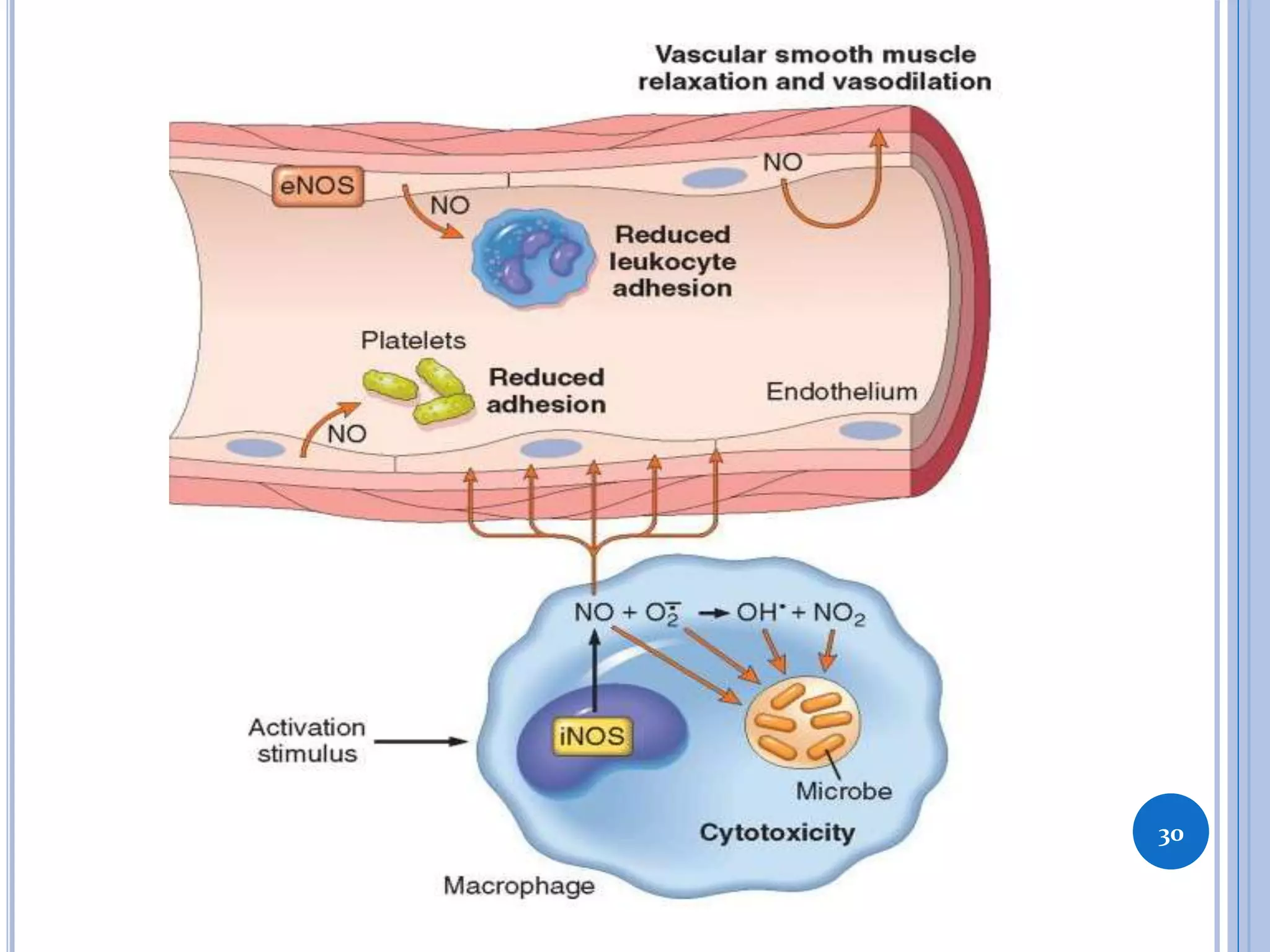
NITRIC OXIDE
 Endothelium derived relaxing factor
 Macrophages, endothelial cells, neurons
 Paracrine
 L-Arginine by enzyme nitric oxide synthetase (NOS)
 Endothelial (eNOS)
 Neuronal (nNOS)
 Inducible (iNOS)
29
30
CYTOKINES
Cytokines are a diverse group of small protein
molecules with potent biological activity whose main
function is in the regulation of immune responses.
 Lymphokines
 Autocrine
 Paracrine
 Docrine
31
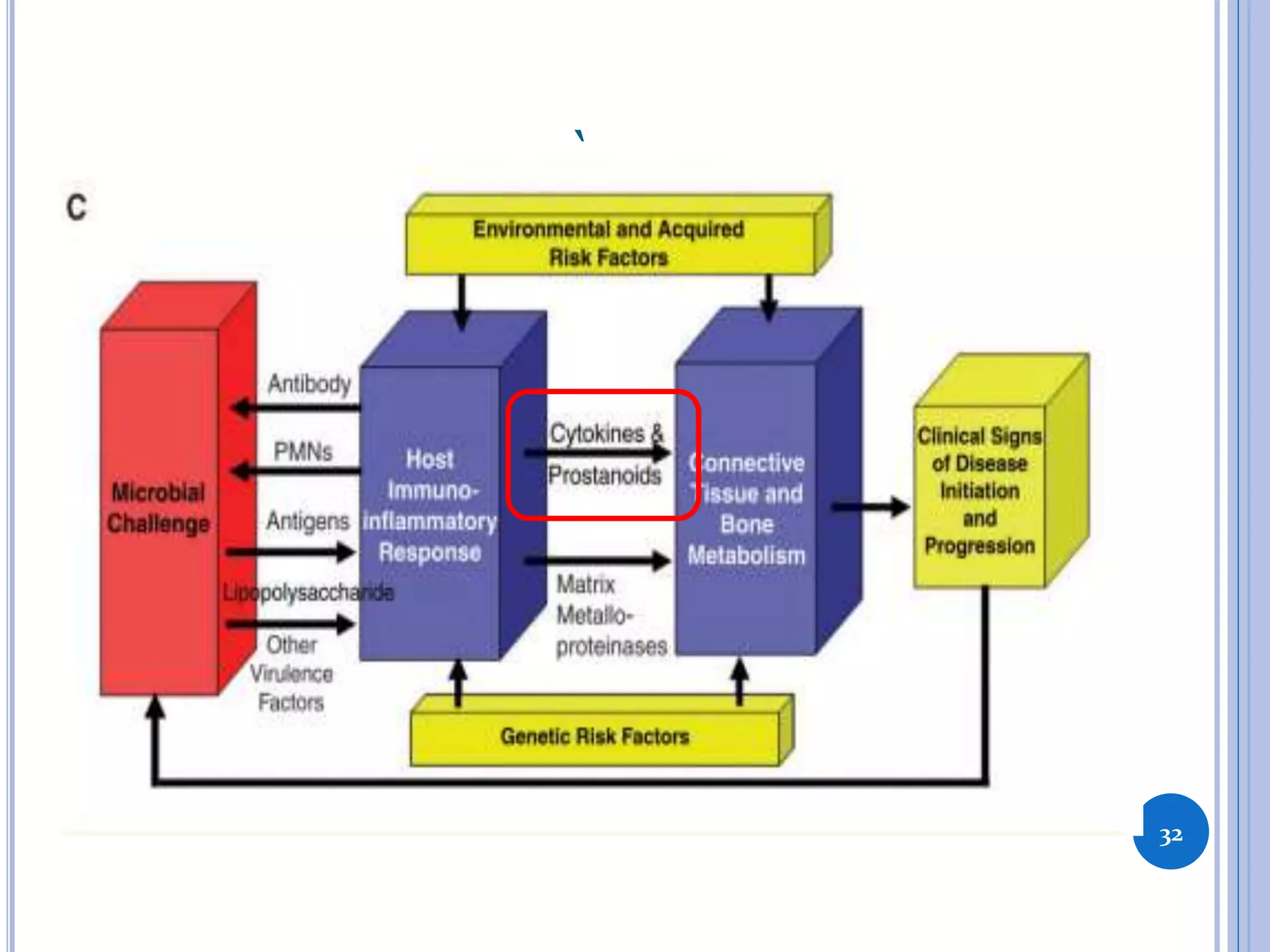
`
32
 Interleukins
 Interferons
 Tumor necrosis factor
 Chemokines
 Transforming growth factor-beta
 Adipokines- leptin & adiponectin
33
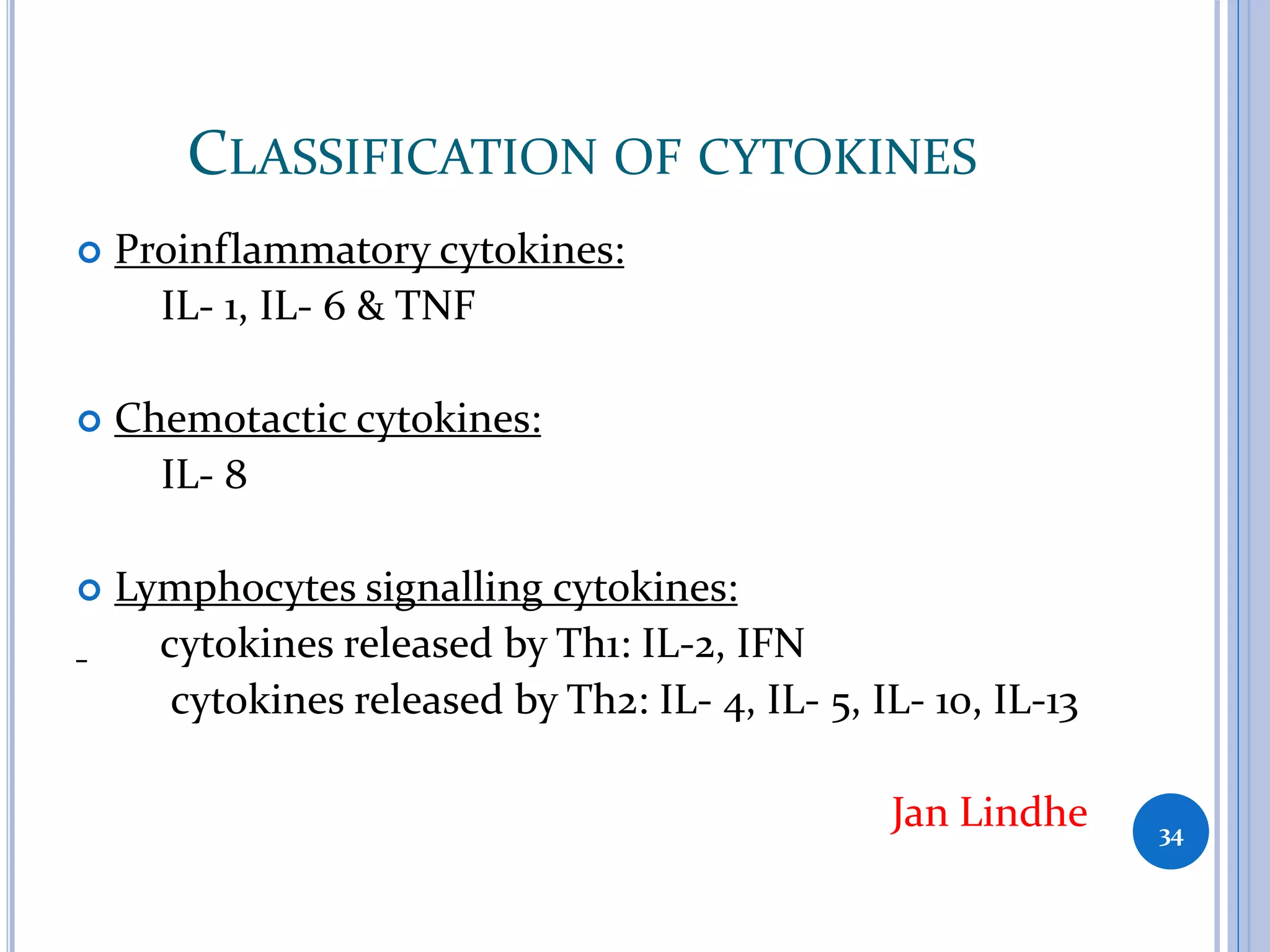
CLASSIFICATION OF CYTOKINES
 Proinflammatory cytokines:
IL- 1, IL- 6 & TNF
 Chemotactic cytokines:
IL- 8
 Lymphocytes signalling cytokines:
cytokines released by Th1: IL-2, IFN
cytokines released by Th2: IL- 4, IL- 5, IL- 10, IL-13
Jan Lindhe 34
 Characteristic of cytokines:
 Cytokines that regulate lymphocytes:
IL-2, IL-4
 Cytokines that activate inflammatory cells:
Interferon γ, TNF β
 Cytokines that stimulate haematopoiesis:
IL- 3, IL- 7
 Colony stimulating factors:
Gm- CSF
Slots 35
36
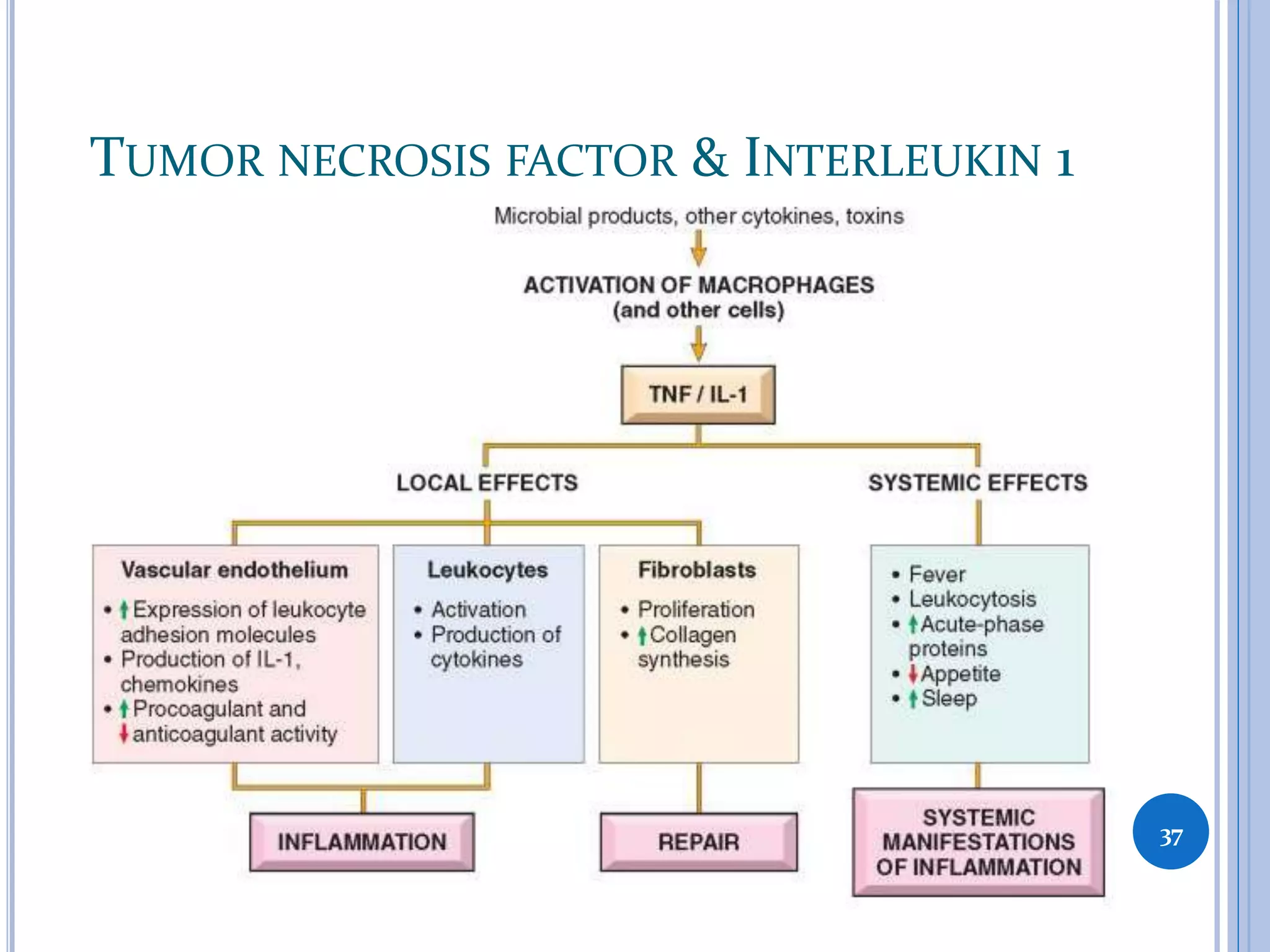
TUMOR NECROSIS FACTOR & INTERLEUKIN 1
37
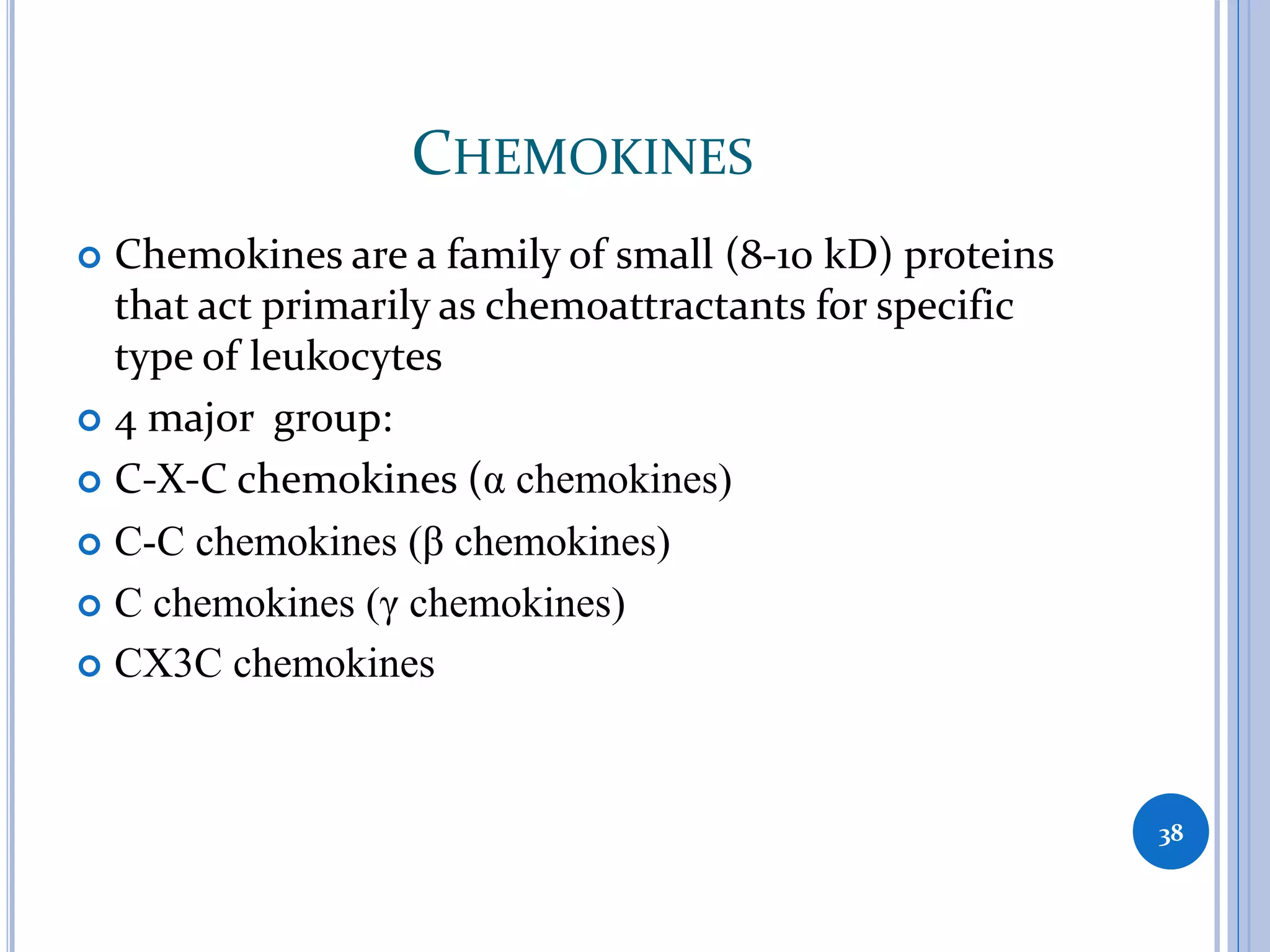
CHEMOKINES
 Chemokines are a family of small (8-10 kD) proteins
that act primarily as chemoattractants for specific
type of leukocytes
 4 major group:
 C-X-C chemokines (α chemokines)
 C-C chemokines (β chemokines)
 C chemokines (γ chemokines)
 CX3C chemokines
38
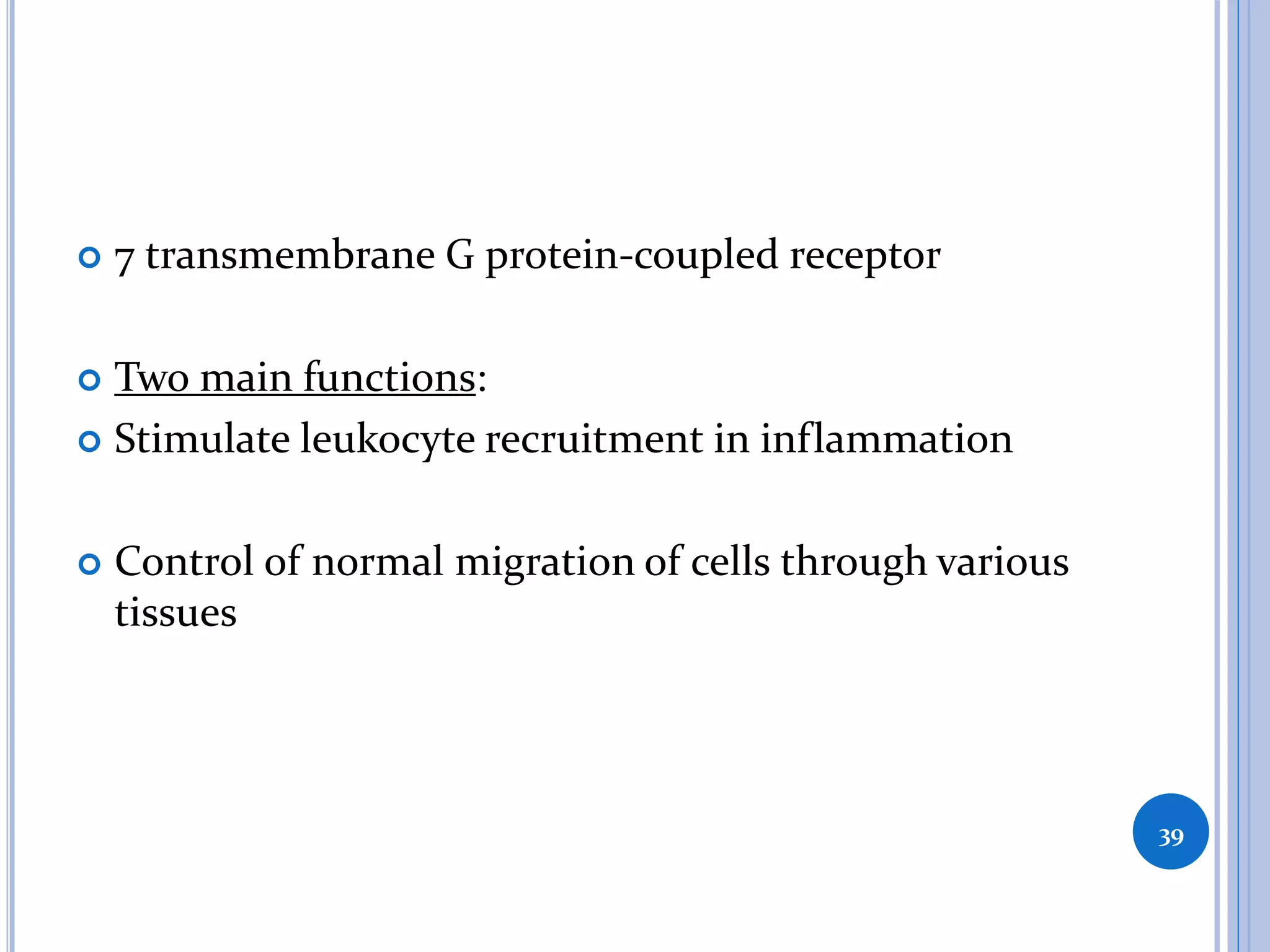
 7 transmembrane G protein-coupled receptor
 Two main functions:
 Stimulate leukocyte recruitment in inflammation
 Control of normal migration of cells through various
tissues
39
40
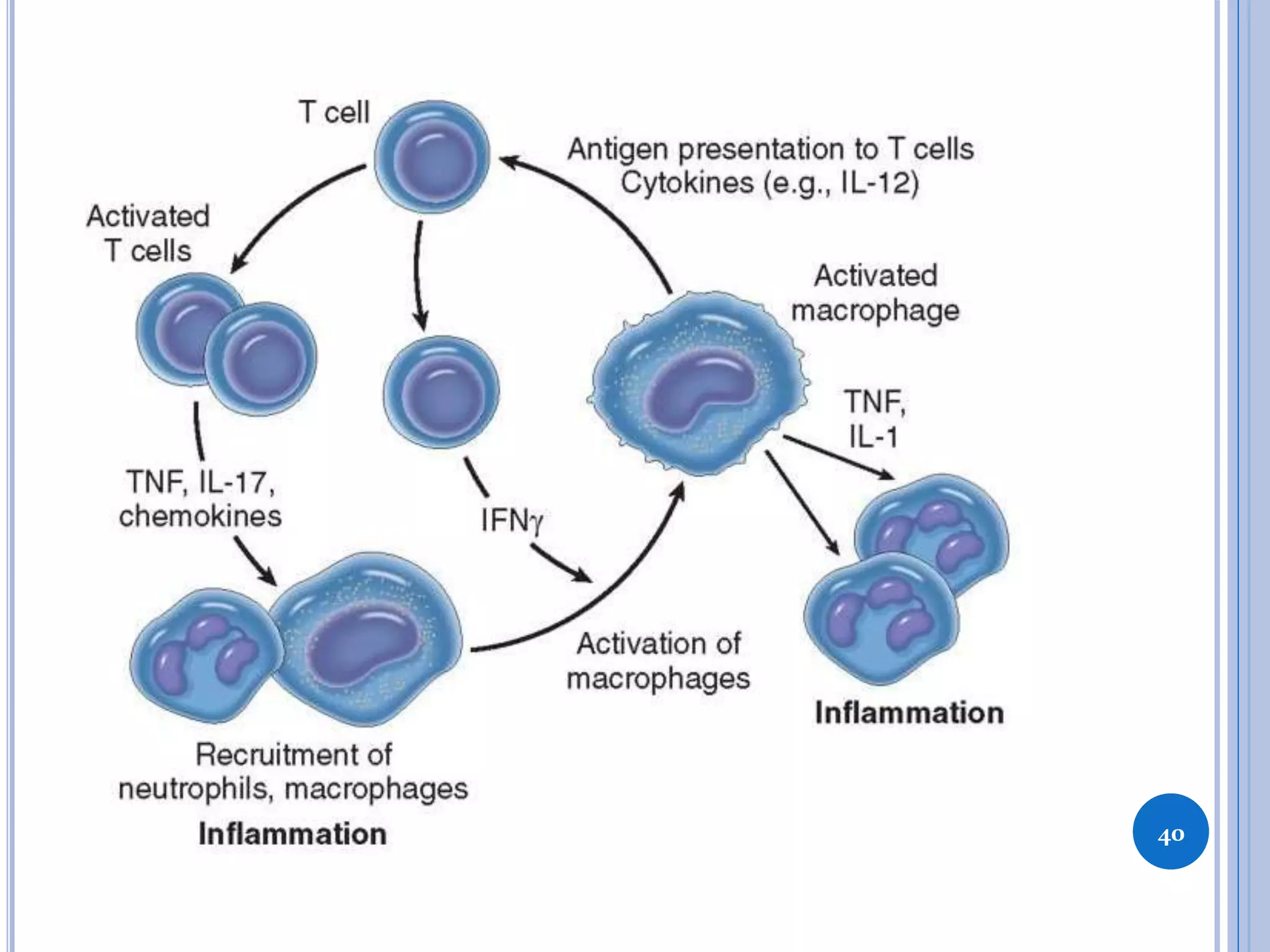
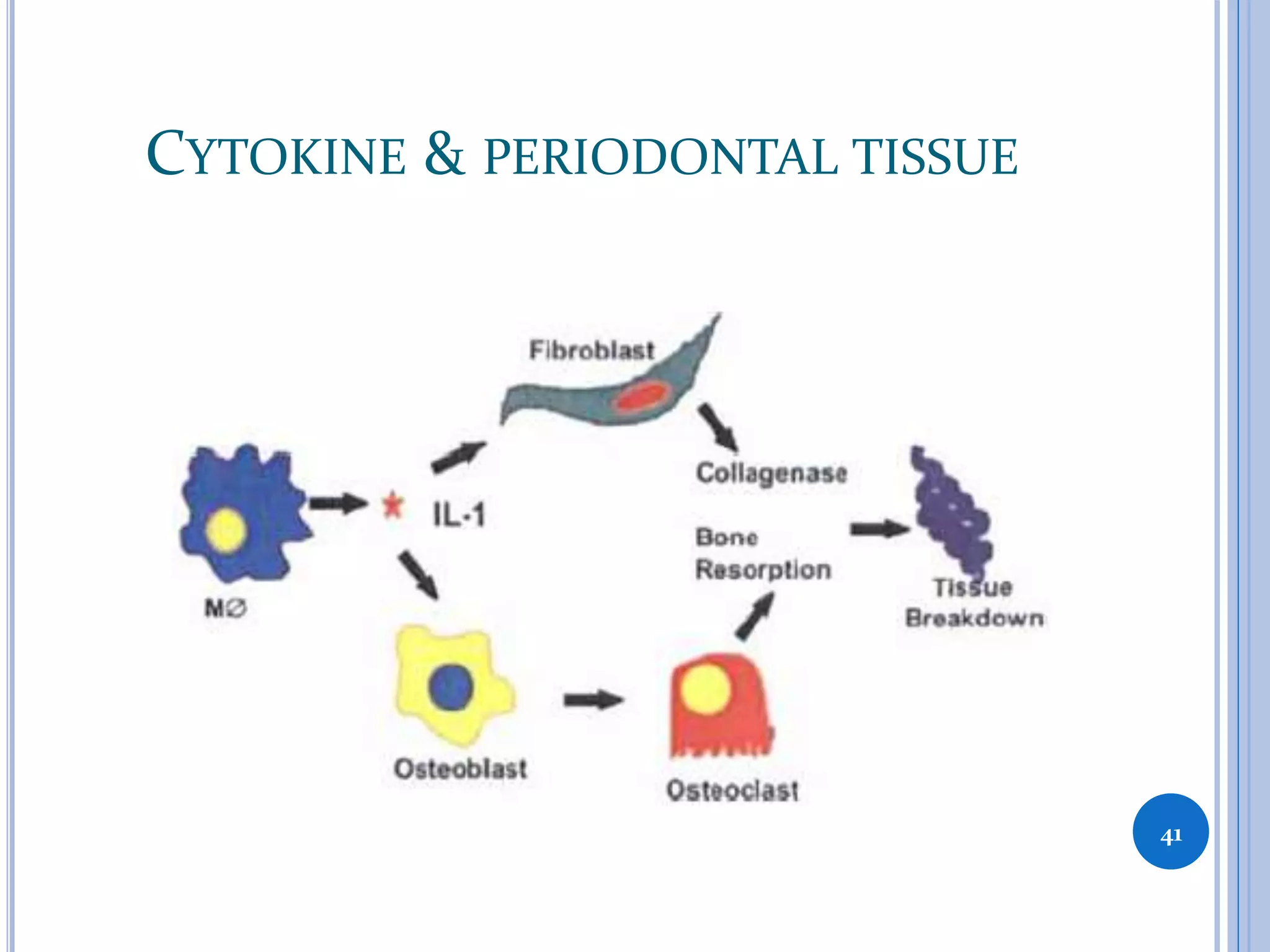
CYTOKINE & PERIODONTAL TISSUE
41
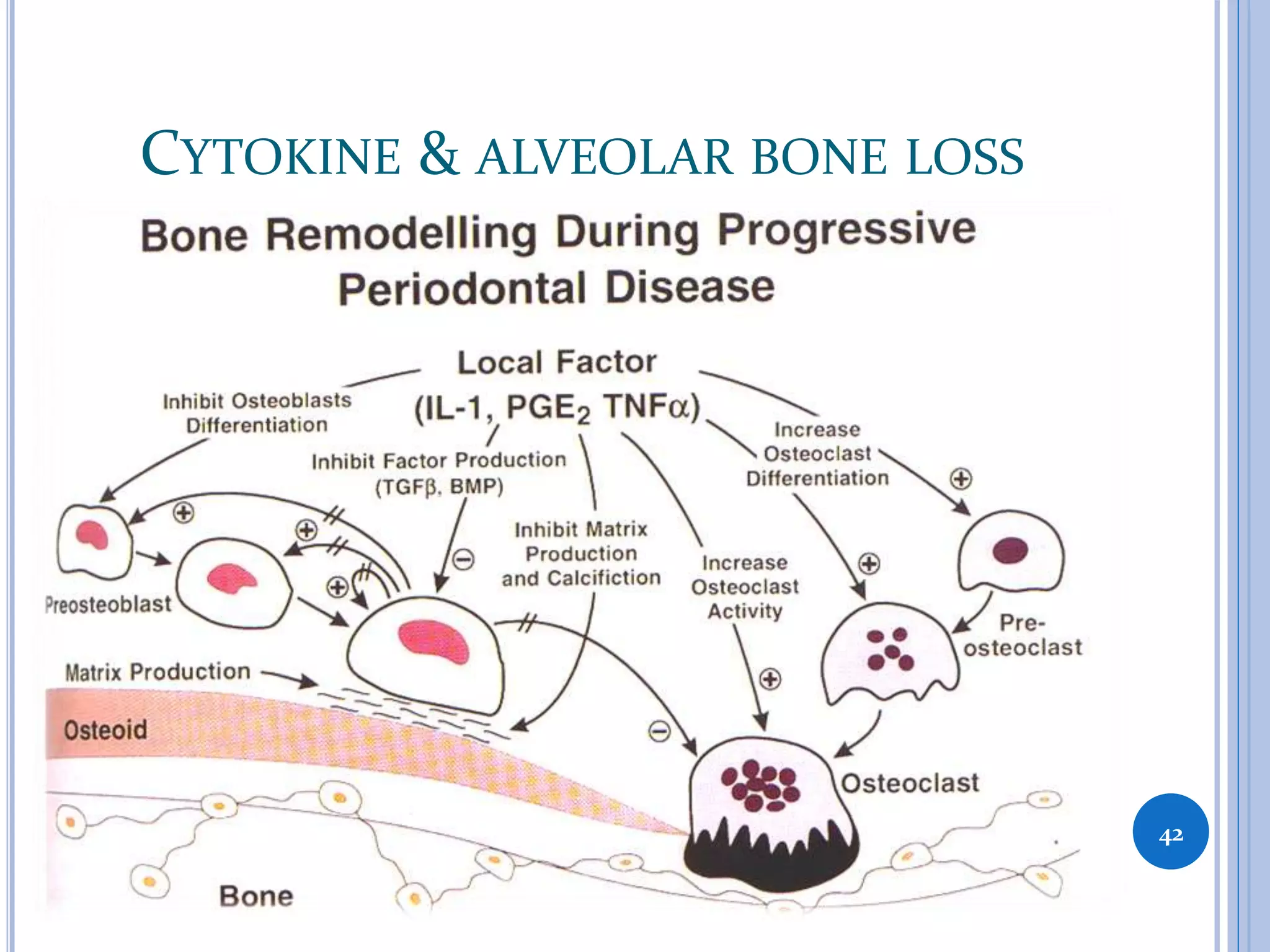
CYTOKINE & ALVEOLAR BONE LOSS
42
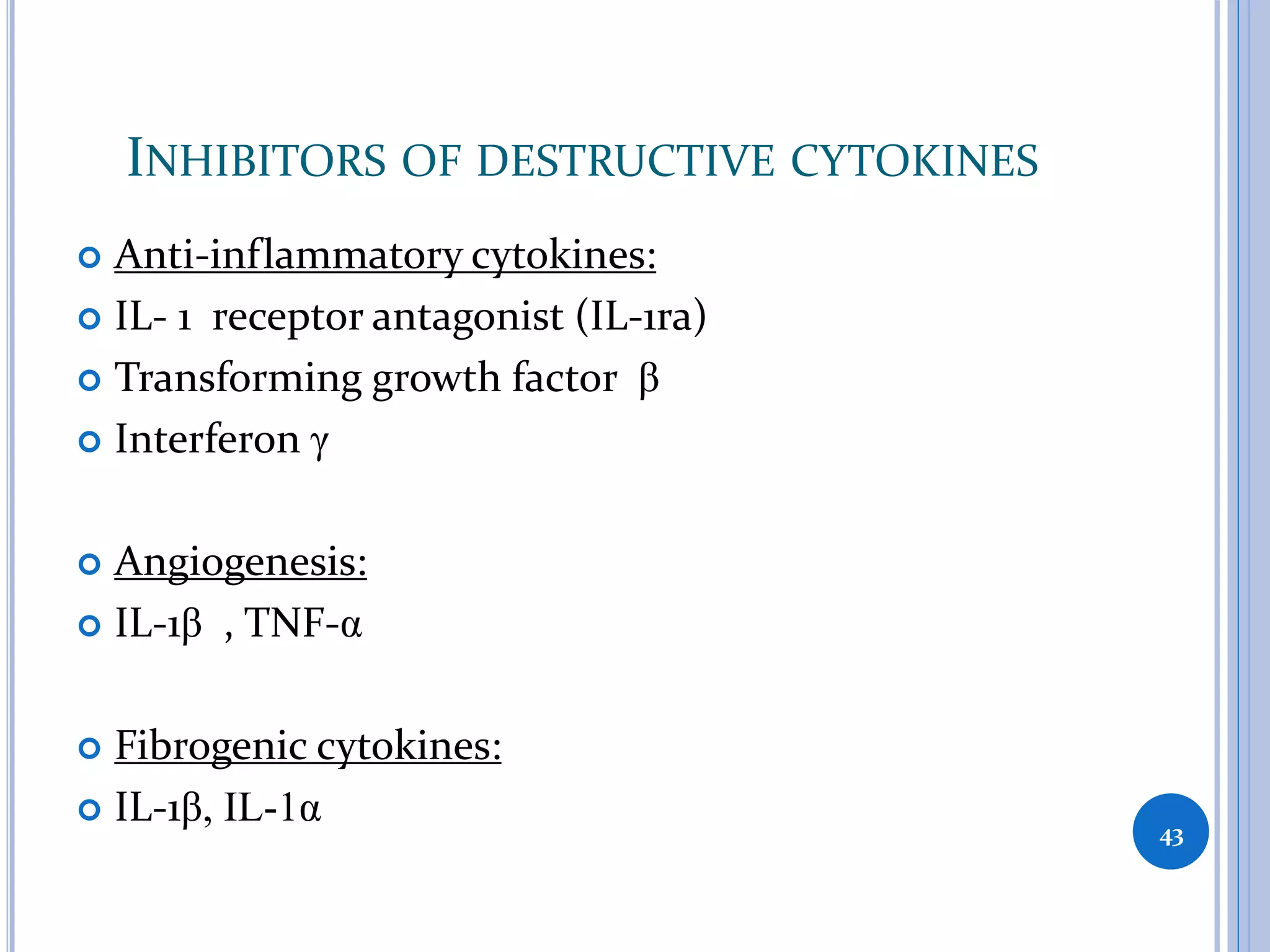
INHIBITORS OF DESTRUCTIVE CYTOKINES
 Anti-inflammatory cytokines:
 IL- 1 receptor antagonist (IL-1ra)
 Transforming growth factor β
 Interferon γ
 Angiogenesis:
 IL-1β , TNF-α
 Fibrogenic cytokines:
 IL-1β, IL-1α 43
 Anti-inflammatory activities on bone:
 Blocking cytokine induced activation:
IFN-γ -----> IL-1 & TNF α - induced osteoclast
activation
IL-1ra -----> IL-1 ( α & β ), TNF α
 Blocking osteoclast formation: TGF- β
 Activation of osteoblasts:
FGF, PDGF & Insulin like growth factors I & II
44
46
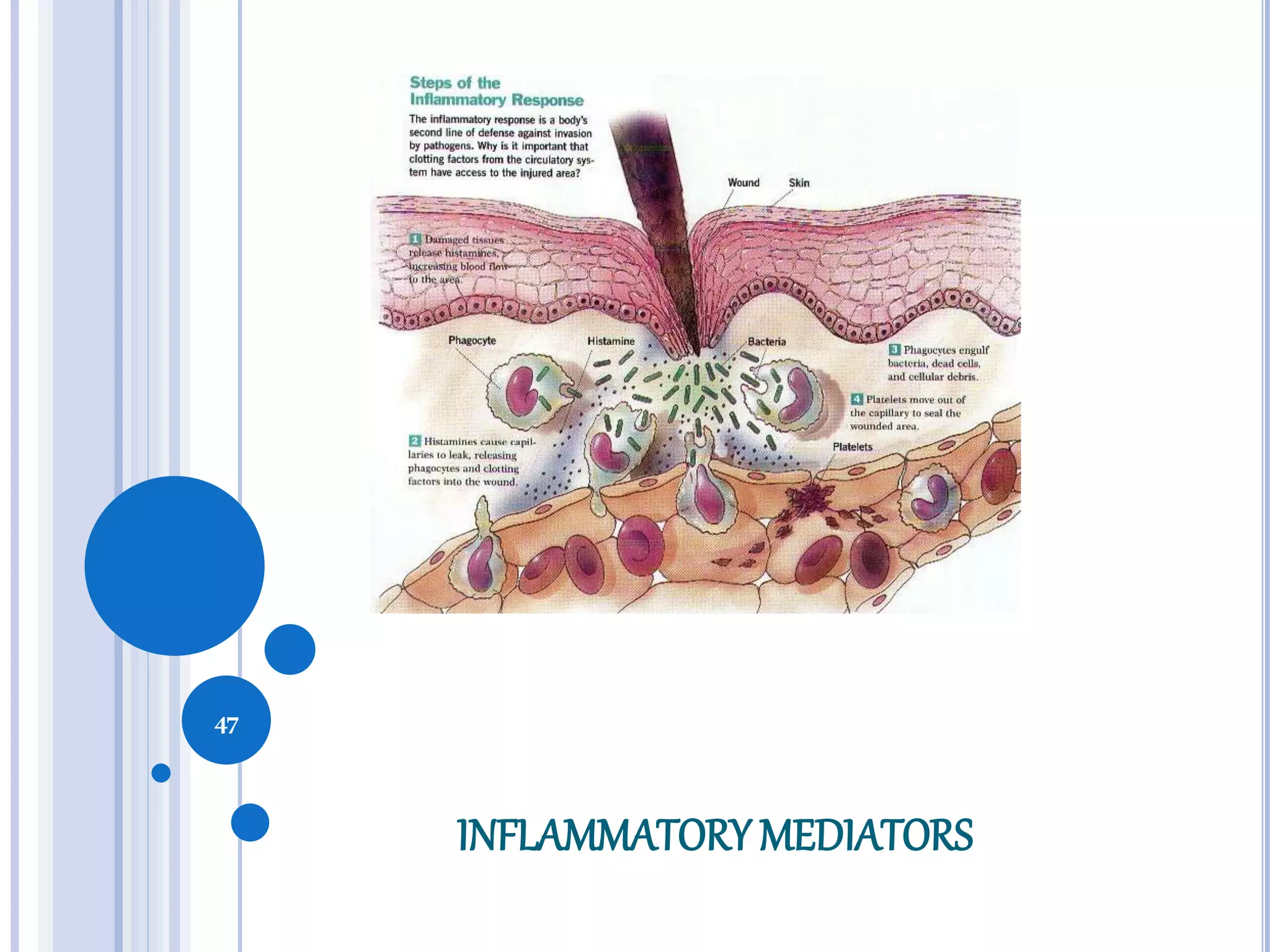
INFLAMMATORYMEDIATORS
47
CONTENTS
 Introduction
 Properties & General principles
 Classification
 Cell derived inflammatory mediators
 Plasma derived inflammatory mediators
 Conclusion
 References
48
49
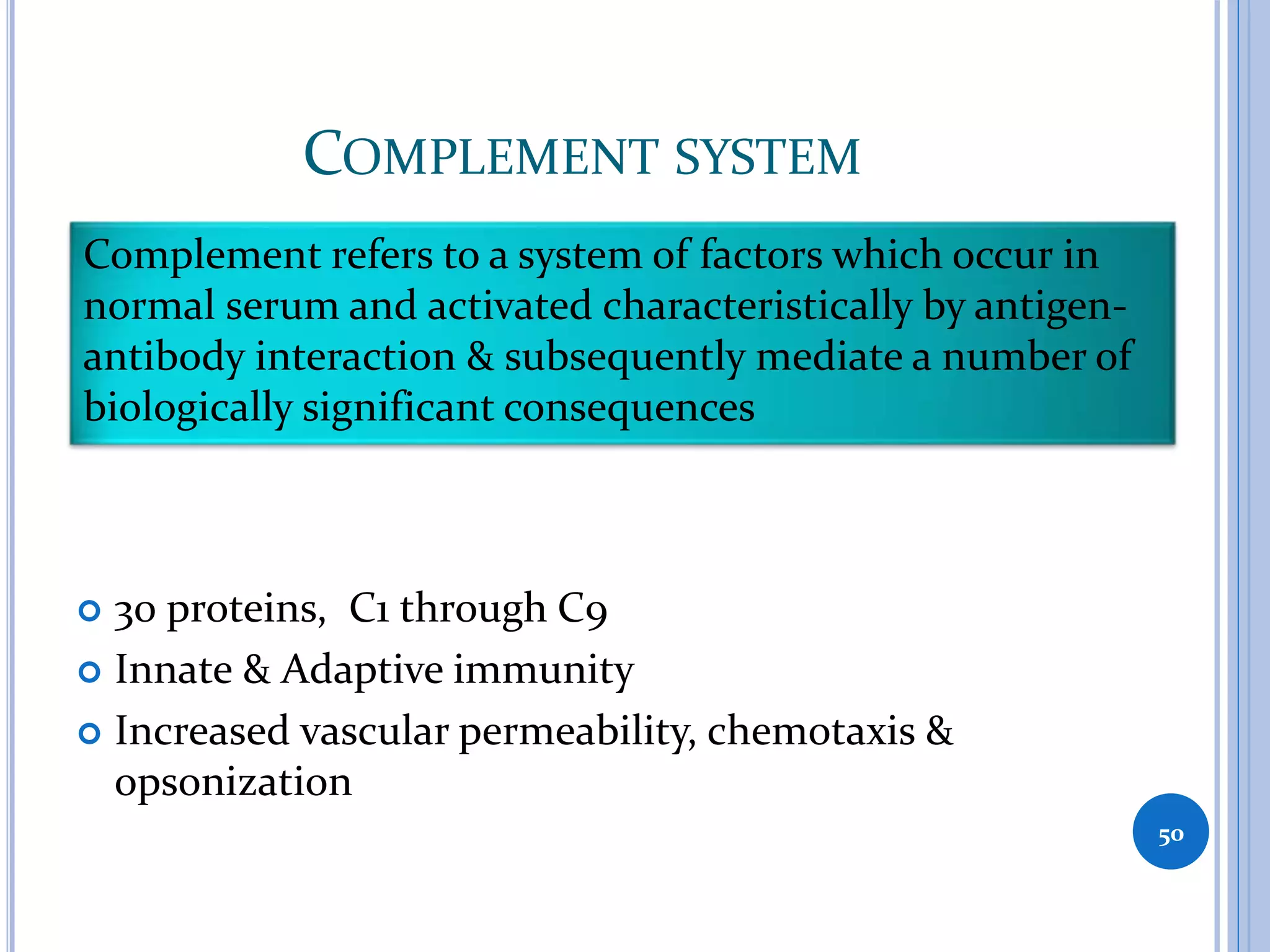
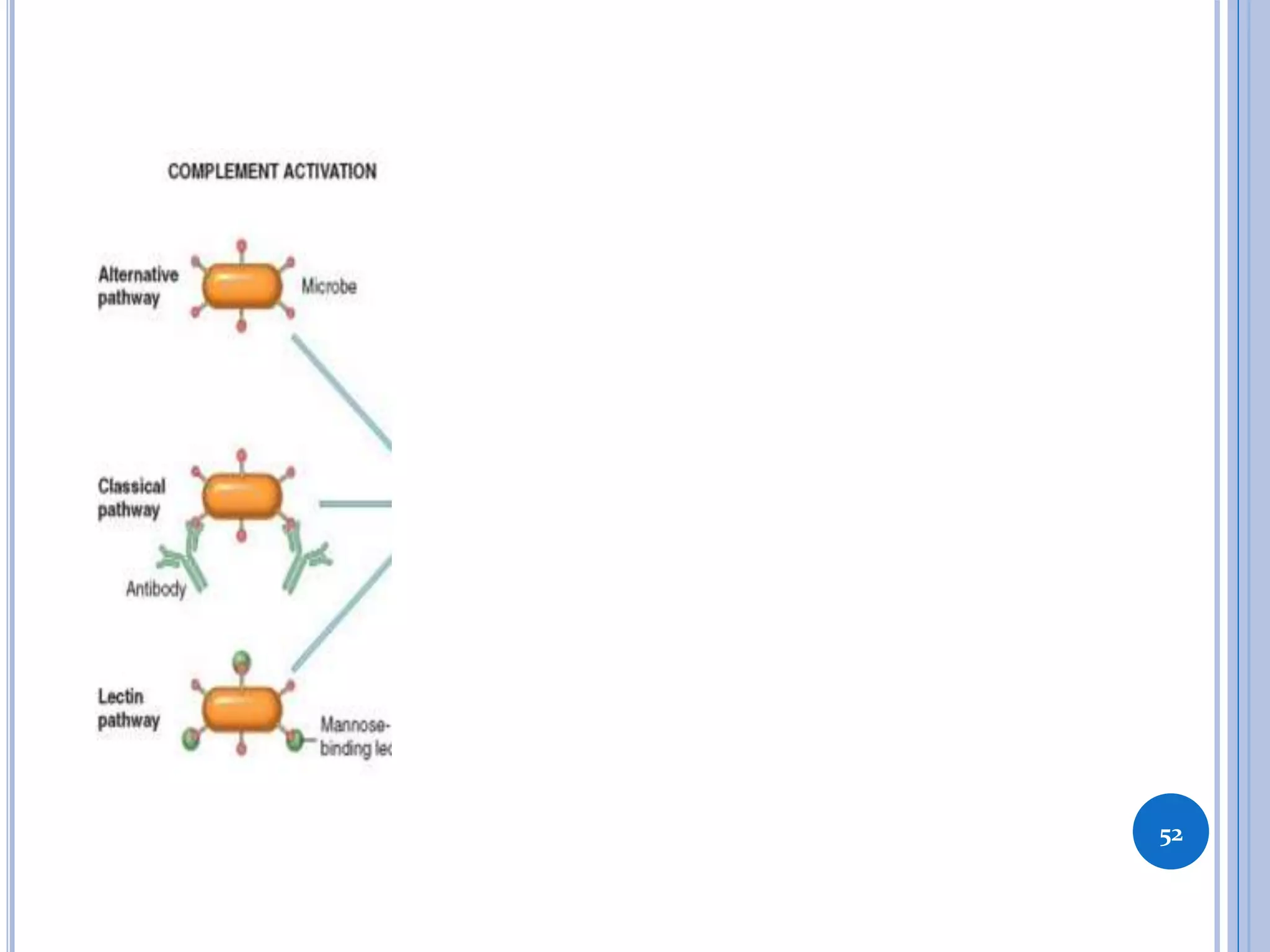
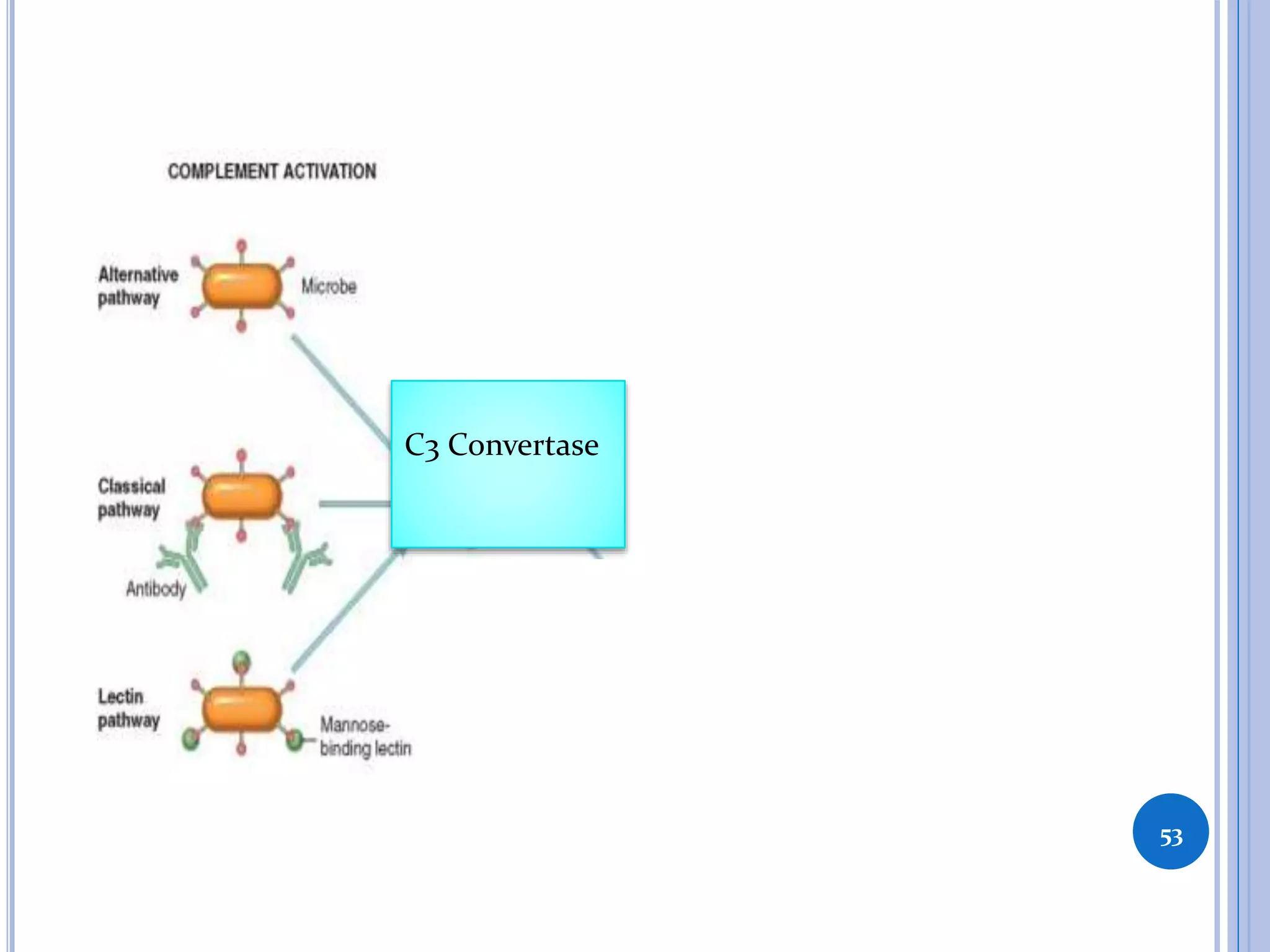
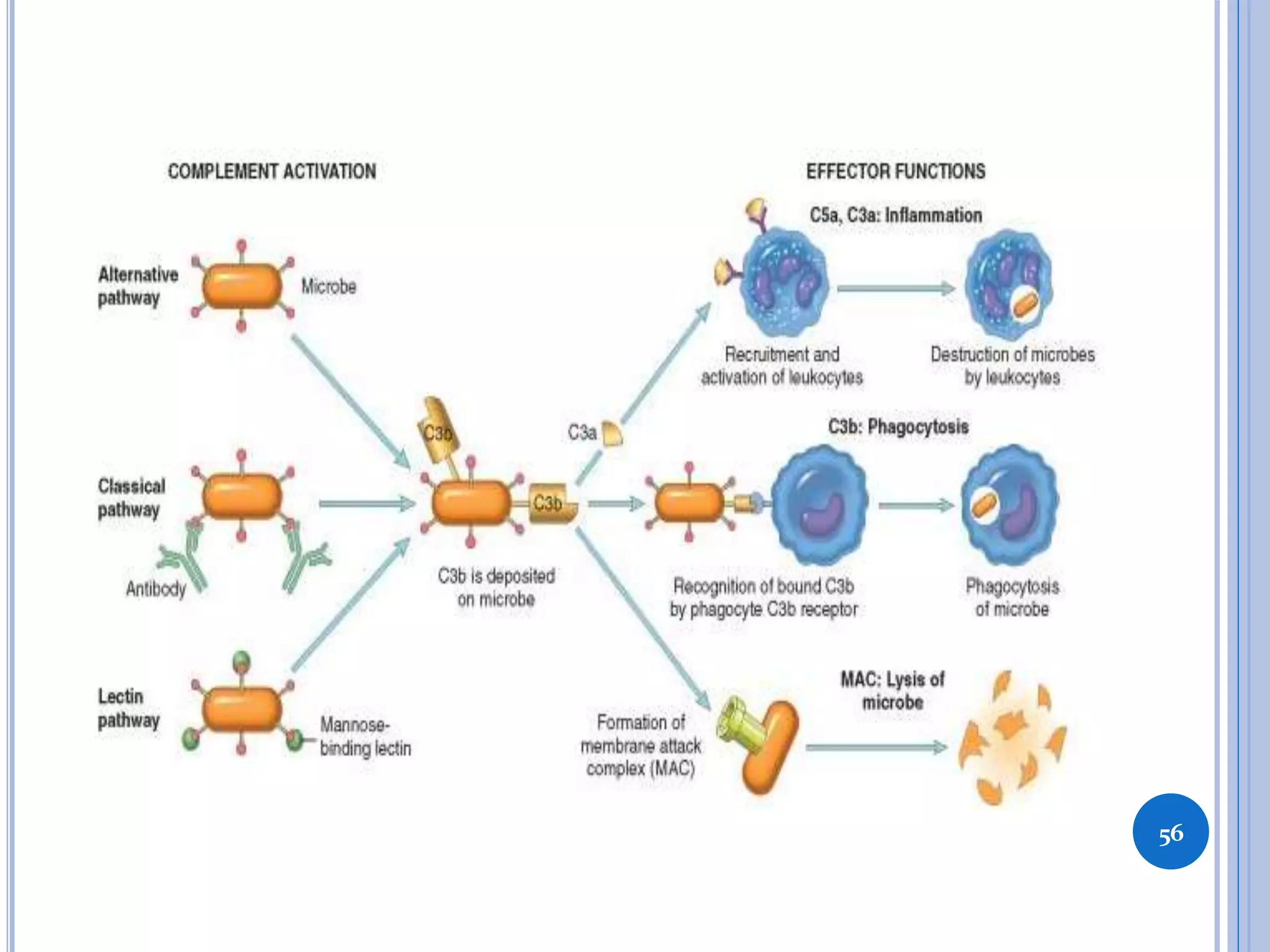
COMPLEMENT SYSTEM
 30 proteins, C1 through C9
 Innate & Adaptive immunity
 Increased vascular permeability, chemotaxis &
opsonization
50
Complement refers to a system of factors which occur in
normal serum and activated characteristically by antigen-
antibody interaction & subsequently mediate a number of
biologically significant consequences
 Inactive form
 Most abundant component  C3
51
52
53
C3 Convertase
54
C5 Convertase C5b
C5a
C6-C9
MAC
55
56
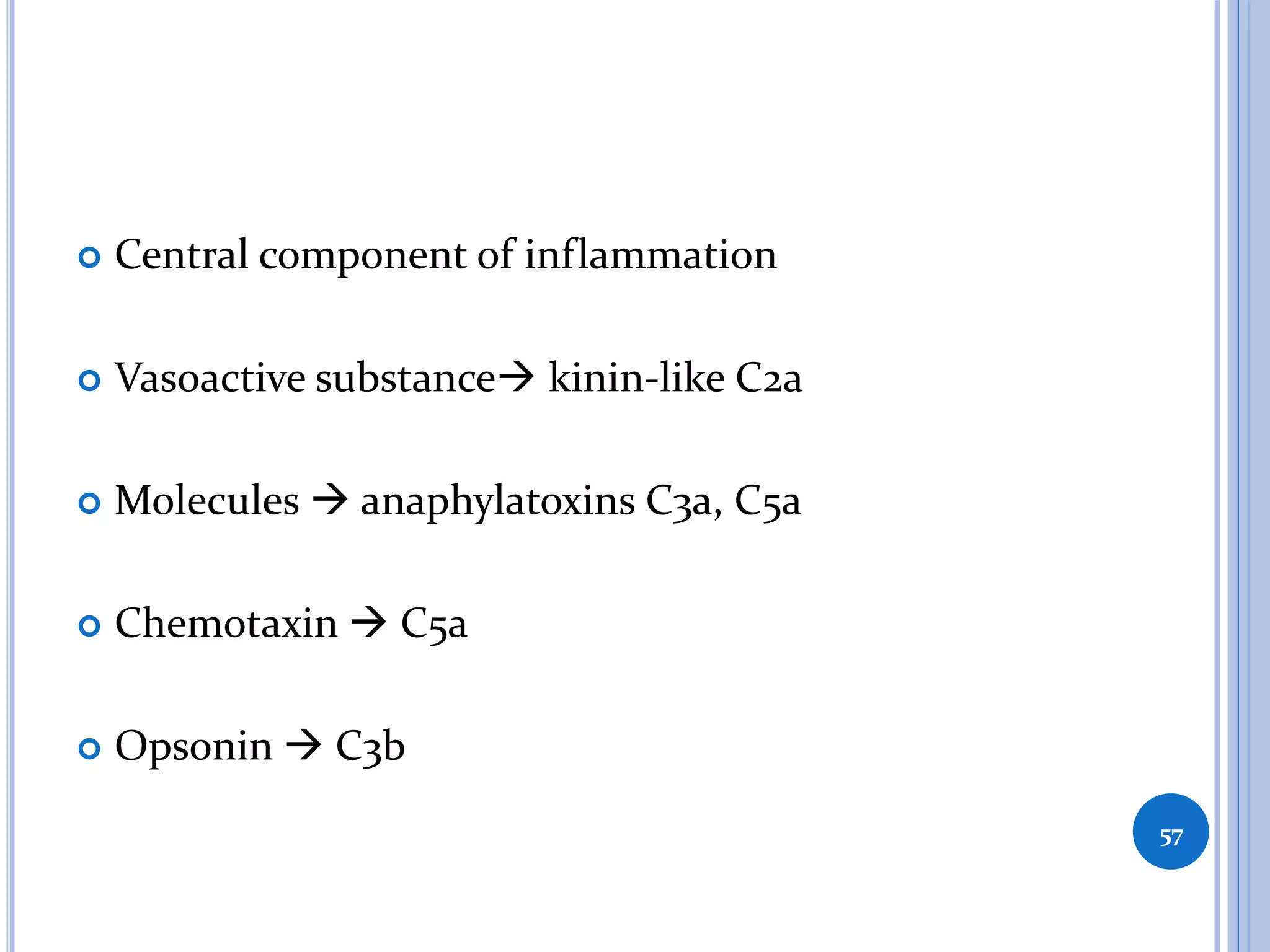
 Central component of inflammation
 Vasoactive substance kinin-like C2a
 Molecules  anaphylatoxins C3a, C5a
 Chemotaxin  C5a
 Opsonin  C3b
57
 Cell associated & circulatory regulated proteins
 Inhibit production of active complement fragments
 Normal cells
58
 Gingival crevicular fluid:
 In healthy individuals  3%
 In periodontal inflammation: increased
59
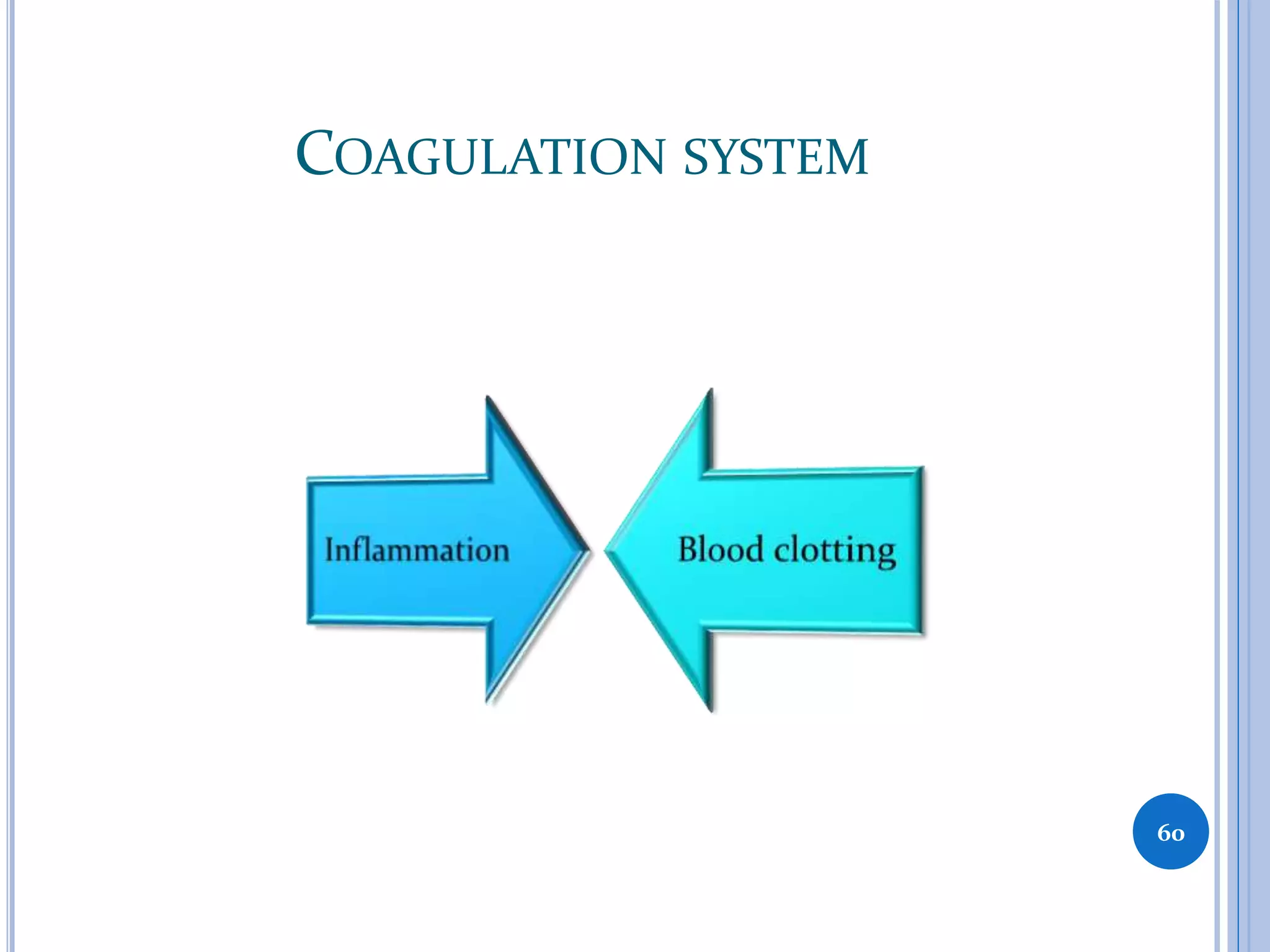
COAGULATION SYSTEM
60
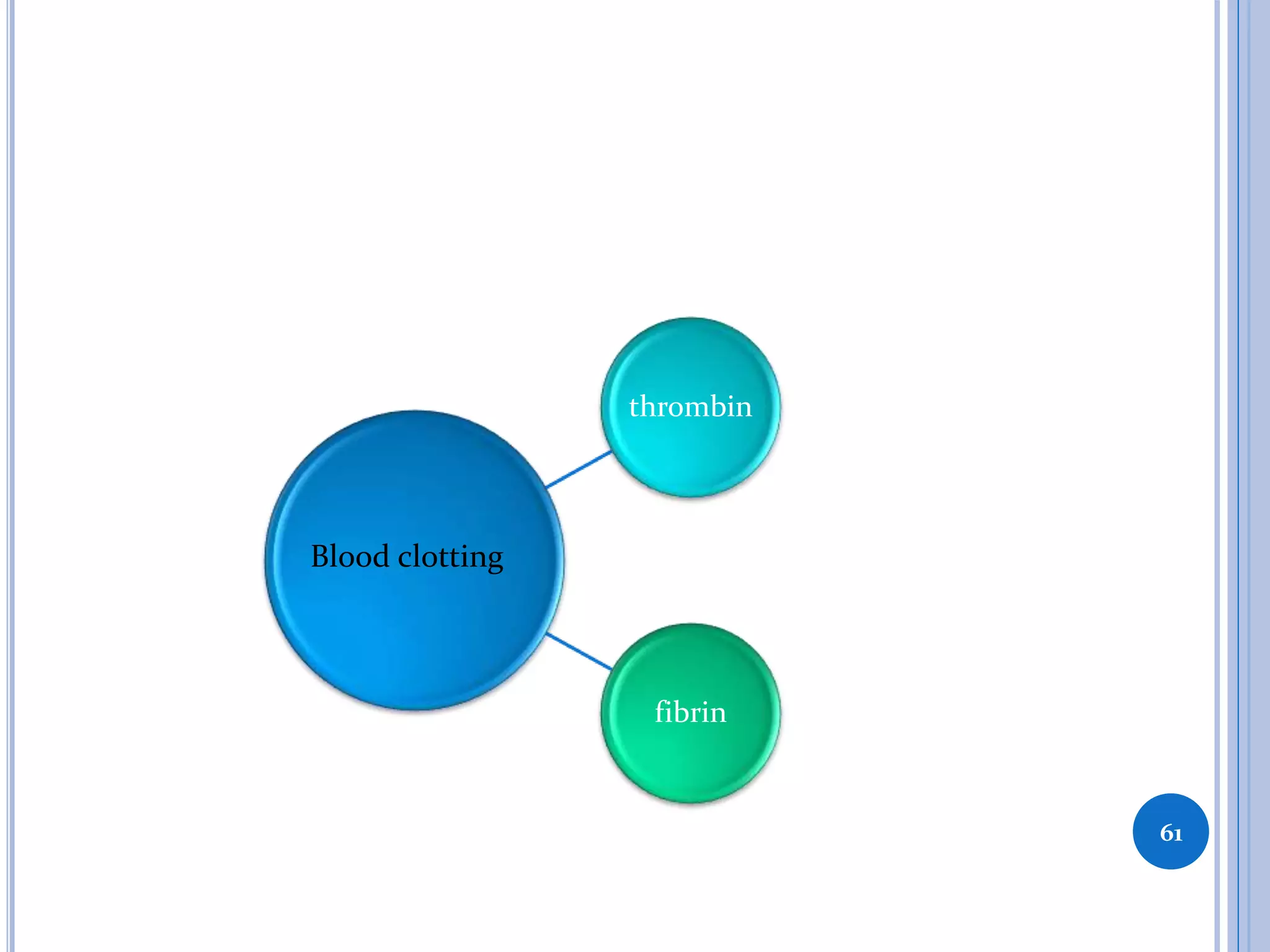
thrombin
fibrin
61
Blood clotting
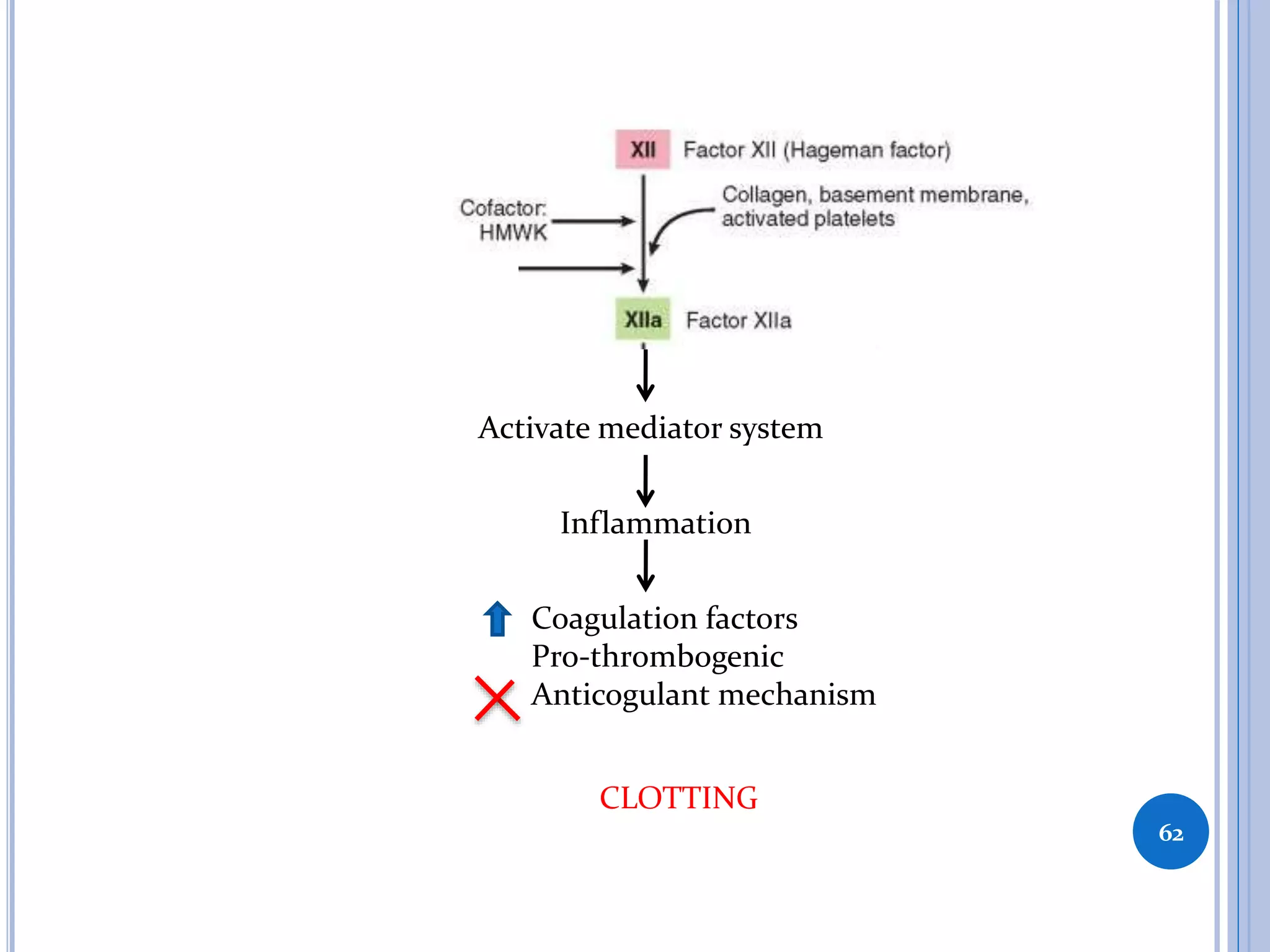
62
Activate mediator system
Inflammation
Coagulation factors
Pro-thrombogenic
Anticogulant mechanism
CLOTTING
 Chemokines
 Cytokines
 Endothelial adhesion
molecules
 Prostaglandins
 PAF & NO
63
Protease-activated
Receptor (PAR)
Inflammation
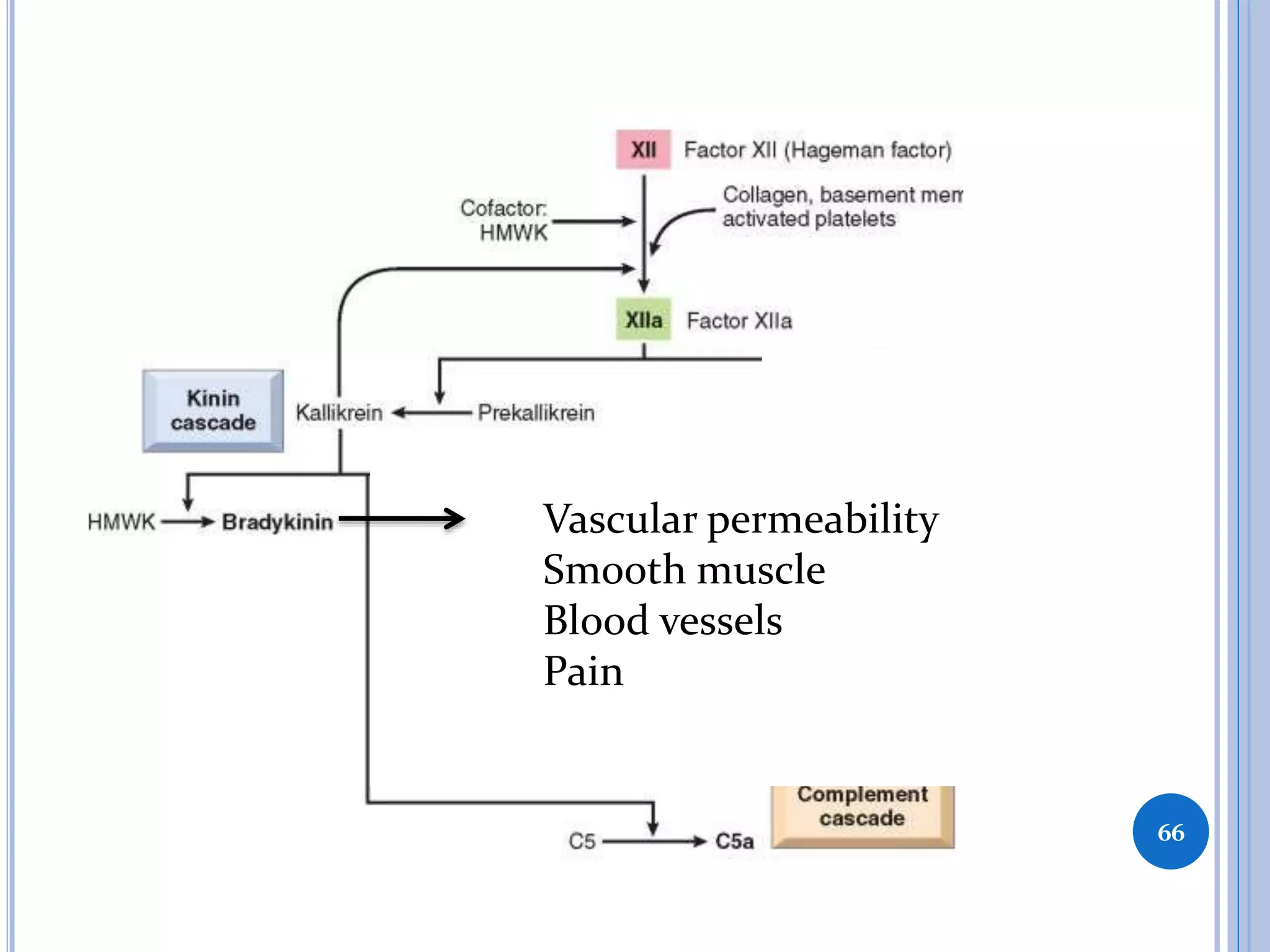
KININ SYSTEM
 Vasoactive peptides  kininogen
65
66
Vascular permeability
Sm0oth muscle
Blood vessels
Pain
67
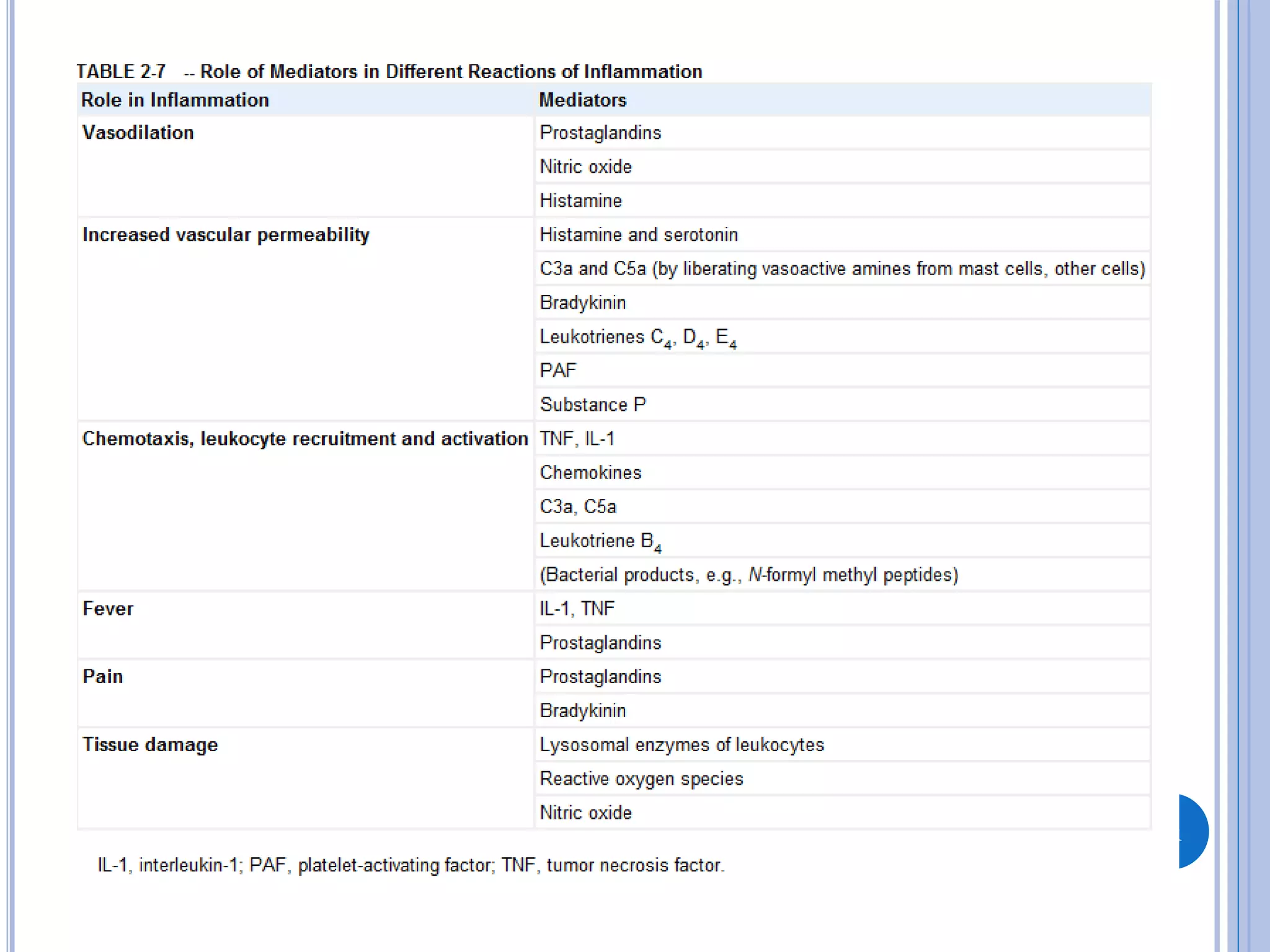
 Bradykinin, C3a & C5a - mediators of increased
vascular permeability
 C5a – mediator of chemotaxis
 Thrombin – effect on endothelial cell types
68
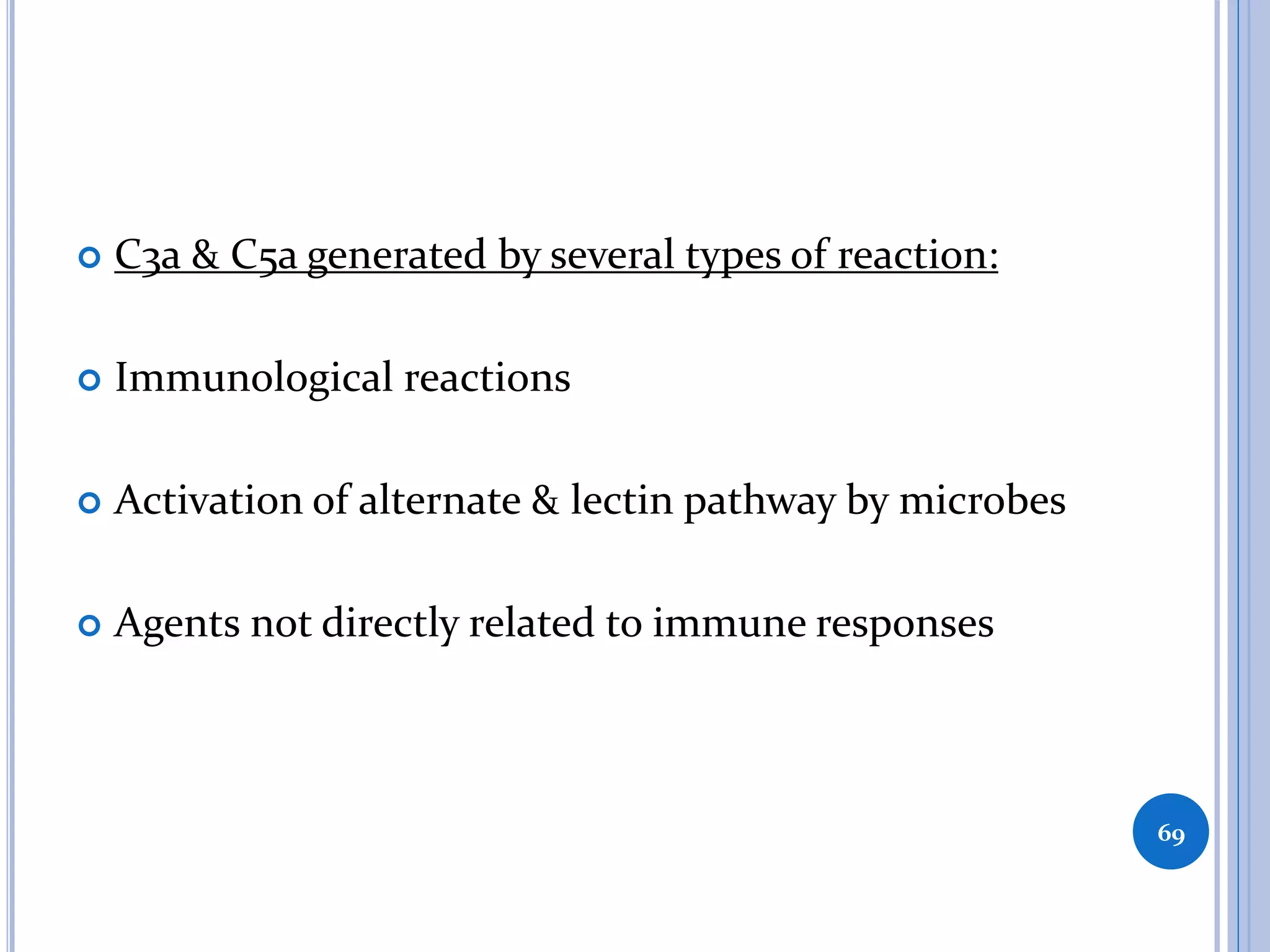
 C3a & C5a generated by several types of reaction:
 Immunological reactions
 Activation of alternate & lectin pathway by microbes
 Agents not directly related to immune responses
69
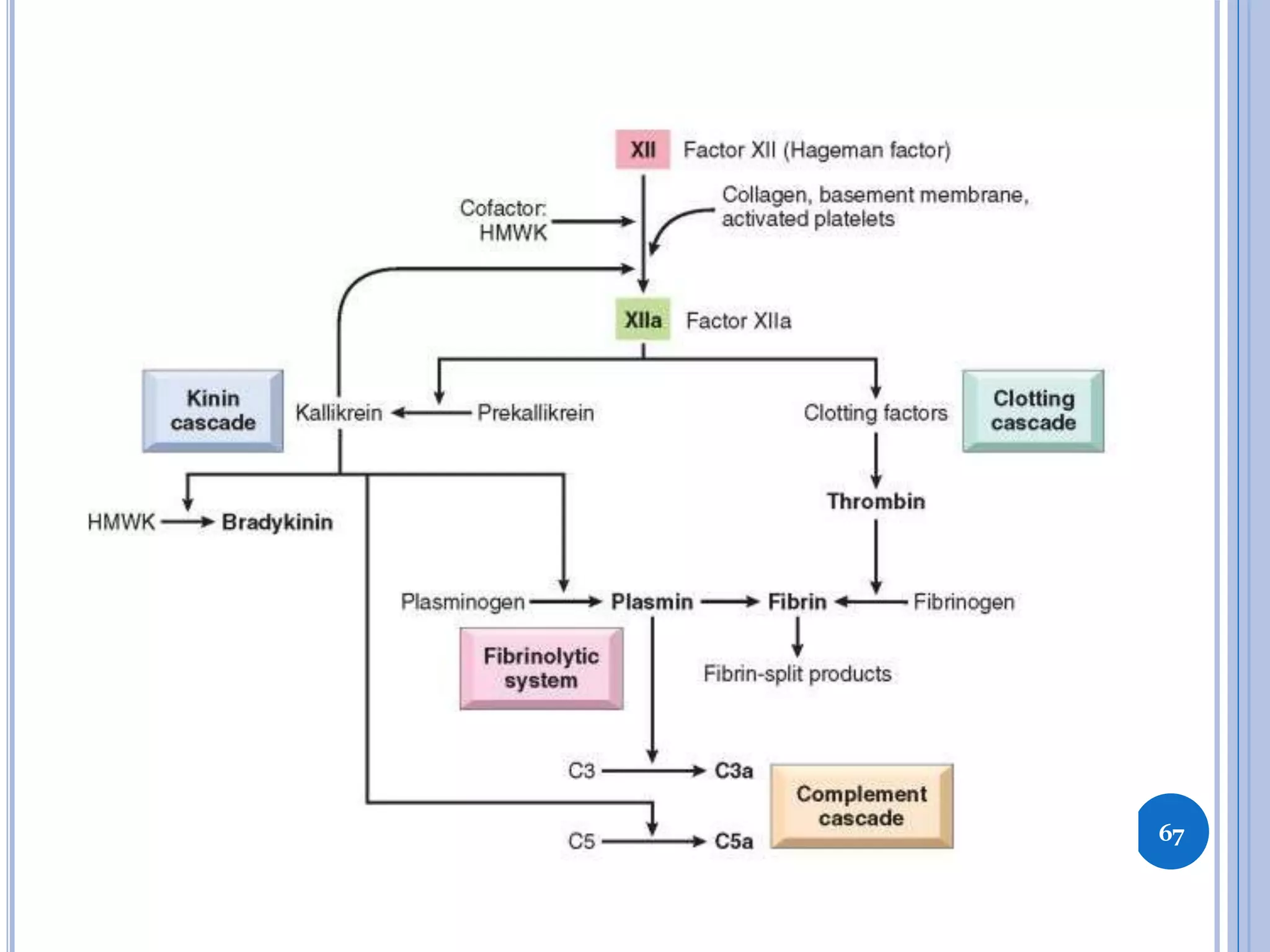
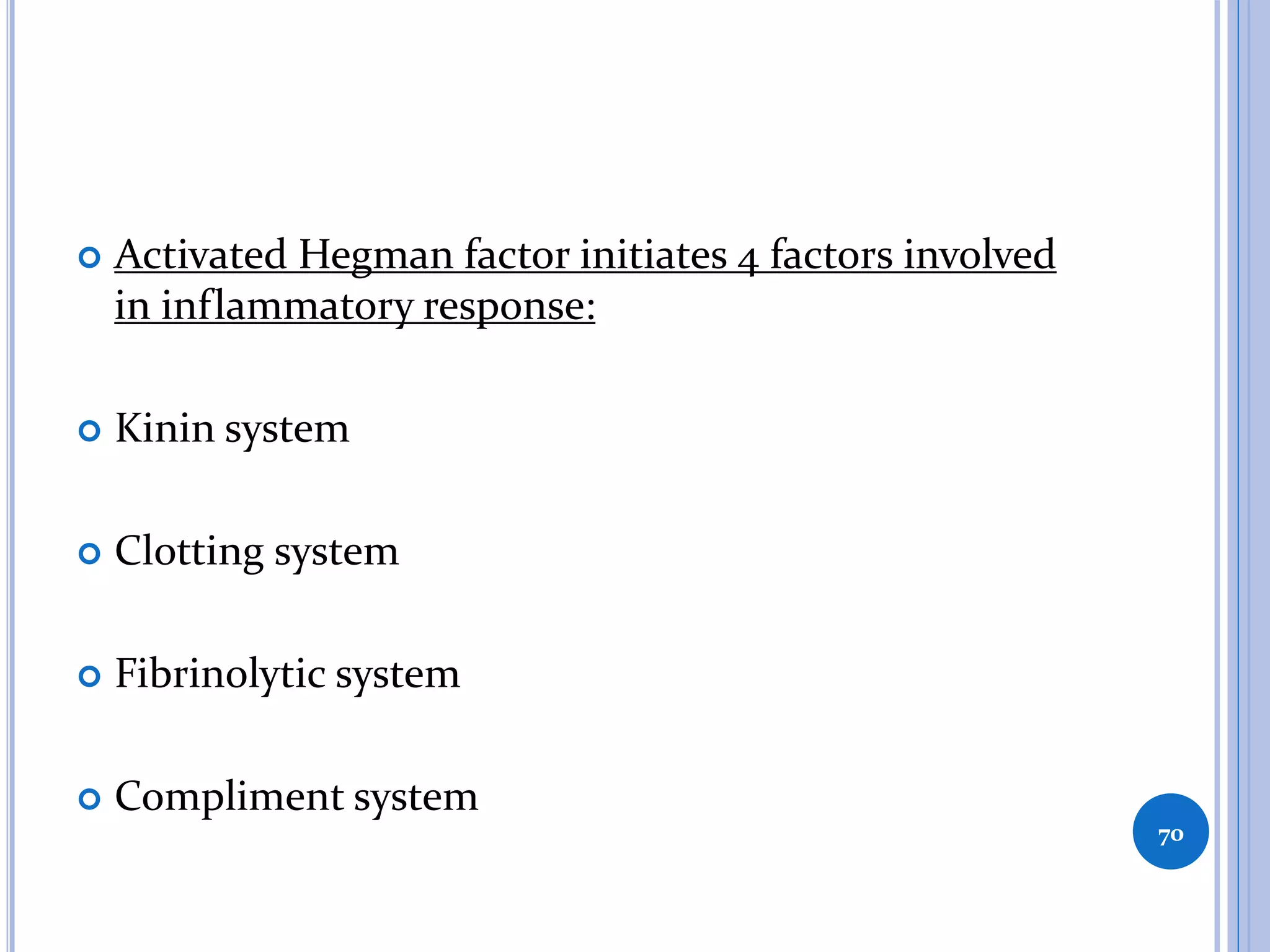
 Activated Hegman factor initiates 4 factors involved
in inflammatory response:
 Kinin system
 Clotting system
 Fibrinolytic system
 Compliment system
70
71
REFERENCES
 Pathologic Basics of diseases, Robbins & Cotran, 8th
edition
 Clinical periodontology, Carranza, 10th edition
 Clinical periodontology, Carranza, 8th edition
 Clinical periodontology & implant dentistry, Lindhe,
5th edition
 Periodontics, Grant, 6th edition
 Ericag Emmellr,o Dericki . Marshal&l G Regorjy.
Seymour, Cytokines and prostaglandins in immune
homeostasis and tissue destruction in periodontal
disease, PeriodontoIogy 2000. Vol. 14. 1997, 112-143 72
73

mediators of inflammation

  • 1.
  • 2.
  • 3.
    CONTENTS  Introduction  Properties& General principles  Classification  Cell derived inflammatory mediators  Plasma derived inflammatory mediators  Conclusion  References 3
  • 4.
    INTRODUCTION  Permeability factors 4 Anymessenger that acts on blood vessels, inflammatory cells, or other cells to contribute to an inflammatory response.
  • 5.
    PROPERTIES & GENERALPRINCIPLES  Mediators are generated either from cells or from plasma proteins  Active mediators are produced in response to various stimuli  One mediator can stimulate the release of other mediators  Mediators vary in their range of cellular targets  Once activated & released from the cell, most of these are short lived 5
  • 6.
  • 7.
     Cell derived& Plasma derived 7
  • 8.
  • 9.
  • 10.
    HISTAMINE  Mast cells,basophils & platelets  Enzyme Histidine decarboxylase (HDC)  Histamine receptors:- G-Protein coupled receptor superfamily.  H1R, H2R, H3R, H4R  H1 receptors 10
  • 11.
    Direct Indirect 11 Release of histamine Phosphorylation of IAP Increased vascular permeability Releaseof histamine Release of cytokines & inflammatory mediators Increase inflammatory response
  • 12.
     Increase insalivary histamine levels is correlated with the severity of periodontitis (Venza et al 2006)  Gingival fibroblasts mainly express H1R.  H2R mRNA also expressed but not much significant (T Minami et al) 12
  • 13.
    SEROTONIN  5- Hydroxytryptamine Chromaffin cells of GIT, spleen, nervous tissue, mast cells, platelets  Action similar to histamine 13
  • 14.
    LYSOSOMAL ENZYMES  Granulesof neutrophils: • Specific / secondary • Azurophil / primary  Granules of monocytes & macrophages 14 Acid proteases Neutral proteases
  • 15.
     Antiproteases inserum & tissue fluids  α1- antitrypsin  α2- macroglobin 15
  • 16.
    ARACHIDONIC ACID METABOLITES Eicosanoids  20 carbon polyunsaturated fatty acid, eicosatetraenoic acid  Sources: diet, essential fatty acid- linoleic acid 16
  • 17.
  • 18.
  • 19.
  • 20.
  • 21.
    PROSTAGLANDINS IN PERIODONTALDISEASE  Both gingival and periodontal ligament fibroblasts secrete prostaglandin E in response to IL-1-β  PGE2 in periodontal sites demonstrating inflammation & attachment loss (Offenbacher 1999)  Induction of Osteoclastic bone resorption  PGE2 is released from monocytes of patients with aggressive periodontitis (Offenbacher ) 21
  • 22.
     PGI –antiproliferative effect  Cyclosporin A has dose dependent inhibitory effect on PGI synthesis in gingival tissues. Nell A et al 1996 22
  • 23.
  • 24.
  • 25.
    PLATELET ACTIVATING FACTOR Phospholipid derived mediator  Platelets, basophil, mast cells, neutrophils macrophages, endothelial cells 25
  • 26.
     vascular permeability Vasoconstriction  Vasodilatation  Bronchoconstriction  Adhesion of leukocytes to endothelium  Chemotaxis, degranulation 26
  • 27.
    ACTIVATED OXYGEN SPECIES Leukocytes  NADPH oxidase system  Chemokines, cytokines, endothelial adhesion molecules  Responses in inflammation:  Endothelial cell damage  Injury to other cell types  Inactivation of antiproteases 27
  • 28.
     Antioxidants:  EnzymeSuperoxide dismutase  Enzyme catalase  Glutathione peroxidase  Serum Ceruloplasmin  Serum Transferrin 28
  • 29.
    NITRIC OXIDE  Endotheliumderived relaxing factor  Macrophages, endothelial cells, neurons  Paracrine  L-Arginine by enzyme nitric oxide synthetase (NOS)  Endothelial (eNOS)  Neuronal (nNOS)  Inducible (iNOS) 29
  • 30.
  • 31.
    CYTOKINES Cytokines are adiverse group of small protein molecules with potent biological activity whose main function is in the regulation of immune responses.  Lymphokines  Autocrine  Paracrine  Docrine 31
  • 32.
  • 33.
     Interleukins  Interferons Tumor necrosis factor  Chemokines  Transforming growth factor-beta  Adipokines- leptin & adiponectin 33
  • 34.
    CLASSIFICATION OF CYTOKINES Proinflammatory cytokines: IL- 1, IL- 6 & TNF  Chemotactic cytokines: IL- 8  Lymphocytes signalling cytokines: cytokines released by Th1: IL-2, IFN cytokines released by Th2: IL- 4, IL- 5, IL- 10, IL-13 Jan Lindhe 34
  • 35.
     Characteristic ofcytokines:  Cytokines that regulate lymphocytes: IL-2, IL-4  Cytokines that activate inflammatory cells: Interferon γ, TNF β  Cytokines that stimulate haematopoiesis: IL- 3, IL- 7  Colony stimulating factors: Gm- CSF Slots 35
  • 36.
  • 37.
    TUMOR NECROSIS FACTOR& INTERLEUKIN 1 37
  • 38.
    CHEMOKINES  Chemokines area family of small (8-10 kD) proteins that act primarily as chemoattractants for specific type of leukocytes  4 major group:  C-X-C chemokines (α chemokines)  C-C chemokines (β chemokines)  C chemokines (γ chemokines)  CX3C chemokines 38
  • 39.
     7 transmembraneG protein-coupled receptor  Two main functions:  Stimulate leukocyte recruitment in inflammation  Control of normal migration of cells through various tissues 39
  • 40.
  • 41.
  • 42.
    CYTOKINE & ALVEOLARBONE LOSS 42
  • 43.
    INHIBITORS OF DESTRUCTIVECYTOKINES  Anti-inflammatory cytokines:  IL- 1 receptor antagonist (IL-1ra)  Transforming growth factor β  Interferon γ  Angiogenesis:  IL-1β , TNF-α  Fibrogenic cytokines:  IL-1β, IL-1α 43
  • 44.
     Anti-inflammatory activitieson bone:  Blocking cytokine induced activation: IFN-γ -----> IL-1 & TNF α - induced osteoclast activation IL-1ra -----> IL-1 ( α & β ), TNF α  Blocking osteoclast formation: TGF- β  Activation of osteoblasts: FGF, PDGF & Insulin like growth factors I & II 44
  • 45.
  • 46.
  • 47.
    CONTENTS  Introduction  Properties& General principles  Classification  Cell derived inflammatory mediators  Plasma derived inflammatory mediators  Conclusion  References 48
  • 48.
  • 49.
    COMPLEMENT SYSTEM  30proteins, C1 through C9  Innate & Adaptive immunity  Increased vascular permeability, chemotaxis & opsonization 50 Complement refers to a system of factors which occur in normal serum and activated characteristically by antigen- antibody interaction & subsequently mediate a number of biologically significant consequences
  • 50.
     Inactive form Most abundant component  C3 51
  • 51.
  • 52.
  • 53.
  • 54.
  • 55.
  • 56.
     Central componentof inflammation  Vasoactive substance kinin-like C2a  Molecules  anaphylatoxins C3a, C5a  Chemotaxin  C5a  Opsonin  C3b 57
  • 57.
     Cell associated& circulatory regulated proteins  Inhibit production of active complement fragments  Normal cells 58
  • 58.
     Gingival crevicularfluid:  In healthy individuals  3%  In periodontal inflammation: increased 59
  • 59.
  • 60.
  • 61.
    62 Activate mediator system Inflammation Coagulationfactors Pro-thrombogenic Anticogulant mechanism CLOTTING
  • 62.
     Chemokines  Cytokines Endothelial adhesion molecules  Prostaglandins  PAF & NO 63 Protease-activated Receptor (PAR) Inflammation
  • 63.
    KININ SYSTEM  Vasoactivepeptides  kininogen 65
  • 64.
  • 65.
  • 66.
     Bradykinin, C3a& C5a - mediators of increased vascular permeability  C5a – mediator of chemotaxis  Thrombin – effect on endothelial cell types 68
  • 67.
     C3a &C5a generated by several types of reaction:  Immunological reactions  Activation of alternate & lectin pathway by microbes  Agents not directly related to immune responses 69
  • 68.
     Activated Hegmanfactor initiates 4 factors involved in inflammatory response:  Kinin system  Clotting system  Fibrinolytic system  Compliment system 70
  • 69.
  • 70.
    REFERENCES  Pathologic Basicsof diseases, Robbins & Cotran, 8th edition  Clinical periodontology, Carranza, 10th edition  Clinical periodontology, Carranza, 8th edition  Clinical periodontology & implant dentistry, Lindhe, 5th edition  Periodontics, Grant, 6th edition  Ericag Emmellr,o Dericki . Marshal&l G Regorjy. Seymour, Cytokines and prostaglandins in immune homeostasis and tissue destruction in periodontal disease, PeriodontoIogy 2000. Vol. 14. 1997, 112-143 72
  • 71.

Editor's Notes

  • #11 58 r, hist- histidine residues , amine- vasoactive amine
  • #12 The release of histamine (hist = because it's made up of histidine residues, amine = because it's a vasoactive amine) causes several allergic symptoms.  1)  It contributes to an inflammatory response.  2) It causes constriction of smooth muscle.Histamine can cause inflammation directly as well as indirectly.  Upon release of histamine by an antigen activated mast cell, permeability of vessels near the site is increased.  Thus, blood fluids (including leukocytes, which participate in immune responses) enter the area causing swelling.  This is accomplished due to histamine’s ability to induce phosphorylation of an intercellular adhesion protein (called (VE)-cadherin) found on vascular endothelial cells (Andriopoulou et al 1999).  That is why histamine is known as being vasoactive.  Gaps between the cells in vascular tissue are created by this phosphorylation, allowing blood fluids to seep out into extracellular space.  Indirectly, histamine contributes to inflammation by affecting the functions of other leukocytes in the area.  It has been suggested by Marone et al that histamine release triggers the release of cytokines and inflammatory mediator by some neighboring leukocytes (1999).  These chemicals in turn increases the inflammatory response. Histamine's second type of allergic response is one of the major causes for asthma.  In response to an allergen (a substance that triggers an allergic reaction), histamine, along with other chemicals, causes the contraction of smooth muscle (Schmidt et al 1999).  Consequently, the muscles surrounding the airways constrict causing shortness of breath and possibly complete trachial-closure, an obviously life-threatening condition.  If the effects of histamine during an allergic reaction are inhibited, the life of an allergic person can be eased (in the case of inflammation) or even saved by preventing or shortening asthma attacks.  Thankfully, many effective drugs have been developed to hinder histamine's allergic response activities.
  • #14 58r
  • #15 63r
  • #23 5). Cyclosporine A, a common immunosuppressant associated with gingival overgrowth, has a dose-dependenr inhibitory effect on prostaglandin I, synthesis in gingival tissues. As prostaglandin I2 normally exerts an anti-proliferative effect, it has been suggested that the lack of prostaglandin I? is responsible for the gingival overgrowth associated with cyclosporine A
  • #32 Cytokine derived from greek cyto- cell kinos-to move art-characterisation of cyto Proinflamm & anti inflamm
  • #34 Cytokines often divided into ten subgroups, lymphokines, interleukins, tumour necrosis factors, interferons, colony stimulating factors, polypeptide growth factors, transforming growth factors, -chemokines, -chemokines and stress proteins (Fresno et al. 1997
  • #37 Pg239 c