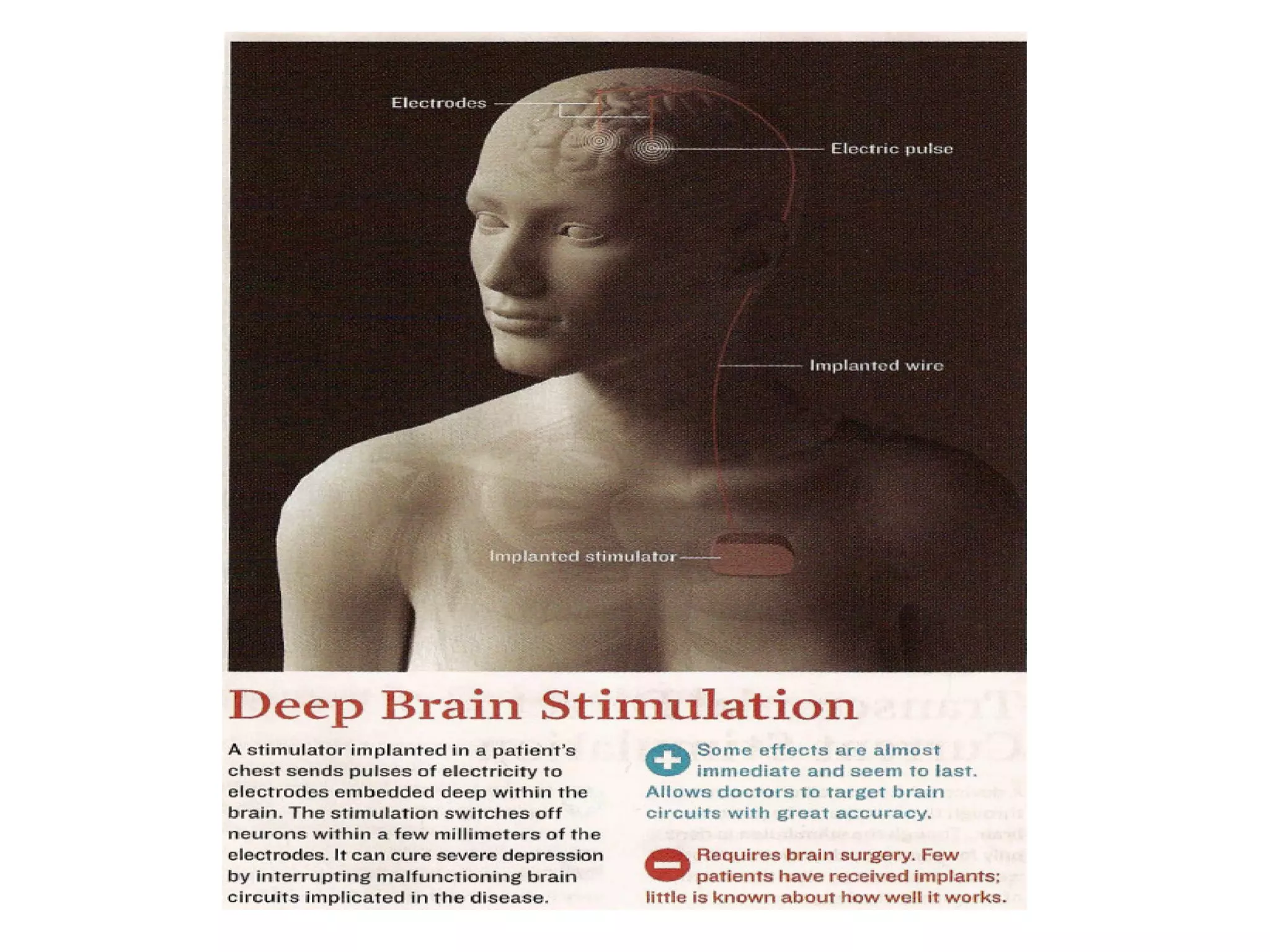
Lecture 6.   Nanotechnology
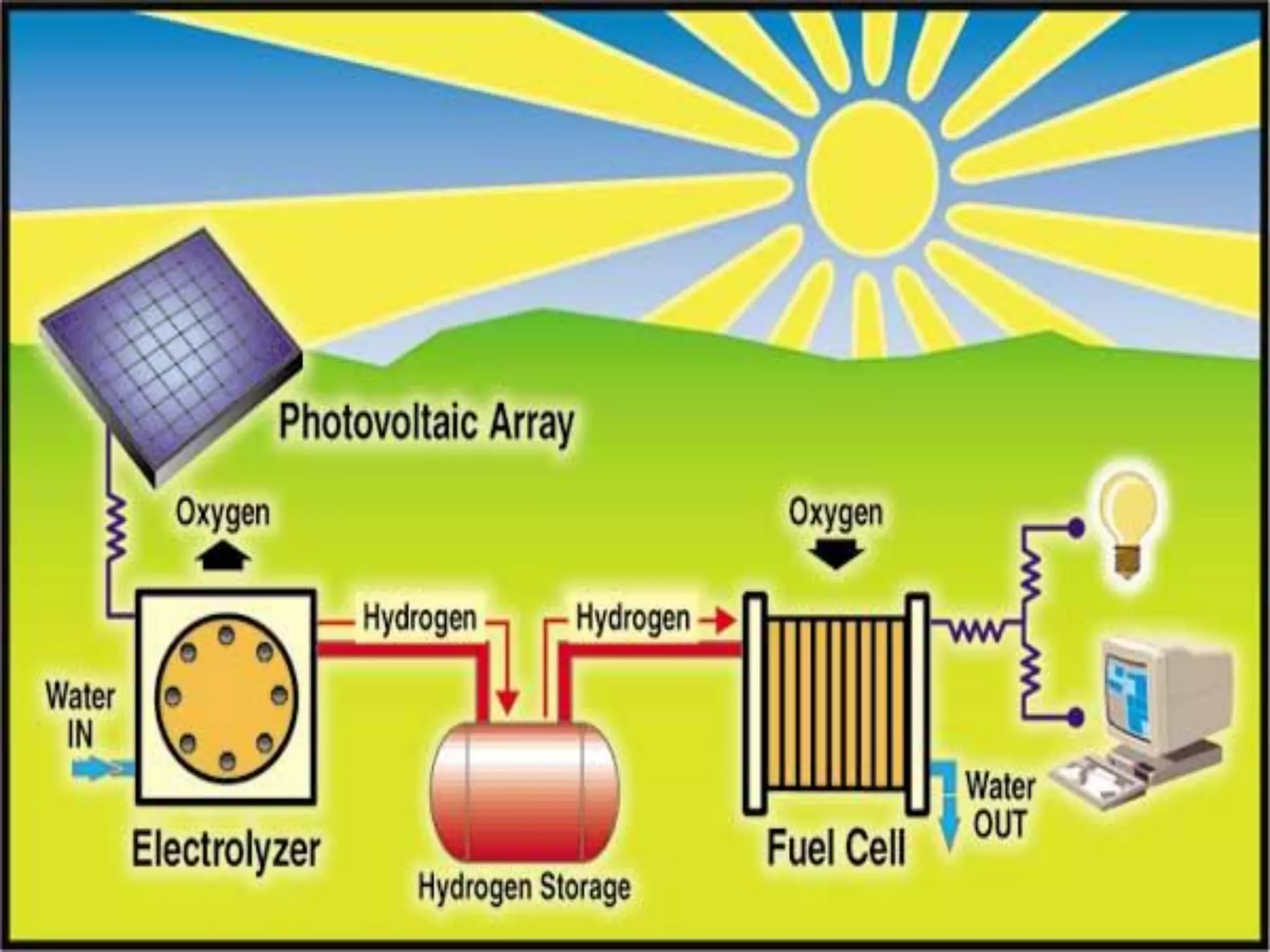
             Fuel Cells
             Nano-composite materials
             Nanoelectronics and photonic
             Devices:
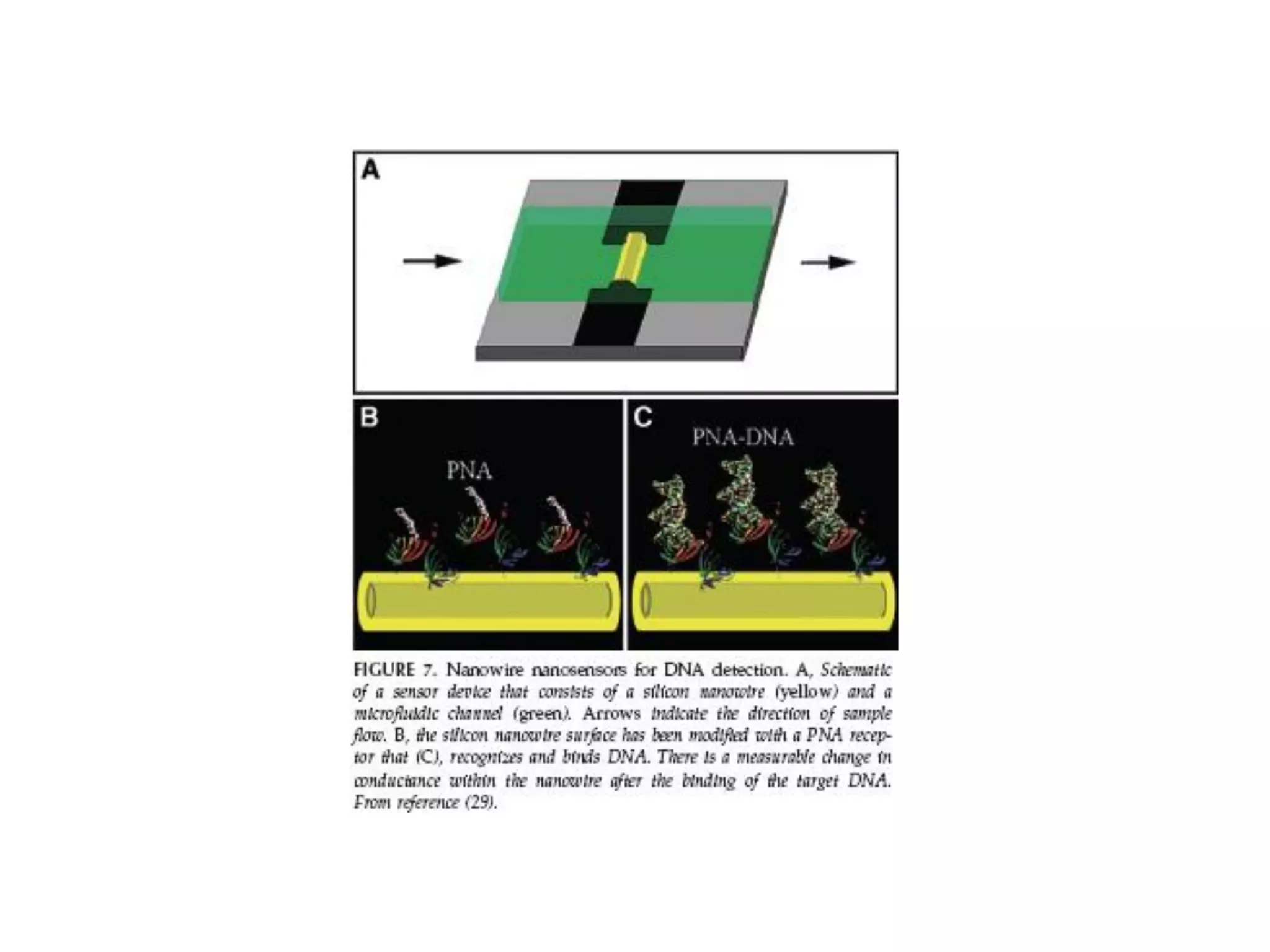
             Chemical and Biological Detectors
             Nanomedicine:
                  Disease Detection
                  Implants
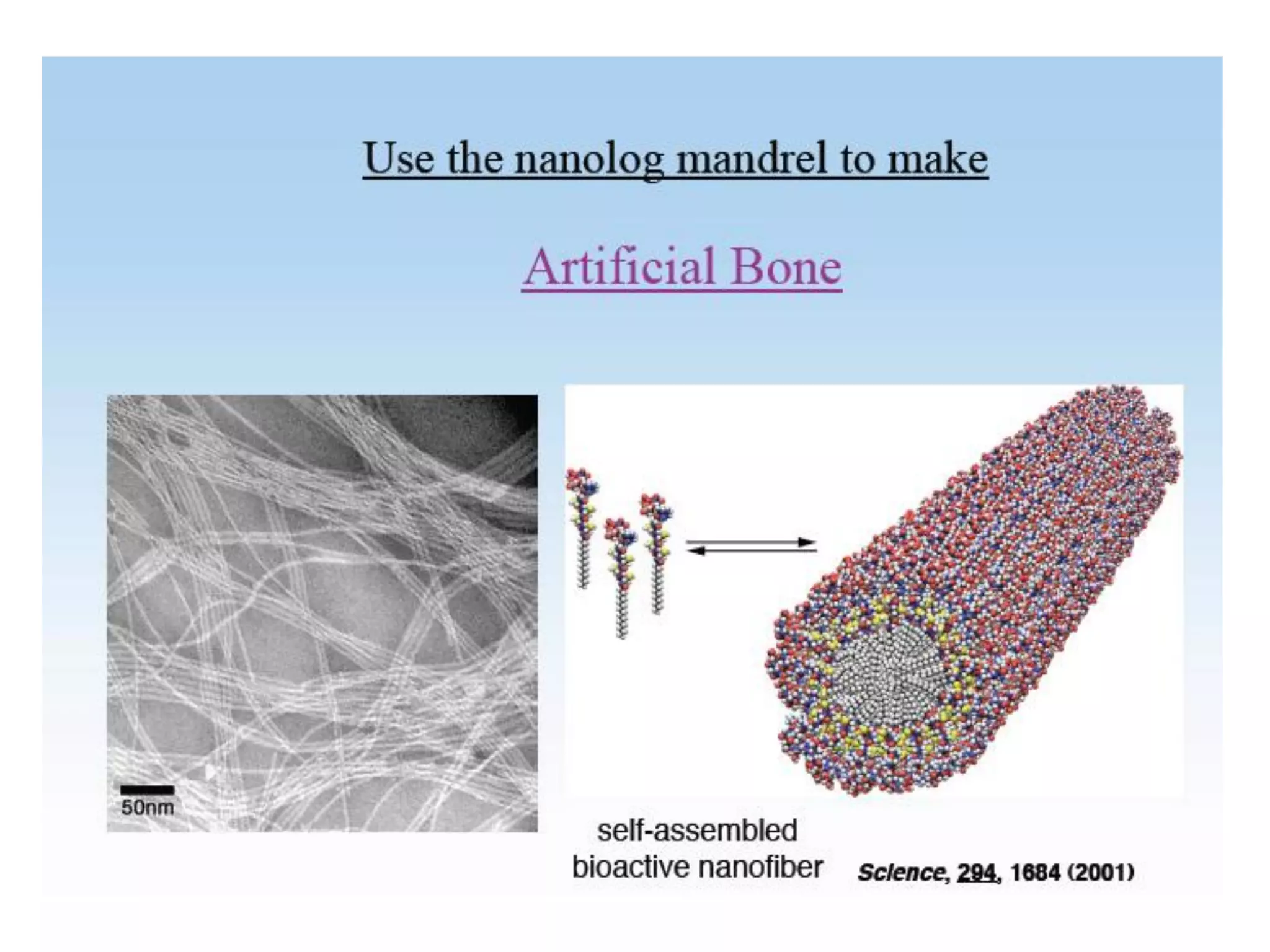
                  Delivery of Therapeutics
                  Other nanomedicine
             Applications
             Risks
Fuel Cells
WHY FUEL CELLS?
 Emission of toxic pollutants when fossil fuel
 burns
Build-up of CO2 & other greenhouse gases
 leading to global warming
 Decline of world oil production
Deregulation of electricity supply industry
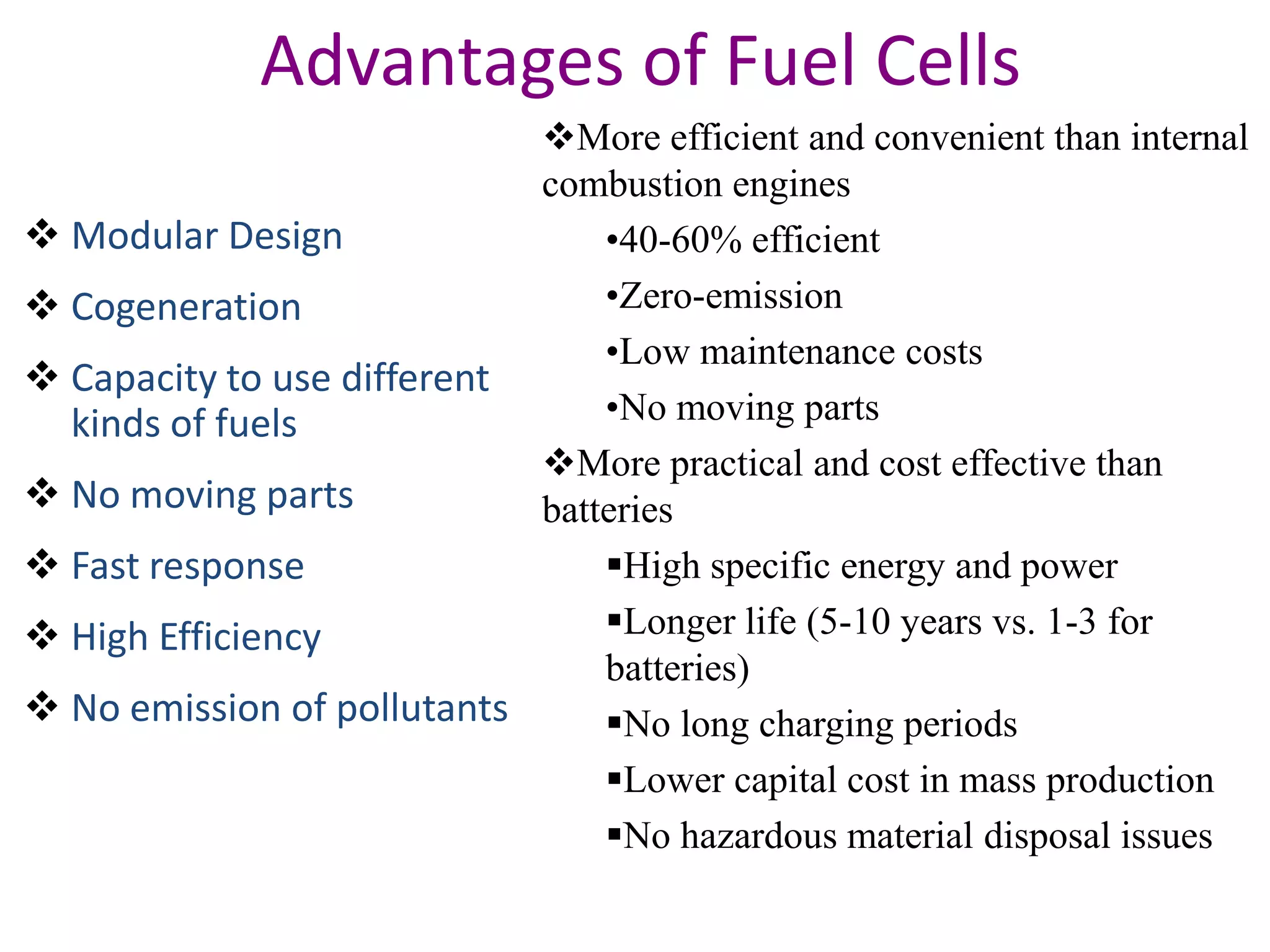
Advantages of Fuel Cells
                            More efficient and convenient than internal
                            combustion engines
 Modular Design                •40-60% efficient
 Cogeneration                  •Zero-emission
                                •Low maintenance costs
 Capacity to use different
  kinds of fuels                •No moving parts
                            More practical and cost effective than
 No moving parts           batteries
 Fast response                 High specific energy and power
 High Efficiency               Longer life (5-10 years vs. 1-3 for
                                batteries)
 No emission of pollutants     No long charging periods
                                Lower capital cost in mass production
                                No hazardous material disposal issues
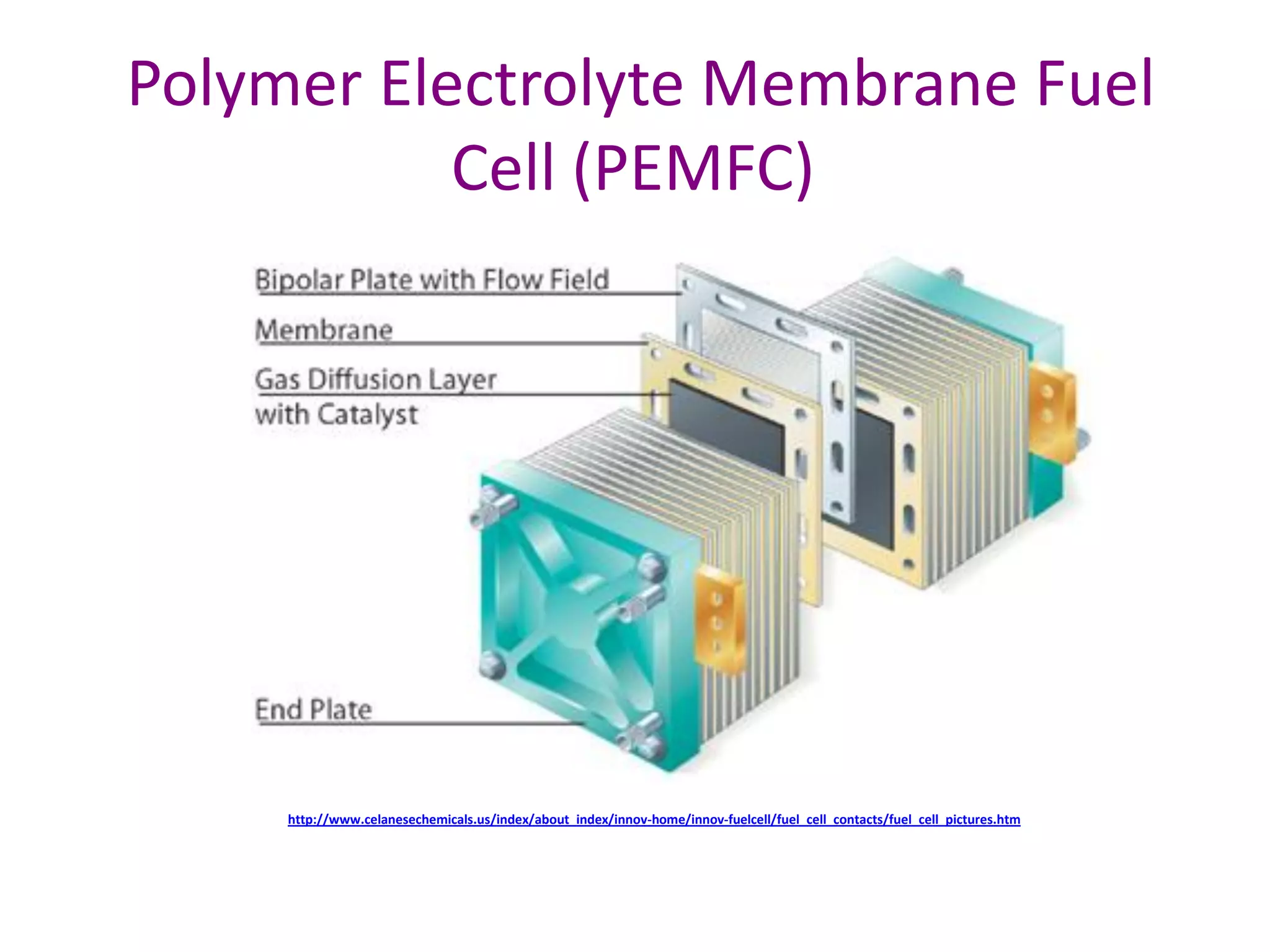
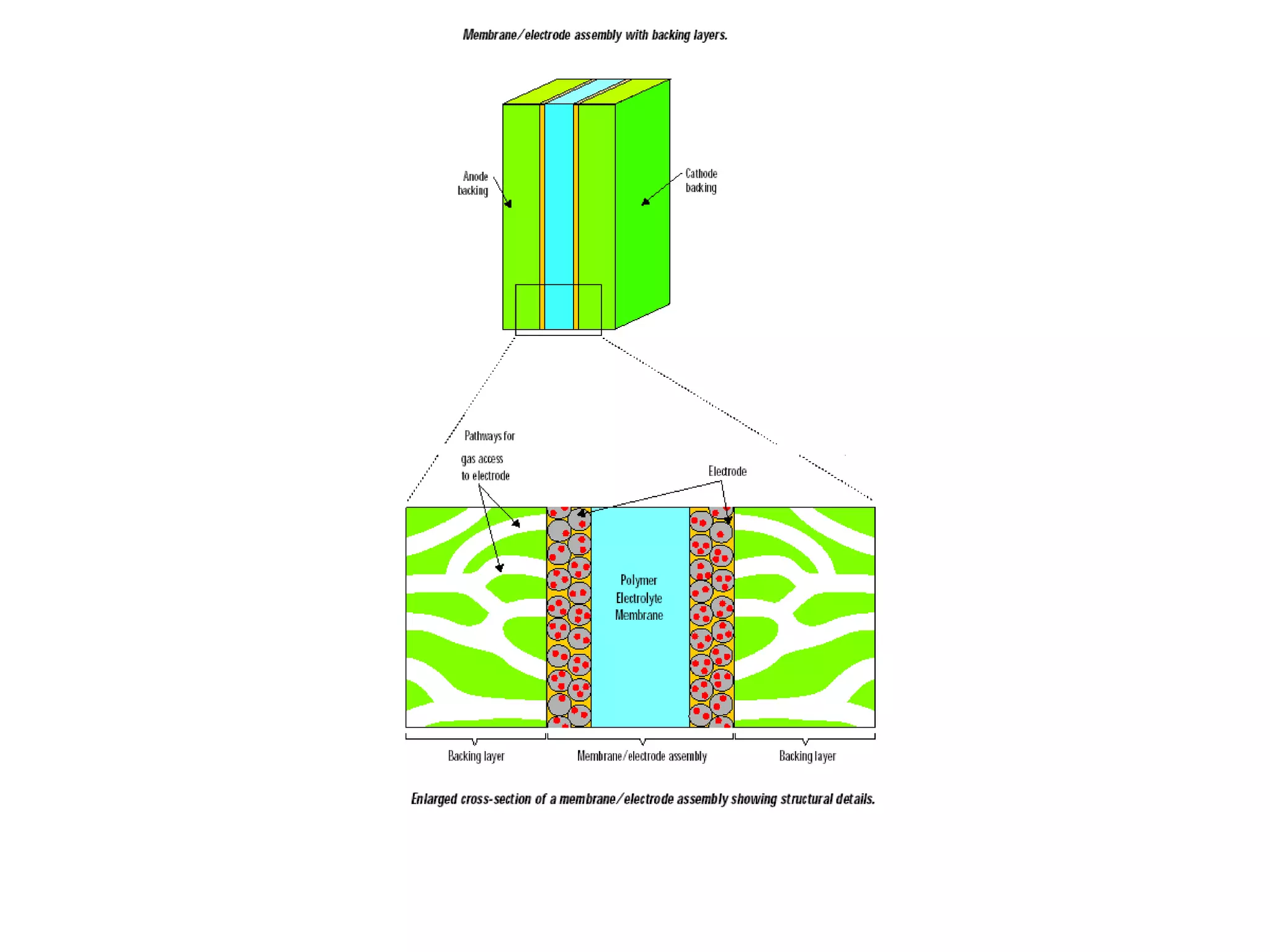
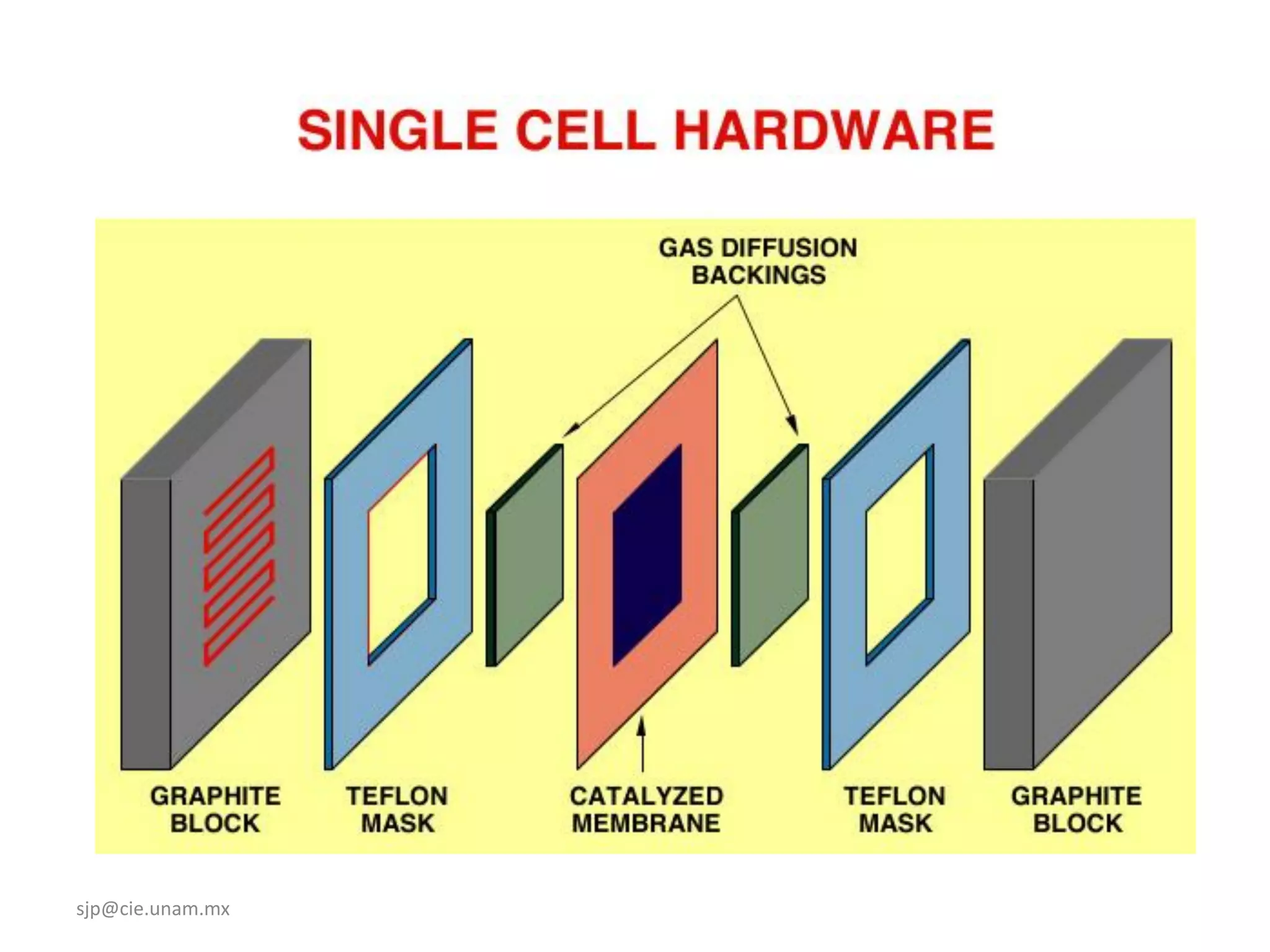
Polymer Electrolyte Membrane Fuel
           Cell (PEMFC)


     http://www.celanesechemicals.us/index/about_index/innov-home/innov-fuelcell/fuel_cell_contacts/fuel_cell_pictures.htm
sjp@cie.unam.mx
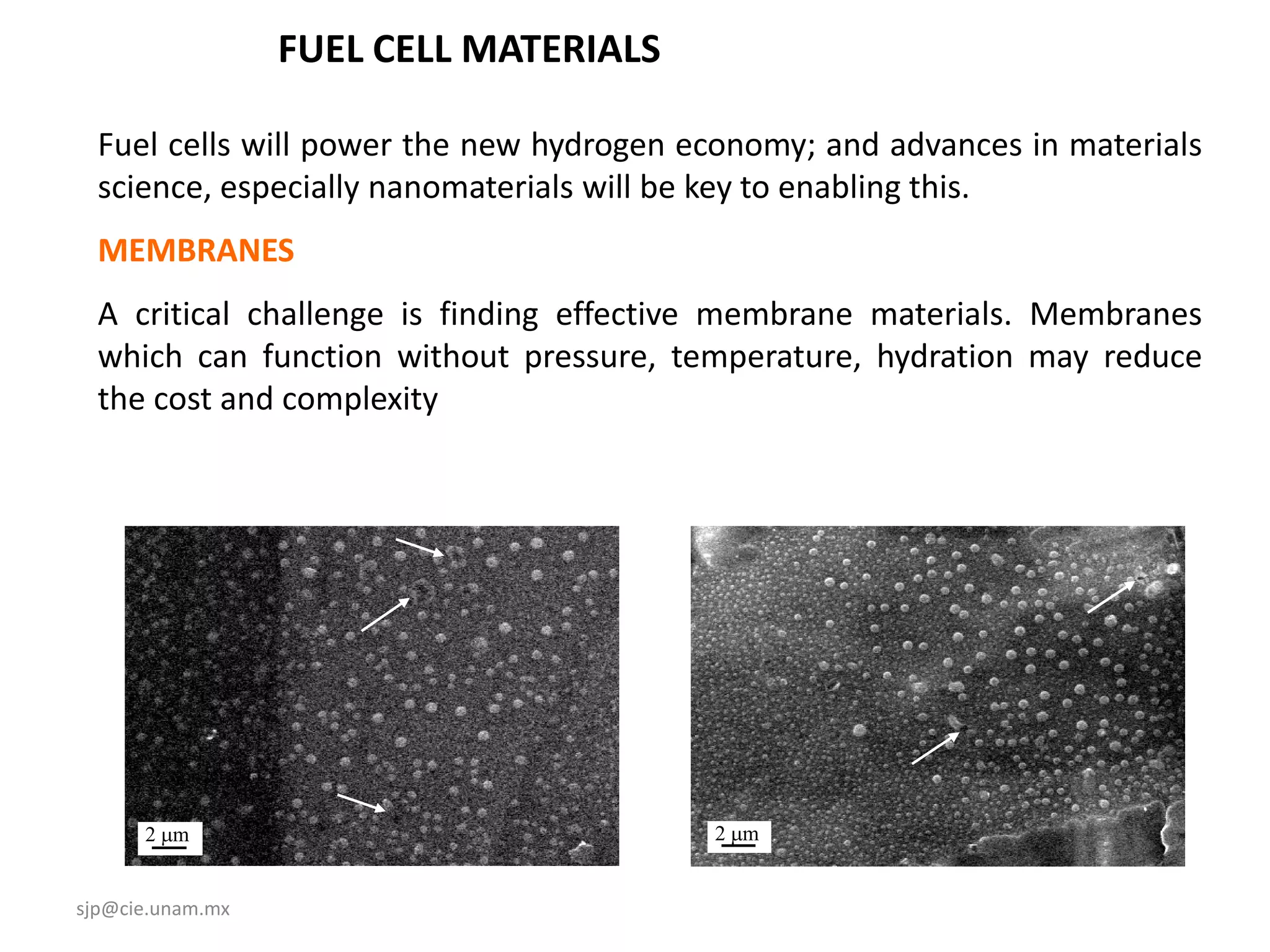
FUEL CELL MATERIALS

  Fuel cells will power the new hydrogen economy; and advances in materials
  science, especially nanomaterials will be key to enabling this.
  MEMBRANES
  A critical challenge is finding effective membrane materials. Membranes
  which can function without pressure, temperature, hydration may reduce
  the cost and complexity


      2 mm                                2 mm


sjp@cie.unam.mx
FUEL CELL MATERIALS

  Fuel cells will power the new hydrogen economy; and advances in materials
  science, especially nanomaterials will be key to enabling this.
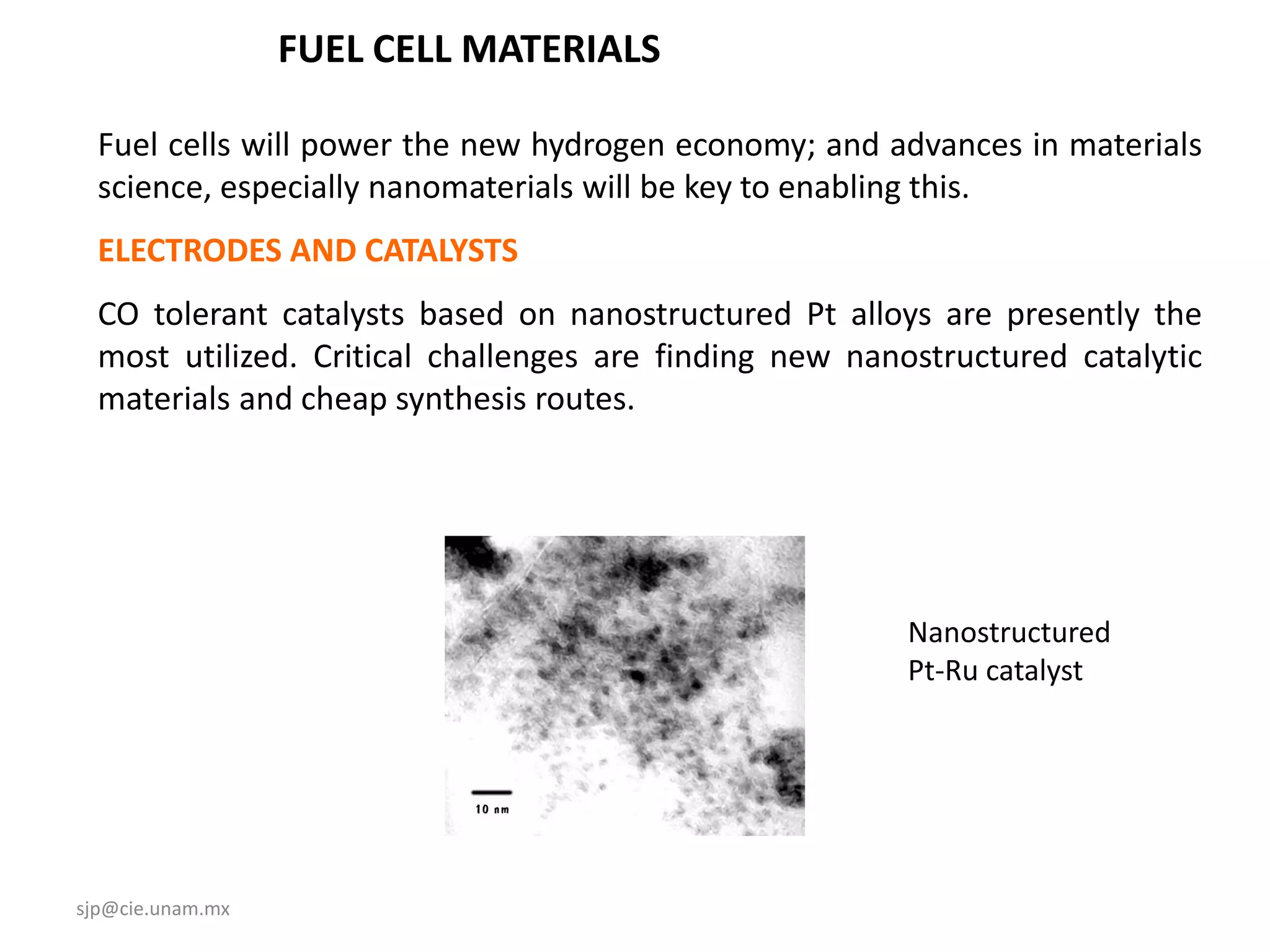
  ELECTRODES AND CATALYSTS
  CO tolerant catalysts based on nanostructured Pt alloys are presently the
  most utilized. Critical challenges are finding new nanostructured catalytic
  materials and cheap synthesis routes.


                                                         Nanostructured
                                                         Pt-Ru catalyst


sjp@cie.unam.mx
• Composites
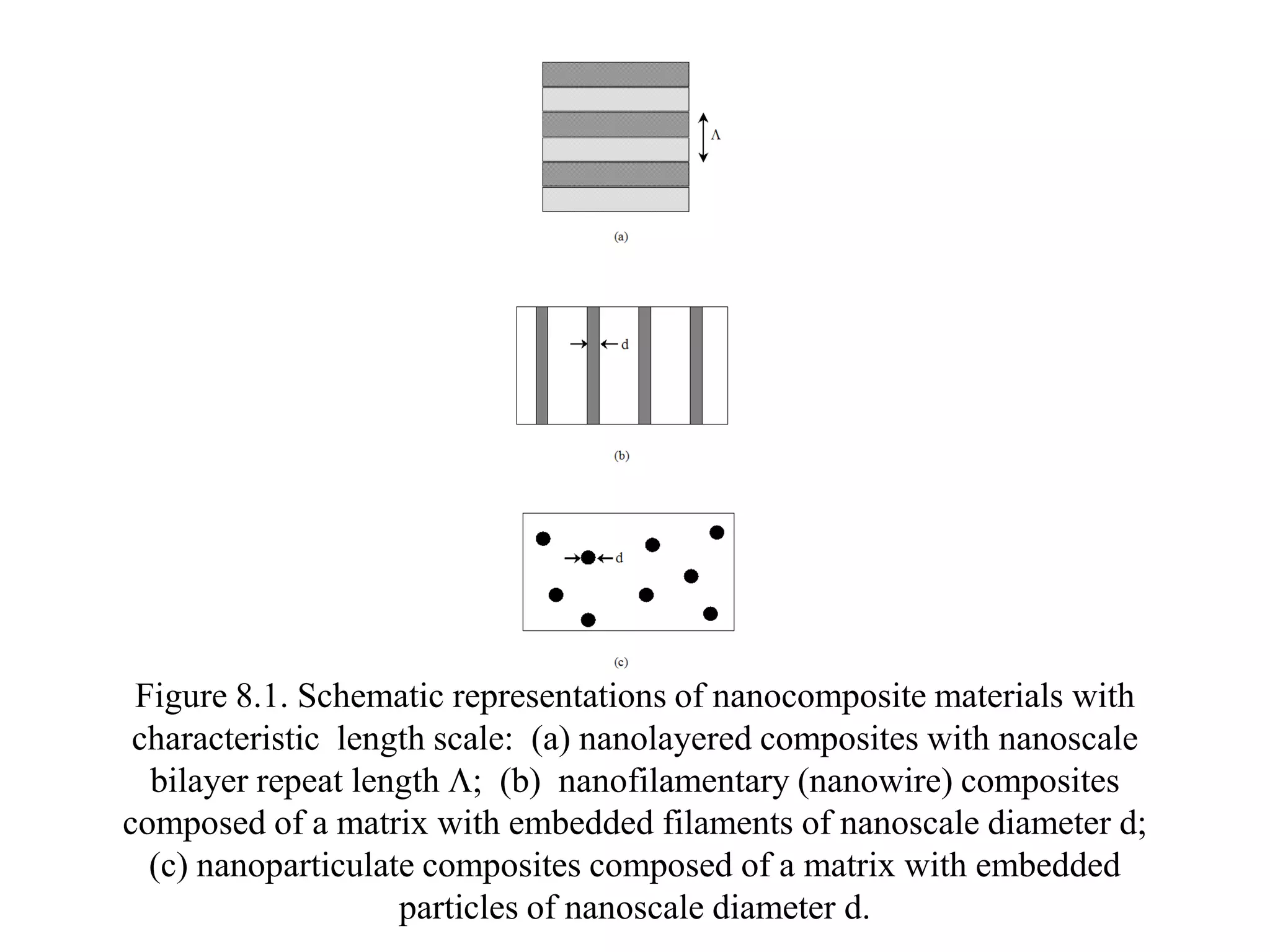
Figure 8.1. Schematic representations of nanocomposite materials with
 characteristic length scale: (a) nanolayered composites with nanoscale
  bilayer repeat length L; (b) nanofilamentary (nanowire) composites
composed of a matrix with embedded filaments of nanoscale diameter d;
  (c) nanoparticulate composites composed of a matrix with embedded
                    particles of nanoscale diameter d.
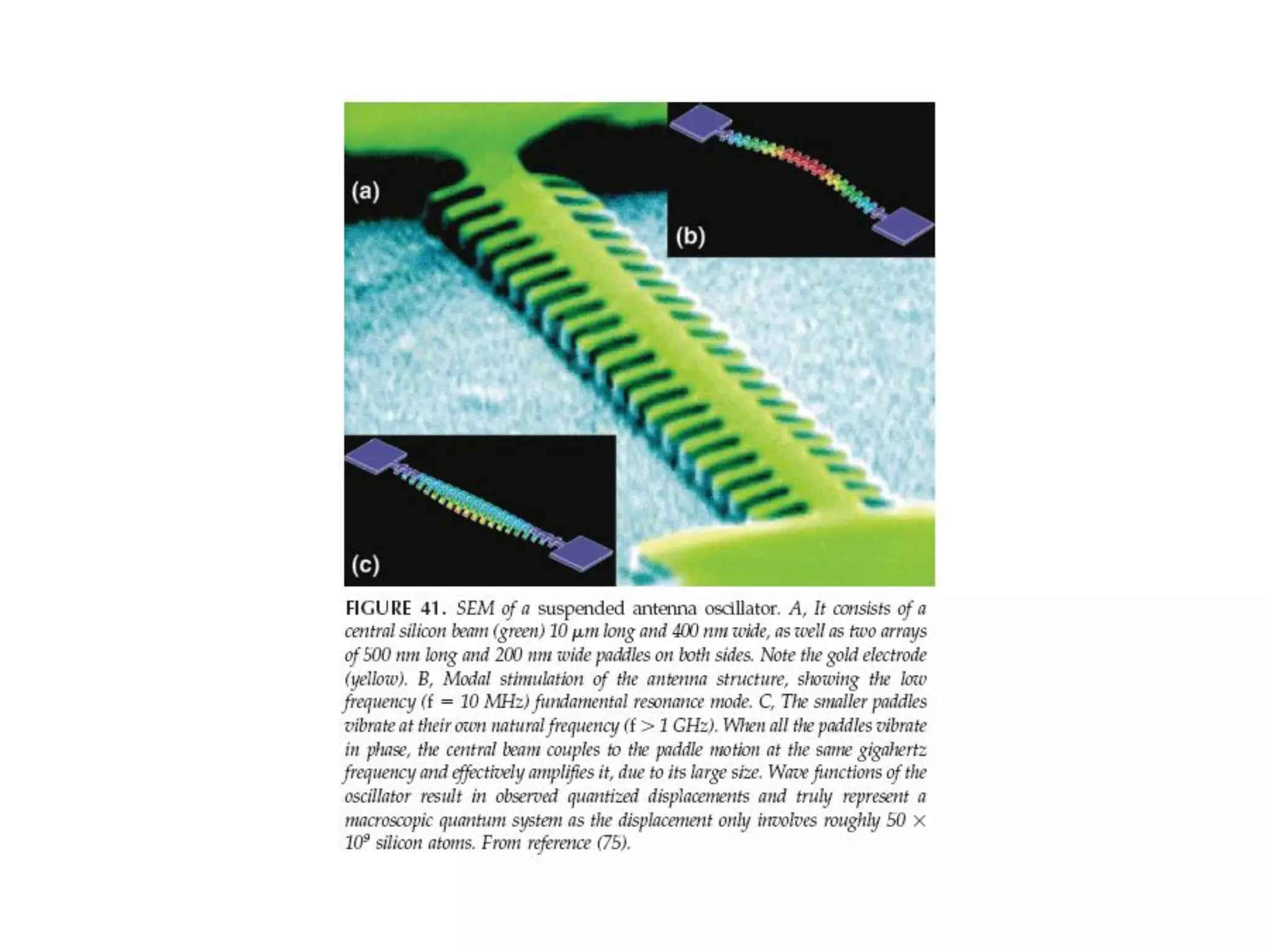
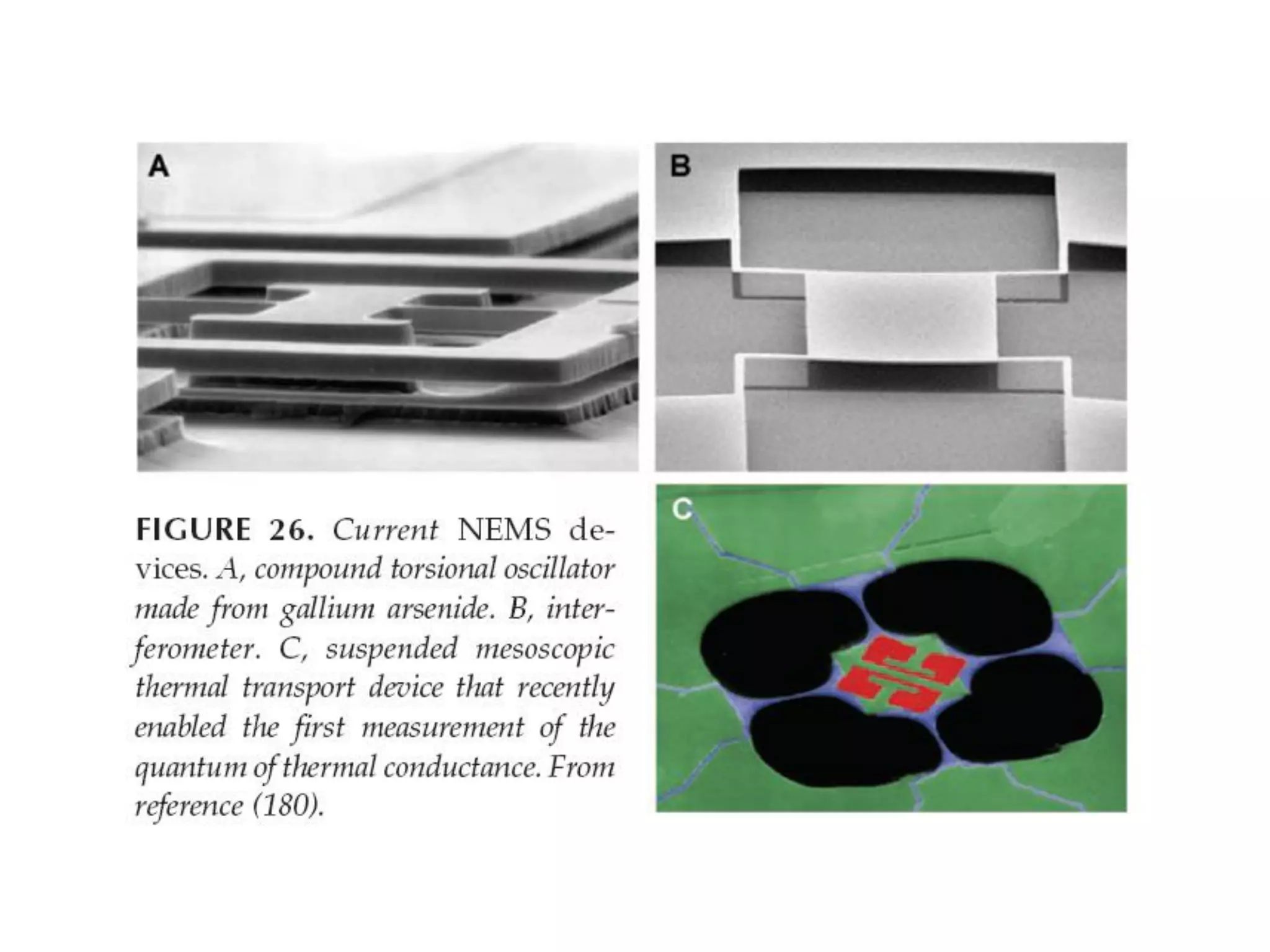
• Nanoelectronics
Fig. 1 Scanning-electron micrograph
of a Silicon-on-insulator integrated-
       phontonic Device. [2,3]
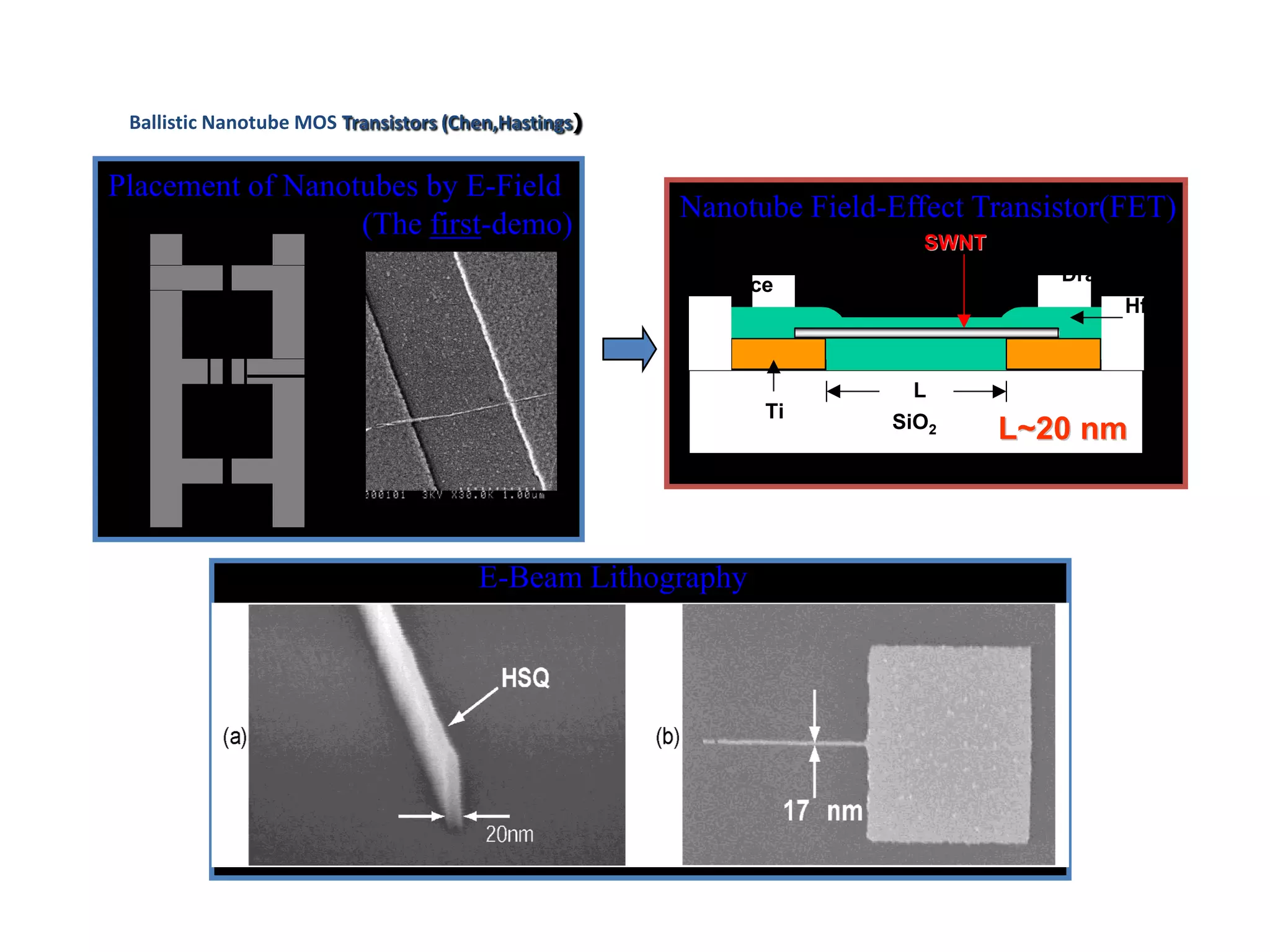
Ballistic Nanotube MOS Transistors (Chen,Hastings)


Placement of Nanotubes by E-Field
       D                                                 Nanotube Field-Effect Transistor(FET)
                  (The first-demo)                                  Al-Gate     SWNT
L                                                                                         Drain
                                                          Source
              d                                                                                   HfO2
                          W


                                                                               L
                                                               Ti
                                                                              SiO2     L~20 nm


                                          E-Beam Lithography
Other Applications
• Photonic Devices
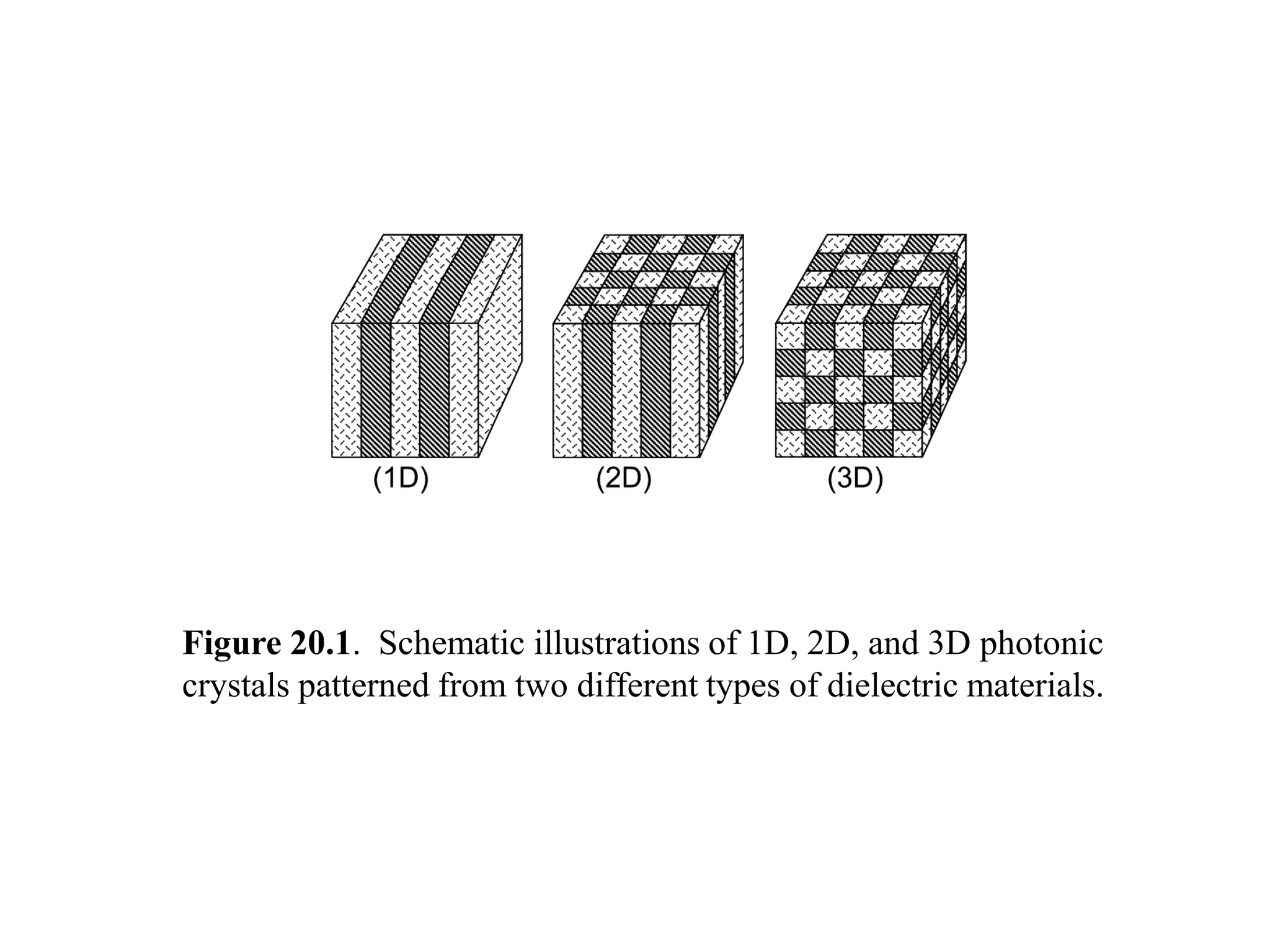
Figure 20.1. Schematic illustrations of 1D, 2D, and 3D photonic
crystals patterned from two different types of dielectric materials.
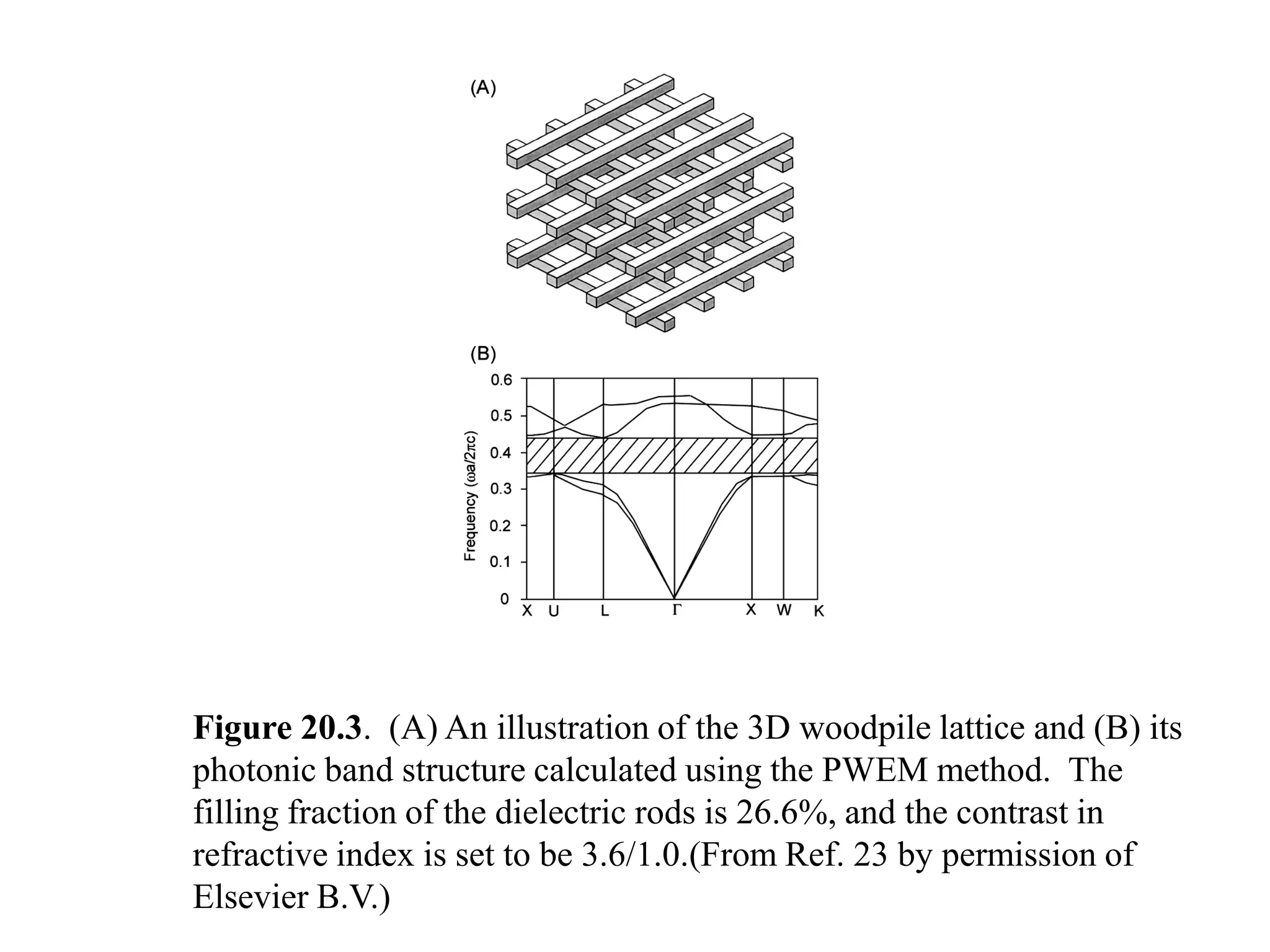
Figure 20.3. (A) An illustration of the 3D woodpile lattice and (B) its
photonic band structure calculated using the PWEM method. The
filling fraction of the dielectric rods is 26.6%, and the contrast in
refractive index is set to be 3.6/1.0.(From Ref. 23 by permission of
Elsevier B.V.)
•
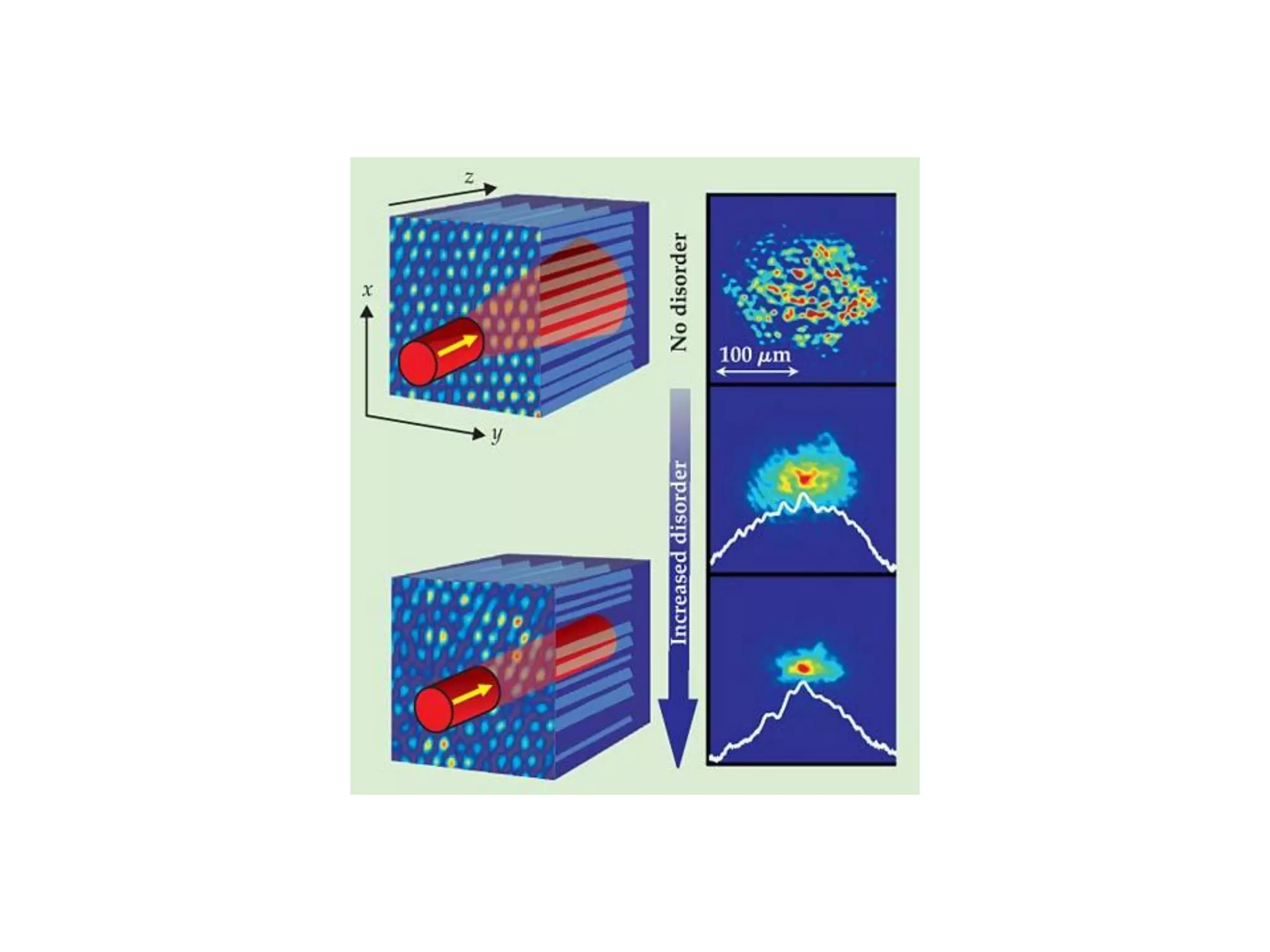
• Figure 1 With the disordered lattice set up, the
  researchers launched a weak probe beam and
  imaged the intensity distribution in the x–y plane
  downstream as the light passed through the material
  (see the figure). In transverse localization, a narrow
  beam propagating through a disordered medium
  undergoes diffusive broadening until its width
  becomes comparable to the localization length. The
  greater the disorder, the faster the beam evolves into
  the localized state.
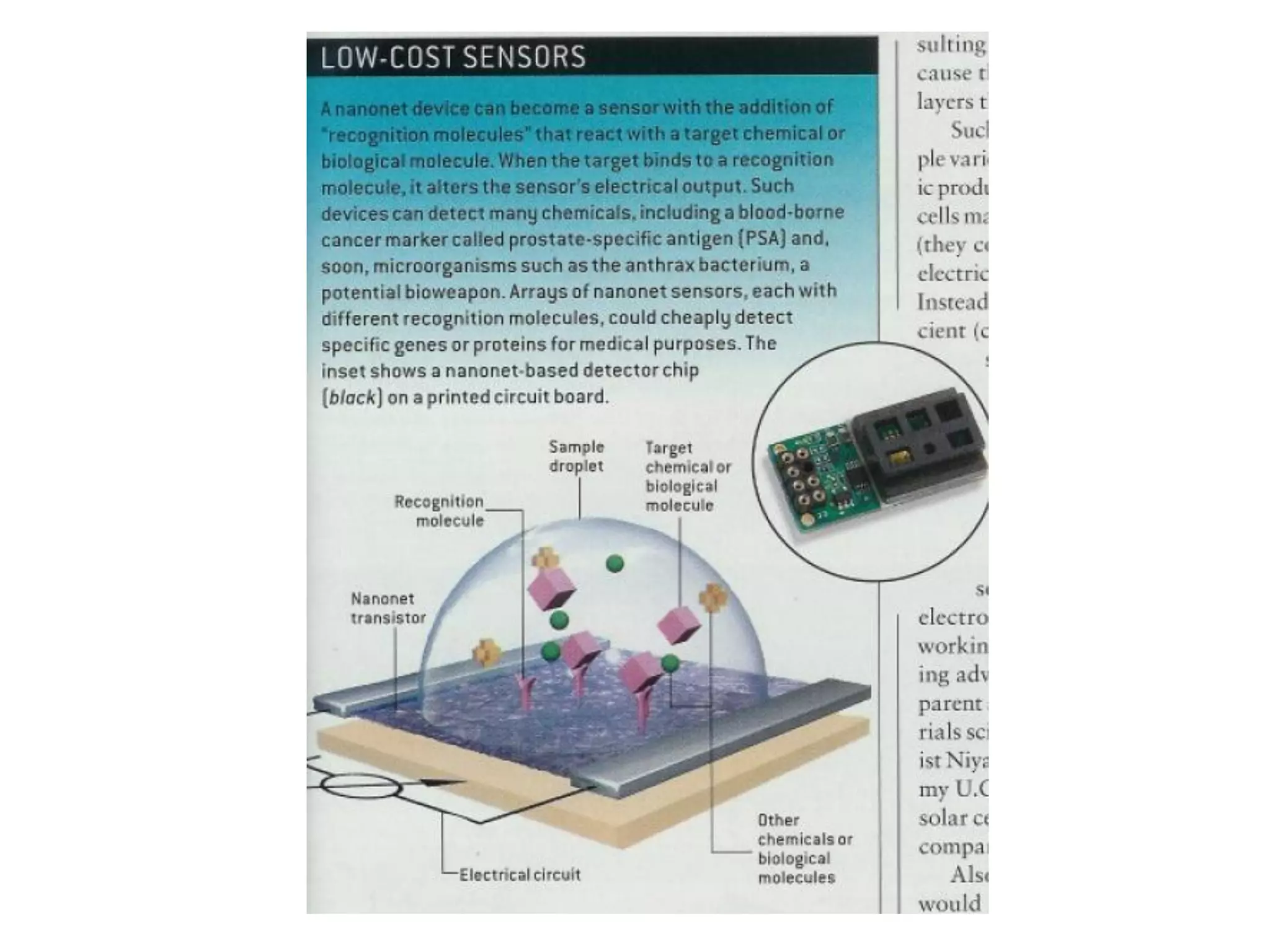
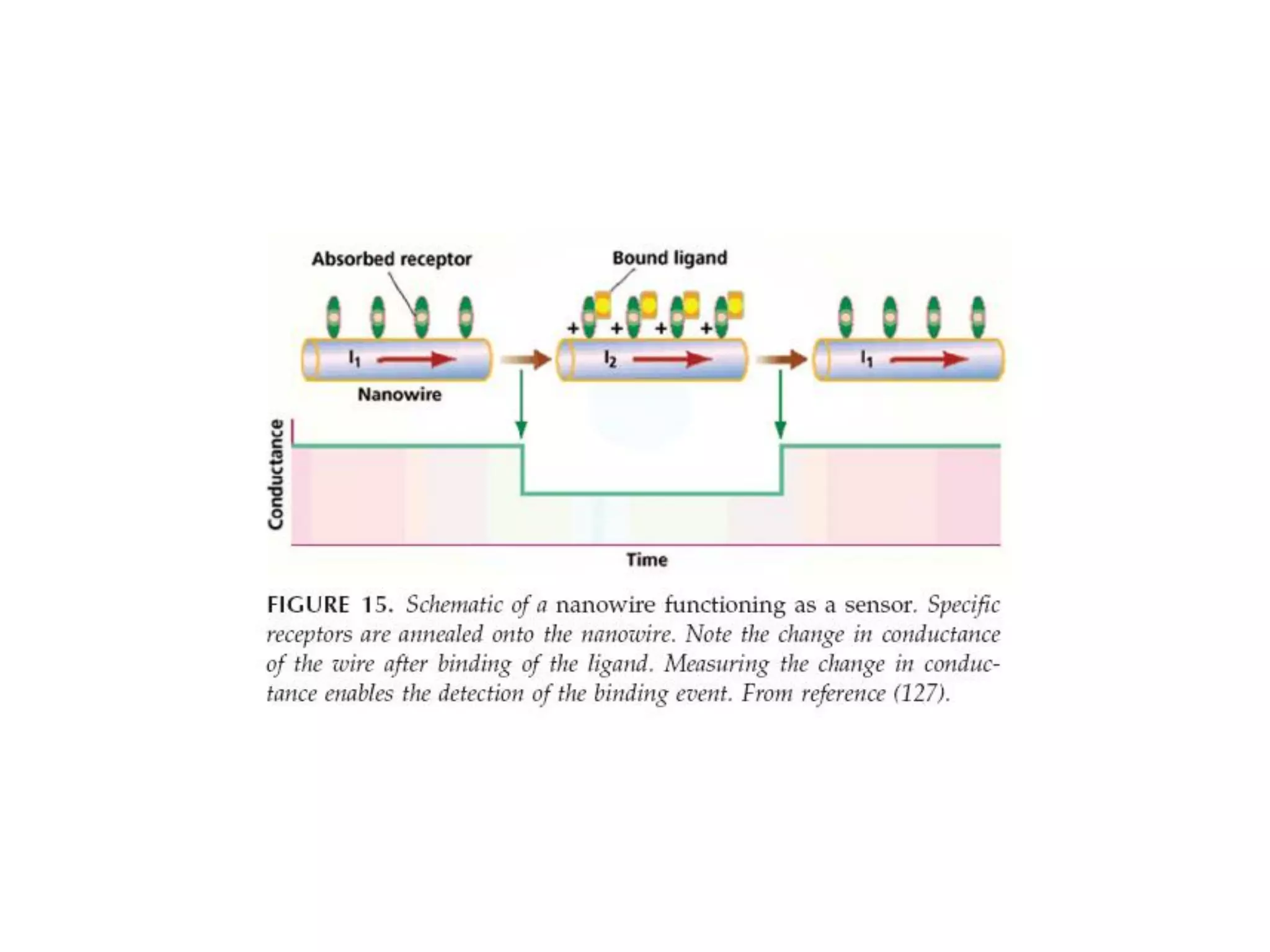
•            C. Chemical and Biological
    Detectors
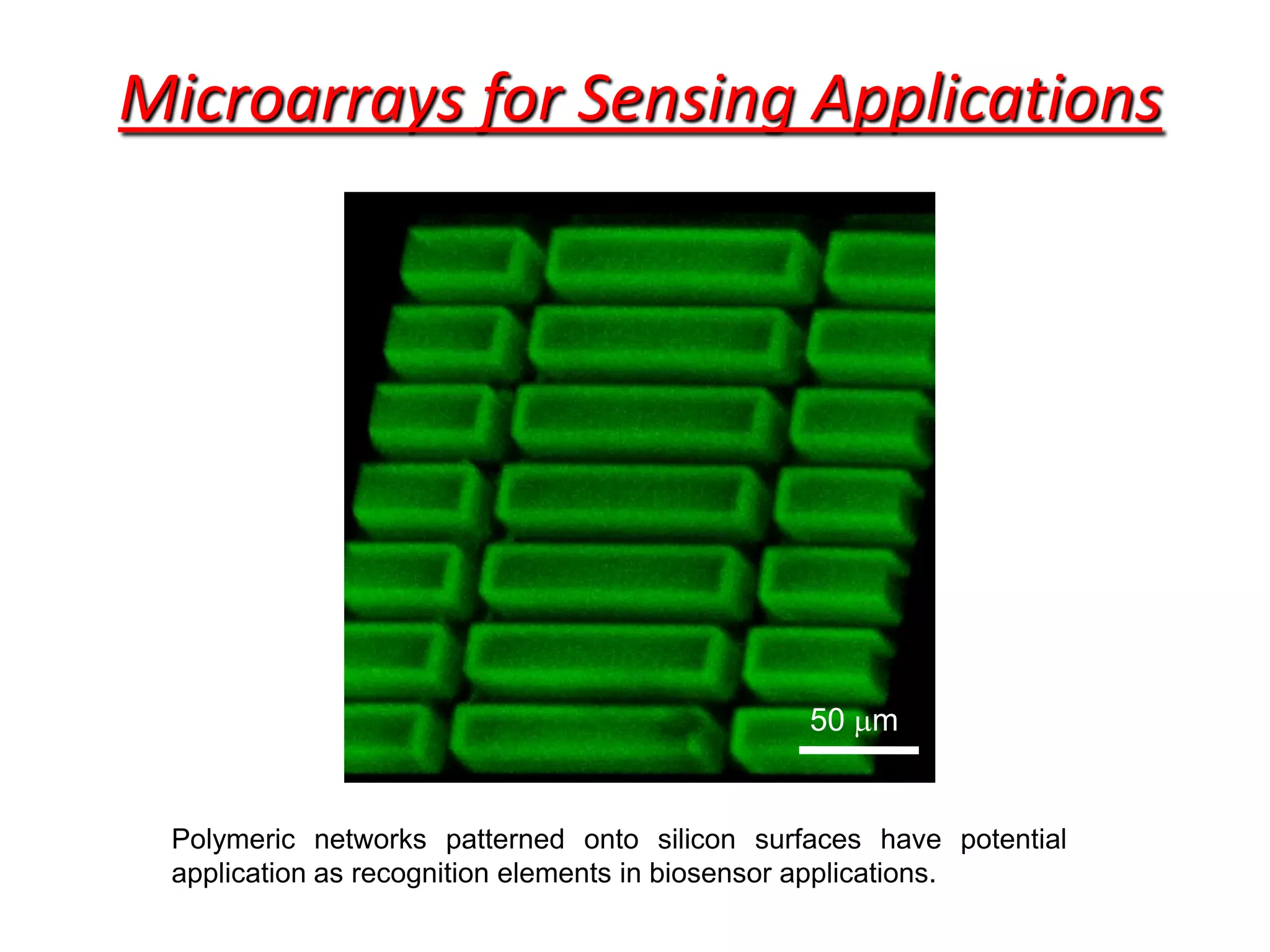
Microarrays for Sensing Applications


                                               50 mm


 Polymeric networks patterned onto silicon surfaces have potential
 application as recognition elements in biosensor applications.
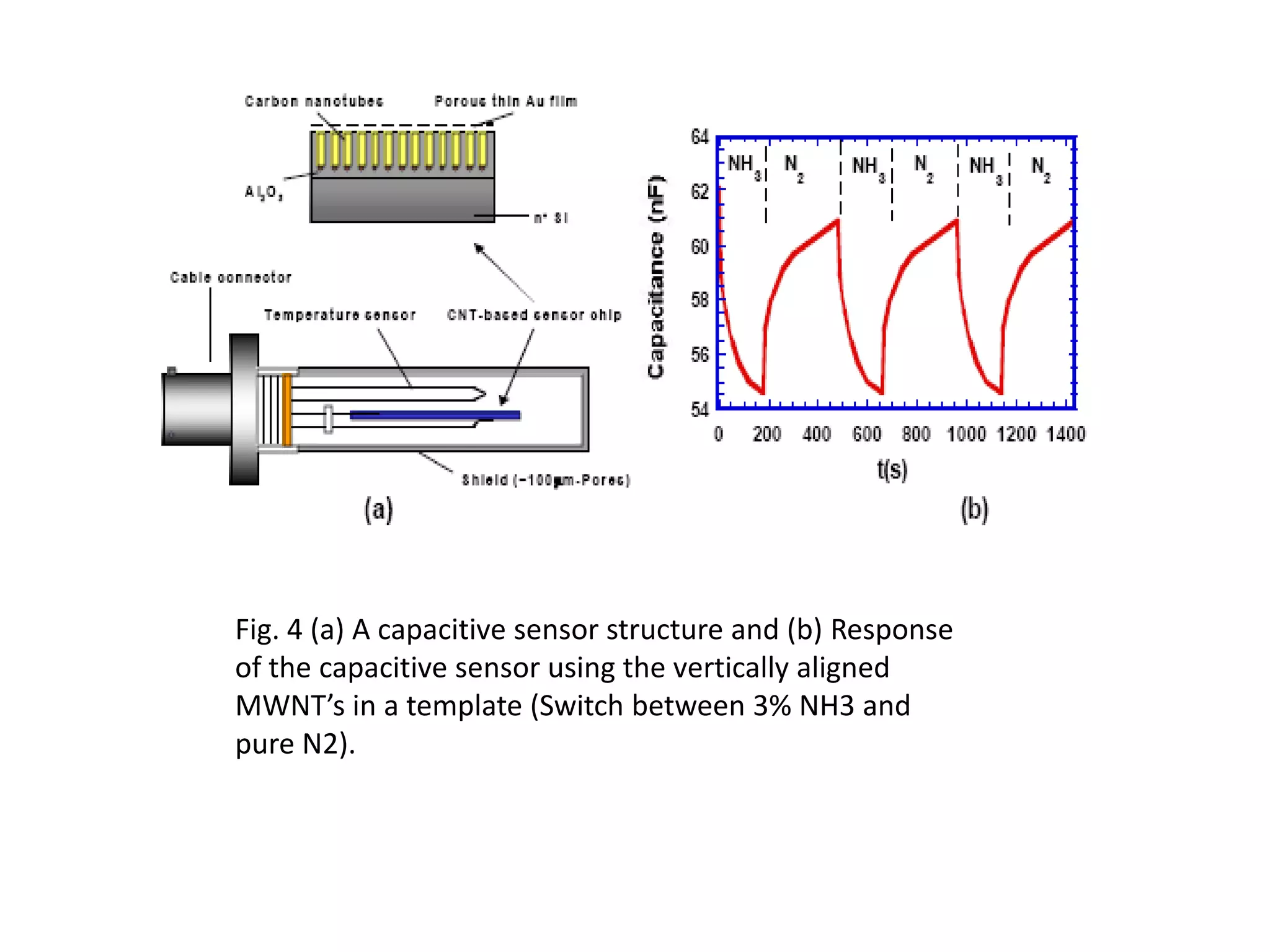
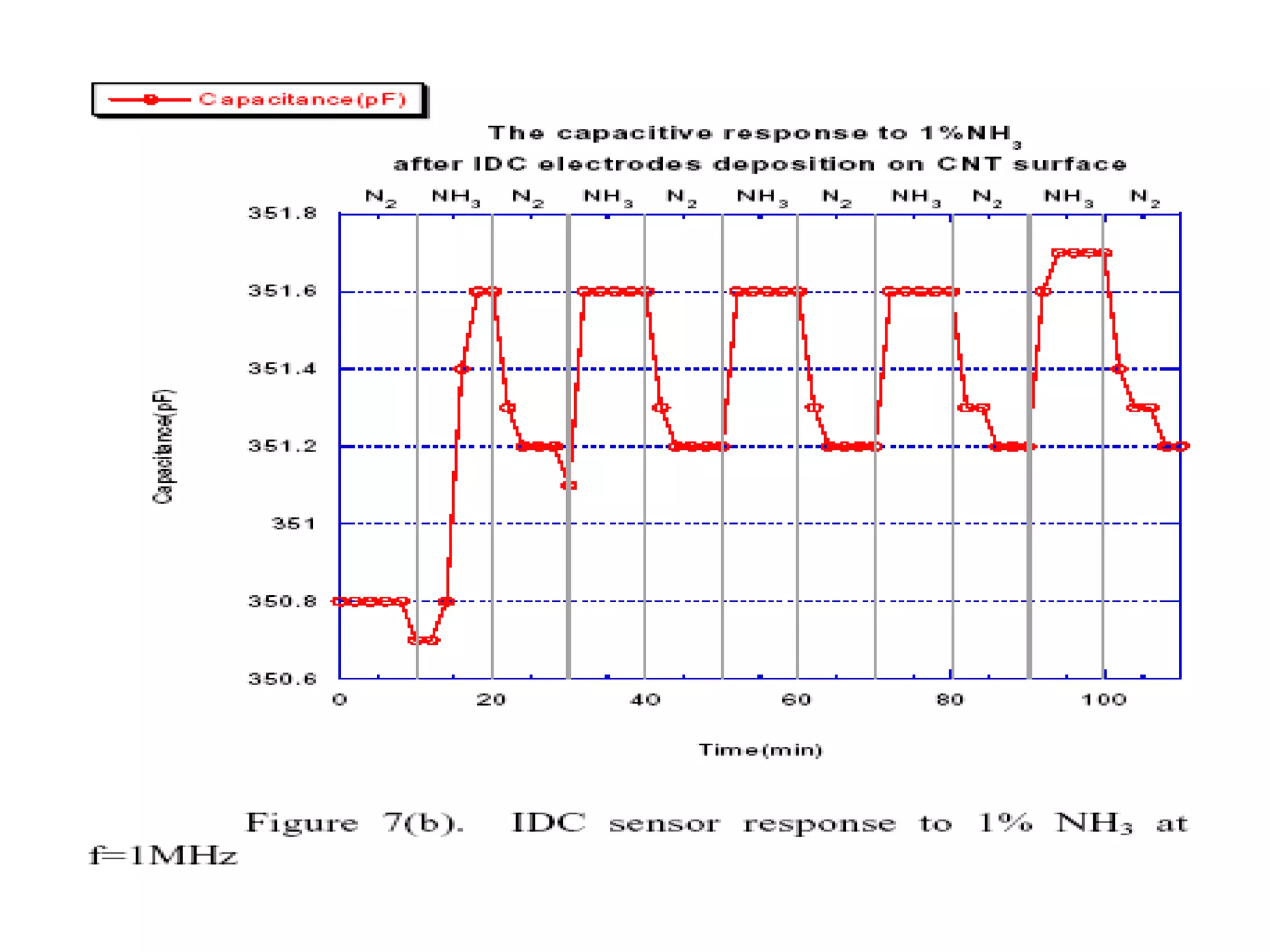
Fig. 4 (a) A capacitive sensor structure and (b) Response
of the capacitive sensor using the vertically aligned
MWNT’s in a template (Switch between 3% NH3 and
pure N2).
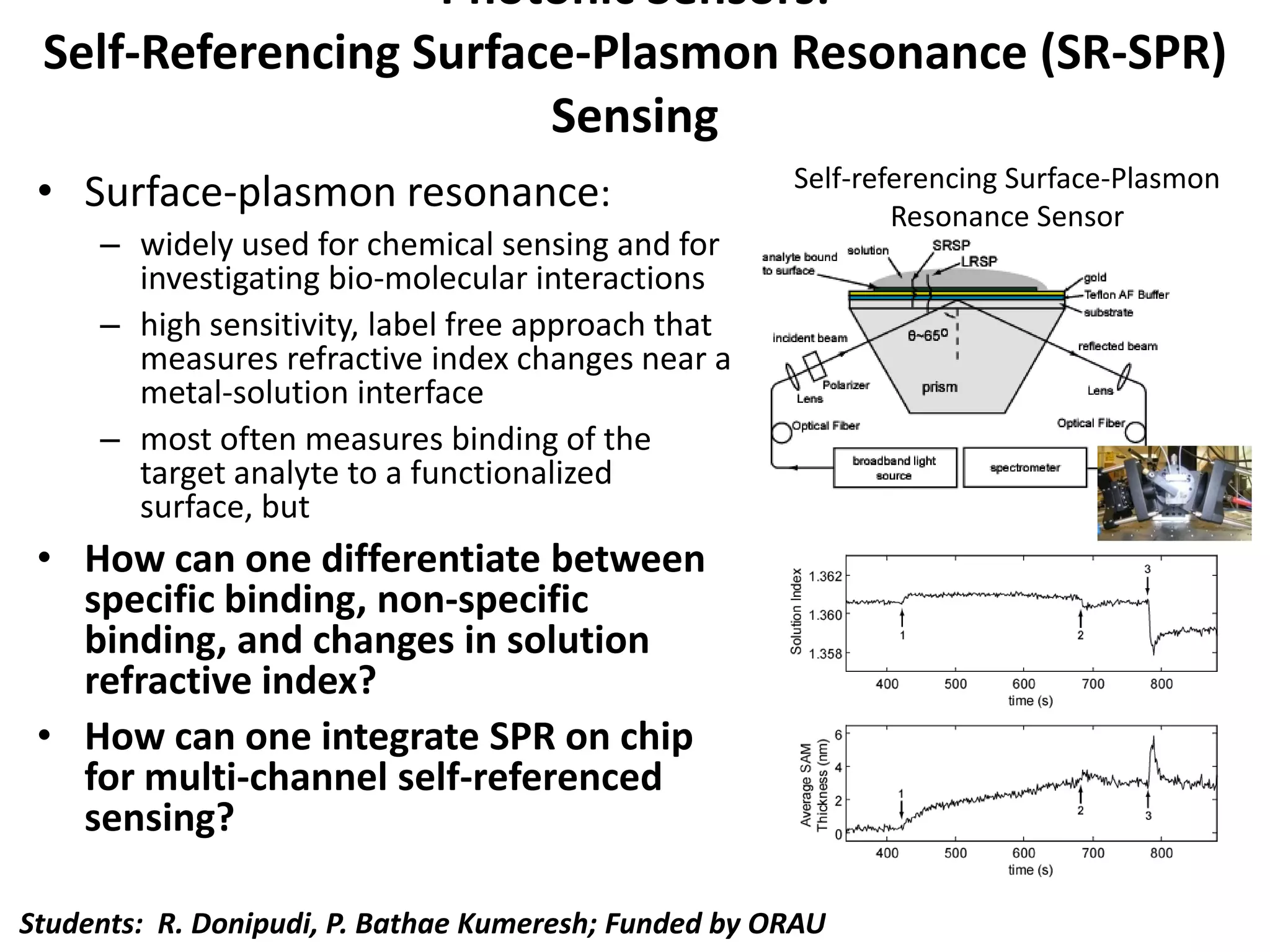
Photonic Sensors:
 Self-Referencing Surface-Plasmon Resonance (SR-SPR)
                        Sensing
                                                      Self-referencing Surface-Plasmon
 • Surface-plasmon resonance:                                 Resonance Sensor
     – widely used for chemical sensing and for
       investigating bio-molecular interactions
     – high sensitivity, label free approach that
       measures refractive index changes near a
       metal-solution interface
     – most often measures binding of the
       target analyte to a functionalized
       surface, but
 • How can one differentiate between
   specific binding, non-specific
   binding, and changes in solution
   refractive index?
 • How can one integrate SPR on chip
   for multi-channel self-referenced
   sensing?

Students: R. Donipudi, P. Bathae Kumeresh; Funded by ORAU
• Nanomedicine
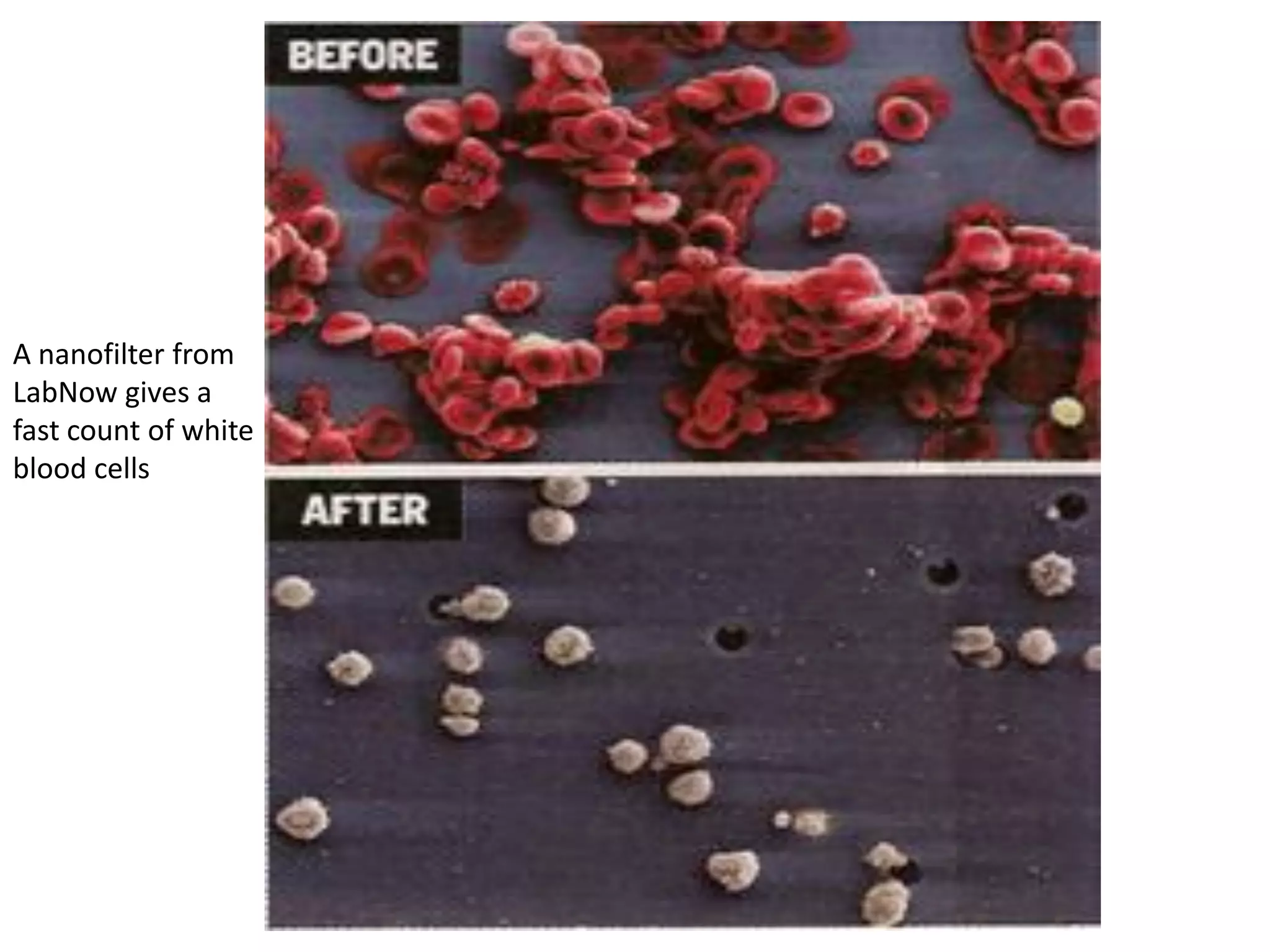
A nanofilter from
LabNow gives a
fast count of white
blood cells
Application as Functional Components of Novel
                    Devices
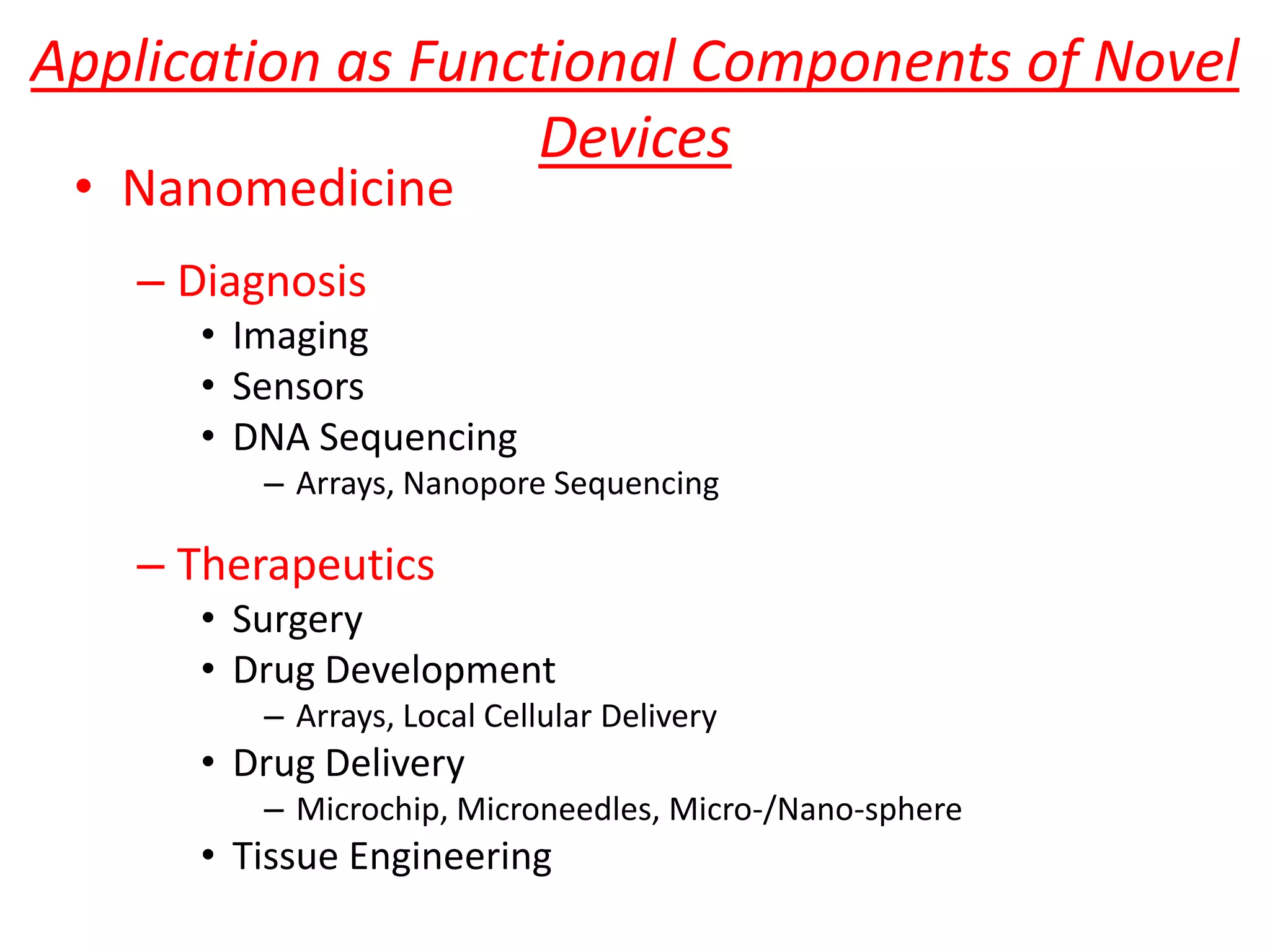
 • Nanomedicine
   – Diagnosis
      • Imaging
      • Sensors
      • DNA Sequencing
         – Arrays, Nanopore Sequencing

   – Therapeutics
      • Surgery
      • Drug Development
         – Arrays, Local Cellular Delivery
      • Drug Delivery
         – Microchip, Microneedles, Micro-/Nano-sphere
      • Tissue Engineering
1.Disease detection
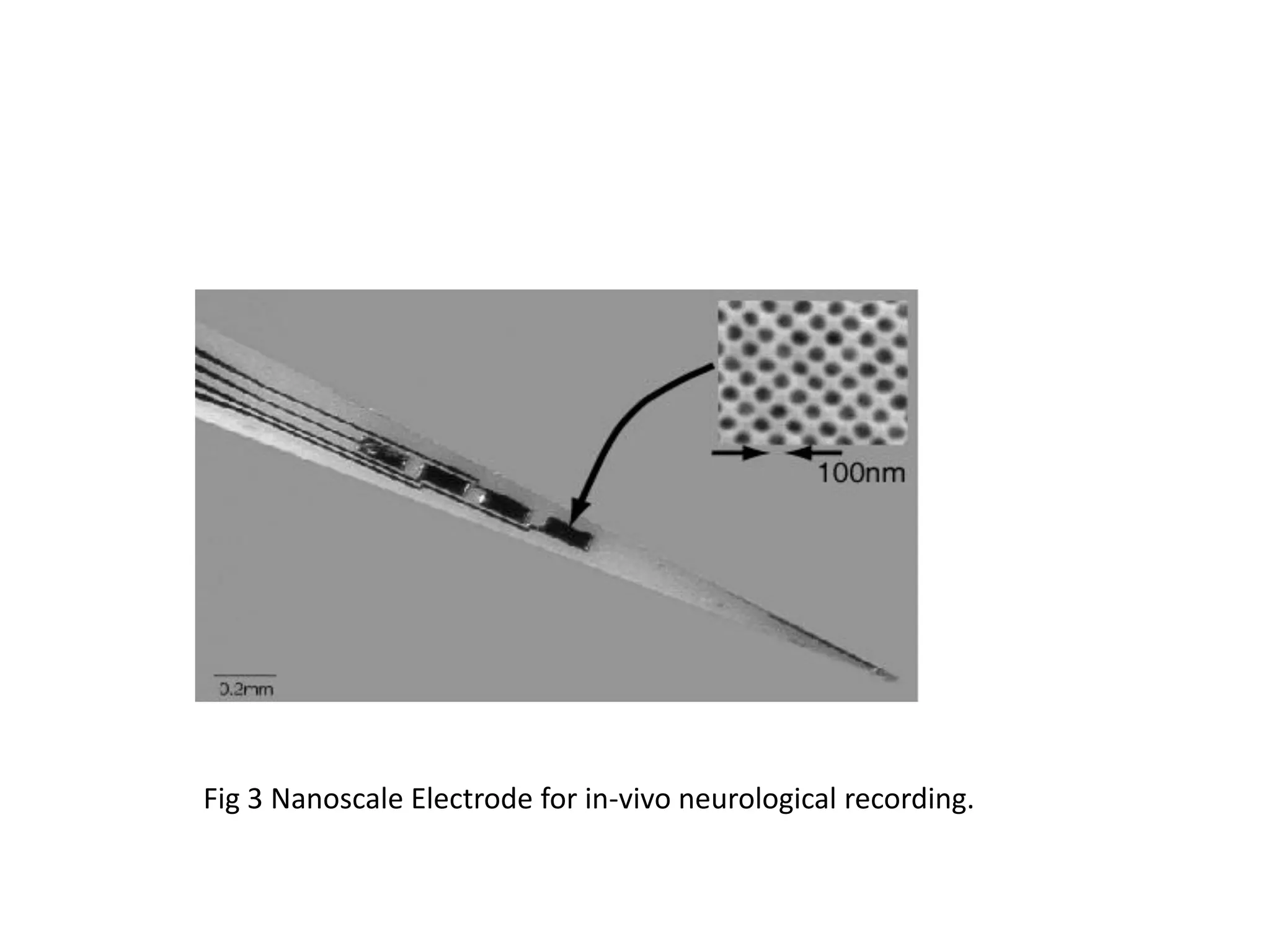
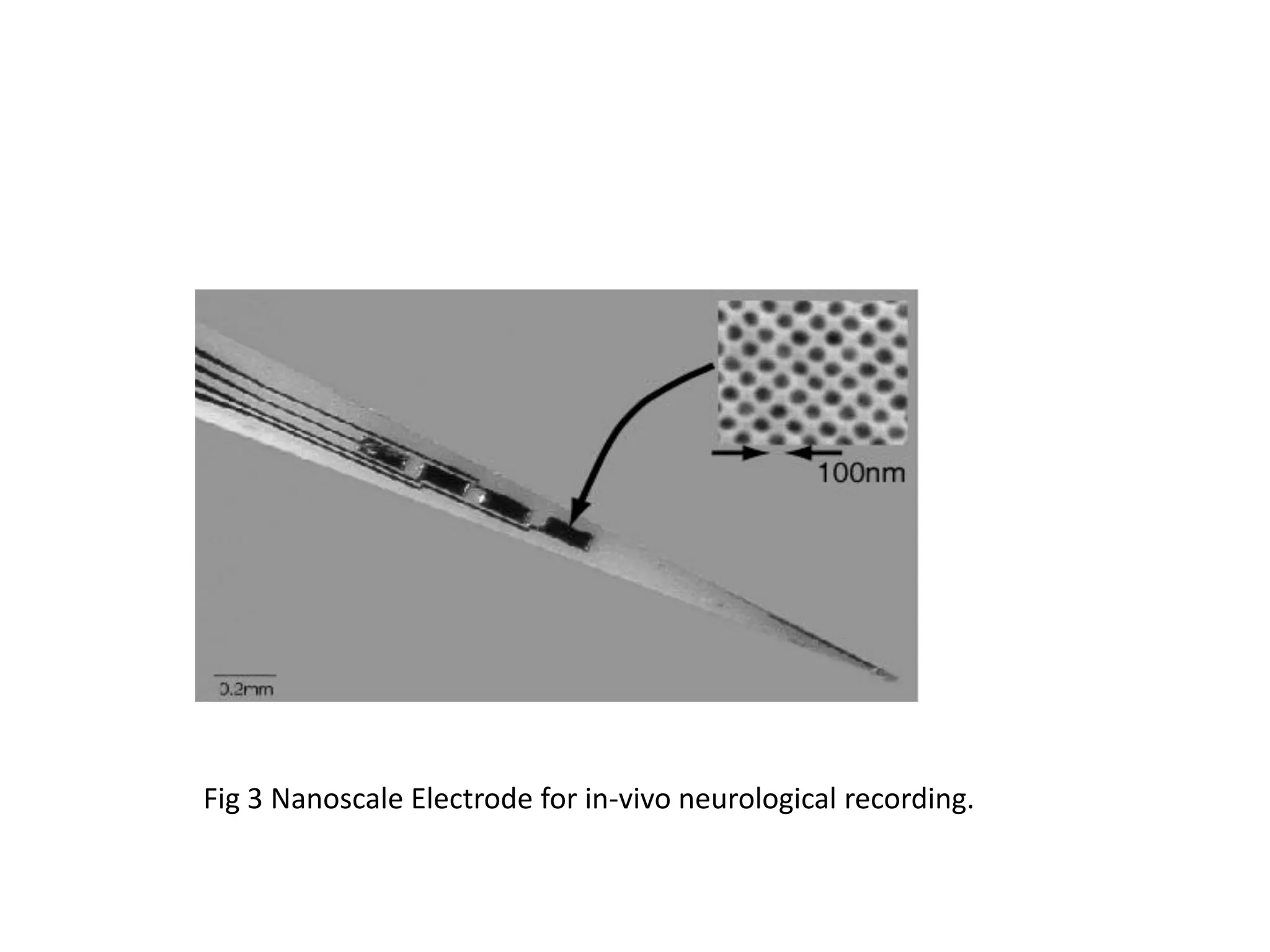
Fig 3 Nanoscale Electrode for in-vivo neurological recording.
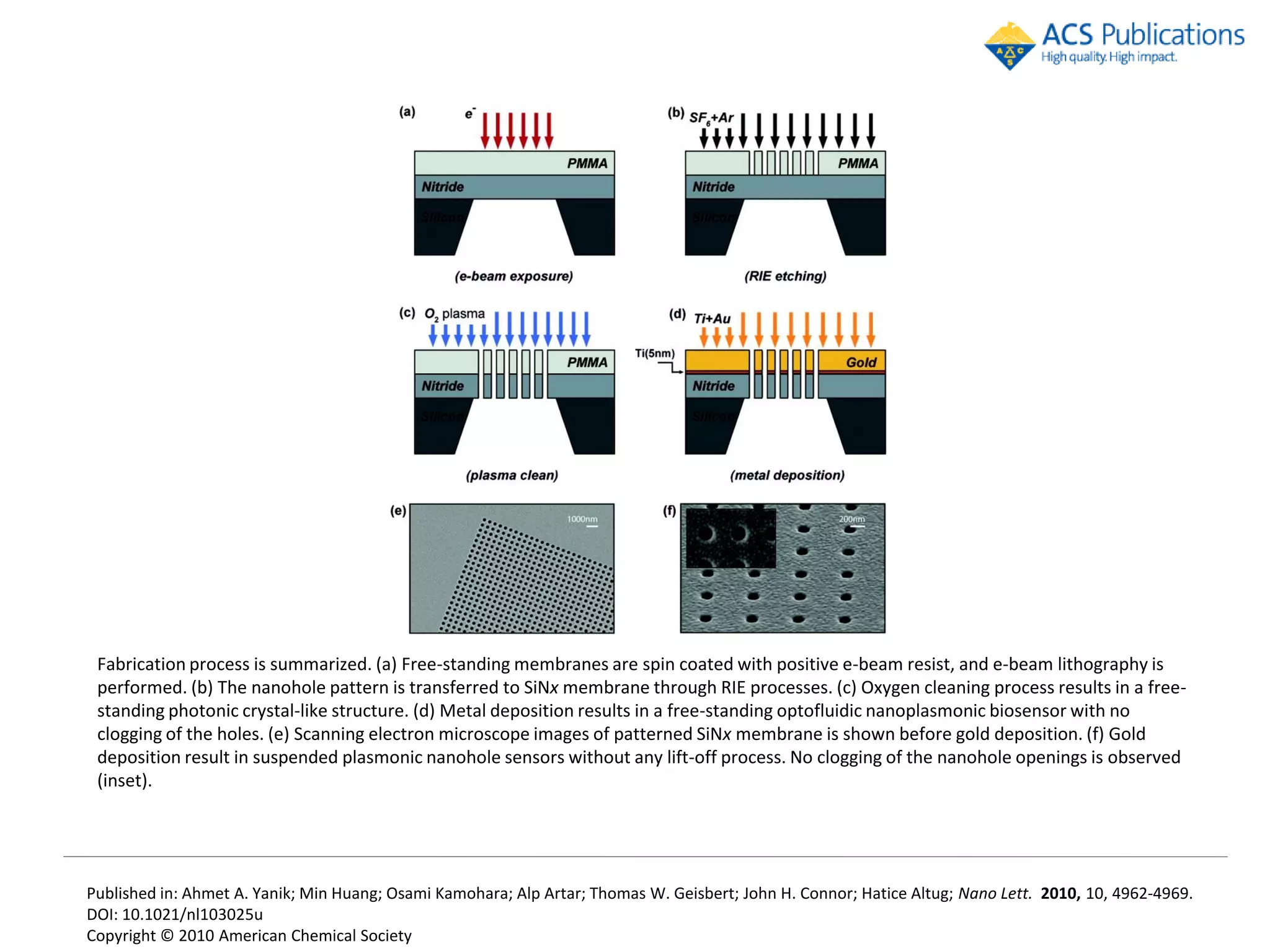
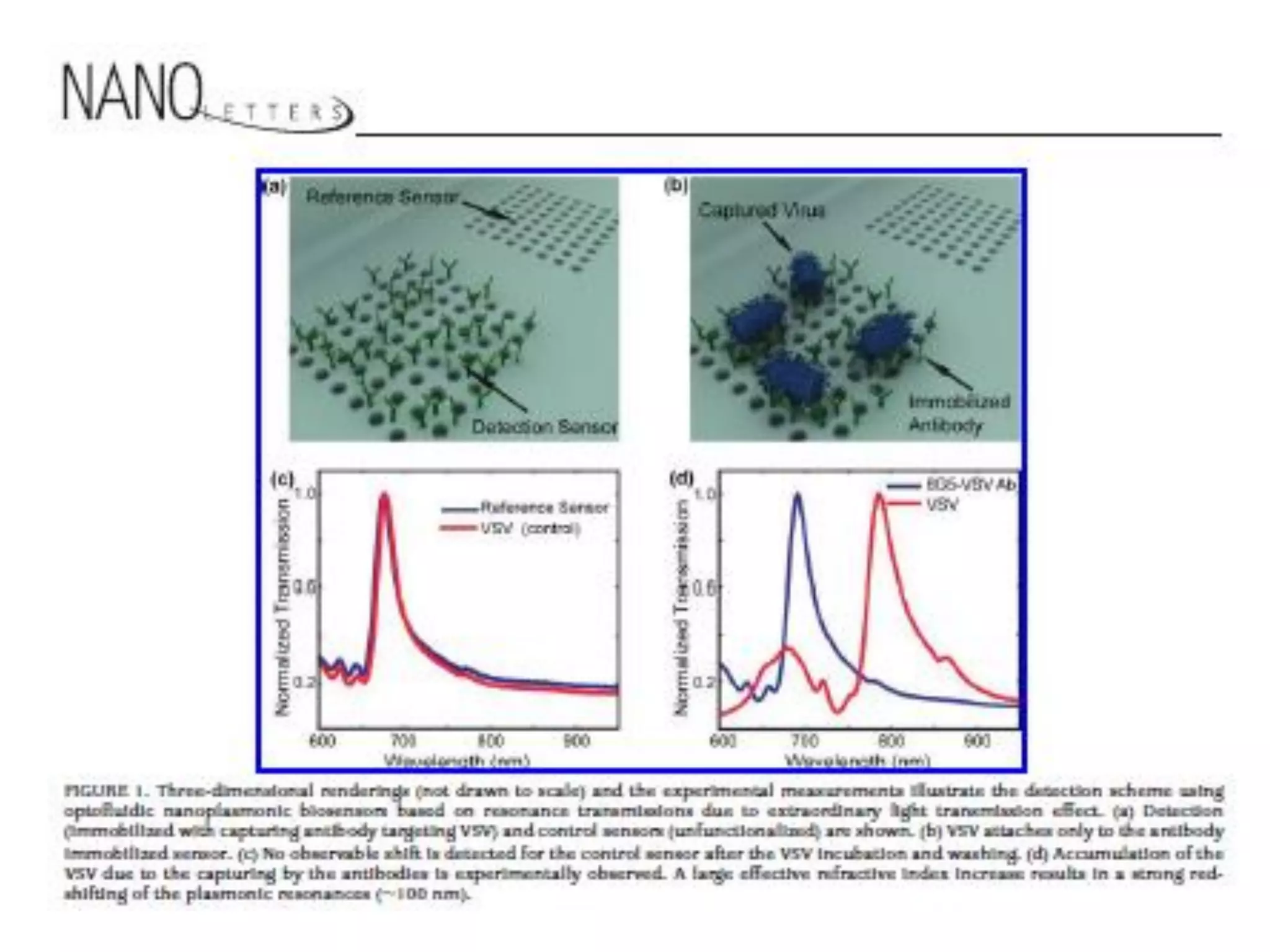
Fabrication process is summarized. (a) Free-standing membranes are spin coated with positive e-beam resist, and e-beam lithography is
 performed. (b) The nanohole pattern is transferred to SiNx membrane through RIE processes. (c) Oxygen cleaning process results in a free-
 standing photonic crystal-like structure. (d) Metal deposition results in a free-standing optofluidic nanoplasmonic biosensor with no
 clogging of the holes. (e) Scanning electron microscope images of patterned SiNx membrane is shown before gold deposition. (f) Gold
 deposition result in suspended plasmonic nanohole sensors without any lift-off process. No clogging of the nanohole openings is observed
 (inset).


Published in: Ahmet A. Yanik; Min Huang; Osami Kamohara; Alp Artar; Thomas W. Geisbert; John H. Connor; Hatice Altug; Nano Lett. 2010, 10, 4962-4969.
DOI: 10.1021/nl103025u
Copyright © 2010 American Chemical Society
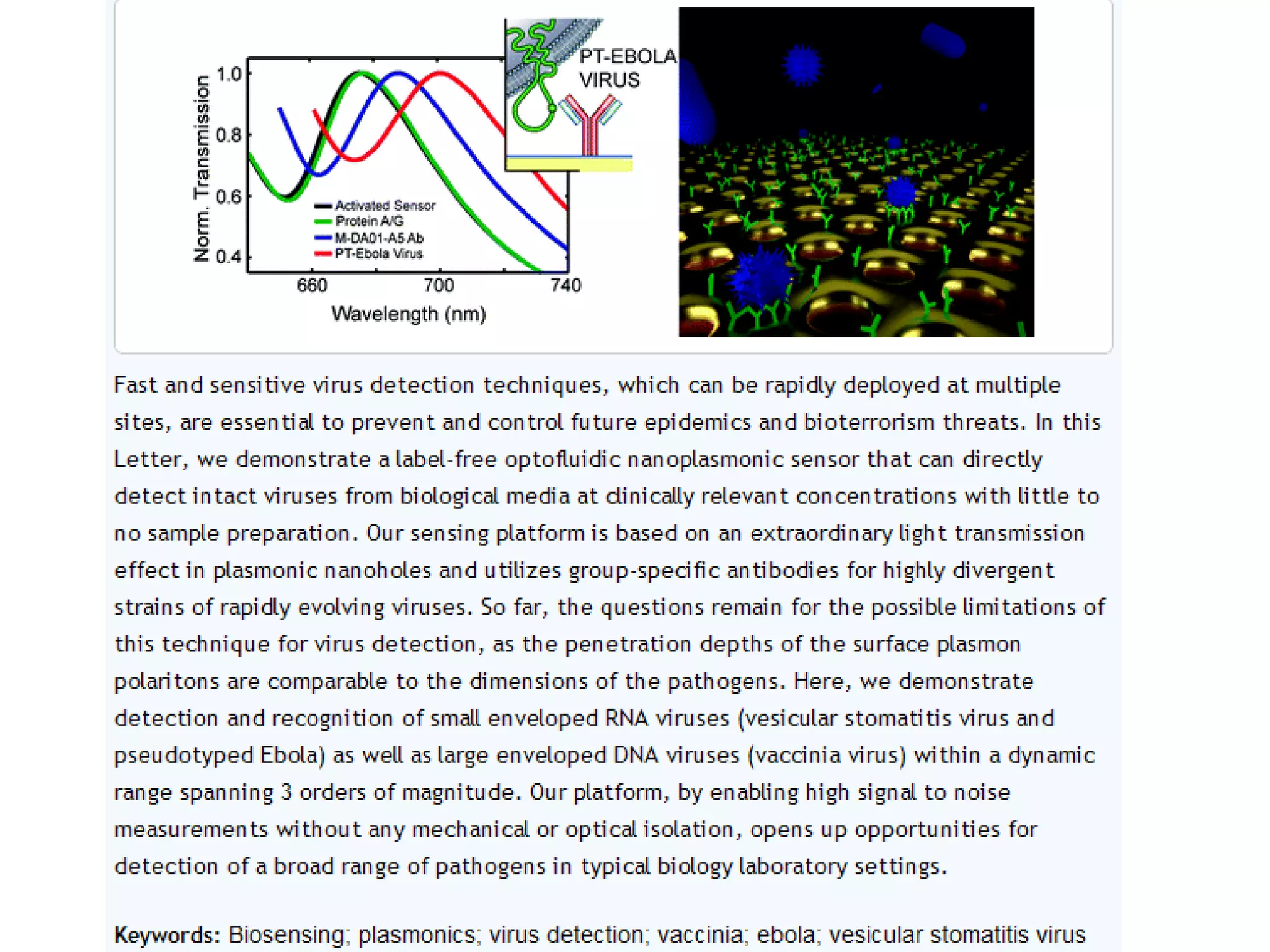
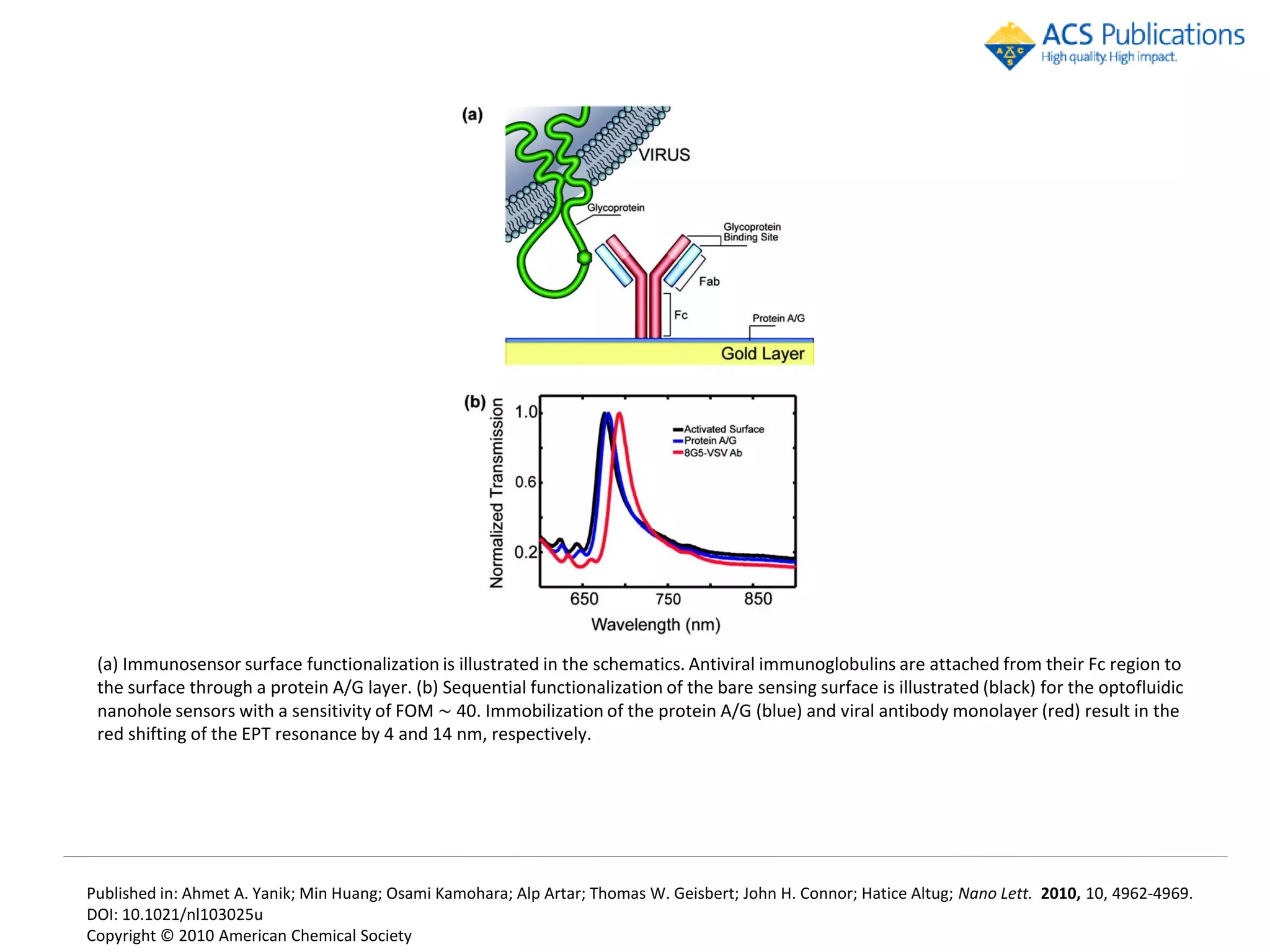
(a) Immunosensor surface functionalization is illustrated in the schematics. Antiviral immunoglobulins are attached from their Fc region to
 the surface through a protein A/G layer. (b) Sequential functionalization of the bare sensing surface is illustrated (black) for the optofluidic
 nanohole sensors with a sensitivity of FOM ∼ 40. Immobilization of the protein A/G (blue) and viral antibody monolayer (red) result in the
 red shifting of the EPT resonance by 4 and 14 nm, respectively.


Published in: Ahmet A. Yanik; Min Huang; Osami Kamohara; Alp Artar; Thomas W. Geisbert; John H. Connor; Hatice Altug; Nano Lett. 2010, 10, 4962-4969.
DOI: 10.1021/nl103025u
Copyright © 2010 American Chemical Society
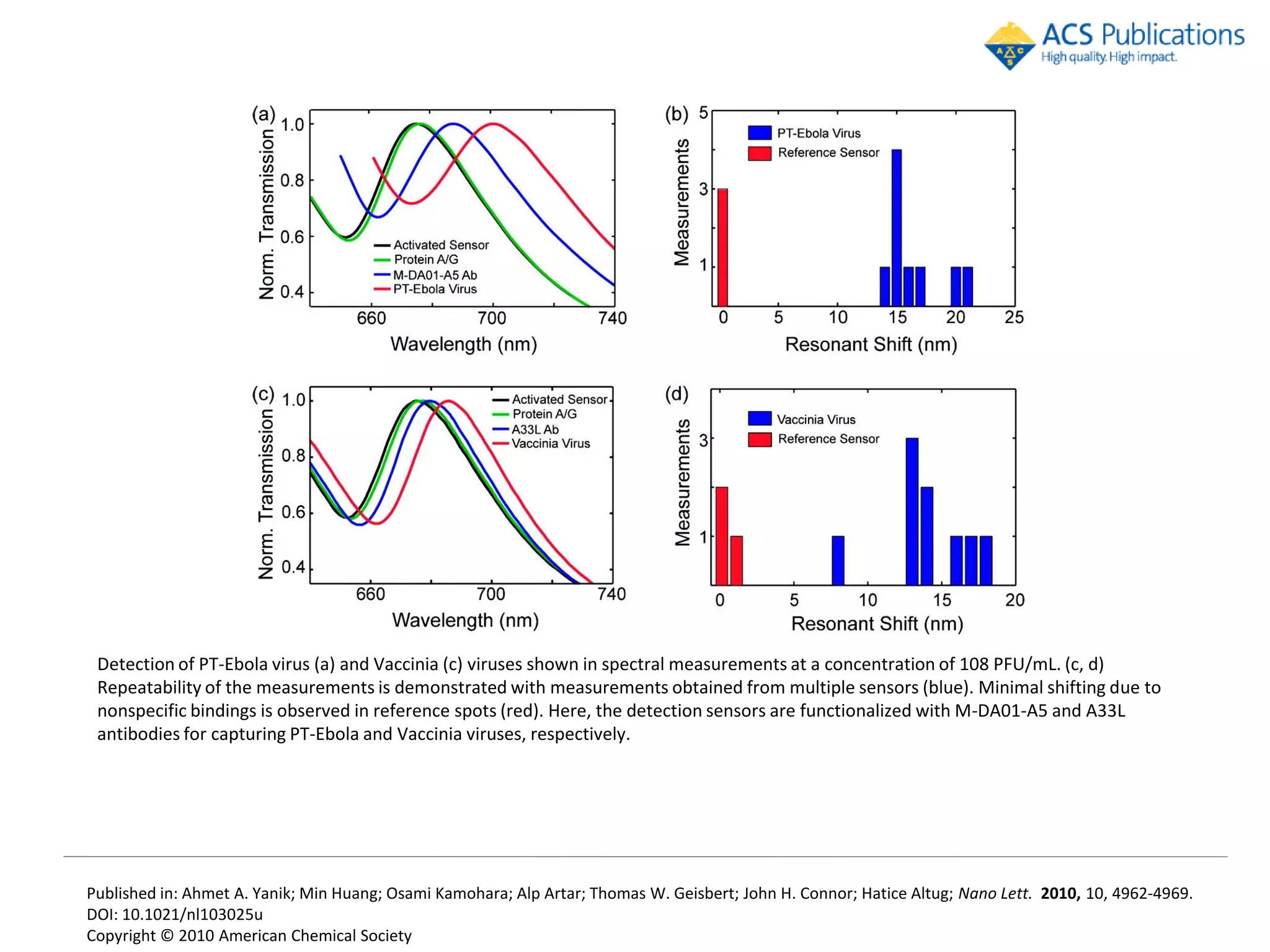
Detection of PT-Ebola virus (a) and Vaccinia (c) viruses shown in spectral measurements at a concentration of 108 PFU/mL. (c, d)
 Repeatability of the measurements is demonstrated with measurements obtained from multiple sensors (blue). Minimal shifting due to
 nonspecific bindings is observed in reference spots (red). Here, the detection sensors are functionalized with M-DA01-A5 and A33L
 antibodies for capturing PT-Ebola and Vaccinia viruses, respectively.


Published in: Ahmet A. Yanik; Min Huang; Osami Kamohara; Alp Artar; Thomas W. Geisbert; John H. Connor; Hatice Altug; Nano Lett. 2010, 10, 4962-4969.
DOI: 10.1021/nl103025u
Copyright © 2010 American Chemical Society
2.Implants
3.Delivery of Therapeutics
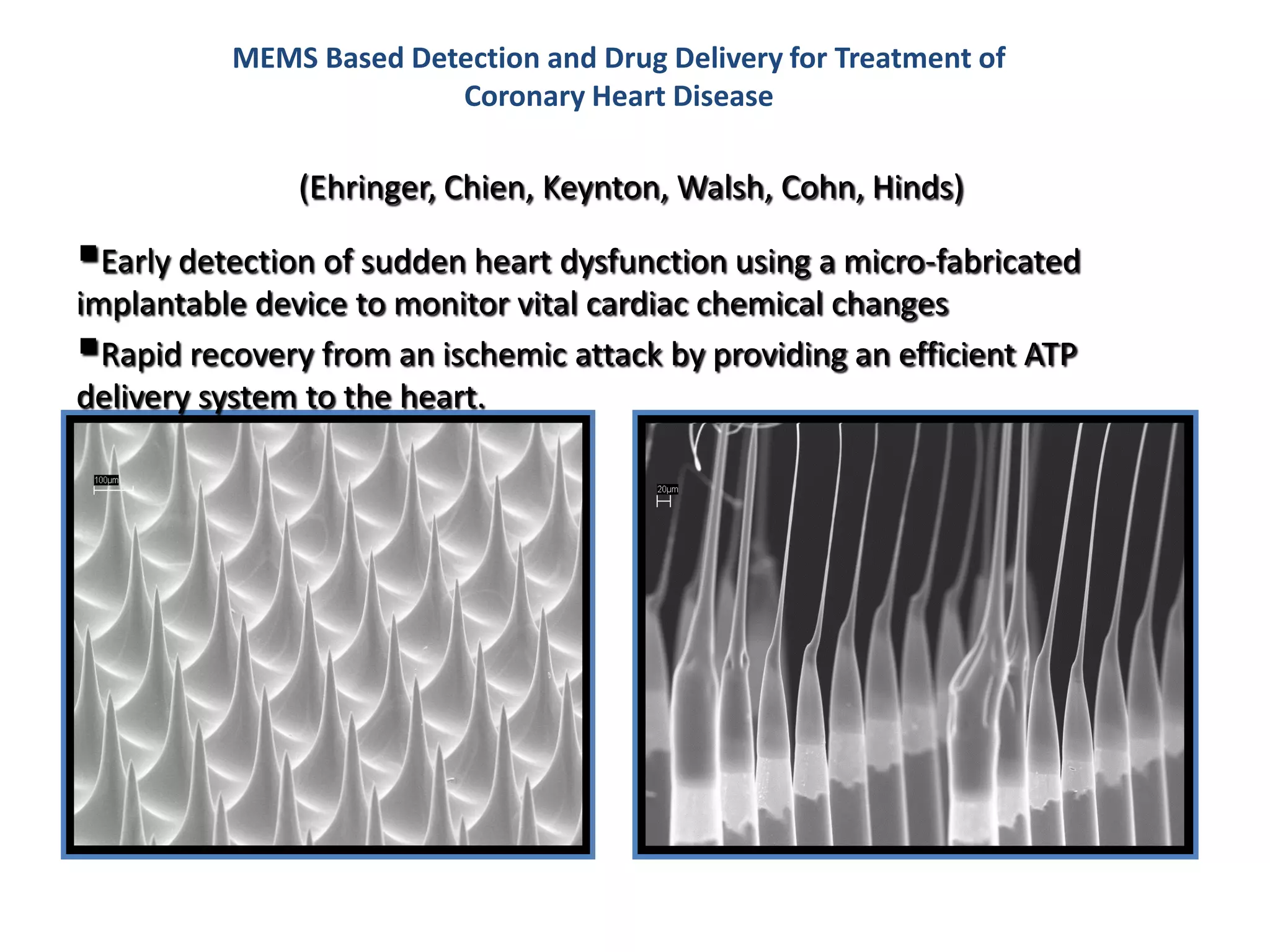
MEMS Based Detection and Drug Delivery for Treatment of
                        Coronary Heart Disease

               (Ehringer, Chien, Keynton, Walsh, Cohn, Hinds)

Early detection of sudden heart dysfunction using a micro-fabricated
implantable device to monitor vital cardiac chemical changes
Rapid recovery from an ischemic attack by providing an efficient ATP
delivery system to the heart.
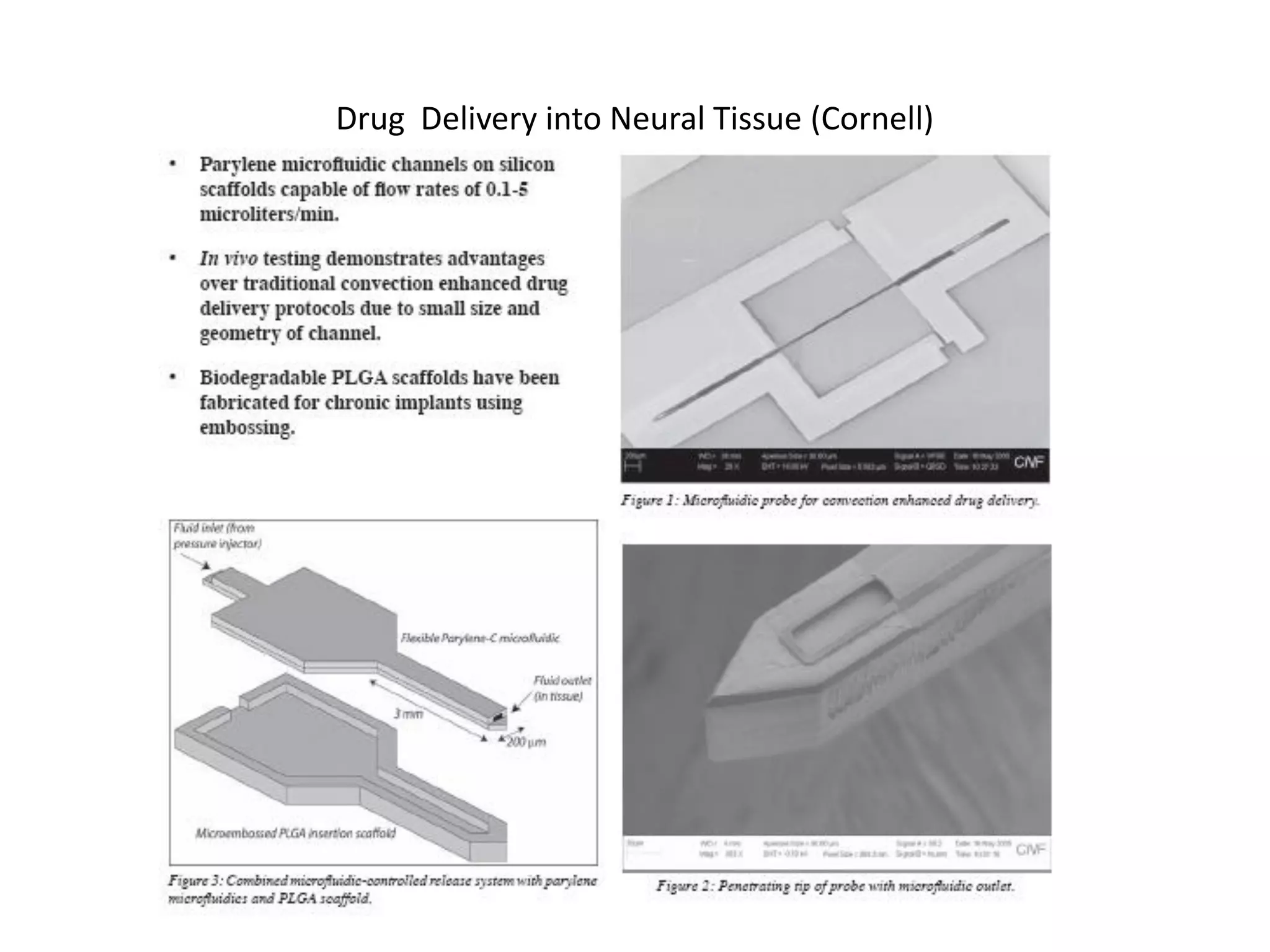
Drug Delivery into Neural Tissue (Cornell)
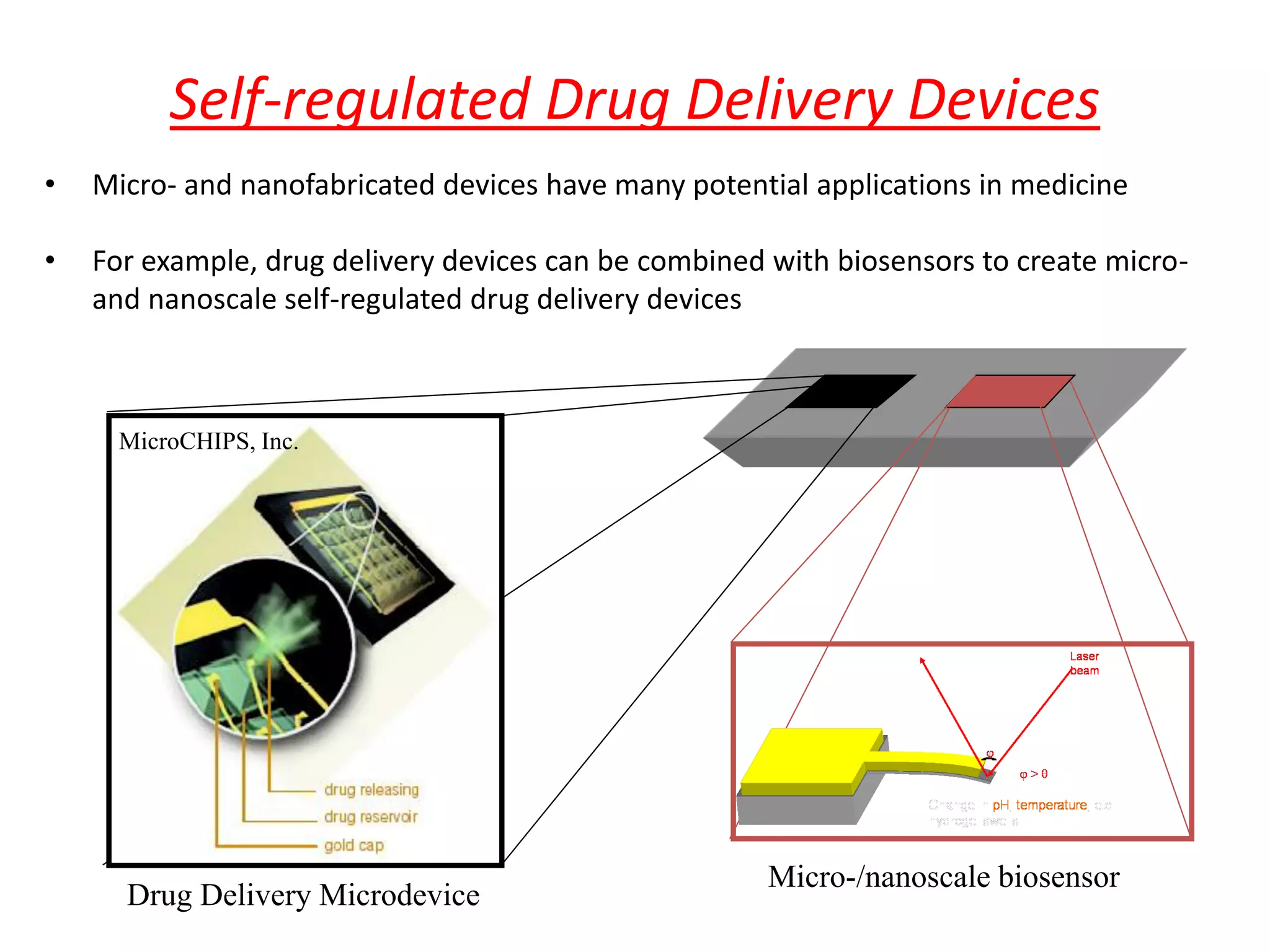
Self-regulated Drug Delivery Devices
•   Micro- and nanofabricated devices have many potential applications in medicine

•   For example, drug delivery devices can be combined with biosensors to create micro-
    and nanoscale self-regulated drug delivery devices


      MicroCHIPS, Inc.


                                                       Micro-/nanoscale biosensor
      Drug Delivery Microdevice
• Other Nanomedicine Applications
Fig 3 Nanoscale Electrode for in-vivo neurological recording.
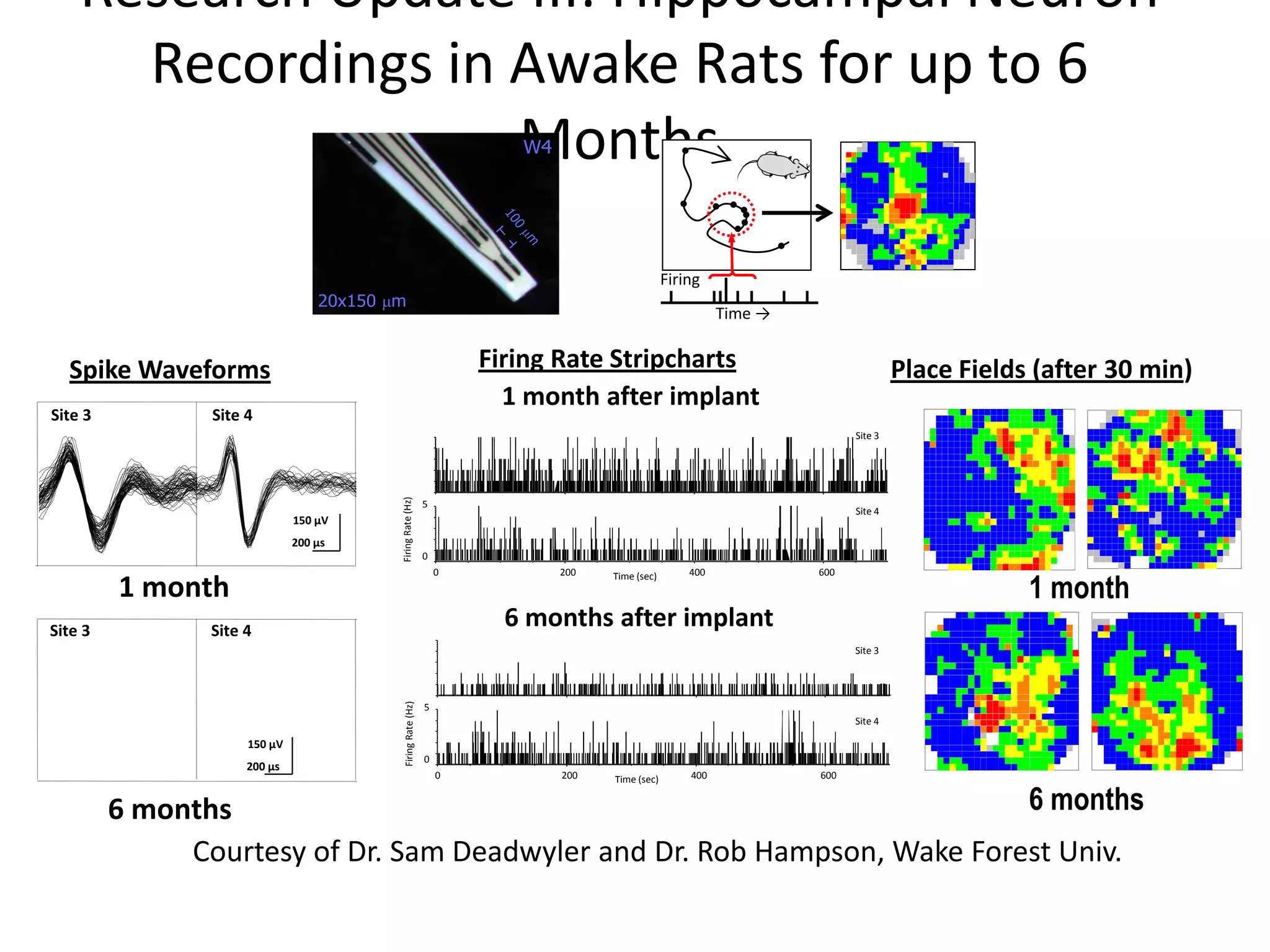
Research Update III: Hippocampal Neuron
      Recordings in Awake Rats for up to 6
                    Months                                                              W4
                                                                                                                                                                             )
                                                                                                                                                                             .
                                                                                                                                                                             8
                                                                                                                                                                             1
                                                                                                                                                                             (
                                                                                                                                                                             3
                                                                                                                                                                             7


                                                                                   10
                                                                                   0
                                                                                                                                   4   9   (   1   2   .   1   )                            6           1       (   1           5       .   1   )


                                                                                    mm
                                                                                                                Firing
                                    20x150 µm
                                                                                                                          Time →


  Spike Waveforms                                                            Firing Rate Stripcharts                                                                        Place Fields (after 30 min)
                                                                               1 month after implant                               9   3   (   2   3   .   1   )                            9           4       (   2           3       .   2   )


Site 3          Site 4
                                                                                                                                                                                    7   3       (   1       8           .   1       )                         8   1       (       2       0           .       1       )


                                                                                                                                                                   Site 3
                                            Firing Rate (Hz)


                                                                 5
                                                                                                                                                                   Site 4
                                150 µV
                    DSP01b
                     sig001     200 µs
                      12000
                                                                 0
                                                                         DSP03a
                                                                     0                       200                    400            600

                                                                                                                                                                                                                                                    1 month
                                                                          sig003
                                                                                                   Time (sec)
         1 month
                                                                           12000
                                                                                                                                                                                    8   2       (   2       0           .   2       )


Site 3          Site 4
                                                                                   6 months after implant
                                                                                                                                                                   Site 3                                                                               61(15.1)
                                              Firing Rate (Hz)


                                                                 5
                                                                                                                                                                   Site 4

                       150 µV
                                                                 0
                       200 μs
                                                                     0                       200                    400                600
                                                                                                                                                                                                                                                                      )       2       .       0   2       (       2       8


                                                                                                   Time (sec)


         6 months                                                         6 months
              Courtesy of Dr. Sam Deadwyler and Dr. Rob Hampson, Wake Forest Univ.
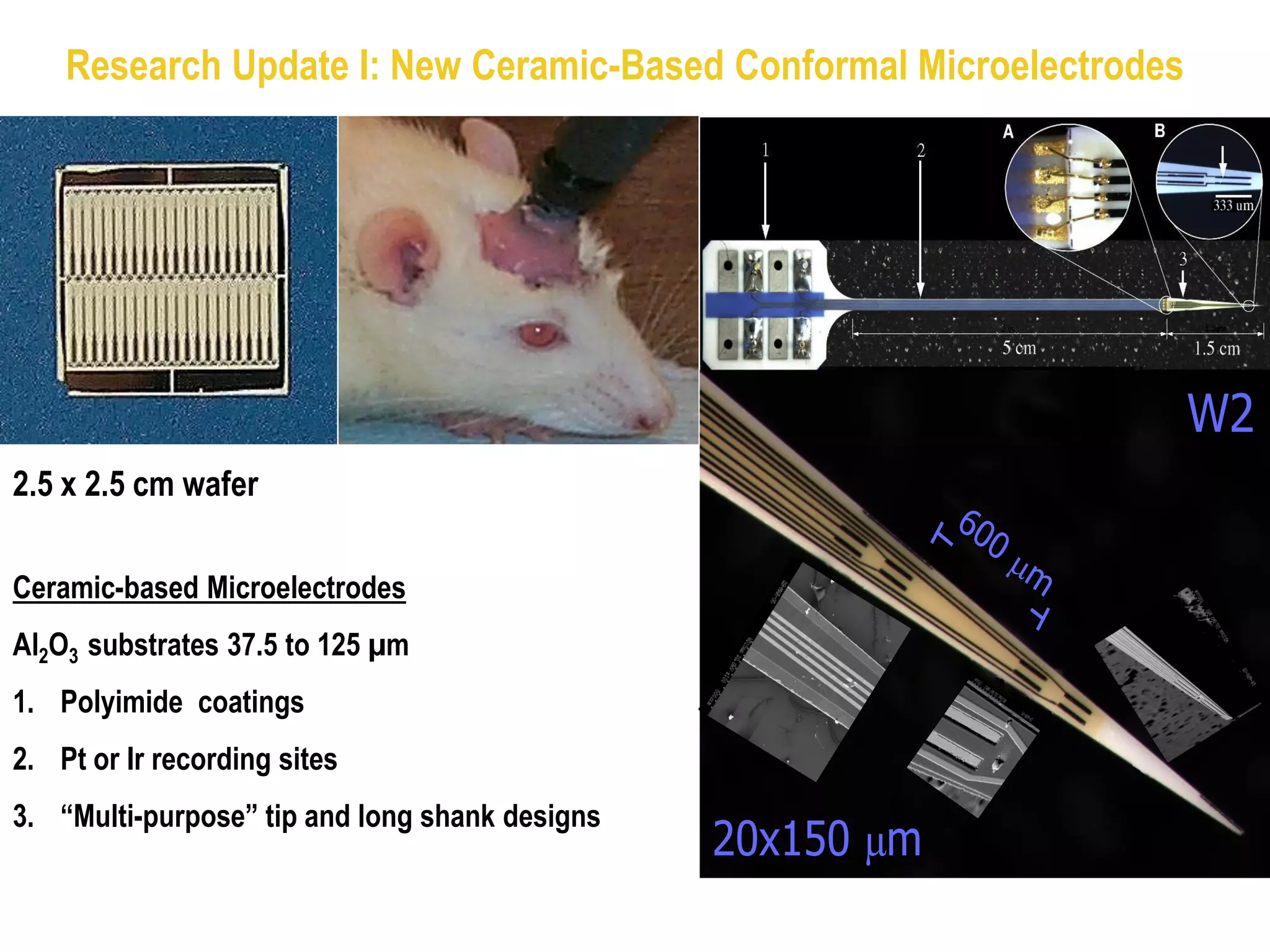
Research Update I: New Ceramic-Based Conformal Microelectrodes


                                                                  Serial


                                                                           W2
2.5 x 2.5 cm wafer
                                                             60
                                                                  0
                                                                      mm
Ceramic-based Microelectrodes     Side-by-Side
Al2O3 substrates 37.5 to 125 µm
1. Polyimide coatings
             “Ceramic-based
2.   Pt or Ir recording sites
               Microarrays”
3. “Multi-purpose” tip and long shank designs
                                                 20x150 µm
2                  Site 1
                                                                      1.5
                                                                        1
                  1        2                                          0.5
                                                                        0
                                                                            0     20        40            60            80
                 4         3                                            2                  Site 2
                                                                      1.5


                                                         Counts/bin
                                                                        1
                                                                      0.5
                                                                        0
                                      150 µV                                0     20        40             60           80
                                      200 µs                            2                  Site 3
                                                                      1.5
                                                                        1
                                                                      0.5
                                                                        0
                                                                            0     20        40             60           80
                                                                        2                  Site 4
                                                                      1.5
                                                                        1
   CA3                                                                0.5
                                                                        0
                                                                            0     20        40             60           80


   DG                     CA1
                                               Ceramic                          MRI of Macaque Brain
                                                Probe


                                W4
                Recording Sites
                      2

            1                     4
                                                                                                    Hippocampus
                           3
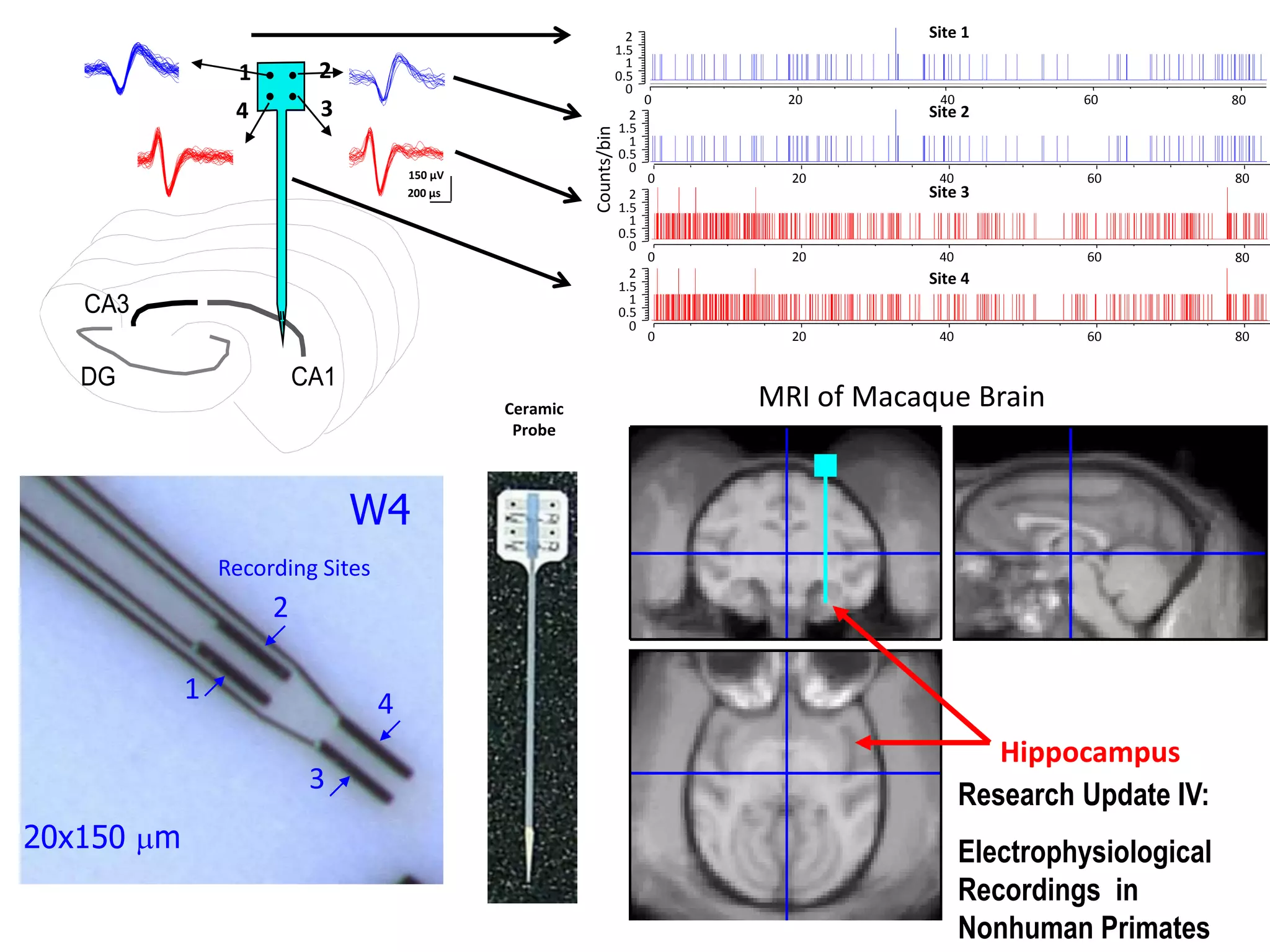
                                                                                                 Research Update IV:
20x150 mm                                                                                        Electrophysiological
                                                                                                 Recordings in
                                                                                                 Nonhuman Primates
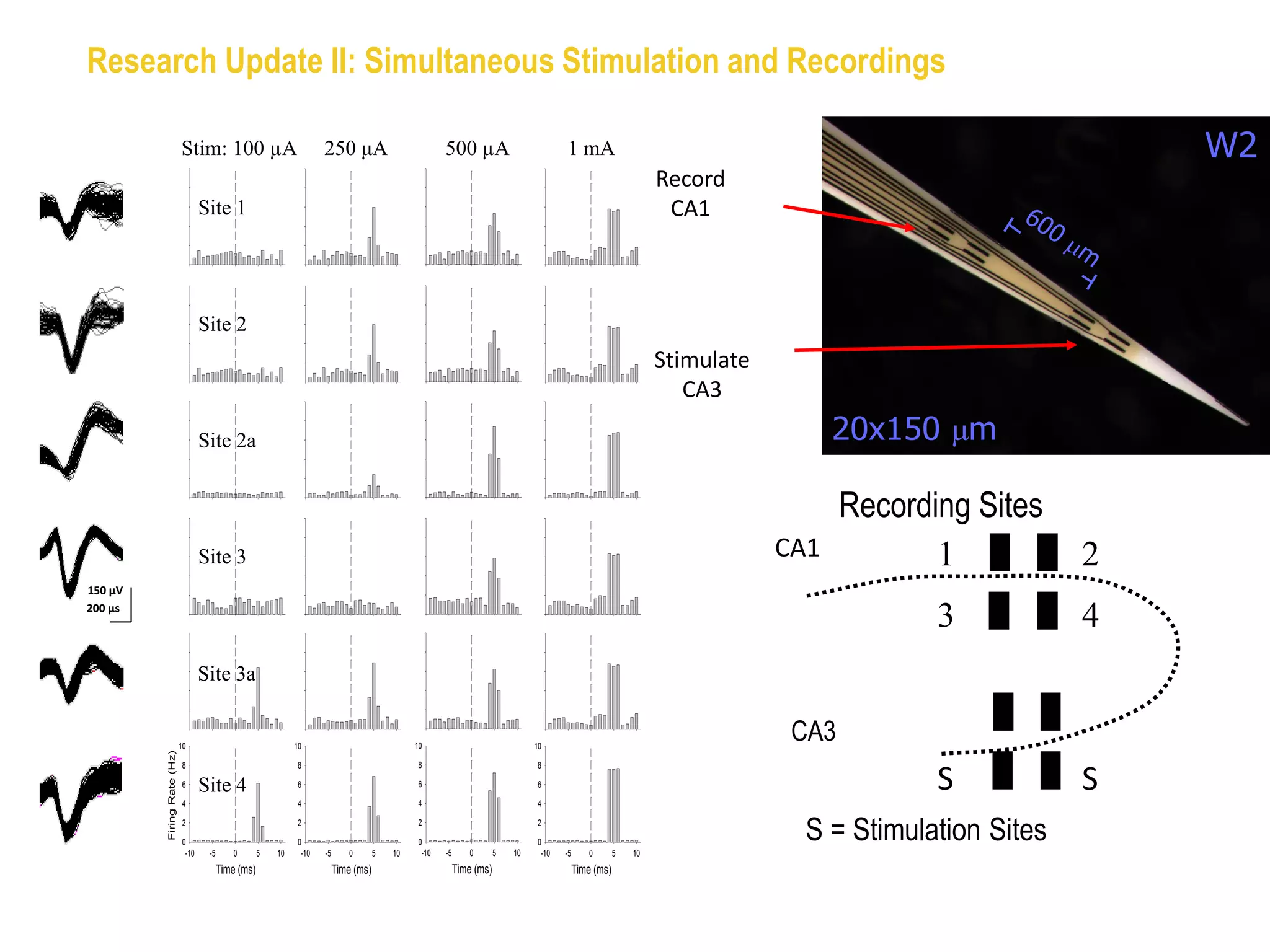
Research Update II: Simultaneous Stimulation and Recordings

                            Stim: 100 µA                             250 μA                           500 µA                           1 mA                                                                 W2
                                                                                                                                                                 Record
                                   Site 1                                                                                                                         CA1                            60
                                                                                                                                                                                                      0m
                                                                                                                                                                                                        m


                                   Site 2
                                                                                                                                                                 Stimulate
                                                                                                                                                                    CA3

                                   Site 2a                                                                                                                                         20x150 µm

                                                                                                                                                                                    Recording Sites
                                   Site 3                                                                                                                                    CA1           1            2
150 µV
200 µs
                                                                                                                                                                                           3            4
                                   Site 3a


                            10                                10                               10                               10
                                                                                                                                                                              CA3
         Firing Rate (Hz)


                            8                                 8                                8                                8

                            6

                            4
                                   Site 4                     6

                                                              4
                                                                                               6

                                                                                               4
                                                                                                                                6

                                                                                                                                4
                                                                                                                                                                                           S            S
                            2

                            0
                                                              2

                                                              0
                                                                                               2

                                                                                               0
                                                                                                -10   -5       0       5   10
                                                                                                                                2

                                                                                                                                0
                                                                                                                                                                               S = Stimulation Sites
                             -10    -5       0       5   10    -10   -5       0       5   10                                     -10   -5       0       5   10
                                         Time (ms)                        Time (ms)                        Time (ms)                        Time (ms)
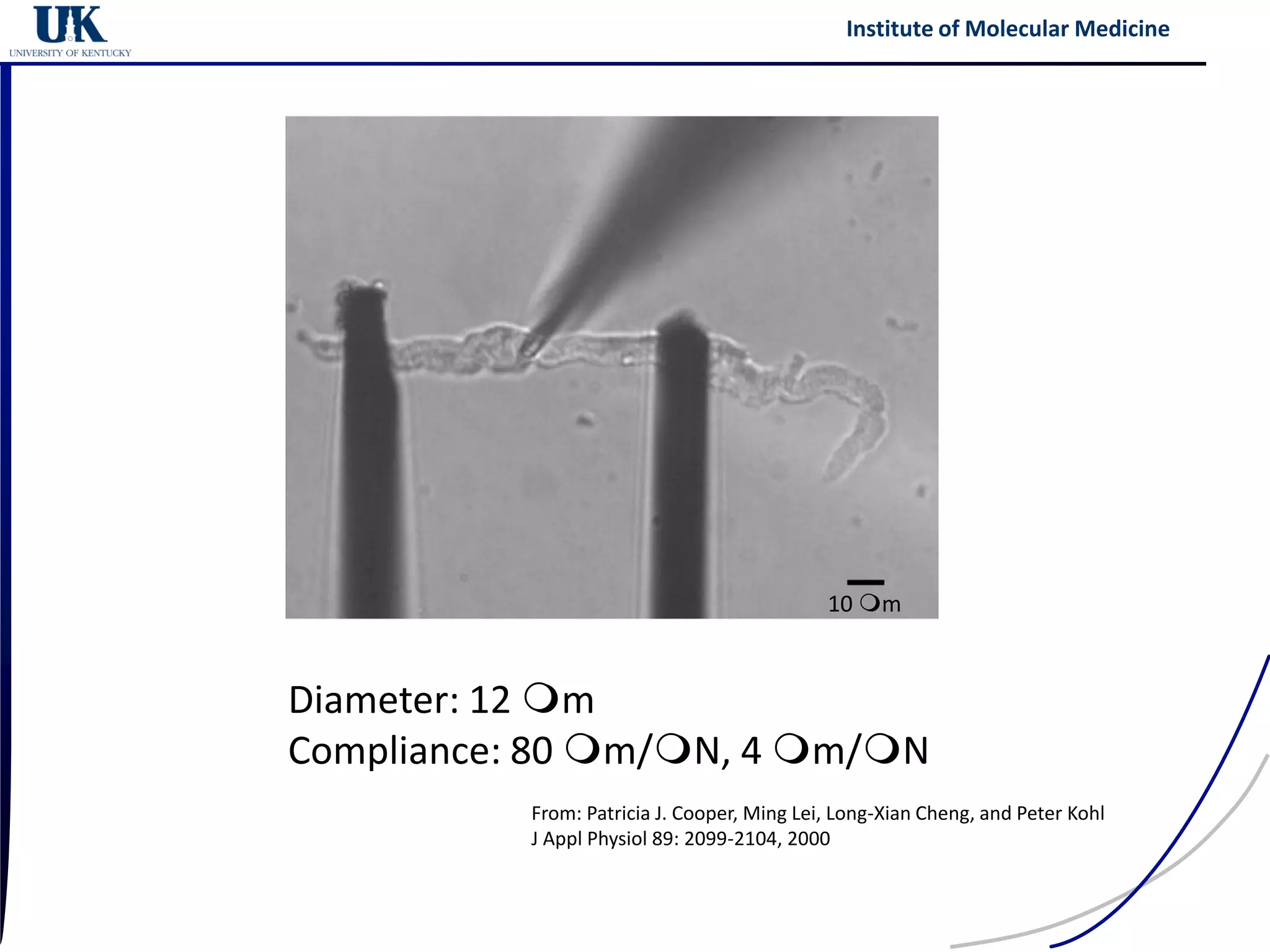
Institute of Molecular Medicine


                                            10 mm


Diameter: 12 mm
Compliance: 80 mm/mN, 4 mm/mN
          From: Patricia J. Cooper, Ming Lei, Long-Xian Cheng, and Peter Kohl
          J Appl Physiol 89: 2099-2104, 2000
Institute of Molecular Medicine


       NanoMedicine Project 3

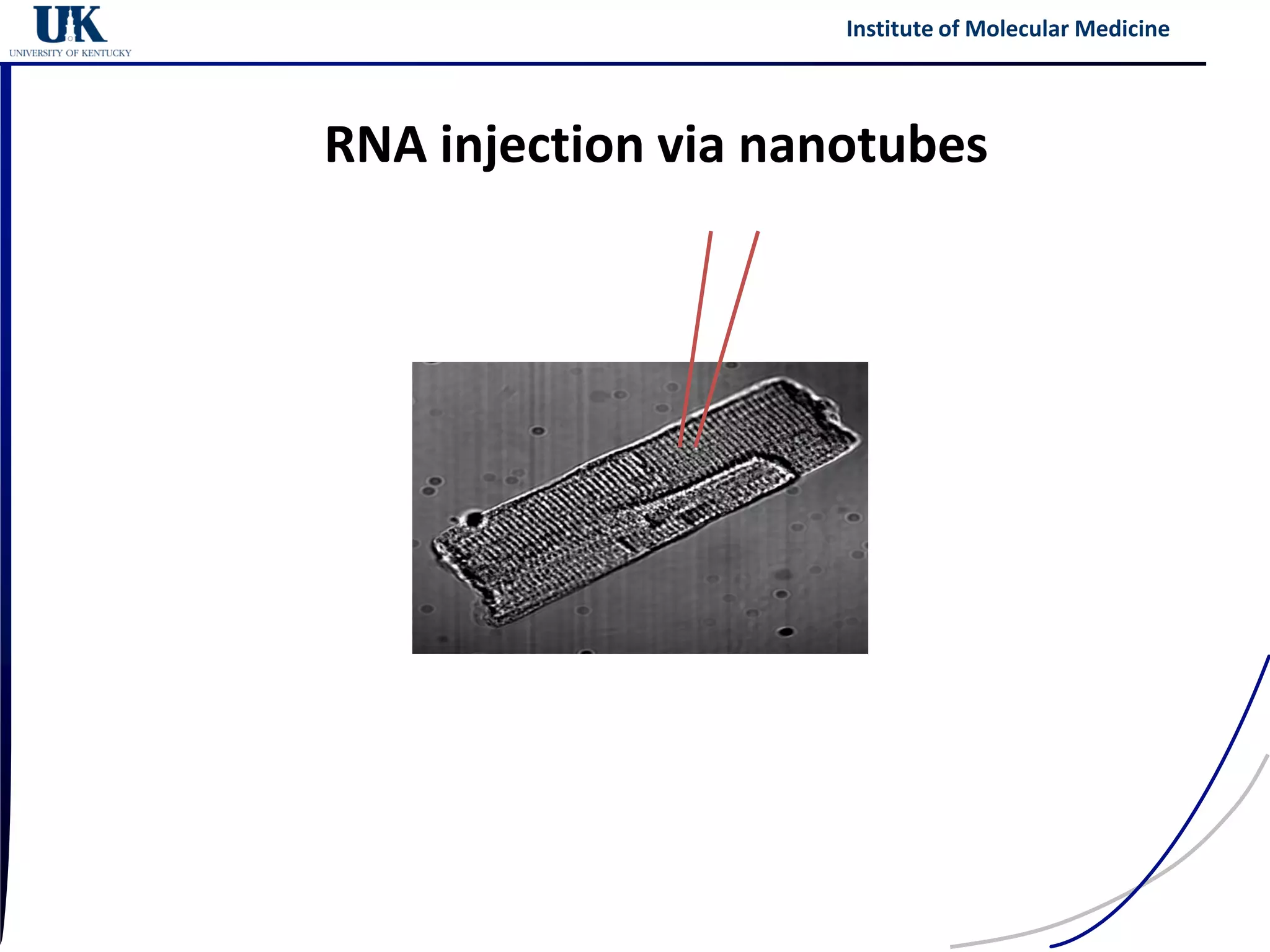
Objective: To use hollow nanotubes as a delivery vehicle for
small interference RNA (RNAi) to silence specific gene products.
Institute of Molecular Medicine


RNA injection via nanotubes
Institute of Molecular Medicine


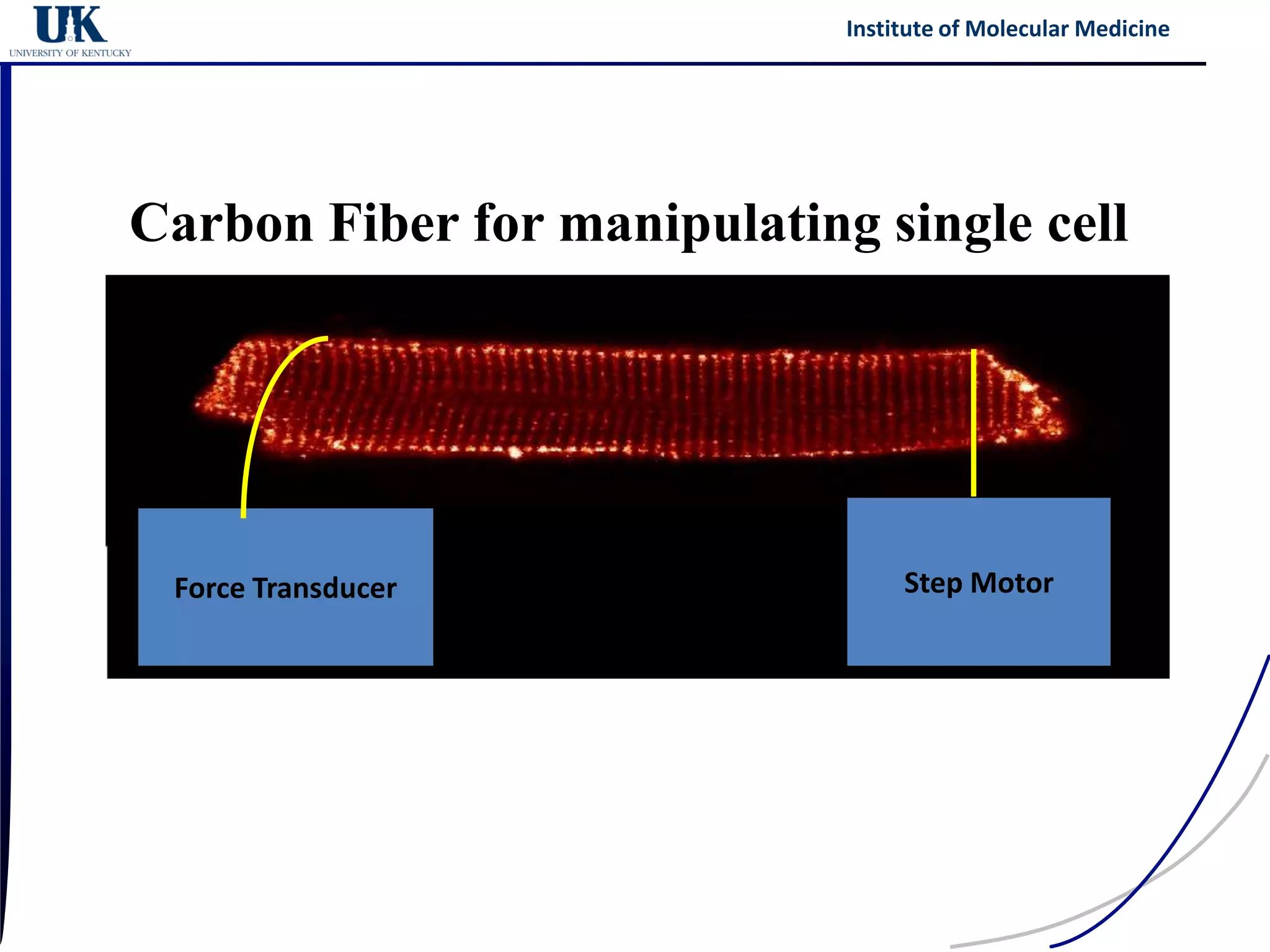
Carbon Fiber for manipulating single cell


 Force Transducer                 Step Motor
• Other Nanomedicine Opportunities
• RISKS
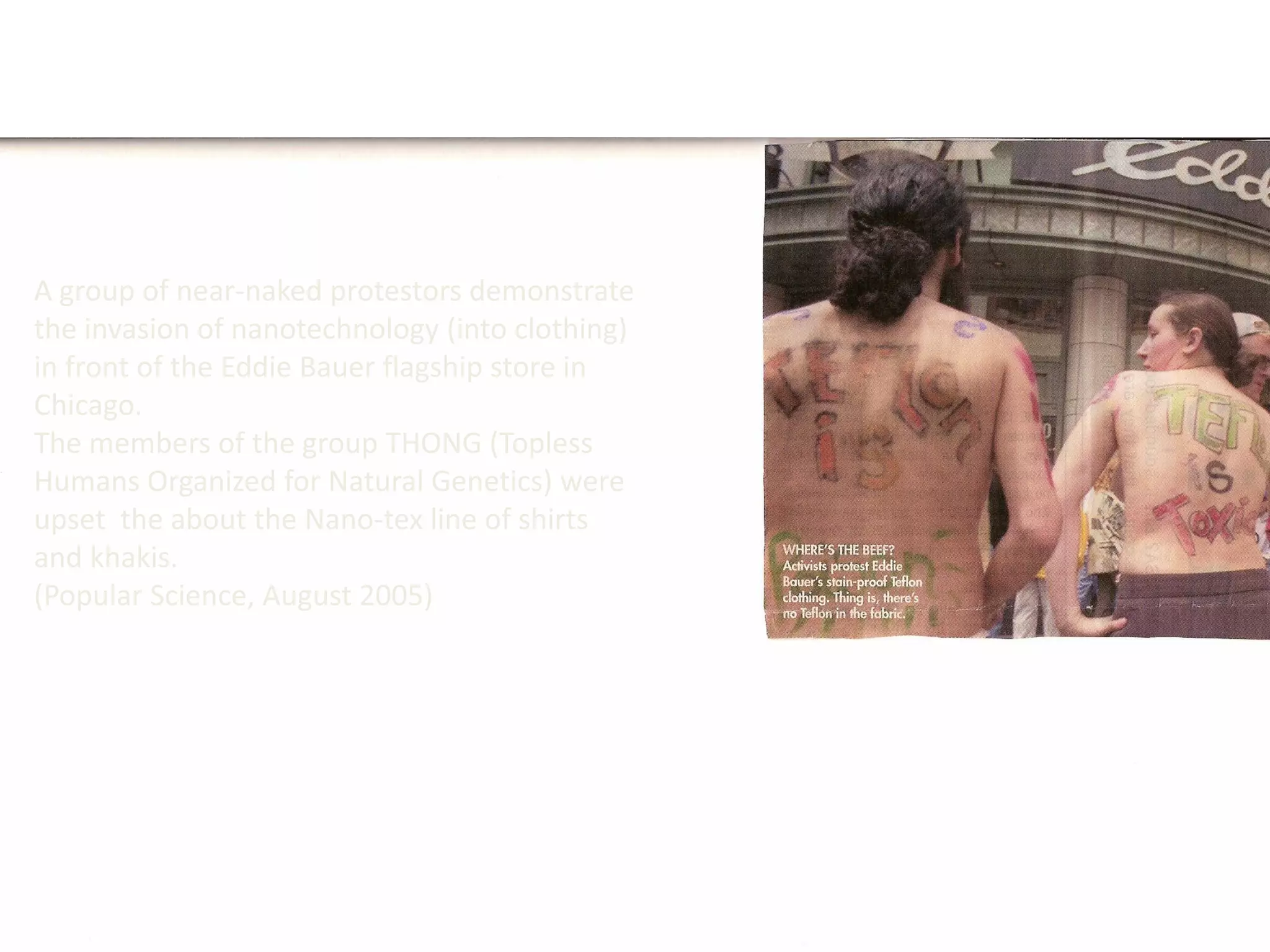
A group of near-naked protestors demonstrate
the invasion of nanotechnology (into clothing)
in front of the Eddie Bauer flagship store in
Chicago.
The members of the group THONG (Topless
Humans Organized for Natural Genetics) were
upset the about the Nano-tex line of shirts
and khakis.
(Popular Science, August 2005)
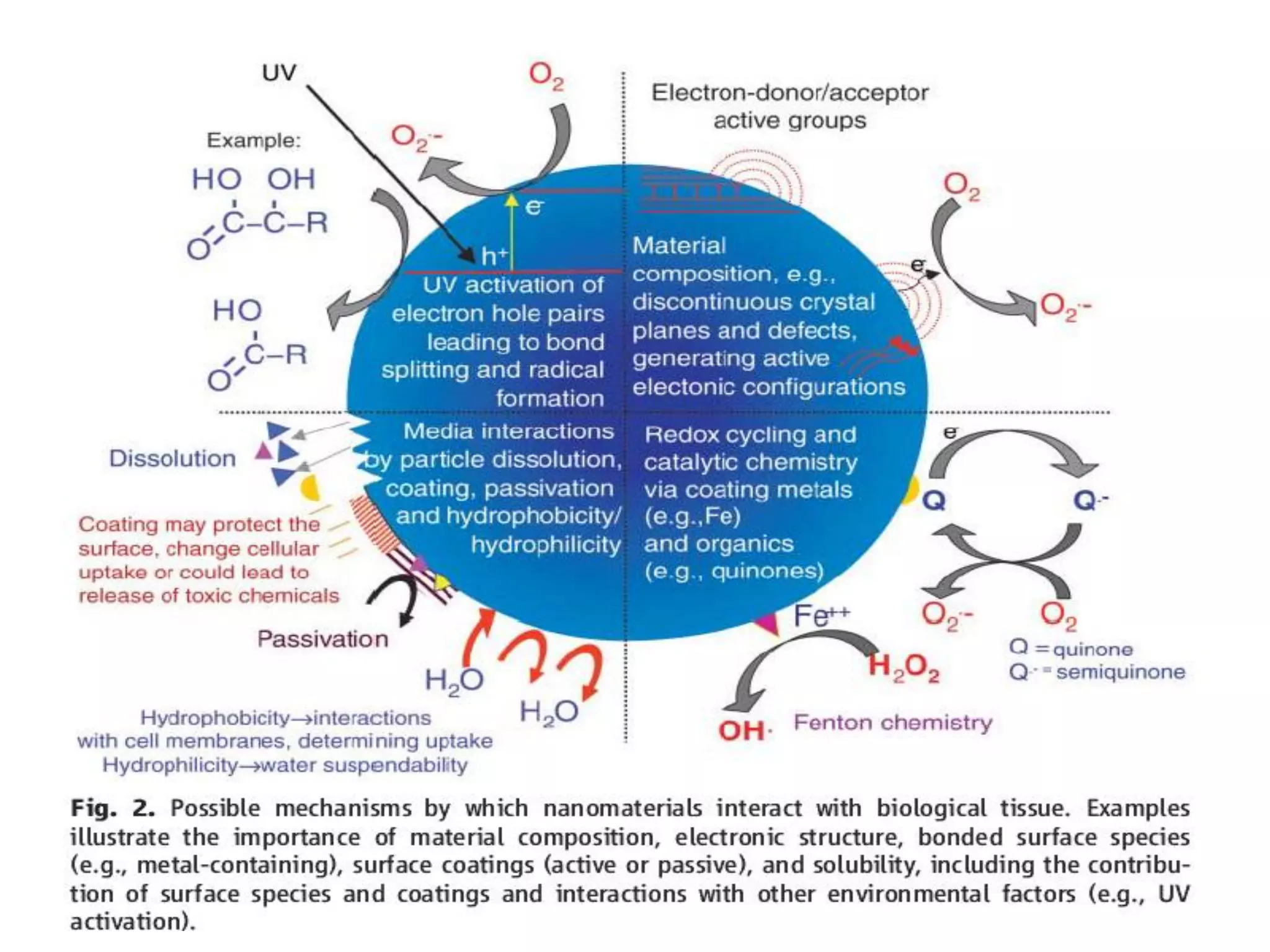
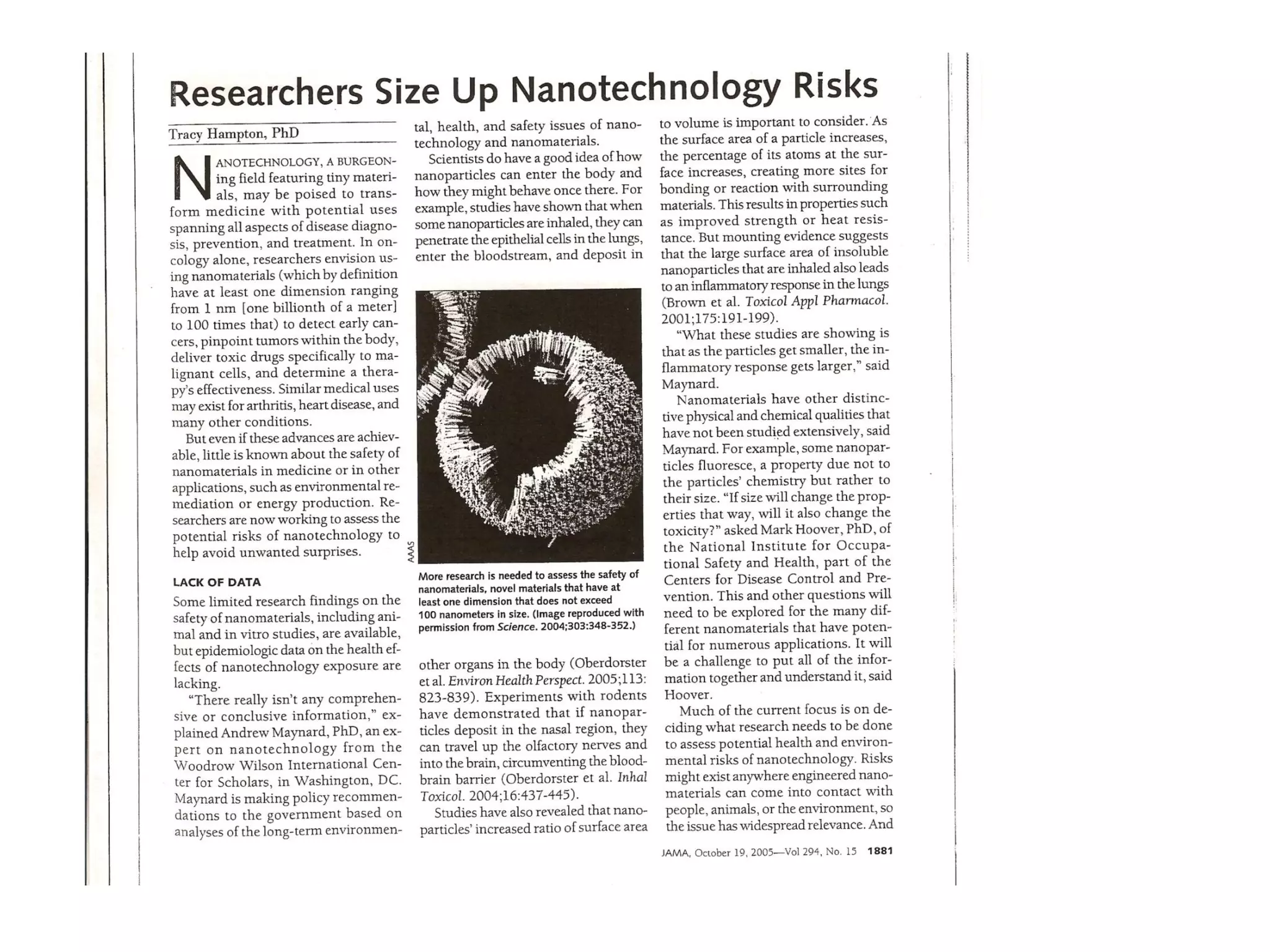
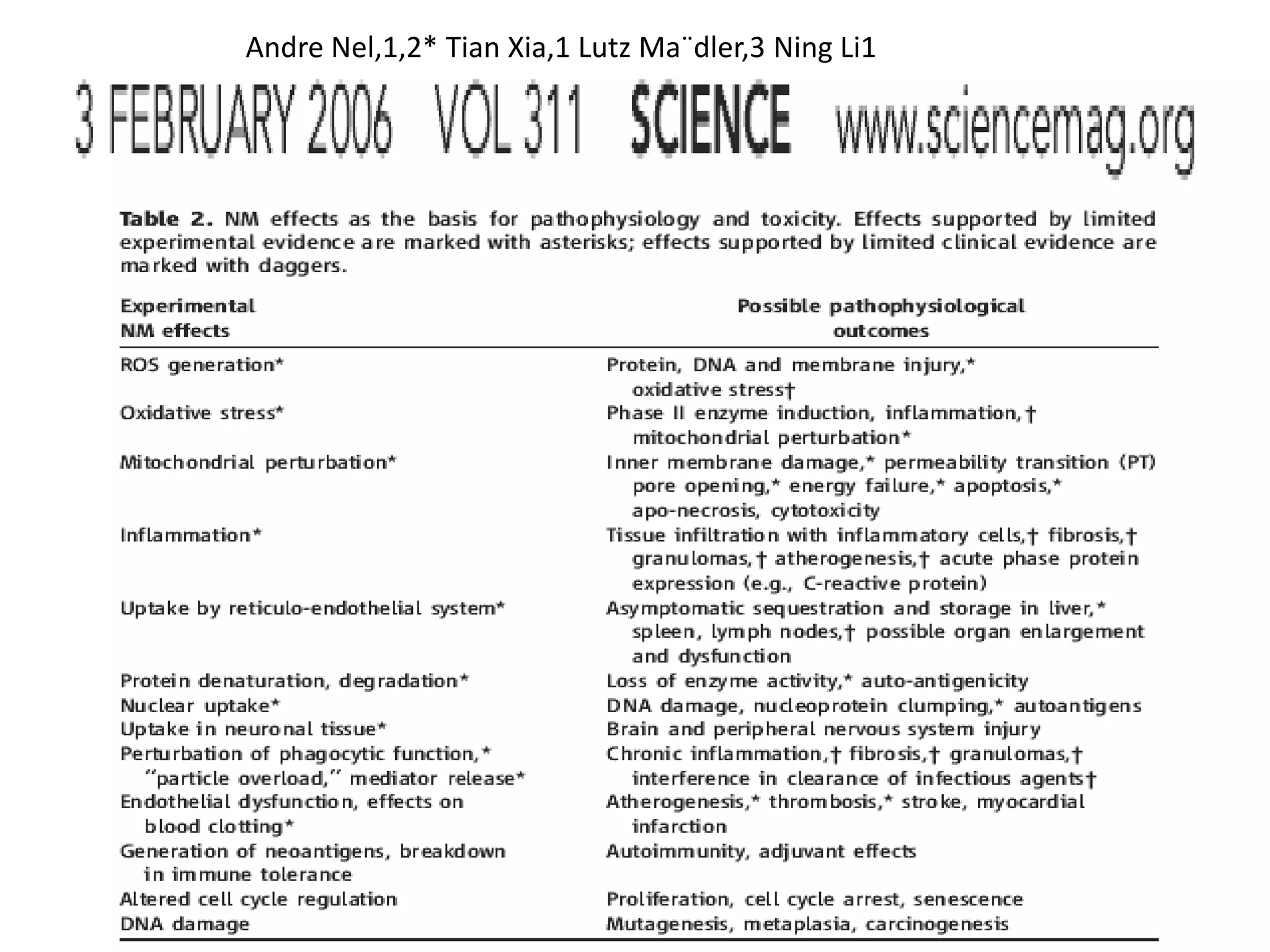
Andre Nel,1,2* Tian Xia,1 Lutz Ma¨dler,3 Ning Li1
2012 tus lecture 6
2012 tus lecture 6
2012 tus lecture 6
2012 tus lecture 6

2012 tus lecture 6

  • 1.
    Lecture 6. Nanotechnology Fuel Cells Nano-composite materials Nanoelectronics and photonic Devices: Chemical and Biological Detectors Nanomedicine: Disease Detection Implants Delivery of Therapeutics Other nanomedicine Applications Risks
  • 2.
  • 3.
    WHY FUEL CELLS? Emission of toxic pollutants when fossil fuel burns Build-up of CO2 & other greenhouse gases leading to global warming  Decline of world oil production Deregulation of electricity supply industry
  • 4.
    Advantages of FuelCells More efficient and convenient than internal combustion engines  Modular Design •40-60% efficient  Cogeneration •Zero-emission •Low maintenance costs  Capacity to use different kinds of fuels •No moving parts More practical and cost effective than  No moving parts batteries  Fast response High specific energy and power  High Efficiency Longer life (5-10 years vs. 1-3 for batteries)  No emission of pollutants No long charging periods Lower capital cost in mass production No hazardous material disposal issues
  • 6.
    Polymer Electrolyte MembraneFuel Cell (PEMFC) http://www.celanesechemicals.us/index/about_index/innov-home/innov-fuelcell/fuel_cell_contacts/fuel_cell_pictures.htm
  • 8.
  • 9.
    FUEL CELL MATERIALS Fuel cells will power the new hydrogen economy; and advances in materials science, especially nanomaterials will be key to enabling this. MEMBRANES A critical challenge is finding effective membrane materials. Membranes which can function without pressure, temperature, hydration may reduce the cost and complexity 2 mm 2 mm sjp@cie.unam.mx
  • 13.
    FUEL CELL MATERIALS Fuel cells will power the new hydrogen economy; and advances in materials science, especially nanomaterials will be key to enabling this. ELECTRODES AND CATALYSTS CO tolerant catalysts based on nanostructured Pt alloys are presently the most utilized. Critical challenges are finding new nanostructured catalytic materials and cheap synthesis routes. Nanostructured Pt-Ru catalyst sjp@cie.unam.mx
  • 16.
  • 17.
    Figure 8.1. Schematicrepresentations of nanocomposite materials with characteristic length scale: (a) nanolayered composites with nanoscale bilayer repeat length L; (b) nanofilamentary (nanowire) composites composed of a matrix with embedded filaments of nanoscale diameter d; (c) nanoparticulate composites composed of a matrix with embedded particles of nanoscale diameter d.
  • 19.
  • 20.
    Fig. 1 Scanning-electronmicrograph of a Silicon-on-insulator integrated- phontonic Device. [2,3]
  • 22.
    Ballistic Nanotube MOSTransistors (Chen,Hastings) Placement of Nanotubes by E-Field D Nanotube Field-Effect Transistor(FET) (The first-demo) Al-Gate SWNT L Drain Source d HfO2 W L Ti SiO2 L~20 nm E-Beam Lithography
  • 31.
  • 35.
  • 36.
    Figure 20.1. Schematicillustrations of 1D, 2D, and 3D photonic crystals patterned from two different types of dielectric materials.
  • 37.
    Figure 20.3. (A)An illustration of the 3D woodpile lattice and (B) its photonic band structure calculated using the PWEM method. The filling fraction of the dielectric rods is 26.6%, and the contrast in refractive index is set to be 3.6/1.0.(From Ref. 23 by permission of Elsevier B.V.)
  • 40.
    • • Figure 1With the disordered lattice set up, the researchers launched a weak probe beam and imaged the intensity distribution in the x–y plane downstream as the light passed through the material (see the figure). In transverse localization, a narrow beam propagating through a disordered medium undergoes diffusive broadening until its width becomes comparable to the localization length. The greater the disorder, the faster the beam evolves into the localized state.
  • 41.
    C. Chemical and Biological Detectors
  • 43.
    Microarrays for SensingApplications 50 mm Polymeric networks patterned onto silicon surfaces have potential application as recognition elements in biosensor applications.
  • 45.
    Fig. 4 (a)A capacitive sensor structure and (b) Response of the capacitive sensor using the vertically aligned MWNT’s in a template (Switch between 3% NH3 and pure N2).
  • 56.
    Photonic Sensors: Self-ReferencingSurface-Plasmon Resonance (SR-SPR) Sensing Self-referencing Surface-Plasmon • Surface-plasmon resonance: Resonance Sensor – widely used for chemical sensing and for investigating bio-molecular interactions – high sensitivity, label free approach that measures refractive index changes near a metal-solution interface – most often measures binding of the target analyte to a functionalized surface, but • How can one differentiate between specific binding, non-specific binding, and changes in solution refractive index? • How can one integrate SPR on chip for multi-channel self-referenced sensing? Students: R. Donipudi, P. Bathae Kumeresh; Funded by ORAU
  • 57.
  • 58.
    A nanofilter from LabNowgives a fast count of white blood cells
  • 59.
    Application as FunctionalComponents of Novel Devices • Nanomedicine – Diagnosis • Imaging • Sensors • DNA Sequencing – Arrays, Nanopore Sequencing – Therapeutics • Surgery • Drug Development – Arrays, Local Cellular Delivery • Drug Delivery – Microchip, Microneedles, Micro-/Nano-sphere • Tissue Engineering
  • 60.
  • 66.
    Fig 3 NanoscaleElectrode for in-vivo neurological recording.
  • 69.
    Fabrication process issummarized. (a) Free-standing membranes are spin coated with positive e-beam resist, and e-beam lithography is performed. (b) The nanohole pattern is transferred to SiNx membrane through RIE processes. (c) Oxygen cleaning process results in a free- standing photonic crystal-like structure. (d) Metal deposition results in a free-standing optofluidic nanoplasmonic biosensor with no clogging of the holes. (e) Scanning electron microscope images of patterned SiNx membrane is shown before gold deposition. (f) Gold deposition result in suspended plasmonic nanohole sensors without any lift-off process. No clogging of the nanohole openings is observed (inset). Published in: Ahmet A. Yanik; Min Huang; Osami Kamohara; Alp Artar; Thomas W. Geisbert; John H. Connor; Hatice Altug; Nano Lett. 2010, 10, 4962-4969. DOI: 10.1021/nl103025u Copyright © 2010 American Chemical Society
  • 72.
    (a) Immunosensor surfacefunctionalization is illustrated in the schematics. Antiviral immunoglobulins are attached from their Fc region to the surface through a protein A/G layer. (b) Sequential functionalization of the bare sensing surface is illustrated (black) for the optofluidic nanohole sensors with a sensitivity of FOM ∼ 40. Immobilization of the protein A/G (blue) and viral antibody monolayer (red) result in the red shifting of the EPT resonance by 4 and 14 nm, respectively. Published in: Ahmet A. Yanik; Min Huang; Osami Kamohara; Alp Artar; Thomas W. Geisbert; John H. Connor; Hatice Altug; Nano Lett. 2010, 10, 4962-4969. DOI: 10.1021/nl103025u Copyright © 2010 American Chemical Society
  • 73.
    Detection of PT-Ebolavirus (a) and Vaccinia (c) viruses shown in spectral measurements at a concentration of 108 PFU/mL. (c, d) Repeatability of the measurements is demonstrated with measurements obtained from multiple sensors (blue). Minimal shifting due to nonspecific bindings is observed in reference spots (red). Here, the detection sensors are functionalized with M-DA01-A5 and A33L antibodies for capturing PT-Ebola and Vaccinia viruses, respectively. Published in: Ahmet A. Yanik; Min Huang; Osami Kamohara; Alp Artar; Thomas W. Geisbert; John H. Connor; Hatice Altug; Nano Lett. 2010, 10, 4962-4969. DOI: 10.1021/nl103025u Copyright © 2010 American Chemical Society
  • 74.
  • 76.
  • 77.
    MEMS Based Detectionand Drug Delivery for Treatment of Coronary Heart Disease (Ehringer, Chien, Keynton, Walsh, Cohn, Hinds) Early detection of sudden heart dysfunction using a micro-fabricated implantable device to monitor vital cardiac chemical changes Rapid recovery from an ischemic attack by providing an efficient ATP delivery system to the heart.
  • 78.
    Drug Delivery intoNeural Tissue (Cornell)
  • 80.
    Self-regulated Drug DeliveryDevices • Micro- and nanofabricated devices have many potential applications in medicine • For example, drug delivery devices can be combined with biosensors to create micro- and nanoscale self-regulated drug delivery devices MicroCHIPS, Inc. Micro-/nanoscale biosensor Drug Delivery Microdevice
  • 82.
  • 89.
    Fig 3 NanoscaleElectrode for in-vivo neurological recording.
  • 90.
    Research Update III:Hippocampal Neuron Recordings in Awake Rats for up to 6 Months W4 ) . 8 1 ( 3 7 10 0 4 9 ( 1 2 . 1 ) 6 1 ( 1 5 . 1 ) mm Firing 20x150 µm Time → Spike Waveforms Firing Rate Stripcharts Place Fields (after 30 min) 1 month after implant 9 3 ( 2 3 . 1 ) 9 4 ( 2 3 . 2 ) Site 3 Site 4 7 3 ( 1 8 . 1 ) 8 1 ( 2 0 . 1 ) Site 3 Firing Rate (Hz) 5 Site 4 150 µV DSP01b sig001 200 µs 12000 0 DSP03a 0 200 400 600 1 month sig003 Time (sec) 1 month 12000 8 2 ( 2 0 . 2 ) Site 3 Site 4 6 months after implant Site 3 61(15.1) Firing Rate (Hz) 5 Site 4 150 µV 0 200 μs 0 200 400 600 ) 2 . 0 2 ( 2 8 Time (sec) 6 months 6 months Courtesy of Dr. Sam Deadwyler and Dr. Rob Hampson, Wake Forest Univ.
  • 91.
    Research Update I:New Ceramic-Based Conformal Microelectrodes Serial W2 2.5 x 2.5 cm wafer 60 0 mm Ceramic-based Microelectrodes Side-by-Side Al2O3 substrates 37.5 to 125 µm 1. Polyimide coatings “Ceramic-based 2. Pt or Ir recording sites Microarrays” 3. “Multi-purpose” tip and long shank designs 20x150 µm
  • 92.
    2 Site 1 1.5 1 1 2 0.5 0 0 20 40 60 80 4 3 2 Site 2 1.5 Counts/bin 1 0.5 0 150 µV 0 20 40 60 80 200 µs 2 Site 3 1.5 1 0.5 0 0 20 40 60 80 2 Site 4 1.5 1 CA3 0.5 0 0 20 40 60 80 DG CA1 Ceramic MRI of Macaque Brain Probe W4 Recording Sites 2 1 4 Hippocampus 3 Research Update IV: 20x150 mm Electrophysiological Recordings in Nonhuman Primates
  • 93.
    Research Update II:Simultaneous Stimulation and Recordings Stim: 100 µA 250 μA 500 µA 1 mA W2 Record Site 1 CA1 60 0m m Site 2 Stimulate CA3 Site 2a 20x150 µm Recording Sites Site 3 CA1 1 2 150 µV 200 µs 3 4 Site 3a 10 10 10 10 CA3 Firing Rate (Hz) 8 8 8 8 6 4 Site 4 6 4 6 4 6 4 S S 2 0 2 0 2 0 -10 -5 0 5 10 2 0 S = Stimulation Sites -10 -5 0 5 10 -10 -5 0 5 10 -10 -5 0 5 10 Time (ms) Time (ms) Time (ms) Time (ms)
  • 95.
    Institute of MolecularMedicine 10 mm Diameter: 12 mm Compliance: 80 mm/mN, 4 mm/mN From: Patricia J. Cooper, Ming Lei, Long-Xian Cheng, and Peter Kohl J Appl Physiol 89: 2099-2104, 2000
  • 96.
    Institute of MolecularMedicine NanoMedicine Project 3 Objective: To use hollow nanotubes as a delivery vehicle for small interference RNA (RNAi) to silence specific gene products.
  • 97.
    Institute of MolecularMedicine RNA injection via nanotubes
  • 98.
    Institute of MolecularMedicine Carbon Fiber for manipulating single cell Force Transducer Step Motor
  • 107.
  • 113.
  • 114.
    A group ofnear-naked protestors demonstrate the invasion of nanotechnology (into clothing) in front of the Eddie Bauer flagship store in Chicago. The members of the group THONG (Topless Humans Organized for Natural Genetics) were upset the about the Nano-tex line of shirts and khakis. (Popular Science, August 2005)


  • 116.
    Andre Nel,1,2* TianXia,1 Lutz Ma¨dler,3 Ning Li1