Downloaded 12 times
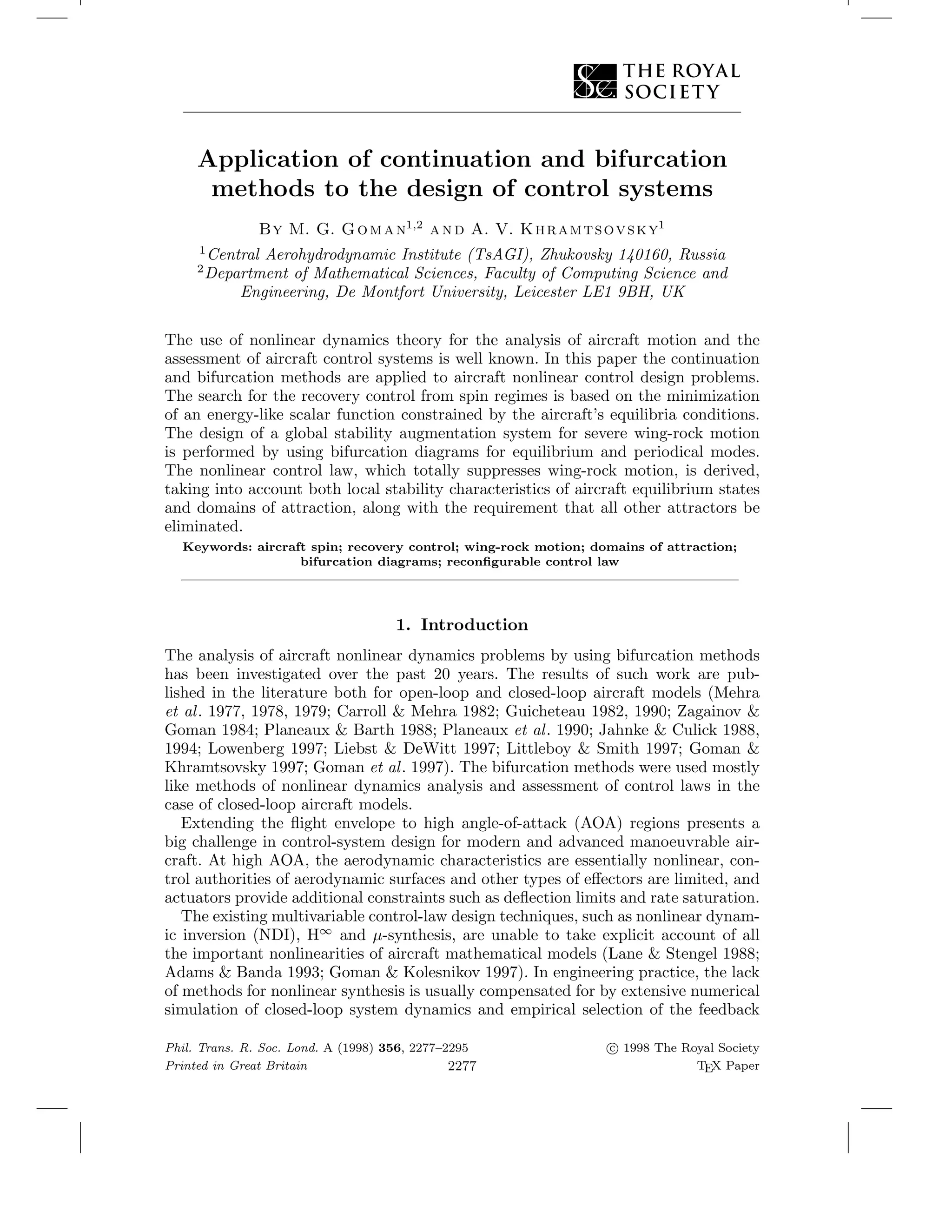
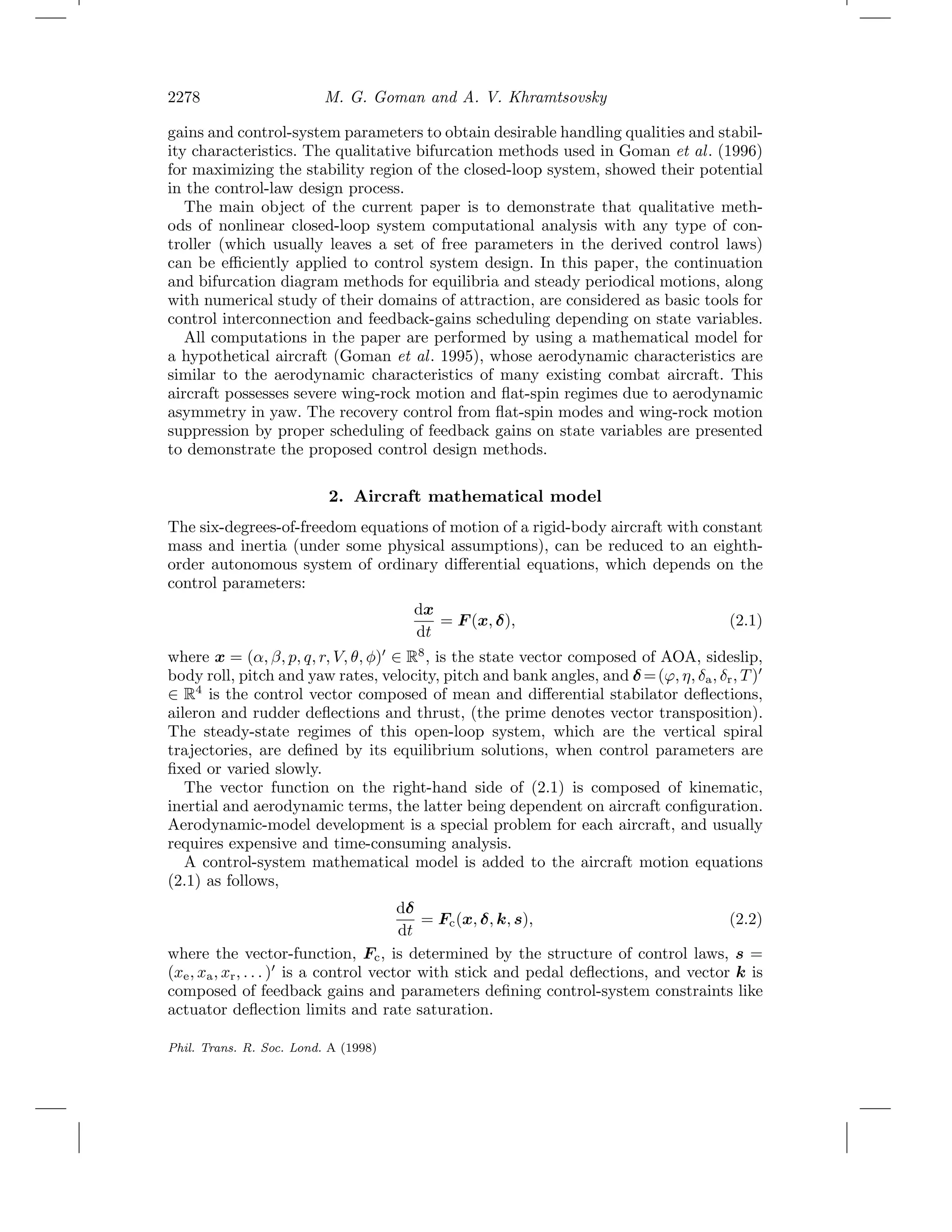
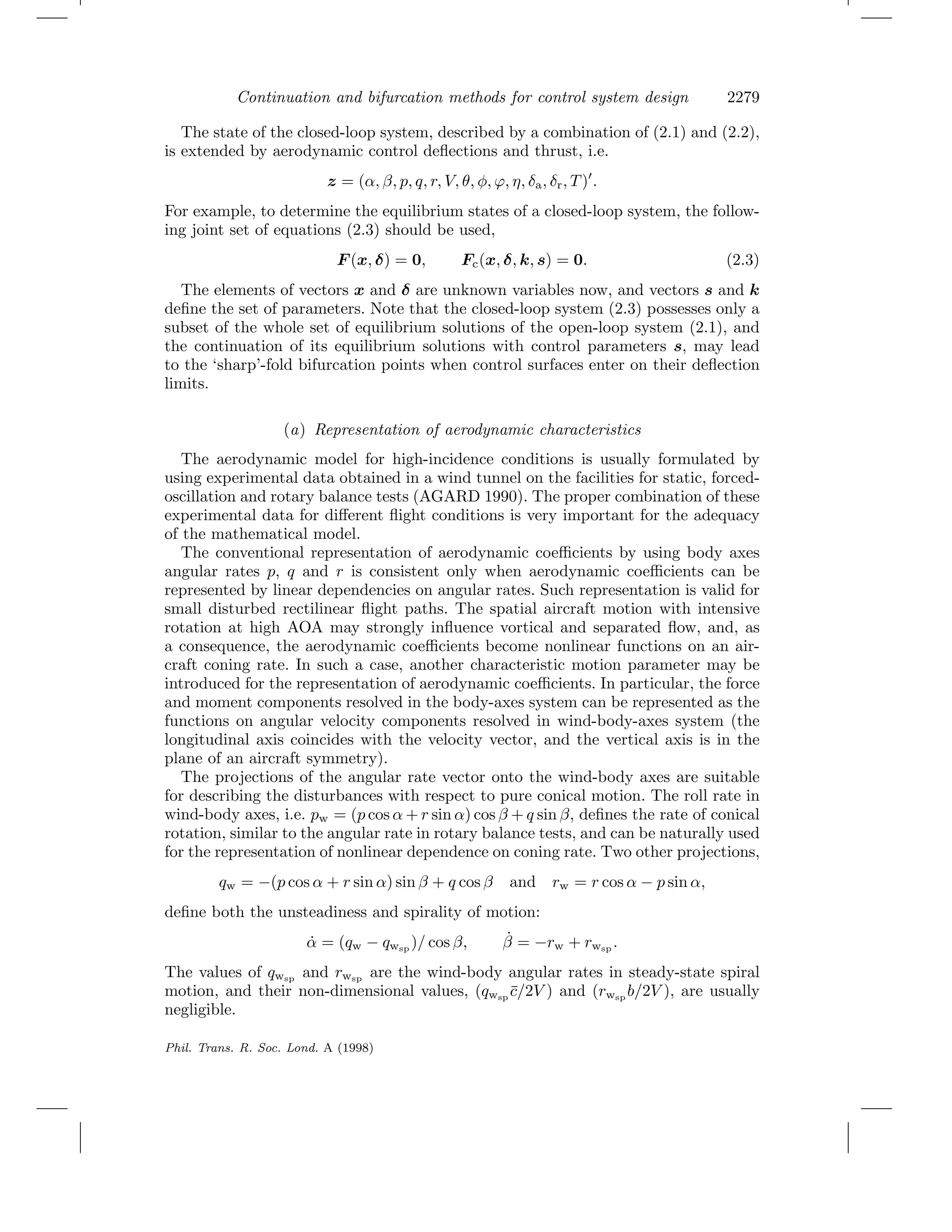
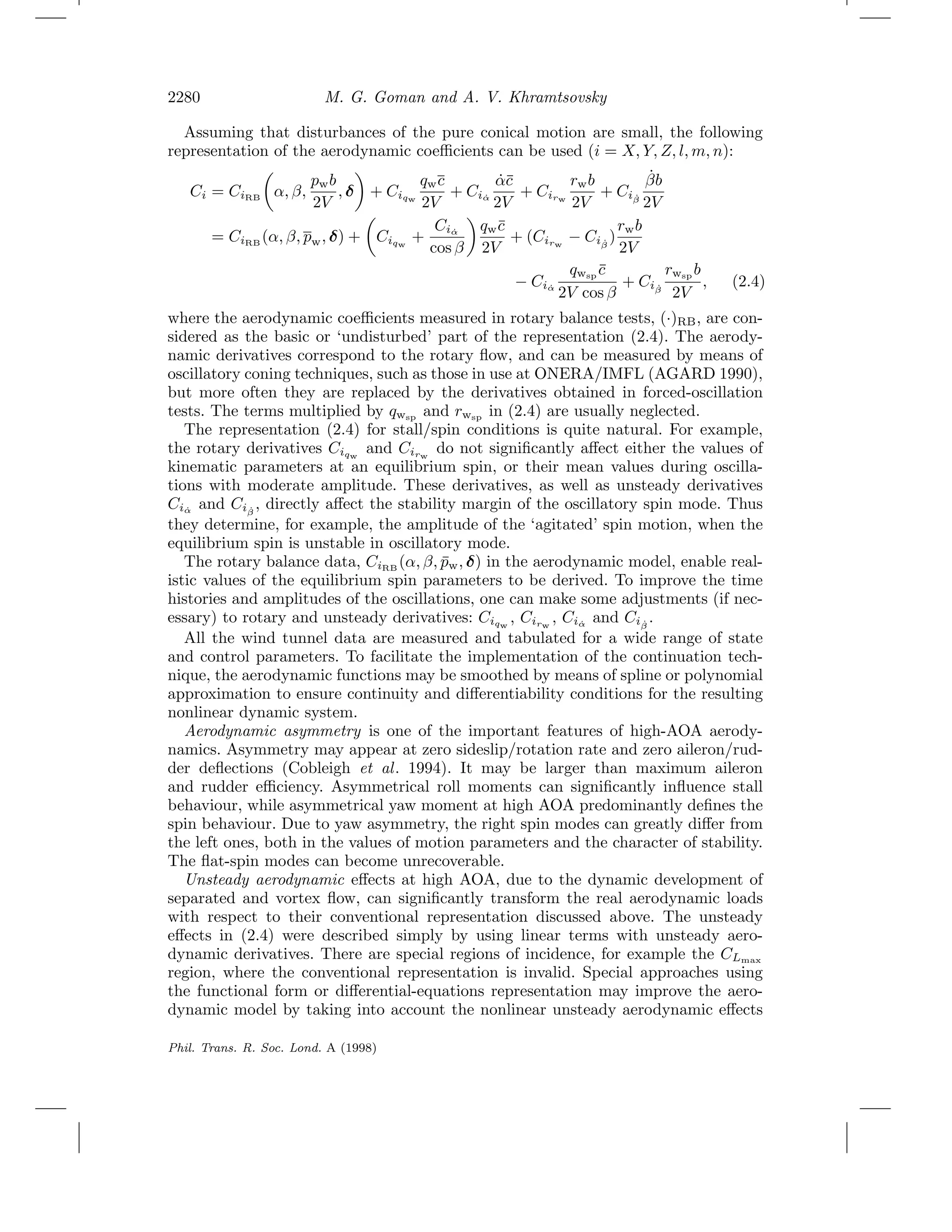
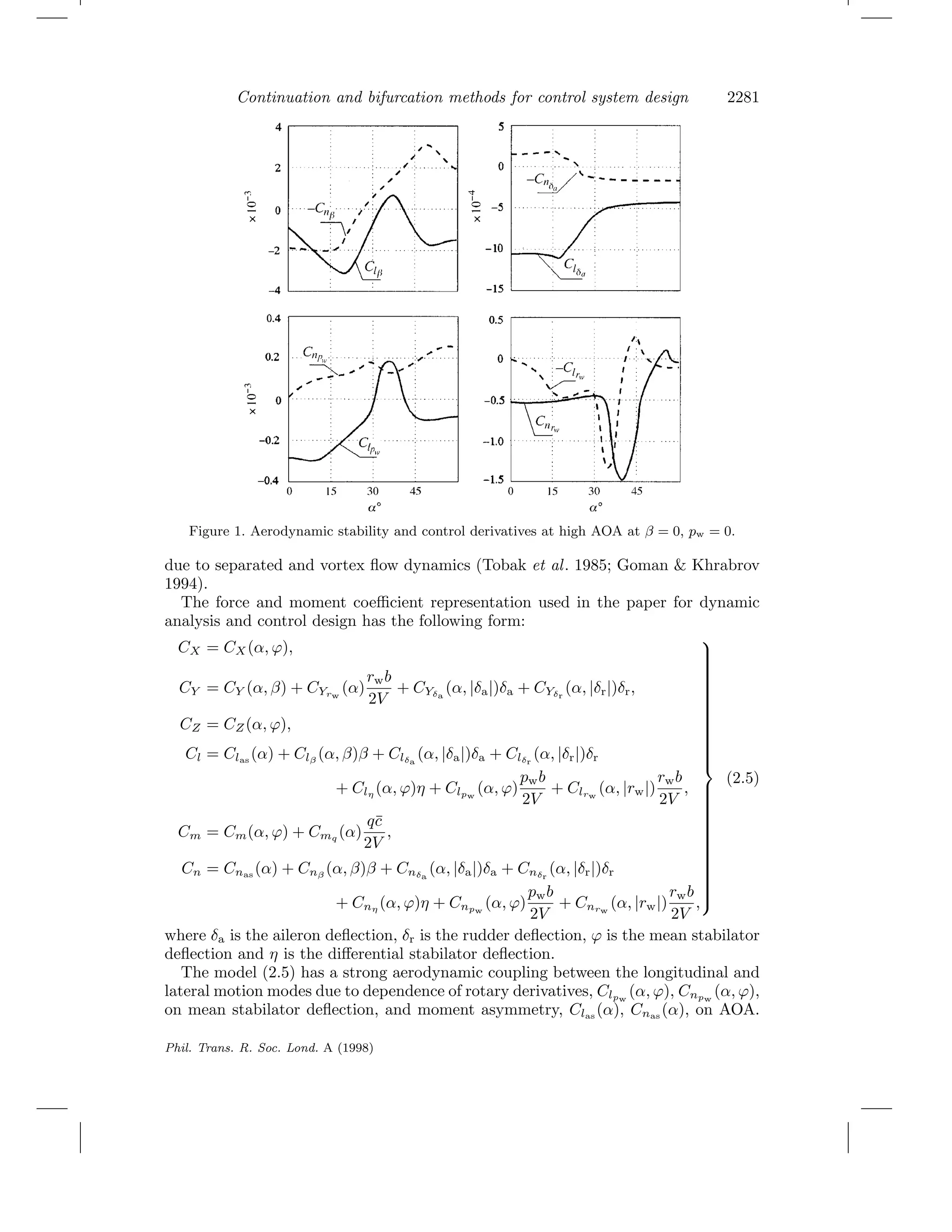
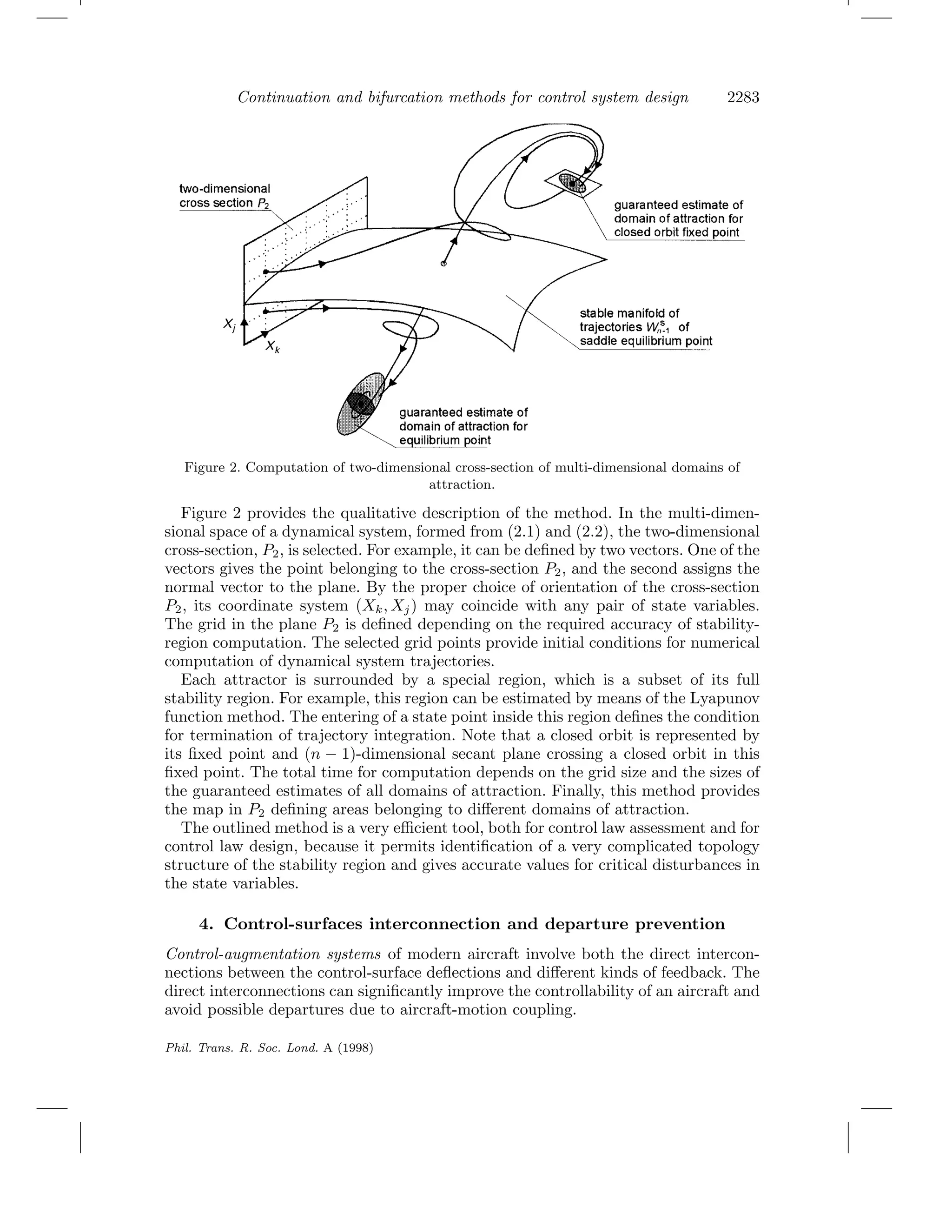
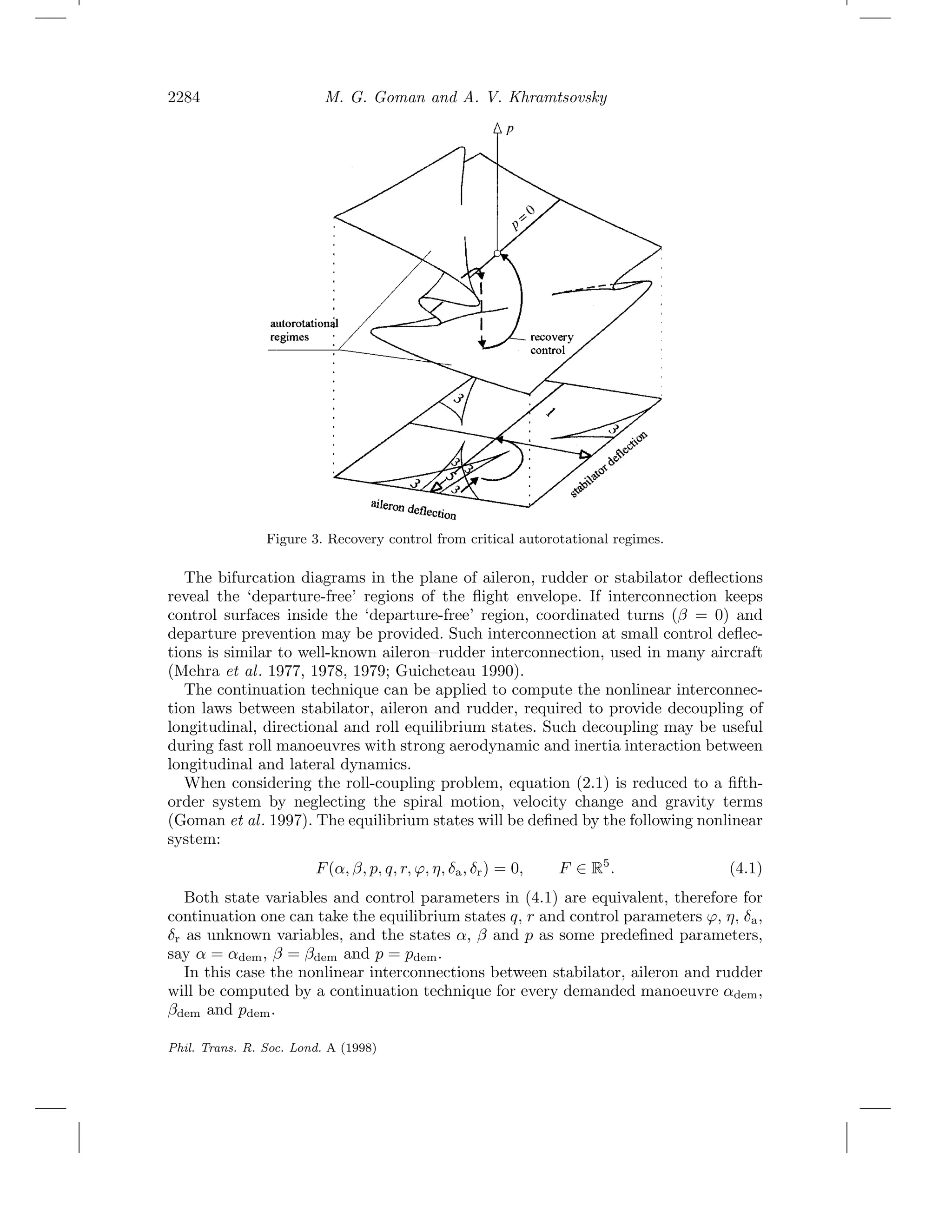
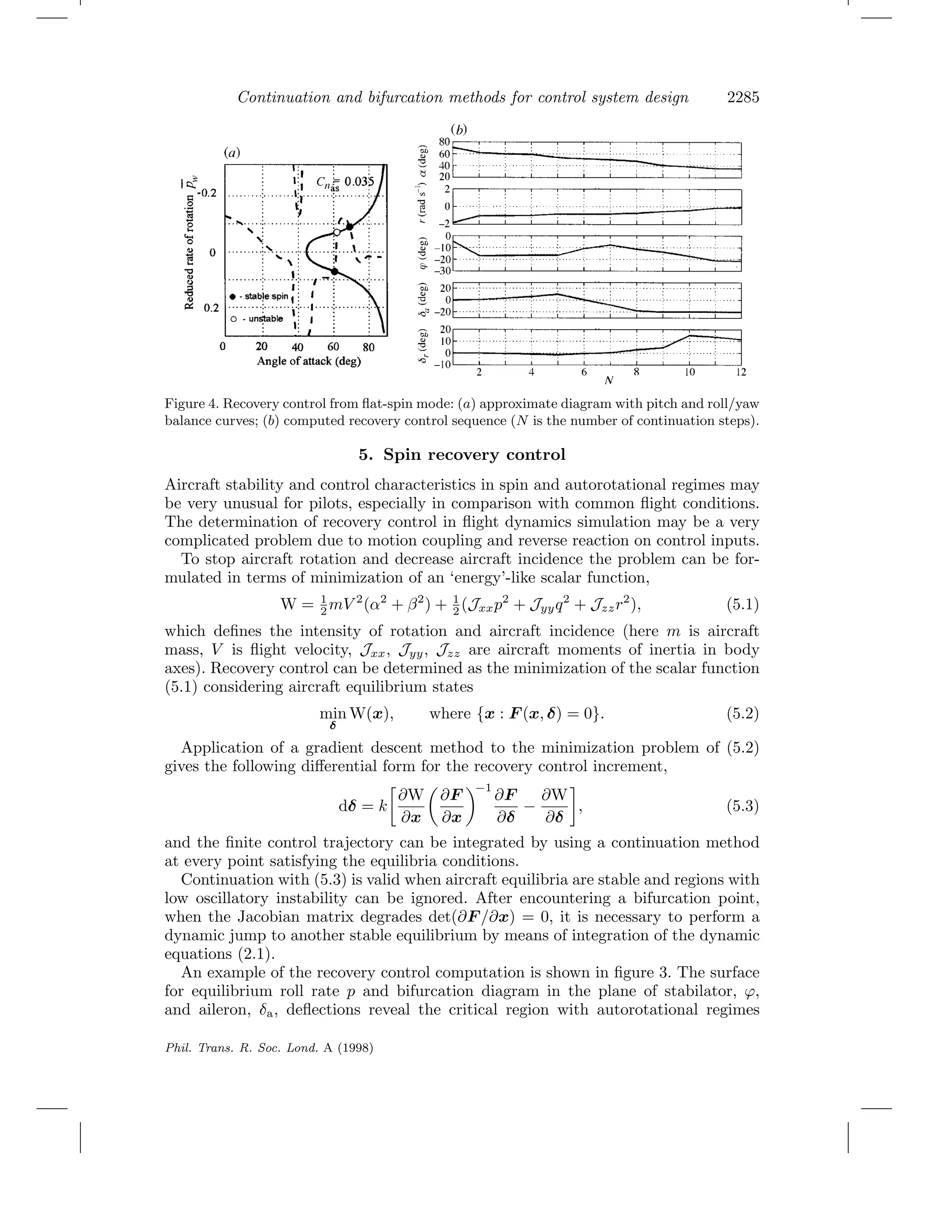
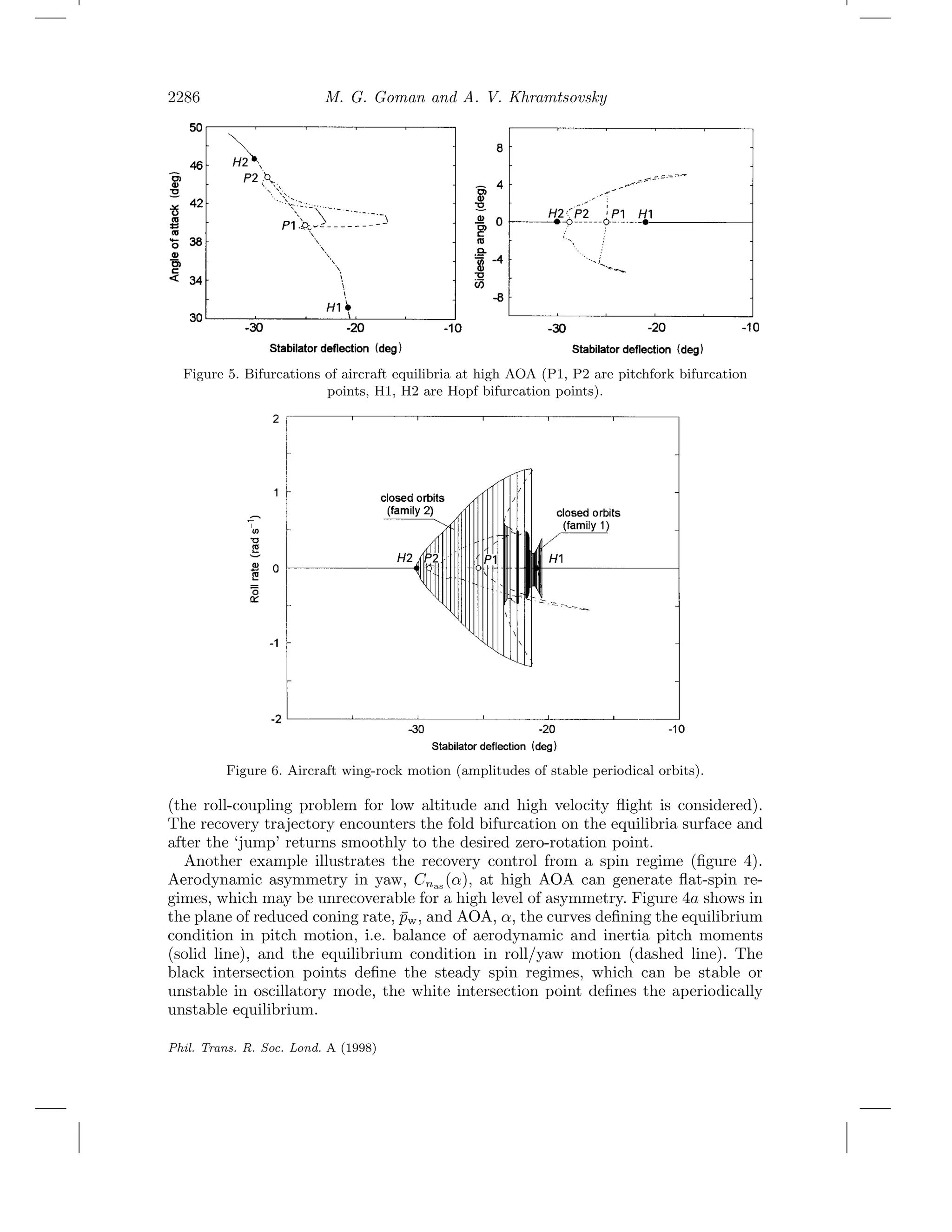
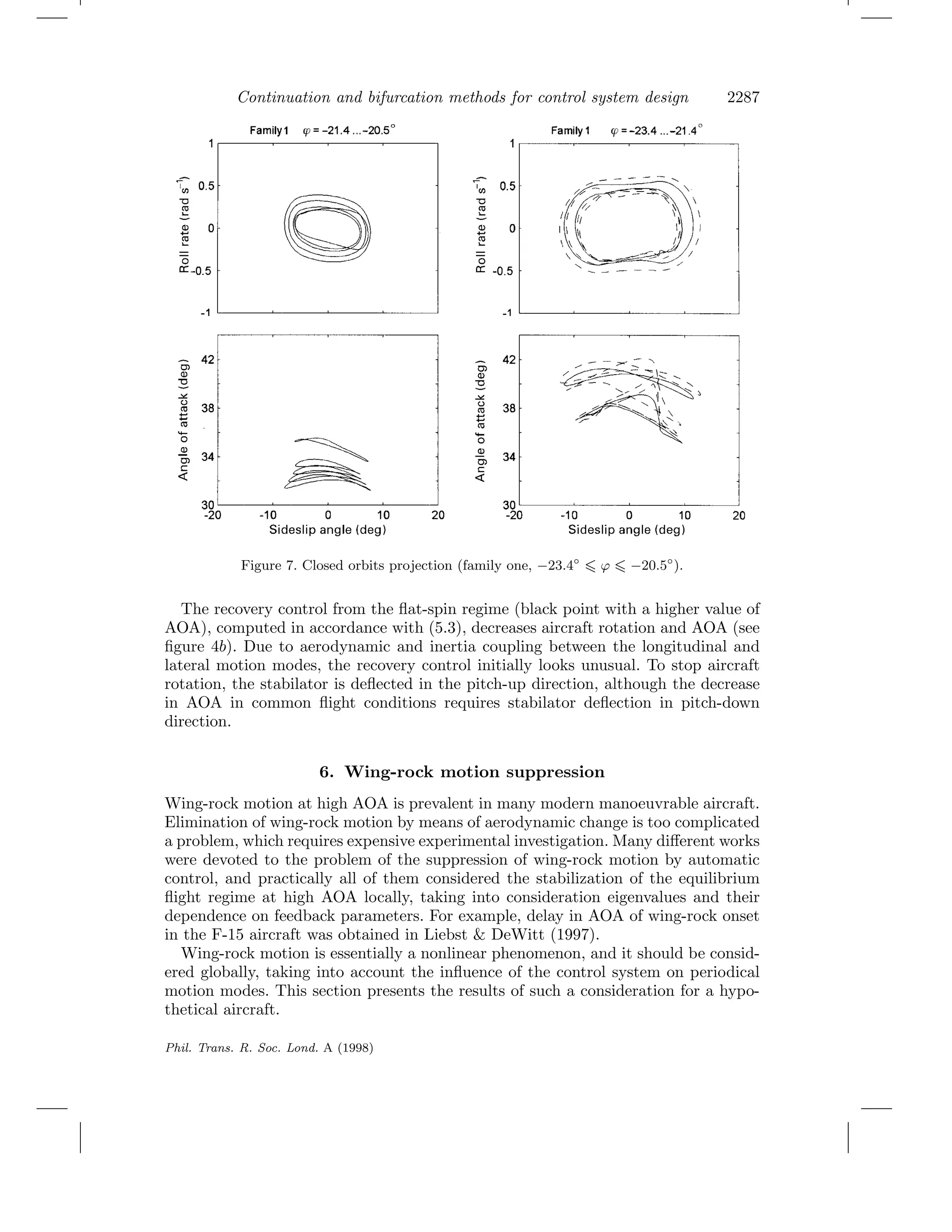
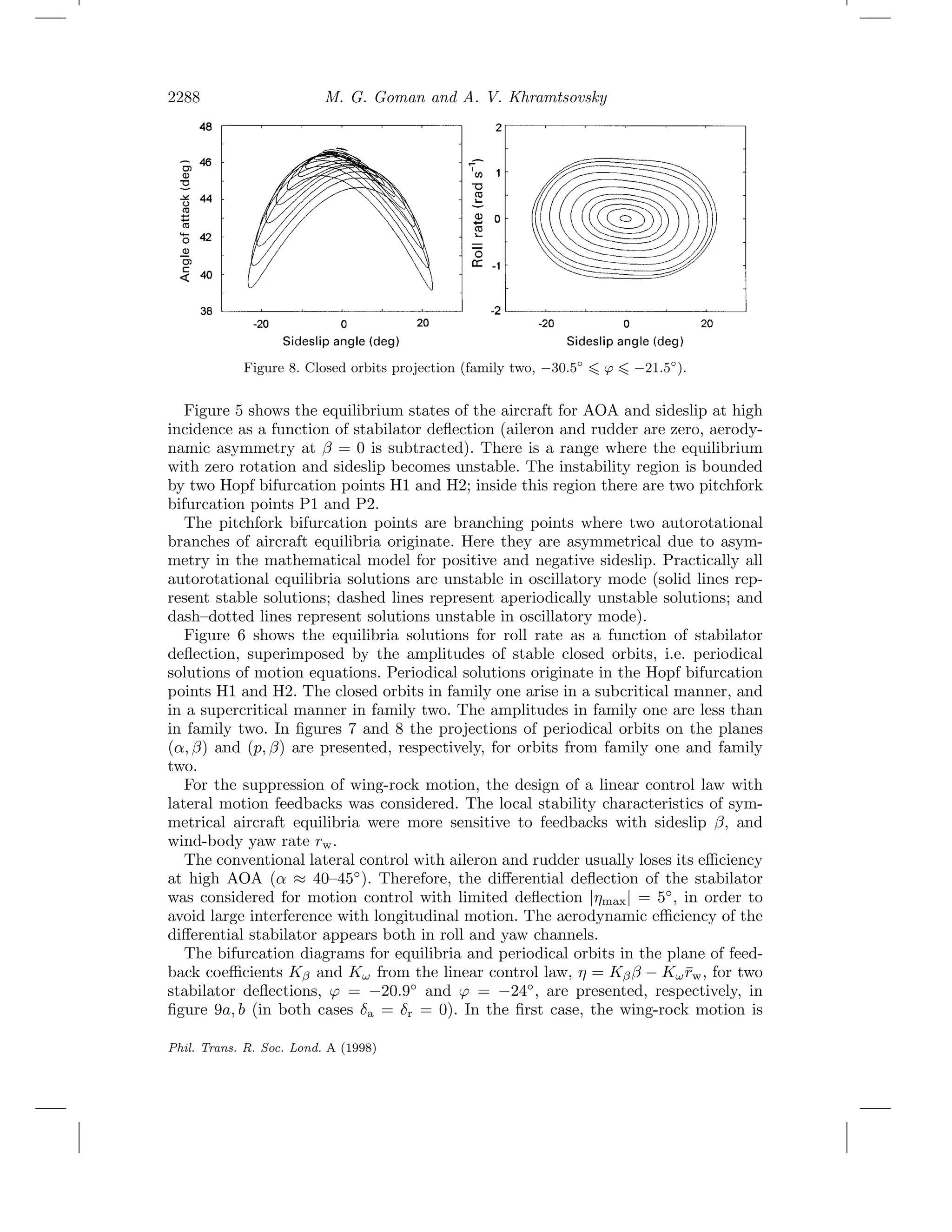
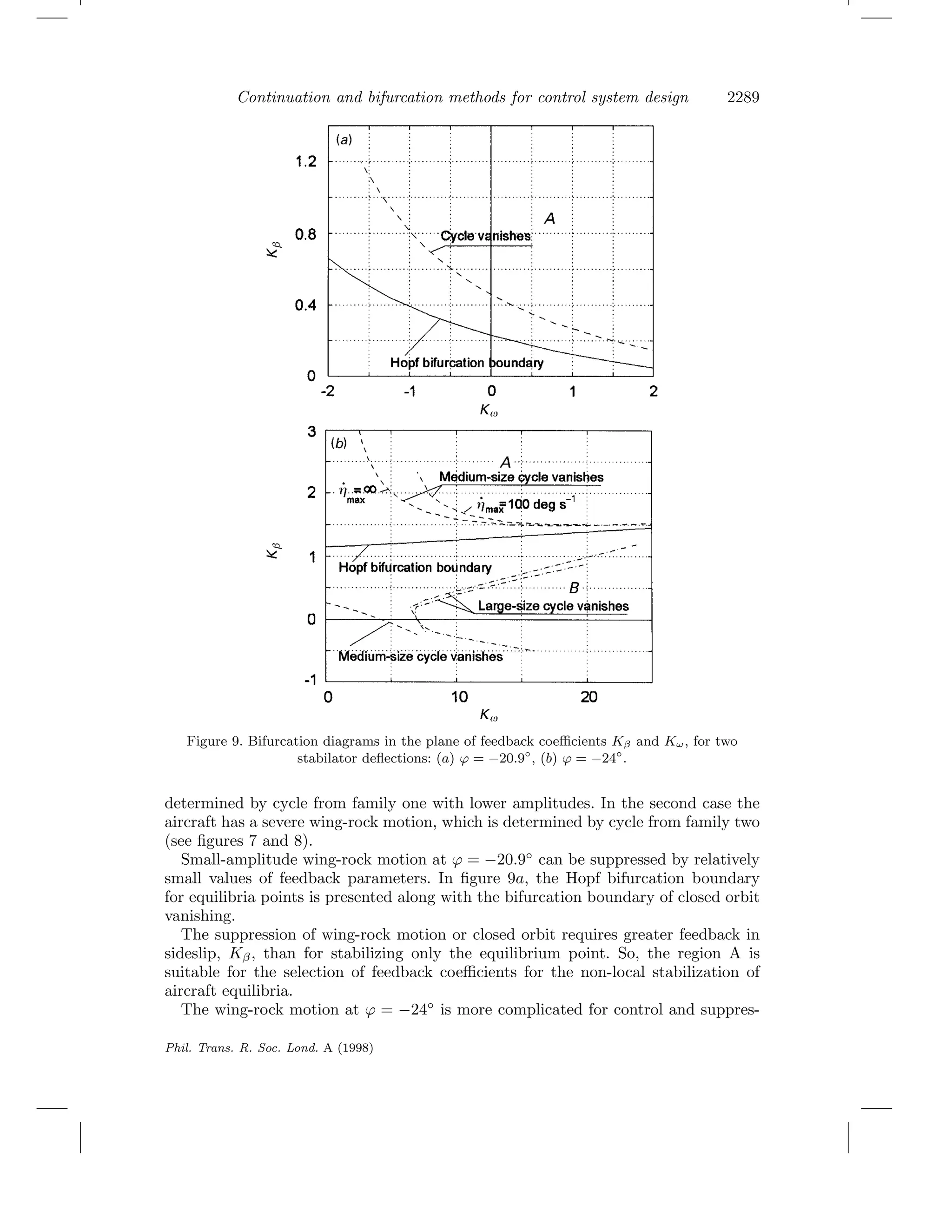
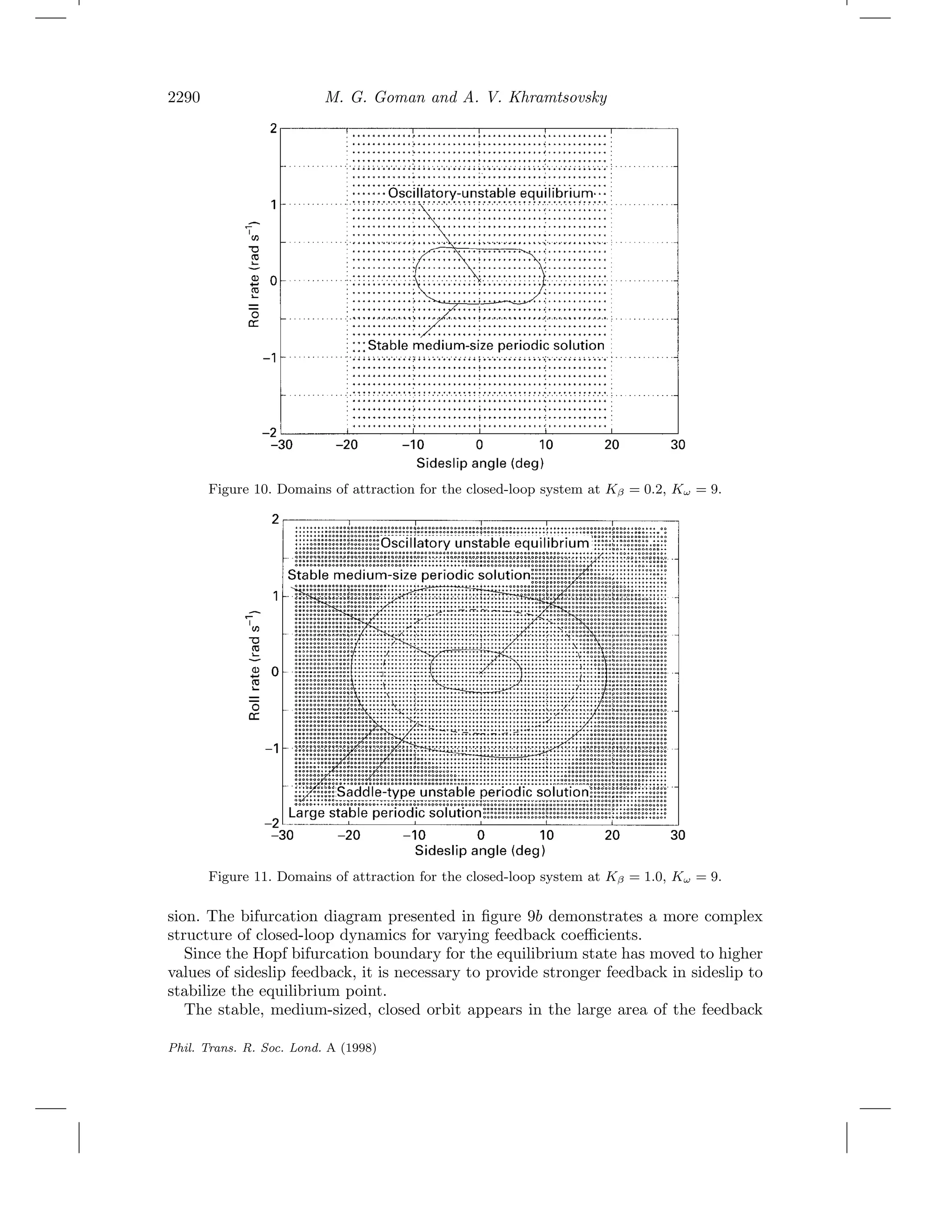
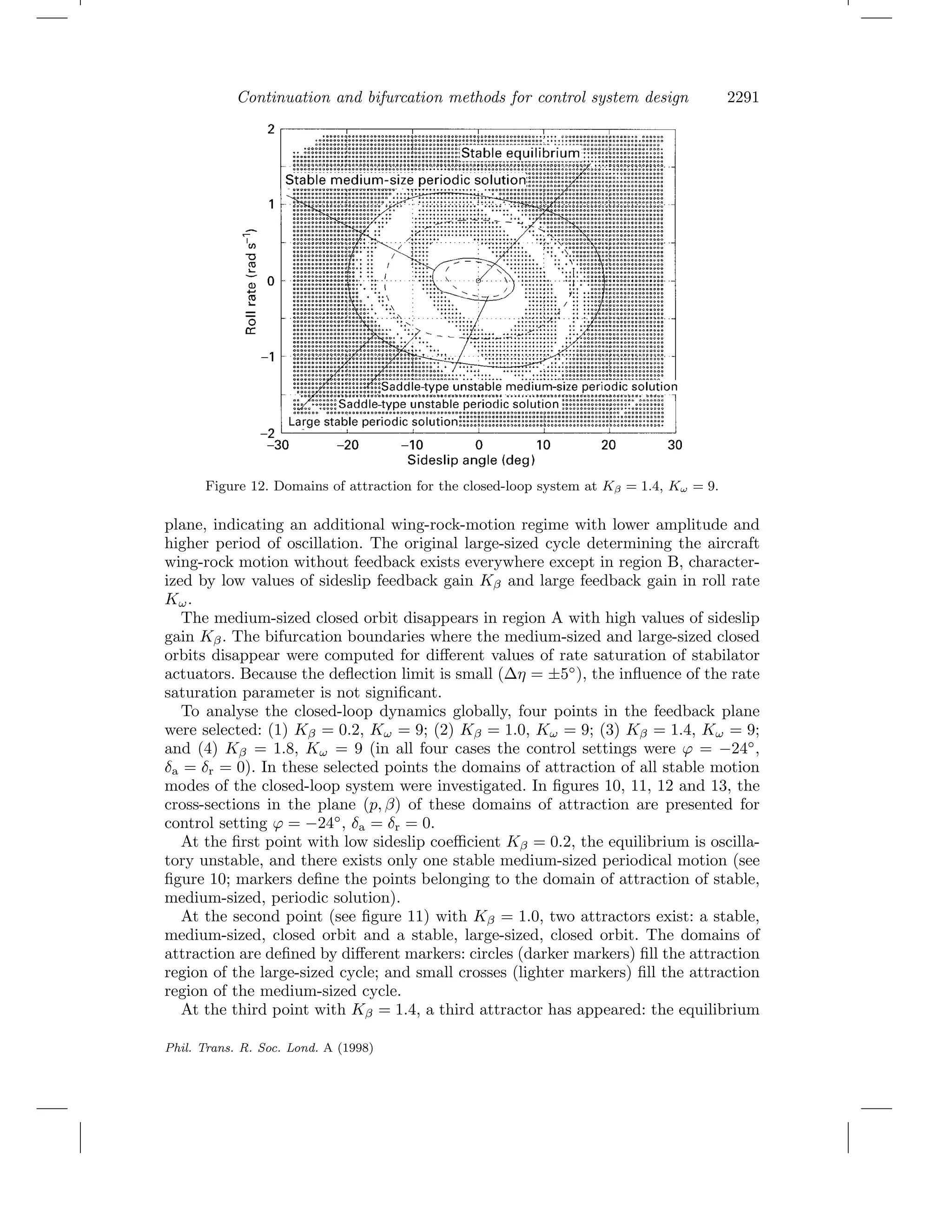
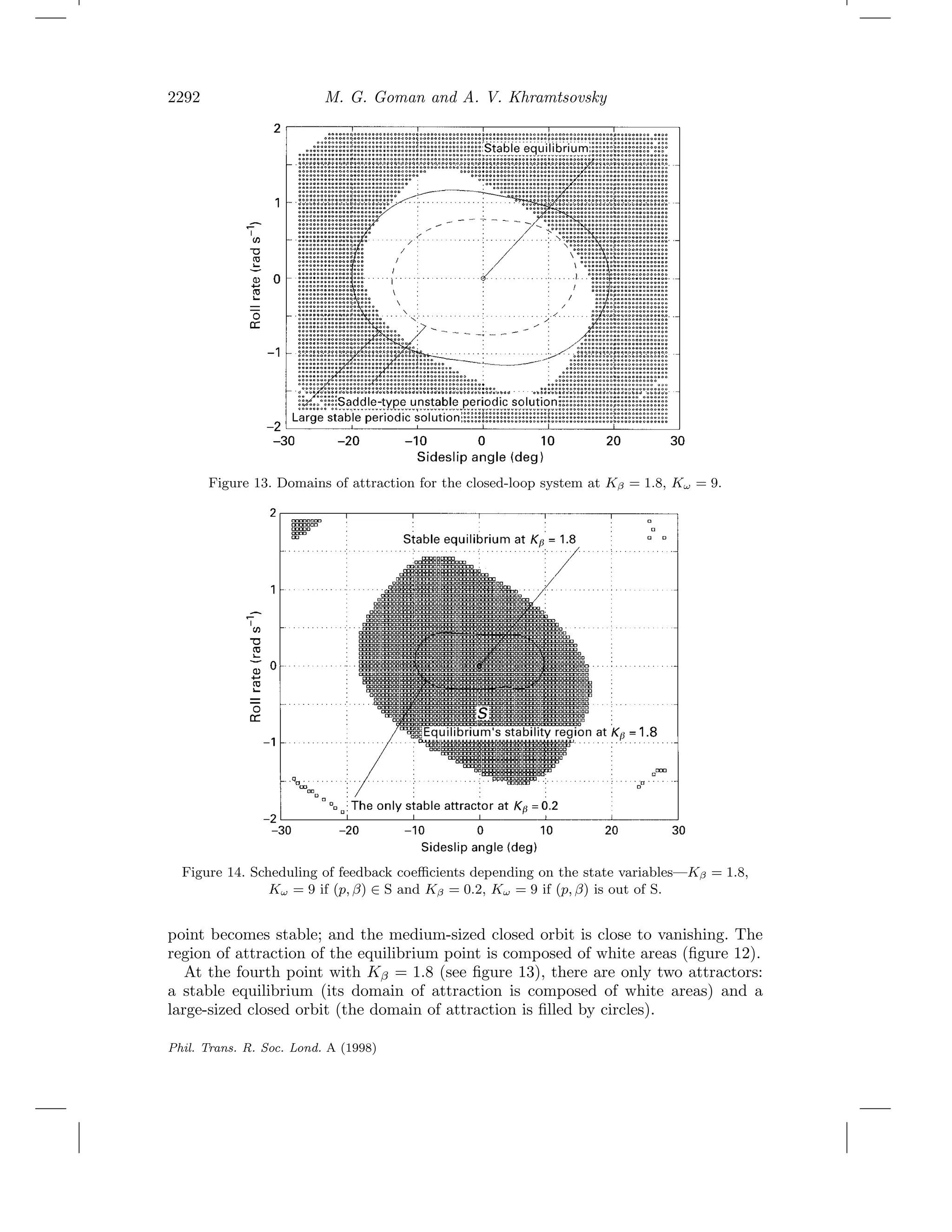
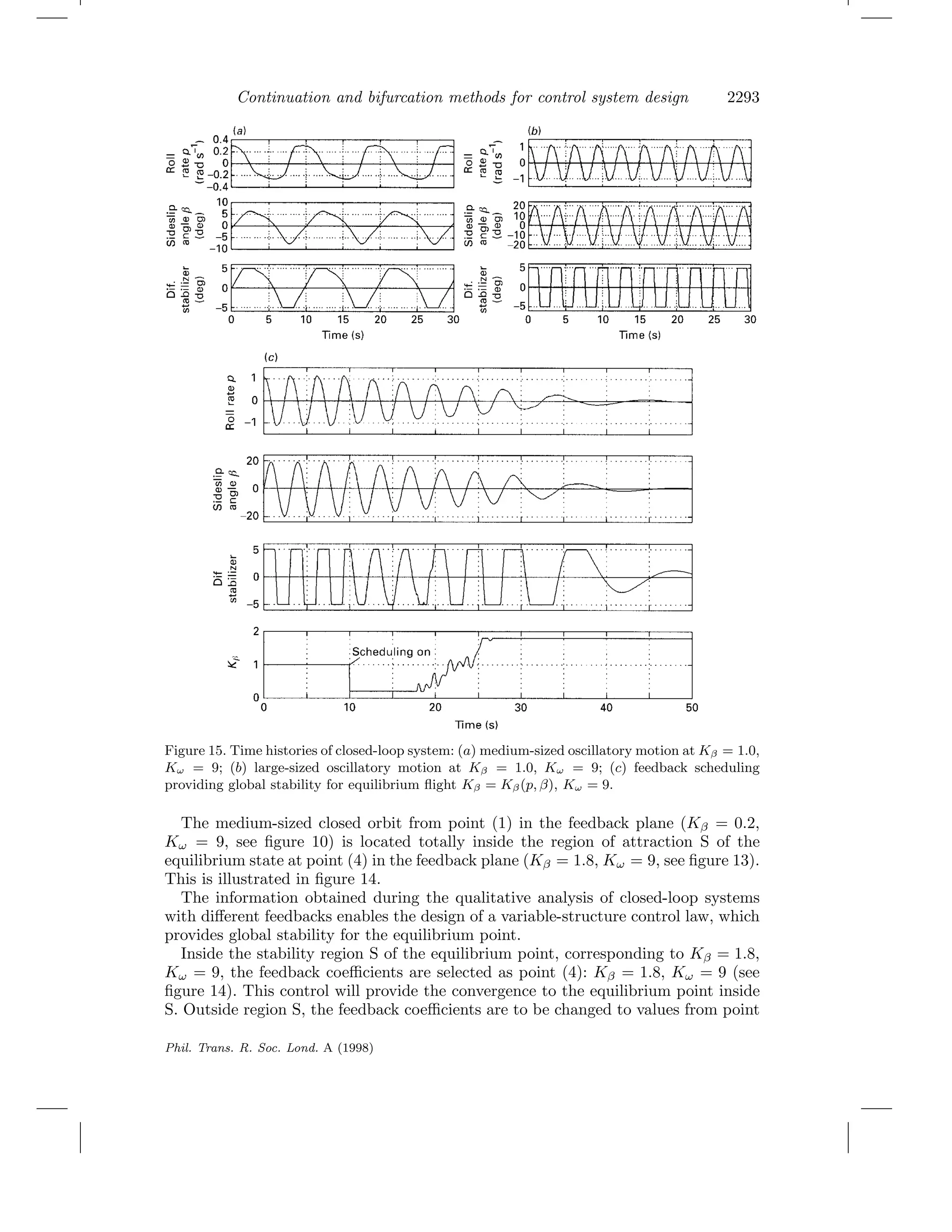


The paper explores the application of continuation and bifurcation methods in designing aircraft control systems, specifically for tackling nonlinear dynamics issues such as recovery from spins and suppression of wing-rock motion. It utilizes bifurcation diagrams for stability analysis and demonstrates how qualitative methods can enhance control system design, particularly under high angle-of-attack conditions. The research emphasizes the need for innovative control strategies to accommodate the complex behavior of aircraft at critical flight conditions.


![Coded Agents – with UiPath SDK + LangGraph [Virtual Hands-on Workshop]](https://cdn.slidesharecdn.com/ss_thumbnails/codedagentsdeck-251215155422-5497c599-thumbnail.jpg?width=640&height=640&fit=bounds)


