The Future of e-Government
Future trends, future concerns and future tools Possible
consequences for GCC countries
Dr Usman Zafar | CEO | DUC Consulting International
1
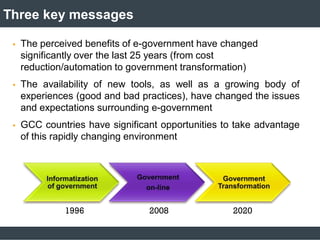
Three key messages
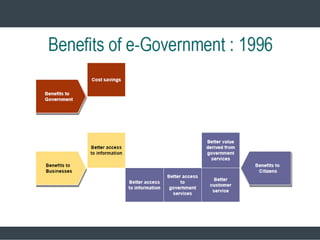
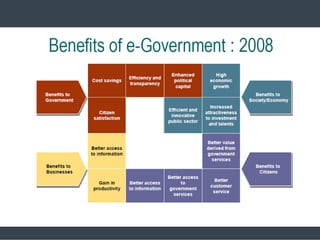
 The perceived benefits of e-government have changed
significantly over the last 25 years (from cost
reduction/automation to government transformation)
 The availability of new tools, as well as a growing body of
experiences (good and bad practices), have changed the issues
and expectations surrounding e-government
 GCC countries have significant opportunities to take advantage
of this rapidly changing environment
1996 2008 2020
The Brave New World of E-Government
 Billions of dollars invested worldwide
 Improved efficiency of transactions between governments,
vendors and the public
 Decreased paperwork and red tape
 Increased good governance
But how does this affect people
on the wrong side of the digital divide?
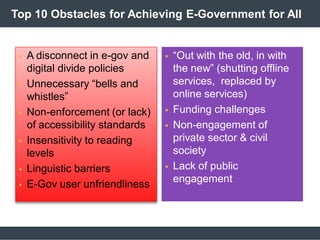
Top 10 Obstacles for Achieving E-Government for All
 A disconnect in e-gov and
digital divide policies
 Unnecessary “bells and
whistles”
 Non-enforcement (or lack)
of accessibility standards
 Insensitivity to reading
levels
 Linguistic barriers
 E-Gov user unfriendliness
 “Out with the old, in with
the new” (shutting offline
services, replaced by
online services)
 Funding challenges
 Non-engagement of
private sector & civil
society
 Lack of public
engagement
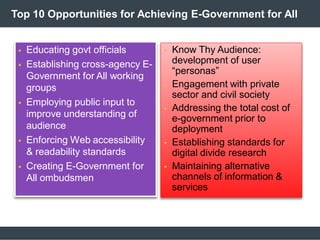
Top 10 Opportunities for Achieving E-Government for All
 Educating govt officials
 Establishing cross-agency E-
Government for All working
groups
 Employing public input to
improve understanding of
audience
 Enforcing Web accessibility
& readability standards
 Creating E-Government for
All ombudsmen
 Know Thy Audience:
development of user
“personas”
 Engagement with private
sector and civil society
 Addressing the total cost of
e-government prior to
deployment
 Establishing standards for
digital divide research
 Maintaining alternative
channels of information &
services
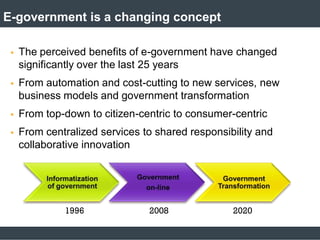
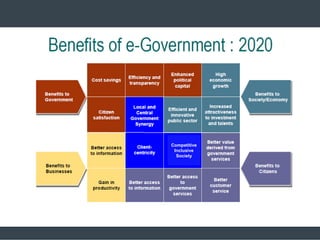
E-government is a changing concept
 The perceived benefits of e-government have changed
significantly over the last 25 years
 From automation and cost-cutting to new services, new
business models and government transformation
 From top-down to citizen-centric to consumer-centric
 From centralized services to shared responsibility and
collaborative innovation
1996 2008 2020
Competitive
Inclusive
Society
What might 2020 look like?
Thinking outside the square –
options and opportunities for eGovernment services
10
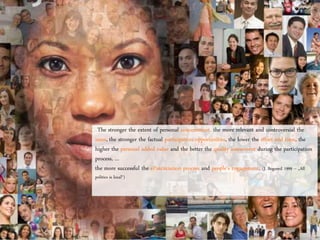
„The stronger the extent of personal concernment, the more relevant and controversial the
issue, the stronger the factual participation opportunities, the lower the effort and time, the
higher the personal added value and the better the quality assessment during the participation
process, …
the more successful the eParcticiation process and people‘s engagement. (J. Bogumil 1999 – „All
politics is local“)
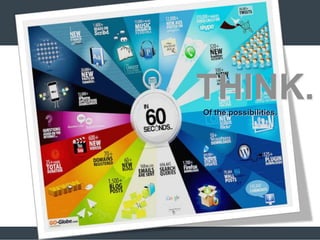
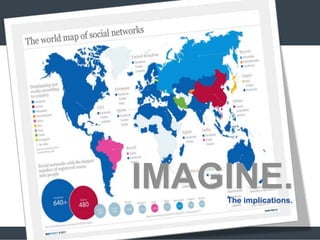
THINK.Of the possibilities.
IMAGINE.The implications.
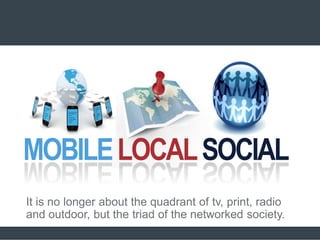
MOBILELOCALSOCIAL
It is no longer about the quadrant of tv, print, radio
and outdoor, but the triad of the networked society.
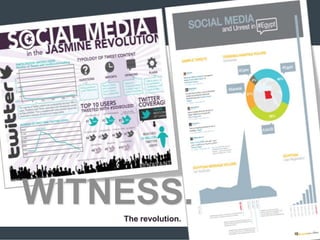
WITNESS.The revolution.
Companies in the Middle East spent
22% on digital
while 58% are increasing digital budgets next year.
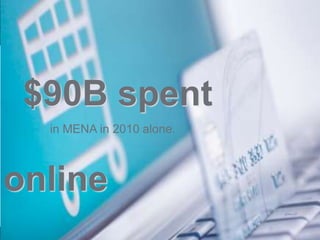
$90B spent
online
in MENA in 2010 alone.
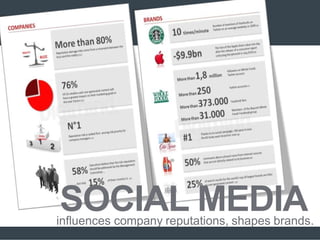
SOCIAL MEDIAinfluences company reputations, shapes brands.
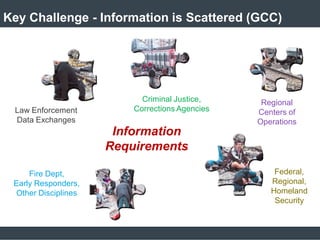
Key Challenge - Information is Scattered (GCC)
Law Enforcement
Data Exchanges
Criminal Justice,
Corrections Agencies
Regional
Centers of
Operations
Federal,
Regional,
Homeland
Security
Fire Dept,
Early Responders,
Other Disciplines
Information
Requirements
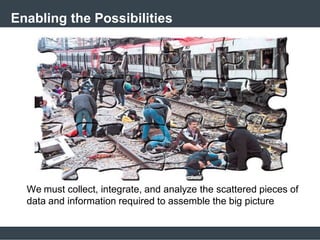
Enabling the Possibilities
We must collect, integrate, and analyze the scattered pieces of
data and information required to assemble the big picture
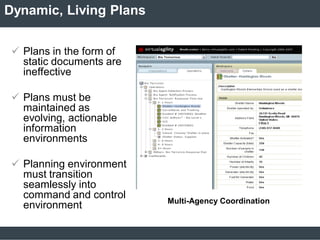
Dynamic, Living Plans
 Plans in the form of
static documents are
ineffective
 Plans must be
maintained as
evolving, actionable
information
environments
 Planning environment
must transition
seamlessly into
command and control
environment Multi-Agency Coordination
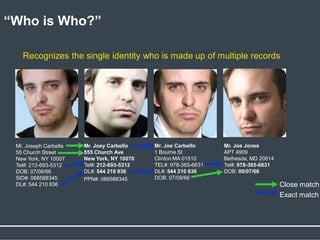
Recognizes the single identity who is made up of multiple records
“Who is Who?”
Mr. Joseph Carbella
55 Church Street
New York, NY 10007
Tel#: 212-693-5312
DOB: 07/08/66
SID#: 068588345
DL#: 544 210 836
Mr. Joe Jones
APT 4909
Bethesda, MD 20814
Tel#: 978-365-6631
DOB: 09/07/66
Mr. Joe Carbello
1 Bourne St
Clinton MA 01510
TEL#: 978-365-6631
DL#: 544 210 836
DOB: 07/09/66
Mr. Joey Carbello
555 Church Ave
New York, NY 10070
Tel#: 212-693-5312
DL#: 544 210 836
PPN#: 086588345
Close match
Exact match
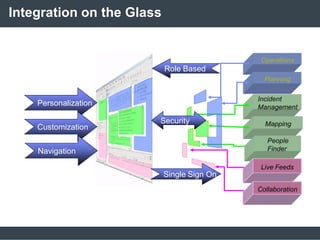
Single Sign On
Role Based
Personalization
Customization
Navigation
Security
Integration on the Glass
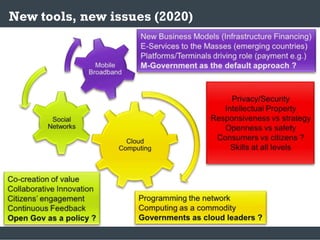
New tools, new issues (2020)
Conclusion
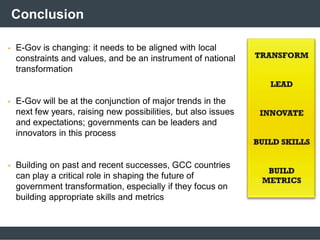
 E-Gov is changing: it needs to be aligned with local
constraints and values, and be an instrument of national
transformation
 E-Gov will be at the conjunction of major trends in the
next few years, raising new possibilities, but also issues
and expectations; governments can be leaders and
innovators in this process
 Building on past and recent successes, GCC countries
can play a critical role in shaping the future of
government transformation, especially if they focus on
building appropriate skills and metrics
26
Q/A
Thanks for Your Attention!
www.duconsulting.com
www.usmanzafar.com
Advisor@usmanzafar.com

The Future of e-Government- From GCC Perspective

  • 1.
    The Future ofe-Government Future trends, future concerns and future tools Possible consequences for GCC countries Dr Usman Zafar | CEO | DUC Consulting International 1
  • 2.
    Three key messages The perceived benefits of e-government have changed significantly over the last 25 years (from cost reduction/automation to government transformation)  The availability of new tools, as well as a growing body of experiences (good and bad practices), have changed the issues and expectations surrounding e-government  GCC countries have significant opportunities to take advantage of this rapidly changing environment 1996 2008 2020
  • 3.
    The Brave NewWorld of E-Government  Billions of dollars invested worldwide  Improved efficiency of transactions between governments, vendors and the public  Decreased paperwork and red tape  Increased good governance But how does this affect people on the wrong side of the digital divide?
  • 4.
    Top 10 Obstaclesfor Achieving E-Government for All  A disconnect in e-gov and digital divide policies  Unnecessary “bells and whistles”  Non-enforcement (or lack) of accessibility standards  Insensitivity to reading levels  Linguistic barriers  E-Gov user unfriendliness  “Out with the old, in with the new” (shutting offline services, replaced by online services)  Funding challenges  Non-engagement of private sector & civil society  Lack of public engagement
  • 5.
    Top 10 Opportunitiesfor Achieving E-Government for All  Educating govt officials  Establishing cross-agency E- Government for All working groups  Employing public input to improve understanding of audience  Enforcing Web accessibility & readability standards  Creating E-Government for All ombudsmen  Know Thy Audience: development of user “personas”  Engagement with private sector and civil society  Addressing the total cost of e-government prior to deployment  Establishing standards for digital divide research  Maintaining alternative channels of information & services
  • 6.
    E-government is achanging concept  The perceived benefits of e-government have changed significantly over the last 25 years  From automation and cost-cutting to new services, new business models and government transformation  From top-down to citizen-centric to consumer-centric  From centralized services to shared responsibility and collaborative innovation 1996 2008 2020
  • 9.
  • 10.
    What might 2020look like? Thinking outside the square – options and opportunities for eGovernment services 10
  • 11.
    „The stronger theextent of personal concernment, the more relevant and controversial the issue, the stronger the factual participation opportunities, the lower the effort and time, the higher the personal added value and the better the quality assessment during the participation process, … the more successful the eParcticiation process and people‘s engagement. (J. Bogumil 1999 – „All politics is local“)
  • 12.
  • 13.
  • 14.
    MOBILELOCALSOCIAL It is nolonger about the quadrant of tv, print, radio and outdoor, but the triad of the networked society.
  • 15.
  • 16.
    Companies in theMiddle East spent 22% on digital while 58% are increasing digital budgets next year.
  • 17.
  • 18.
    SOCIAL MEDIAinfluences companyreputations, shapes brands.
  • 19.
    Key Challenge -Information is Scattered (GCC) Law Enforcement Data Exchanges Criminal Justice, Corrections Agencies Regional Centers of Operations Federal, Regional, Homeland Security Fire Dept, Early Responders, Other Disciplines Information Requirements
  • 20.
    Enabling the Possibilities Wemust collect, integrate, and analyze the scattered pieces of data and information required to assemble the big picture
  • 21.
    Dynamic, Living Plans Plans in the form of static documents are ineffective  Plans must be maintained as evolving, actionable information environments  Planning environment must transition seamlessly into command and control environment Multi-Agency Coordination
  • 22.
    Recognizes the singleidentity who is made up of multiple records “Who is Who?” Mr. Joseph Carbella 55 Church Street New York, NY 10007 Tel#: 212-693-5312 DOB: 07/08/66 SID#: 068588345 DL#: 544 210 836 Mr. Joe Jones APT 4909 Bethesda, MD 20814 Tel#: 978-365-6631 DOB: 09/07/66 Mr. Joe Carbello 1 Bourne St Clinton MA 01510 TEL#: 978-365-6631 DL#: 544 210 836 DOB: 07/09/66 Mr. Joey Carbello 555 Church Ave New York, NY 10070 Tel#: 212-693-5312 DL#: 544 210 836 PPN#: 086588345 Close match Exact match
  • 23.
    Single Sign On RoleBased Personalization Customization Navigation Security Integration on the Glass
  • 24.
    New tools, newissues (2020)
  • 25.
    Conclusion  E-Gov ischanging: it needs to be aligned with local constraints and values, and be an instrument of national transformation  E-Gov will be at the conjunction of major trends in the next few years, raising new possibilities, but also issues and expectations; governments can be leaders and innovators in this process  Building on past and recent successes, GCC countries can play a critical role in shaping the future of government transformation, especially if they focus on building appropriate skills and metrics
  • 26.
    26 Q/A Thanks for YourAttention! www.duconsulting.com www.usmanzafar.com Advisor@usmanzafar.com