Cutaneous Drug
Eruptions
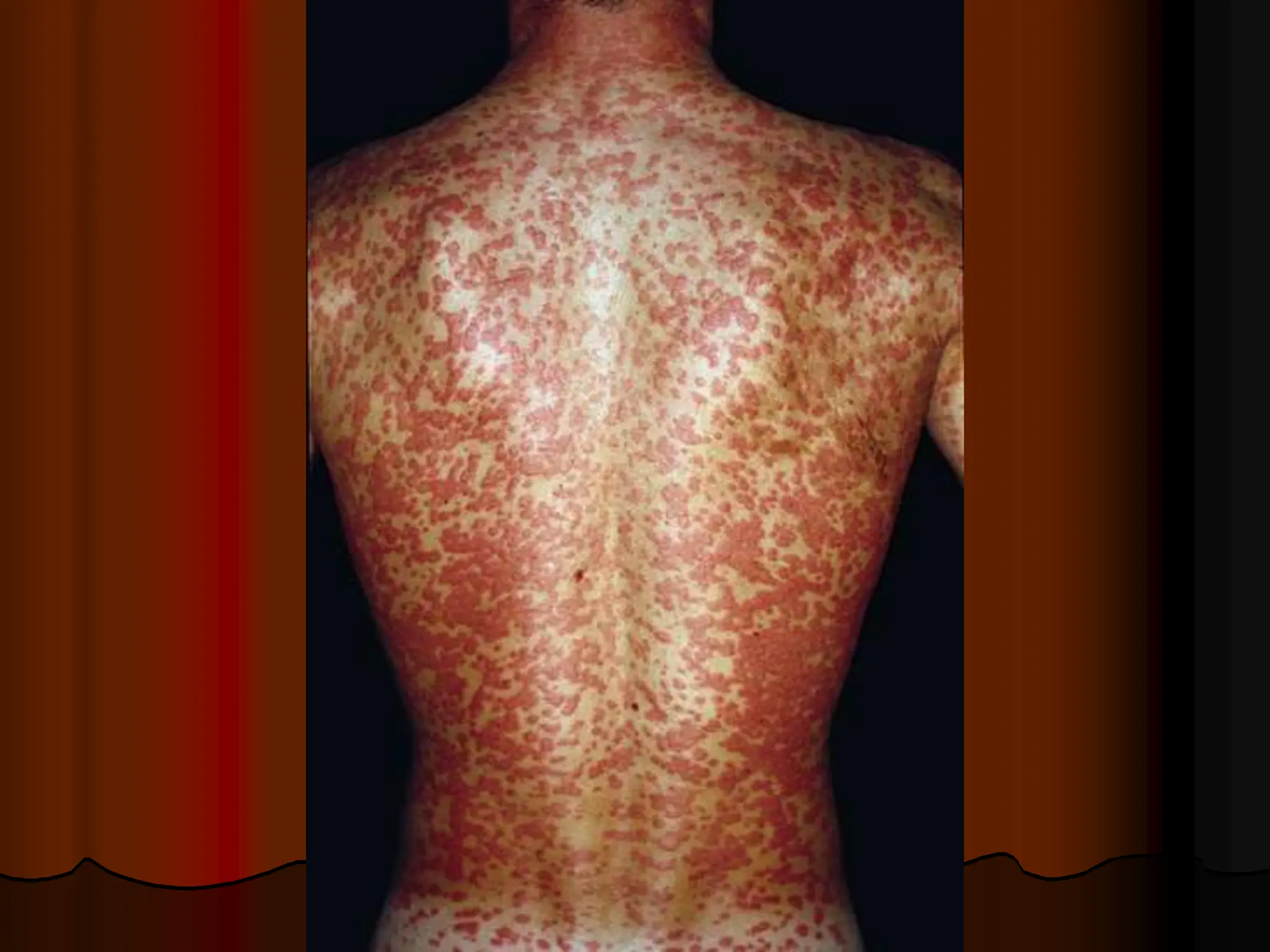
Exanthematous Drug Eruptions
Characterized by a cutaneous
eruption that mimics a viral
exanthem.
 Penicillin and related antibiotics
are by far the commonest causes.
Almost all dugs can cause it.
Pathogenesis unknown
Exanthematous Drug Eruptions
 Symmetric macules and/or papules, a
few millimeters to 1 cm in size are
seen almost always on trunk and
extremities with in three weeks
 More severe and common in all
patients having EBV or CMV infection
Exanthematous Drug Eruptions
 Urticaria, facial edema, blisters, mucosal
involvement, ulcers, palpable or extensive
purpura, fever, lymphadenopathy are
indications to dc the drug.
 Eruption usually recurs with rechallenge
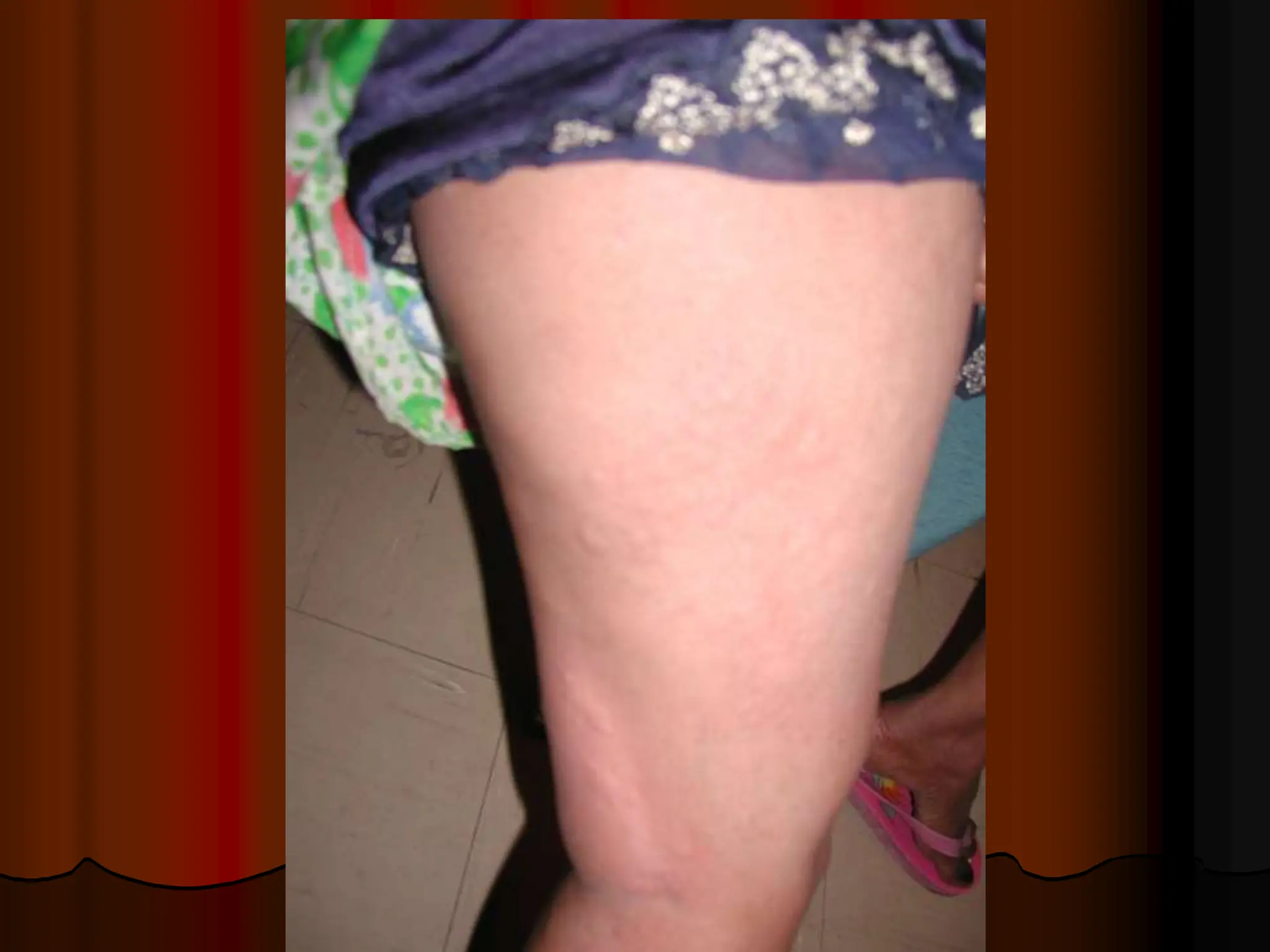
Urticaria and Angioedema
 Transient wheals and larger edematous
areas that involve the dermis and
subcutaneous tissue.
 May be accompanied by anaphylaxis, and
laryngeal edema
 It is the result of immediate HR
 Penicillins and cephalosporins are common
causes.
Urticaria and Angioedema
 Antihistamines
 Steroids
 Adrenaline
 Resolves within hours to days to weeks
after the causative drug is withdrawn.
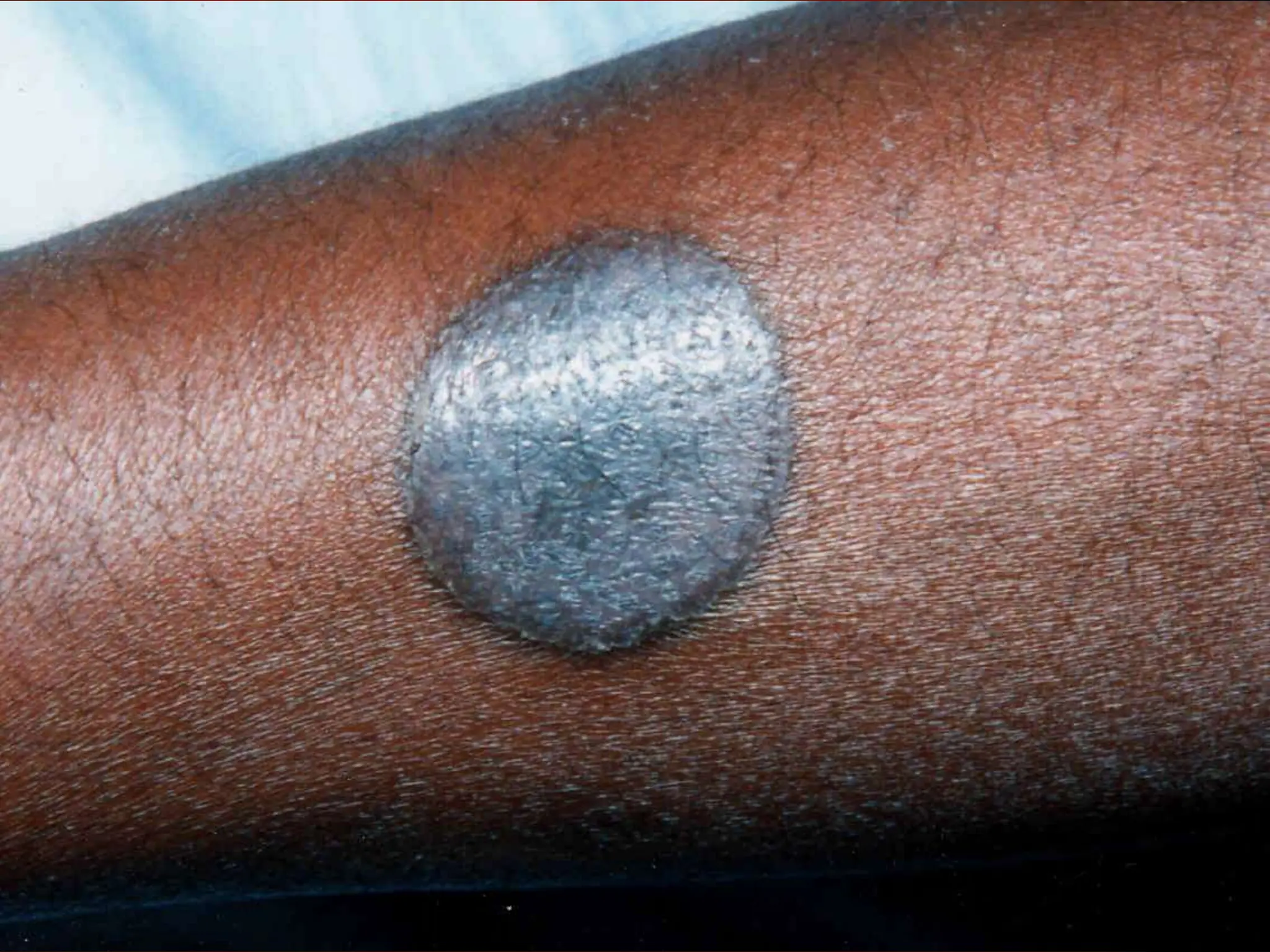
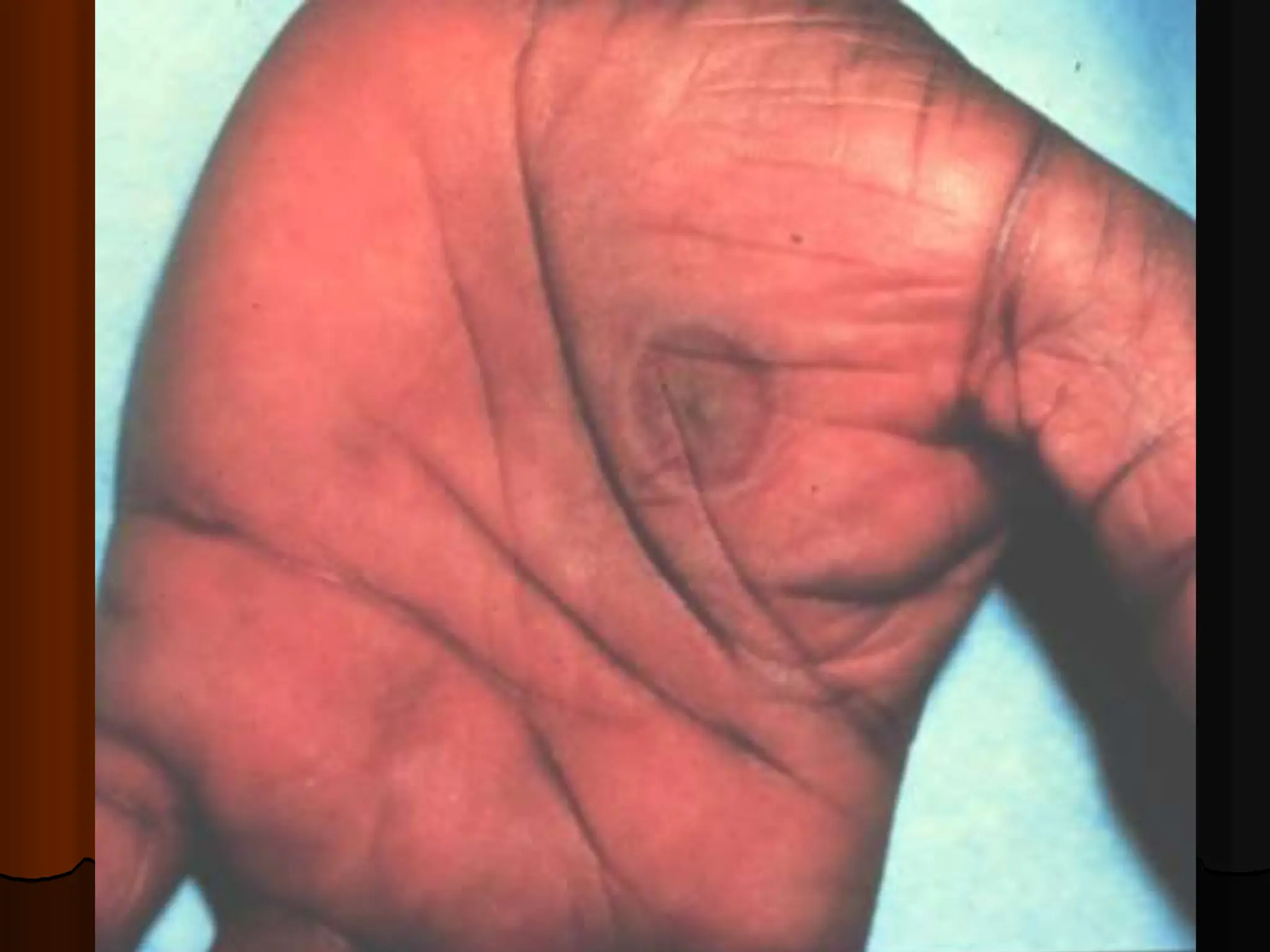
Fixed Drug Eruption
 Characterized by the formation of a
solitary, but at times multiple, plaque,
bulla, or erosion that occurs at the same
site when ever the drug is taken next time
 Sulfonamides and Tetracyclines are
commonly implicated
 Pathogenesis is unknown.
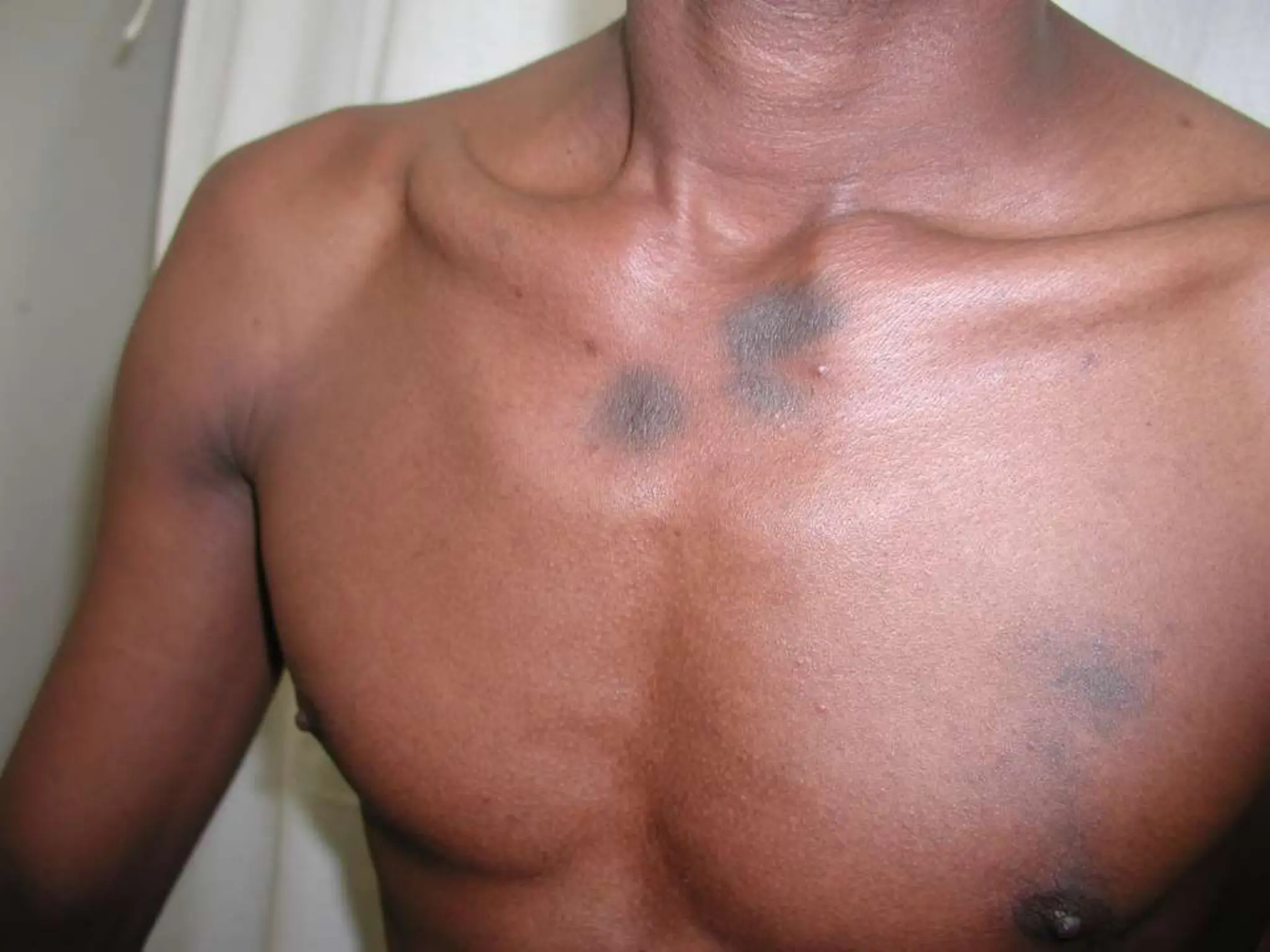
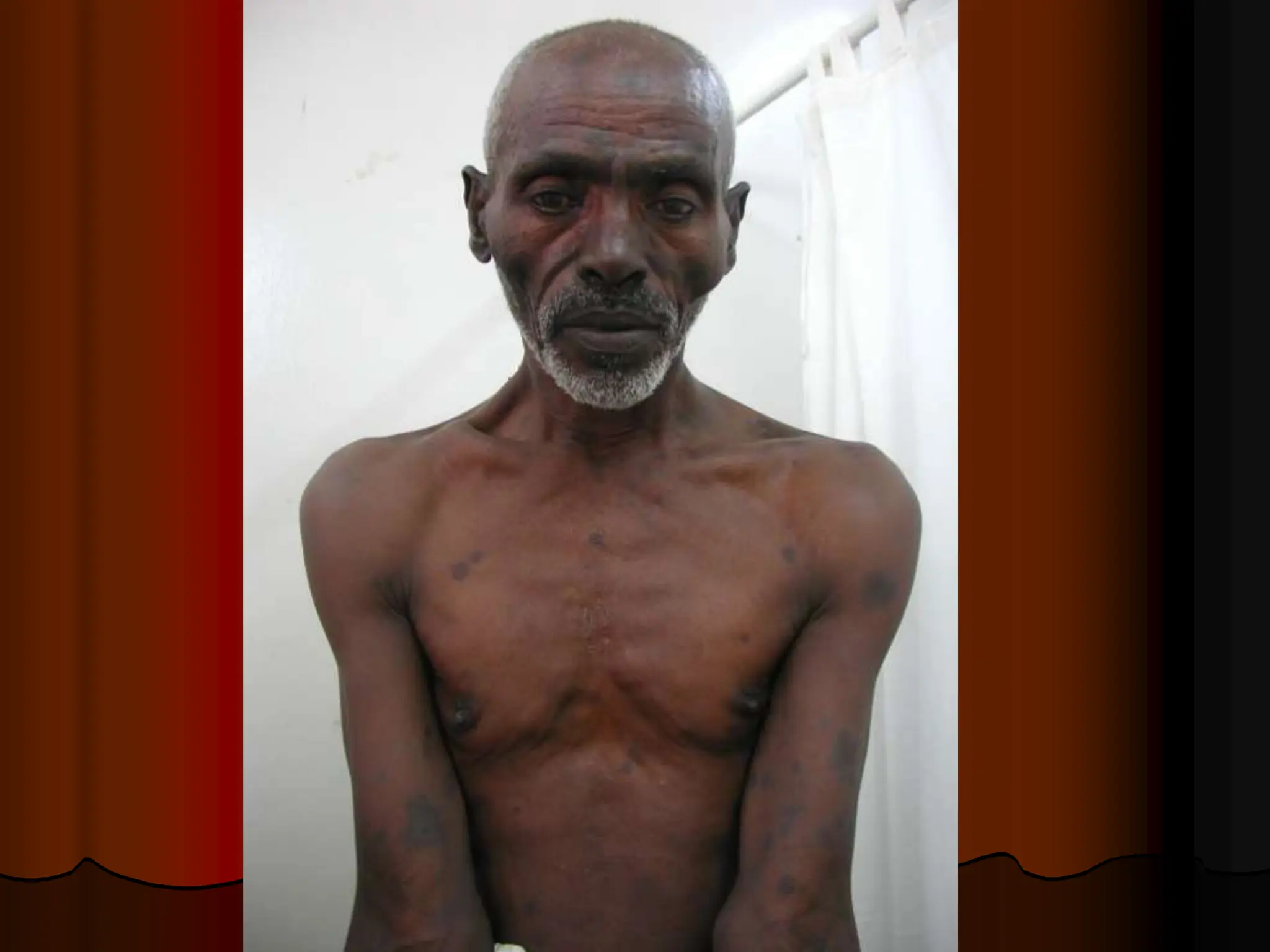
Fixed Drug Eruption
 The persisted hyperpigmentation is a
challenge for treatment.
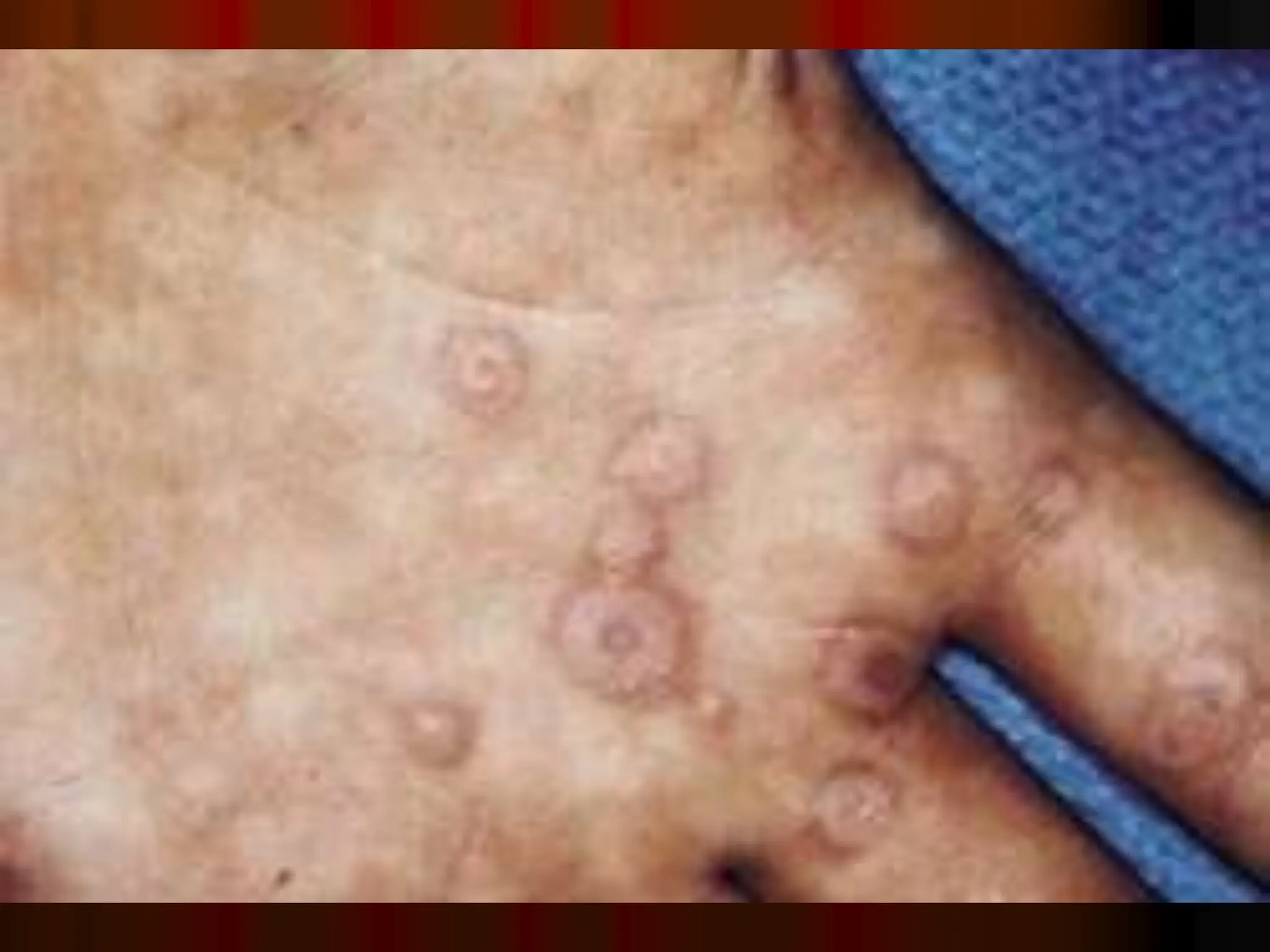
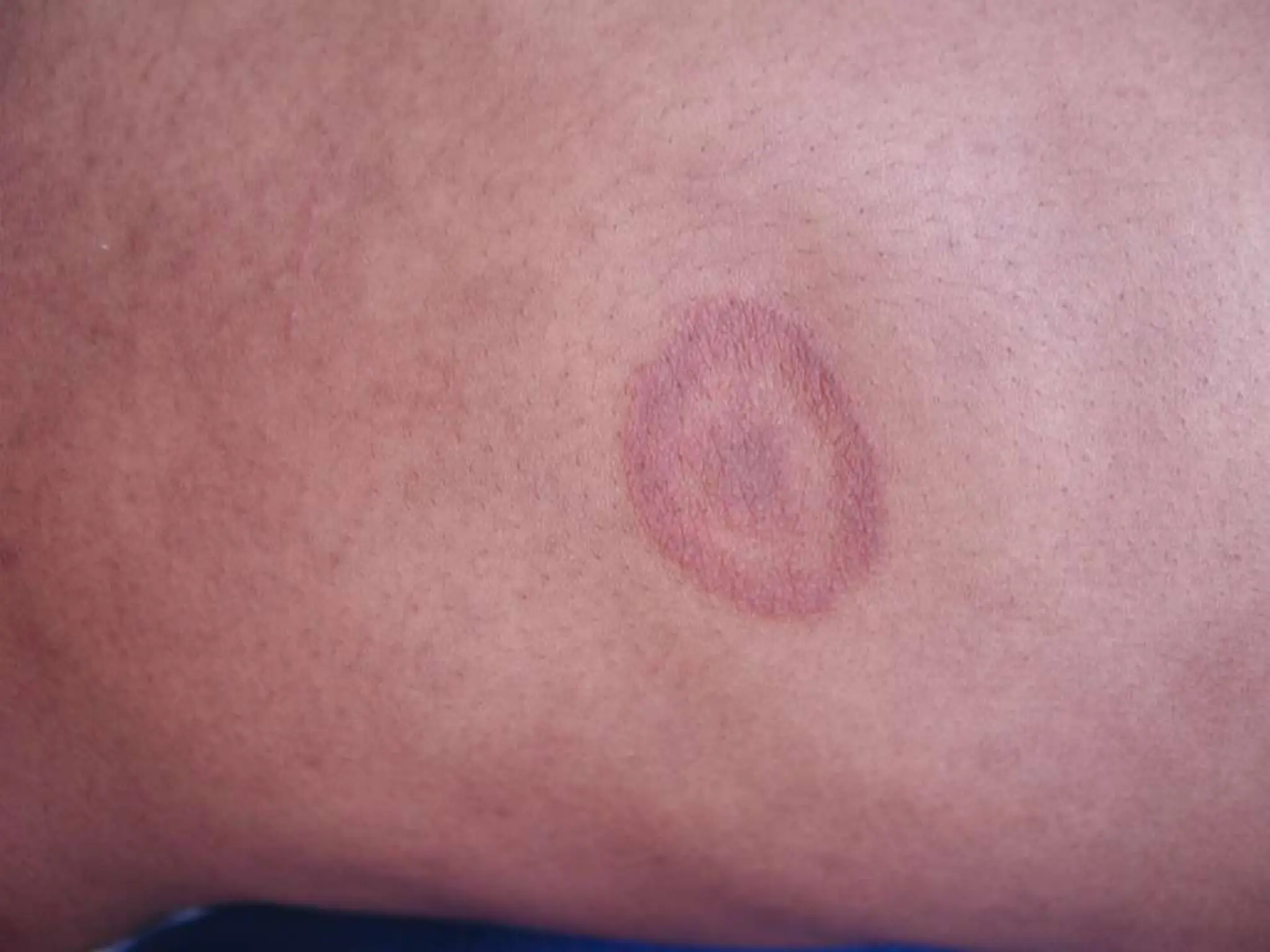
Erythema Multiforme
 Stable circular erythemas or urticarial
plaques with areas of blistering and
necrosis and/or resolution in a
concentric array.
 Vaused by HSV and drugs.
 Due to type IV HR.
 May be extensive with mucosal
involvement.
Erythema Multiforme
 Regresses spontaneously within about 2
weeks.
 Like other reactions, the drug should not
be given again
SJS – TEN
 SJS is considered by most a maximal
variant of erythema multiforme and TEN a
maximal variant of SJS
 EM- Only target lesion
 SJS - 10 % epidermal detachment
 SJS/TEN OVERLAP - 10 % to 30 % epidermal
detachment
 TEN - 30 % epidermal detachment
 Increased incidence in HIV
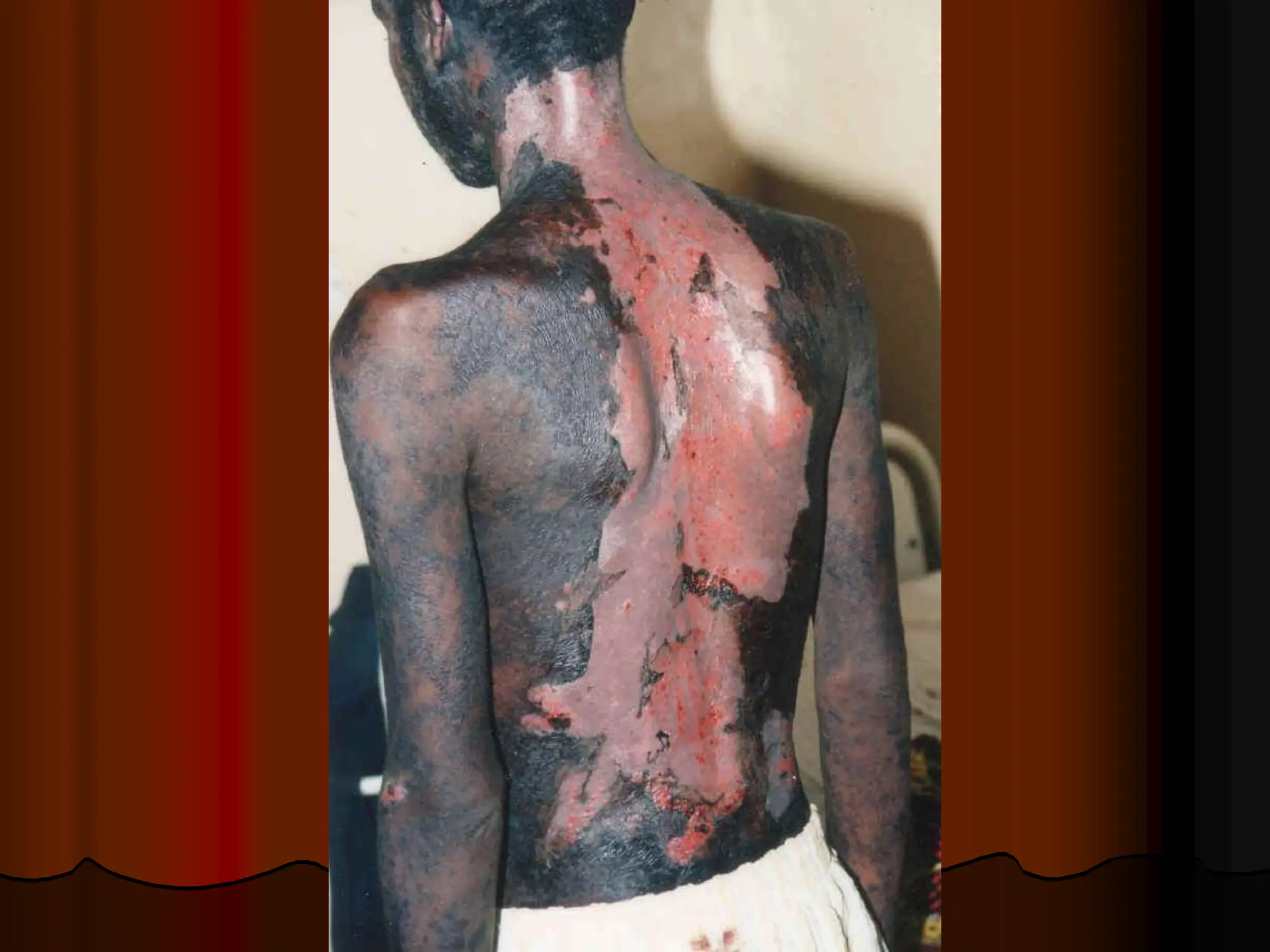
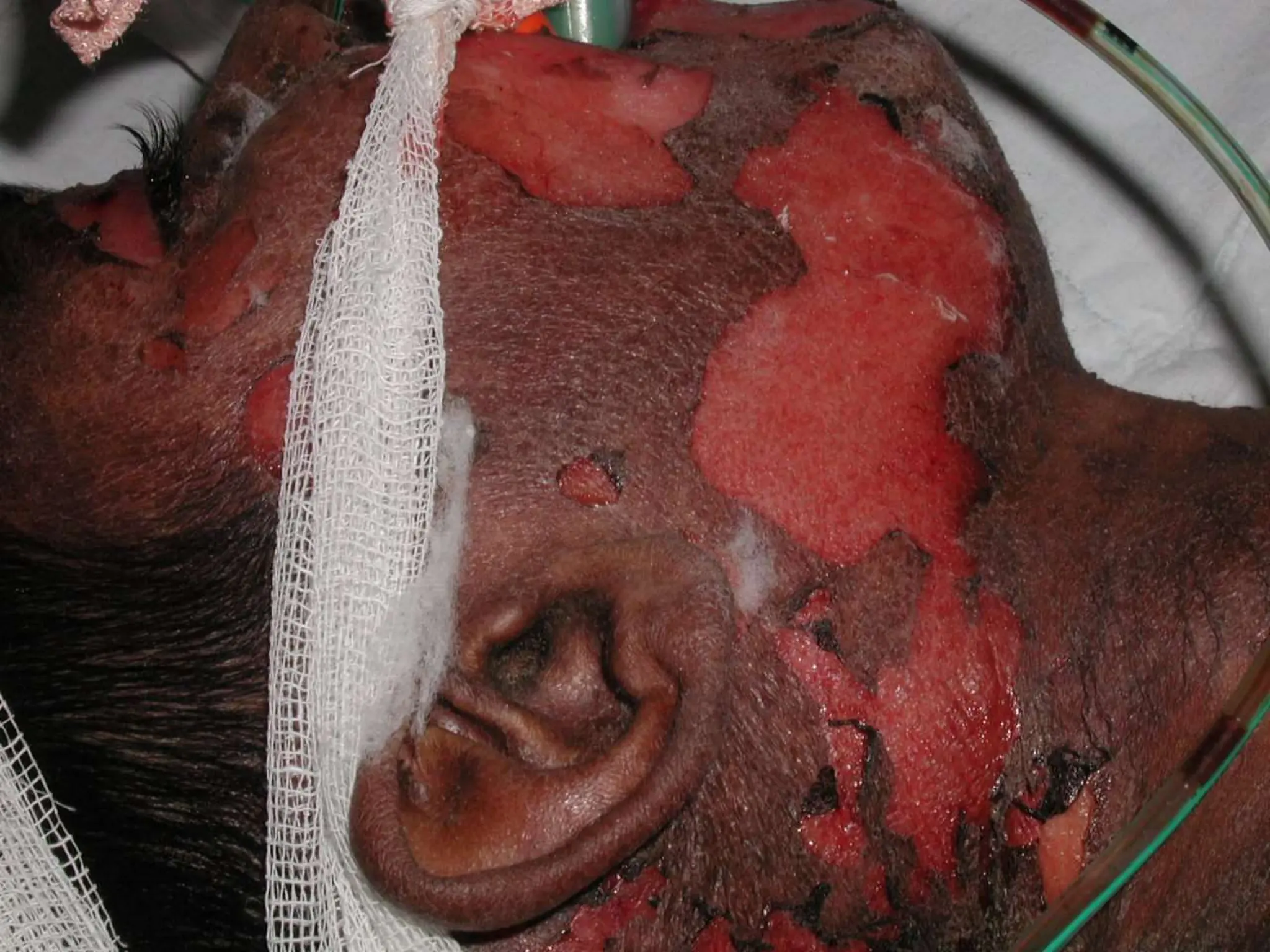
SJS – TEN
 Cause may not be identified – idiopathic
 Begins suddenly with a nonspecific
prodromes
 Sheets of necrotic epidermis slide off the
face and at pressure points
 Internal organs may be involved
SJS – TEN
 Treated like burn patients
 MR increases with degree of epidermal
necrosis

15Drug Eruptions.ppt

  • 1.
  • 2.
    Exanthematous Drug Eruptions Characterizedby a cutaneous eruption that mimics a viral exanthem.  Penicillin and related antibiotics are by far the commonest causes. Almost all dugs can cause it. Pathogenesis unknown
  • 3.
    Exanthematous Drug Eruptions Symmetric macules and/or papules, a few millimeters to 1 cm in size are seen almost always on trunk and extremities with in three weeks  More severe and common in all patients having EBV or CMV infection
  • 8.
    Exanthematous Drug Eruptions Urticaria, facial edema, blisters, mucosal involvement, ulcers, palpable or extensive purpura, fever, lymphadenopathy are indications to dc the drug.  Eruption usually recurs with rechallenge
  • 9.
    Urticaria and Angioedema Transient wheals and larger edematous areas that involve the dermis and subcutaneous tissue.  May be accompanied by anaphylaxis, and laryngeal edema  It is the result of immediate HR  Penicillins and cephalosporins are common causes.
  • 19.
    Urticaria and Angioedema Antihistamines  Steroids  Adrenaline  Resolves within hours to days to weeks after the causative drug is withdrawn.
  • 20.
    Fixed Drug Eruption Characterized by the formation of a solitary, but at times multiple, plaque, bulla, or erosion that occurs at the same site when ever the drug is taken next time  Sulfonamides and Tetracyclines are commonly implicated  Pathogenesis is unknown.
  • 26.
    Fixed Drug Eruption The persisted hyperpigmentation is a challenge for treatment.
  • 27.
    Erythema Multiforme  Stablecircular erythemas or urticarial plaques with areas of blistering and necrosis and/or resolution in a concentric array.  Vaused by HSV and drugs.  Due to type IV HR.  May be extensive with mucosal involvement.
  • 34.
    Erythema Multiforme  Regressesspontaneously within about 2 weeks.  Like other reactions, the drug should not be given again
  • 35.
    SJS – TEN SJS is considered by most a maximal variant of erythema multiforme and TEN a maximal variant of SJS  EM- Only target lesion  SJS - 10 % epidermal detachment  SJS/TEN OVERLAP - 10 % to 30 % epidermal detachment  TEN - 30 % epidermal detachment  Increased incidence in HIV
  • 36.
    SJS – TEN Cause may not be identified – idiopathic  Begins suddenly with a nonspecific prodromes  Sheets of necrotic epidermis slide off the face and at pressure points  Internal organs may be involved
  • 45.
    SJS – TEN Treated like burn patients  MR increases with degree of epidermal necrosis