

Presented By : Madhusudan.G.S
INDEX
 Introduction and Definitions
 Typical Phases of a Project
 Project Planning Phase
 Tools and Techniques
 Project Cost monitoring
 Summary
DEFINITION OF A PROJECT
A project is a temporary endeavor designed
to produce a unique product, service or
result, with a defined beginning and end
(usually time-constrained, and often
constrained by funding
or deliverables),undertaken to meet unique
goals and objectives,typically to bring
about beneficial change or added value.
Source : PMBOK (5th Edition)
WHAT IS A PROJECT?
A unique undertaking composed of
interrelated activities which has a well
defined beginning and end, often involving
staff from cross-functional groups, that
operates under specific constraints of
resources, schedules, and requirements.
Process of application of set of skills
and methods of planning,
organizing, and managing a project
from inception to its successful
completion
WHAT IS PROJECT MANAGEMENT?
WHO IS PROJECT MANAGER?
The role responsible for leading and
coordinating the project effort from
inception to its successful completion;
WHO IS PROJECT MANAGER?
The role responsible for leading and
coordinating the project effort from
inception to its successful completion;
the person responsible for making
things happen
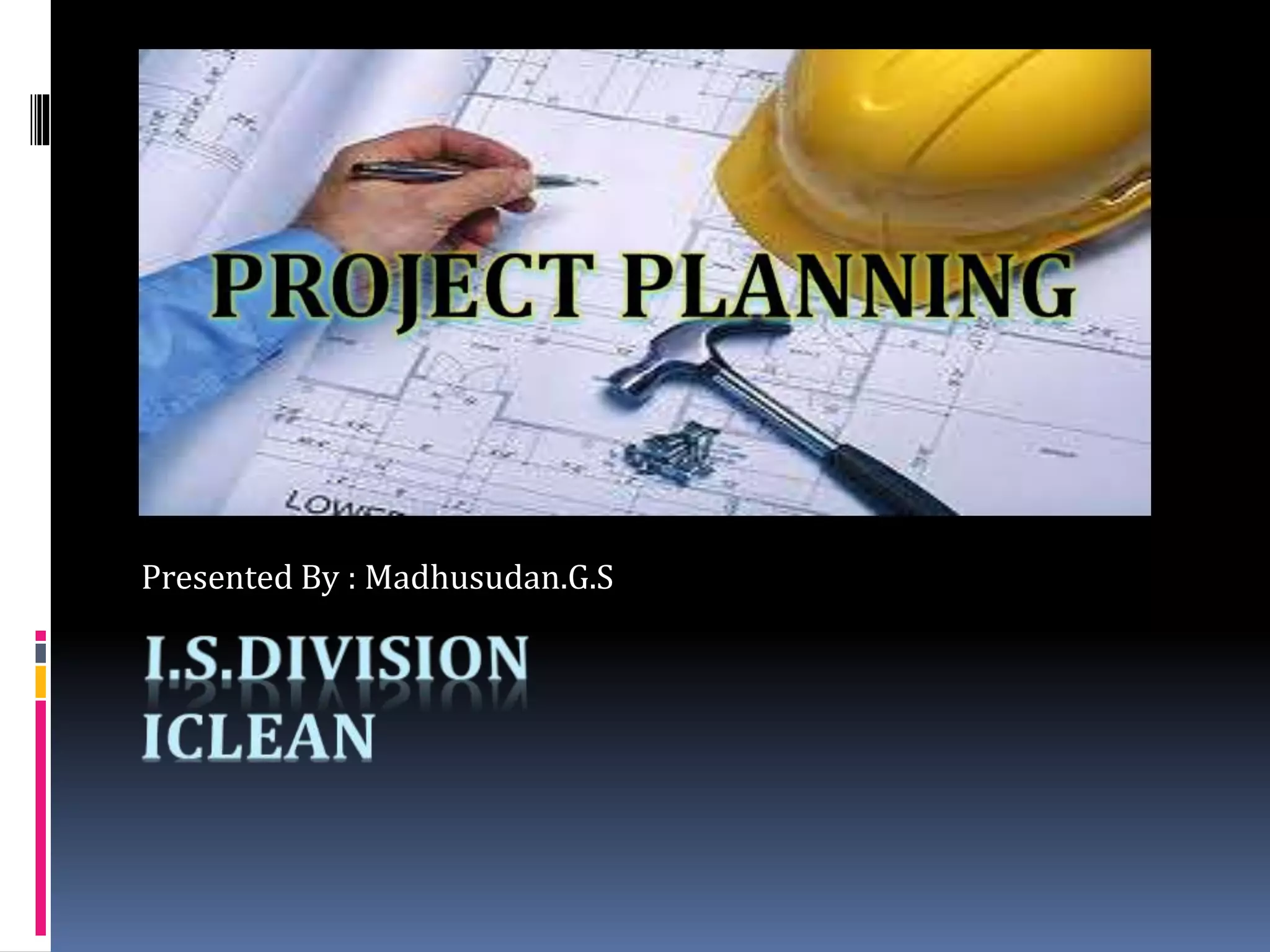
WHAT IS PROJECT PLANNING?
 A project plan is a model of the process that the project
team intends to follow to realise the project objectives.
It brings together a number of important aspects of this
process including its scope, timing, cost, and associated
risks.
 The project plan can be viewed as a type of “contract”
between the project team members and other
stakeholders. It defines” the process by which the
objectives will be achieved, and the responsibilities in
carrying out this process.
 Project plans also underpin a number of other key
project management functions including estimating and
forecasting, options analysis and decision-making, and
performance monitoring and control.
WHO IS RESPONSIBLE FOR PLANNING?
 Everyone in the project team should be
involved in developing the plan. It should
be a collaborative effort.
 The project manager should provide
leadership in this area but may delegate
some of the administrative aspects and
detailed analysis to a project support
role.
 On larger projects there may be one or
more dedicated planners.
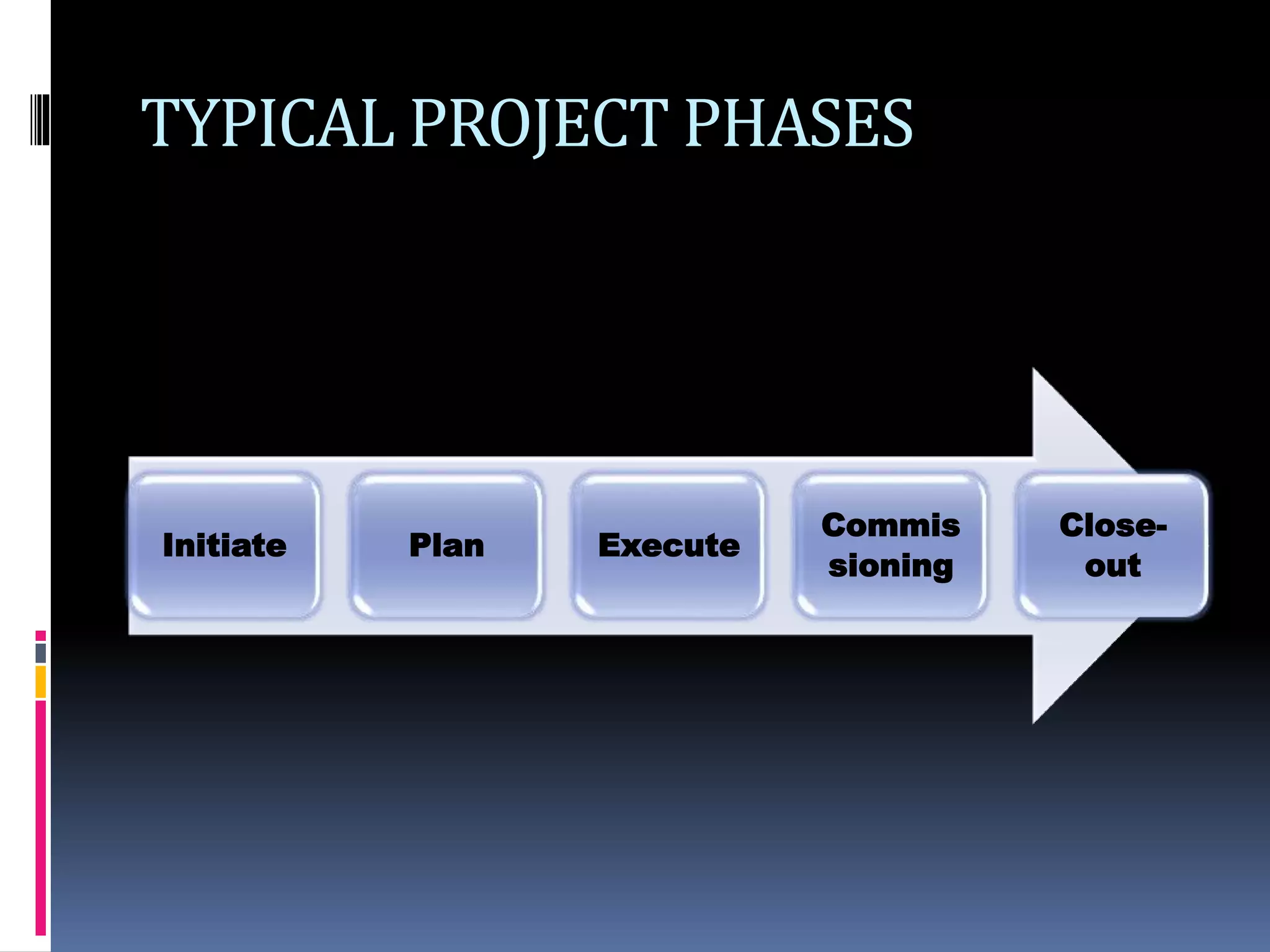
TYPICAL PROJECT PHASES
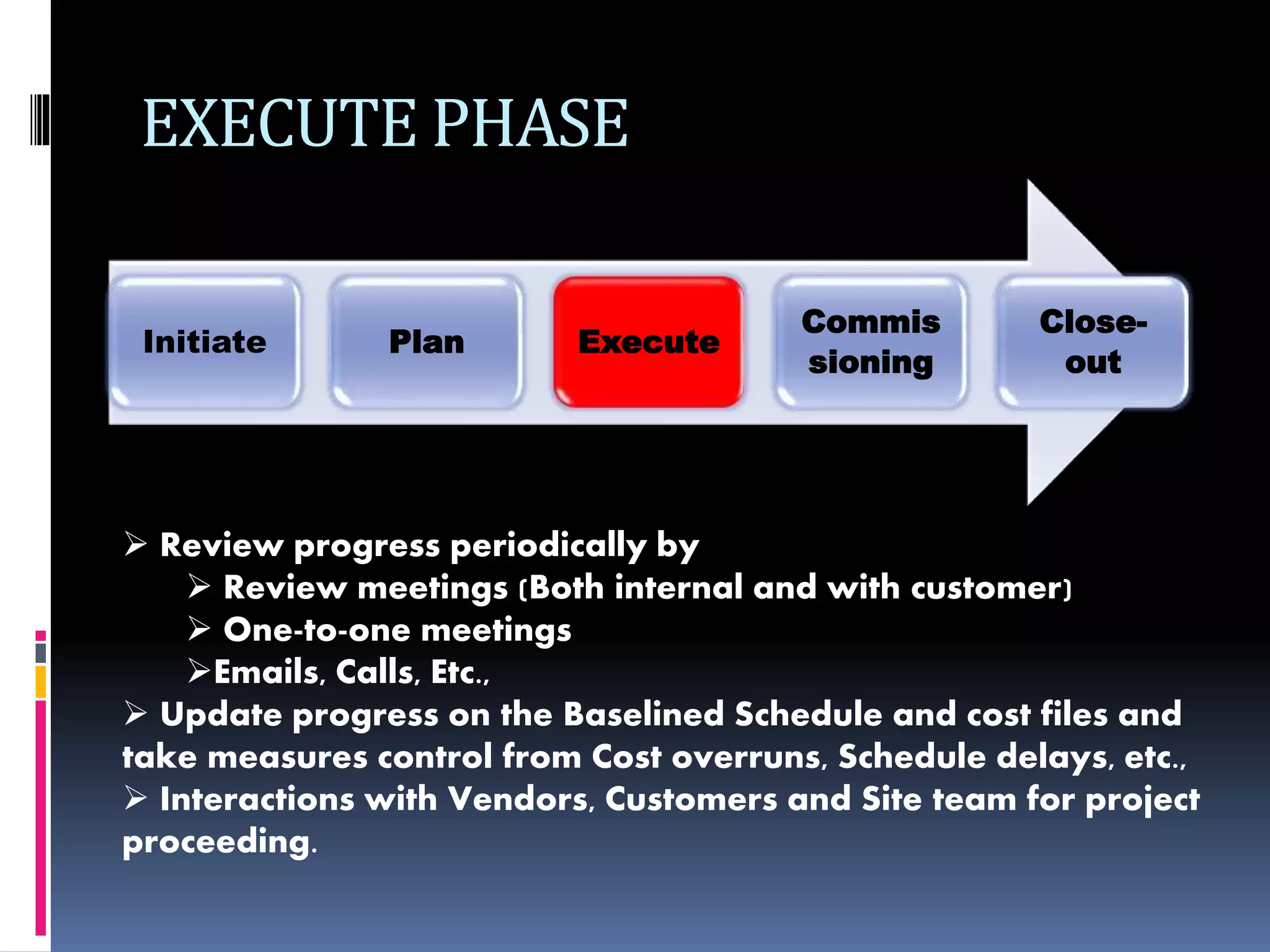
Initiate Plan Execute
Commis
sioning
Close-
out
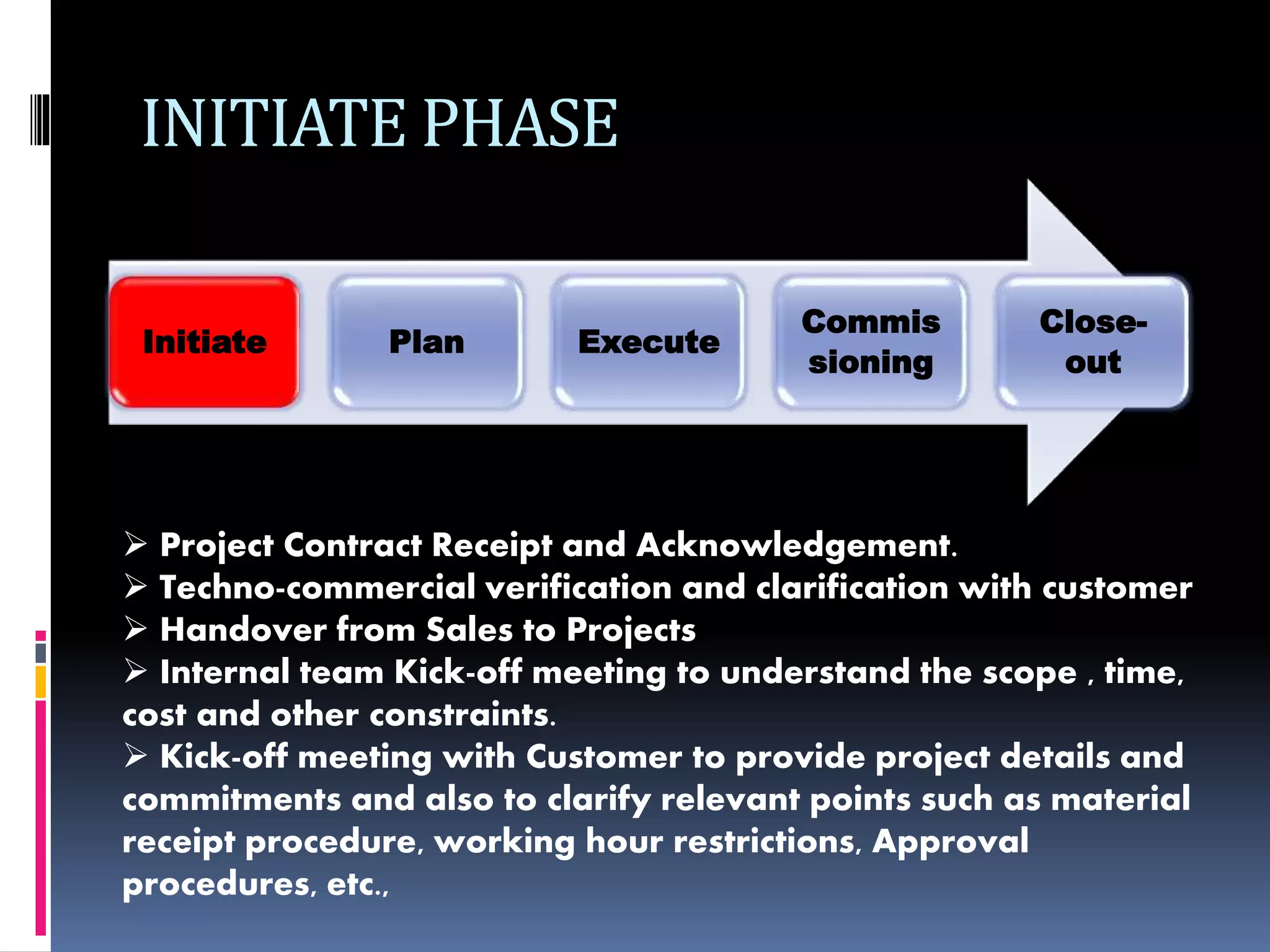
INITIATE PHASE
Initiate Plan Execute
Commis
sioning
Close-
out
 Project Contract Receipt and Acknowledgement.
 Techno-commercial verification and clarification with customer
 Handover from Sales to Projects
 Internal team Kick-off meeting to understand the scope , time,
cost and other constraints.
 Kick-off meeting with Customer to provide project details and
commitments and also to clarify relevant points such as material
receipt procedure, working hour restrictions, Approval
procedures, etc.,
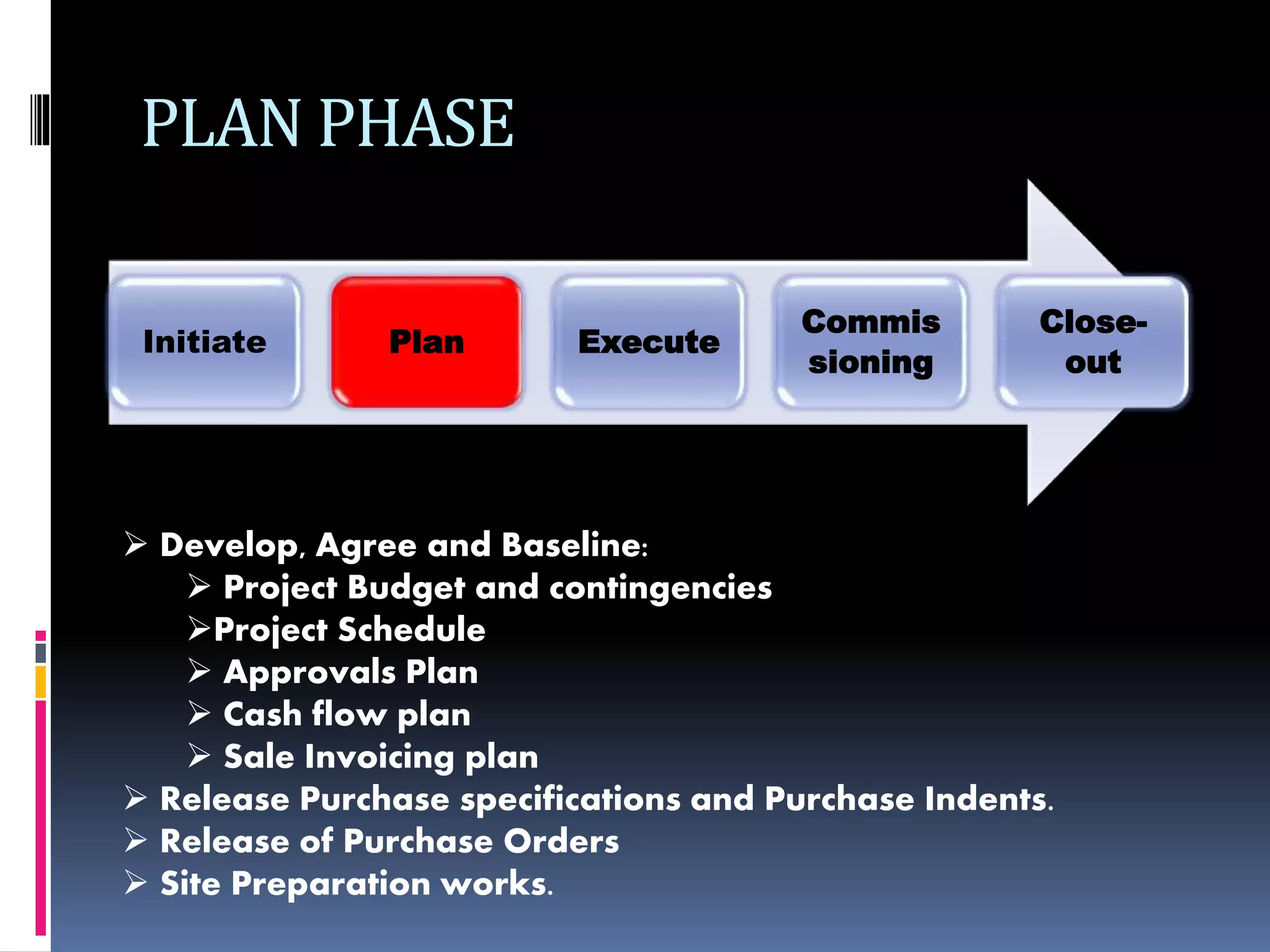
PLAN PHASE
Initiate Plan Execute
Commis
sioning
Close-
out
 Develop, Agree and Baseline:
 Project Budget and contingencies
Project Schedule
 Approvals Plan
 Cash flow plan
 Sale Invoicing plan
 Release Purchase specifications and Purchase Indents.
 Release of Purchase Orders
 Site Preparation works.
EXECUTE PHASE
Initiate Plan Execute
Commis
sioning
Close-
out
 Review progress periodically by
 Review meetings (Both internal and with customer)
 One-to-one meetings
Emails, Calls, Etc.,
 Update progress on the Baselined Schedule and cost files and
take measures control from Cost overruns, Schedule delays, etc.,
 Interactions with Vendors, Customers and Site team for project
proceeding.
COMMISSION PHASE
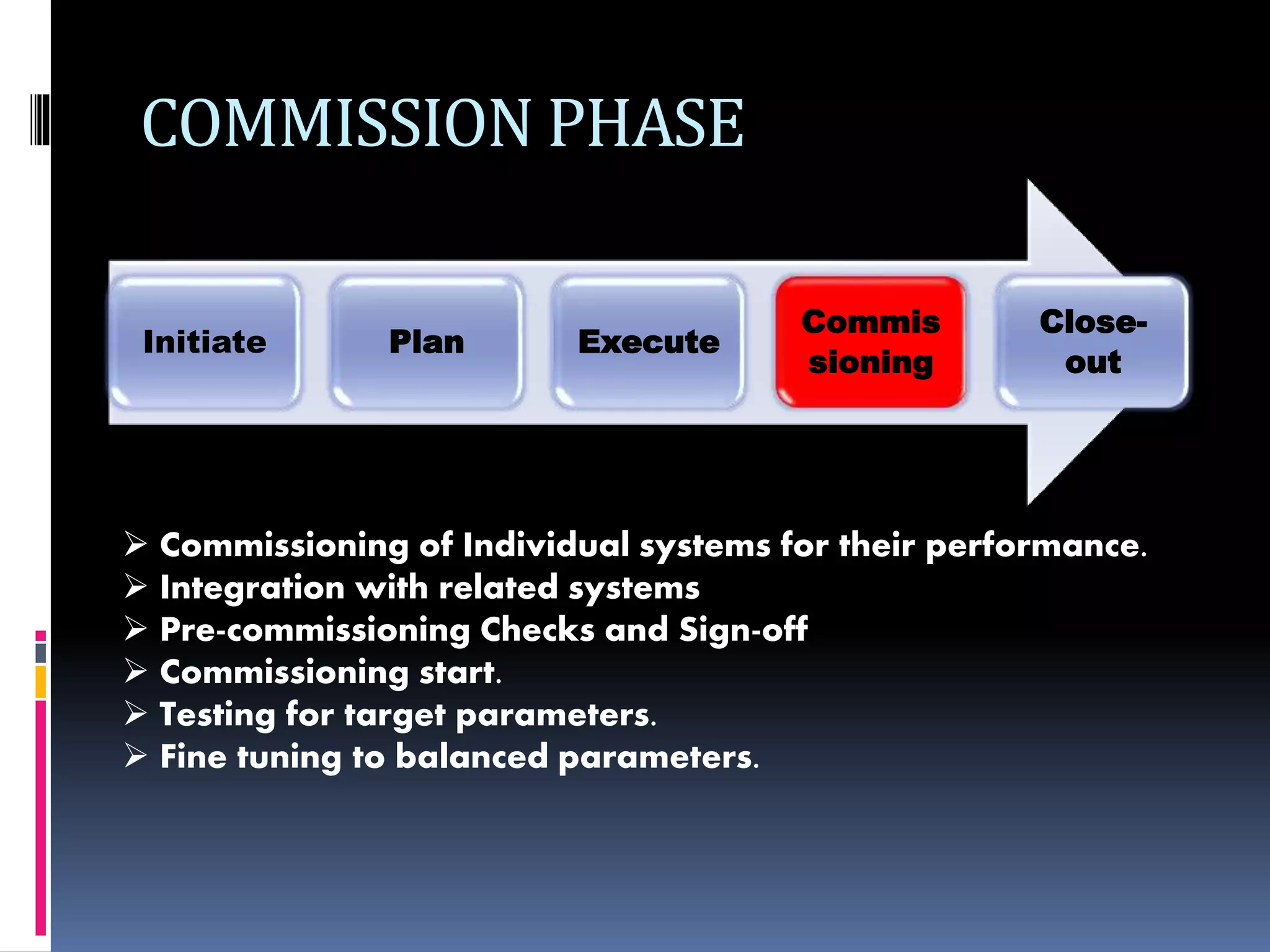
Initiate Plan Execute
Commis
sioning
Close-
out
 Commissioning of Individual systems for their performance.
 Integration with related systems
 Pre-commissioning Checks and Sign-off
 Commissioning start.
 Testing for target parameters.
 Fine tuning to balanced parameters.
CLOSE PHASE
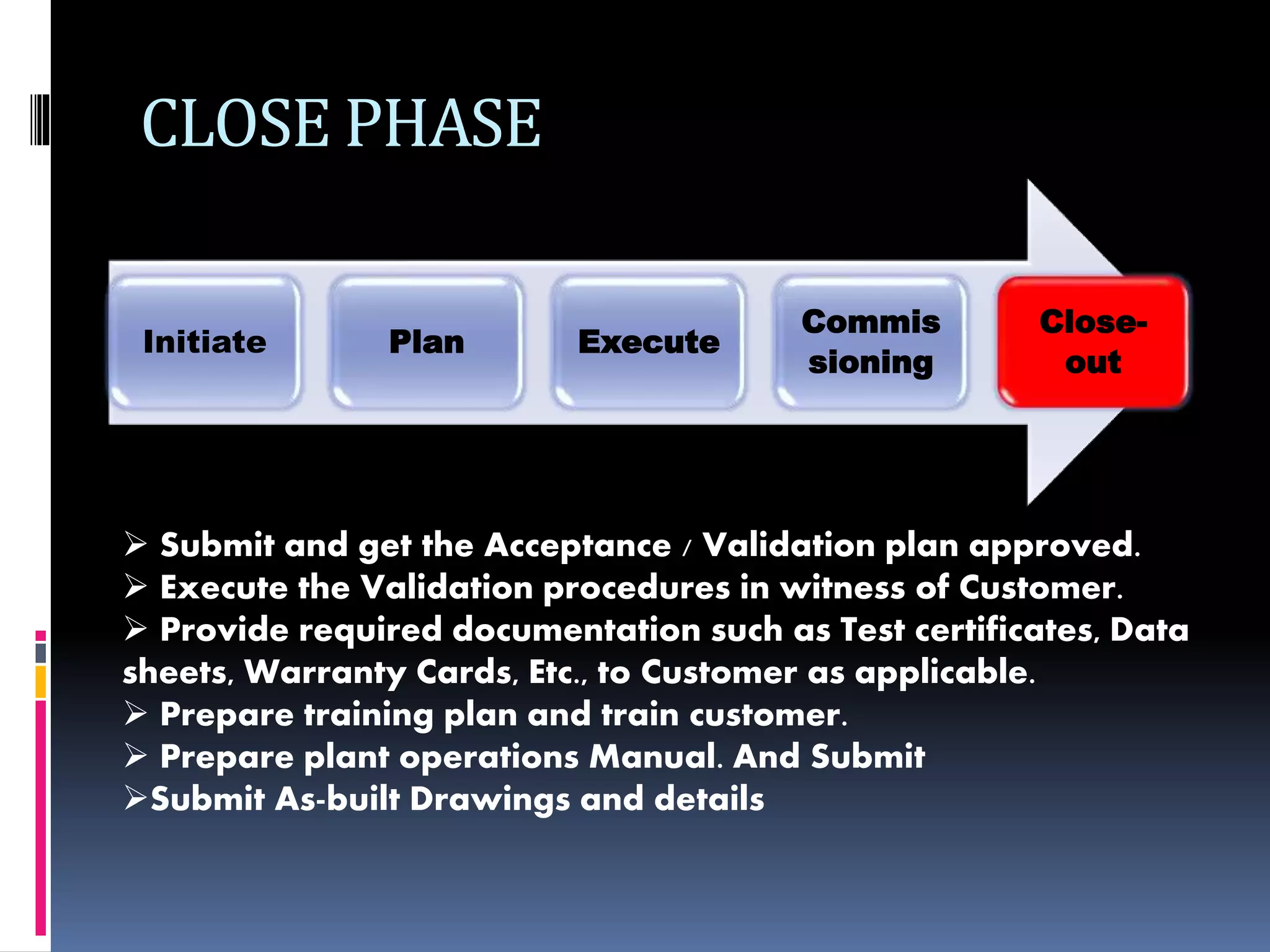
Initiate Plan Execute
Commis
sioning
Close-
out
 Submit and get the Acceptance / Validation plan approved.
 Execute the Validation procedures in witness of Customer.
 Provide required documentation such as Test certificates, Data
sheets, Warranty Cards, Etc., to Customer as applicable.
 Prepare training plan and train customer.
 Prepare plant operations Manual. And Submit
Submit As-built Drawings and details
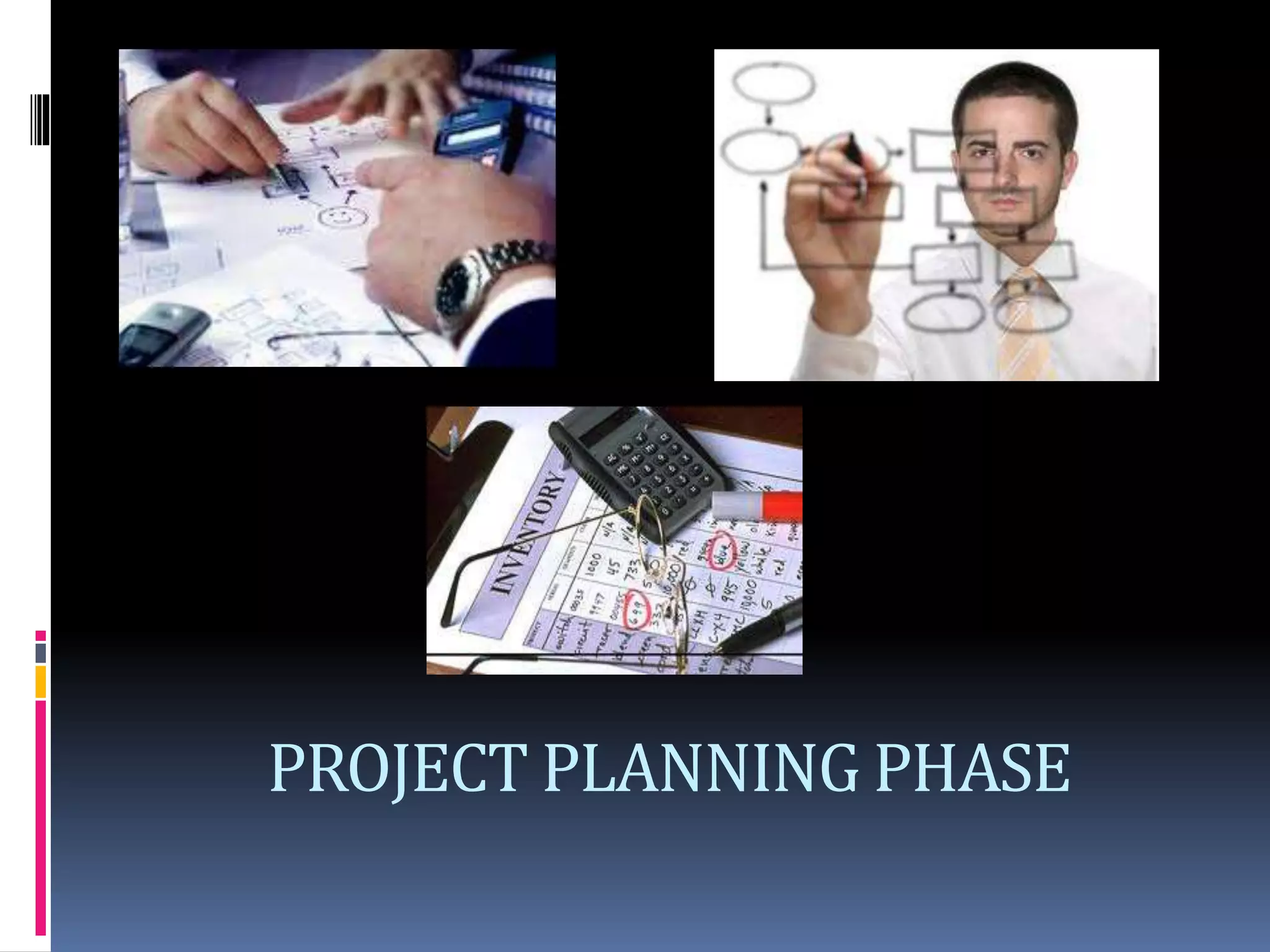
PROJECT PLANNING PHASE
MAJORDELIVERABLESOFAPROJECTPLAN
 PROJECT SCHEDULE
 PROJECT COST AND BUDGET DOCUMENTS
 SCOPE OF WORKS STATEMENT
 QUALITY PLAN
 SAFETY PLAN
 RISK MATRIX
PURPOSE OF A SCHEDULE
 Provides a commitment about when things
will be done
 Encourage everyone on the project to see
their efforts as part of a whole
 Provides a tool for breaking work into
manageable chunks
 Provides a tool for measuring progress
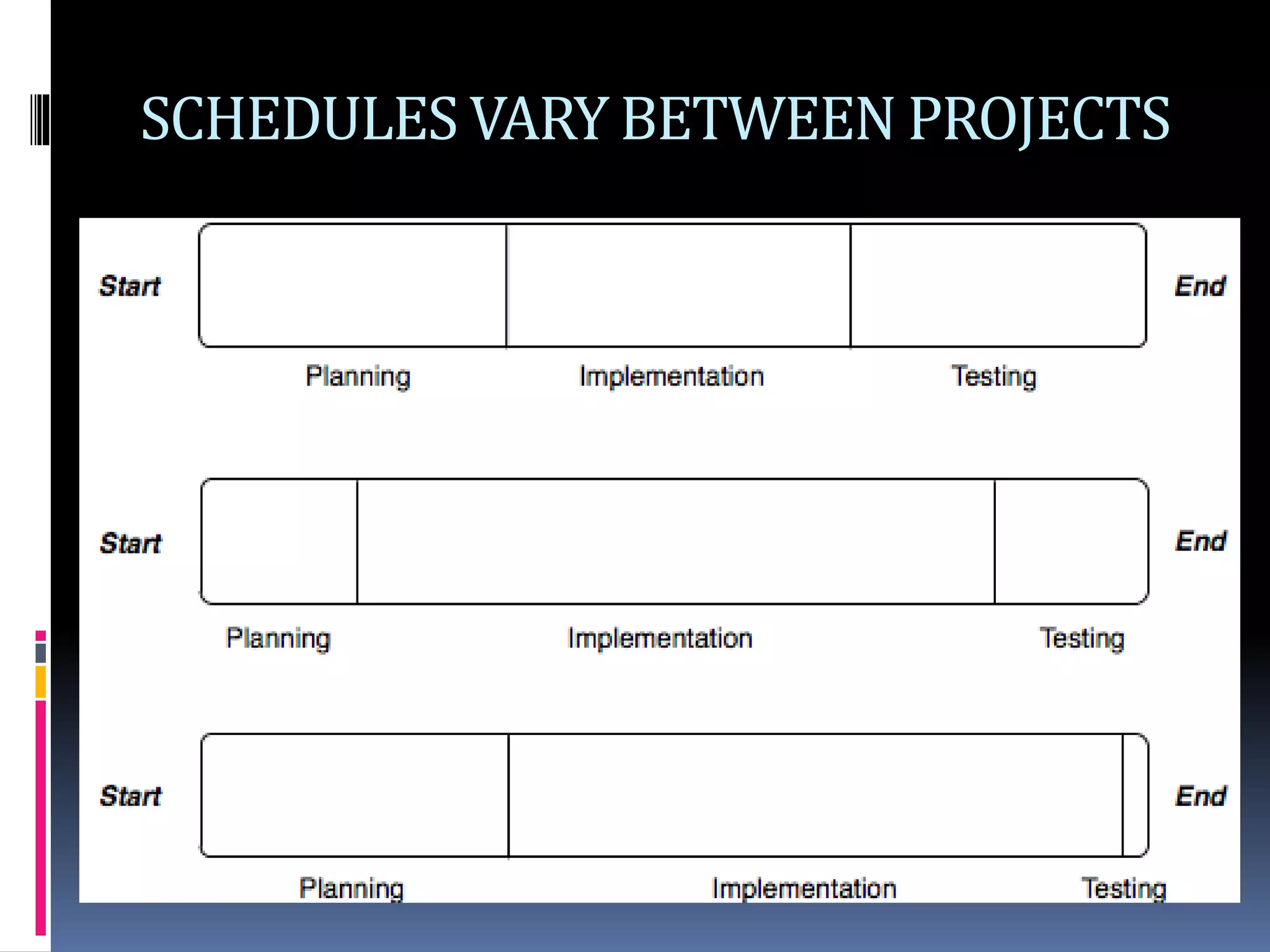
SCHEDULES VARY BETWEEN PROJECTS
VARIOUSTOOLSANDTECHNIQUESFORPROJECT
PLANNING
 Tools
 MS OFFICE (WORD, EXCEL & POWERPOINT)
 MS PROJECT (Complete Project control)
 Primavera, etc.,
 Monitor & control Techniques
 Schedule and cost monitoring sheets.
 Earned Value Management (EVM)
 Project Dashboards.
PROJECTPLANNING SUMMARYVIDEO
QUESTIONS ??
140704 project planning presentation

140704 project planning presentation

  • 1.
    Presented By :Madhusudan.G.S
  • 2.
    INDEX  Introduction andDefinitions  Typical Phases of a Project  Project Planning Phase  Tools and Techniques  Project Cost monitoring  Summary
  • 3.
    DEFINITION OF APROJECT A project is a temporary endeavor designed to produce a unique product, service or result, with a defined beginning and end (usually time-constrained, and often constrained by funding or deliverables),undertaken to meet unique goals and objectives,typically to bring about beneficial change or added value. Source : PMBOK (5th Edition)
  • 4.
    WHAT IS APROJECT? A unique undertaking composed of interrelated activities which has a well defined beginning and end, often involving staff from cross-functional groups, that operates under specific constraints of resources, schedules, and requirements.
  • 5.
    Process of applicationof set of skills and methods of planning, organizing, and managing a project from inception to its successful completion WHAT IS PROJECT MANAGEMENT?
  • 6.
    WHO IS PROJECTMANAGER? The role responsible for leading and coordinating the project effort from inception to its successful completion;
  • 7.
    WHO IS PROJECTMANAGER? The role responsible for leading and coordinating the project effort from inception to its successful completion; the person responsible for making things happen
  • 8.
    WHAT IS PROJECTPLANNING?  A project plan is a model of the process that the project team intends to follow to realise the project objectives. It brings together a number of important aspects of this process including its scope, timing, cost, and associated risks.  The project plan can be viewed as a type of “contract” between the project team members and other stakeholders. It defines” the process by which the objectives will be achieved, and the responsibilities in carrying out this process.  Project plans also underpin a number of other key project management functions including estimating and forecasting, options analysis and decision-making, and performance monitoring and control.
  • 9.
    WHO IS RESPONSIBLEFOR PLANNING?  Everyone in the project team should be involved in developing the plan. It should be a collaborative effort.  The project manager should provide leadership in this area but may delegate some of the administrative aspects and detailed analysis to a project support role.  On larger projects there may be one or more dedicated planners.
  • 10.
    TYPICAL PROJECT PHASES InitiatePlan Execute Commis sioning Close- out
  • 11.
    INITIATE PHASE Initiate PlanExecute Commis sioning Close- out  Project Contract Receipt and Acknowledgement.  Techno-commercial verification and clarification with customer  Handover from Sales to Projects  Internal team Kick-off meeting to understand the scope , time, cost and other constraints.  Kick-off meeting with Customer to provide project details and commitments and also to clarify relevant points such as material receipt procedure, working hour restrictions, Approval procedures, etc.,
  • 12.
    PLAN PHASE Initiate PlanExecute Commis sioning Close- out  Develop, Agree and Baseline:  Project Budget and contingencies Project Schedule  Approvals Plan  Cash flow plan  Sale Invoicing plan  Release Purchase specifications and Purchase Indents.  Release of Purchase Orders  Site Preparation works.
  • 13.
    EXECUTE PHASE Initiate PlanExecute Commis sioning Close- out  Review progress periodically by  Review meetings (Both internal and with customer)  One-to-one meetings Emails, Calls, Etc.,  Update progress on the Baselined Schedule and cost files and take measures control from Cost overruns, Schedule delays, etc.,  Interactions with Vendors, Customers and Site team for project proceeding.
  • 14.
    COMMISSION PHASE Initiate PlanExecute Commis sioning Close- out  Commissioning of Individual systems for their performance.  Integration with related systems  Pre-commissioning Checks and Sign-off  Commissioning start.  Testing for target parameters.  Fine tuning to balanced parameters.
  • 15.
    CLOSE PHASE Initiate PlanExecute Commis sioning Close- out  Submit and get the Acceptance / Validation plan approved.  Execute the Validation procedures in witness of Customer.  Provide required documentation such as Test certificates, Data sheets, Warranty Cards, Etc., to Customer as applicable.  Prepare training plan and train customer.  Prepare plant operations Manual. And Submit Submit As-built Drawings and details
  • 16.
  • 17.
    MAJORDELIVERABLESOFAPROJECTPLAN  PROJECT SCHEDULE PROJECT COST AND BUDGET DOCUMENTS  SCOPE OF WORKS STATEMENT  QUALITY PLAN  SAFETY PLAN  RISK MATRIX
  • 18.
    PURPOSE OF ASCHEDULE  Provides a commitment about when things will be done  Encourage everyone on the project to see their efforts as part of a whole  Provides a tool for breaking work into manageable chunks  Provides a tool for measuring progress
  • 19.
  • 20.
    VARIOUSTOOLSANDTECHNIQUESFORPROJECT PLANNING  Tools  MSOFFICE (WORD, EXCEL & POWERPOINT)  MS PROJECT (Complete Project control)  Primavera, etc.,  Monitor & control Techniques  Schedule and cost monitoring sheets.  Earned Value Management (EVM)  Project Dashboards.
  • 21.
  • 22.