film openings
key features

• genre
• narrative
• character
• atmosphere
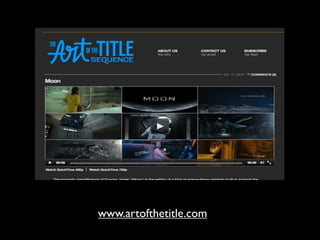
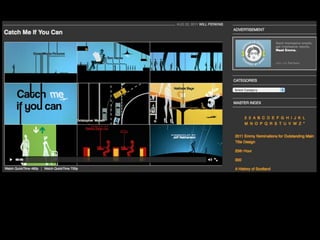
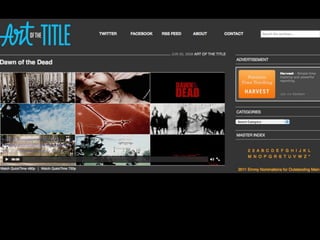
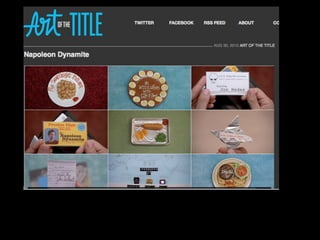
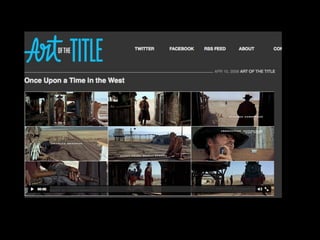
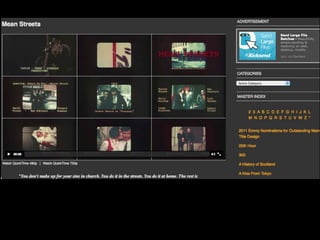
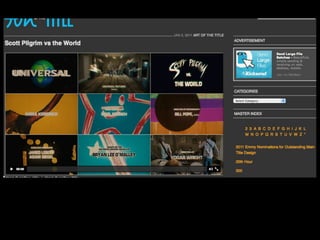
www.artofthetitle.com
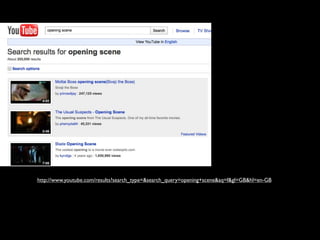
http://www.youtube.com/results?search_type=&search_query=opening+scene&aq=f&gl=GB&hl=en-GB
making film openings
Step 1: take stock


•   what’s the task?

•   what’s the assessment?

•   what’s the timeframe?

•   what’s the equipment?
task and assessment


•   Titles and opening of a new fiction film

•   up to 2 minutes

•   20 marks Research and Planning

•   60 marks Construction

•   20 marks Evaluation
timeframe and equipment


•   build your skills

•   build up your research

•   build up your planning

•   give yourselves time to shoot and edit

•   keep evidence throughout the whole process
step 2: set up a blog


•   and keep evidence of everything you do!
good blog examples


http://scasmediagwpahs.blogspot.com/?zx=fd277084e4b7cc3b


          http://cmdiplomayasmin.blogspot.com/
Step 3: build up skills


•   sound

•   camerawork

•   editing
Step 4: investigate


•   what do film openings actually look like?

•   what does other student work look like?

•   what do you need to know about titles?

•   how are you going to do something that stands out?
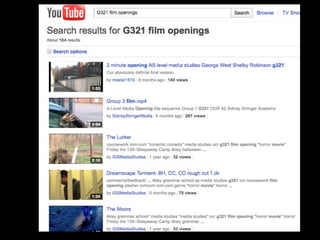
search for student films on youtube
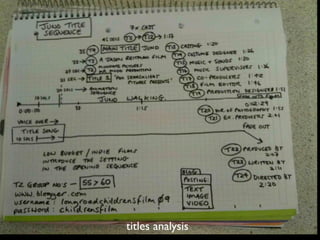
Titles exercise
titles analysis
Step 5: brainstorm ideas


•   possible scenarios for pitches/treatments

•   25 word pitch

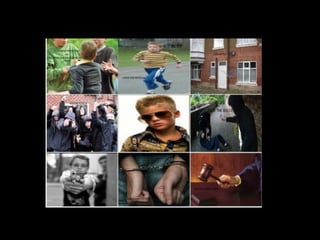
•   moodboard treatment

•   peer and teacher feedback

•   realistic expectations- keep it simple

•   know the film but make the opening
possible pitch scenarios


•   low budget UK film with young teen
    protagonist, set on housing estate

•   supernatural thriller aimed at a female
    audience; co-production with europe

•   a character returns to town after years away
Step 6: Planning


•   experimenting with camera and editing

•   recce shots of locations

•   examples of shots, costumes, props, etc onto
    blog

•   post-it storyboard, animatic, moodboard

•   logistics planning- including risk assessment
step 7: the shoot


•   people, places, props, costumes

•   rehearsing

•   equipment, jobs on the day

•   keeping a record of the process
Step 8: edit


•   all having a voice/hand in it

•   screengrabs of process

•   importance of audio and titles

•   foley - not just music

•   rough cut deadline and peer feedback
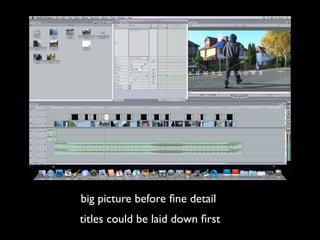
big picture before fine detail
titles could be laid down first
step 9: evaluation


•   seven questions become seven tasks
suggested tasks

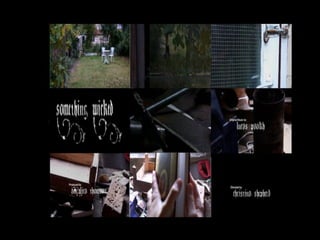
•   nine frames

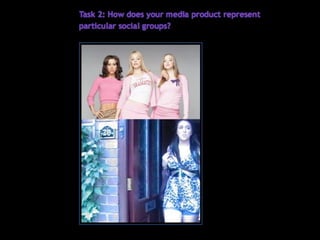
•   split screen comparison

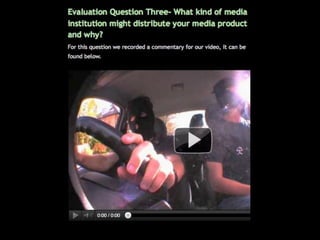
•   voiceover on distribution

•   ideal target audience member

•   tagged youtube video- how audience addressed

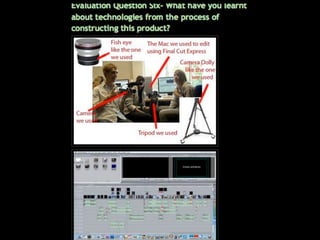
•   technology photo and you

•   screengrabs from prelim and final videos
other ideas


•   prezi

•   interview with audience members

•   screencasts
http://vimeo.com/23419989
Six most common student film openings


•   Saw: victim tied up in shed

•   Scream: hooded stalker follows female victim

•   Waking up: clean teeth, brush hair, leave house

•   Se7en: killer sticks knife in polaroid photos

•   Lock, Stock: gangsters play cards

•   Flashback or Flash forward
most common problems


•   looks more like a trailer or a short film

•   insufficient titles

•   poor sound, poor lighting

•   confusing for the viewer

•   uses one of the six common openings
you are the ref- what score and why?
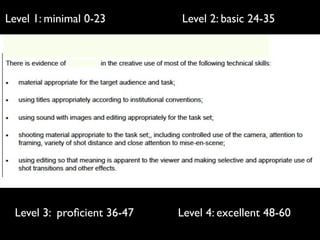
Level 1: minimal 0-23        Level 2: basic 24-35


  Level 3: proficient 36-47   Level 4: excellent 48-60

Film openings event

  • 1.

  • 2.
    key features • genre •narrative • character • atmosphere
  • 3.
  • 4.
  • 11.
  • 12.
    Step 1: takestock • what’s the task? • what’s the assessment? • what’s the timeframe? • what’s the equipment?
  • 13.
    task and assessment • Titles and opening of a new fiction film • up to 2 minutes • 20 marks Research and Planning • 60 marks Construction • 20 marks Evaluation
  • 14.
    timeframe and equipment • build your skills • build up your research • build up your planning • give yourselves time to shoot and edit • keep evidence throughout the whole process
  • 15.
    step 2: setup a blog • and keep evidence of everything you do!
  • 17.
  • 18.
    Step 3: buildup skills • sound • camerawork • editing
  • 19.
    Step 4: investigate • what do film openings actually look like? • what does other student work look like? • what do you need to know about titles? • how are you going to do something that stands out?
  • 20.
    search for studentfilms on youtube
  • 22.
  • 23.
  • 24.
    Step 5: brainstormideas • possible scenarios for pitches/treatments • 25 word pitch • moodboard treatment • peer and teacher feedback • realistic expectations- keep it simple • know the film but make the opening
  • 25.
    possible pitch scenarios • low budget UK film with young teen protagonist, set on housing estate • supernatural thriller aimed at a female audience; co-production with europe • a character returns to town after years away
  • 27.
    Step 6: Planning • experimenting with camera and editing • recce shots of locations • examples of shots, costumes, props, etc onto blog • post-it storyboard, animatic, moodboard • logistics planning- including risk assessment
  • 28.
    step 7: theshoot • people, places, props, costumes • rehearsing • equipment, jobs on the day • keeping a record of the process
  • 29.
    Step 8: edit • all having a voice/hand in it • screengrabs of process • importance of audio and titles • foley - not just music • rough cut deadline and peer feedback
  • 30.
    big picture beforefine detail titles could be laid down first
  • 31.
    step 9: evaluation • seven questions become seven tasks
  • 32.
    suggested tasks • nine frames • split screen comparison • voiceover on distribution • ideal target audience member • tagged youtube video- how audience addressed • technology photo and you • screengrabs from prelim and final videos
  • 37.
    other ideas • prezi • interview with audience members • screencasts
  • 38.
  • 39.
    Six most commonstudent film openings • Saw: victim tied up in shed • Scream: hooded stalker follows female victim • Waking up: clean teeth, brush hair, leave house • Se7en: killer sticks knife in polaroid photos • Lock, Stock: gangsters play cards • Flashback or Flash forward
  • 40.
    most common problems • looks more like a trailer or a short film • insufficient titles • poor sound, poor lighting • confusing for the viewer • uses one of the six common openings
  • 41.
    you are theref- what score and why?
  • 42.
    Level 1: minimal0-23 Level 2: basic 24-35 Level 3: proficient 36-47 Level 4: excellent 48-60