INDIRA GANDHI NATIONAL TRIBAL UNIVERSITY
SUBMITTED BY
MERAZ AHMED
2014107026
SUBMITTED TO
MR. ABHISHEK BANSAL
DEARTMENT OF COMPUTRONICS
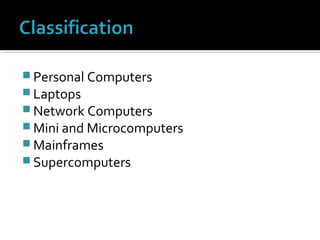
 Personal Computers
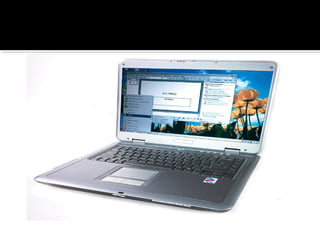
 Laptops
 Network Computers
 Mini and Microcomputers
 Mainframes
 Supercomputers
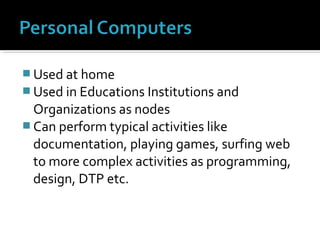
 Used at home
 Used in Educations Institutions and
Organizations as nodes
 Can perform typical activities like
documentation, playing games, surfing web
to more complex activities as programming,
design, DTP etc.
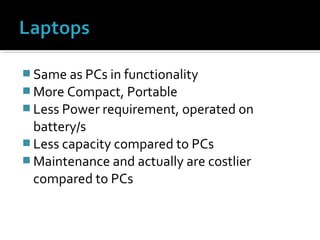
 Same as PCs in functionality
 More Compact, Portable
 Less Power requirement, operated on
battery/s
 Less capacity compared to PCs
 Maintenance and actually are costlier
compared to PCs
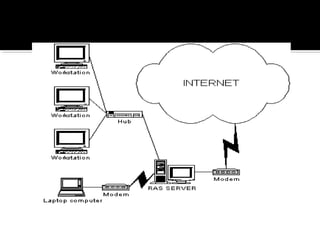
 Collection of PCs
 Additional Network Interface Card
 Can share the information, work from
anywhere environment
 LAN – WAN – MAN – Internet
 Microcomputer is also called Personal
Computer
 Minicomputers are in between mainframes
and Microcomputers. They are also called
midrange computers
 They are maintained by some organization
 Large computers both in terms of physical
size as well as computations
 They support huge numbers of users
 Basically used to store and process huge
amount of data
 Not all organizations can offered to maintain
one mainframe.
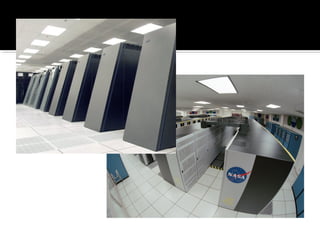
 Used in scientific and engineering
applications those handling huge data and do
a great amount of computation.
 Extremely fast in operation (@ 1 trillion
operations/second)
 Fastest, costliest and powerful computer
available today
 Application involves, weather forecasting,
military applications, electronic design etc.
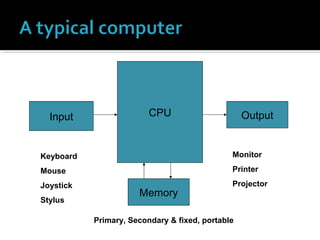
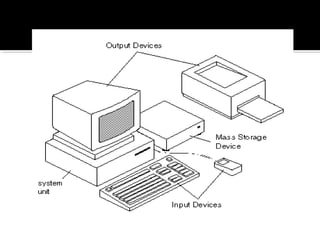
CPUInput Output
Memory
Keyboard
Mouse
Joystick
Stylus
Monitor
Printer
Projector
Primary, Secondary & fixed, portable
classification of digital computers

classification of digital computers

  • 1.
    INDIRA GANDHI NATIONALTRIBAL UNIVERSITY SUBMITTED BY MERAZ AHMED 2014107026 SUBMITTED TO MR. ABHISHEK BANSAL DEARTMENT OF COMPUTRONICS
  • 2.
     Personal Computers Laptops  Network Computers  Mini and Microcomputers  Mainframes  Supercomputers
  • 3.
     Used athome  Used in Educations Institutions and Organizations as nodes  Can perform typical activities like documentation, playing games, surfing web to more complex activities as programming, design, DTP etc.
  • 4.
     Same asPCs in functionality  More Compact, Portable  Less Power requirement, operated on battery/s  Less capacity compared to PCs  Maintenance and actually are costlier compared to PCs
  • 6.
     Collection ofPCs  Additional Network Interface Card  Can share the information, work from anywhere environment  LAN – WAN – MAN – Internet
  • 8.
     Microcomputer isalso called Personal Computer  Minicomputers are in between mainframes and Microcomputers. They are also called midrange computers  They are maintained by some organization
  • 9.
     Large computersboth in terms of physical size as well as computations  They support huge numbers of users  Basically used to store and process huge amount of data  Not all organizations can offered to maintain one mainframe.
  • 10.
     Used inscientific and engineering applications those handling huge data and do a great amount of computation.  Extremely fast in operation (@ 1 trillion operations/second)  Fastest, costliest and powerful computer available today  Application involves, weather forecasting, military applications, electronic design etc.
  • 12.