Info from WHO
Noncommunicable - or chronic - diseases are diseases of
long duration and generally slow progression. The four
main types of noncommunicable diseases are
cardiovascular diseases (like heart attacks and stroke),
cancer, chronic respiratory diseases (such as chronic
obstructed pulmonary disease and asthma) and diabetes.
Noncommunicable diseases, or NCDs, are by far the
leading cause of death in the world, representing 63% of all
annual deaths. Noncommunicable diseases (NCDs) kill
more than 36 million people each year. Some 80% of all
NCD deaths occur in low- and middle-income countries.
AQA ORGANISATION
4.2.2.4 Coronary Heart
Disease
Coronary Heart disease LOs
• Describe how arteries narrow in coronary heart disease
• Explain the impacts of narrowing arteries
• Explain how a stent works
• Explain what statins do
• Understand what a faulty valve is, and the problems it leads to
• Give medical solutions for a faulty valve
• Know what a heart, or a heart and lung transplant may be needed.
• Know why an artificial heart may be required.
• Evaluate methods of treatments for cardiovascular disease
Key words• Artery
• Coronary
• Oxygen
• Cholesterol
• Statins
• Stent
• Valve
• Biological
• Mechanical
• Transplant
1. Use a dictionary
to find out the
meanings of
these key words.
2. Write a short
simple meaning
for each word.
What is coronary heart
disease?
• CHD is a non-
communicable
disease.
• It can involve
narrowing of
arteries and faulty
valves.
Narrowing arteries
Narrowing arteries
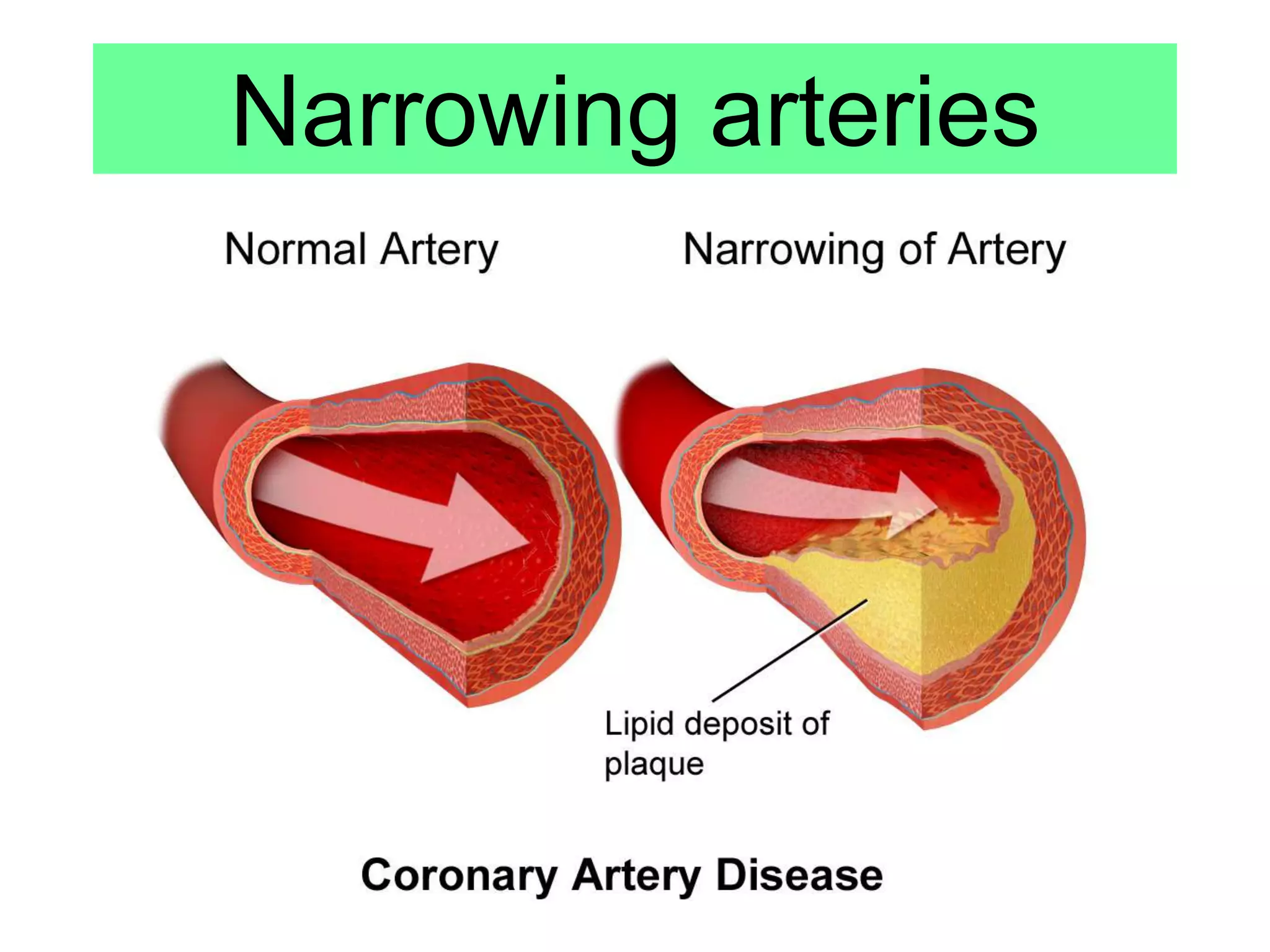
• Layers of fatty tissue builds up
inside coronary arteries
• This narrows the arteries
• Blood flow is reduces
• There is a lack of oxygen getting
to the heart muscle
• This can lead to a heart attack
Narrowing arteries
Stents
• A stent keeps coronary arteries open
Stents are made of nitinol (a smart
alloy of titanium and nickel)
How is
nitinol
smart?
Statins
• Statins are widely used
drugs
• They reduce blood
cholesterol levels
• They slow down the rate of
fatty material deposits
• They reduce the risk of
narrowing arteries
Faulty heart valves
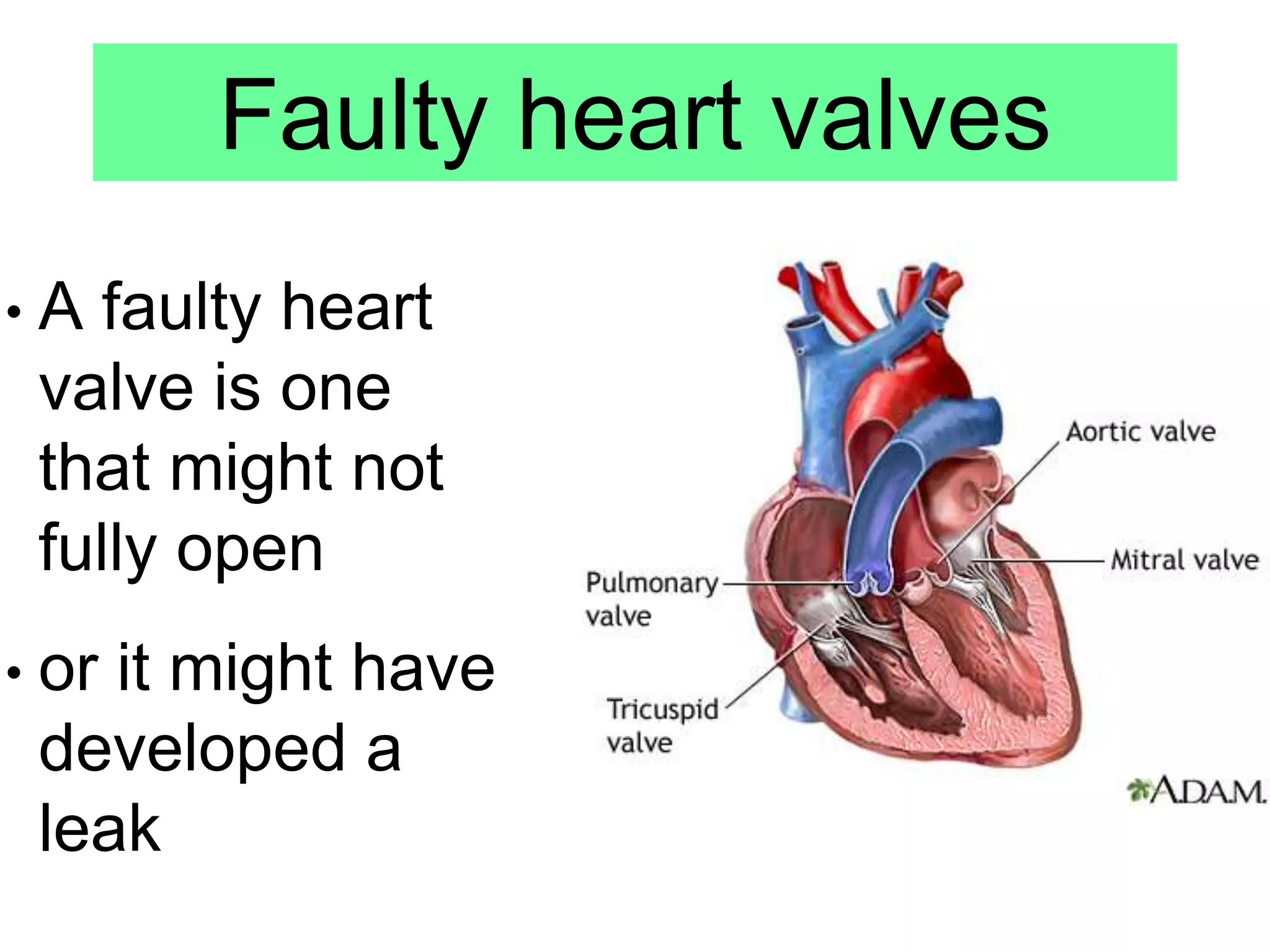
• A faulty heart
valve is one
that might not
fully open
• or it might have
developed a
leak
Faulty heart valves
Solutions for a faulty heart
valve
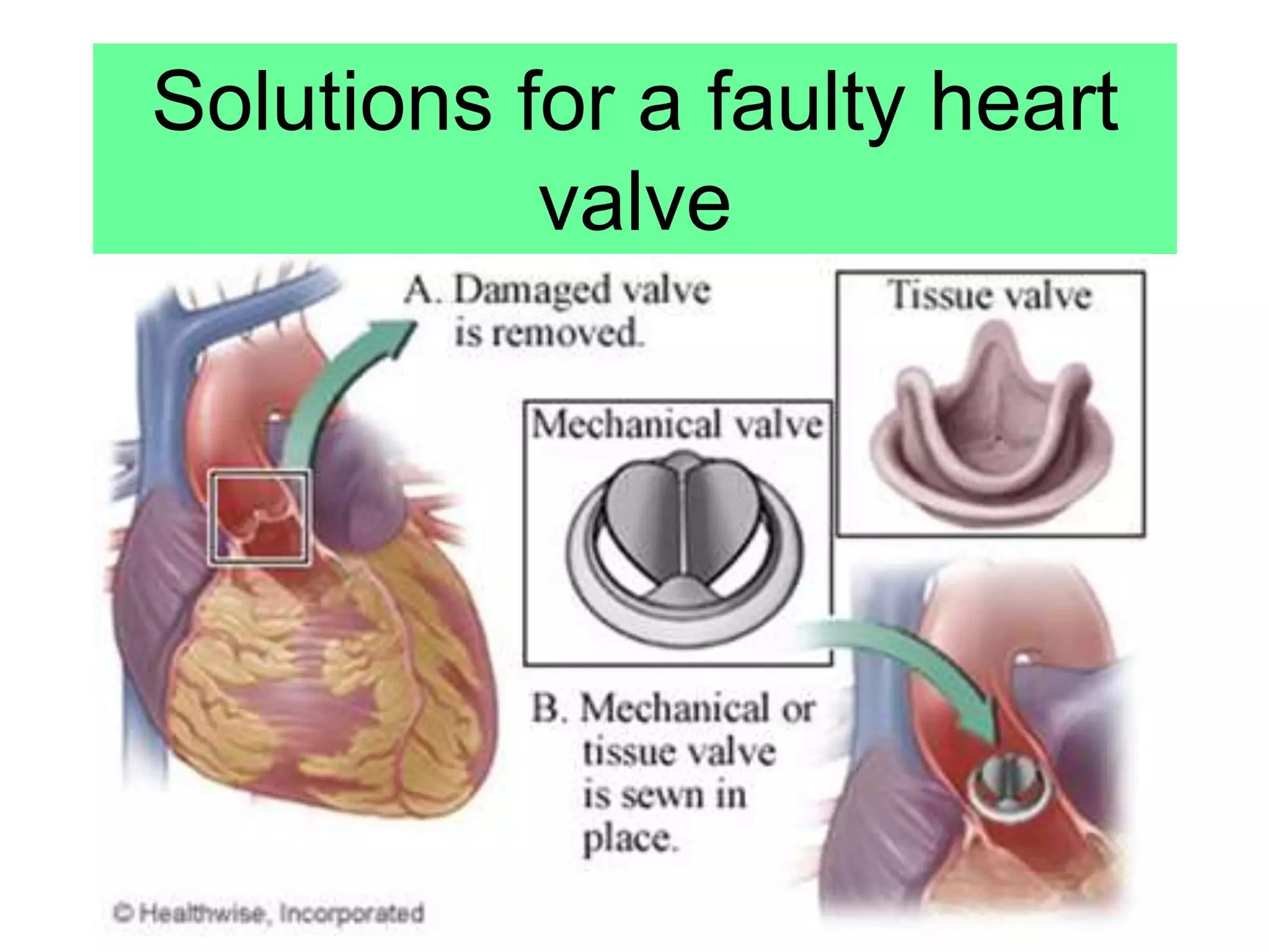
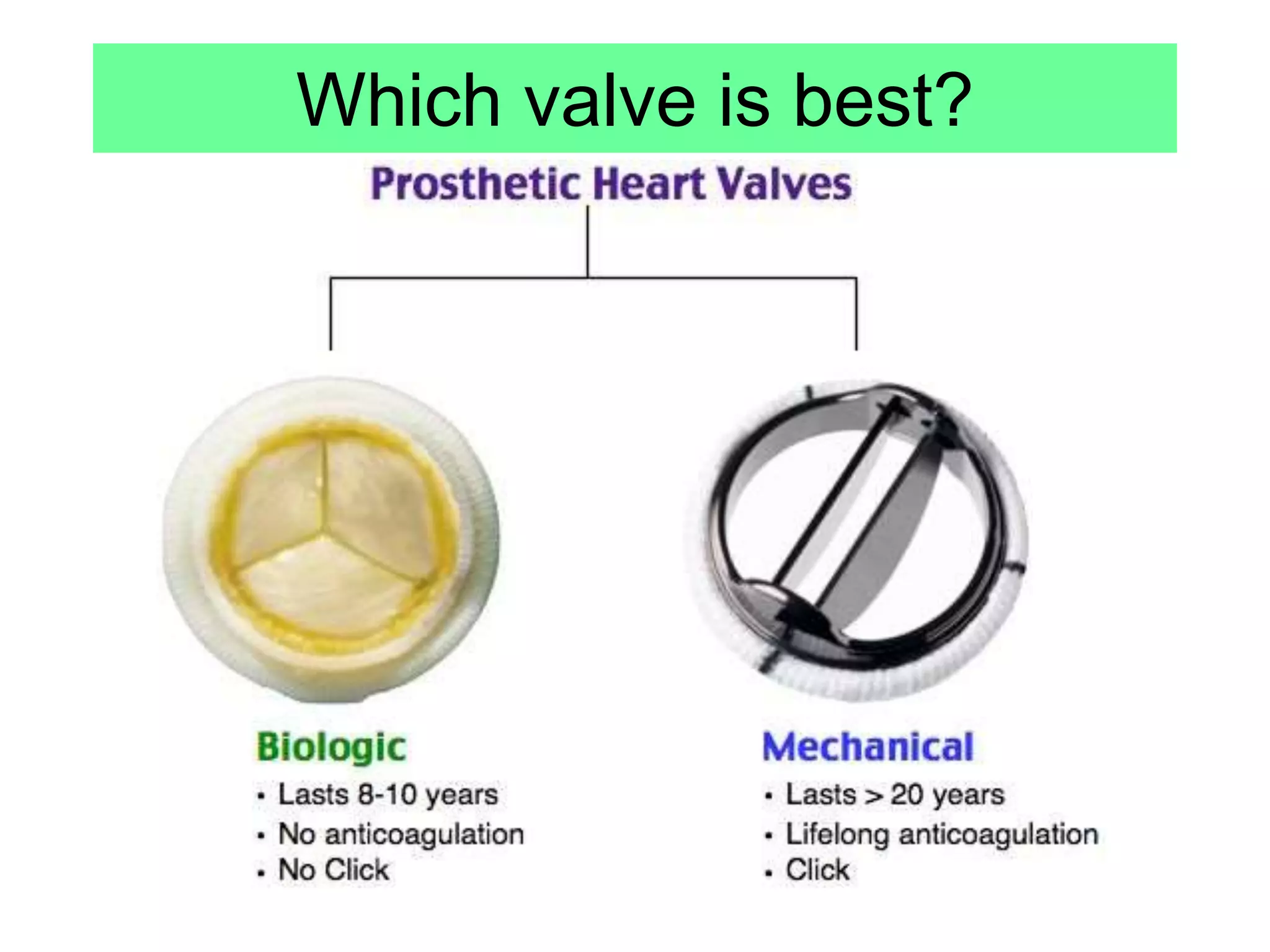
• Replace the faulty
valve with a
biological valve
• Replace with a
mechanical
device
Solutions for a faulty heart
valve
Which valve is best?
Heart failure
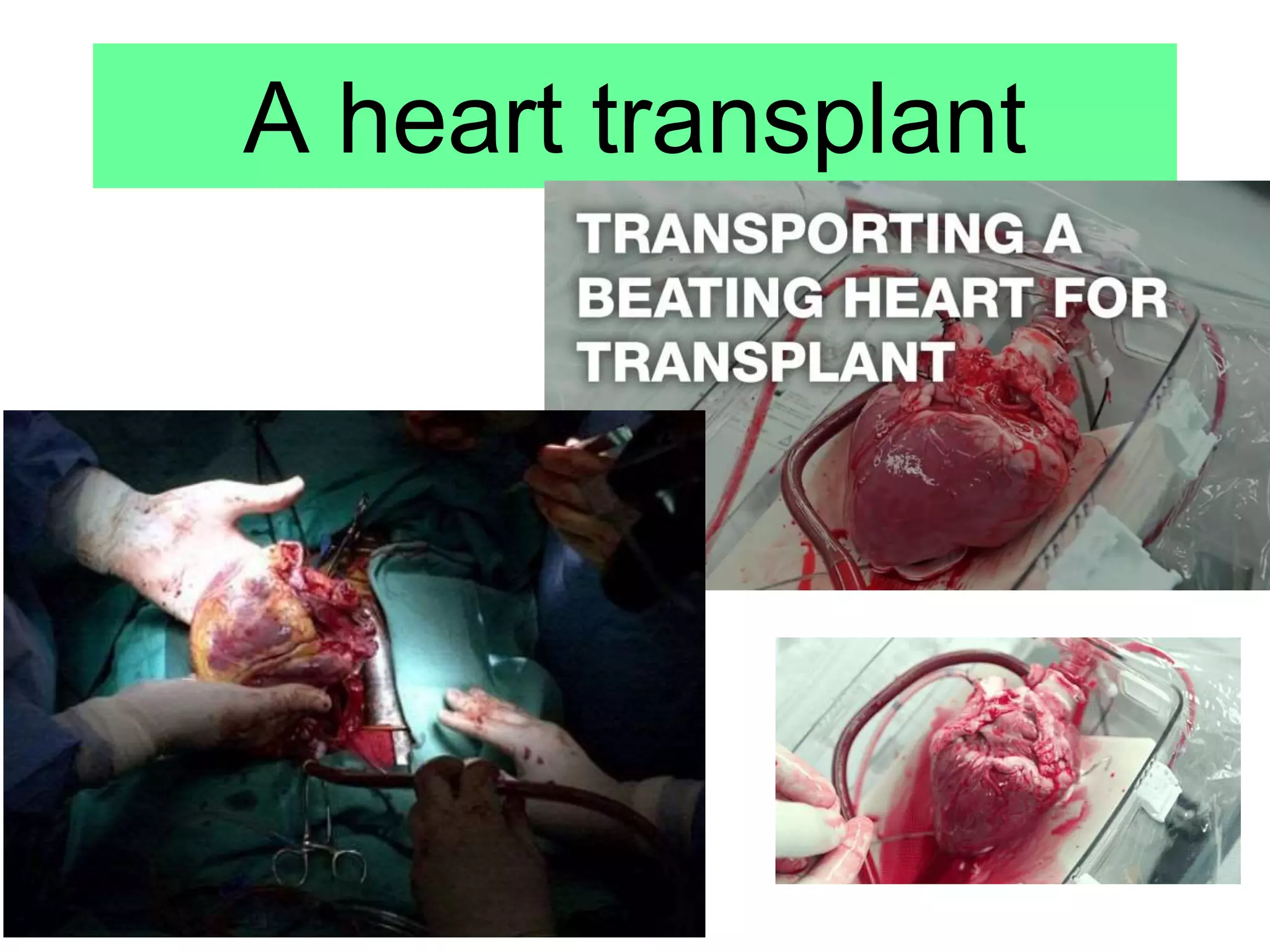
• A heart
transplant is
required
• or a heart and
lung transplant
is needed.
A heart transplant
Heart and lung transplant
An artificial heart
• Maybe required to keep a patient
alive whilst waiting for a
transplant
• Or may allow the heart to rest as
an aid to recovery
Evaluating treatment methods
for cardiovascular disease
Valve type Advantages Disadvantages
Biological
Mechanical
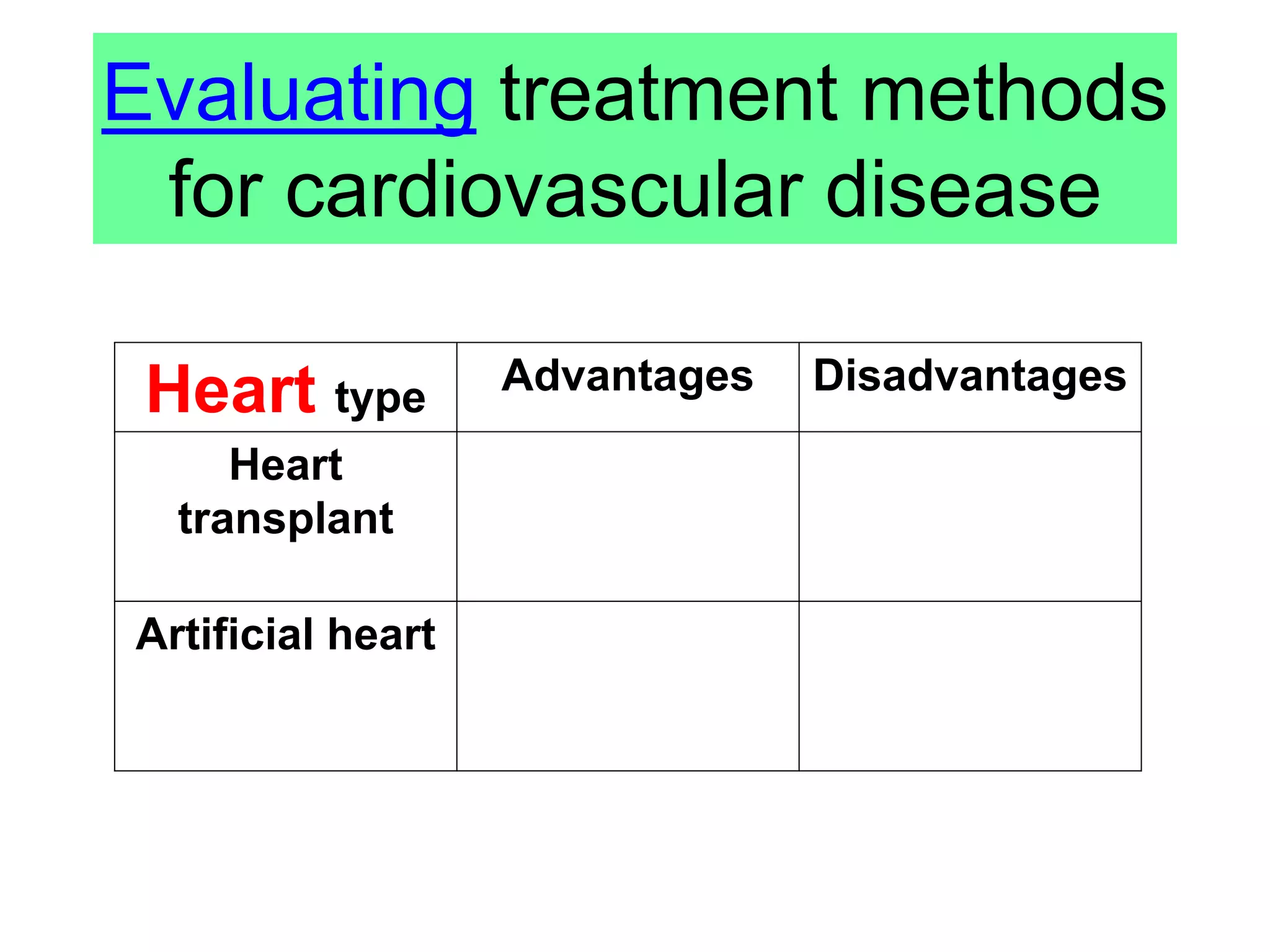
Evaluating treatment methods
for cardiovascular disease
Heart type Advantages Disadvantages
Heart
transplant
Artificial heart

Aqa CHD

  • 1.
    Info from WHO Noncommunicable- or chronic - diseases are diseases of long duration and generally slow progression. The four main types of noncommunicable diseases are cardiovascular diseases (like heart attacks and stroke), cancer, chronic respiratory diseases (such as chronic obstructed pulmonary disease and asthma) and diabetes. Noncommunicable diseases, or NCDs, are by far the leading cause of death in the world, representing 63% of all annual deaths. Noncommunicable diseases (NCDs) kill more than 36 million people each year. Some 80% of all NCD deaths occur in low- and middle-income countries.
  • 2.
  • 3.
    Coronary Heart diseaseLOs • Describe how arteries narrow in coronary heart disease • Explain the impacts of narrowing arteries • Explain how a stent works • Explain what statins do • Understand what a faulty valve is, and the problems it leads to • Give medical solutions for a faulty valve • Know what a heart, or a heart and lung transplant may be needed. • Know why an artificial heart may be required. • Evaluate methods of treatments for cardiovascular disease
  • 4.
    Key words• Artery •Coronary • Oxygen • Cholesterol • Statins • Stent • Valve • Biological • Mechanical • Transplant 1. Use a dictionary to find out the meanings of these key words. 2. Write a short simple meaning for each word.
  • 5.
    What is coronaryheart disease? • CHD is a non- communicable disease. • It can involve narrowing of arteries and faulty valves.
  • 6.
  • 7.
    Narrowing arteries • Layersof fatty tissue builds up inside coronary arteries • This narrows the arteries • Blood flow is reduces • There is a lack of oxygen getting to the heart muscle • This can lead to a heart attack
  • 8.
  • 9.
    Stents • A stentkeeps coronary arteries open
  • 10.
    Stents are madeof nitinol (a smart alloy of titanium and nickel) How is nitinol smart?
  • 11.
    Statins • Statins arewidely used drugs • They reduce blood cholesterol levels • They slow down the rate of fatty material deposits • They reduce the risk of narrowing arteries
  • 12.
    Faulty heart valves •A faulty heart valve is one that might not fully open • or it might have developed a leak
  • 13.
  • 14.
    Solutions for afaulty heart valve • Replace the faulty valve with a biological valve • Replace with a mechanical device
  • 15.
    Solutions for afaulty heart valve
  • 16.
  • 17.
    Heart failure • Aheart transplant is required • or a heart and lung transplant is needed.
  • 18.
  • 19.
    Heart and lungtransplant
  • 20.
    An artificial heart •Maybe required to keep a patient alive whilst waiting for a transplant • Or may allow the heart to rest as an aid to recovery
  • 21.
    Evaluating treatment methods forcardiovascular disease Valve type Advantages Disadvantages Biological Mechanical
  • 22.
    Evaluating treatment methods forcardiovascular disease Heart type Advantages Disadvantages Heart transplant Artificial heart