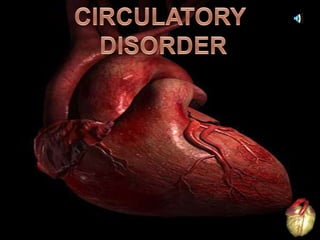
Heart – pumps blood in body
Blood – carries important oxygen, food, & waste
through body
Blood Vessels - routes blood travels
• Our heart is a
muscular organ
that acts like a
pump to send
blood
throughout our
body all the
time.
•The complete round of cardiac
systole and diastole with the
intervals between, or commencing
with, any event in the hearts
action to the moment when that
same event is repeated.
•.The frequency of the cardiac
cycle is the heart rate.
There are 4 chambers -
• 2 upper chambers : Left Atrium
Right Atrium
• 2 lower chambers : Left Ventricle
Right Ventricle
Lub
If you listen to
your heartbeat, it
makes a lub dub
sound.
The lub is when blood
is pushed out of the
heart into the body and
the dub is the
reloading of the heart
with more blood ready
to push it out to the
body
Dub
•Blood with little oxygen is pumped from the Right
Atrium through a valve to the Right Ventricle and
through another valve into the Pulmonary Vein. The
Pulmonary Vein sends it to the Lungs to pick up
Oxygen.
•It’s sent from the Lungs through Pulmonary Arteries
to the Left Atrium through a valve to the Left
Ventricle.
•The Left Ventricle sends it through a valve to the
Aorta.
• Heart Rate
can be
determined
using a
Stethoscope
Average Heart Rate of some
Mammals
28
200
50 30 9
70 40
376
0
100
200
300
400
camel
cat
cowelephantgreywhale
human
lion
mouse
Mammals
Heartbeatsper
minute
Coronary Artery Disease
• Coronary artery disease is one of the most common
and serious effects of aging. Fatty deposits build up
in blood vessel walls and narrow the passageway for
the movement of blood. The resulting condition,
called atherosclerosis often leads to eventual
blockage of the coronary arteries and a “heart
attack”.
• None:. Blood to your heart
may be restricted due to
CAD, but you don’t feel any
effects.
• Chest pain: If your coronary
arteries can’t supply enough
blood to meet the oxygen
demands of your heart, the
result may be chest pain
called angina.
• Heart attack: Results when
an artery to your heart
muscle becomes completely
blocked
Signs &
Symptoms
None
Chest
Pain
Shortness
Of Breath
Heart
Attack
• High blood
cholesterol
• High blood pressure
• Smoking
• Obesity
• Lack of physical
activity
• Many people are able to manage
coronary artery disease with lifestyle
changes and medications.
• Other people with severe coronary
artery disease may need angioplasty or
surgery.
Treatment
1) Stenting
• a stent is introduced into a blood vessel on a balloon
into the blocked area of the artery.
• the balloon is then inflated and causes the stent to
expand until it fits the inner wall of the vessel,
conforming to contours as needed
• the balloon is then deflated and drawn back
•The stent stays in place permanently, holding the
vessel open and improving the flow of blood.
Treatment
2) Angioplasty
• a balloon is passed through the guiding catheter to the area near
the narrowing.
• the angioplasty catheter is moved over the guide wire until the
balloon is within the narrowed segment.
• balloon is inflated, compressing the plaque against the artery wall
• once plaque has been compressed and the artery has been
sufficiently opened, the balloon catheter will be deflated and
removed.
Treatment
3) Bypass surgery
• healthy blood vessel is removed from leg, arm or chest
• blood vessel is used to create new blood flow path in your heart
• the “bypass graft” enables blood to reach your heart by flowing
around (bypassing)
the blocked portion
of the diseased
artery. The
increased blood
flow reduces angina
and the risk of heart
attack.
• Heart transplants are done
as a life-saving measure for
end-stage heart failure when
medical treatment and less
drastic surgery have failed.
They need to be sick enough
to need a new heart, yet
healthy enough to receive it.
•Hypertension, also referred to as high blood
pressure, HTN or HPN, is a medical condition
in which the blood pressure chronically
elevated.
•Persistent hypertension is one of the risk
factors for strokes and heart attacks.
1. Heart has to work harder; left ventricle
enlarges
2. Atherosclerosis may affect coronary
arteries as well (which have to work harder
anyway)→ heart disease
3. Deficient blood supply to other parts of body
damage to blood vessels accumulates
heart failure
•Reduce Heart rate.
•Reduce calcium flow into heart
•Quit smoking
•adjust diet
•exercise
•A heart attack occurs when
blood flow to a section of heart
muscle becomes blocked. If the
flow of blood isn’t restored
quickly, the section of heart
muscle becomes damaged from
lack of oxygen and begins to die.
.
•Severe problems linked to heart
attack can include heart failure and
life-threatening arrhythmias (irregular
heartbeats).
•A defibrillator is used to restart the
pumping of the blood after a cardiac
arrest by giving the patient electric
shocks ranging from 200-300 joules.
Continued…….
Fatality of Heart Attack
Heart Attack in 3-D
•Get regular medical checkups.
•Control your blood pressure.
•Check your cholesterol.
•Don’t smoke.
•Exercise regularly.
•Eat a heart-healthy diet.
•Manage stress.
• Heart is one of the vital organs in the
human body.
• Heart attack can happen to anyone
even if you are healthy.
• Obesity, high blood pressure and high
cholesterol can increase the risk of
developing heart disease .
The Difference Between a Heart
Attack, Stroke, and Cardiac Arrest
• Heart Attack
A heart attack happens when one of the
main arteries of the heart gets blocked,
causing the heart to not get enough blood
flow,”.
• Stroke
• There are two major types of strokes:
ischemic and hemorrhagic. Ischemic is
where a blood clot cuts off the supply of
blood to an area of the brain.
The Difference Between a Heart Attack,
Stroke, and Cardiac Arrest
Cardiac Arrest.
Cardiac arrest, on the other hand,
happens when the heart stops completely
or has a dangerous rhythm, she says.
Cardiac arrests can sometimes be caused
by heart attacks,
Mahboob Ali Shaikh
Instructor
Federal Civil Defence
Training School Karachi

Circulatory disorder heart attack

  • 2.
    Heart – pumpsblood in body Blood – carries important oxygen, food, & waste through body Blood Vessels - routes blood travels
  • 3.
    • Our heartis a muscular organ that acts like a pump to send blood throughout our body all the time.
  • 4.
    •The complete roundof cardiac systole and diastole with the intervals between, or commencing with, any event in the hearts action to the moment when that same event is repeated. •.The frequency of the cardiac cycle is the heart rate.
  • 5.
    There are 4chambers - • 2 upper chambers : Left Atrium Right Atrium • 2 lower chambers : Left Ventricle Right Ventricle
  • 7.
    Lub If you listento your heartbeat, it makes a lub dub sound. The lub is when blood is pushed out of the heart into the body and the dub is the reloading of the heart with more blood ready to push it out to the body Dub
  • 8.
    •Blood with littleoxygen is pumped from the Right Atrium through a valve to the Right Ventricle and through another valve into the Pulmonary Vein. The Pulmonary Vein sends it to the Lungs to pick up Oxygen. •It’s sent from the Lungs through Pulmonary Arteries to the Left Atrium through a valve to the Left Ventricle. •The Left Ventricle sends it through a valve to the Aorta.
  • 9.
    • Heart Rate canbe determined using a Stethoscope Average Heart Rate of some Mammals 28 200 50 30 9 70 40 376 0 100 200 300 400 camel cat cowelephantgreywhale human lion mouse Mammals Heartbeatsper minute
  • 10.
    Coronary Artery Disease •Coronary artery disease is one of the most common and serious effects of aging. Fatty deposits build up in blood vessel walls and narrow the passageway for the movement of blood. The resulting condition, called atherosclerosis often leads to eventual blockage of the coronary arteries and a “heart attack”.
  • 11.
    • None:. Bloodto your heart may be restricted due to CAD, but you don’t feel any effects. • Chest pain: If your coronary arteries can’t supply enough blood to meet the oxygen demands of your heart, the result may be chest pain called angina. • Heart attack: Results when an artery to your heart muscle becomes completely blocked Signs & Symptoms None Chest Pain Shortness Of Breath Heart Attack
  • 13.
    • High blood cholesterol •High blood pressure • Smoking • Obesity • Lack of physical activity
  • 15.
    • Many peopleare able to manage coronary artery disease with lifestyle changes and medications. • Other people with severe coronary artery disease may need angioplasty or surgery.
  • 17.
    Treatment 1) Stenting • astent is introduced into a blood vessel on a balloon into the blocked area of the artery. • the balloon is then inflated and causes the stent to expand until it fits the inner wall of the vessel, conforming to contours as needed • the balloon is then deflated and drawn back •The stent stays in place permanently, holding the vessel open and improving the flow of blood.
  • 18.
    Treatment 2) Angioplasty • aballoon is passed through the guiding catheter to the area near the narrowing. • the angioplasty catheter is moved over the guide wire until the balloon is within the narrowed segment. • balloon is inflated, compressing the plaque against the artery wall • once plaque has been compressed and the artery has been sufficiently opened, the balloon catheter will be deflated and removed.
  • 19.
    Treatment 3) Bypass surgery •healthy blood vessel is removed from leg, arm or chest • blood vessel is used to create new blood flow path in your heart • the “bypass graft” enables blood to reach your heart by flowing around (bypassing) the blocked portion of the diseased artery. The increased blood flow reduces angina and the risk of heart attack.
  • 20.
    • Heart transplantsare done as a life-saving measure for end-stage heart failure when medical treatment and less drastic surgery have failed. They need to be sick enough to need a new heart, yet healthy enough to receive it.
  • 22.
    •Hypertension, also referredto as high blood pressure, HTN or HPN, is a medical condition in which the blood pressure chronically elevated. •Persistent hypertension is one of the risk factors for strokes and heart attacks.
  • 23.
    1. Heart hasto work harder; left ventricle enlarges 2. Atherosclerosis may affect coronary arteries as well (which have to work harder anyway)→ heart disease 3. Deficient blood supply to other parts of body damage to blood vessels accumulates heart failure
  • 24.
    •Reduce Heart rate. •Reducecalcium flow into heart •Quit smoking •adjust diet •exercise
  • 25.
    •A heart attackoccurs when blood flow to a section of heart muscle becomes blocked. If the flow of blood isn’t restored quickly, the section of heart muscle becomes damaged from lack of oxygen and begins to die. .
  • 26.
    •Severe problems linkedto heart attack can include heart failure and life-threatening arrhythmias (irregular heartbeats). •A defibrillator is used to restart the pumping of the blood after a cardiac arrest by giving the patient electric shocks ranging from 200-300 joules. Continued…….
  • 27.
    Fatality of HeartAttack Heart Attack in 3-D
  • 28.
    •Get regular medicalcheckups. •Control your blood pressure. •Check your cholesterol. •Don’t smoke. •Exercise regularly. •Eat a heart-healthy diet. •Manage stress.
  • 29.
    • Heart isone of the vital organs in the human body. • Heart attack can happen to anyone even if you are healthy. • Obesity, high blood pressure and high cholesterol can increase the risk of developing heart disease .
  • 30.
    The Difference Betweena Heart Attack, Stroke, and Cardiac Arrest • Heart Attack A heart attack happens when one of the main arteries of the heart gets blocked, causing the heart to not get enough blood flow,”. • Stroke • There are two major types of strokes: ischemic and hemorrhagic. Ischemic is where a blood clot cuts off the supply of blood to an area of the brain.
  • 31.
    The Difference Betweena Heart Attack, Stroke, and Cardiac Arrest Cardiac Arrest. Cardiac arrest, on the other hand, happens when the heart stops completely or has a dangerous rhythm, she says. Cardiac arrests can sometimes be caused by heart attacks,
  • 32.
    Mahboob Ali Shaikh Instructor FederalCivil Defence Training School Karachi