PREVENTIN OF
INFECTIONS
IN NICU
MR.SACHIN T.GADADE
M.SC (N) PEDS.
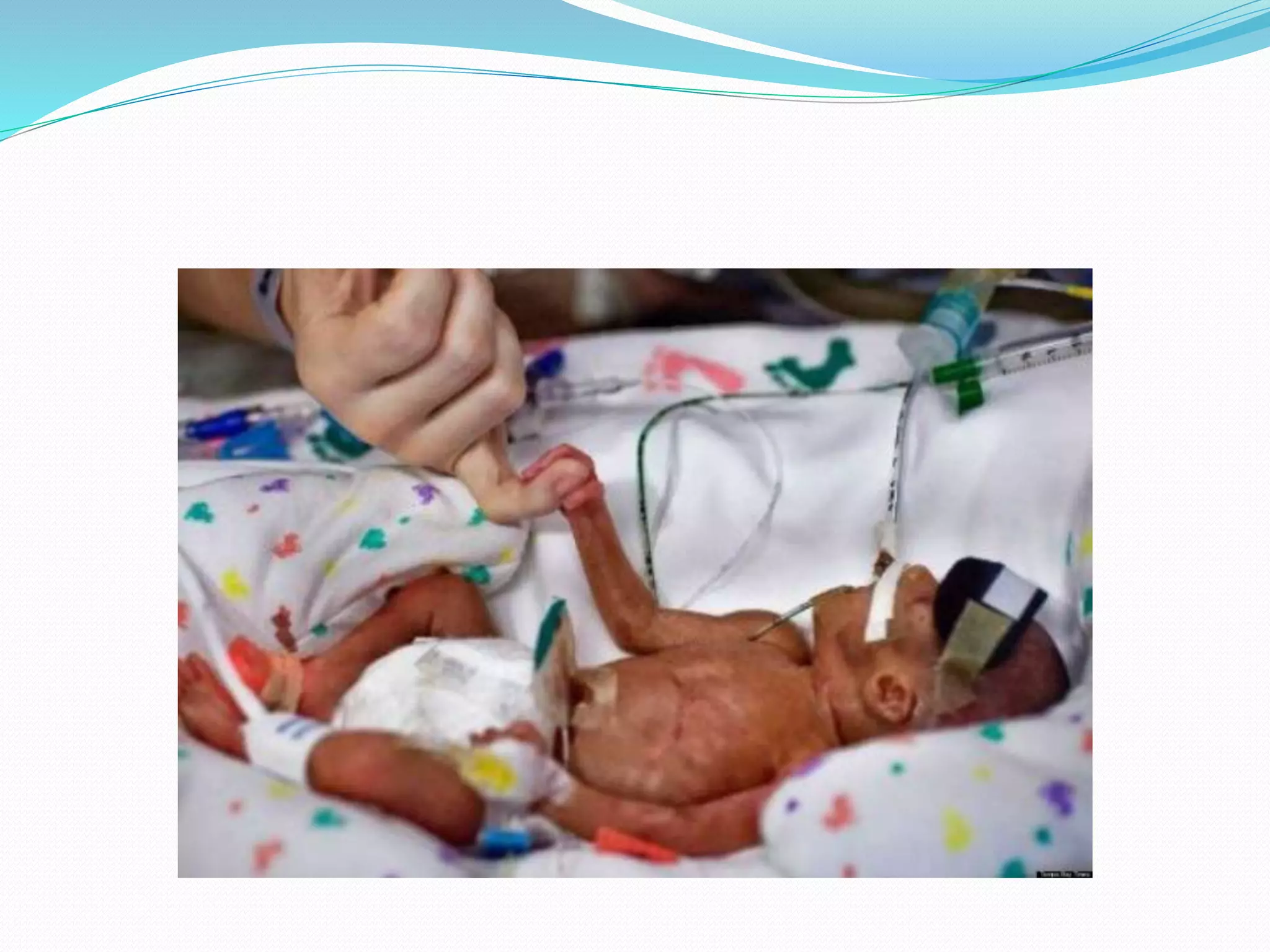
Why Neonates ?
 Low birth weight
 Prematurity,
 Congenital malformations,
 Prolonged hospital stay,
 Frequent invasive procedures,
 TPN
 Incomplete immunity.
 Delayed enteral feeding.
 Formula feeding.
 Inadequate nursing staff/Over crowding
 Lapses in hand washing.
Common sources
Common Infections
Central line associated Blood stream
infection (CLABSI)
Pneumonia
Neonatal sepsis
 Device-Associated Infections
What happens
Longer hospital stay
Higher treatment costs
Neuro developmental impairment
Location
 Away from overcrowded places
 As close as the labor rooms and obstetric
operation theater .
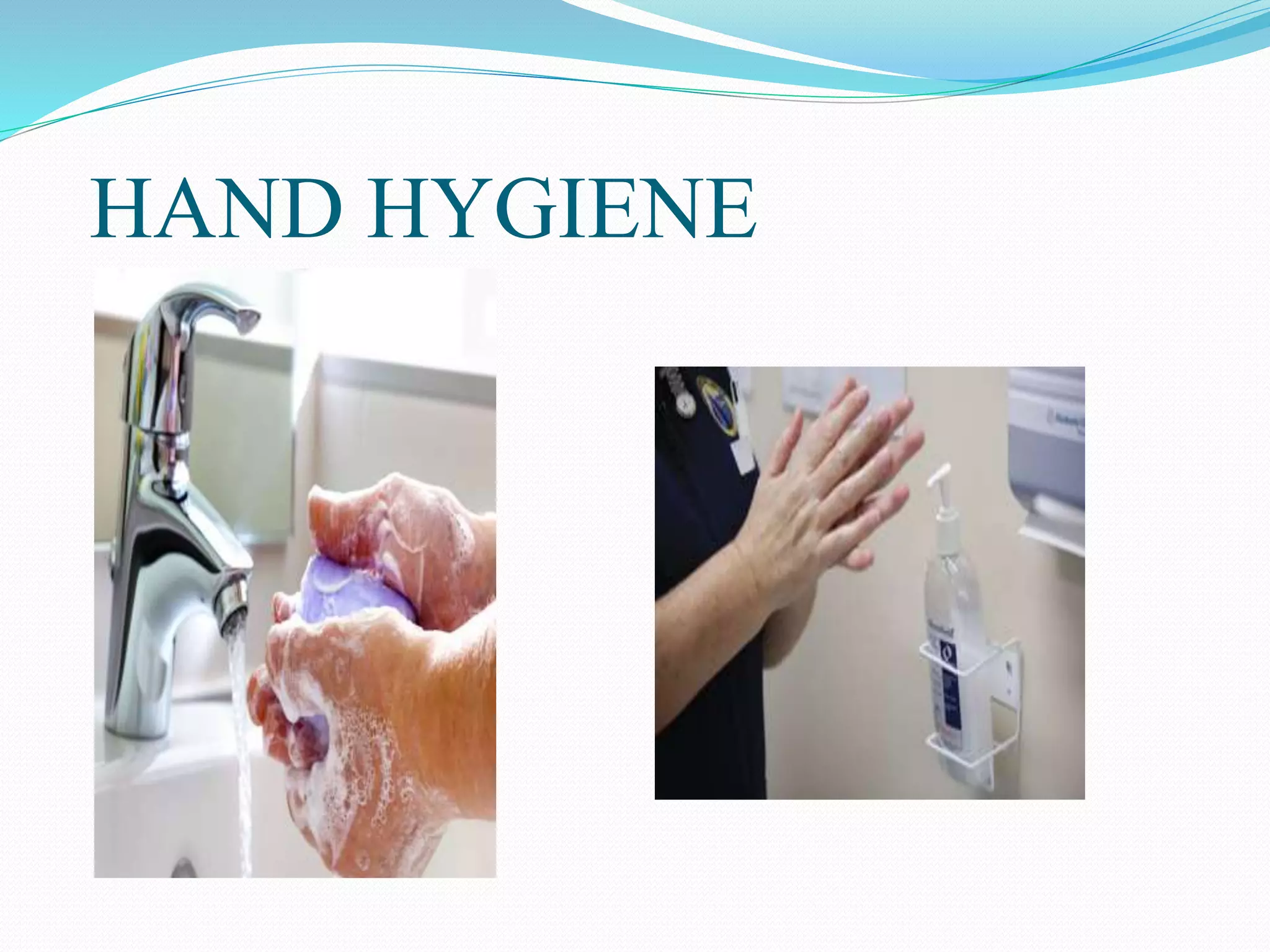
HAND HYGIENE
VISITORS
Respiratory Infections
Gowning
Hand wash
PROCEDURE
SKIN CARE
ISOLATION PROCEDURE
 Contact isolation for infected neonates .
 Placed in a separate room and
gown,mask,cap and gloves to be used.
 Gown and gloves to be removed before the
exit.
STAFFING
INFECTION CONTROL
 As per the hospital policy.
 Changing of tubes .
 Cleaning of floor 3 times in a day.
 Separate articles for neonates.
ANTIBIOTICS
 Limited use of antibiotics.
 Culture and sensitivity.
 More use cause resistance.
Catheter related practices
 Aseptic technique for insertion & Care
 Date & Time of insertion, Dressing ,removal should be
entered in a standardized form.
 Use semipermiable /transparent dressing to cover the
site.
 Cleaning of injection port with 70% alcohol.
 Promptly remove any cath which is no longer essential.
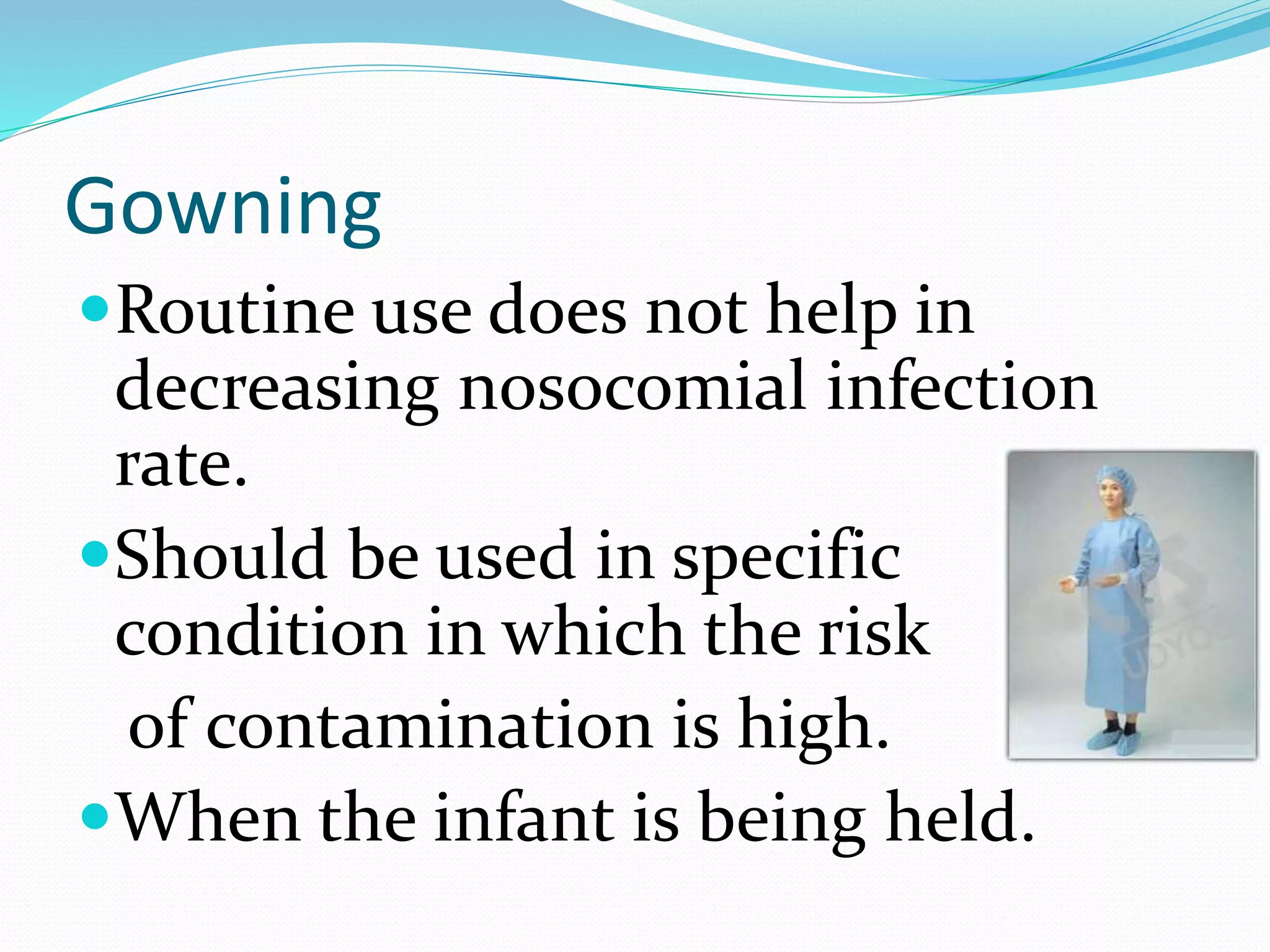
Gowning
Routine use does not help in
decreasing nosocomial infection
rate.
Should be used in specific
condition in which the risk
of contamination is high.
When the infant is being held.
Fumigation
 No additional benefit, if excellent house
keeping and asepsis .
 Mostly done routinely.
 During endemic
 Low occupancy
General Housekeeping
 Cleaning should be followed in Patient areas
,accessory areas then adjacent areas .
 Dry dusting to be avoided.
 Sink to be cleaned with detergent at least
once in a day.
 Cabinet, counters should be cleaned at least
once
Waste Management
 Segregation of waste
 Washing of Dustbins Daily
 Emptying the dustbin
 Blood spills should be removed
immediately.
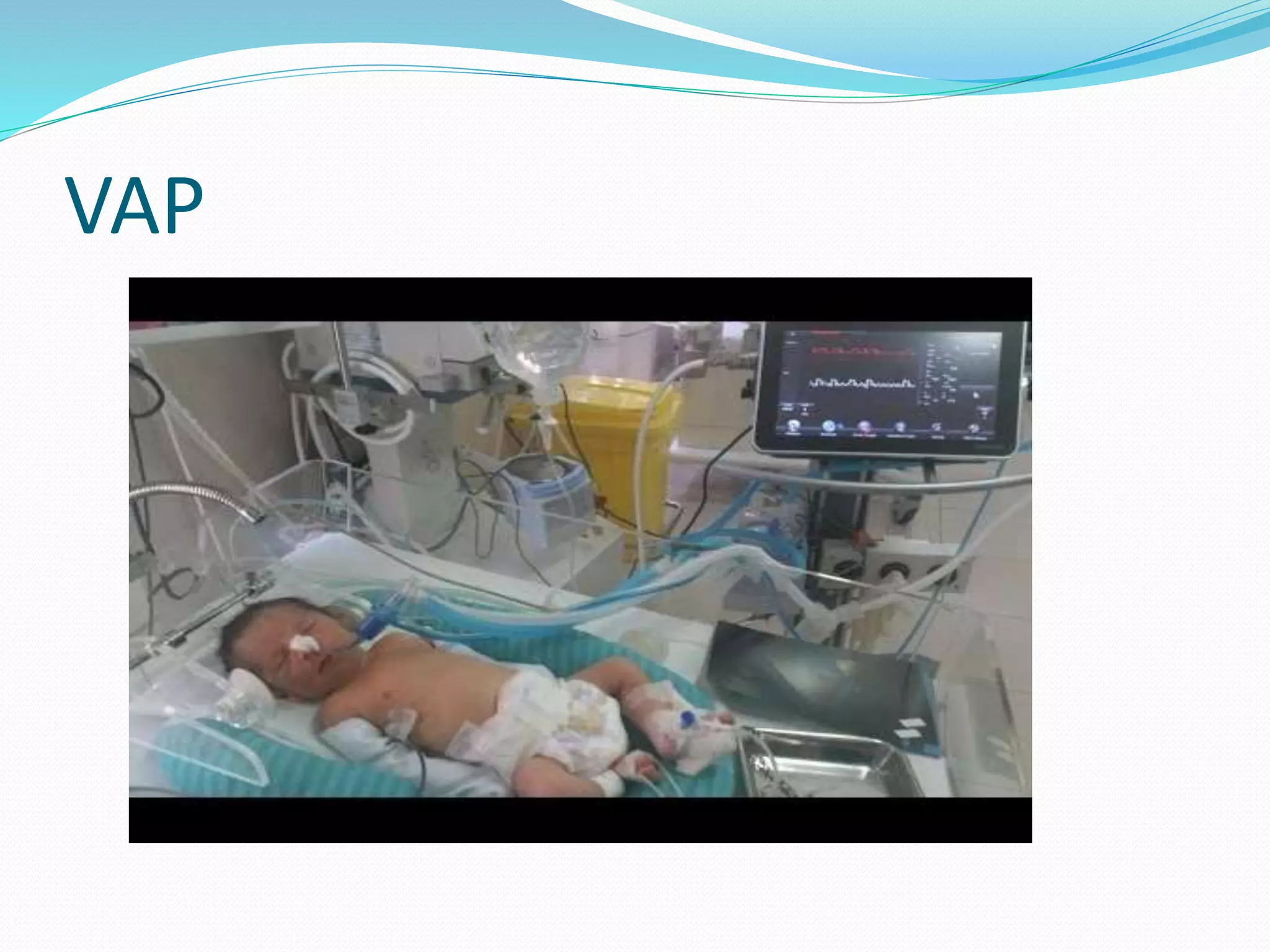
VAP
 Oral Care
 NIV
 Slight elevation of head
 Sterile suctioning
 Changing of tube as per the policies
Detecting Environmental reservoirs
Cultures of Environmental specimens
Tap water
sink drains
Liquid medications
respiratory therapy equipments
Hand soaps& Hand creams
Water bath used to warm formula
Dry & Moist environmental surface
were swabbed with a cotton swab.
Hand swabs from health care
workers.
It should be processed within 1
hour
Breast Milk
 Prevents respiratory infections.
 Infections causes diarrhea
 Breast milk contains micronutrients which
helps in prevention of infections.
 Lactoferin contains antimicrobial immune
building effects.
Summary
 Each unit has a baseline rate of infection
due to inherent modifiable risk factors.
 Effective strategy focus on modifiable risk
factors.
 Strategic nursery design: space ,sinks, soaps
etc.
 Adequate staffing
 Hand hygiene compliance
 Minimization of catheter days
 Sterile preparation of all fluids to be
administered.
 Promote enteral feeding especially with
EBM/BF
 Monitoring /surveillance of nosocomial
infection.
 Education and frequent feed back from staff
THERE FUTURE IS IN OUR
HANDS
THANK YOU

Prevention of infection in nicu

  • 1.
  • 3.
    Why Neonates ? Low birth weight  Prematurity,  Congenital malformations,  Prolonged hospital stay,  Frequent invasive procedures,  TPN  Incomplete immunity.
  • 4.
     Delayed enteralfeeding.  Formula feeding.  Inadequate nursing staff/Over crowding  Lapses in hand washing.
  • 5.
  • 6.
    Common Infections Central lineassociated Blood stream infection (CLABSI) Pneumonia Neonatal sepsis  Device-Associated Infections
  • 7.
    What happens Longer hospitalstay Higher treatment costs Neuro developmental impairment
  • 10.
    Location  Away fromovercrowded places  As close as the labor rooms and obstetric operation theater .
  • 11.
  • 13.
  • 14.
  • 15.
  • 17.
    ISOLATION PROCEDURE  Contactisolation for infected neonates .  Placed in a separate room and gown,mask,cap and gloves to be used.  Gown and gloves to be removed before the exit.
  • 18.
  • 19.
    INFECTION CONTROL  Asper the hospital policy.  Changing of tubes .  Cleaning of floor 3 times in a day.  Separate articles for neonates.
  • 20.
    ANTIBIOTICS  Limited useof antibiotics.  Culture and sensitivity.  More use cause resistance.
  • 21.
    Catheter related practices Aseptic technique for insertion & Care  Date & Time of insertion, Dressing ,removal should be entered in a standardized form.  Use semipermiable /transparent dressing to cover the site.  Cleaning of injection port with 70% alcohol.  Promptly remove any cath which is no longer essential.
  • 22.
    Gowning Routine use doesnot help in decreasing nosocomial infection rate. Should be used in specific condition in which the risk of contamination is high. When the infant is being held.
  • 23.
    Fumigation  No additionalbenefit, if excellent house keeping and asepsis .  Mostly done routinely.  During endemic  Low occupancy
  • 24.
    General Housekeeping  Cleaningshould be followed in Patient areas ,accessory areas then adjacent areas .  Dry dusting to be avoided.  Sink to be cleaned with detergent at least once in a day.  Cabinet, counters should be cleaned at least once
  • 25.
    Waste Management  Segregationof waste  Washing of Dustbins Daily  Emptying the dustbin  Blood spills should be removed immediately.
  • 26.
  • 27.
     Oral Care NIV  Slight elevation of head  Sterile suctioning  Changing of tube as per the policies
  • 28.
    Detecting Environmental reservoirs Culturesof Environmental specimens Tap water sink drains Liquid medications respiratory therapy equipments Hand soaps& Hand creams Water bath used to warm formula
  • 29.
    Dry & Moistenvironmental surface were swabbed with a cotton swab. Hand swabs from health care workers. It should be processed within 1 hour
  • 30.
    Breast Milk  Preventsrespiratory infections.  Infections causes diarrhea  Breast milk contains micronutrients which helps in prevention of infections.  Lactoferin contains antimicrobial immune building effects.
  • 31.
    Summary  Each unithas a baseline rate of infection due to inherent modifiable risk factors.  Effective strategy focus on modifiable risk factors.  Strategic nursery design: space ,sinks, soaps etc.  Adequate staffing
  • 32.
     Hand hygienecompliance  Minimization of catheter days  Sterile preparation of all fluids to be administered.  Promote enteral feeding especially with EBM/BF  Monitoring /surveillance of nosocomial infection.  Education and frequent feed back from staff
  • 33.
    THERE FUTURE ISIN OUR HANDS
  • 34.